Who You Are Dealing With
We're a garage door repair outfit based at 2514 S 102nd St in West Allis
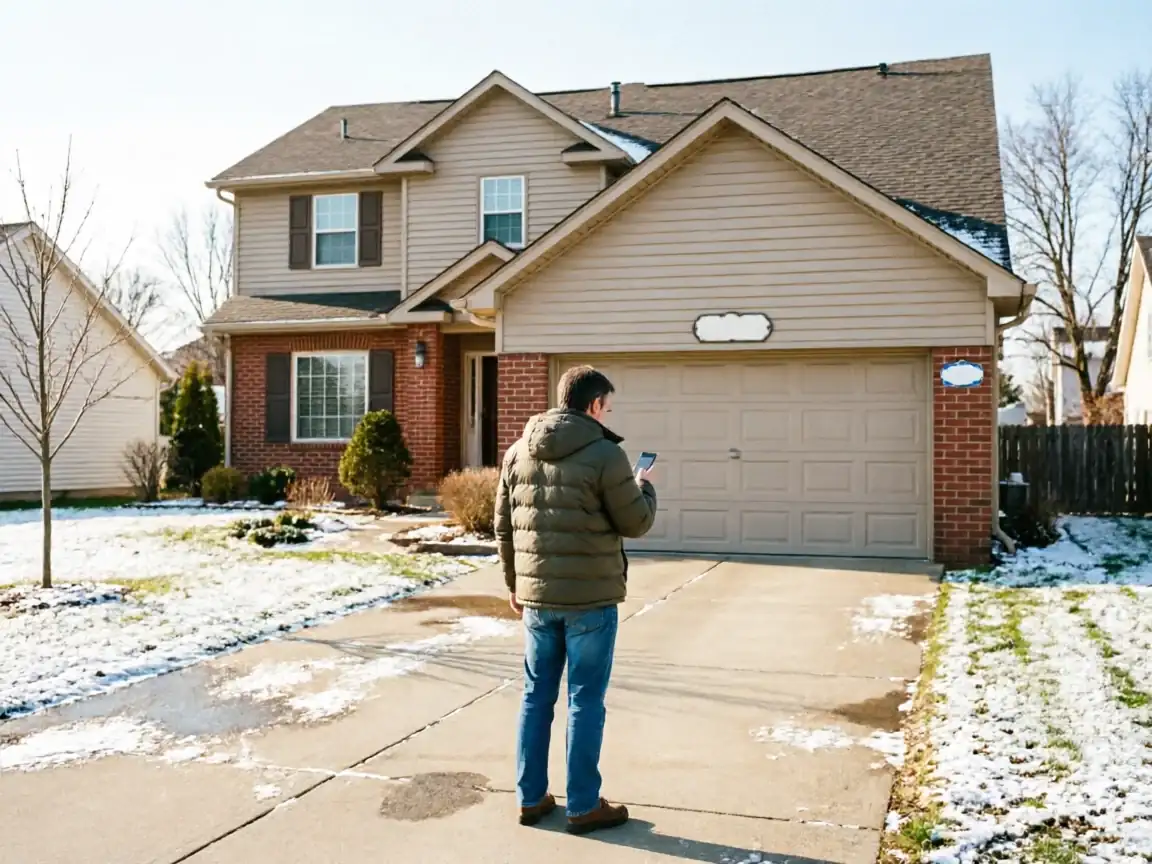
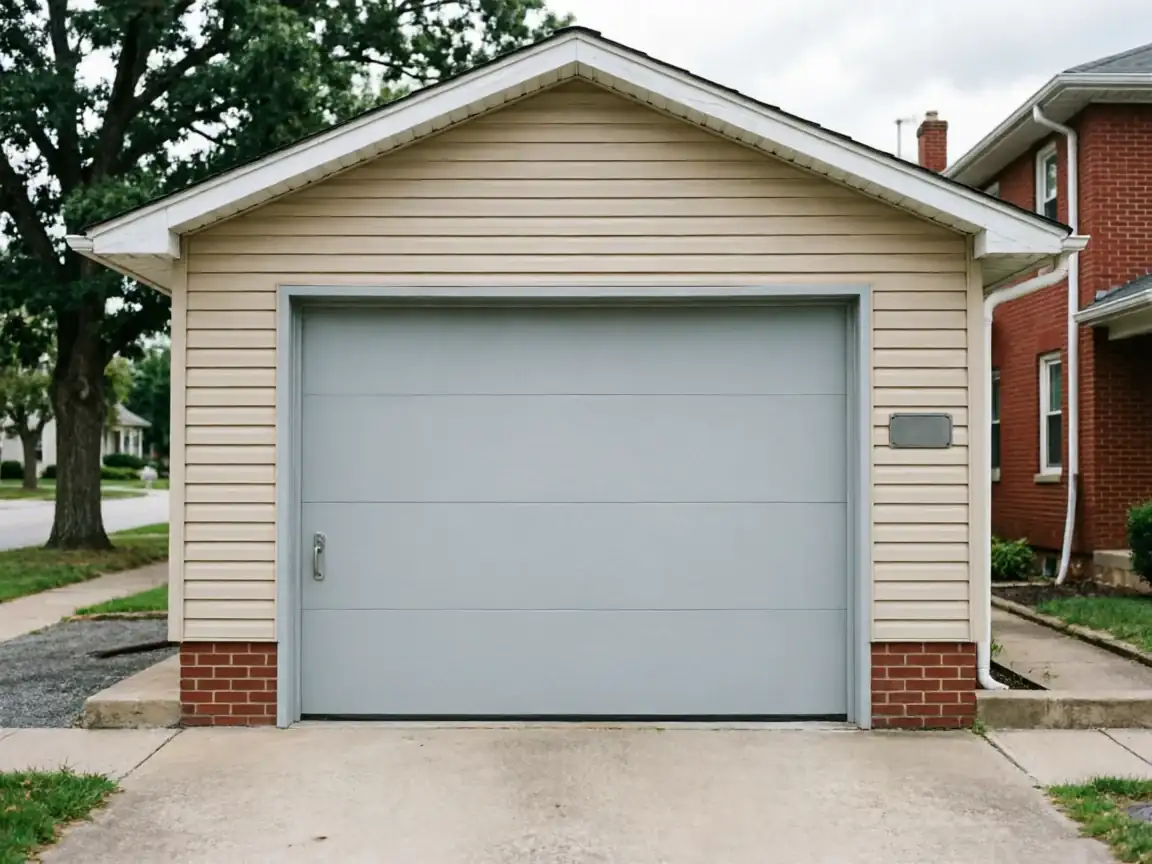
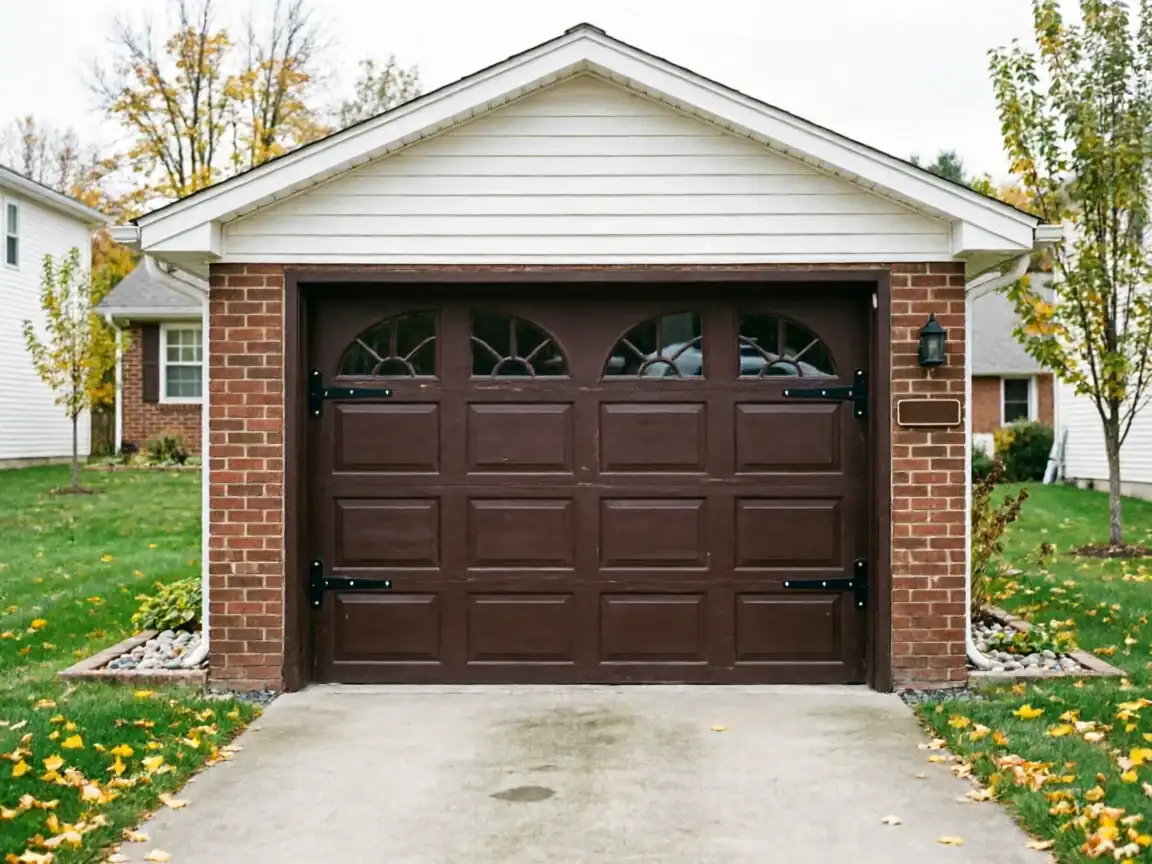
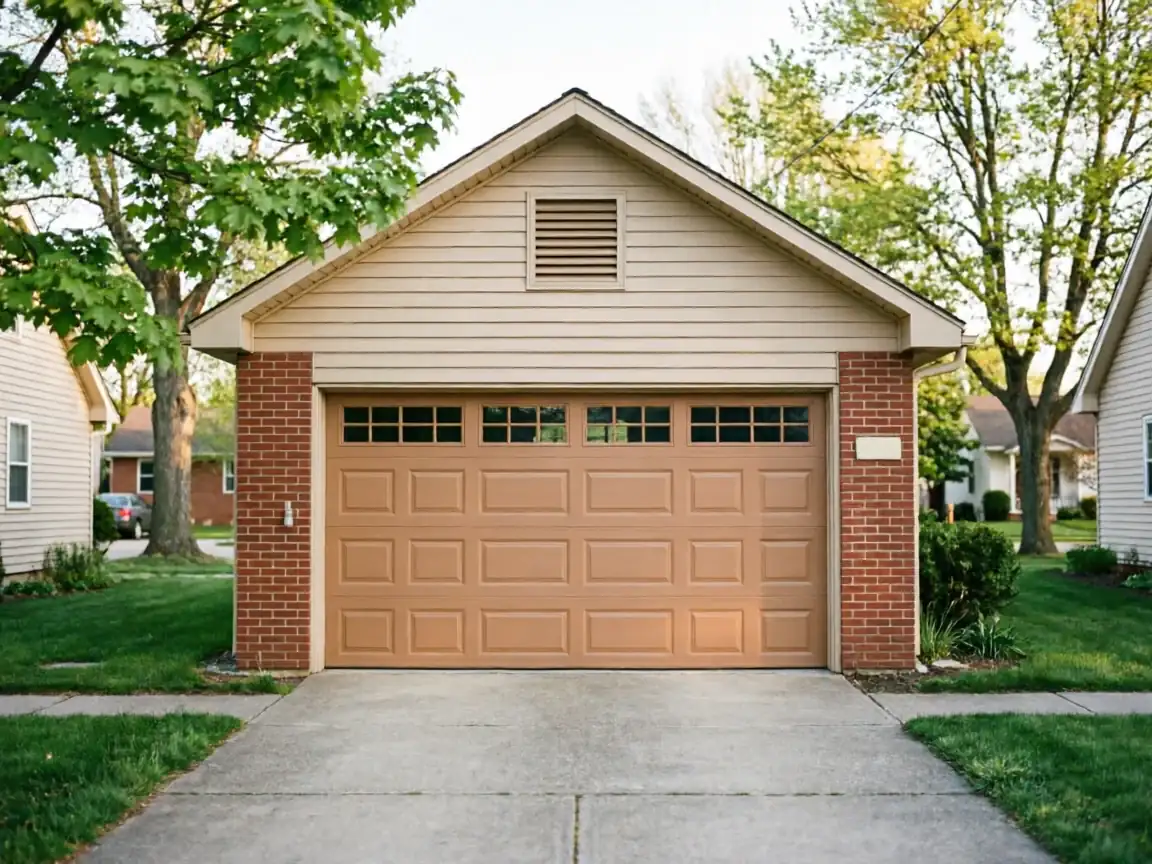
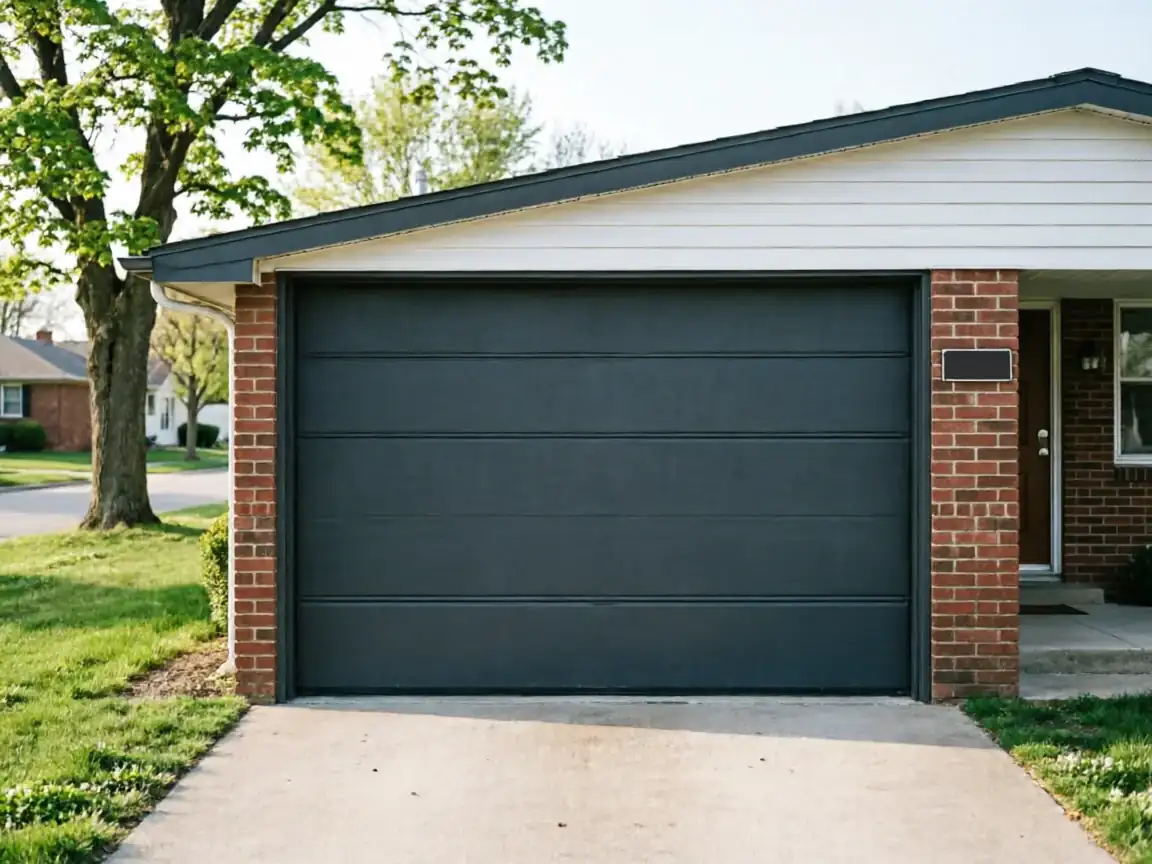
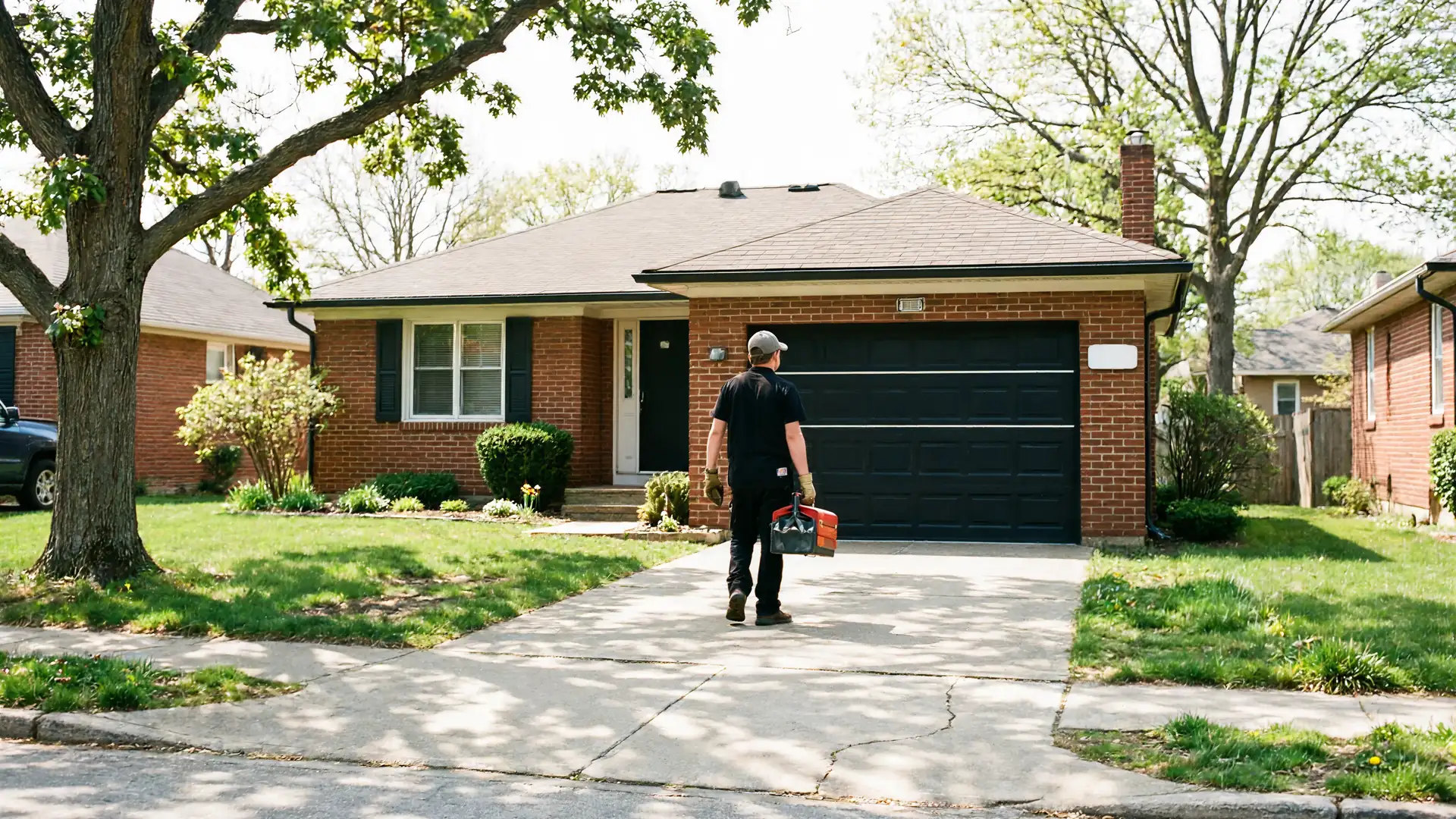
Working on the doors that actually exist on this side of the county. That matters because most of the houses here went up between 1938 and 2000, with the bulk of the stock dating to the 1960s and 70s. That's not a random detail - it means a lot of the doors we open up still have the original hardware, or a replacement from decades back that was never matched to the house.
We don't do sales pitches about how long we've been around or how many trucks we run
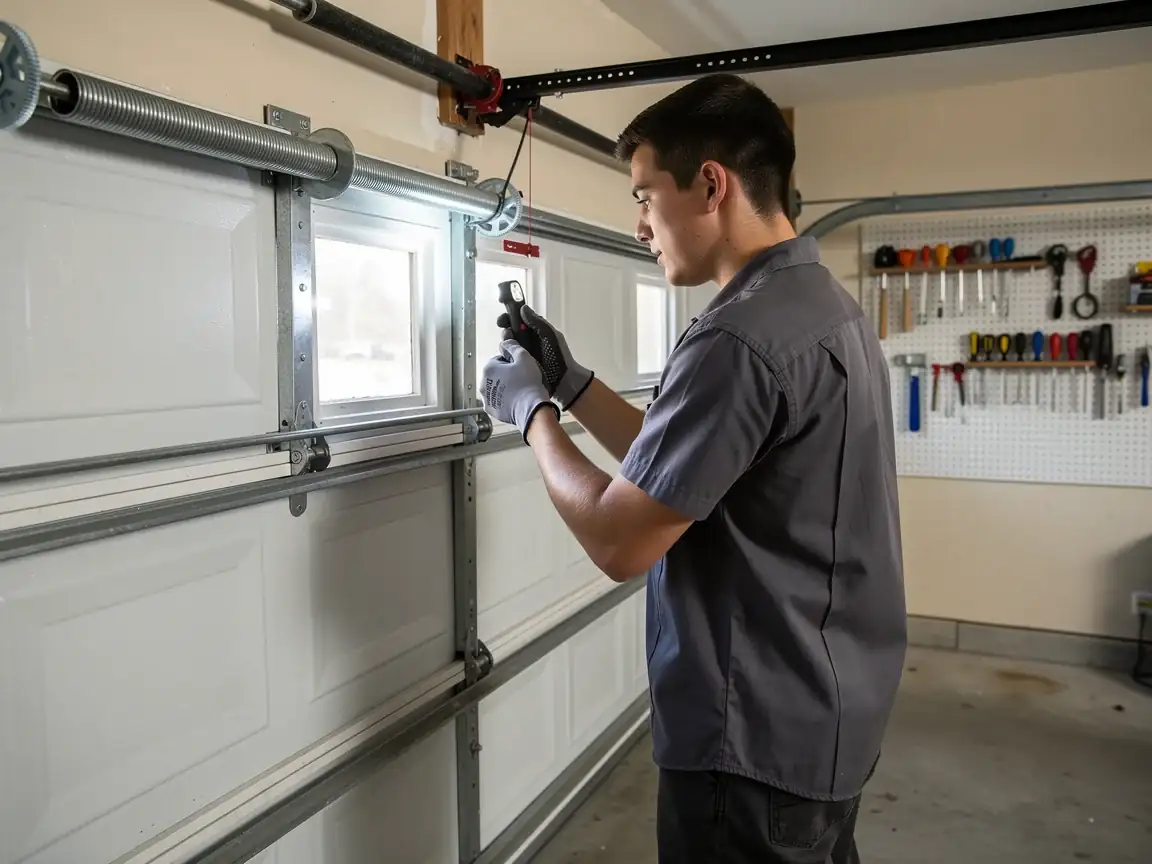
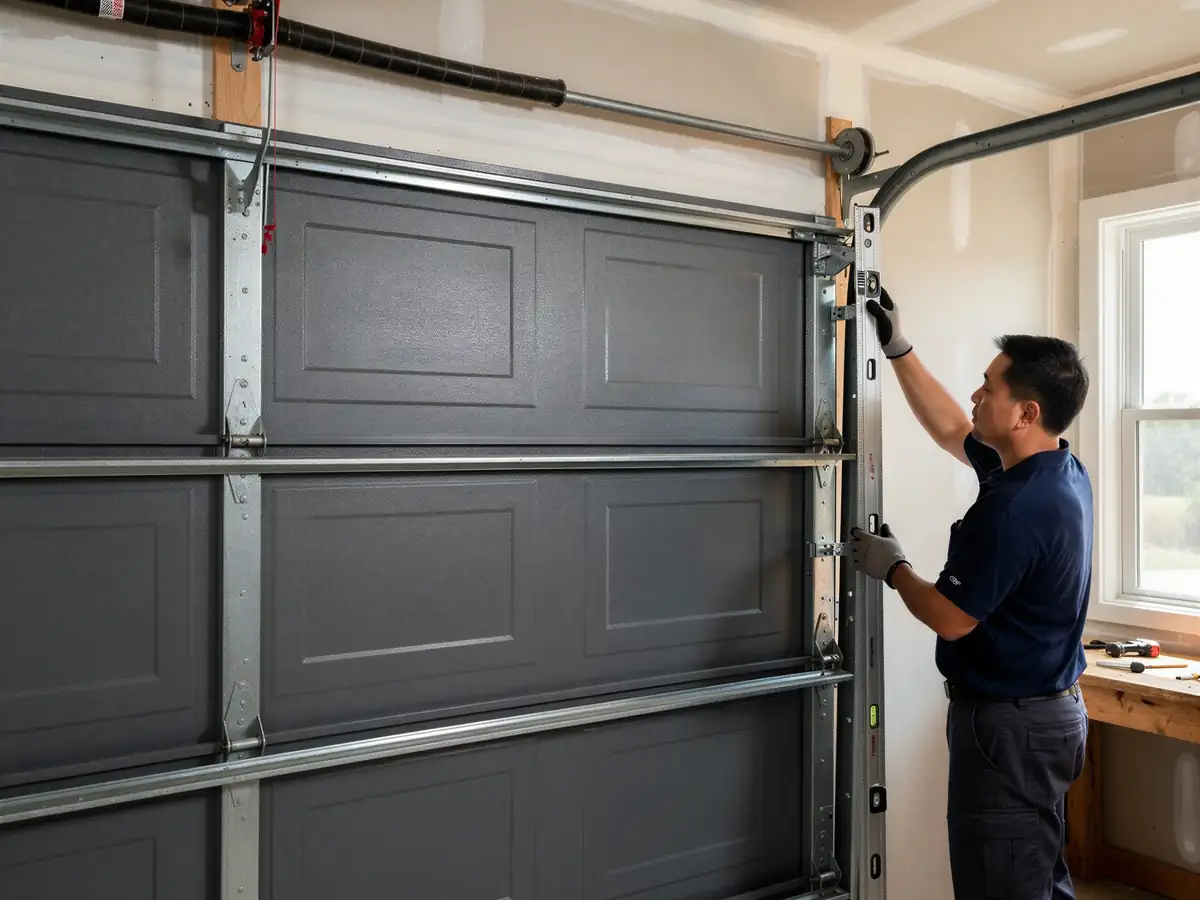
What we can tell you is what we see on the job: torsion springs sized for doors that are heavier than what's sold today, openers wired into junction boxes nobody's touched since the Carter administration, and tracks bent from decades of a car bumper getting too close on a snowy morning.
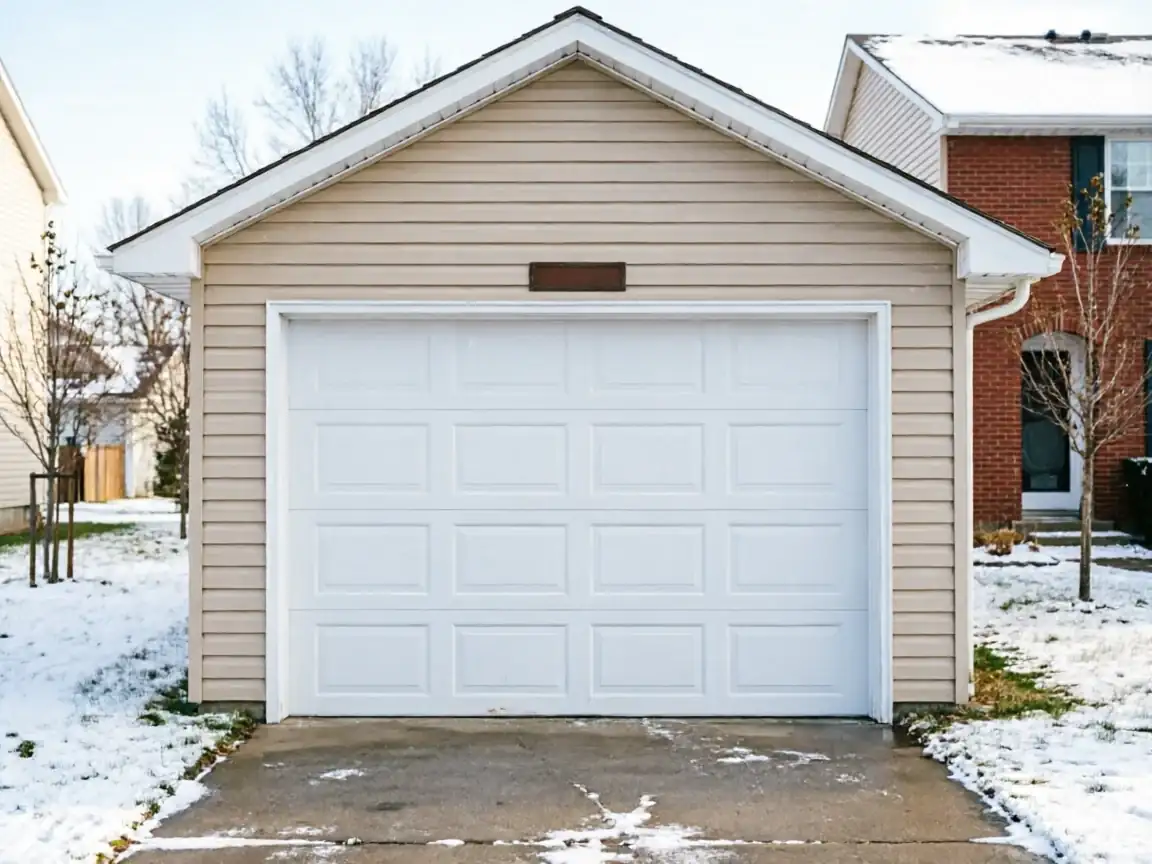
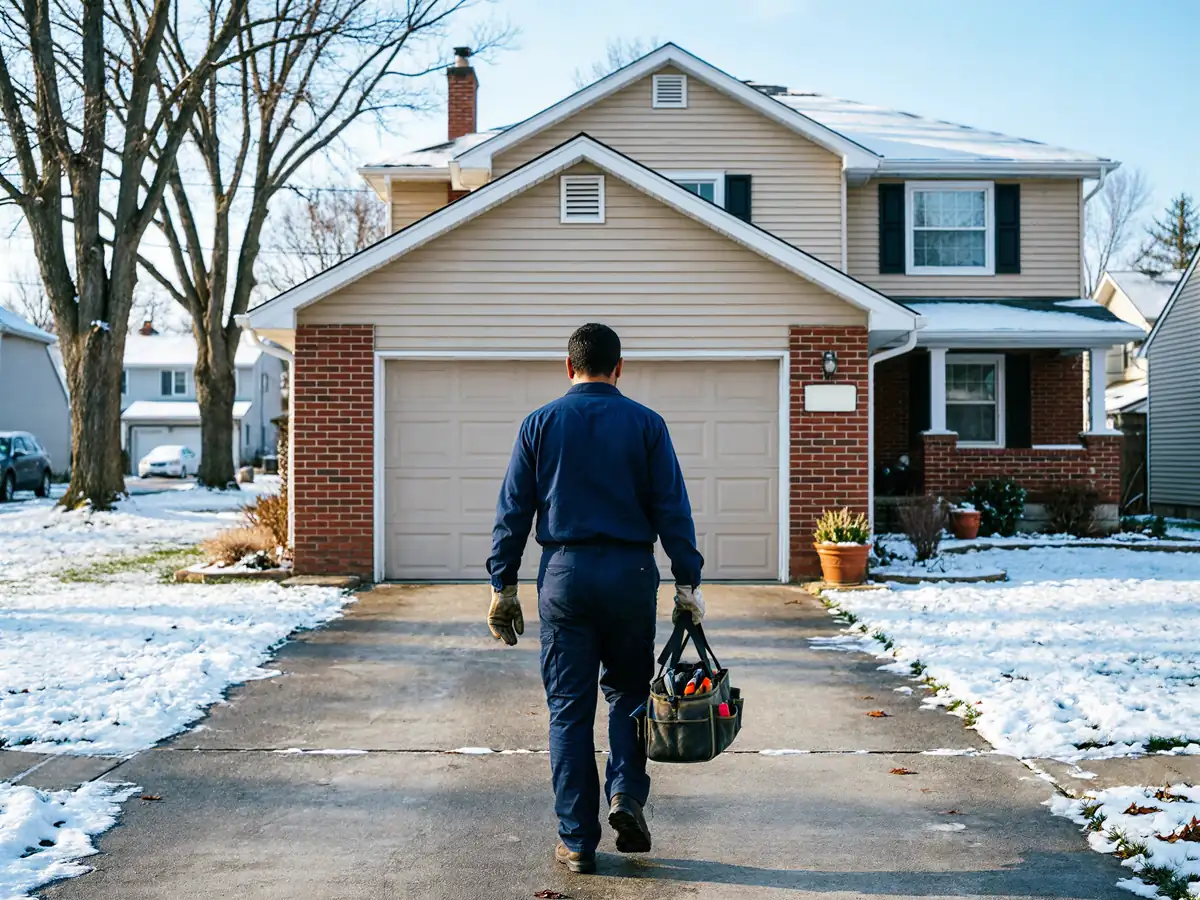
Winters here are genuinely hard on garage doors
Cold severe enough that steel contracts, lubricant stiffens, and a spring that was already fatigued finally lets go on the coldest morning of the year. We see that pattern every season, and it shapes how we stock parts and schedule calls.
The Areas We Cover
We're centered in West Allis and run calls out through the close-in suburbs and a wider ring beyond that. Close by, that's West Milwaukee and Greenfield at about 3 miles, Wauwatosa and Elm Grove at 4, and Hales Corners and Greendale at 5. We also cover the named pockets inside that radius.
Further out we reach Butler, St. Francis, Franklin, Shorewood, and Cudahy around 7 to 9 miles, and beyond that Glendale, Whitefish Bay, South Milwaukee, and Muskego in the 10-11 mile range. At the edge of what we'll drive for a call, that's Pewaukee, Brown Deer, Lannon, Fox Point, Big Bend, River Hills, Sussex, Bayside, Wind Lake, Mequon, Vernon, Lisbon, Thiensville, Caledonia, and Germantown, from 12 out to 16 miles.
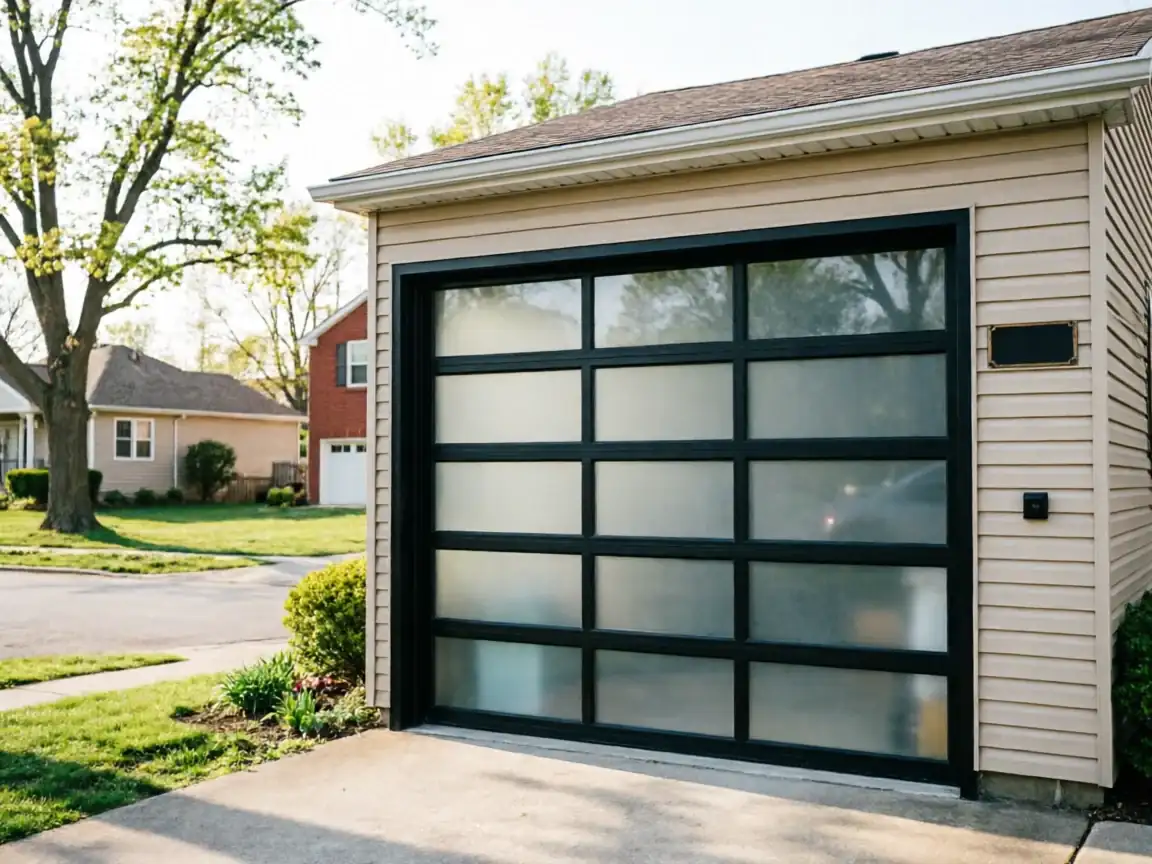
The area adds up to roughly 205,022 households, with about half of those - 103,530 - owner-occupied houses, which is the housing stock we mostly deal with. Median household income across that service area runs around $108,690, which tends to mean homeowners replace a dying opener rather than nurse it along for another year.
What We Are Called Out For
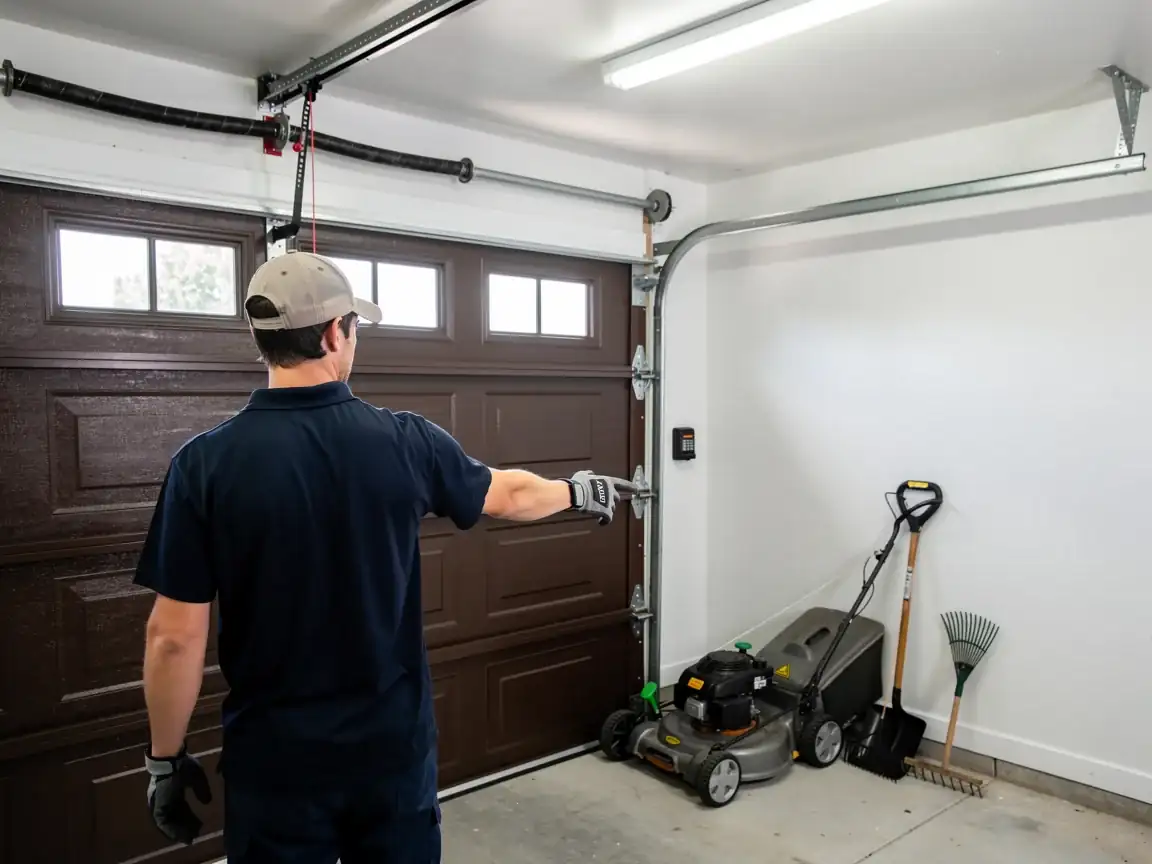
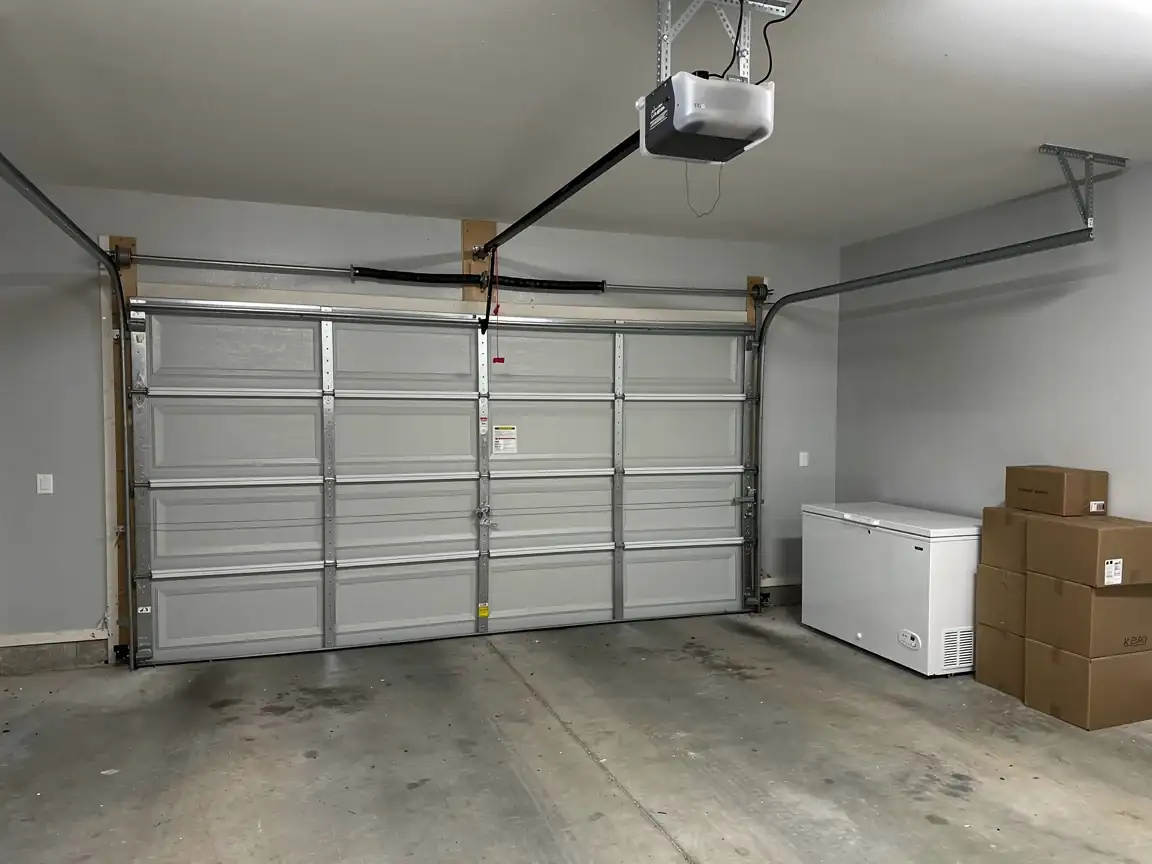
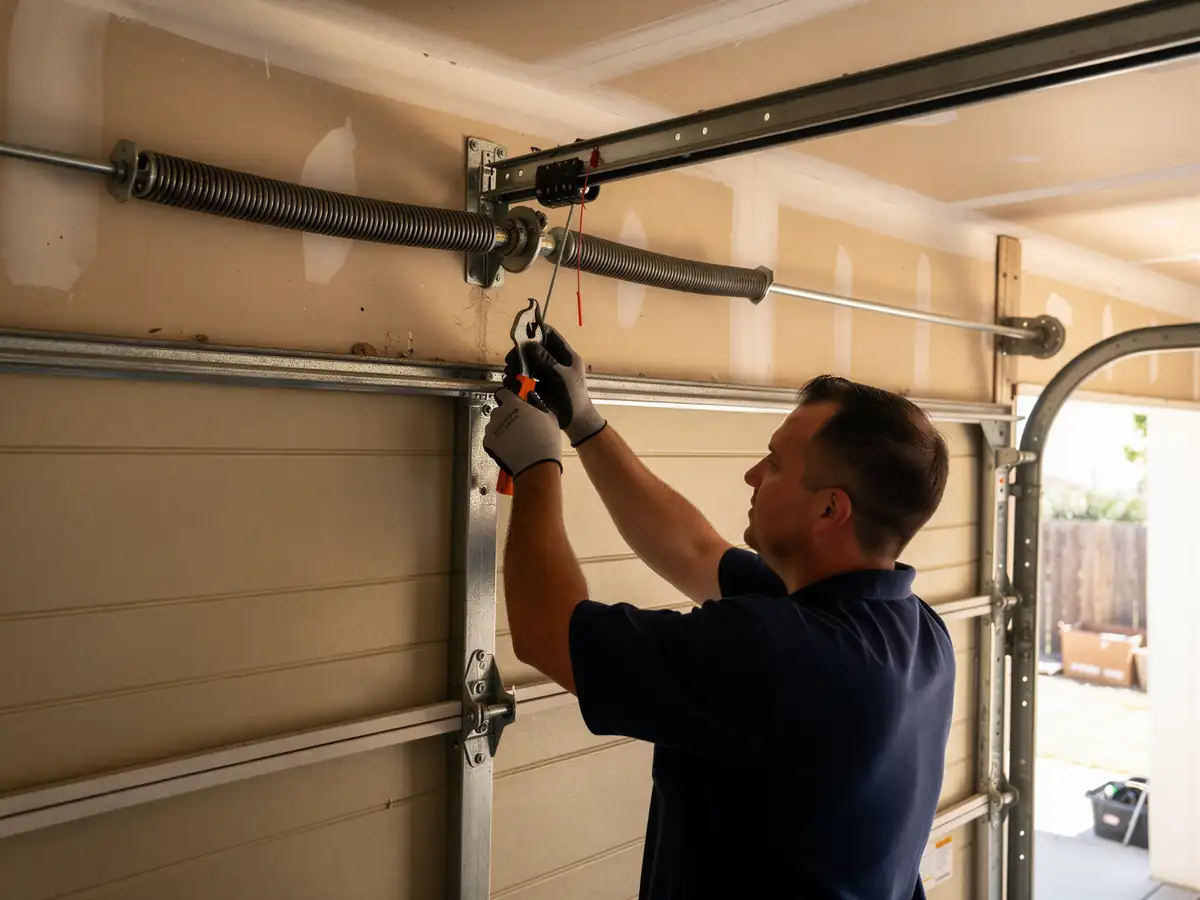
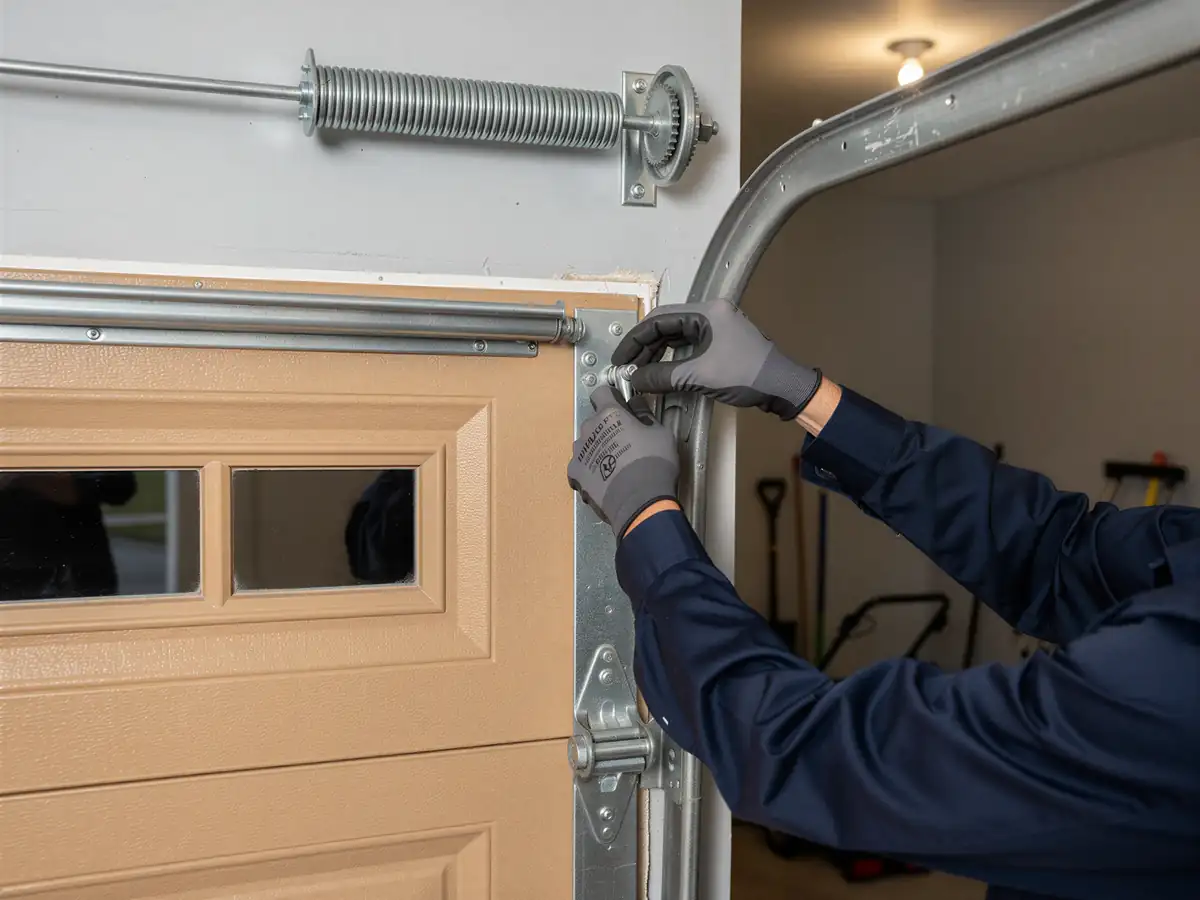
The most common call is a broken torsion spring, usually on a double door, usually in January or February when the cold tightens everything up and the metal finally gives. Second most common is an opener that's stopped responding - on houses from the 1960s and 70s that's often original wiring or a unit two owners removed from whoever installed it.
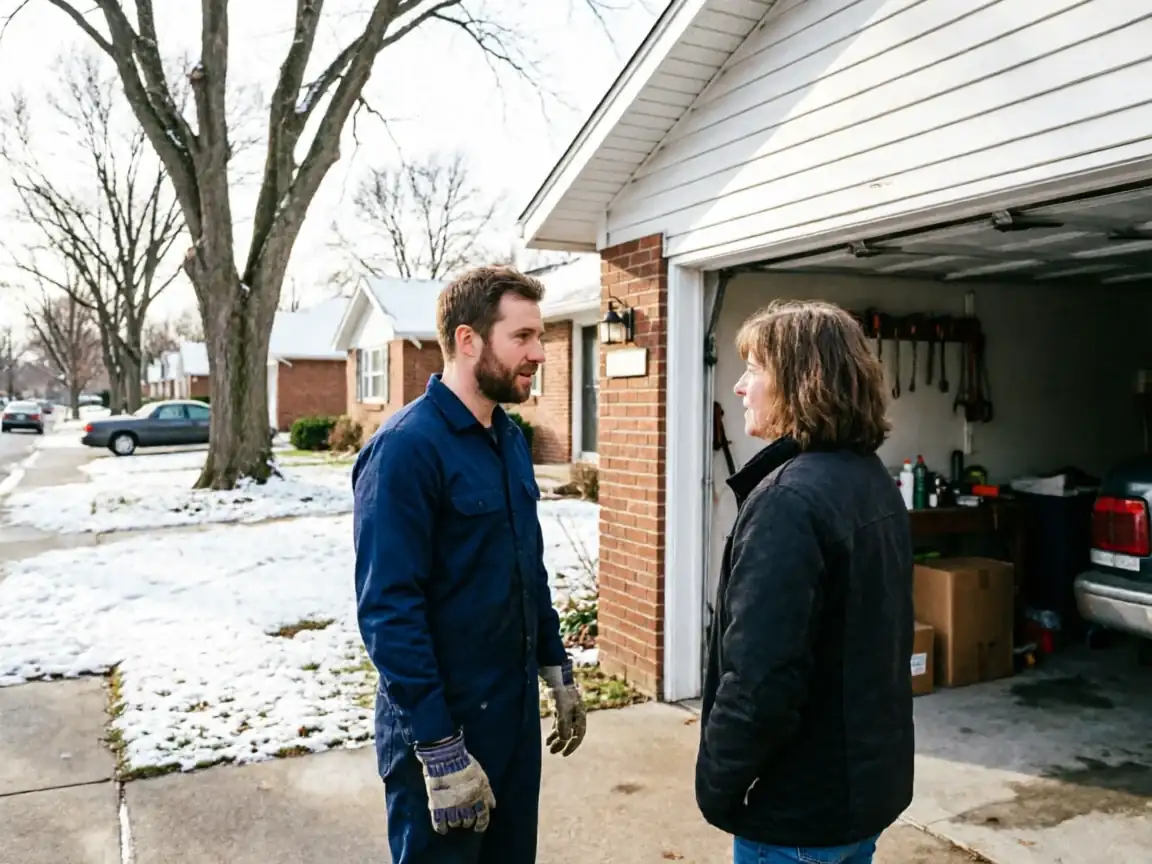
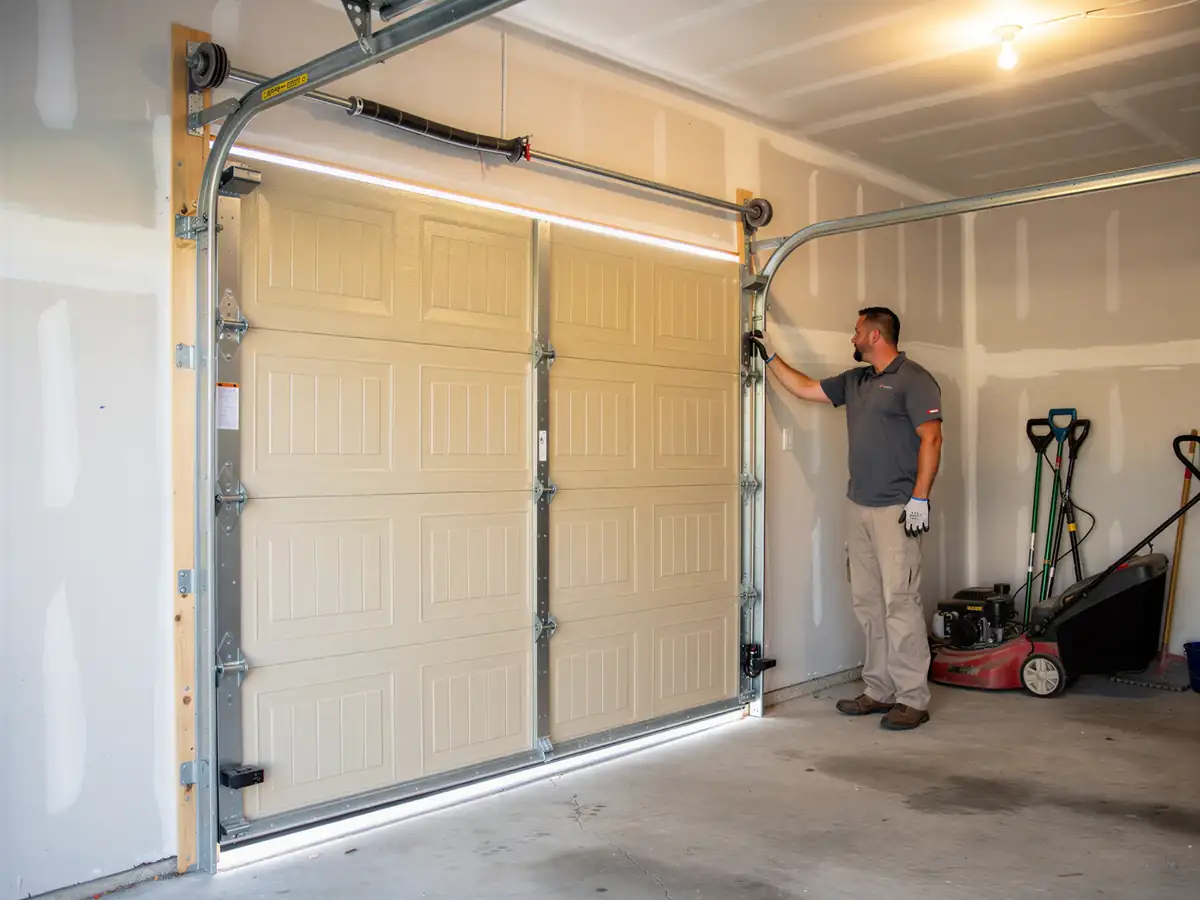
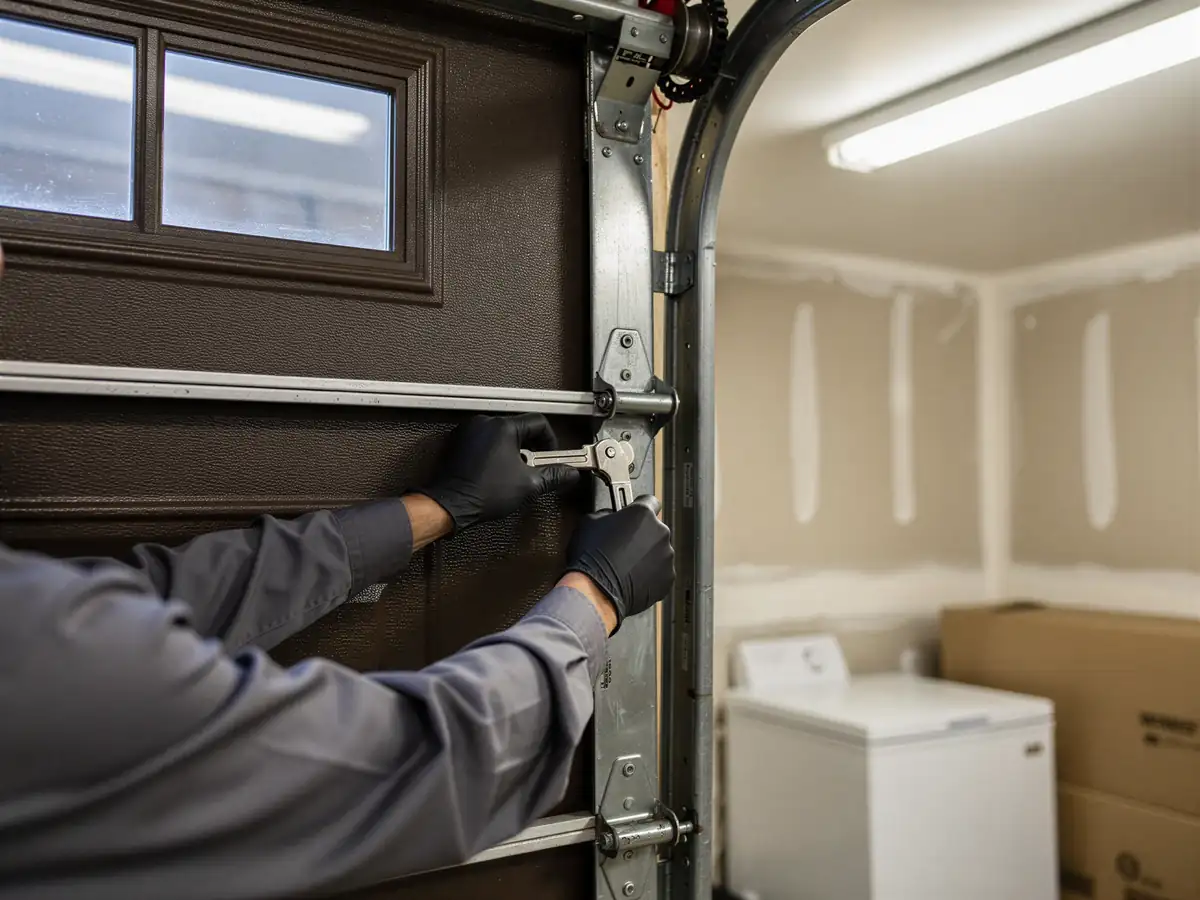
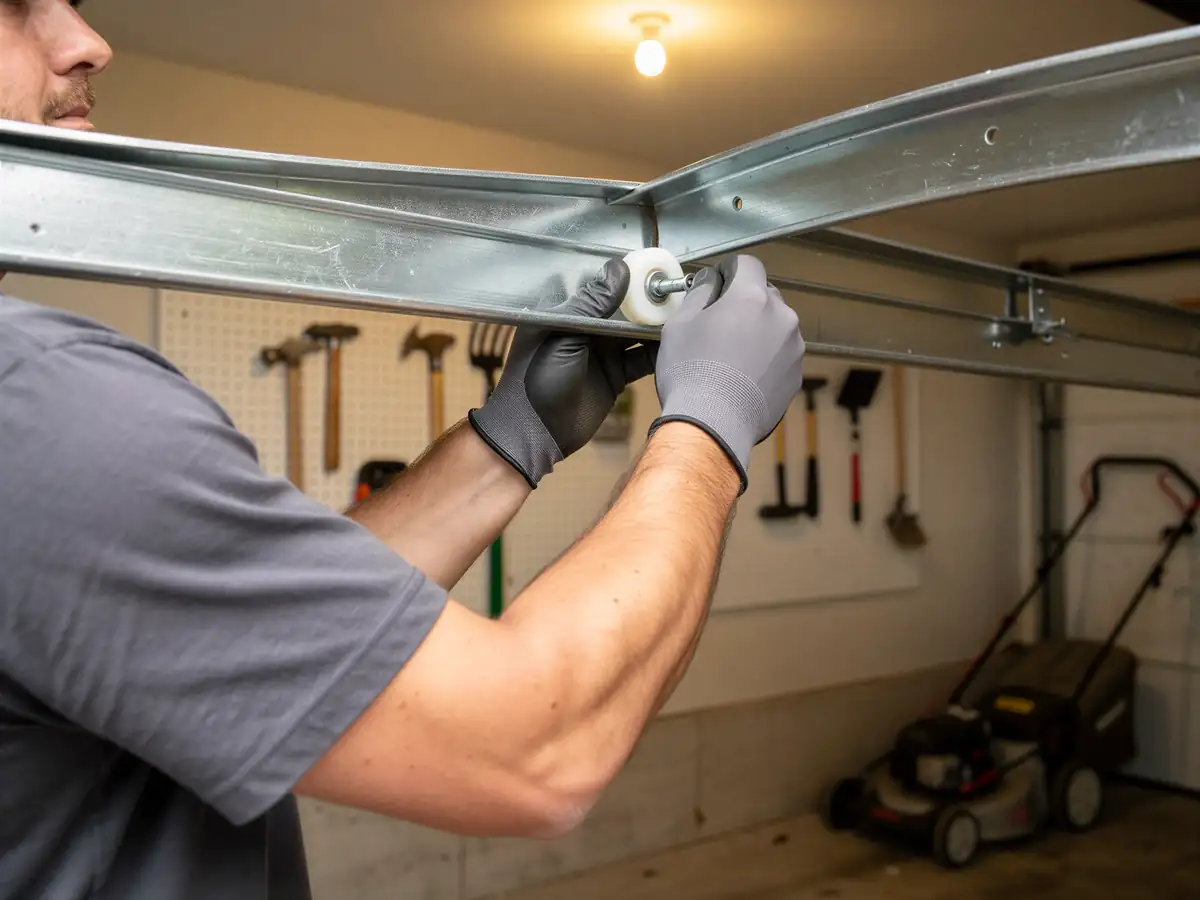
We also get a steady stream of track and roller calls, especially after a winter where a car clipped the frame backing out on ice. Cables fray and snap on older doors that have never been serviced, and on some of the oldest housing stock in this area, from the late 1930s through the 1950s, we still run into one-piece doors on hardware that nobody manufactures new parts for anymore. That's the honest limitation: if your door is that old and the track or hinge style is obsolete, we'll tell you straight whether it's worth repairing or whether replacement is the better money.
We don't do new home construction installs or commercial overhead doors - our work is residential repair and replacement on houses already standing.