Serving West Allis, WI & nearby
(414) 392-8426
West Allis, WI

Why Garage Door Safety Sensors Drift in West Allis Homes

West Allis homes built mostly 1960s-70s have garage sensors mounted on aging brackets that move with freeze-thaw cycles. Here's why they drift and what actually fixes it.

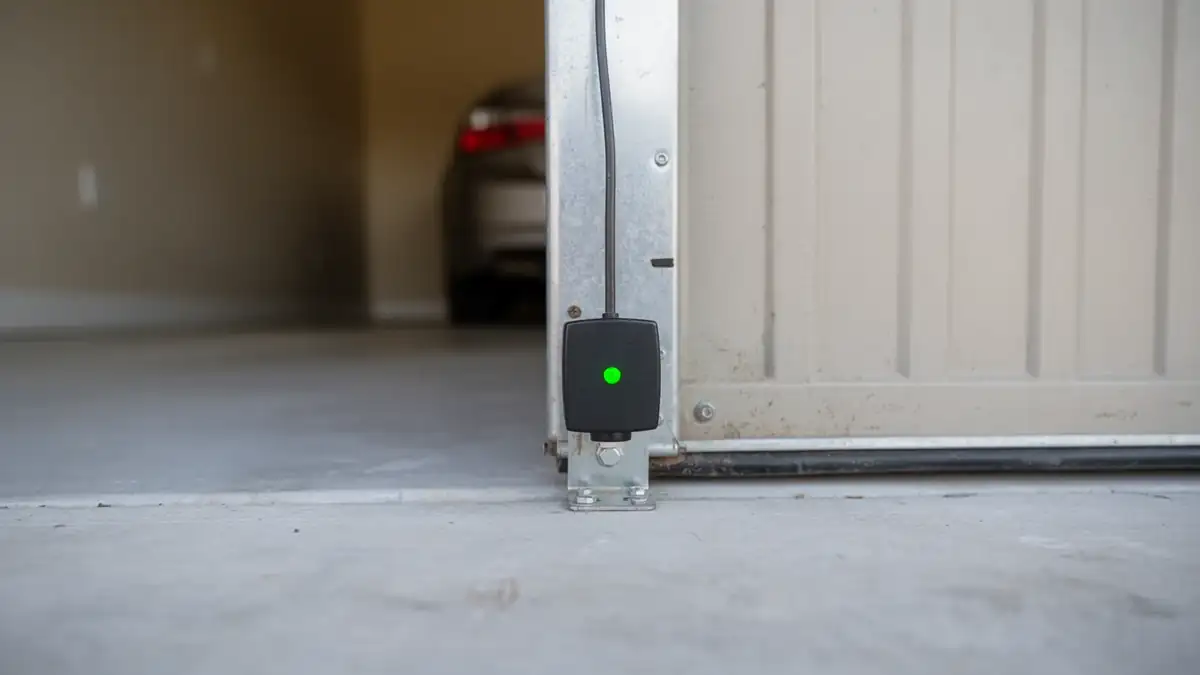
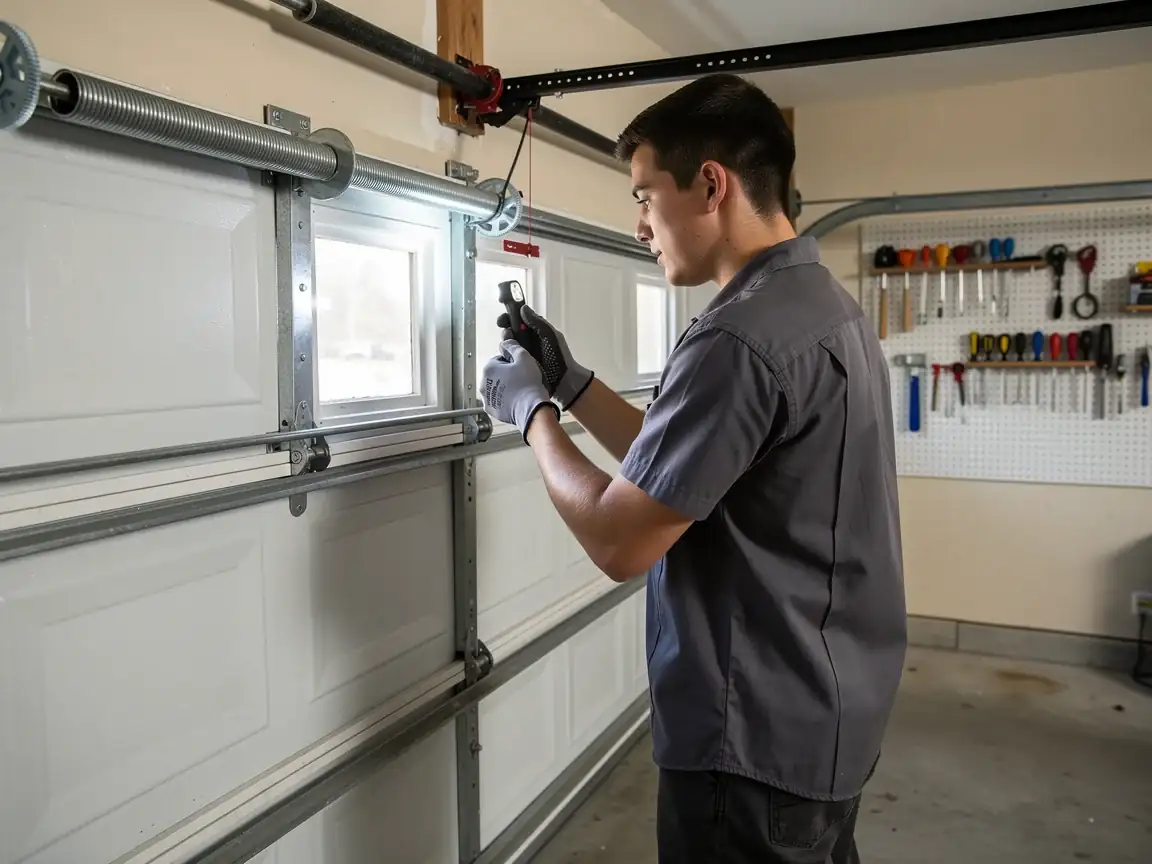
A black sensor with a green light is mounted on a garage door track.

The Problem

  1. Your garage door safety sensors are the two small eyes low on each side of the track

    Usually about six inches off the slab. They're supposed to stay aimed at each other in a dead-straight line. When one drifts even a few degrees, the door starts reversing for no reason, or refuses to close at all, and most people assume the opener itself is failing.

  2. In West Allis that drift problem shows up more than you'd expect

    And the reason traces back to the housing stock. Homes here were mostly built between 1938 and 2000, with the bulk of the stock dating to the 1960s and 70s across the named areas in this part of the county. That generation of garage was framed and finished long before sensor brackets were part of the original build - they got added later, often screwed into whatever wood or masonry was handy rather than into a dedicated mounting point. Forty-plus years on, that wood has moved, that masonry has settled, and the bracket has gone with it.

  3. The sensors themselves rarely fail

    What fails is the thing they're bolted to."

Where People Go Wrong

The usual move is to grab the sensor, tilt it by eye until the light stops blinking, and call it fixed. That works for a week, sometimes a month, and then it's back to blinking because the bracket under it is still loose or still shifting. Re-aiming the sensor without checking what it's screwed into is the single most common mistake we see on service calls in this area.

The second mistake is blaming the opener logic board. Homeowners swap the whole opener, or pay to have it swapped, and the new unit has the exact same problem within a season because the new sensors go right back onto the same compromised bracket.

The third is ignoring the wiring. Older West Allis garages, especially the ones with additions or opener upgrades bolted on after the original 1960s-70s build, often have sensor wire run loose along the slab or stapled to baseboard that's since been replaced. Foot traffic, stored bikes, a shop-vac cord pulled across the floor - any of it can tug a sensor fractionally out of true, and the fix people reach for is aim, not anchor.

We'd rather see the bracket replaced with a solid mount the first time than keep re-aiming a sensor that's fighting a moving base."

What Local Conditions Do

This area sits in a cold-severe climate band, and that matters more for sensor alignment than most homeowners realize. The slab a garage sits on doesn't stay still through a Wisconsin winter. Frost heave pushes concrete up at the edges as the ground below it freezes and expands, then lets it settle back down unevenly as it thaws. A slab that moves a fraction of an inch at the perimeter is enough to tilt a sensor bracket mounted to the jamb beside it.

On the older end of the local housing stock - the 1938 to 2000 range, with plenty of houses from the 1976 median build year still standing on their original foundations - that freeze-thaw cycle has had decades to work on brackets that were already an afterthought installation. Newer homes with poured foundations to current code handle it better, but they're the minority here.

Humidity swings do a smaller version of the same thing to wood-framed openings: swelling the jamb in spring, shrinking it in a dry cold snap, and taking the sensor's aim with it either way. None of this is damage you can see. It shows up only as a sensor that worked fine in October and won't hold a line by January."

What Changes With the Season

  1. Early winter is when we get the most sensor calls

    Right as the first hard freeze sets up and the slab starts its yearly shift. If your door reversed on its own or wouldn't close through November or December, that timing isn't a coincidence - it's the ground moving under the frame.

  2. Midwinter tends to be quieter once everything has settled into its cold-weather position

    Even if that position is slightly off from where it sat in summer. Spring thaw brings a second wave as the ground gives back the heave and the bracket shifts again, sometimes back toward true, sometimes further off.

  3. We can't fix the ground

    And we won't pretend a tighter screw solves a foundation that's moving a quarter inch a year - if a slab has settled enough that the bracket keeps failing no matter what it's mounted to, that's a foundation conversation, not a garage door one. What we can do is move the bracket off the compromised surface, onto the track itself or a mount that isn't tied to the slab edge, so the sensors hold their line regardless of what the concrete does underneath."
How it works

From “it’s stuck” to “it’s fixed”

A man stands in a driveway looking at his phone in front of a house.

Tell us what’s wrong

Describe the symptom - won’t open, loud bang, opener runs but the door won’t move.

A technician in a gray shirt inspects a white garage door with a flashlight.

On-site diagnosis

A technician tests the door under power and by hand and finds what actually failed.

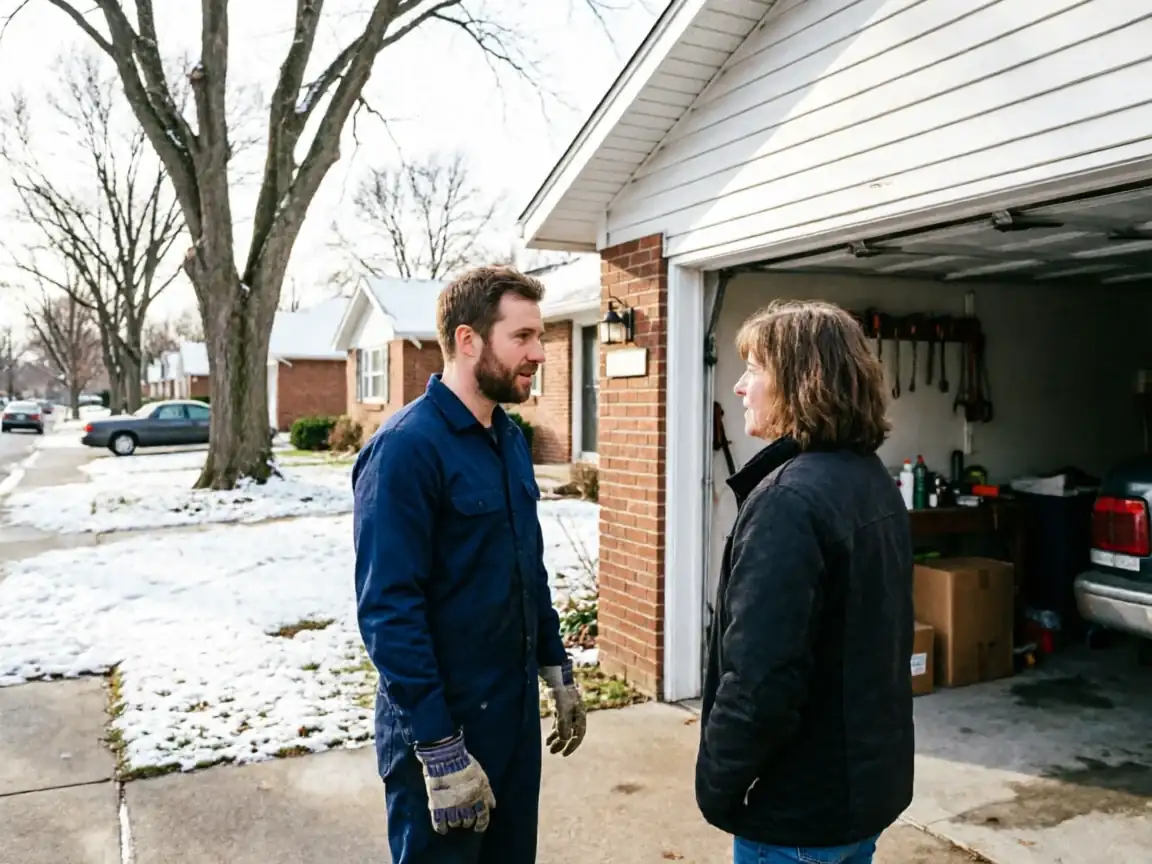
A technician in a blue uniform talks to a woman in front of a garage.

Clear, up-front plan

You get the fix that’s needed and what drives the cost - before any work starts.

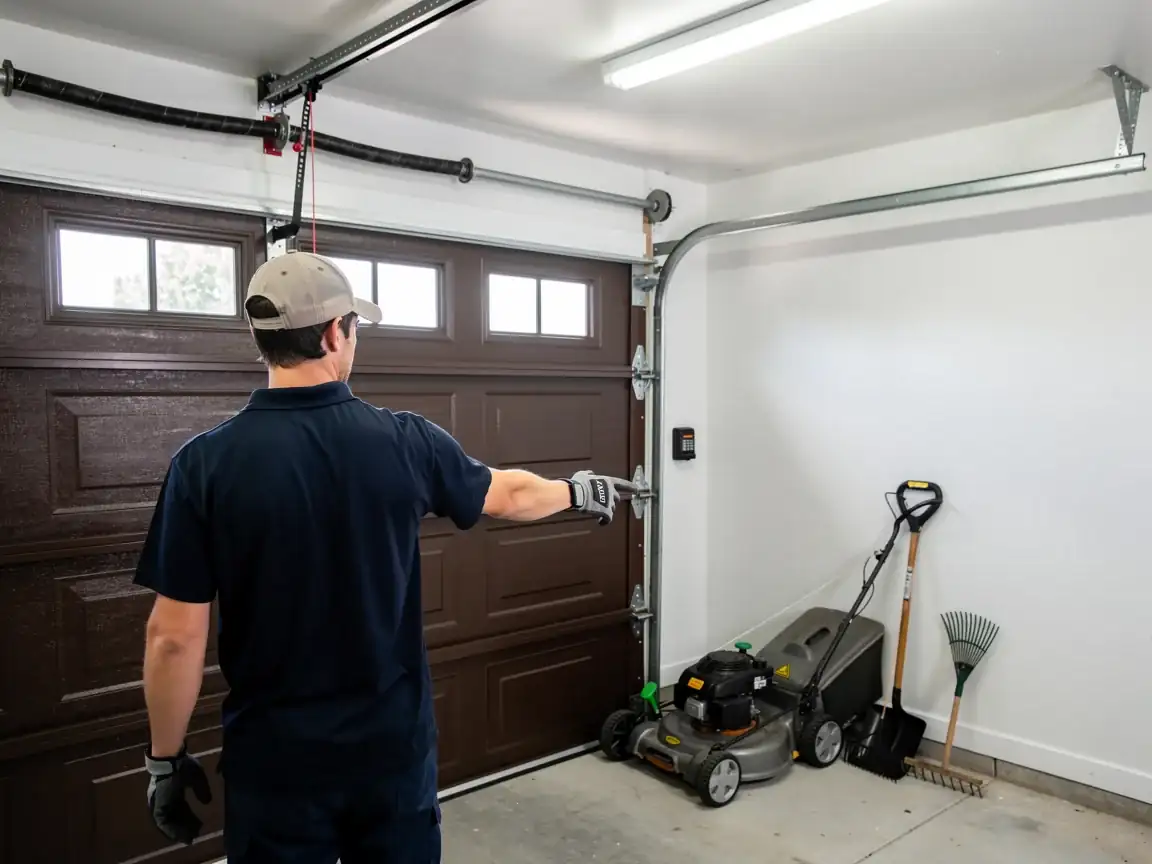
A technician in a cap points at a brown garage door with windows.

Repaired & tested

The repair is done, the door is set true and tested, and the work area left clean.

Not sure which repair your door needs in West Allis, WI? Describe what it’s doing - every job starts with a diagnosis.

How we work

What to expect

Diagnosis firstEvery visit starts by finding what actually failed - not a pre-written parts list.
The right part for the doorSprings and openers matched to the door’s weight and age, so the fix holds up.
Straight answersWhen a repair makes more sense than a replacement - or the reverse - you hear it plainly.
Clean, careful workTension released safely, hardware set true, the door tested under power before we leave.
What we do

Garage Door Services

Repair and installation work for West Allis homes and businesses.

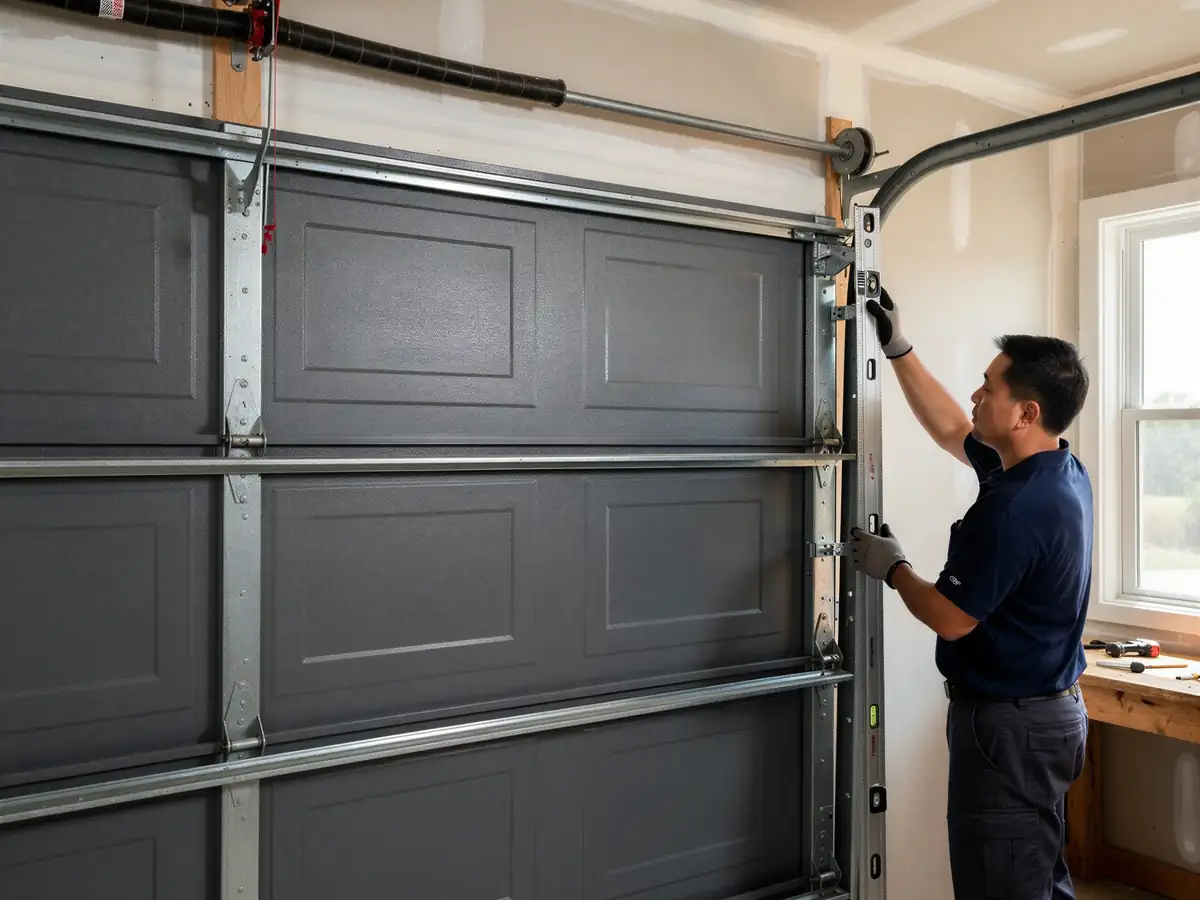
A technician uses a level to adjust the gray garage door track.

Garage Door Repair

Repair for the torsion springs, rollers, and panels common on West Allis's 1960s-70s housing stock, built to handle severe cold winters.

Learn more
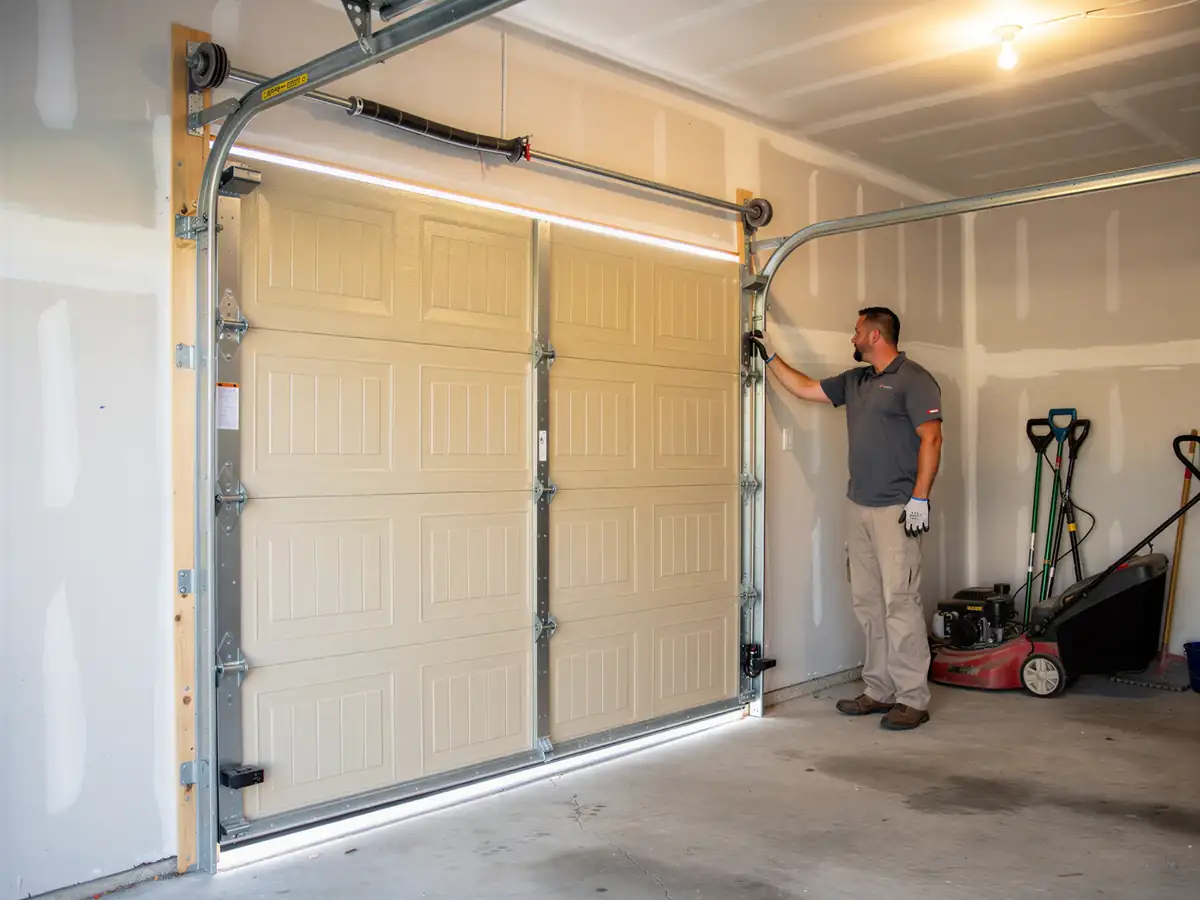
A technician in a gray shirt adjusts a beige garage door inside a garage.

Garage Door Installation

Garage door installation sized for West Allis's 1938-2000 housing stock and cold-climate wear. West Allis Garage Door Pros explains what drives the job and the cost.

Learn more
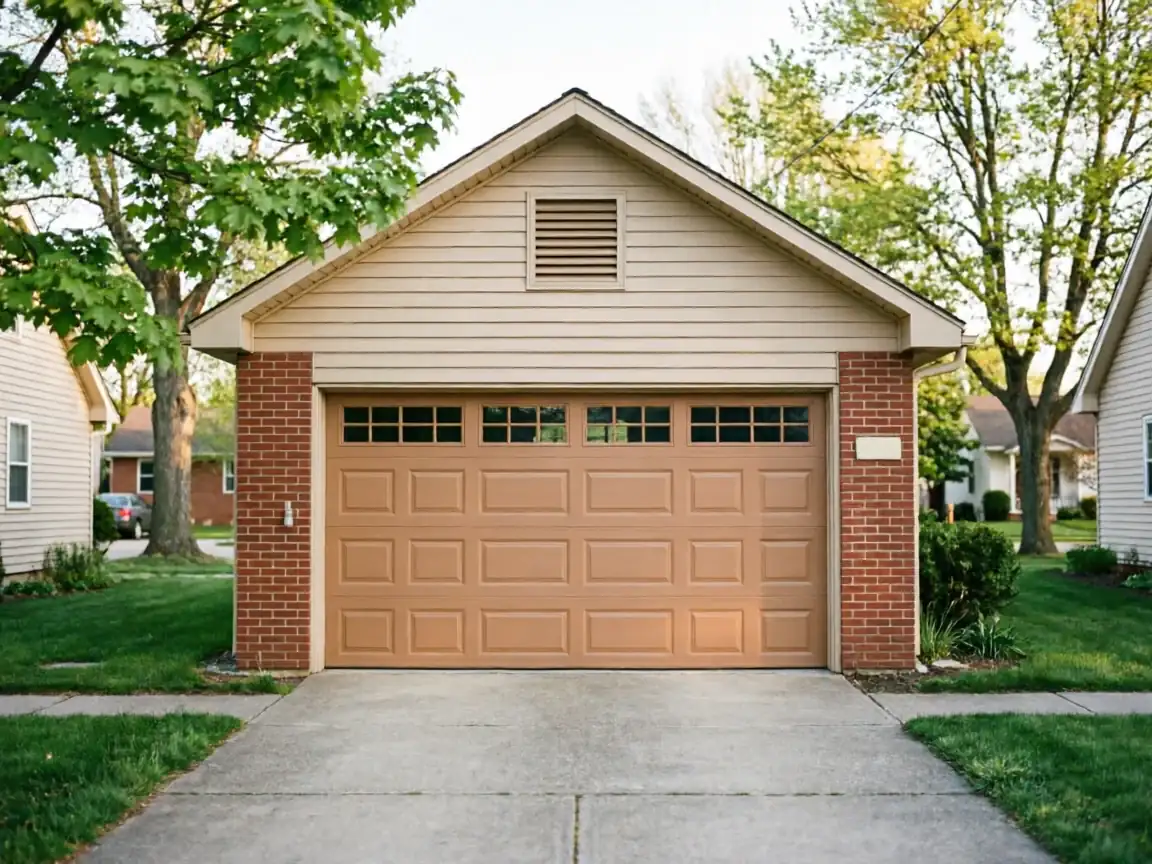
A brown garage door with windows is on a house with tan siding and brick.

Garage Door Service

Garage door service for West Allis homes built mostly in the 1960s and 70s - spring, track, and opener repair suited to the area's cold-climate housing stock.

Learn more
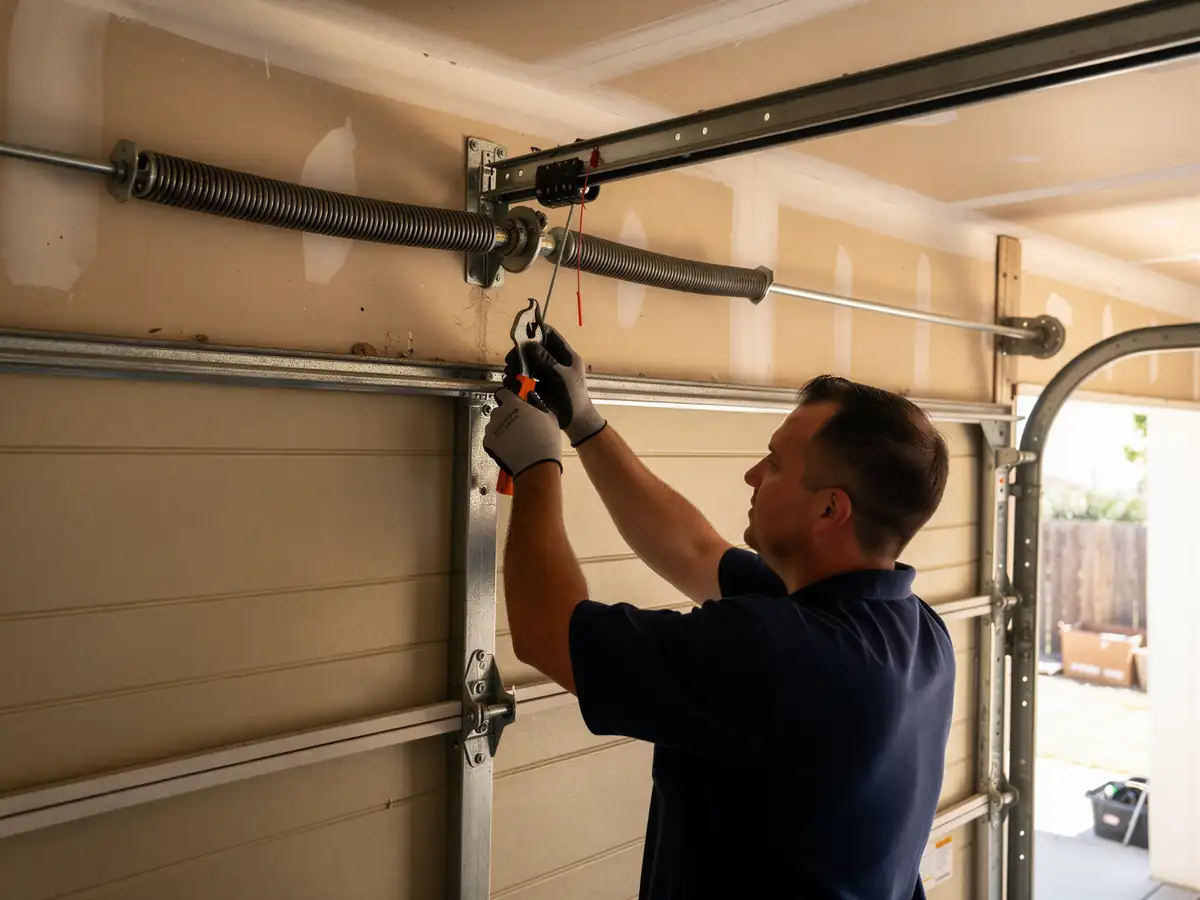
A technician wearing gloves adjusts a garage door torsion spring.

Spring Repair

Broken torsion spring on a West Allis garage door? We work on the 1960s-70s stock common here and explain what drives spring failure in this cold climate.

Learn more
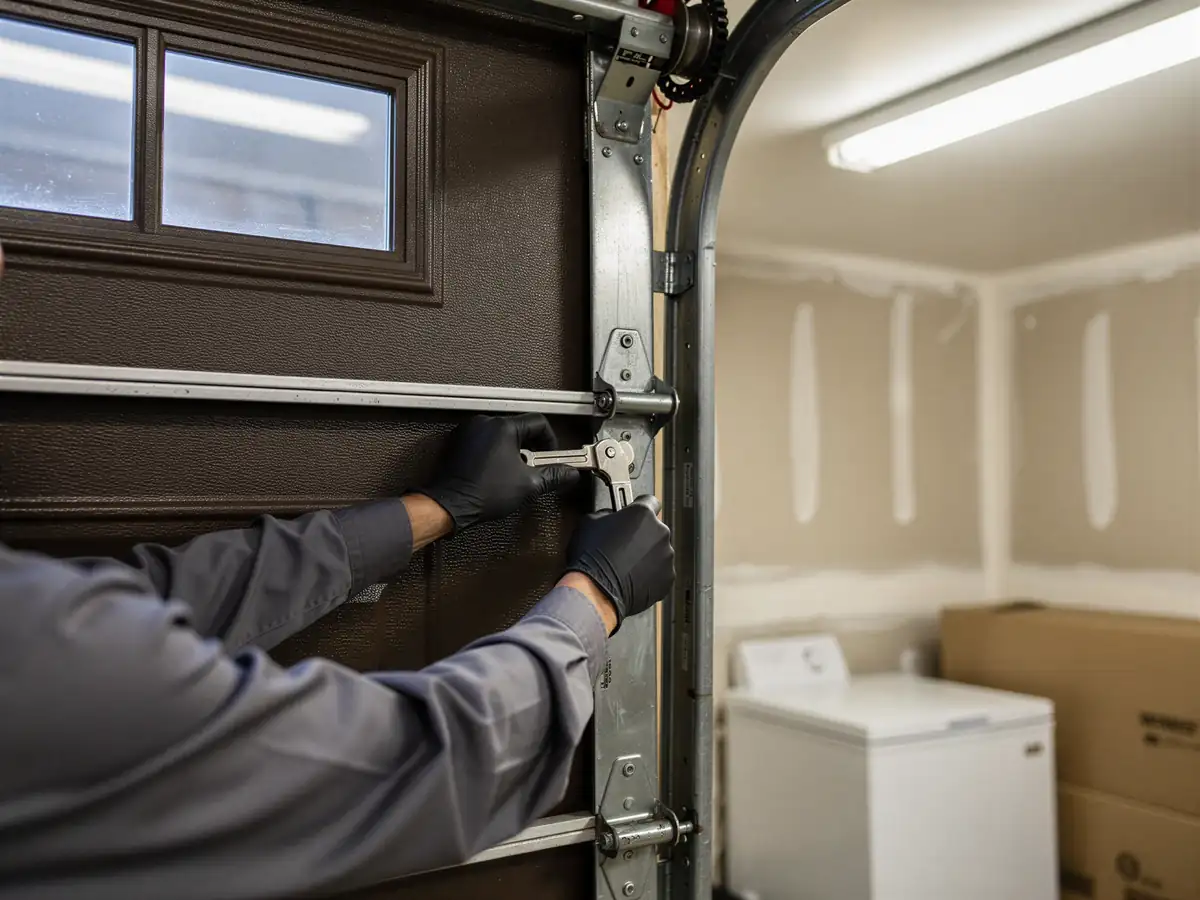
A technician in black gloves adjusts a brown garage door with a wrench.

Off-Track Repair

Garage door jumped the track in West Allis? See why homes built 1938-2000 with original hardware are prone to this, what it costs to fix, and how to get it booked.

Learn more
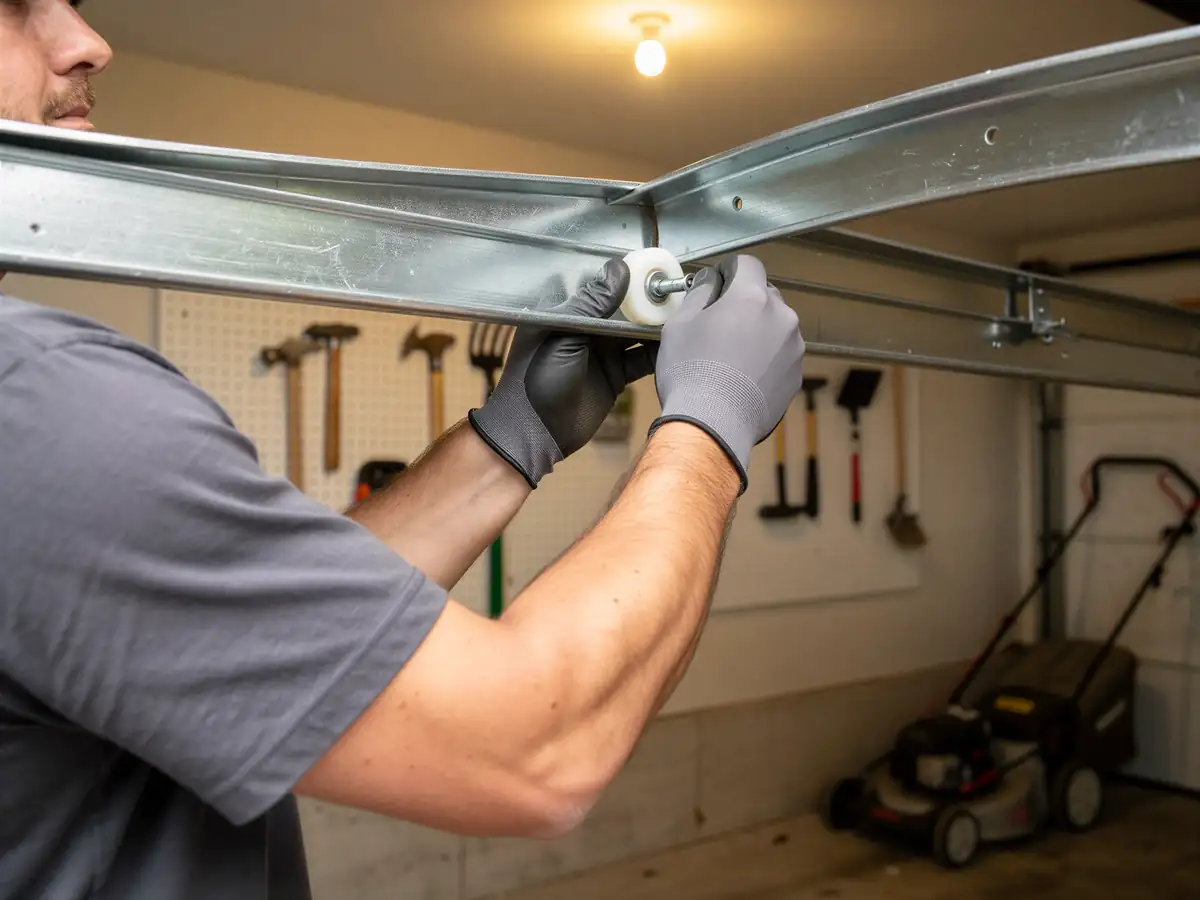
A technician installs a new roller on a garage door track.

Roller Replacement

West Allis homes built mostly between 1938 and 1976 still run original steel rollers on cold-stressed tracks. Here's what roller wear looks like here and what the job involves.

Learn more
A technician in gray gloves works on a beige garage door with a torsion spring above.

Maintenance

Garage door maintenance for West Allis homes built 1938-2000, where cold winters and original hardware wear springs, rollers, and openers faster than newer stock.

Learn more
A technician walks toward a house with a beige garage door on a snowy day.

Emergency Garage Door Repair

Broken spring or dead opener at 10pm in West Allis? Here's what a torsion spring snap and track failure actually look like, and why 1960s-70s housing stock sees them so often.

Learn more
Questions

Frequently asked

Straight answers about garage door repair in West Allis. Still unsure? Ask us directly.

Why do my garage door sensors only act up in winter?

Frost heave moves the concrete slab under and around your garage opening as the ground freezes and thaws. If your sensor bracket is mounted to the jamb near that slab edge, it tilts with the concrete. That's why a sensor that worked fine in October starts blinking or reversing the door once the hard freezes set in.

Can I just re-aim the sensors myself?

You can, and it may hold for a while, but if the bracket underneath is loose or mounted to a shifting surface, the alignment won't last. Check what the sensor is screwed into before you touch the aim. A lot of repeat calls we get are re-aims on a bracket that needed replacing, not adjusting.

Is this a problem with the opener itself?

Usually not. The sensors send a simple beam between two eyes, and most drift issues are mechanical - a loose screw, a shifted bracket, a nudged wire - rather than electronic. Swapping the opener rarely fixes recurring drift if the mounting point is the real cause.

Why does my 1960s garage seem to have more sensor trouble than a newer build?

A lot of garages from that era had sensors added after the original construction, often mounted into whatever wood or masonry was available rather than a dedicated point. Decades of freeze-thaw movement on those older brackets adds up, which is why older stock sees more of this than recent builds.

Ready to get your garage door sorted?

Tell us what it’s doing and where you are in West Allis - we’ll take it from there.

Request a QuoteCall