Serving West Allis, WI & nearby
(414) 392-8426
West Allis, WI

What We Check First on a West Allis Garage Door

West Allis homes mostly date to the 1960s and 70s, and cold winters push original hardware hard. Here's what a technician checks first, and why it matters.

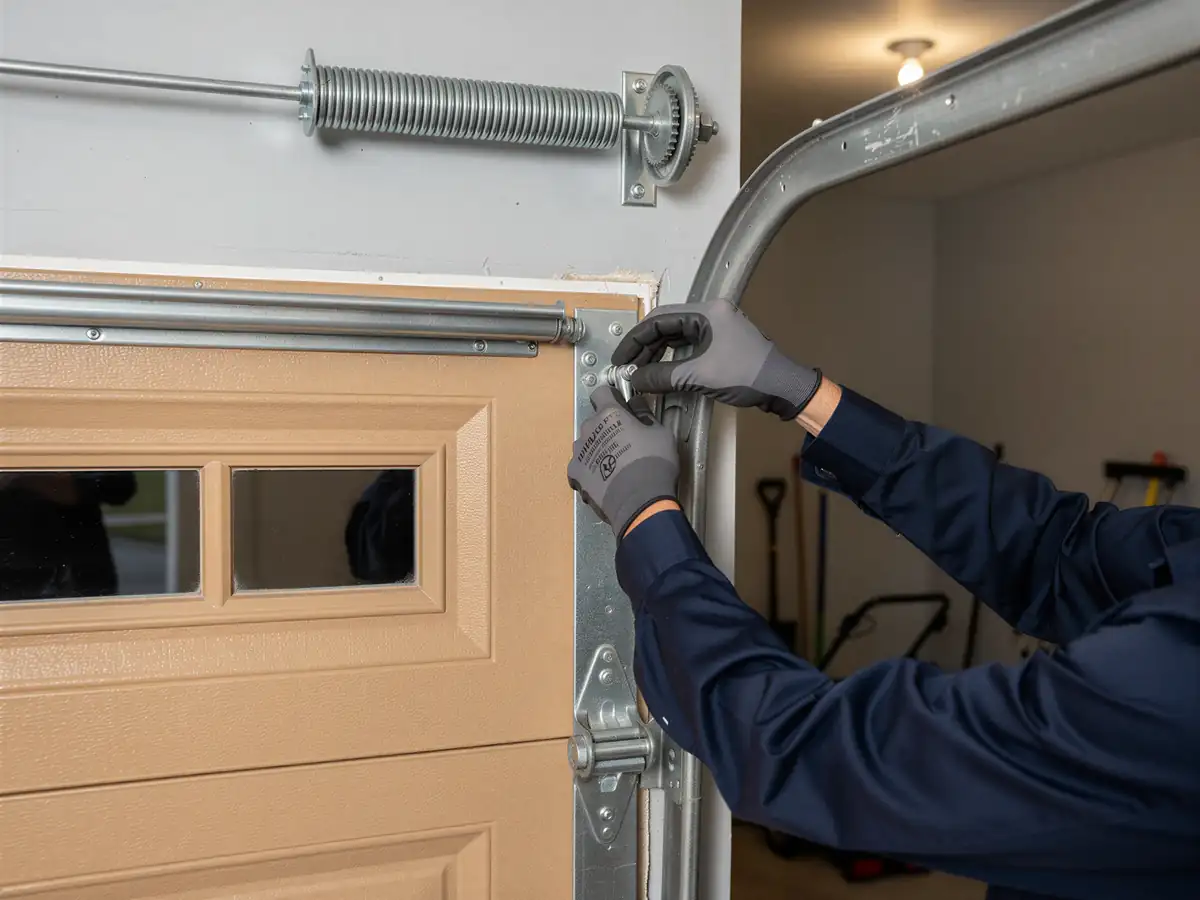
A technician in gloves is installing a brown garage door.

The Problem

  1. Most houses in West Allis went up between 1938 and 2000

    With the bulk of that stock built through the 1960s and 70s. That matters more than most homeowners think. A garage door system is matched at install time - spring wind, drum size, track gauge - to the weight and width of the door hanging on it. When a door from that era gets swapped out decades later for something heavier or lighter, or when the original springs are still doing the job forty-plus years on, the match stops being right. We show up to a lot of doors that are technically working but fighting their own hardware every time they move. That's the first thing we're looking for before we touch anything else: does what's installed actually match what's supposed to be there, or is it a patch job on top of a patch job.

  2. This isn't a West Allis problem because the town is old

    It's a West Allis problem because so much of the housing landed in one narrow build window, and a lot of that original gear never got re-evaluated when doors or openers changed hands.

Where People Go Wrong

The most common mistake we see is treating a garage door opener replacement as a standalone job. Someone swaps the opener, the door still opens and closes, and they figure it's done. But the opener doesn't know anything about spring balance - if the door was already pulling hard on one side because of a worn cable or a spring wound for a lighter door, a new opener just works harder to hide that imbalance until it burns out the motor or snaps a cable under load.

The second mistake is skipping the track and roller check because the door 'looks fine.' On houses from the 1960s and 70s stock that makes up most of this area, steel tracks have had a long time to work loose at the brackets, especially where the door opening settled slightly as the house aged. A door that looks straight can still be running on a track that's a quarter inch out of plumb, and that's the kind of thing that only shows up as a grinding noise or a jammed roller in cold weather - not before.

What Local Conditions Do

West Allis sits in a severe cold climate band, and that changes what we check compared to a milder-climate job. Steel garage door panels contract in cold temperatures, and on doors built to older tolerances - common on houses dating to the 1938-2000 build range here - that contraction can be enough to bind a roller that was running fine in July. Lubricant on the rollers and hinges also thickens in the cold, which adds drag right at the moment the opener's drive gear is already working against a stiffer spring.

We also check the bottom seal and the slab edge first on any cold-weather call. A door that doesn't seat flush loses more to frost heave on a cold-climate slab than it would somewhere with milder winters, and that gap becomes an entry point for the kind of moisture that rusts out a bottom panel from the inside. None of this is exotic - it's just what severe cold does to steel and rubber on housing stock built decades before today's weatherstripping standards.

What Changes With the Season

  1. In winter, the first thing we check is spring tension

    Because cold steel is less forgiving and a spring that's slightly under-wound will show it immediately - the door drops the last foot instead of settling. We also check the opener's force setting, since a door that's heavier to lift in the cold will trip a safety reversal that was set correctly back in warmer months.

  2. In the warmer months, the checks shift toward the track alignment and the slab

    A lot of West Allis garages sit on slabs that have gone through enough freeze-thaw cycles over the decades that the concrete has shifted slightly at the door opening - not enough to notice by eye, but enough to throw off where the bottom brackets sit relative to the track. We catch that by checking for uneven wear on the bottom rollers, which tells us more about what the slab has done over the years than any visual inspection of the door itself would.
How it works

From “it’s stuck” to “it’s fixed”

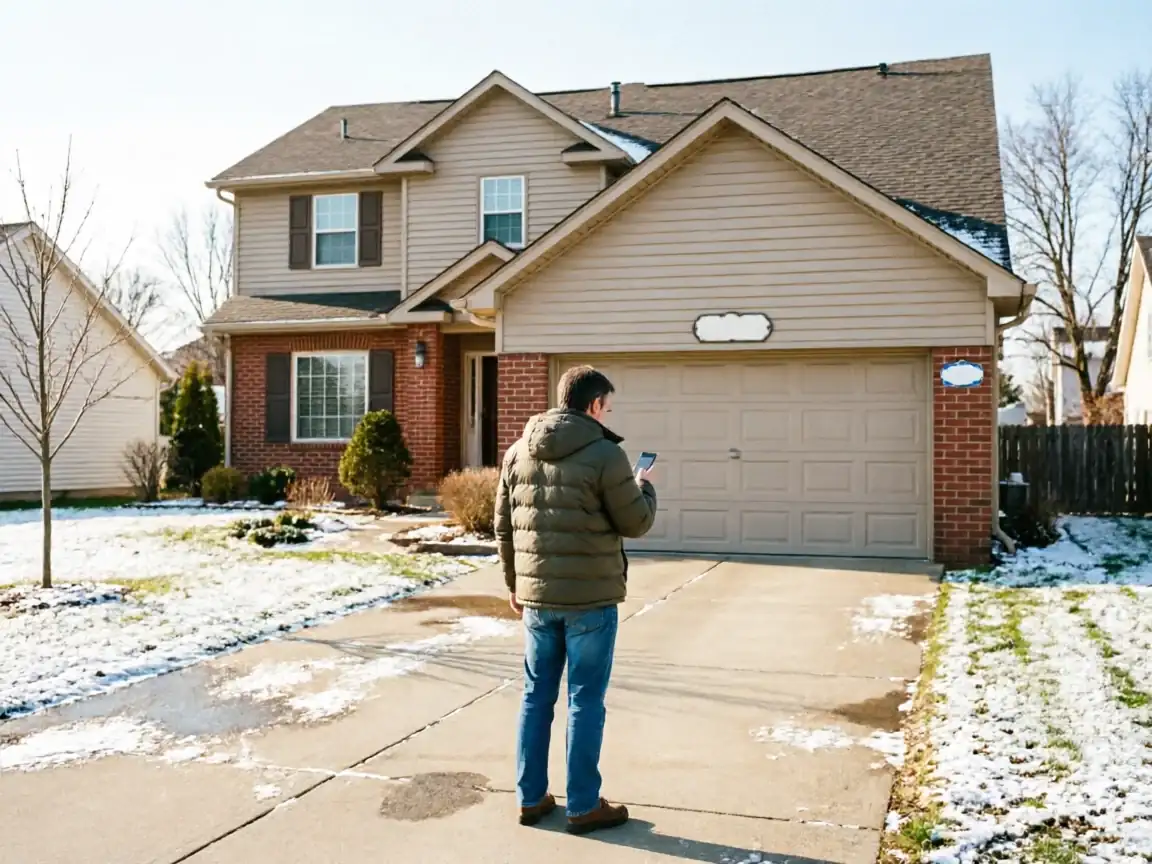
A man stands in a driveway looking at his phone in front of a house.

Tell us what’s wrong

Describe the symptom - won’t open, loud bang, opener runs but the door won’t move.

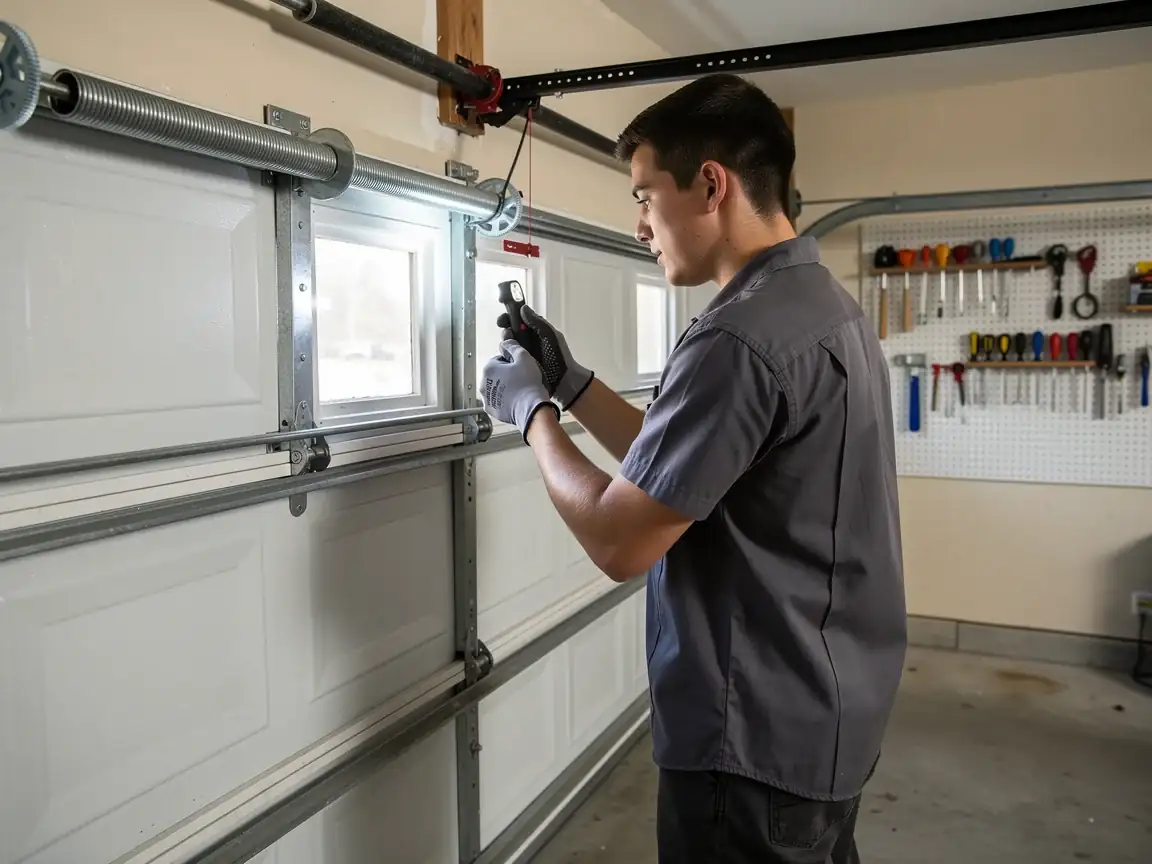
A technician in a gray shirt inspects a white garage door with a flashlight.

On-site diagnosis

A technician tests the door under power and by hand and finds what actually failed.

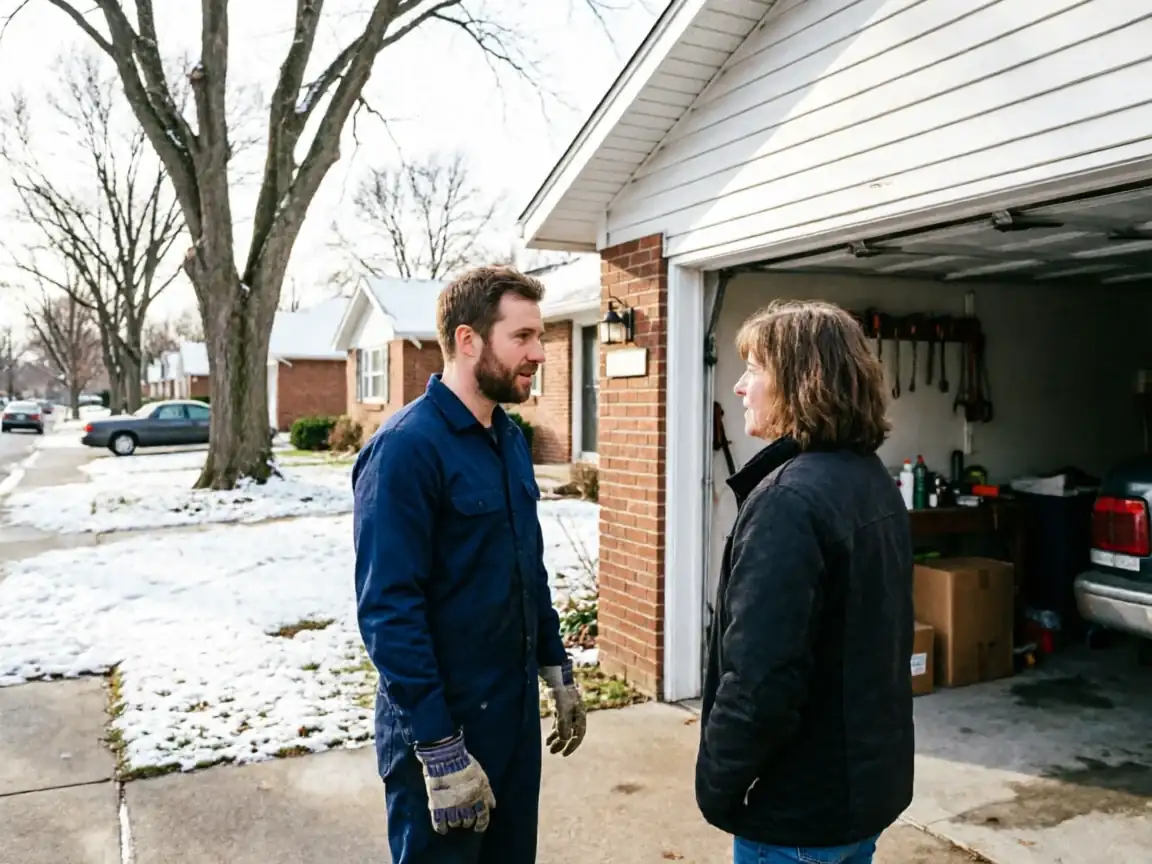
A technician in a blue uniform talks to a woman in front of a garage.

Clear, up-front plan

You get the fix that’s needed and what drives the cost - before any work starts.

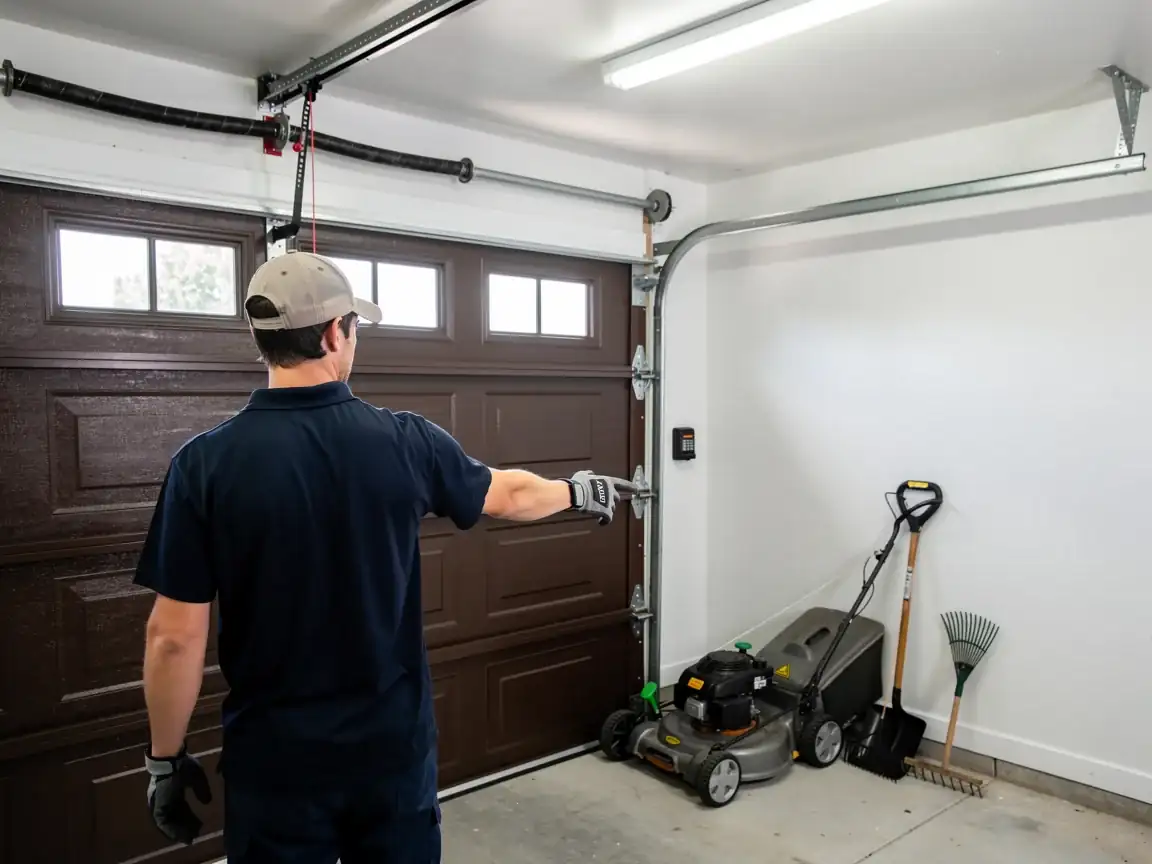
A technician in a cap points at a brown garage door with windows.

Repaired & tested

The repair is done, the door is set true and tested, and the work area left clean.

Not sure which repair your door needs in West Allis, WI? Describe what it’s doing - every job starts with a diagnosis.

How we work

What to expect

Diagnosis firstEvery visit starts by finding what actually failed - not a pre-written parts list.
The right part for the doorSprings and openers matched to the door’s weight and age, so the fix holds up.
Straight answersWhen a repair makes more sense than a replacement - or the reverse - you hear it plainly.
Clean, careful workTension released safely, hardware set true, the door tested under power before we leave.
What we do

Garage Door Services

Repair and installation work for West Allis homes and businesses.

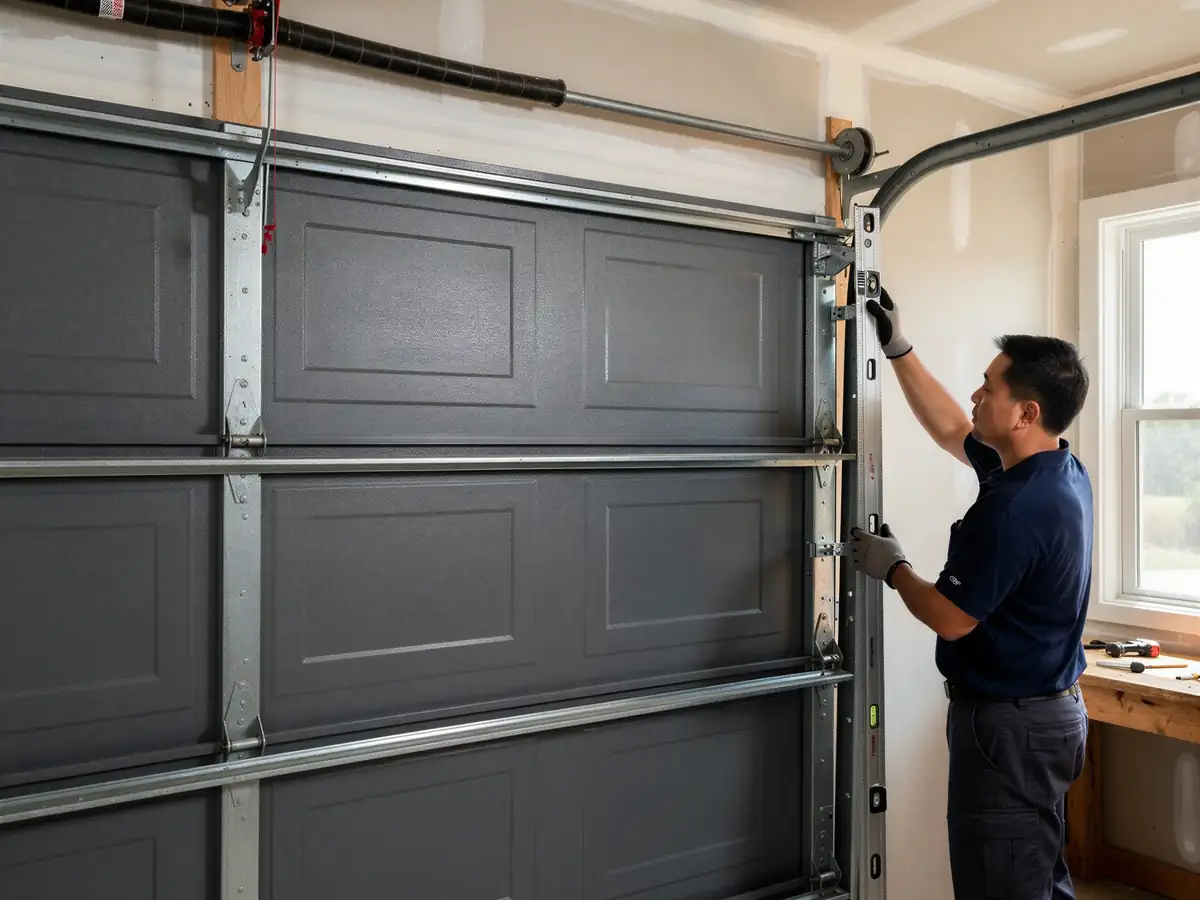
A technician uses a level to adjust the gray garage door track.

Garage Door Repair

Repair for the torsion springs, rollers, and panels common on West Allis's 1960s-70s housing stock, built to handle severe cold winters.

Learn more
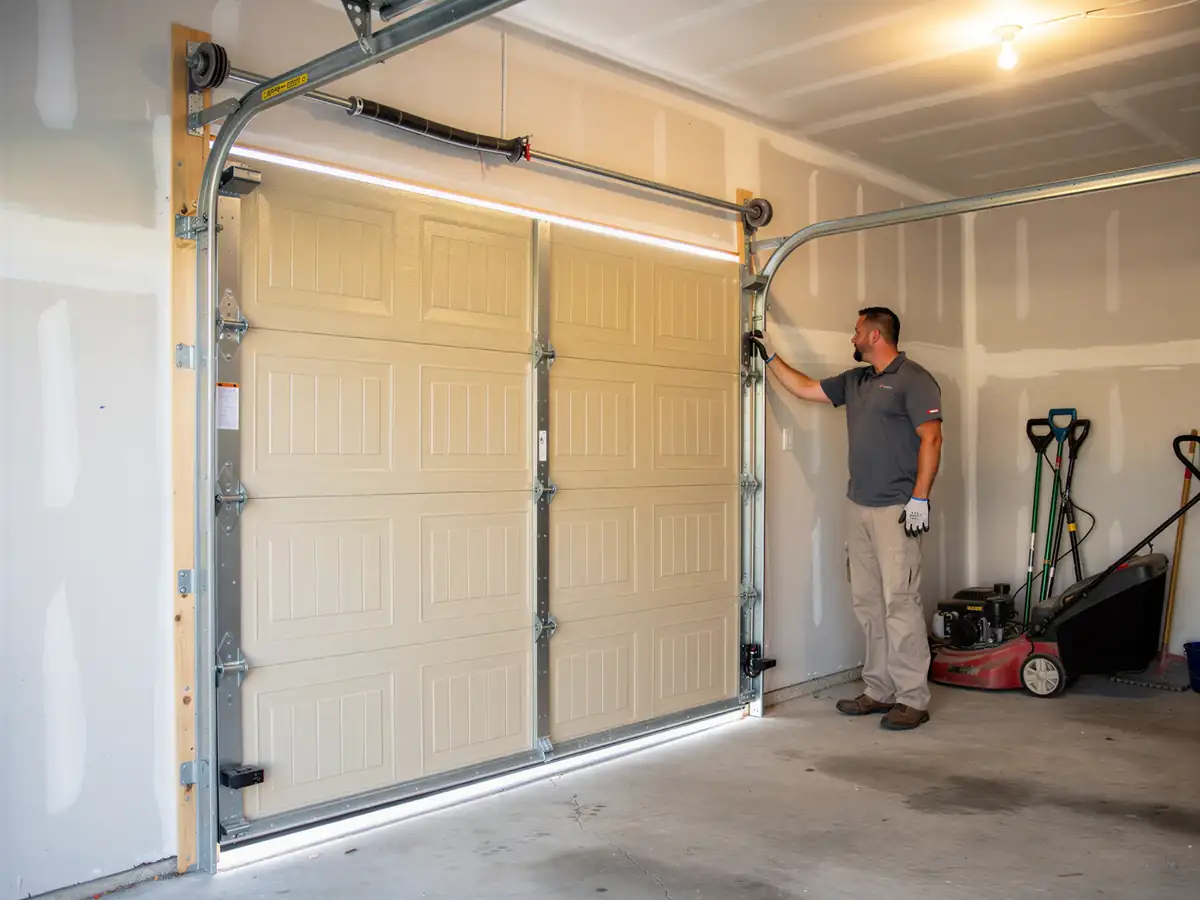
A technician in a gray shirt adjusts a beige garage door inside a garage.

Garage Door Installation

Garage door installation sized for West Allis's 1938-2000 housing stock and cold-climate wear. West Allis Garage Door Pros explains what drives the job and the cost.

Learn more
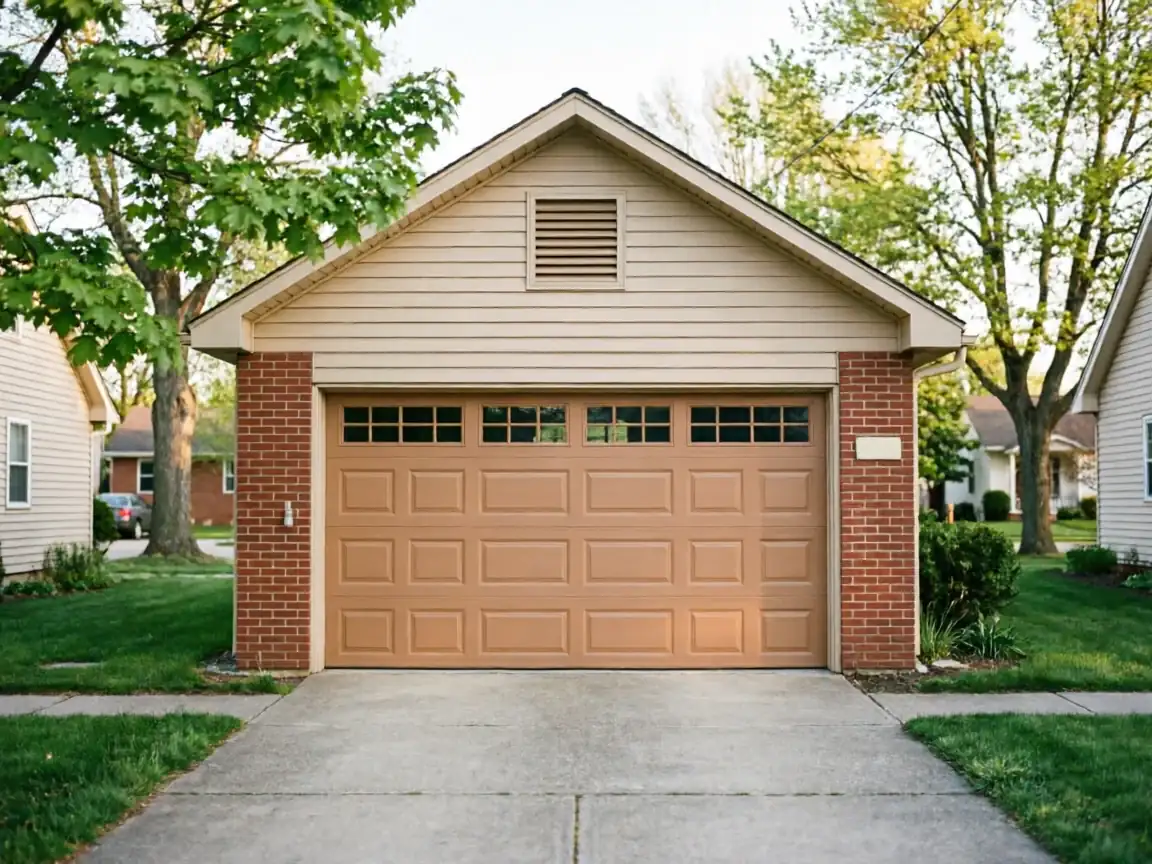
A brown garage door with windows is on a house with tan siding and brick.

Garage Door Service

Garage door service for West Allis homes built mostly in the 1960s and 70s - spring, track, and opener repair suited to the area's cold-climate housing stock.

Learn more
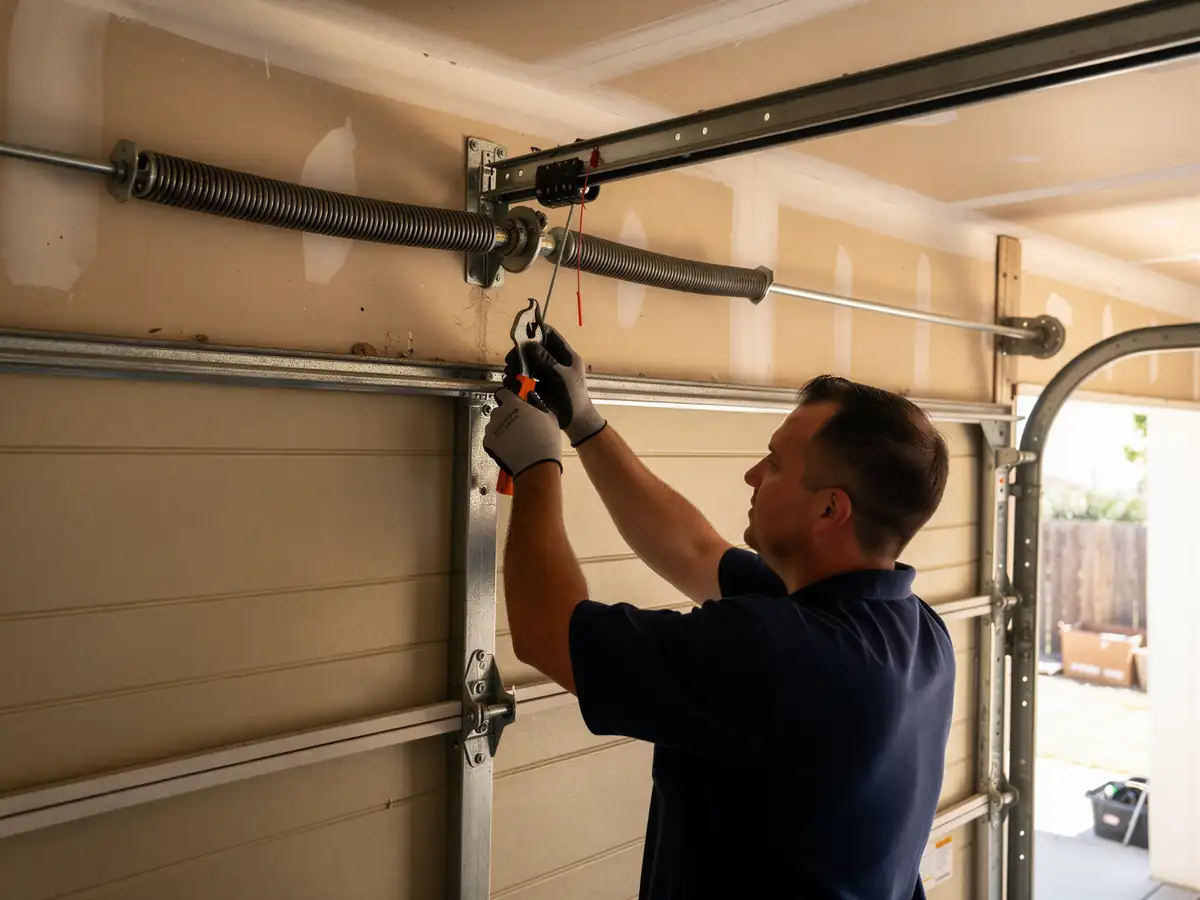
A technician wearing gloves adjusts a garage door torsion spring.

Spring Repair

Broken torsion spring on a West Allis garage door? We work on the 1960s-70s stock common here and explain what drives spring failure in this cold climate.

Learn more
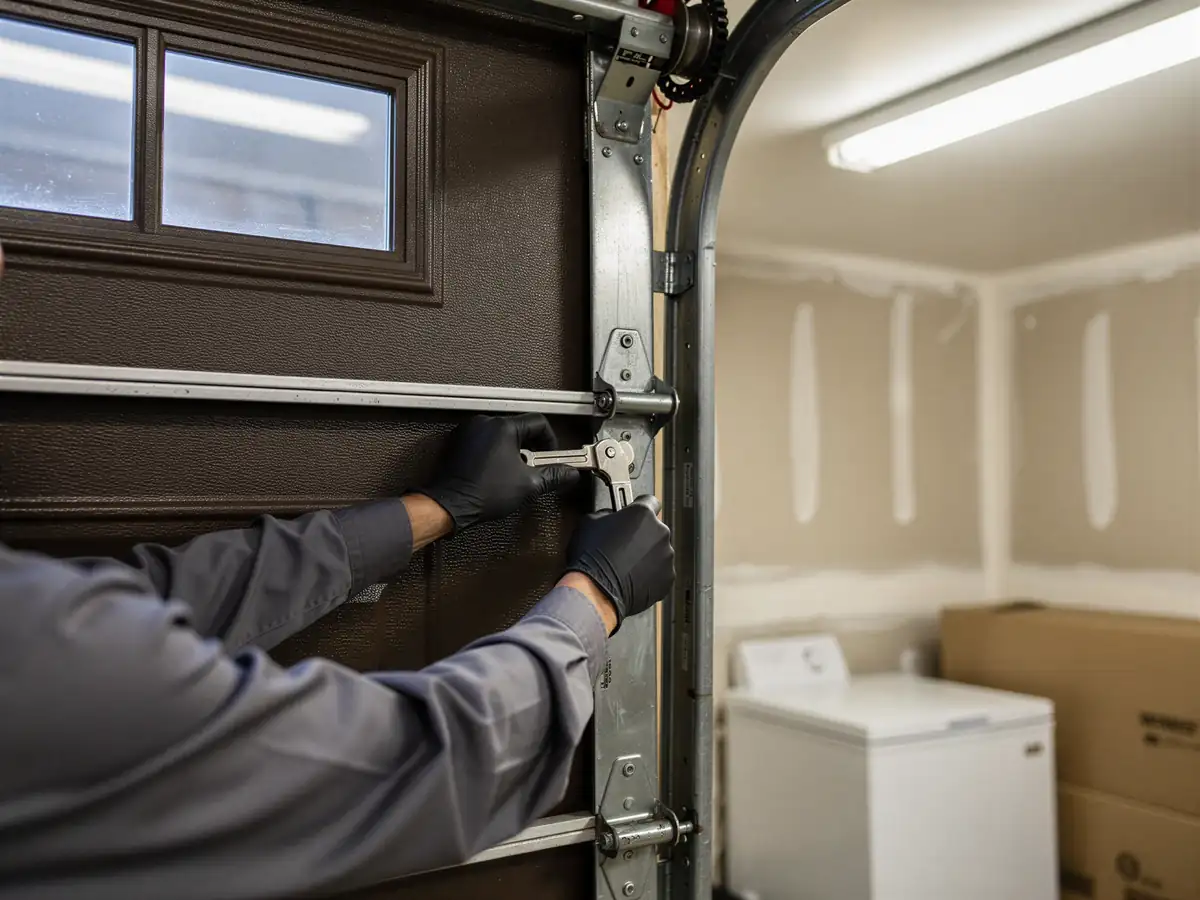
A technician in black gloves adjusts a brown garage door with a wrench.

Off-Track Repair

Garage door jumped the track in West Allis? See why homes built 1938-2000 with original hardware are prone to this, what it costs to fix, and how to get it booked.

Learn more
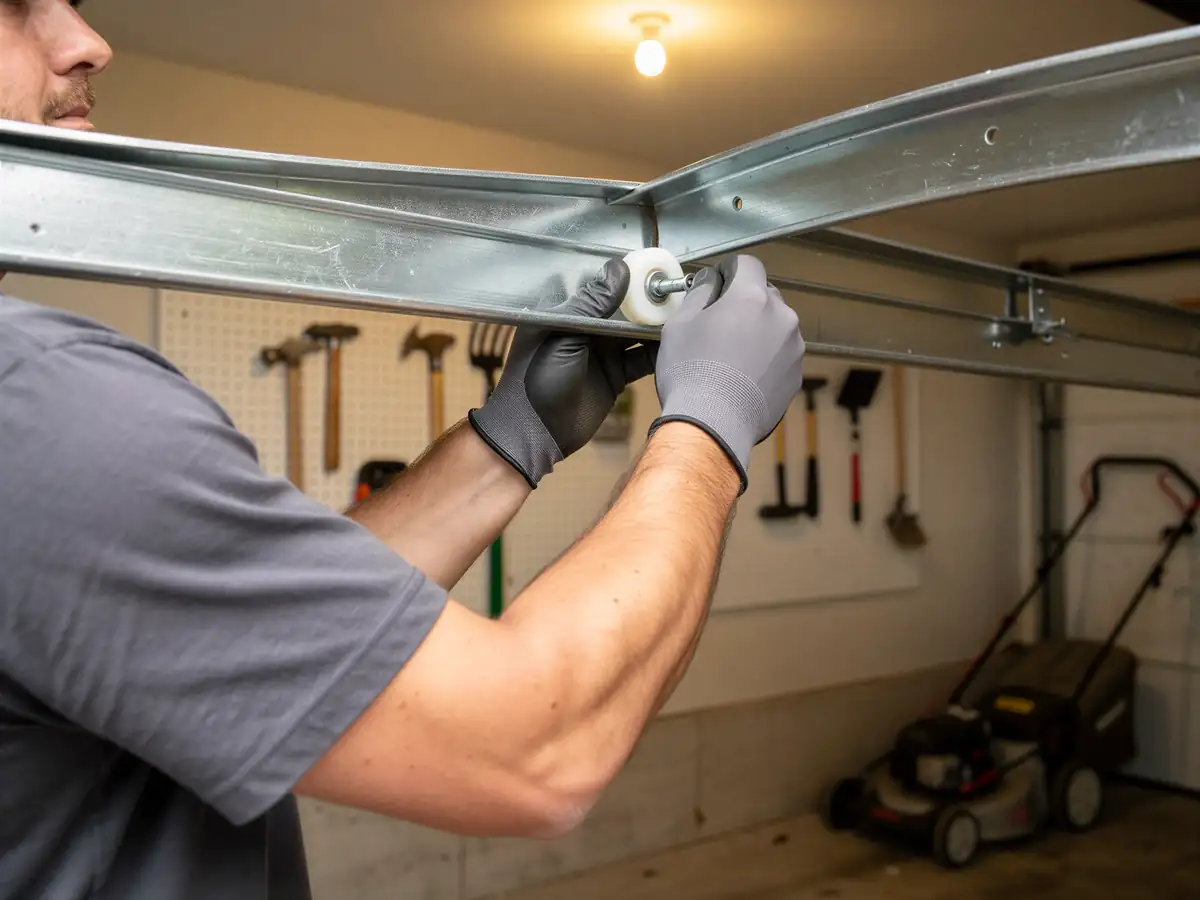
A technician installs a new roller on a garage door track.

Roller Replacement

West Allis homes built mostly between 1938 and 1976 still run original steel rollers on cold-stressed tracks. Here's what roller wear looks like here and what the job involves.

Learn more
A technician in gray gloves works on a beige garage door with a torsion spring above.

Maintenance

Garage door maintenance for West Allis homes built 1938-2000, where cold winters and original hardware wear springs, rollers, and openers faster than newer stock.

Learn more
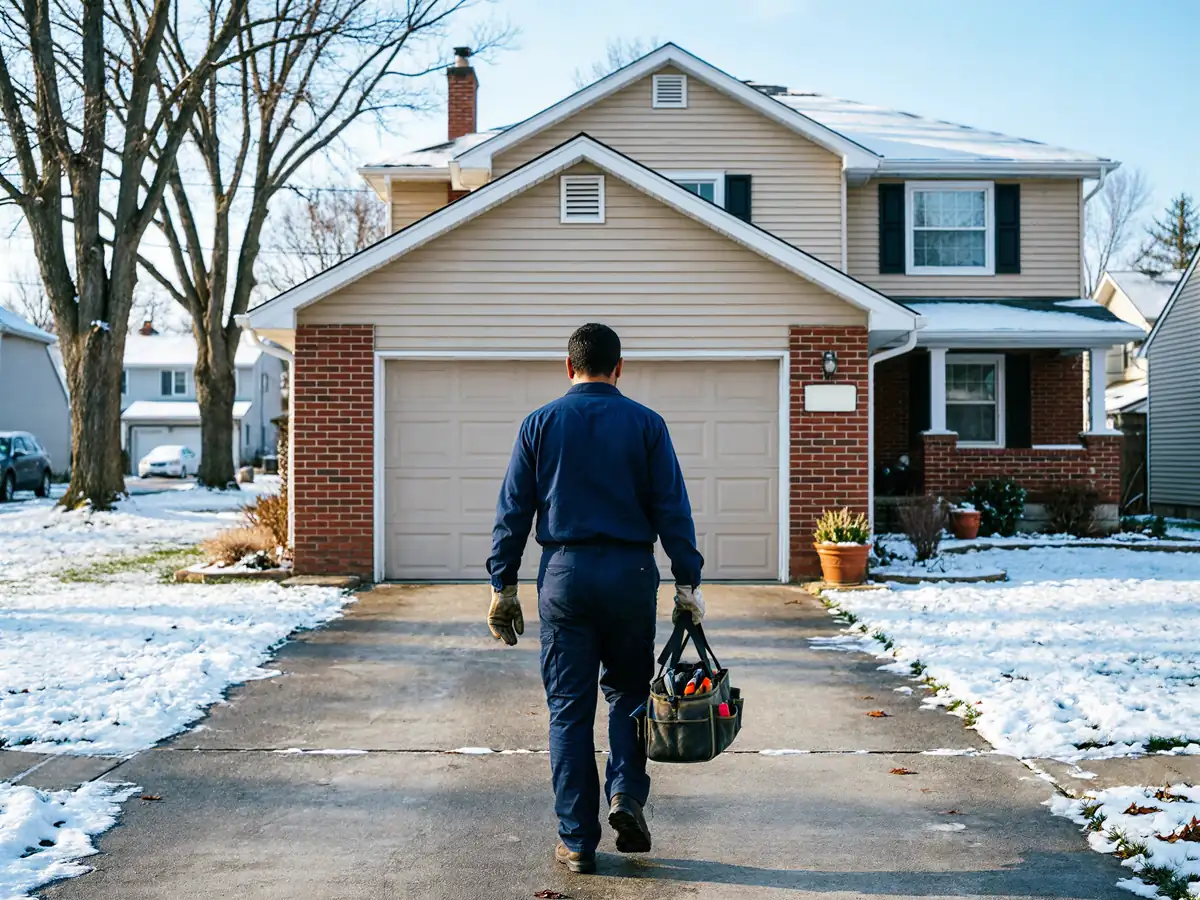
A technician walks toward a house with a beige garage door on a snowy day.

Emergency Garage Door Repair

Broken spring or dead opener at 10pm in West Allis? Here's what a torsion spring snap and track failure actually look like, and why 1960s-70s housing stock sees them so often.

Learn more
Questions

Frequently asked

Straight answers about garage door repair in West Allis. Still unsure? Ask us directly.

Why does my garage door get harder to open every winter?

Cold steel contracts and lubricant thickens, both of which add resistance right as the spring is already working harder in low temperatures. On older torsion setups common in this area, that extra resistance is enough to make a borderline spring or a slightly worn cable show its age. It's rarely one single cause - it's the cold exposing something that was already close to the edge.

Is it normal for an older West Allis garage to have the original springs?

It happens more than you'd think, given how much of the local housing dates to the 1960s and 70s. Torsion springs are rated for a cycle count, and a spring that's forty-plus years old has usually used up that rating even if it hasn't snapped yet. We check the wind and wire gauge against the door's actual weight before assuming the spring is still doing its job correctly.

Do you replace parts or the whole door?

Depends on what's underneath. If the track, drum, and bottom brackets are sound and it's a spring or cable issue, we fix the specific part. If the door itself is original to a house from the 1938-2000 build range and the panels are rusted through or the track is bent beyond adjustment, replacement usually costs less over time than repeated patch repairs.

Ready to get your garage door sorted?

Tell us what it’s doing and where you are in West Allis - we’ll take it from there.

Request a QuoteCall