The Houses Here
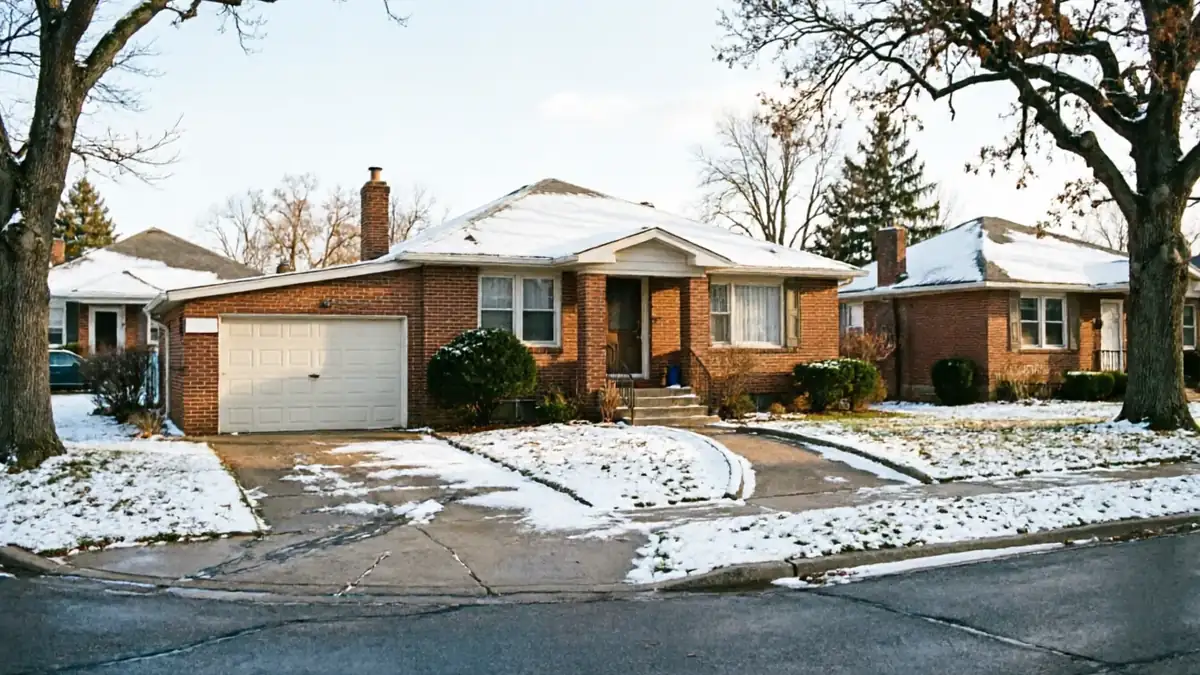
Wauwatosa's median year built sits at 1954
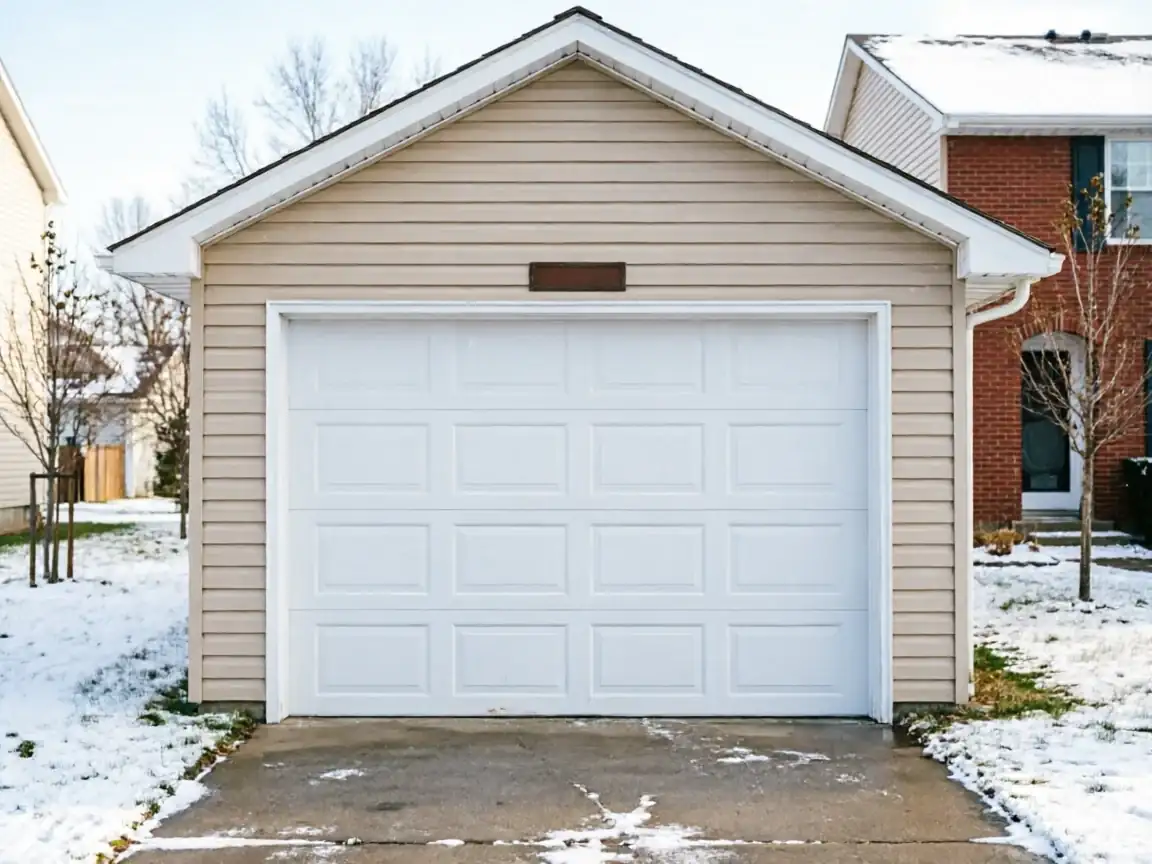
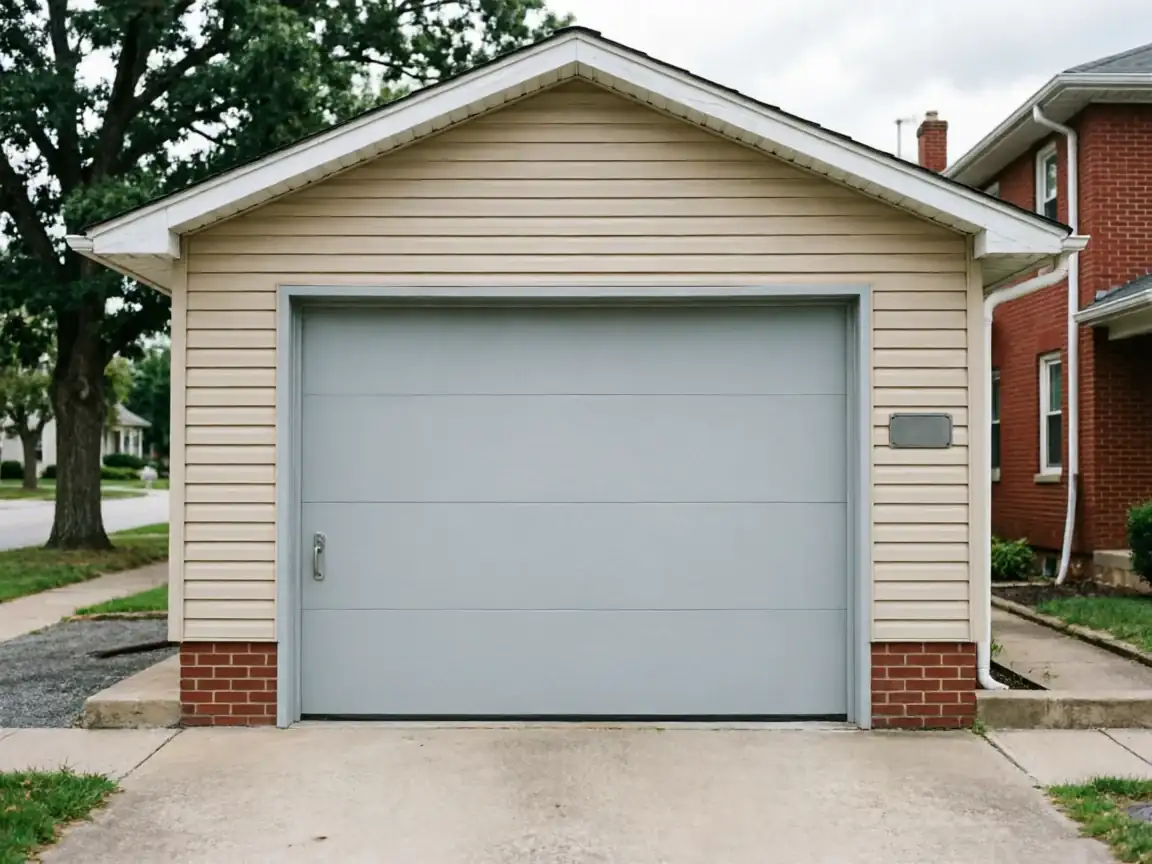
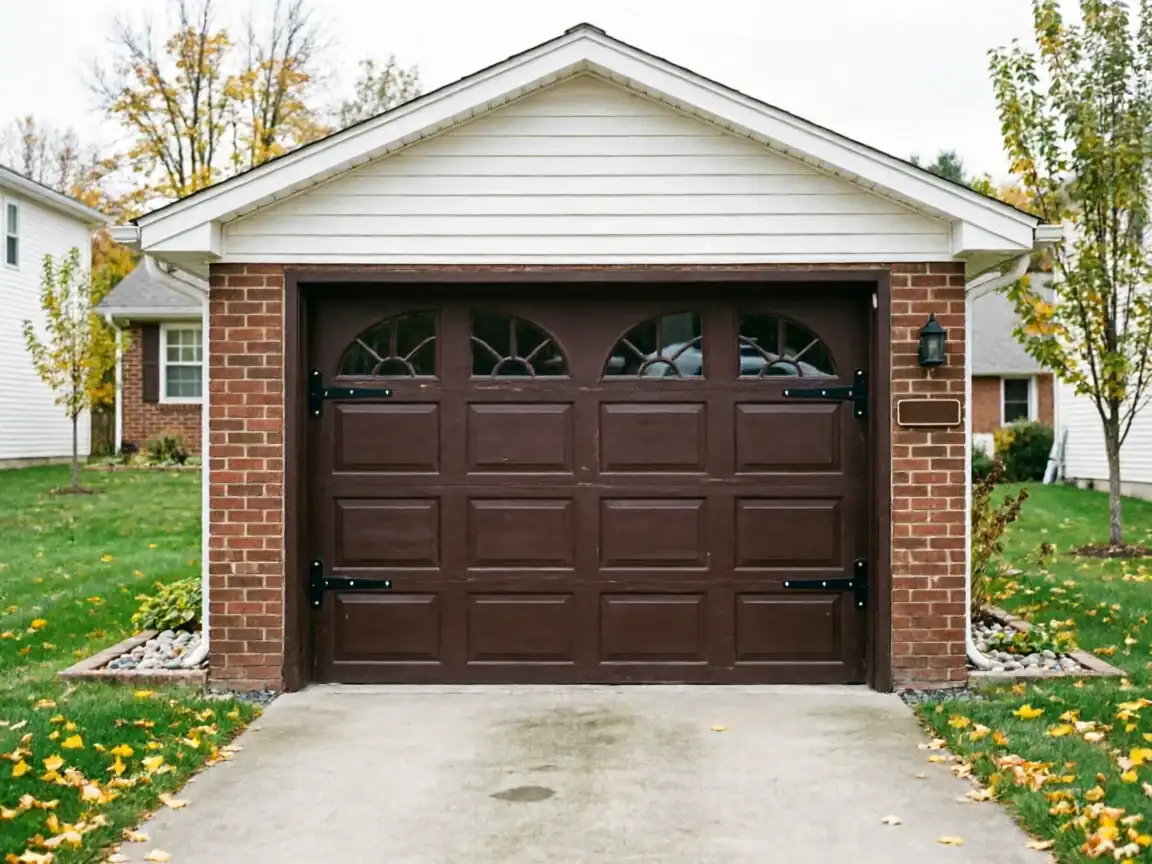
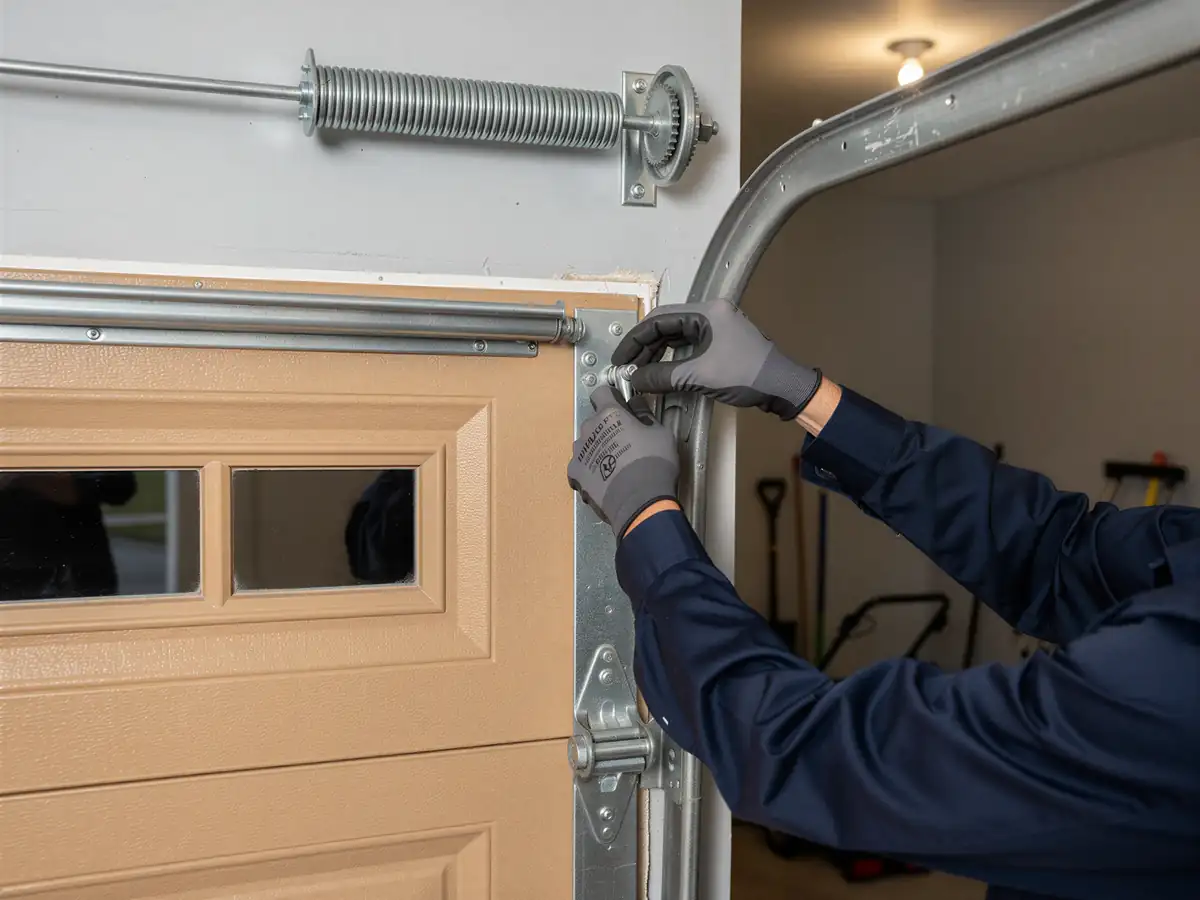
A good two decades ahead of the 1976 median for the wider service area. That gap matters more than it sounds. A house built in the mid-1950s was built before torsion springs were standard on most tract housing, and plenty of these garages still carry the hardware that came after a retrofit, not the original install. We see single-car bays with narrow headroom, older steel panels with minimal insulation, and openers that have been swapped two or three times over the decades while the track and drum stayed put. That mismatch between new motor and old rail is one of the more common service calls we get from this side of town.
The area's households run a median income near $93,859
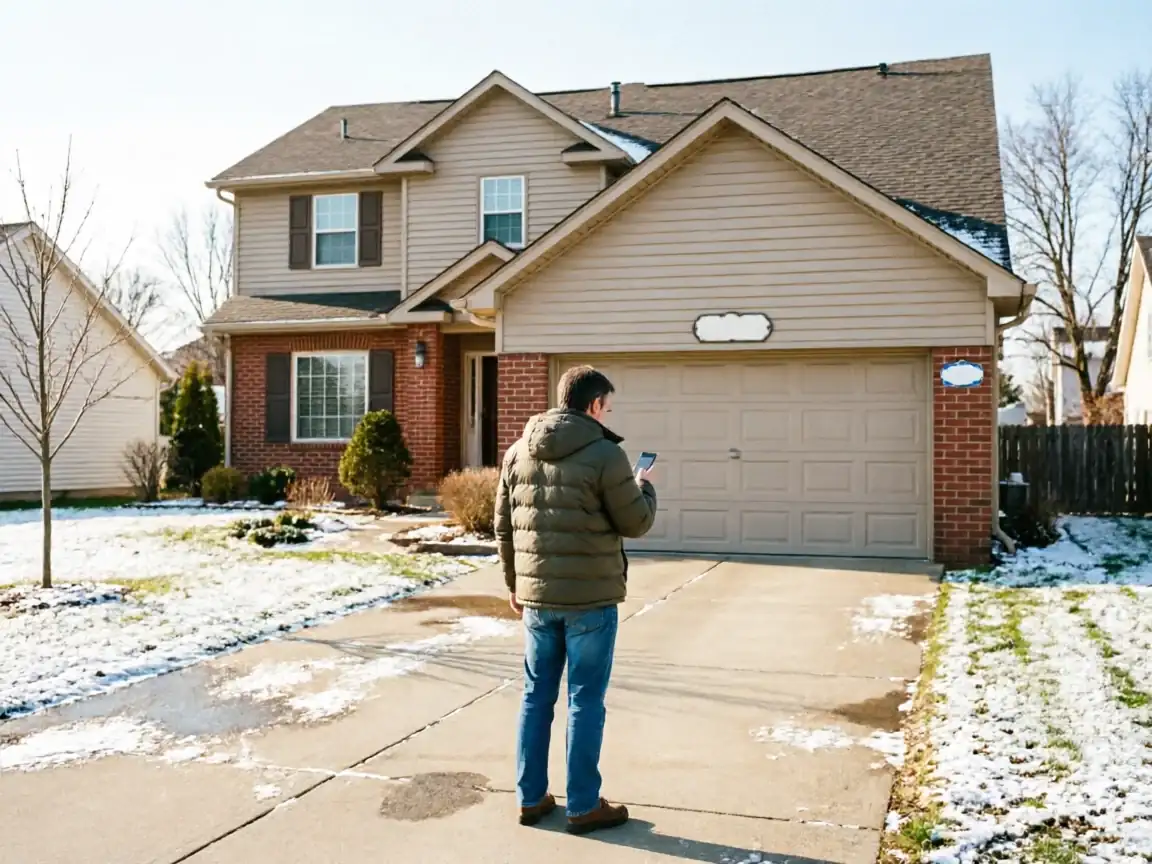
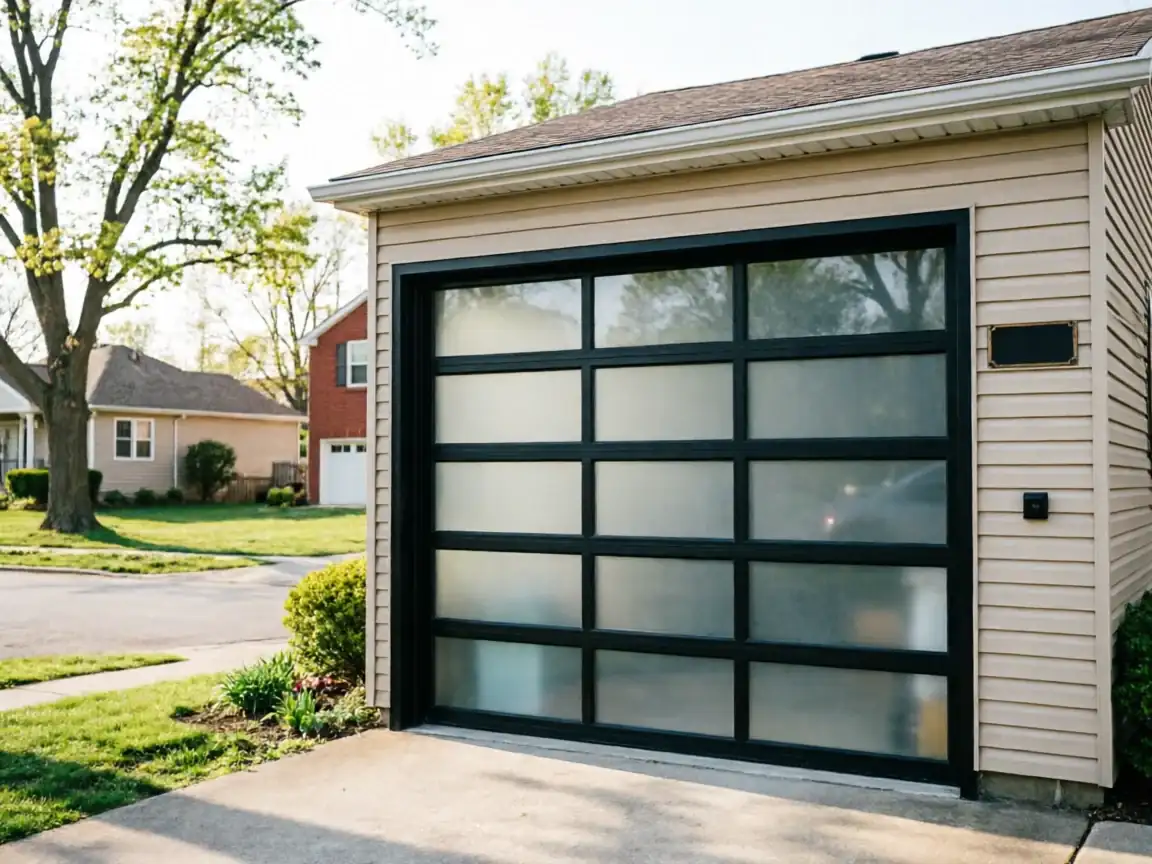
And with 21,677 households total, there's a wide range of what's actually behind these garage doors - original 1950s one-piece doors still hanging on, mid-80s sectional replacements, and newer steel doors bolted onto frames that were never squared for them. None of that shows from the street. It shows when the door starts binding or the cable frays at a spot the newer hardware wasn't built to handle.
- $93,859 median household income
- 21,677 households
What We Do Not Do
We don't keep a crew or equipment staged in Wauwatosa. West Allis Garage Door Pros runs out of West Allis, about 4 miles away, and every job here is a drive-over, not a local dispatch. If you need something same-hour on a holiday weekend, we'll tell you straight if that's not realistic rather than promise a window we can't hit.
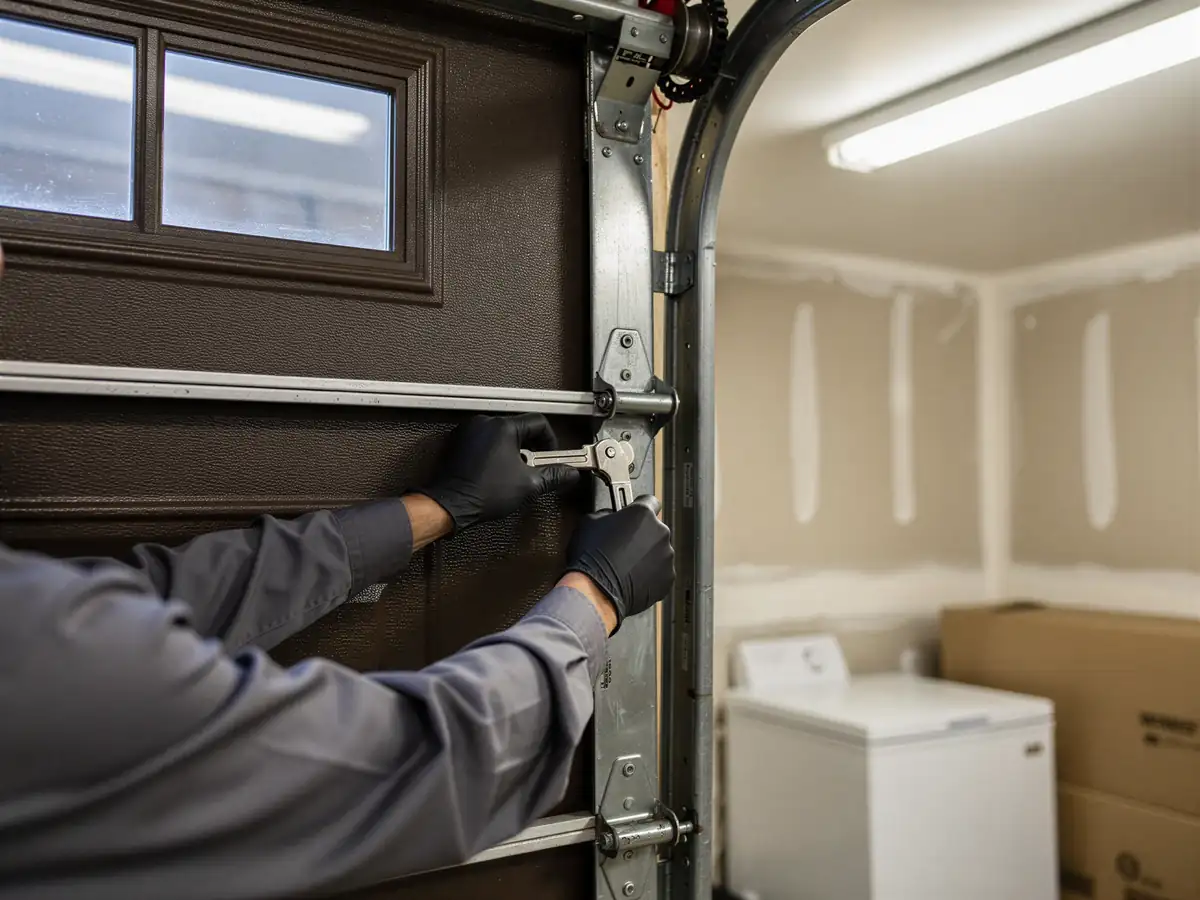
We also don't try to force a repair onto a door that's past the point of it being worth the labor. On a lot of the older 1950s doors we find here, the track is bent, the panel is rusted through at the bottom, and the springs are the wrong size for the door weight because someone replaced them without checking the original spec. In that case we'll say so and talk through replacement instead of billing you for a patch that fails again in a year. That's not a sales pitch - it's just where the math on parts and labor stops making sense.
The Drive Over
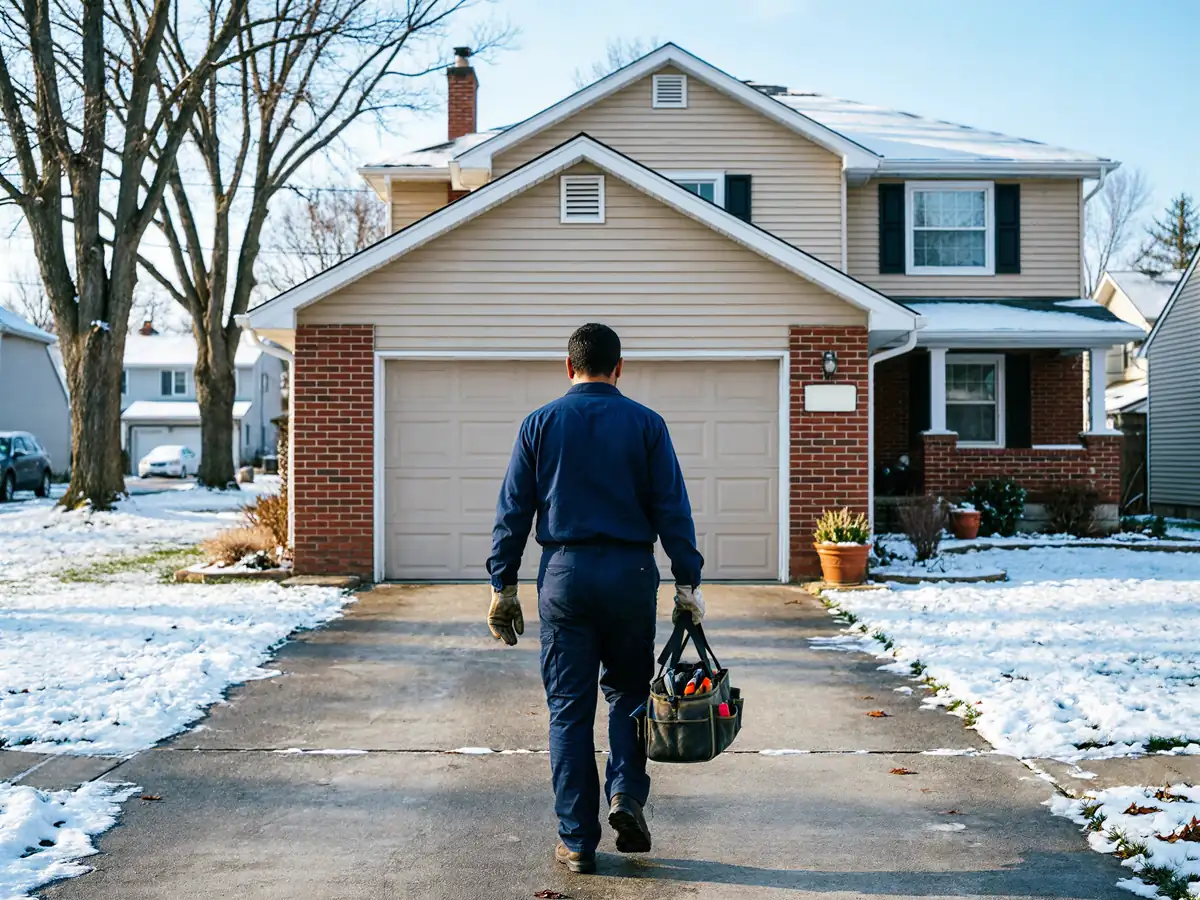
West Allis to Wauwatosa is a short run, about 4 miles, and we factor that into how we schedule the day rather than treat it as a special trip. It's close enough that we can carry the same stock of springs, rollers, and cable we'd bring to a West Allis job without guessing at what an older door out here might need.
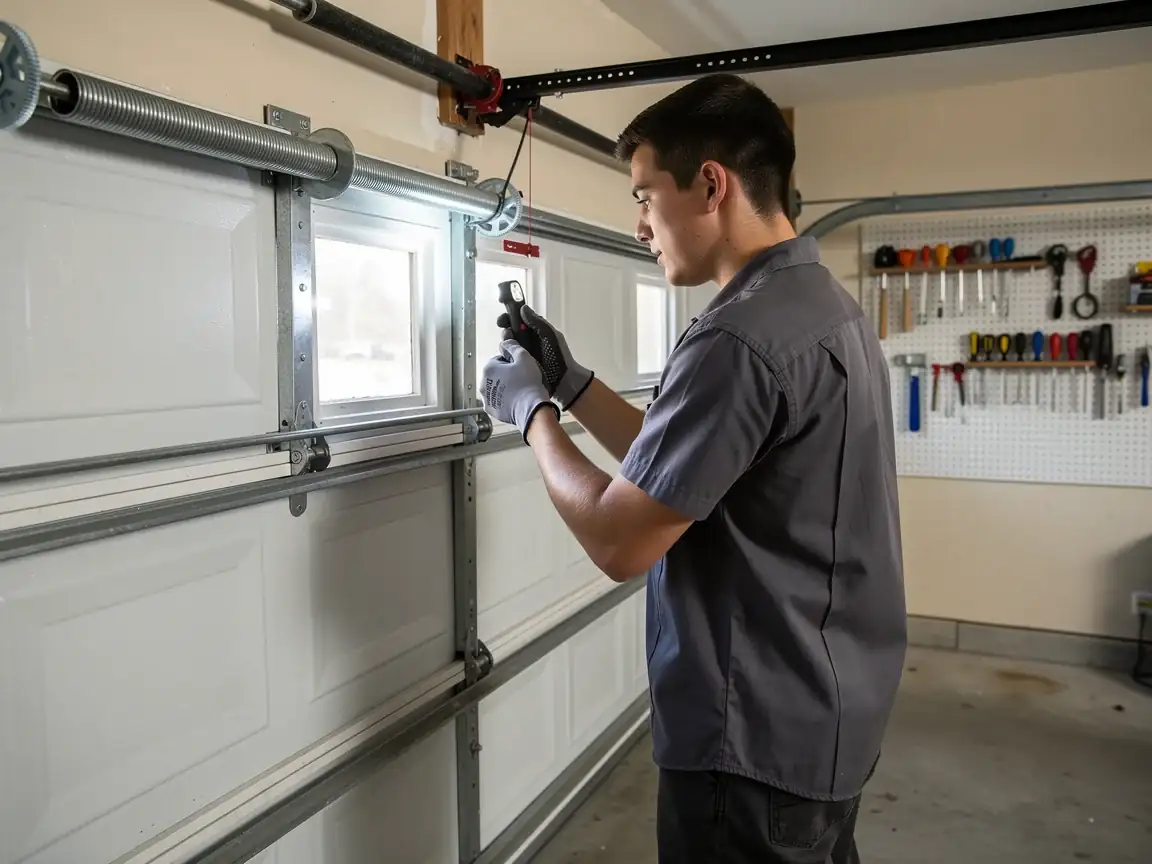
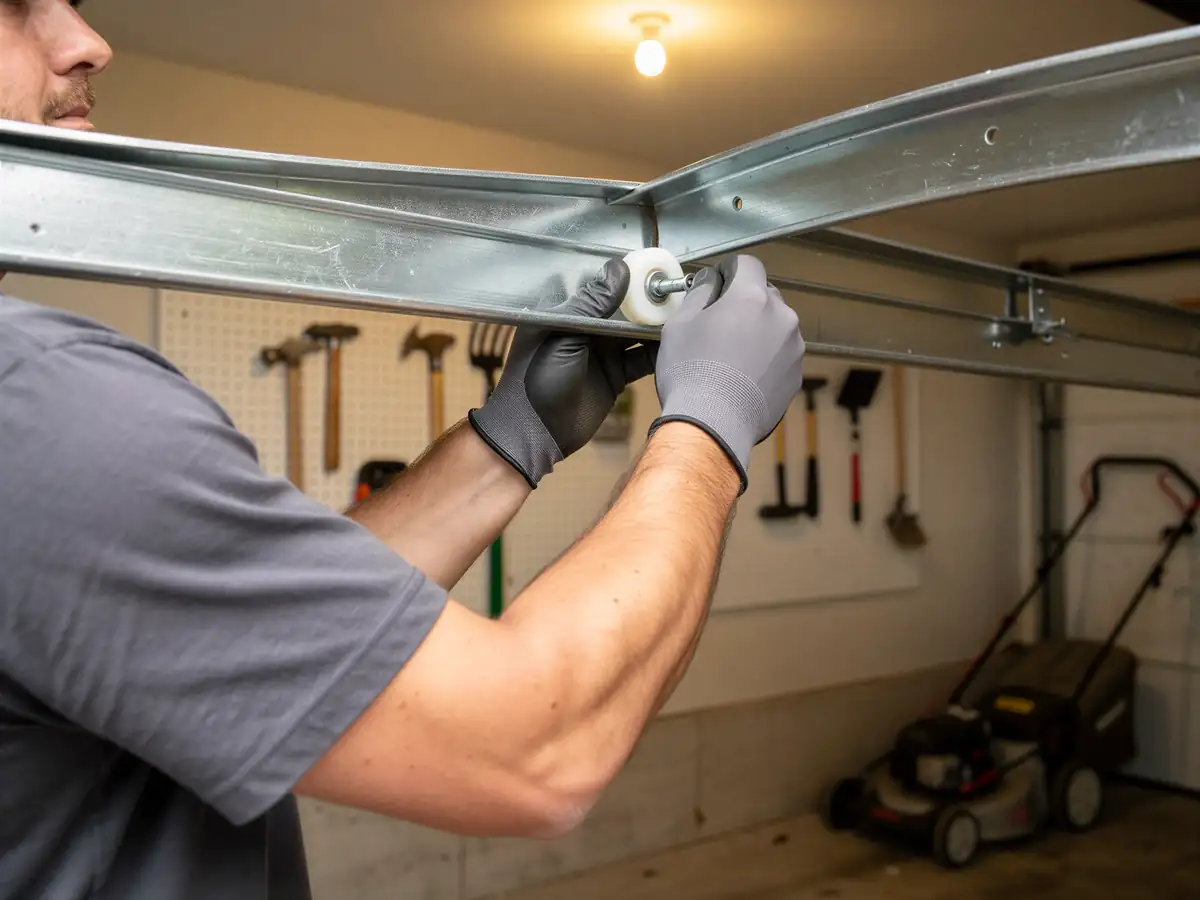
Winters in this area fall into the severe cold band used for the broader region, and that affects the hardware more than people expect. Steel contracts in deep cold, torsion springs lose some tension, and nylon rollers that were fine in August start binding in January. On older doors - the kind more common here given the 1954 median build year - that cold-season stiffness tends to show up as a slow, heavy door rather than a dramatic failure, which is often the first sign something's about to go.
What the Housing Means for Your Door
Because so much of Wauwatosa's housing stock predates 1960
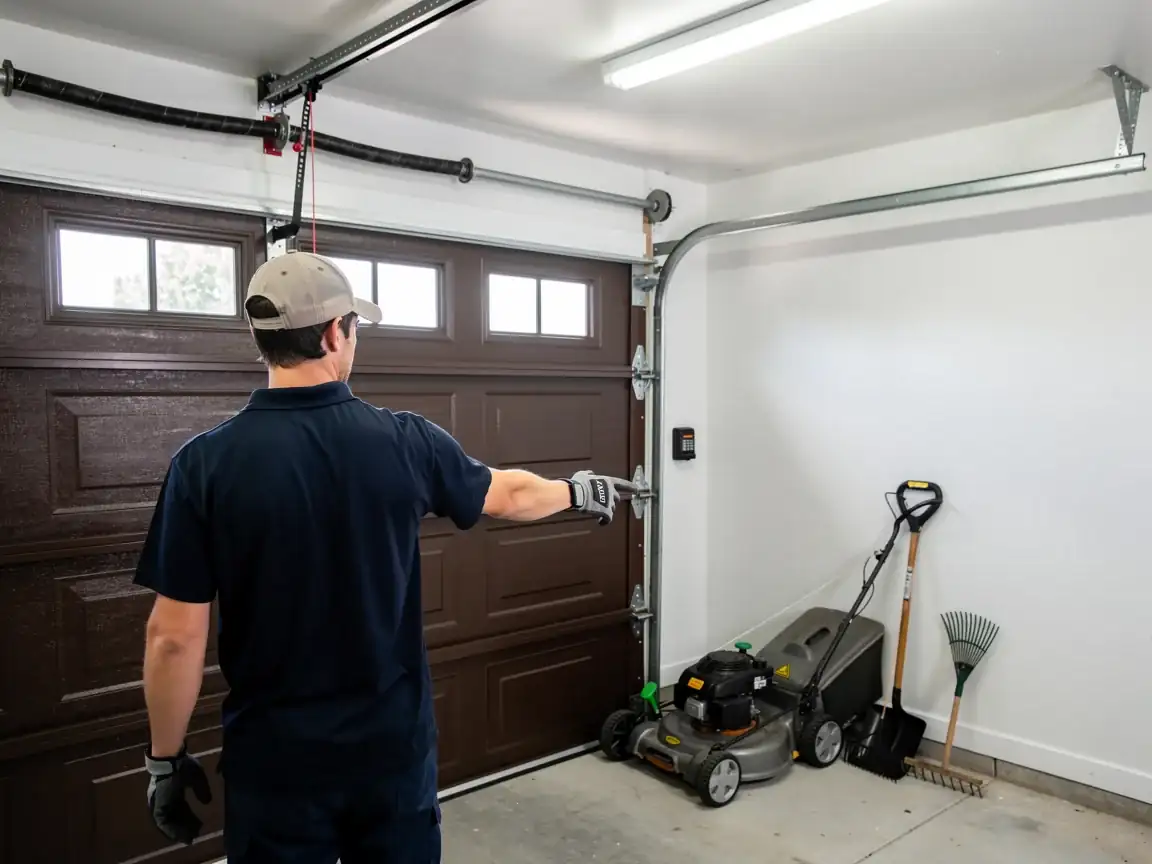
The common failures we run into out here skew toward age and retrofits rather than manufacturing defects. Original jamb widths that don't match a modern standard door, extension springs on houses that were later fitted with torsion conversions, and openers mounted to framing that was never meant to carry that load. None of this is wrong, exactly - it's just old, and old hardware wears differently than a door installed to current spec.
The cold-climate factor layered on top of that older housing stock means lubrication and spring tension need checking more often than on a newer build
A 1954 door with factory-era hardware and a stiff torsion spring in a severe cold winter is a specific, predictable combination - and it's usually what's behind the slow-closing or off-track calls we get from this part of the coverage area, not a random breakdown.