Getting It Booked In
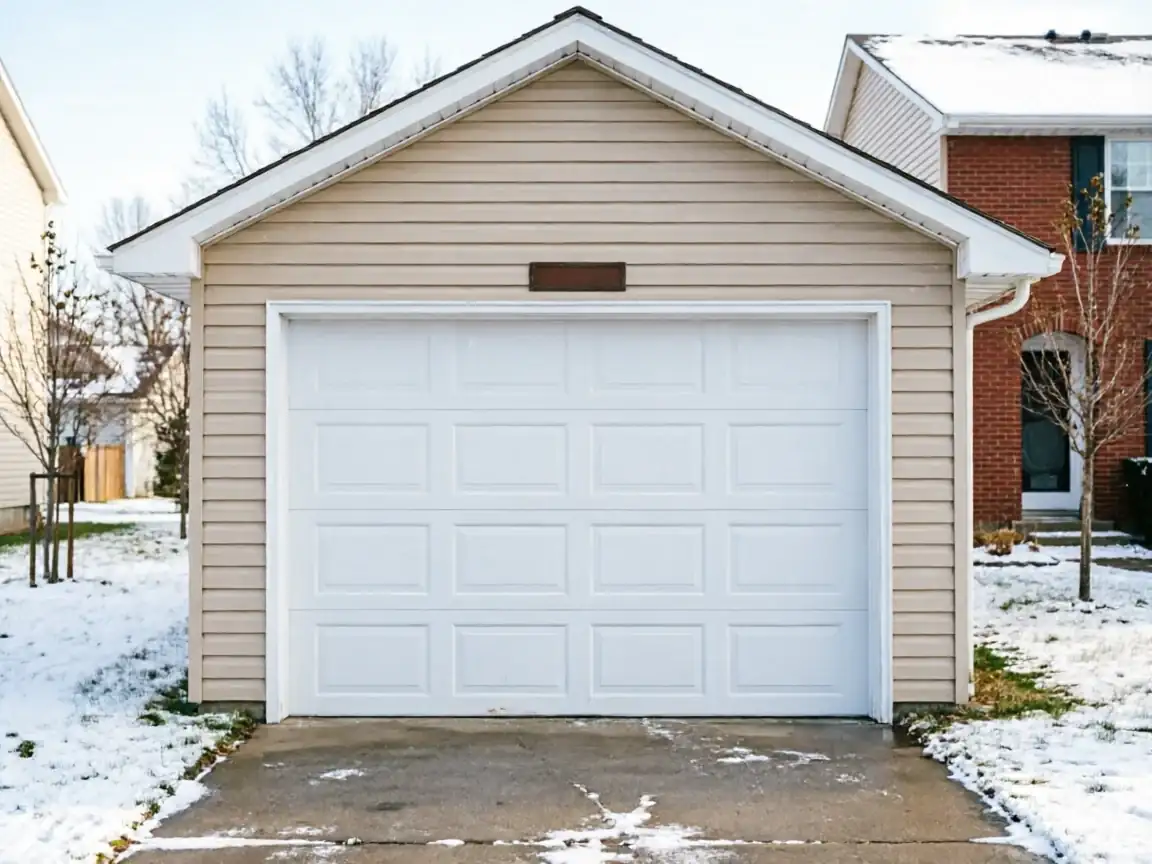
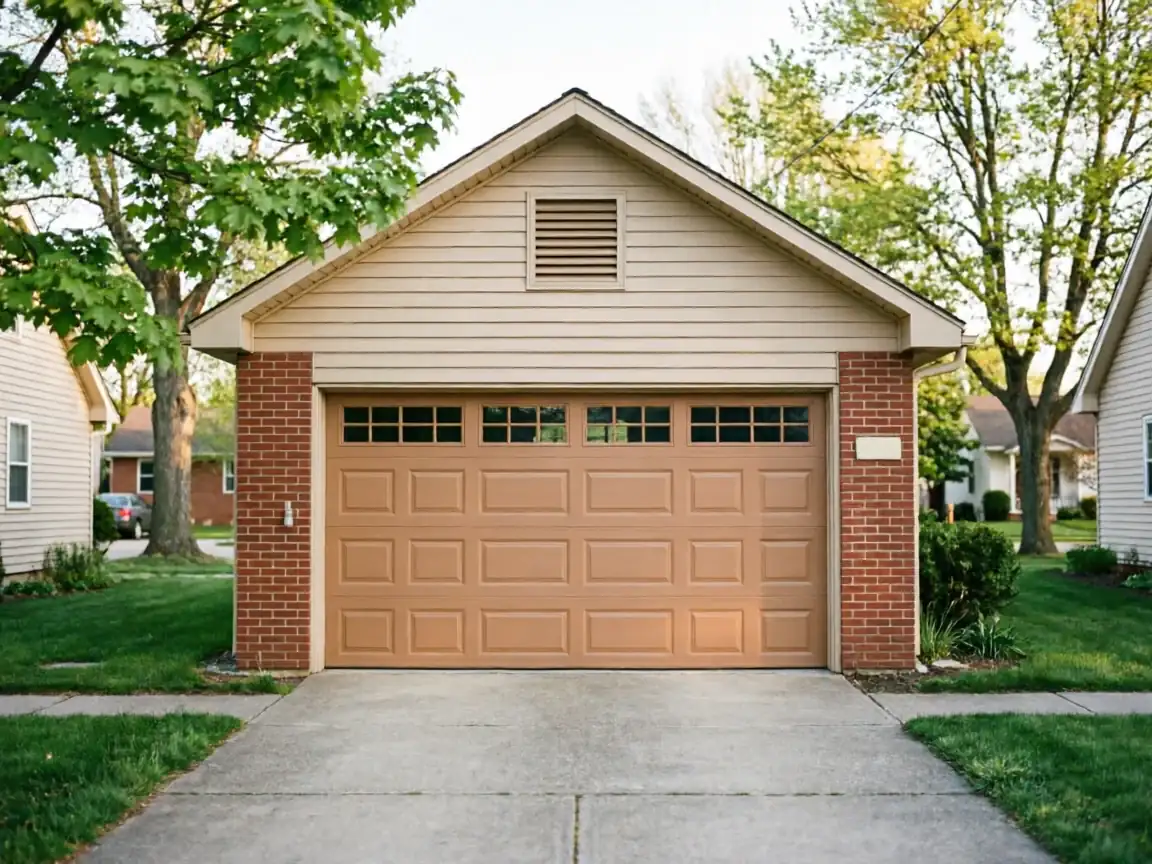
We run out of West Allis, about 4 miles from most of Wauwatosa, so there's no second branch or satellite stock sitting closer to you - just a short drive over. That distance doesn't change what we carry on the truck, but it does mean we like to know roughly what we're dealing with before we show up: single door or double, torsion or extension, and whether the opener is original to the house or a later add-on. Call it in or book through the service area page, and if you want the fuller rundown of what we handle out of West Allis, that's on the main repair page. We'd rather spend the visit working than guessing at the setup in your driveway.
The DIY Question
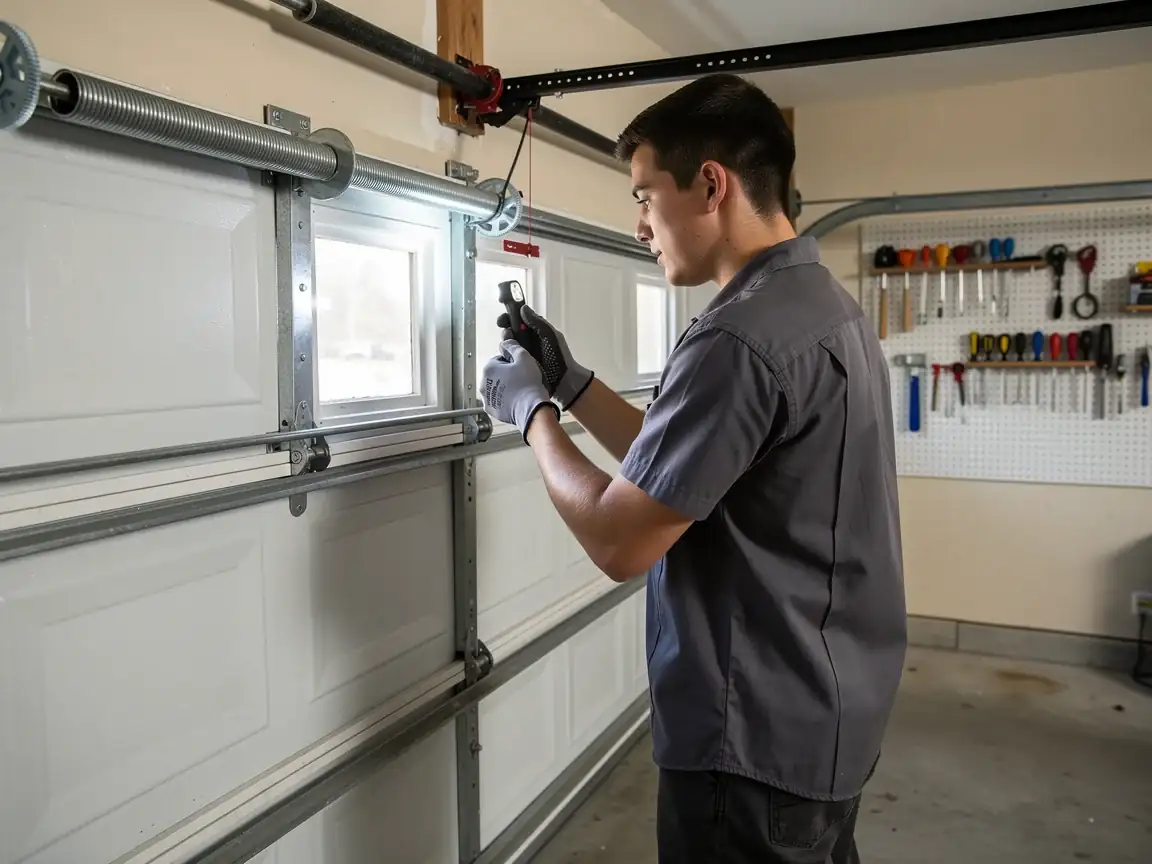
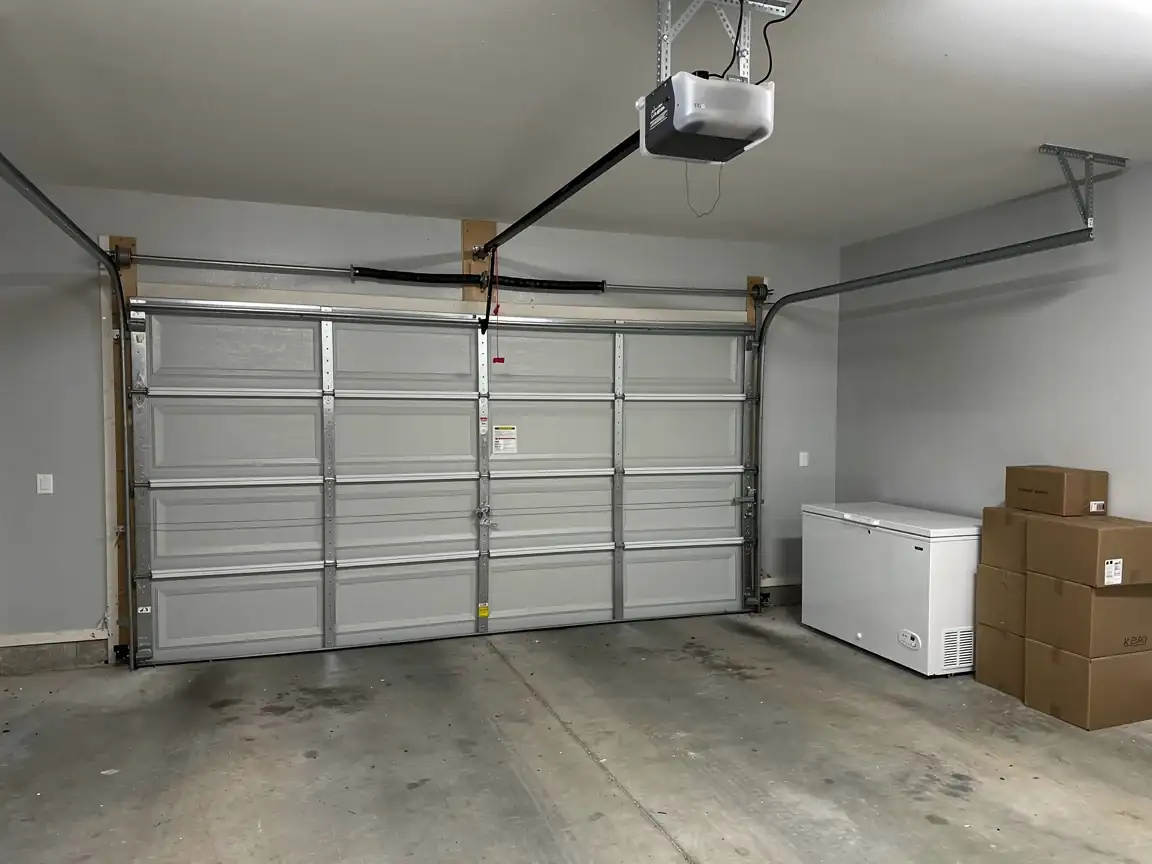
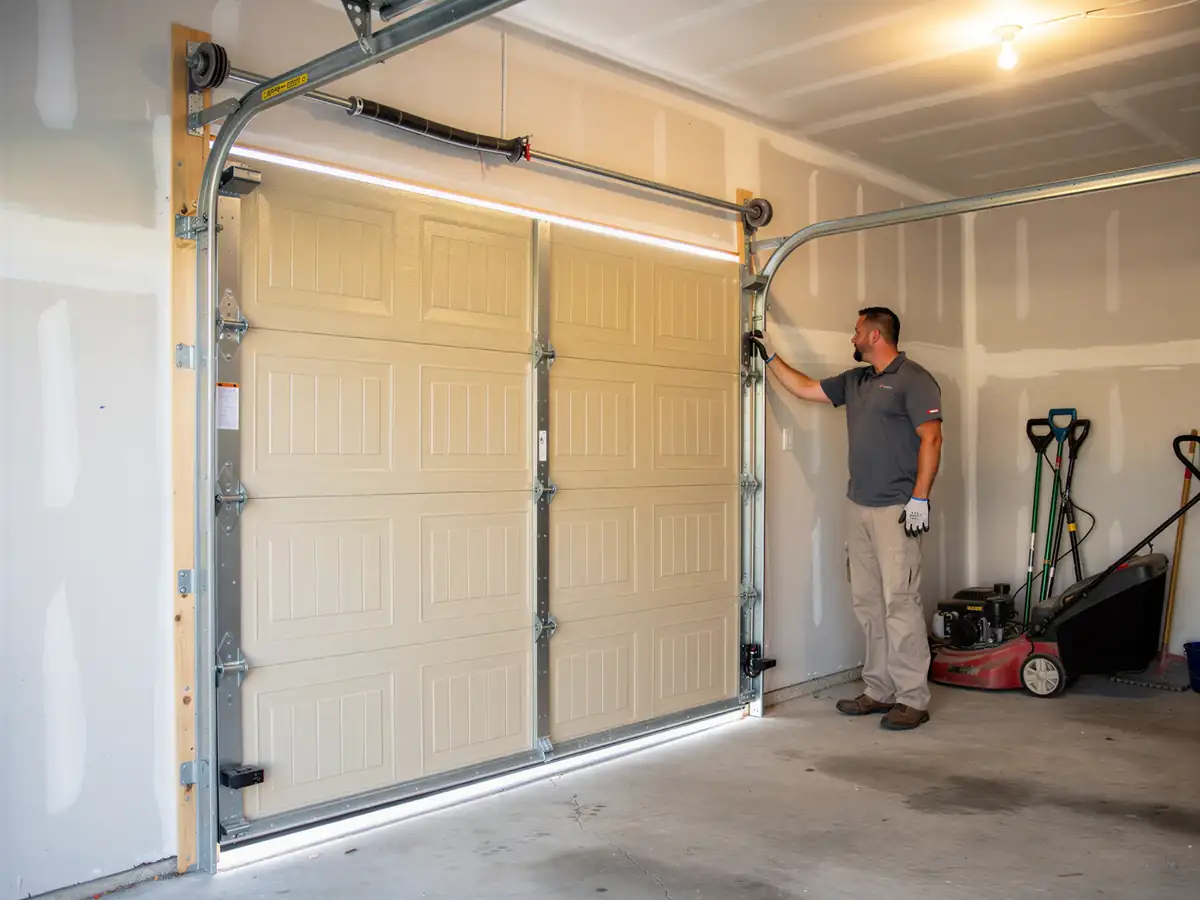
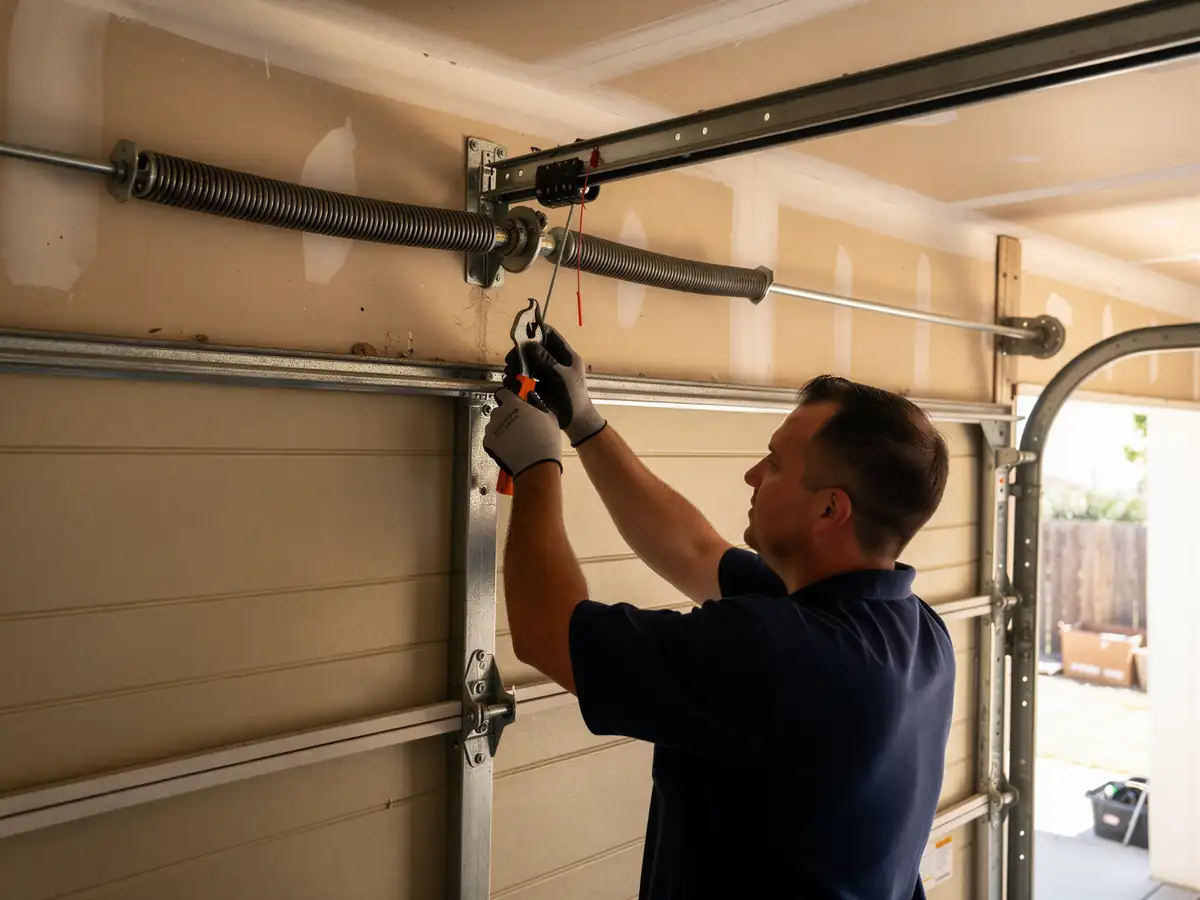
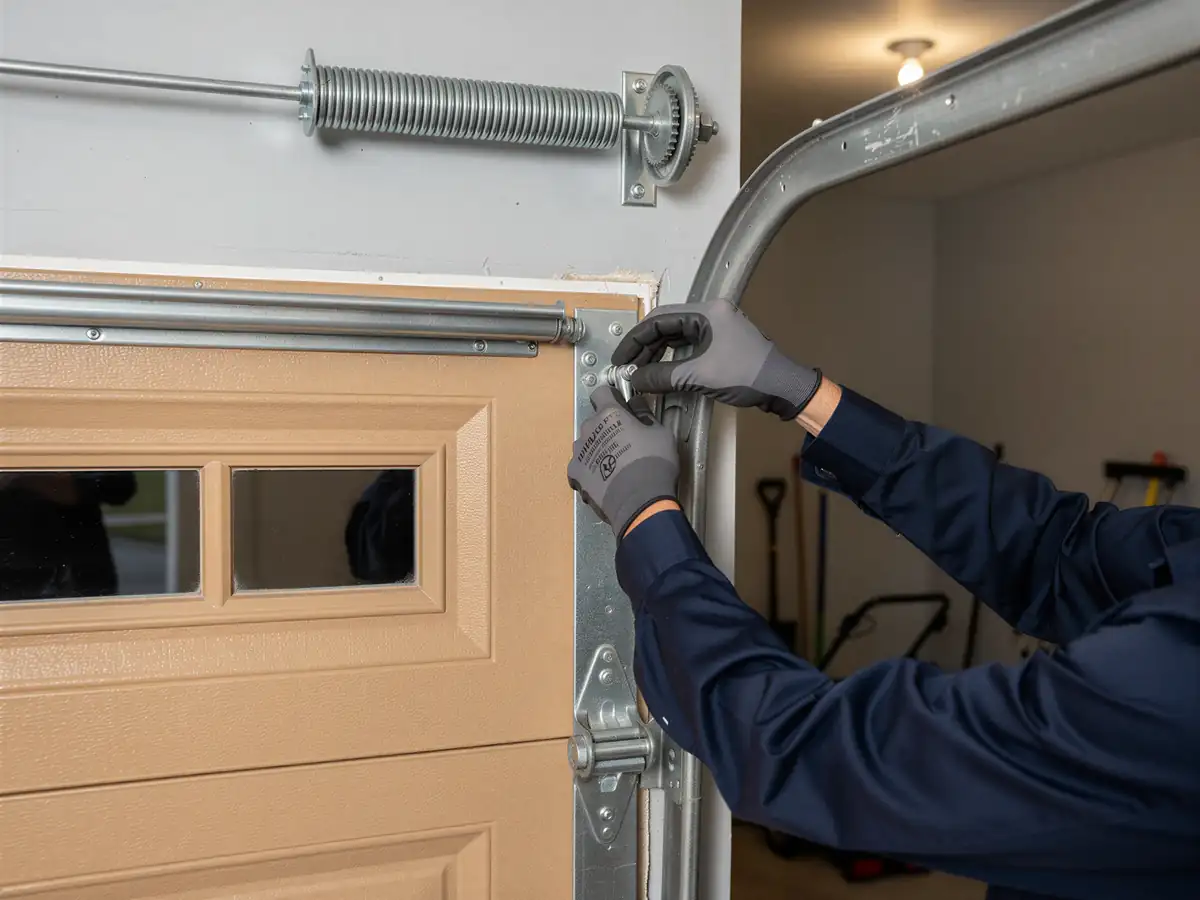
A loose roller or a dragging track you can sometimes free up yourself with a vacuum and a rag - that's reasonable. What isn't reasonable on a house this age is touching the spring. Extension springs from the 1950s and 60s don't have the safety cables that became standard later, so if one lets go under tension it can send the coil across the garage. We also won't pretend we stock every obsolete drum and cable length from that period on the truck - sometimes a part has to be sourced, and that's the honest limit of a same-visit fix. If your opener is original to the house, replacing it usually makes more sense than repairing it; parts for openers that old simply aren't being made anymore, and we'll tell you that straight rather than bill you for a repair that won't hold.
The Cost of This Job
We're not going to put a number here that isn't backed by a quote for your actual door - every job we don't see in person is a guess. What we can say is what moves the price: whether the fix is a spring or cable versus a full hardware replacement, whether parts for an older extension-spring system need to be sourced instead of pulled off the truck, and whether the opener is salvageable or needs replacing outright. With median household income in Wauwatosa running $93,859 - lower than the $108,690 median across the wider service area - we see more owners lean toward targeted spring and cable repair rather than a full door swap, and for a lot of these houses that's the right call anyway. A straightforward spring replacement costs less than chasing a worn track that's already pulled loose from the jamb.
What Can Go Wrong
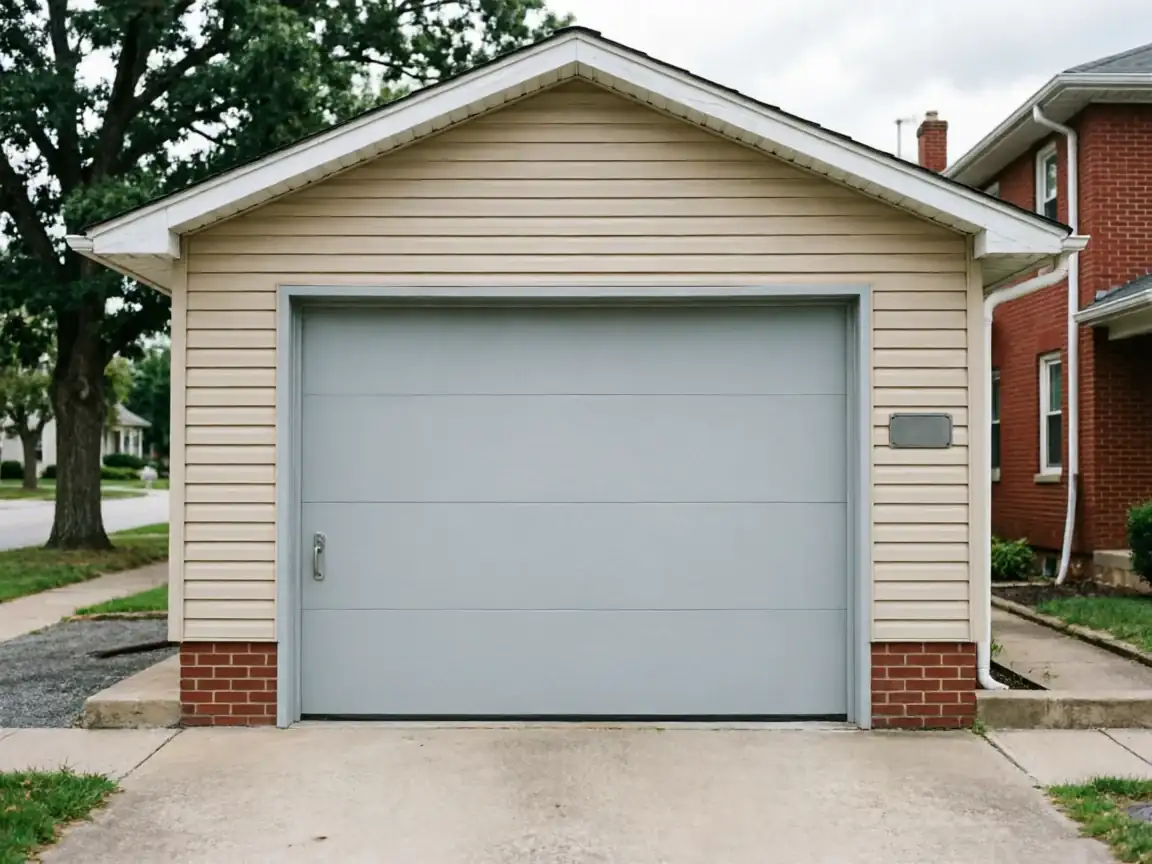
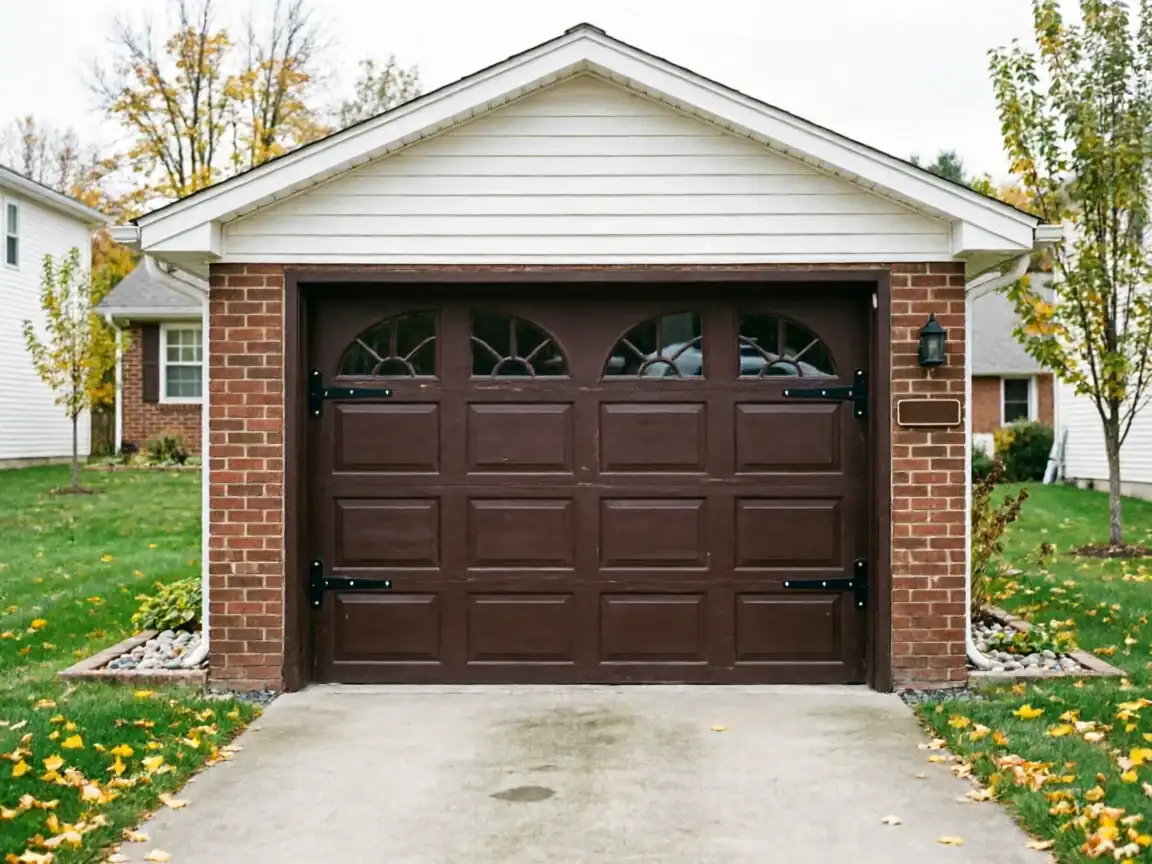
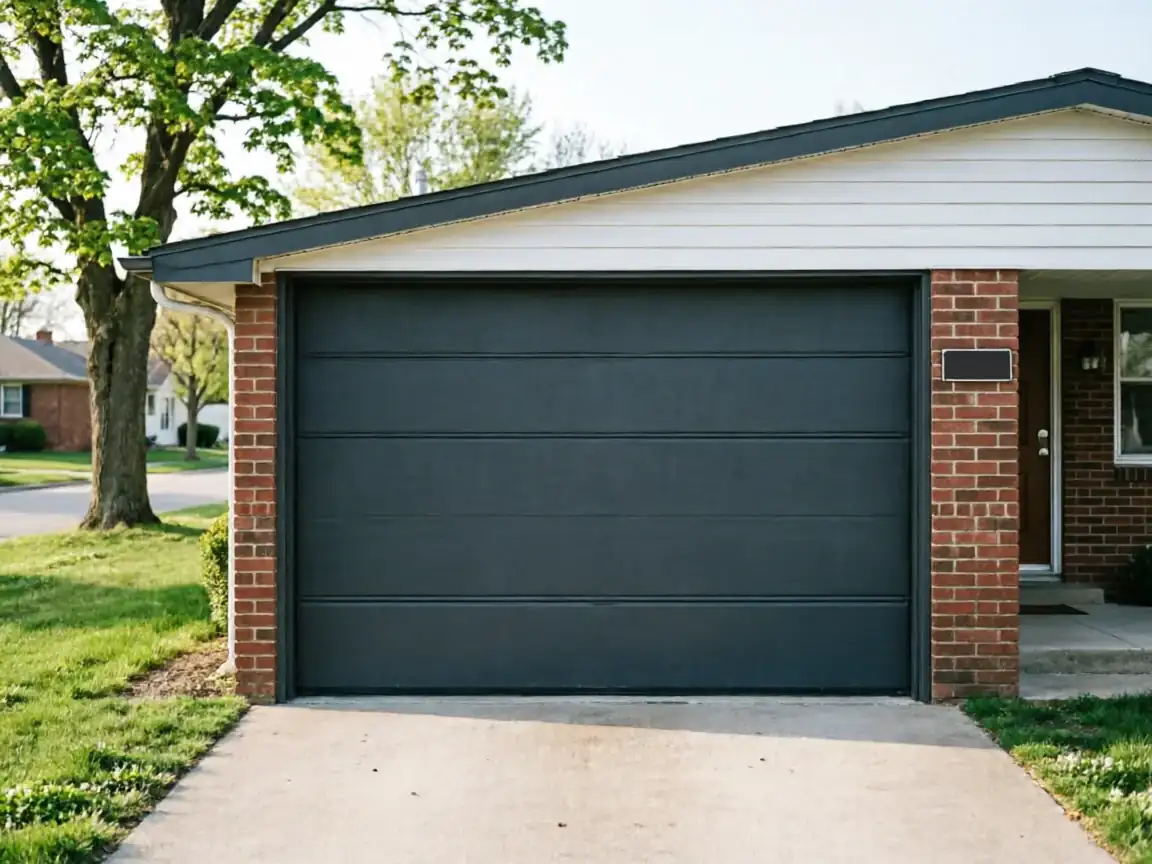
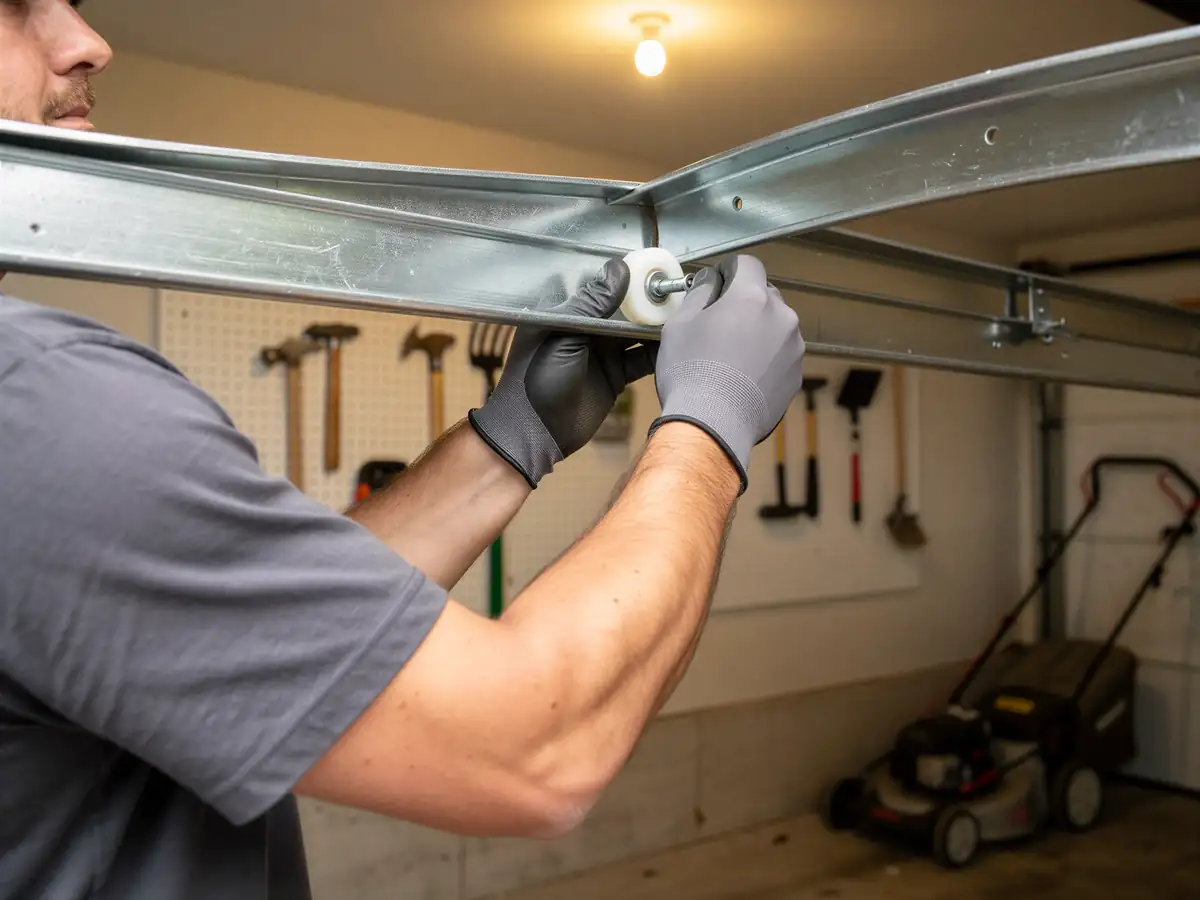
On a door this old, the usual suspects show up in a particular order. Extension springs stretch and lose tension gradually, so the door gets heavier to lift long before it fails outright - that's the early warning most owners miss. Cables fray where they wrap the drum, especially if the pulley's never been replaced. Rollers that were steel to begin with wear grooves into tracks that have shifted slightly out of plumb over decades of settling, which is common in houses built in the 1950s. And on single-door openings, the smaller header and jamb framing from that era sometimes isn't as forgiving of a sagging track as a wider modern opening would be. None of this is dramatic until the day a cable snaps under load and the door drops unevenly - at that point it's not a lubrication job anymore, it's a hardware replacement.