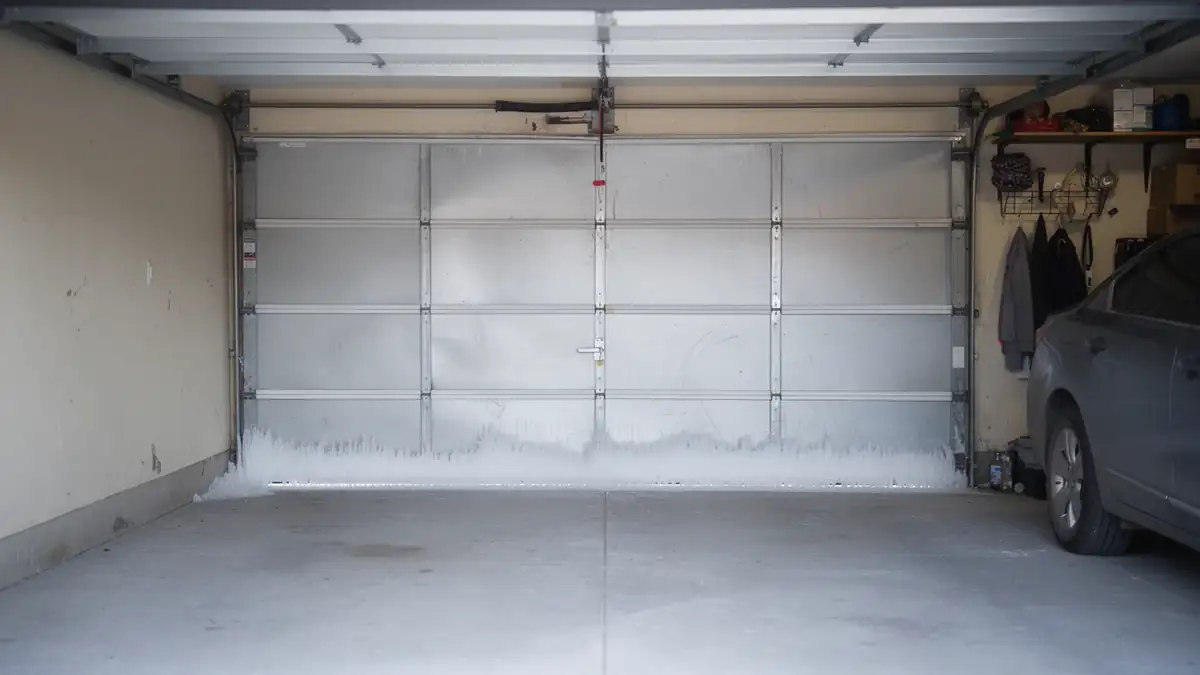
The Problem
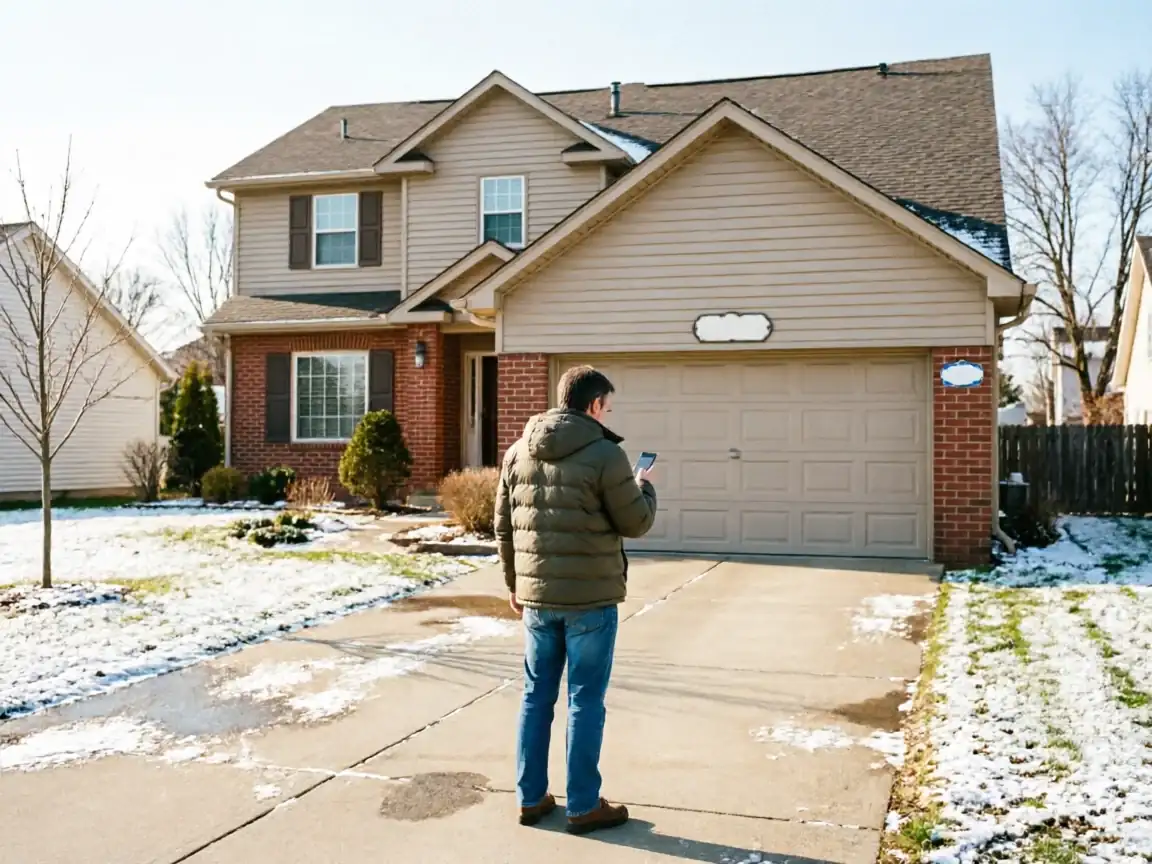
Most houses in West Allis went up between 1938 and 2000, with the median landing around 1976
That's not a random spread - it means the bulk of the garage doors on this side of town were installed during a stretch when nobody was thinking about insulation code for a garage, because there wasn't one yet. The door was treated like a big flat panel that kept rain out, full stop. No thermal break, no weatherstrip spec, single steel skin or wood plank construction depending on the decade.
That matters here specifically because West Allis sits in a cold-severe climate band
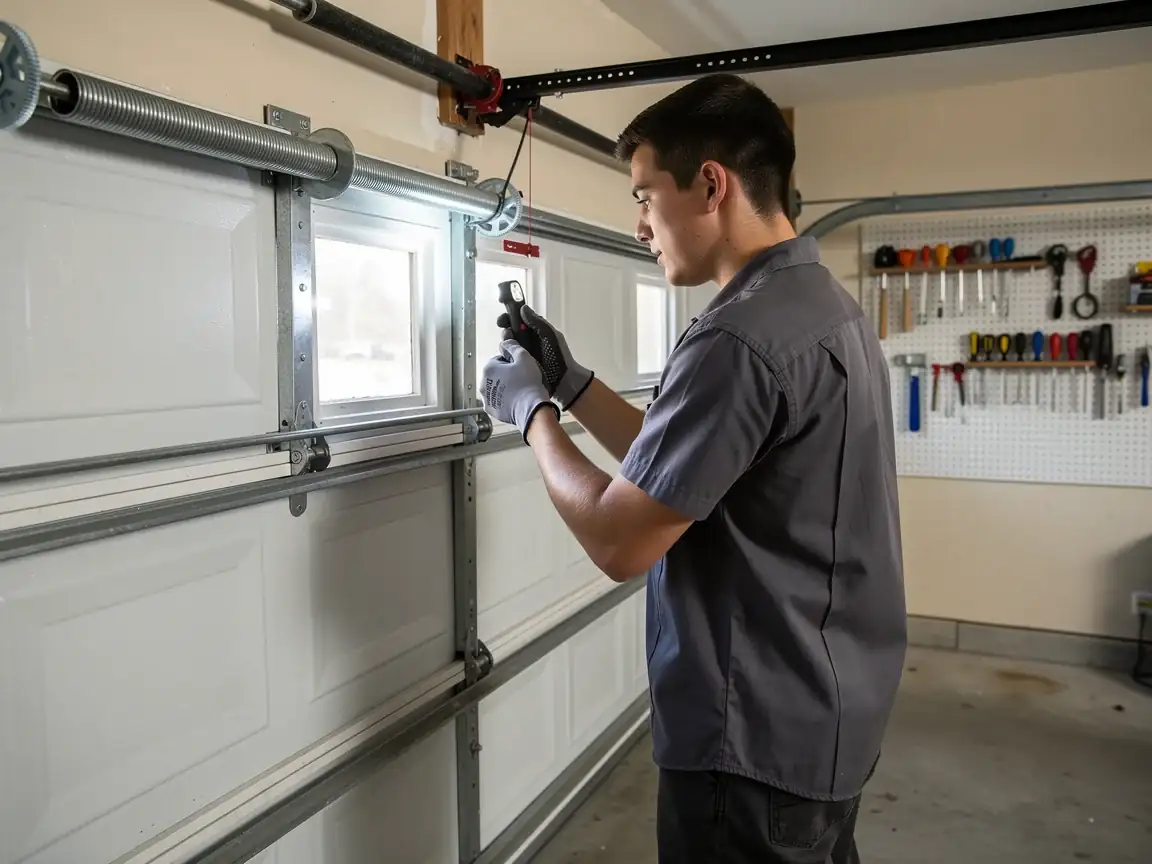
A door built for 1965 expectations, hung on a house that's now 50-plus years old, is doing a job it was never designed to do. The hardware ages the same way regardless of insulation, but the skin and seal age faster when the gap between inside and outside temperature is as wide as it gets here every winter.
We see this most on original one-piece and early sectional doors that never got touched after install
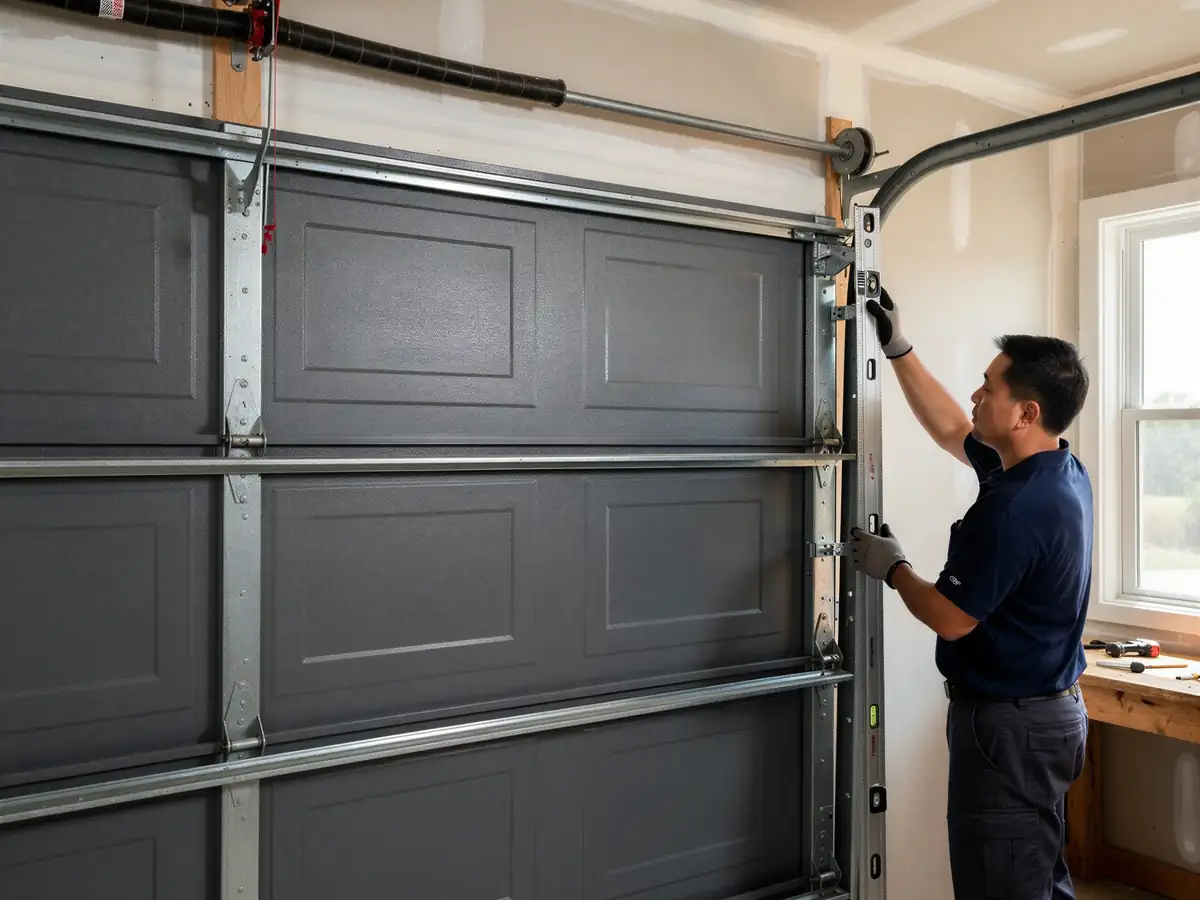
The track and springs usually aren't the first thing to go - it's the door panel itself, warped or rusted through at the bottom where snowmelt sits against an uninsulated steel edge.
Where People Go Wrong
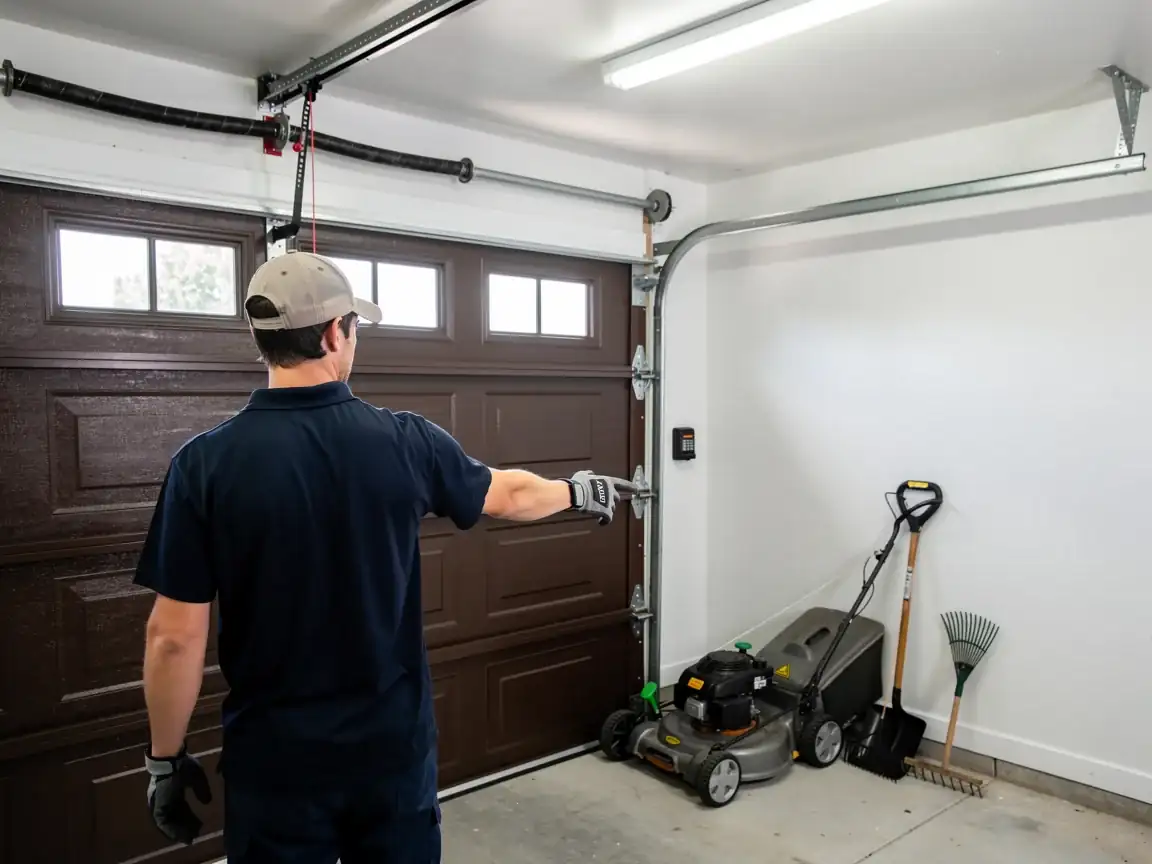
The most common mistake is replacing a spring or opener on a door that's still running the same panel it had in 1976, and calling the job done. That panel is the actual problem. It's cosmetic to the untrained eye - a little rust, a little sag - but structurally it's flexing in ways that stress the new hardware you just paid for.
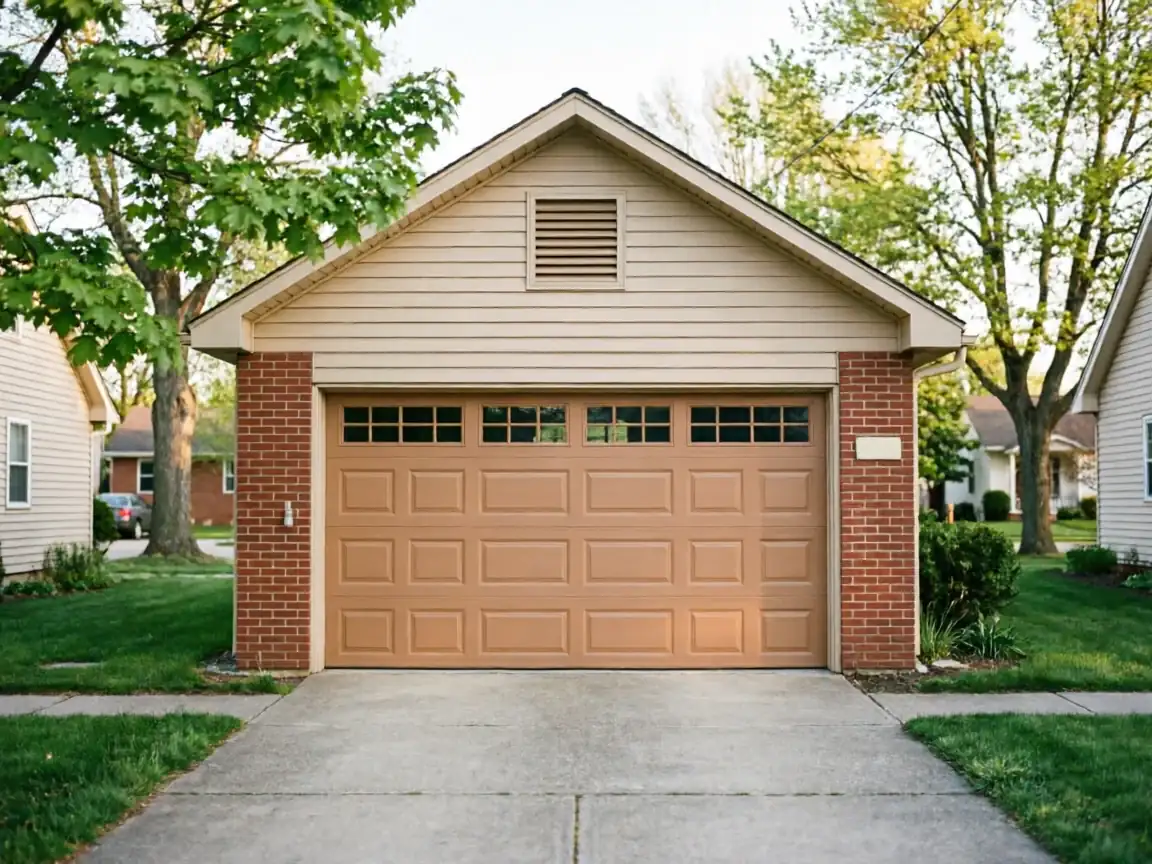
The second mistake is assuming every house in West Allis has the same door. It doesn't. Across the named areas here, the housing stock ranges from late-1930s builds through 2000s construction, so a door that's original to a house built in the 50s is a different animal than one on a newer build. We ask the build era before we quote a repair, because the answer changes what's actually wrong.
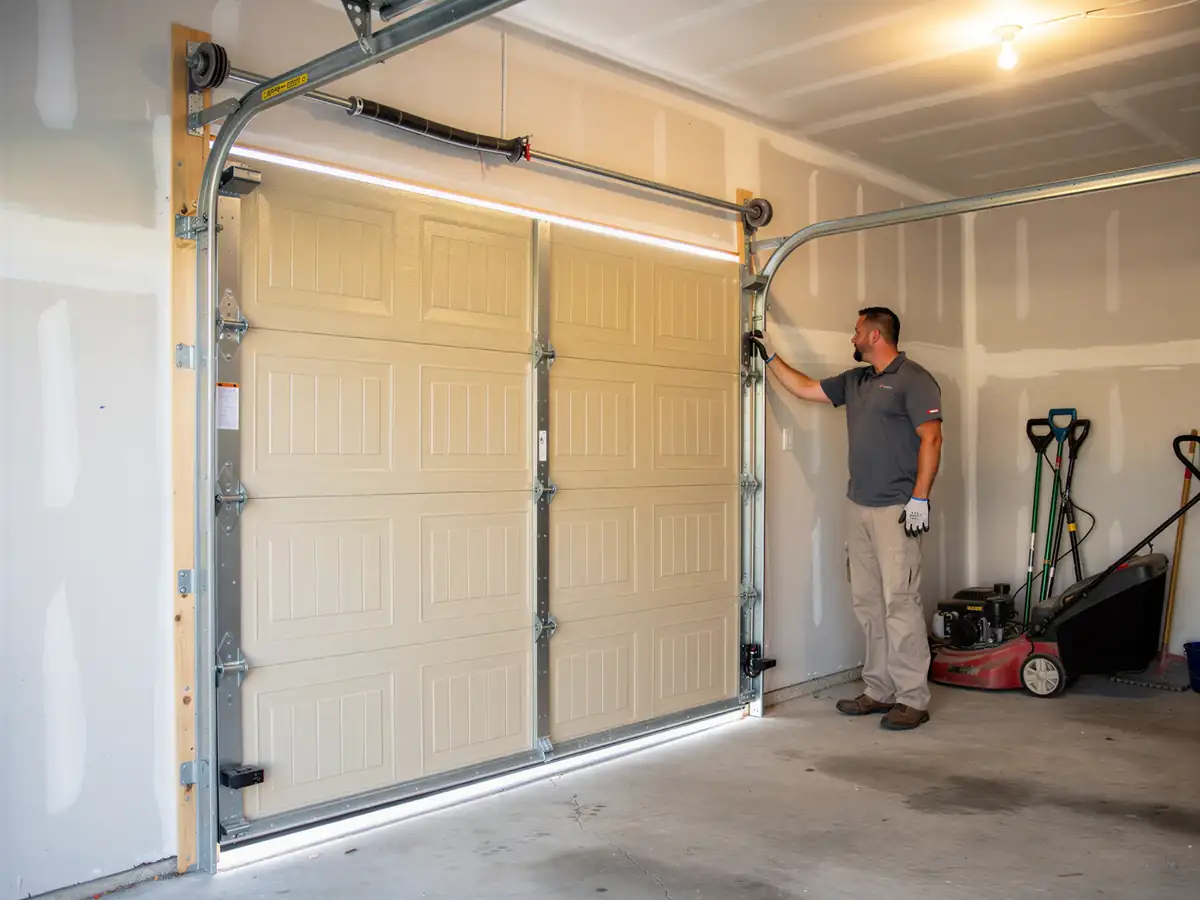
Third: people wait until the door won't move at all. On houses this old, the failure is usually gradual - a track that's slowly bent from decades of a door that was never quite leveled, or rollers that were steel originally and have been grinding the track for 40 years. By the time it won't open, you're often looking at a track and roller job, not a five-minute fix.
What Local Conditions Do
Cold-severe conditions don't just mean the door is stiff on a January morning. They mean the steel contracts, the lubricant in old bearings thickens, and any gap in the bottom seal turns into a channel for wind-driven snow. On a door built before insulation rules existed, that gap was never sealed tight to begin with - it was built to a looser tolerance because nobody was chasing an R-value.
The freeze-thaw cycle that comes with a cold-severe climate is harder on these older doors than on anything built in the last couple decades. Water gets into a seam or a panel joint during a thaw, then freezes and expands overnight. Repeat that over 50 winters and you get the warped bottom panels and cracked end stiles we see on original doors across the older parts of West Allis.
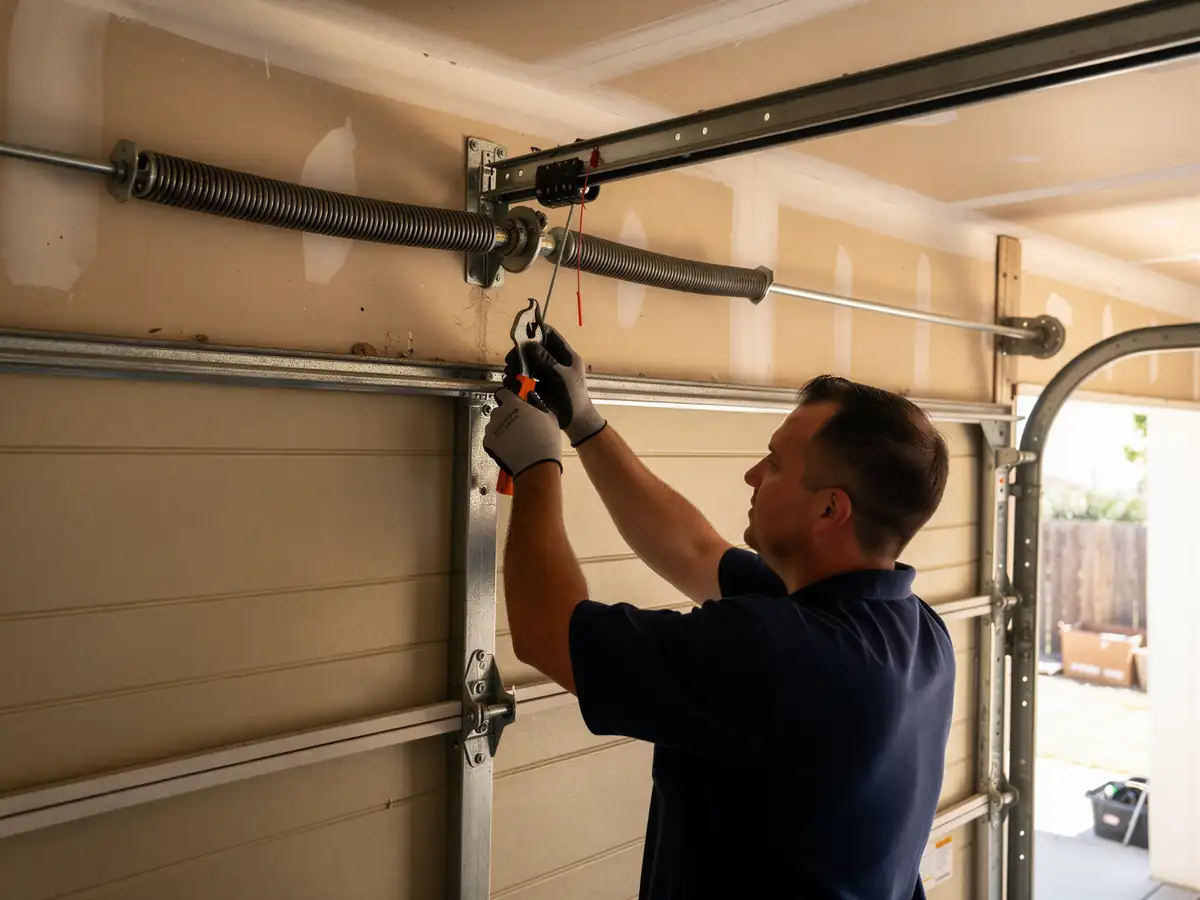
Springs feel this too. A torsion spring loses tension slightly in extreme cold, which is why a door that opened fine in October can feel heavy or uneven in February. On a door that's also fighting a worn track from decades of use, that seasonal tension drop is often what finally pushes a marginal setup into a stuck one.
What Changes With the Season
Going into winter, the door that was merely slow in September becomes the door that won't open at all once temperatures drop hard
If your house is one of the many built mid-century here, that's the time to have the track, rollers, and bottom seal looked at before the cold locks in whatever's already loose or bent.
Coming out of winter, watch the bottom panel
Snowmelt sitting against an uninsulated steel edge for weeks is the single biggest cause of bottom-panel rust and rot we see on older doors in this area. If the paint's bubbling or the panel flexes more than it used to, that's not something a new spring fixes.
One honest limitation
We don't recommend trying to retrofit insulation into a door built before insulation rules existed just to save the door. Past a certain age, the panel, seals, and hardware are all original and all tired at once, and patching one piece just shifts the strain to the next. On a lot of these mid-century doors, full replacement ends up cheaper over five years than repeated repair.