Serving West Allis, WI & nearby
(414) 392-8426
West Allis, WI

What Replacing a Garage Door Actually Looks Like Here

Most West Allis houses date to 1938-2000 with a lot of 1960s-70s stock, and our winters are cold and severe. Here's what that means when you replace a door.

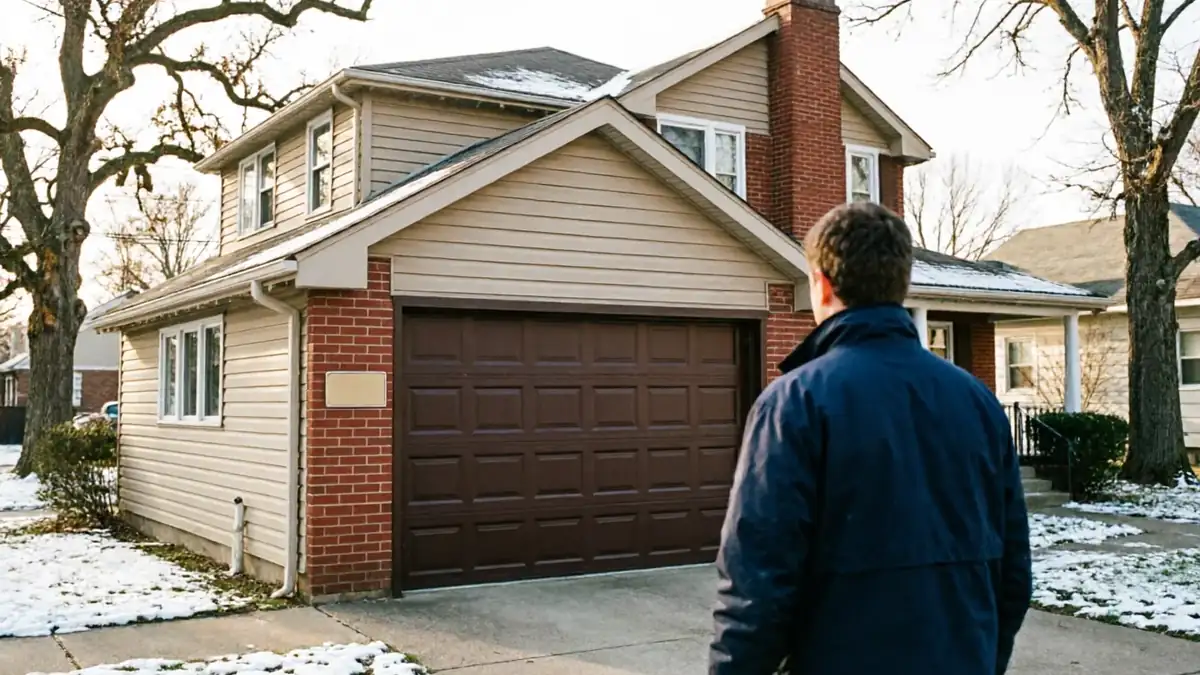
A technician stands facing a brown garage door on a house with tan siding.

The Problem

Most of West Allis went up between 1938 and 2000, with the median house dating to 1976 and a heavy concentration of 1960s and 70s construction across the older neighborhoods. That matters more than most people think when a door needs replacing. Openings framed in that era are often a few inches off the sizes sold today, tracks were hung for lighter steel sections than what's standard now, and a lot of these garages were never insulated because nobody insulated garages in 1968. When you call around for a quote, the door itself is rarely the hard part. Fitting new hardware into a 50-plus-year-old opening, dealing with a jamb that's shifted slightly, or rerouting a track around a header that wasn't built for an insulated panel - that's where the job gets real. A shop that just measures the opening and orders a stock size off a shelf is going to run into something they didn't account for, and you're the one who pays for the second trip.

Where People Go Wrong

The most common mistake is treating a replacement like a swap - same size, same style, done. With housing stock this old across West Allis and the inner-ring suburbs around it, that assumption fails often enough to matter. People also under-spec for the climate. This is a cold, severe winter region, and a door rated for a mild climate - thin steel, no thermal break, minimal weatherstripping - will perform fine in October and fight you by January. The other mistake is ignoring the opener and track while focusing only on the door panel. If your house is from the 1960s or 70s, the track hardware and header clearance were sized for the door that's coming out, not necessarily the one going in. Skipping that check to save time up front usually means a callback once the new door doesn't seat right against the stop, or the opener strains against a slightly different weight and balance point than the old one.

What Local Conditions Do

Cold, severe winters put real stress on a garage door, and it shows up differently depending on what's behind the panel. Steel contracts in deep cold, and on an older, uninsulated door from a house built in the 1960s or 70s, that contraction plus moisture cycling is what cracks weatherstripping and lets a bottom seal go brittle years before it should. Springs feel the cold too - cold steel is less forgiving, and a torsion spring that's been fine for a decade can let go on the first hard cold snap of the season. None of this is unique to one block of West Allis; it's the same physics whether the house is near down toward. What changes is the door's age and build, and that's set by when the house went up, which is exactly why 1938-2000 construction with that much 1960s-70s stock means a wide spread of door conditions out there, not one standard fix.
What Changes With the Season

A severe cold-climate winter is hard on an aging door in ways that show up gradually, then all at once. Balance shifts as cold-stiffened springs lose a little tension, and a door that was fine in September starts feeling heavy to the opener by December. If you're planning a replacement, late summer or early fall is the easier window - no one's fighting frozen hardware or trying to get an install done between storms. We won't tell you a new door stops every cold-weather problem; a tight seal and better insulation help, but a door that's otherwise sound doesn't need full replacement just because winter is coming. Sometimes a new bottom seal and a spring adjustment get another several years out of a door that's structurally fine. Replacement makes sense when the panel itself is failing, not just when the season turns.

How it works

From “it’s stuck” to “it’s fixed”

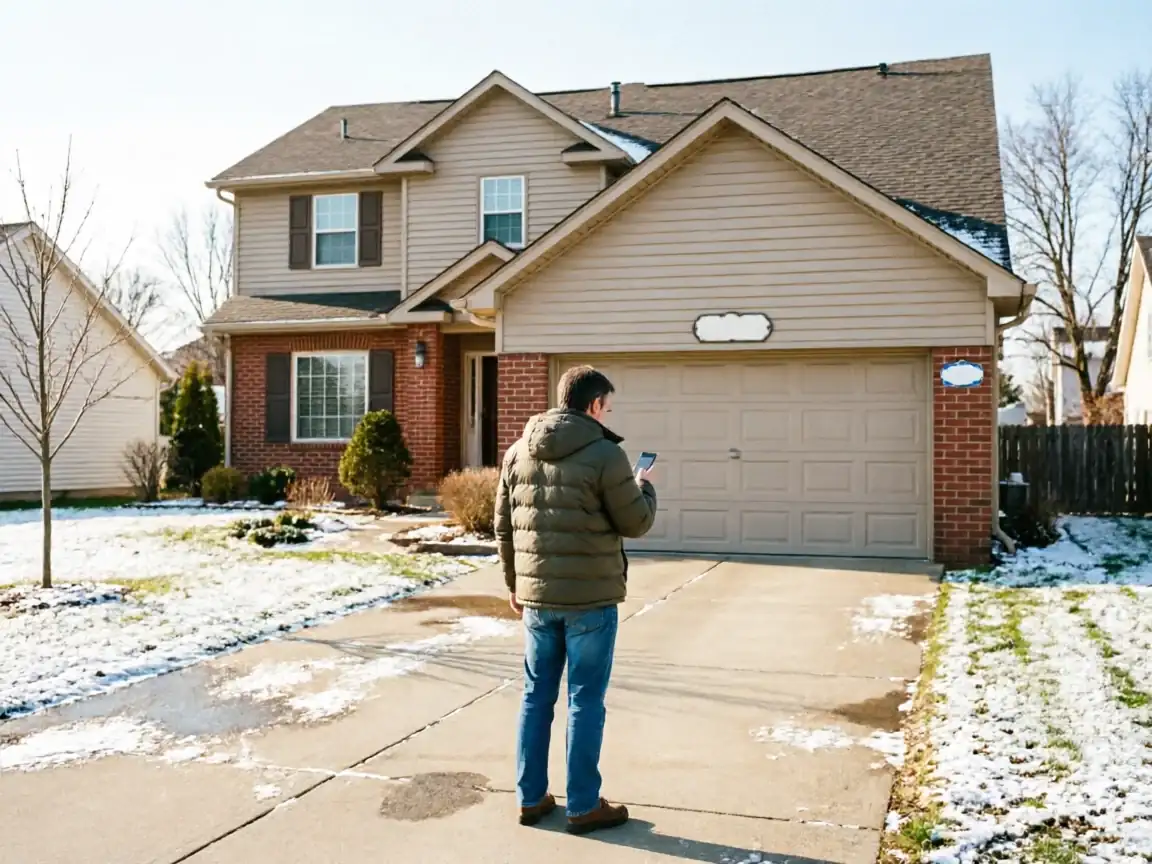
A man stands in a driveway looking at his phone in front of a house.

Tell us what’s wrong

Describe the symptom - won’t open, loud bang, opener runs but the door won’t move.

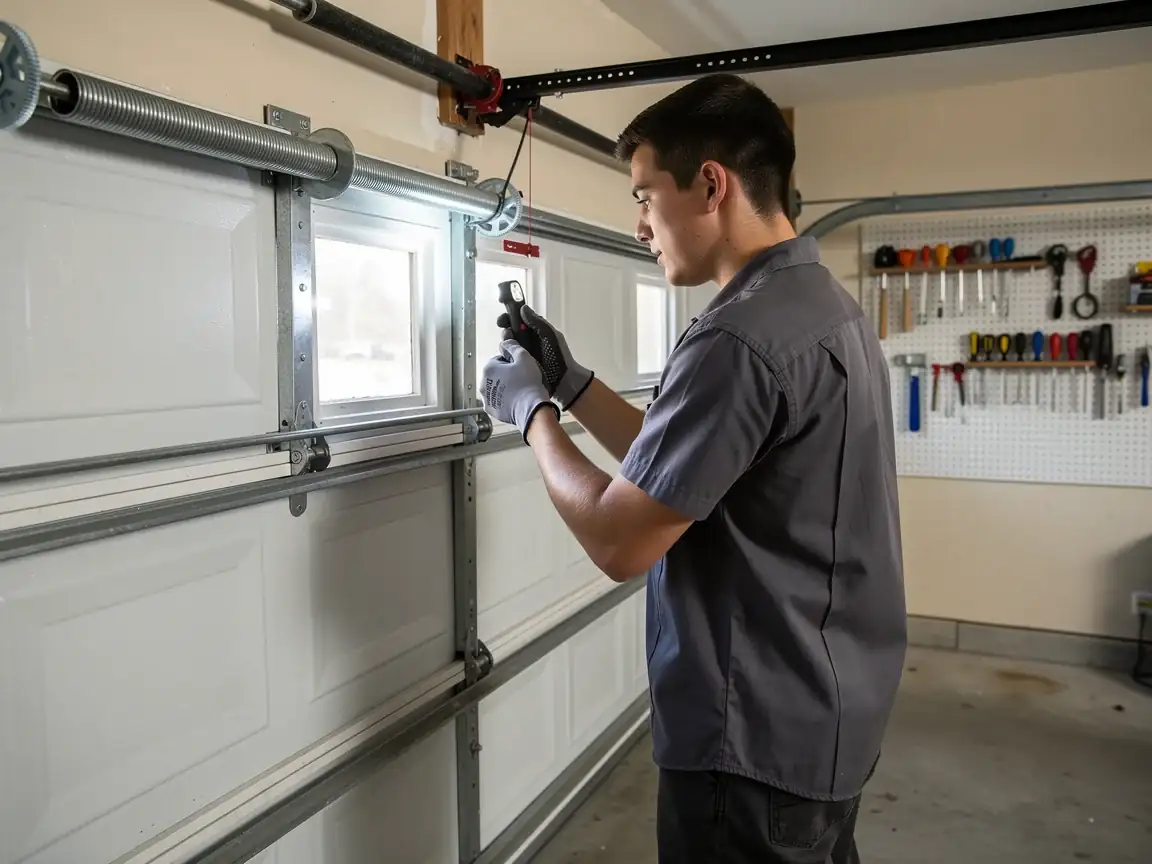
A technician in a gray shirt inspects a white garage door with a flashlight.

On-site diagnosis

A technician tests the door under power and by hand and finds what actually failed.

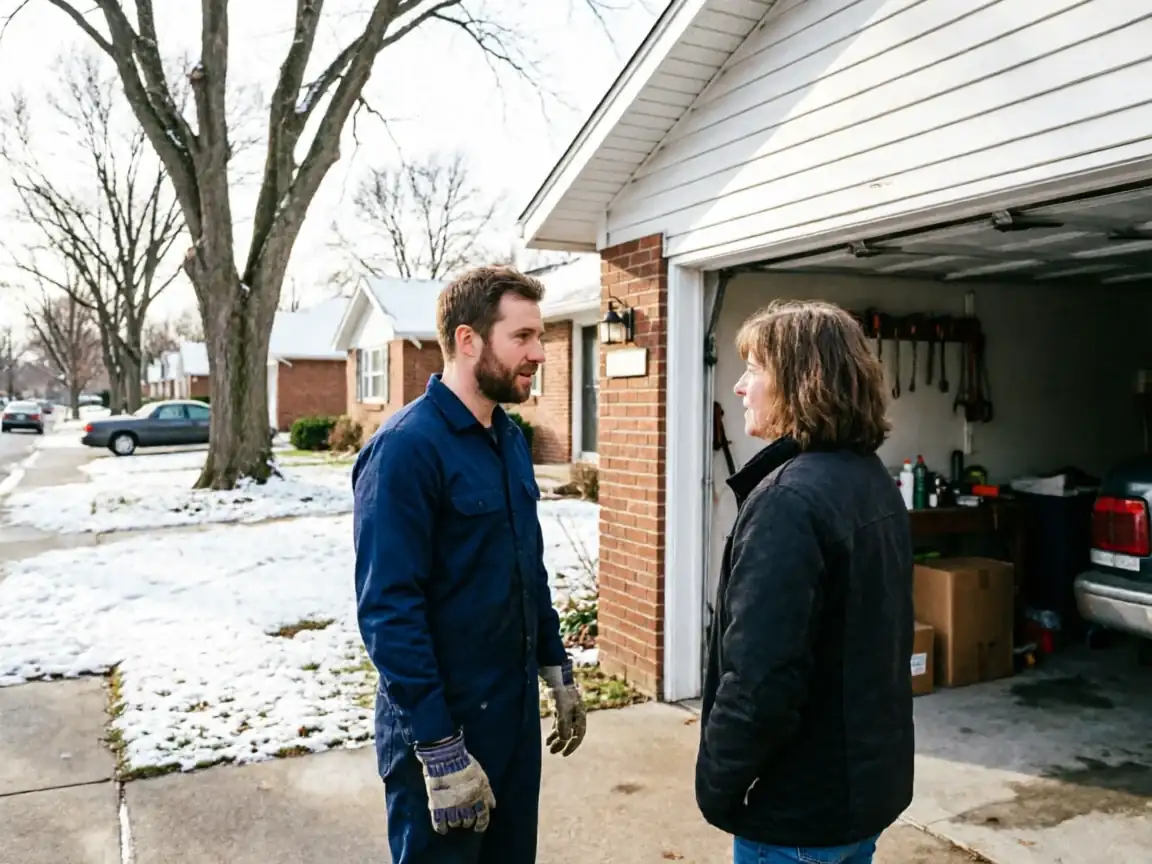
A technician in a blue uniform talks to a woman in front of a garage.

Clear, up-front plan

You get the fix that’s needed and what drives the cost - before any work starts.

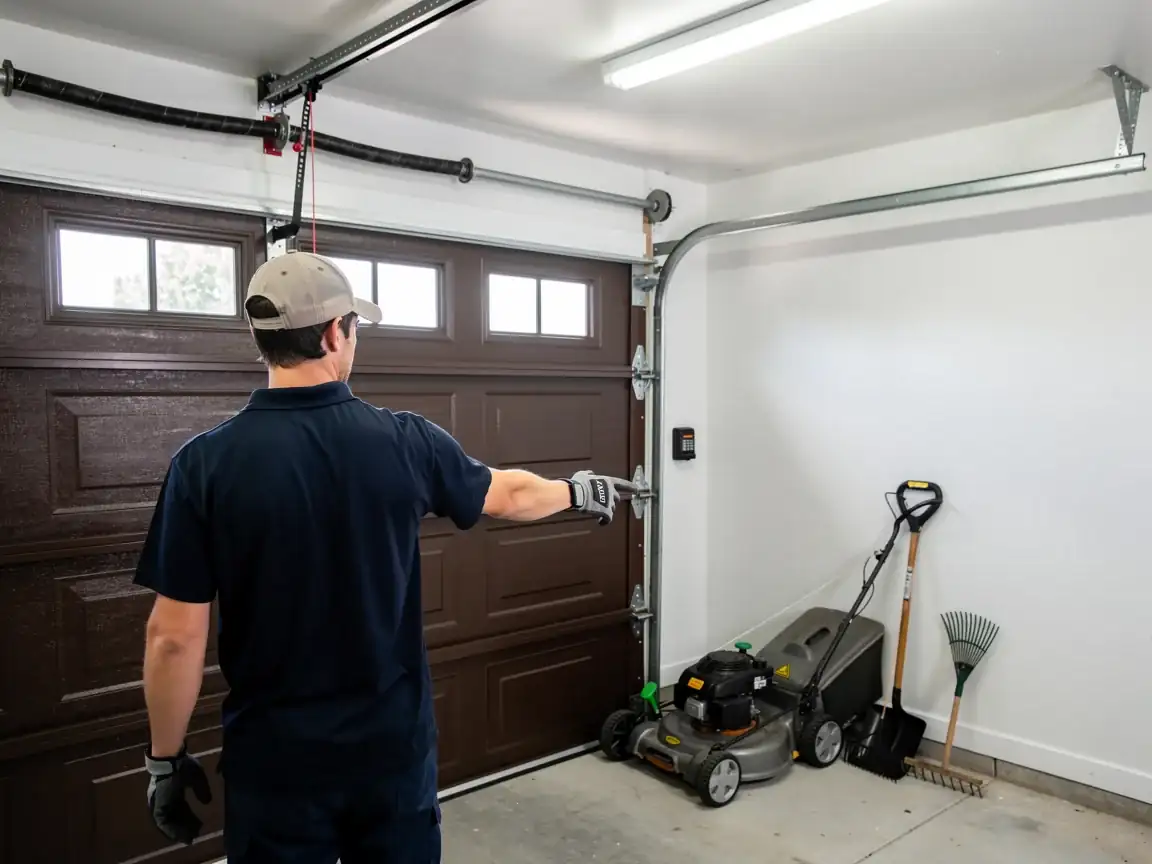
A technician in a cap points at a brown garage door with windows.

Repaired & tested

The repair is done, the door is set true and tested, and the work area left clean.

Not sure which repair your door needs in West Allis, WI? Describe what it’s doing - every job starts with a diagnosis.

How we work

What to expect

Diagnosis firstEvery visit starts by finding what actually failed - not a pre-written parts list.
The right part for the doorSprings and openers matched to the door’s weight and age, so the fix holds up.
Straight answersWhen a repair makes more sense than a replacement - or the reverse - you hear it plainly.
Clean, careful workTension released safely, hardware set true, the door tested under power before we leave.
What we do

Garage Door Services

Repair and installation work for West Allis homes and businesses.

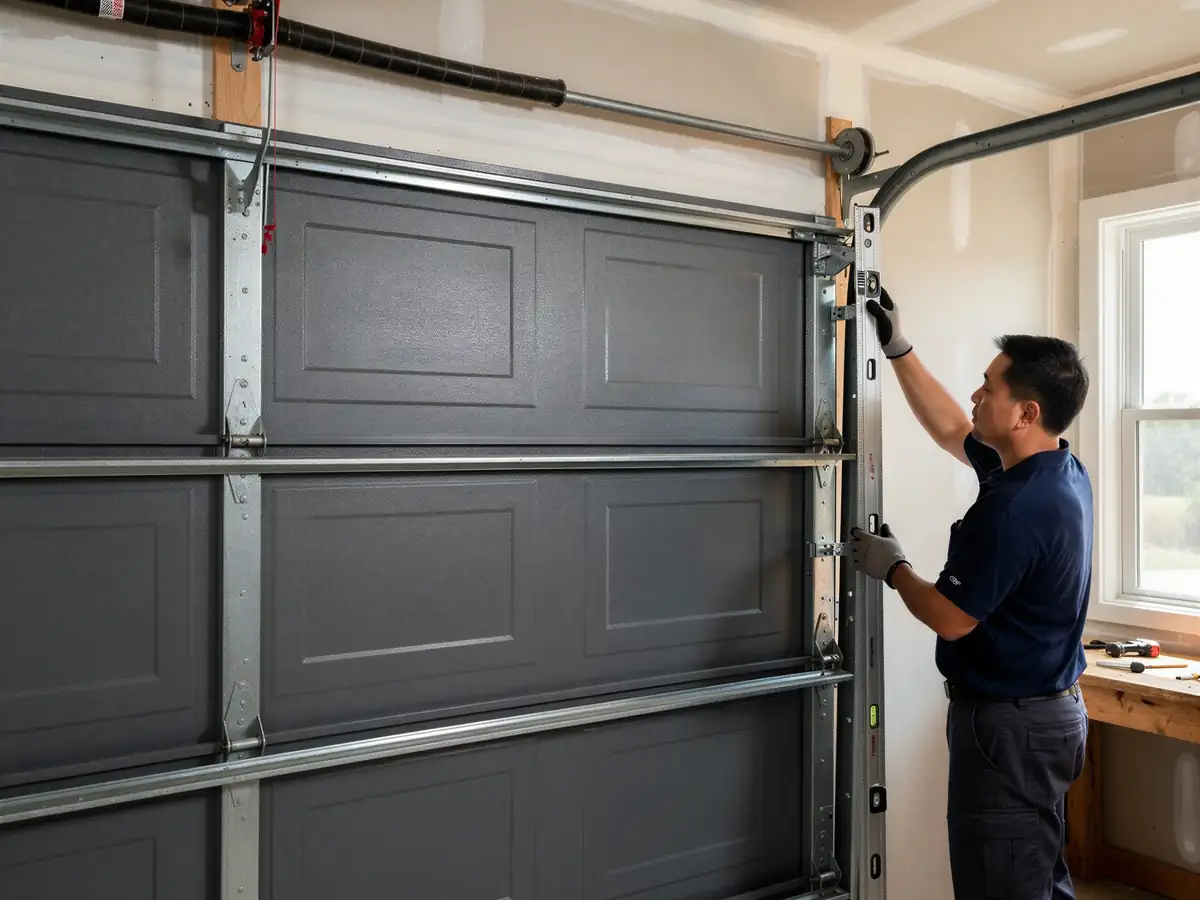
A technician uses a level to adjust the gray garage door track.

Garage Door Repair

Repair for the torsion springs, rollers, and panels common on West Allis's 1960s-70s housing stock, built to handle severe cold winters.

Learn more
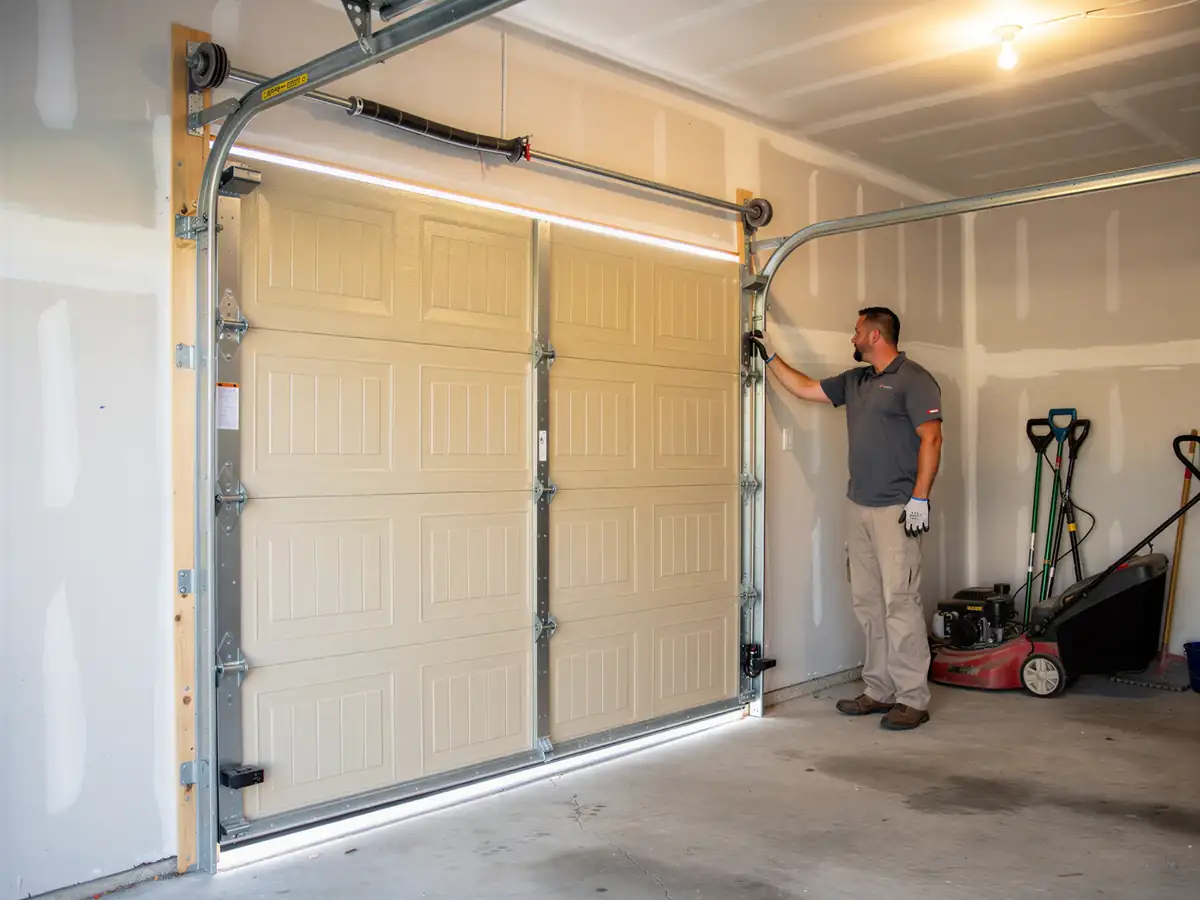
A technician in a gray shirt adjusts a beige garage door inside a garage.

Garage Door Installation

Garage door installation sized for West Allis's 1938-2000 housing stock and cold-climate wear. West Allis Garage Door Pros explains what drives the job and the cost.

Learn more
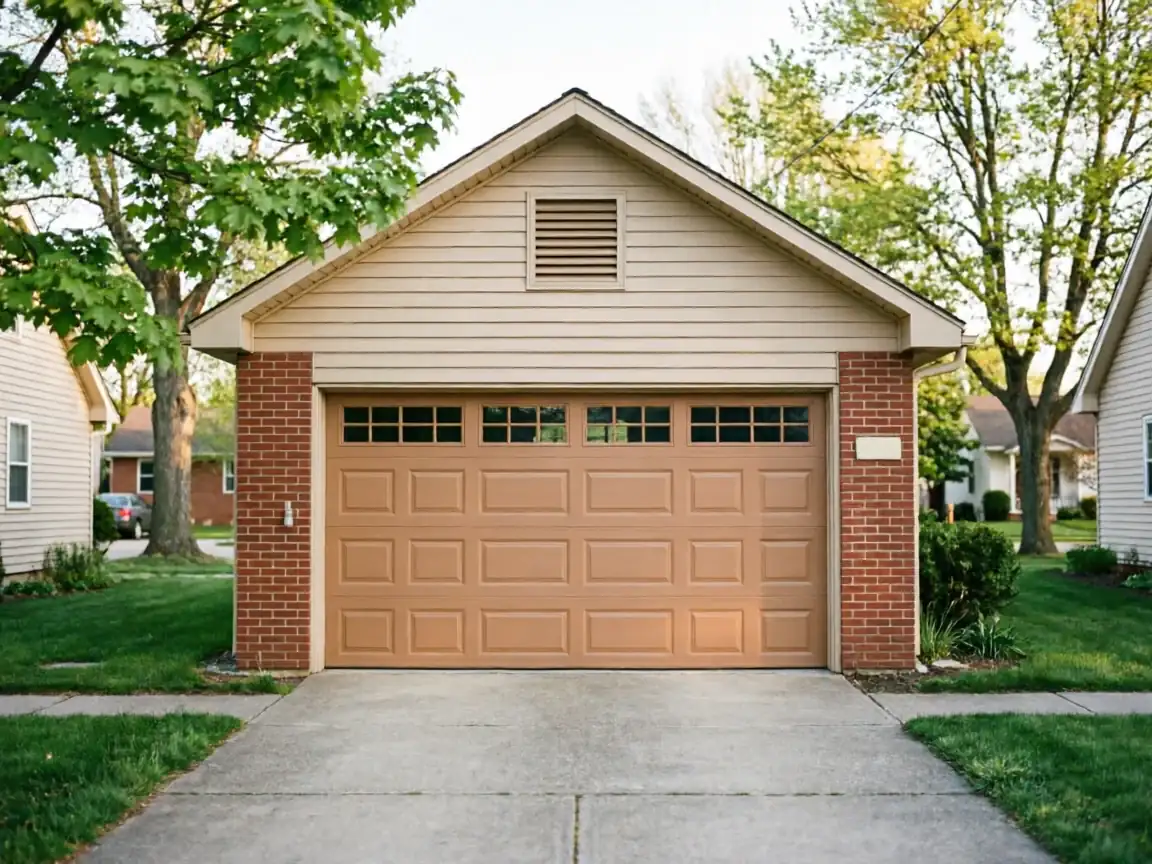
A brown garage door with windows is on a house with tan siding and brick.

Garage Door Service

Garage door service for West Allis homes built mostly in the 1960s and 70s - spring, track, and opener repair suited to the area's cold-climate housing stock.

Learn more
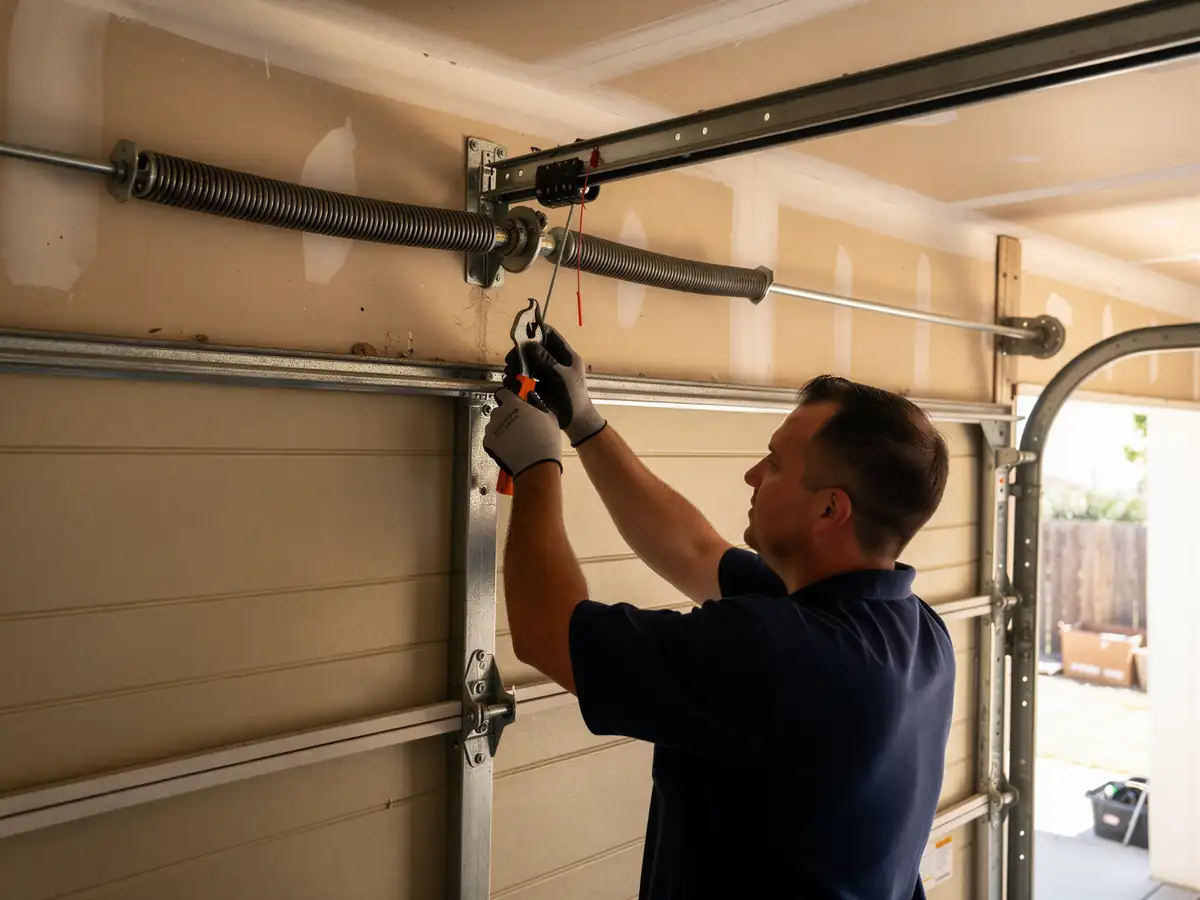
A technician wearing gloves adjusts a garage door torsion spring.

Spring Repair

Broken torsion spring on a West Allis garage door? We work on the 1960s-70s stock common here and explain what drives spring failure in this cold climate.

Learn more
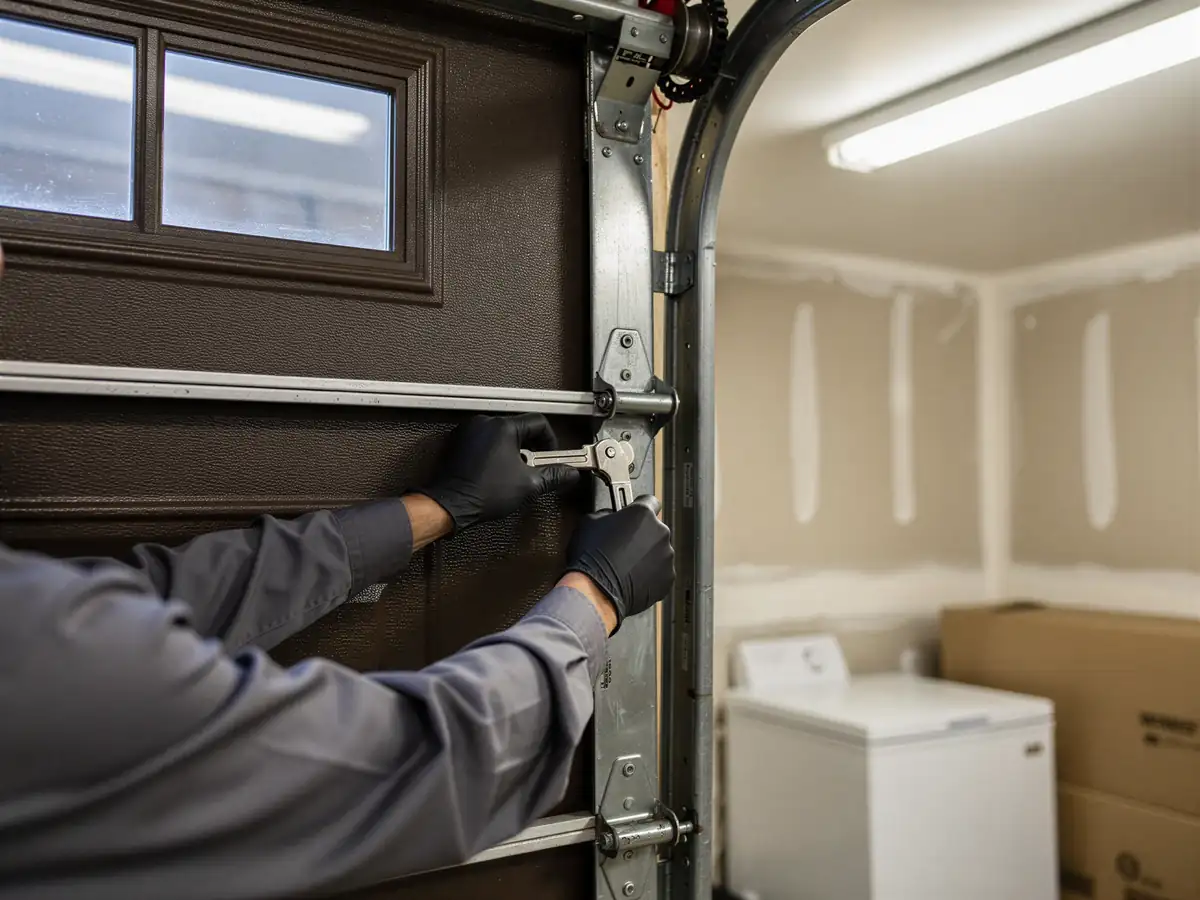
A technician in black gloves adjusts a brown garage door with a wrench.

Off-Track Repair

Garage door jumped the track in West Allis? See why homes built 1938-2000 with original hardware are prone to this, what it costs to fix, and how to get it booked.

Learn more
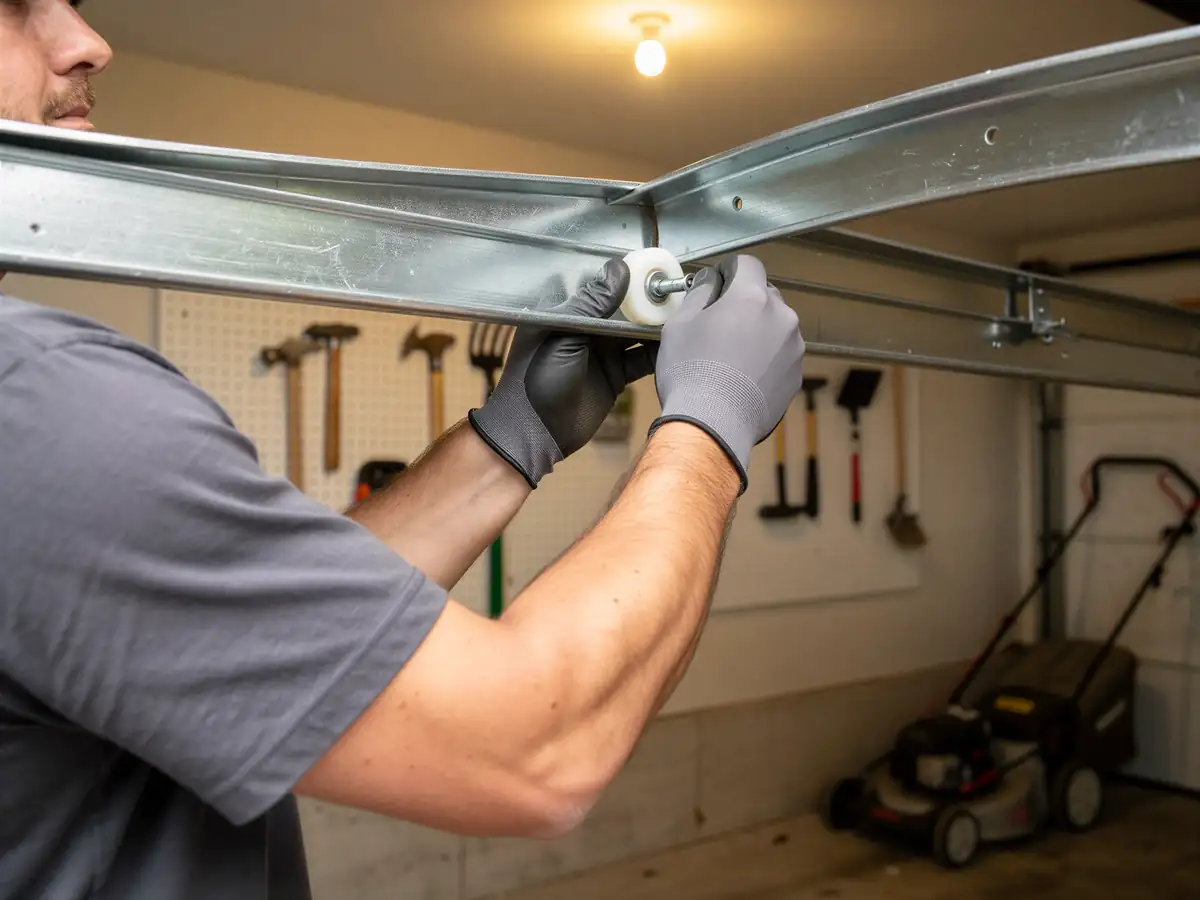
A technician installs a new roller on a garage door track.

Roller Replacement

West Allis homes built mostly between 1938 and 1976 still run original steel rollers on cold-stressed tracks. Here's what roller wear looks like here and what the job involves.

Learn more
A technician in gray gloves works on a beige garage door with a torsion spring above.

Maintenance

Garage door maintenance for West Allis homes built 1938-2000, where cold winters and original hardware wear springs, rollers, and openers faster than newer stock.

Learn more
A technician walks toward a house with a beige garage door on a snowy day.

Emergency Garage Door Repair

Broken spring or dead opener at 10pm in West Allis? Here's what a torsion spring snap and track failure actually look like, and why 1960s-70s housing stock sees them so often.

Learn more
Questions

Frequently asked

Straight answers about garage door repair in West Allis. Still unsure? Ask us directly.

How old is a typical garage door in West Allis before it needs replacing, not just repair?

It depends more on construction era than calendar age. Houses here run from 1938 to 2000, with a lot built in the 1960s and 70s, median around 1976. A door that old, especially if uninsulated, is usually past the point where patching the seal or adjusting springs is worth it versus a full swap.

Will a new garage door fit my older opening without framing changes?

Often yes, but not always. Openings in houses from the 1960s-70s era common across West Allis were framed to different standards than today's stock sizes. A proper measure before ordering catches this; skipping it is how people end up with a second visit to fix a gap or trim a jamb.

Does the cold winter here actually affect which door I should buy?

Yes. This is a cold, severe-winter climate, and a thin, non-insulated door performs noticeably worse here than in a milder region - stiffer springs, more condensation, brittle seals by midwinter. It doesn't mean you need the top-end option, just one rated for the cold rather than a mild-climate baseline.

Ready to get your garage door sorted?

Tell us what it’s doing and where you are in West Allis - we’ll take it from there.

Request a QuoteCall