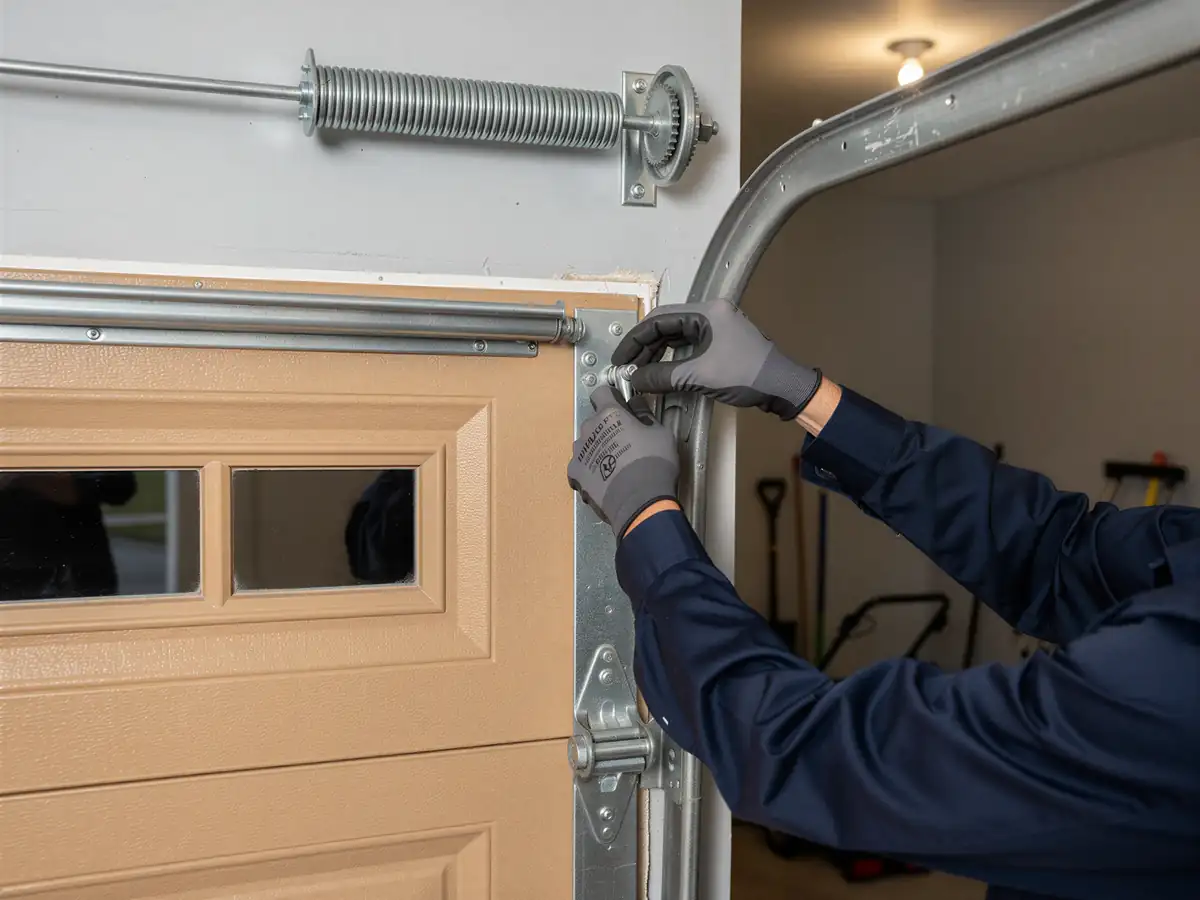
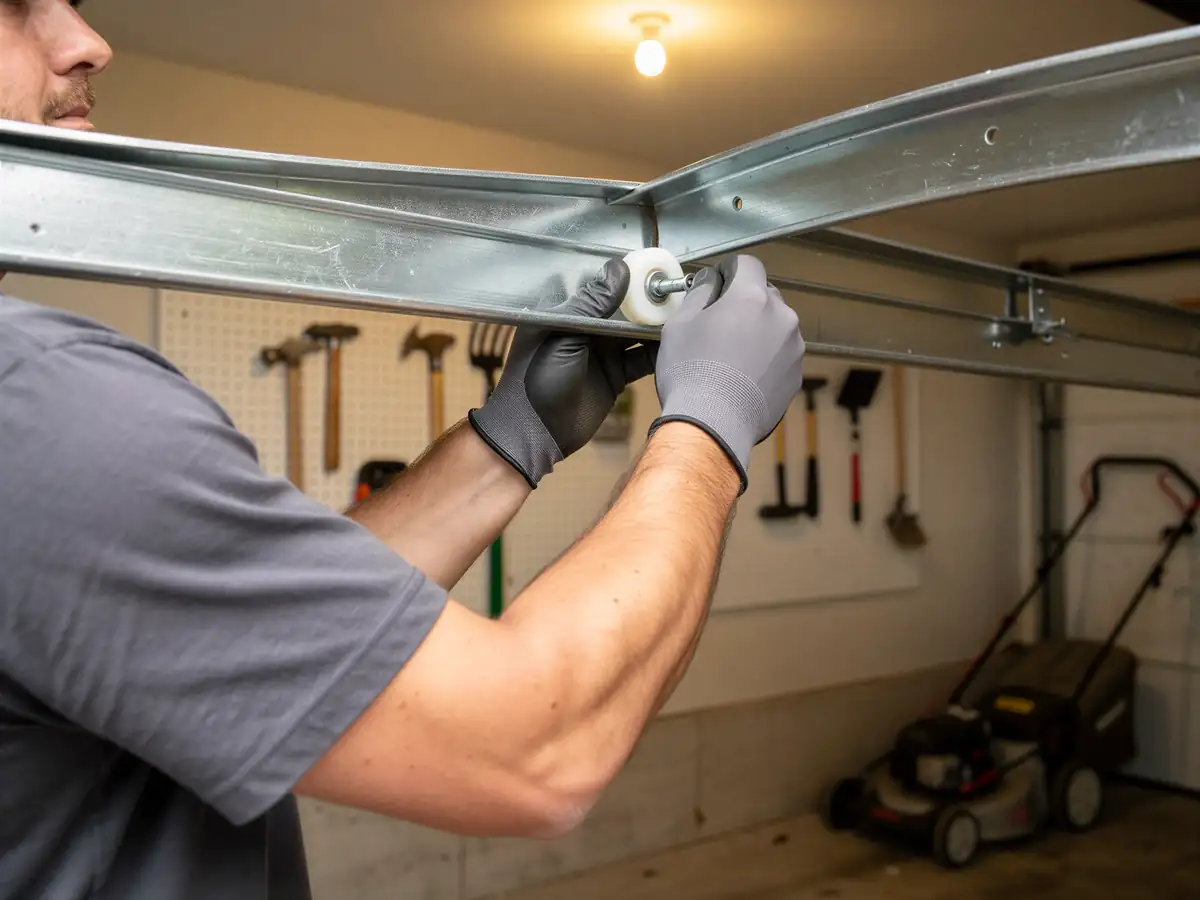
What You Are Seeing
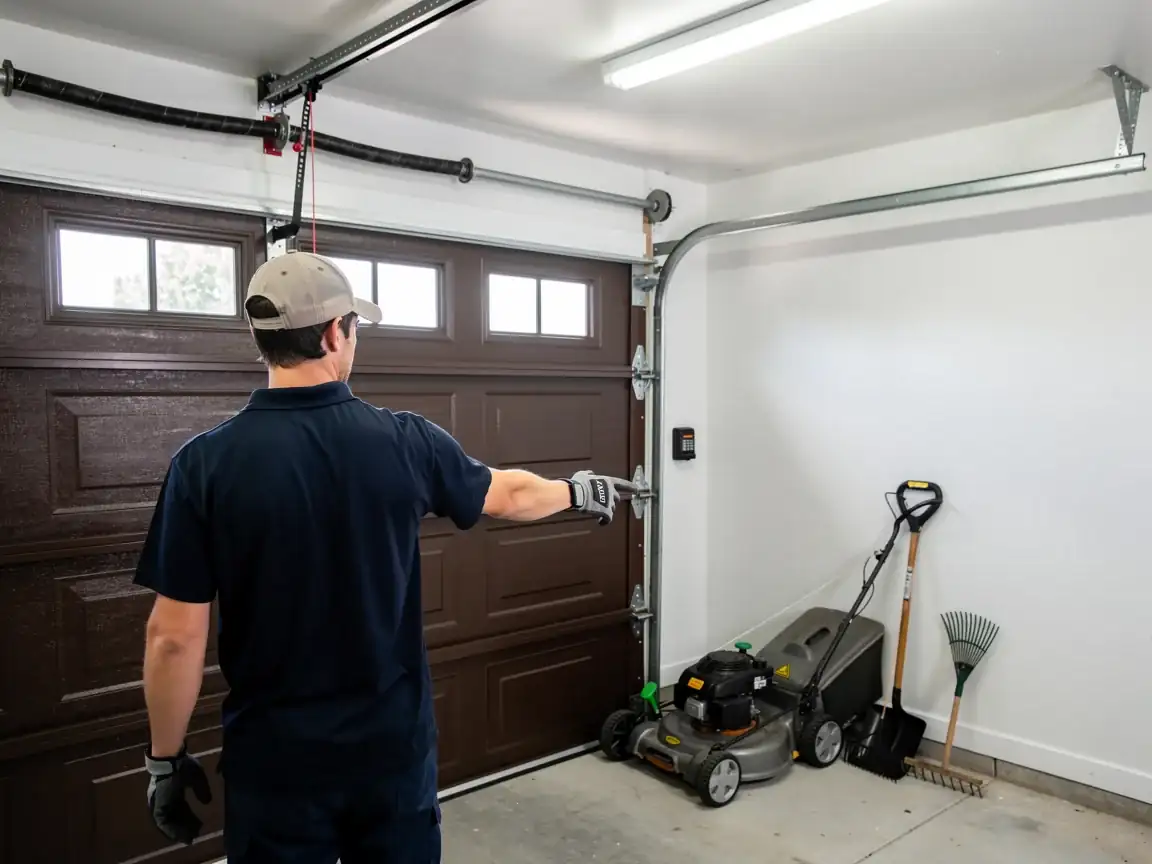
If your door grinds, hops, or jumps the track on the way up, that's usually a roller problem
Not a spring problem. Steel rollers wear a flat spot over years of travel, and once that happens the wheel doesn't roll so much as skip, chewing up the track edge and rattling the whole frame on every open. Nylon rollers fail differently - the tire face cracks and chunks come off, leaving a bare stem that bangs against the track with a knock you can hear from the street.
In a lot of West Allis garages, especially on houses built in the 1960s and 70s stock that makes up most of this area
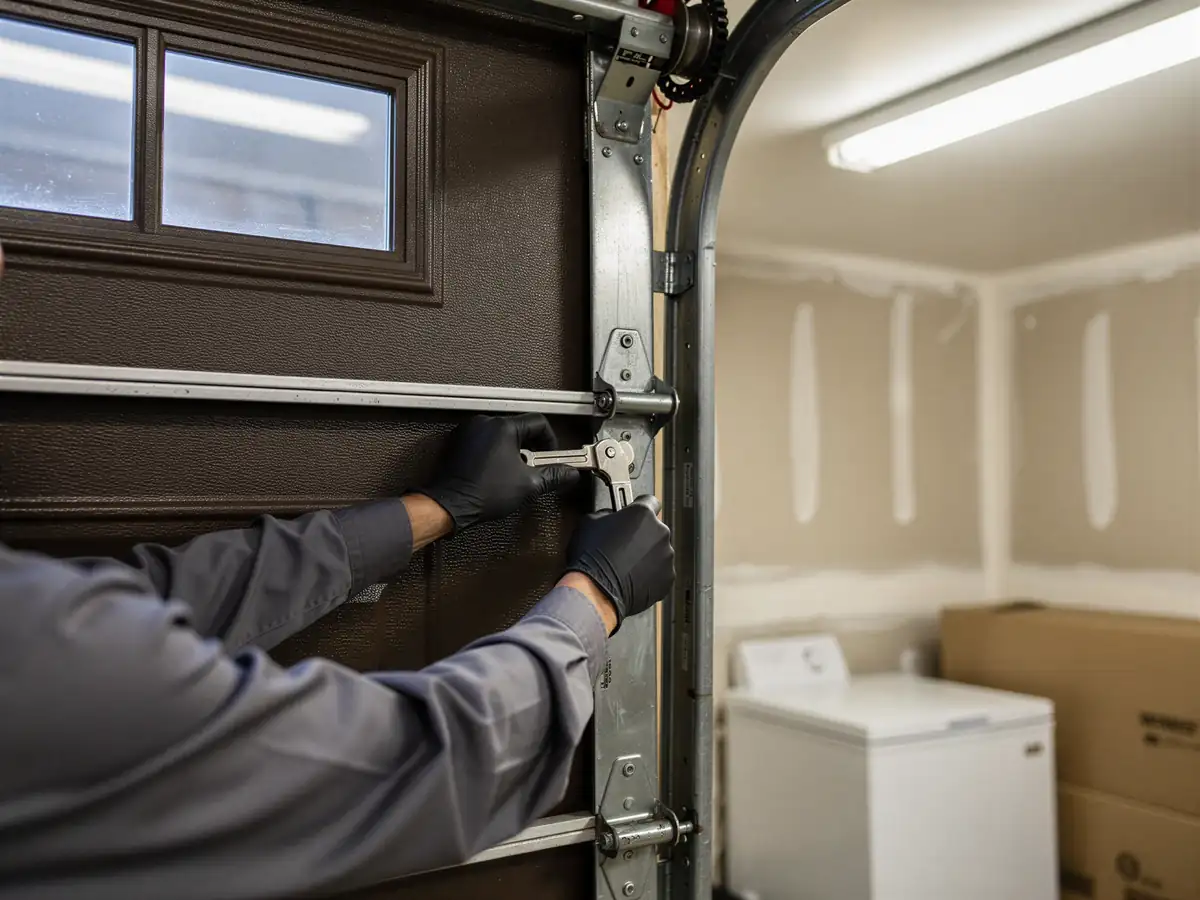
The original roller setup is still in there, just worn down. Steel ball-bearing rollers from that era weren't sealed the way modern ones are, so grit and moisture get into the bearing and the roller starts binding instead of spinning. You'll feel it as a stiff spot in the door's travel, usually a foot or two before it's fully open, right where that roller crosses the curve of the track.
If only one or two rollers are bad, the door often still runs, just rough and loud
If several go at once, the panel can bind hard enough to strain the opener or pull a hinge loose. Either way, worn rollers rarely fix themselves, and the longer a flat-spotted roller rides a track, the more it damages the track itself.
The Cost of This Job
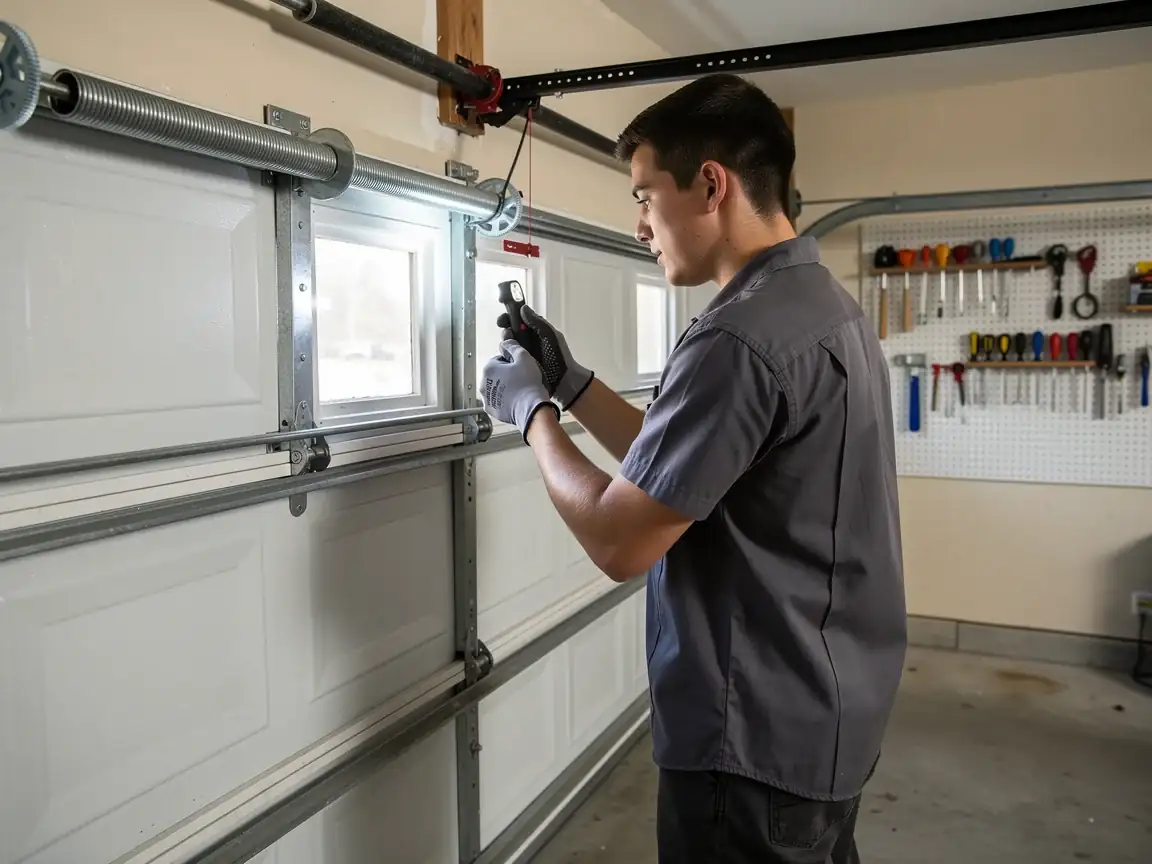
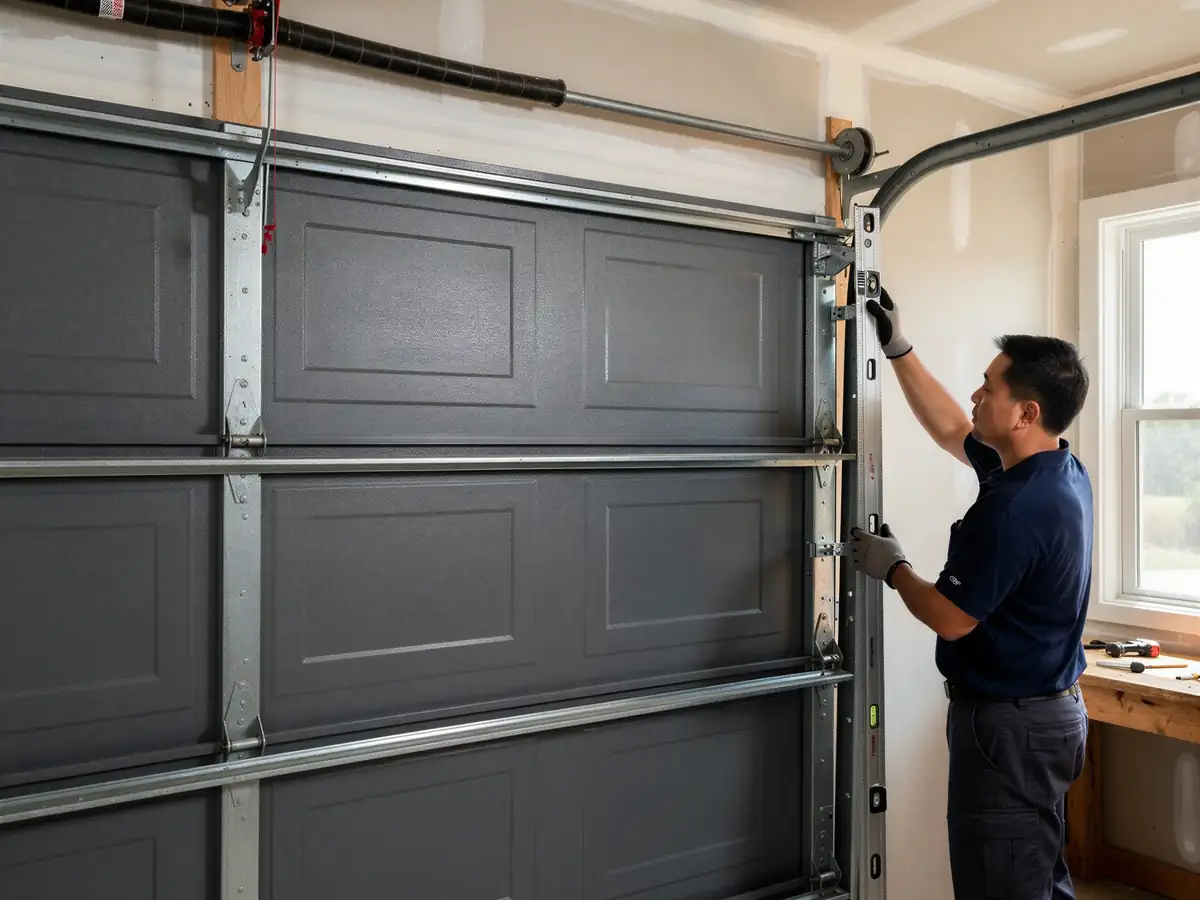
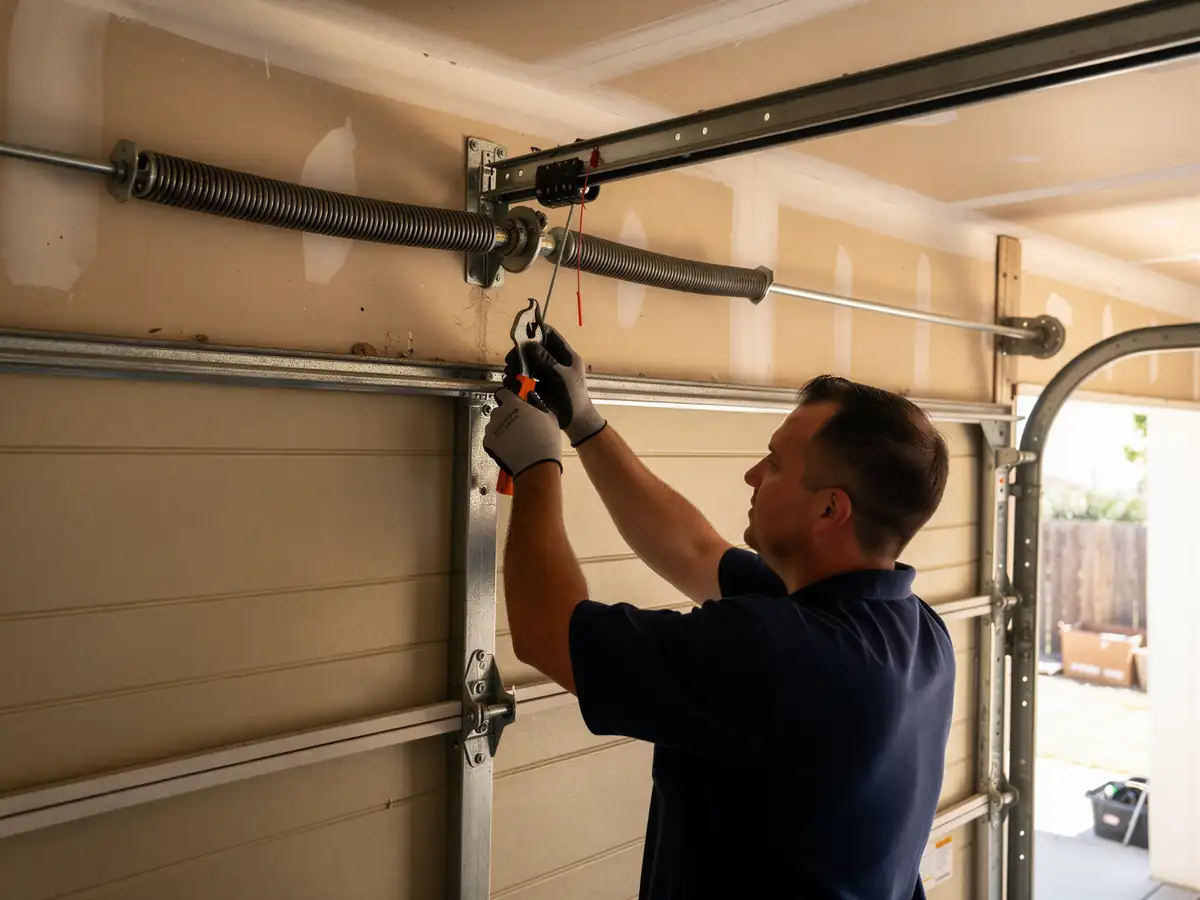
Roller replacement is priced by the roller, not as a flat job, because the scope changes a lot from one door to the next. A single roller swap is a quick fix. A full set - and most doors run somewhere between ten and fourteen rollers depending on panel count - is more parts and more time, especially on the two rollers closest to the bottom brackets, which sit under spring tension and need the door secured before anyone touches them.
Material matters too. Steel ball-bearing rollers cost more than plastic but last longer and run quieter, which matters in houses with living space above or beside the garage - common in this part of the housing stock. Nylon rollers are the budget option and they're fine for a door that doesn't get heavy daily use.
We don't have a posted flat rate for this job because the honest number depends on roller count, roller type, and whether the track itself needs straightening or replacing from the wear the old rollers caused. We can give you a real number once we've looked at the door, not before. One thing we won't do is sell you a full roller set when two rollers are the actual problem - that's money better spent elsewhere in the house.
What Causes It Around Here
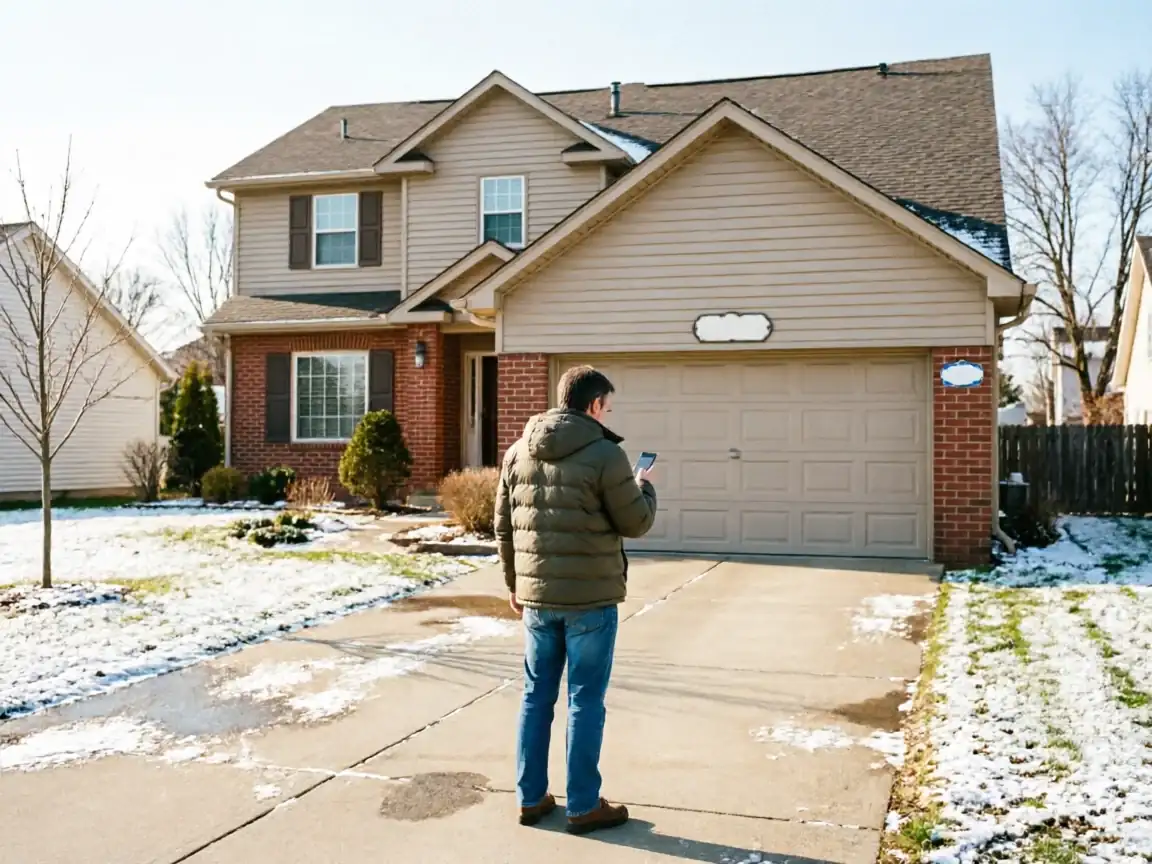
West Allis housing stock runs mostly 1938 to 2000 with a median build year of 1976, and most of what's standing dates to the 1960s and 70s across the named neighborhoods in this service area. That era of construction means a lot of original steel track and original roller hardware that's simply reached the end of its service life - these aren't doors that were installed five years ago with sealed bearings designed to go the distance.
The climate is the other half of it. This area sits in a cold, severe winter band, and that cold does two things to rollers. It stiffens old bearing grease until the roller barely turns, which is why a lot of roller failures show up or get worse in January and February rather than July. And it drives repeated freeze-thaw cycling in the garage itself, which corrodes exposed steel stems and roller bearings faster than a mild climate would. A roller that might last another two winters somewhere warmer gives out here.
Garages that aren't insulated see this worse, since the temperature swing inside the garage tracks the swing outside almost exactly. None of this is unique to one block - it's a function of when the housing went up and what winter does to steel and old grease, and it shows up the same way across the older housing stock here.
Getting It Booked In
If your door is skipping the track, knocking, or binding partway through its travel
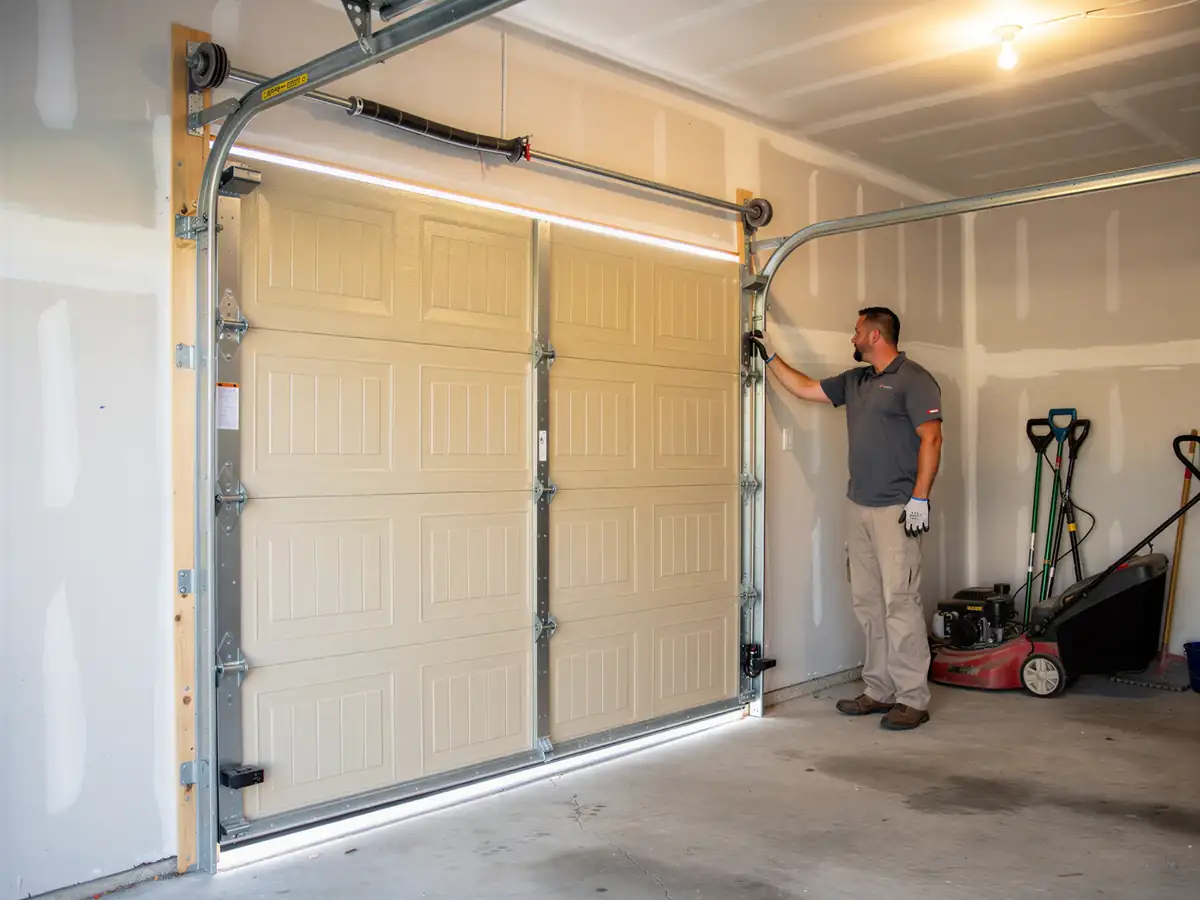
That's worth looking at before you run the opener through it repeatedly - a bound roller puts extra load on the opener motor and on the track it's dragging against. We'll check roller condition on every roller, not just the one making noise, since a bad roller two or three spots down the track often gets blamed on the one you can hear.
We work across the West Allis service area and the surrounding towns listed on our main page
Reach out through the site and we'll get a time scheduled to look at the door in person - roller wear is one of those things that's hard to price accurately over the phone since we need to see the roller type, the track condition, and how many are actually worn before giving you a real number.