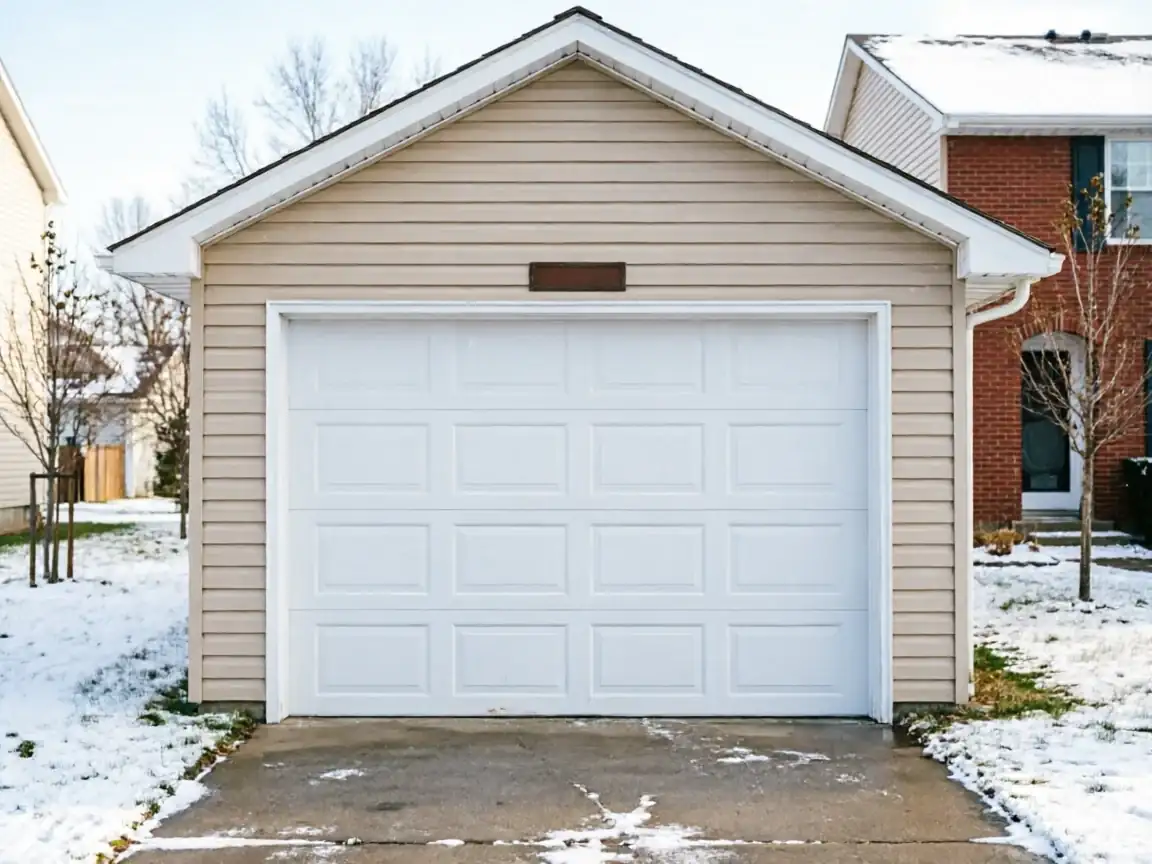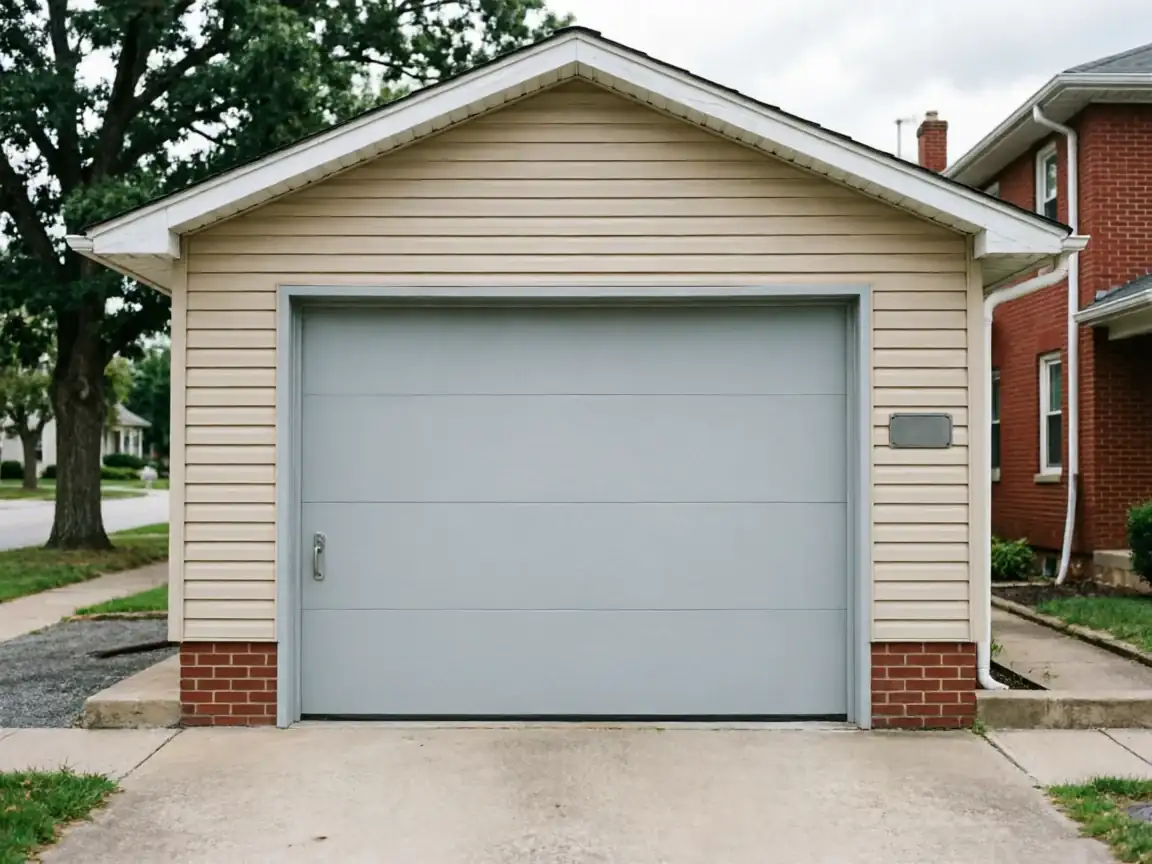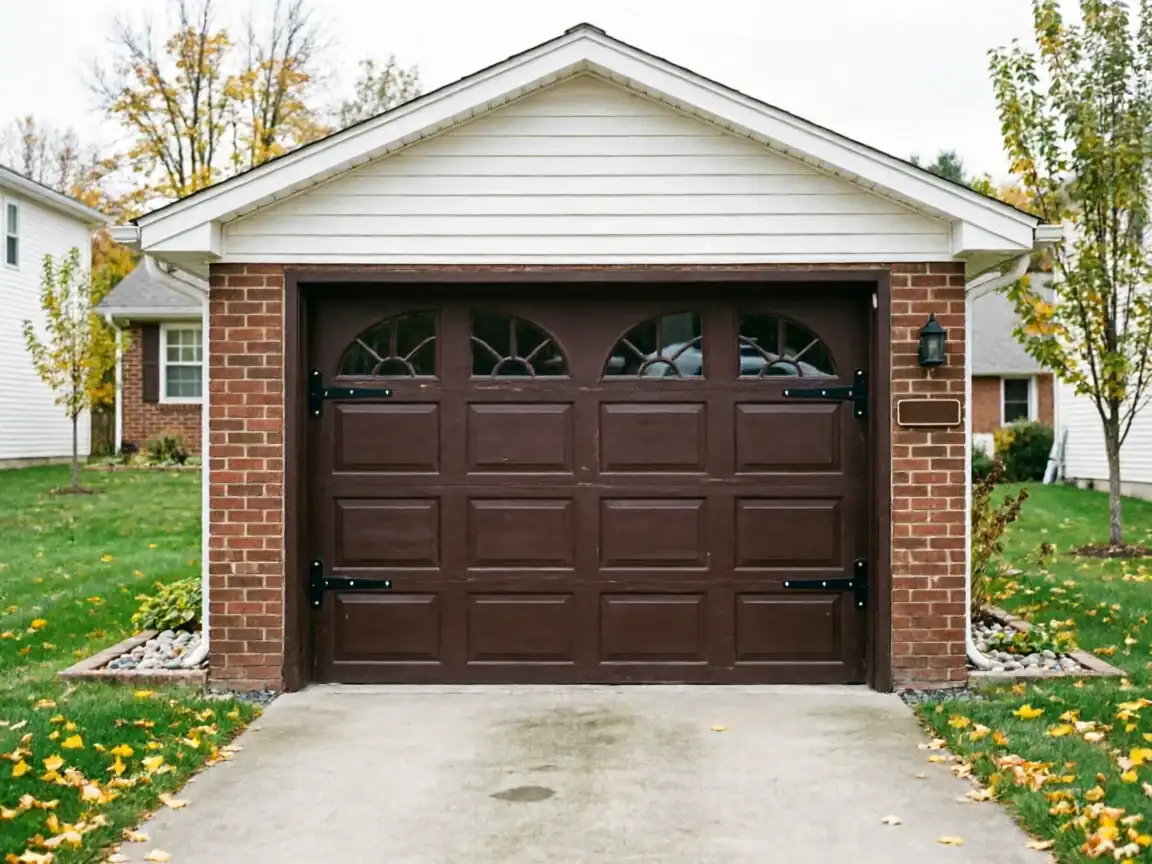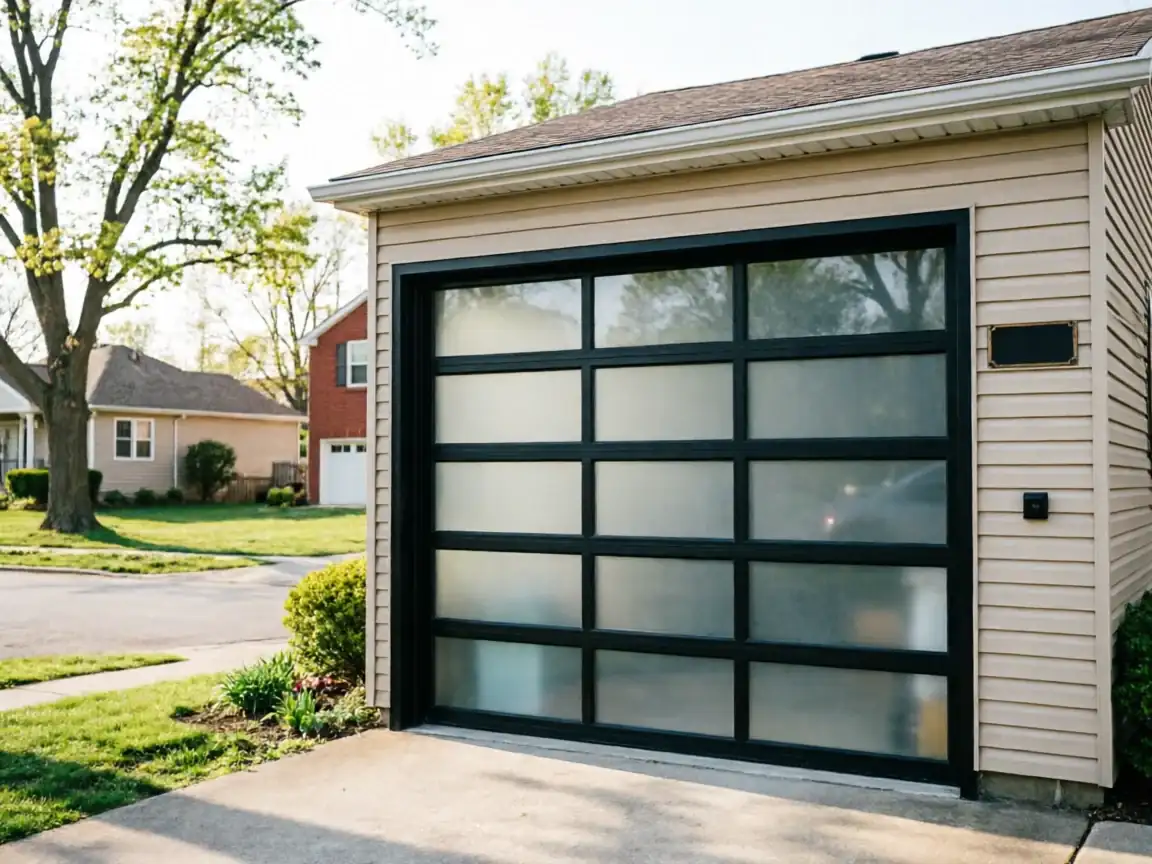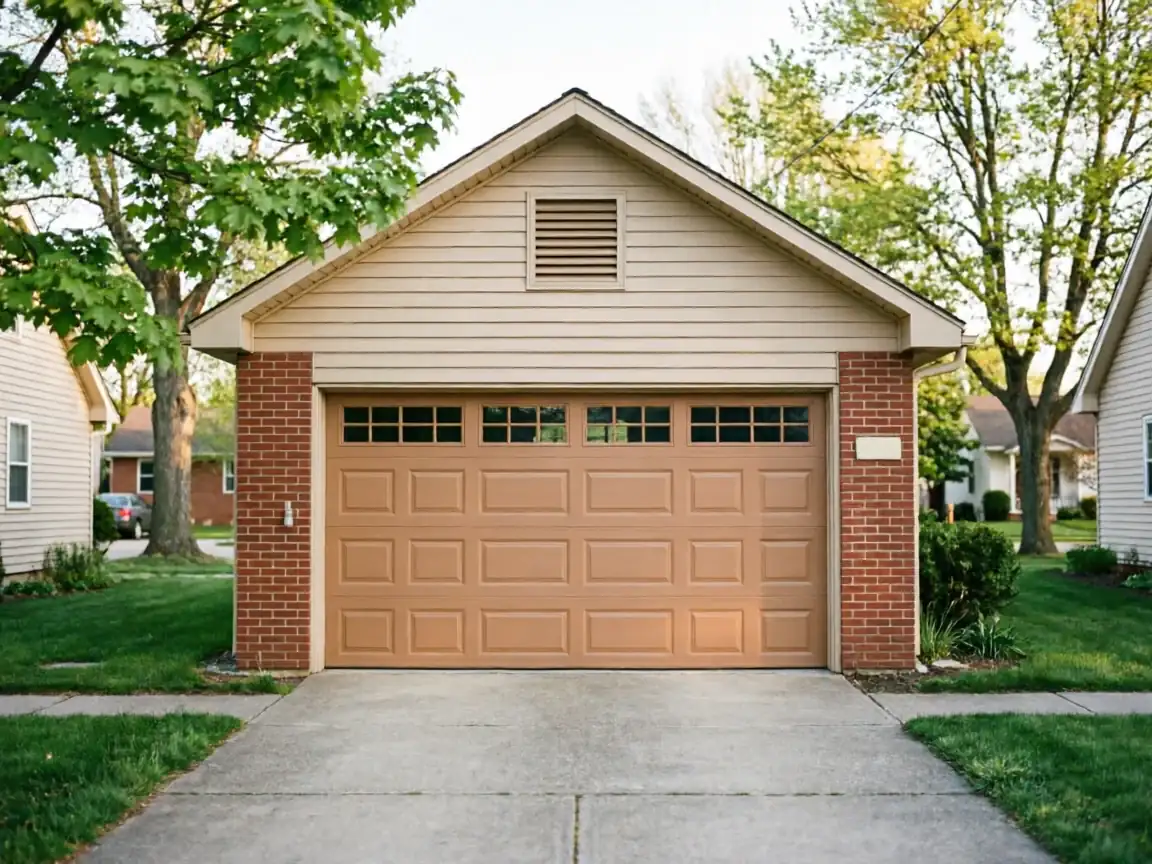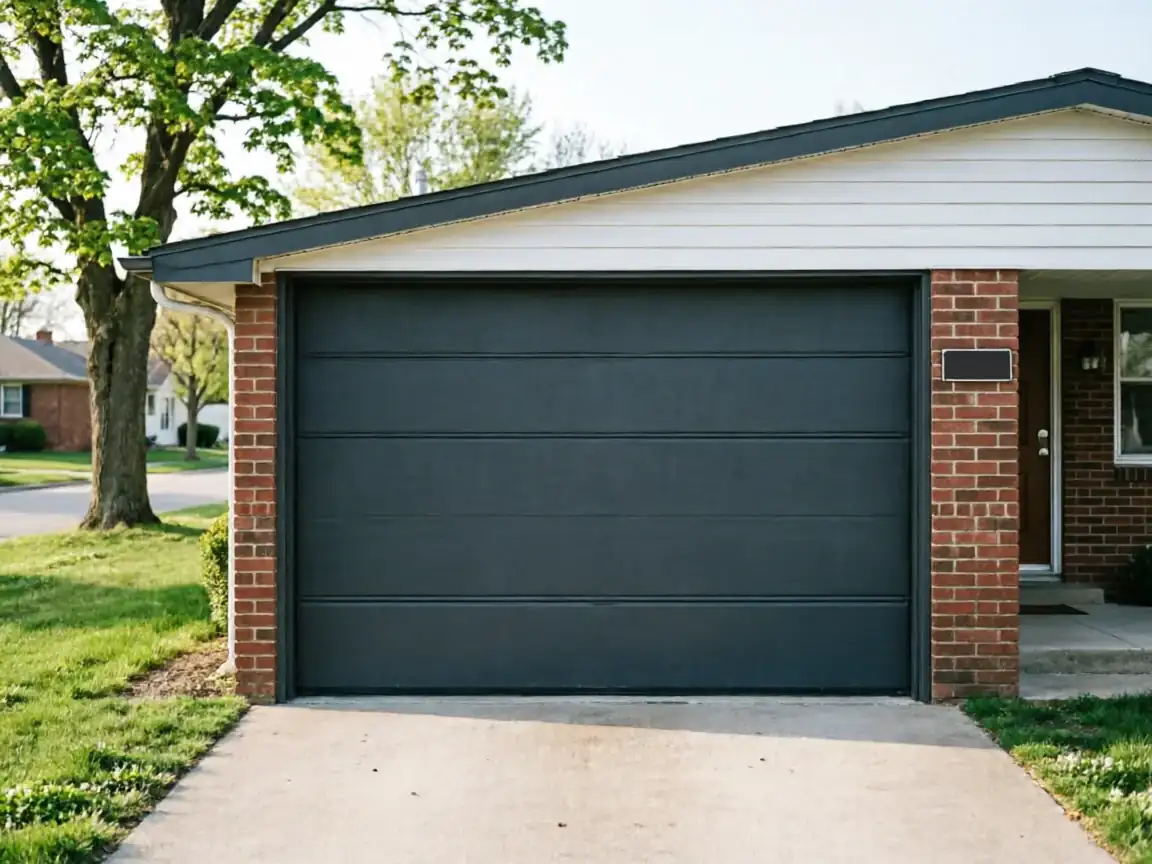
What You Are Seeing
Most calls start the same way
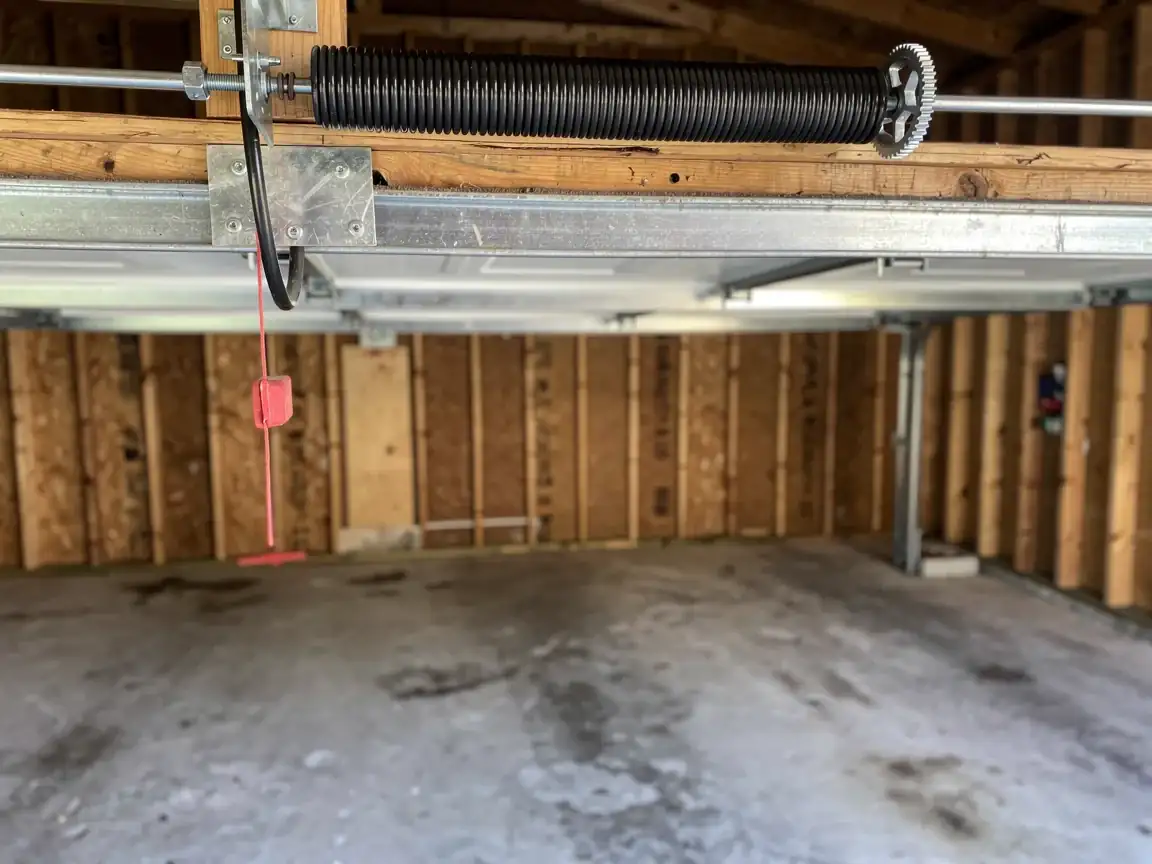
The door hesitates, grinds, or sounds like it's chewing gravel partway through the cycle. Sometimes it's a track that's drifted out of alignment. Sometimes it's a torsion spring that's lost tension and nobody noticed until the opener started straining. Maintenance is the inspection that catches these before they turn into a call where the door won't move at all.
Across the area we cover, housing went up mostly between 1938 and 2000
With the typical build year landing around 1976. A lot of that stock is original hardware that's never had a real service visit - the door still works, so nobody's looked at the spring wind, the cable fraying at the drum, or the rollers that are down to bare metal on one side. None of that announces itself loudly until it fails.
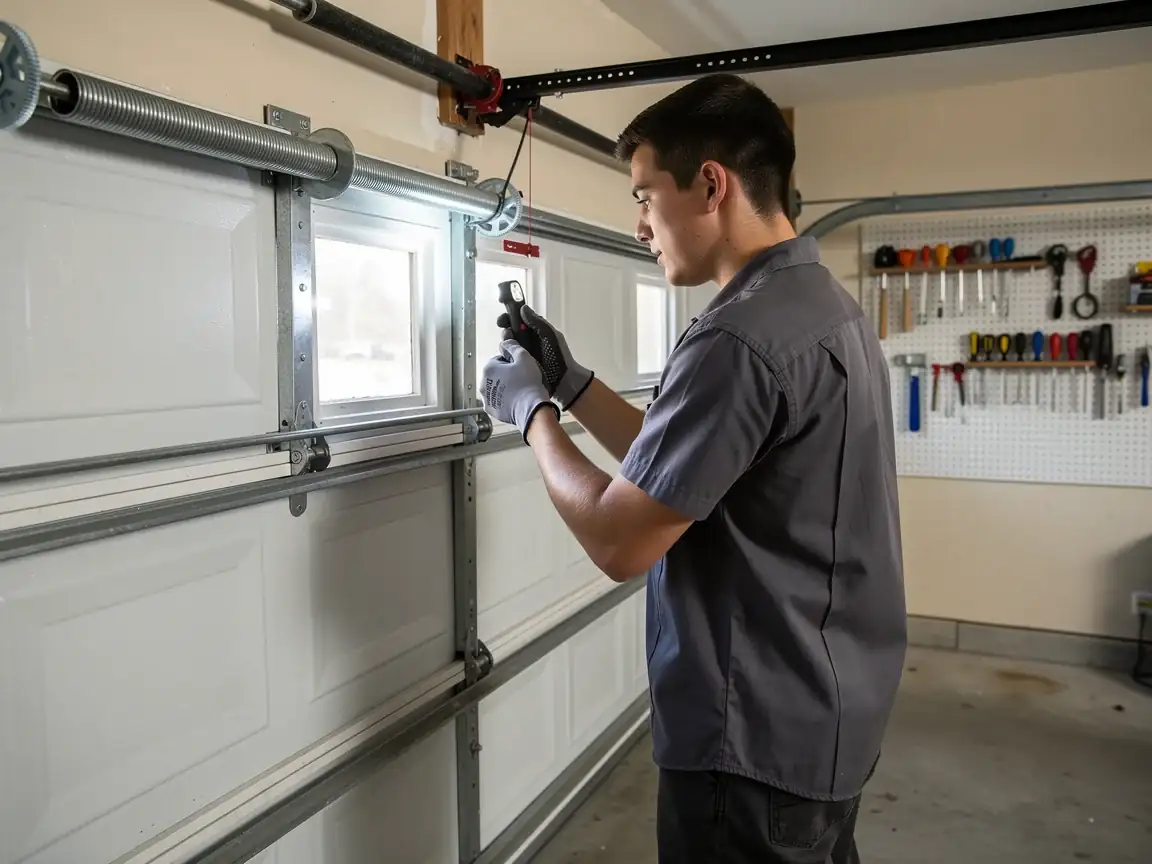
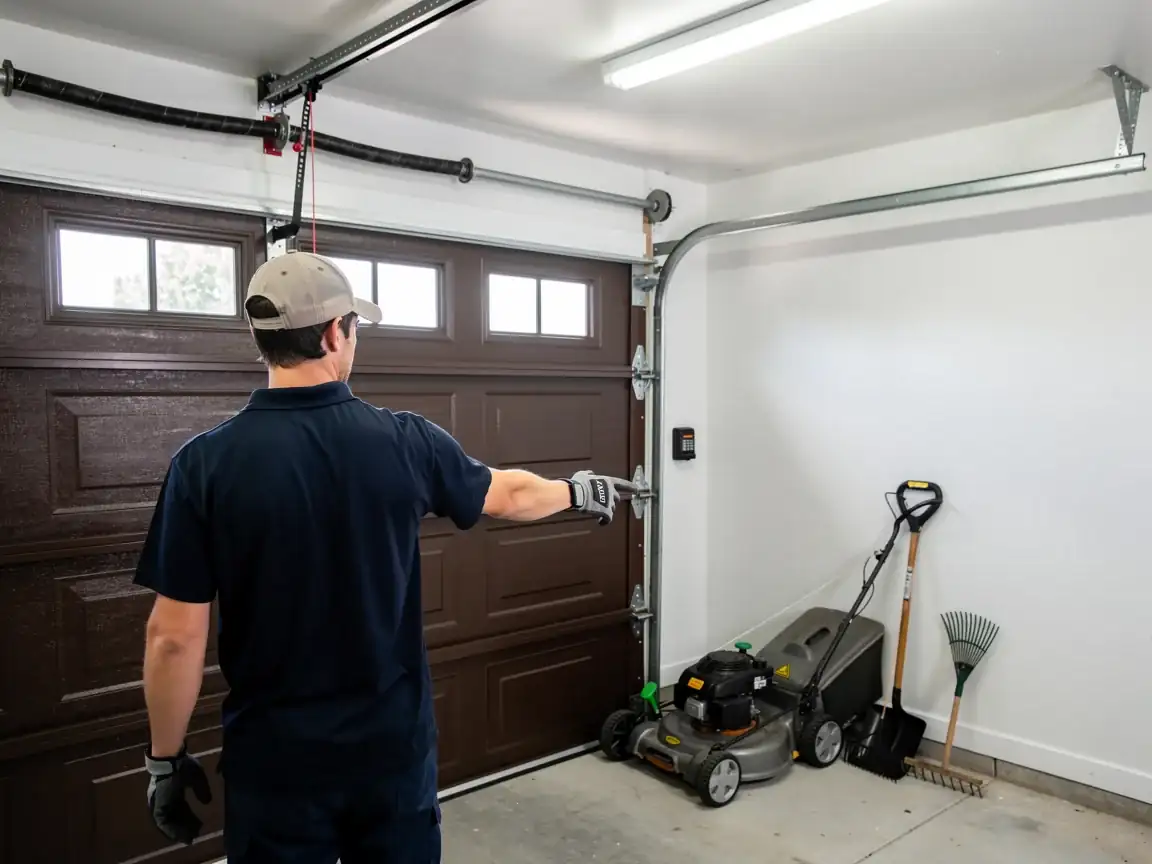
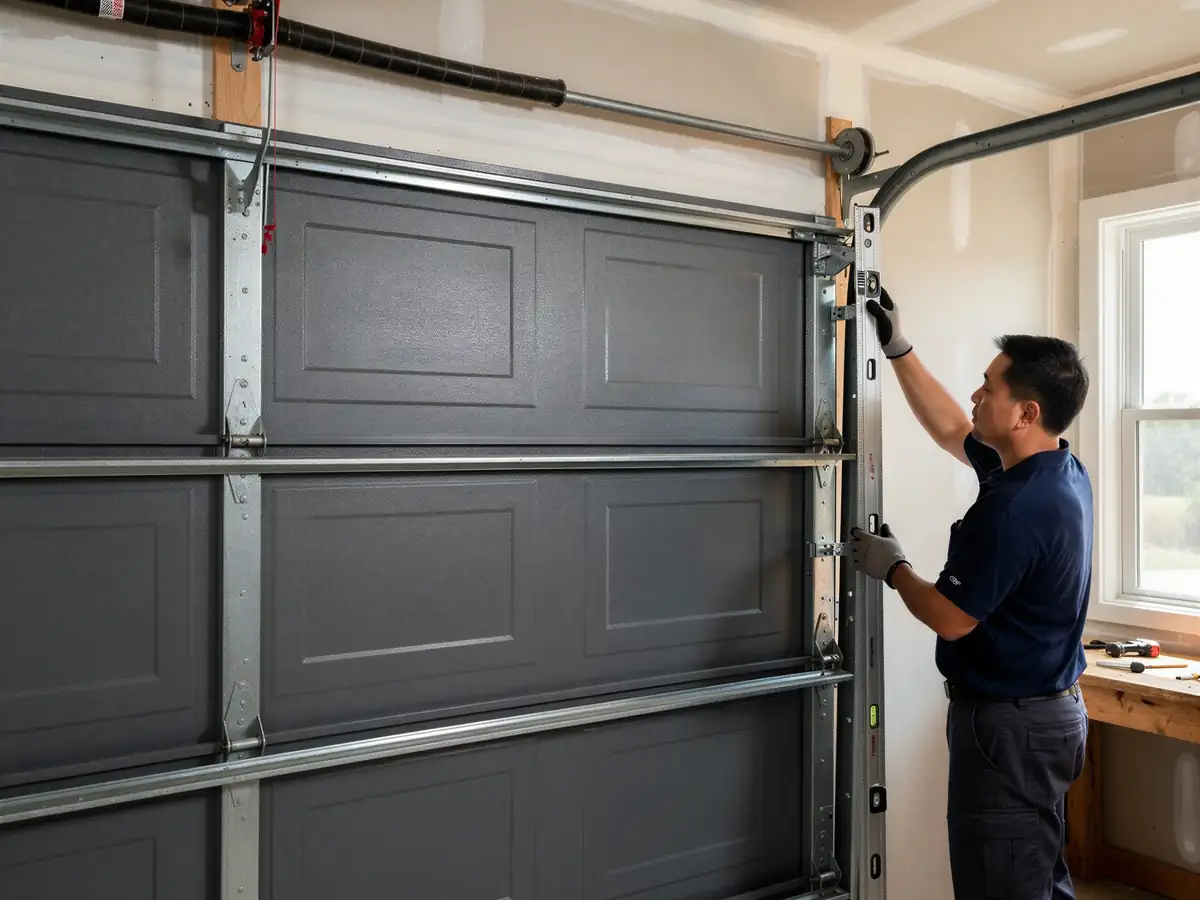
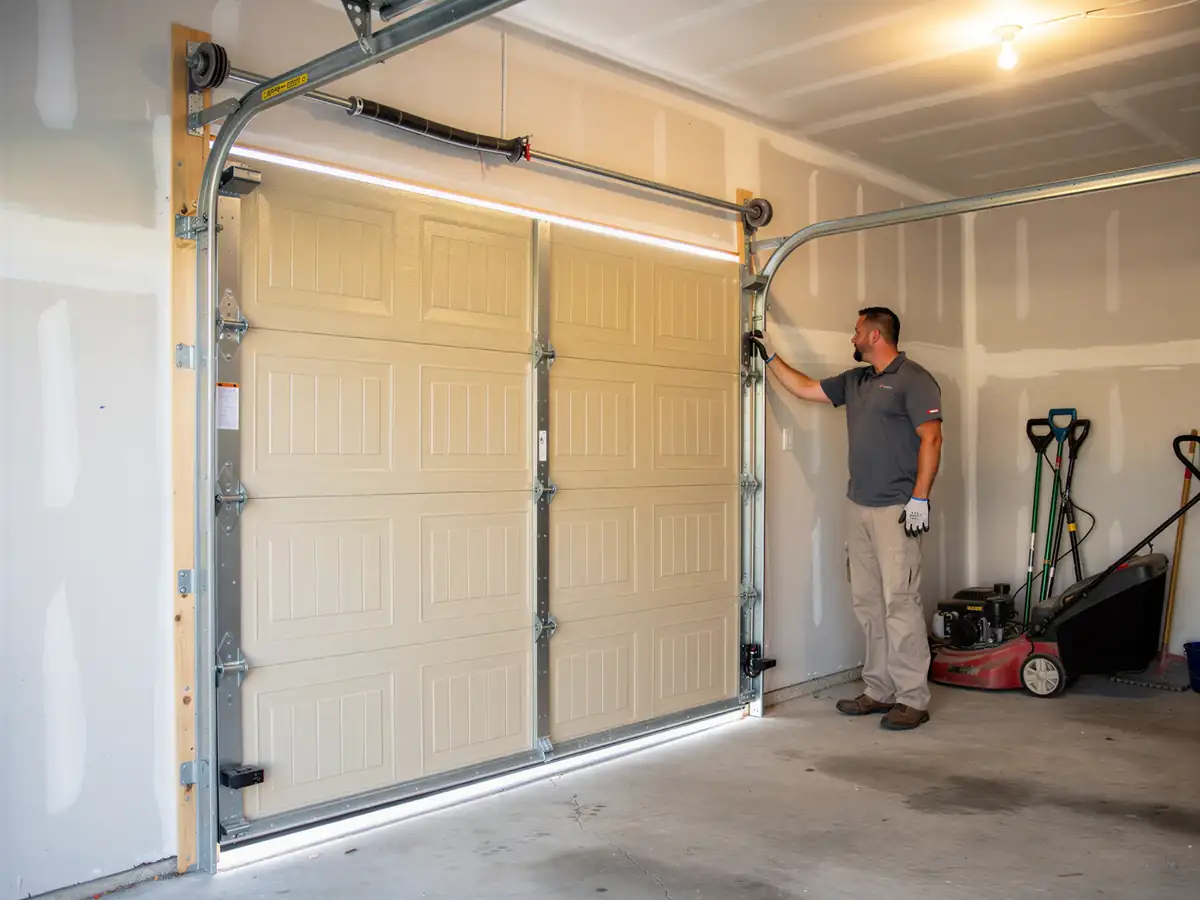
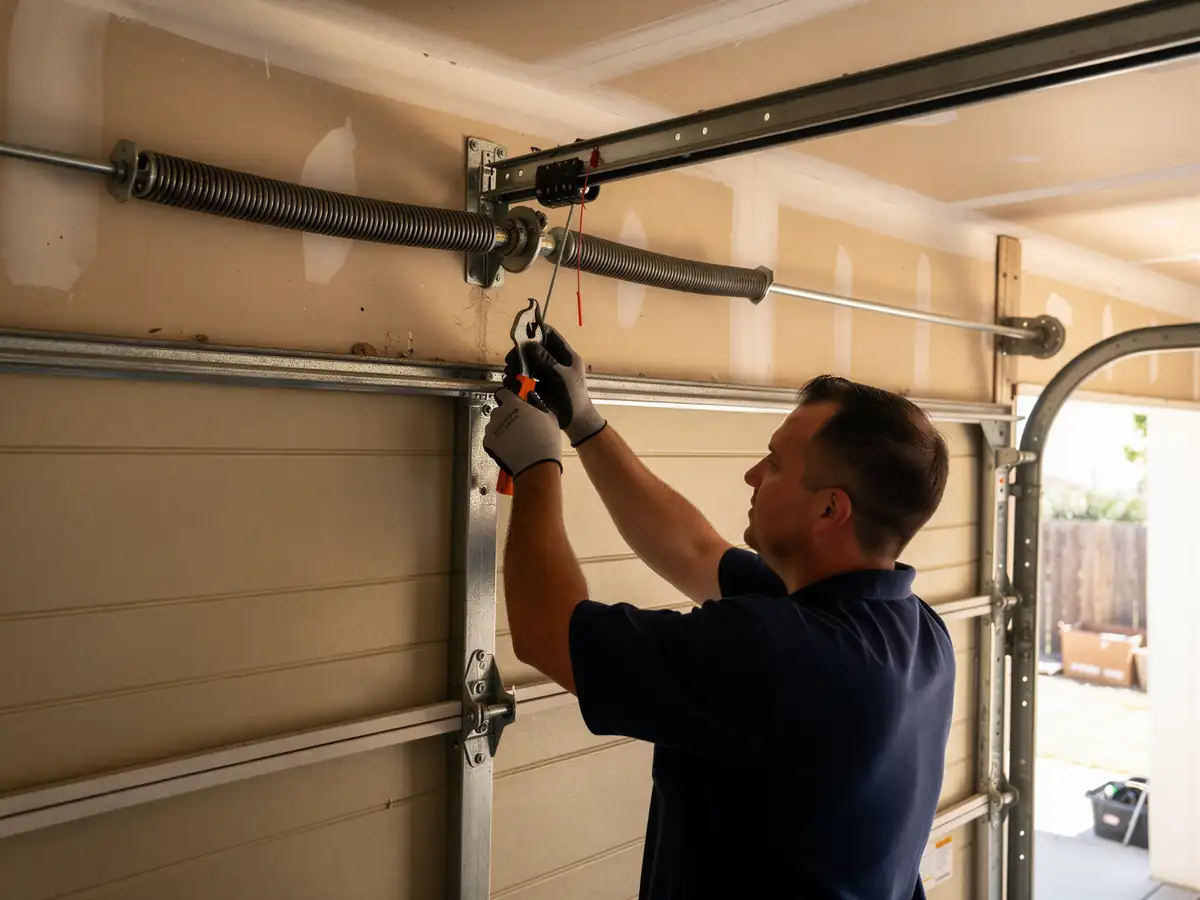
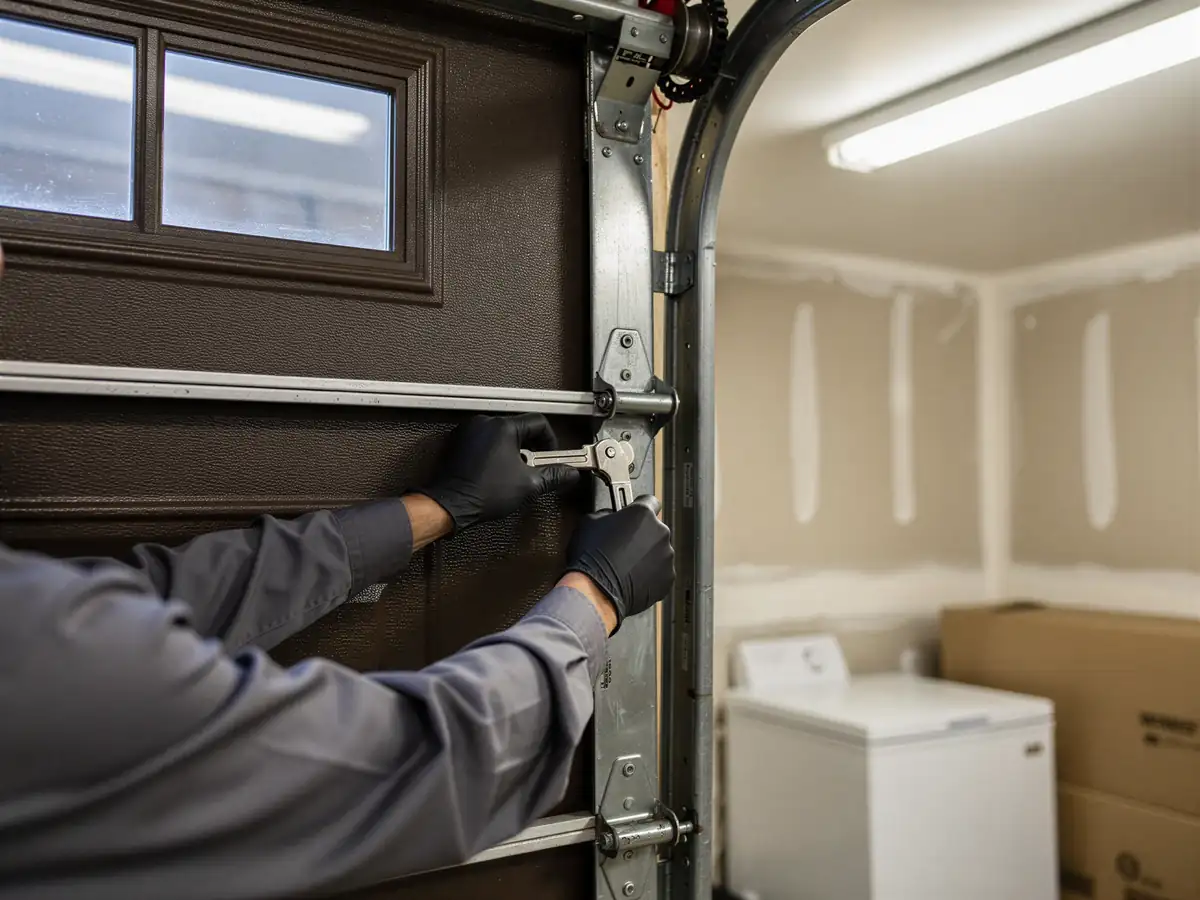
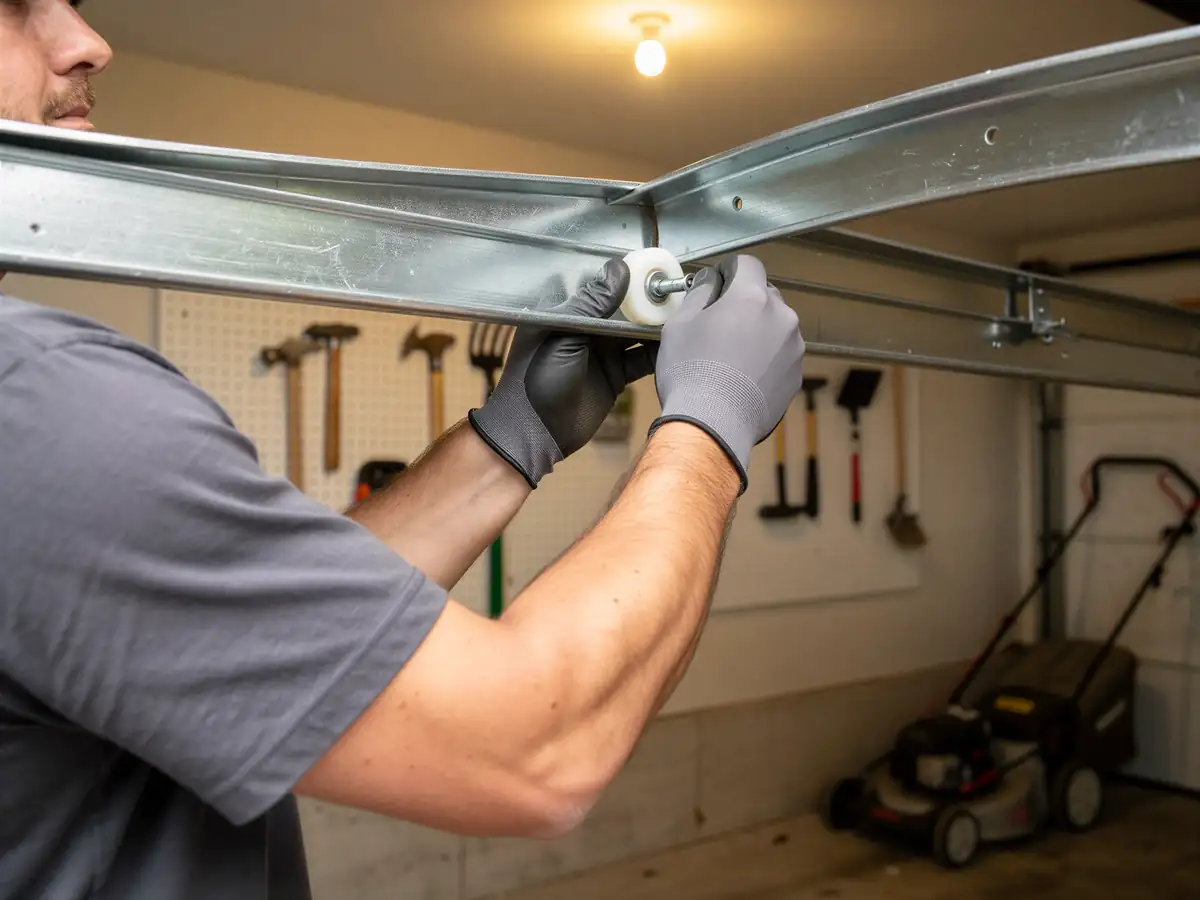
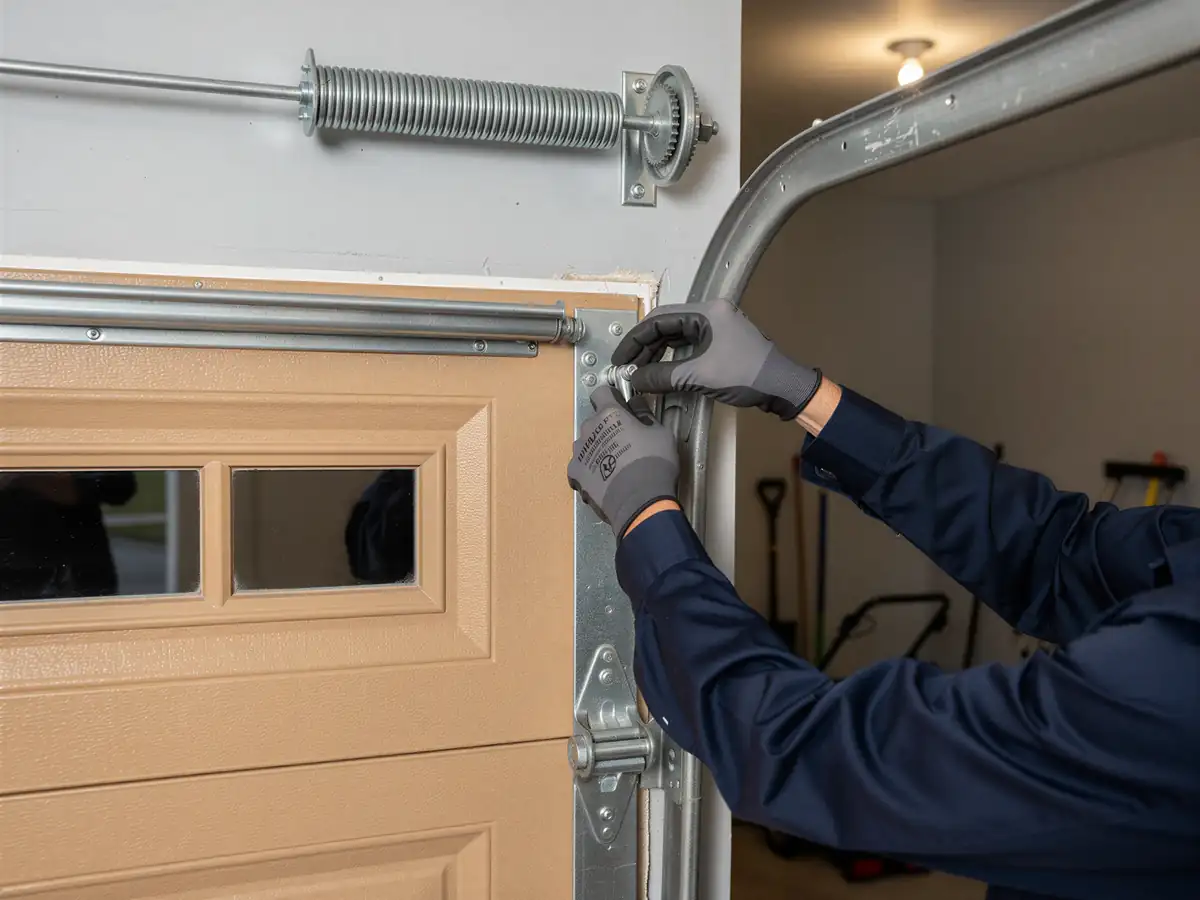
We check spring tension and balance, cable condition, roller and hinge wear, track alignment, and opener force settings
We tighten what's loose and lubricate what's dry. We don't replace parts that don't need it - a maintenance visit isn't a sales call, and we'll tell you straight if something's fine for another few years or if it's close to the end.
The Cost of This Job
We don't have a posted price to quote here, and giving you a number without seeing the door would be a guess dressed up as a fact. What we can tell you is how the visit is scoped: it covers the moving hardware - springs, cables, rollers, hinges, track - and the opener's settings and safety reversal. It does not include panel replacement or a full spring swap; those get quoted separately once we know what the door actually needs.
One honest limitation: if your door hasn't been touched in years and the spring is near the end of its cycle count, maintenance can tell you that's coming, but it won't extend the spring's life past what's left in it. Some jobs look like a tune-up and turn into a spring replacement conversation once we're under the door. We'd rather tell you that on-site than have the door fail on you in January.
What Causes It Around Here
The service area runs through 44 named communities with housing dominated by 1960s-70s construction, and that era of door hardware wasn't built for a sixty-year service life. Steel sectional doors from that period often ran lighter-gauge tracks and spring hardware than what's standard now, and decades of use without a tune-up leaves them stiff, misaligned, or over-tensioned.
The bigger factor is the winters. This area sits in a cold climate band rated severe, which means real freeze-thaw cycling every season. Cold makes steel springs more brittle and grease thicken or gum up, so a door that rolled smoothly in October can bind or jump its track by February. Garage doors here take more cold-weather stress per year than doors in milder climates, and the original hardware common to this housing stock wasn't engineered with that in mind.
With 103,530 owner-occupied houses across the service area and a median household income around $108,690, most owners here are maintaining houses, not flipping them - which is exactly the situation where a yearly tune-up pays for itself instead of waiting for a cold-snap failure.
Getting It Booked In
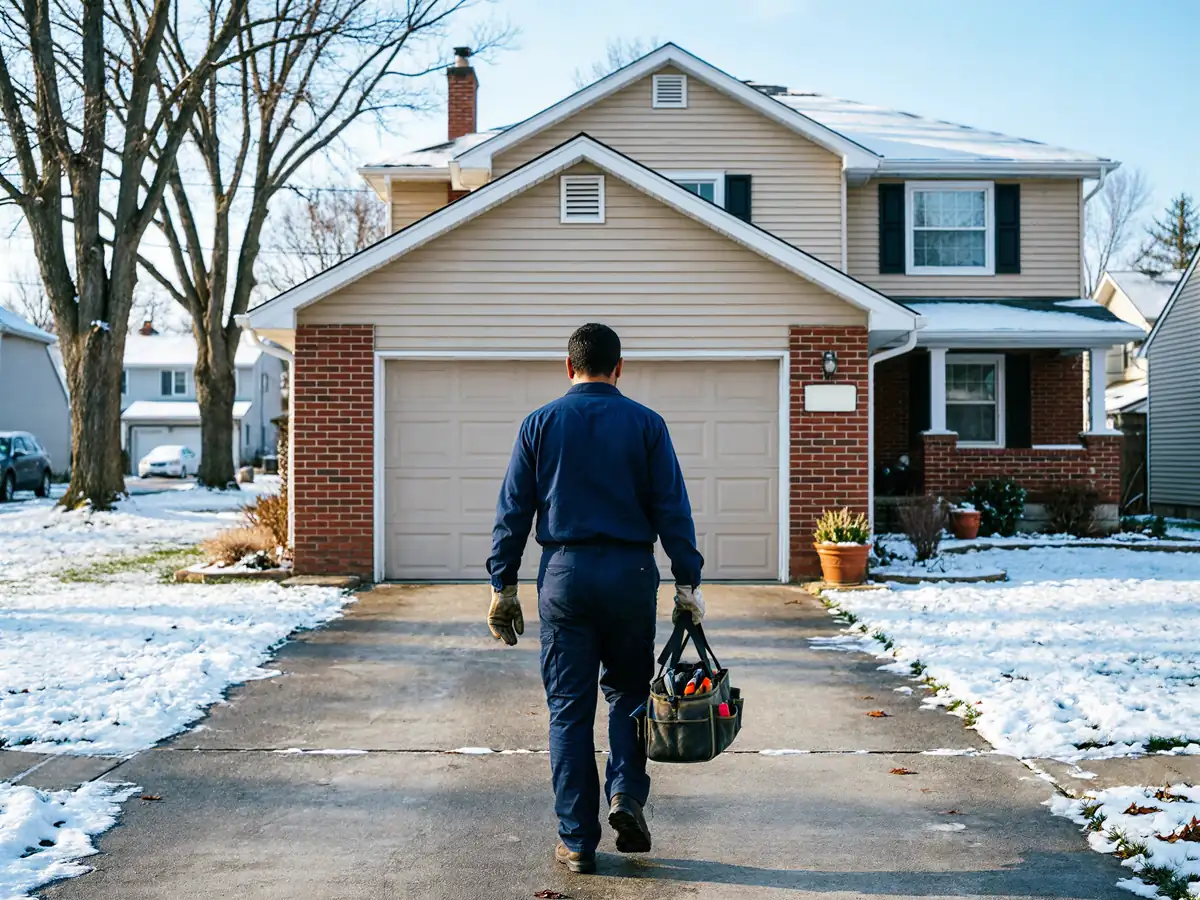
We work across the West Allis service area and into the surrounding communities
West Milwaukee and Greenfield about three miles out, Wauwatosa and Elm Grove around four, Hales Corners and Greendale at five, and further out through Butler, Franklin, Shorewood, and the rest of the towns in F10. Fall, before the cold sets in hard, is the best window to get a spring and track check done - but we take maintenance calls year-round.
If your door is original to a house built in the 1938-2000 window common to this area
Or it's been more than a couple years since anyone's looked at the springs, that's reason enough to get it checked. Reach out through our contact page and we'll get a visit scheduled.