Serving West Allis, WI & nearby
(414) 392-8426
West Allis, WI

Why Springs Snap in West Allis Cold

Most West Allis homes date to the 1960s and 70s, with original torsion hardware that cold snaps push past its limit. Here's what actually happens and why.

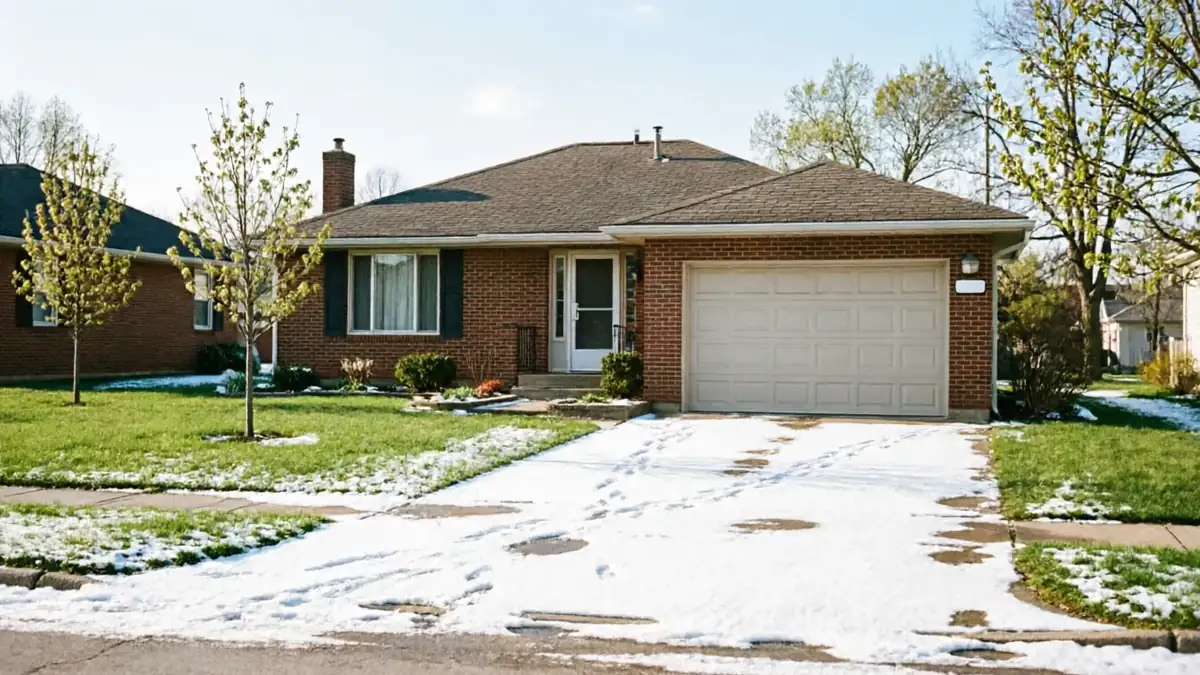
The house has a white garage door and a snow-dusted driveway.

The Problem

  1. A torsion spring doesn't care what the calendar says, but it cares a lot about temperature

    Steel contracts in the cold, and the coil loses a little flex every time the mercury drops. In a town where the housing stock runs 1938 to 2000 with a median build year of 1976, that means a lot of doors out there are carrying springs that have already done forty, fifty winters of this. West Allis sits in a severe cold climate band, and that's not a seasonal inconvenience - it's a structural fact that works against the metal year after year until one morning the spring just lets go, usually on the coldest day of the stretch, because that's when the steel is least forgiving and the door is heaviest to lift.

  2. Most calls come in the same way

    Someone hits the opener button, the door jumps an inch, and nothing else moves. That's a broken torsion spring, not a dead opener, and no amount of fiddling with the remote fixes it. The spring did the lifting. Without it, the opener motor is trying to hoist 130-plus pounds of wood or steel on its own, and it wasn't built for that.

Where People Go Wrong

The mistake we see most in this area is waiting. A door that's been getting noisier, slower, or harder to lift by hand is telling you the spring is losing tension before it fails outright - and in a cold-climate town like this, that decline speeds up every winter, not slows down. Homeowners in the older sections built through the 1960s and 70s tend to assume a stiff door in January is just 'how it gets' this time of year. Sometimes it is. Often it's the spring already a season or two from snapping.

The other common error is lubricating the track and rollers and calling it done. That helps the moving parts, but it does nothing for a spring that's lost coil tension from decades of cold cycling. We've also seen people try to adjust spring tension themselves after watching a video. A torsion spring under load can put someone in the hospital - it's wound tight enough to do real damage if it lets go while you're working on it. This isn't a project to learn on your own garage.

What Local Conditions Do

Across this service area, the housing is mostly 1960s and 70s construction, and that era of build generally means original or first-replacement torsion hardware that was never upgraded for a colder-rated spring wire. Add a severe cold climate band on top of that, and you get metal fatigue that moves faster here than it would somewhere milder. Cold makes the steel brittle at the microscopic level, and every freeze-thaw cycle through a Wisconsin winter adds a little more wear to a coil that's already decades into its working life.

It isn't just the spring. Cold also stiffens the lubricant in older rollers and tightens tolerances in the track, so the whole system is working harder exactly when the spring has the least give left to offer. A door that was marginal in October can become a failure by February without anything dramatic happening in between - just more cold.

What Changes With the Season

  1. As temperatures drop, the failure pattern shifts from 'slow and noisy' to 'sudden and complete.' In warmer months

    A tired spring in this area might just mean a sluggish door that an opener can mostly compensate for. Once the cold sets in, that same spring has less flex to spare, and the margin disappears. That's why the calls cluster hard in the coldest weeks of the year rather than spreading evenly across the calendar.

  2. We can't predict the exact week a specific spring will go

    That depends on its age, wire gauge, and how many cycles it's already logged, none of which we know without seeing the door. What we can say is that in a cold-climate town like this one, a spring that's already showing signs of wear in the fall is a much better bet to replace before the hard freezes than to gamble on through January.
How it works

From “it’s stuck” to “it’s fixed”

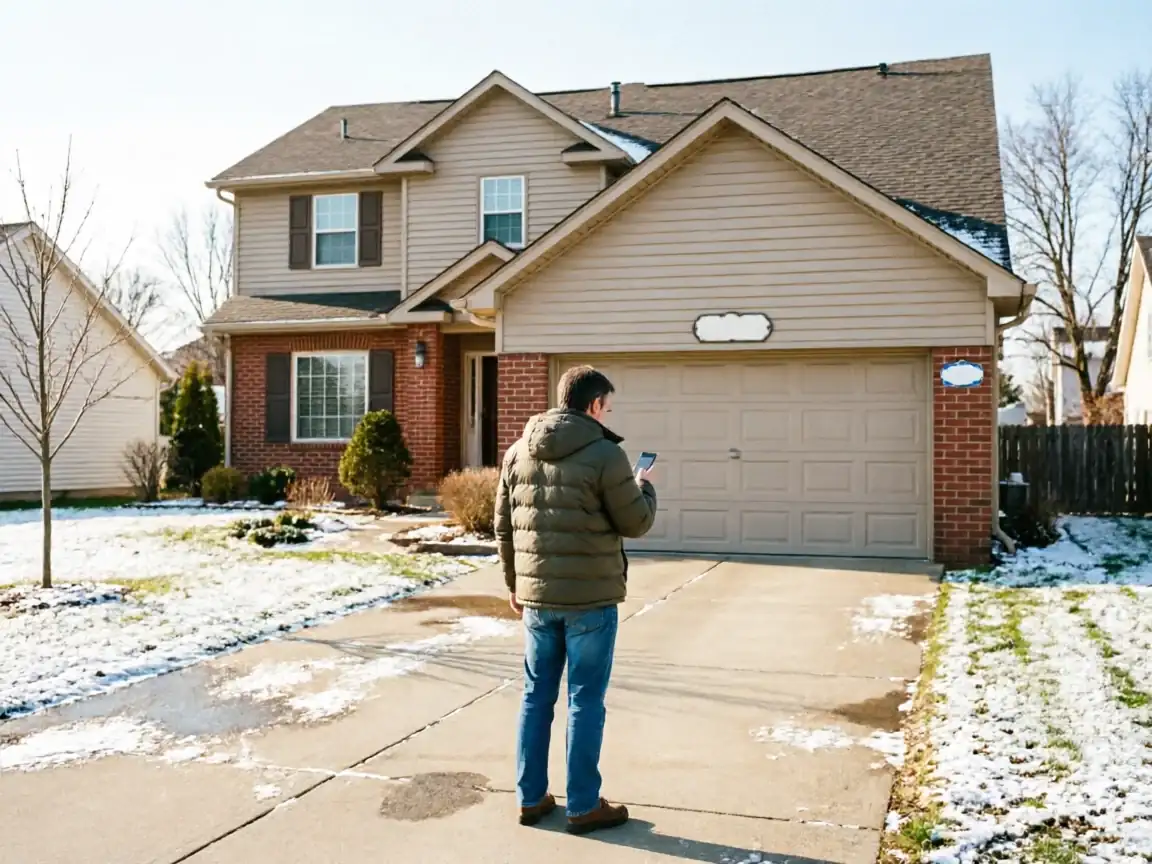
A man stands in a driveway looking at his phone in front of a house.

Tell us what’s wrong

Describe the symptom - won’t open, loud bang, opener runs but the door won’t move.

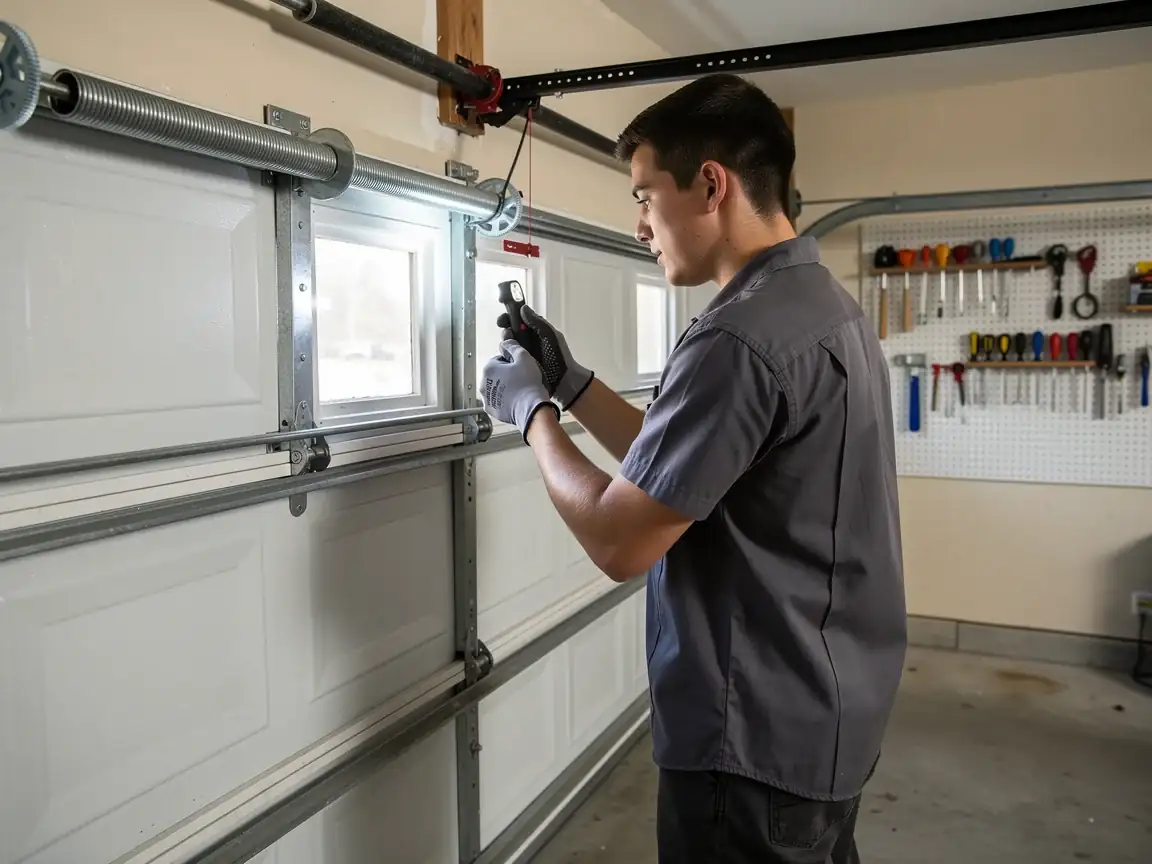
A technician in a gray shirt inspects a white garage door with a flashlight.

On-site diagnosis

A technician tests the door under power and by hand and finds what actually failed.

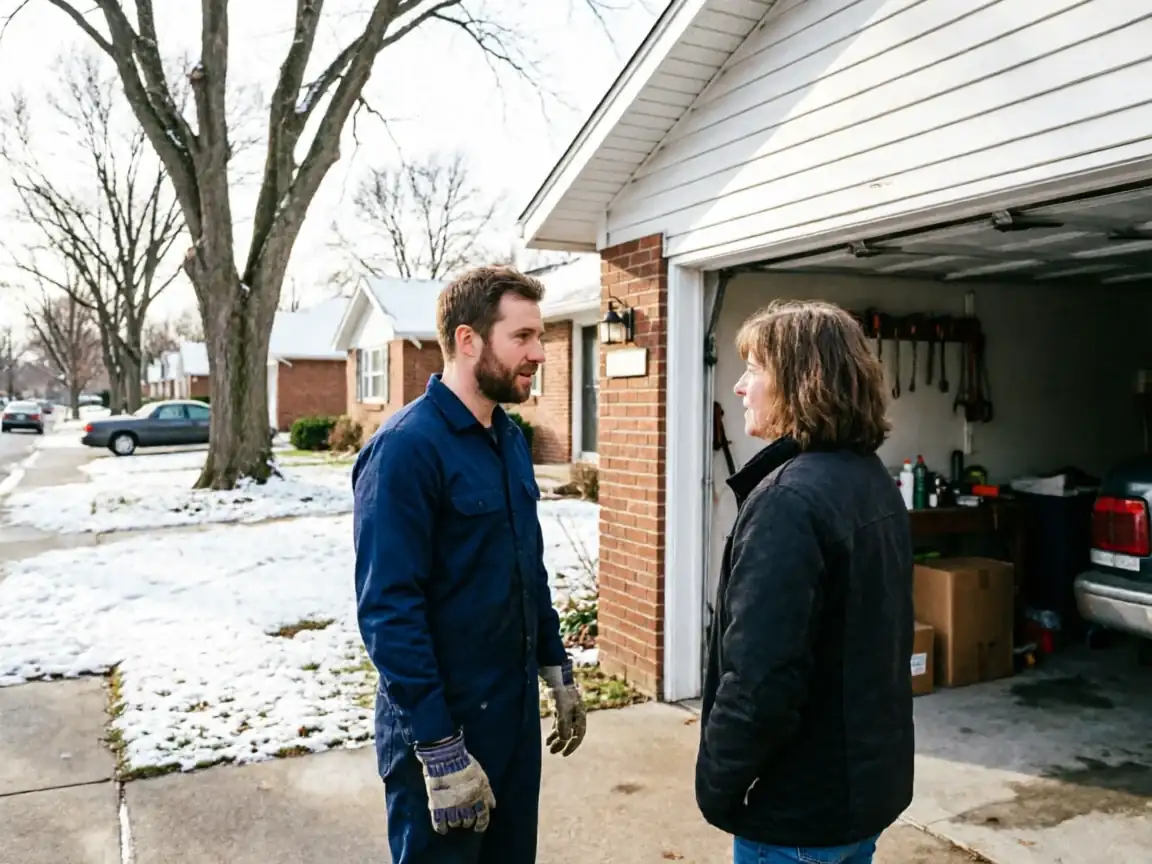
A technician in a blue uniform talks to a woman in front of a garage.

Clear, up-front plan

You get the fix that’s needed and what drives the cost - before any work starts.

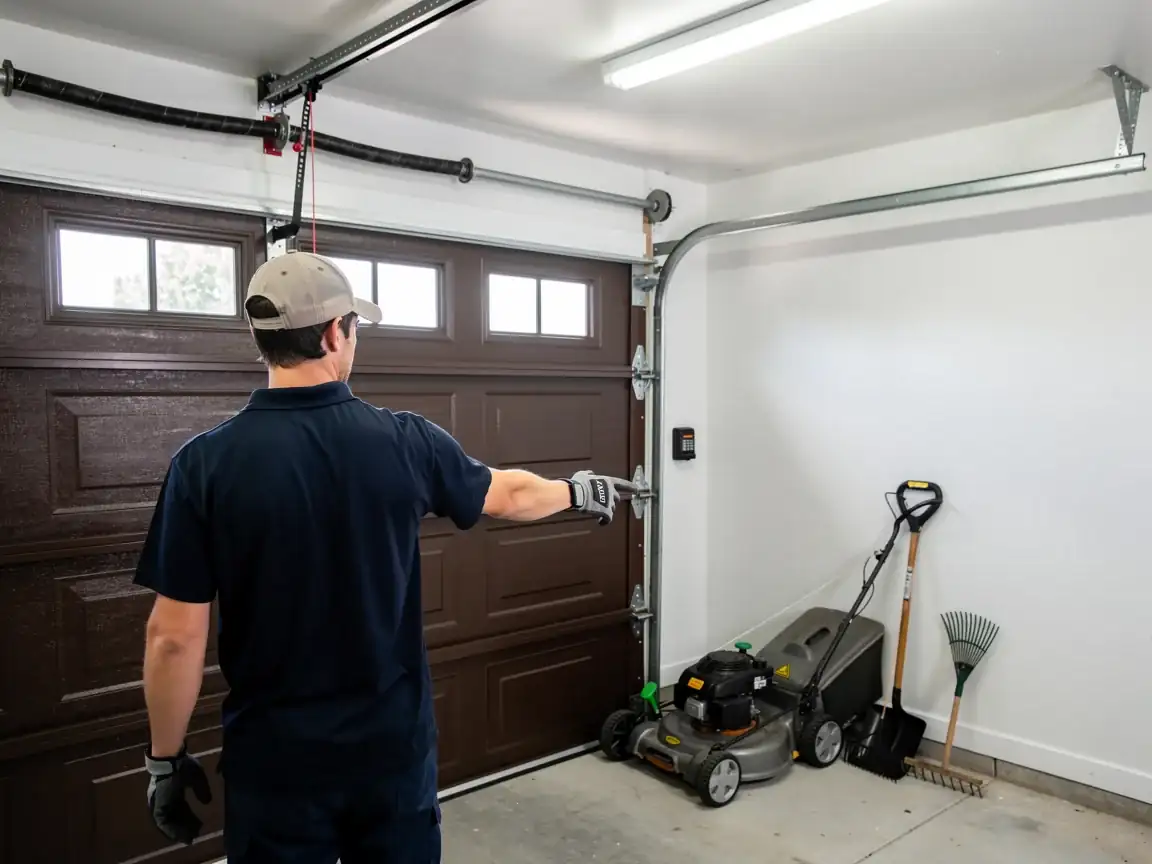
A technician in a cap points at a brown garage door with windows.

Repaired & tested

The repair is done, the door is set true and tested, and the work area left clean.

Not sure which repair your door needs in West Allis, WI? Describe what it’s doing - every job starts with a diagnosis.

How we work

What to expect

Diagnosis firstEvery visit starts by finding what actually failed - not a pre-written parts list.
The right part for the doorSprings and openers matched to the door’s weight and age, so the fix holds up.
Straight answersWhen a repair makes more sense than a replacement - or the reverse - you hear it plainly.
Clean, careful workTension released safely, hardware set true, the door tested under power before we leave.
What we do

Garage Door Services

Repair and installation work for West Allis homes and businesses.

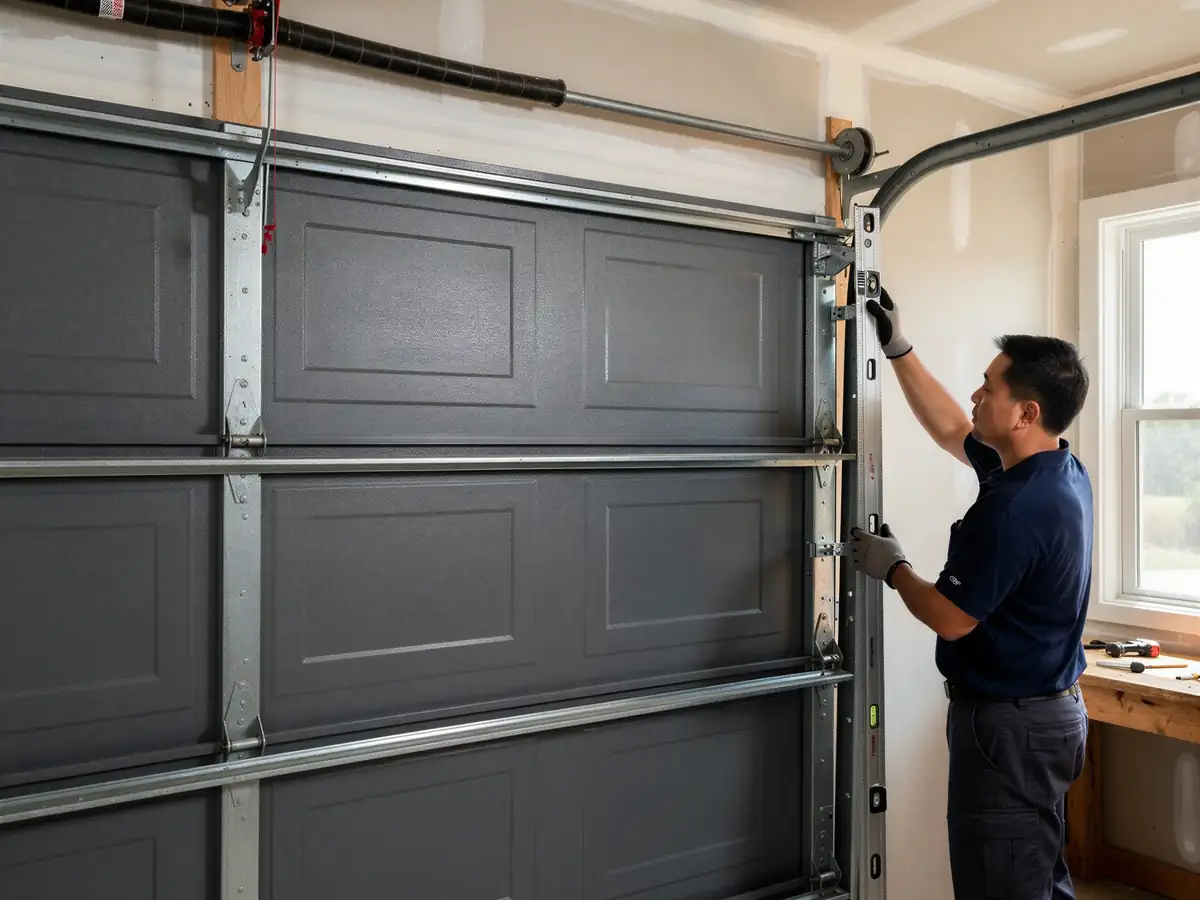
A technician uses a level to adjust the gray garage door track.

Garage Door Repair

Repair for the torsion springs, rollers, and panels common on West Allis's 1960s-70s housing stock, built to handle severe cold winters.

Learn more
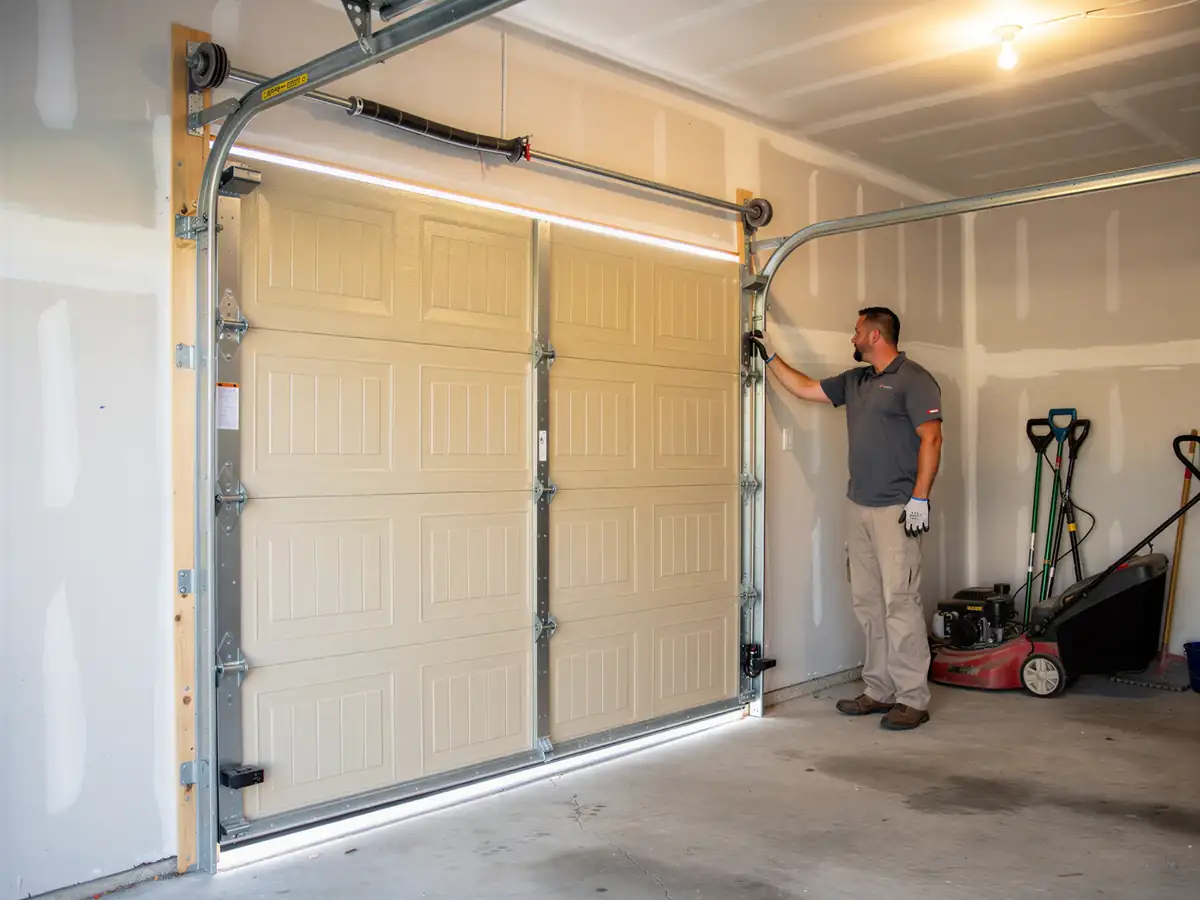
A technician in a gray shirt adjusts a beige garage door inside a garage.

Garage Door Installation

Garage door installation sized for West Allis's 1938-2000 housing stock and cold-climate wear. West Allis Garage Door Pros explains what drives the job and the cost.

Learn more
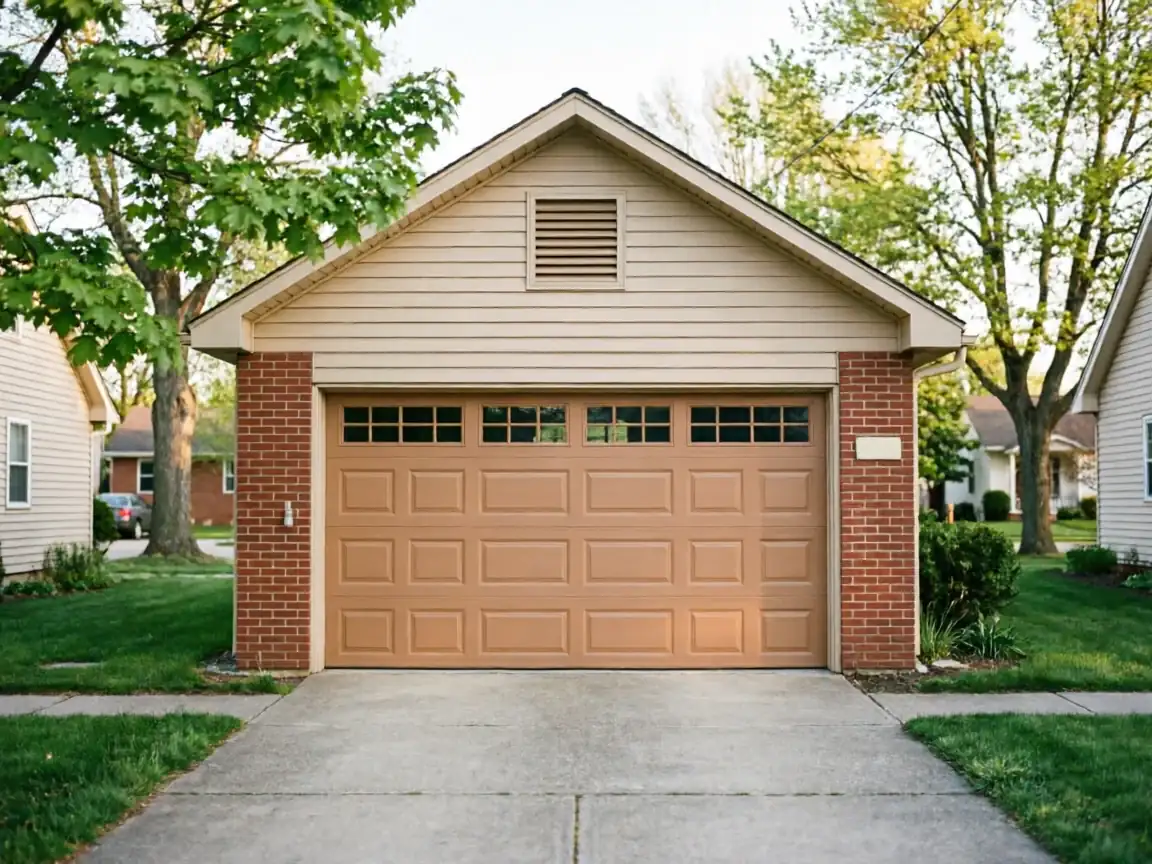
A brown garage door with windows is on a house with tan siding and brick.

Garage Door Service

Garage door service for West Allis homes built mostly in the 1960s and 70s - spring, track, and opener repair suited to the area's cold-climate housing stock.

Learn more
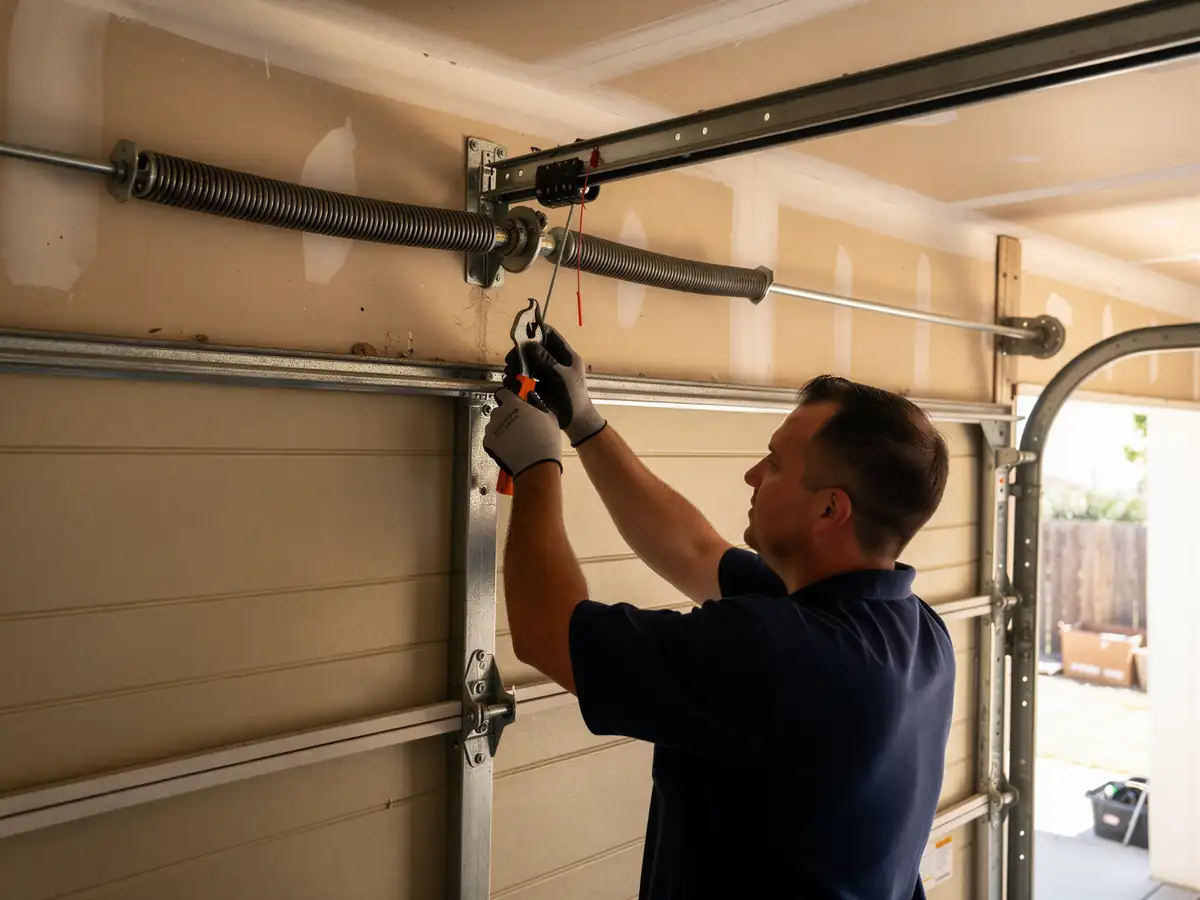
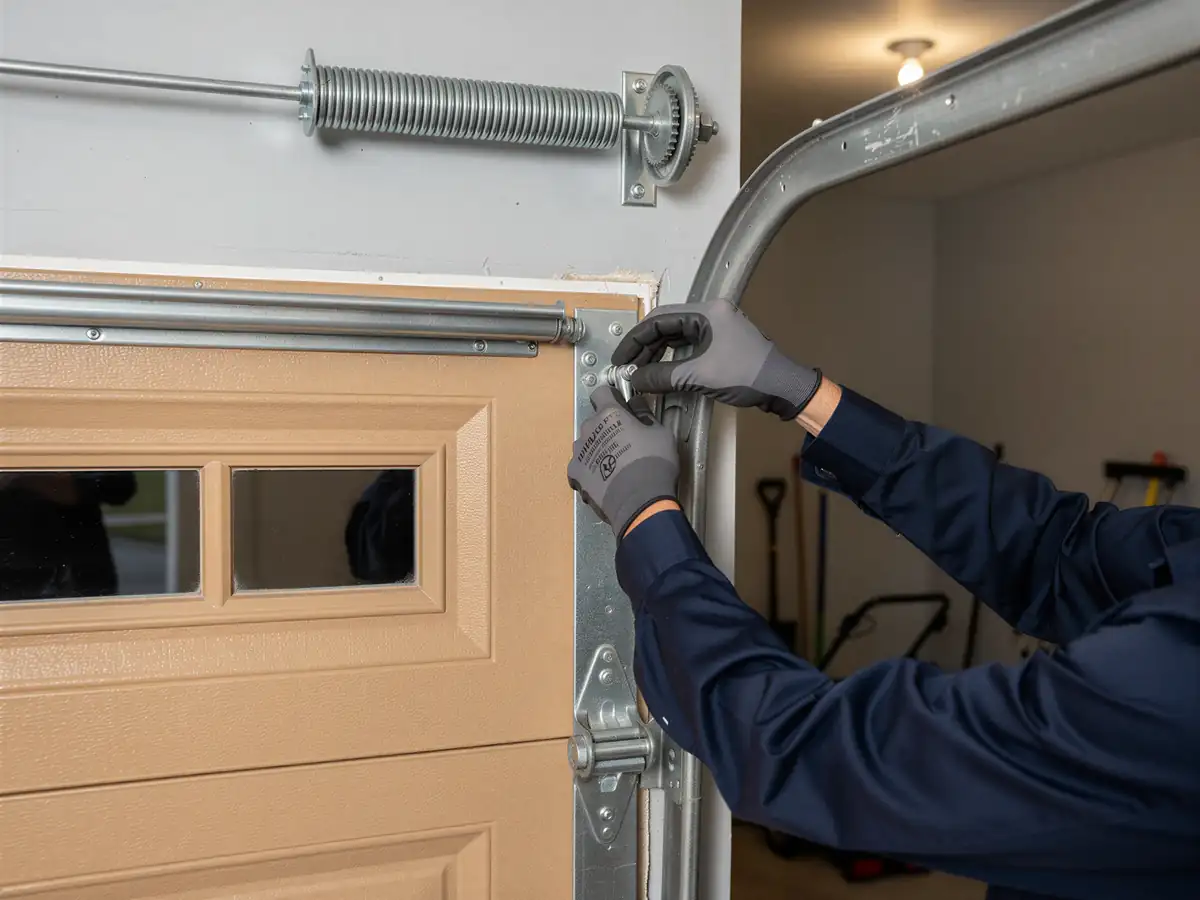
A technician wearing gloves adjusts a garage door torsion spring.

Spring Repair

Broken torsion spring on a West Allis garage door? We work on the 1960s-70s stock common here and explain what drives spring failure in this cold climate.

Learn more
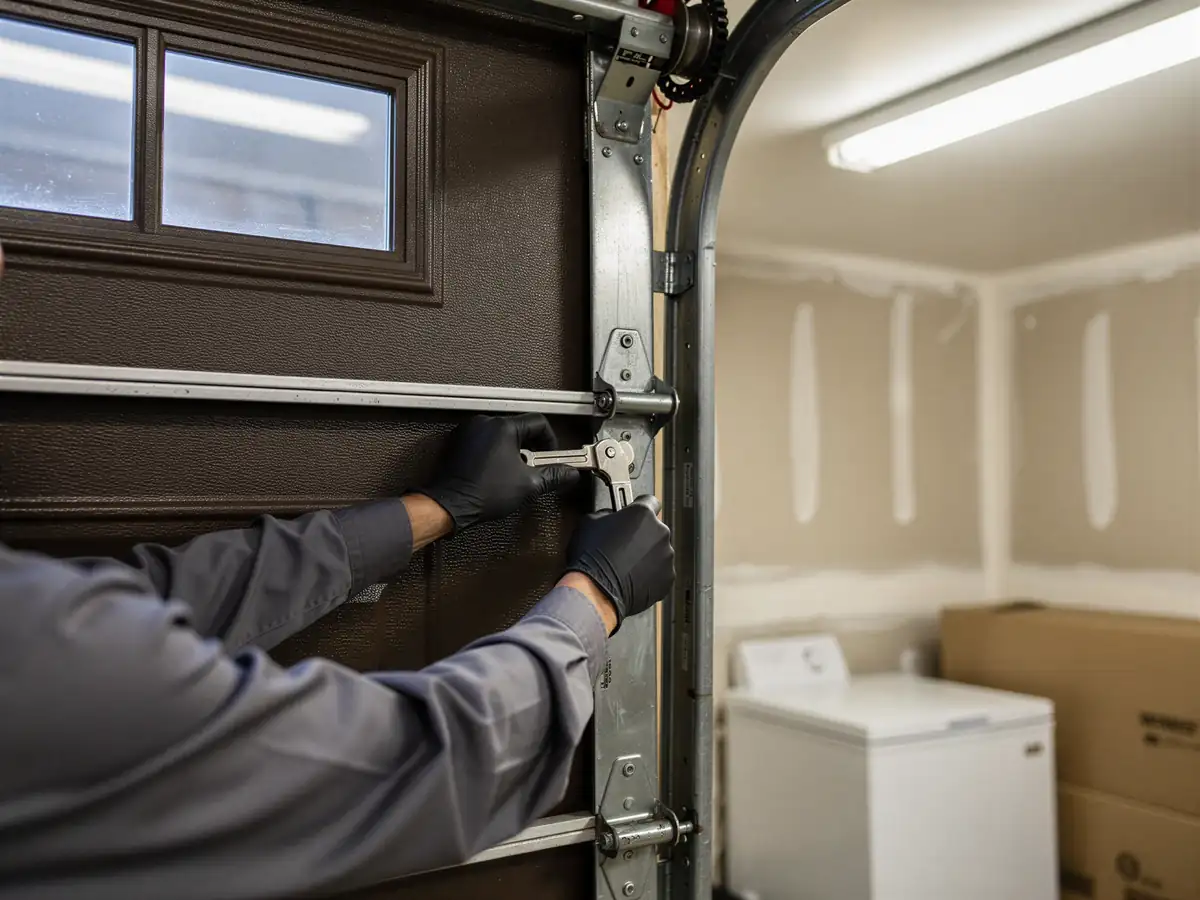
A technician in black gloves adjusts a brown garage door with a wrench.

Off-Track Repair

Garage door jumped the track in West Allis? See why homes built 1938-2000 with original hardware are prone to this, what it costs to fix, and how to get it booked.

Learn more
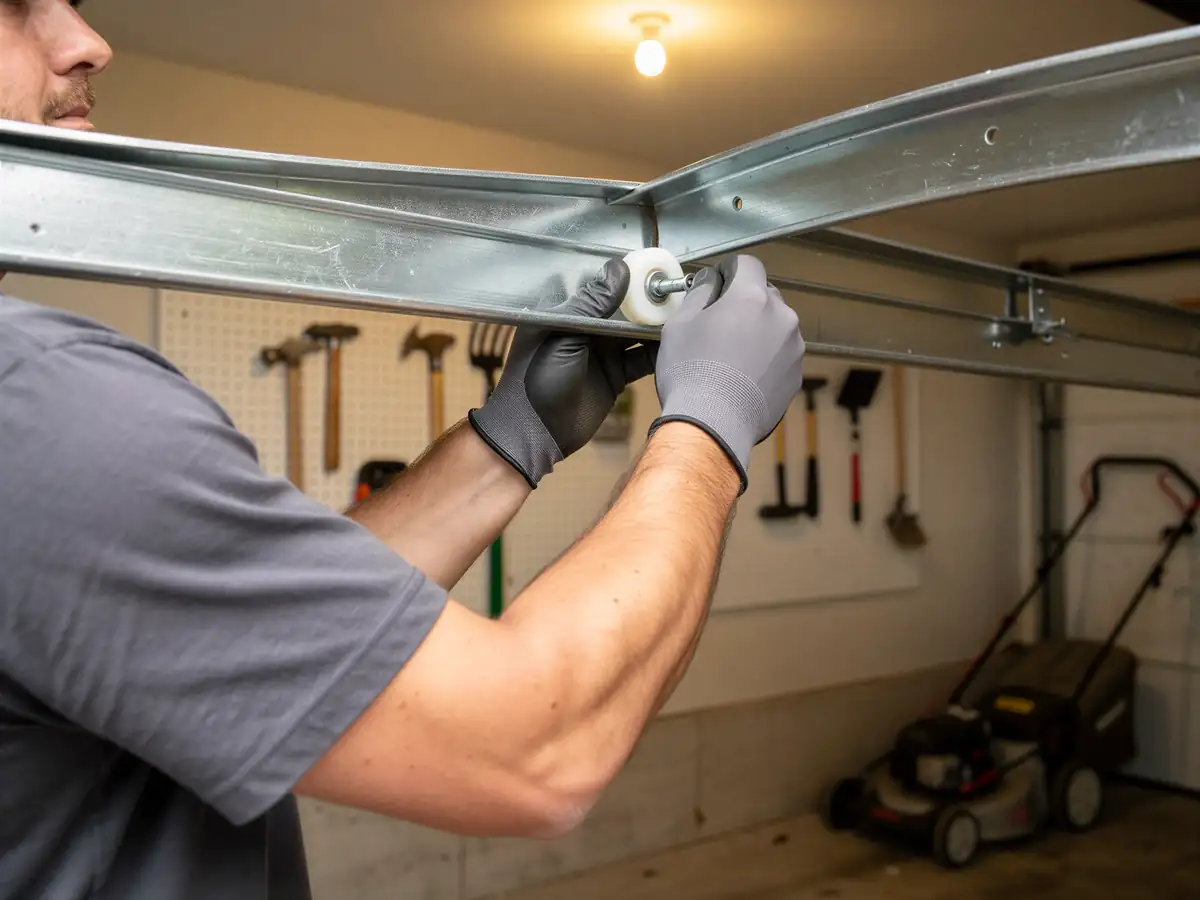
A technician installs a new roller on a garage door track.

Roller Replacement

West Allis homes built mostly between 1938 and 1976 still run original steel rollers on cold-stressed tracks. Here's what roller wear looks like here and what the job involves.

Learn more
A technician in gray gloves works on a beige garage door with a torsion spring above.

Maintenance

Garage door maintenance for West Allis homes built 1938-2000, where cold winters and original hardware wear springs, rollers, and openers faster than newer stock.

Learn more
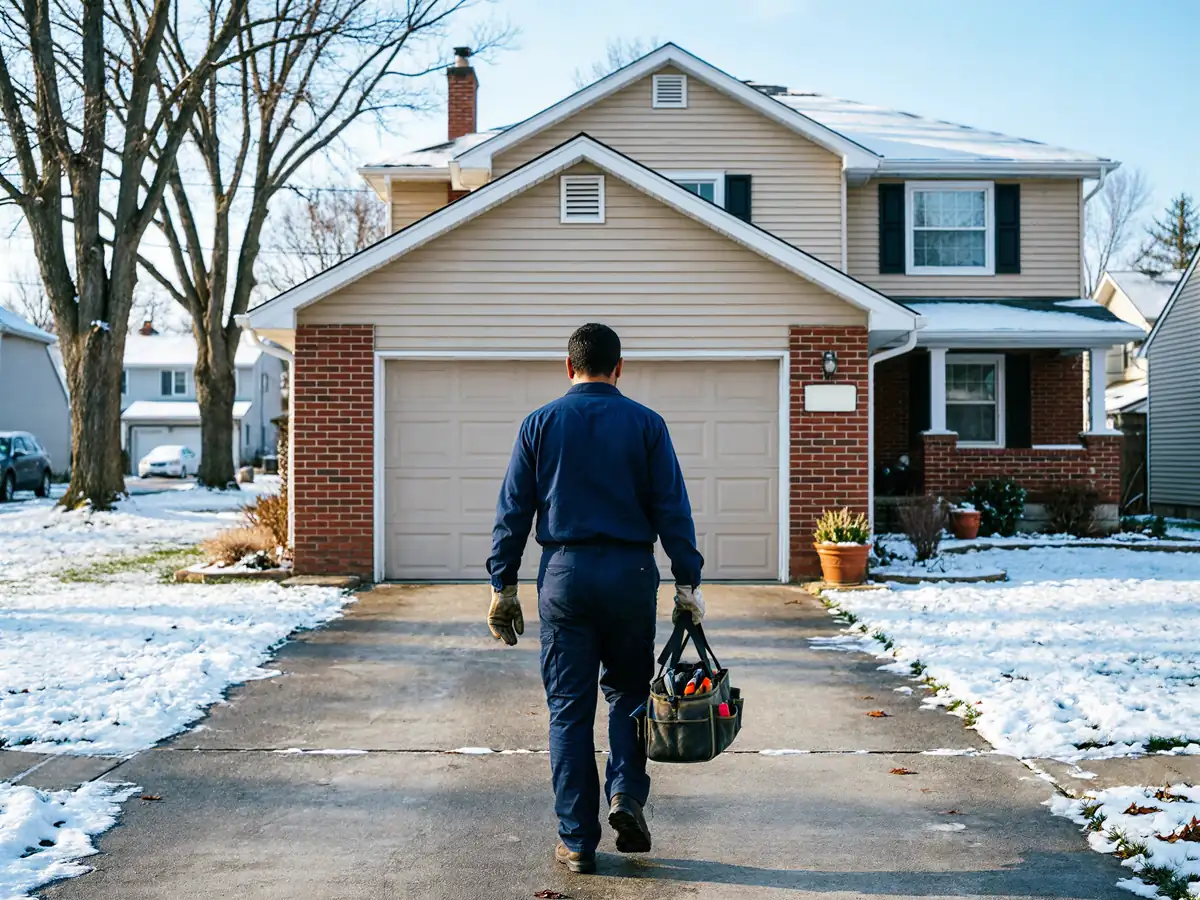
A technician walks toward a house with a beige garage door on a snowy day.

Emergency Garage Door Repair

Broken spring or dead opener at 10pm in West Allis? Here's what a torsion spring snap and track failure actually look like, and why 1960s-70s housing stock sees them so often.

Learn more
Questions

Frequently asked

Straight answers about garage door repair in West Allis. Still unsure? Ask us directly.

Why does my garage door spring always seem to break in winter?

Steel loses flexibility as it gets colder, and a torsion spring that's already worn from years of cycling has the least margin left right when the cold hits hardest. In a severe cold climate like West Allis, that combination tends to push a tired spring past its limit in the coldest weeks rather than evenly through the year.

My door is from the 1970s - is the spring still original?

It's possible. A lot of houses in this area were built in that decade, and some still have first-generation torsion hardware. Springs don't last forever regardless of climate, but original 1970s-era hardware combined with decades of cold-weather cycling is exactly the kind of setup we see fail without warning.

Can I tighten or adjust the spring myself to fix a slow door?

We'd rather you didn't. A torsion spring is wound under heavy tension, and adjusting it without the right bars and technique can cause serious injury if it releases. If your door feels heavier or slower than it used to, that's worth a call rather than a DIY attempt.

How do I know if it's the spring or the opener?

If the opener runs but the door barely moves, or jumps an inch and stops, that's almost always a broken spring, not a motor problem. The opener isn't built to lift the full weight of the door on its own, so it stalls once the spring stops doing its share of the work.

Ready to get your garage door sorted?

Tell us what it’s doing and where you are in West Allis - we’ll take it from there.

Request a QuoteCall