West Milwaukee's housing dates to the mid-1940s, older than most of the area. We explain what that means for your door, spring, and opener, and what we won't do.
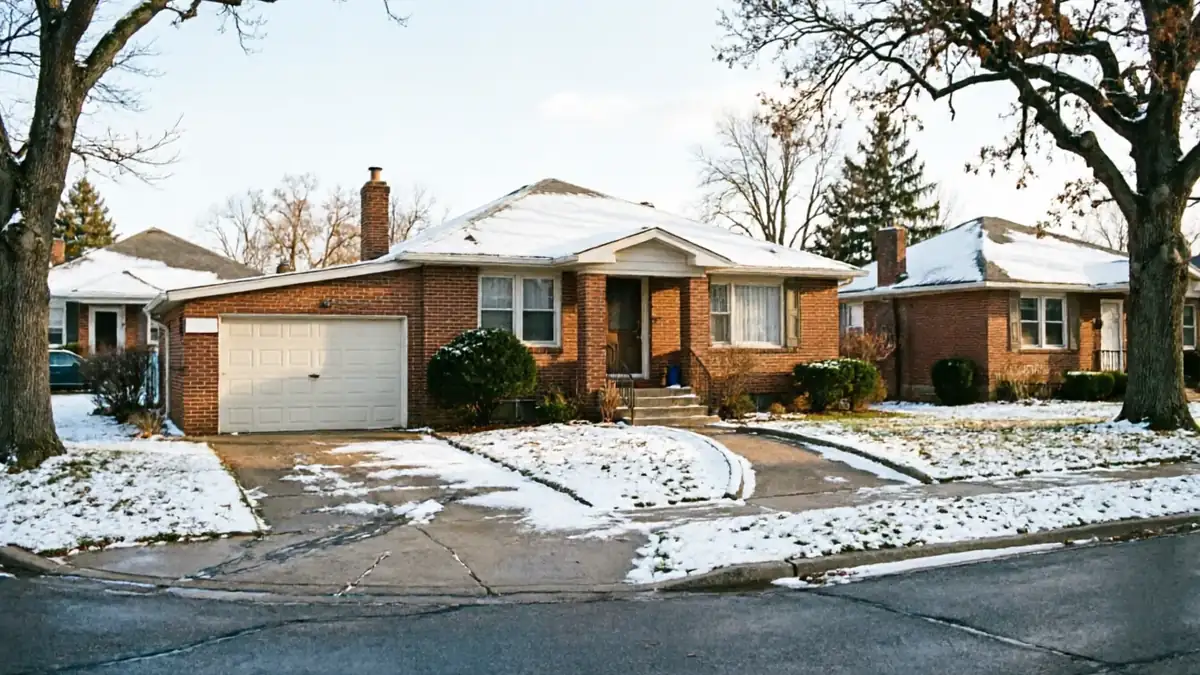
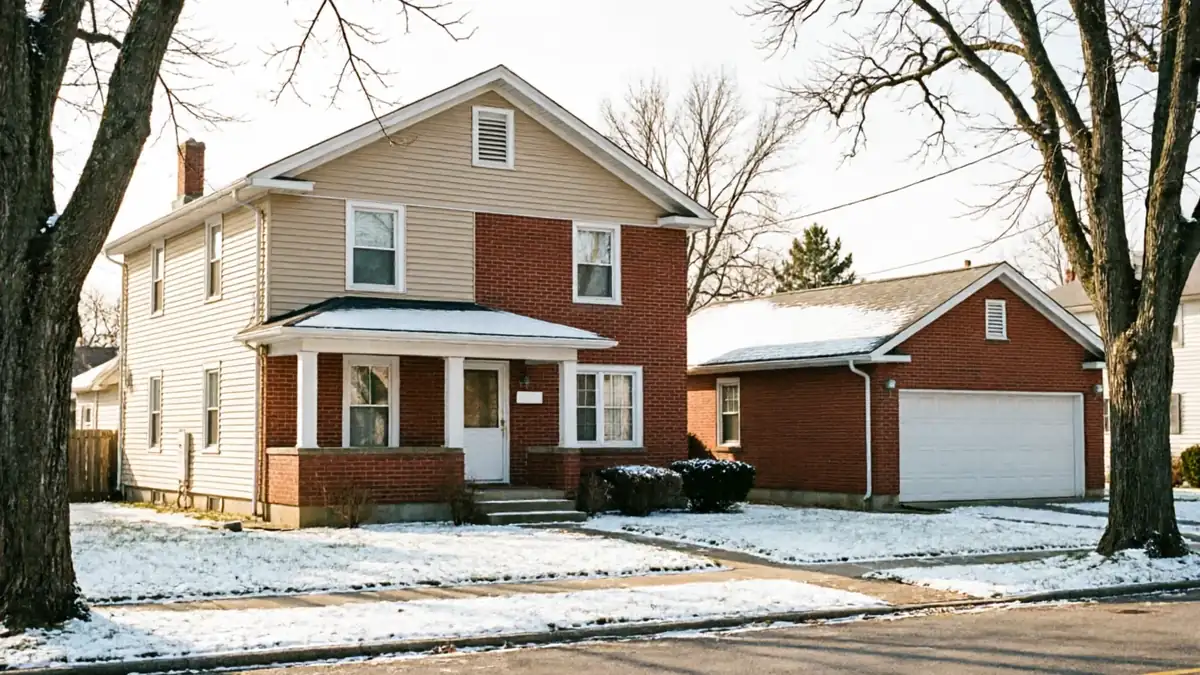
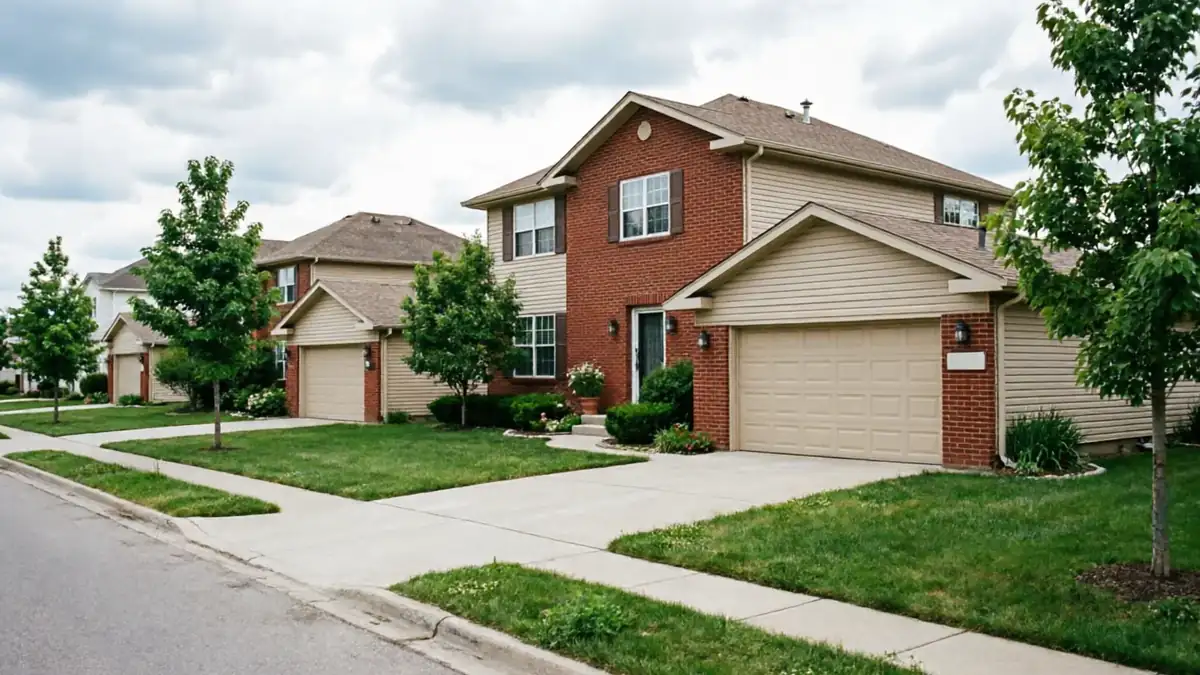
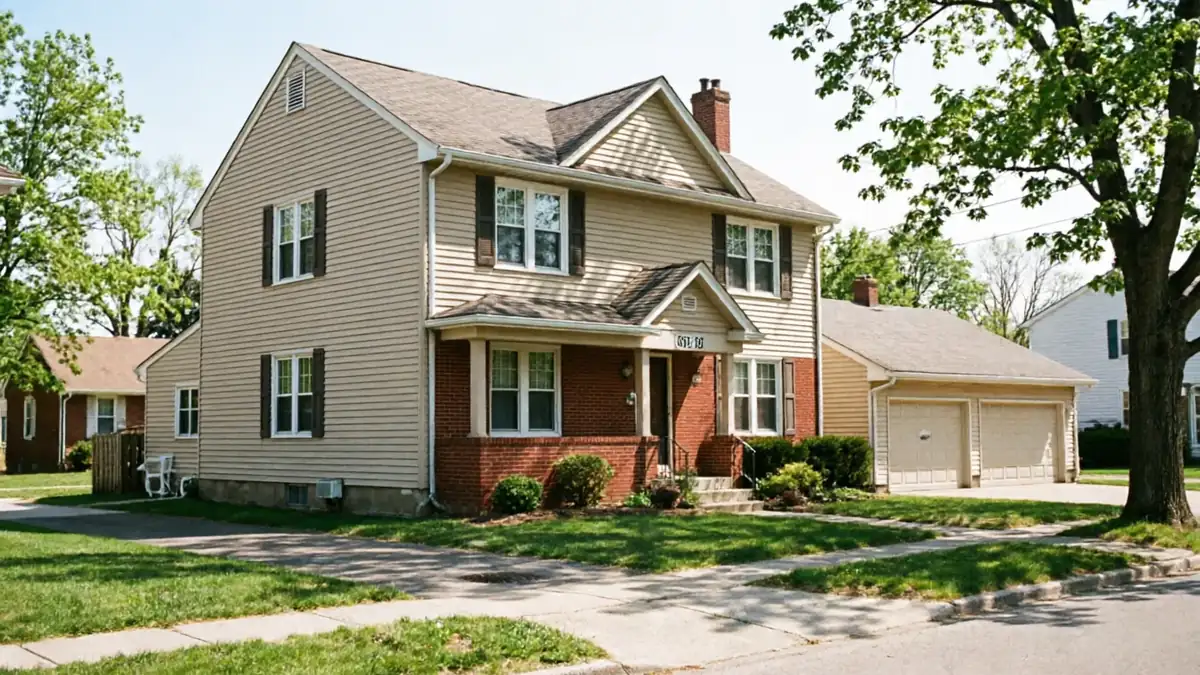
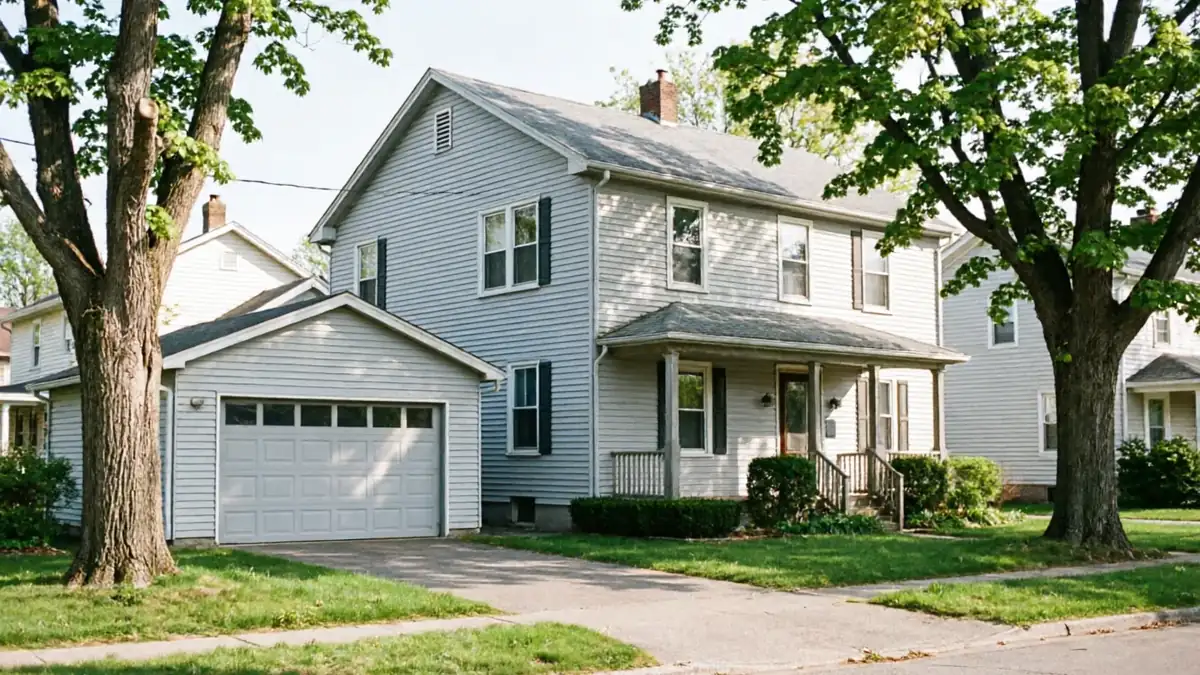
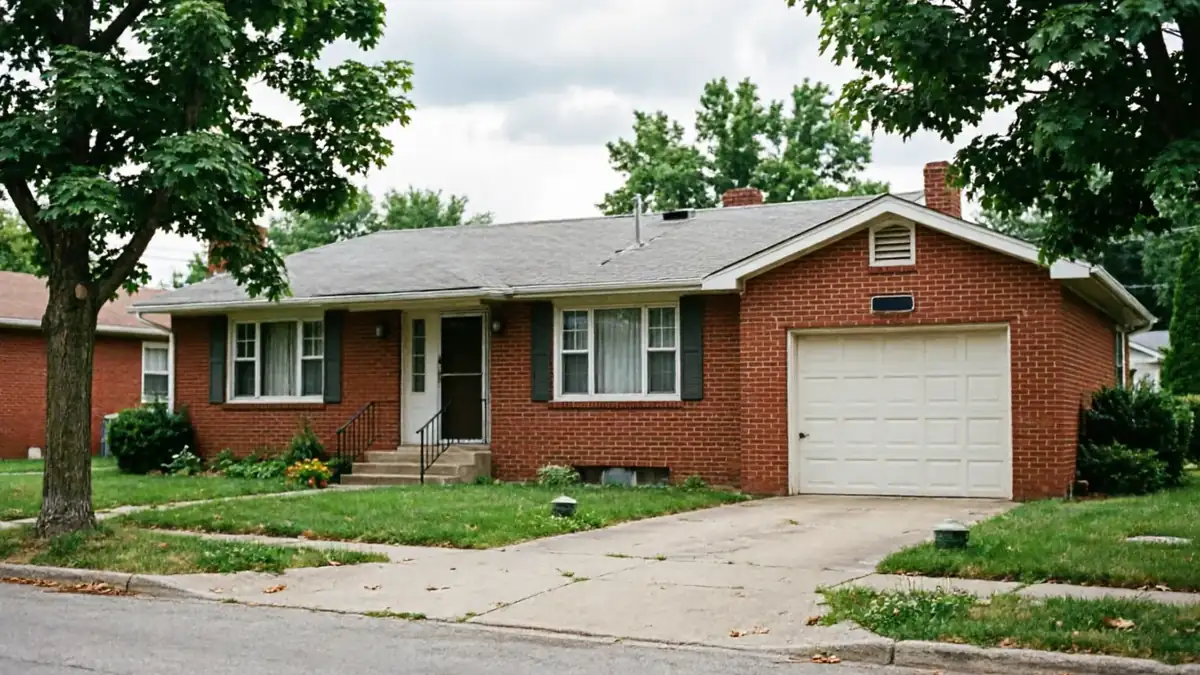
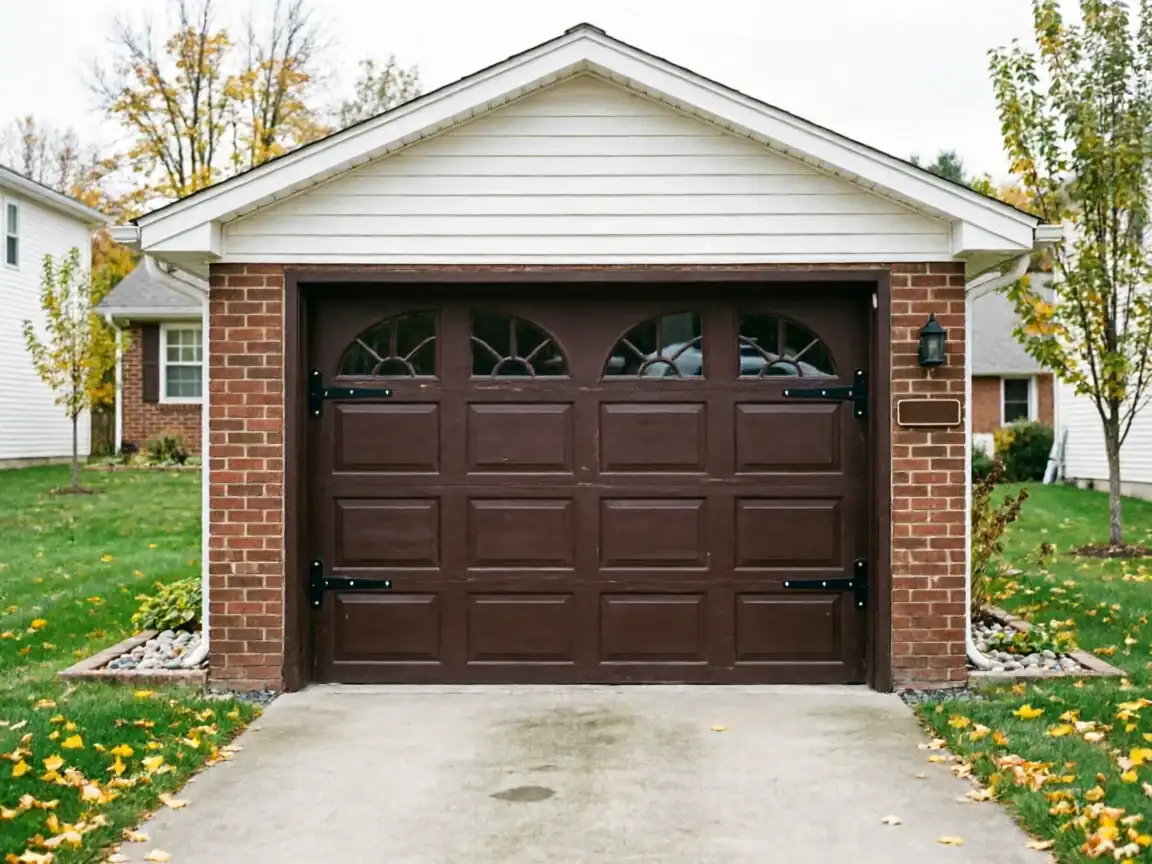
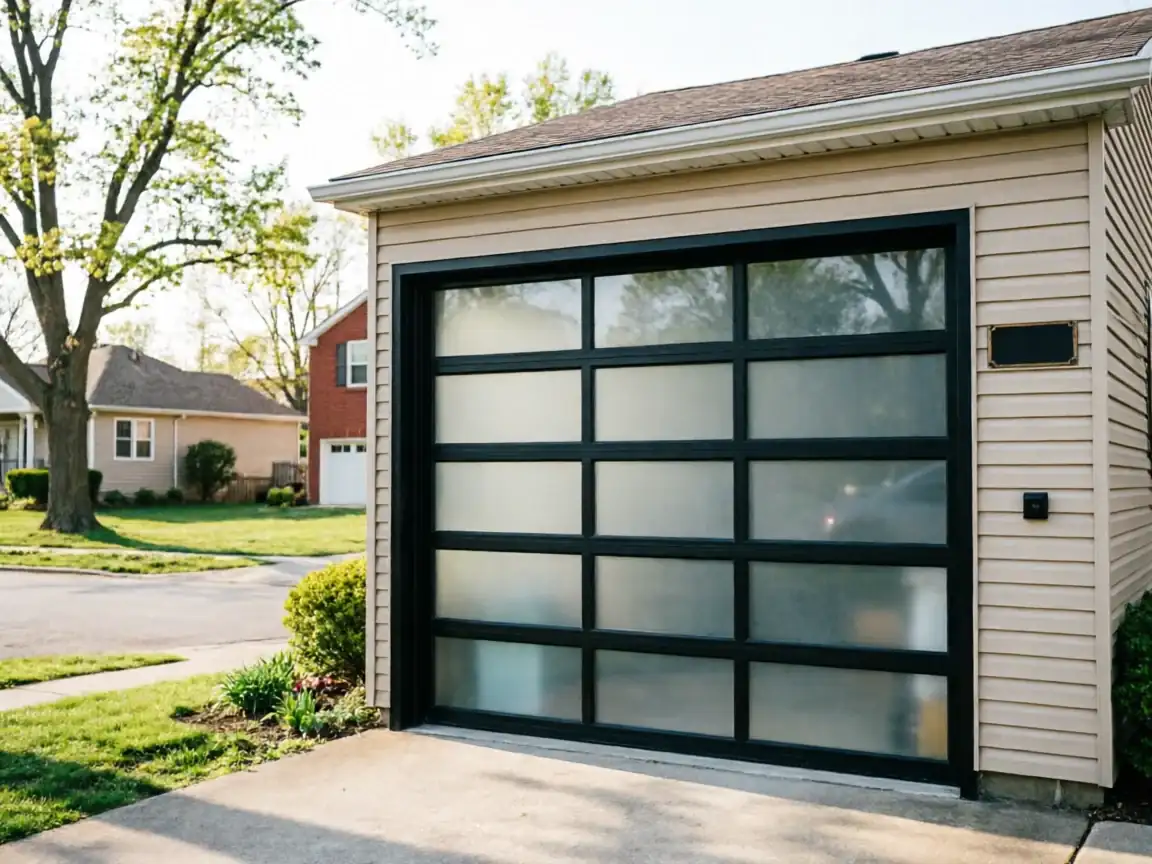
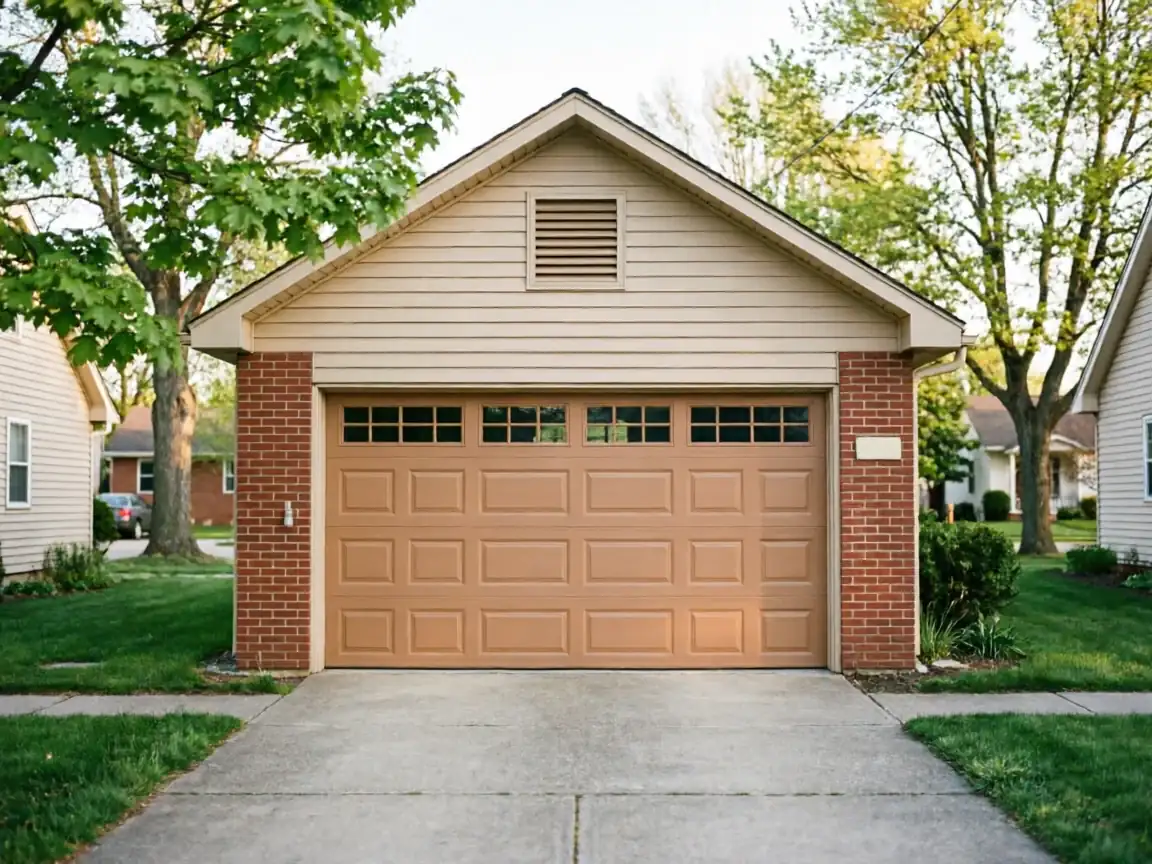
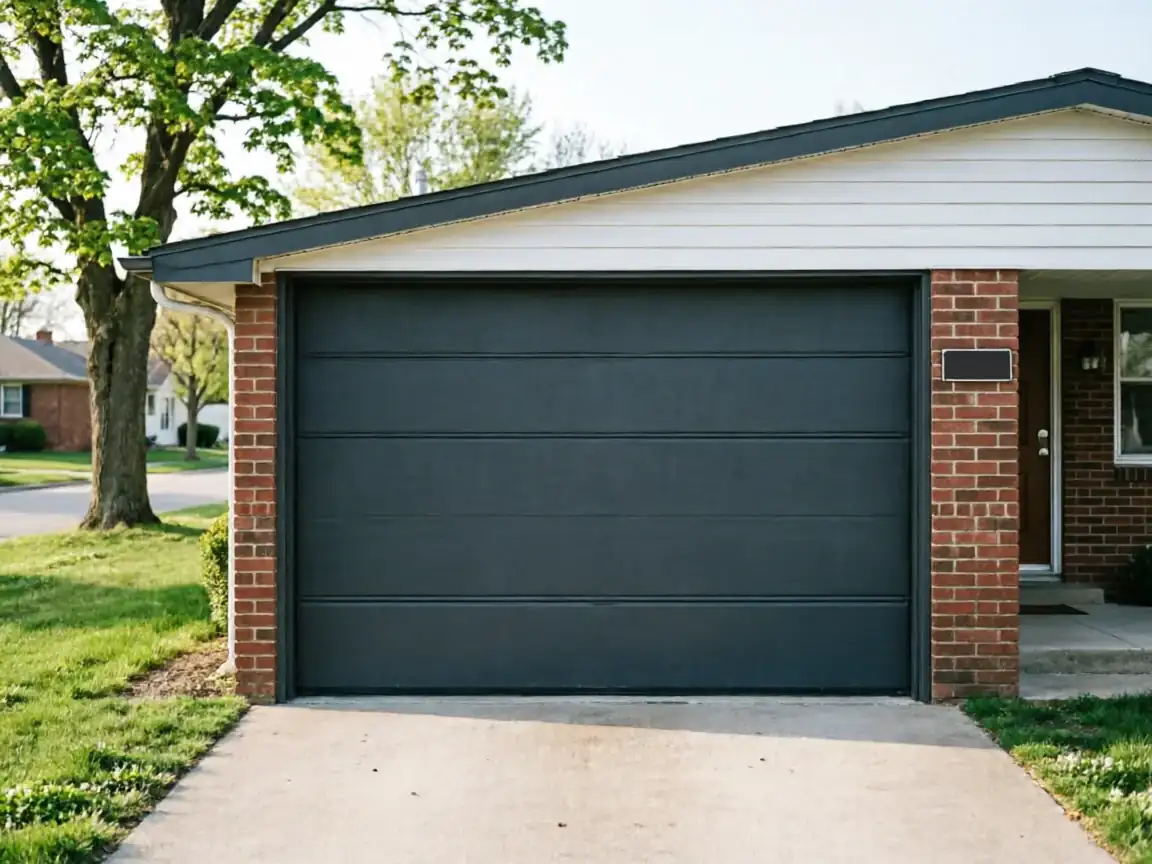
West Milwaukee's housing stock centers on 1946, which puts it a generation ahead of the 1960s-70s builds that make up most of the wider service area. That matters more than it sounds. A door and opener installed - or replaced once already - on a house from the mid-1940s was likely set up before torsion springs became the standard for single garages, and before steel sectional doors pushed out the older wood swing-out and one-piece tilt-up styles. If your house still has its original garage structure, you may be dealing with hardware that nobody stocks new anymore: narrow track widths, odd-length extension springs, or a header that was never sized for a modern insulated door. With only about 1,990 households in West Milwaukee, this isn't a huge area, but the age of the stock is consistent enough that we see the same handful of issues on repeat calls here - mismatched replacement panels from past partial fixes, openers bolted to framing that's shifted over 70-plus years, and tracks that were never leveled to spec in the first place.
What We Do Not Do
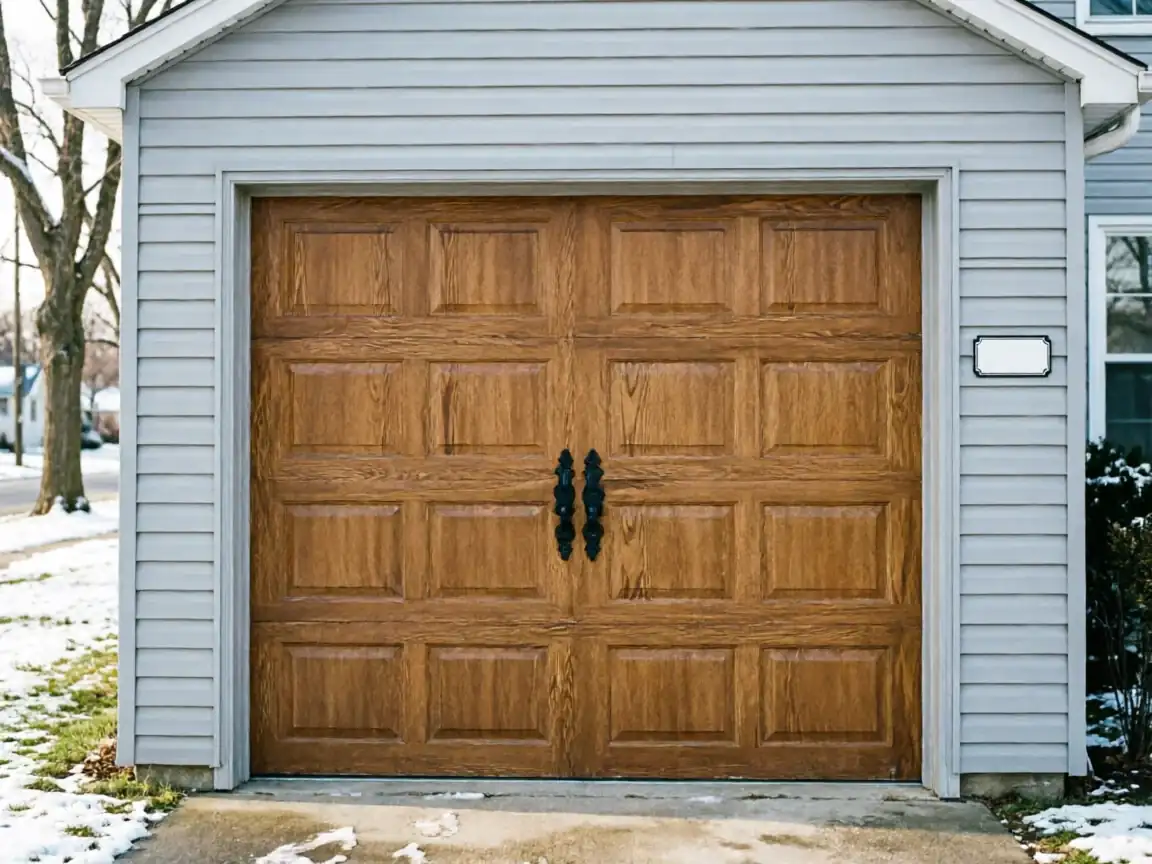
We don't try to force a modern opener onto framing that can't hold it - if the header or jamb has settled or rotted, that's a carpentry job first, and we'll tell you so instead of bolting hardware to wood that won't hold a lag screw. We also don't push full door replacement on a house with older hardware if the actual problem is a $200 spring or a bent roller; repair beats replace more often than the industry likes to admit, especially with median household income in West Milwaukee at $48,976, well under the $108,690 average across the rest of our coverage. That number changes the conversation - we'd rather fix what's fixable than sell a job nobody asked for. What we won't do is stock every obsolete part for every pre-1950s configuration; some odd-size springs and discontinued track hardware mean a short wait on special order, and we'll say so upfront rather than overpromise a same-day fix on a part we don't have on the truck.
The Drive Over
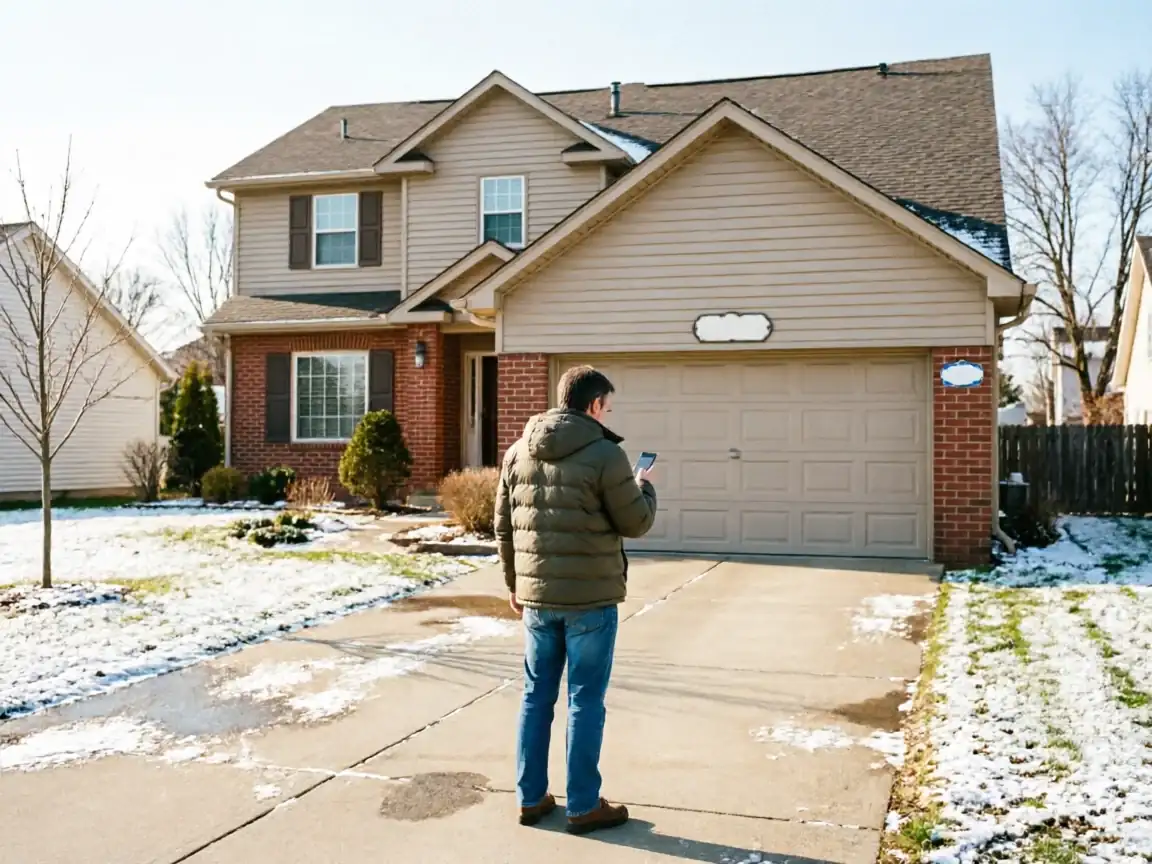
We run out of West Allis, and West Milwaukee sits about 3 miles out - close enough that travel time isn't something we pad into the estimate. It's one of the nearer stops on the map relative to places like Franklin or Germantown, which sit closer to 9 and 16 miles respectively. Short drive, no depot here, no promise of a standing presence in the neighborhood - just a quick trip from the shop when a call comes in. That proximity doesn't change what we charge, but it does mean less dead time between a call and a truck showing up, and less guesswork about traffic on the route in.
What the Housing Means for Your Door
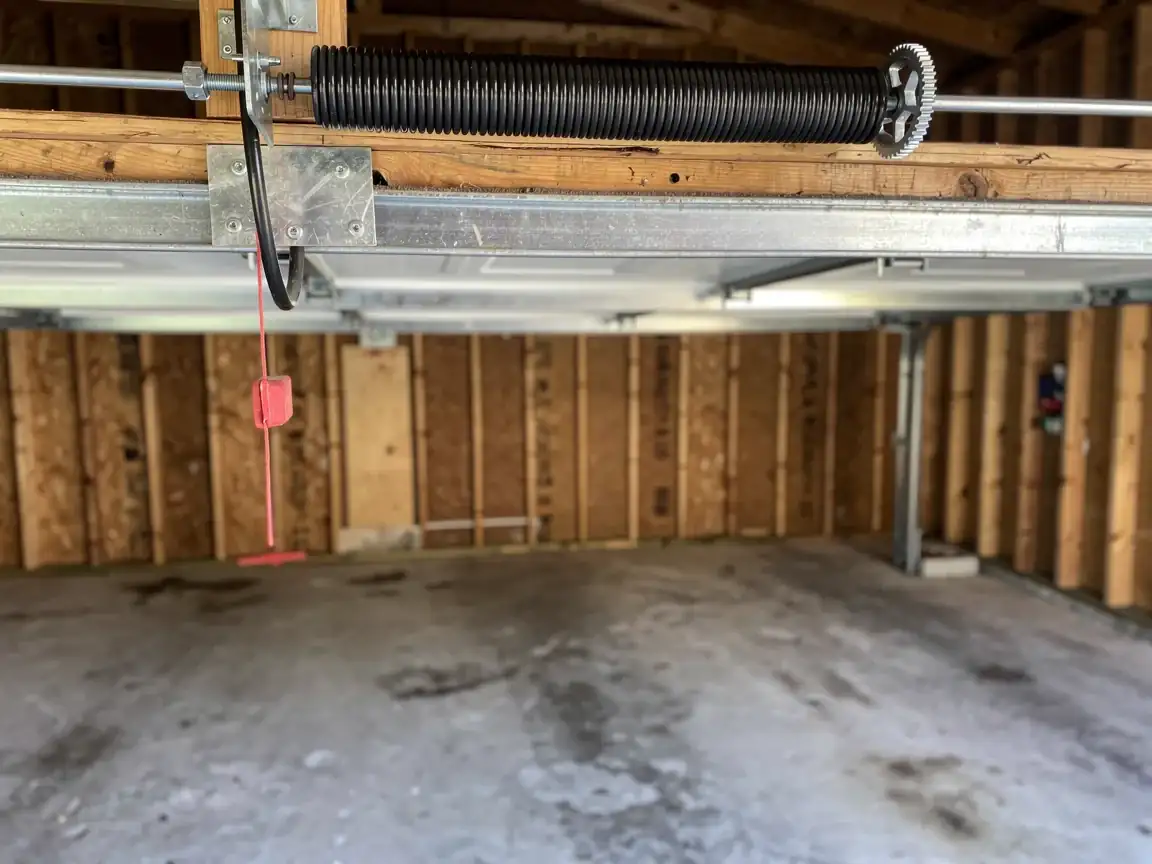
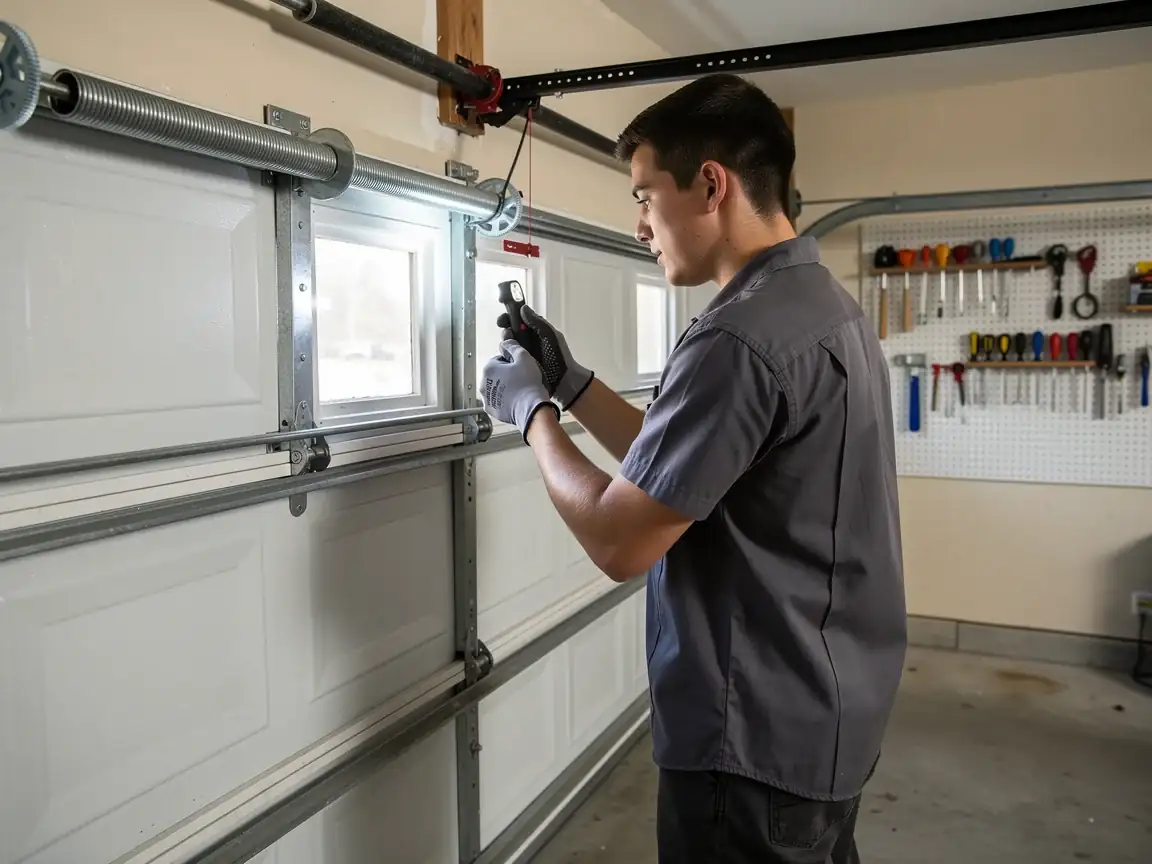
Winters in this part of Wisconsin are cold enough, and severe enough, to be hard on any garage door setup, but a 1946-era opening feels it differently than a 1970s one. Older headers and jambs were framed before anyone thought about weatherstripping a garage door the way we do now, so gaps around the panel edges are common, and that lets cold air sit directly on torsion springs and bearing plates - speeding up the stiffening and cracking we see on winter service calls. If your spring or cable has never been swapped, and the house itself is original-era construction, there's a decent chance the hardware behind the door is original too, or close to it. That's not automatically bad, but it does mean a tune-up visit should include a real look at spring wear and track alignment, not just a lube job. We'd rather catch a tired spring in October than get the call in January when it snaps cold.
How it works
From “it’s stuck” to “it’s fixed”
01
Tell us what’s wrong
Describe the symptom - won’t open, loud bang, opener runs but the door won’t move.
02
On-site diagnosis
A technician tests the door under power and by hand and finds what actually failed.
03
Clear, up-front plan
You get the fix that’s needed and what drives the cost - before any work starts.
04
Repaired & tested
The repair is done, the door is set true and tested, and the work area left clean.
Not sure which repair your door needs in West Allis, WI? Describe what it’s doing - every job starts with a diagnosis.
Straight answers about garage door repair in West Allis. Still unsure? Ask us directly.
Is my garage door original to the house if it was built in the 1940s?
It's possible, especially if there's no record of a past replacement. Original 1940s-era hardware often used narrower tracks and different spring tensioning than what's made today, so if yours looks untouched, it's worth a look before it fails on its own schedule.
Do you have a shop in West Milwaukee?
No, we run out of West Allis, about 3 miles away. It's a short drive, so it doesn't add meaningful time to a service call, but there's no local depot or standing crew based in West Milwaukee itself.
Will cold weather make an old spring worse?
Yes. Cold makes torsion and extension springs stiffer and more prone to cracking, especially on older, unsealed openings where weatherstripping has worn thin. If your house is original-era construction, a pre-winter spring check is worth more than a late-winter emergency call.
Should I replace the whole door or just fix the hardware?
Depends on what's actually broken. If the panels are sound and it's a spring, cable, or roller problem, repair almost always makes more sense than replacement - we'll tell you plainly if that's the case rather than upsell a new door.