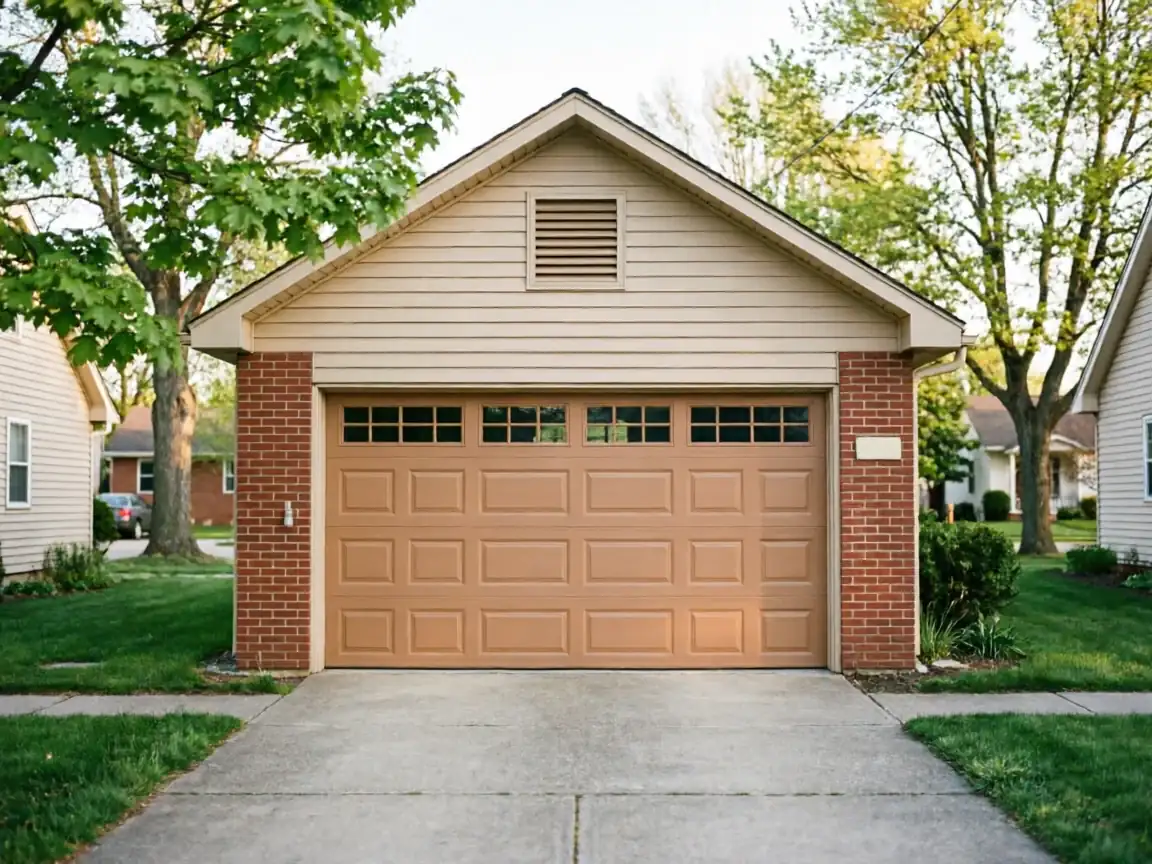
What You Are Seeing
West Milwaukee's housing stock runs older than most of the area we cover
The median build year here is 1946, decades ahead of the 1976 median across the wider service territory. That matters for rollers specifically: a door installed when the house was built, or even replaced once in the 1970s, is very likely still running on the steel rollers it shipped with. Nobody re-rollers a door as routine maintenance. It happens when the door stops moving quietly, or stops moving at all.
What you're hearing is usually one of two things
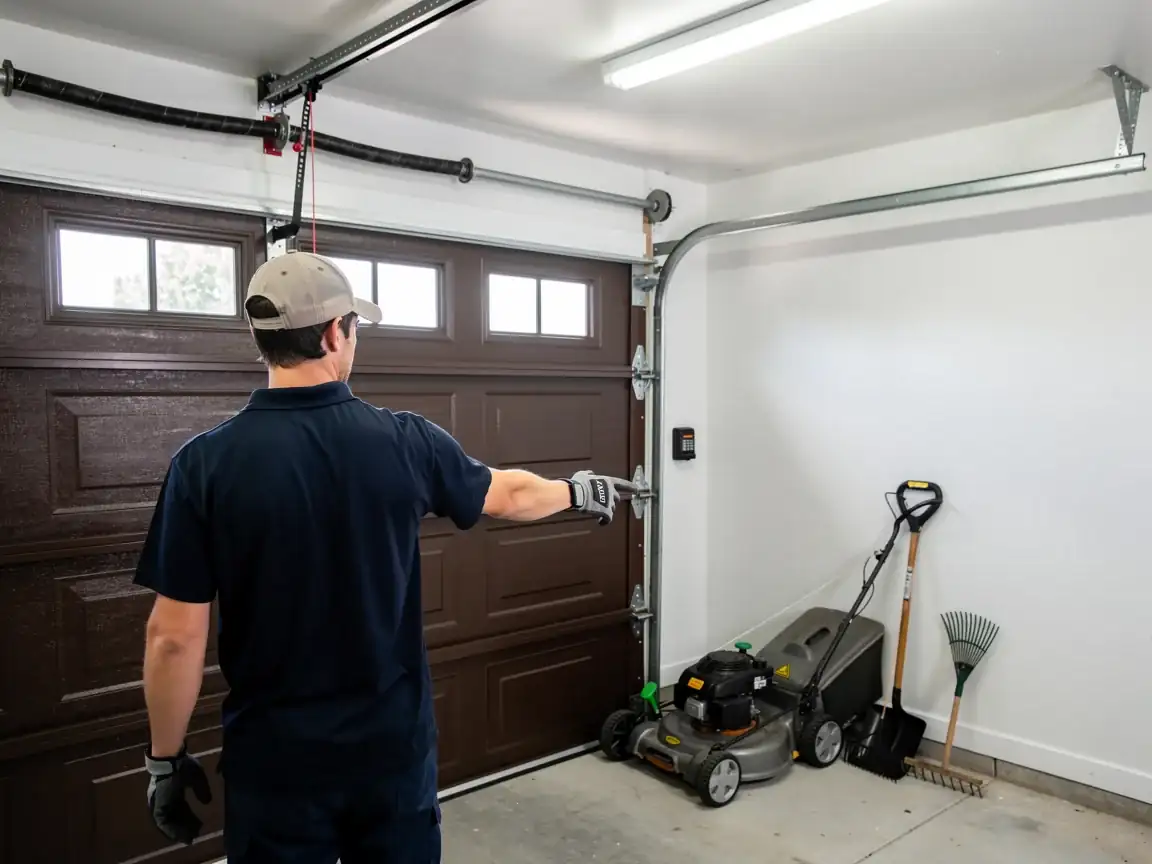
A grinding or clunking as the door travels is steel-on-steel wear - the roller wheel has flattened on one side and is riding rough in the track. A door that jumps or jerks partway through its cycle often means a roller has worked loose from its stem or the track itself has narrowed where decades of houses settle. Either way, on a house this age, you're almost never looking at just one bad roller. If one wheel has worn through its bearing, the rest on that track are close behind it, because they've done the same mileage.
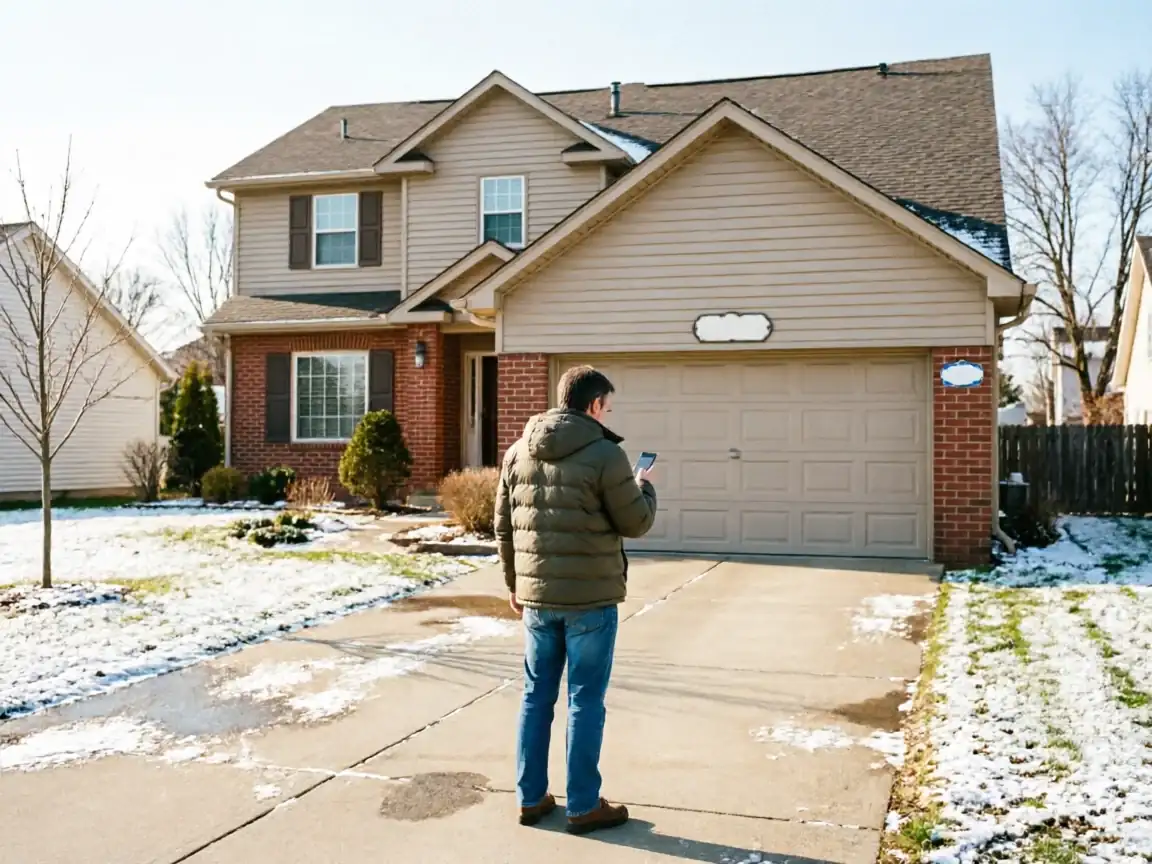
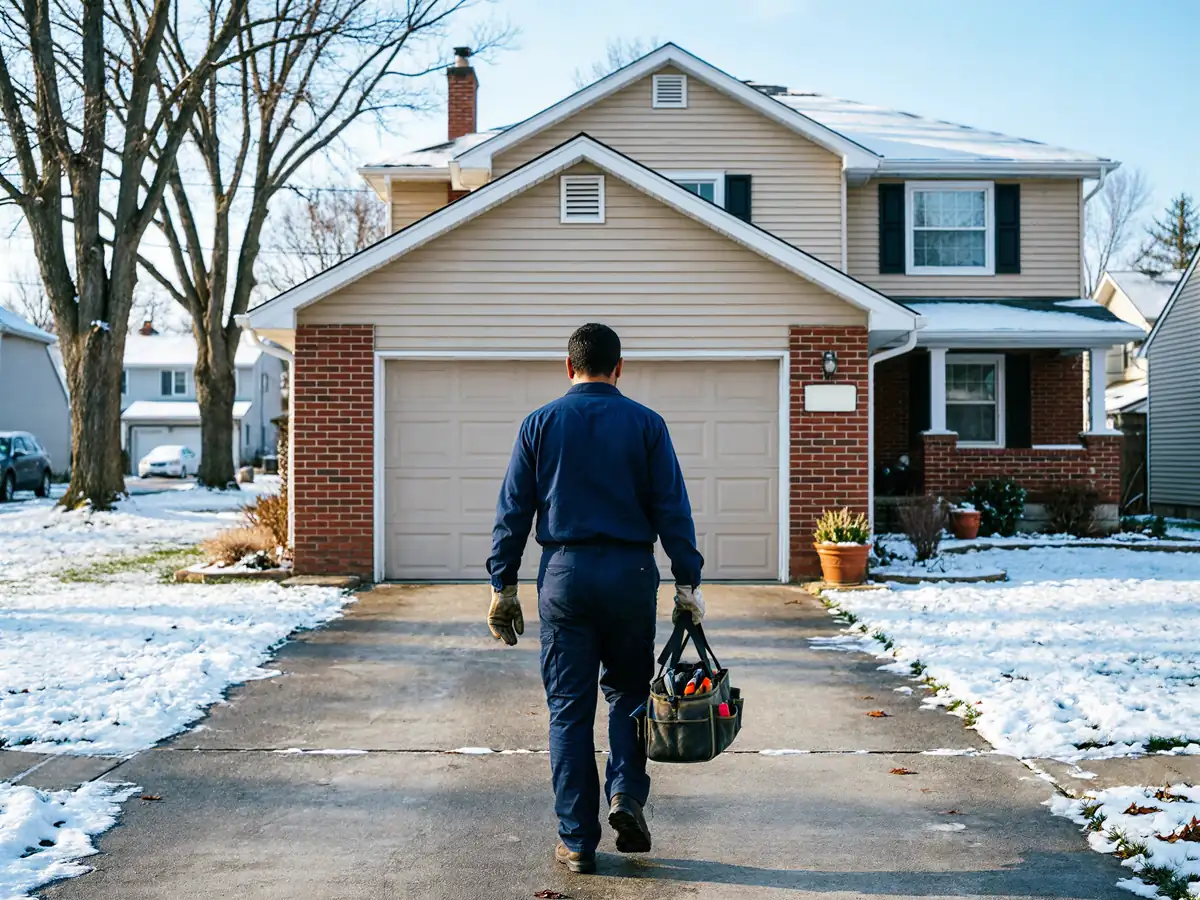
We're coming from West Allis, about 3 miles out
So there's no guessing involved - we see this exact hardware constantly on this side of the county.
- 3 miles
The Cost of This Job
We don't have a posted price for this job and won't invent one here - every door's track length, roller count, and whether the hardware is nylon or steel changes the number. What we can tell you is what drives the cost on a house like the ones in West Milwaukee: full-set replacement (all rollers on both tracks) costs more up front than a partial fix, but it avoids a second call six months later when the next worn wheel finally gives out.
Median household income in West Milwaukee runs $48,976, noticeably below the $108,690 median across the broader area we serve. We mention that because it's relevant to how we quote the job - we'll tell you plainly if a repair makes more sense than a full roller set, and we won't upsell a double door's worth of hardware when the problem is one bent track and two shot wheels.
Ask for the number on your specific door before anything else. A quote over the phone without seeing the track and rollers isn't a real quote.
How Long It Takes
A straight roller swap on one track, done after we've already diagnosed what's wrong, is a same-visit job once we're on site. Both tracks, or a track that's bent enough to need straightening or replacing alongside the rollers, takes longer - we're not going to put a number on that here because it depends on what we find once the door's open.
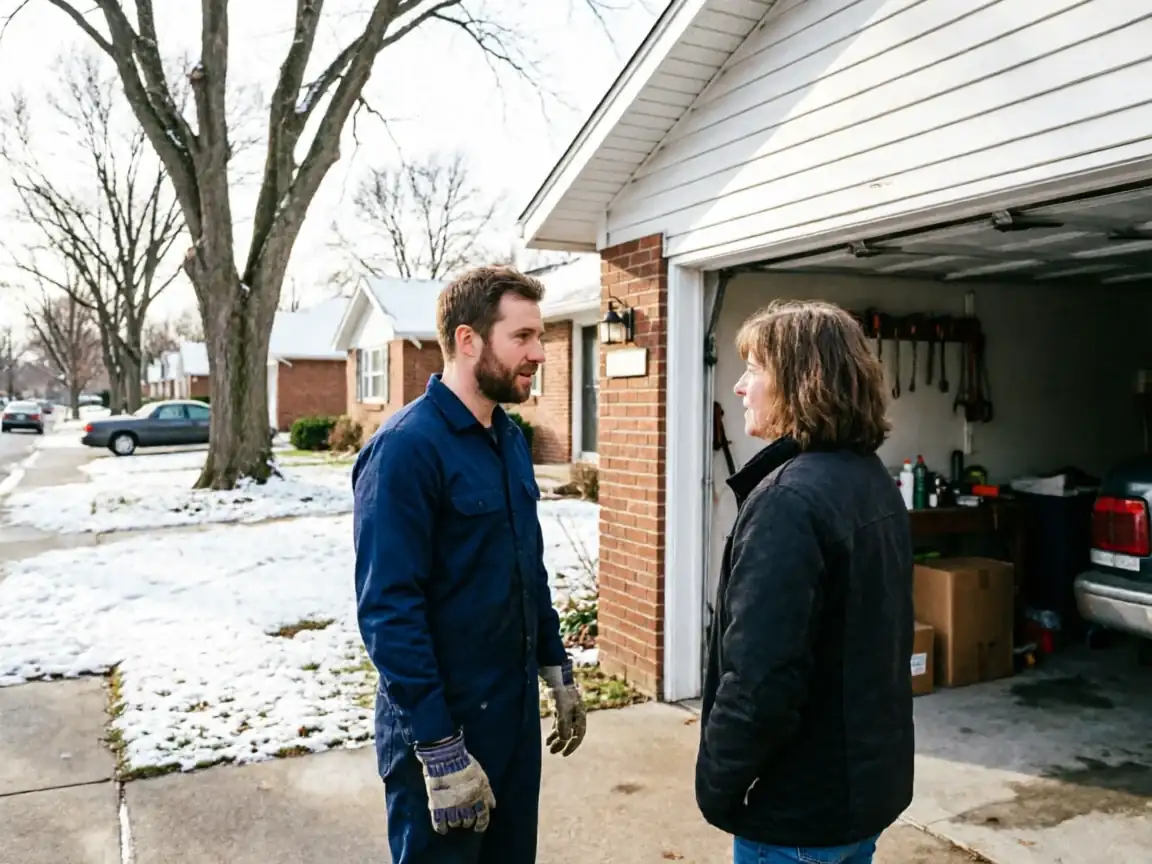
What we will say: on 1940s hardware, we almost always find more wear than the phone call described. A homeowner calls about one noisy roller; we find three worn wheels and a track that's narrowed from age. That's not us padding the job - it's what 80 years of settling does to a steel track. Budget for us to look at the whole roller run, not just the one wheel that's making noise.
Getting It Booked In
We travel to West Milwaukee from our base in West Allis
It's a short run, about 3 miles, so getting a truck to your door isn't the hard part. What takes the time on our end is matching the right roller to your track: nylon rollers run quieter and don't need the same lubrication schedule as steel, but not every older track is set up to take them without an adjustment.
- 3 miles
Tell us the make of the door if you know it
Or send a photo of the track and the rollers themselves. On houses this age, we often need to see the hardware before we can say for certain whether it's a roller swap alone or a track job too. We'd rather ask that question up front than show up with the wrong parts.
What the Fix Involves
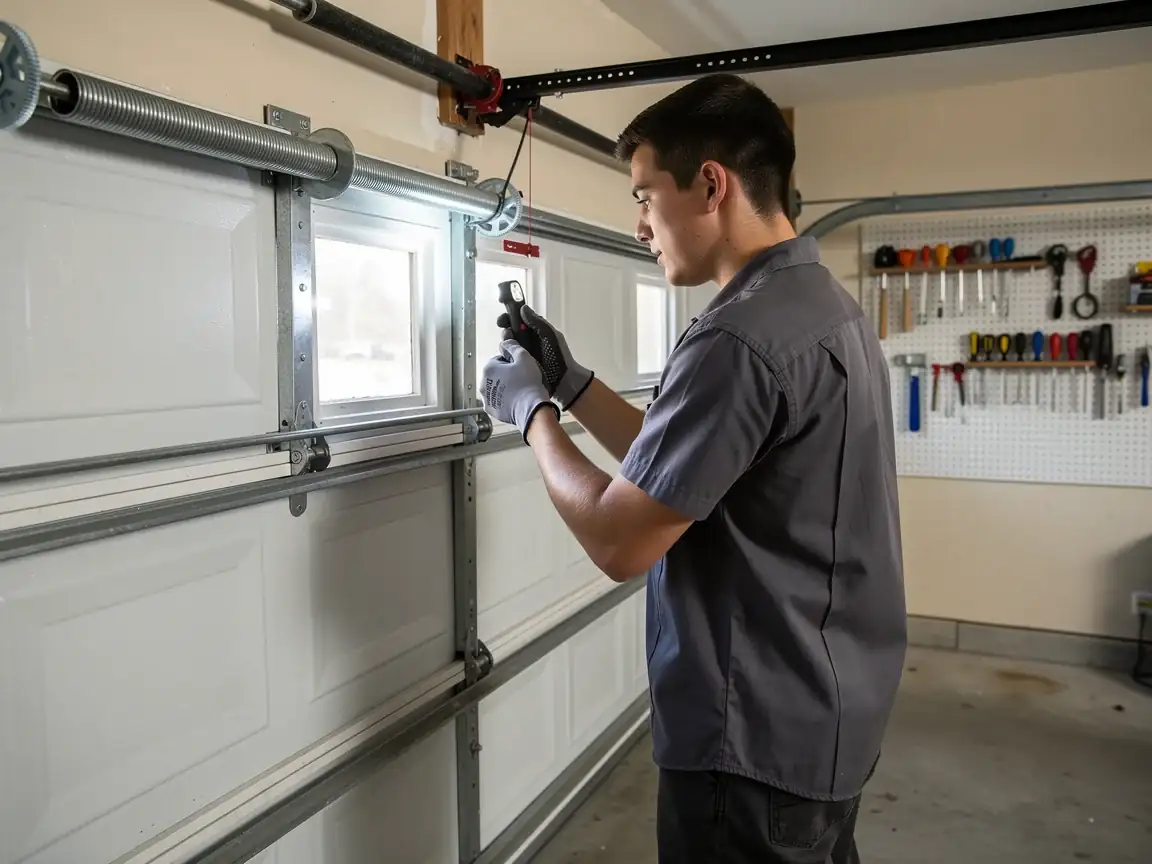
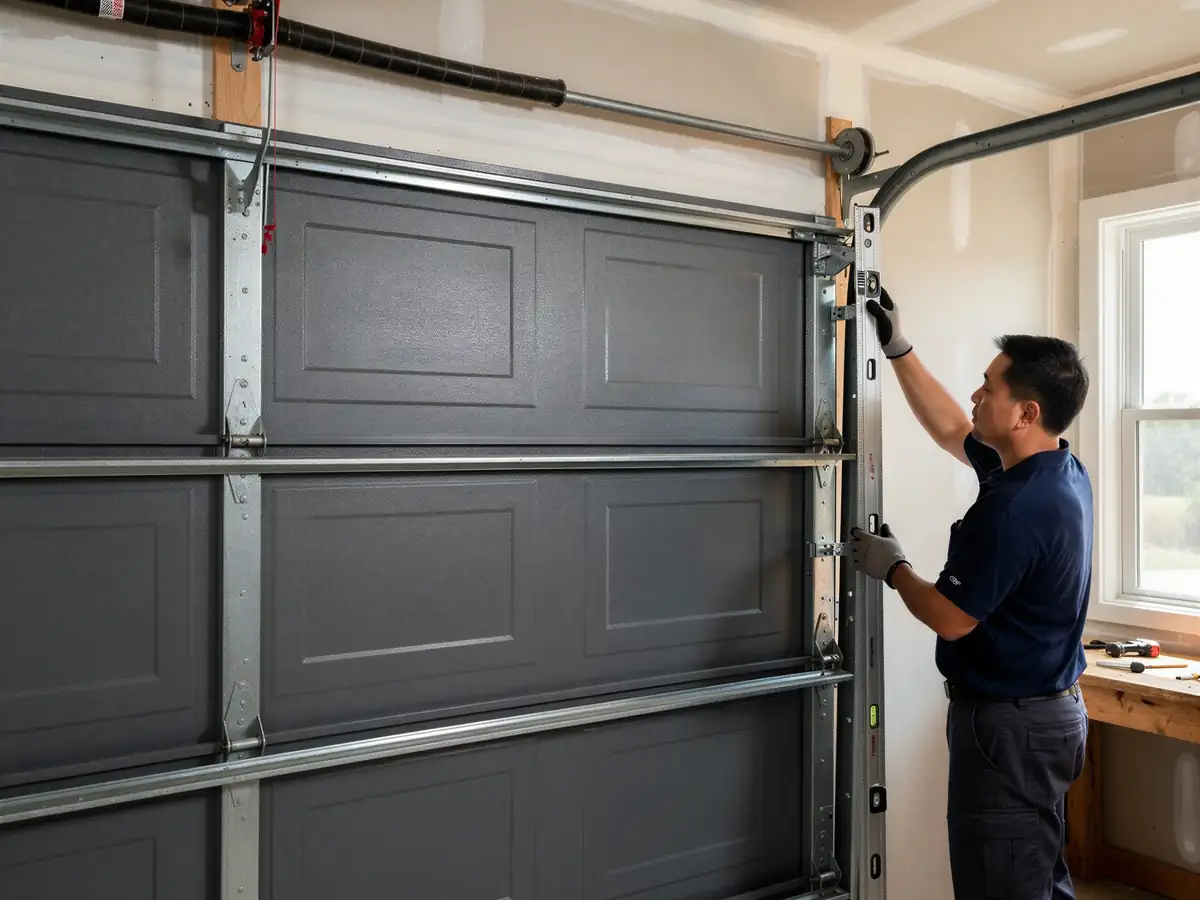
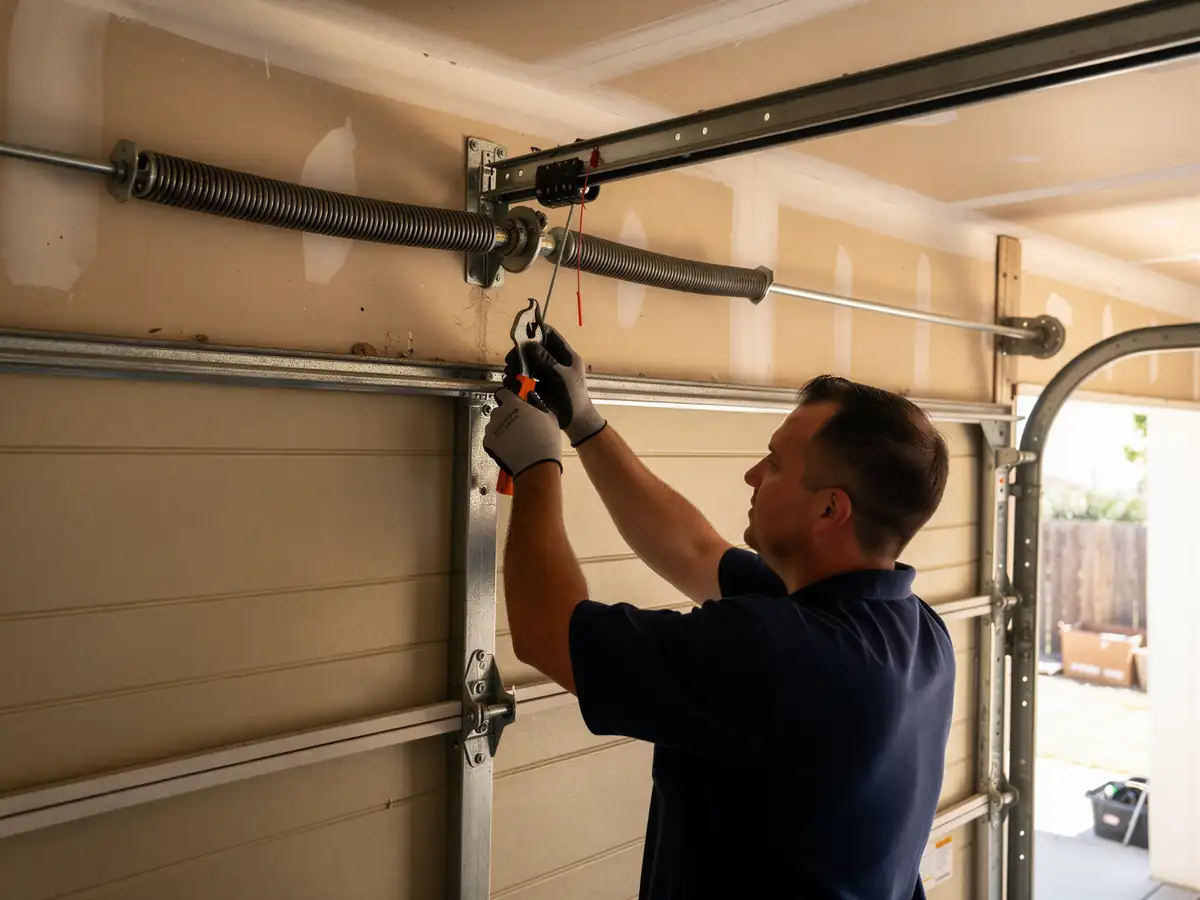
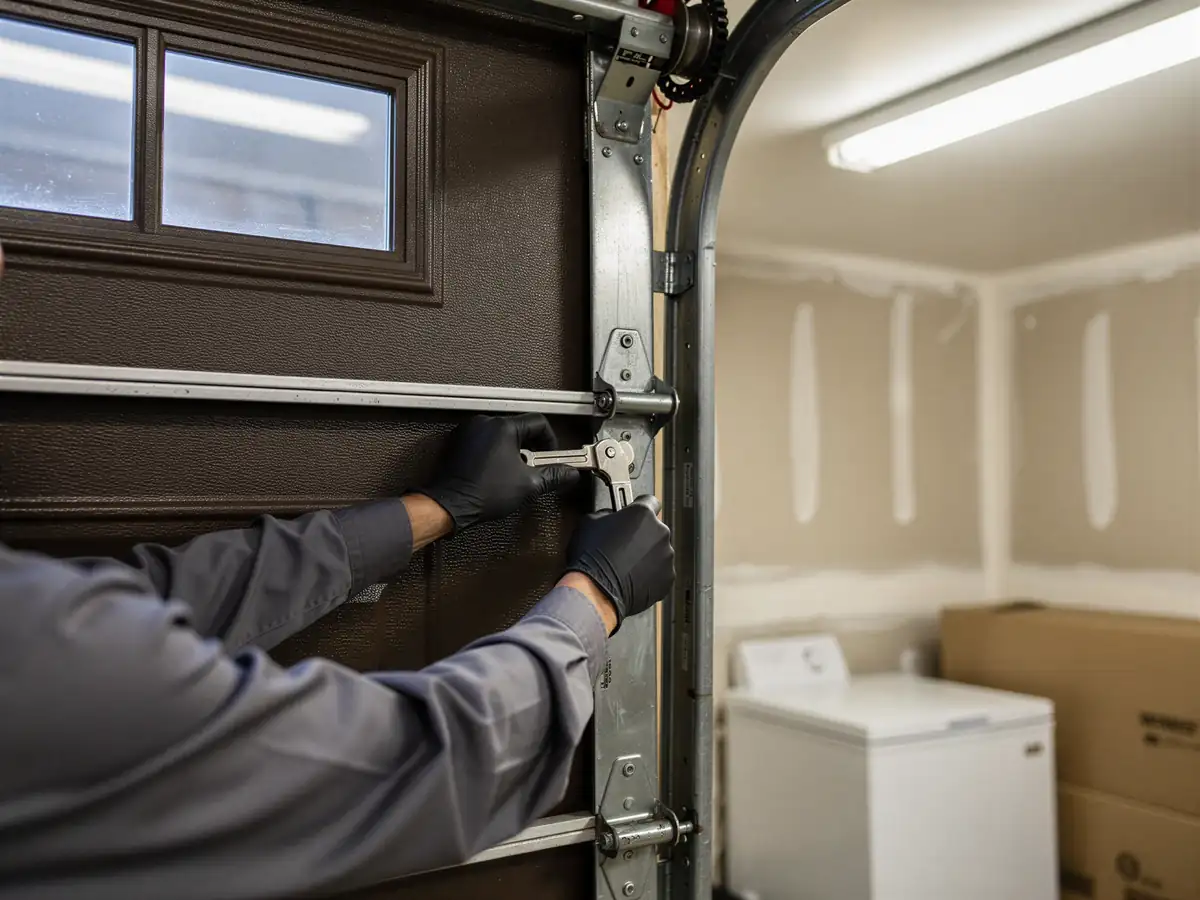
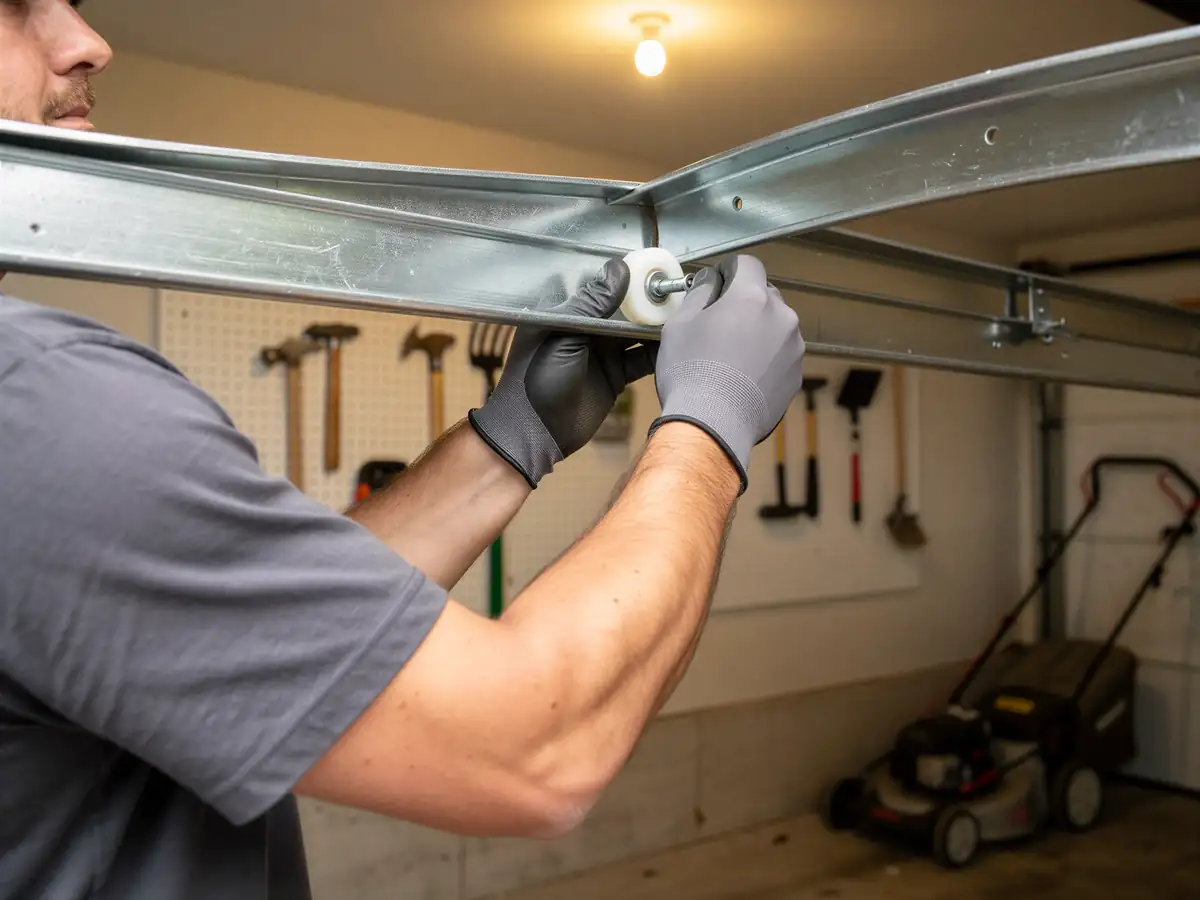
The job starts with releasing tension safely - the door comes down, the springs get locked off, and the track sections get checked for straightness before any roller comes out. On hardware this old, rollers are often seized in place from rust or old grease gone hard, so they don't just slide out; sometimes a stem has to be worked loose without damaging the hinge it sits in.
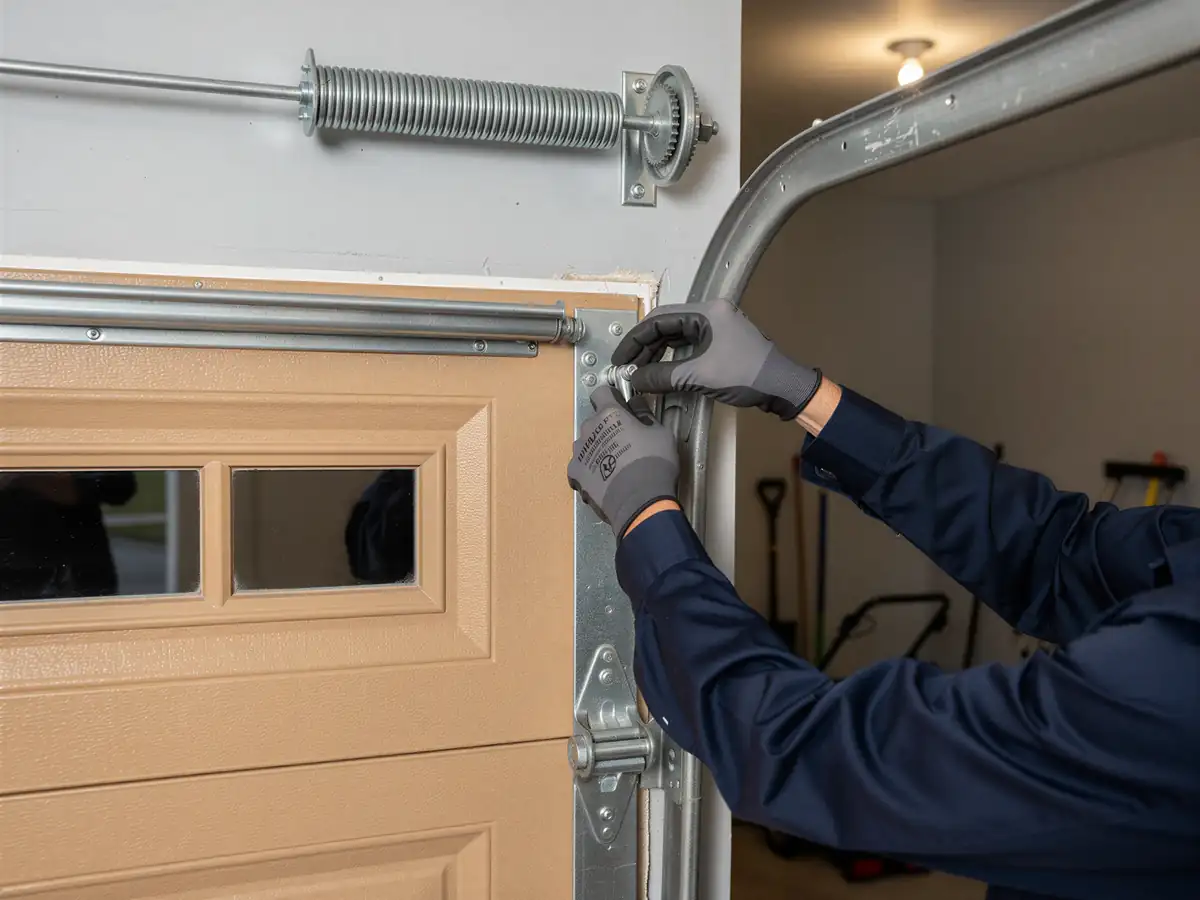
Each roller gets replaced one at a time so the door stays supported in the track the whole way through - pulling them all at once on an older door risks the panel shifting off-square. We check hinges and brackets as we go, since on a door this age the roller usually isn't the only part that's worn; a bent hinge or an elongated bracket hole will chew through a brand-new roller just as fast as it did the old one.
Winters here get genuinely cold, and steel contracts in that weather - a track that's a hair narrow in July can bind on a roller in January. We set clearance with that swing in mind, not just for the day we're standing in your driveway.
Parts We Carry
We stock both nylon and steel rollers, in the stem lengths and wheel sizes that fit the track types we run into most on houses built through the 1940s-60s stretch of this area. Nylon is what we recommend for most replacements - quieter, and it doesn't need the grease schedule steel does, which matters in a climate where cold grease gets stiff and slow.
We're honest about one limit: some original 1940s hardware uses stem sizes and bracket spacing that newer rollers don't match without an adapter or a bracket swap. If your track is one of those, we'll say so before we start, not after we've already pulled the old rollers out.