What You Are Seeing
Start with the number that actually matters here
Median household income in West Milwaukee runs $48,976, well under the $108,690 median across the wider service area we cover from West Allis. That gap changes the conversation before we even look at the door. On a fixed or tighter budget, a $900 opener you bought three years ago isn't something you replace on a whim because one gear stripped.
The second number that shapes what we see on the truck is the housing stock
West Milwaukee's homes were built around 1946 on average, a full generation ahead of the 1976 median for the broader area. That means more original one-piece doors, more side-mounted torsion springs on steel track instead of the newer center-mounted extension setups, and more hardware that was never meant to be swapped out piece by piece because nobody made spare parts for it past a certain point.
What breaks in a house like that is usually the spring or the cable
Not the opener logic board. The door is heavy, the track is narrow by modern standards, and the roller bearings wear unevenly because the whole system has had seventy-plus years to settle into its own version of true.
The Cost of This Job
We don't carry a price list for West Milwaukee pulled from thin air, so we won't quote one here. What we can tell you honestly is how the repair-versus-replace line tends to fall at this income level. When a torsion spring snaps on a 1940s door, replacing that spring and checking the drums almost always costs less than tearing out the whole door, and at a median income of $48,976 that math matters more than it might in a neighborhood where the number is double.
Replacement starts making sense when the door itself is failing structurally, not just the spring or cable, or when a steel track from the 1940s has rusted or bent past the point of safe adjustment. We won't talk you into a new door because it's a bigger job. If the original panel is sound and the hardware is just worn or broken, fixing it is the honest answer most of the time in a house this age.
One limitation worth saying plainly: if your door needs a part that stopped being made decades ago, we may need to source a modern equivalent rather than an exact match, and that can add a step to the job.
How Long It Takes
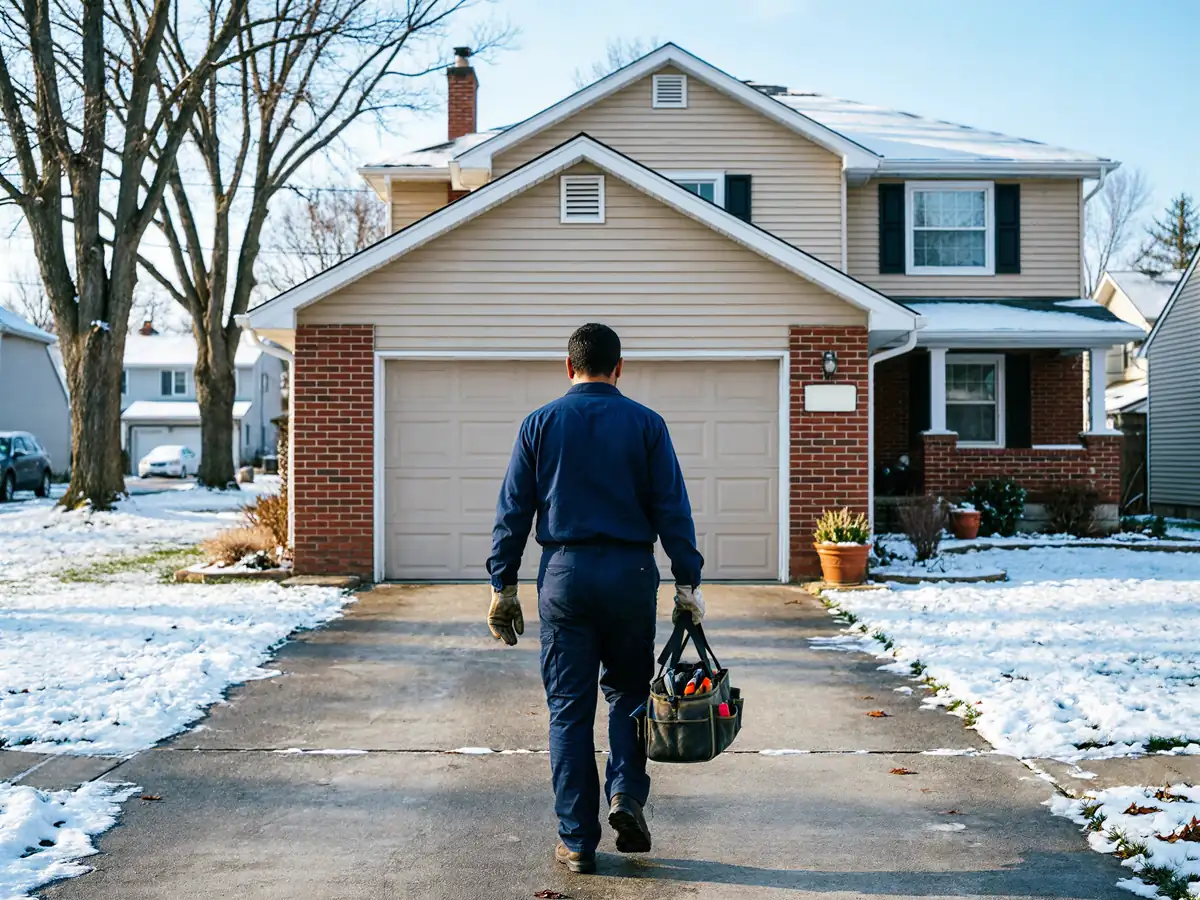
We're not based in West Milwaukee. We run this job from our shop in West Allis, about 3 miles away, so travel time is short but it's still travel. The repair itself takes longer or shorter depending on what actually failed, not on the town.
A broken torsion spring on an older side-mounted system, the kind common in West Milwaukee's 1946-era housing, usually takes us longer to diagnose than a modern center-mounted spring because the mounting brackets and drum sizes vary more from house to house in older stock. A snapped cable or a jammed roller is quicker. An opener that's failed electrically on an old door frame sometimes needs extra time just to fit a modern unit to hardware that predates it.
We won't promise a same-day window here, because we don't have that figure to give you honestly. What we can say is that the drive from West Allis is short, and once we're on site, the work moves at the pace the hardware allows, not the calendar.
Getting It Booked In
Call ahead and tell us what you're seeing
A door that won't move, a loud snap followed by the door sitting crooked, a cable hanging loose, an opener that hums but doesn't lift. That tells us what to load on the truck before we leave West Allis.
If you know roughly when your house was built, mention it
In a neighborhood where the median goes back to 1946, that one detail often tells us more than a description of the noise does, because it points us toward torsion versus extension hardware before we even pull into the driveway.
For the rest of what we do beyond emergency calls
Scheduled maintenance and installs for houses in this area, the main West Allis page covers that territory. This page is just about the stuck or broken door in front of you right now.
What the Fix Involves
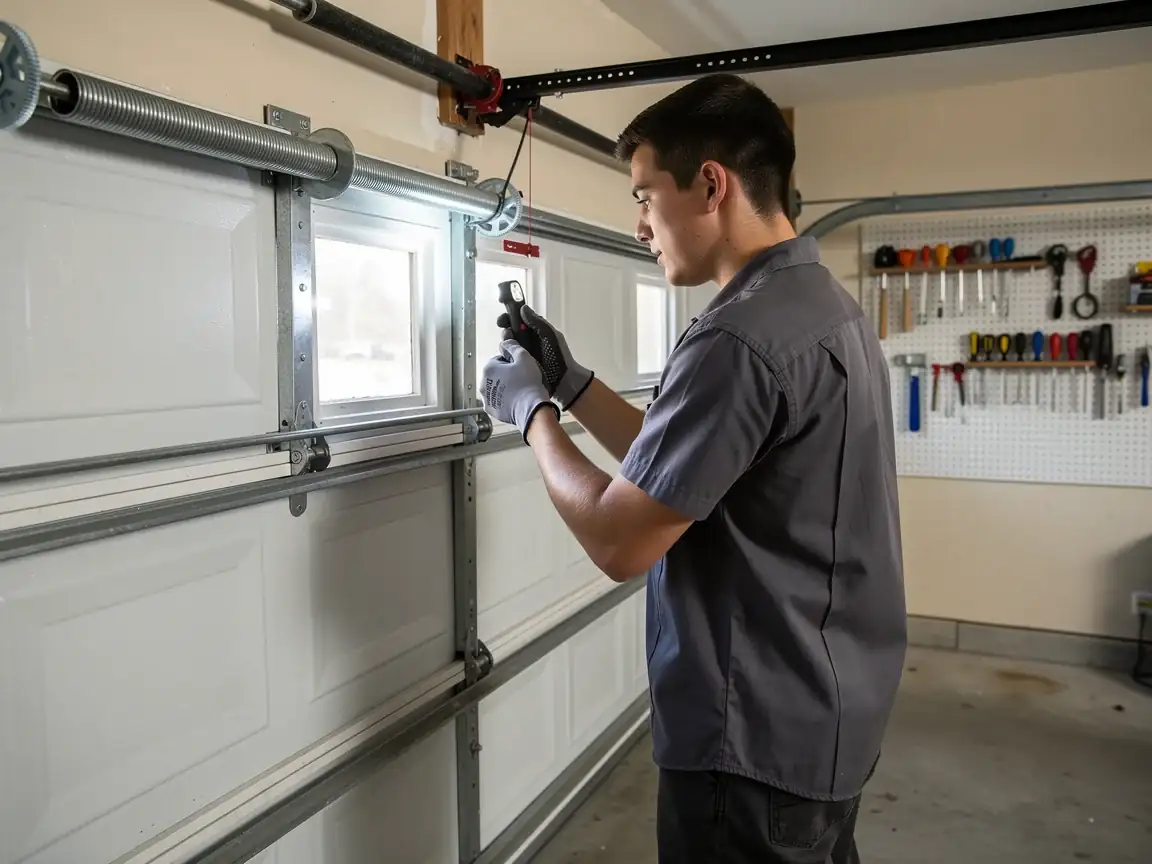
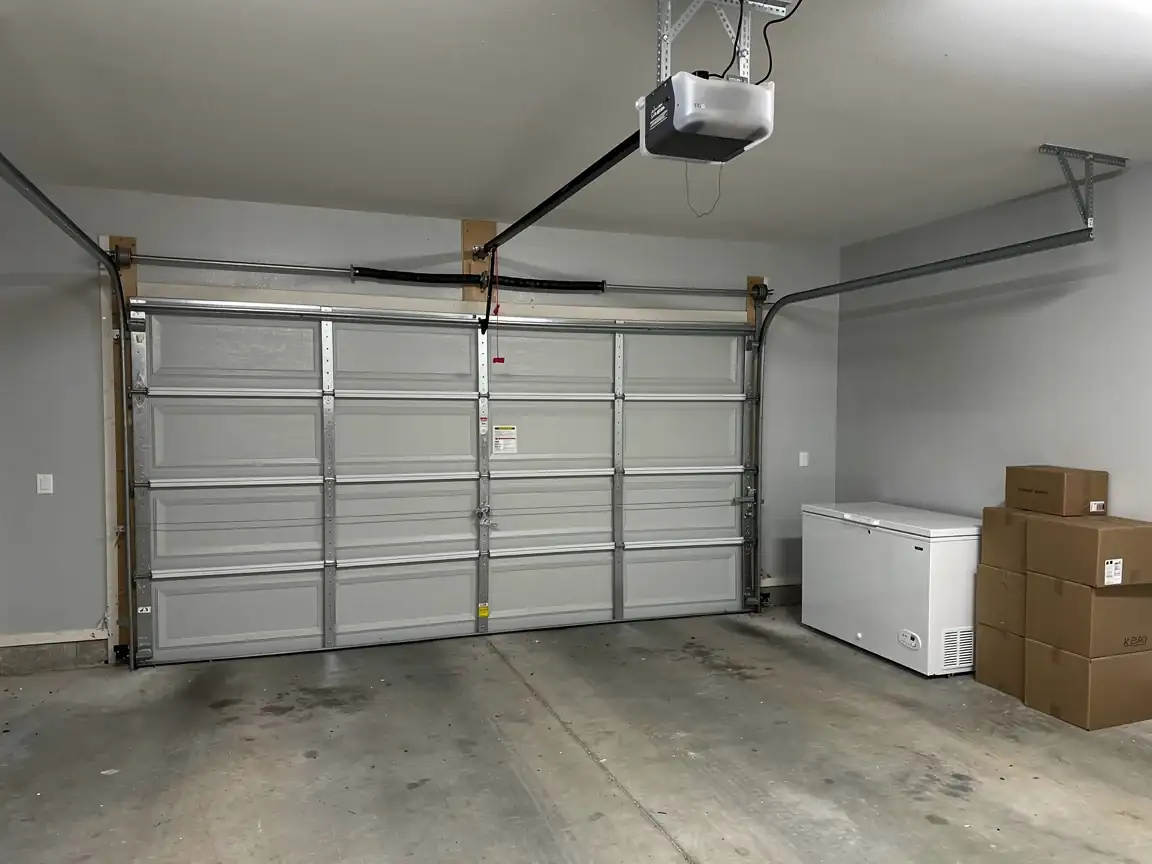
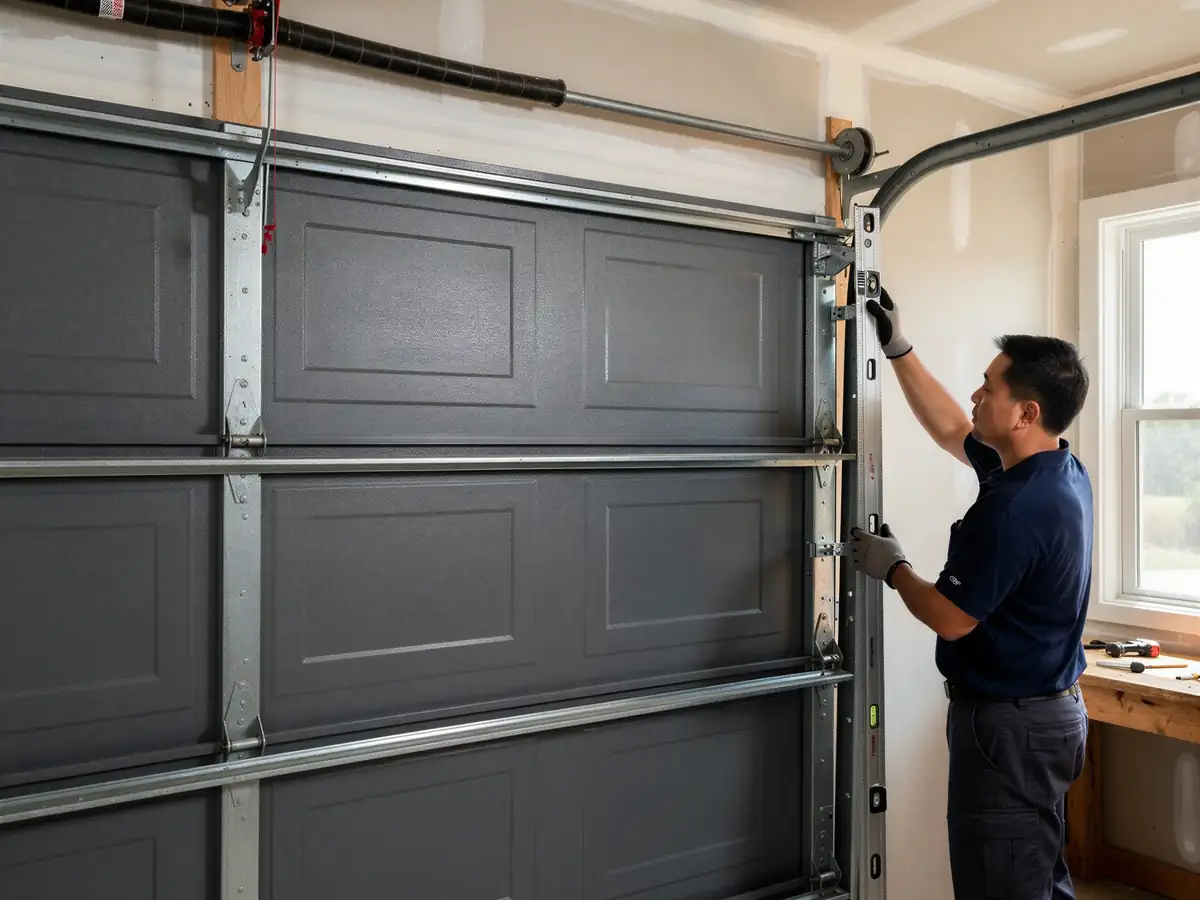
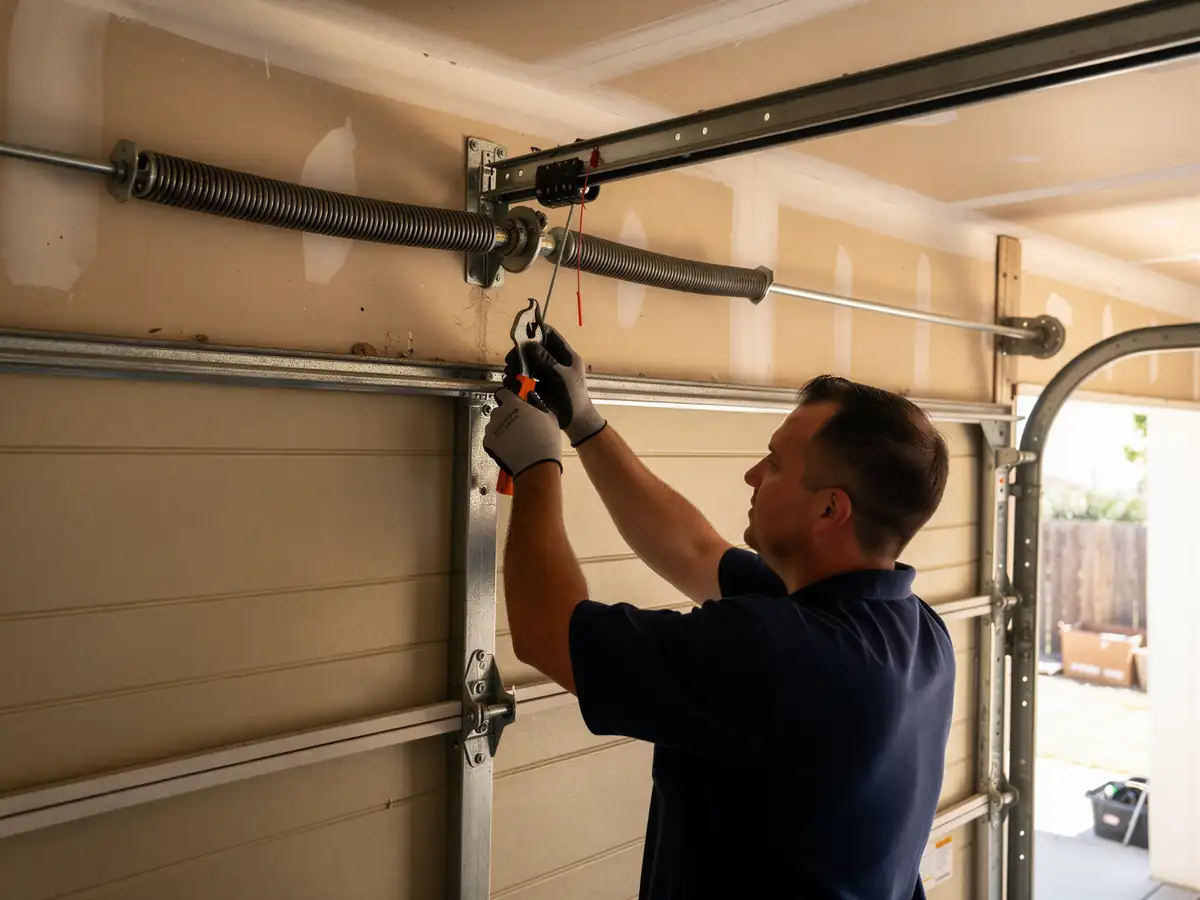
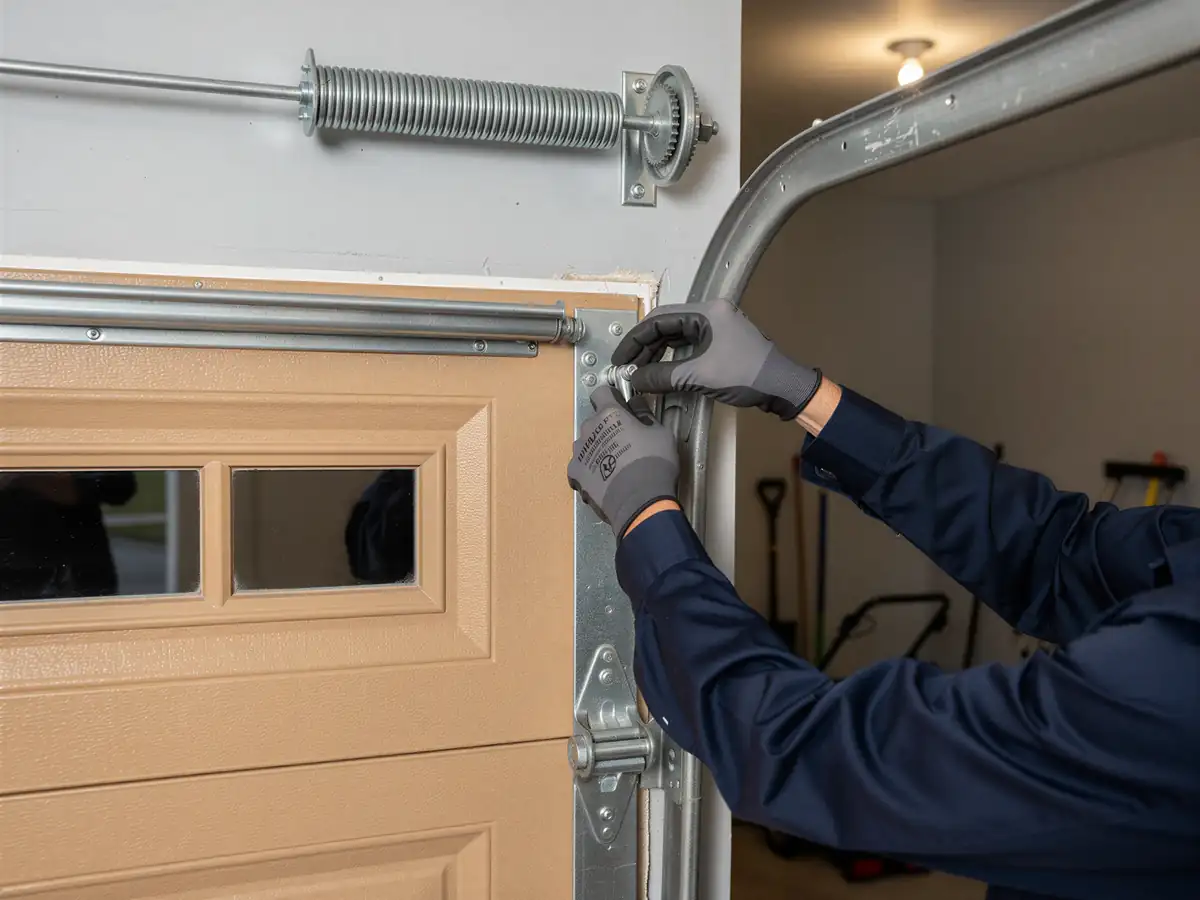
On a side-mounted torsion system, which is what you'll find on a lot of West Milwaukee's older one-piece and sectional doors, the fix starts with releasing tension safely, which is not a job for a homeowner with a wrench and good intentions. We check the drums, the cable, and the track alignment before touching the spring itself, because on a house this old the track has often shifted slightly over seven decades of use.
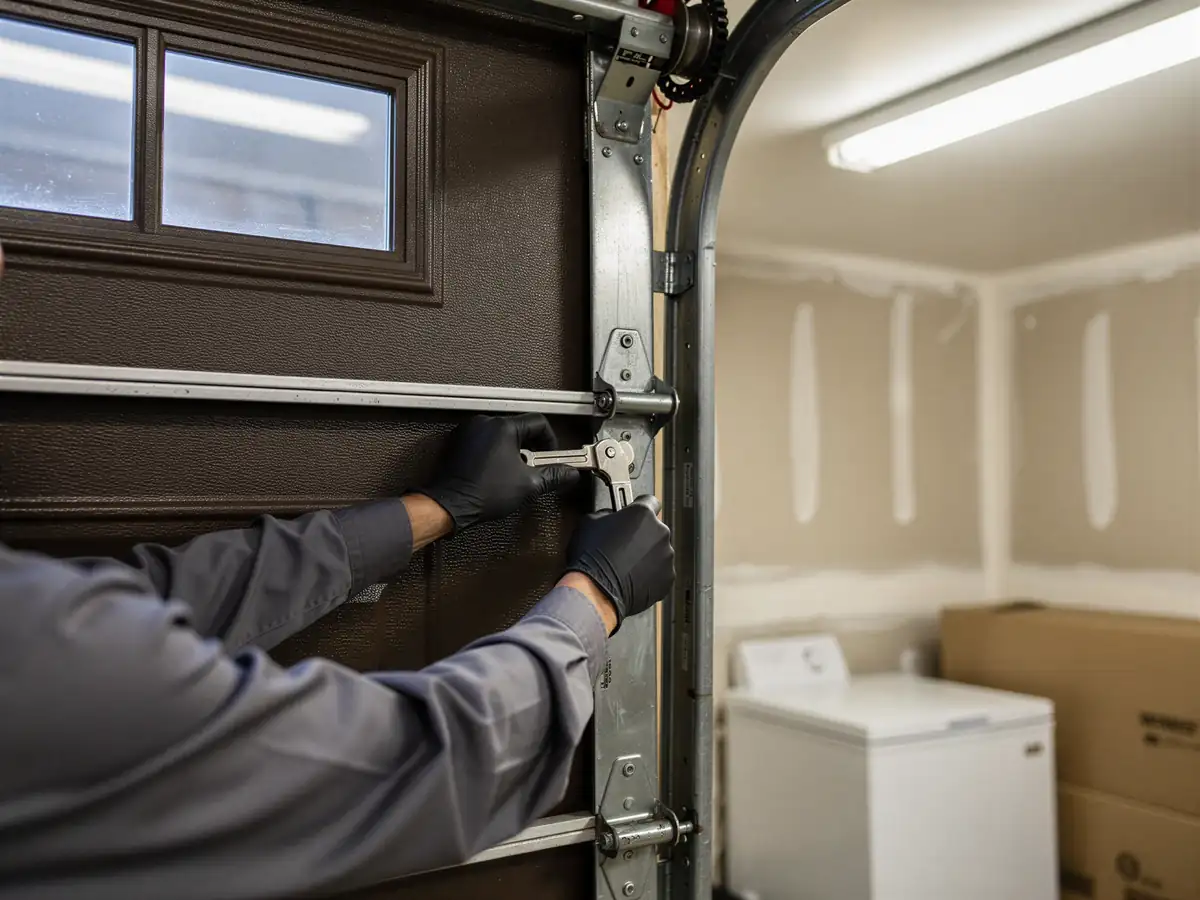
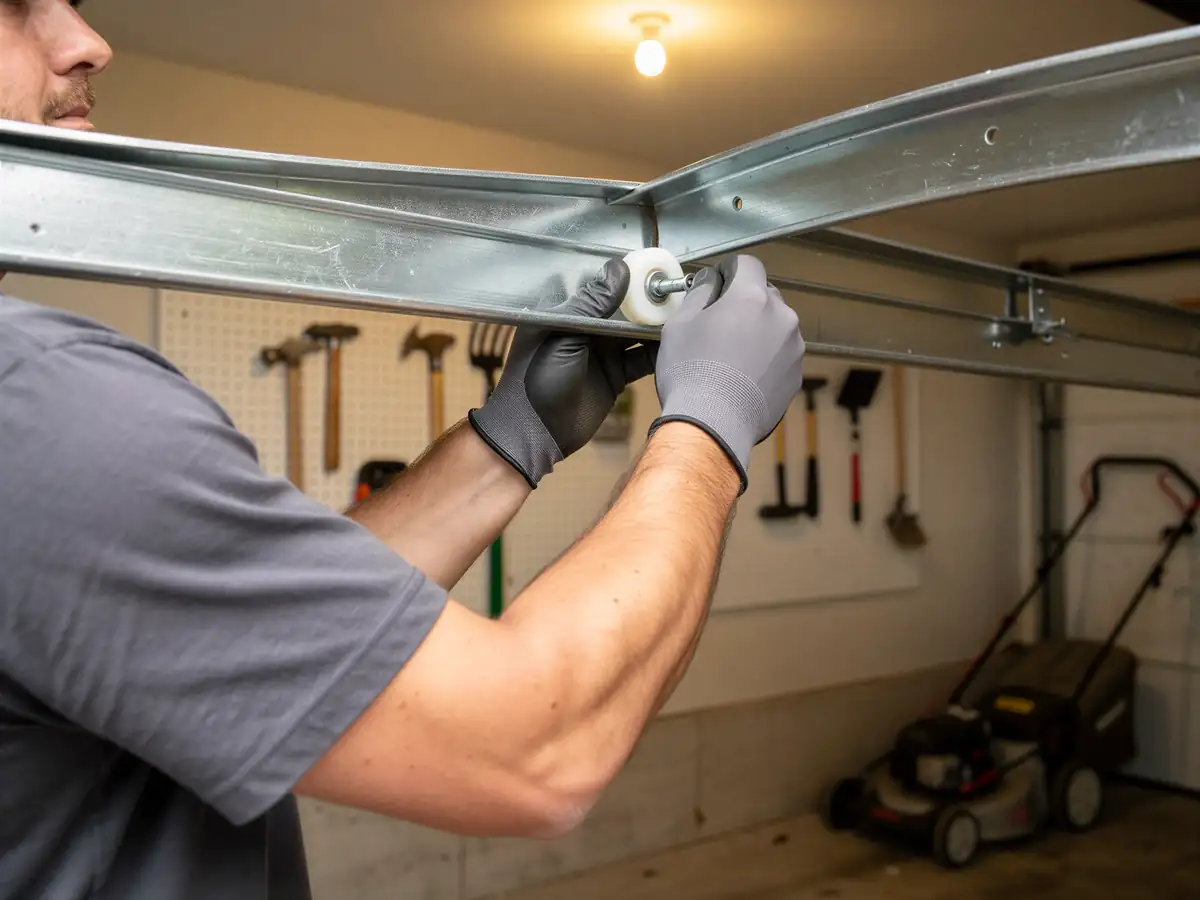
If it's a cable that's frayed or snapped, we replace both cables as a pair even if only one failed, because the other one is usually close behind it on a door this age. Roller replacement on older track means matching the roller size to a groove width that isn't always standard, something we check rather than assume.
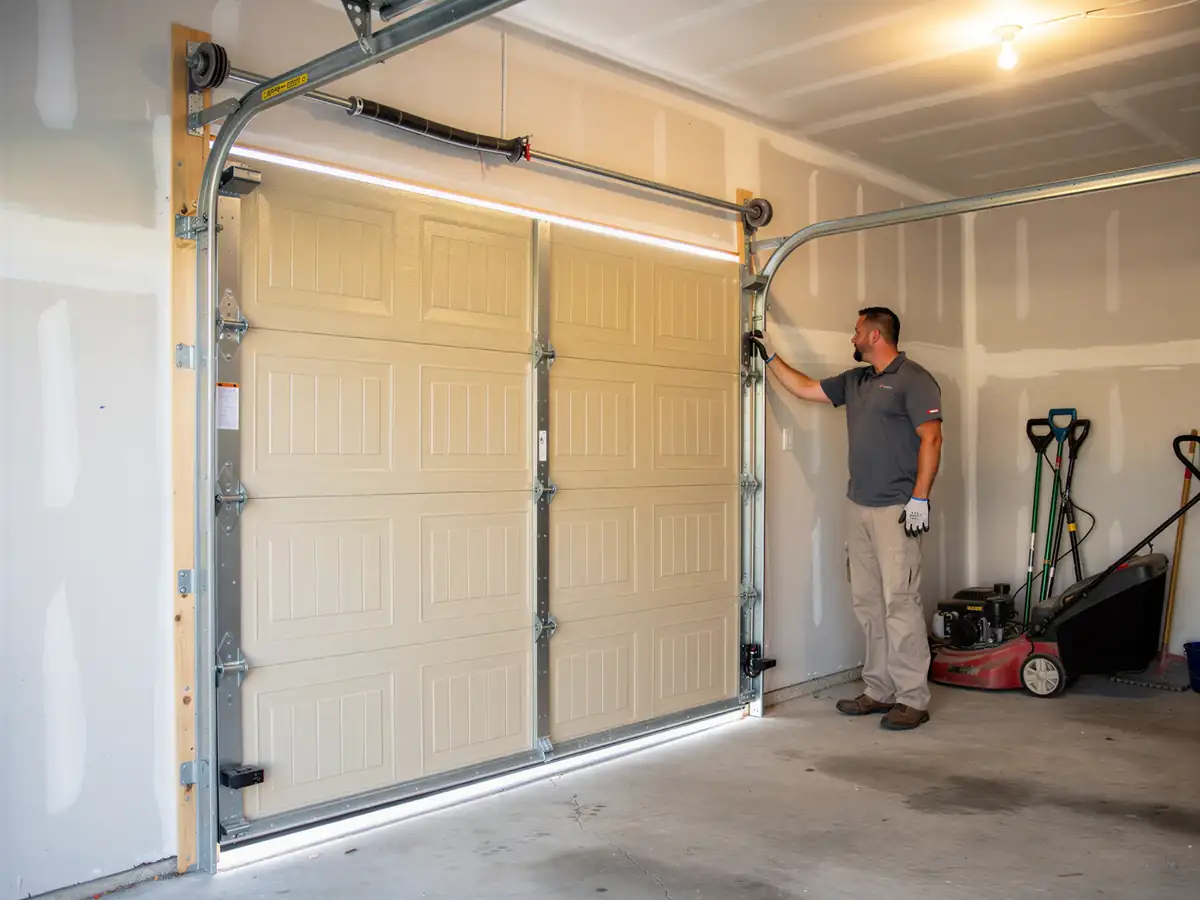
We test the balance of the door by hand after any spring or cable work, not just by running the opener, because an opener can mask a door that's still out of balance until the motor eventually burns out trying to compensate.
Parts We Carry
Because so much of West Milwaukee went up before 1950, we keep older-style torsion drums and flat steel track sections on the truck for jobs in this part of the service area, parts that newer housing stock doesn't call for as often. We also carry standard extension springs and modern roller types for the houses here that have been updated over the years, since not every door in West Milwaukee is original to 1946.
What we don't stock is an exact factory match for every obsolete opener unit from that era. When a motor from a much older system fails outright, we fit a current unit to the existing track and header rather than hunting for a part that hasn't been manufactured in years. That's the one place where an older house sometimes means a slightly bigger job than the spring or cable repairs we handle most often here.