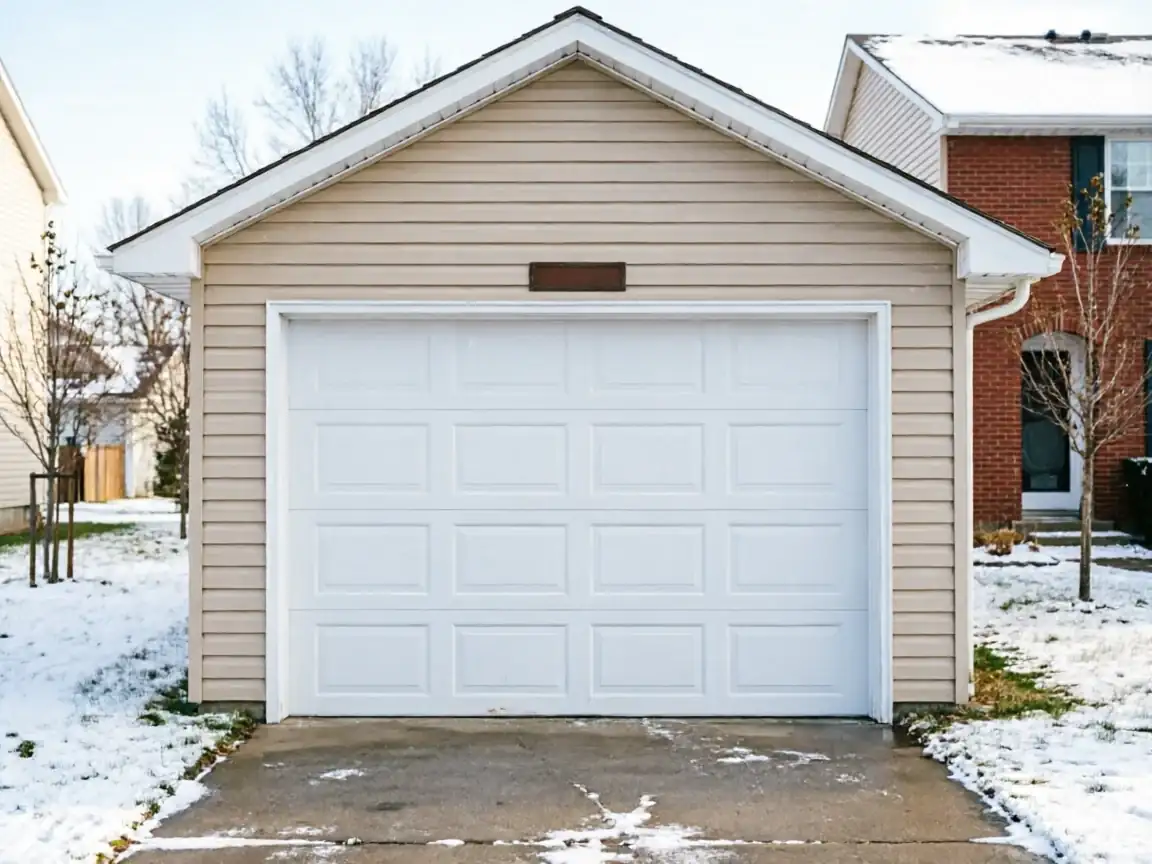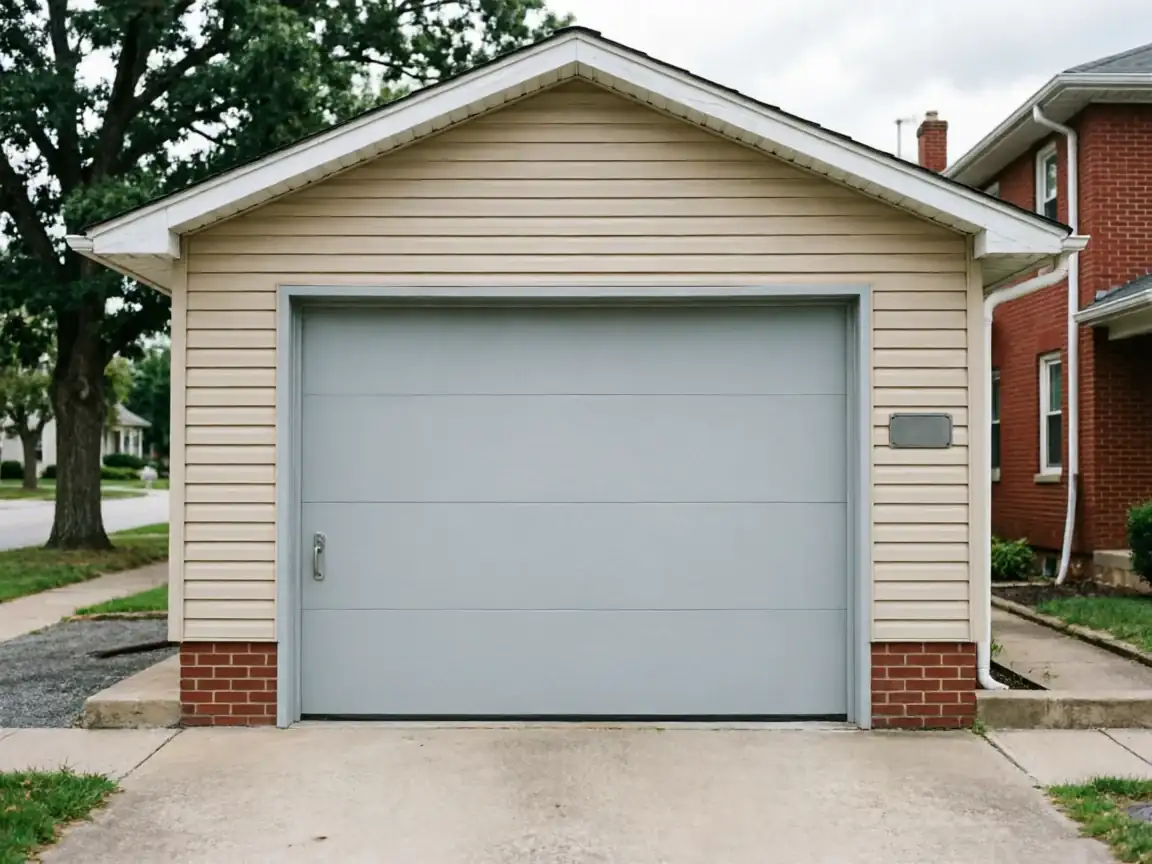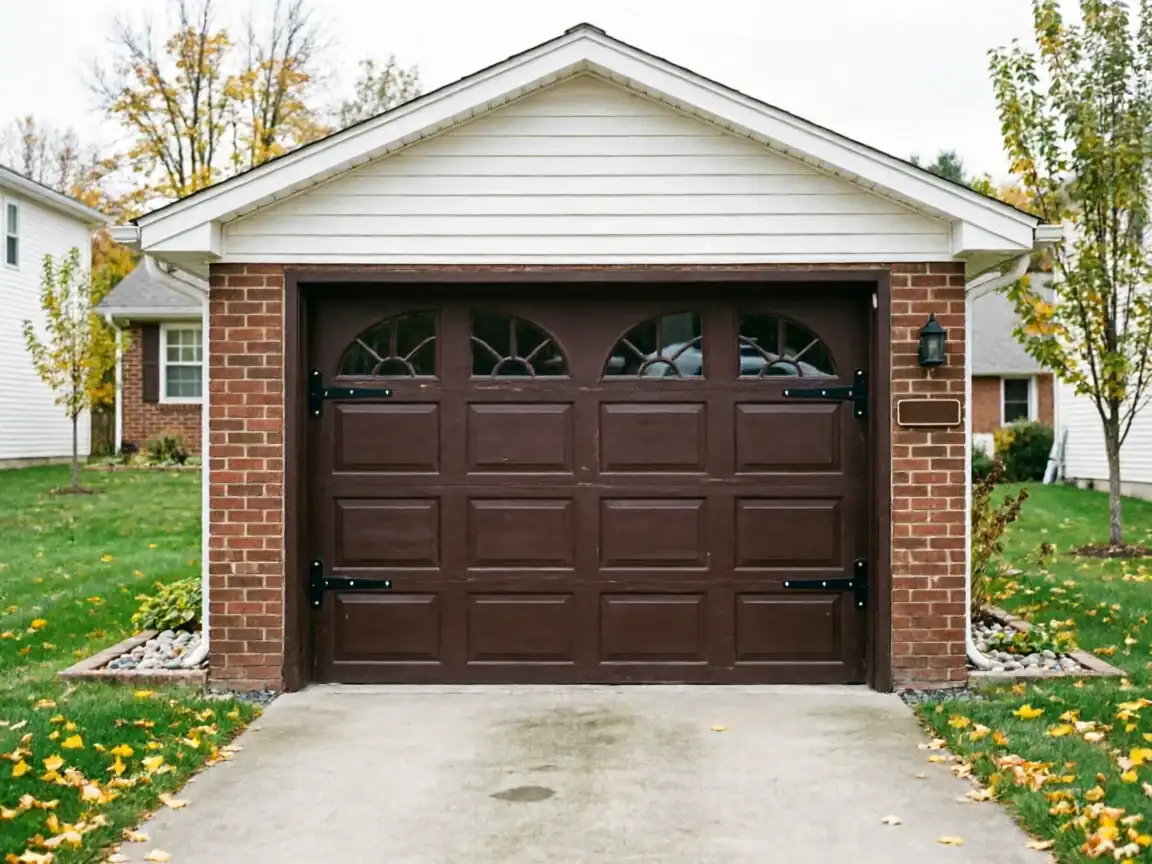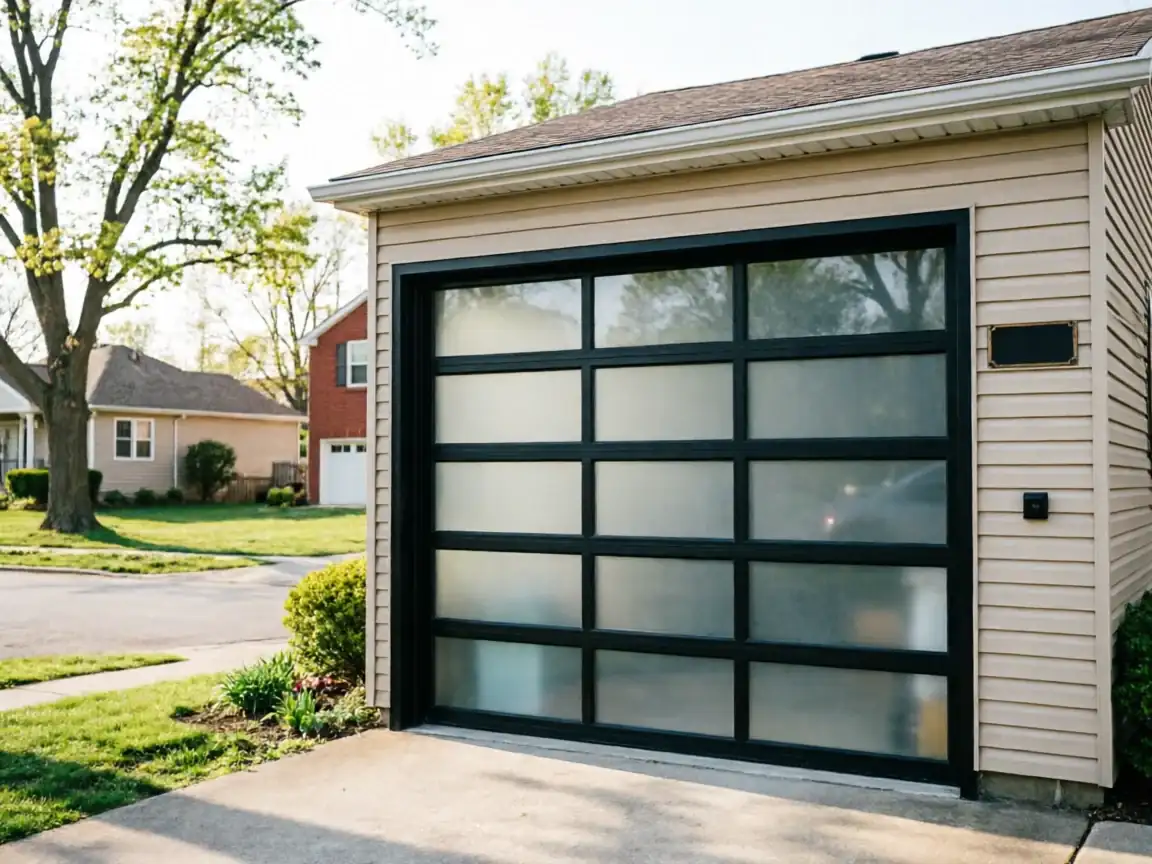
What You Are Seeing
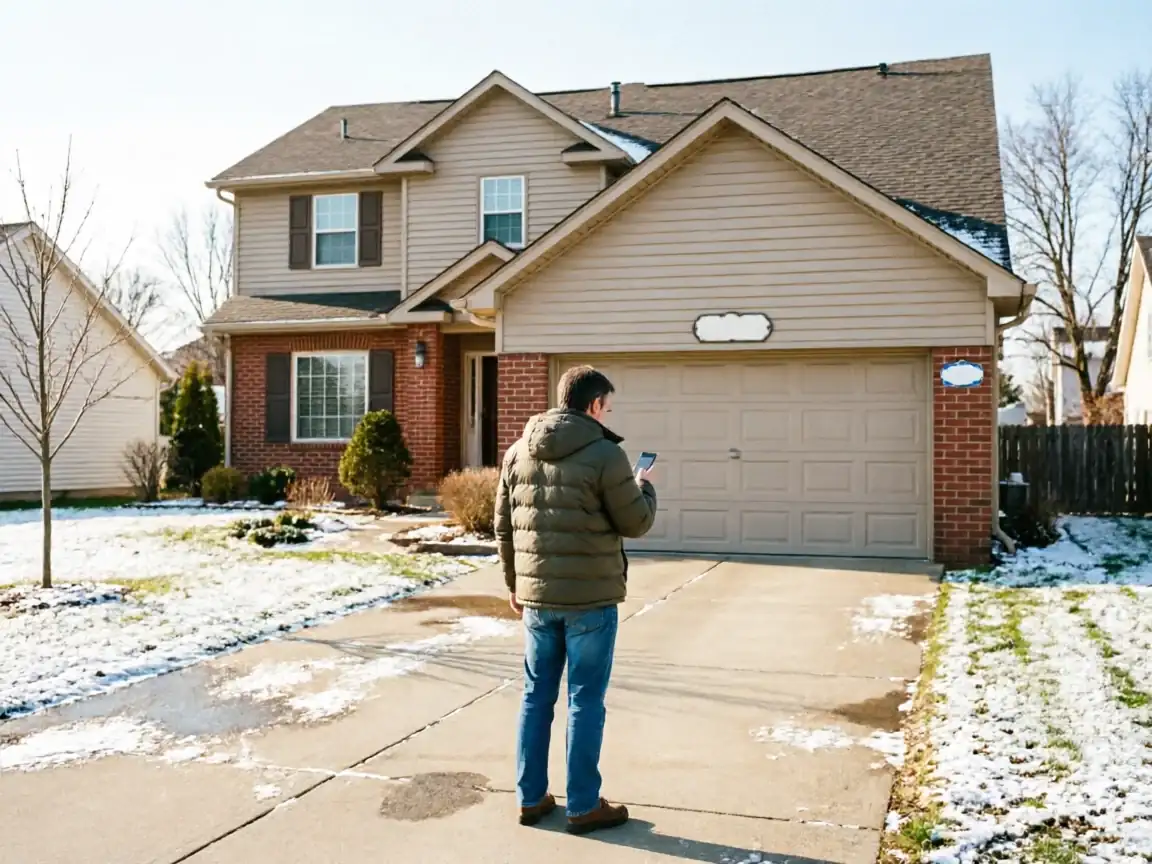
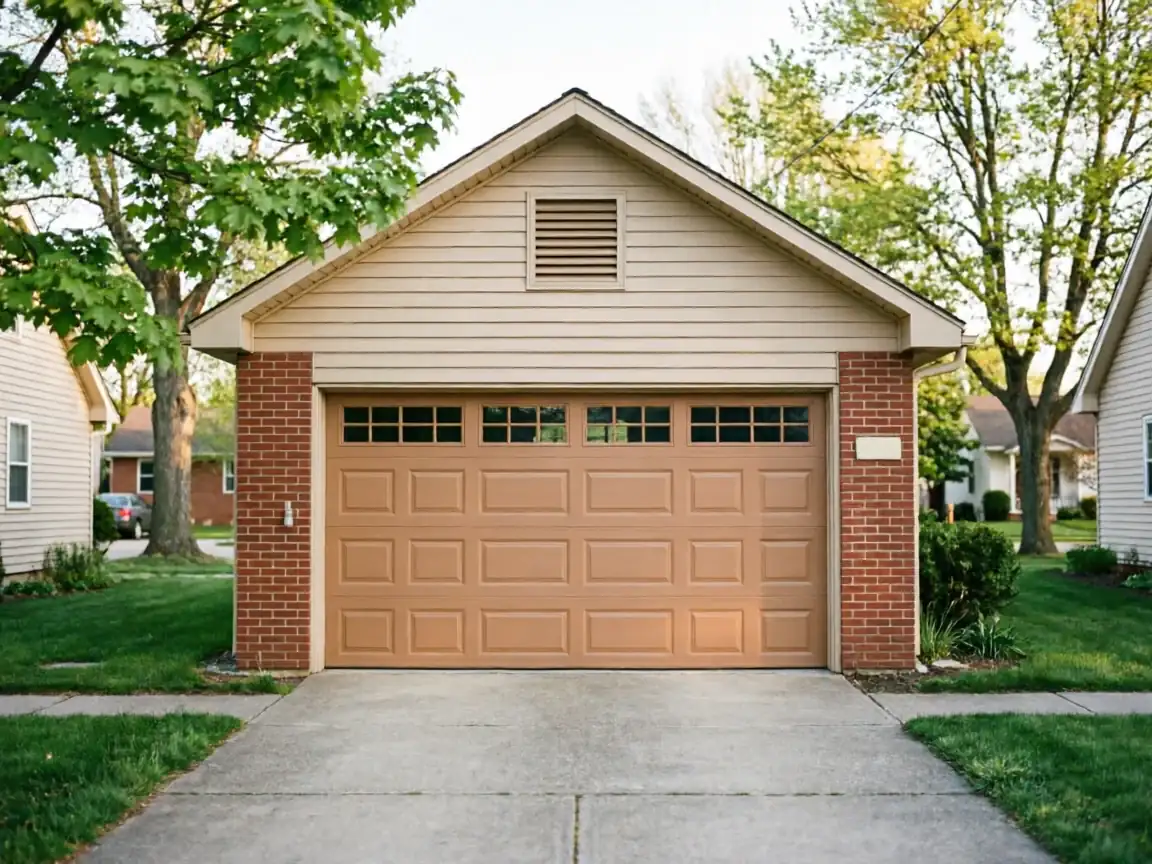
Most of West Milwaukee went up around 1946, right in the thick of the post-war building push
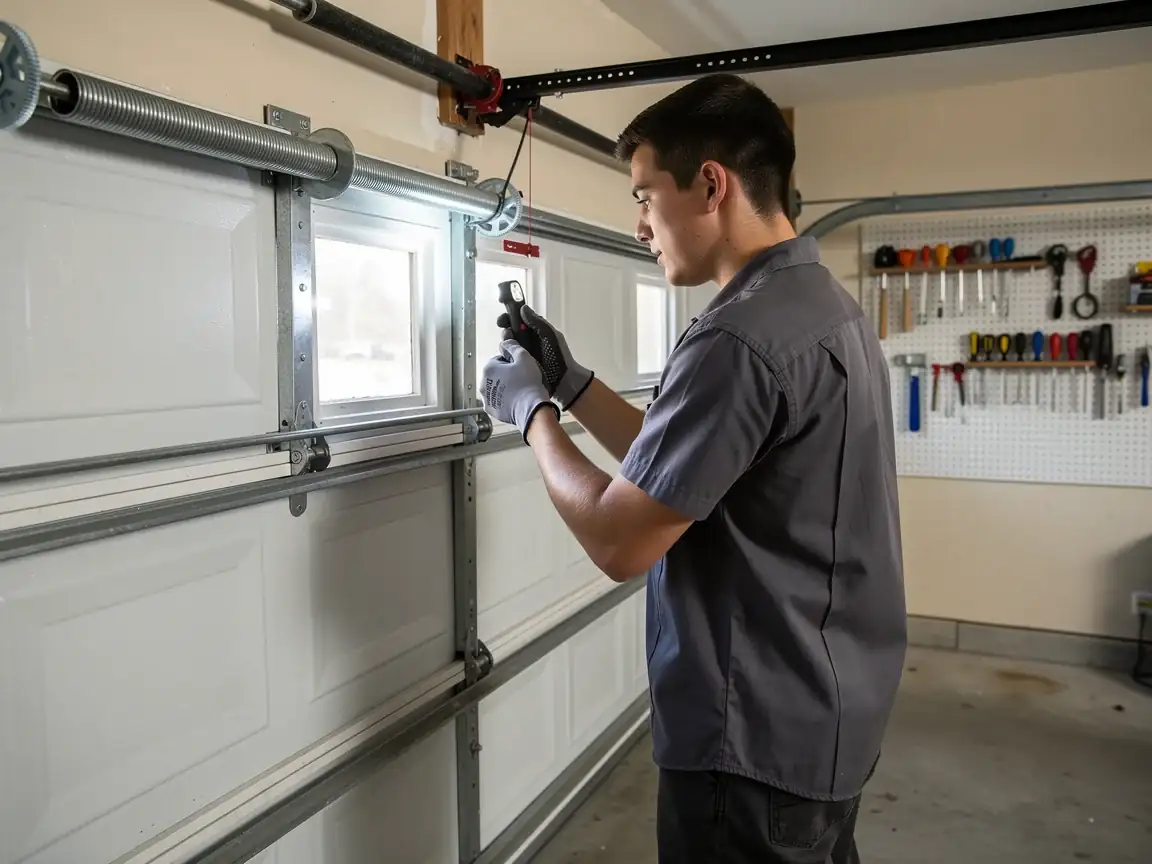
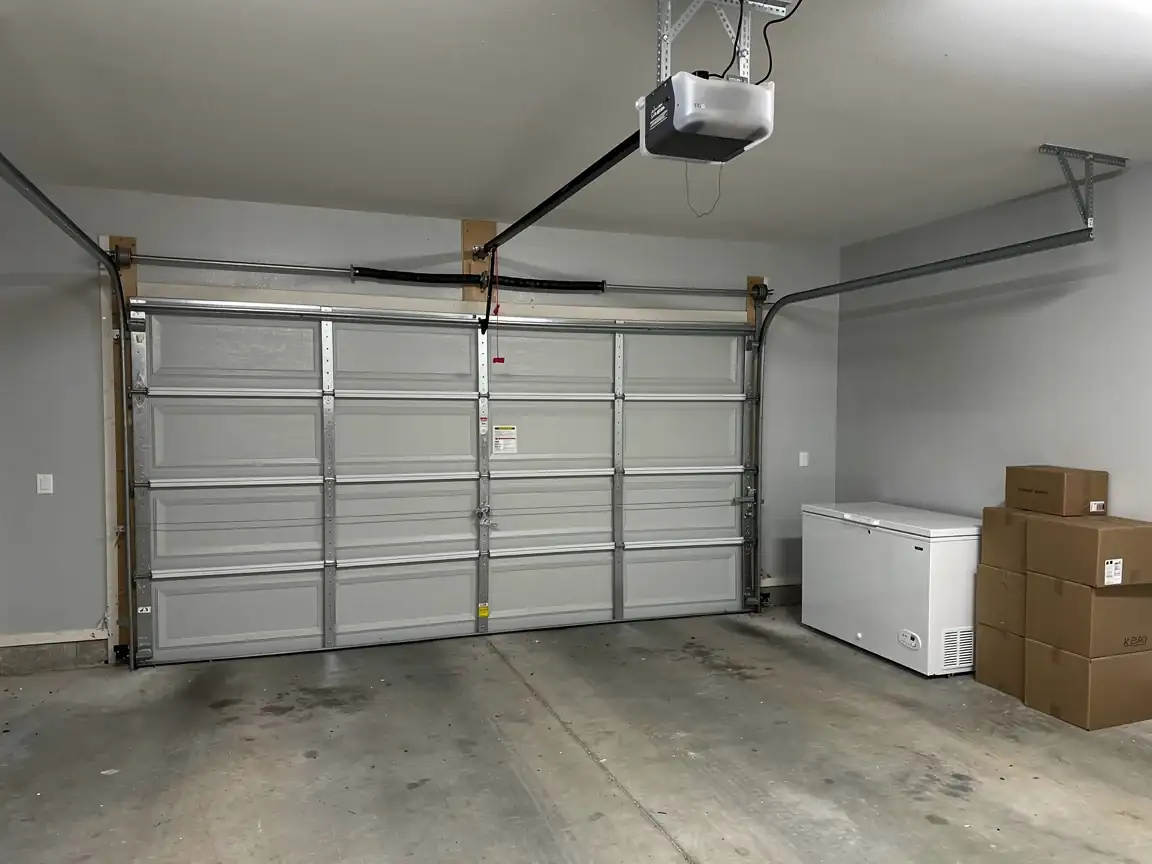
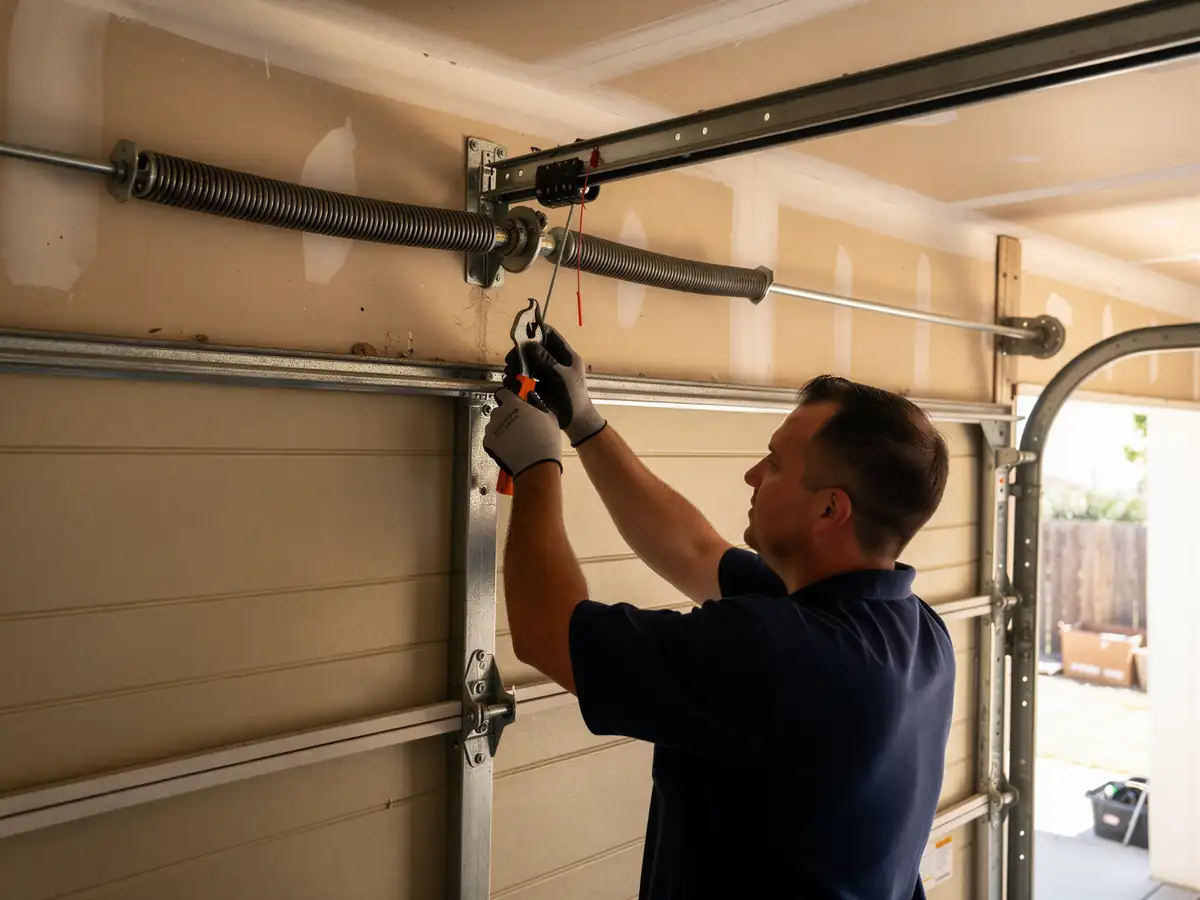
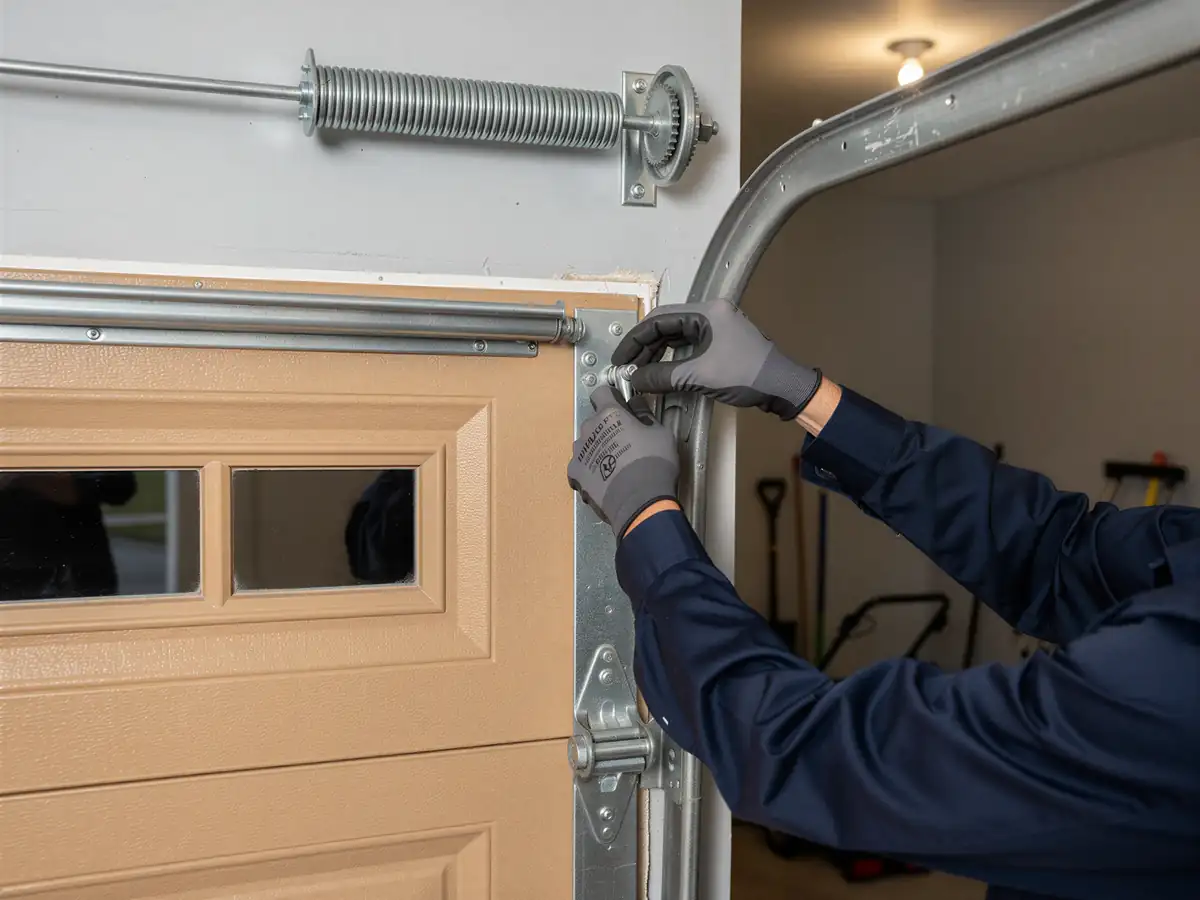
That means a lot of garages here were framed for single-layer wood or steel panel doors riding on horizontal extension springs, not the torsion bar setup that became standard decades later. If your door sags unevenly, bangs when it closes, or the cable looks frayed where it loops over the pulley, that's the extension-spring symptom list, and it's common on houses from this era.
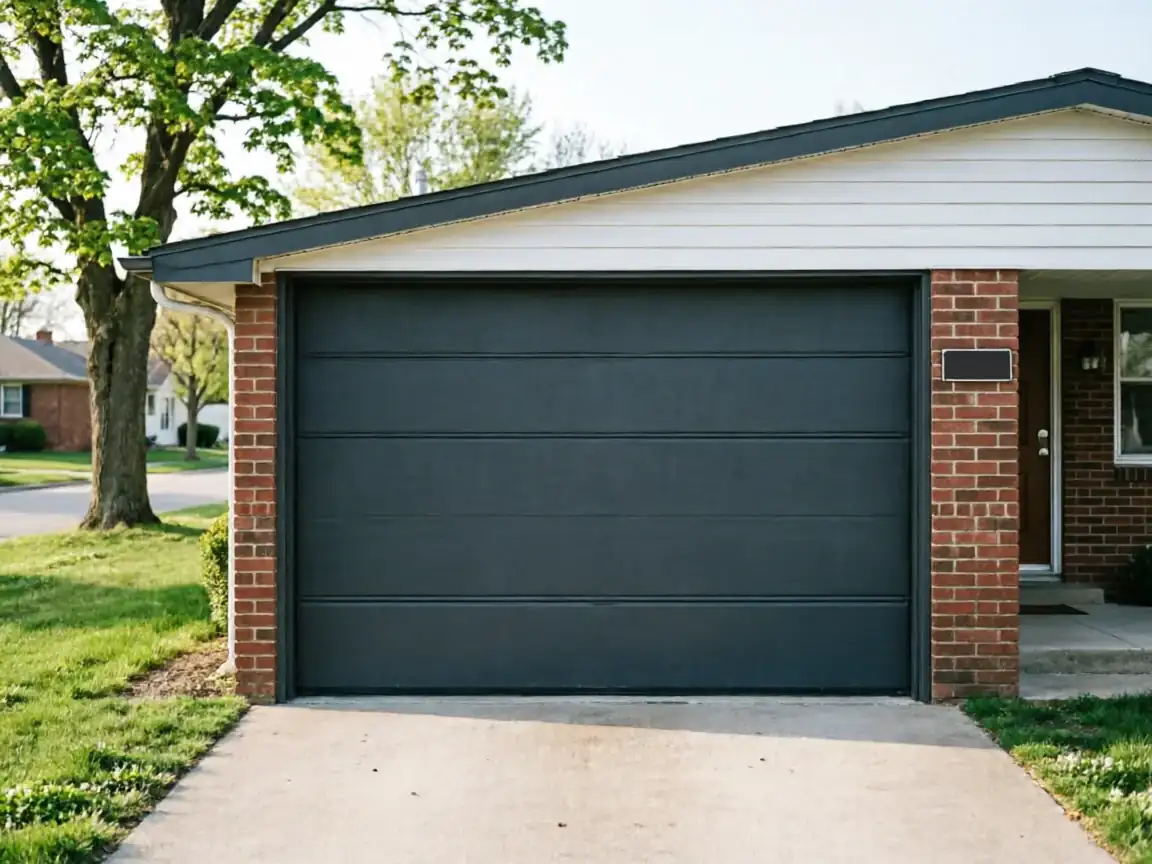
We also see openings that are narrower than what newer doors are built for
Because cars were smaller when these garages were framed. That means a replacement door sometimes needs a header or jamb adjustment that a straight panel swap won't give you. We'll tell you up front if that's what your opening needs instead of trying to force a modern door into a 1946 frame.
The cold doesn't help
This region sits in a severe cold climate band, and steel track bolted to an unheated garage wall contracts every winter. On a door that's already 70-plus years old in design even if the panels were replaced since, that contraction is often what finally snaps a brittle spring or pulls a roller out of its track.
The Cost of This Job
We don't post a flat price here because we haven't been given one to quote, and guessing would do you no favors. What we can tell you is how the decision usually shakes out in a neighborhood like this one. West Milwaukee's median household income sits at $48,976, well under the $108,690 median across the wider area we cover out of West Allis. That gap matters for one reason: on an older extension-spring door, repair is almost always the cheaper path, and it's usually the right one unless the door itself is rusted through or the panels are cracked.
Where the math flips is when the opening itself needs work, not just the door. If the jamb has shifted or the header's rotted from decades of condensation, you're paying for carpentry before you're paying for a door, and no amount of spring replacement fixes that. We'll say so on the spot rather than sell you a new door you don't need yet.
How Long It Takes
A spring swap or cable replacement on a standard single door is a same-visit job once the truck's on site. Where it slows down is parts. Extension-spring hardware sized for a 1946 opening isn't something every supplier keeps on the shelf the way they stock modern torsion springs, so if your exact spring length or cable gauge isn't common stock, we may need a day or two to get the right part rather than force-fit something close.
Double doors, or anything where the track has twisted from age, take longer simply because there's more to true up. We'd rather tell you that before we start than rush a job on hardware this old and have it fail again in six months.
Getting It Booked In
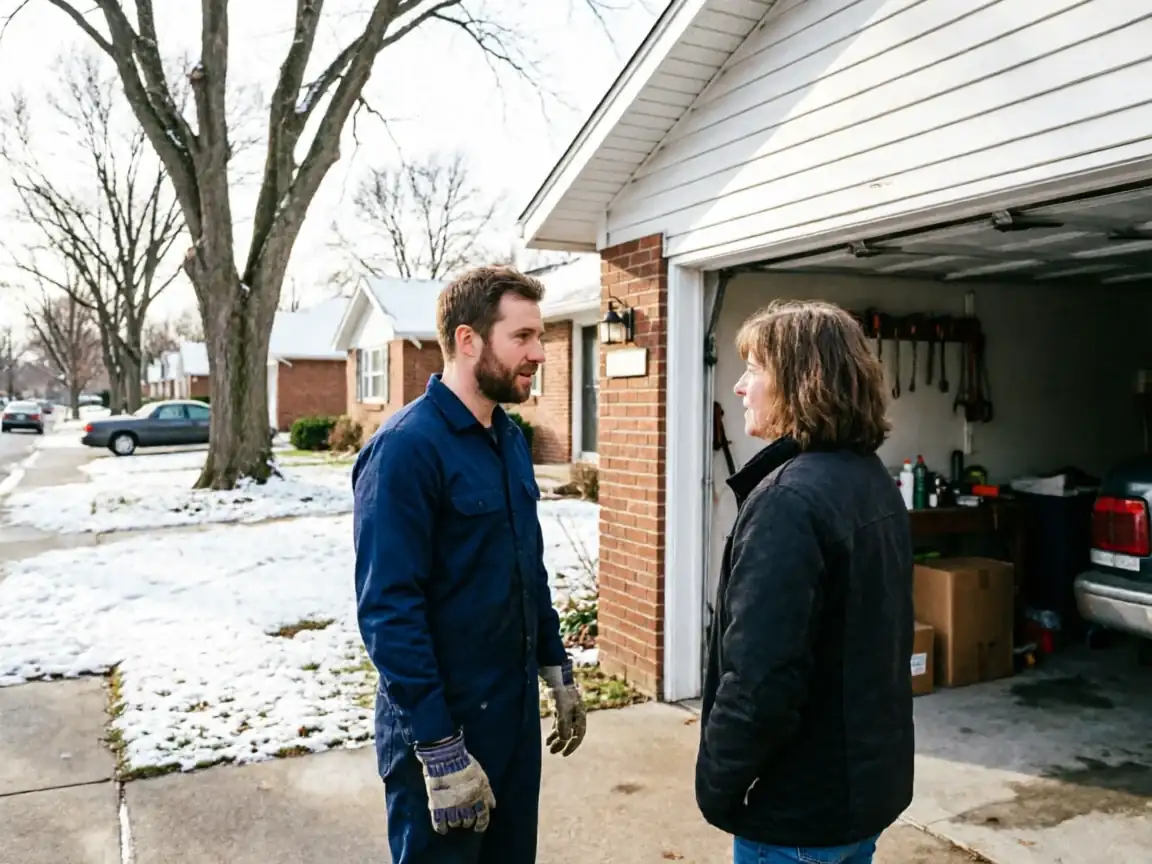
West Milwaukee is about 3 miles from our shop in West Allis, a short run for the truck
With only 1,990 households in town, this isn't a neighborhood we're guessing about from a map - it's close enough that getting someone out doesn't mean a long haul across the county.
- 3 miles
- 1,990 households
When you call, tell us the door type if you know it (single or double
Wood or steel panel) and roughly how old the house is. If you know it's one of the 1946-era builds, say so. That one detail alone tells us whether to bring extension-spring stock or torsion hardware, and it saves a second trip if the first guess is wrong.
What the Fix Involves
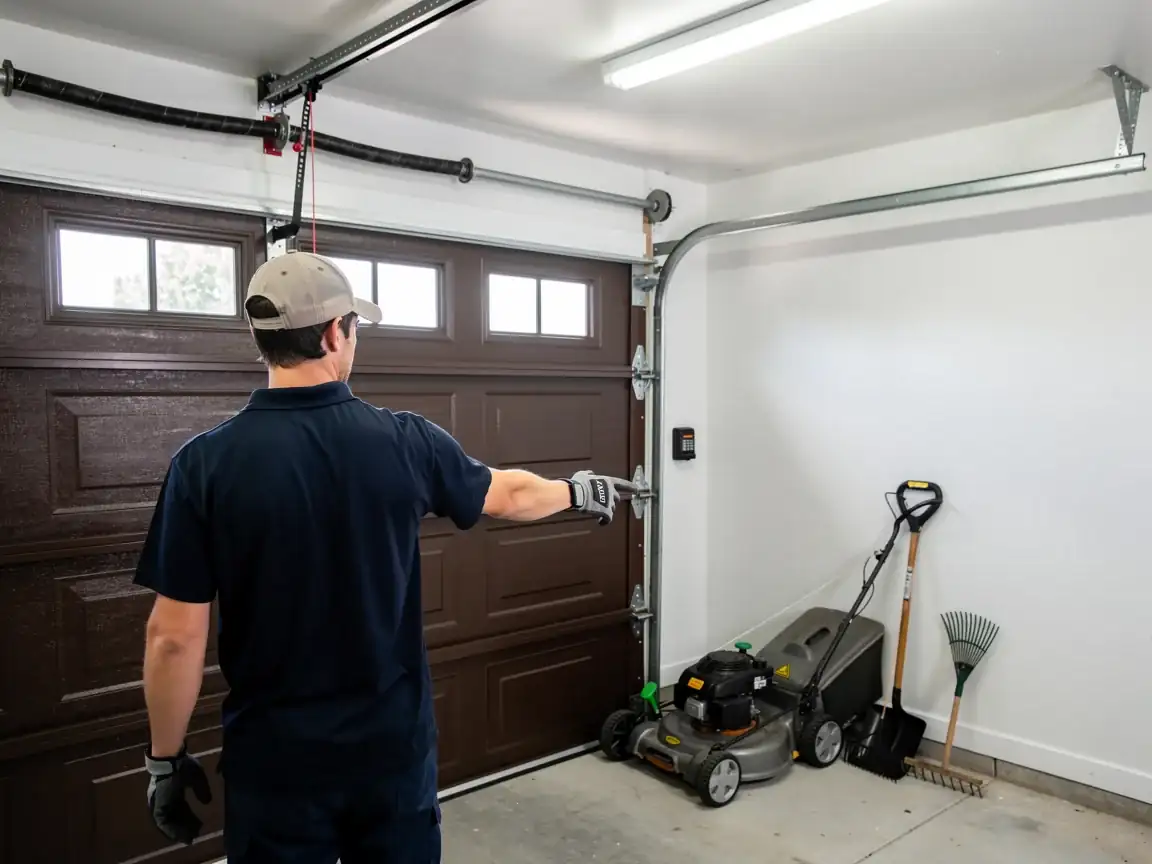
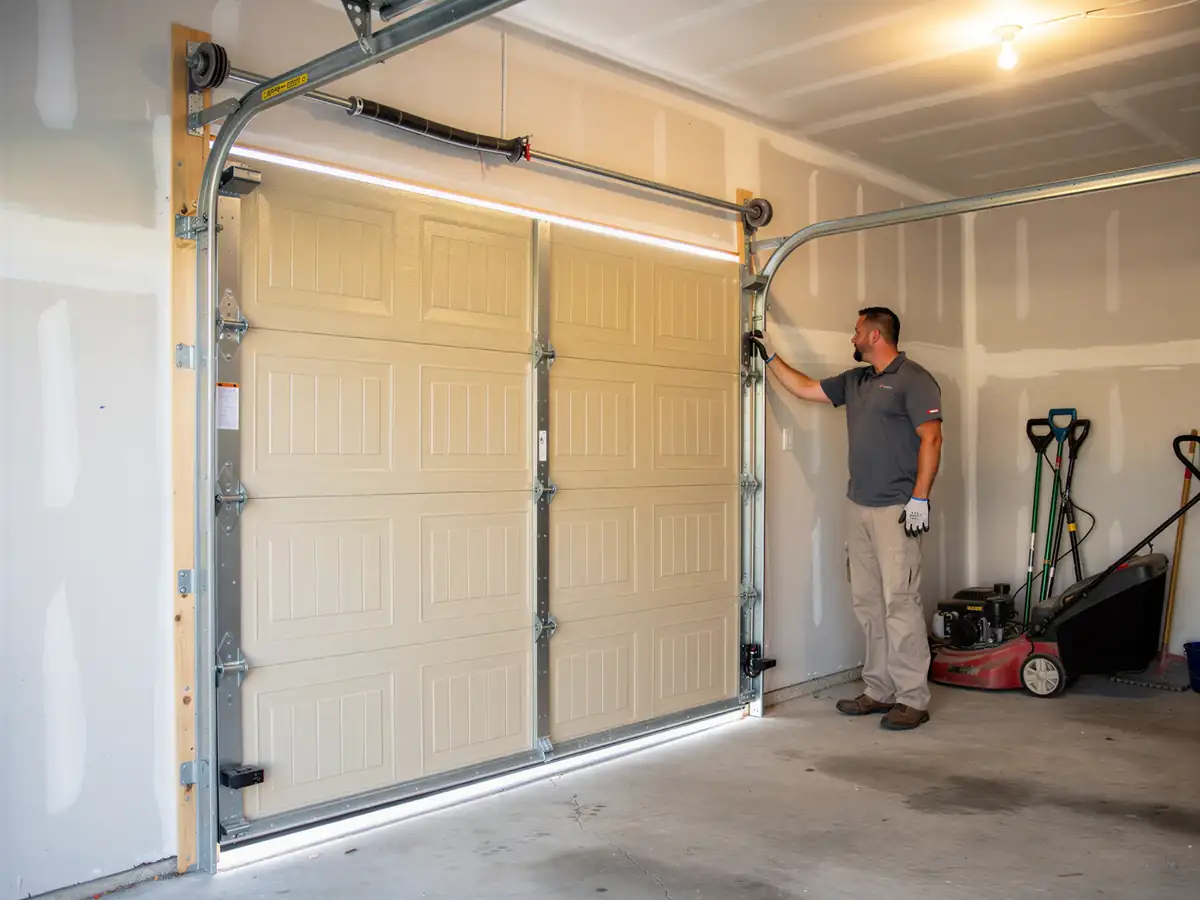
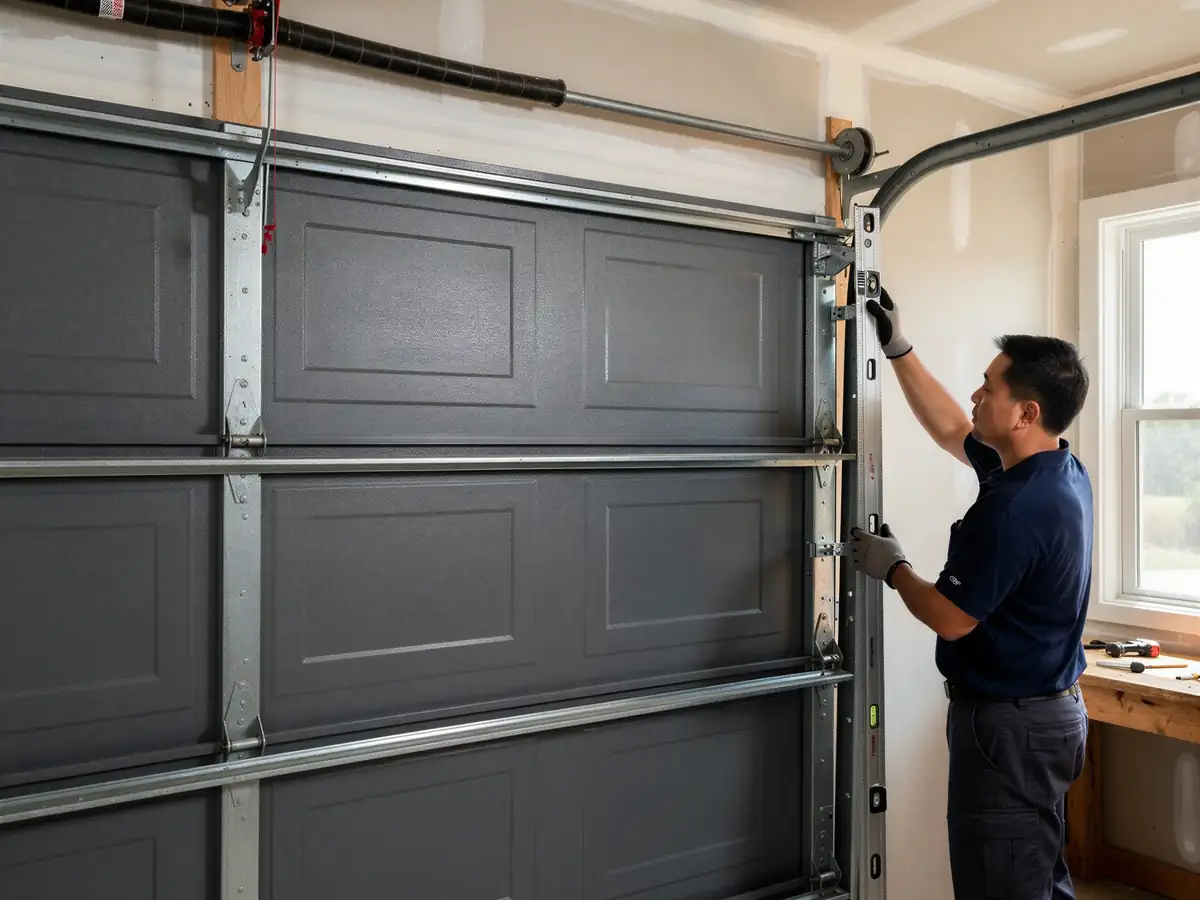
On an extension-spring door, the repair usually starts with checking both springs for stretch and rust, since they work as a pair and a mismatched set throws the door off balance even if only one has failed. We check the pulleys and the cable drums next, because on doors this age the pulley bracket itself is often as worn as the spring.
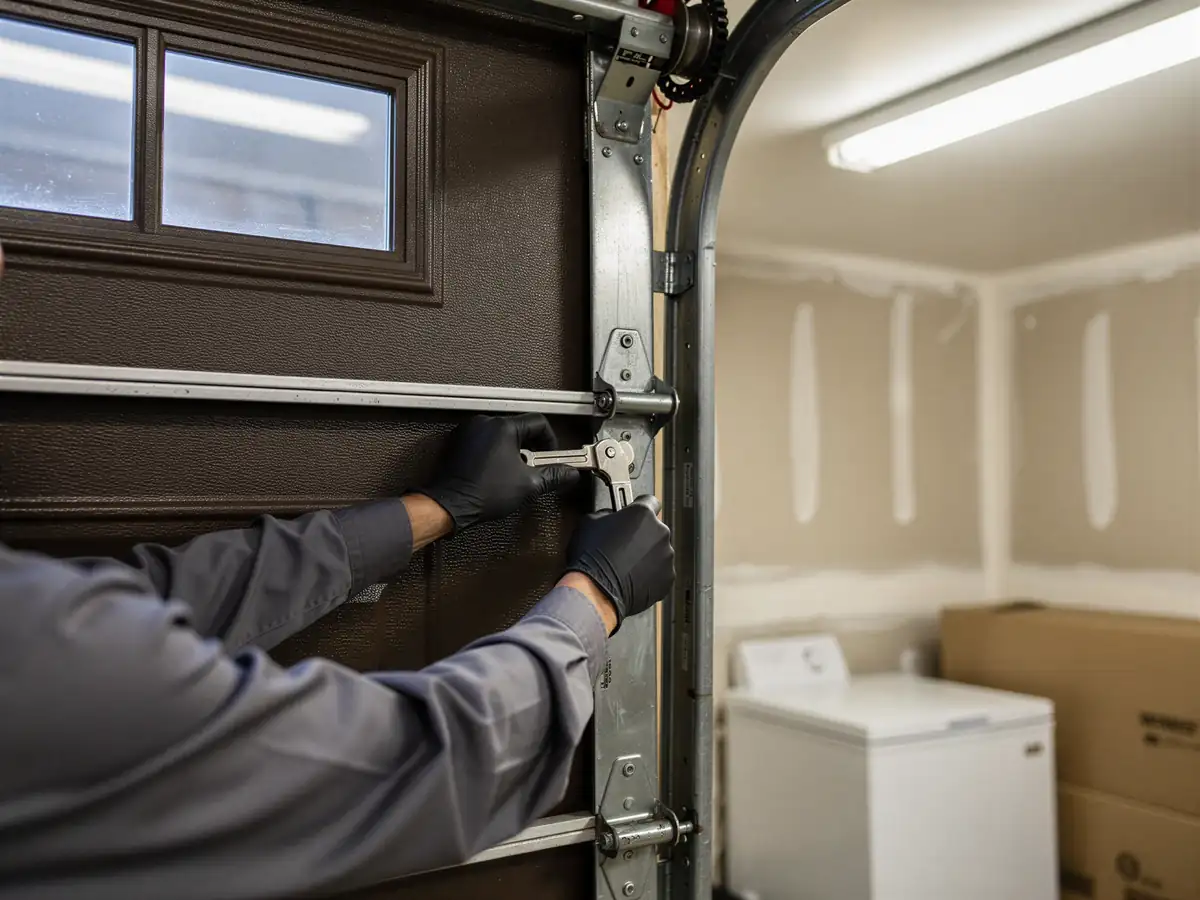
If the track has racked from decades of a settling foundation, which happens on houses this old, we true it up before touching the spring tension, otherwise the new spring just fights a crooked track and wears out early. We test the door through a full open-close cycle under load, not just by eye, before we call the job done. That's the standard we hold whether the fix took twenty minutes or two hours.
Parts We Carry
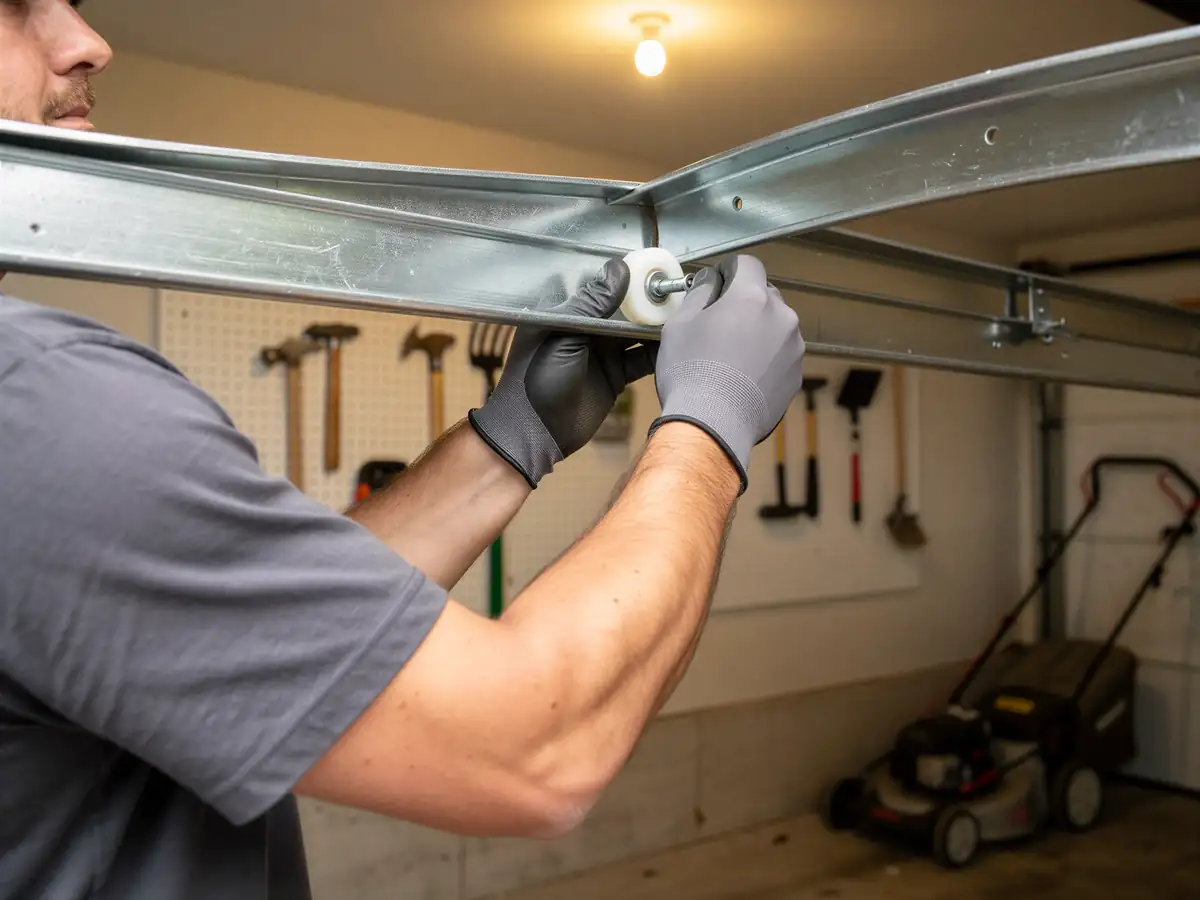
We carry common torsion springs, rollers, cables, and standard hinges on the truck for the newer doors in the area. For older extension-spring setups like what's typical in West Milwaukee, we carry the common sizes but not every length and gauge ever made in 1946 - if your hardware is a less common fit, that's the part that may need ordering.
We don't stock replacement wood panels for original 1940s doors. If a panel's rotted through, the honest answer is usually a full door replacement rather than trying to source or rebuild a matching panel, and we'll tell you that instead of stretching a repair past the point it makes sense.