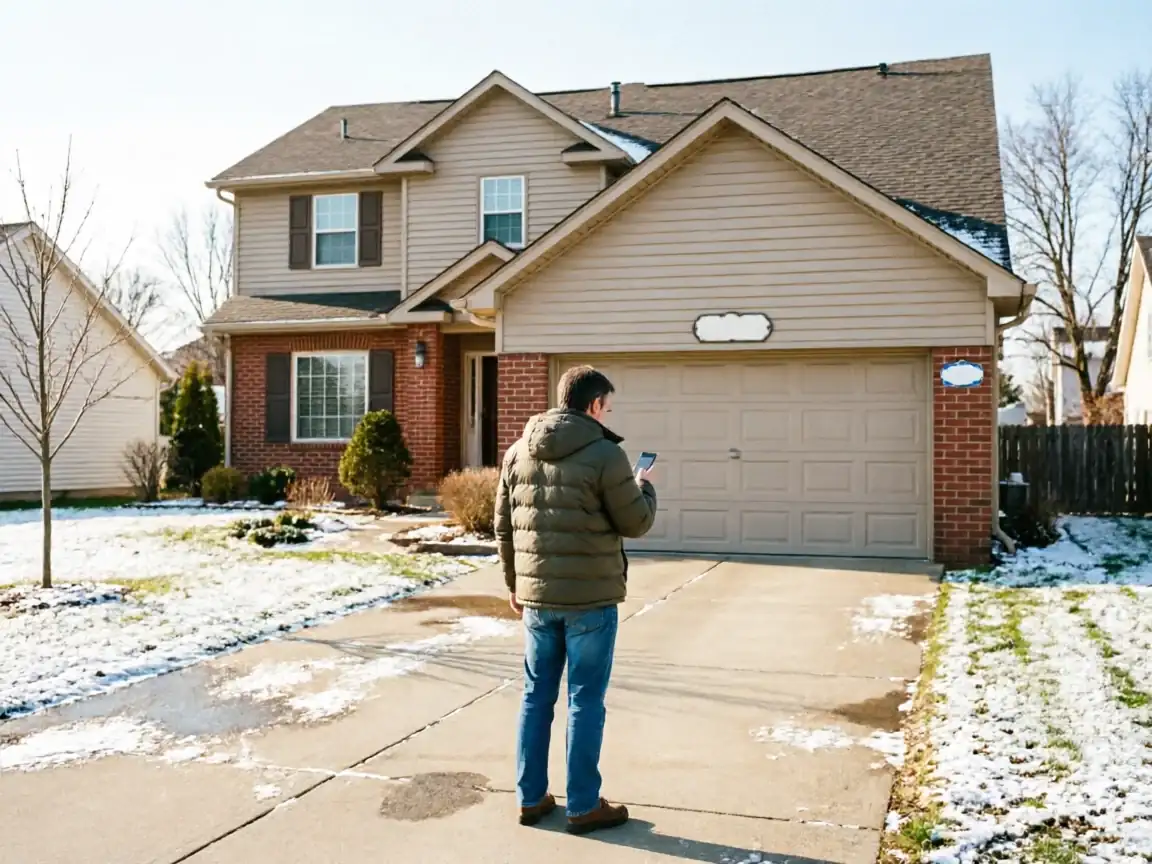
What You Are Seeing
If your door is dragging on one side, slamming the last foot of travel
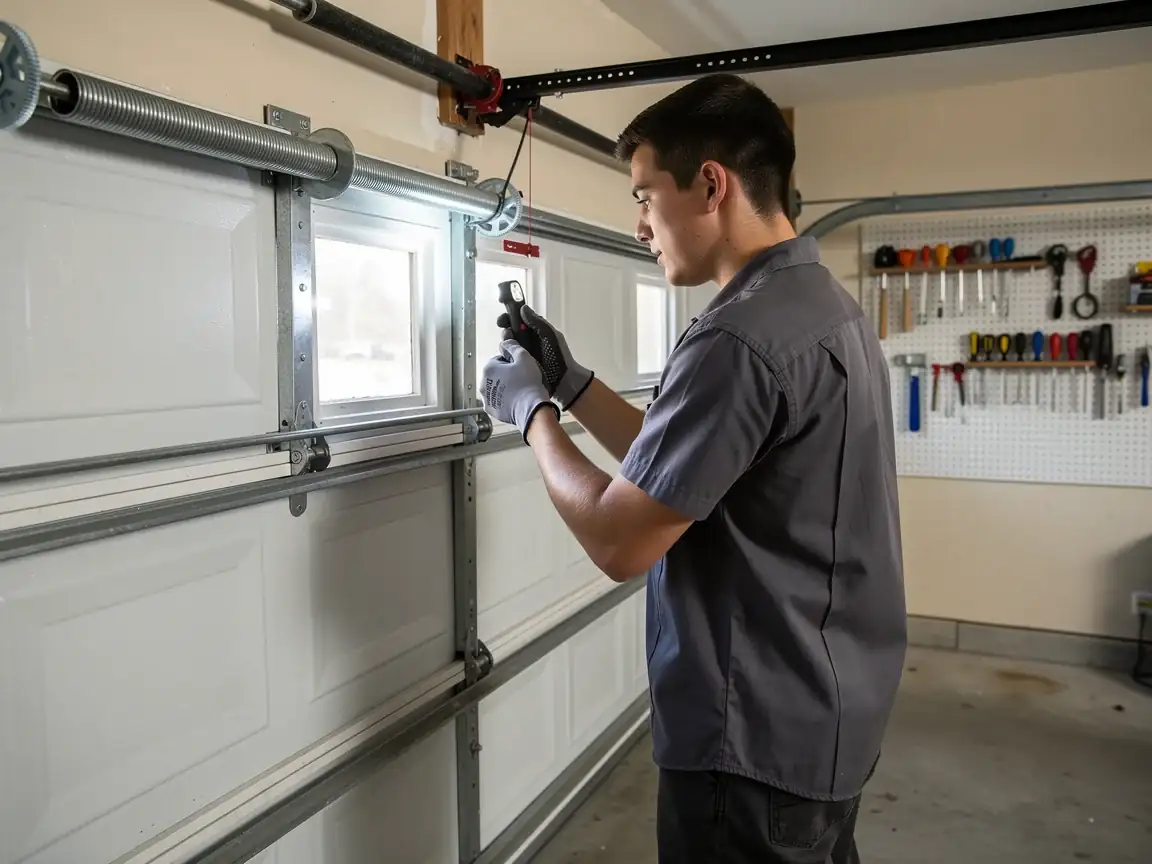
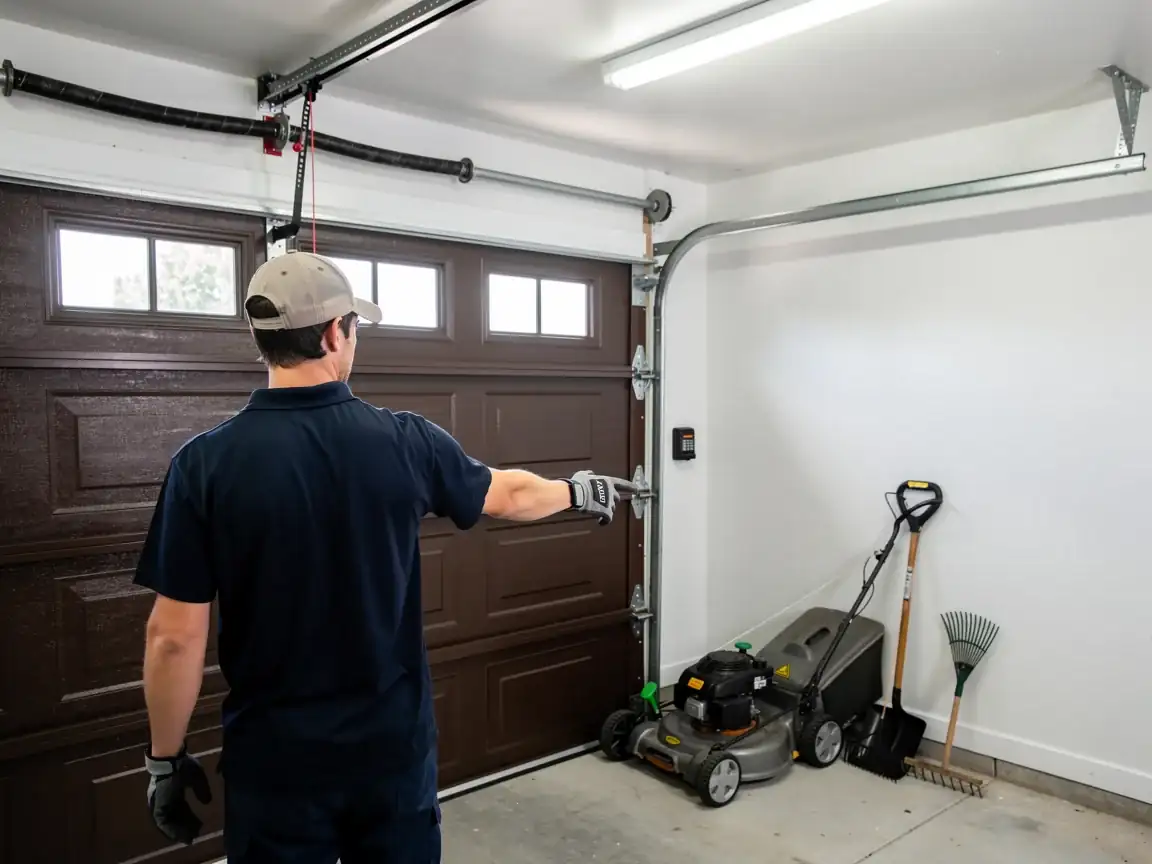
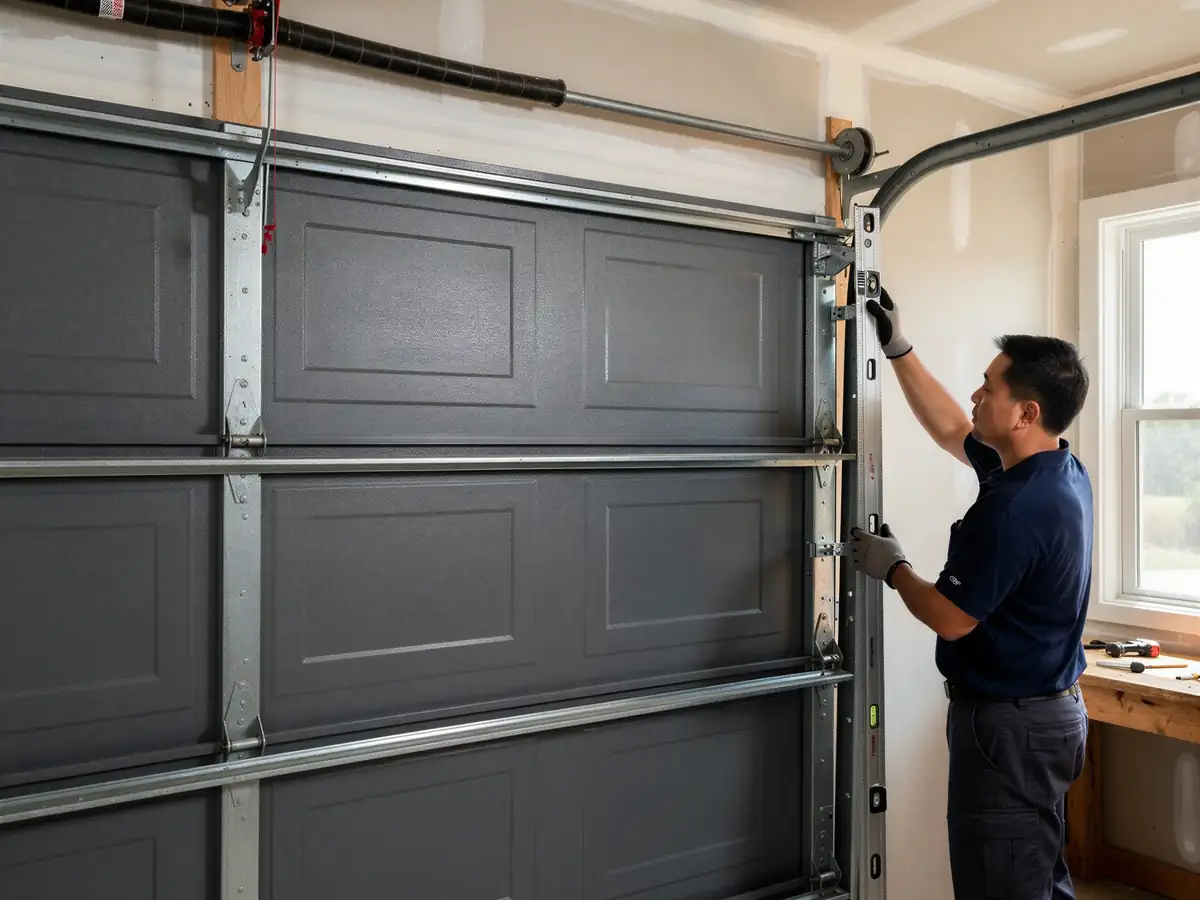
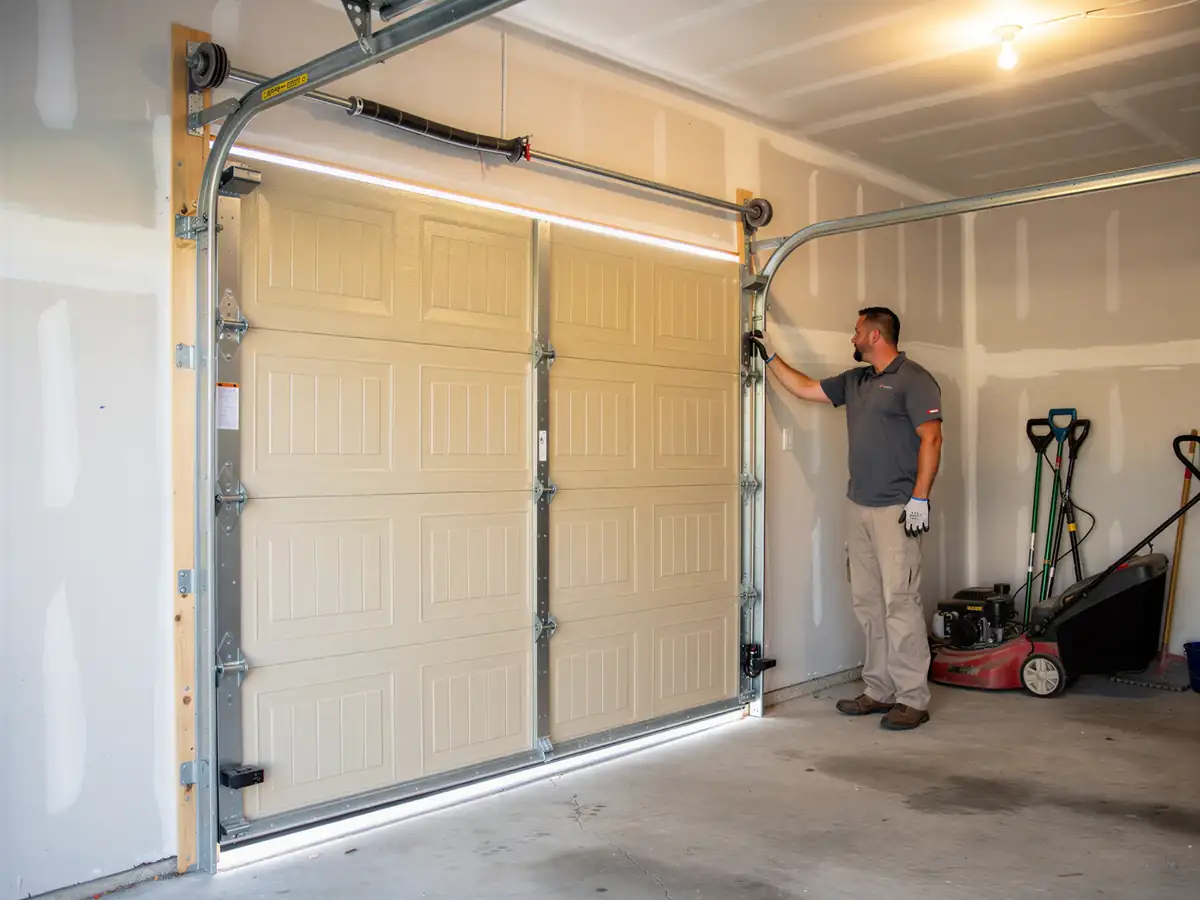
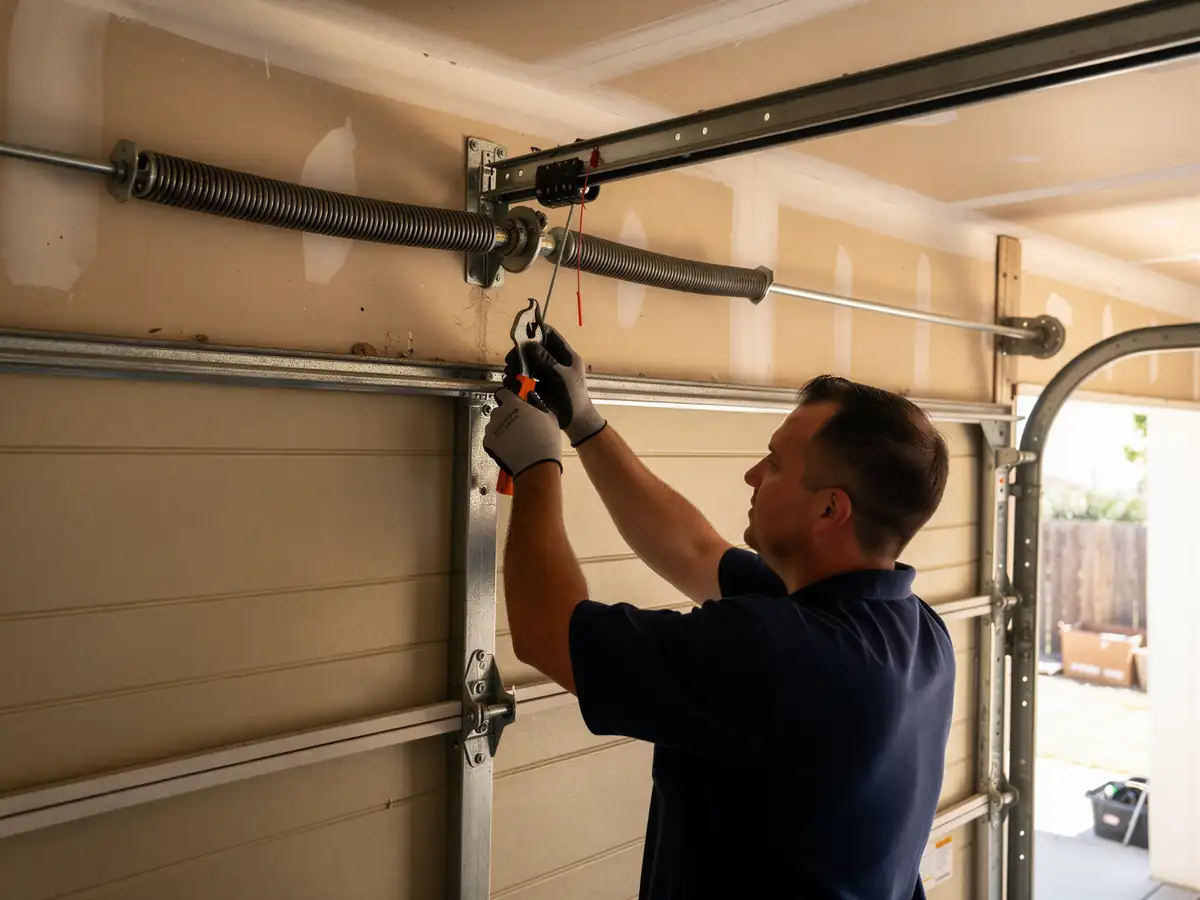
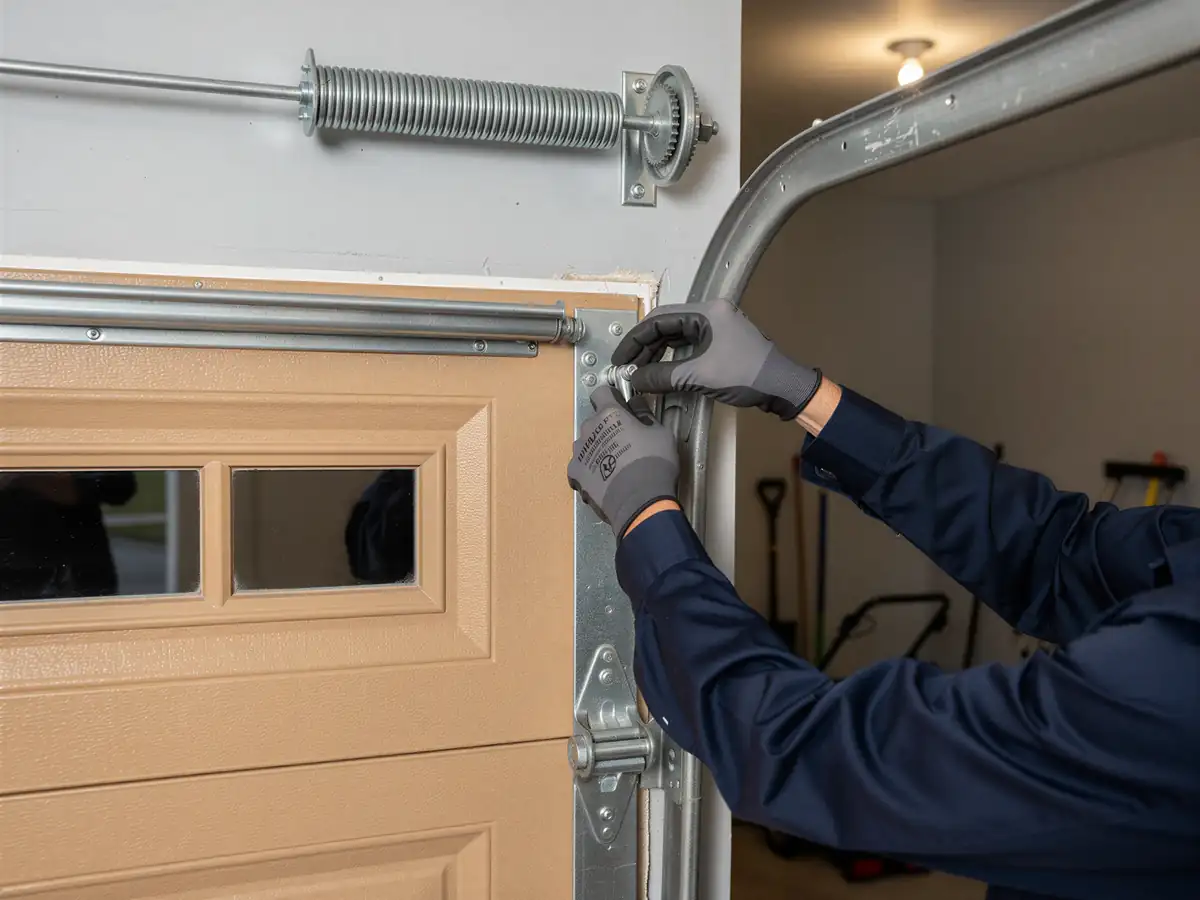
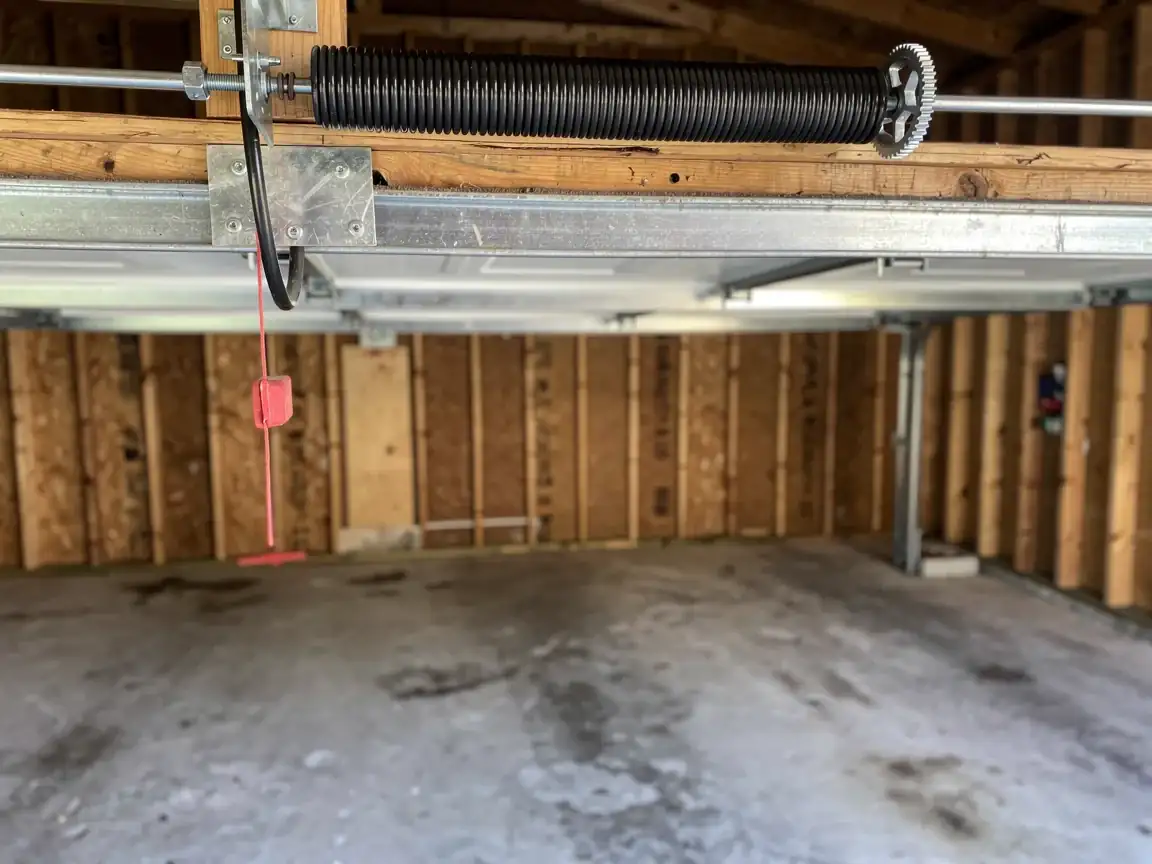
Or the opener is grinding without the door moving, you're looking at one of a handful of failures that show up constantly in this city. A torsion spring that's lost tension will let the door drop fast once it clears the top rollers. A bent track usually shows as a door that binds a few inches off the floor and won't square back up. And a cable that's frayed at the drum will let one side of the door sag while the other stays level - that one you stop using today, not next week.
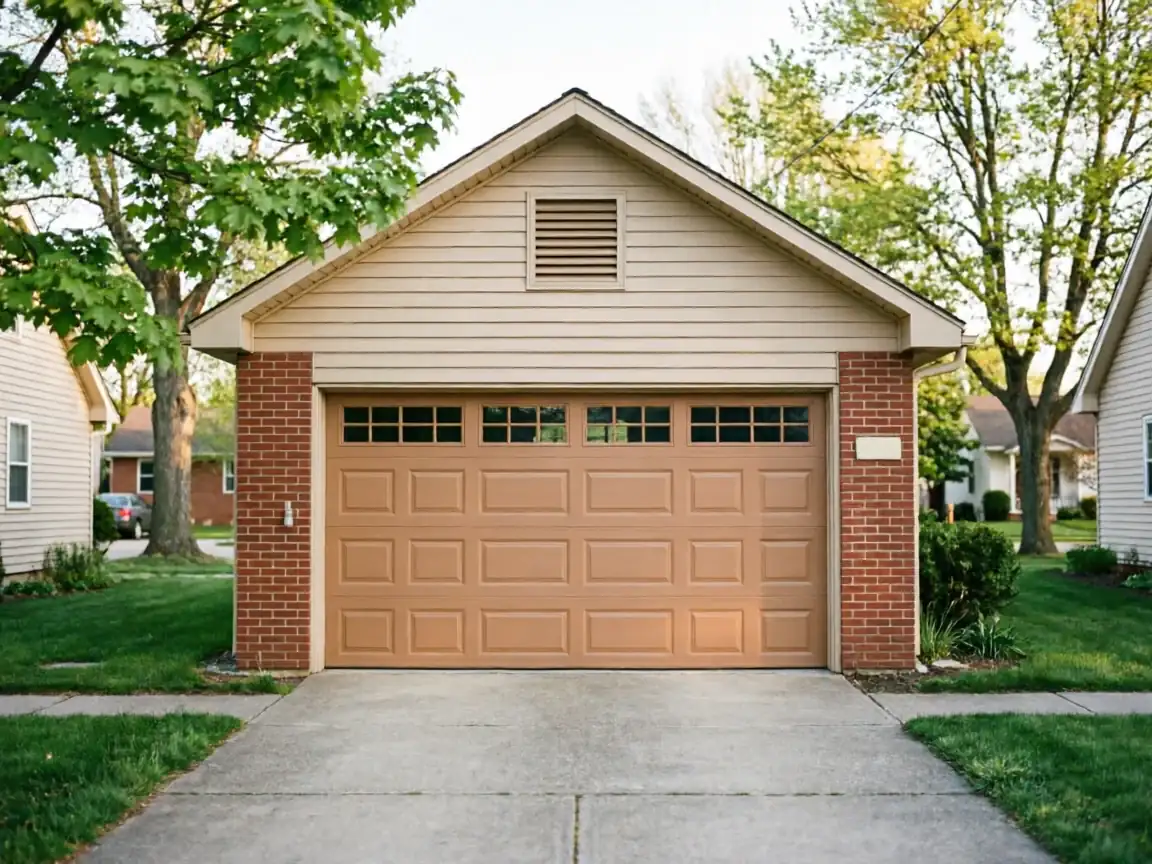
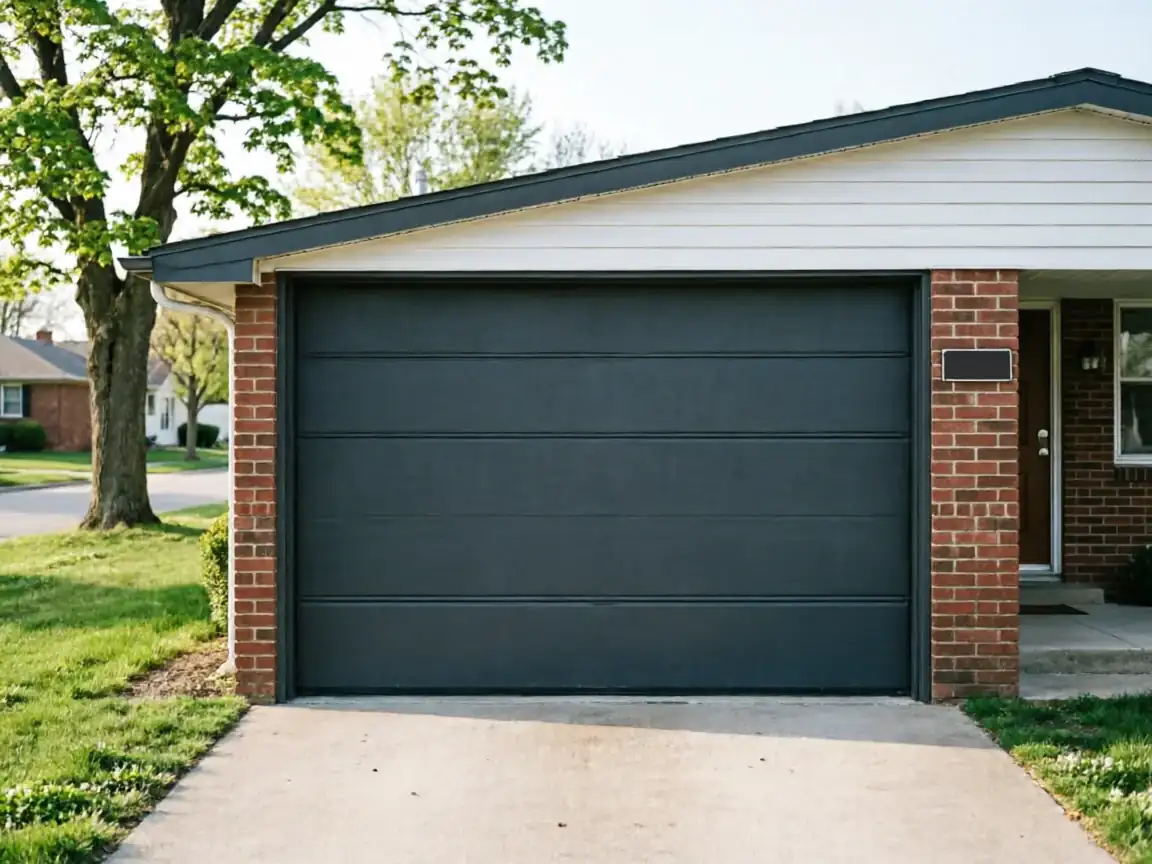
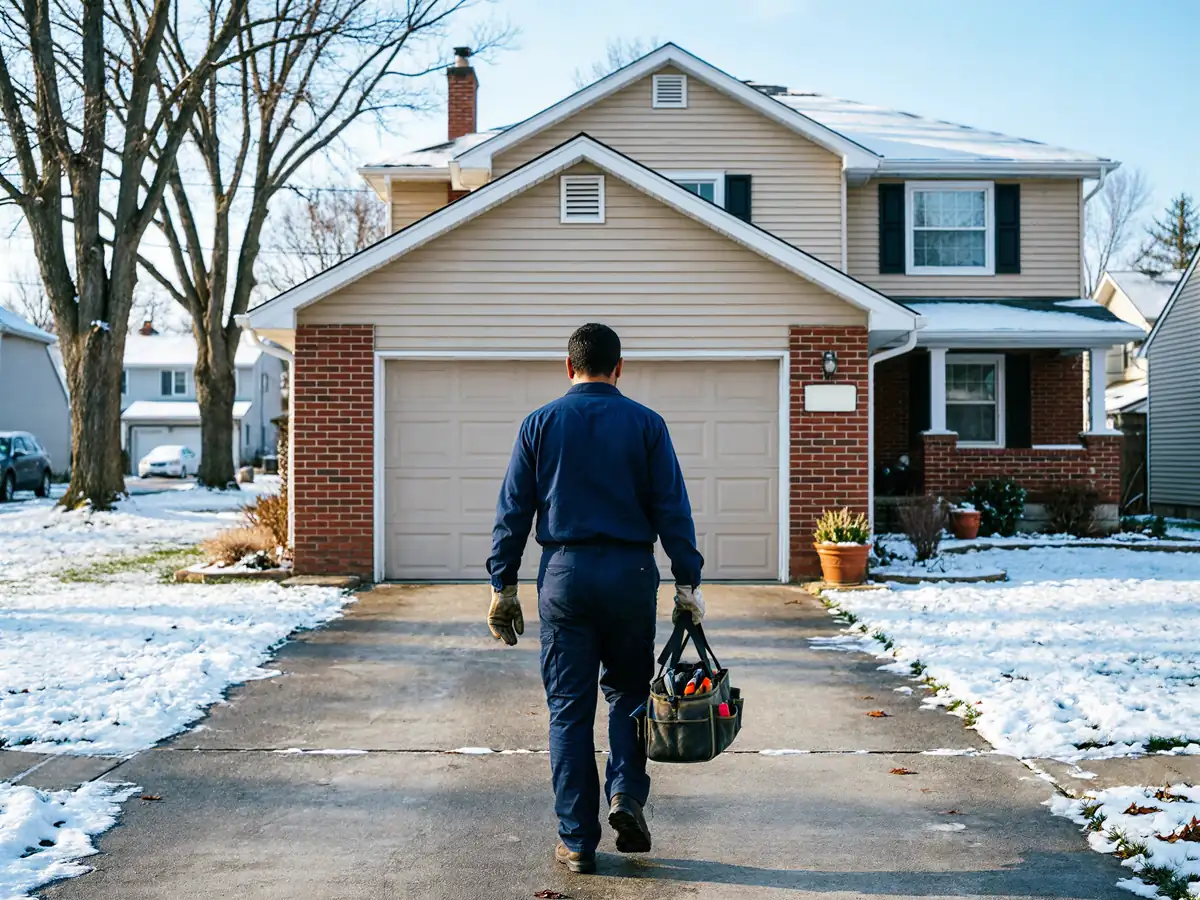
West Allis houses built between 1938 and 1976
With most of the stock from the 1960s and 70s, were fitted with hardware sized for lighter doors and shorter cycle counts than what's on the market now. A lot of that original steel is still in garages across and the other named areas on this side of the city. It held up fine for decades. It's not built to keep holding up forever, and when it lets go, it tends to let go all at once rather than giving you warning.
The Cost of This Job
We can't quote a number here without seeing the door - spring size, track condition, and whether the opener is original or already replaced all move the price, and guessing at a figure for a page like this would be worse than saying nothing. What we can tell you is what drives the cost up or down. A single spring swap on a door that's otherwise sound is the cheapest version of this job. Bent track, a burned-out opener motor, or cables that need replacing alongside the spring add labor and parts, and on an older door those parts sometimes have to be matched to hardware that isn't a current size.
Households in this service area have a median income of $108,690 across 103,530 owner-occupied houses, which tells us most jobs here are repair-and-keep rather than full teardown-and-replace. That matches what we see on the truck: most calls end with a spring, a cable, or a section of track, not a new door. We'll tell you straight if your door is at the point where replacement actually costs less over time than another repair - that happens, and we'd rather say it on the driveway than let you pay for a fix that won't hold.
What Causes It Around Here
West Allis sits in a cold, severe climate band, and that matters more for garage doors than people expect. Steel contracts in deep cold, and a torsion spring that's already near the end of its cycle life will snap on a cold morning far more often than on a mild one - the metal has less give left to absorb the shock of a cold start. Tracks do the same thing: a track that's slightly out of alignment in summer can bind hard once the metal shrinks in January.
Because most of the housing here went up in the 1960s and 70s, a lot of these doors are on their second or third spring already, sometimes on original track that's been knocked slightly out of true by decades of seasonal movement. We see the same pattern in the older sections of West Milwaukee and Greenfield, three miles out, where the build era lines up closely with West Allis's own. It's not bad luck or bad installation - it's thirty-plus winters of expansion and contraction doing what it does to steel.
Getting It Booked In
Tell us what you're seeing
Door won't move, it's off-track, the opener runs but nothing happens, a spring already let go - and we'll get a truck out to look at it. If the spring has broken, don't try to force the door up with the opener; that strains the opener motor and can bend the track further, turning a spring job into a spring-and-track job.
We work across West Allis and the close-in areas listed in our service area, from out toward West Milwaukee, Greenfield, Wauwatosa, and Elm Grove
If you're further out toward Hales Corners, Greendale, or Butler, ask when you call - we cover a wide stretch of this side of the county. One limit worth knowing up front: if your opener or spring is an uncommon size that isn't something we carry on the truck, there can be a short wait on the part. We'll tell you that before we start, not after.