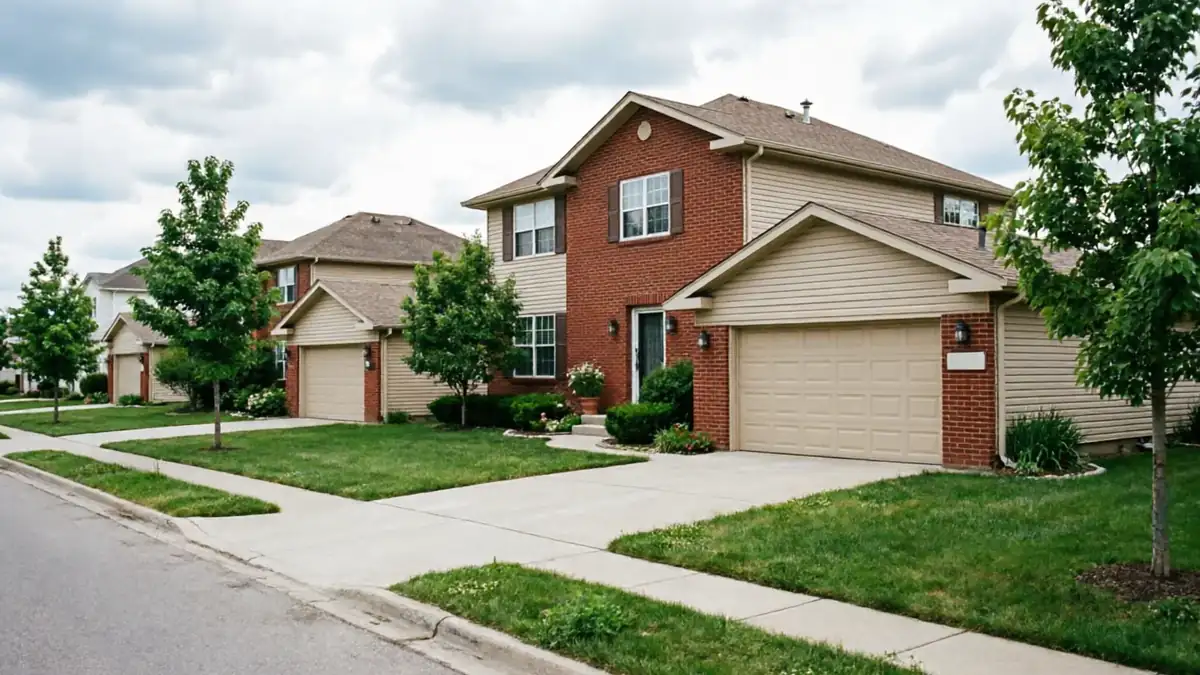
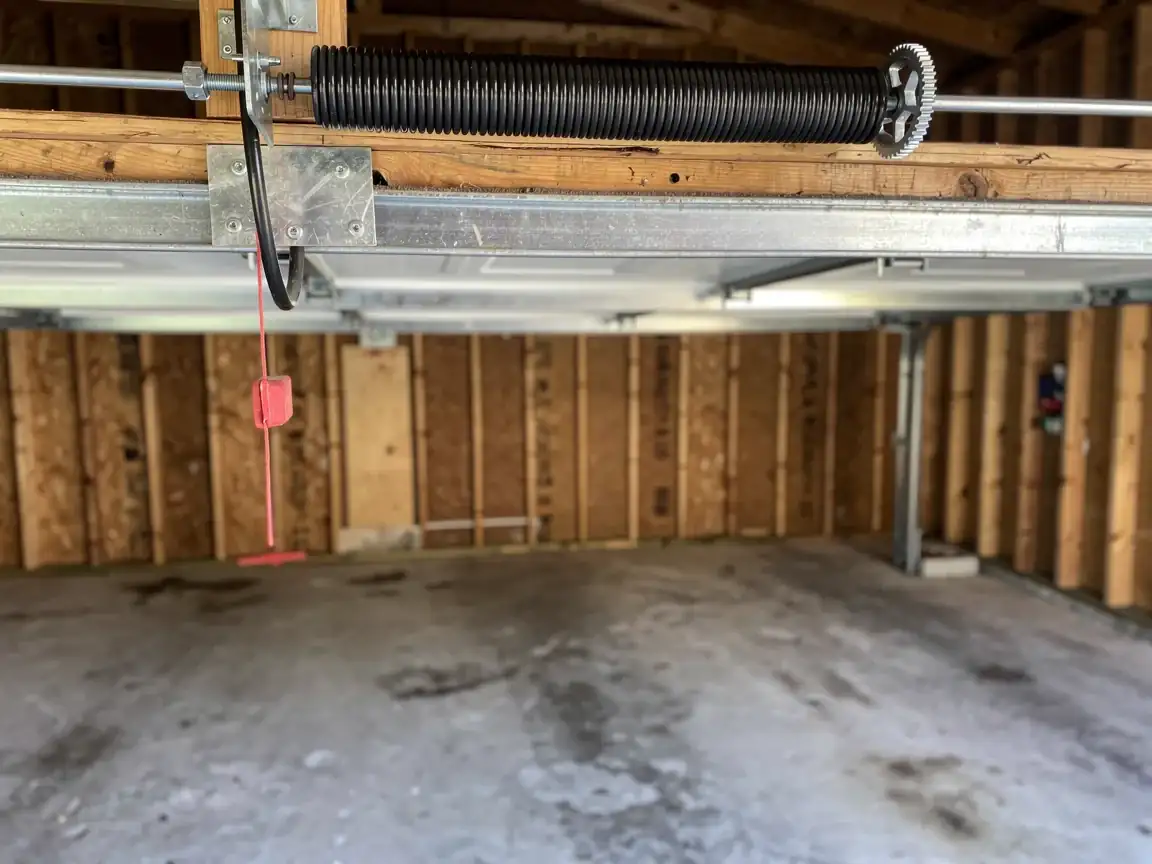
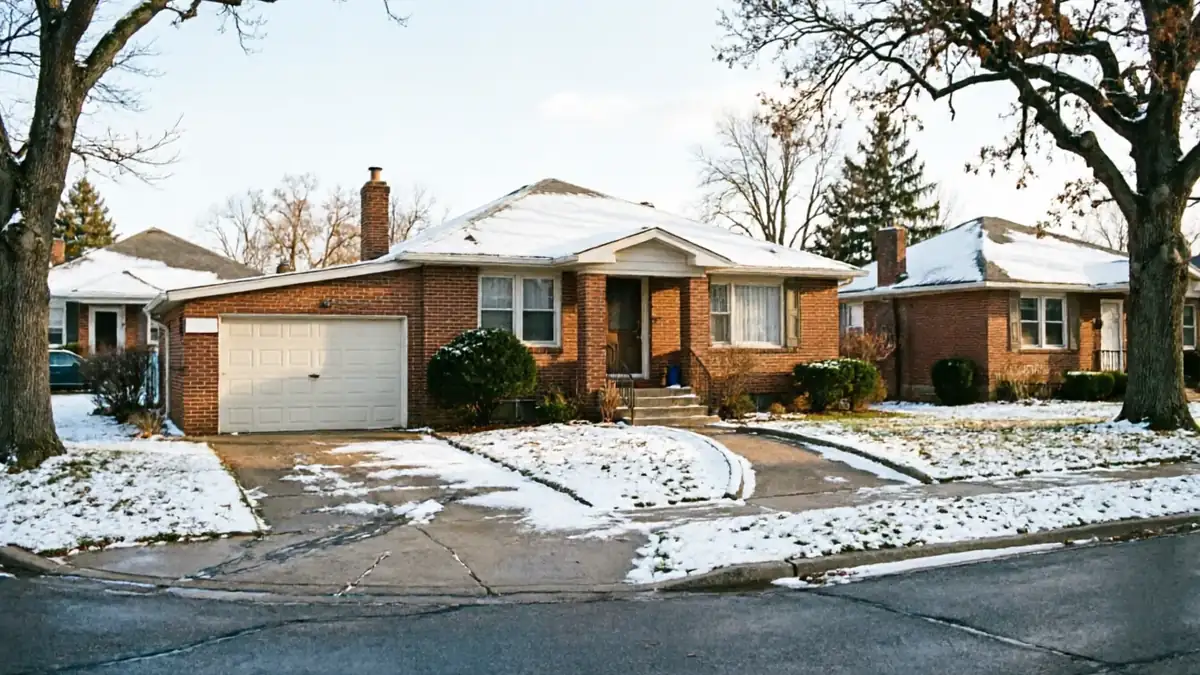
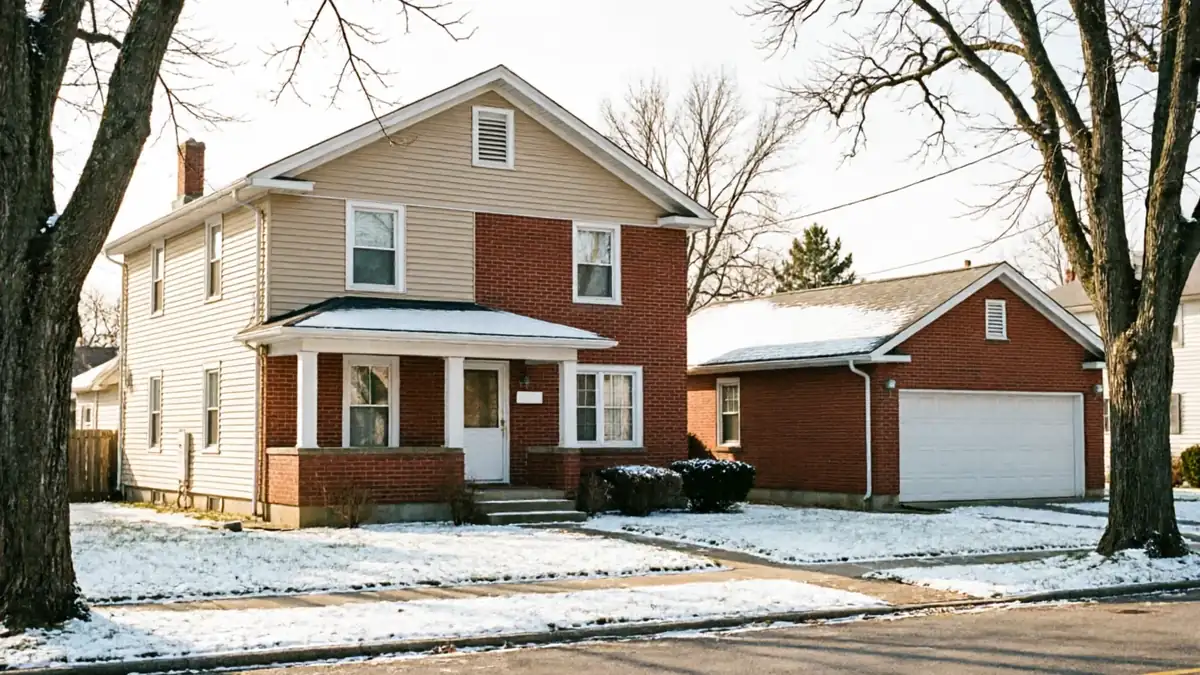
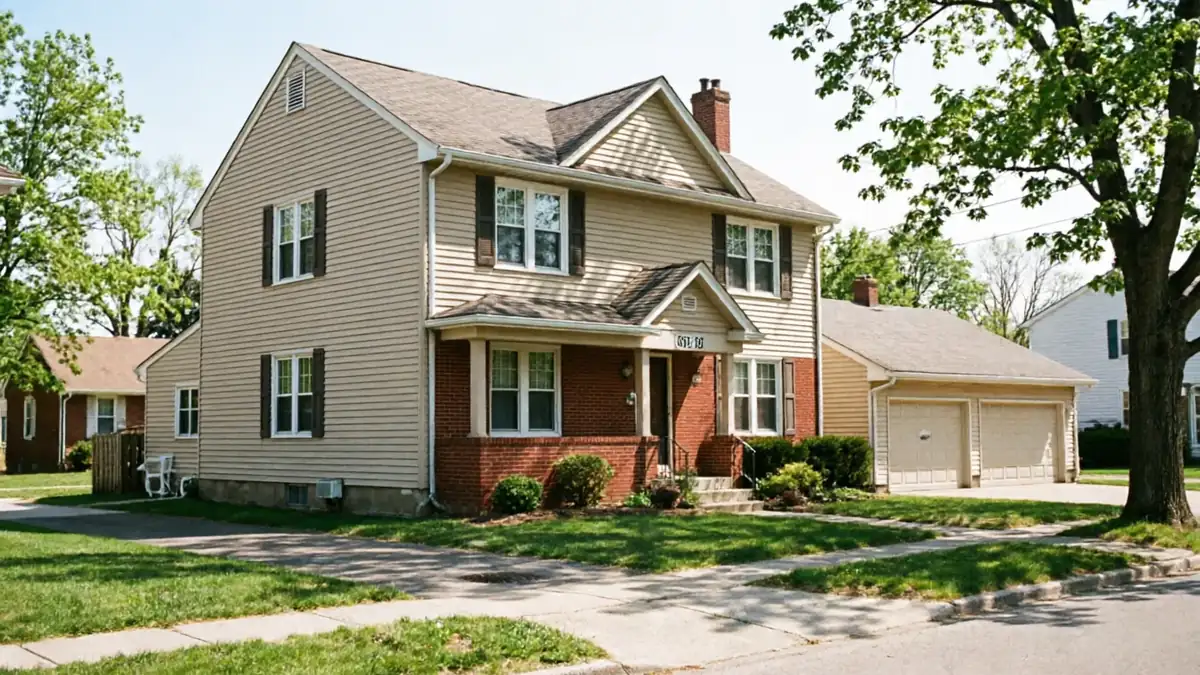
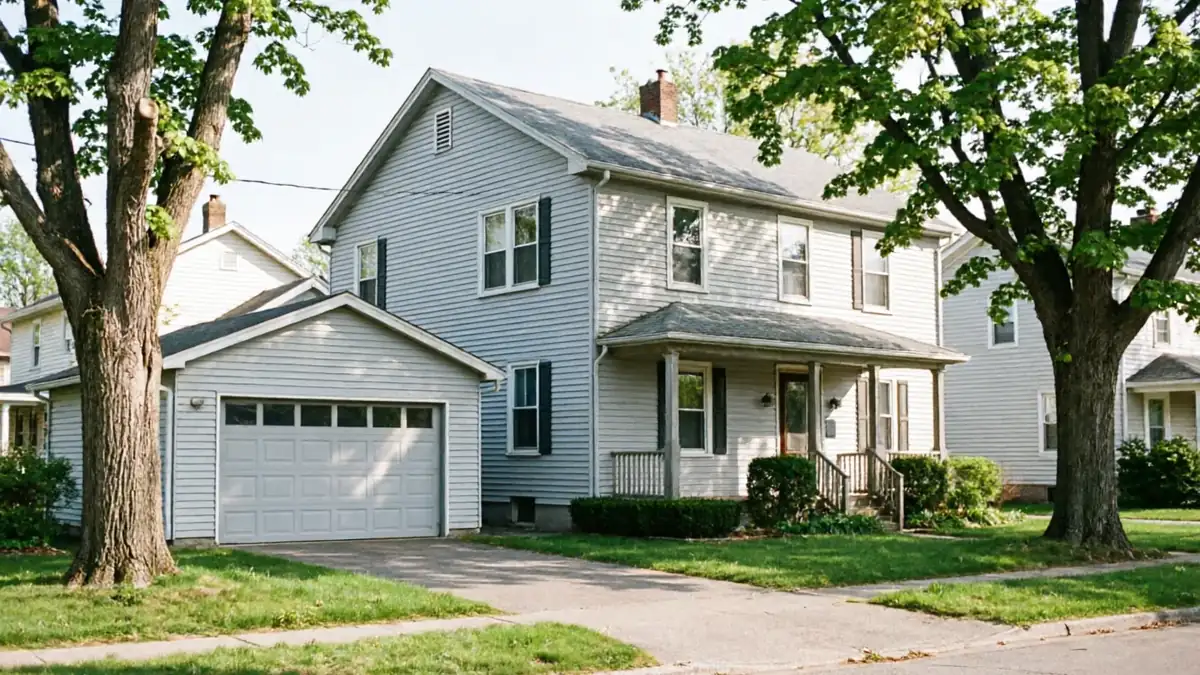
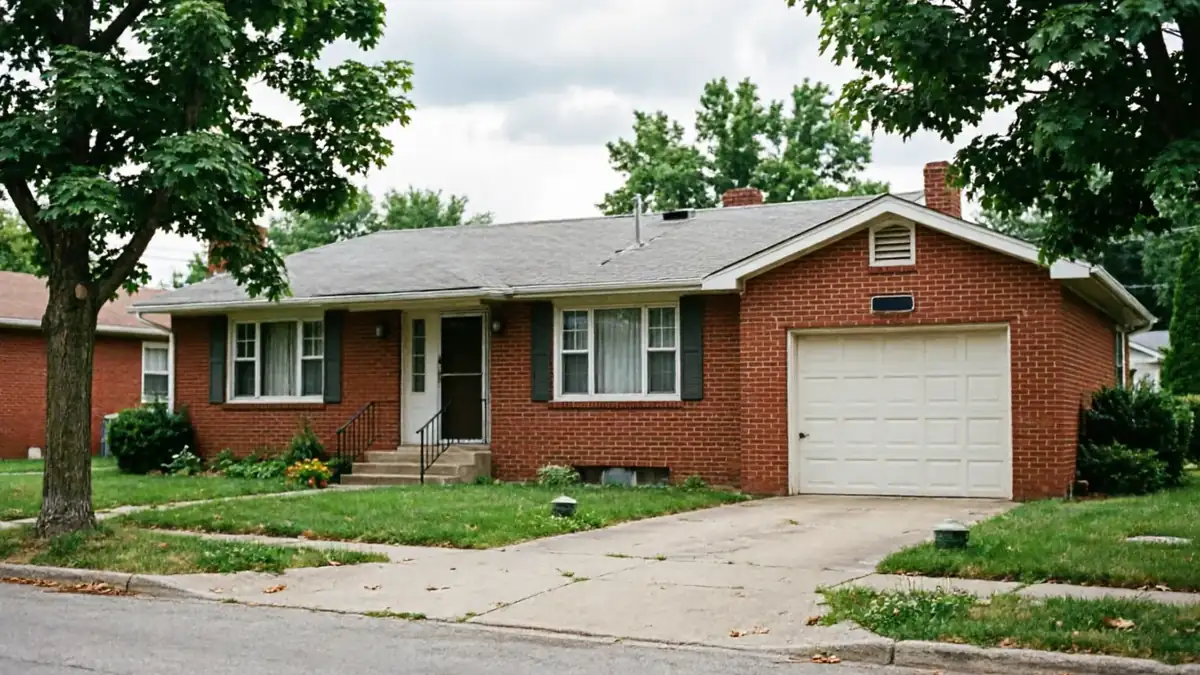
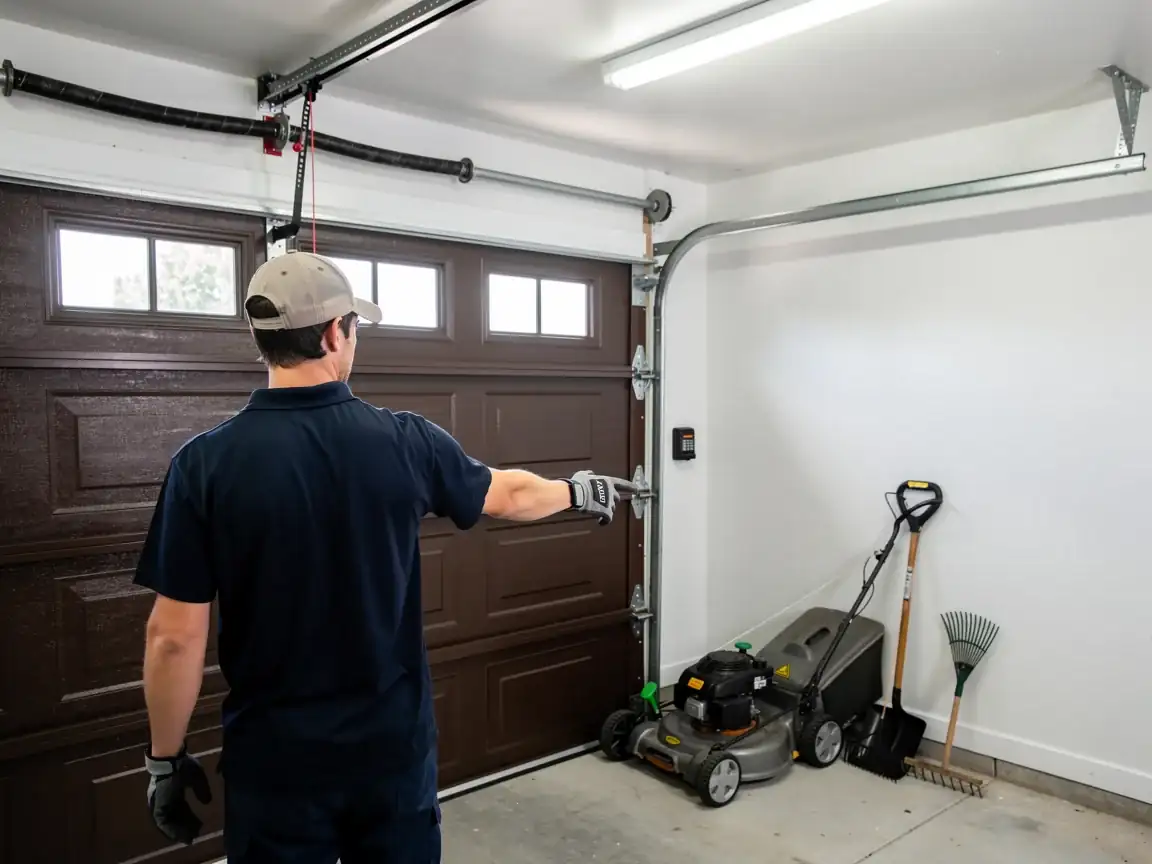
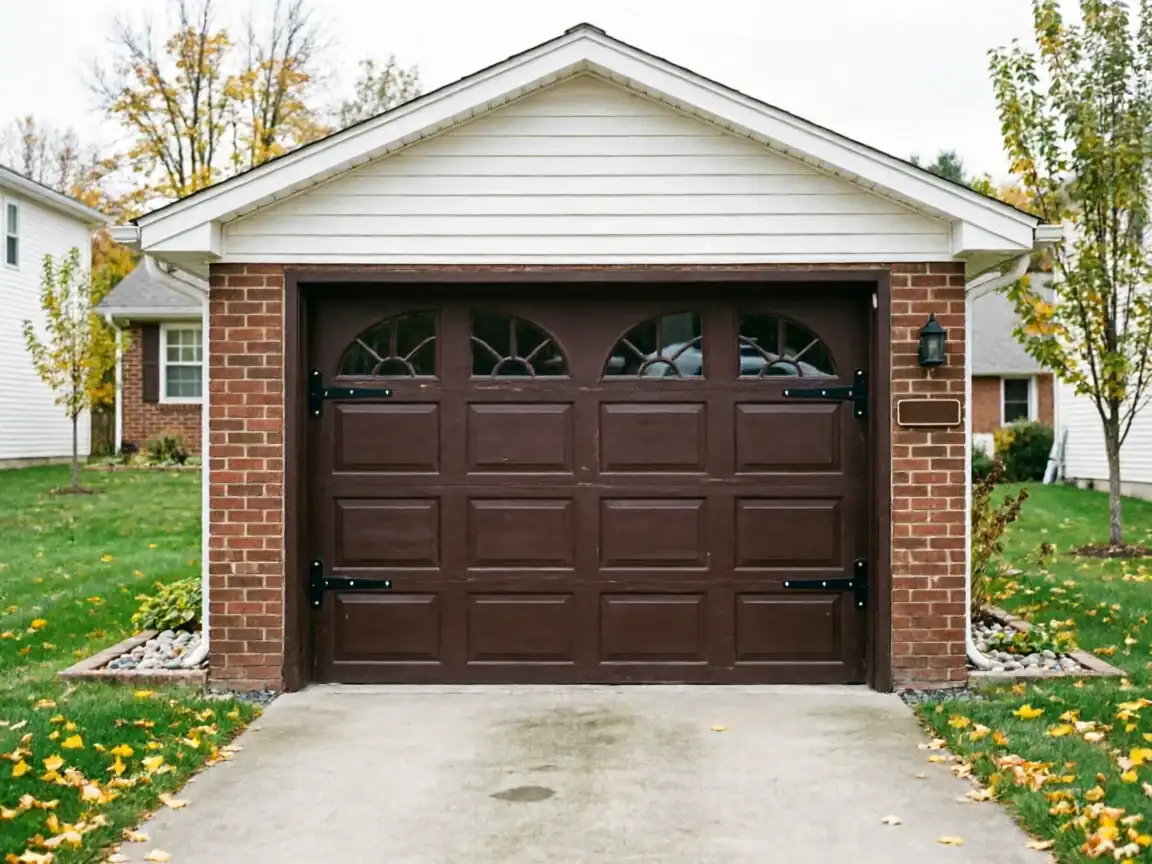
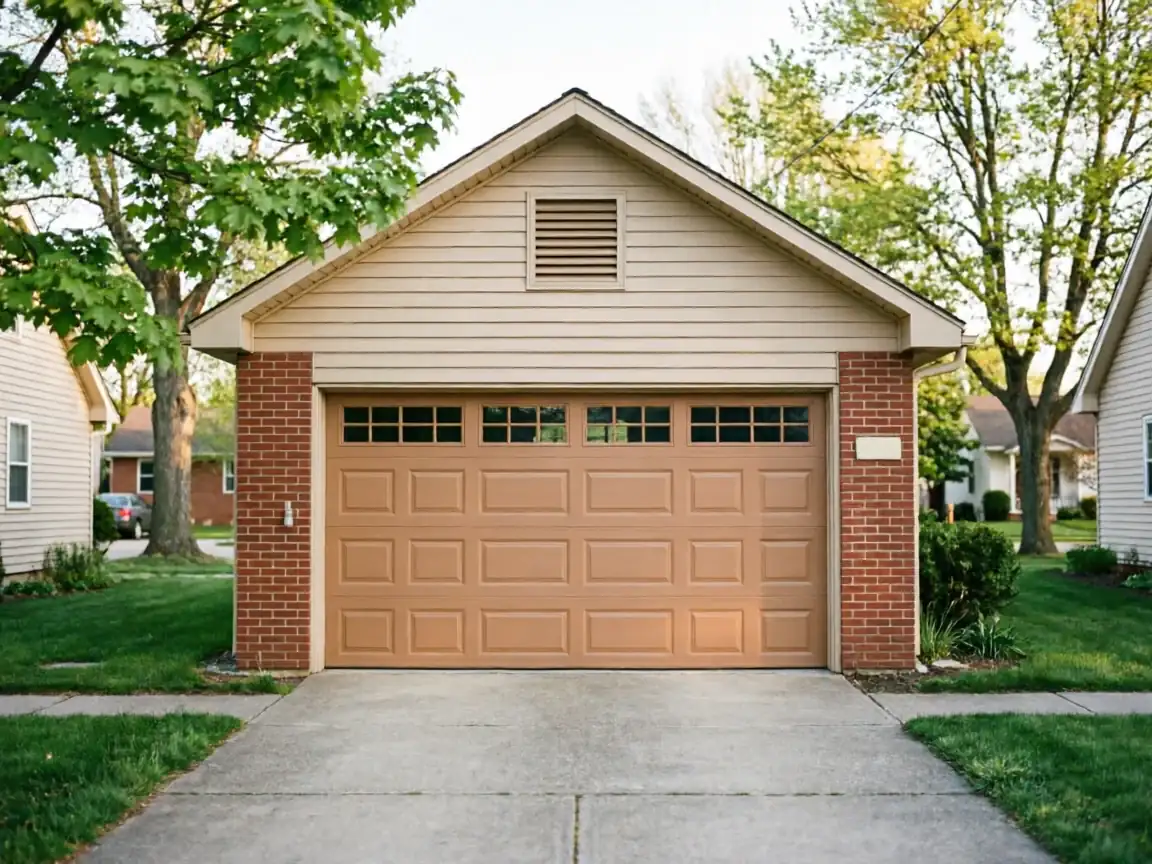
Greenfield's housing stock centers on 1973, a few years younger than the broader service area's 1976 median, but it sits squarely in the same 1960s-70s wave that built most of the 44 communities we cover out of West Allis. That means a lot of steel sectional doors installed during the first real boom of mass-produced garage doors, paired with torsion springs sized for the lighter panel materials of that decade. Houses from this stretch of the 1970s usually have a single torsion spring on a single door, mounted on a center bracket above the opening rather than the side-jamb hardware you see on older builds. The openers in these homes have typically been swapped out once or twice already, but the track and spring setup is often original to the house, or close to it. With roughly 17,440 households in Greenfield, that's a lot of identical hardware aging out at close to the same time. If your door is sticking, binding on the track, or the spring looks stretched and misshapen, it's consistent with what we see across this part of the stock, not an isolated problem with your house.
What We Do Not Do
We don't carry every obscure opener model on the truck, especially older belt-drive units that have been discontinued for parts. If your opener is one of those, we'll tell you straight that replacement makes more sense than chasing a part that's backordered for weeks. We also don't do cosmetic work like repainting or refacing a door that's structurally fine but just looks dated - that's a job for a painter, not a garage door tech. And we don't recommend patch repairs on doors with broken rollers and warped track at the same time; past a certain point, layering fixes on a door that's failing in multiple places just costs more than doing it right once. If a job calls for something outside what we do well, we'll say so instead of taking the work anyway.
The Drive Over
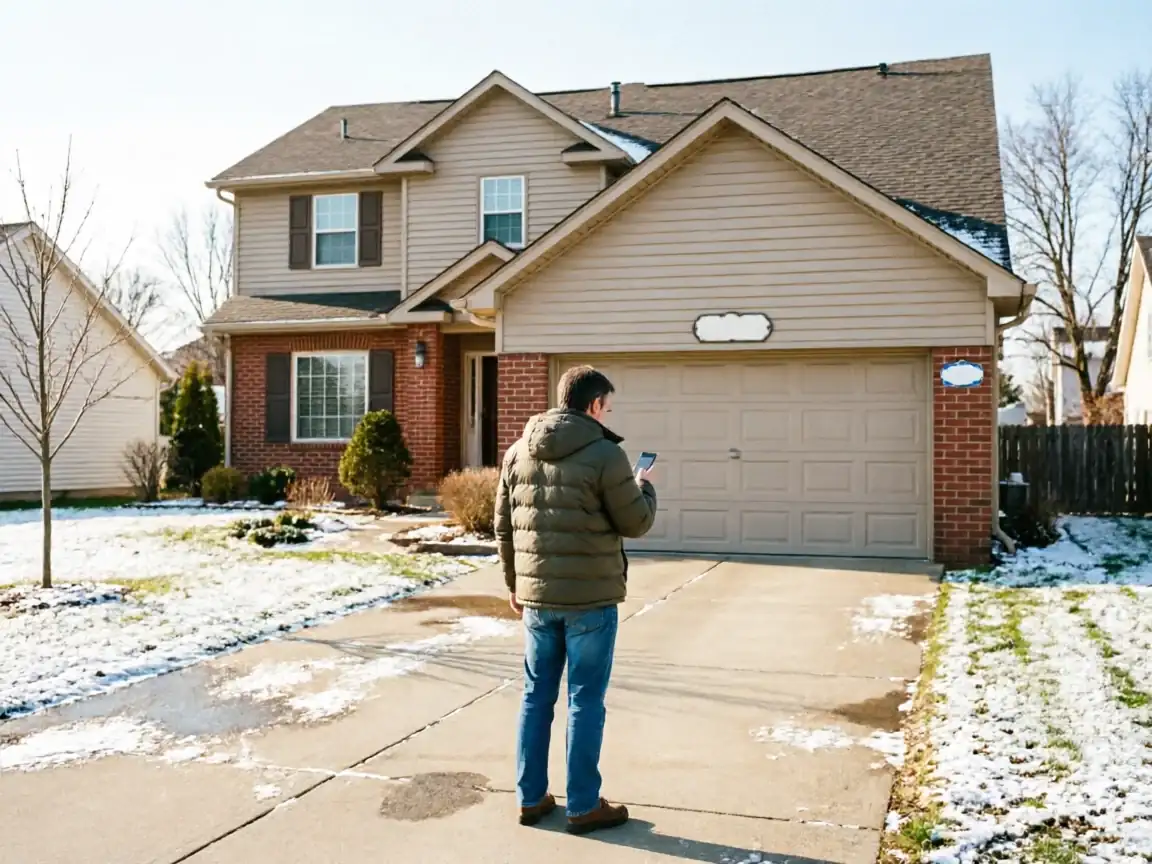
Greenfield sits about 3 miles from our shop in West Allis, a short run whether we're headed down from the north side of town or cutting across from the west. It's close enough that we don't treat it as an out-of-the-way call, and close enough that getting a tech and the right spring on the truck for a same-day look is realistic rather than optimistic. We're not based in Greenfield itself - we travel in from West Allis for every job - but the distance is short enough that it doesn't change how we plan a day's route. Compare that to some of the farther edges of our coverage, like the communities out past 12 miles, where we have to plan the trip more carefully around other calls.
What the Housing Means for Your Door
With median income in Greenfield around $69,016, noticeably below the $108,690 median across the full service area, a lot of homeowners here are weighing repair against replacement more carefully than in some of the wealthier suburbs we cover. That's a real factor, and it's worth saying plainly: a torsion spring replacement on a door from the 1973 era is almost always the right call before you consider a full door swap, since the opener and track on these houses are often still sound. Winters here fall into the cold-severe climate band that covers this whole region, and that matters more on a door this age because the original weatherstripping and bottom seals have had decades to harden and crack, letting cold air and moisture into the garage. Combine stiff old seals with a spring that's lost tension in the cold, and you get the classic symptom: a door that won't fully close or reverses partway up. That's a hardware problem tied to the age of the house, not a sign you need a new door.
How it works
From “it’s stuck” to “it’s fixed”
01
Tell us what’s wrong
Describe the symptom - won’t open, loud bang, opener runs but the door won’t move.
02
On-site diagnosis
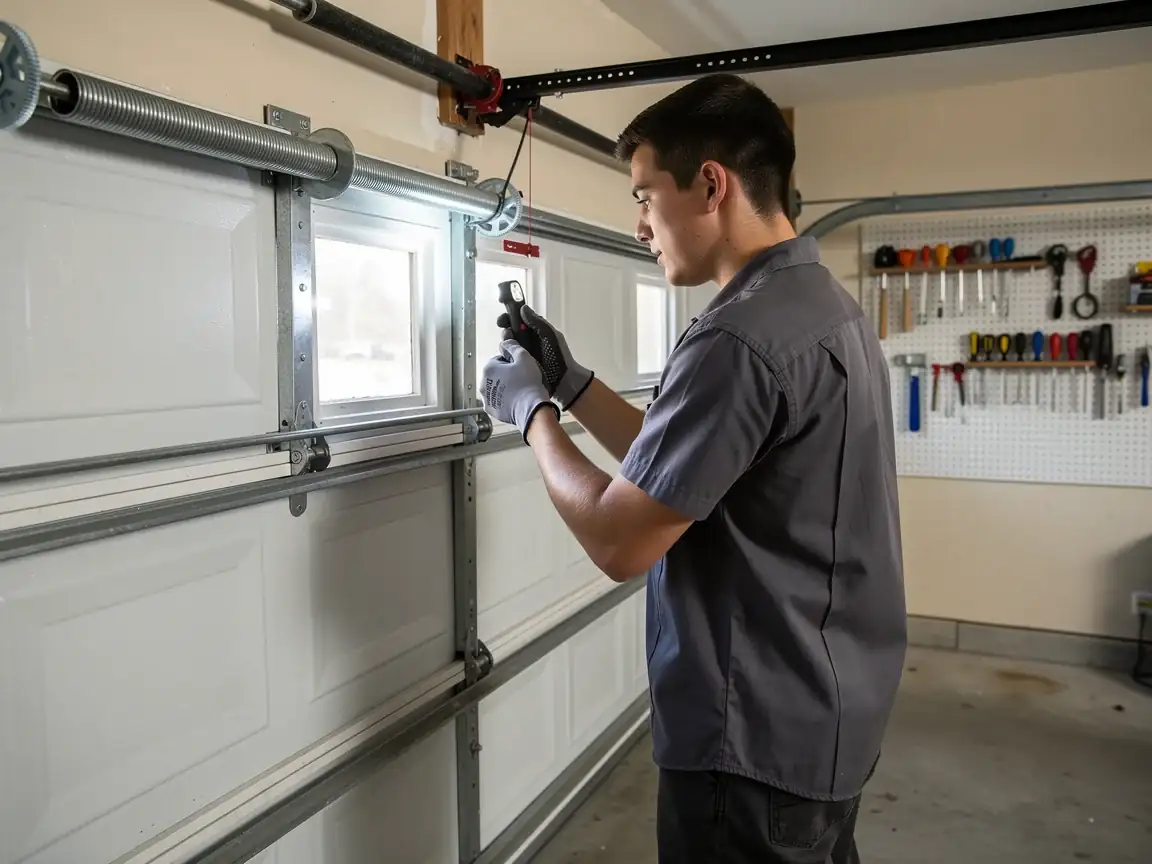
A technician tests the door under power and by hand and finds what actually failed.
03
Clear, up-front plan
You get the fix that’s needed and what drives the cost - before any work starts.
04
Repaired & tested
The repair is done, the door is set true and tested, and the work area left clean.
Not sure which repair your door needs in West Allis, WI? Describe what it’s doing - every job starts with a diagnosis.
Straight answers about garage door repair in West Allis. Still unsure? Ask us directly.
Why does my Greenfield garage door spring keep failing?
A lot of Greenfield's homes date to around 1973, when single torsion springs sized for lighter steel doors were standard. Decades of cold-severe winters stiffen and age those springs faster than people expect, so repeated failures on a door this old are common, not a sign you did something wrong.
Do you have a shop in Greenfield?
No. We're based in West Allis, about 3 miles away, and we travel to Greenfield for every job. It's a short drive, which keeps scheduling straightforward, but we want to be clear we're not locally based here.
Is it worth repairing an old opener instead of replacing it?
Depends on the model. Many older belt-drive openers common in this era's homes have discontinued parts, and chasing a backordered part can cost more in time than it saves. If yours falls into that category, we'll tell you replacement is the better option rather than stringing out a repair.
Why does my door struggle to close fully in winter?
On houses from the early 1970s, original weatherstripping and bottom seals have often hardened after decades in a cold-severe climate. Combined with a spring that's lost tension in cold weather, that's a common reason doors stop closing all the way or reverse partway up.