What You Are Seeing
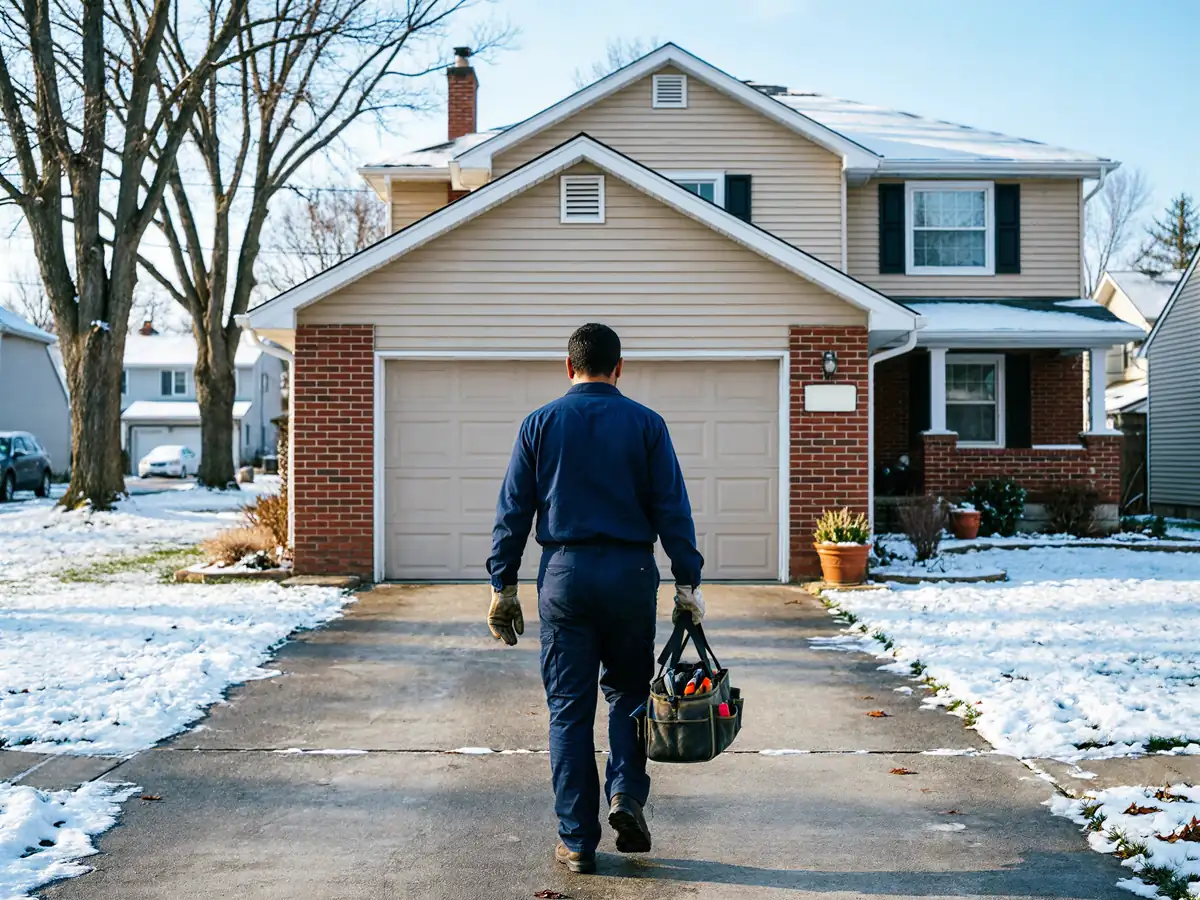
Greenfield is a short run from West Allis, about three miles
Which matters more than it sounds. A truck can get here, look at a door, and get back out without burning half the appointment window on the highway. That's not a sales pitch, it's just what a three-mile trip means for how a maintenance call here actually gets scheduled: there's room to do the job right instead of rushing to the next one.
What we find on these calls lines up with the neighborhood's age
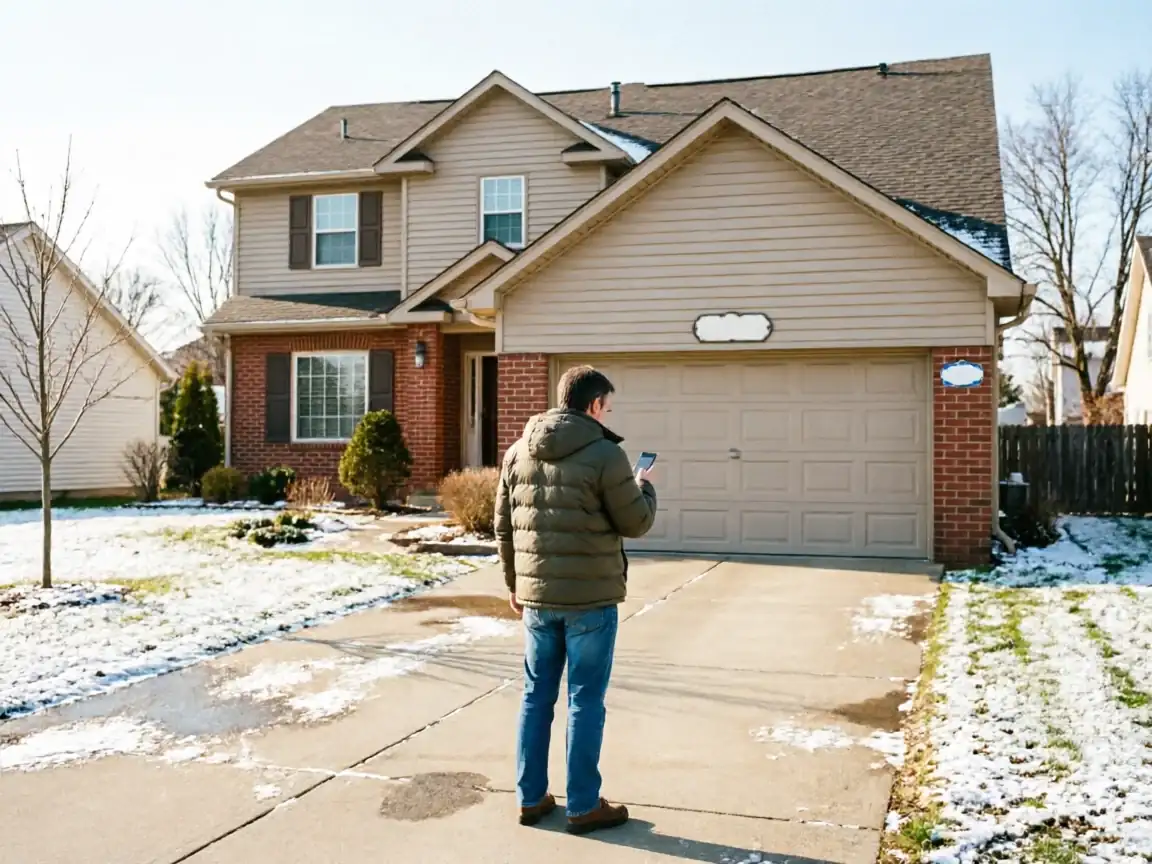
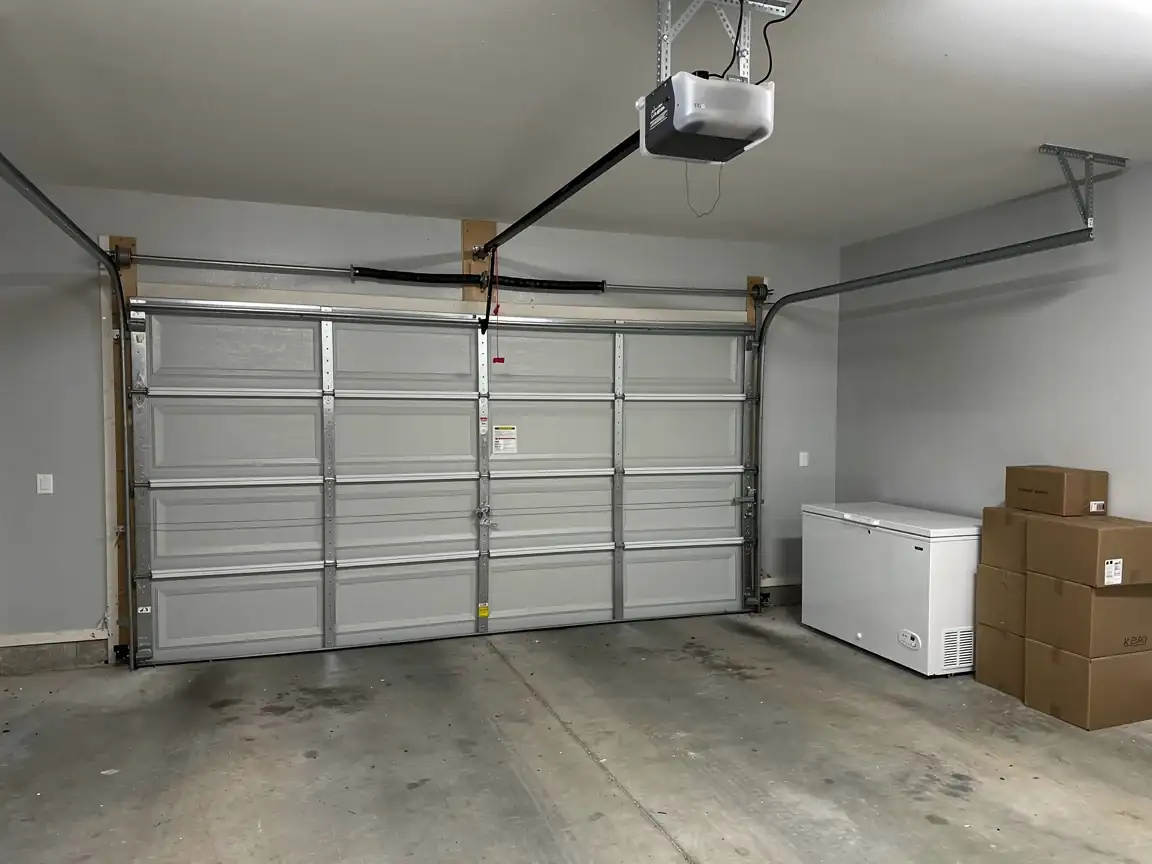
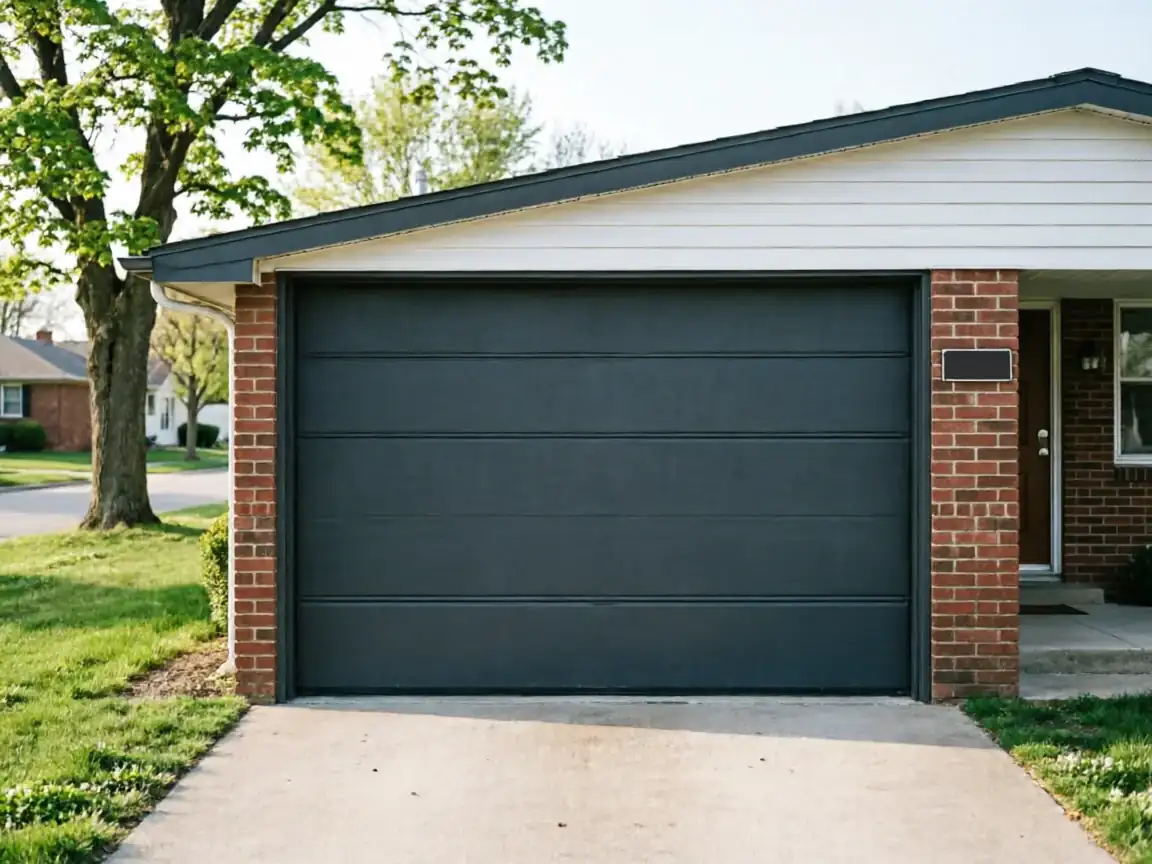
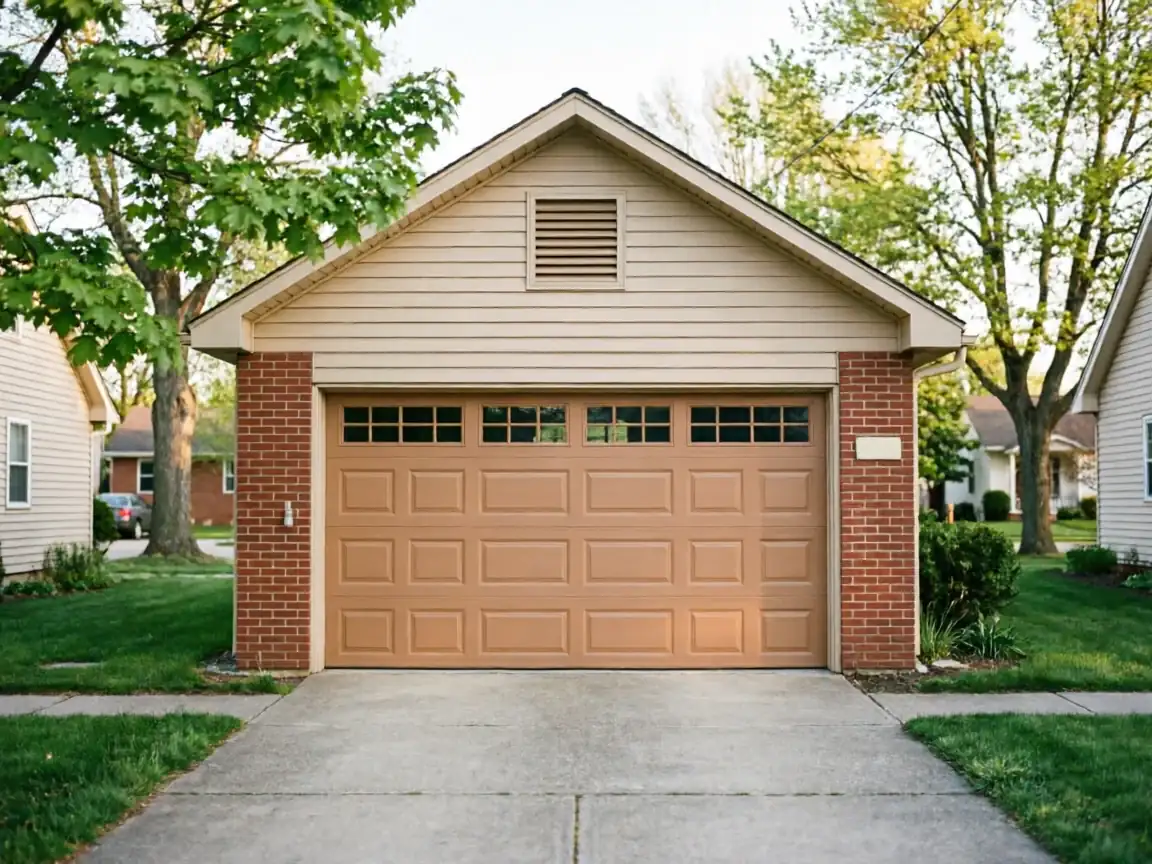
Greenfield's housing runs mostly 1960s and 70s, with the typical house here going up around 1973. That means a lot of doors and openers that are either original or on their second unit, both of which carry hardware patterns from that era: older torsion setups, steel tracks with decades of grease buildup, and chain-drive openers that have outlived a couple of remotes. None of that is unusual for the area, but it does mean a maintenance visit here is rarely a quick once-over. There's history on the hardware.
Parts We Carry
Because so much of Greenfield's door stock traces back to the 1970s, we carry the rollers, cables, and standard torsion springs that fit that generation of hardware, along with the newer parts that go on anything replaced since. What we don't stock is anything proprietary to a specific opener brand's older electronics boards; those can take a few days to source if a motor control fails rather than the mechanical side.
The climate here is the other half of the story. This area sits in a cold, severe winter band, and cold does specific things to old steel track and old spring coating: grease stiffens, metal contracts, and a spring that was already fatigued is more likely to let go on a January morning than a July afternoon. A maintenance visit before the hard cold sets in - lubricating track and hinges, checking spring tension, tightening hardware that's worked loose - catches a lot of what would otherwise be an emergency call in February.
The DIY Question
Some of what keeps a door running in Greenfield is genuinely homeowner work: wiping down tracks, checking that the auto-reverse still triggers, tightening visible bolts. None of that needs a truck.
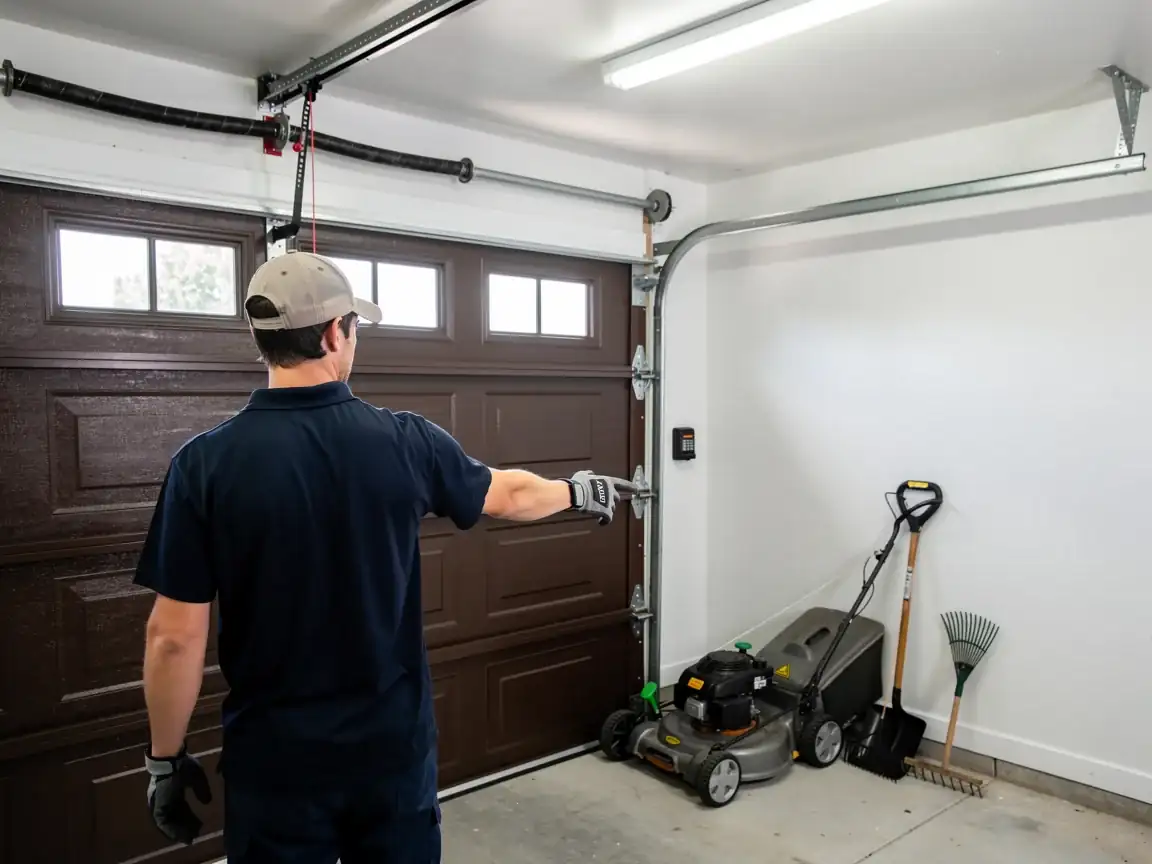
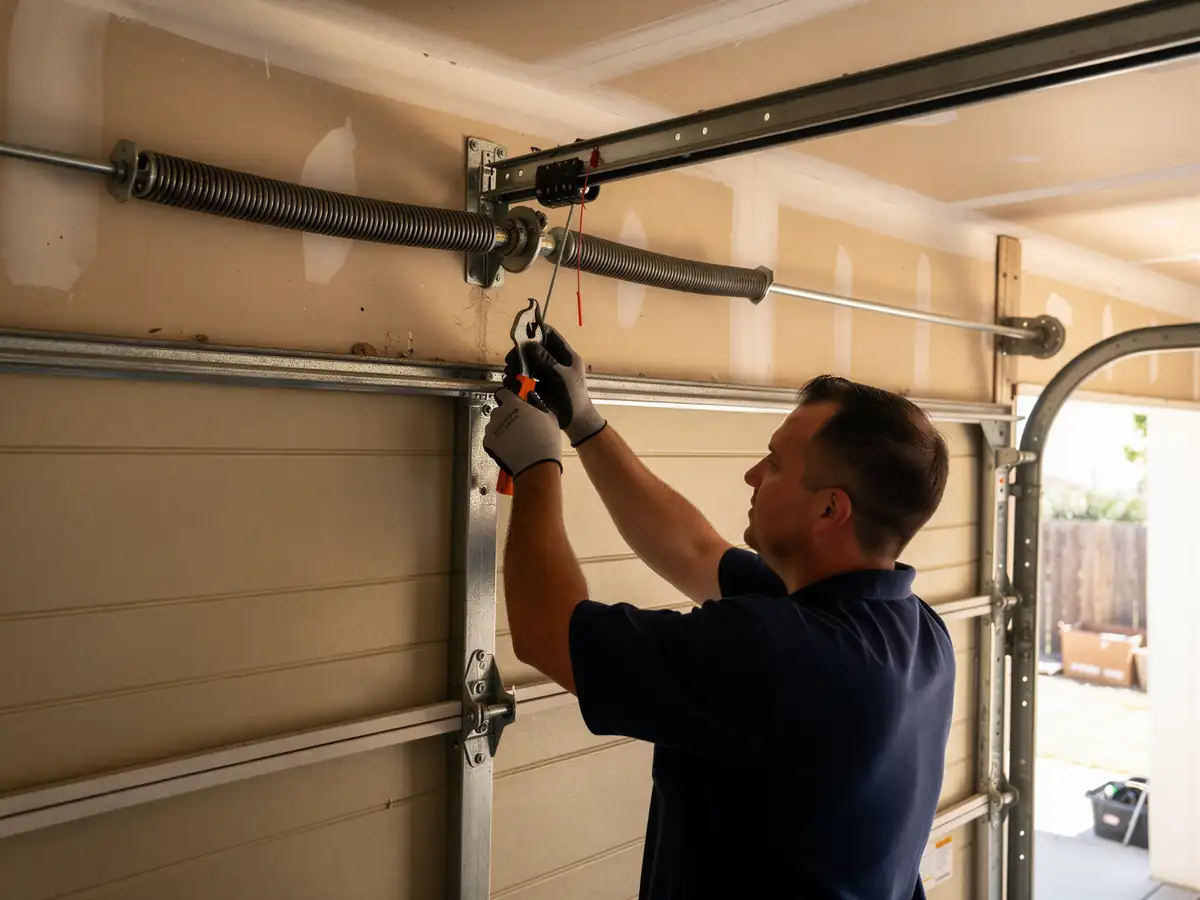
Where it stops being a good idea is the spring. On a door from this era, the torsion spring is under enough tension to cause real injury if it lets go while someone's adjusting it, and the tools to do it safely aren't things most garages have sitting around. We'd rather get a call for a five-minute spring check than hear about someone who tried it themselves on a door that's been working since the Ford administration. If the door is loud, slow, or uneven but still moving, that's usually worth a maintenance call rather than a wait-and-see.
What the Fix Involves
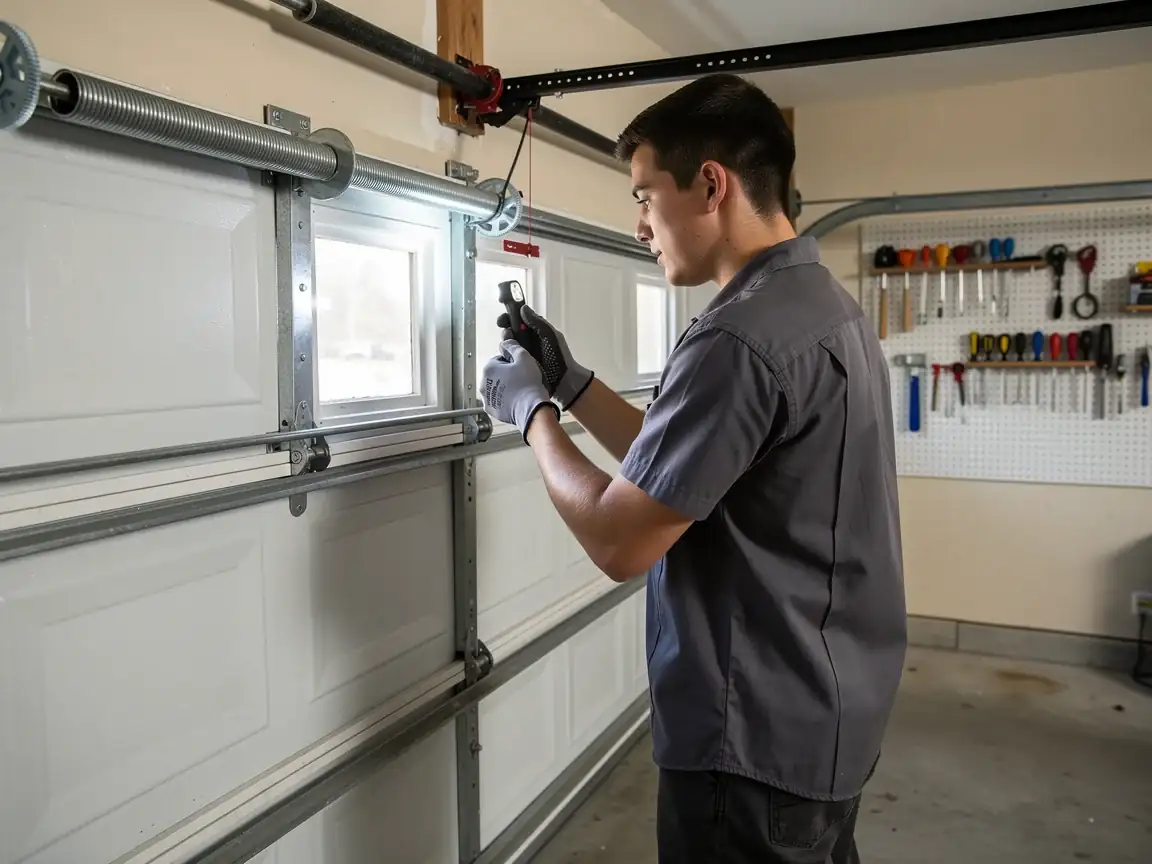
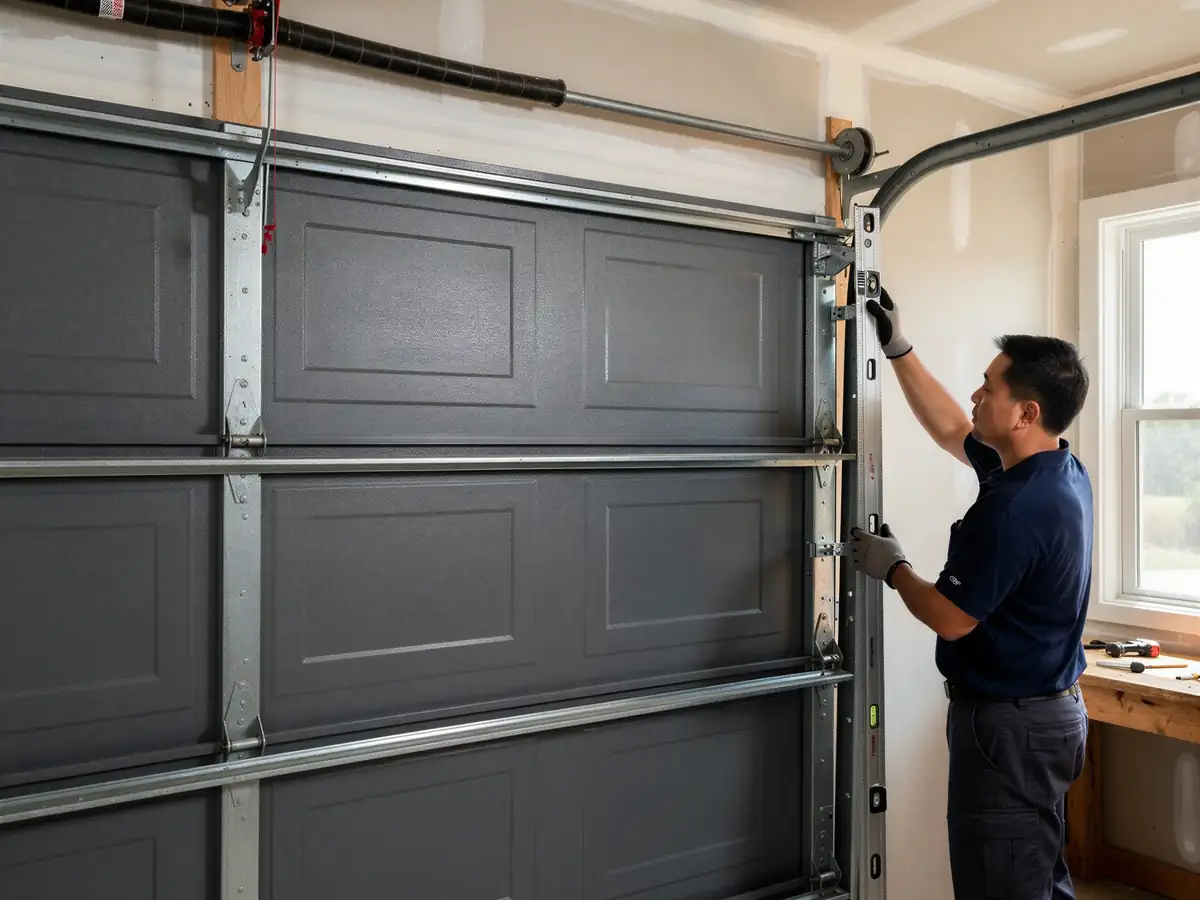
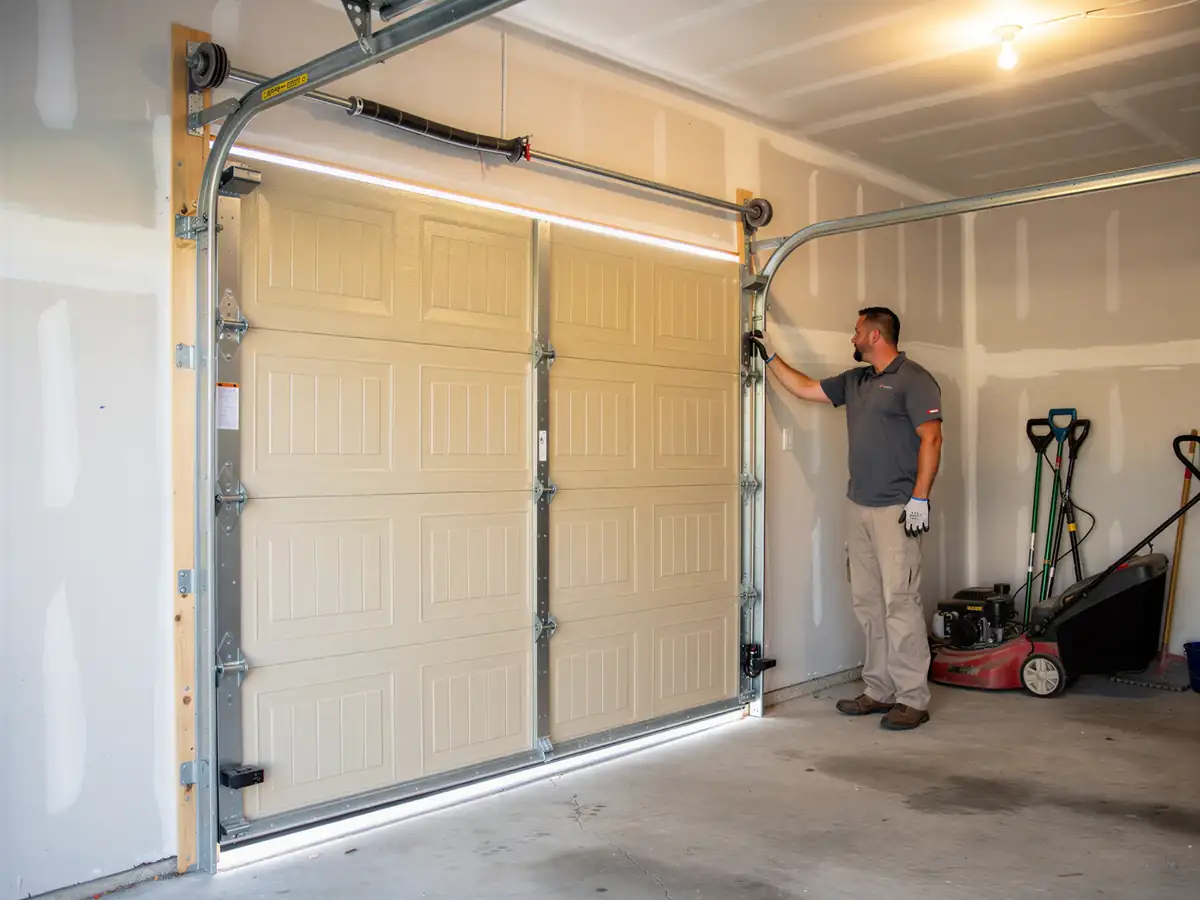
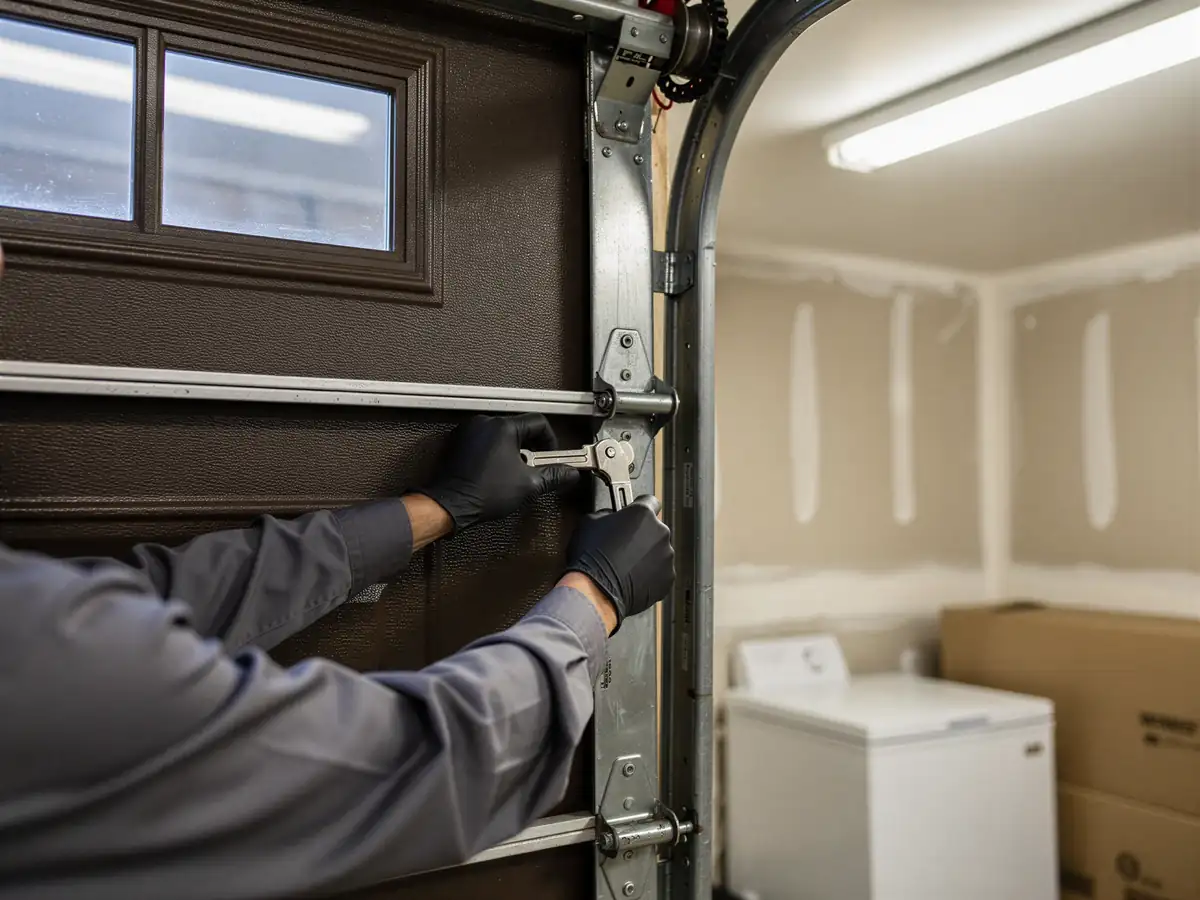
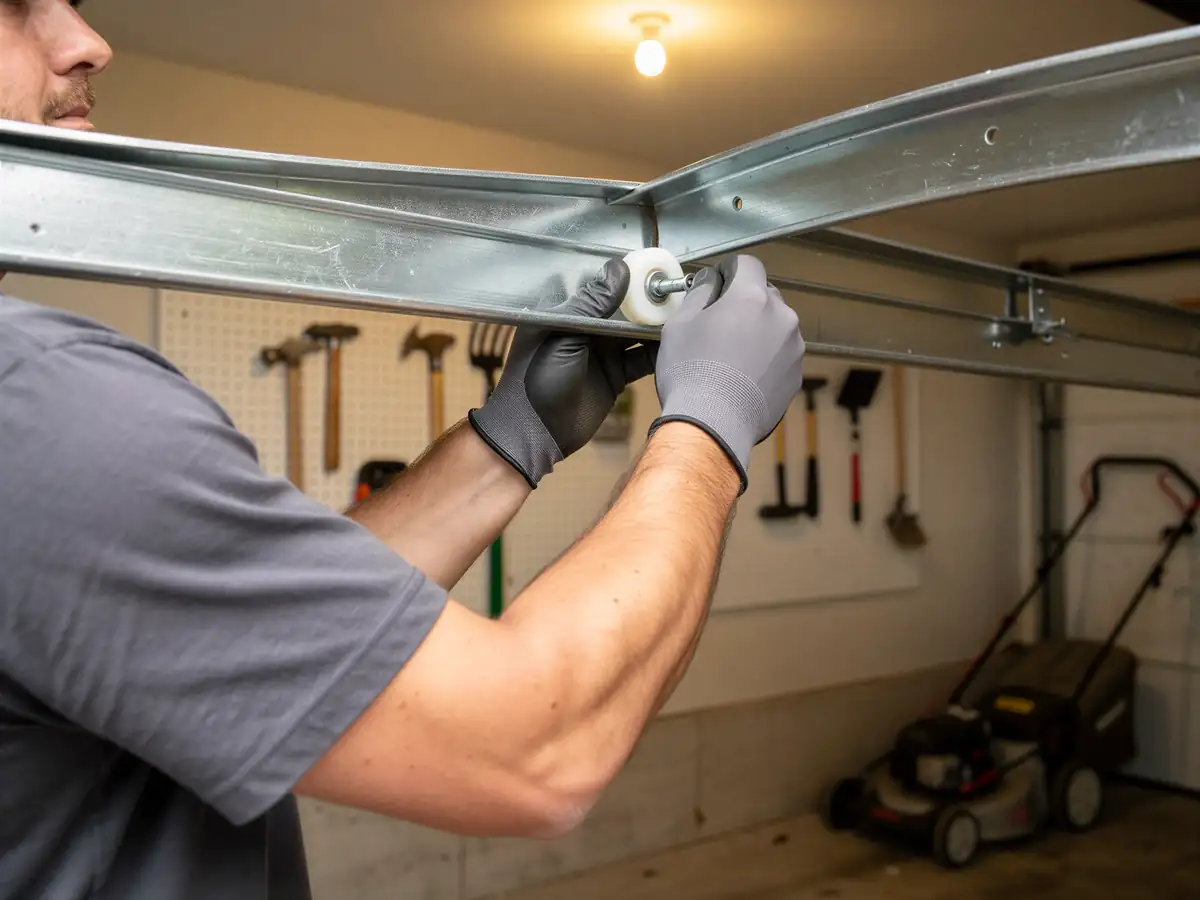
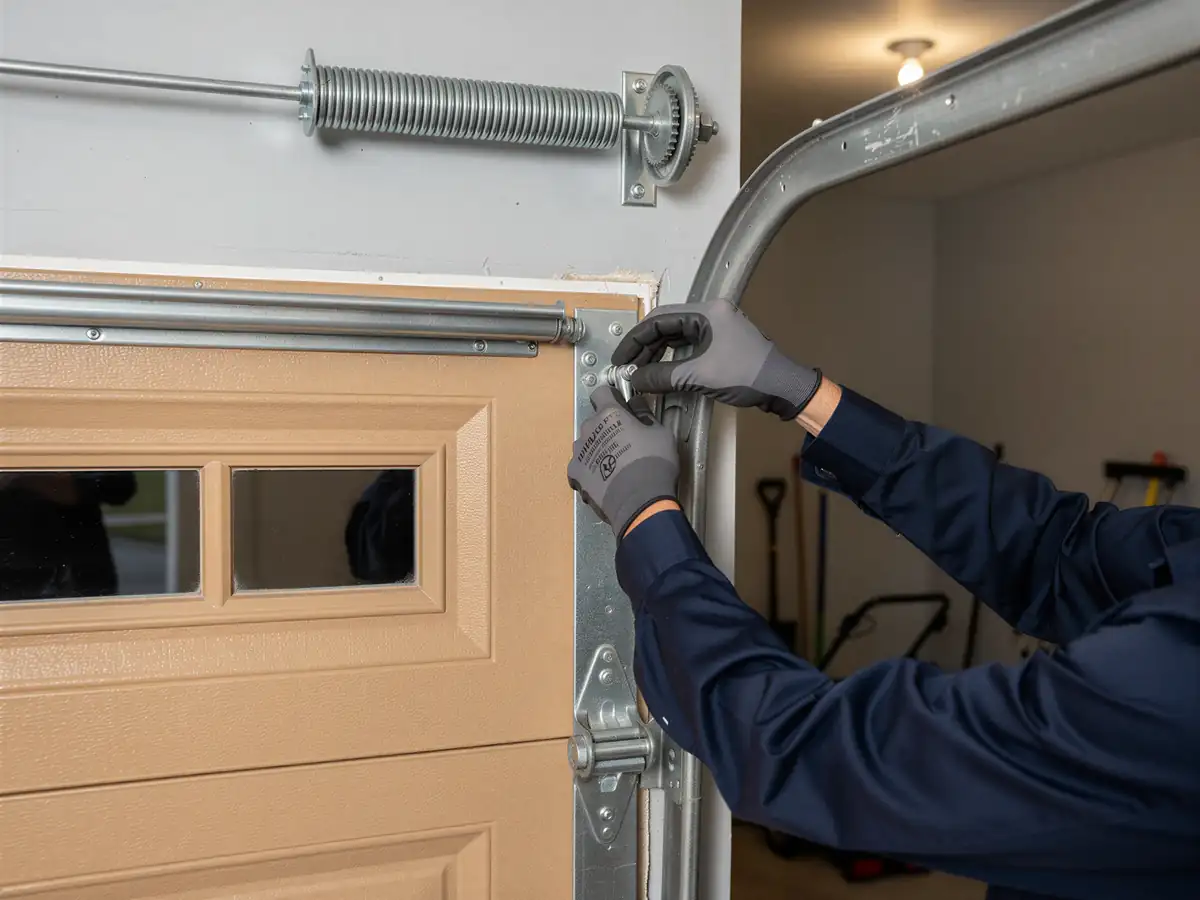
A standard maintenance visit on a Greenfield door means checking the spring for wear and correct tension, inspecting cables and rollers
Lubricating the track and hinges, testing the opener's force and reverse settings, and tightening the hardware that vibration loosens over years of use. On a door from the 1970s stock that's common here, that often turns up a roller or two close to failing, or a spring that's got some life left but is clearly past its middle age.
We'll tell you straight if something's close to the end rather than stretch a repair past the point it makes sense
Replacing a spring on a door whose opener is also failing can mean you're back out here again within a year for the second half of the problem; sometimes it's worth doing both at once instead of twice separately.