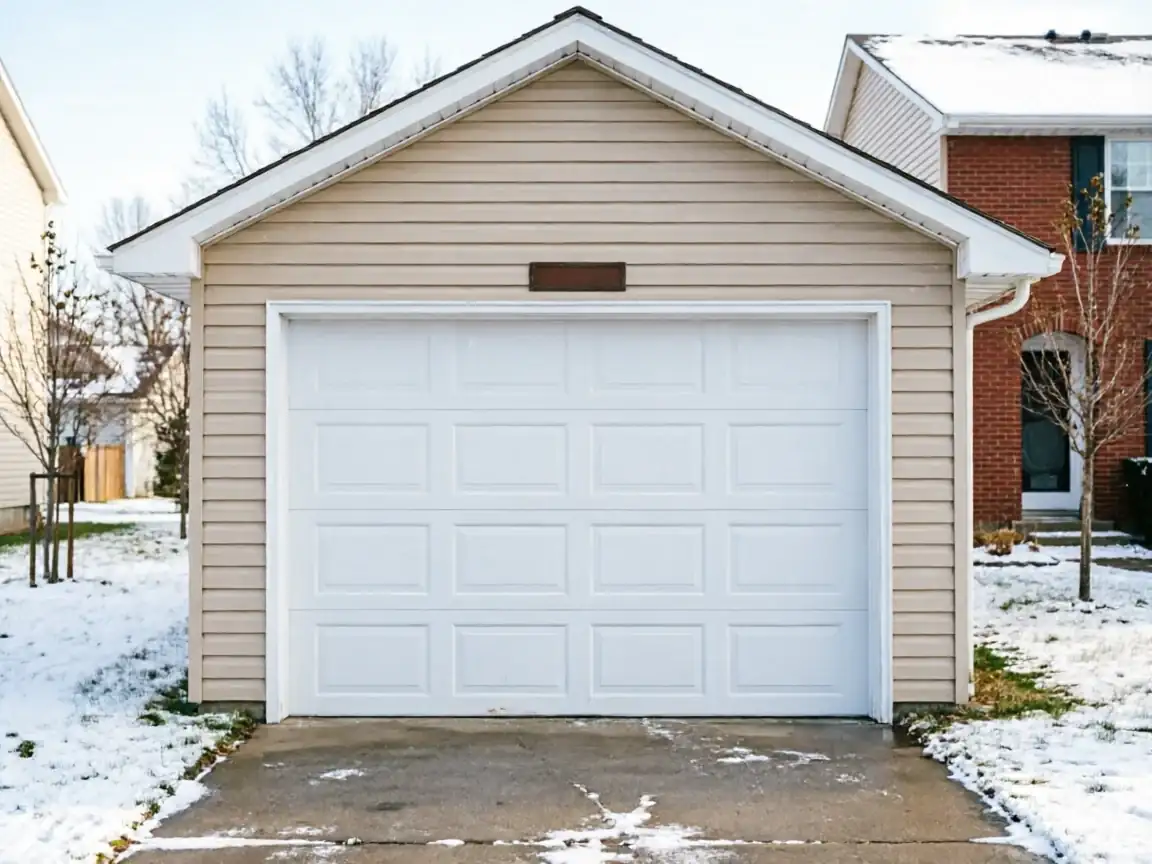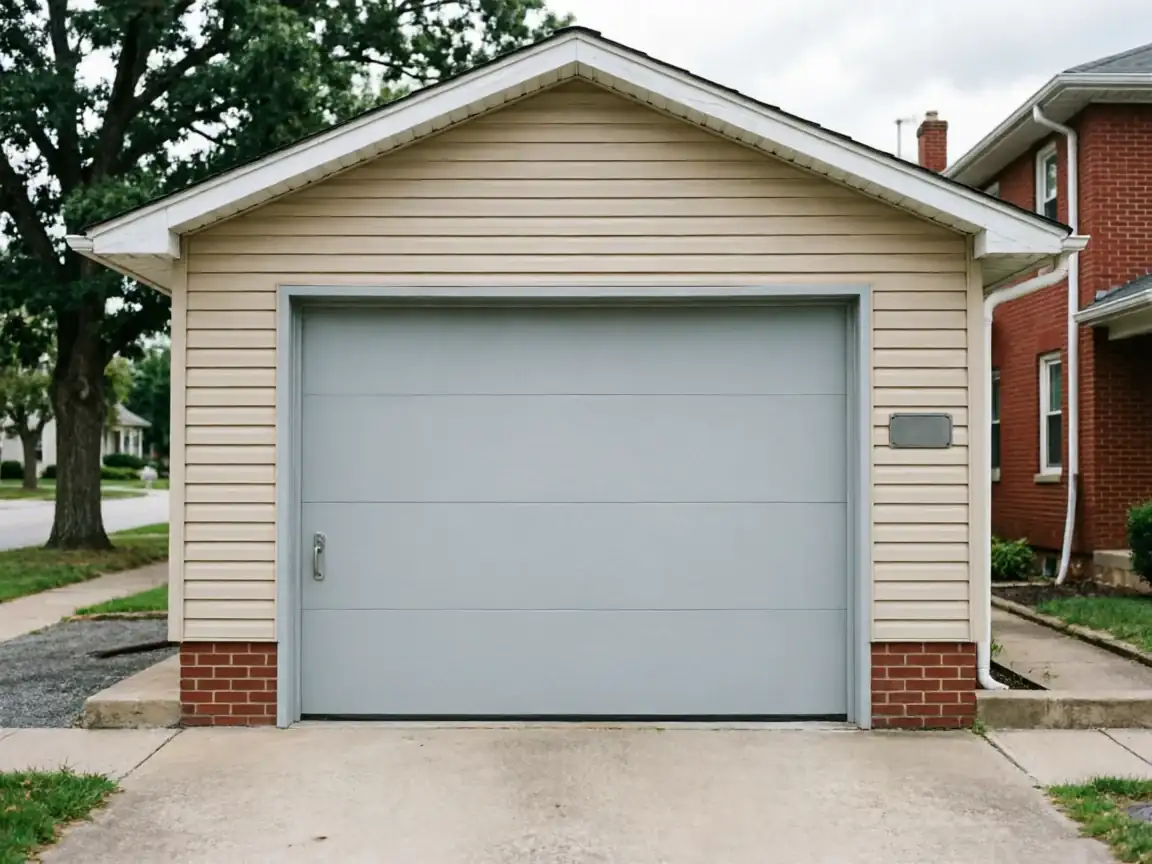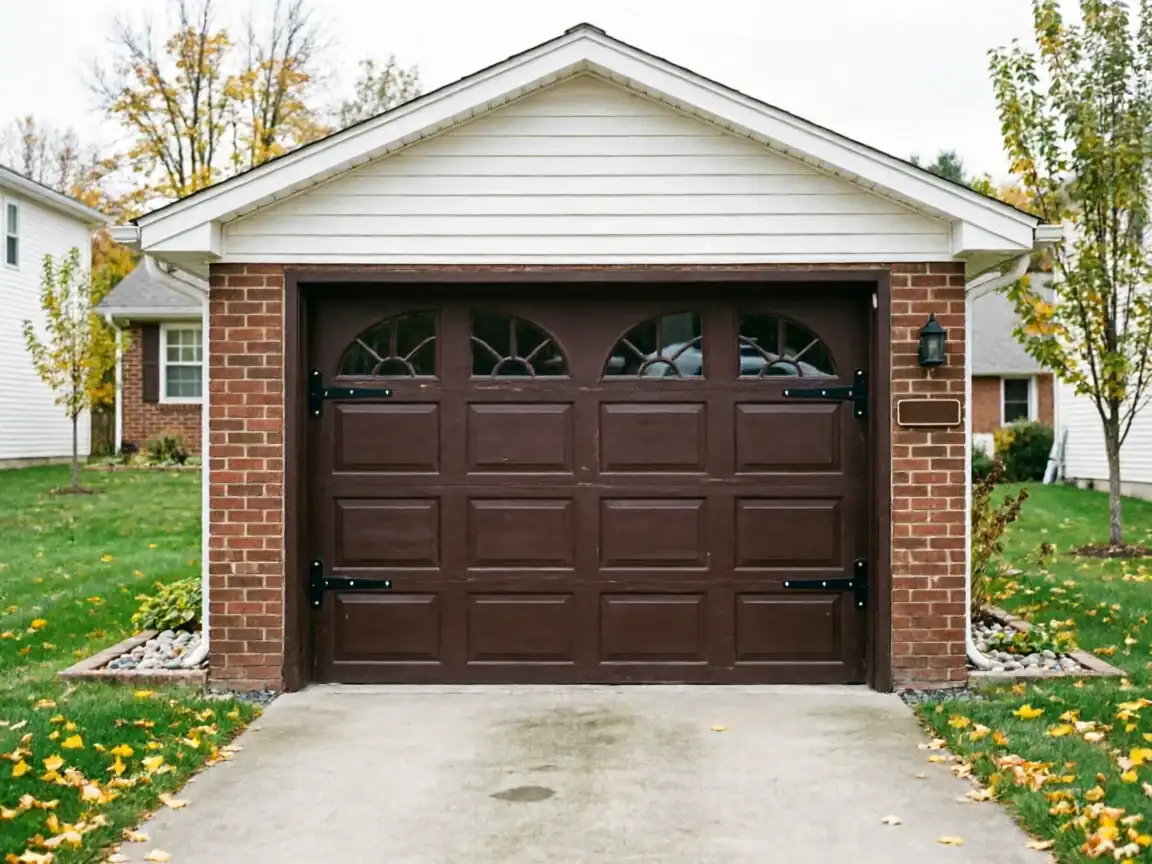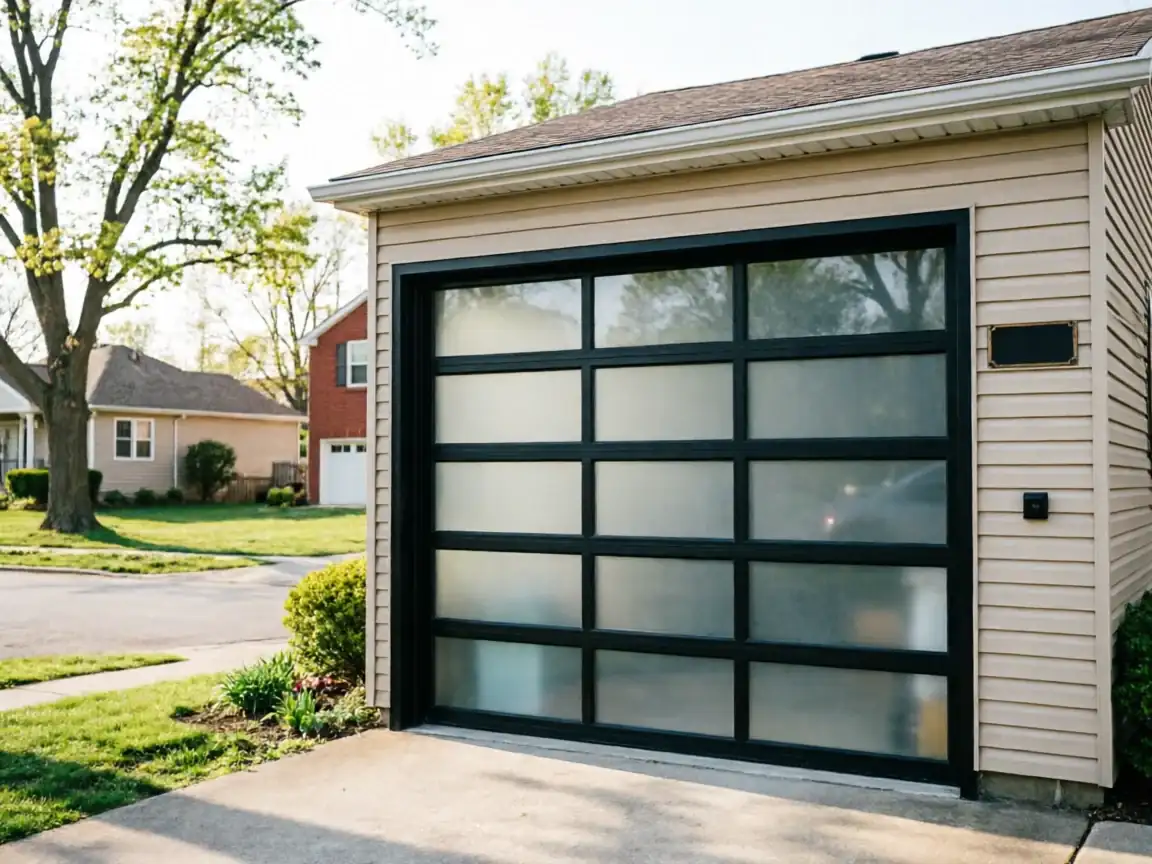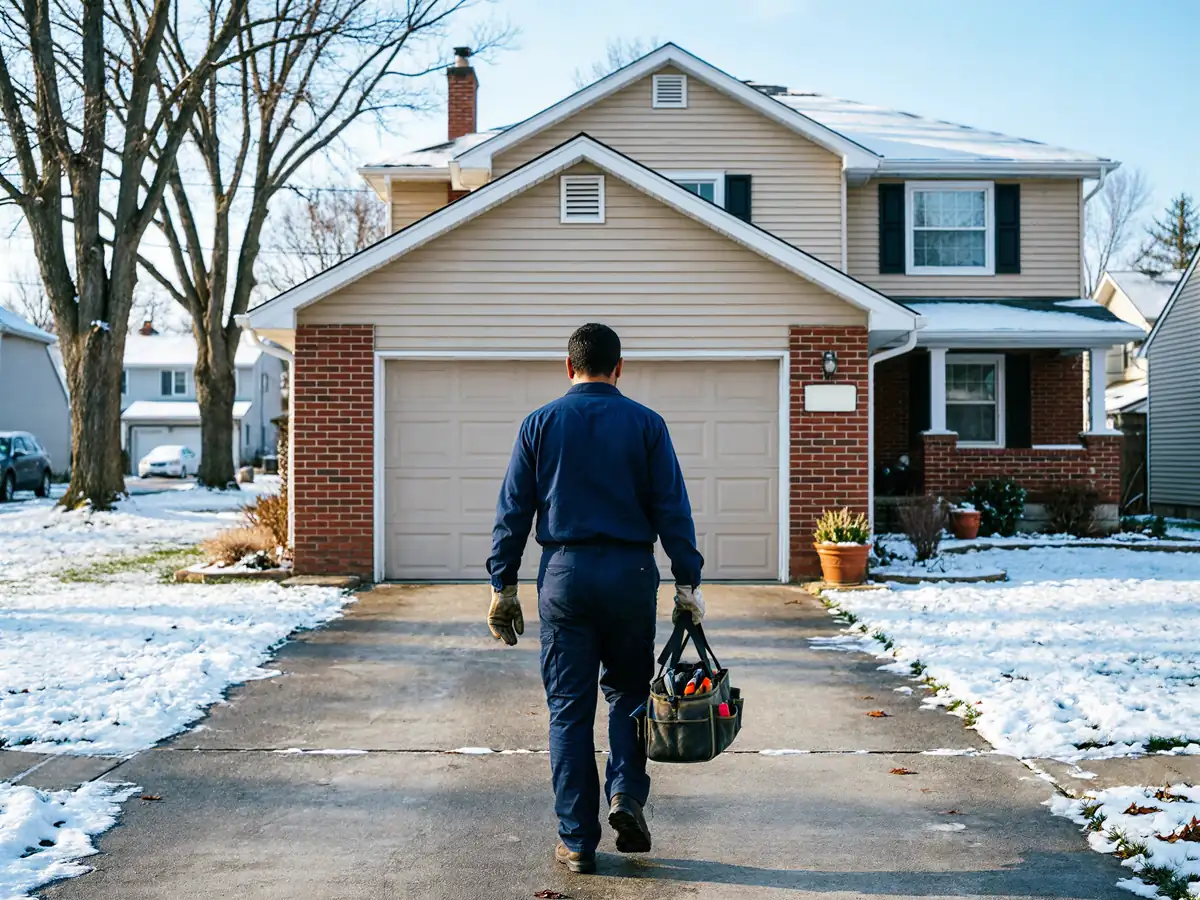
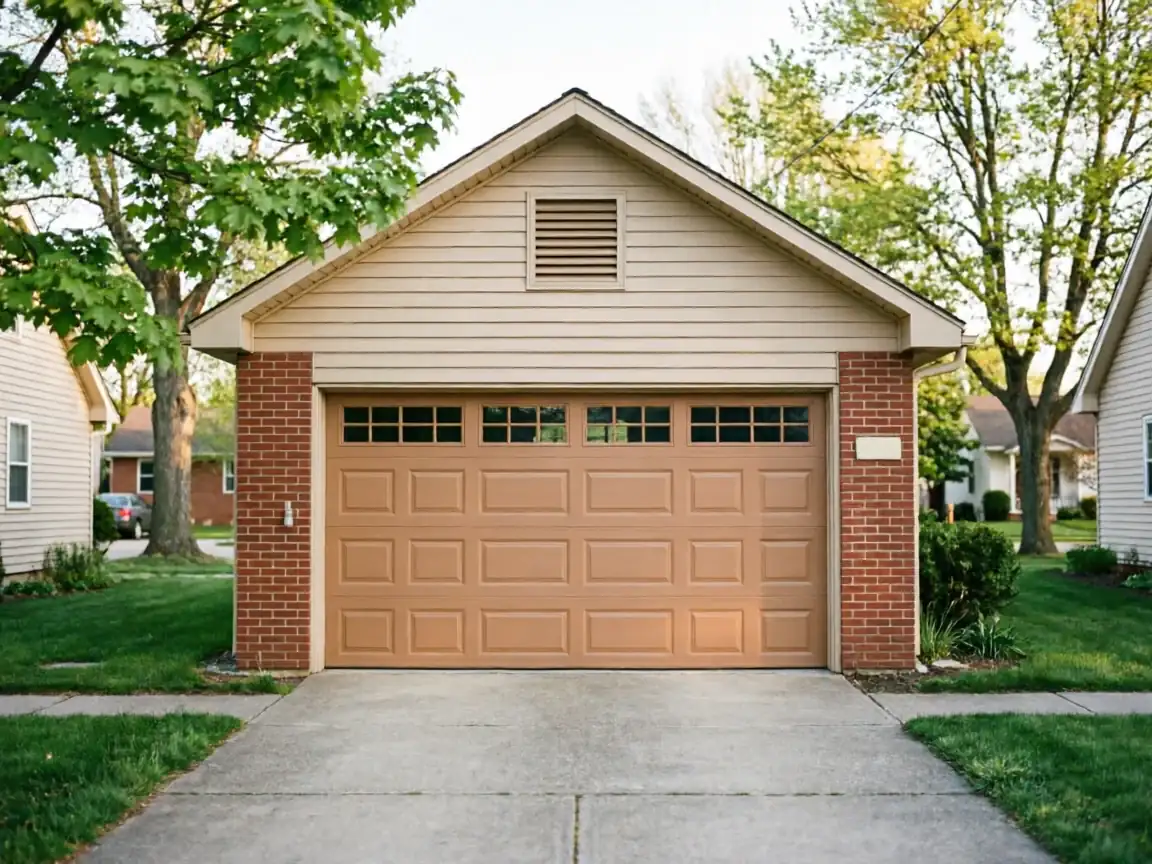
What You Are Seeing
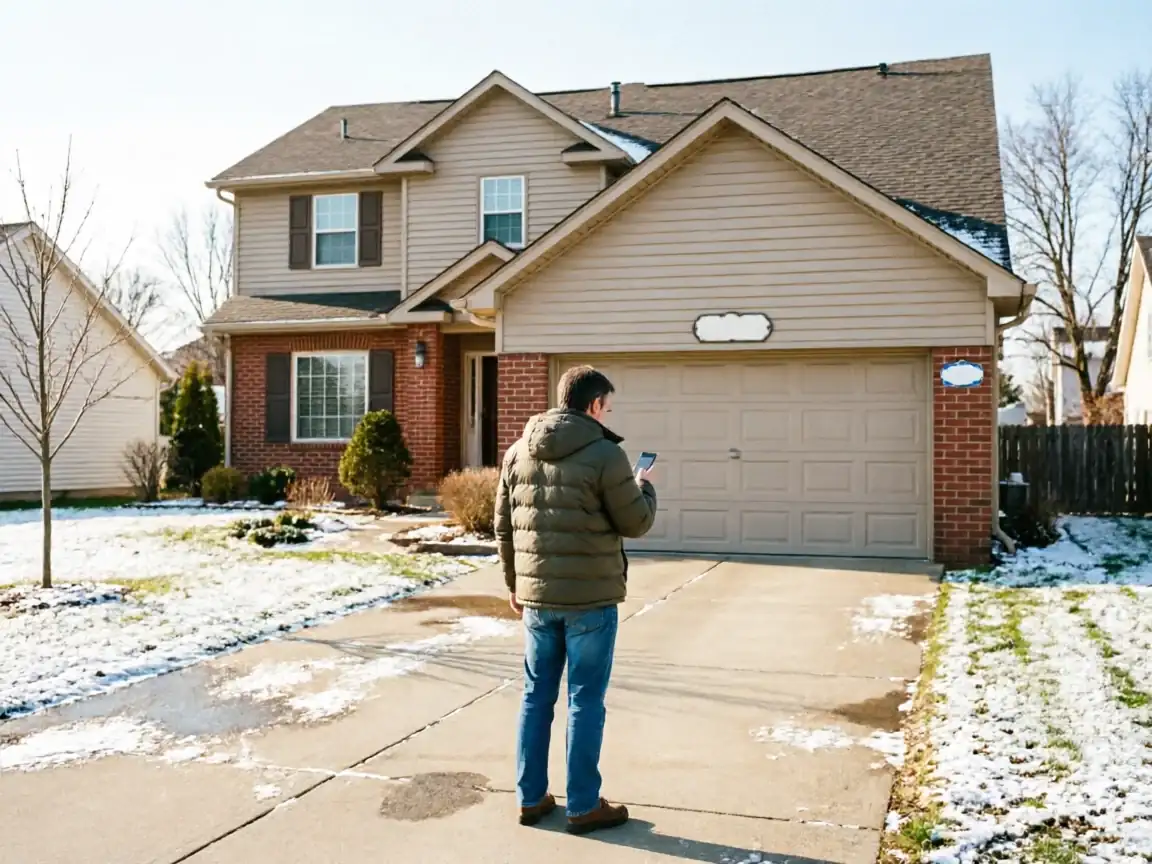
Greenfield's housing stock centers on 1973
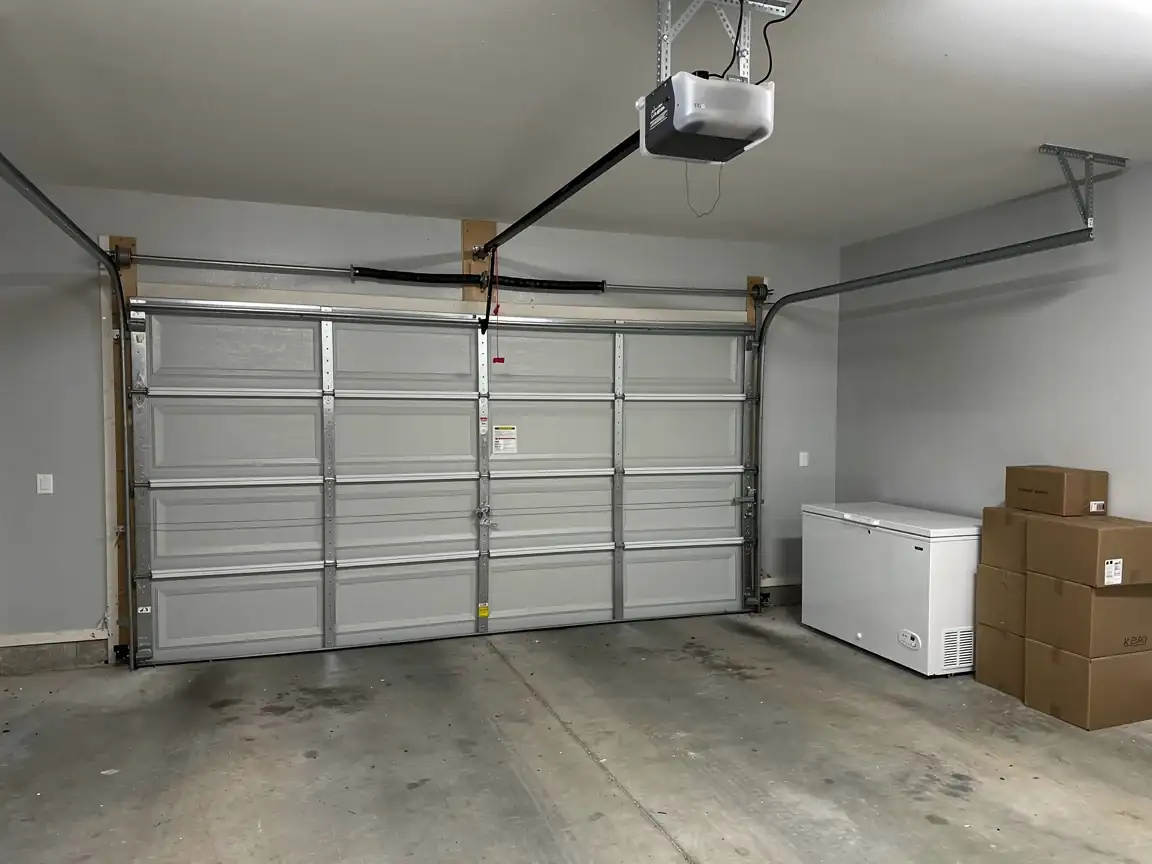
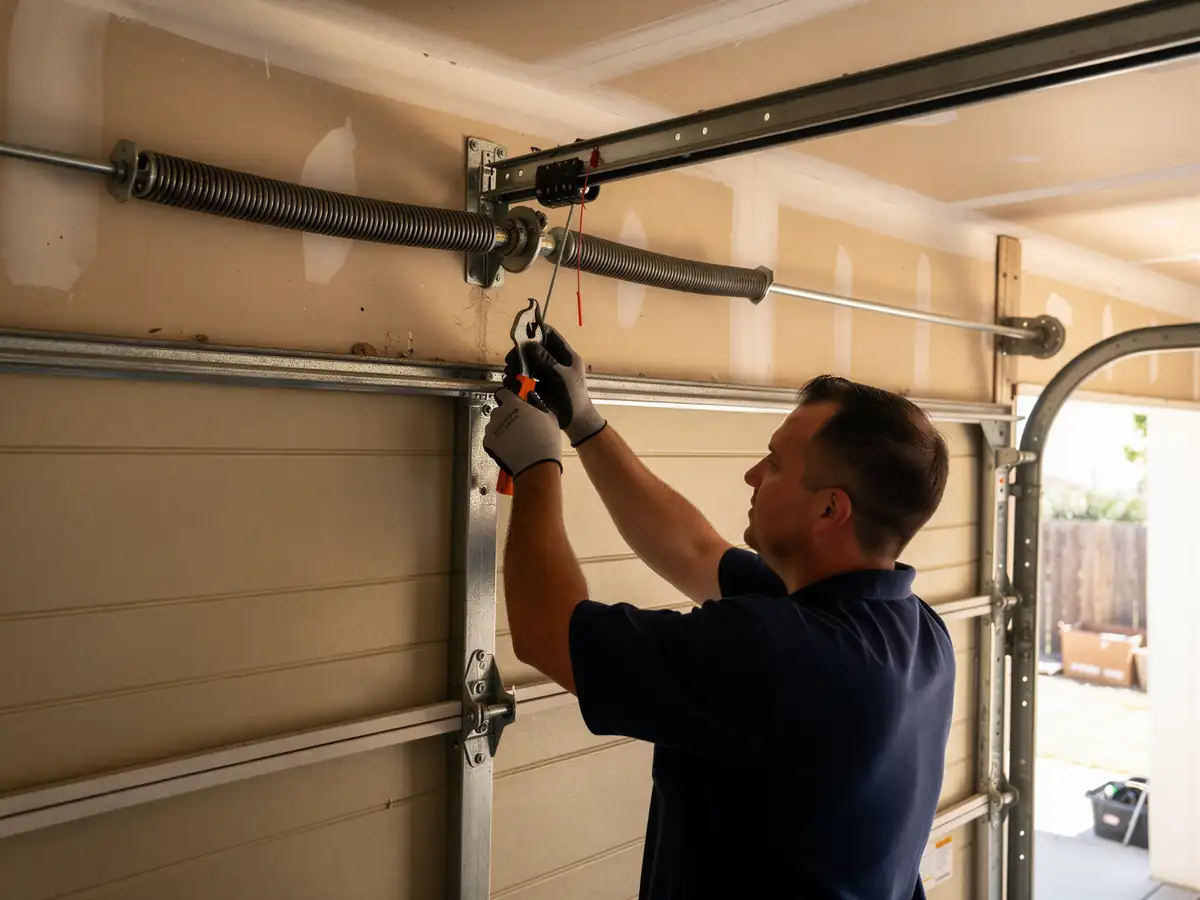
Which puts most garages here a few years past the broader service area's 1976 median. That gap matters more than it sounds. A door and opener installed in 1973 has had almost fifty years to wear through every moving part, and in a lot of these houses, nobody has touched the torsion spring, the lift cable, or the original steel track since the day it went up. We get calls where the owner thinks they need a new opener, and what they actually have is a spring that was never rated for fifty years of cold-weather cycling, finally giving out.
The tell is usually the track
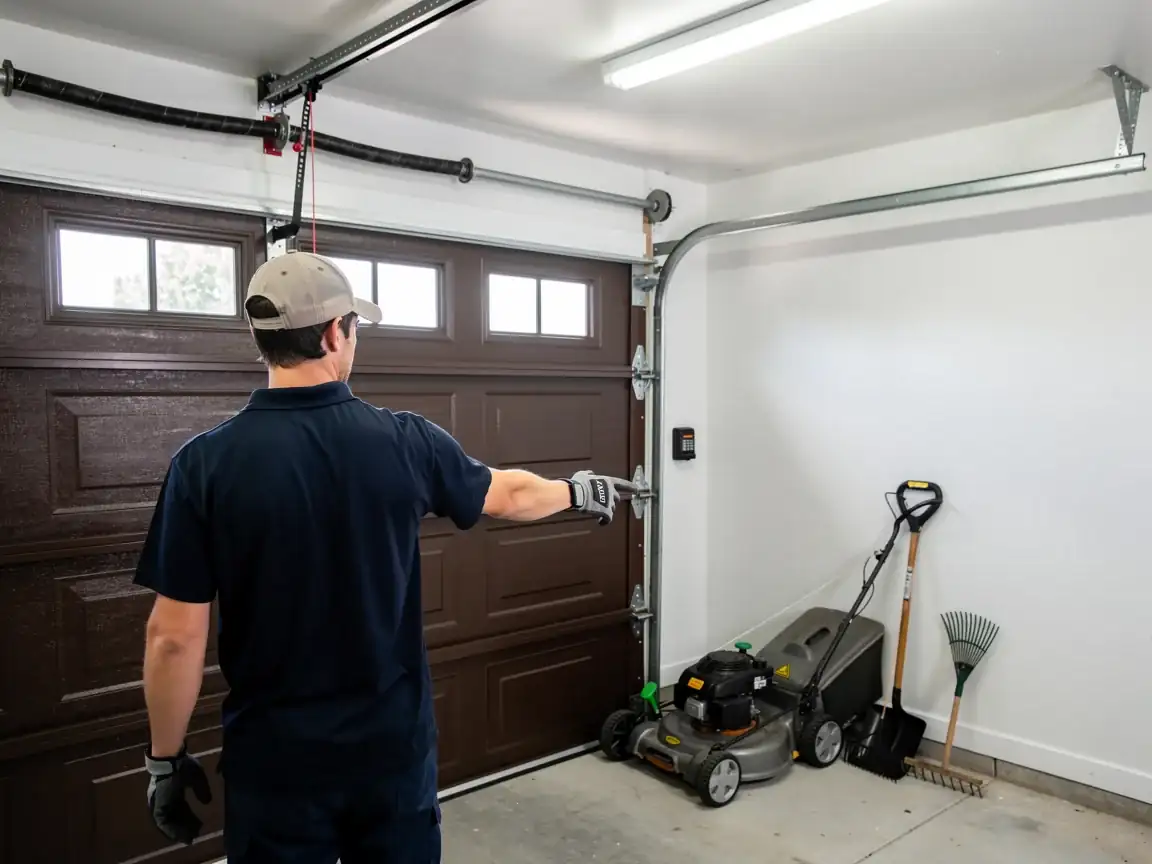
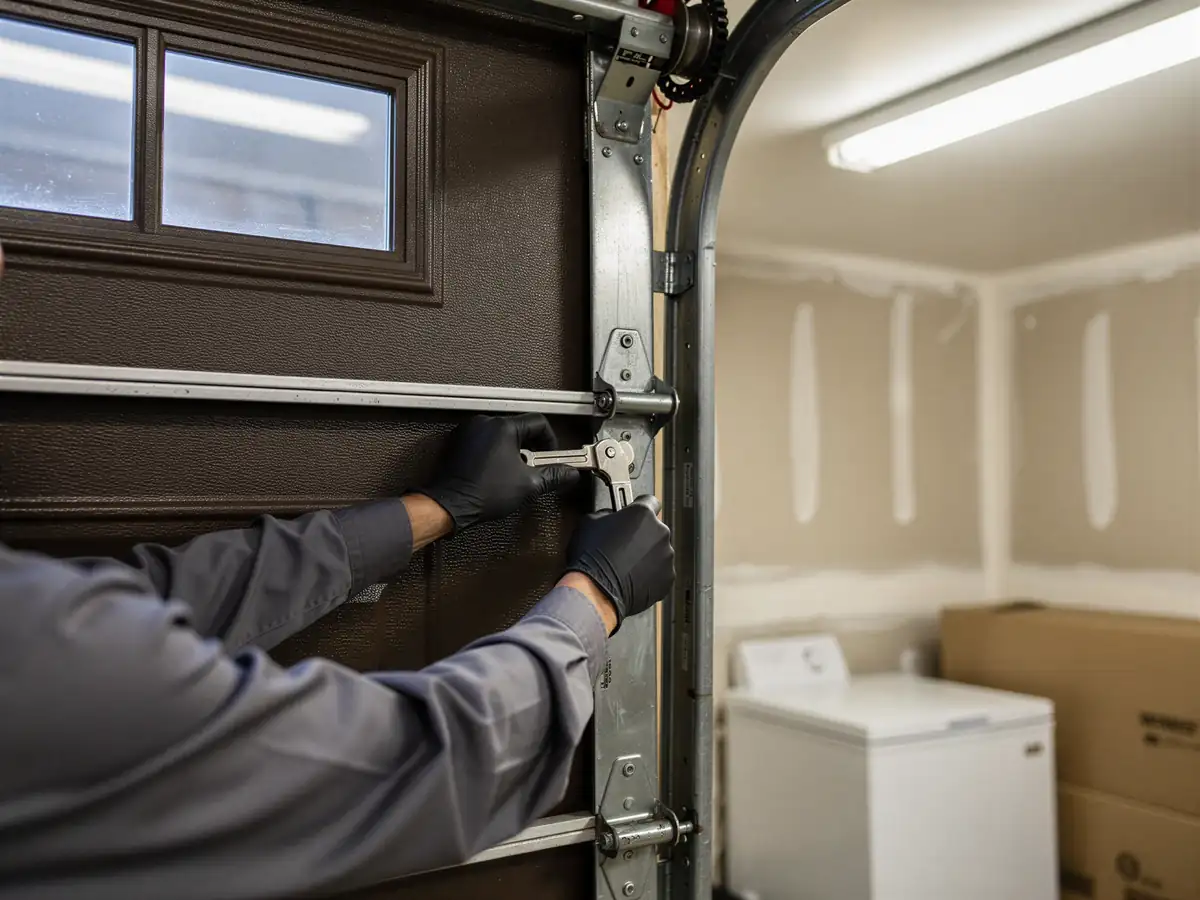
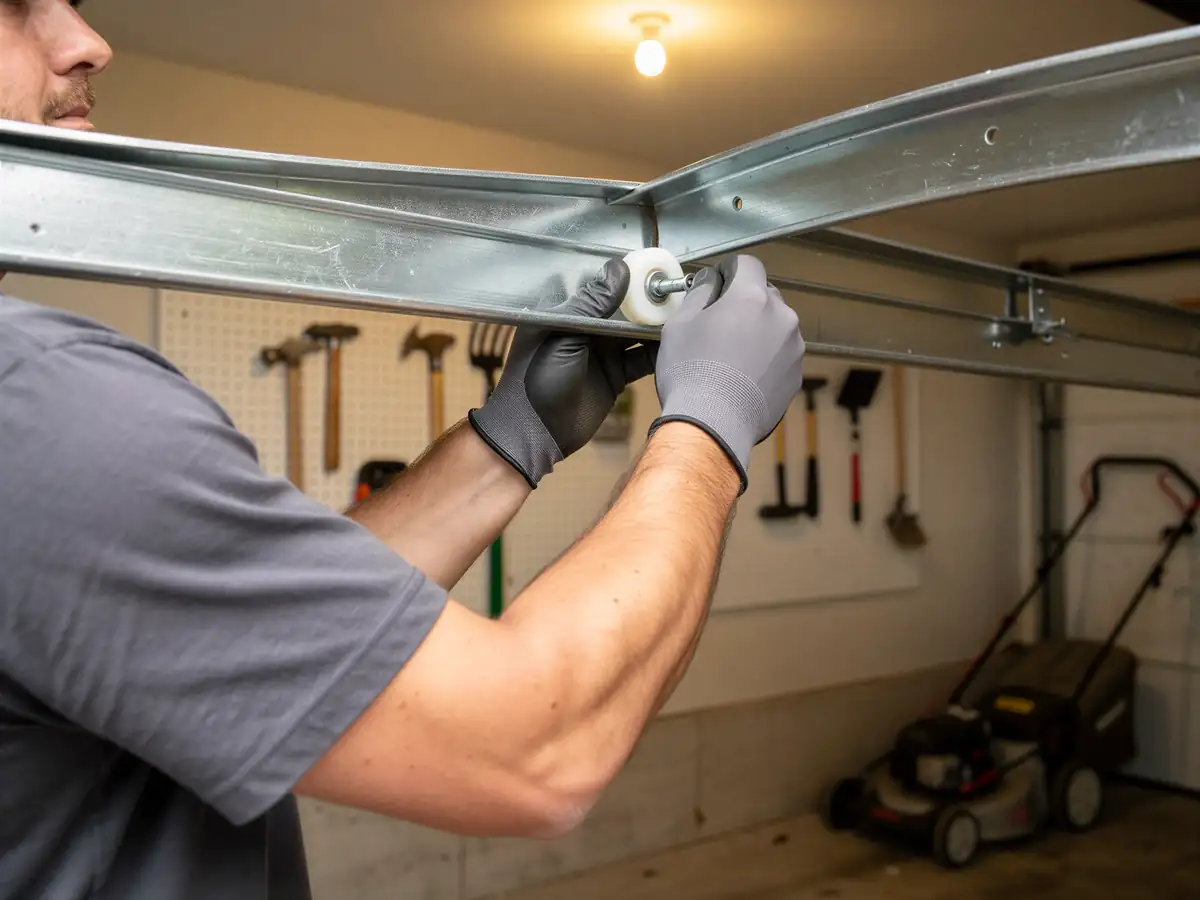
Original 1970s track in this area runs narrower than what's sold today, and it was hung with fewer brackets than current code calls for. If your door drifts, binds on one side, or the rollers chatter going past the same spot every time, that's original track flexing under a door it was never quite stiff enough to carry. None of this is particular to one house - it's the build era talking, and in Greenfield that era is 1973 across a large share of the housing.
Parts We Carry
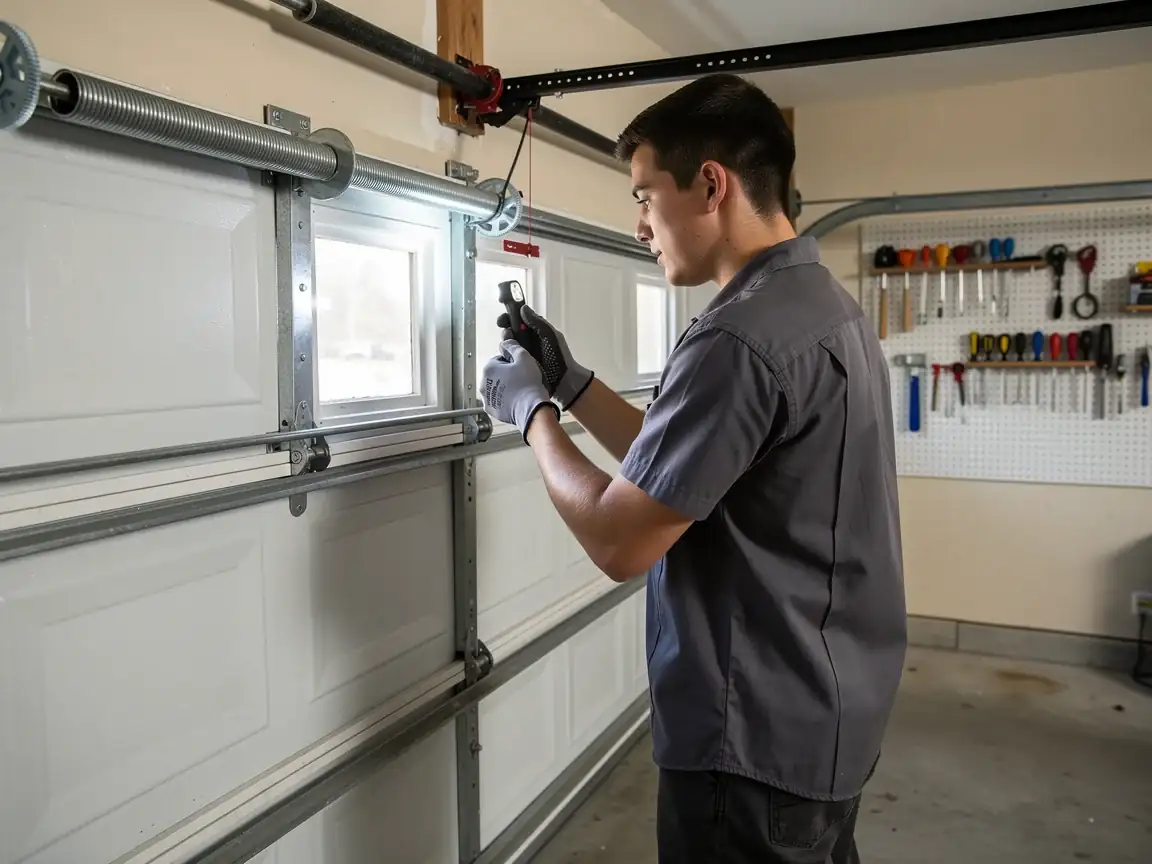
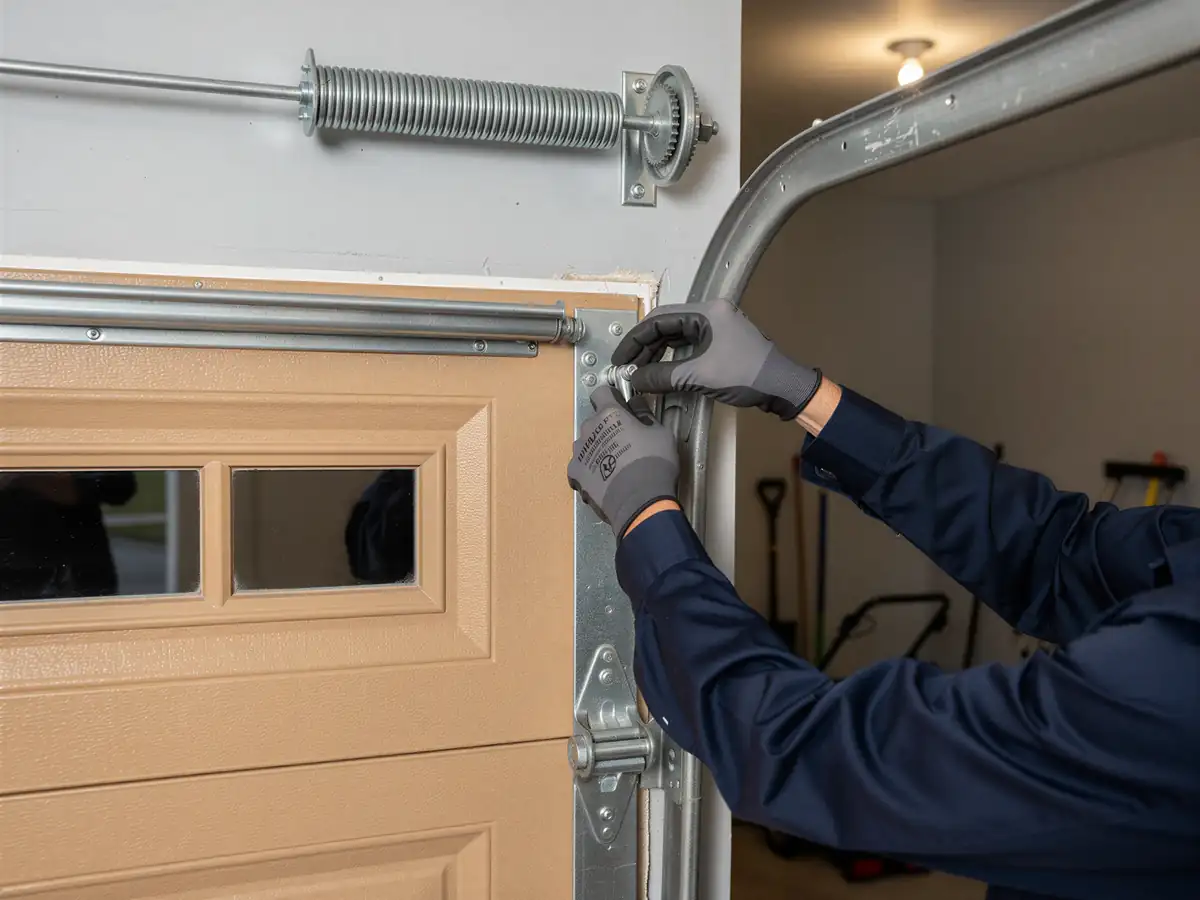
We stock torsion springs sized for the 7-foot and 8-foot sectional doors that match 1970s Milwaukee-area garage openings, along with the steel rollers and lift cable gauges that fail first in a door this age. Cold-climate service means we carry springs wound for the stress that comes with Wisconsin's severe winter swings, not a generic warm-weather spring that'll fatigue early here.
We can't carry every obsolete part. If your door is a less common import model or an original wood panel door with hardware nobody has made since the Carter administration, we'll tell you straight - sometimes the part has to be ordered, and sometimes a full hardware swap onto a new section is the only real fix. We'd rather say that up front than send a truck out and improvise.
The DIY Question
A torsion spring under tension can break a hand or worse, and that's true whether the door is one year old or fifty. On a door this age, the risk goes up: the spring, the anchor bracket, and the shaft have all seen decades of expansion and contraction in a severe-cold climate, and the original hardware may be corroded somewhere you can't see from the ground.
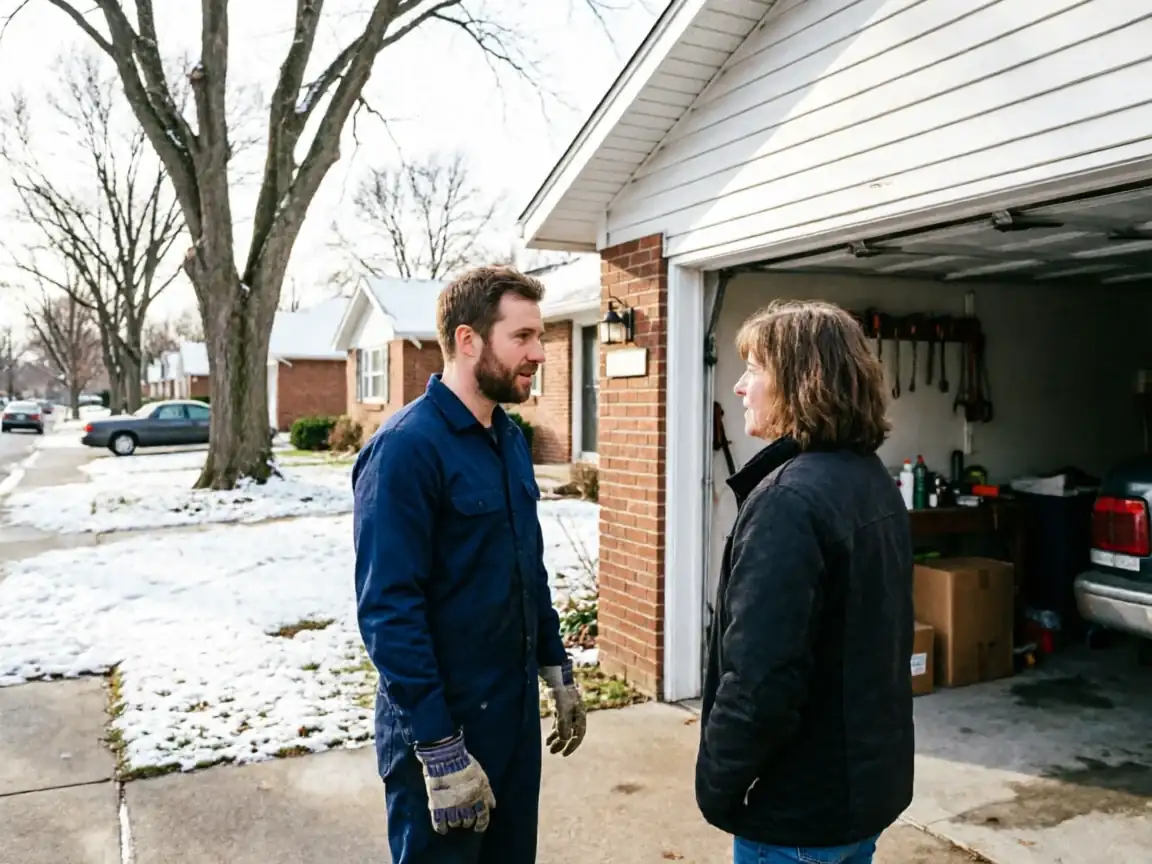
There's plenty you can safely check yourself - the weatherstrip at the bottom, the photo-eye sensors if your opener has them, loose hinge bolts. But spring replacement and track realignment on original 1973-era hardware isn't a weekend job, and the money saved rarely covers the cost of a trip to urgent care. We travel the 3 miles from West Allis for these calls specifically because original hardware this old needs someone who's handled the failure pattern before, not because it's a long drive.
What the Fix Involves
Most calls in Greenfield start with an inspection of the spring, the cable, and the track mounting
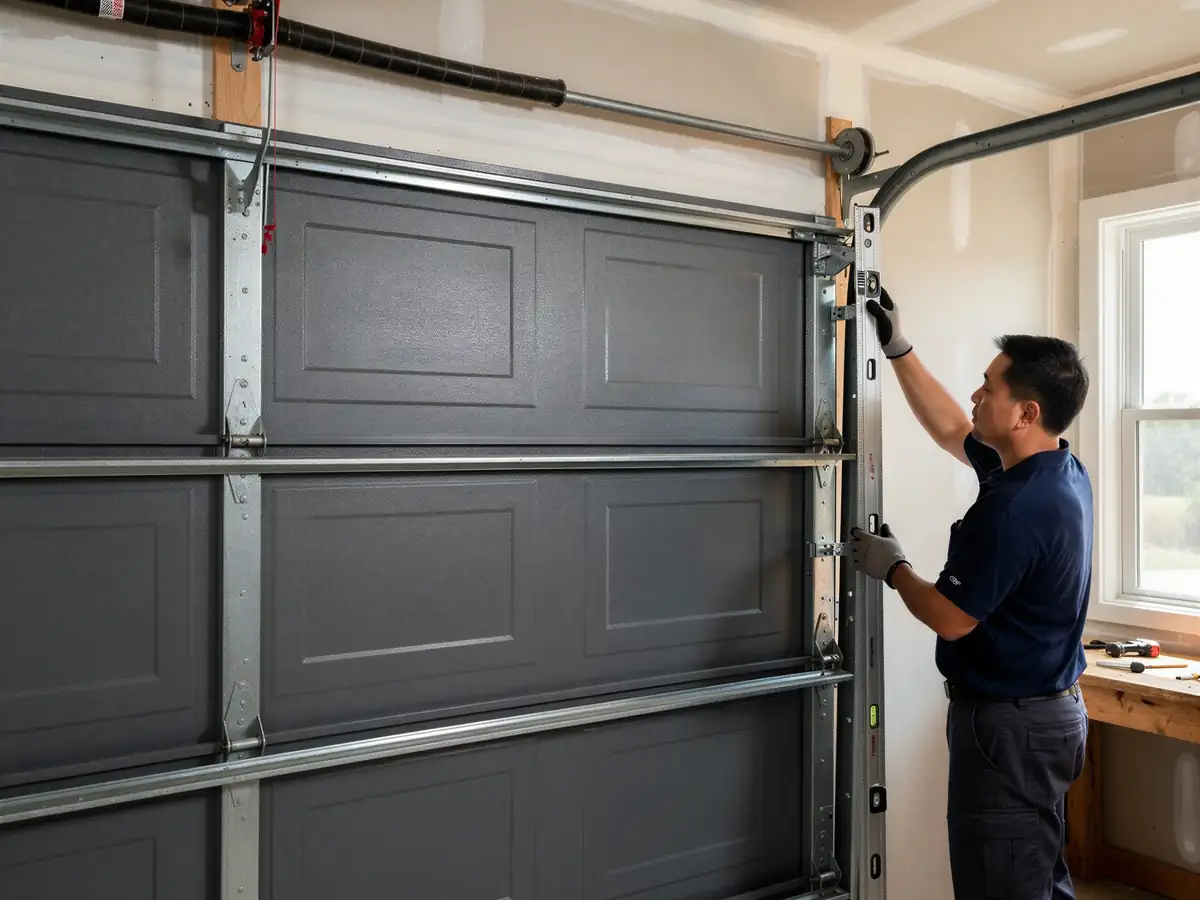
The three places where original 1973 hardware gives out first. If the spring's shot, we replace it with one matched to your door weight and wound for cold-climate cycling, not a universal stand-in. If the track brackets have pulled loose from decades of use, we re-anchor or replace them to current mounting spacing rather than patching the old holes.
We size every repair against what's actually there, not against a generic job sheet
With 17,440 households in this suburb and a median household income of $69,016 - noticeably below the wider service area's $108,690 - we see a lot of owners weighing repair against replacement carefully, and we give that math to you straight: if the opener motor and the spring are both original and both failing, a full new system often costs less over five years than two separate emergency repairs on hardware pushing fifty years old.
- 17,440 households