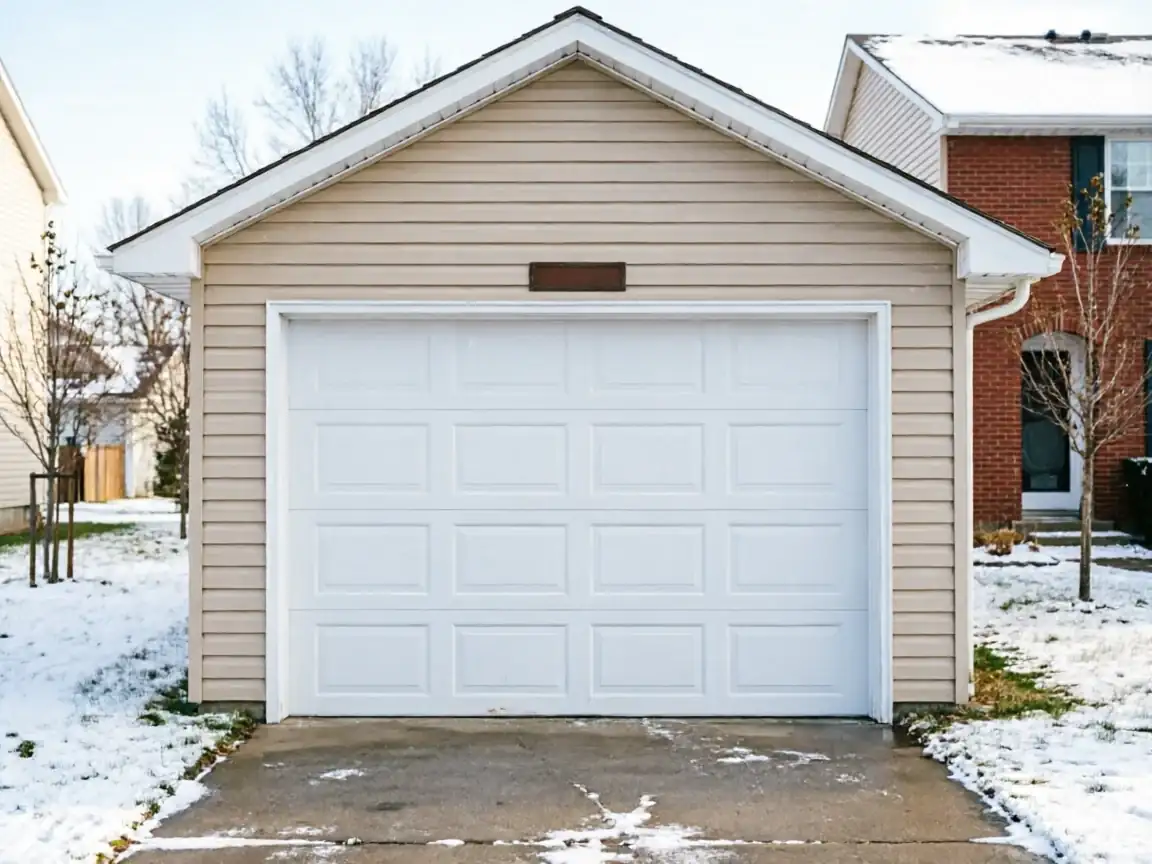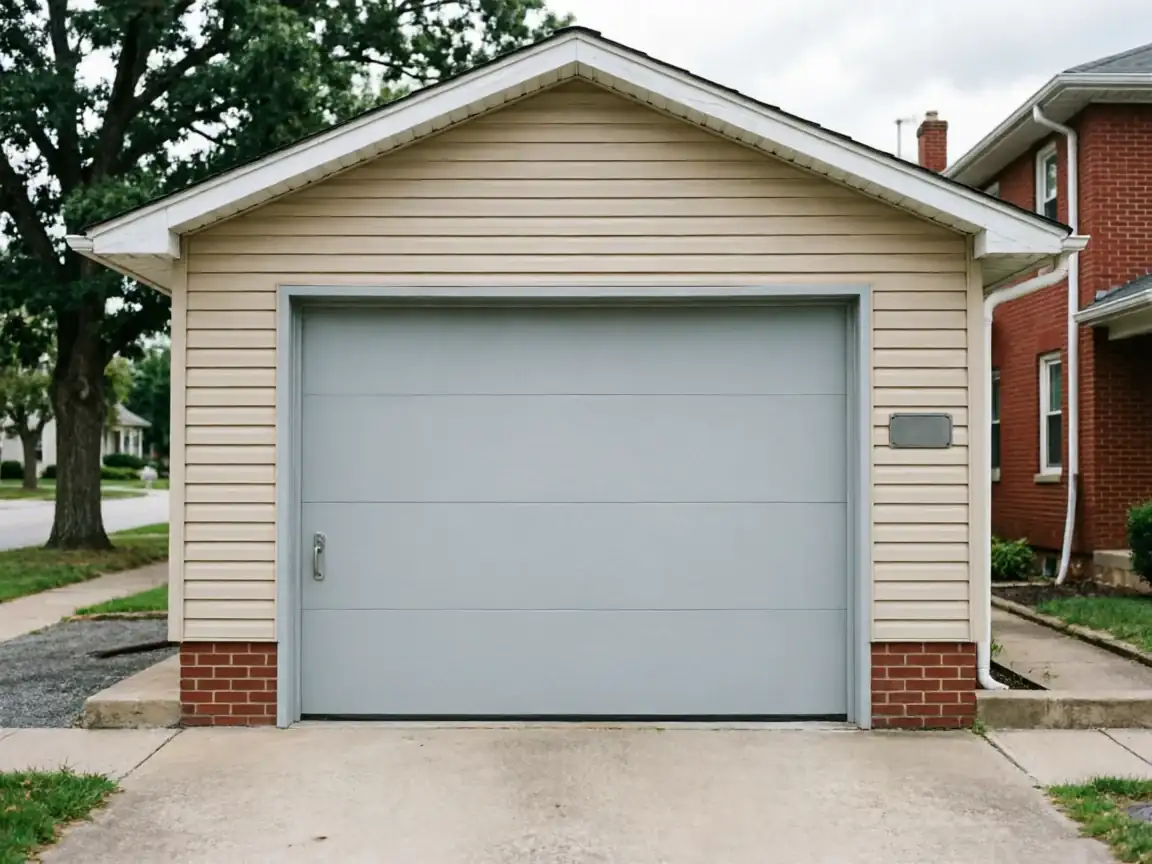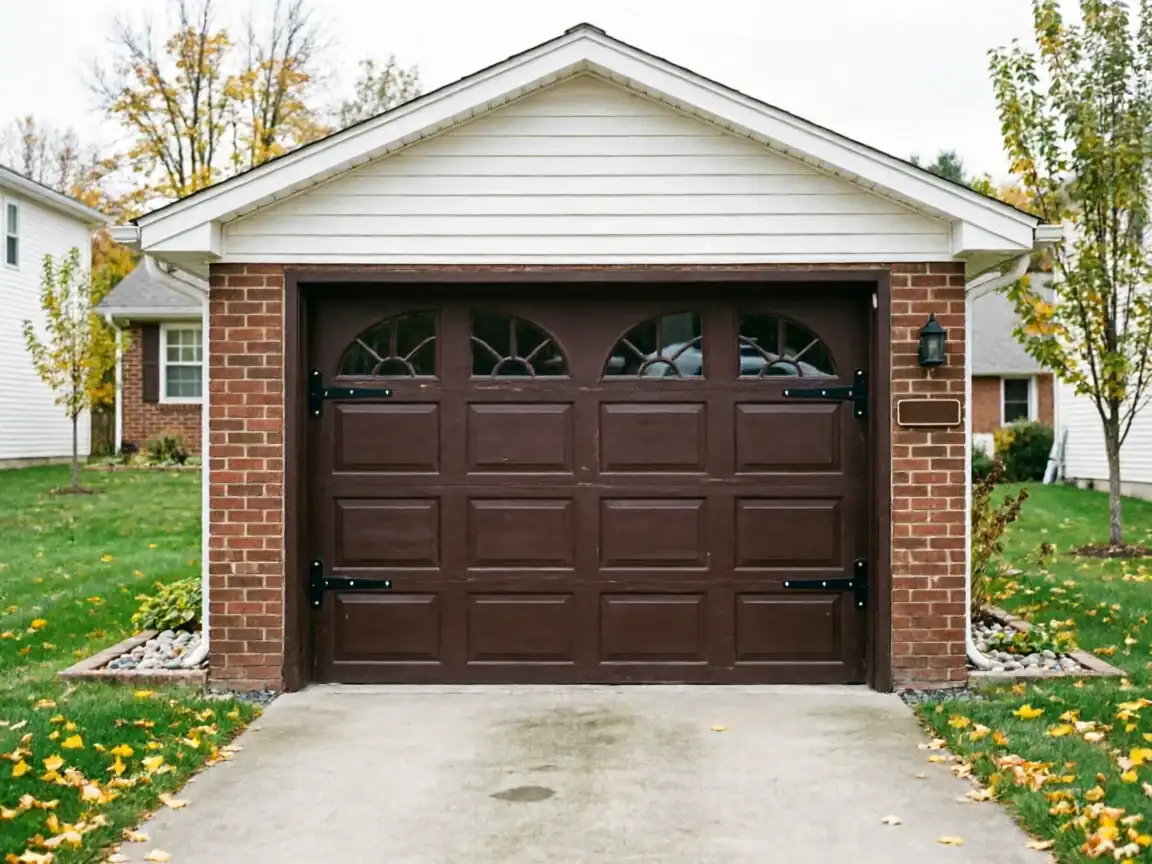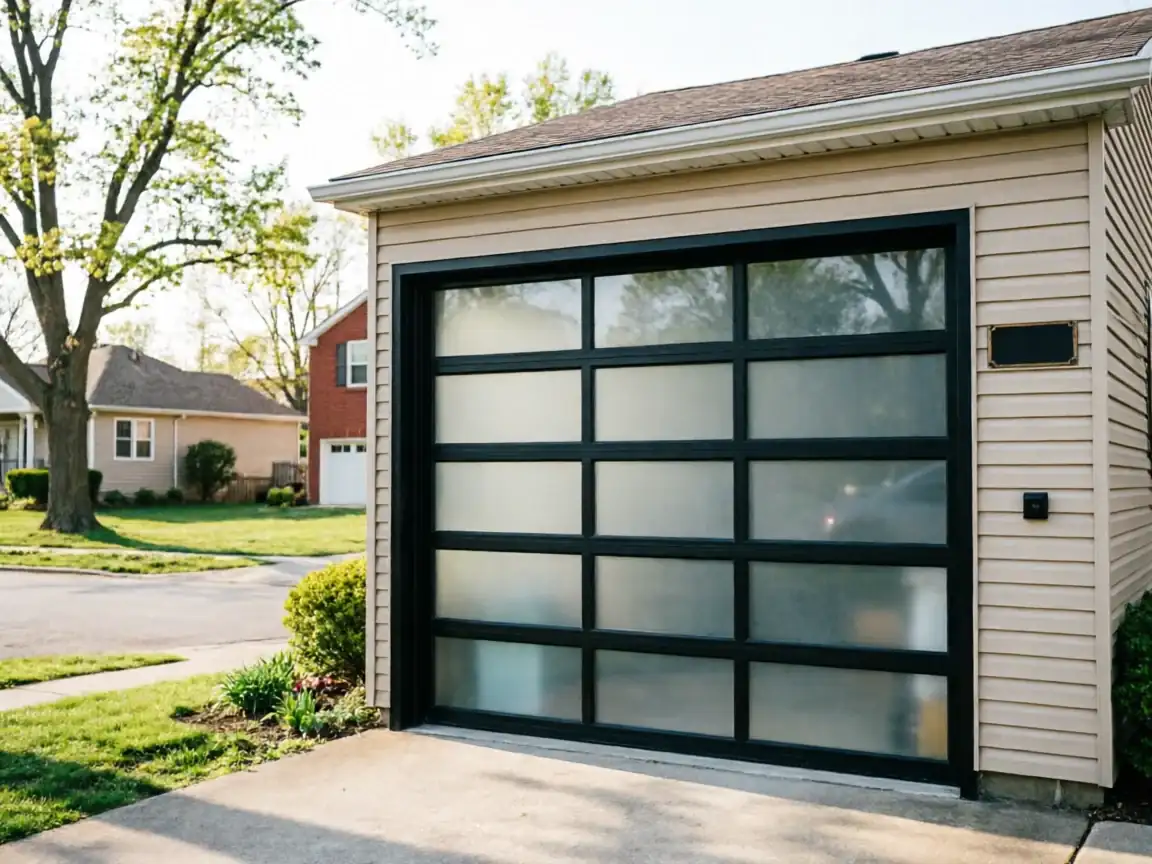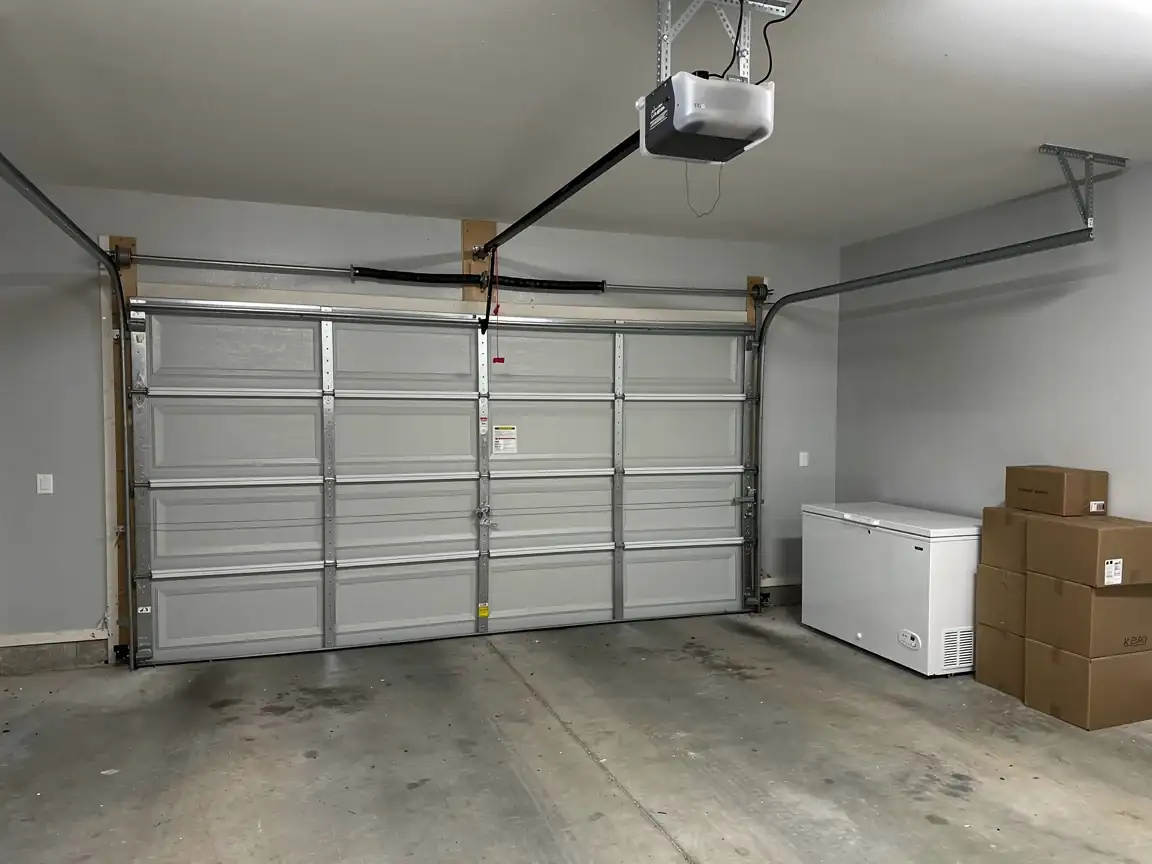
What You Are Seeing
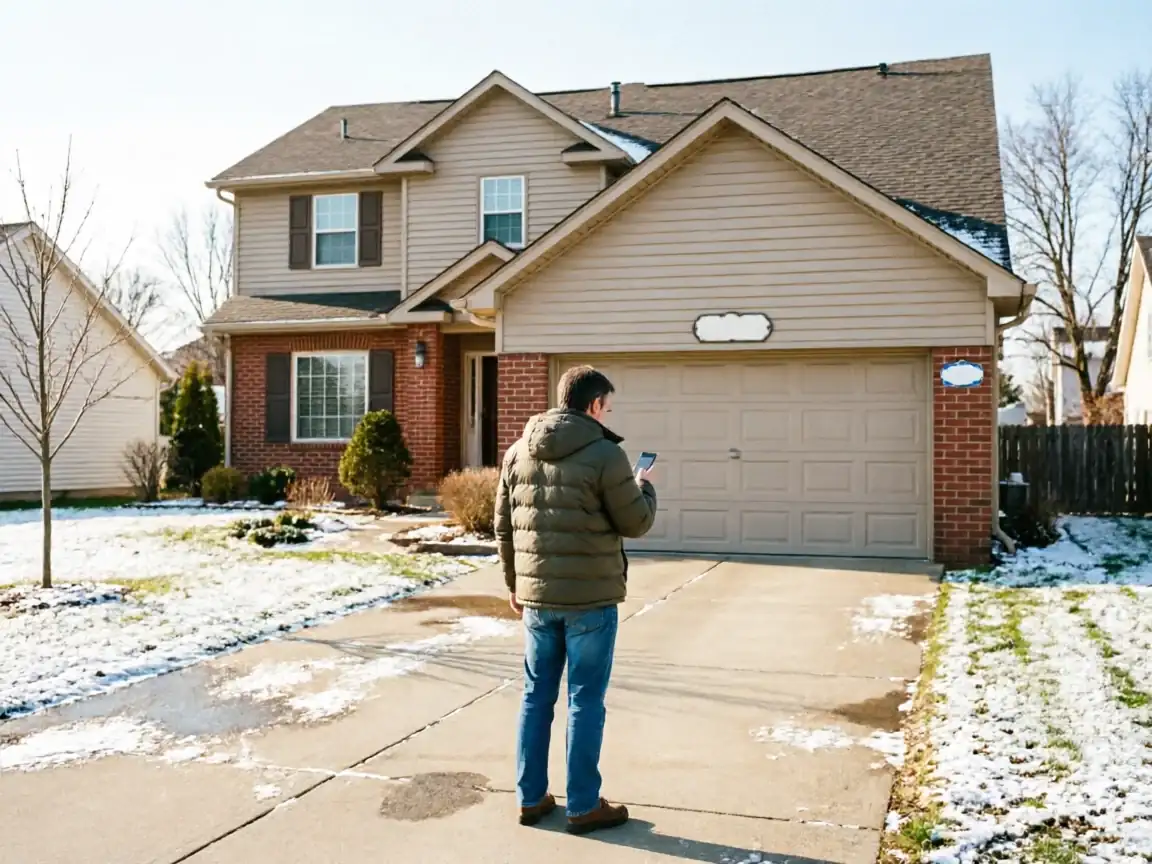
Greenfield's median household income runs $69,016
And at that number a roller-and-track repair almost always beats replacing the whole door - the math only tips the other way once the track itself is bent or the section panels are cracked, not just the rollers. Worth knowing before you call anyone out.
- $69,016 median household income
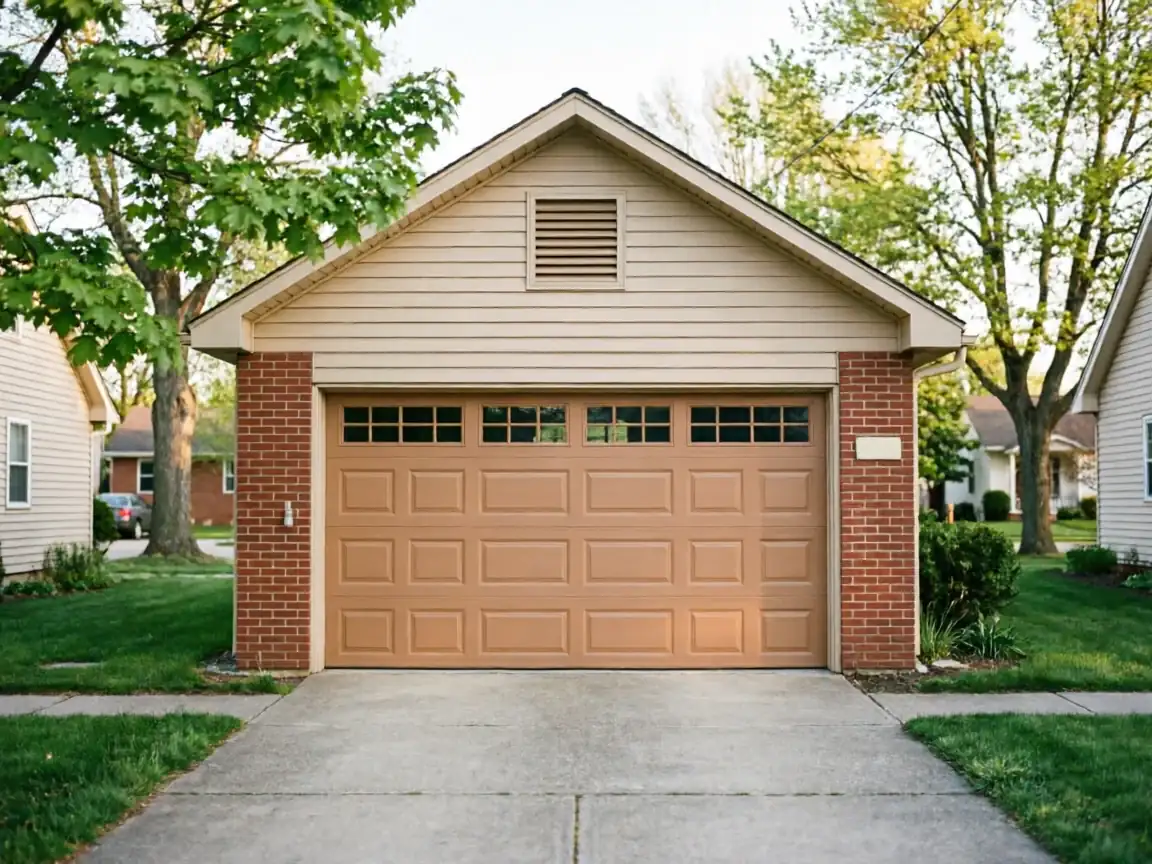
Most houses in Greenfield were built around 1973
And a door that age is still running its original hardware more often than you'd think. That usually means steel rollers with no bearing at all - a stem riding dry inside a punched hole in the wheel. After roughly fifty winters of that kind of friction, the rollers chip, go egg-shaped, or seize on the stem, and the door starts grinding or jumping in the track on the way up. If yours sounds like a shopping cart with a bad wheel, that's what you're hearing.
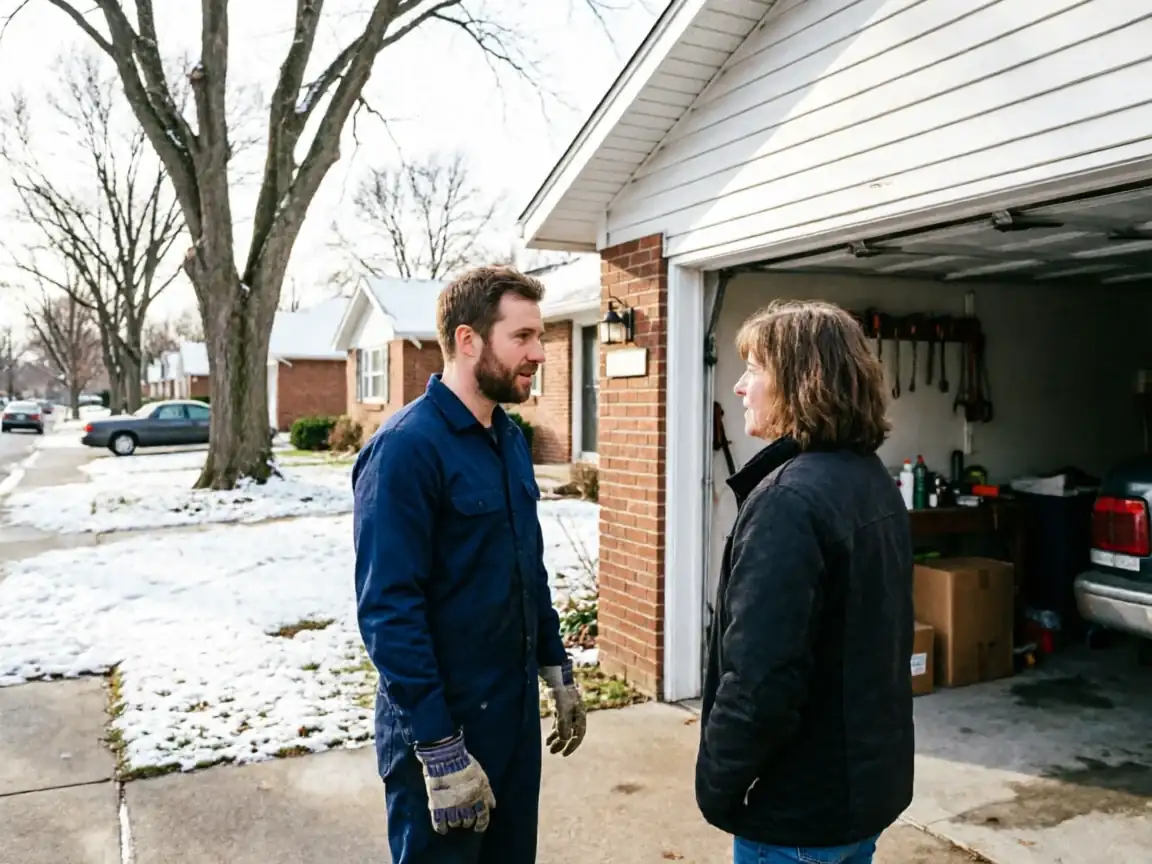
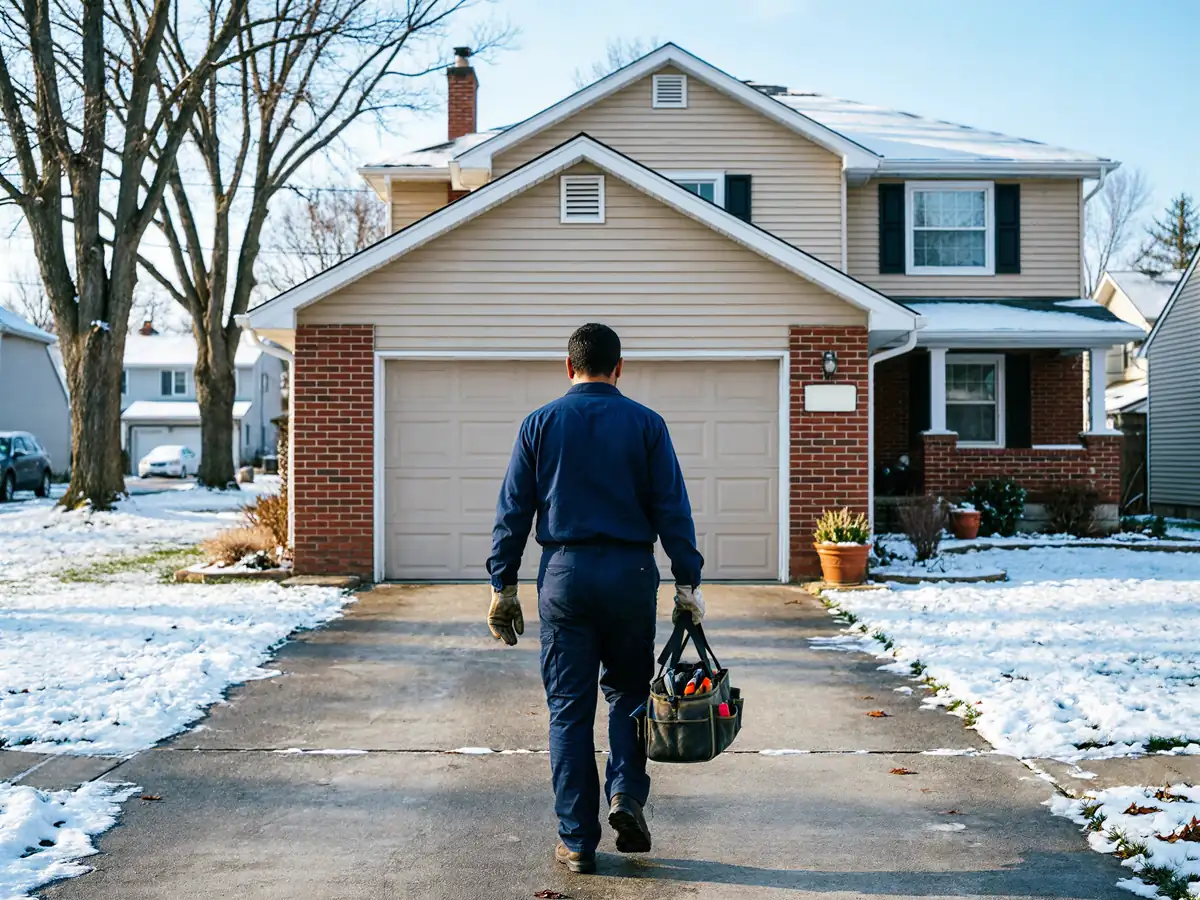
We come out from West Allis, about 3 miles away, so getting eyes on it doesn't take long
What takes a little care is matching the replacement hardware to what's already riding in your track - a 1973 door and a 2005 door don't always take the same roller.
- 3 miles
Parts We Carry
On the truck we carry nylon rollers with sealed bearings in the common stem lengths - 4 inch and 7 inch cover most residential doors, including the bulk of what's on Greenfield's 1970s-era builds. We also stock steel rollers for owners who want to match original hardware rather than upgrade, though we'll tell you straight that nylon runs quieter and doesn't need the periodic oiling steel does.
Here's the honest limitation: some of the original steel wheel sizes used on doors from that era - a handful of narrower-track setups and a couple of oddball stem lengths - aren't something we carry as standard stock. If your door turns out to need one of those, we order it in rather than guess and force a part that doesn't seat right in the track. That's usually an extra day, not an extra week, but it's not a same-visit fix every time.
We also carry replacement track sections, since a roller that's been grinding for a season or two often takes a bite out of the track it rides in, and a new roller in a chewed-up track just wears out again fast.
The DIY Question
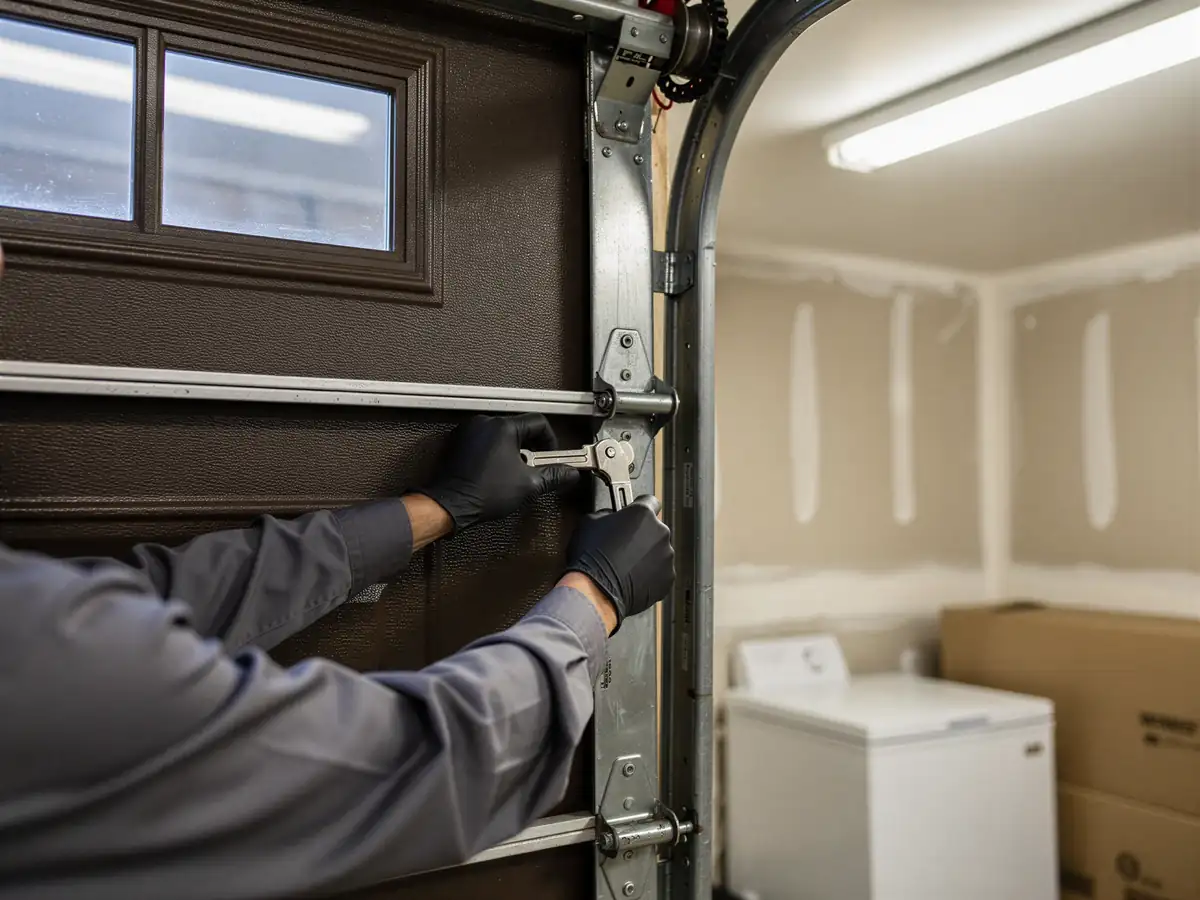
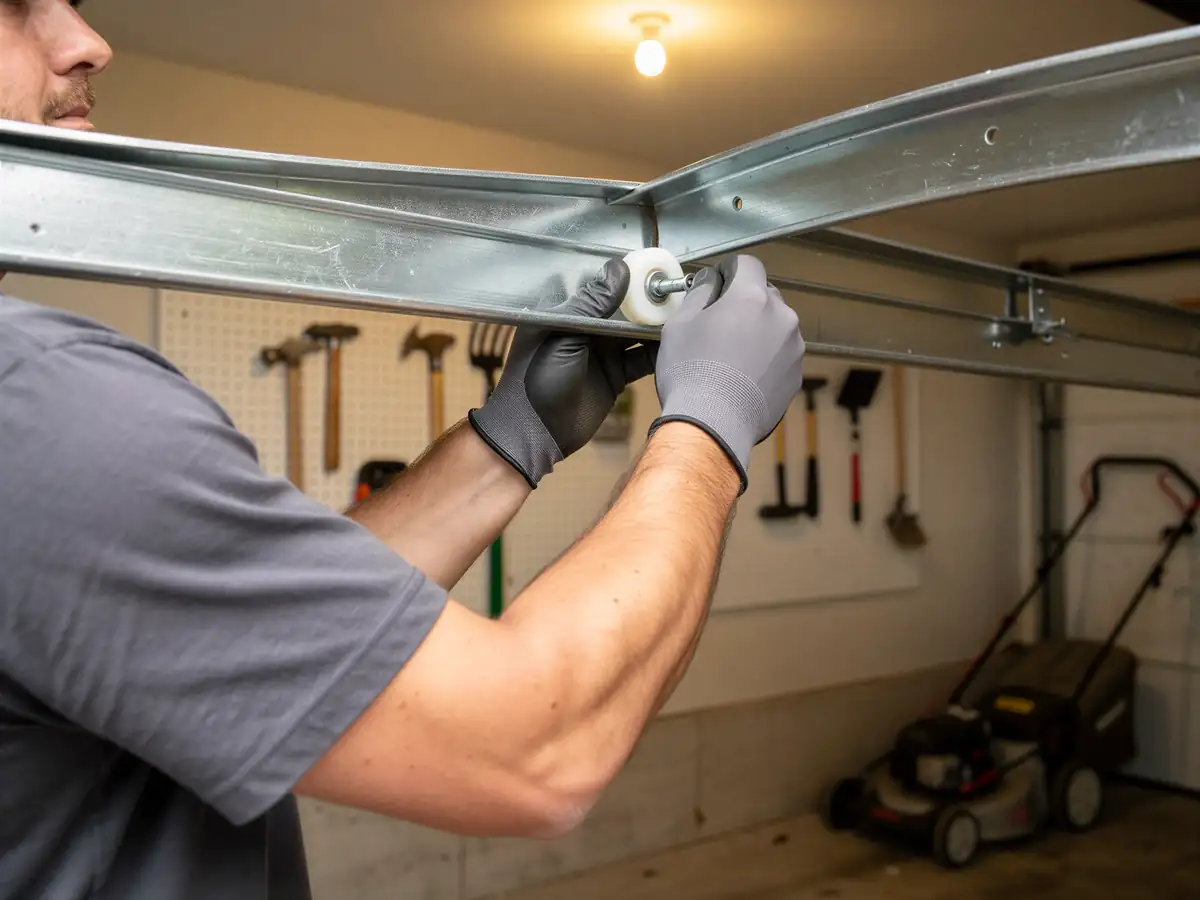
Replacing rollers on a door that isn't under spring tension - the ones near the bottom corners, away from the cable drums - is a job a lot of Greenfield homeowners can do themselves with a pair of pliers and an hour. Pop the roller bracket, slide the old roller out, slide the new one in, close the bracket back up.
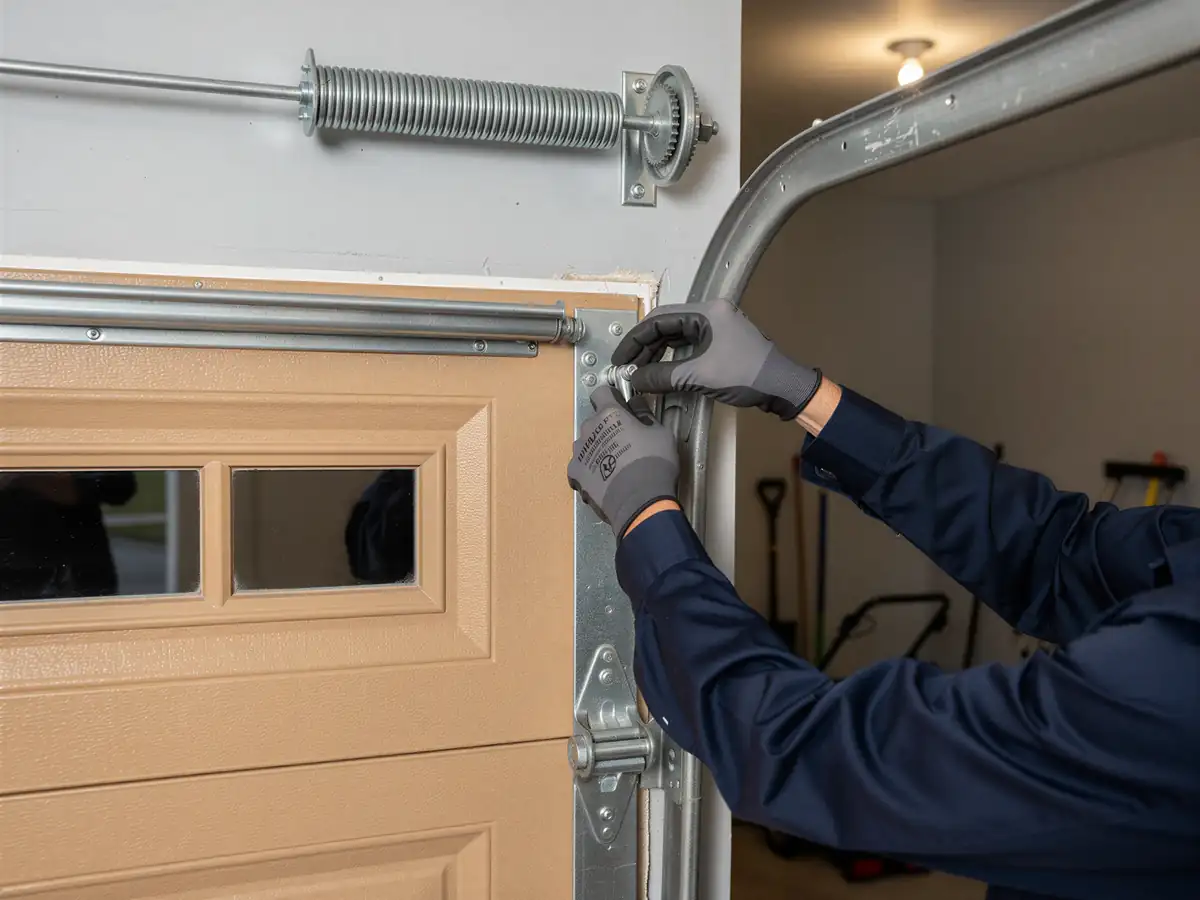
Where it gets risky is the rollers closest to the bottom bracket on either side, because those brackets also anchor the lift cable, and a cable under tension that lets go while you've got your hand in there can do real damage. On a door this old, we'd also check whether the bracket itself has stretched or rusted before you put a new roller in it - no sense doing the job twice.
If your opener is original to a 1973 build, there's a decent chance the whole system has more going on than just the rollers, and it's worth having someone look at the track and spring at the same time rather than chasing one noise after another.
What the Fix Involves
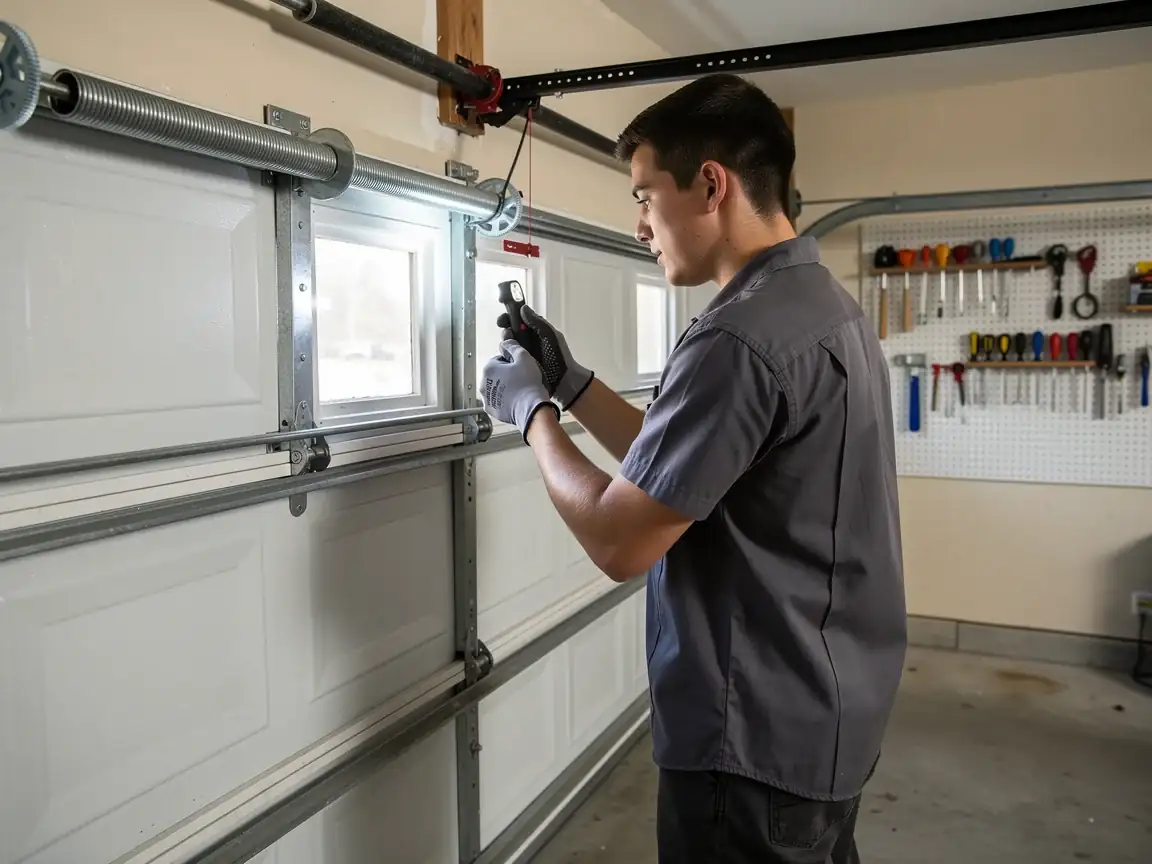
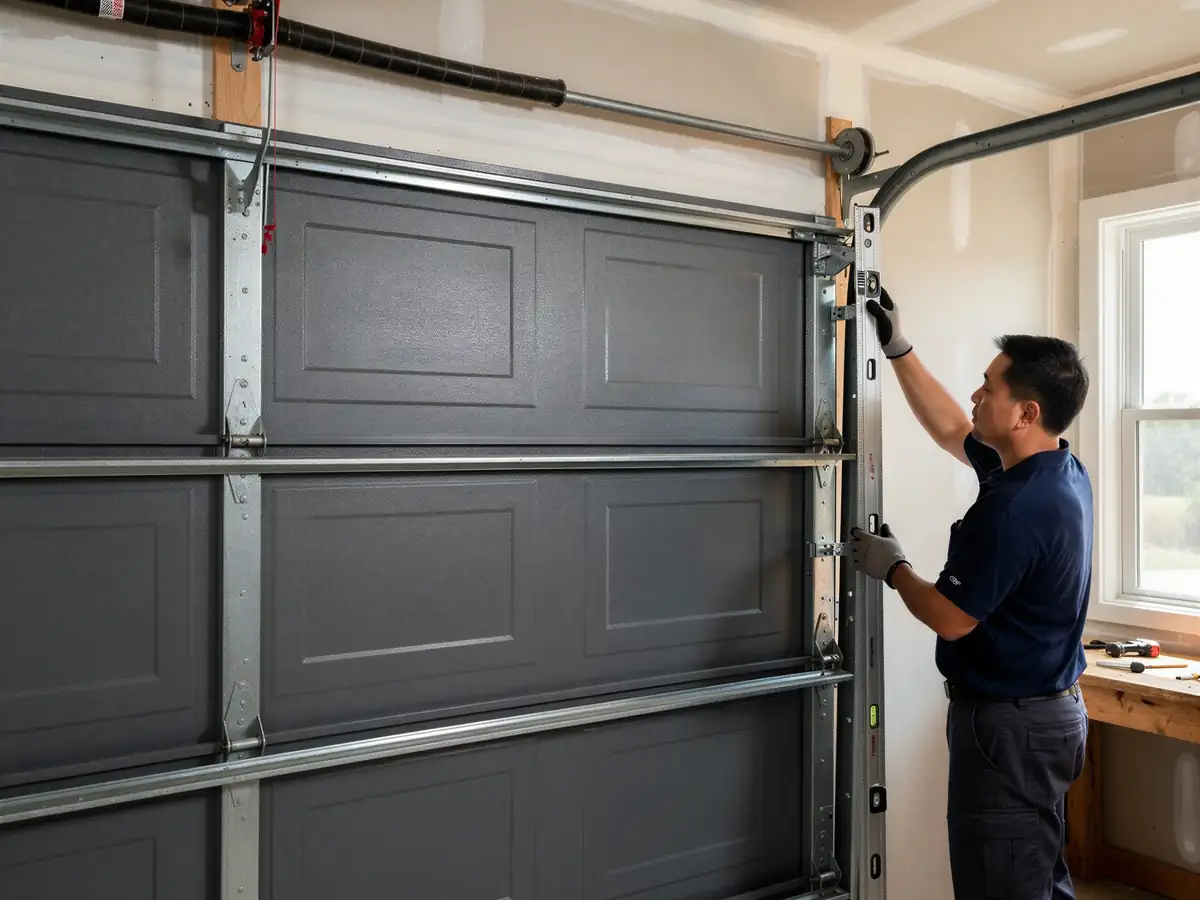
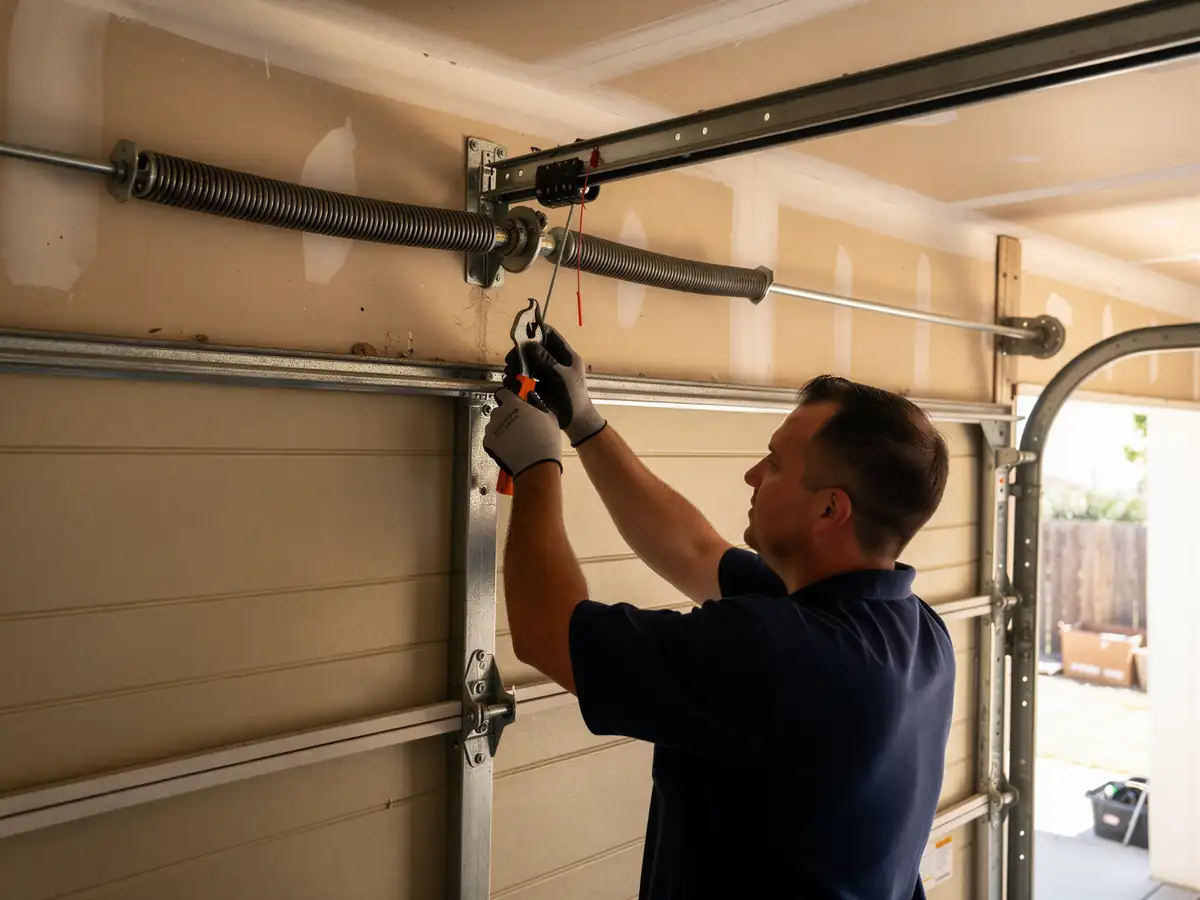
We start by securing the door in the open position so there's no weight hanging on the track while we work
On an older door, that spring is doing more guessing than you'd want to trust without locking it down first. From there we go roller by roller rather than pulling them all at once, which keeps the door supported the whole time.
Each bracket comes off, the old roller comes out
And before the new one goes in we check the track at that spot for flat spots or rust pitting, since houses built in the early 1970s often have the original galvanized track and five decades of Wisconsin winters leave a mark on it. A track that's worn enough will chew through a brand-new roller just as fast as the old one.
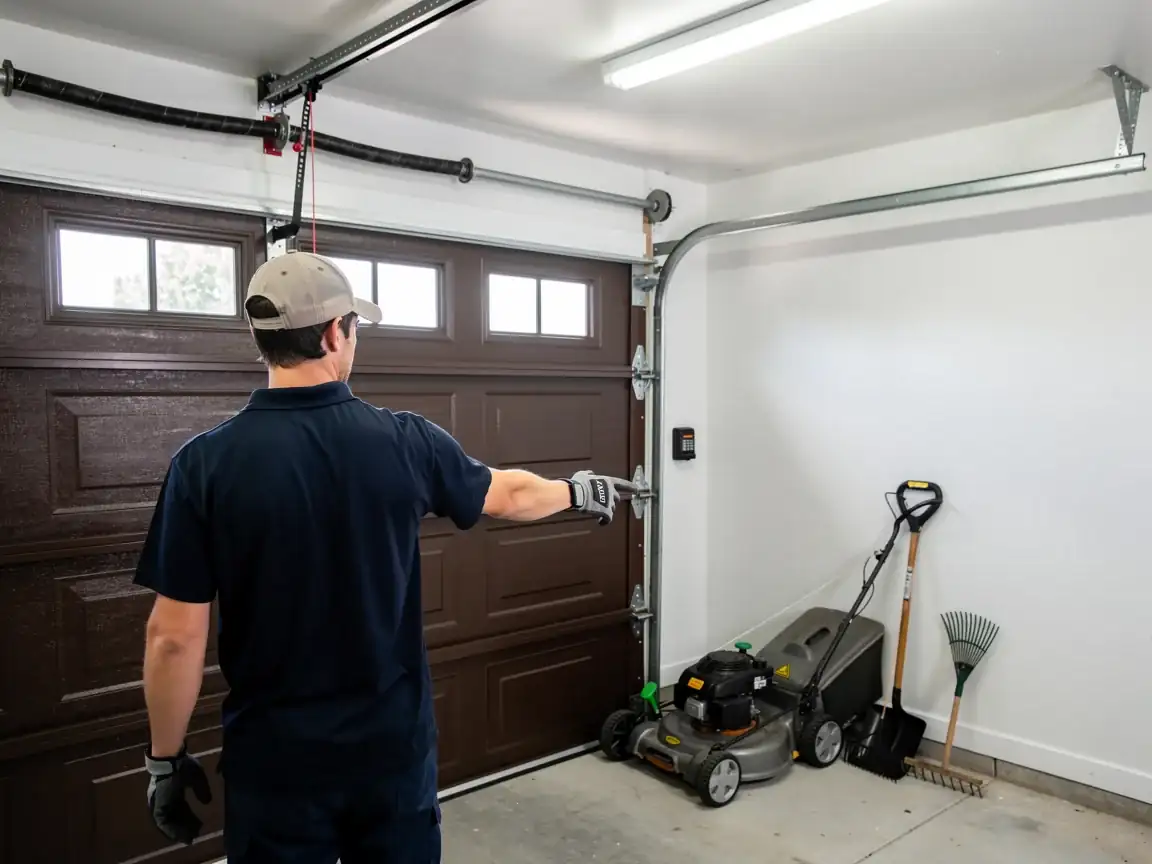
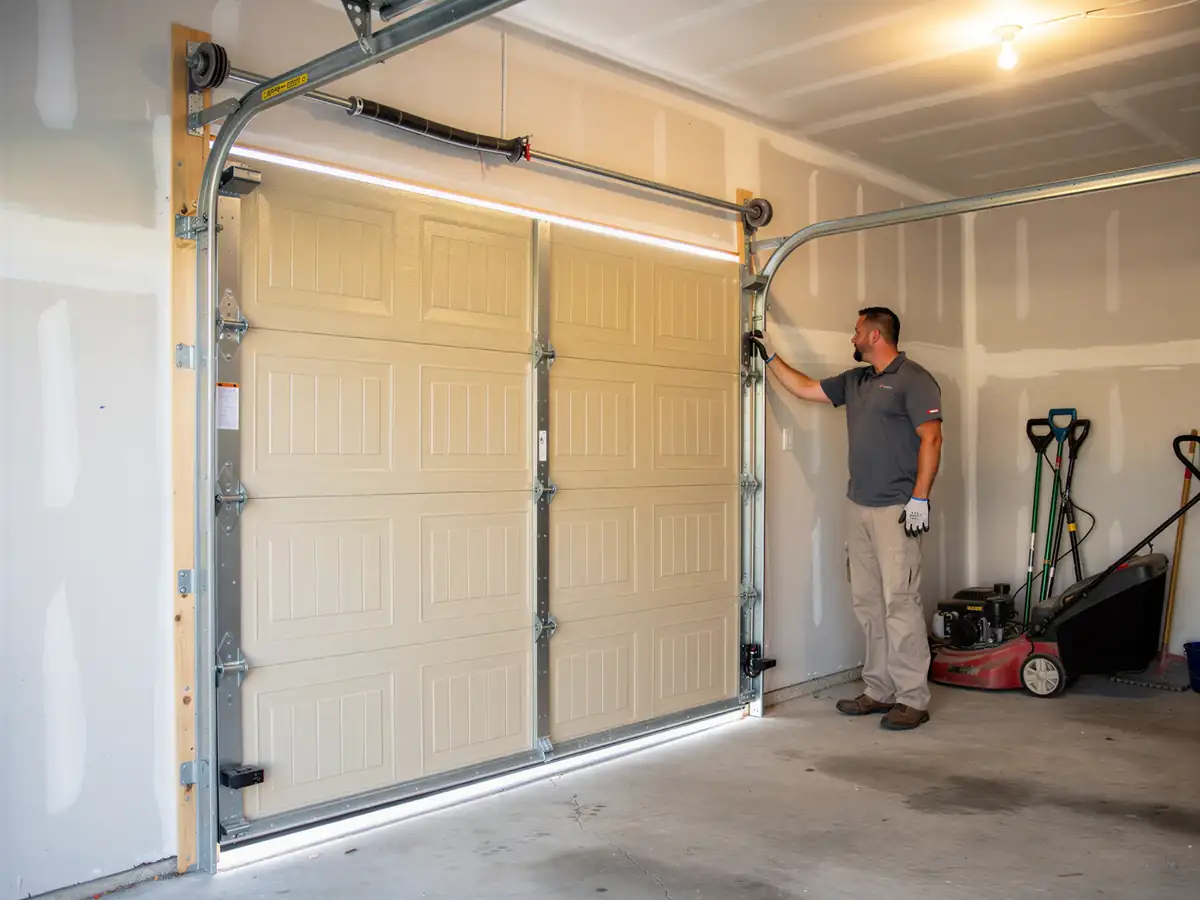
Once all the rollers are swapped, we run the door through a full open-close cycle and listen
A roller job done right should be close to silent. If the track itself needs straightening or replacing, that's a conversation we have before we start, not an invoice that shows up after.