The Problem
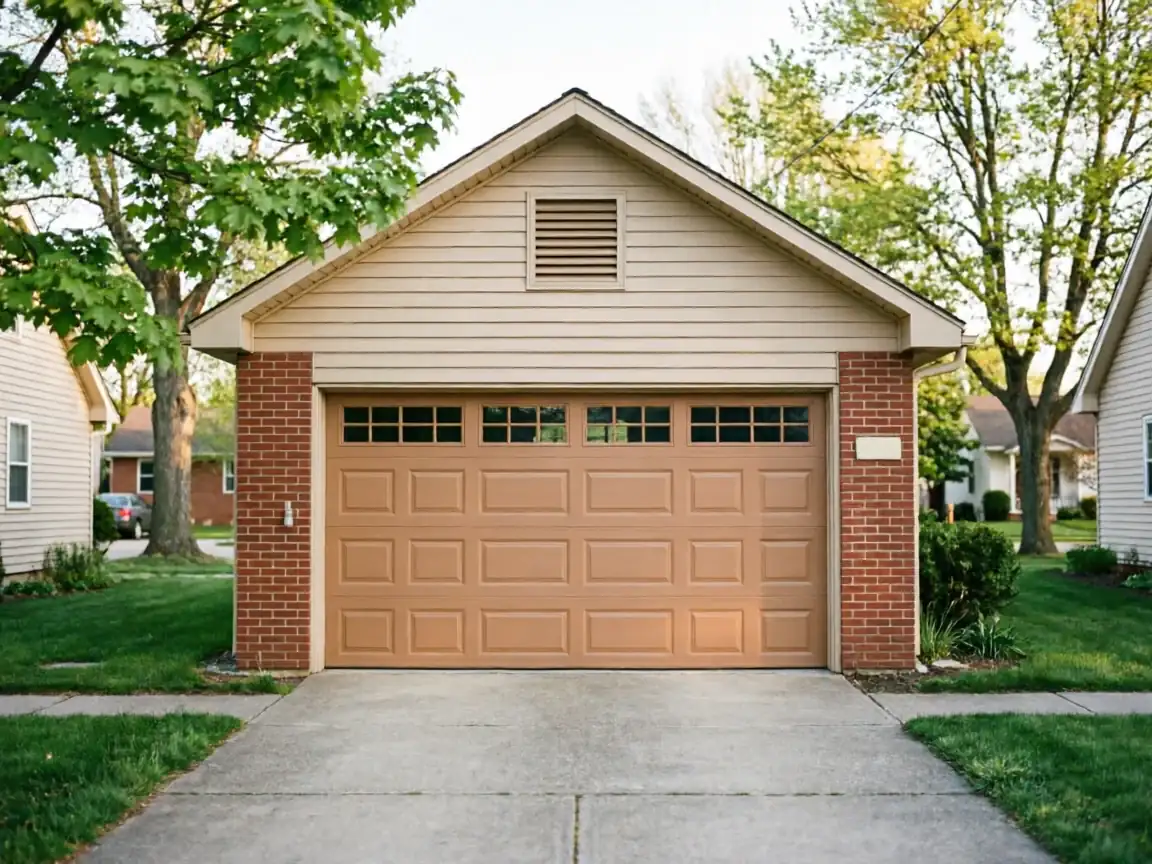
A lot of the garage doors we open up in West Allis were hung sometime between 1938 and 1976
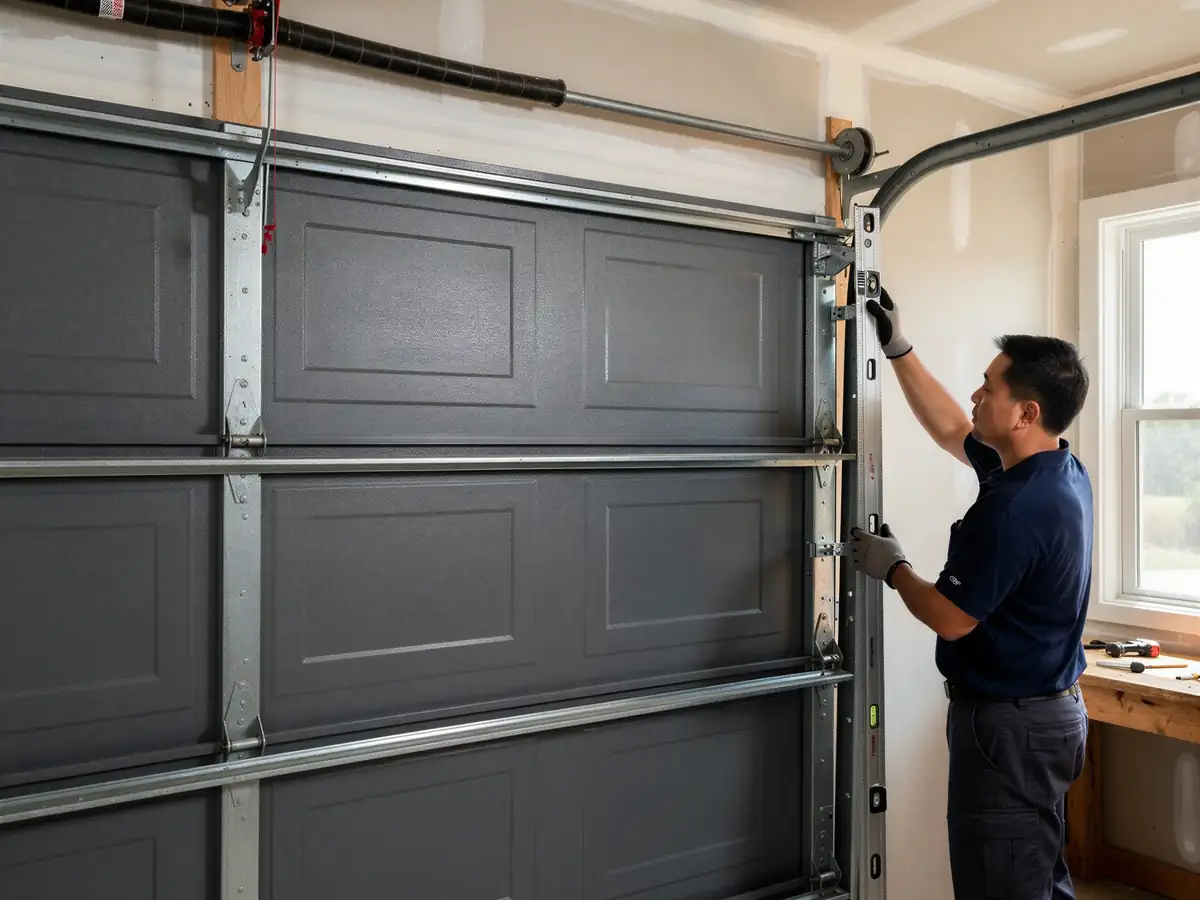
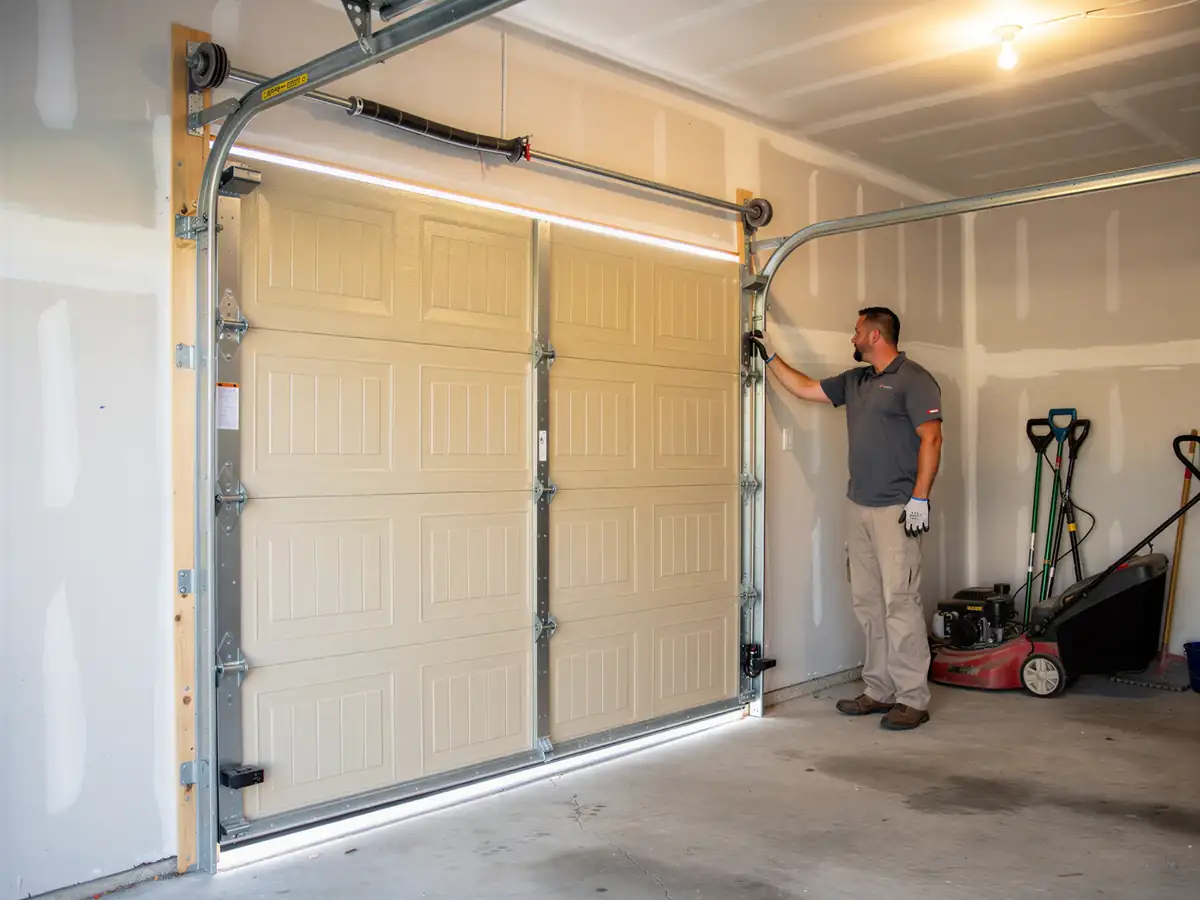
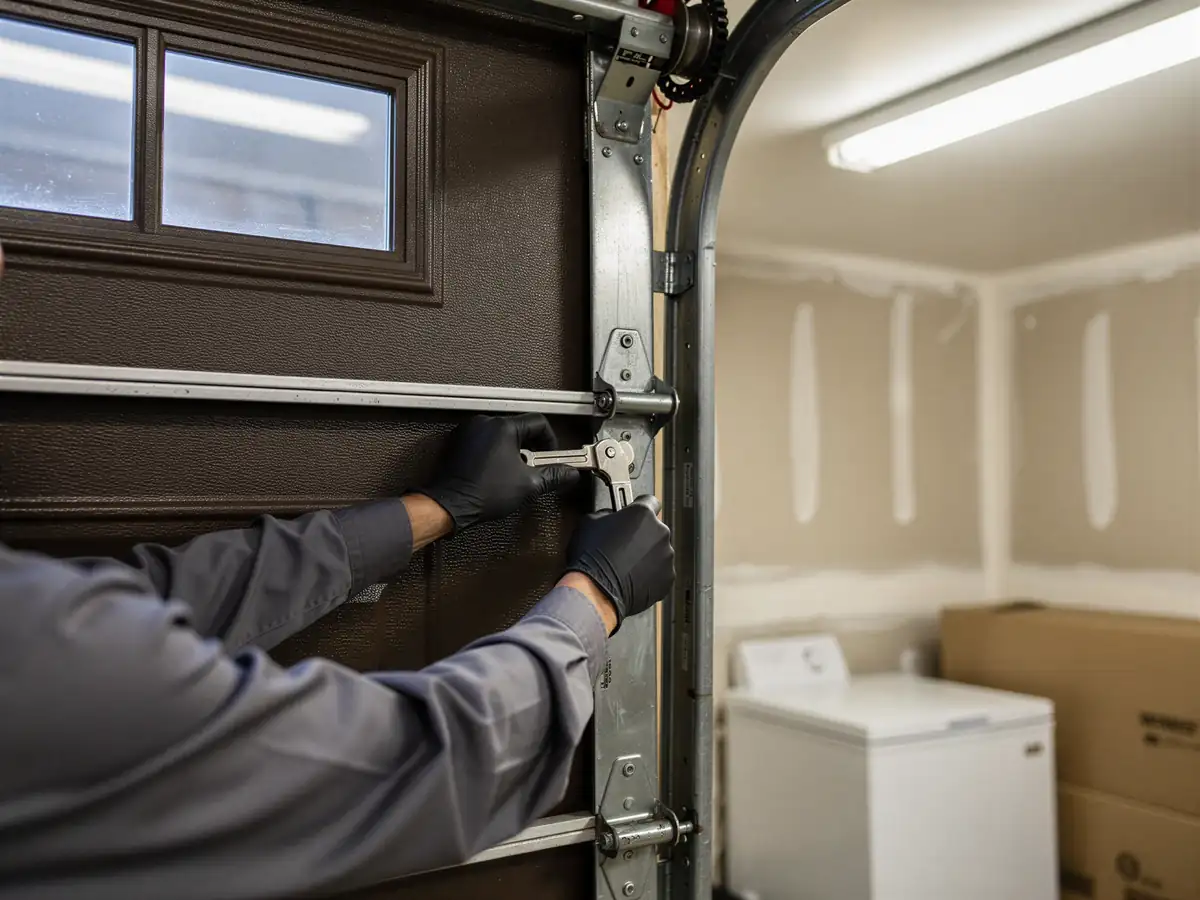
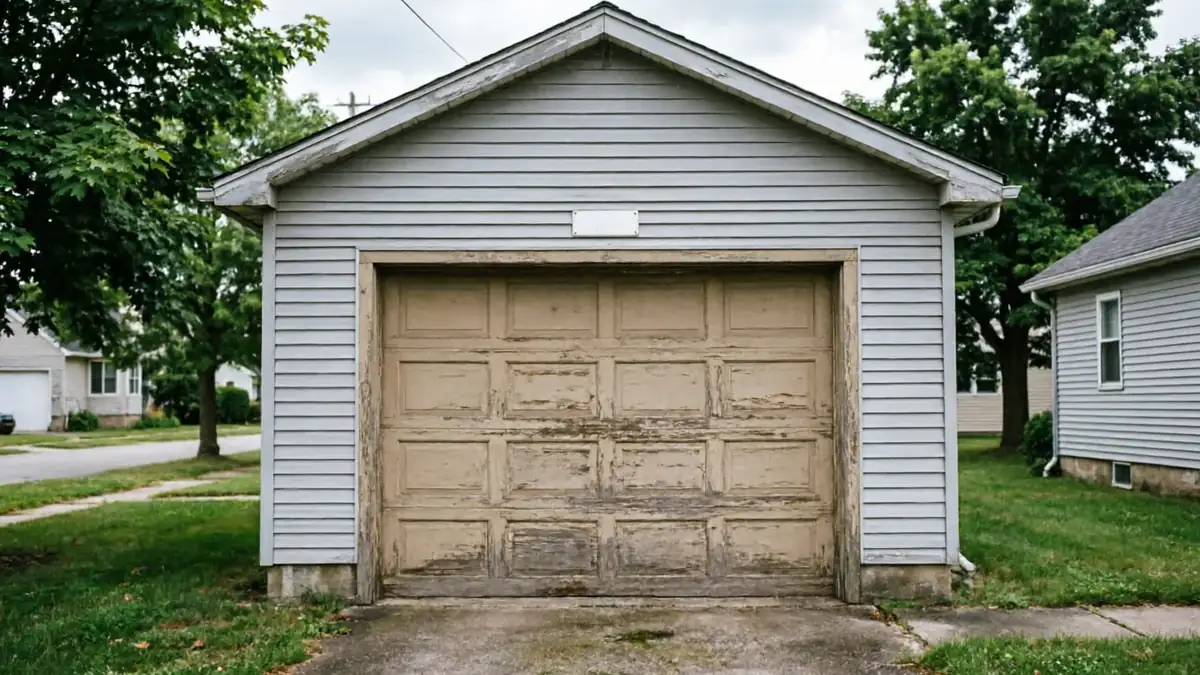
That's the median build year for housing across this service area, and it shows in the doors. Single-layer steel panels, no insulation, torsion springs sized for a lighter, pre-insulated-door era, and track hardware that was never meant to carry today's heavier opener load. None of that is a defect. It's just what builders used when these blocks went up.
The problem is that owners often assume a door this old is automatically a lost cause
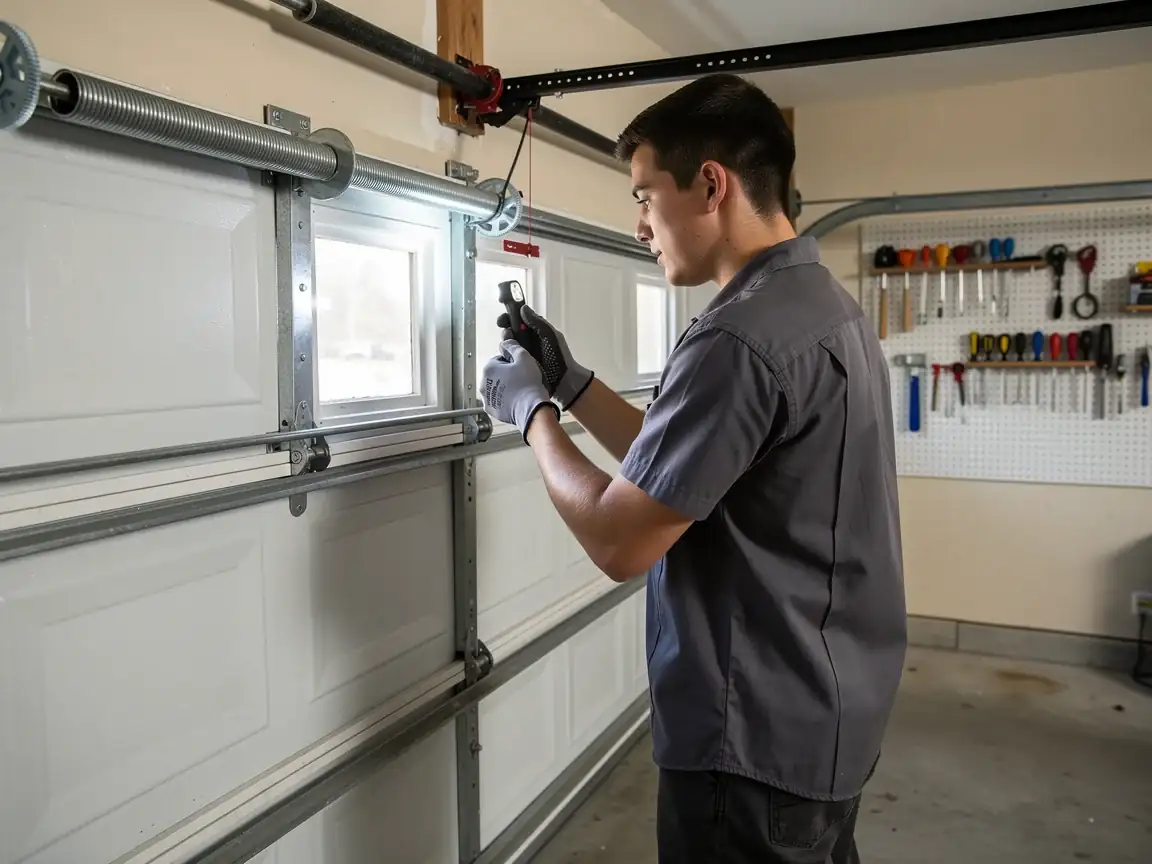
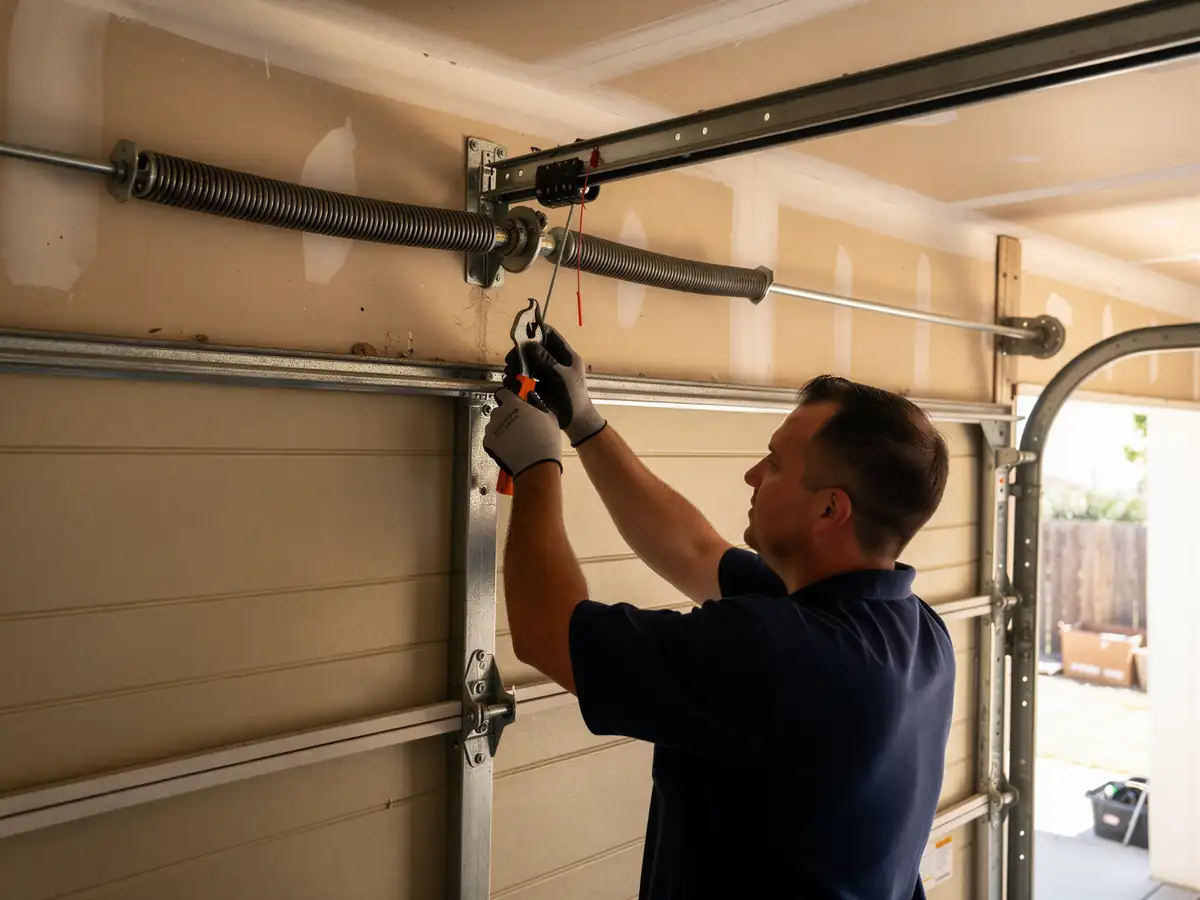
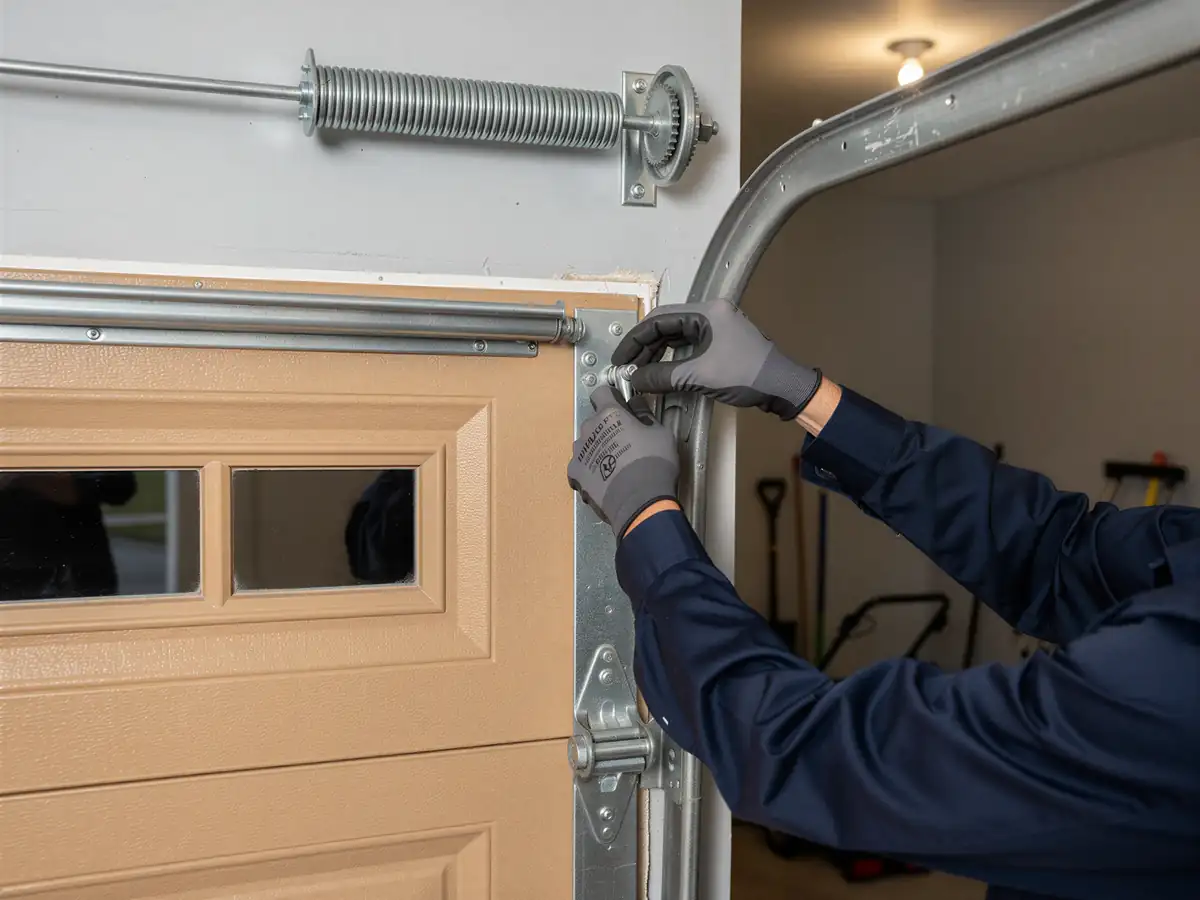
Or they assume the opposite - that because it's 'just a spring' or 'just a roller,' the fix will be cheap and permanent. Neither is reliably true. A torsion spring on a 1960s or 70s door can be replaced for a fraction of what a new door costs, and the track and drums usually outlast two or three spring changes if they're set up right. But if the panels themselves have rusted through at the bottom, no spring job touches that. The call we make on-site is whether the frame and panels are sound enough to be worth putting new hardware on, or whether the door itself has reached the end of what's fixable.
Where People Go Wrong
The most common mistake we see is replacing a whole door because one component failed. A snapped torsion spring on a door built in the 1960s or 70s doesn't mean the door is done - the wood jambs and steel panel underneath are often still straight and solid, especially on the 44 or so older residential pockets across this area where that build era dominates. Swapping the spring and rollers gets years more out of a door that still fits its opening correctly.
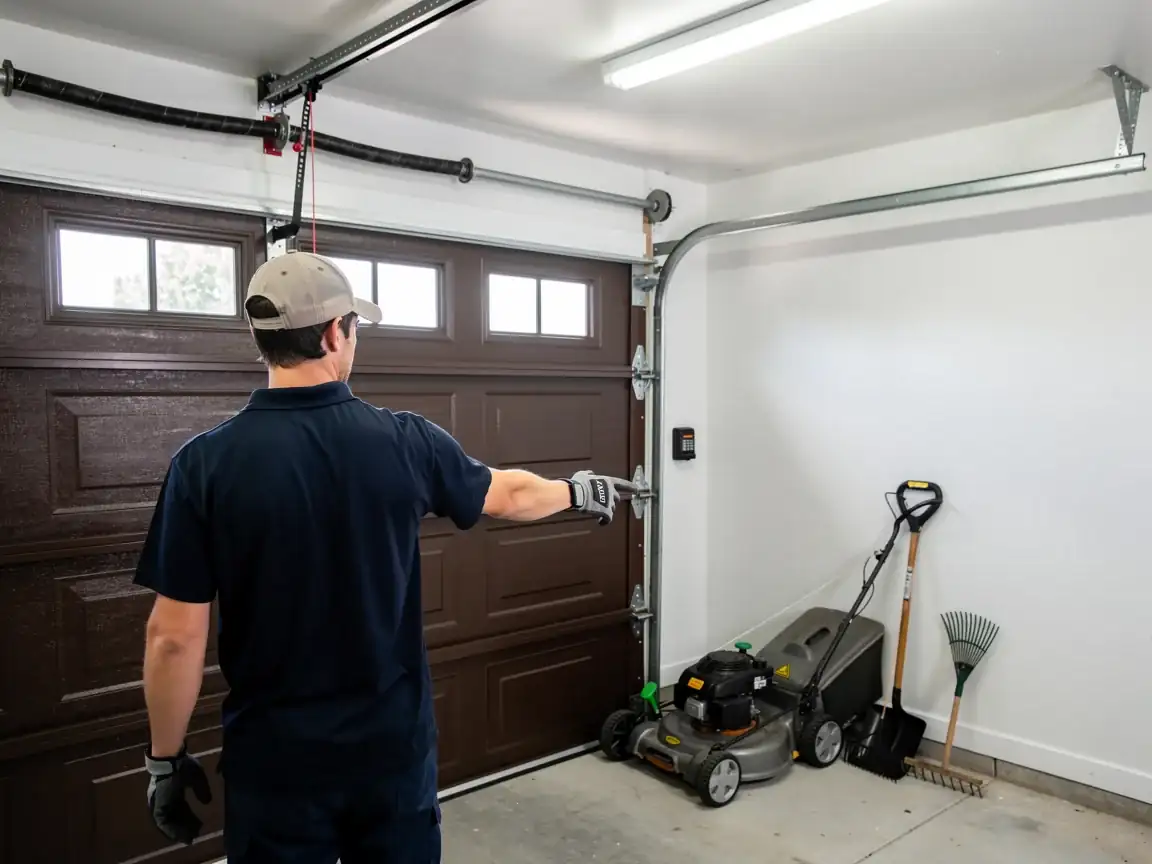
The opposite mistake is just as common: patching a door that's actually failed structurally. If a panel has bowed from repeated freeze-thaw cycling, or the bottom section has rusted out from years of melting snow sitting against it, a new spring won't fix that. We've seen owners put two or three service calls into a door that needed replacing after the first one. Our rule of thumb: if the track, frame, and panels are square and rust-free, fix the moving parts. If the panel itself is compromised, stop spending on repairs and replace it. We'll tell you which one you've got - we don't have a reason to talk you into the more expensive option.
What Local Conditions Do
This area sits in a cold-severe climate band, and that matters more for a 1960s-70s door than it does for a newer one, because those older doors mostly weren't built with insulated steel or sealed bottom astragals. Cold makes galvanized torsion springs stiffer and more prone to snapping on the first hard pull of the morning - we see spring failures cluster in cold snaps, not because the springs are weaker then, but because cold steel loses flex right when the opener is asking the most of it.
Uninsulated panels, common on doors from this build era, also sweat on the inside face when outdoor cold meets garage humidity. Over enough winters that condensation works into seams and bottom panels and starts rust from the inside, which is a different problem than the surface rust you can see and sand off. It's one reason a 1970s steel door can look fine from the driveway and still have a weak bottom section. We check the inside face, not just what's visible, before telling anyone their door is sound.
What Changes With the Season
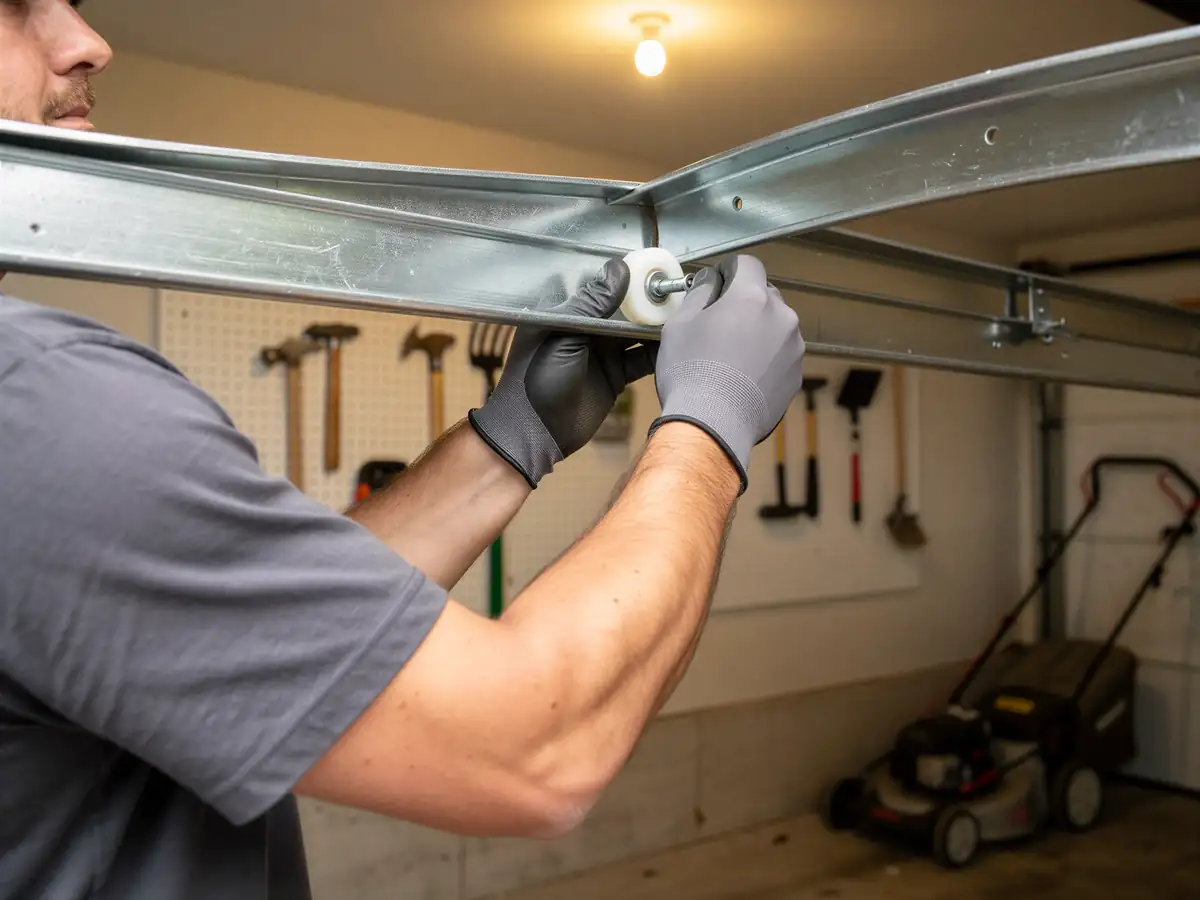
Once temperatures drop and stay down, lubricant on older rollers and hinges thickens
Torsion springs lose tension faster, and openers that were already straining against a slightly misaligned track start pulling harder than they're rated for. On a door built for a lighter, uninsulated panel, that extra strain shows up as cable fraying or drum wear well before it would on a newer, better-balanced door.
We can't do much about the cold itself
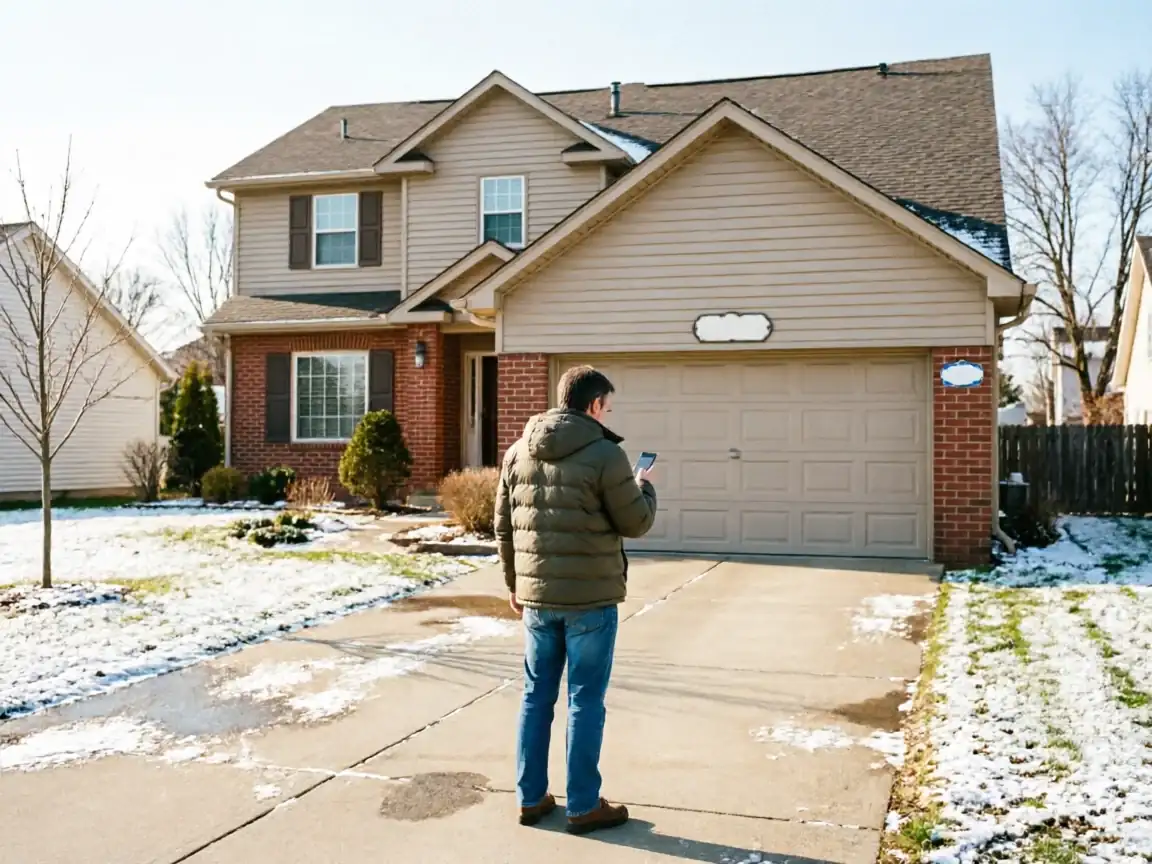
And we're not going to pretend a quick lube job solves what's really a tension or alignment problem. What we can do is catch spring wear before it fails on a sub-zero morning, which is when it's most likely to let go. If you've got an older door on a house built anywhere near that 1938-1976 window, the smart timing is to have the spring and hardware checked before the first real cold snap, not after it's already stranded your car in the driveway.