What Those Garage Door Sounds Are Telling You in West Allis
Garage door noises in West Allis often trace to 1960s-70s torsion hardware and severe cold swings. Here's what each sound usually means and when to call.
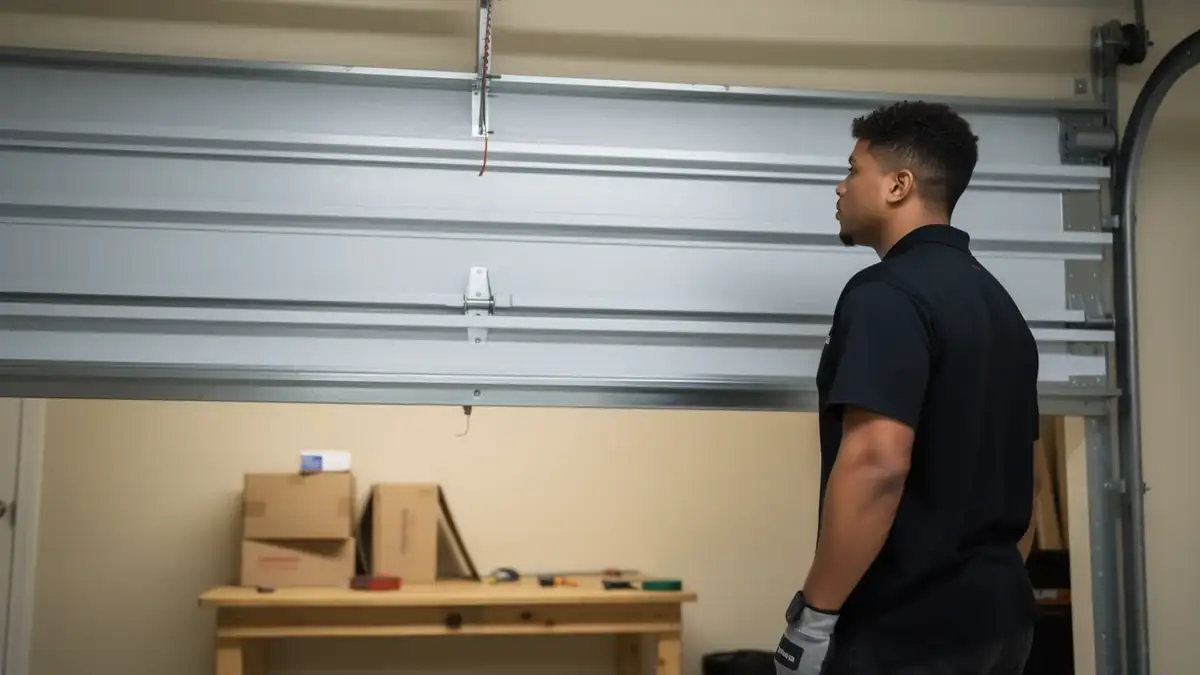
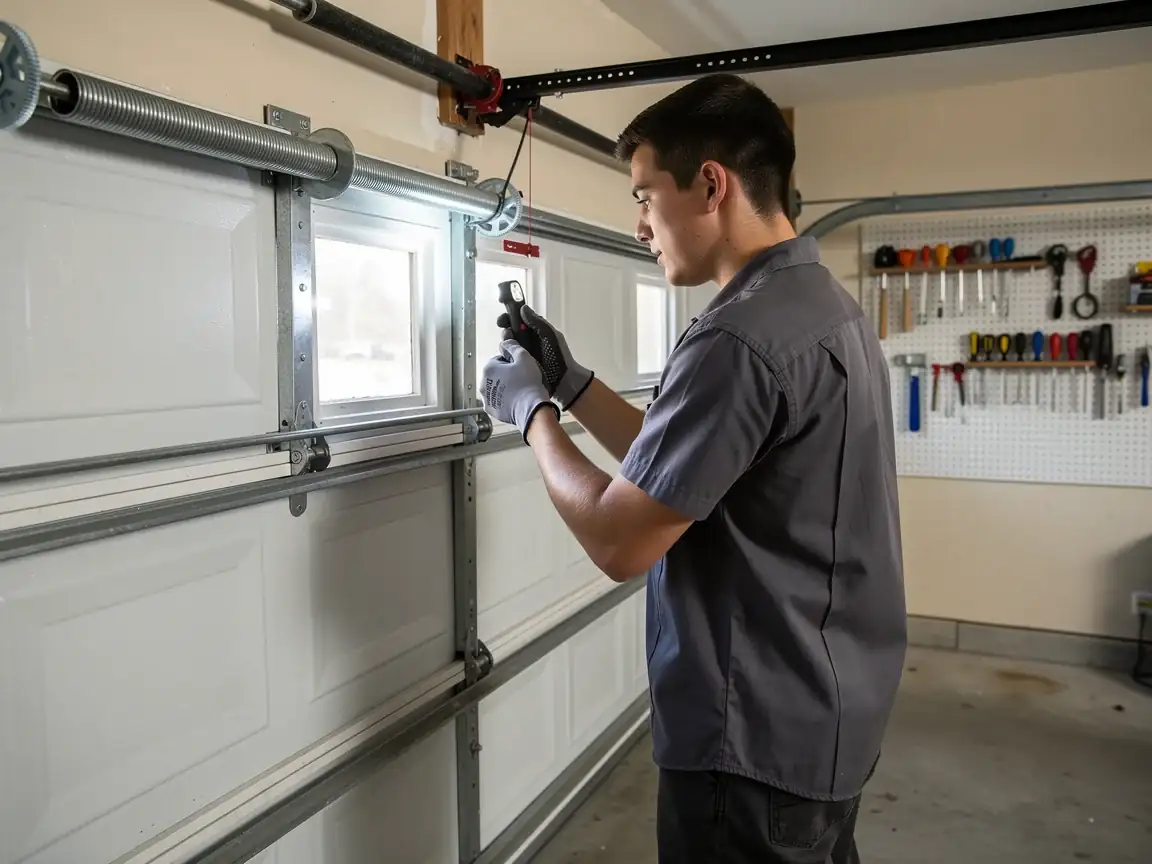
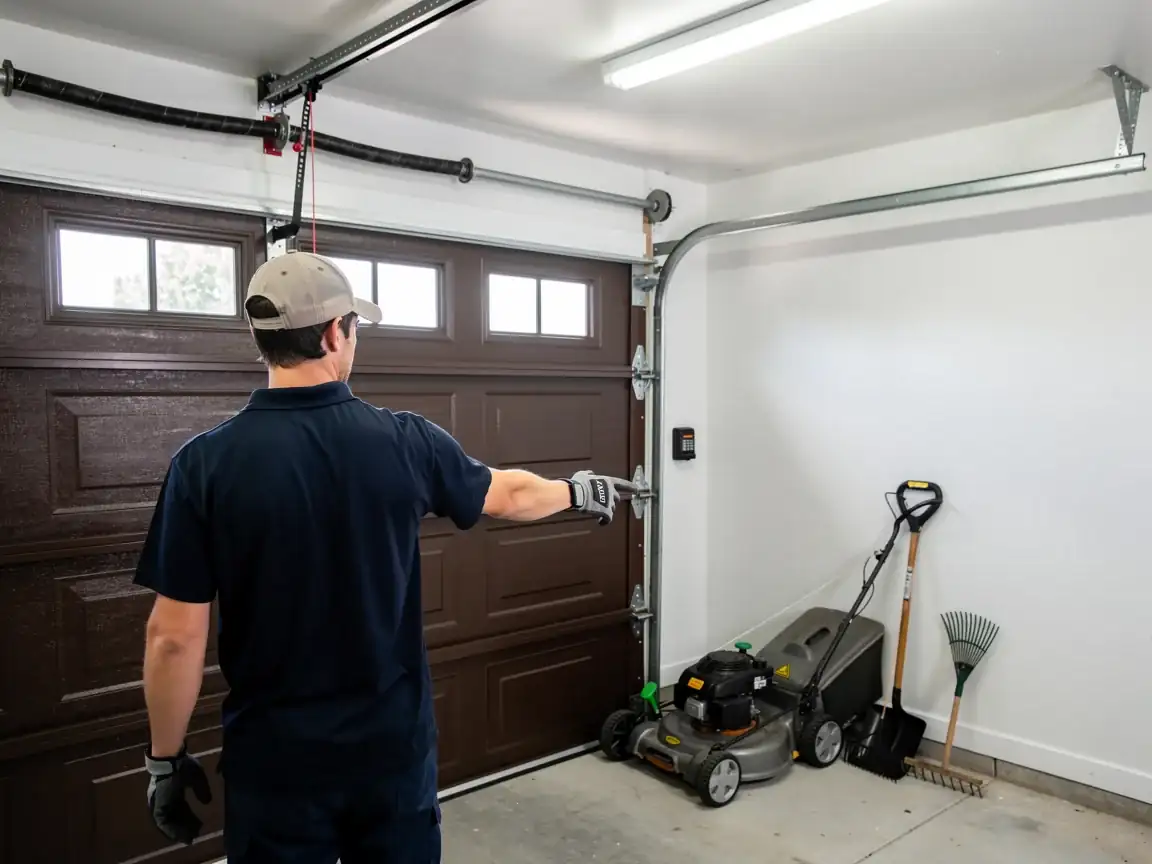
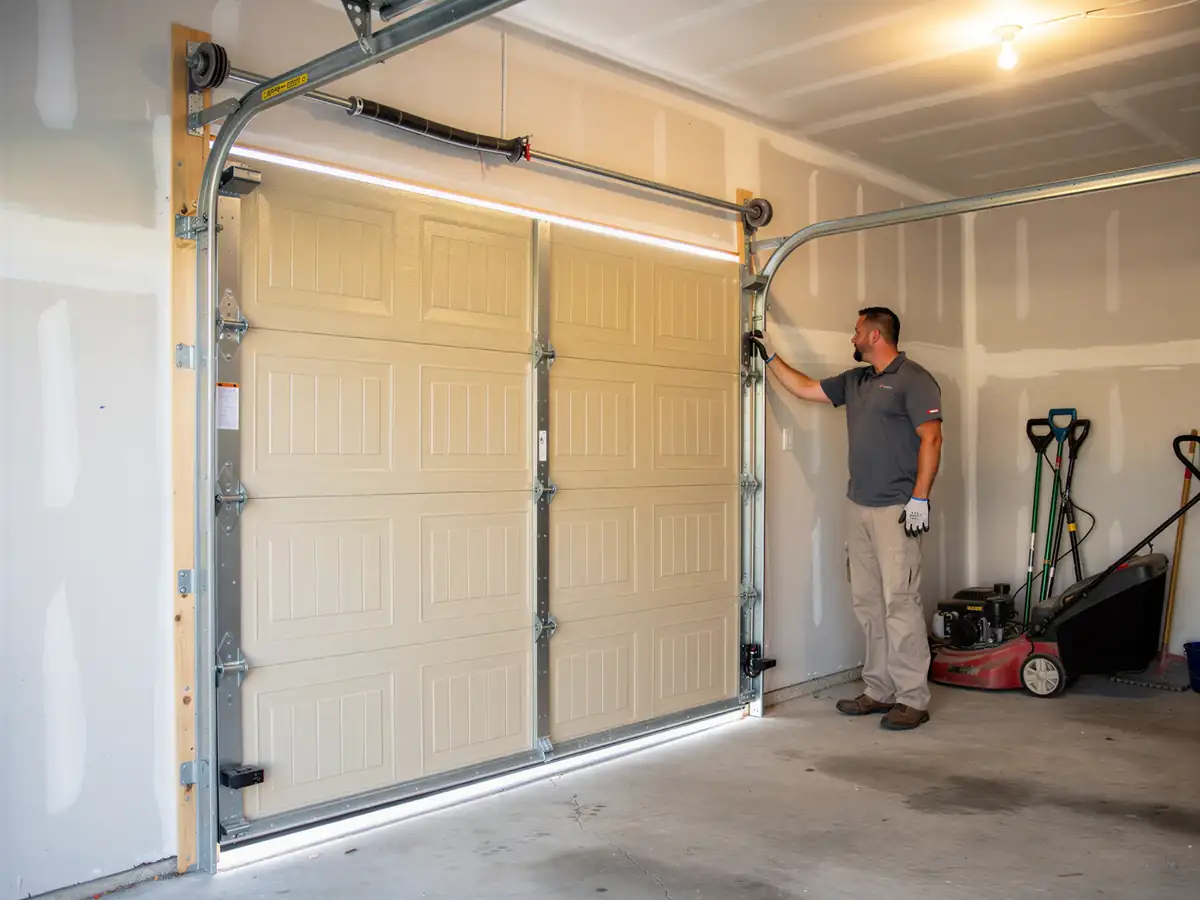
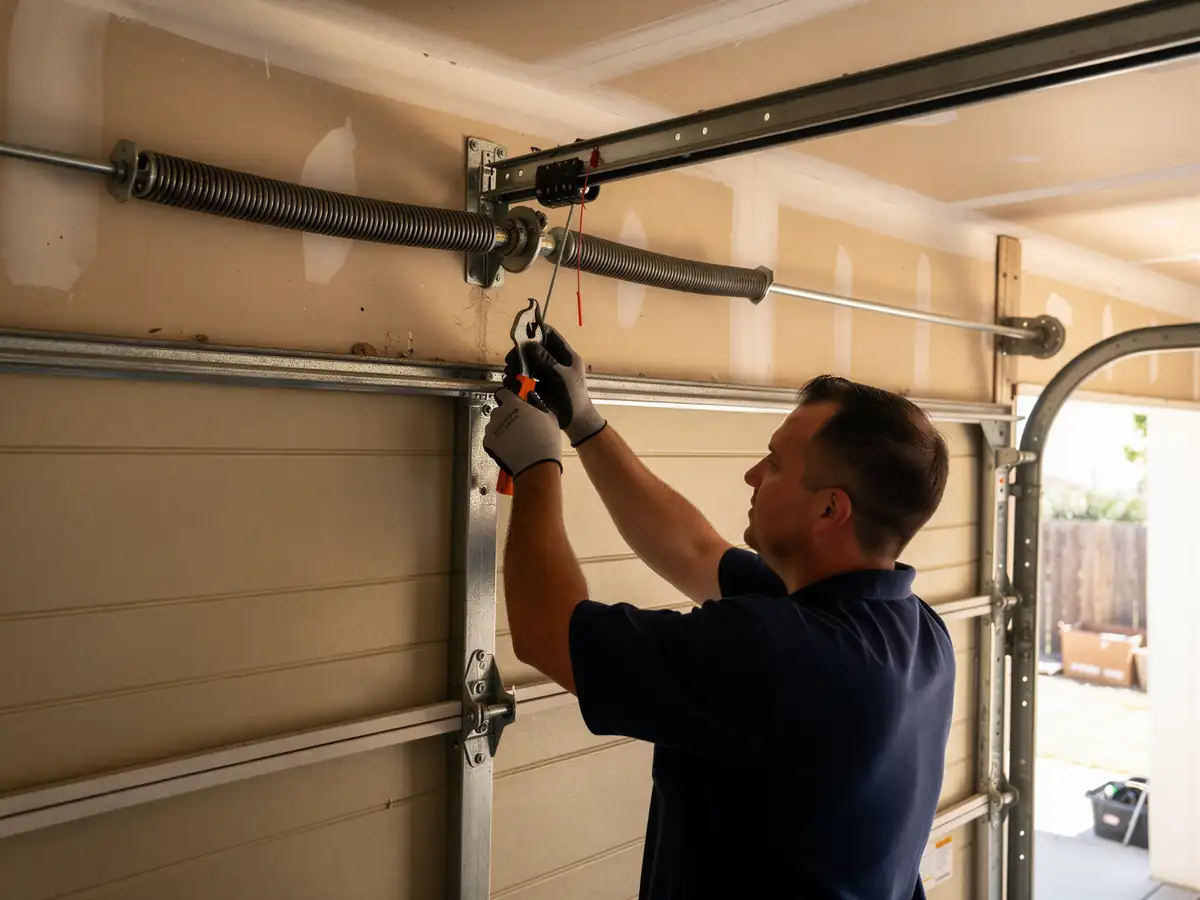
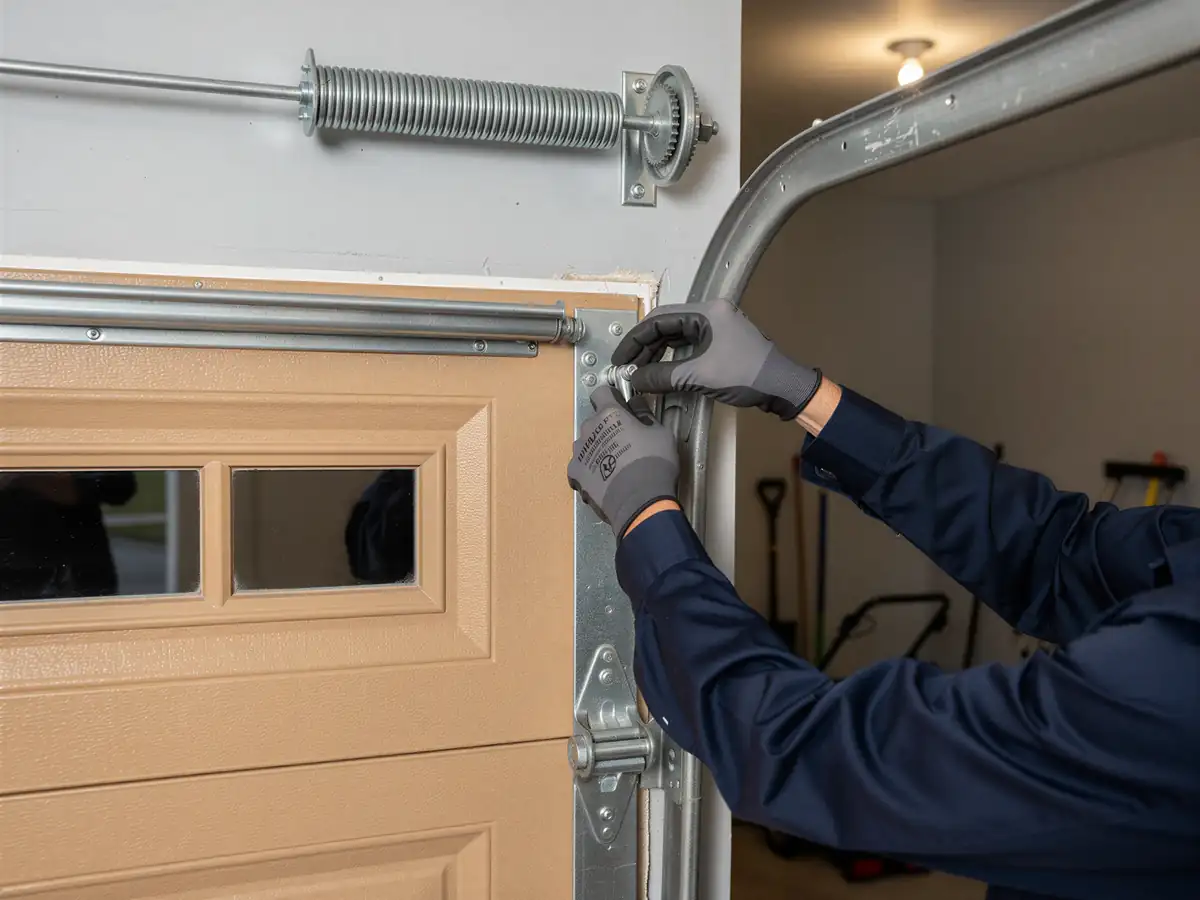
Most houses in this part of the service area went up between 1938 and 2000, with the median sitting right at 1976. That's not trivia - it's the reason so many doors around here still grind, pop, or thump instead of running quiet. A door installed in the Carter administration was built to a spring tension chart that assumed a lighter panel than what's on the door now, if the door's ever been swapped. The torsion spring, the rollers, even the track brackets on a lot of these garages are original, and original parts don't fail quietly. They tell you first - a dull thud on the way down, a squeal that only shows up at the top of the travel, a cable that ticks against the drum. Across the roughly 103,530 owner-occupied houses in this area, a large share are carrying hardware that's older than the owner standing in the driveway listening to it. The noise isn't the problem. It's the warning that the actual problem - fatigue in a torsion spring, a roller worn to its shaft, a cable starting to fray at the drum - is already underway and getting worse every cycle the door runs.
Where People Go Wrong
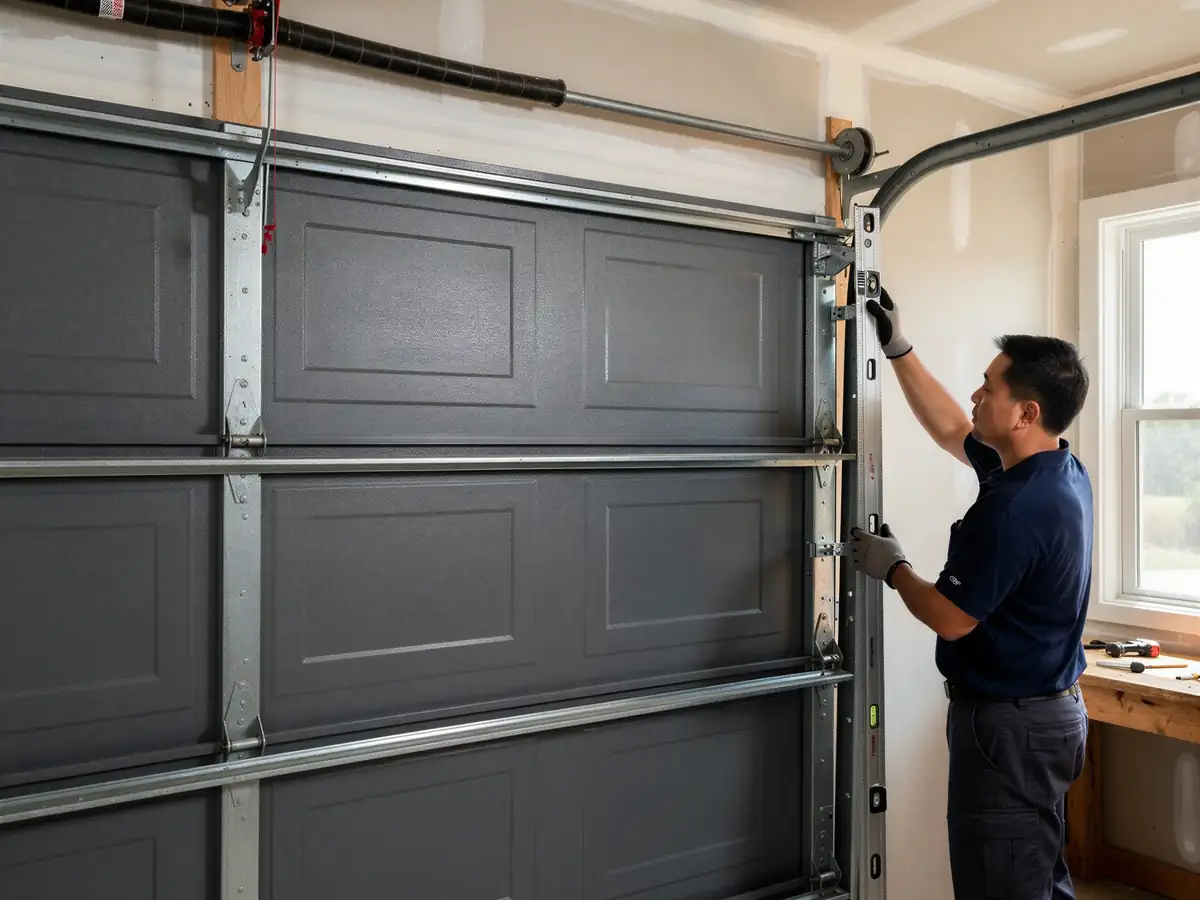
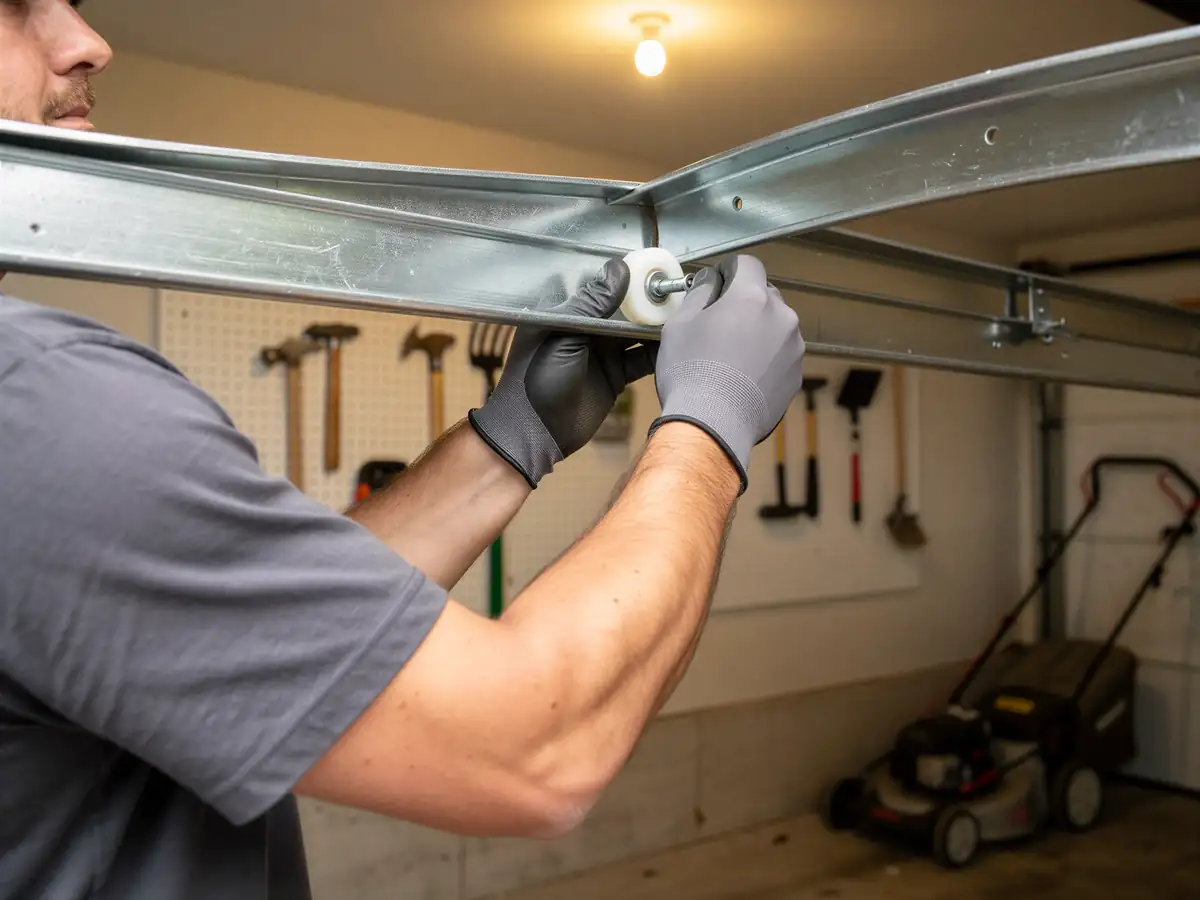
The most common mistake is treating every noise the same way: a shot of spray lubricant and hoping it goes away. That works exactly once, on exactly one kind of noise - dry metal-on-metal squeal from rollers or hinges. It does nothing for a spring that's lost its temper, and it can mask a cable that's about to let go until the day it does. The second mistake is waiting for the noise to get *bad* before calling anyone, which on a door built around 1976 usually means waiting until the spring snaps under full tension instead of catching it while it's just noisy. The third mistake, and this one's specific to houses of this era, is assuming the door can be patched piece by piece forever. On a lot of this 1960s-70s stock, the drum, the shaft, and the spring were sized as a set. Replacing one part with a modern equivalent and leaving the rest original is how you get a door that runs rough even after the repair - the new part doesn't match the wear pattern of the old ones around it.
What Local Conditions Do
This area sits in a cold-severe climate band, and steel doesn't behave the same in January as it does in July. A torsion spring that's already near the end of its life cycle loses a measurable amount of tension as the metal contracts in hard cold, and that loss shows up as noise before it shows up as failure - a spring that was quietly tired in October starts groaning audibly by December. Grease on rollers and the opener's drive gear thickens in the cold too, which turns a smooth-running door into one that chugs and hesitates on the way up, especially on the first cycle of a cold morning. None of this is unique to one block or one subdivision - the same cold-severe conditions sit over West Milwaukee three miles off and Wauwatosa four miles the other direction, so a door on either side of that line is fighting the same seasonal math. What's different house to house is how old the spring already was going into winter, and that comes straight back to the 1938-2000 build window this area sits in.
What Changes With the Season
Fall is when the noises usually start getting reported, because that's when the first real cold front hits a spring that's been running marginal all summer without anyone noticing. Winter is when they turn into calls - openers straining, doors reversing partway up, springs finally giving out on a morning run. By spring, thawing ground can shift a slab enough to throw off an out-of-square frame, which shows up as a door that rubs one track going up and the other coming down, a sound that's easy to mistake for a roller problem when it's actually alignment. We don't try to diagnose a specific noise over the phone with any confidence - a squeal and a grind can come from three different parts, and guessing wrong means a second trip. What we can say with confidence, given how much of the housing stock here dates to the 1960s and 70s, is that a door making noise in October is worth a look before the first hard freeze, not after.
Straight answers about garage door repair in West Allis. Still unsure? Ask us directly.
My garage door squeals but still opens fine. Is that urgent?
Not usually an emergency, but don't ignore it. On a door of this area's typical age, squealing is most often dry rollers or hinges, which is a cheap fix now. Left alone through a cold stretch, the same wear accelerates and can start stressing the spring. Get it looked at before winter, not during the first cold week.
Why does my door make noise only in cold weather?
This area sits in a cold-severe climate band, and both the steel in a worn spring and the grease on the rollers and drive gear behave differently when it's cold. A spring near the end of its life loses tension as it contracts, and thickened grease makes the opener work harder. The noise you hear in January is often a problem that was already there in July, just quieter.
Should I replace just the noisy part or the whole door?
Depends on the part and the door's age. On a lot of the 1960s-70s stock around here, the spring, drum, and shaft were matched as a set, so replacing one and leaving the rest original often leaves the door running rough. If the hardware's original and one piece is already failing, we'll tell you honestly whether a full torsion system swap makes more sense than a patch.