The Cost of This Job
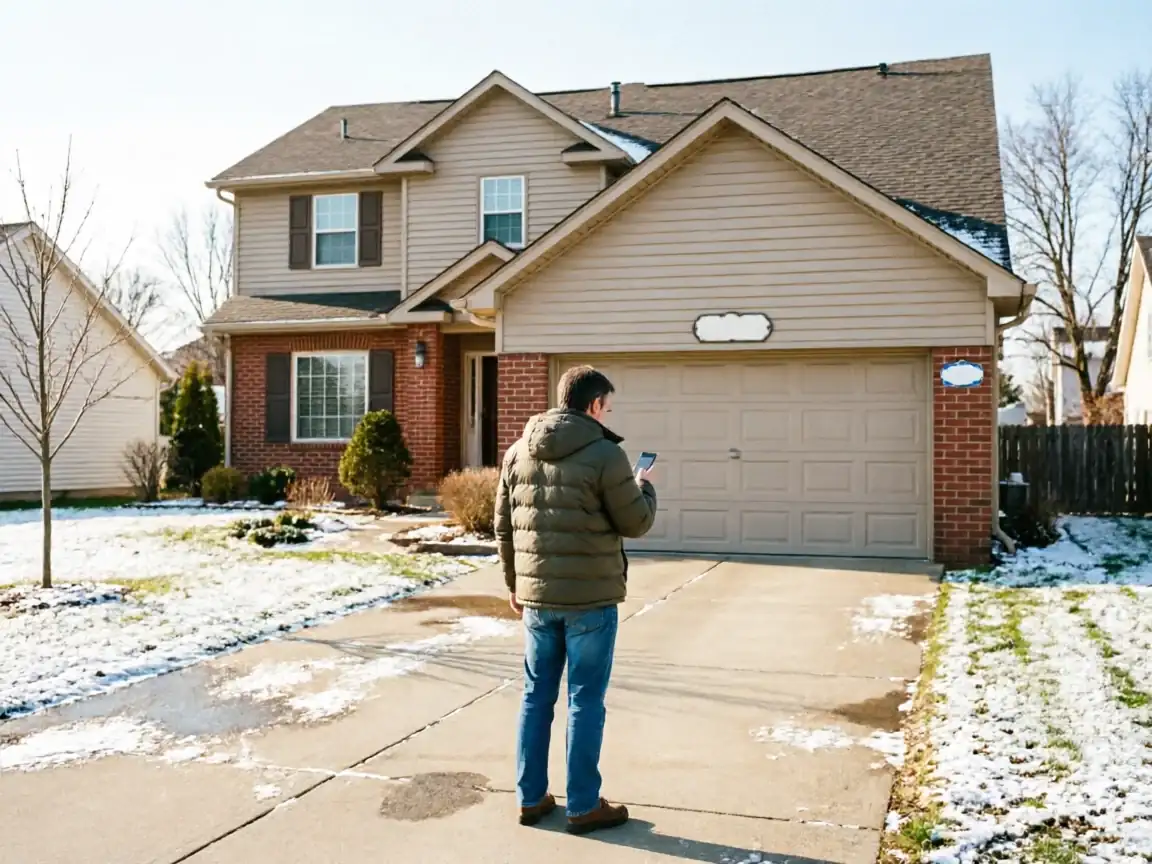
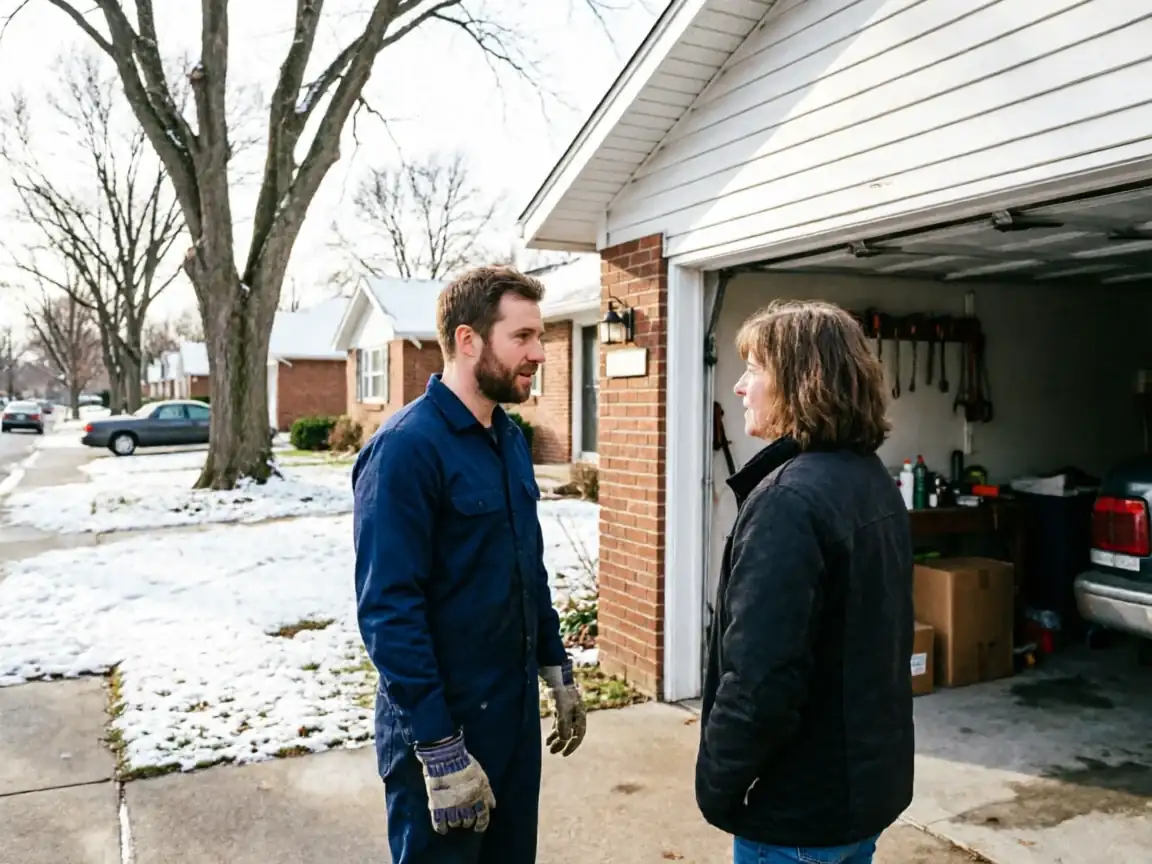
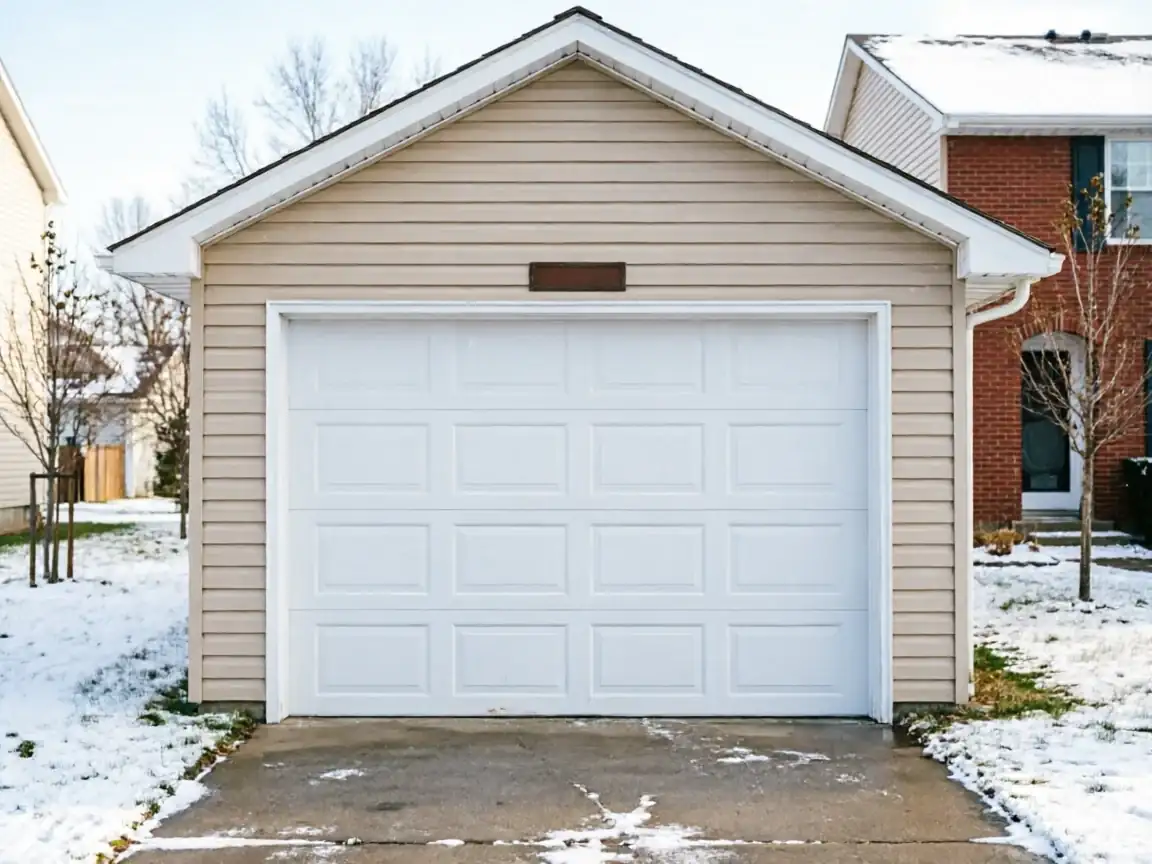
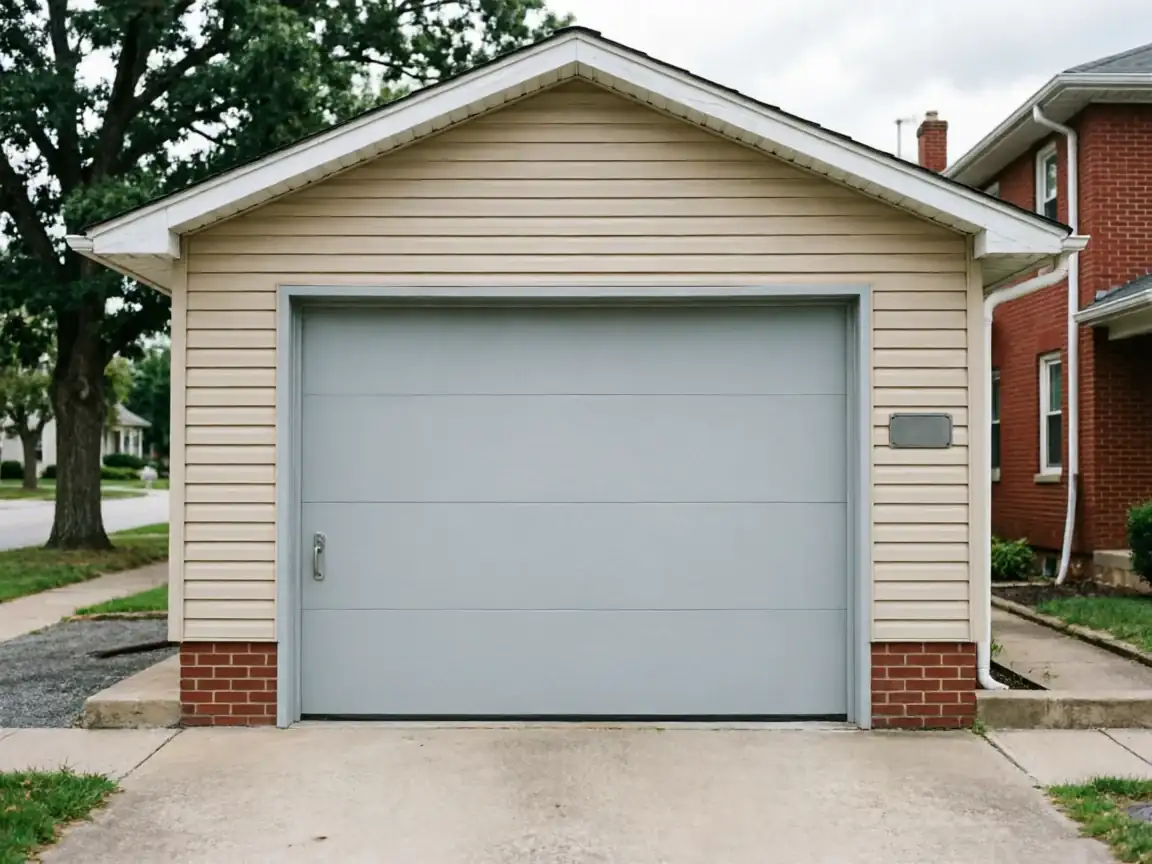
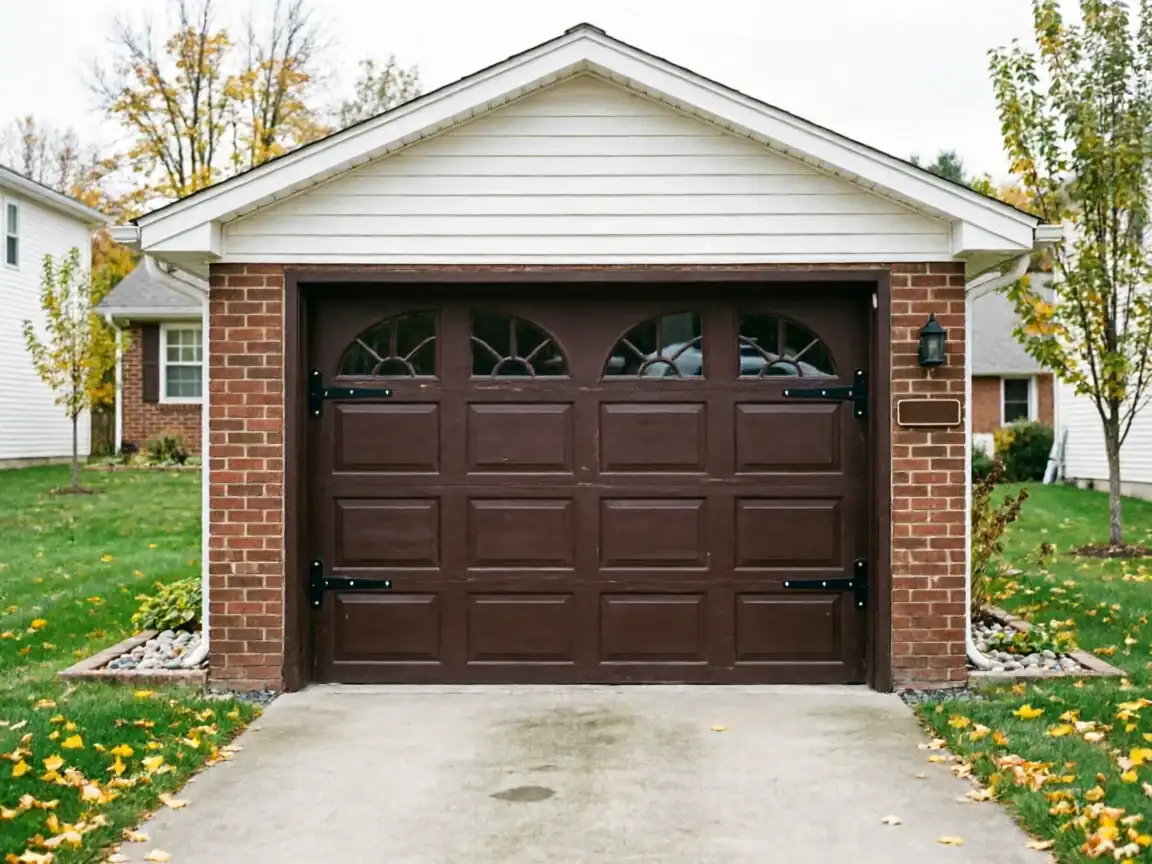
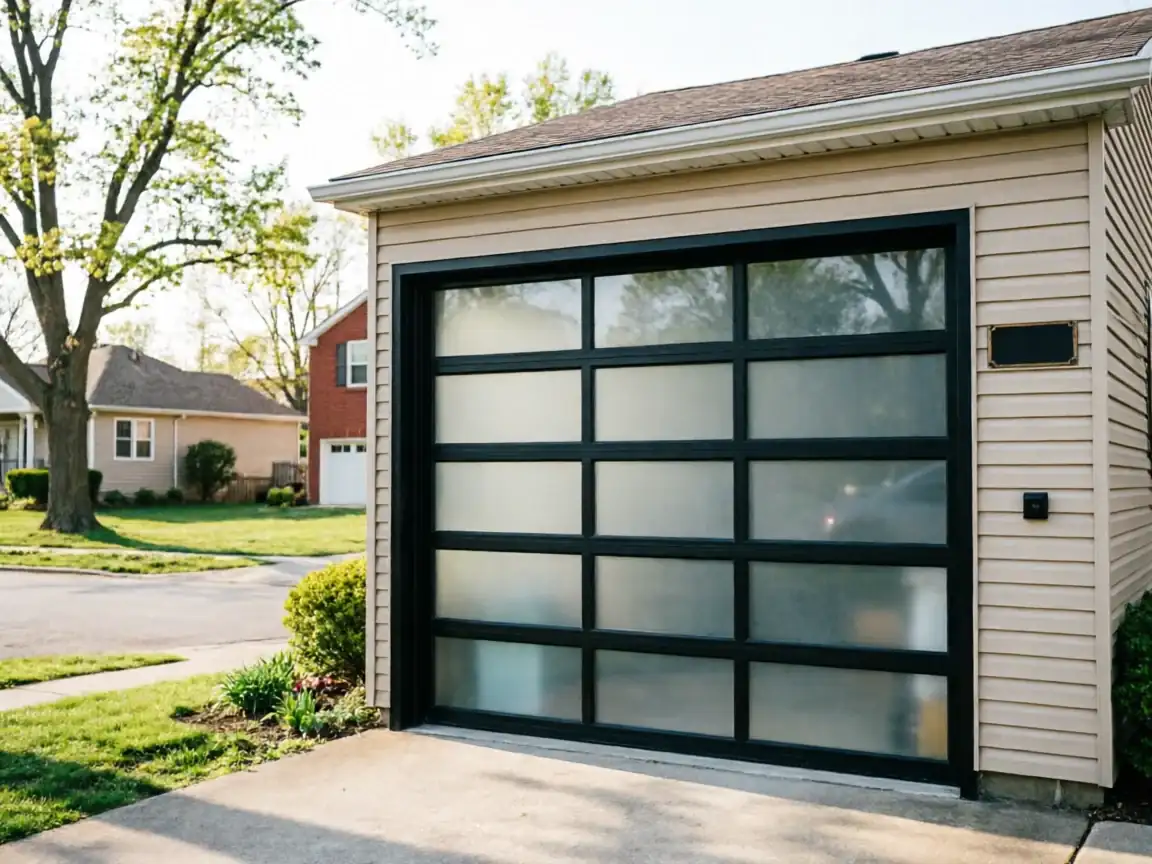
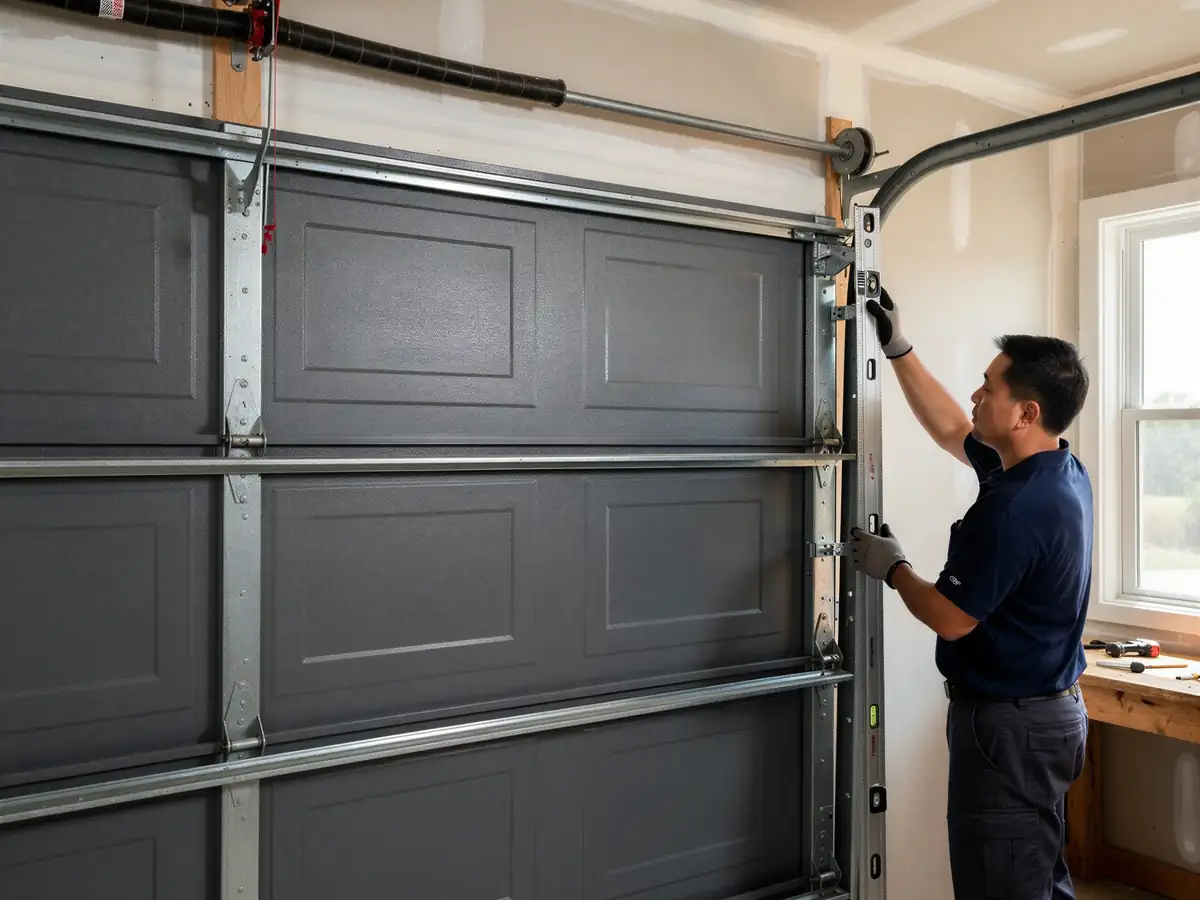
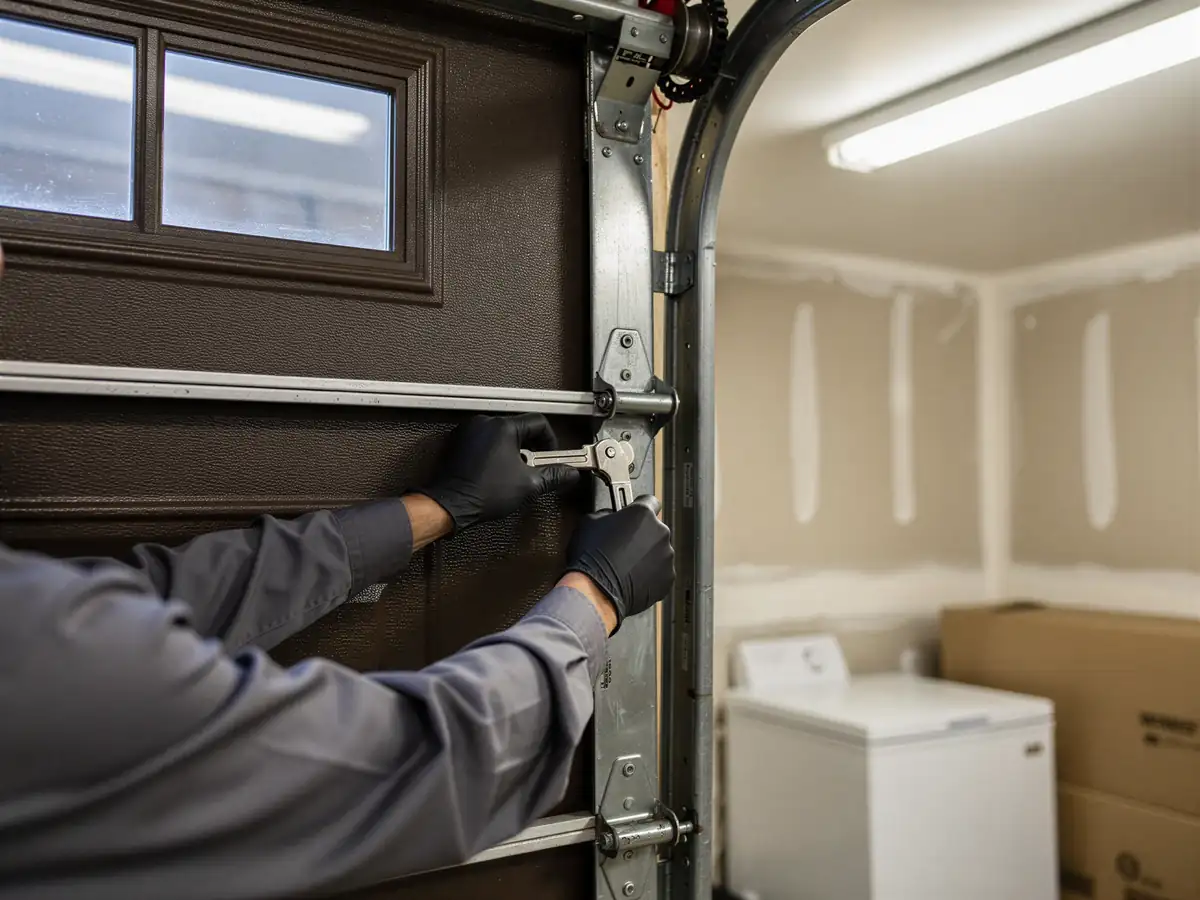
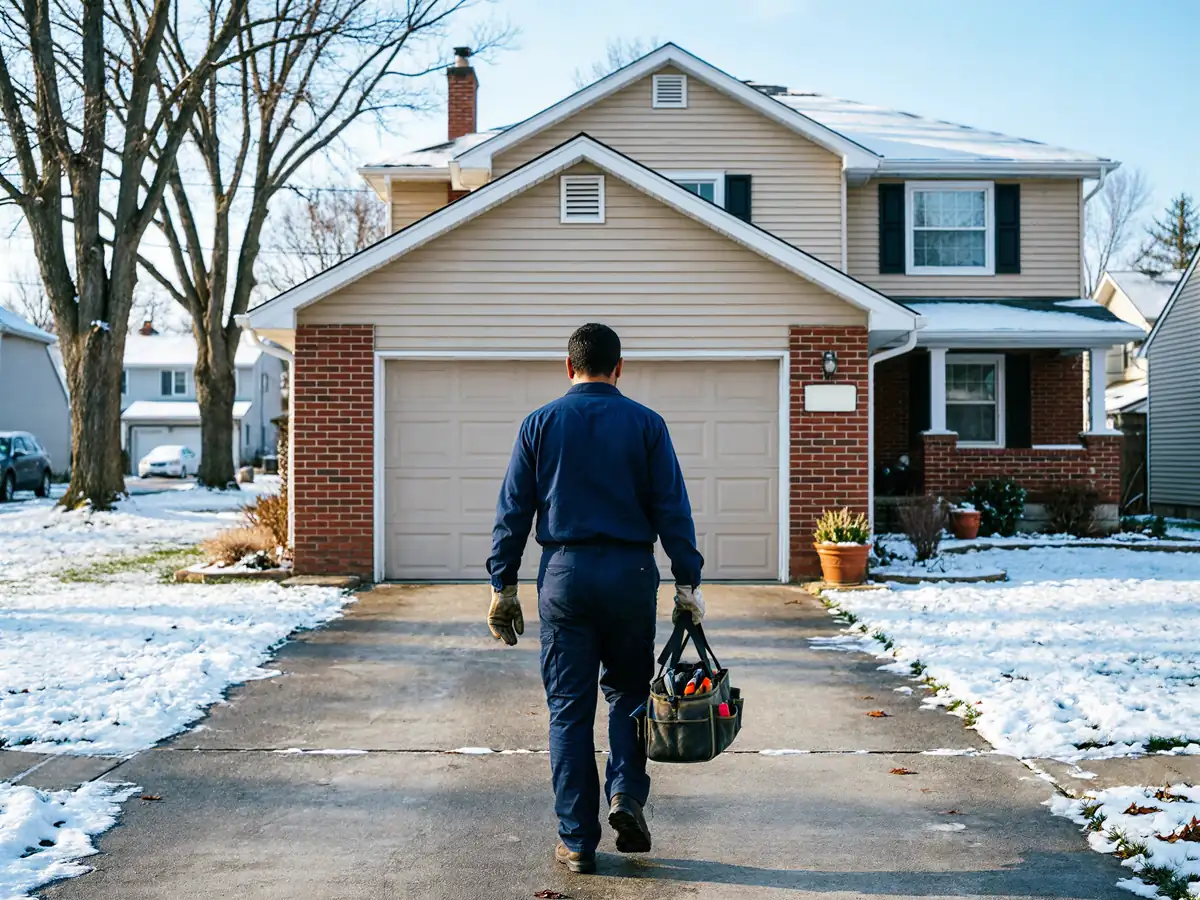
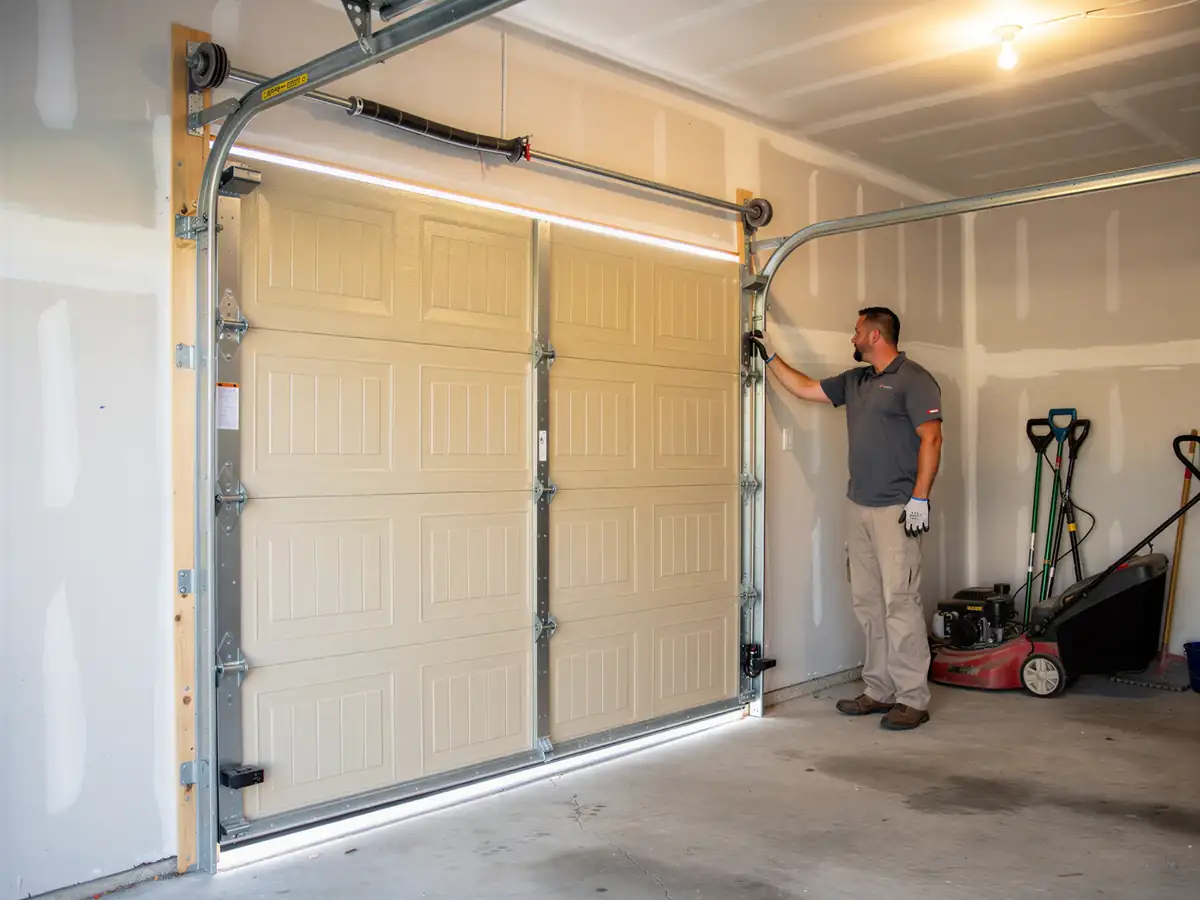
We can't post a number here because every opening in West Allis is a little different once you get into the jamb and header condition - that's not a dodge, it's the honest state of houses built across a 60-plus year span. What we can tell you is what moves the number: whether the existing jamb needs rebuilding or just shimming, whether you're matching an insulated door for our cold climate band or going with a standard panel, and whether the opener gets replaced at the same time or stays. Given this area's median household income sits around $108,690, we see a real mix of full insulated-door replacements and more modest single-panel swaps - there's no single 'typical West Allis job.' One honest limitation: if your jamb has shifted more than an inch out of square, that's carpentry work before it's garage door work, and we'll tell you that up front rather than force a door into an opening that'll just fight it again in a year.
What Causes It Around Here
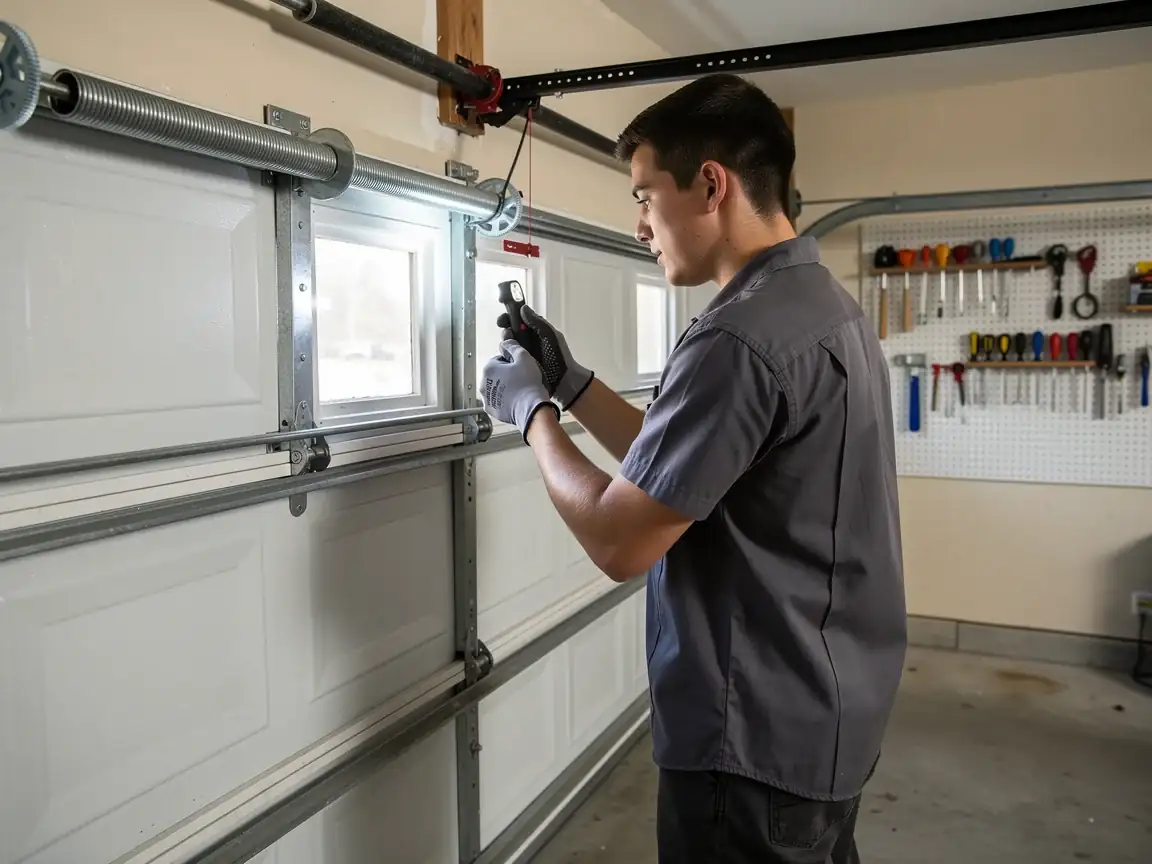
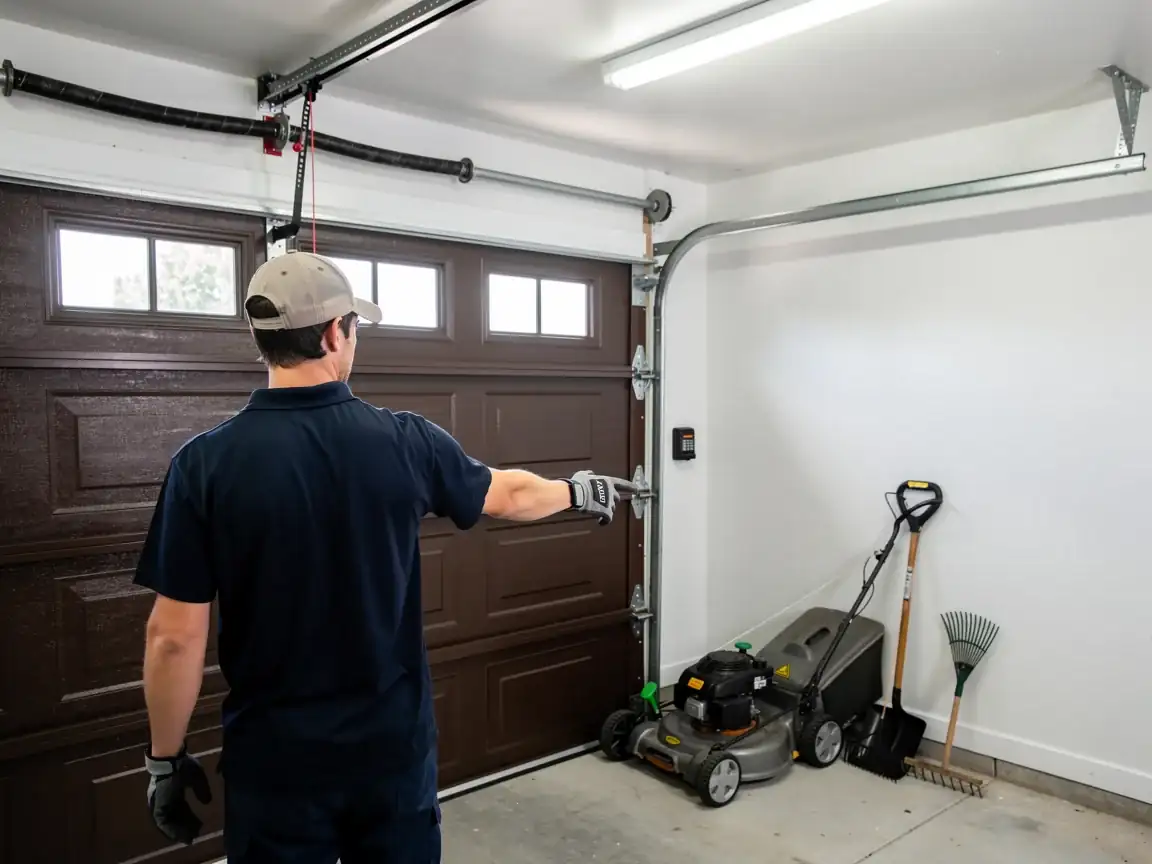
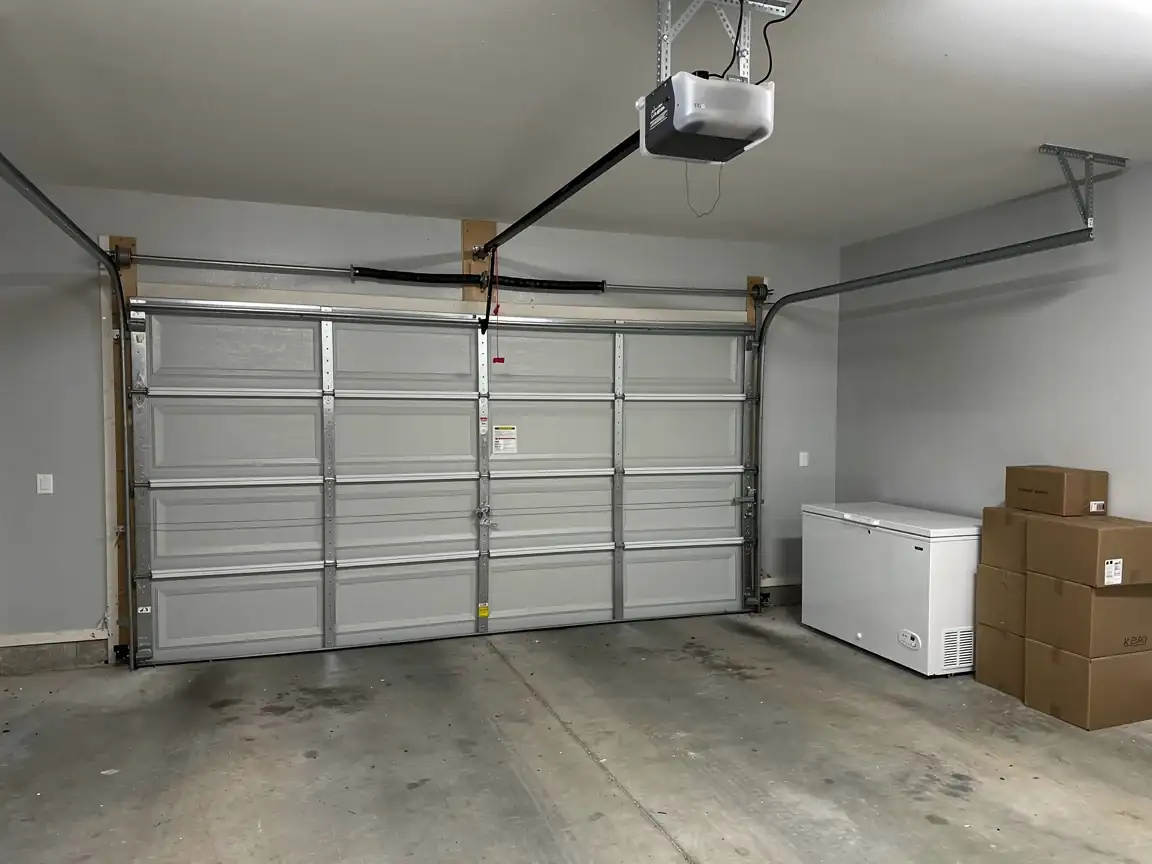
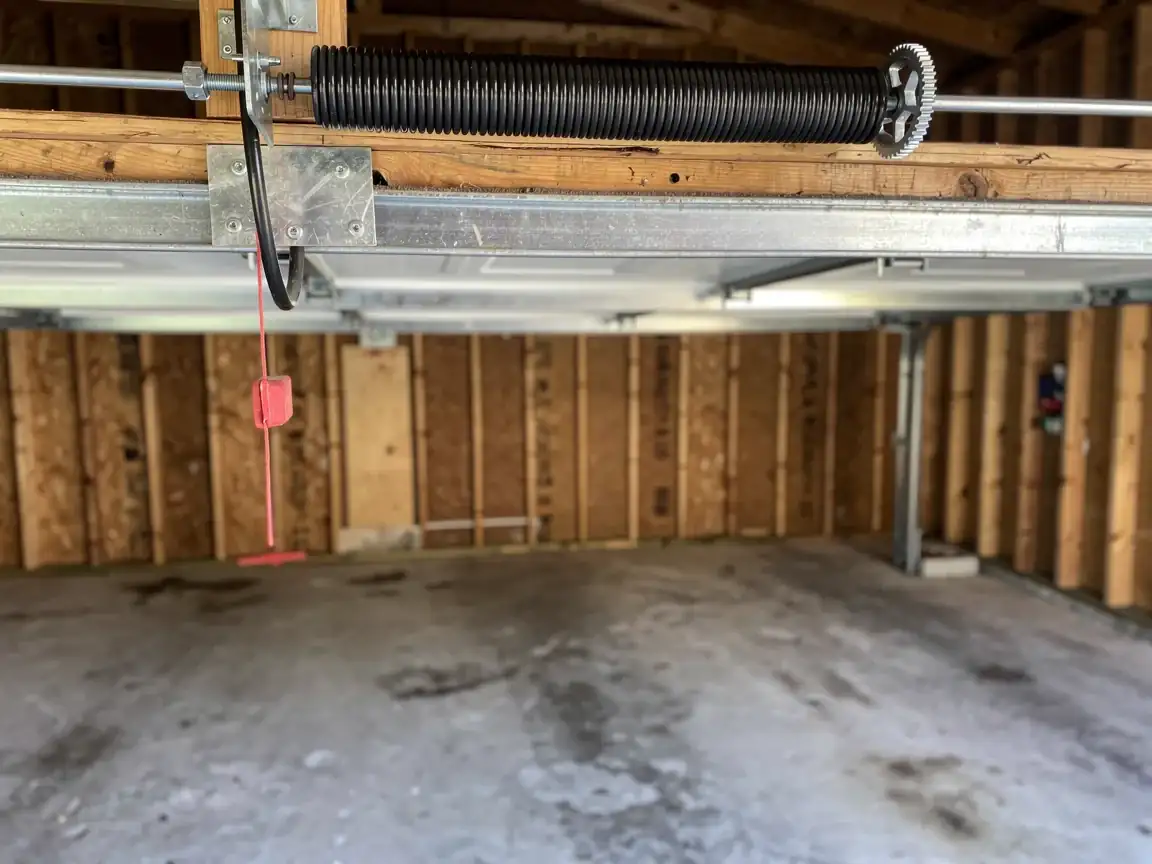
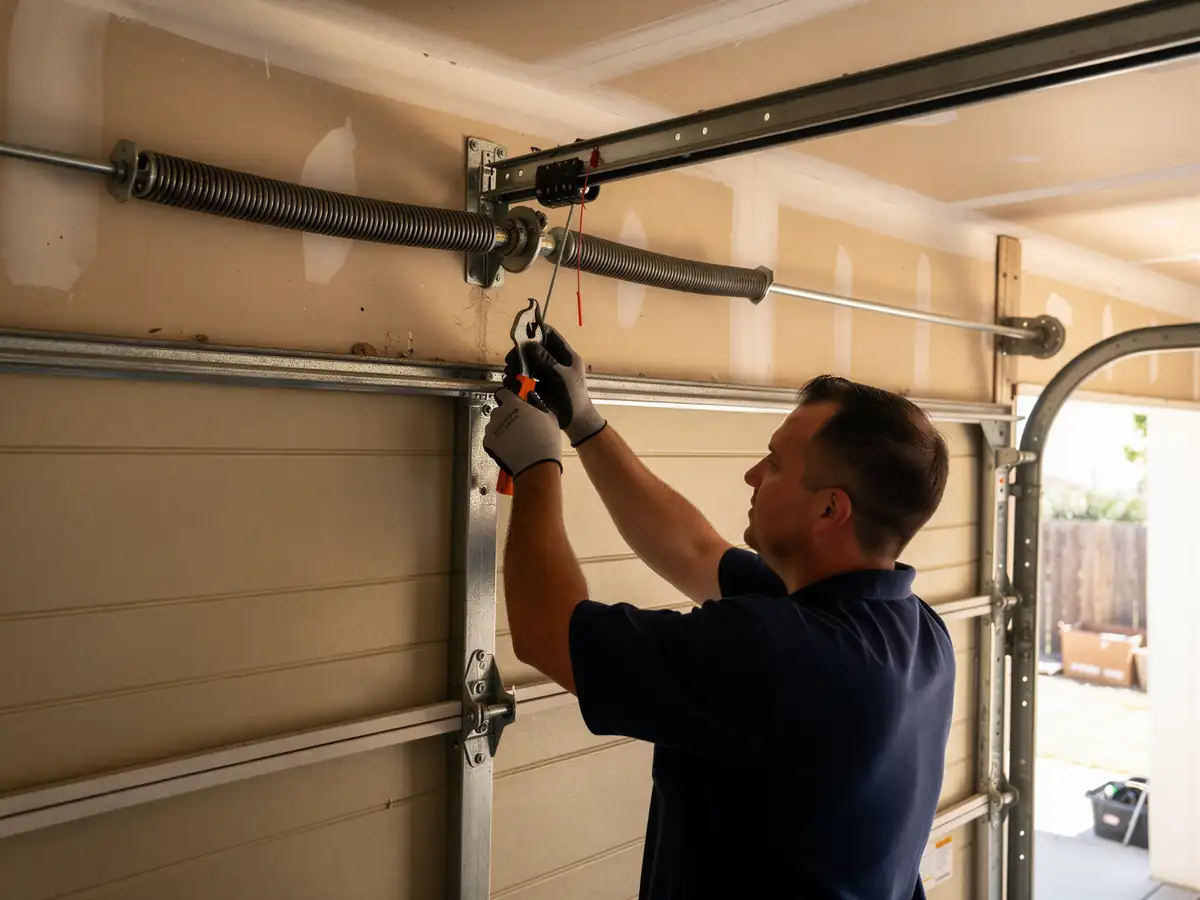
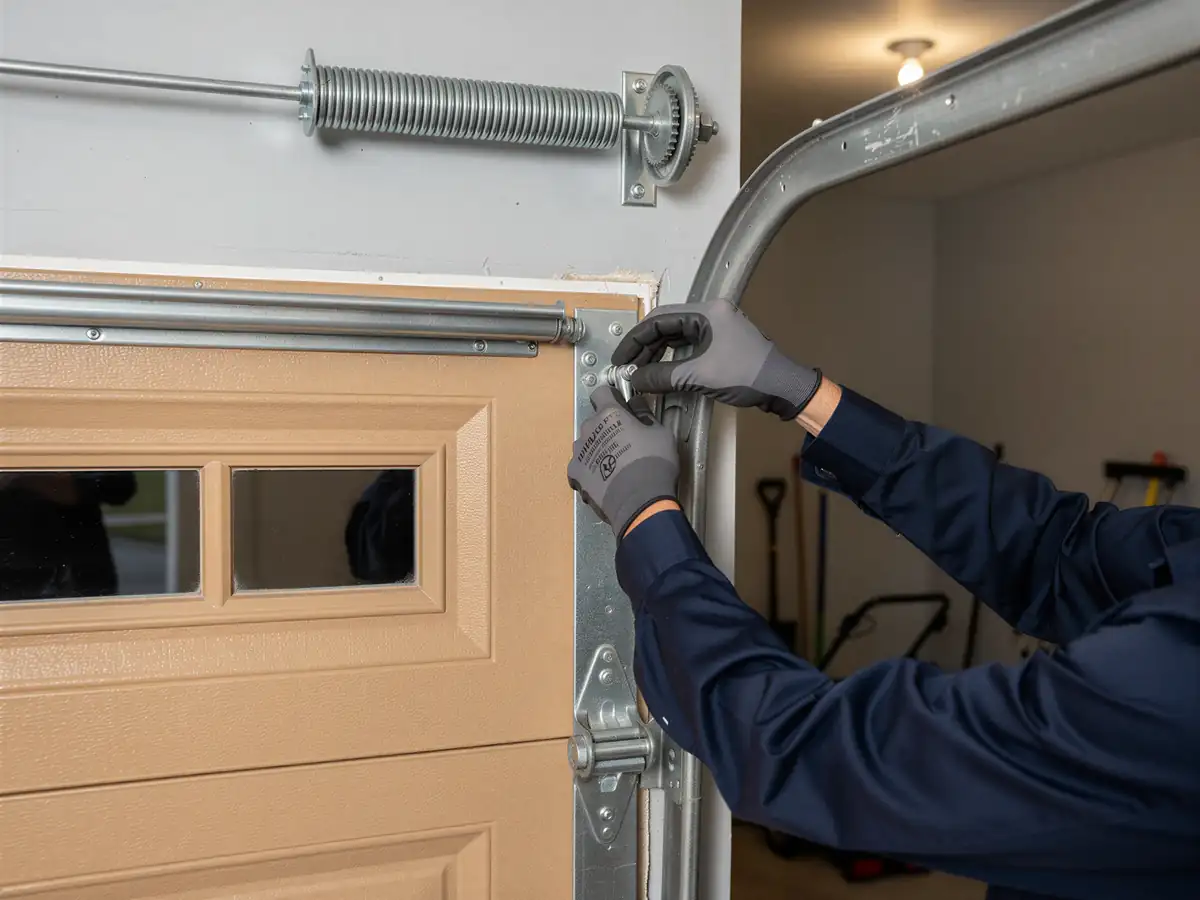
Our climate band is classified cold and severe, and that's the real driver behind most installation calls in West Allis. A garage door built or last replaced decades ago - which, given the 1938-2000 build range here, describes a lot of doors still in service - was never insulated to handle repeated deep freezes followed by quick thaws. That cycle works on the steel skin, the seam welds, and especially the bottom seal and jamb seal. Non-insulated panels contract hard in a cold snap, which is when you hear the pop or see a seam separate at a corner. It's also why torsion springs on older, heavier wood-and-steel composite doors from that era wear out faster here than the same spring would in a milder climate - the metal is working harder, more often, through a longer cold season. When we install a replacement door in this area, we're not just matching the opening, we're matching it to that freeze-thaw cycle so the seals and panel skin are rated for it instead of just tolerating it.