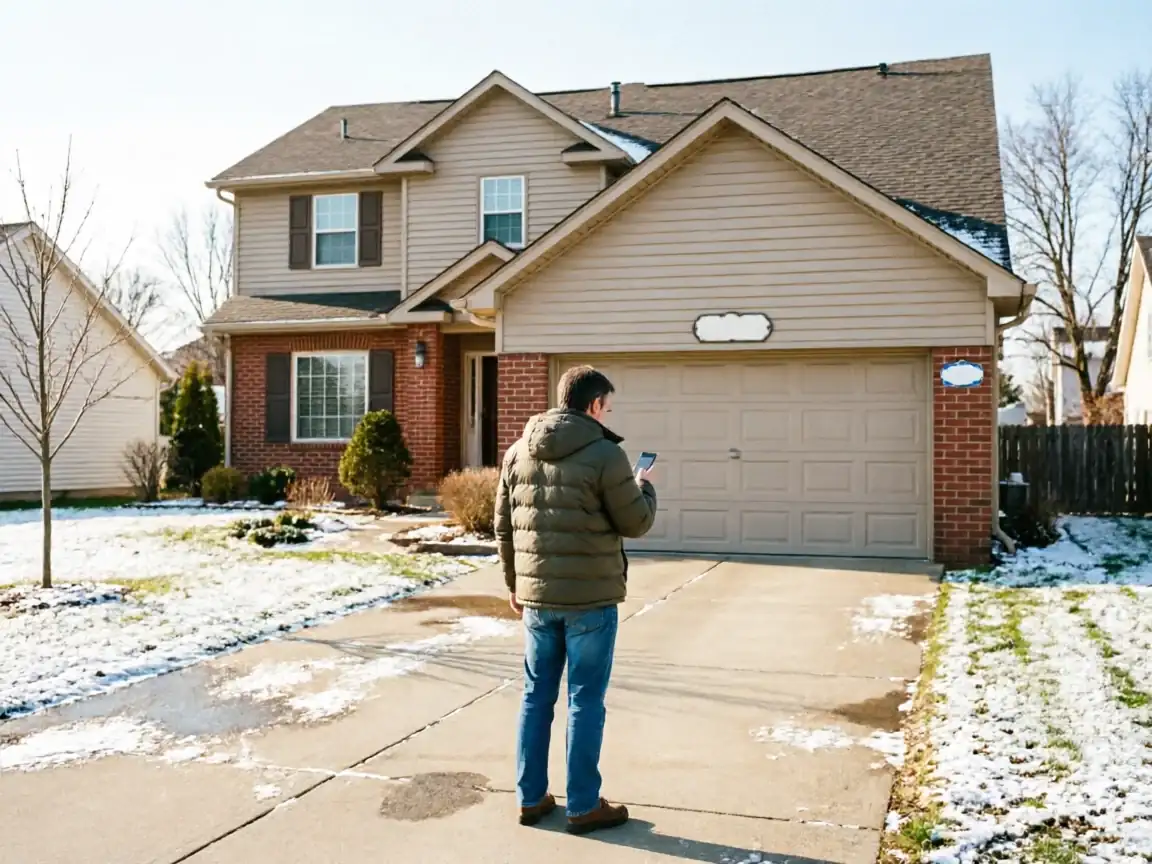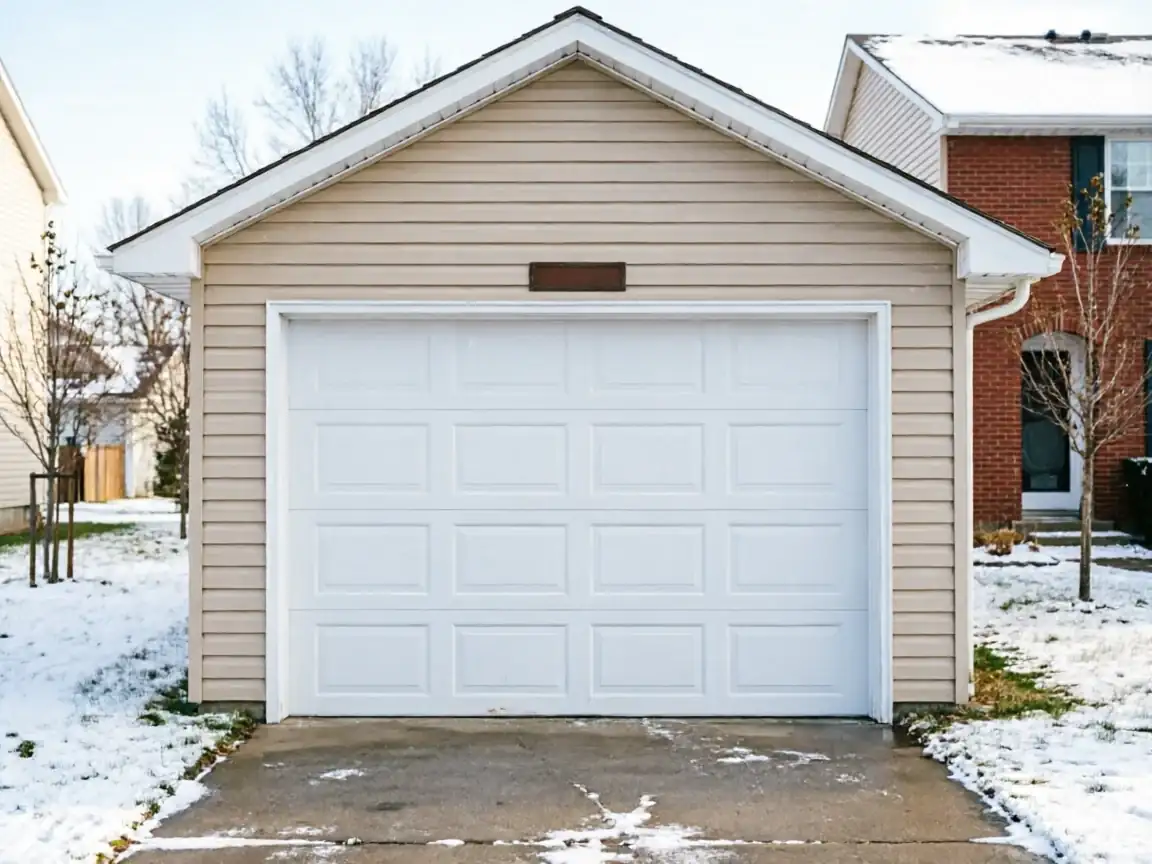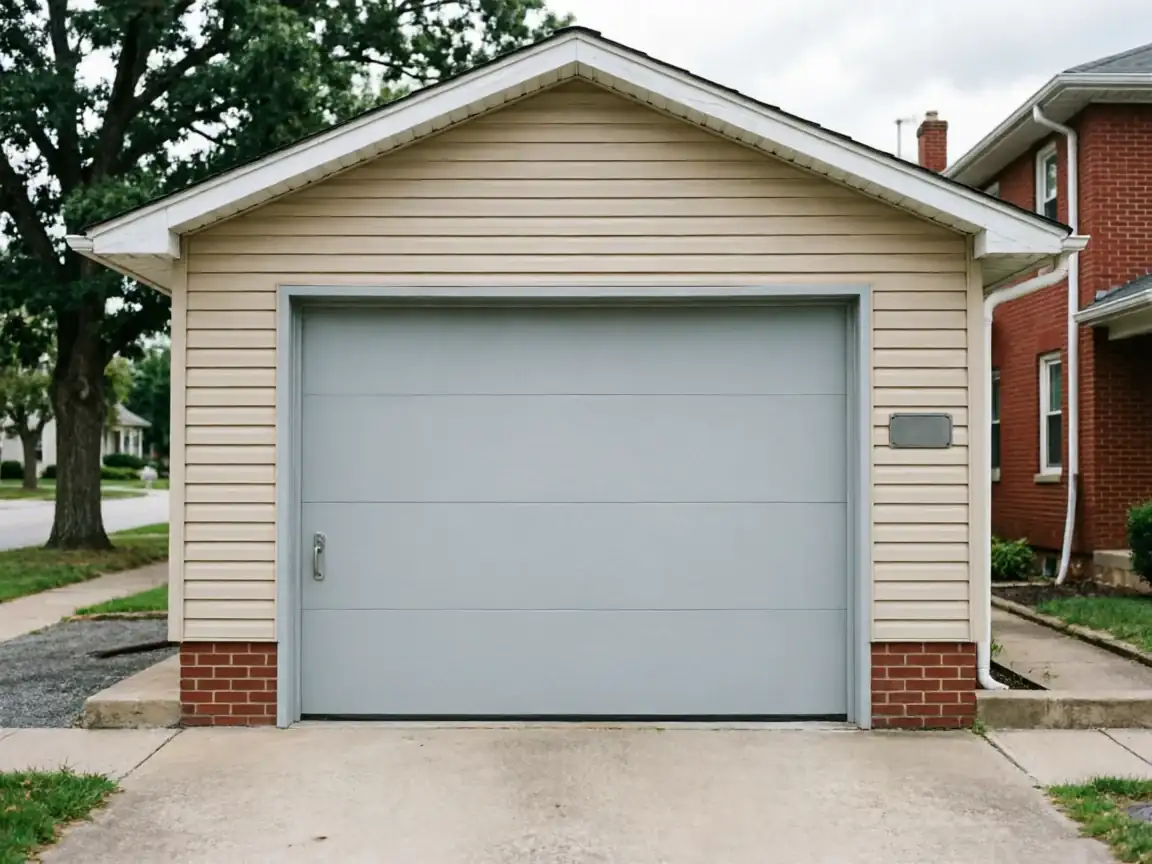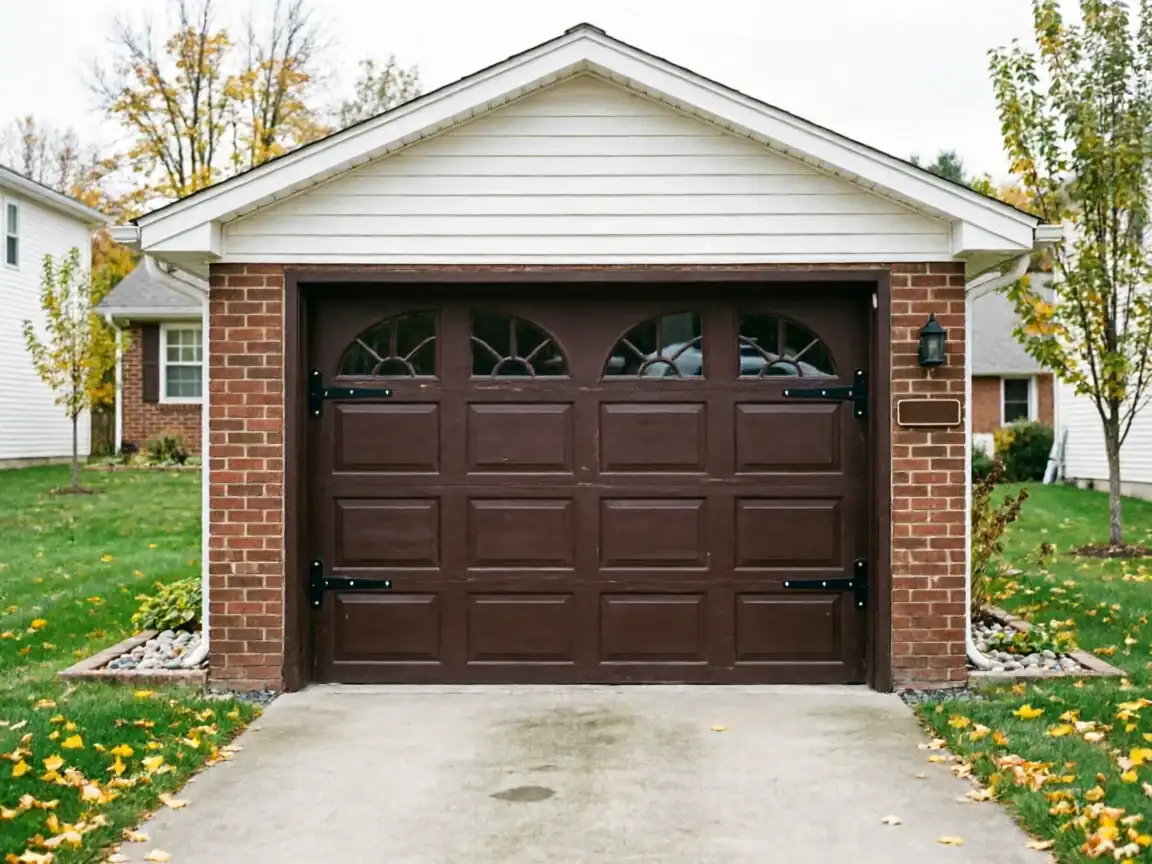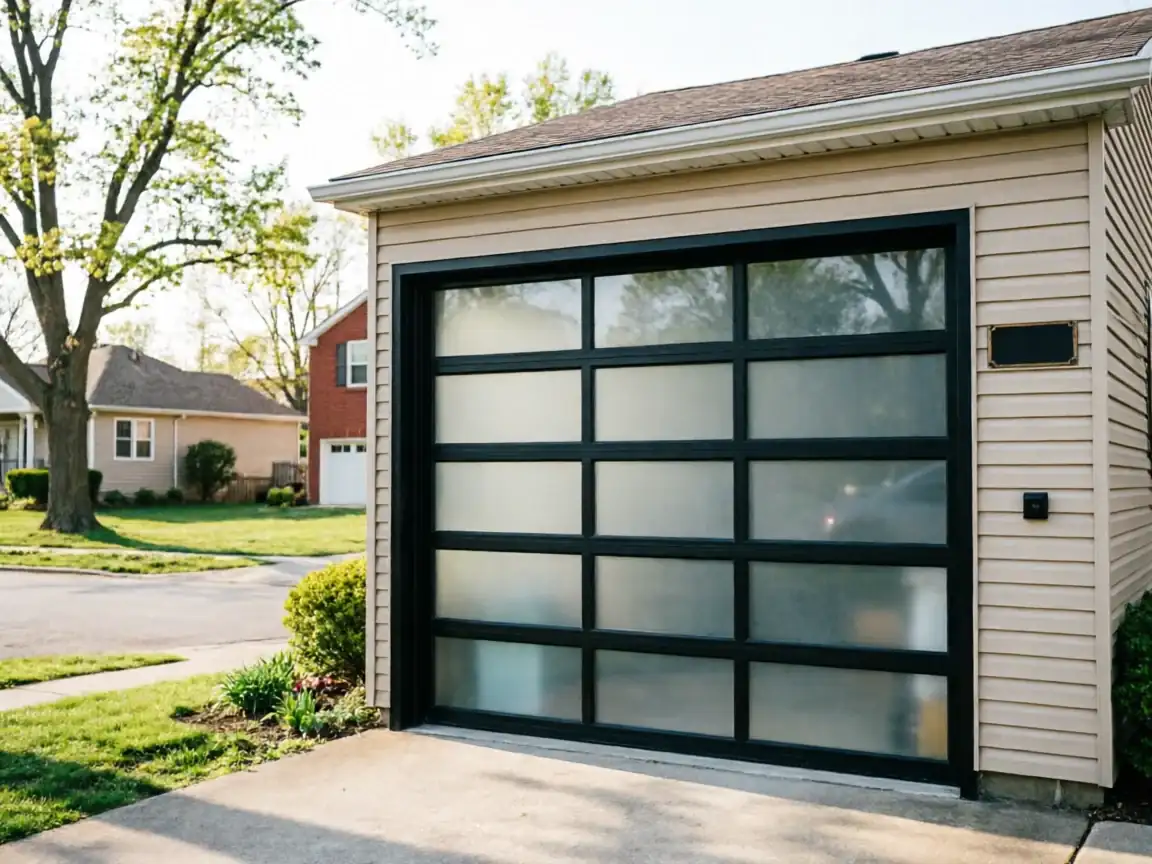
What You Are Seeing
If the door won't budge
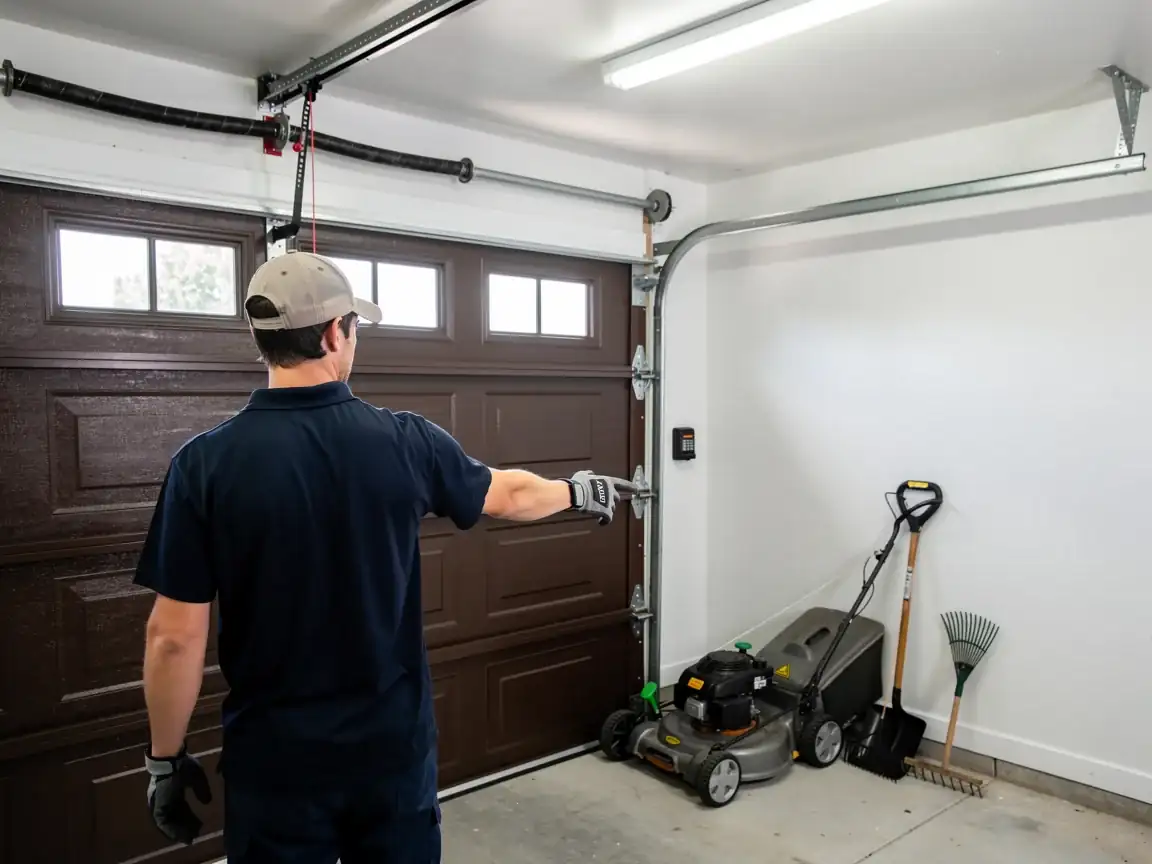
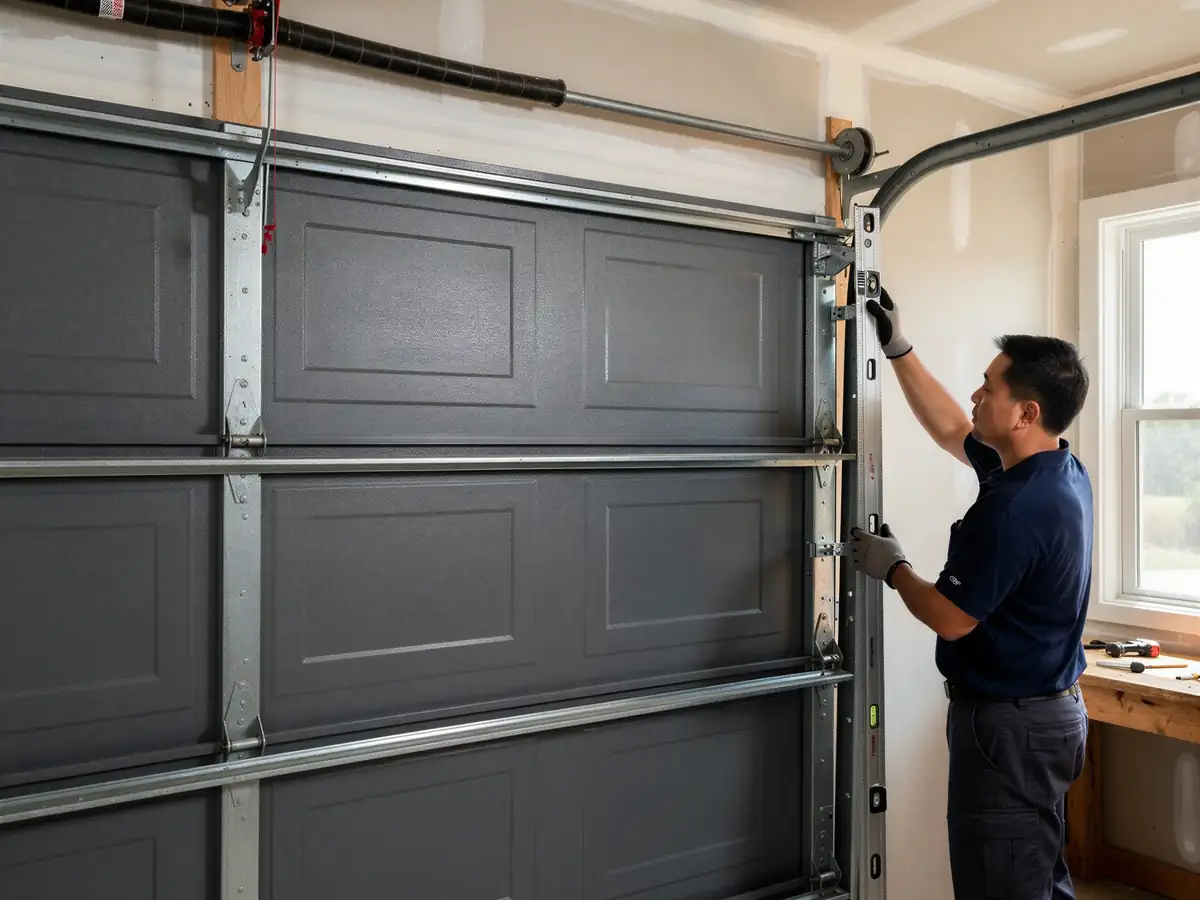
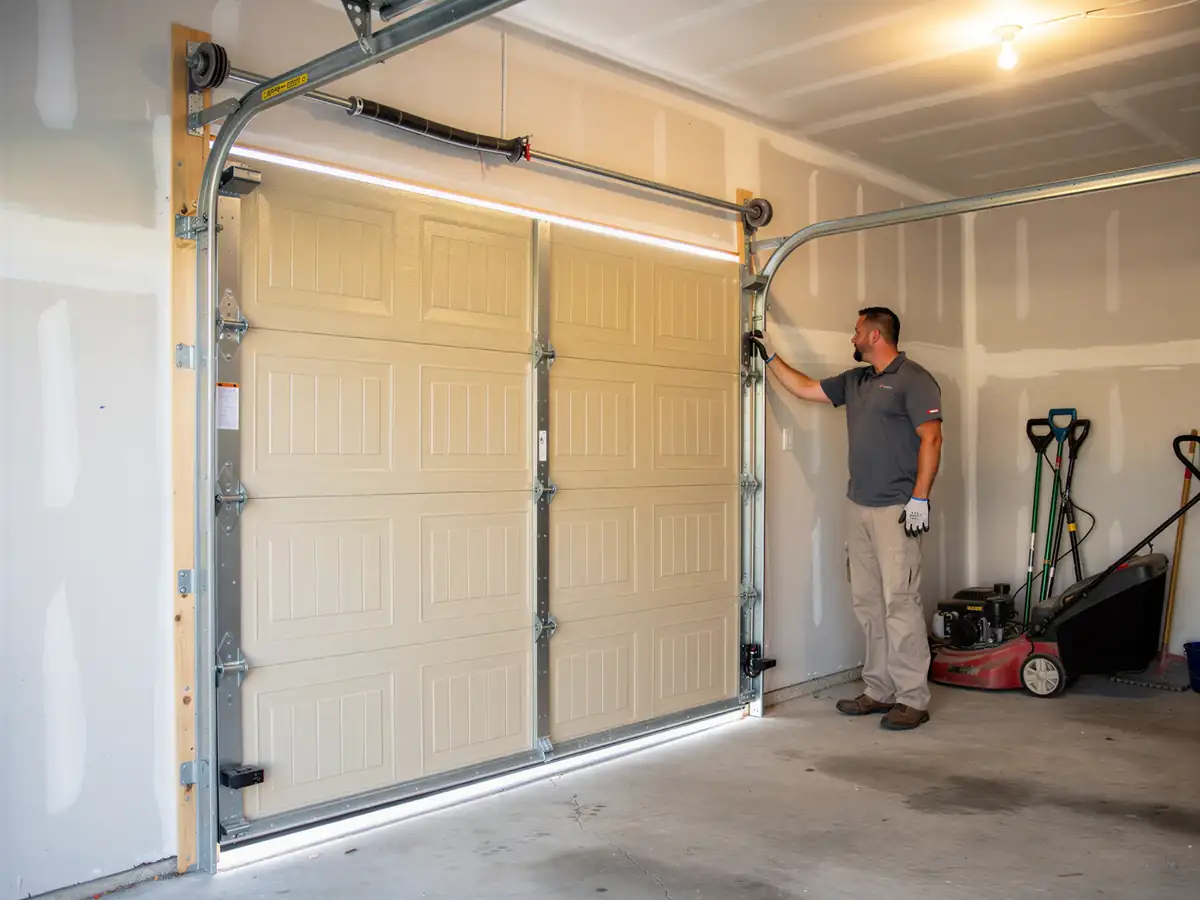
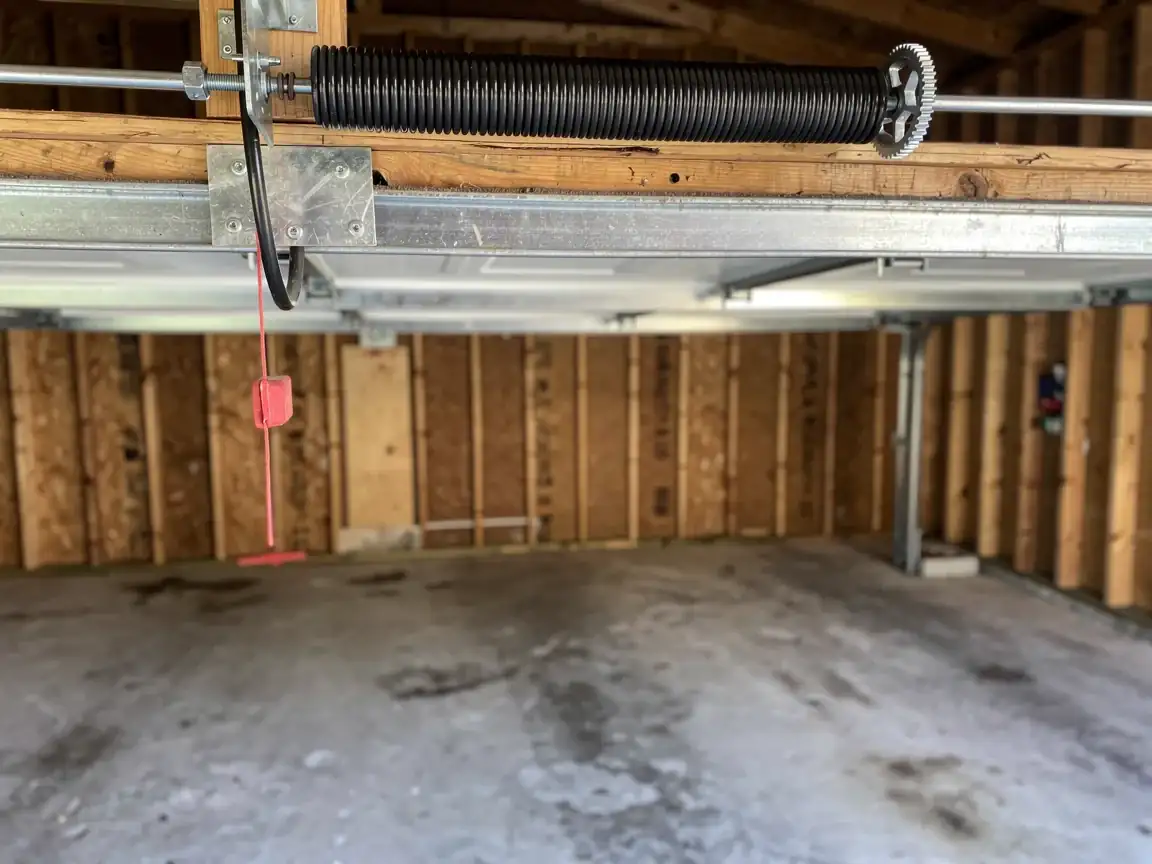
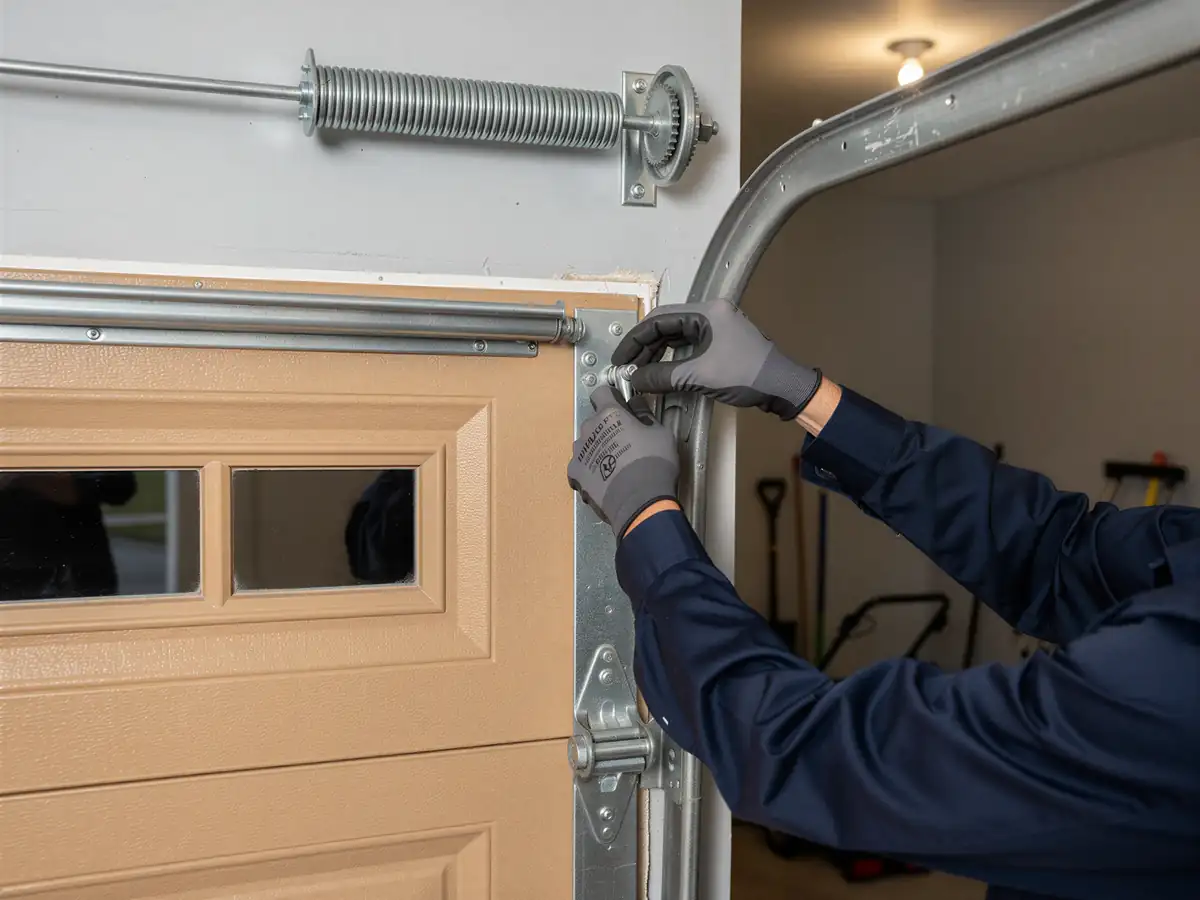
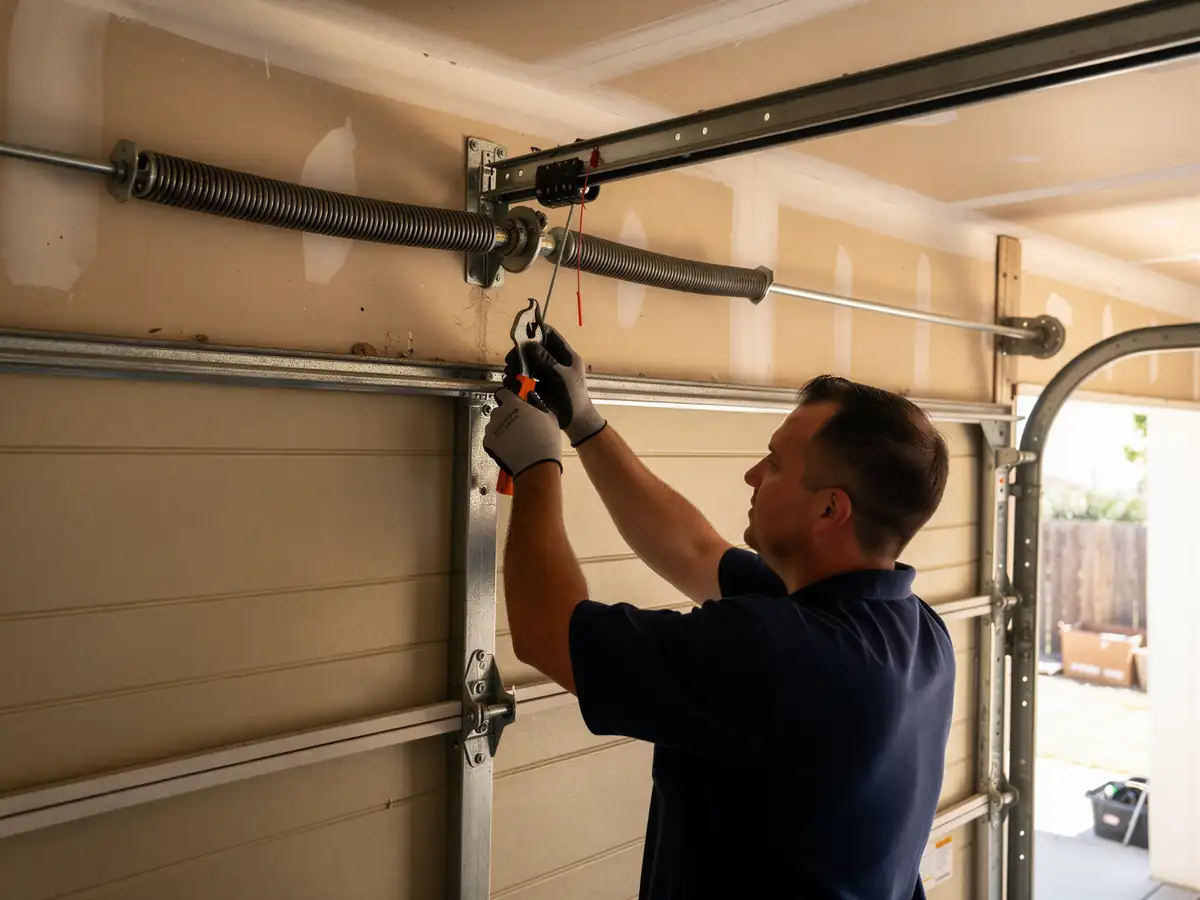
Or it slams down the last foot of travel instead of gliding, you're probably looking at a broken torsion spring, not a motor problem. Pull the opener cord and try lifting the door by hand. If it feels like it weighs three hundred pounds and drops the second you let go, that's a spring, not the opener.
A snapped spring usually announces itself with a bang loud enough to bring someone out of the kitchen
Sometimes it's quieter - the spring just loses tension over months, and the door gets harder to lift a little at a time until one day it won't move at all.
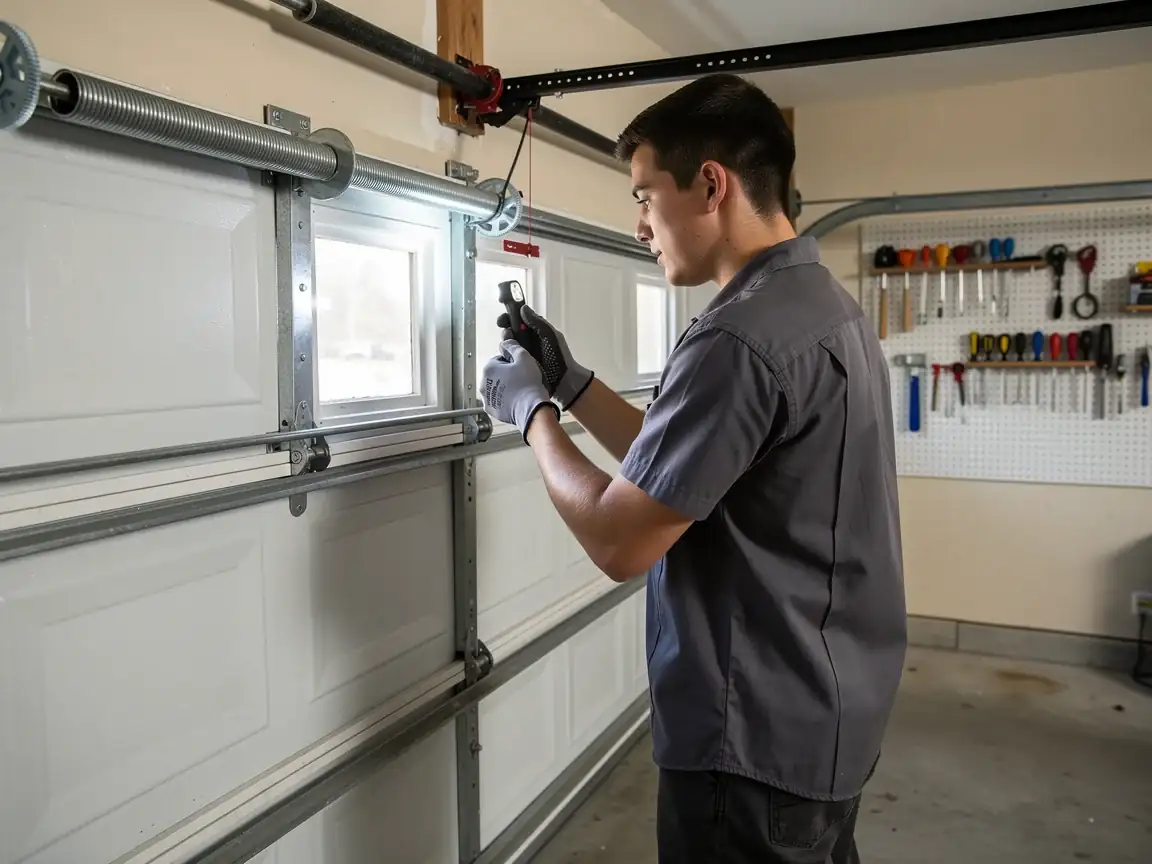
One thing we won't do is tell you to fix this yourself
Torsion springs are wound under real tension, and the bar they sit on can take a hand off if the winding cone slips. We also won't pretend every noisy door needs a spring - sometimes it's a roller or a cable, and we'll tell you that on the phone before we quote spring work you don't need. That's the honest limitation here: not every call is a spring job, and we're not going to bill you for one if it isn't.
The Cost of This Job
Spring jobs land in a fairly narrow price band because the parts and the labor don't vary much door to door - what changes is whether you need one spring or two, and whether the door is a standard single or a heavier double. We'll give you a number before we touch anything, not after.
Across the service area median household income runs around $108,690, and with roughly 103,530 owner-occupied houses among 205,022 total households, a lot of these are long-term owners who'd rather pay for a proper repair once than patch it twice. We price the job the same whether you're in a starter ranch or a bigger place - the spring doesn't know your house's value, it knows the door's weight.
We don't publish a flat number here because door weight and spring count change the math, but we quote on-site before any work starts, and that quote holds.
What Causes It Around Here
Most of the housing stock in this part of the service area went up between 1938 and 2000, with a lot of it clustered in the 1960s and 70s - that's F2 and F1 talking, not a guess. Doors and openers from that era, or replacements sized to those original openings, tend to run original or early-generation torsion hardware that wasn't built with today's cycle counts in mind.
The bigger factor is the climate band itself: this is a severe cold region, and steel springs lose a measurable amount of tension and flex tolerance across a hard winter-to-summer swing. A spring rated for a certain number of cycles in a mild climate works harder here, because the metal contracts in January and expands in July, and that stress adds up faster than it would somewhere with a gentler range.
Put those two together - older housing stock with original or early-replacement hardware, in a climate that's hard on steel - and spring failure shows up earlier and more often than it would in a newer subdivision in a mild zone. It's not bad luck. It's the combination of when these doors were built and what the weather does to the springs holding them up.
Getting It Booked In
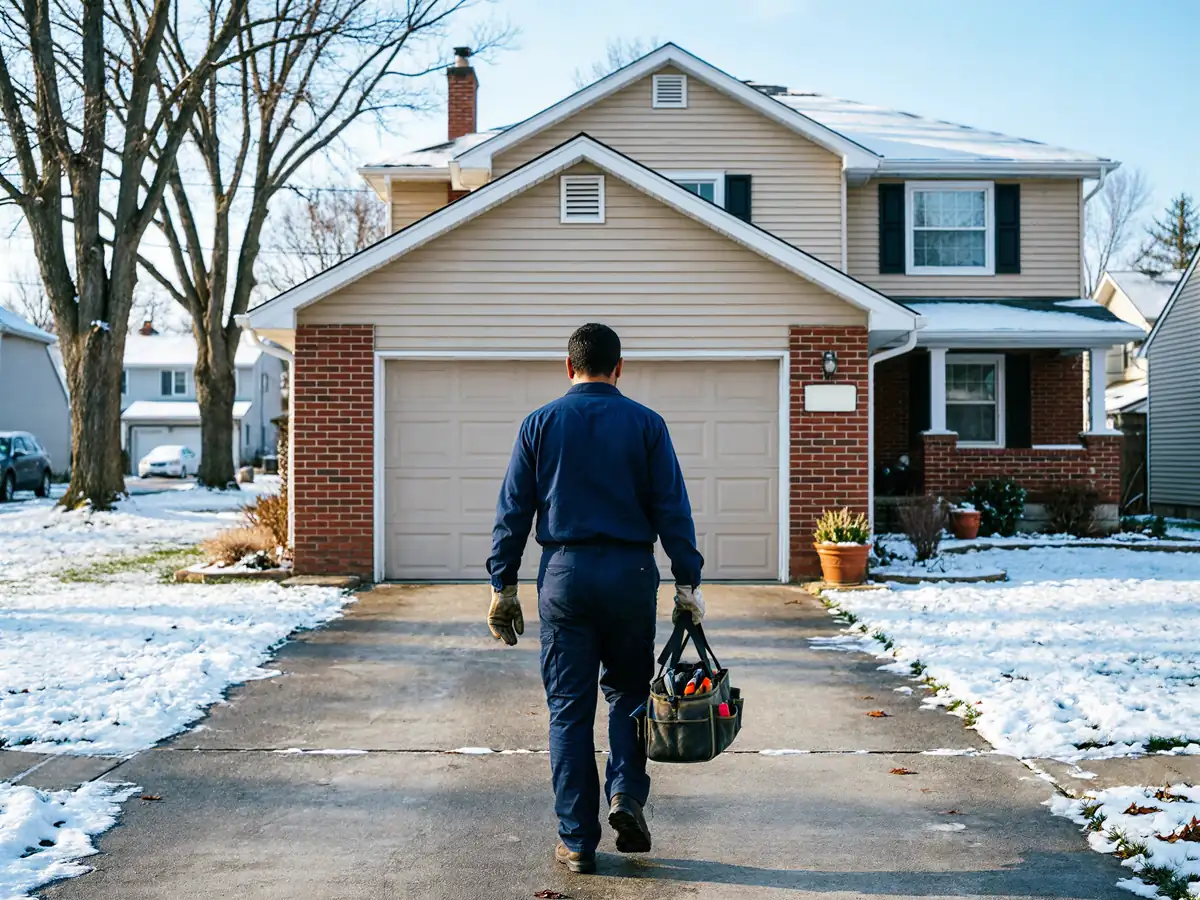
We cover the area out to roughly the ring of towns around West Allis
West Milwaukee, Greenfield, and Wauwatosa a few miles out, Elm Grove, Hales Corners, and Greendale a bit further, and we run calls out past Butler, St. Francis, Franklin, Shorewood, Cudahy, and the rest of that wider ring as far as Germantown and Caledonia.
When you call, tell us what you saw and heard
The bang, the weight, whether the door moved at all. That lets us bring the right spring size on the first trip instead of a guess. Most spring jobs don't need a second visit once we've seen the door in person, because the diagnosis over the phone is usually right when the symptoms are this specific.
If you're not sure whether it's a spring or something else entirely, say so
We'd rather ask two extra questions on the phone than show up with the wrong parts.