Serving West Allis, WI & nearby
(414) 392-8426
West Allis, WI

Why West Allis Garages Let the Cold In

Most West Allis garages date to the 1960s and 70s, with bottom seals never built for today's cold snaps. Here's what that means for your door and your heating bill.

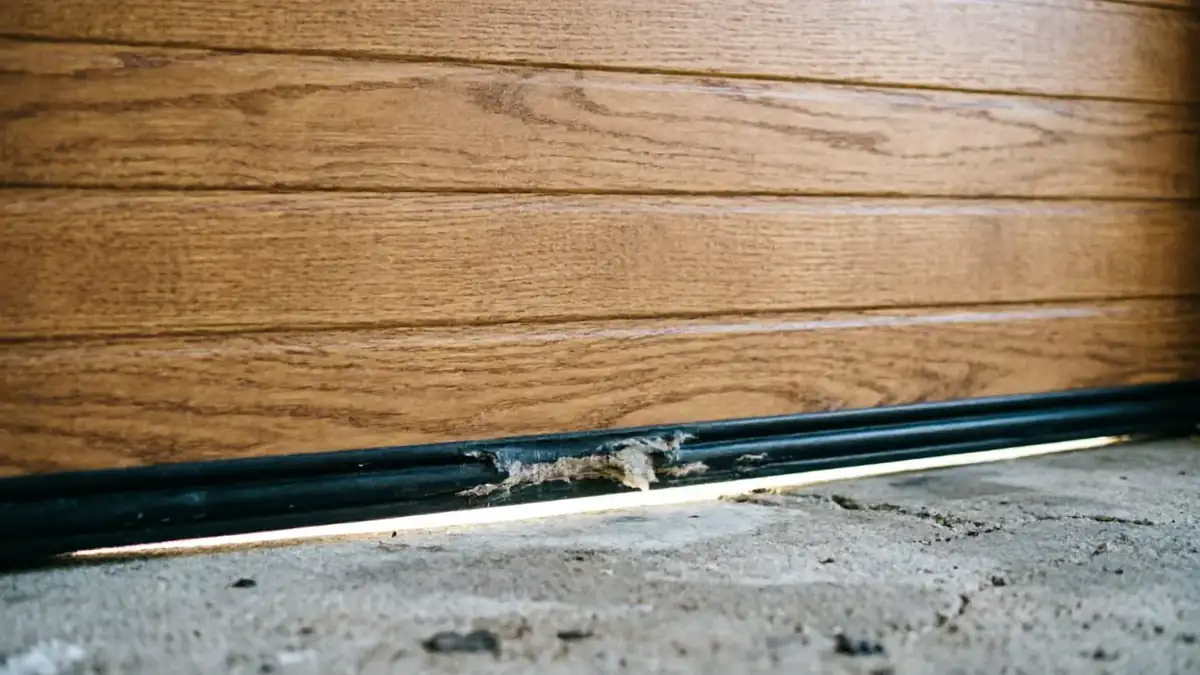
The garage door bottom seal is damaged, showing a gap and light underneath.

The Problem

  1. Walk into most garages in West Allis built between the 1960s and 70s and you'll find the same thing

    A bottom seal that's cracked, flattened, or shrunk away from the slab entirely. These houses went up between 1938 and 2000, with the bulk of the stock dating to that 1960s-70s window, and the garage doors that came with them were never built with the sealing standards you'd expect today. A door from that era might still open and close fine, which is exactly why nobody replaces the seal until the draught under it is bad enough to notice in January. By then cold air has been pouring across the slab for years, and the opener, springs, and tracks have been working in a space that never holds heat.

  2. This isn't a cosmetic issue

    A garage that bleeds cold air pulls down the temperature of anything stored against the shared wall, and if that wall backs a laundry room or a finished space, the furnace runs longer to make up the difference. The fix usually isn't the door itself - it's the seal around it, and sometimes the weatherstripping along the jambs that's just as old as the bottom seal.

Where People Go Wrong

The most common mistake we see is treating the bottom seal as a lifetime part. It isn't. Rubber and vinyl seals on doors from the 1960s-70s stock have usually been replaced once, if at all, and in a climate that swings into severe cold, that rubber hardens and cracks faster than owners expect. People notice daylight under the door and assume the slab has settled, when it's almost always the seal that's failed.

The second mistake is sealing the bottom and stopping there. On a door with the original side jambs, the weatherstripping along the tracks is often original too, and it's just as brittle. We've opened up jobs where the bottom seal was brand new but the side seals were from the house's original build, still letting air through at every gust. If you're going to deal with draughts on a house this age, check both or you've only solved half the problem.

The honest limit here: if the door panel itself has warped from decades of temperature swings, a new seal won't fix that. At that point you're looking at panel replacement, not a seal job, and we'll tell you that up front instead of selling you a seal that won't hold.

What Local Conditions Do

West Allis sits in a climate band we'd call cold and severe, and that matters more for garages than for the rest of the house. A living room gets heated air circulating through it all winter. A garage doesn't - it sits at outdoor temperature except for whatever heat leaks in from the house, and a bad seal means almost none does. Severe cold cycles the rubber in a seal through expansion and contraction dozens of times a season, and on doors already decades past their install date, that's what finally splits a seal that looked fine in October.

The same cold also stiffens the grease in track rollers and tightens steel cable just enough that a door already working against a bad seal starts working harder across the board. It's rarely one failure - it's a seal that's gone plus hardware that's feeling the same cold at the same time. On a house with 1960s-70s era hardware, that combination shows up as a door that's noticeably harder to lift by February than it was in September, even though nothing broke outright.

What Changes With the Season

  1. The seal problem isn't constant - it gets worse as the season goes on

    A seal that looks adequate in October, pressed flat against a slab, can shrink enough by January's worst cold to leave a visible gap, especially on original hardware from houses built in that 1938-2000 range. If your garage shares a wall with living space, that's the stretch when you'll feel it - a cold spot in the adjoining room that wasn't there in fall.

  2. We'd rather catch this before the worst of the cold sets in

    Once severe cold has already hardened an old seal, replacing it is still worth doing, but you won't get the full benefit until the following season when the new seal has had a mild stretch to seat properly against the slab. If you're dealing with draughts right now, it's worth having the door looked at - not just the seal, but the jamb weatherstripping and the hardware that's been working through the same temperature swings. Get in touch and we'll tell you honestly whether a seal fixes it or the door's past that point.
How it works

From “it’s stuck” to “it’s fixed”

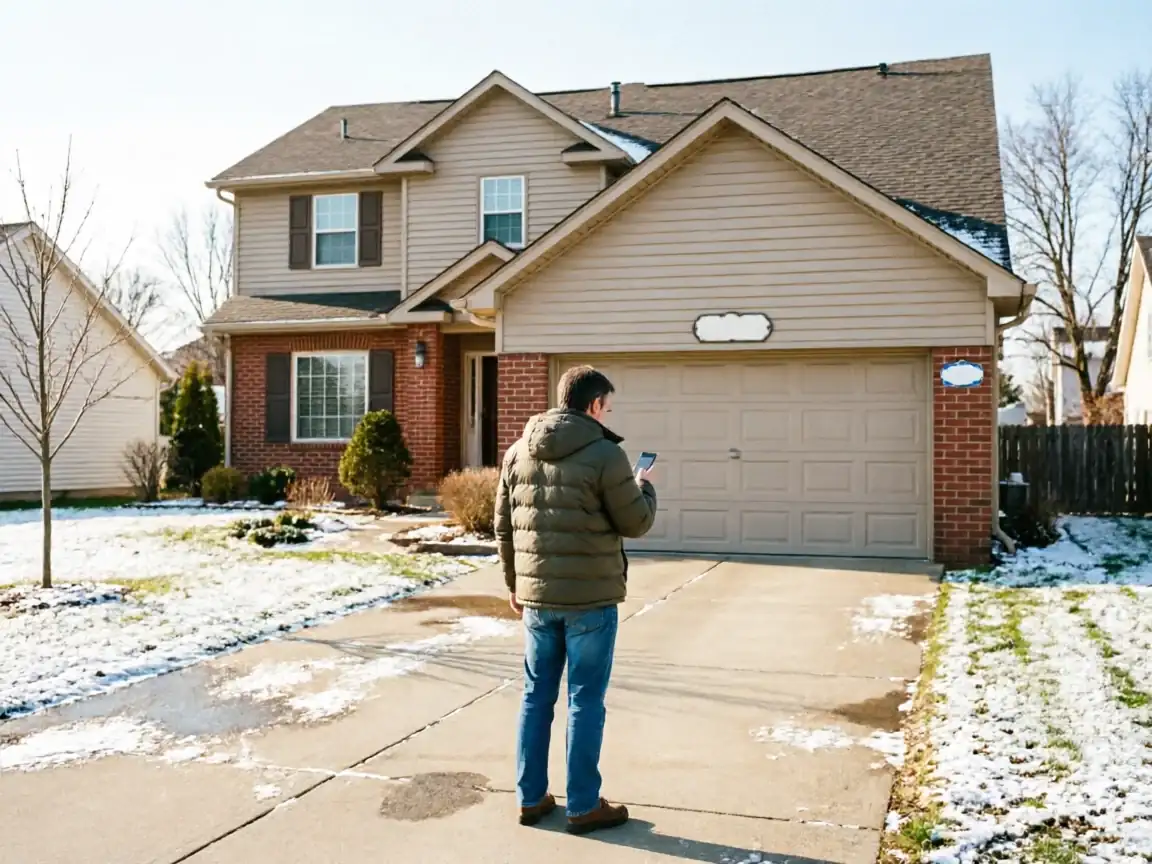
A man stands in a driveway looking at his phone in front of a house.

Tell us what’s wrong

Describe the symptom - won’t open, loud bang, opener runs but the door won’t move.

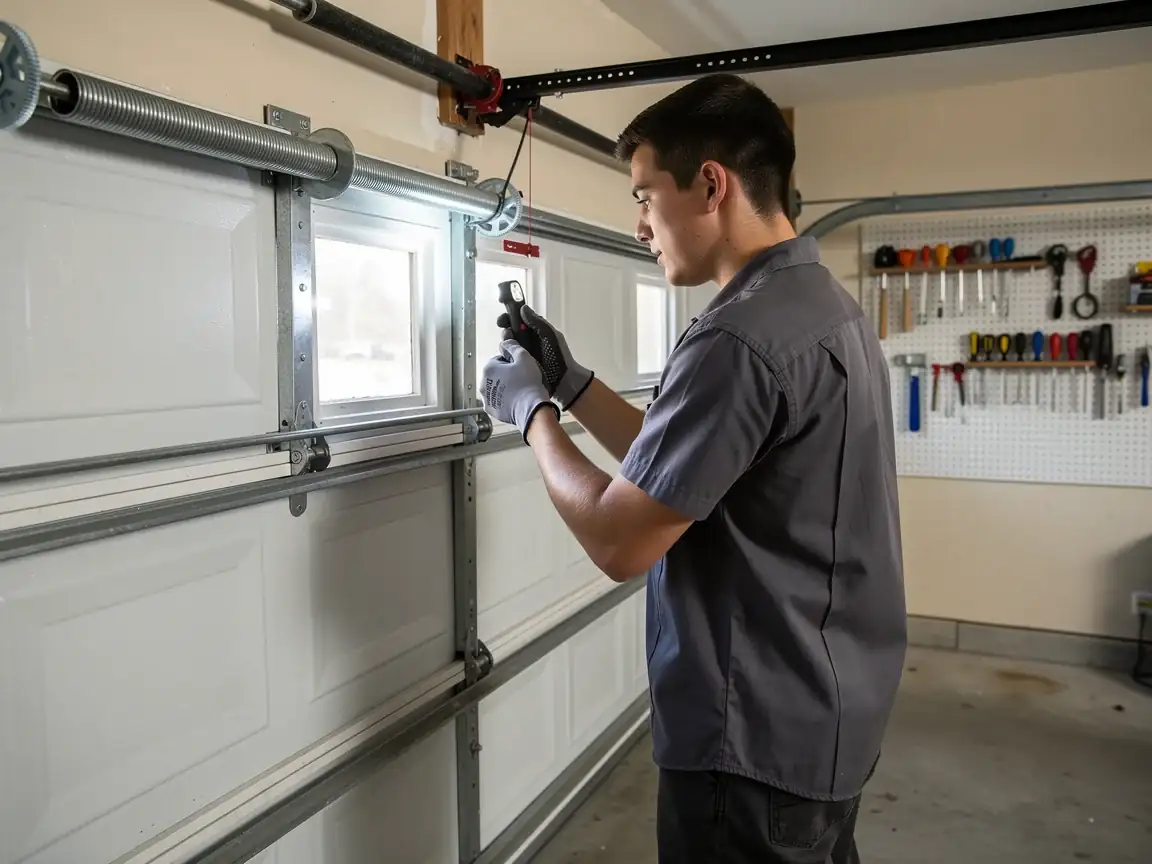
A technician in a gray shirt inspects a white garage door with a flashlight.

On-site diagnosis

A technician tests the door under power and by hand and finds what actually failed.

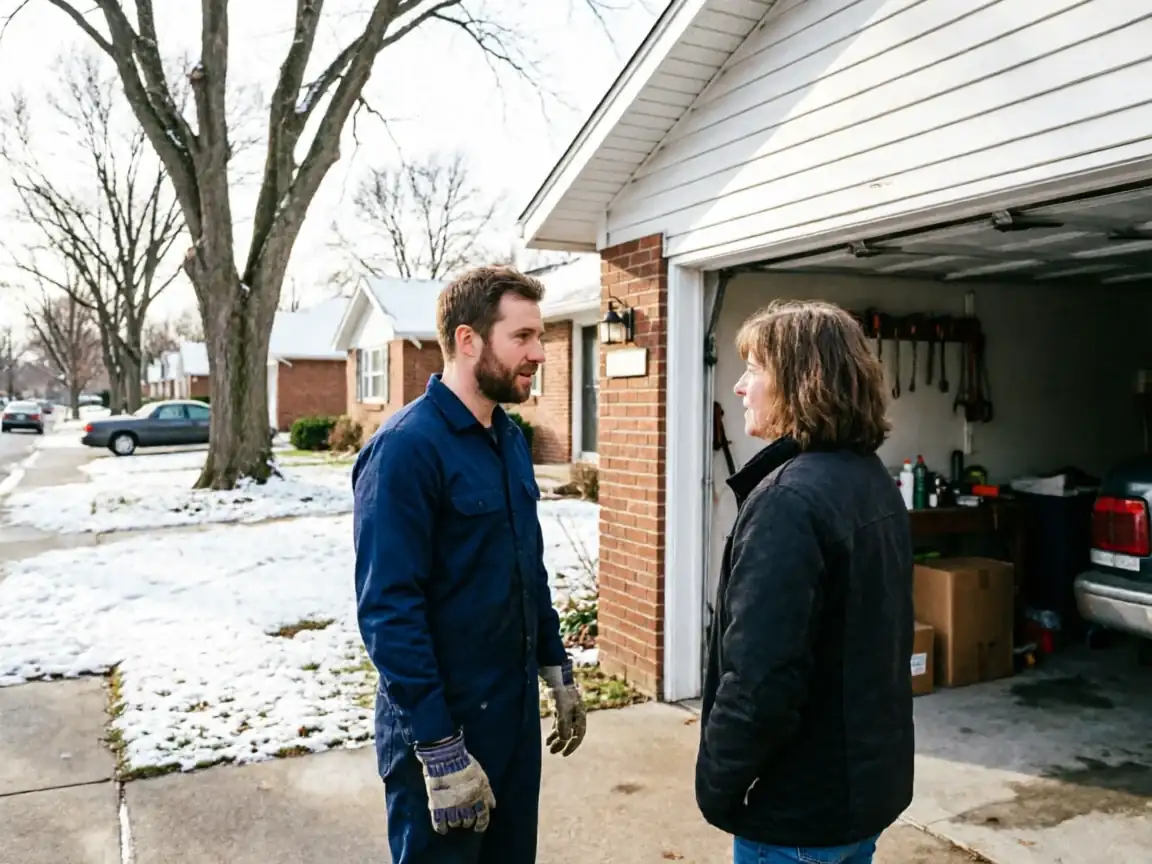
A technician in a blue uniform talks to a woman in front of a garage.

Clear, up-front plan

You get the fix that’s needed and what drives the cost - before any work starts.

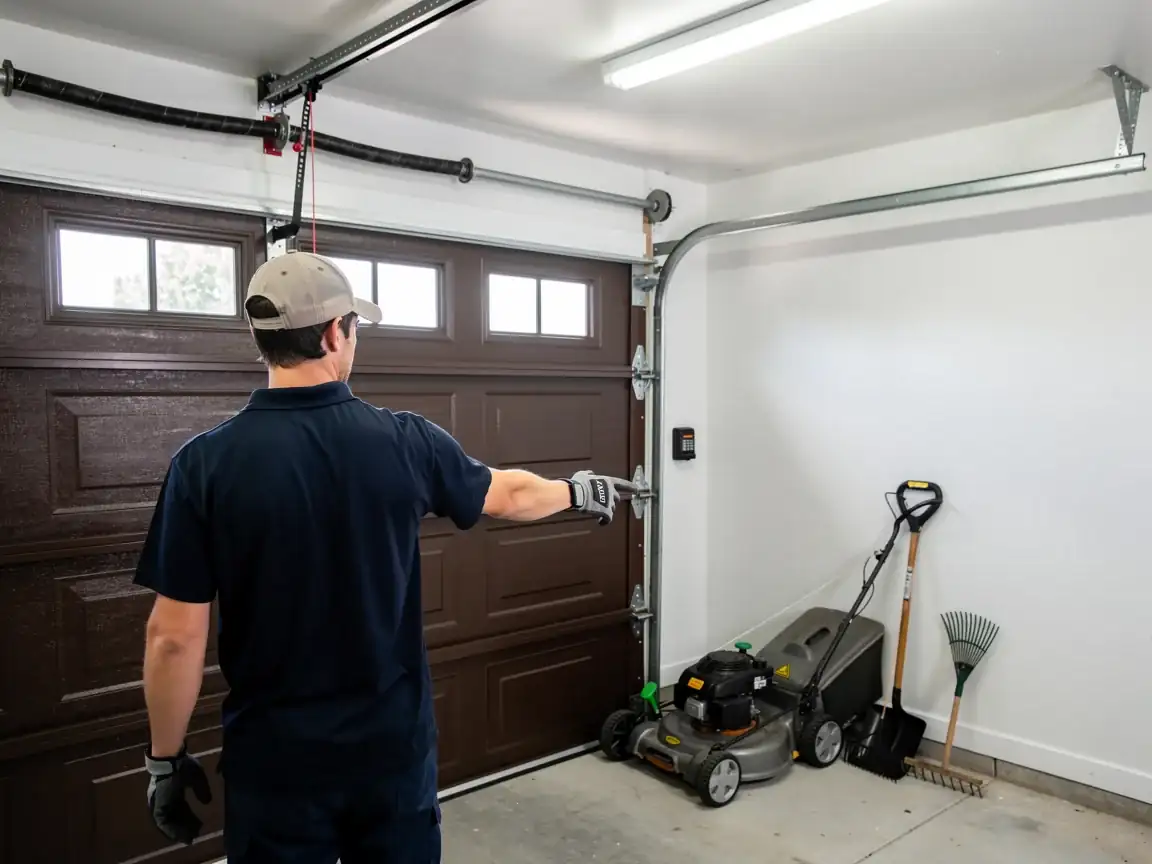
A technician in a cap points at a brown garage door with windows.

Repaired & tested

The repair is done, the door is set true and tested, and the work area left clean.

Not sure which repair your door needs in West Allis, WI? Describe what it’s doing - every job starts with a diagnosis.

How we work

What to expect

Diagnosis firstEvery visit starts by finding what actually failed - not a pre-written parts list.
The right part for the doorSprings and openers matched to the door’s weight and age, so the fix holds up.
Straight answersWhen a repair makes more sense than a replacement - or the reverse - you hear it plainly.
Clean, careful workTension released safely, hardware set true, the door tested under power before we leave.
What we do

Garage Door Services

Repair and installation work for West Allis homes and businesses.

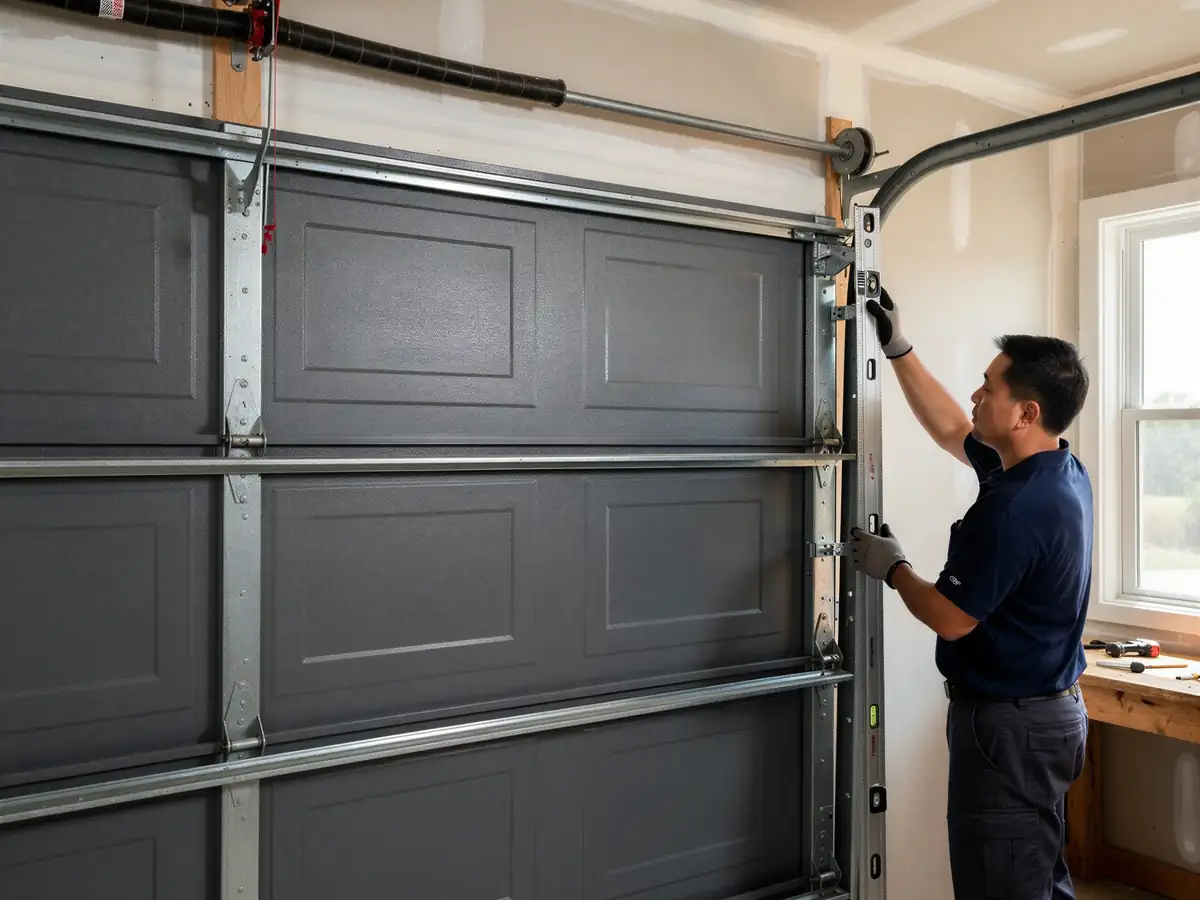
A technician uses a level to adjust the gray garage door track.

Garage Door Repair

Repair for the torsion springs, rollers, and panels common on West Allis's 1960s-70s housing stock, built to handle severe cold winters.

Learn more
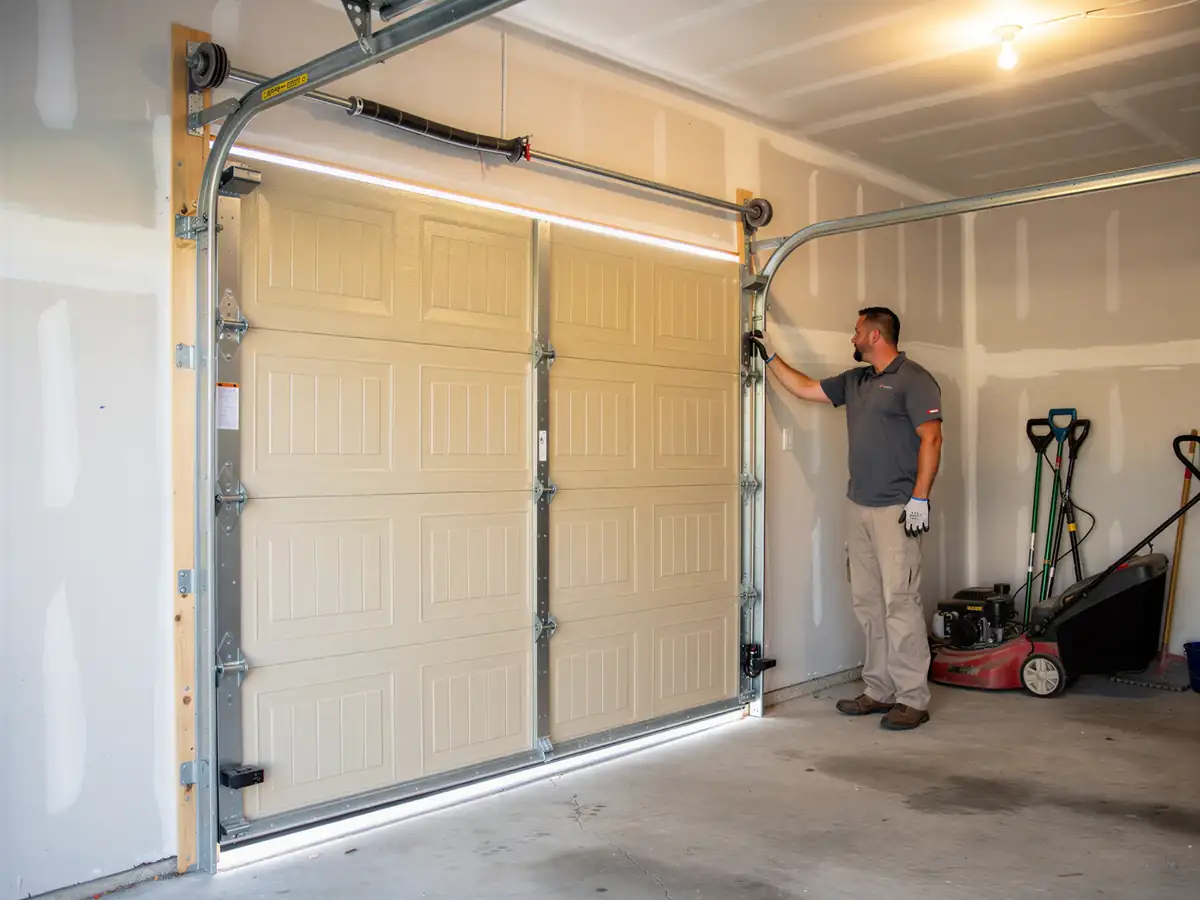
A technician in a gray shirt adjusts a beige garage door inside a garage.

Garage Door Installation

Garage door installation sized for West Allis's 1938-2000 housing stock and cold-climate wear. West Allis Garage Door Pros explains what drives the job and the cost.

Learn more
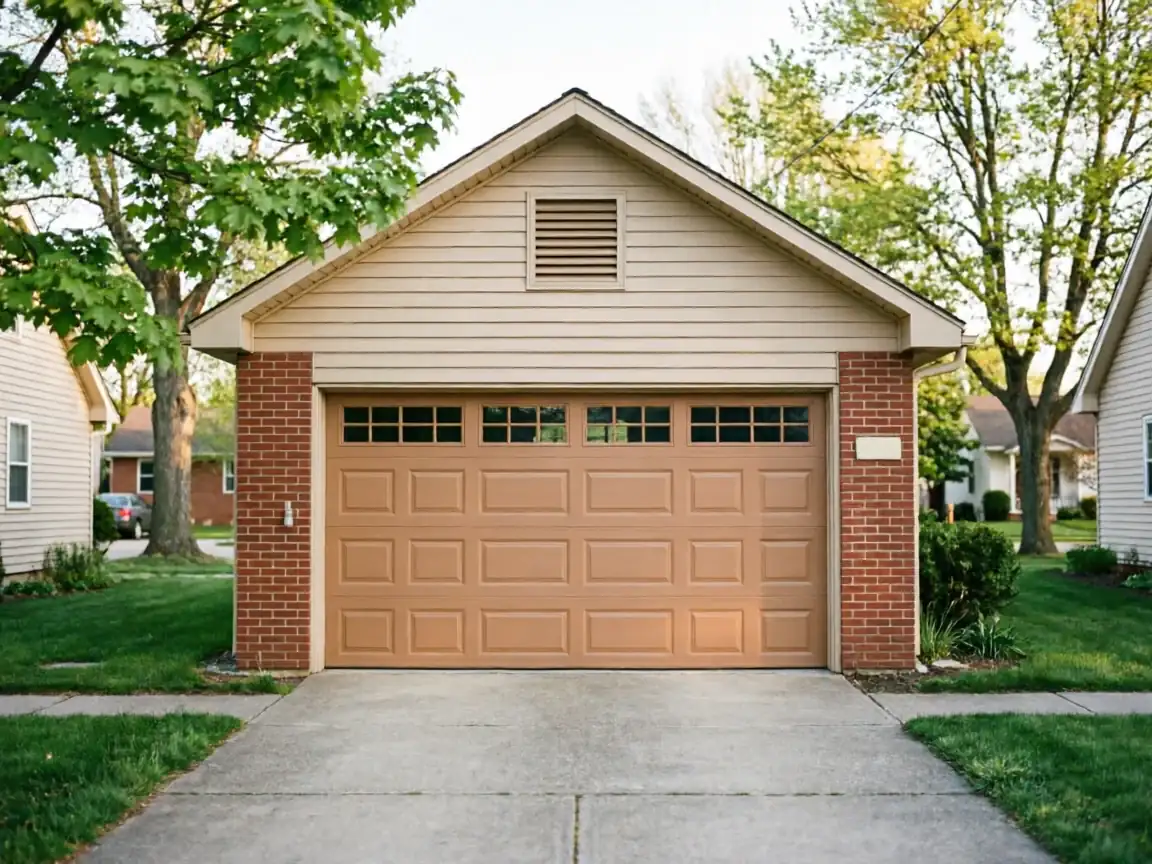
A brown garage door with windows is on a house with tan siding and brick.

Garage Door Service

Garage door service for West Allis homes built mostly in the 1960s and 70s - spring, track, and opener repair suited to the area's cold-climate housing stock.

Learn more
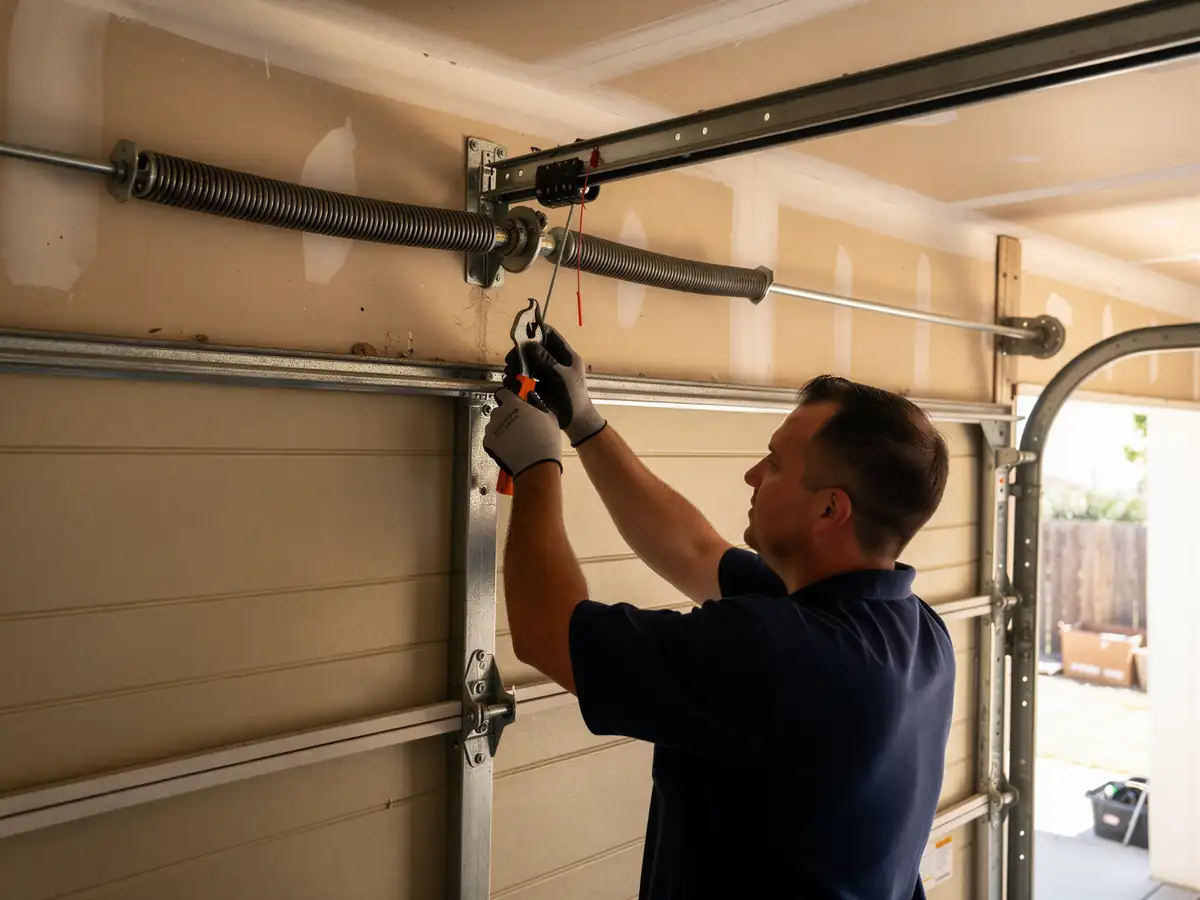
A technician wearing gloves adjusts a garage door torsion spring.

Spring Repair

Broken torsion spring on a West Allis garage door? We work on the 1960s-70s stock common here and explain what drives spring failure in this cold climate.

Learn more
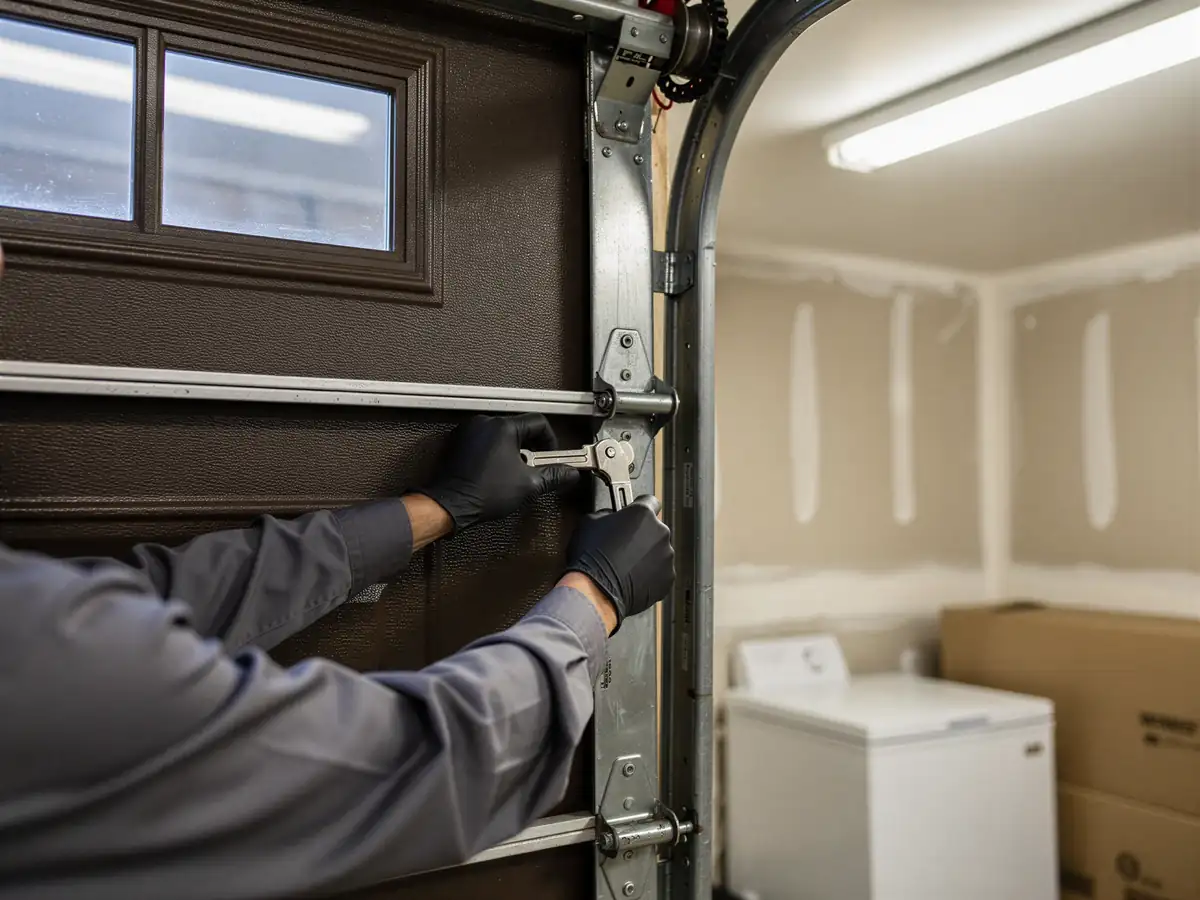
A technician in black gloves adjusts a brown garage door with a wrench.

Off-Track Repair

Garage door jumped the track in West Allis? See why homes built 1938-2000 with original hardware are prone to this, what it costs to fix, and how to get it booked.

Learn more
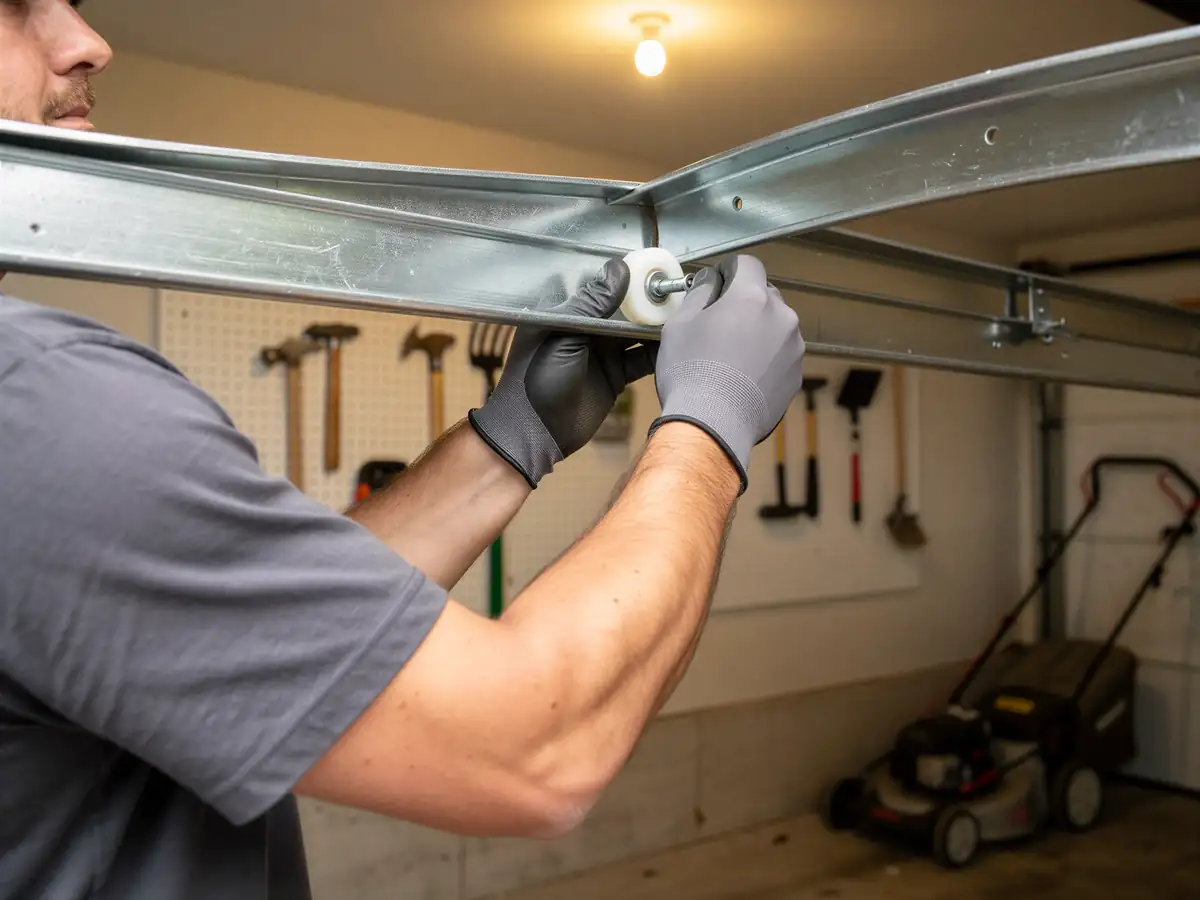
A technician installs a new roller on a garage door track.

Roller Replacement

West Allis homes built mostly between 1938 and 1976 still run original steel rollers on cold-stressed tracks. Here's what roller wear looks like here and what the job involves.

Learn more
A technician in gray gloves works on a beige garage door with a torsion spring above.

Maintenance

Garage door maintenance for West Allis homes built 1938-2000, where cold winters and original hardware wear springs, rollers, and openers faster than newer stock.

Learn more
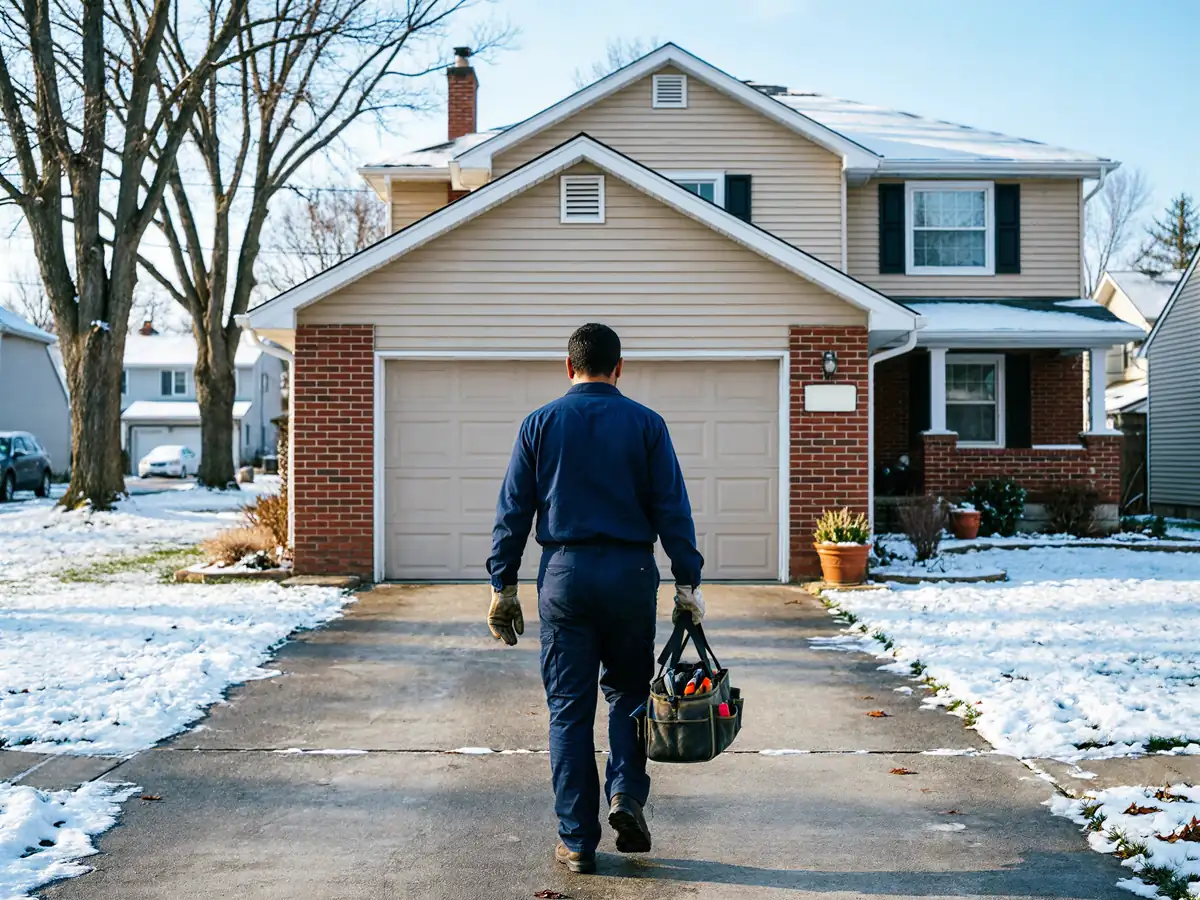
A technician walks toward a house with a beige garage door on a snowy day.

Emergency Garage Door Repair

Broken spring or dead opener at 10pm in West Allis? Here's what a torsion spring snap and track failure actually look like, and why 1960s-70s housing stock sees them so often.

Learn more
Questions

Frequently asked

Straight answers about garage door repair in West Allis. Still unsure? Ask us directly.

Why is my garage so cold even with the door shut in West Allis?

Most houses here were built in the 1960s-70s, and original bottom seals and jamb weatherstripping from that era have usually hardened or cracked by now. In a climate this cold, a failed seal lets outside air pour across the slab even with the door fully down, which is what you're feeling.

How often should I replace the garage door seal?

There's no fixed number in the facts we work from, but on houses built in the 1938-2000 stock common across this area, a seal that's never been replaced is usually the first thing worth checking. If it's cracked, flattened, or gapping from the slab, it's done its job and needs swapping.

Can a new seal fix a warped door panel?

No. A seal only solves the gap between the door and the slab or jamb. If the panel itself has warped from years of temperature swings, replacing the seal won't close that gap - that's a panel or door replacement conversation, and we'll say so rather than sell you a seal that won't hold.

Ready to get your garage door sorted?

Tell us what it’s doing and where you are in West Allis - we’ll take it from there.

Request a QuoteCall