Where People Go Wrong
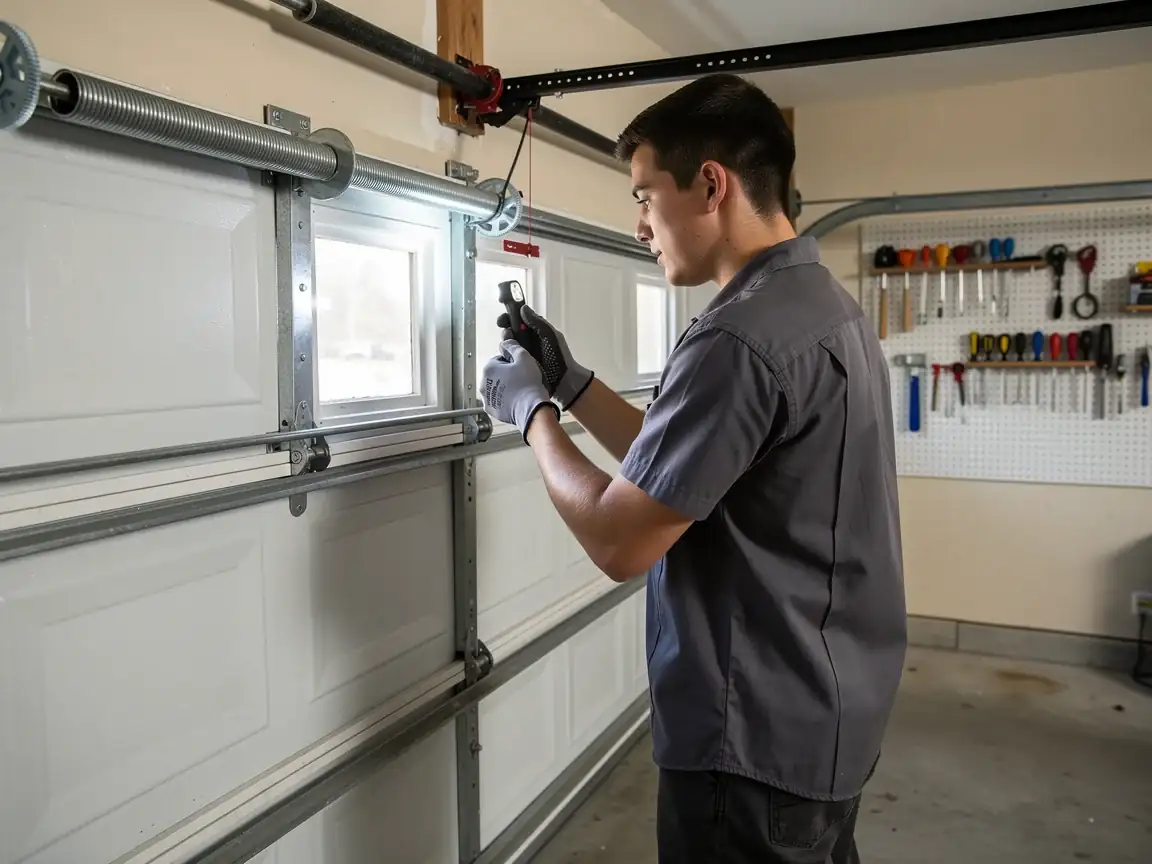
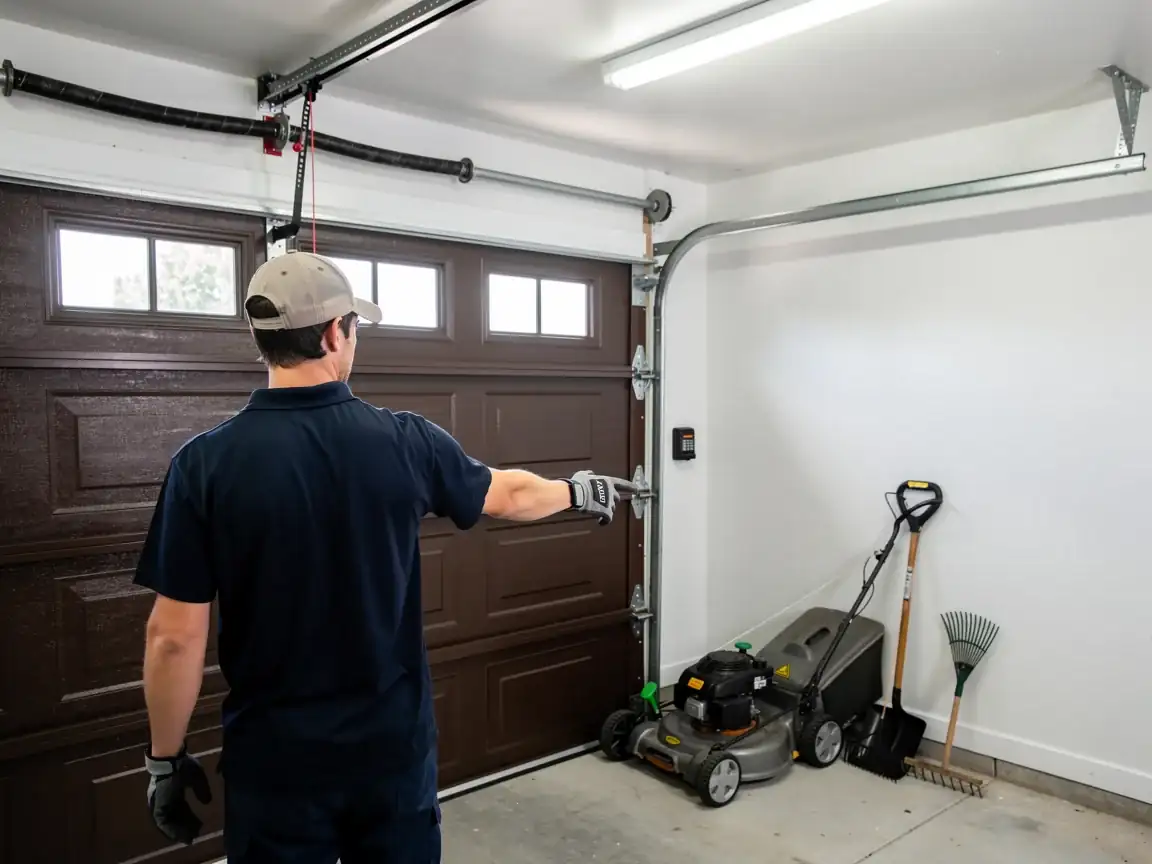
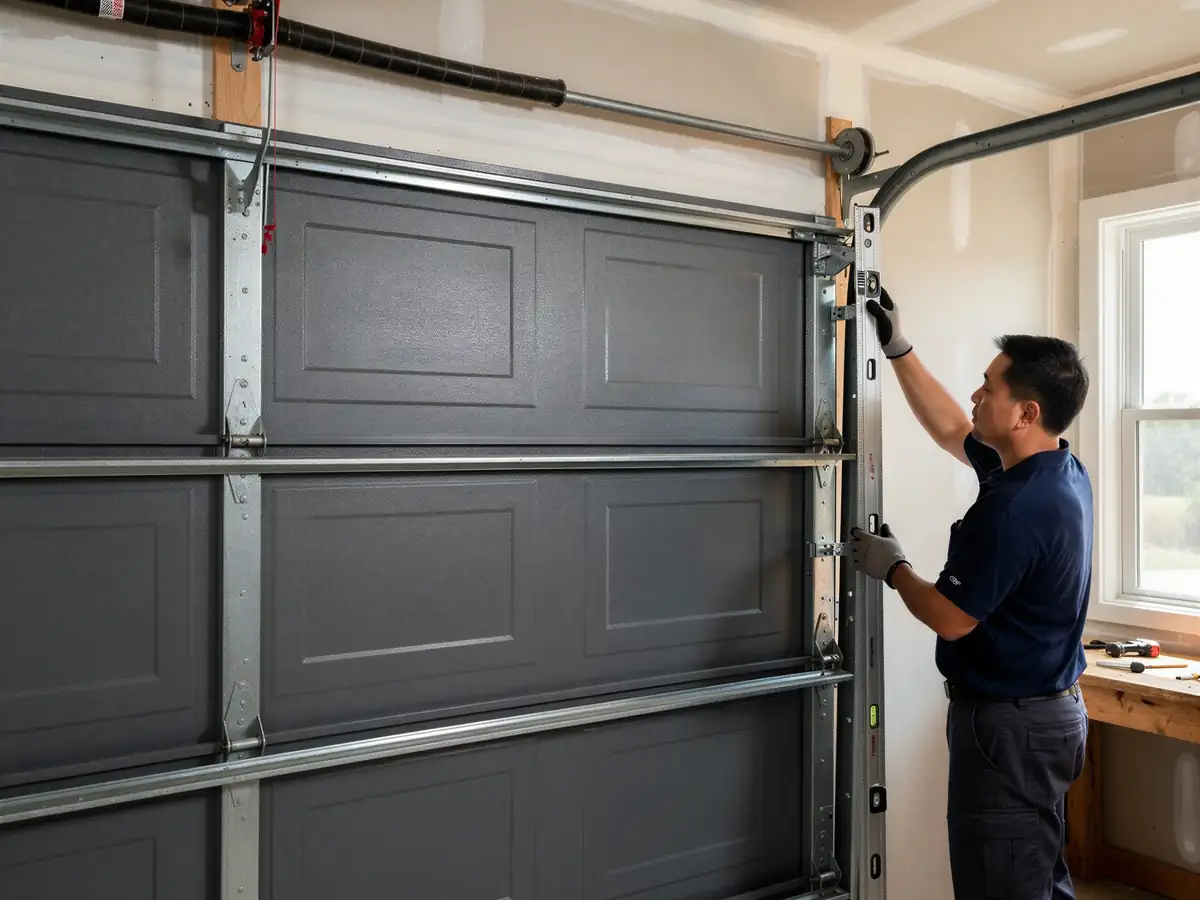
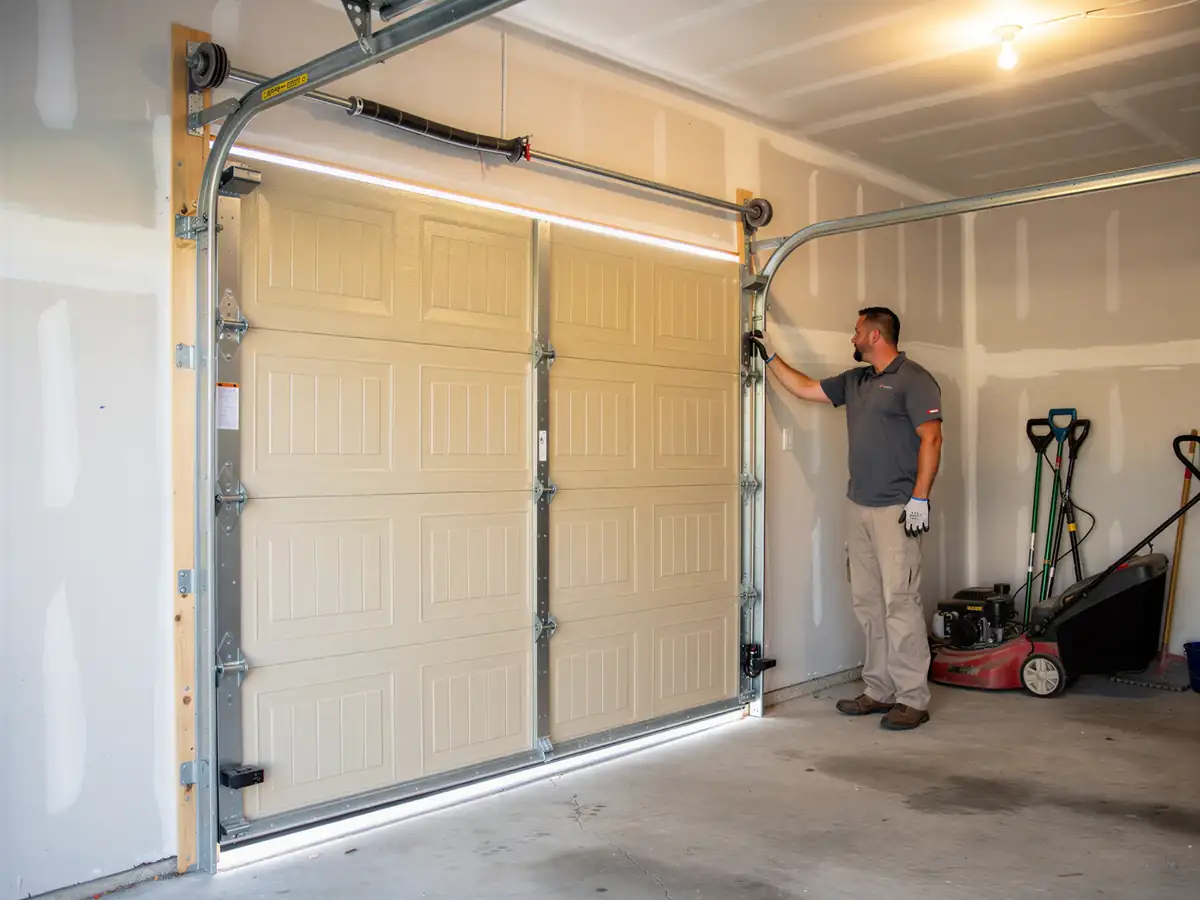
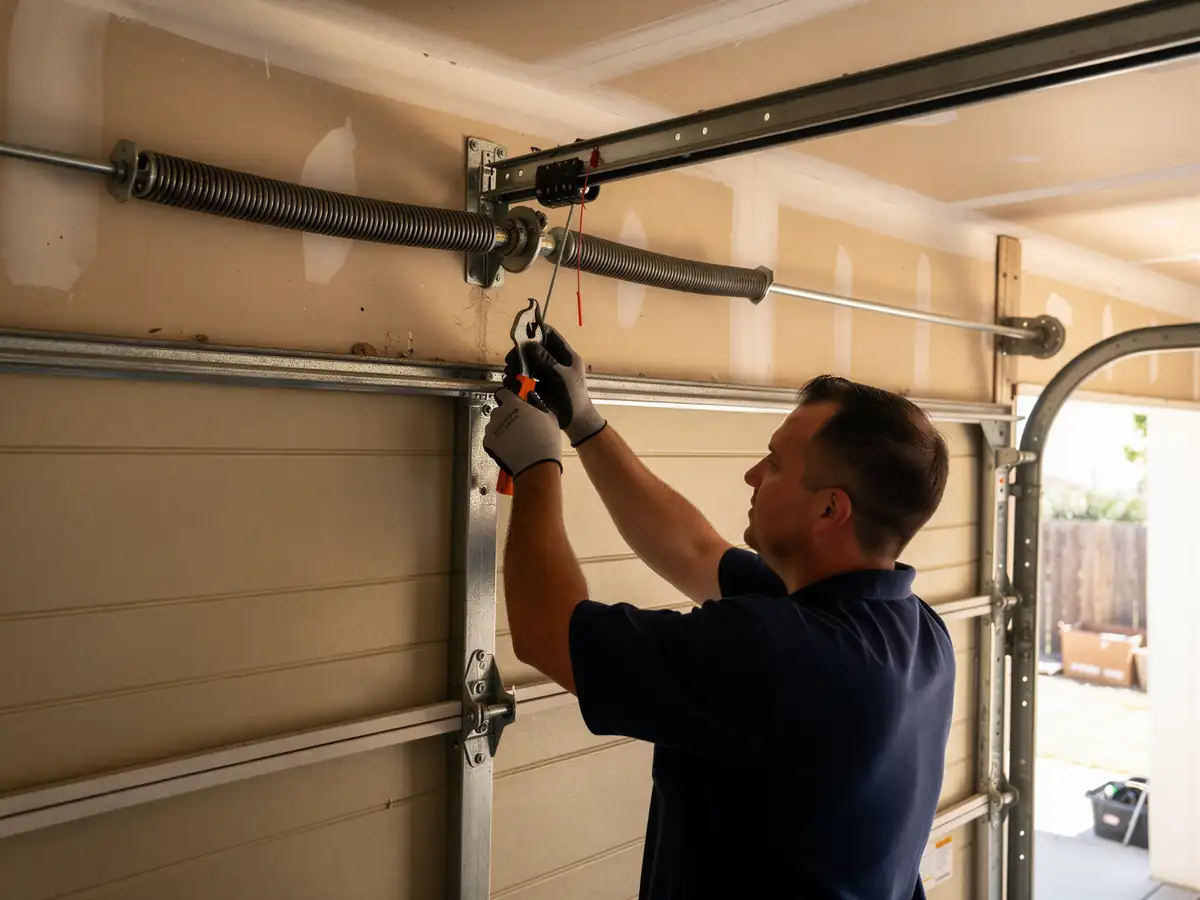
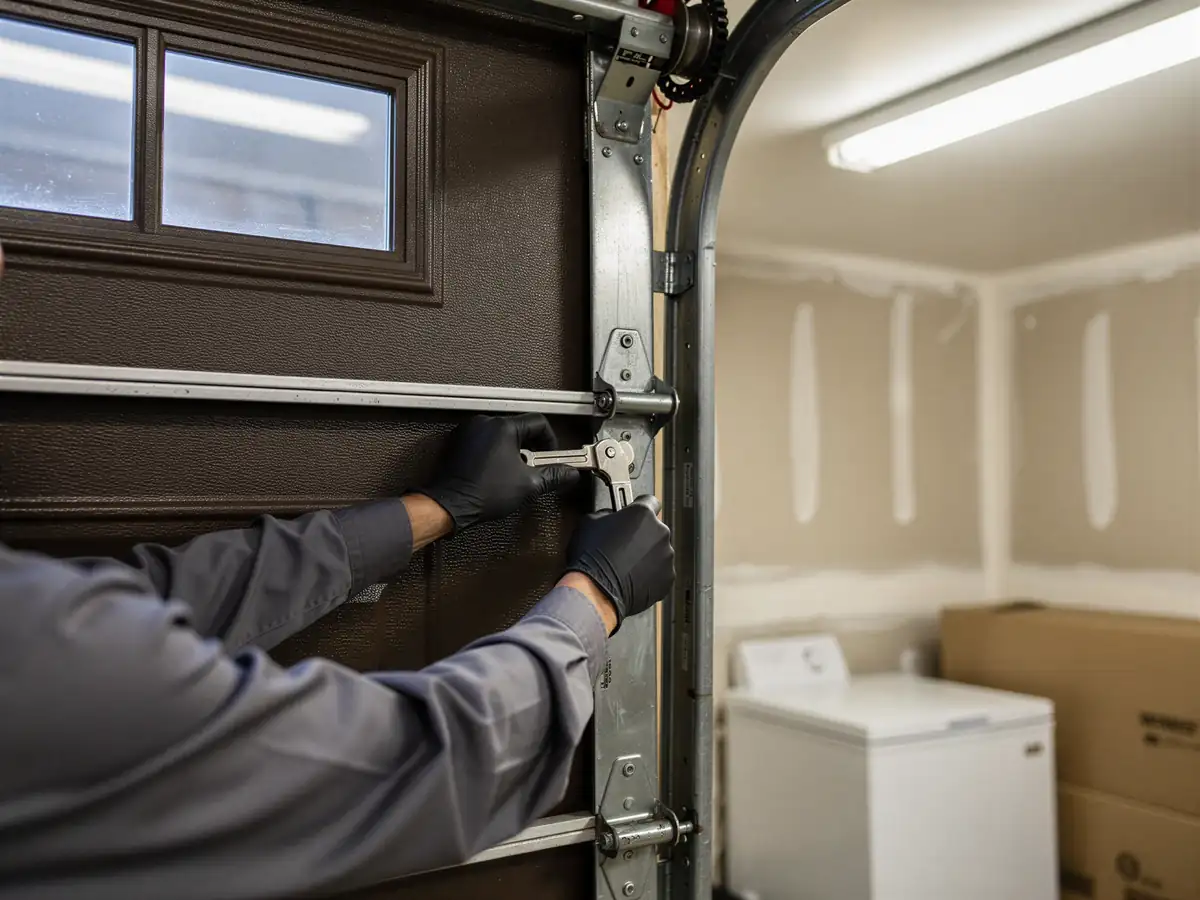
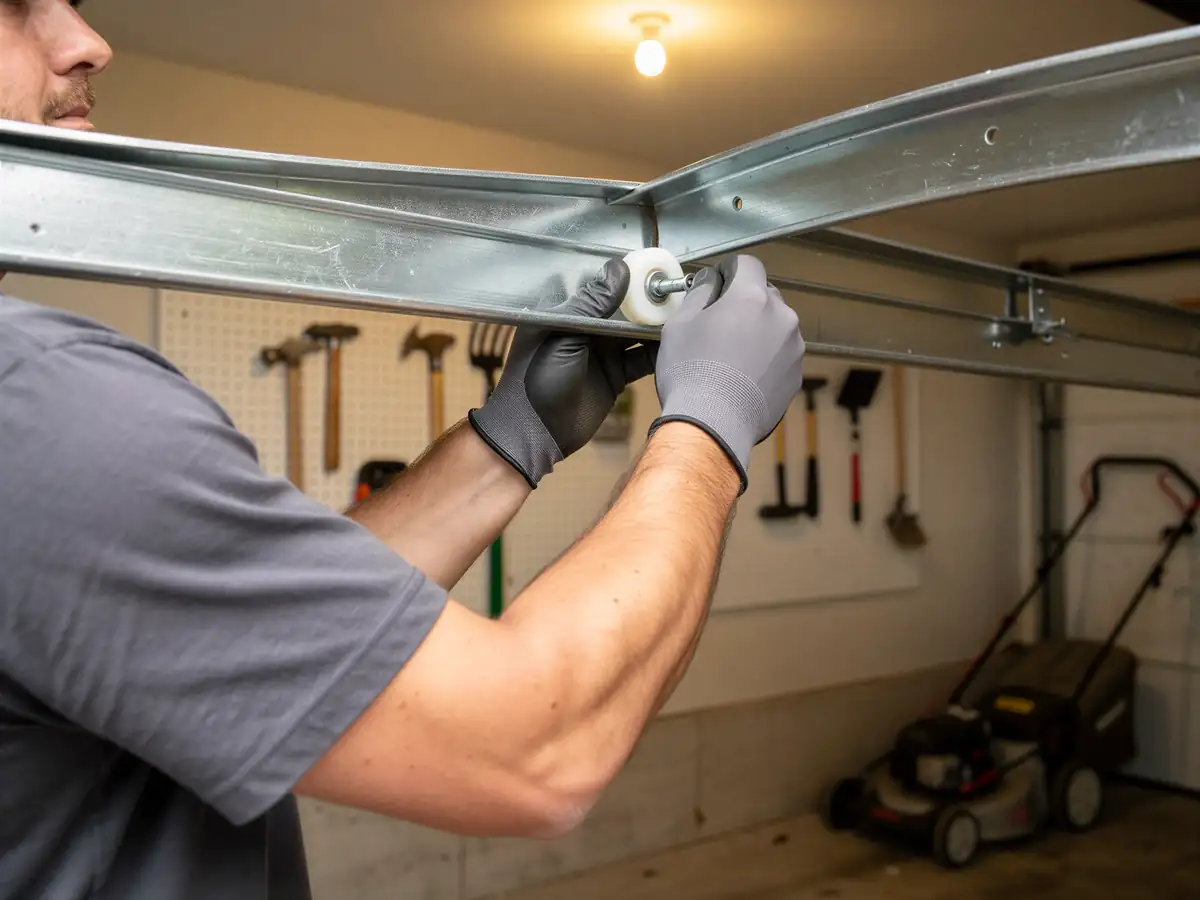
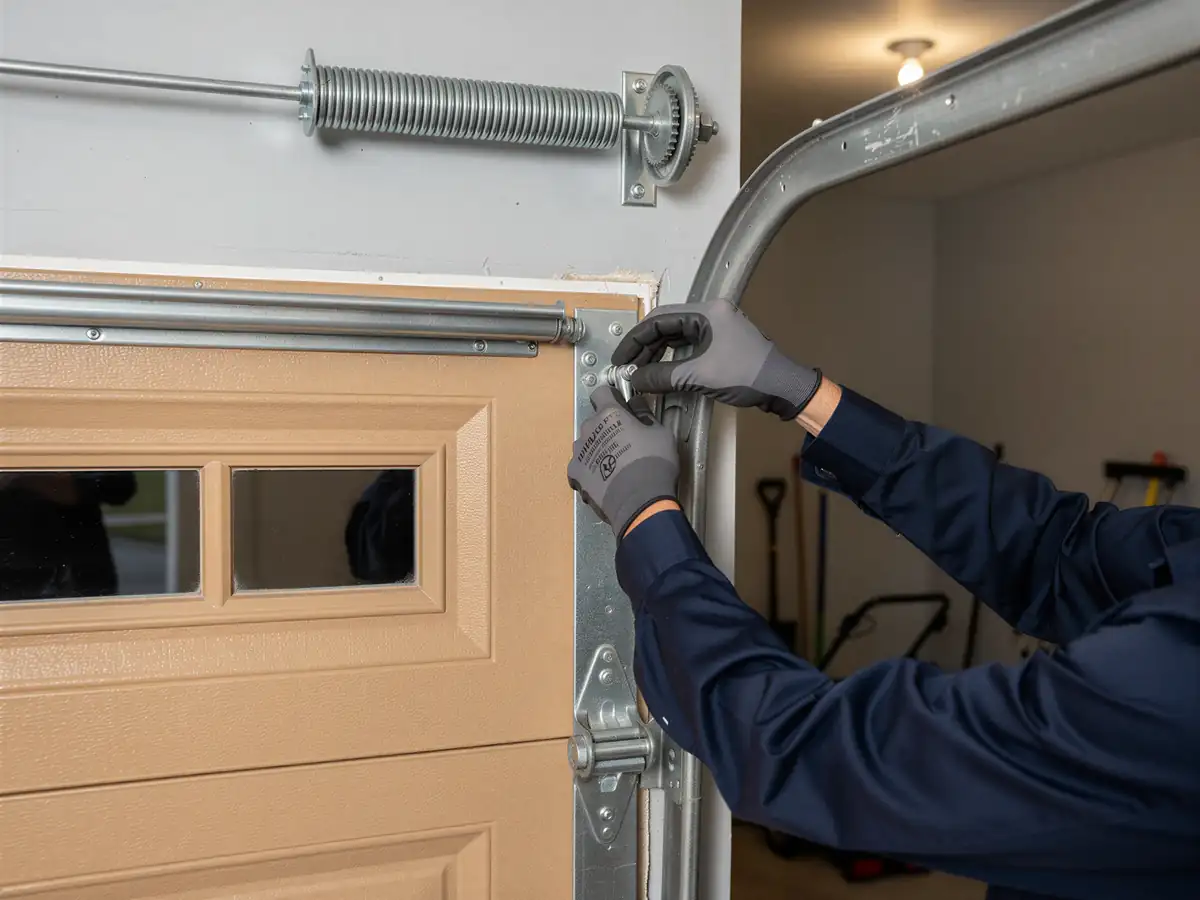
The common mistake is treating a power-cut opener failure as an opener problem first. In a city built mostly in the 1960s and 70s, the more likely issue is the door itself - springs sized for a wood door that's since been swapped for a heavier steel or insulated panel, or rollers and track that have outlived two or three openers already. An opener restarts fine after an outage if the door underneath it is balanced. If it isn't, every power event becomes a stress test the hardware eventually fails. Another mistake: running the opener through its post-outage relearn cycle without first checking that the door moves freely by hand. If the track is binding or a cable is fraying, the opener will try to force it, and that's how a motor burns out on what should have been a simple reset. We don't recommend reprogramming an opener's travel limits as a fix for a door that's dragging - that's masking a mechanical problem with a setting, and it comes back worse.
What Local Conditions Do
The service area sits in a severe cold climate band, and that's the detail that turns an ordinary power cut into a door that won't move at all. Cold makes steel springs stiffer and slower to respond, so an opener already working against gravity and a stuck track has less margin before something gives. It also affects the electronics - circuit boards and backup batteries in openers lose a measurable amount of capacity in sustained cold, so a battery backup that would carry you through a short outage in October may not have the same reserve in January. None of this is unique to one brand of opener; it's physics acting on hardware that was already closer to its limit because of age. Across the 44 named areas in this part of the county, the pattern repeats: older housing stock, openers added or replaced piecemeal over decades, and a climate that doesn't forgive a door that was already marginal before the power went out.