The Cost of This Job
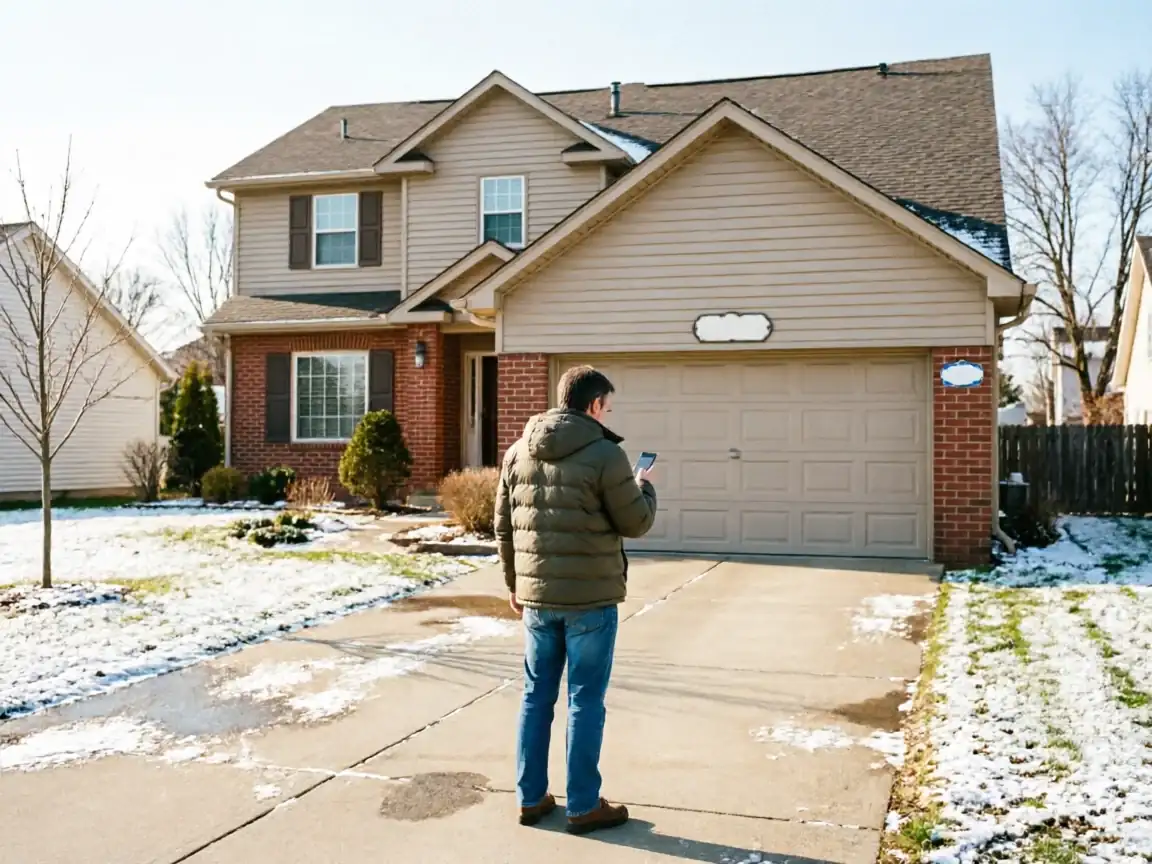
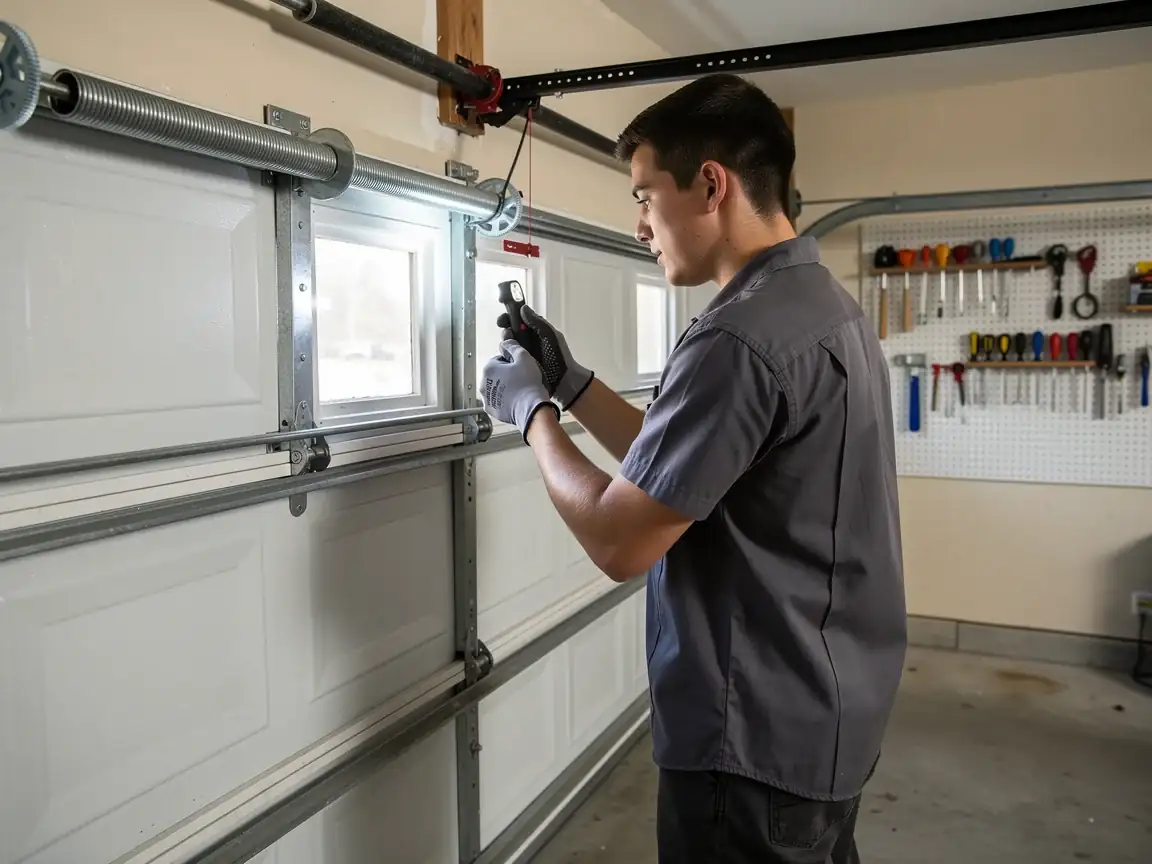
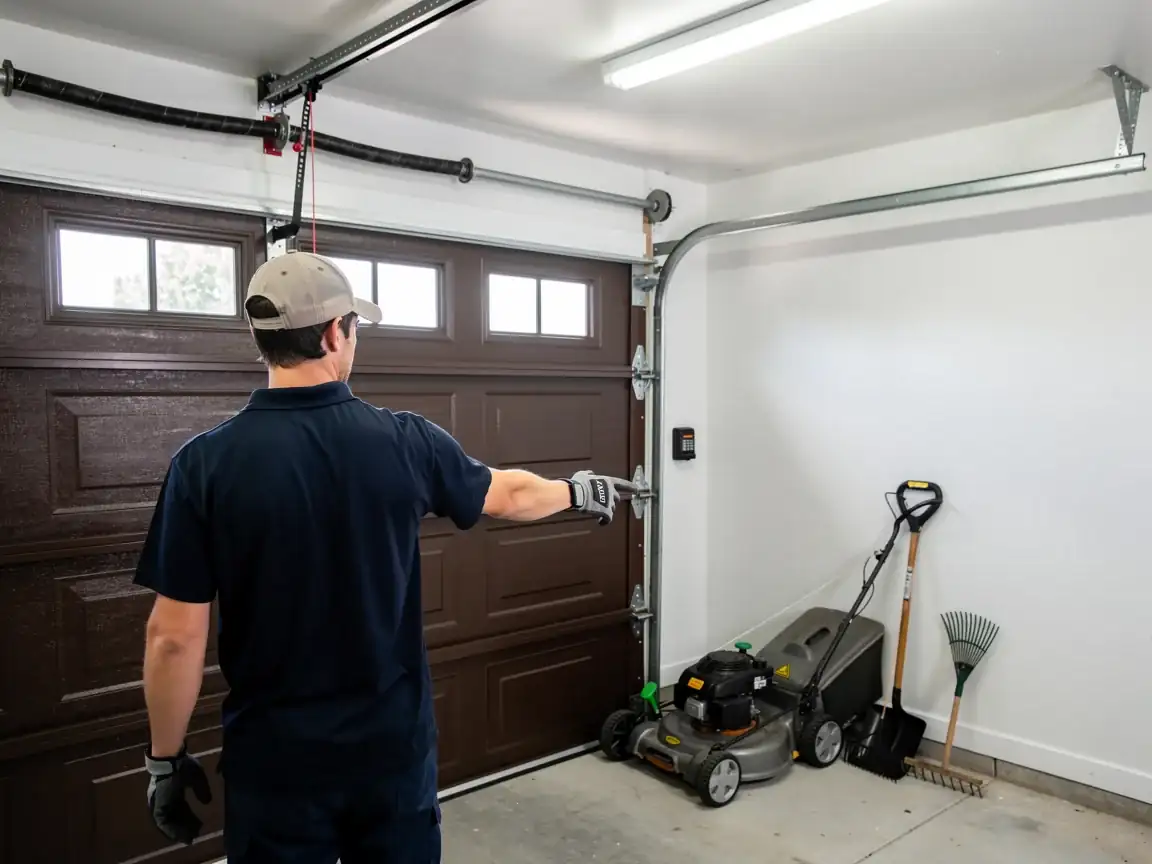
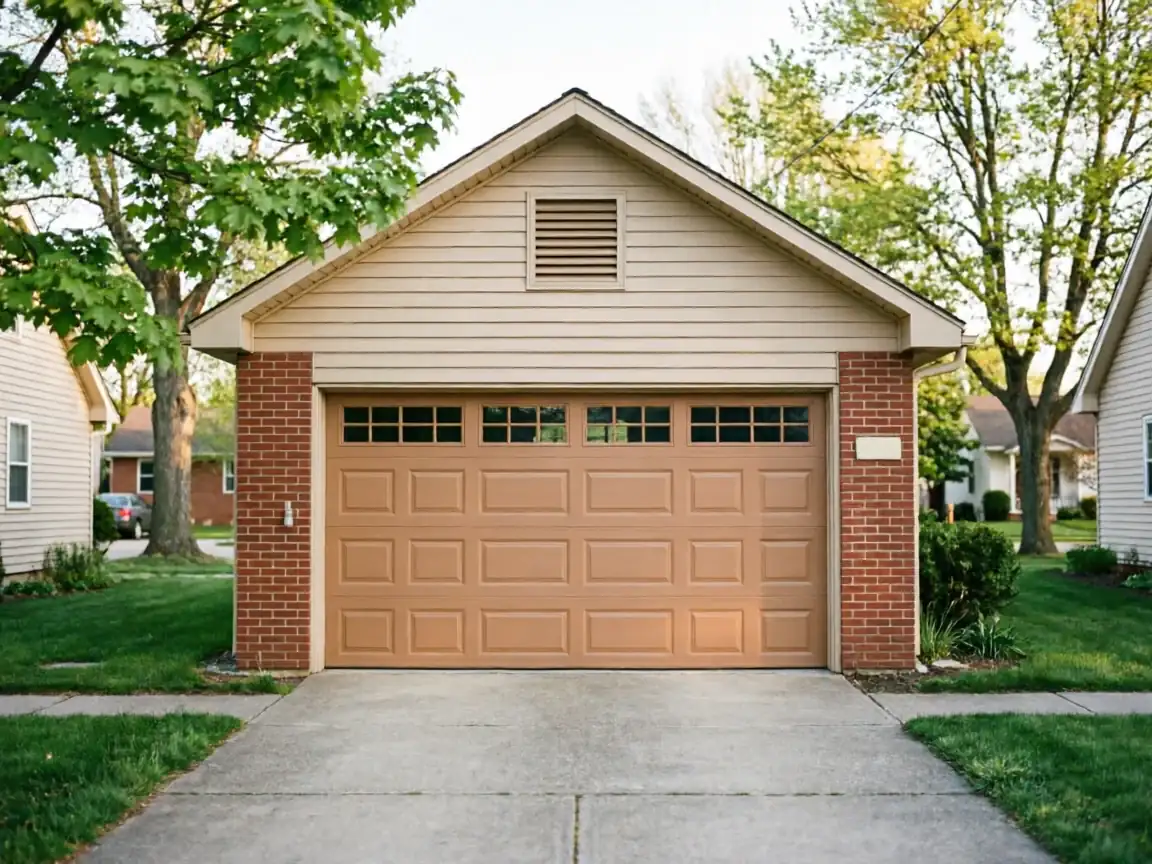
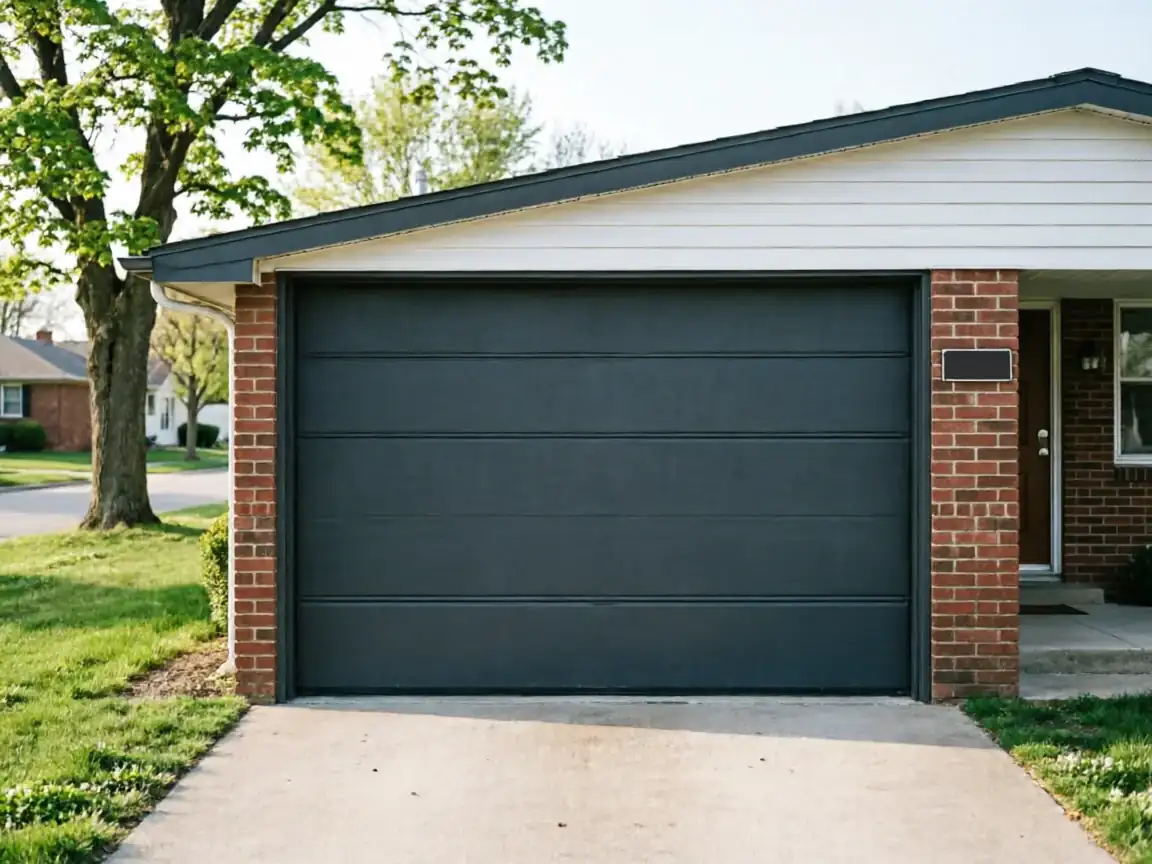
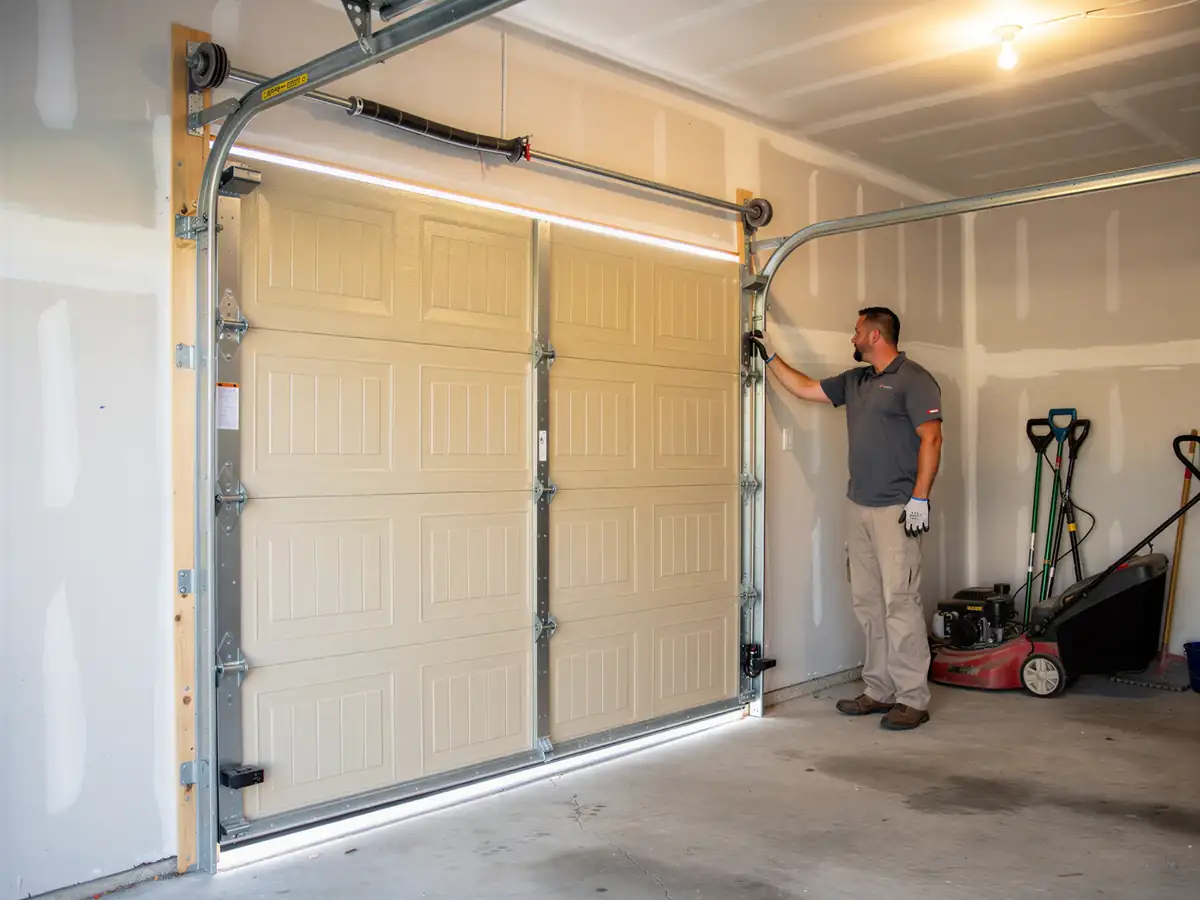
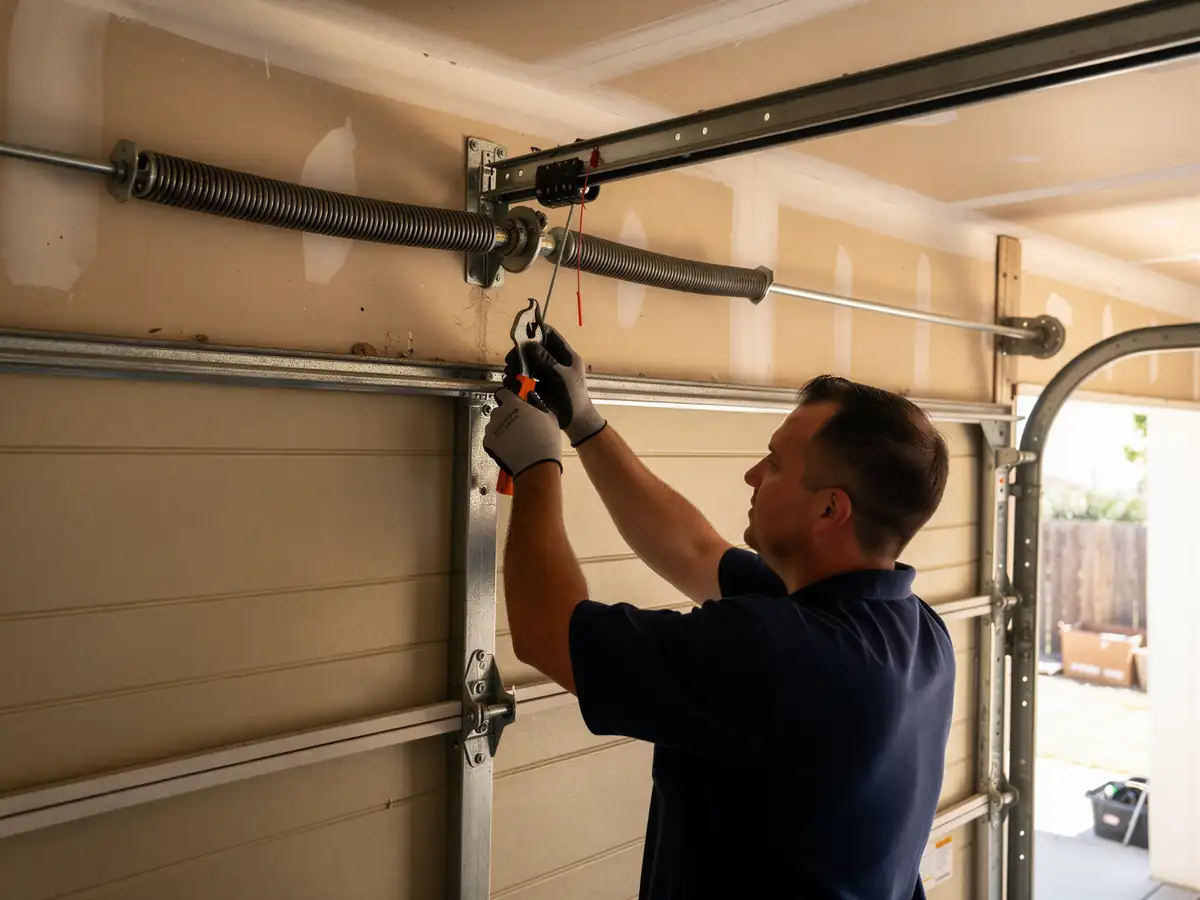
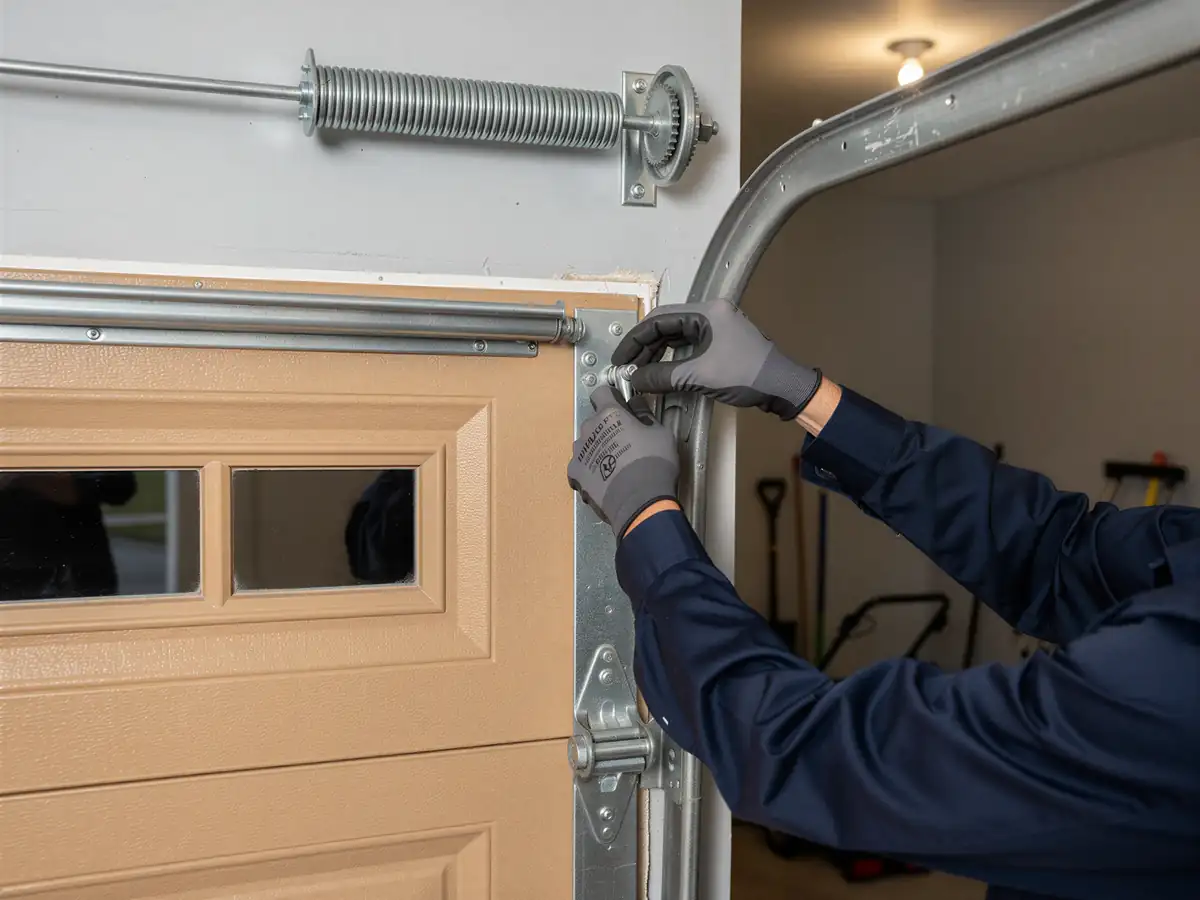
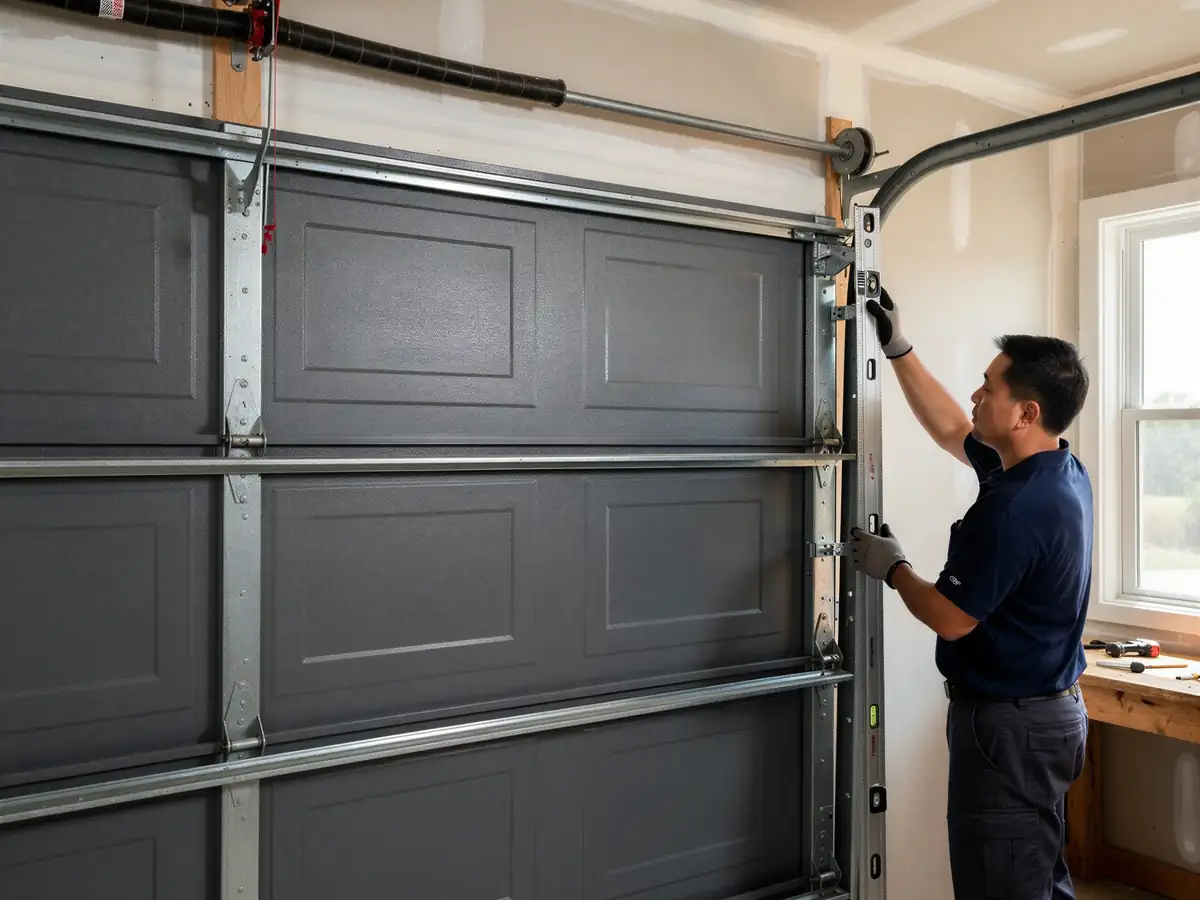
We don't have a flat number to put here, and giving you one without seeing the door would be a guess dressed up as a quote. What drives the cost on a West Allis job is usually the spring size (doors built in this era often used heavier torsion springs than what's sold off the shelf today), whether the drums and bearing plates need replacing alongside the spring, and whether the track is bent enough to need swapping rather than just realigning. A single cable snap on an otherwise sound door is a smaller job than a full spring and hardware replacement. One honest limit: if the door itself is original from the 1976 median build year and the panels are rusted through or delaminating, patching the spring won't buy you much time - at that point a repair just delays a door replacement you'll need anyway. We'll tell you straight if that's where your door is.
What Causes It Around Here
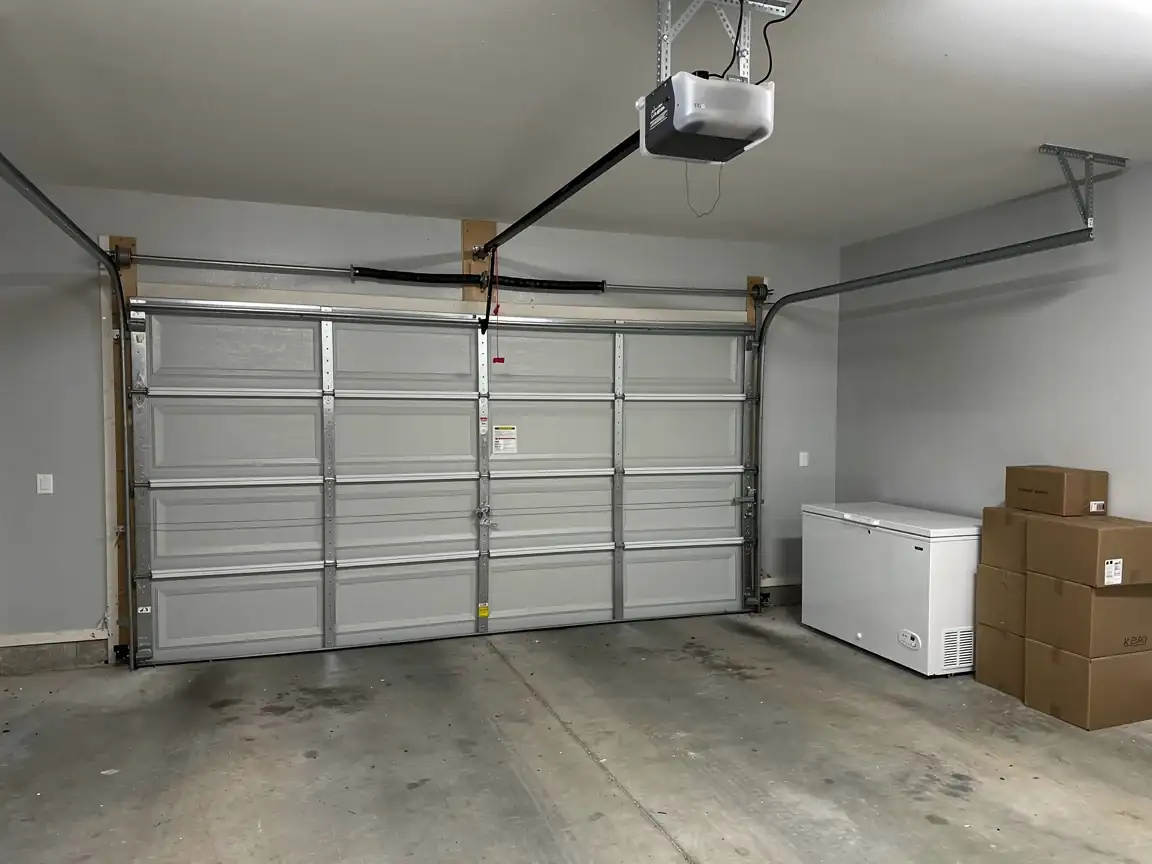
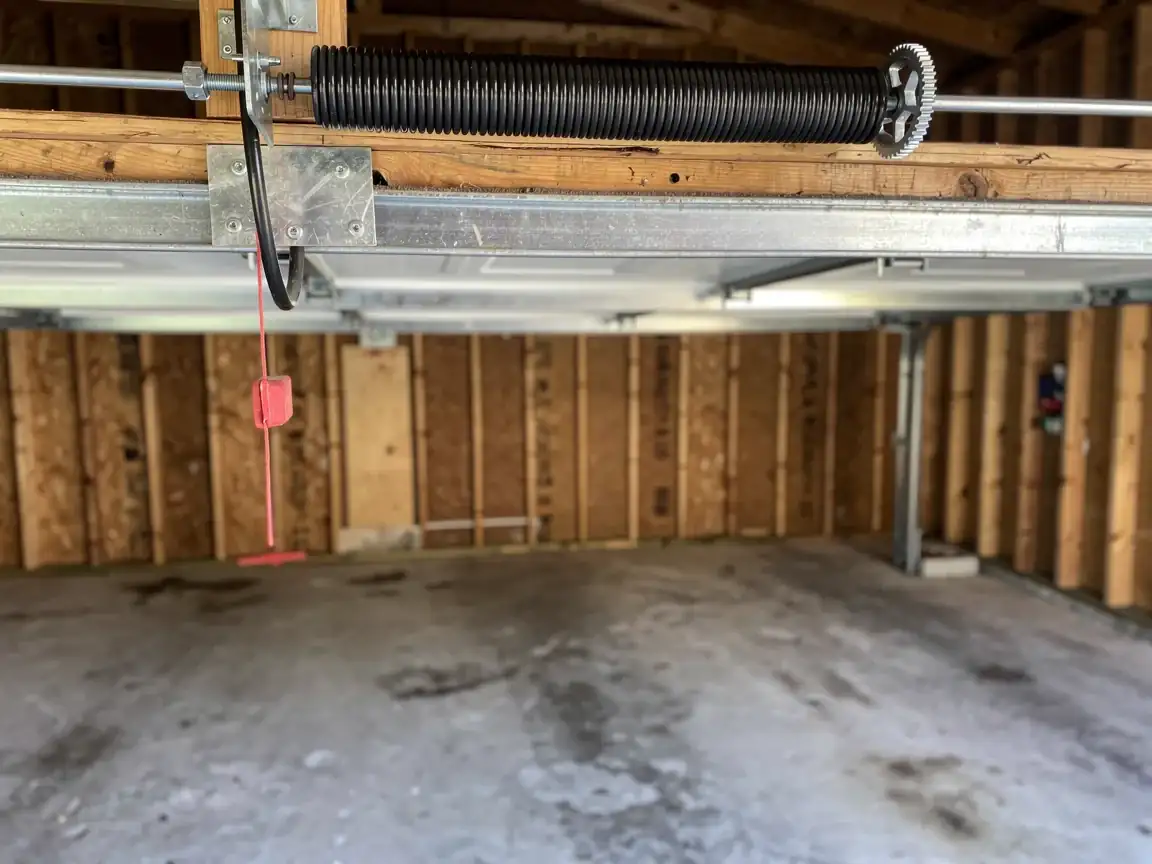
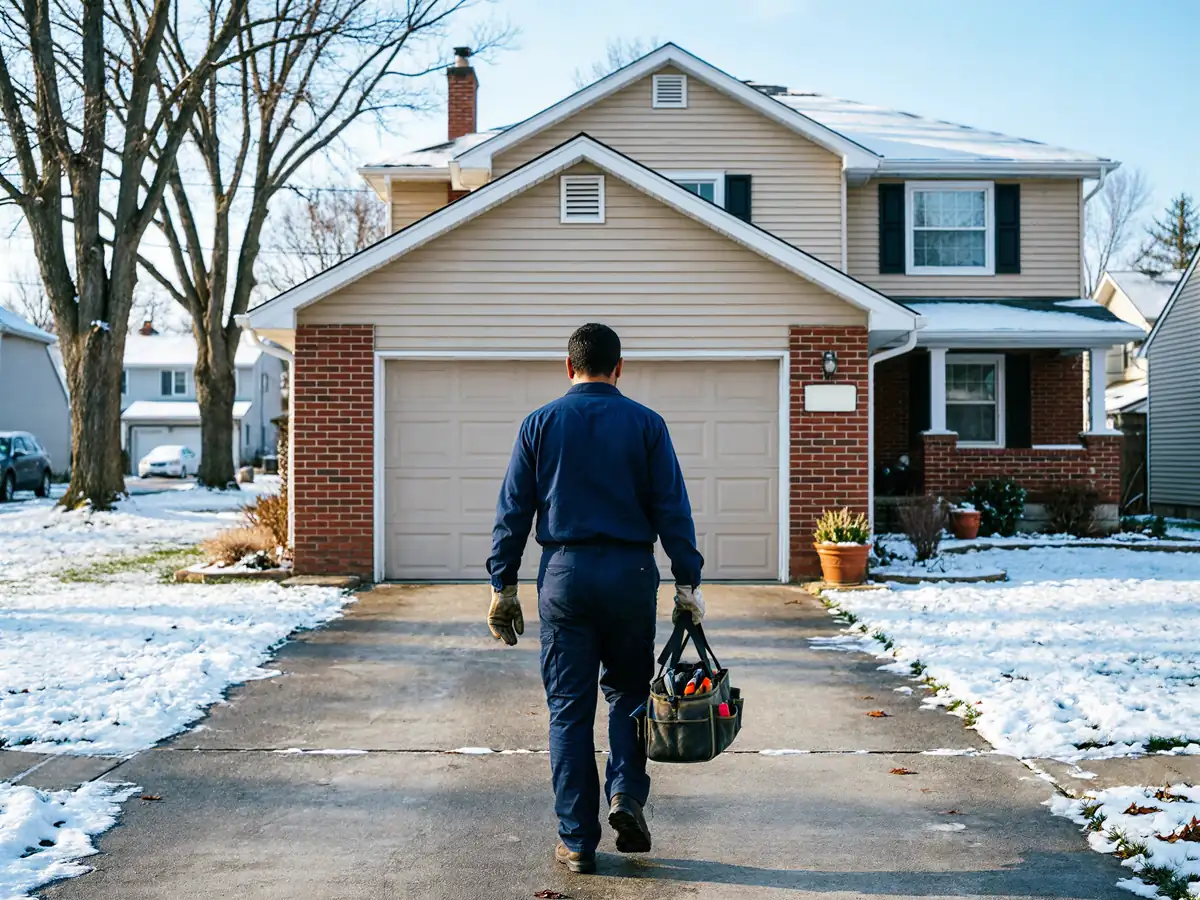
The cold band here is severe, and that matters more for garage doors than people expect. Steel torsion springs lose temper faster when they're cycling through hard freeze-thaw swings every winter, and the older galvanized coating on 1960s-70s hardware doesn't hold up the way current spring coatings do. Add in the de-icing salt and slush that gets tracked onto the slab right under the door, and you get bottom brackets and cable ends corroding from the inside out, which is a different failure than simple fatigue. Houses built across that 1938-2000 range in this area also tend to have unheated or minimally insulated garages, so the opener and the spring are both working against stiff, cold steel every time they move - especially on the first cold mornings after a warm stretch. That combination of old hardware plus severe cold cycling is why West Allis sees more mid-winter spring failures than a region with milder weather and newer housing stock would.