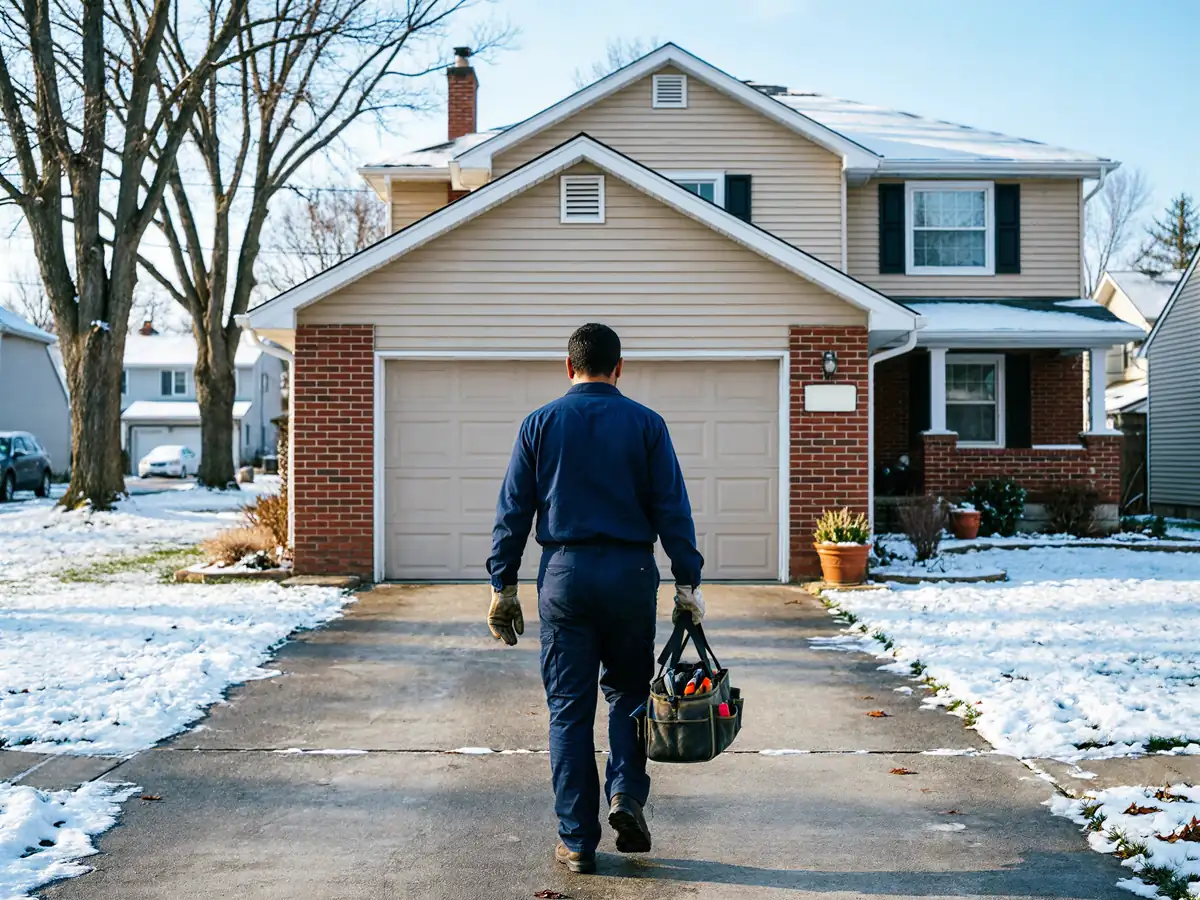
What You Are Seeing
West Allis has houses going back to 1938 and some built as late as 2000
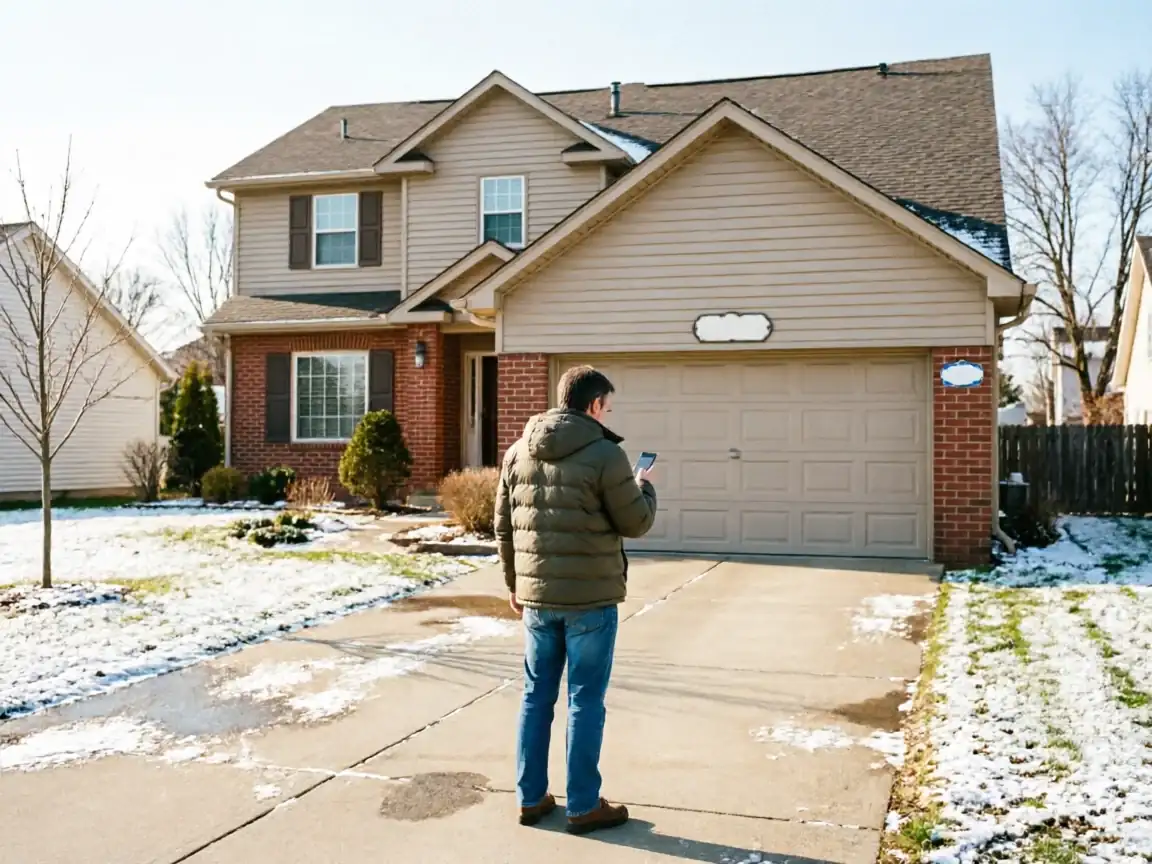
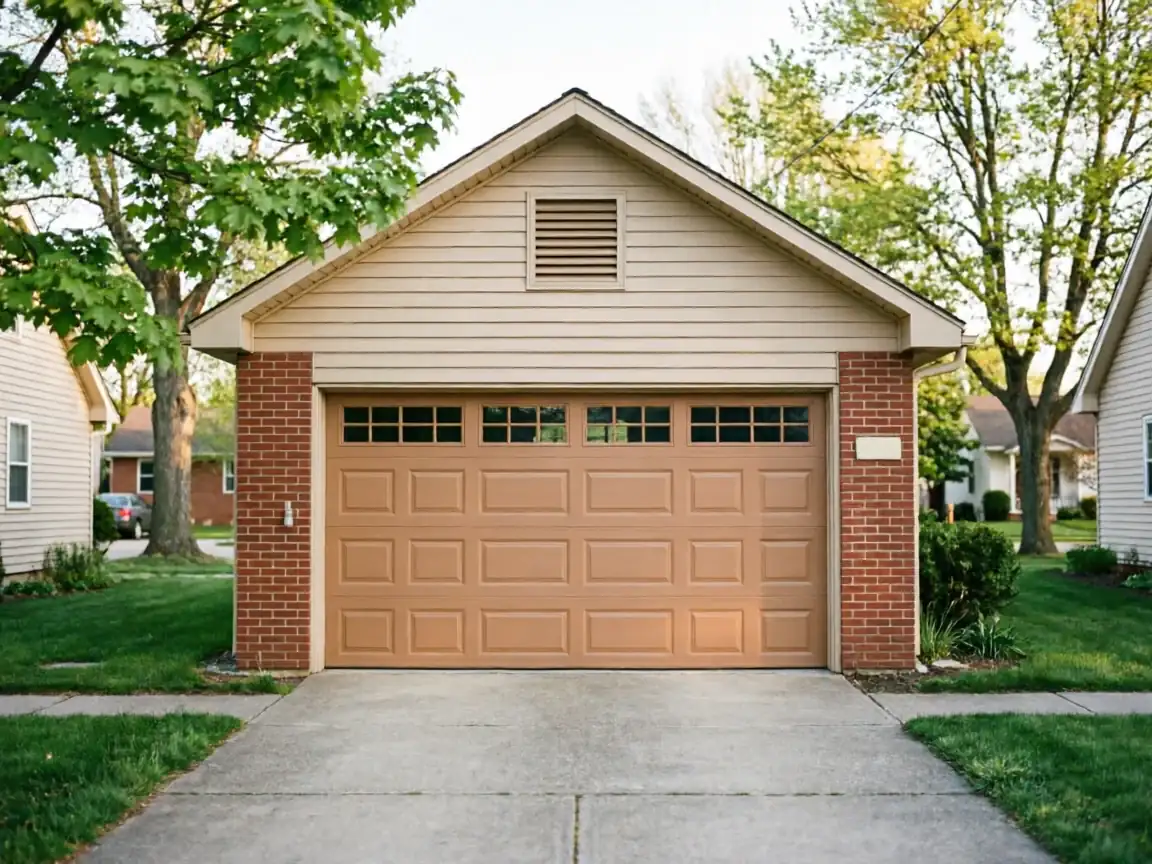
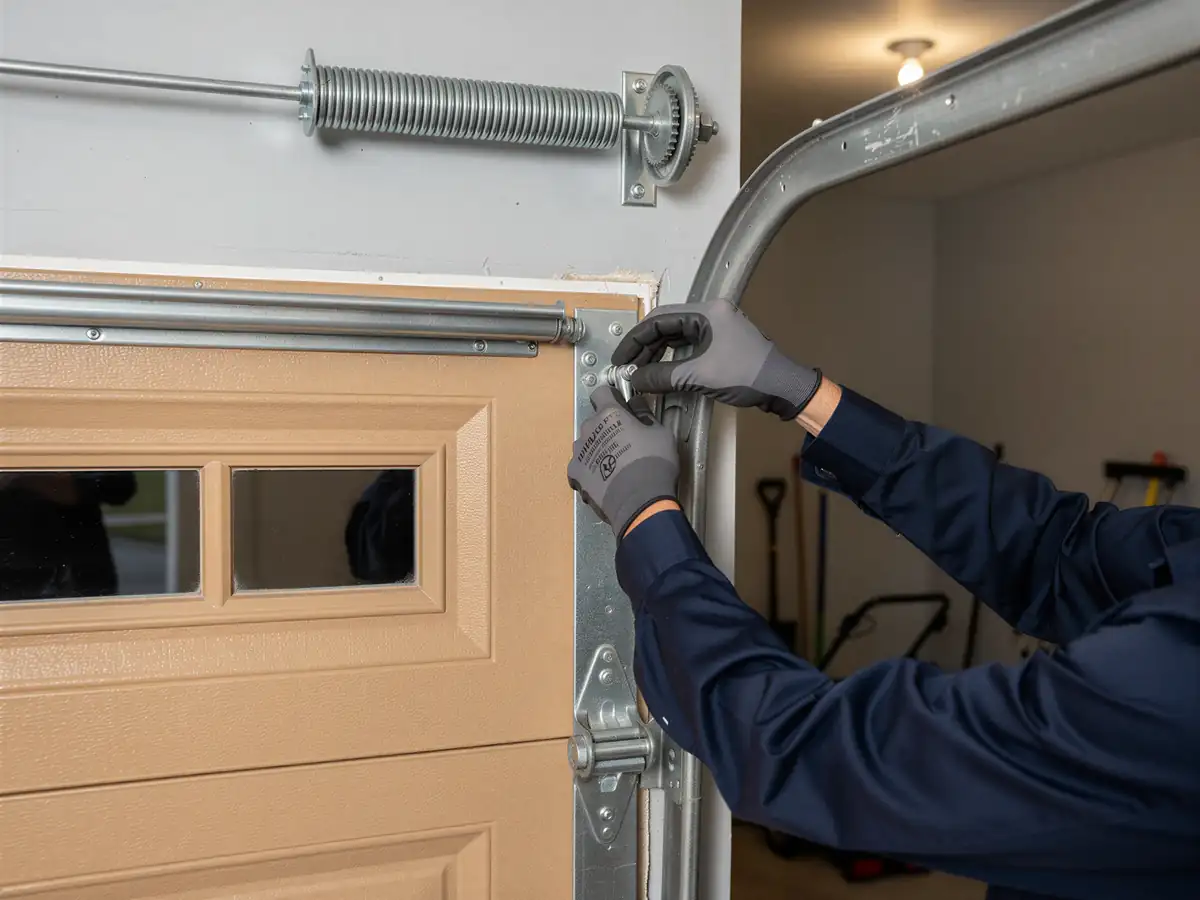
So a tech there might see anything from an old side-mounted extension spring to a newer torsion bar setup. Greenfield is tighter. The median year built here is 1973, which lines up almost exactly with the broader run of 1960s-70s stock across the area - the same window F2 covers. That matters because a house built in 1973 almost always went up with a standard torsion spring over the header, sized for a steel sectional door of that era, not the heavier insulated doors or odd retrofit openers you find mixed into West Allis's older and newer pockets.
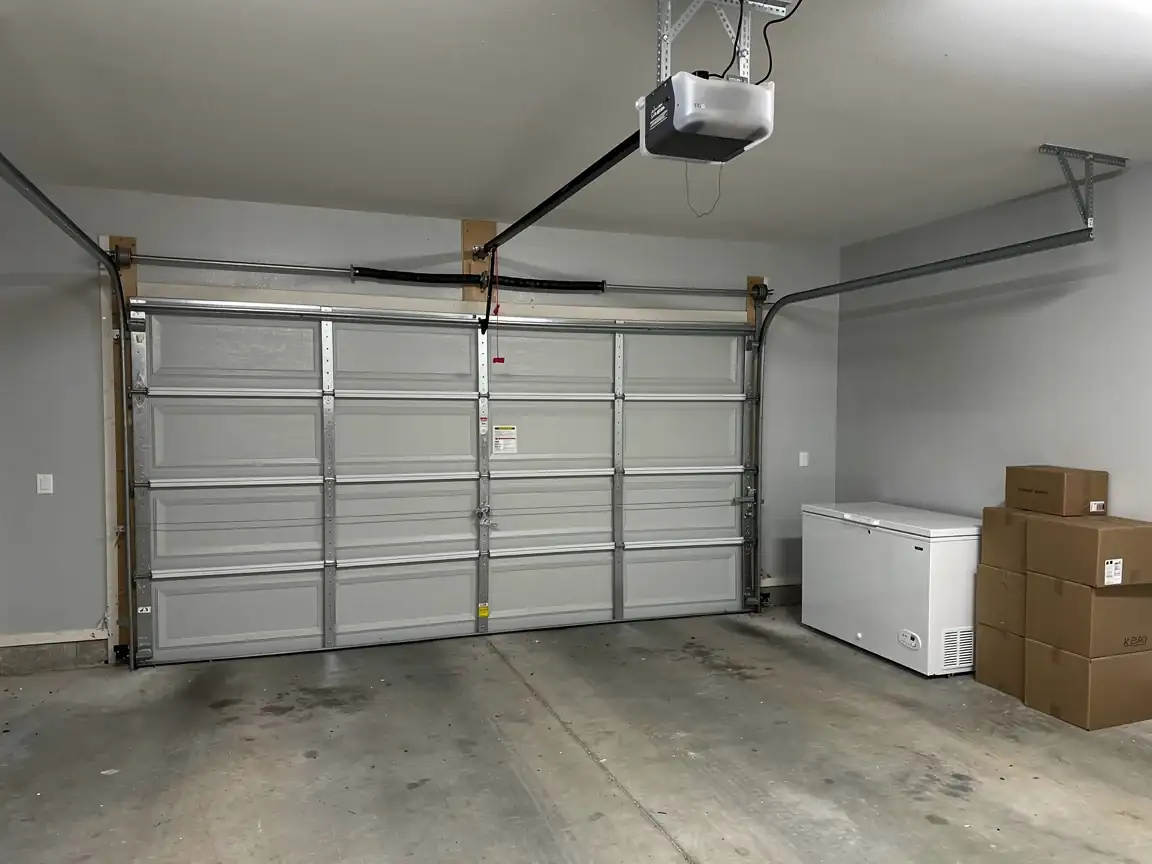
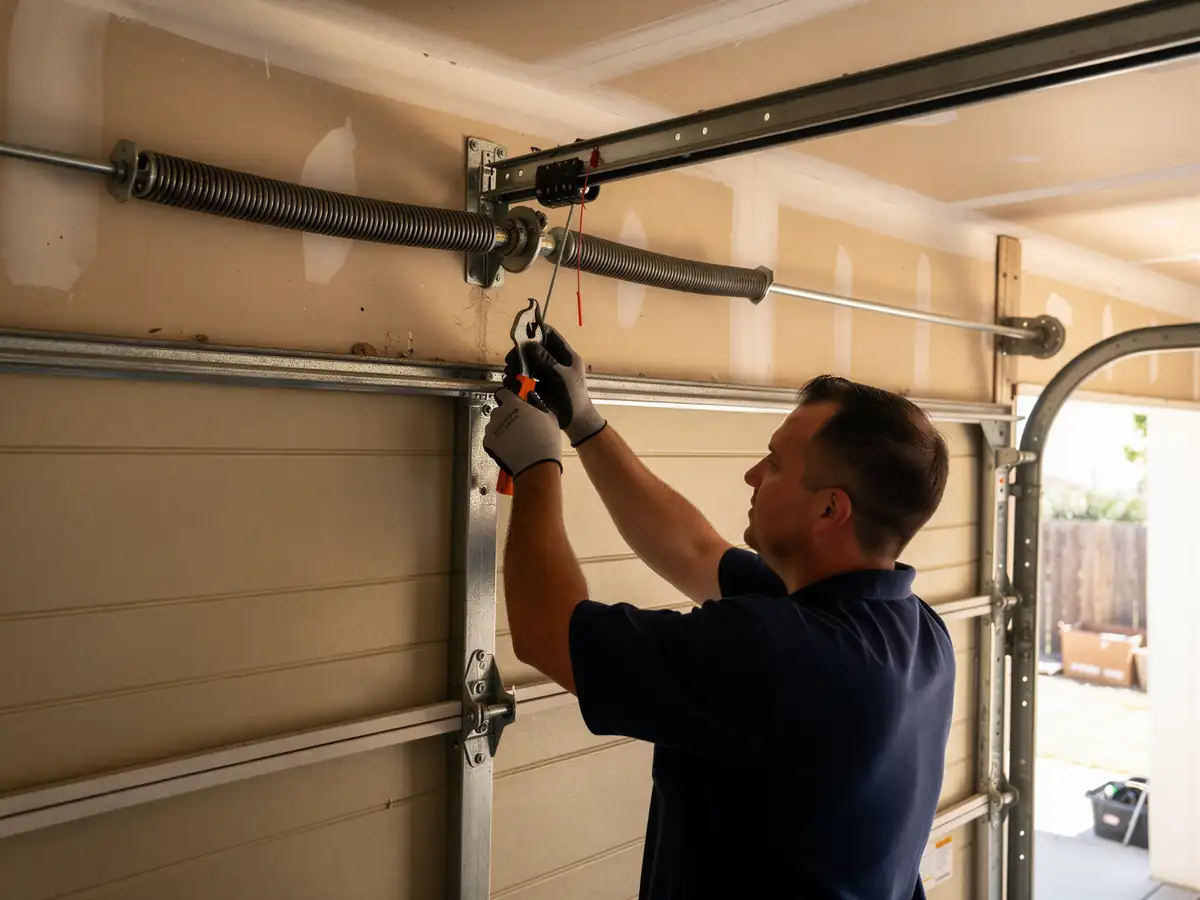
What you're usually seeing in Greenfield is one of two things
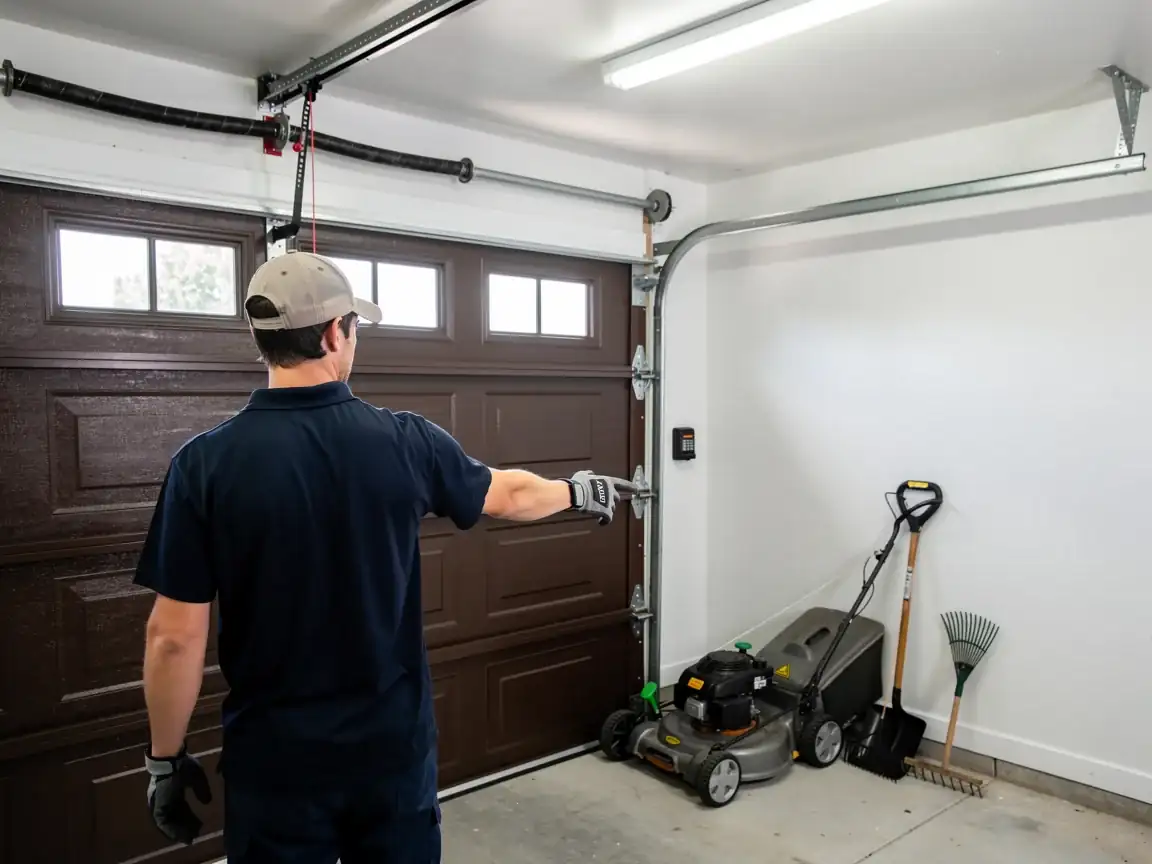
A spring that's simply worn out after four, five decades of cycles, or one that was replaced once already with the wrong wind or wire gauge by a previous owner's quick fix. Either way, the broken coil, the door that won't lift past a foot, the loud bang from the garage at 6am - that's a torsion spring on a 1970s-era door doing what 1970s-era torsion springs eventually do. Winters here run cold and hard, and the metal fatigue shows up faster on doors that have sat through forty-plus of them.
Parts We Carry
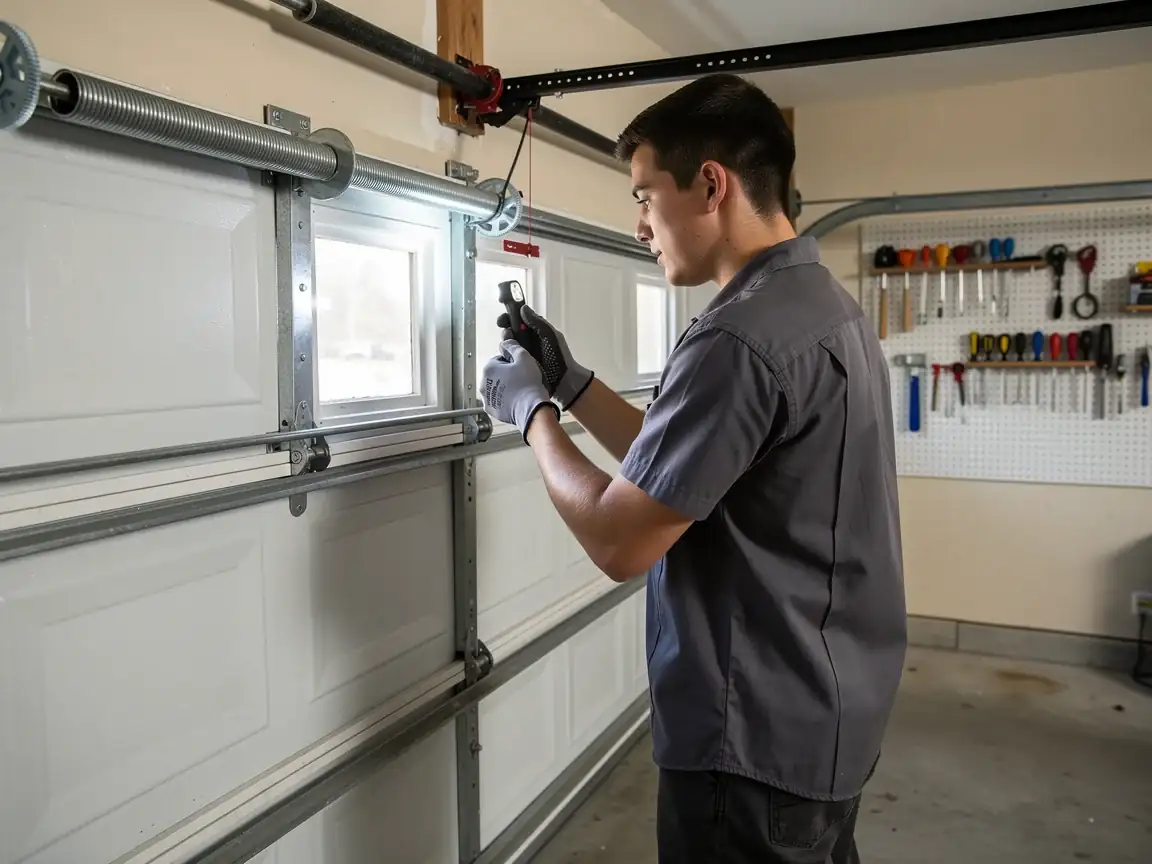
Because so much of Greenfield's housing sits in that same 1973-ish band, the spring sizes that fail here are predictable. The truck carries the common torsion spring diameters and wire gauges that match standard steel sectional doors from that build era - the kind with a single torsion bar and a header bracket, not a double-torsion setup you'd expect on a wider or heavier modern door.
What we don't carry on every run is a part for a door that's been upgraded since - say a heavier insulated panel swapped onto 1970s hardware, or a newer opener bolted onto an old spring system that was never rated for it. Those combinations exist in a stock this old, and when we hit one, it can mean a short wait on a part that isn't on the truck. That's the honest limit: we stock for what the housing here mostly is, not for every retrofit a homeowner has layered on top of it over fifty years.
The DIY Question
A torsion spring under tension can take a finger or worse, and that doesn't change by town. What does change is how often a 1973-era door has had other work done to it that you can't see from the garage floor - a cable swapped out, a drum replaced, a bracket re-shimmed. On a house this age, you're rarely dealing with a spring in isolation; the whole system has had decades to shift.
If you're in Greenfield with 17,440 households and a good share of them sitting on original or near-original garage hardware, the honest answer is that winding a replacement spring yourself on a door you don't know the full history of is a bad trade for the money saved. Median income in this area runs $69,016, noticeably below the $108,690 median across the wider service area - which is exactly why we'd rather tell you straight that this isn't a $20 YouTube fix than sell you a visit you didn't need.
What the Fix Involves
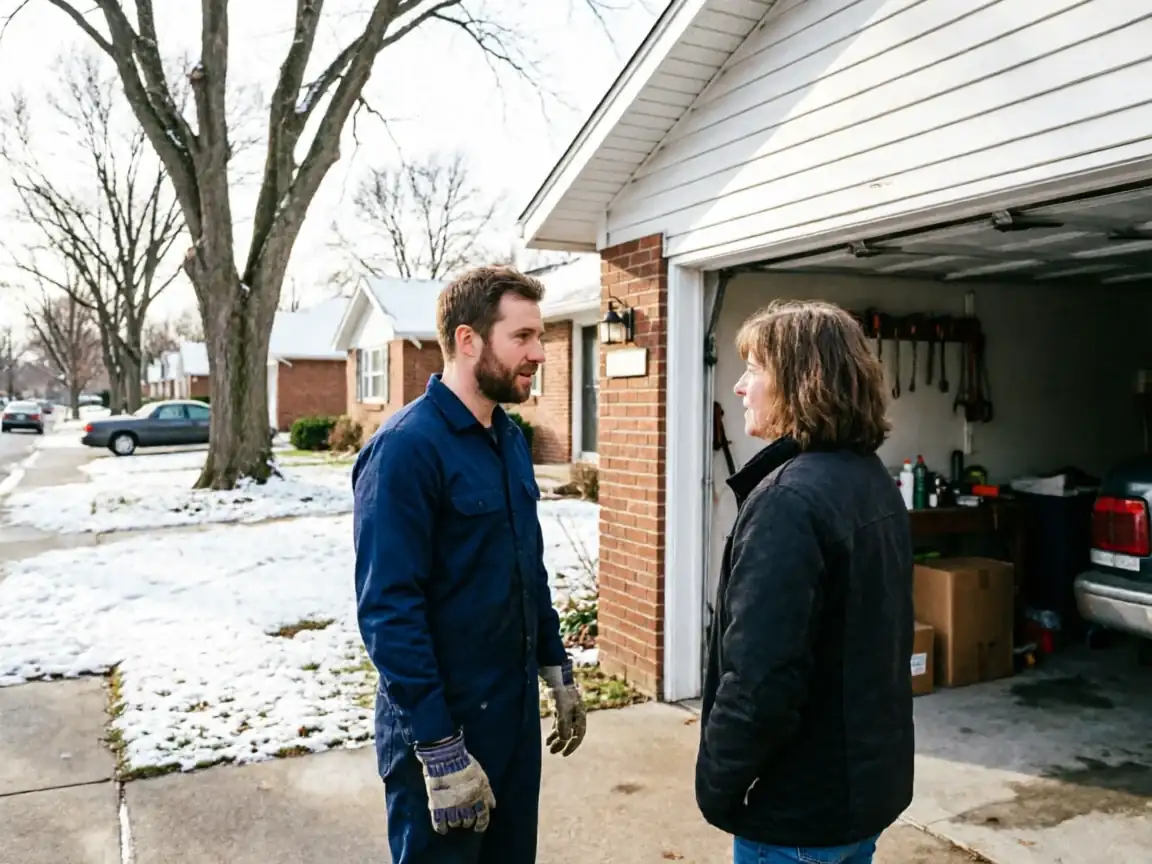
We come from West Allis, about 3 miles out
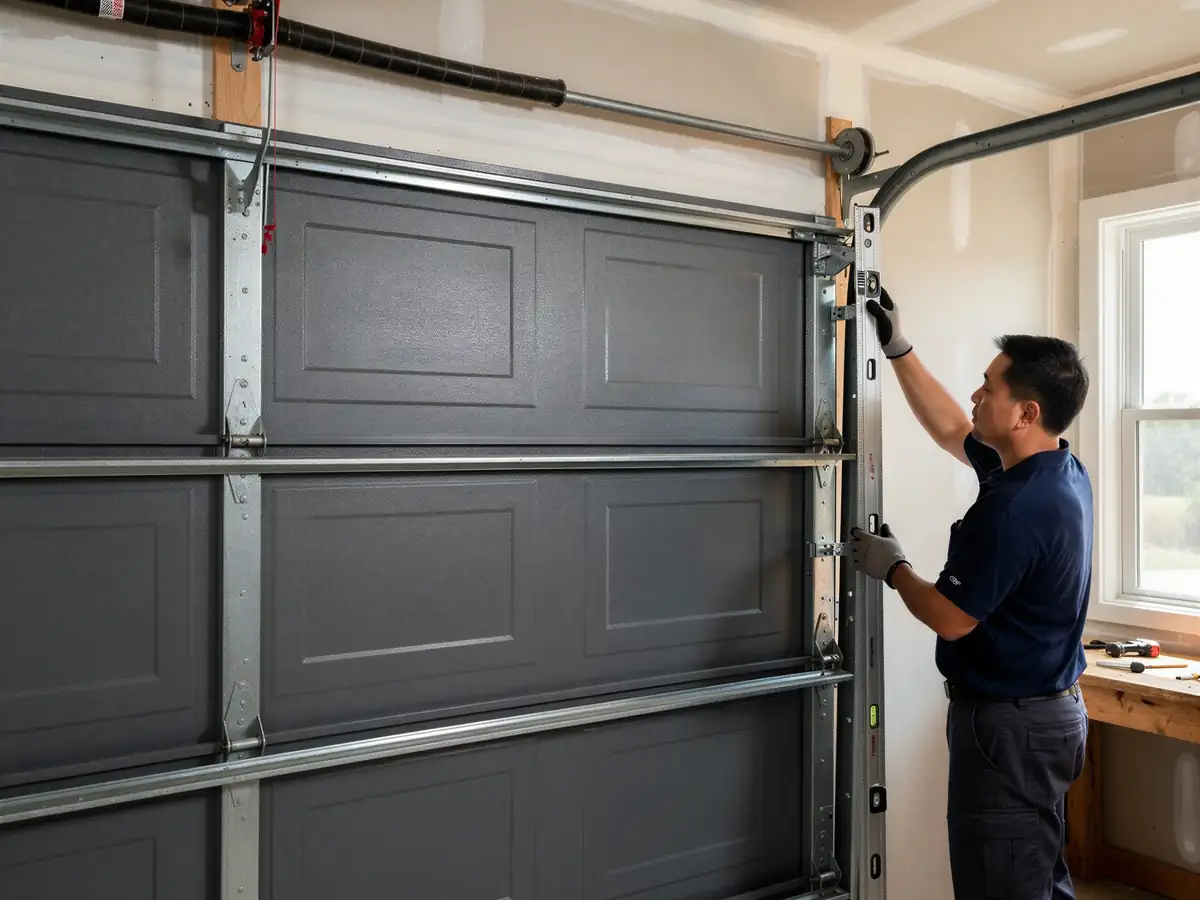
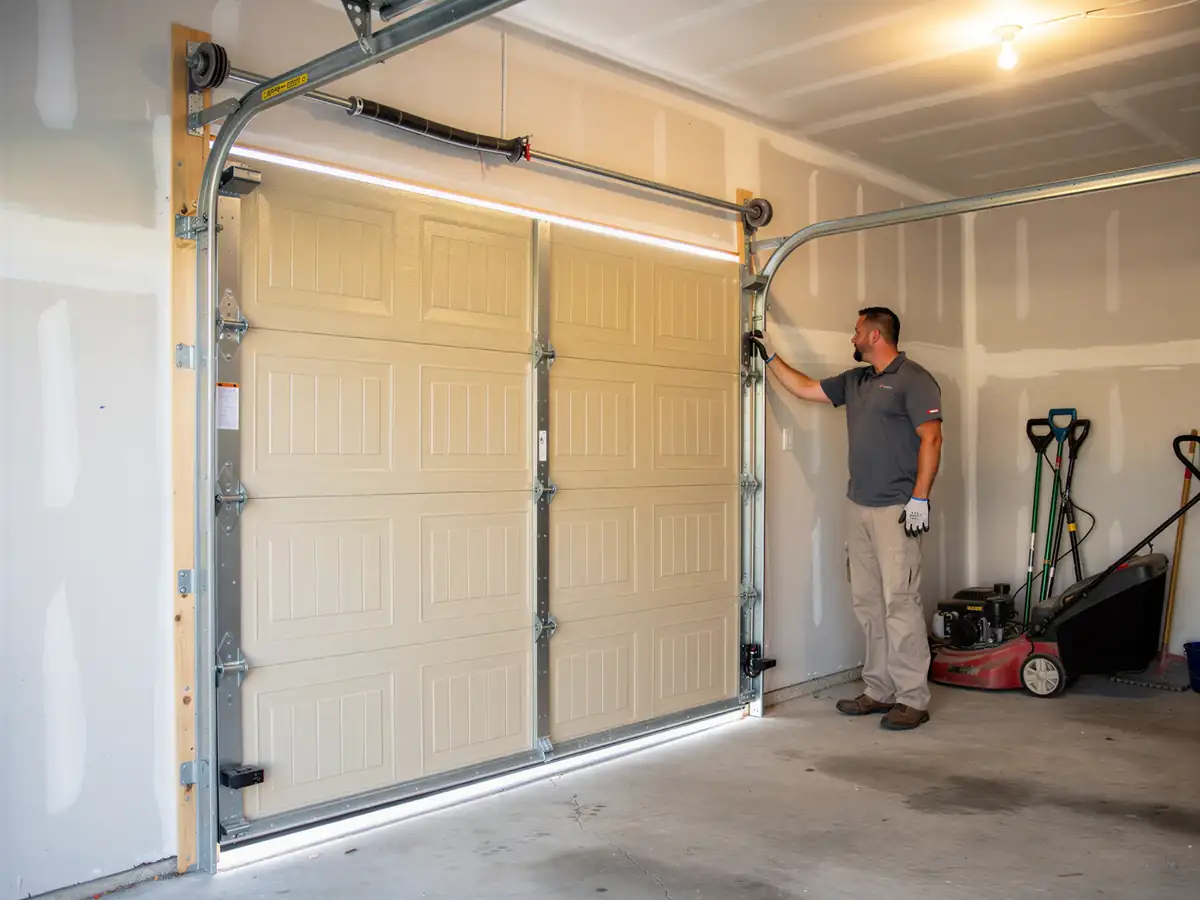
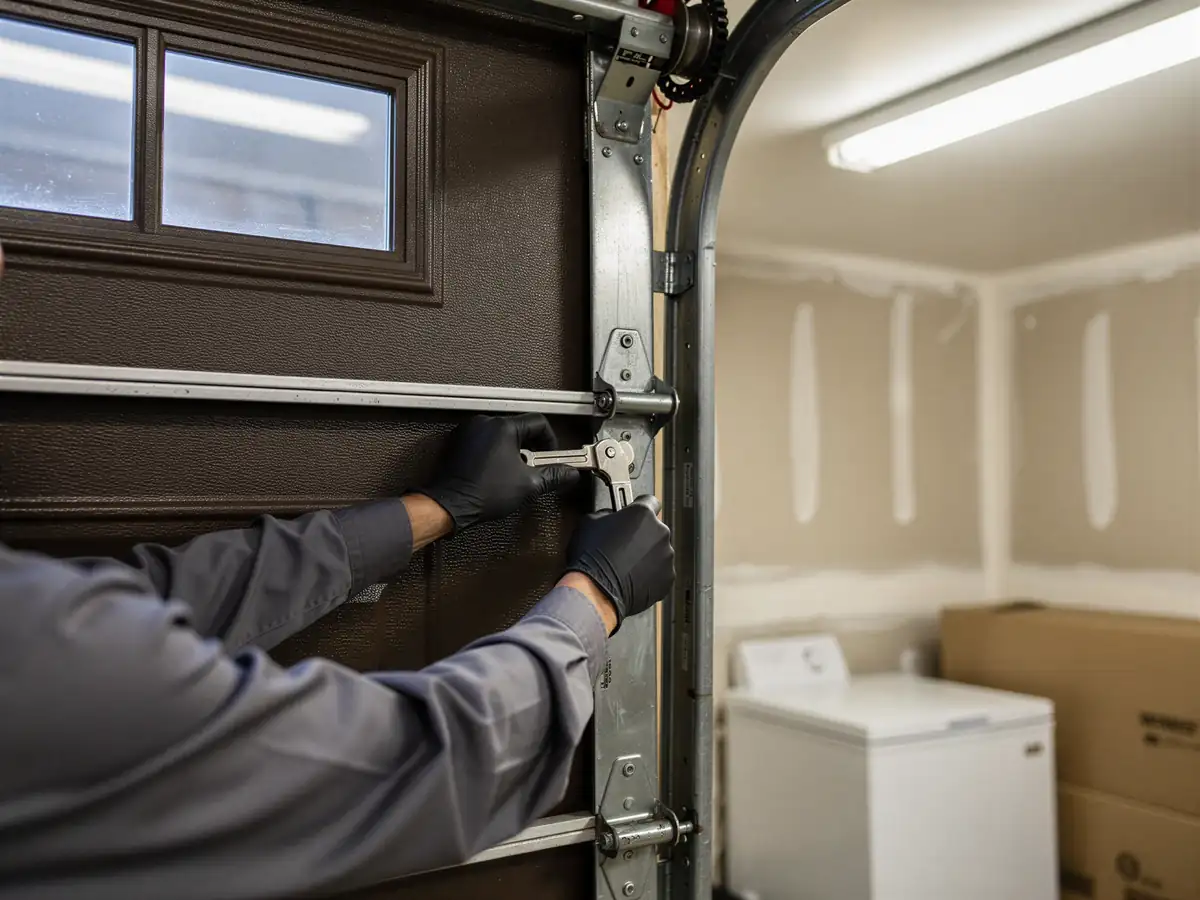
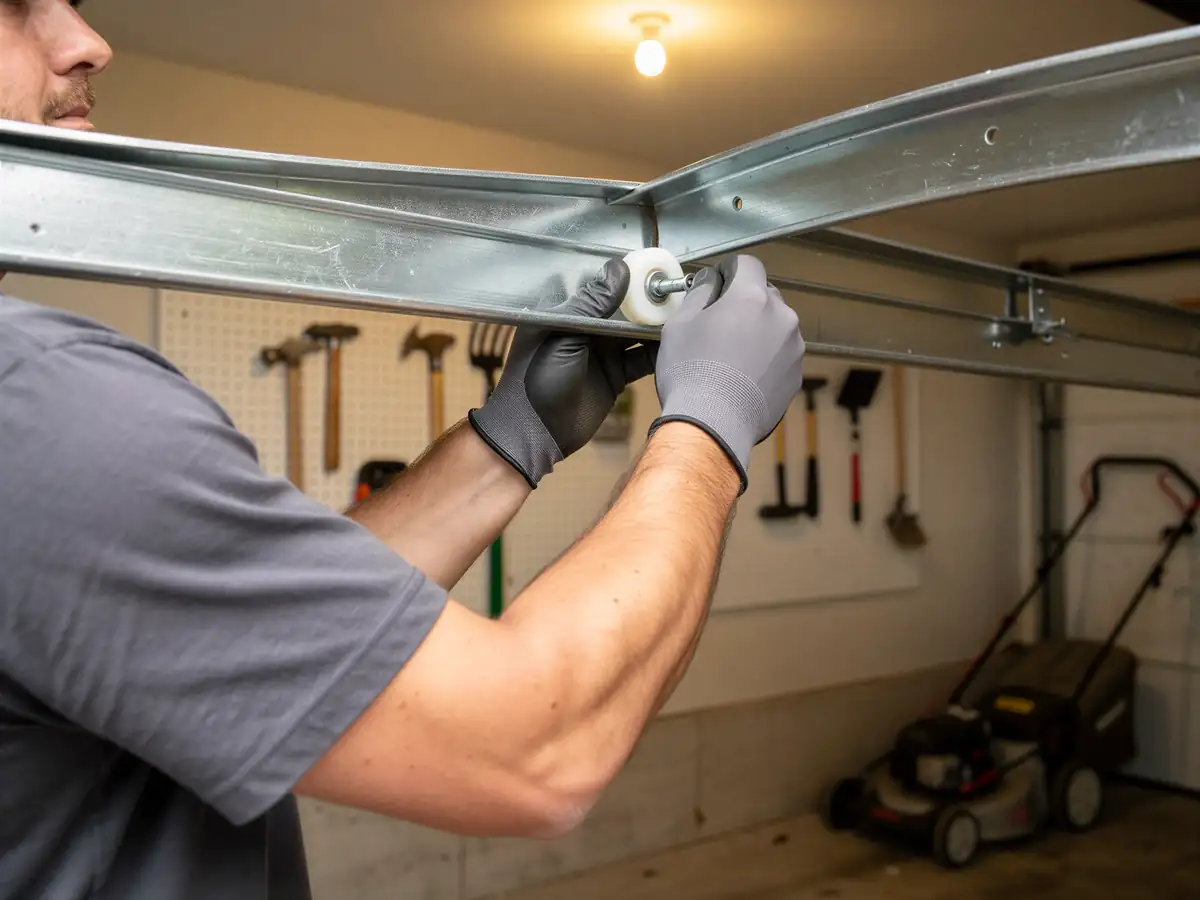
So there's no branch office or local depot in Greenfield - just the drive, which is short. On arrival, the job is checking the spring size against what a 1970s door actually needs, measuring wire gauge and wind direction, and replacing the coil along with any cable or drum hardware that's worn past safe use.
- 3 miles
Given the cold-severe climate this area sits in
Metal fatigue and cable stretch both move faster than they would somewhere milder, so we check those parts even on a call that's just about the spring. If the door itself has sagged or the panels have started separating at the hinges - more likely on original-era doors - that's a conversation about replacement, not another repair, and we'll say so instead of patching something that's done.