What You Are Seeing
West Milwaukee sits three miles from our West Allis shop
Close enough that a call here doesn't eat the day the way a job on the far edge of the coverage area does. That's the easy part. The harder part is what's waiting in the garage once we get there.
Homes in West Milwaukee cluster around a 1946 build year
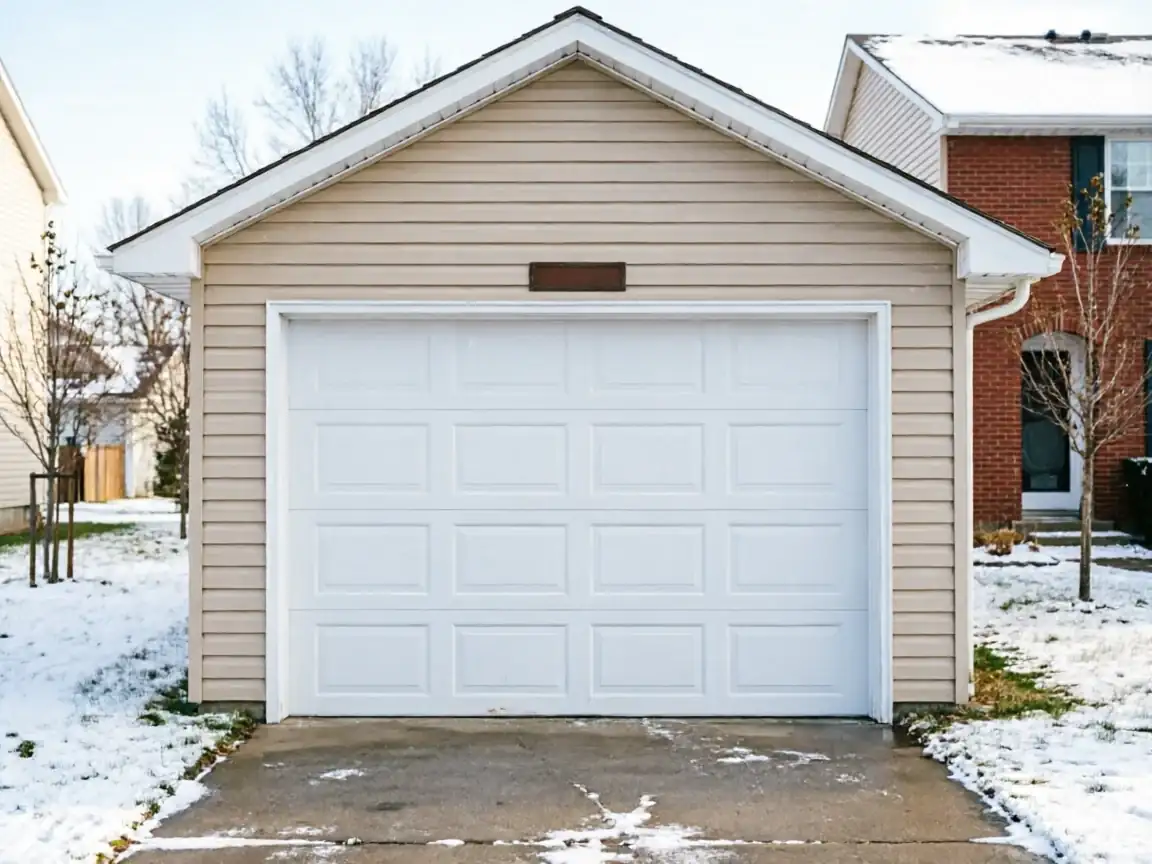
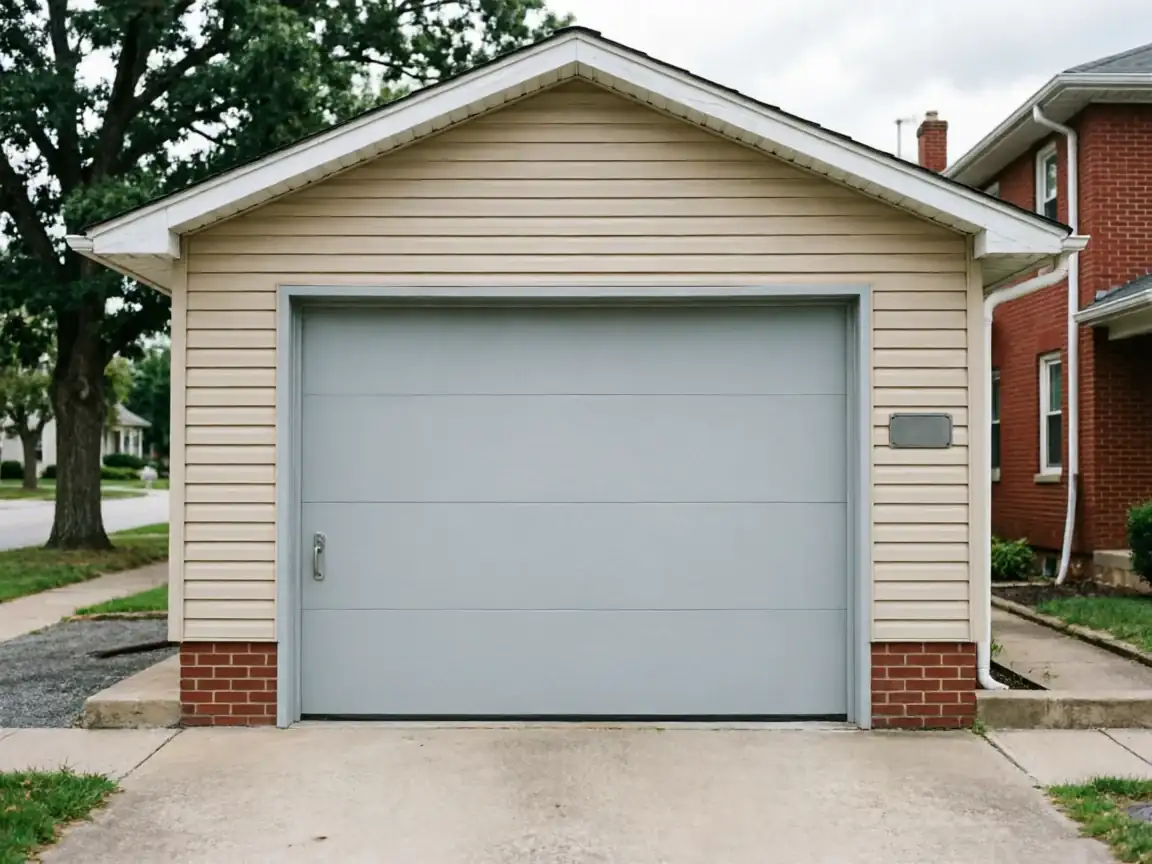
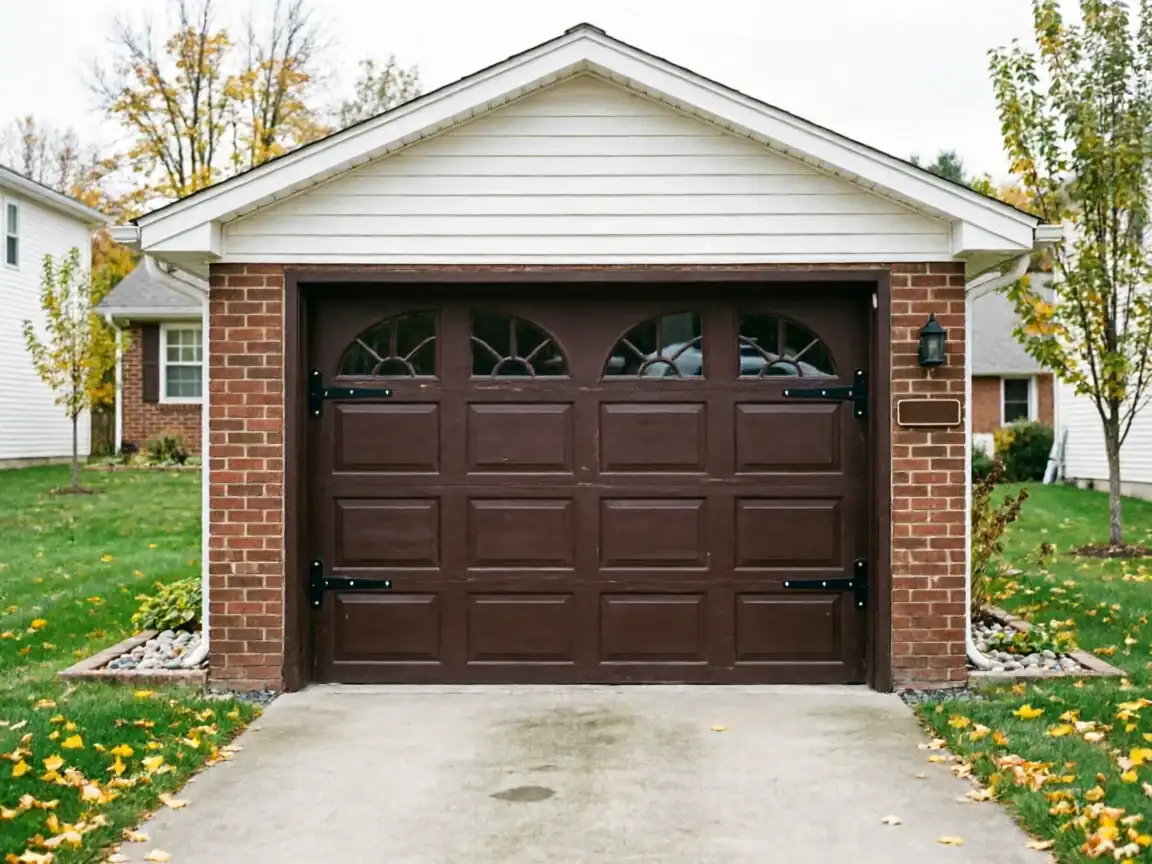
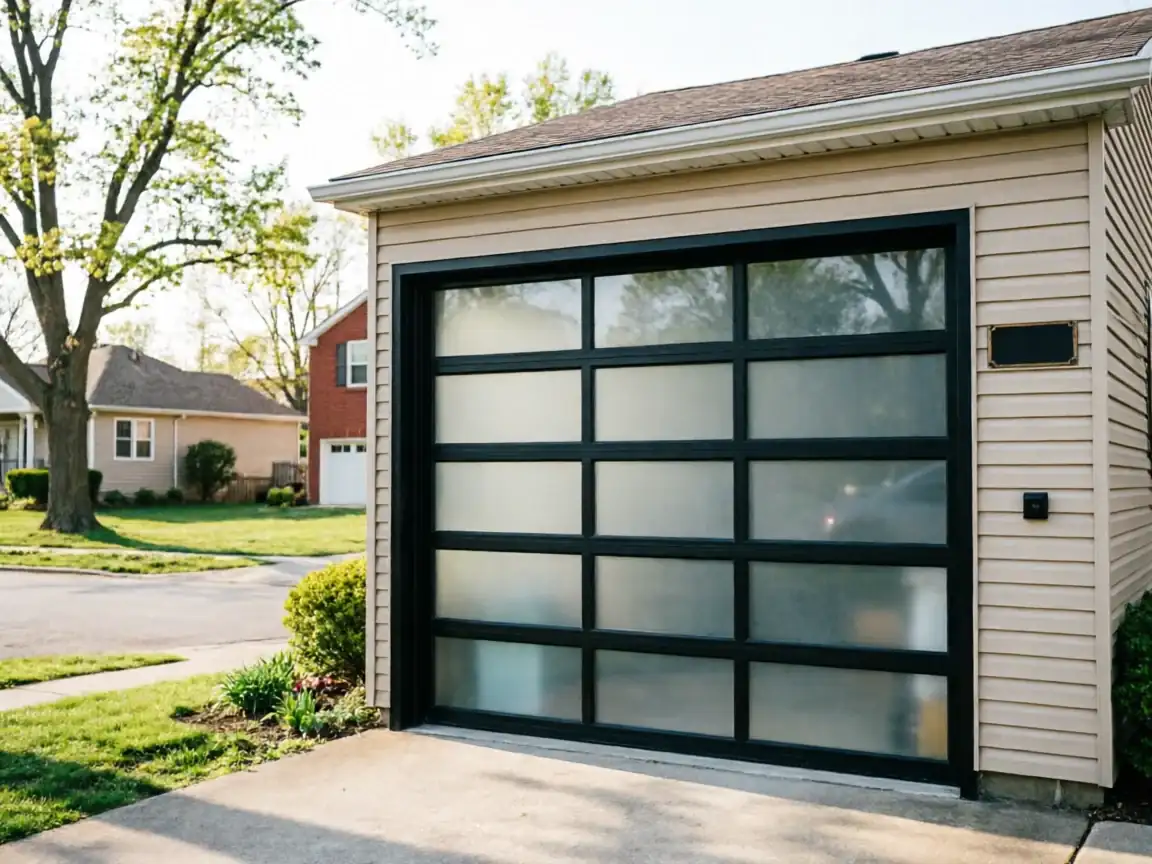
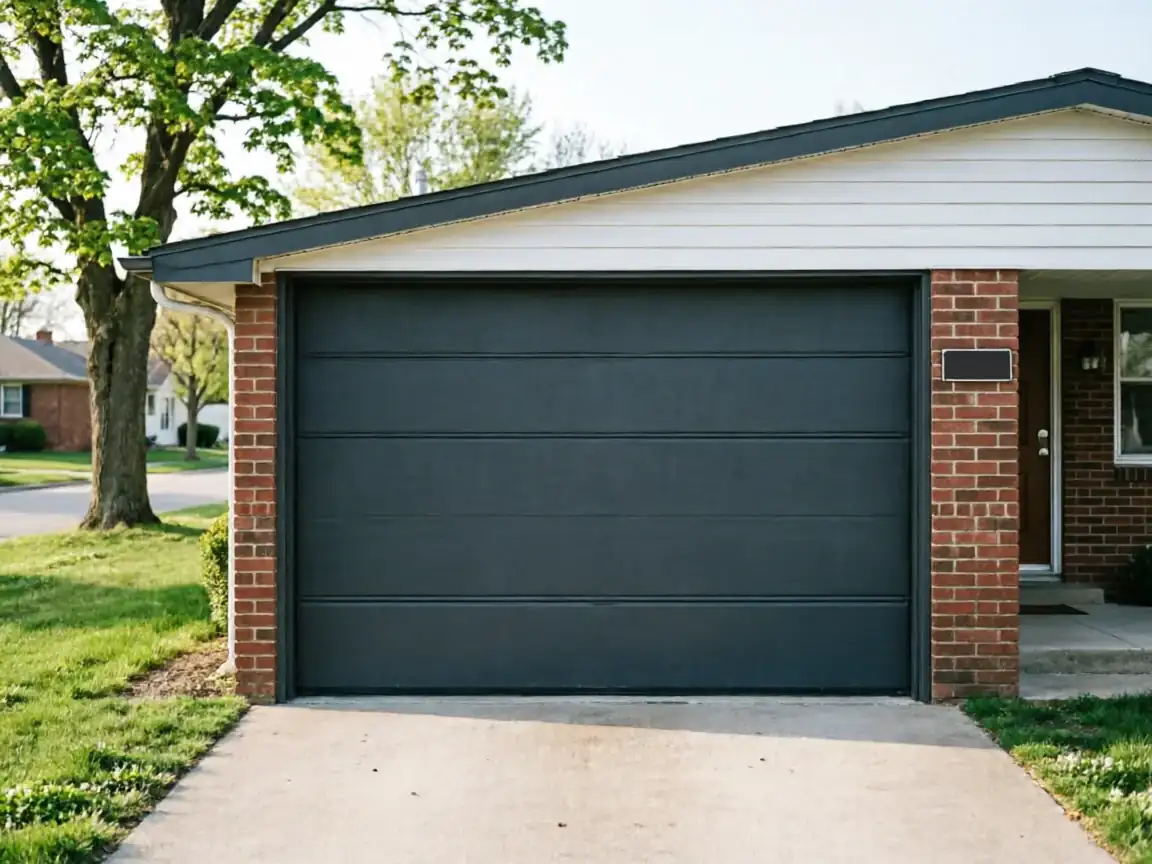
A good three decades ahead of the 1976 median across the rest of the territory we cover. That matters because doors from that era were usually hung on side-mounted hardware with smaller torsion springs than what's standard now, sometimes retrofitted once or twice since but just as often left original with newer skin bolted over old track. You'll see a lot of single-car openings too, narrower than what gets built today, which limits which replacement panels actually fit without custom ordering.
About 1,990 households make up this suburb, a small, dense footprint compared to the sprawl further out
That density means garages are often tight, with less room to work a spring winding bar safely, which changes how a tech sets up the job before touching anything.
- 1,990 households
The Cost of This Job
We don't have a published price list specific to West Milwaukee, and we're not going to guess at one here. What we can tell you is what drives cost up or down on a house like the ones in this neighborhood: age of the opener, whether the track is original 1946-vintage steel or already swapped, and whether a panel needs custom sizing for a narrower opening.
West Milwaukee's median household income runs $48,976, well under the $108,690 median across the rest of our service area. We mention that because it shapes the calls we get here - more repair requests, fewer full-replacement jobs, more questions about whether a part can be saved instead of swapped. We'll always tell you straight if a repair is cheaper now but likely to fail again inside a year, versus a replacement that costs more up front but ends the problem.
How Long It Takes
The three-mile drive from West Allis means we're not losing half a morning in transit the way we might on a call further out past Franklin or Muskego. That's a scheduling advantage, not a promise of a specific arrival window - we don't quote response times here, those depend on the day's call volume, not the distance alone.
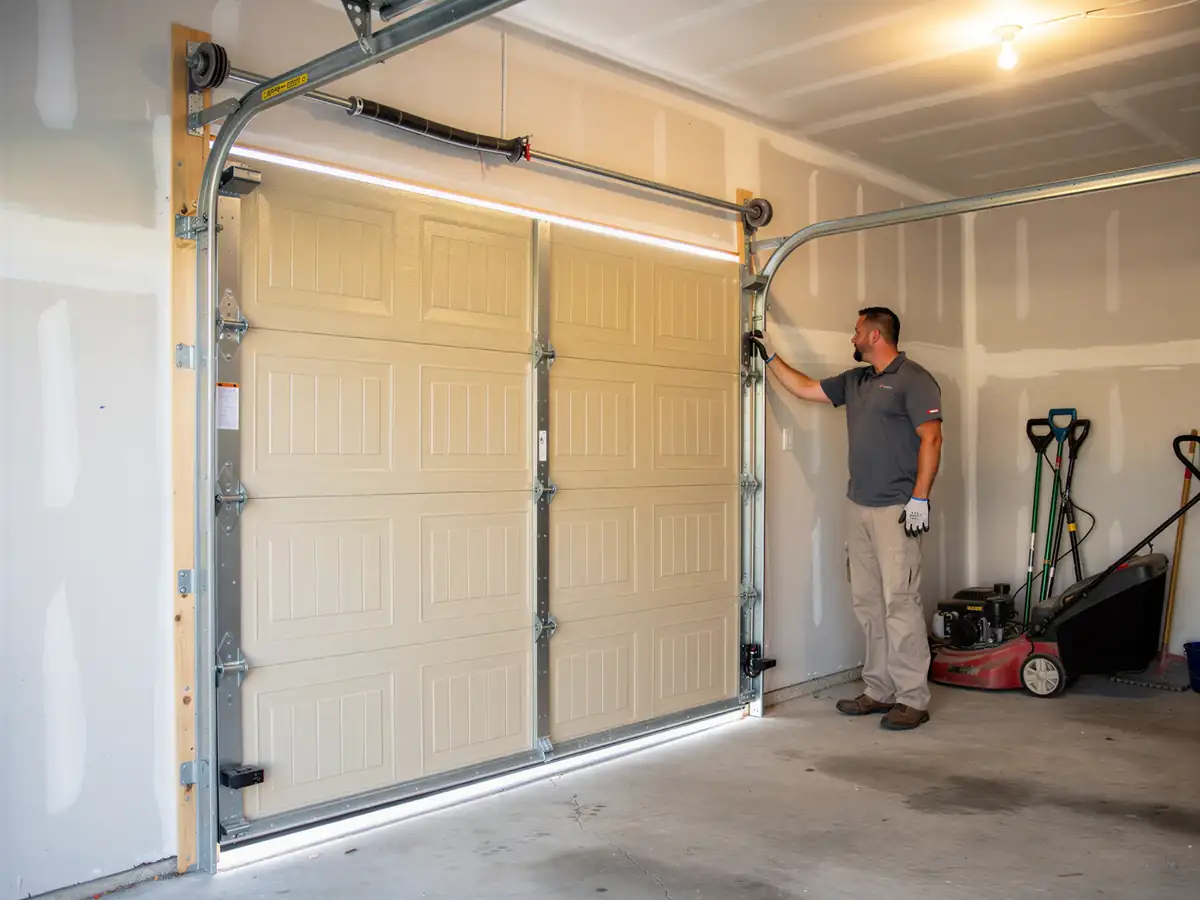
Once a tech is in the garage, older hardware can add time rather than cut it. A 1946-era track bracket lagged into original wood framing sometimes needs more care to remove cleanly than a newer house with factory-standard mounting. If a part has to be sourced because it doesn't match anything on the truck, that adds a return trip - we'll tell you on-site if that's likely before we start.
Getting It Booked In
Call or use the service area page below to get a West Milwaukee job on the schedule
Tell us what you're seeing - door won't open, spring snapped, opener grinding - and whether the house is original or already had work done, since that changes what we bring on the truck.
Because this suburb is small
With roughly 1,990 households, we're not juggling multiple crews across a sprawling territory the way we would in a bigger town. That keeps scheduling straightforward, though it still runs on the same call queue as the rest of our West Allis-based coverage.
- 1,990 households
What the Fix Involves
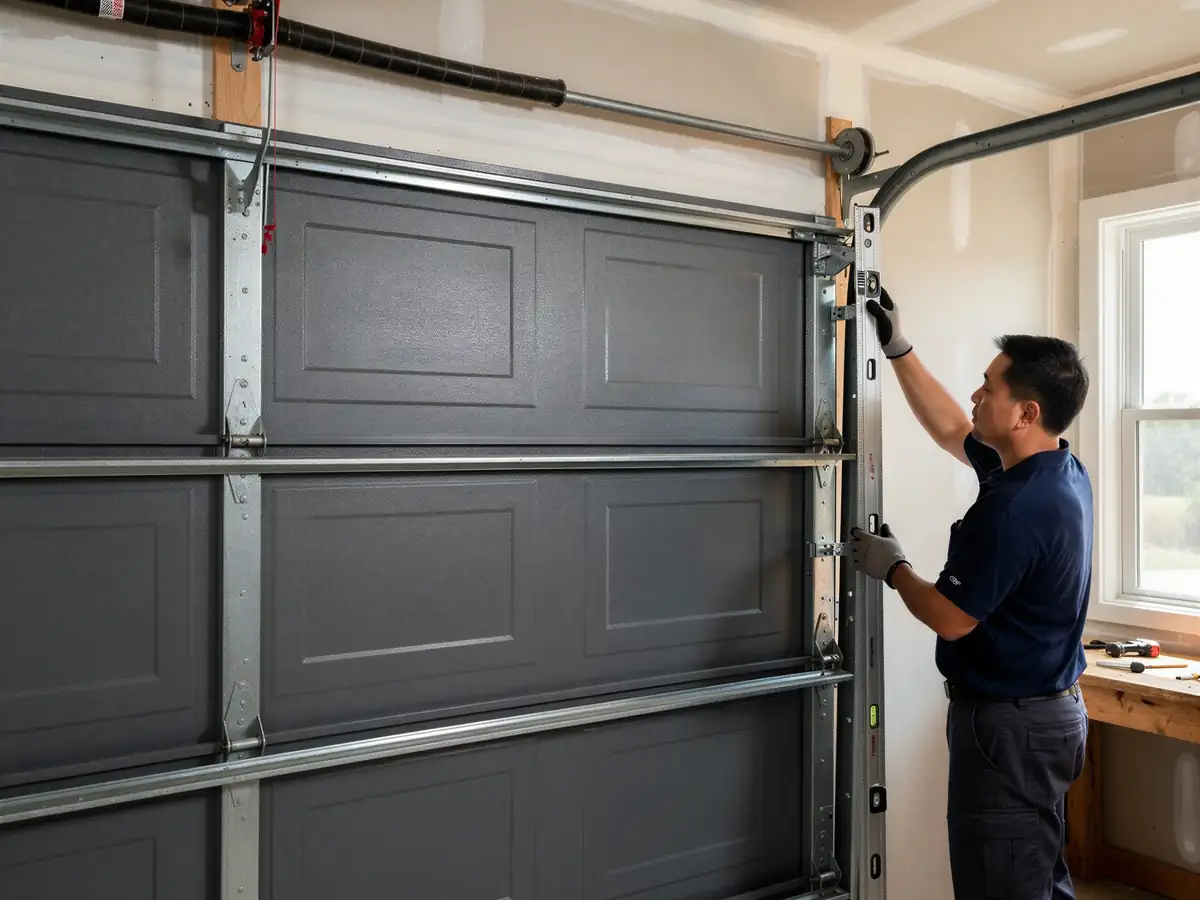
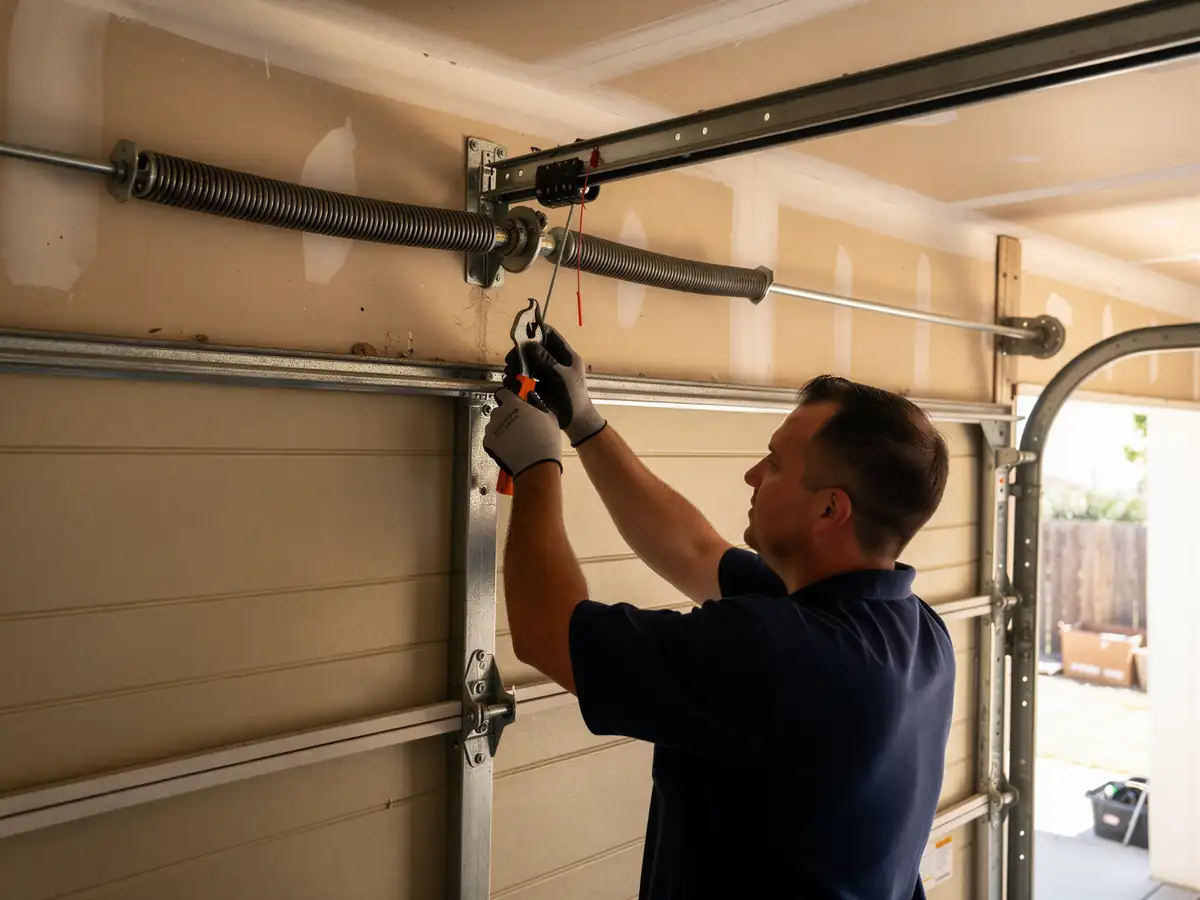
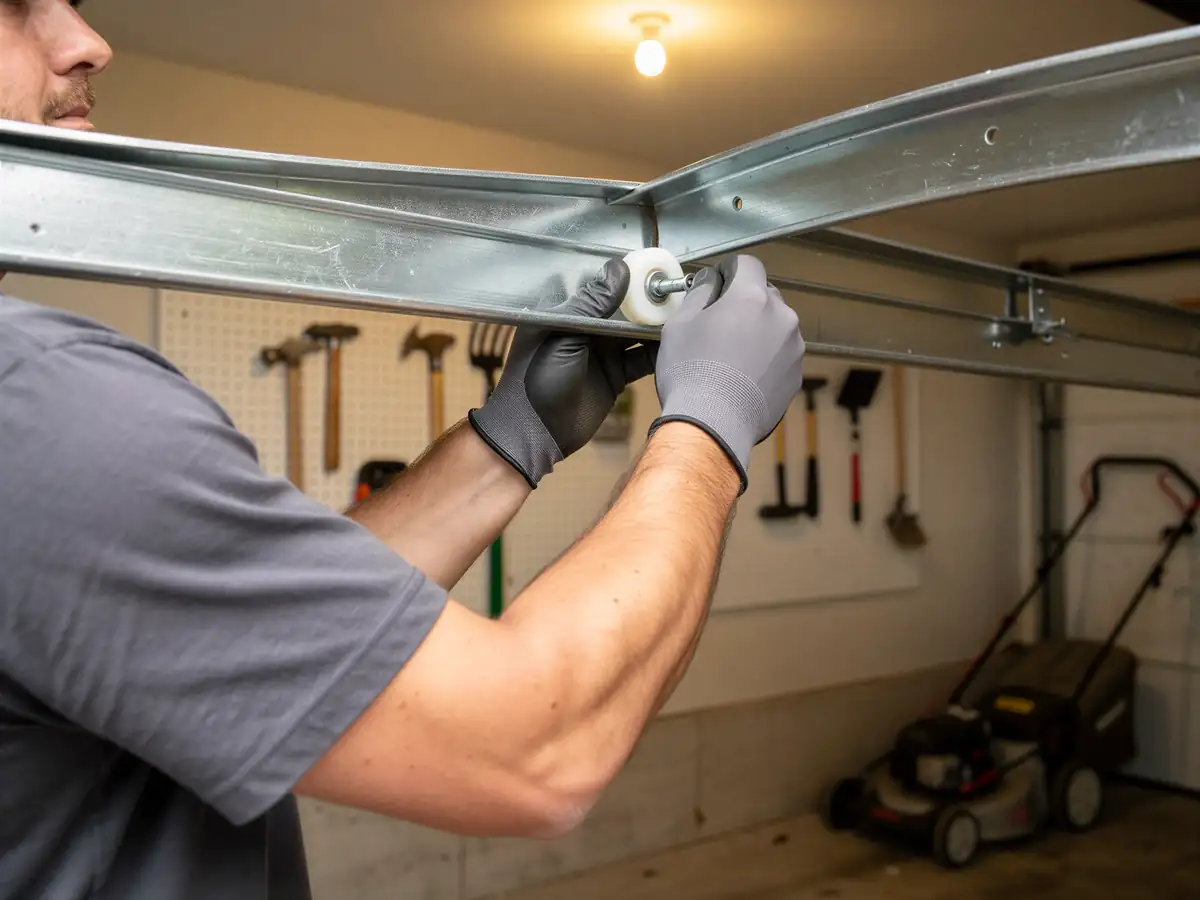
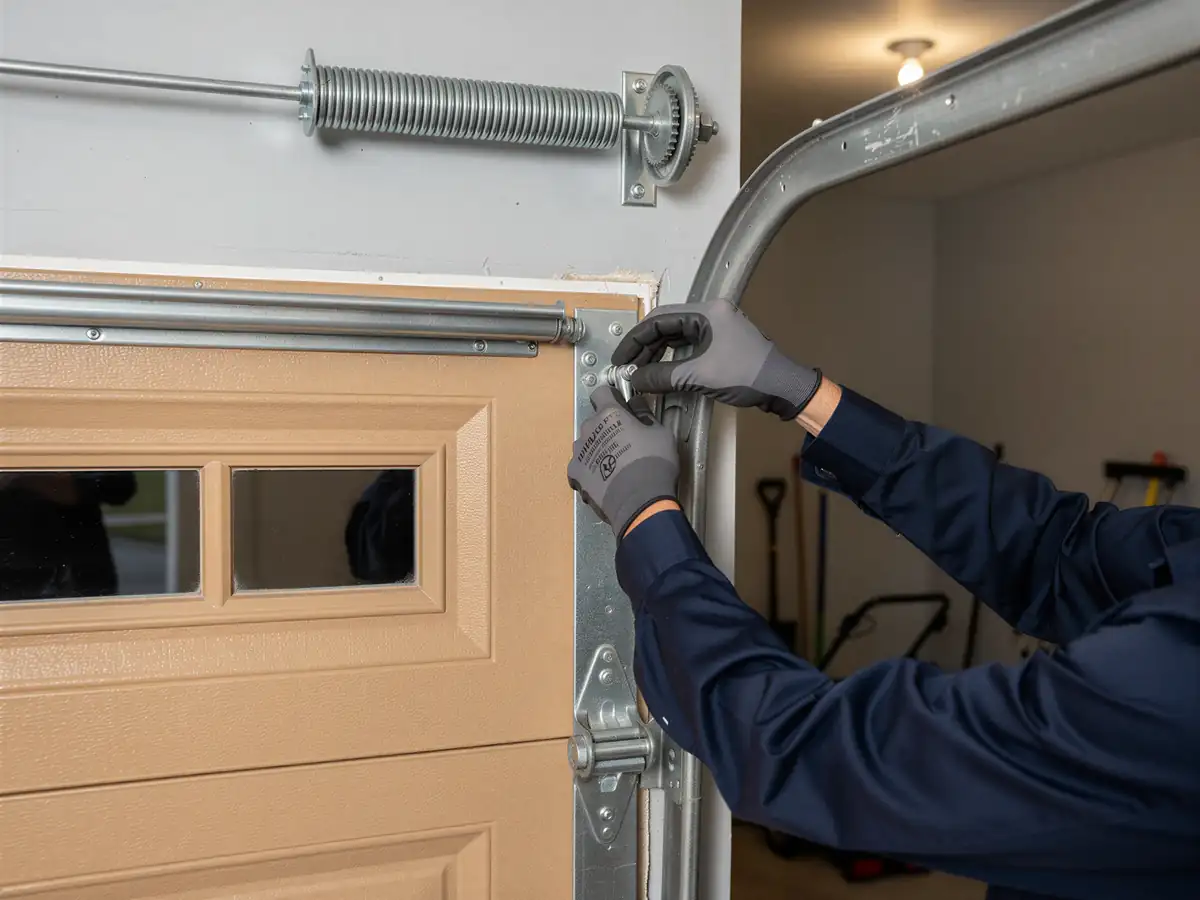
On a house built around 1946, the first thing we check isn't the opener - it's the spring system and the track alignment, since original hardware on a house this age was often undersized by today's standard or has been patched piecemeal over the decades. Severe cold through the winter months here makes brittle plastic rollers and stiffened cable lubricant fail faster on older setups than on newer ones, so a winter call on a vintage door often turns up more than the one symptom you called about.
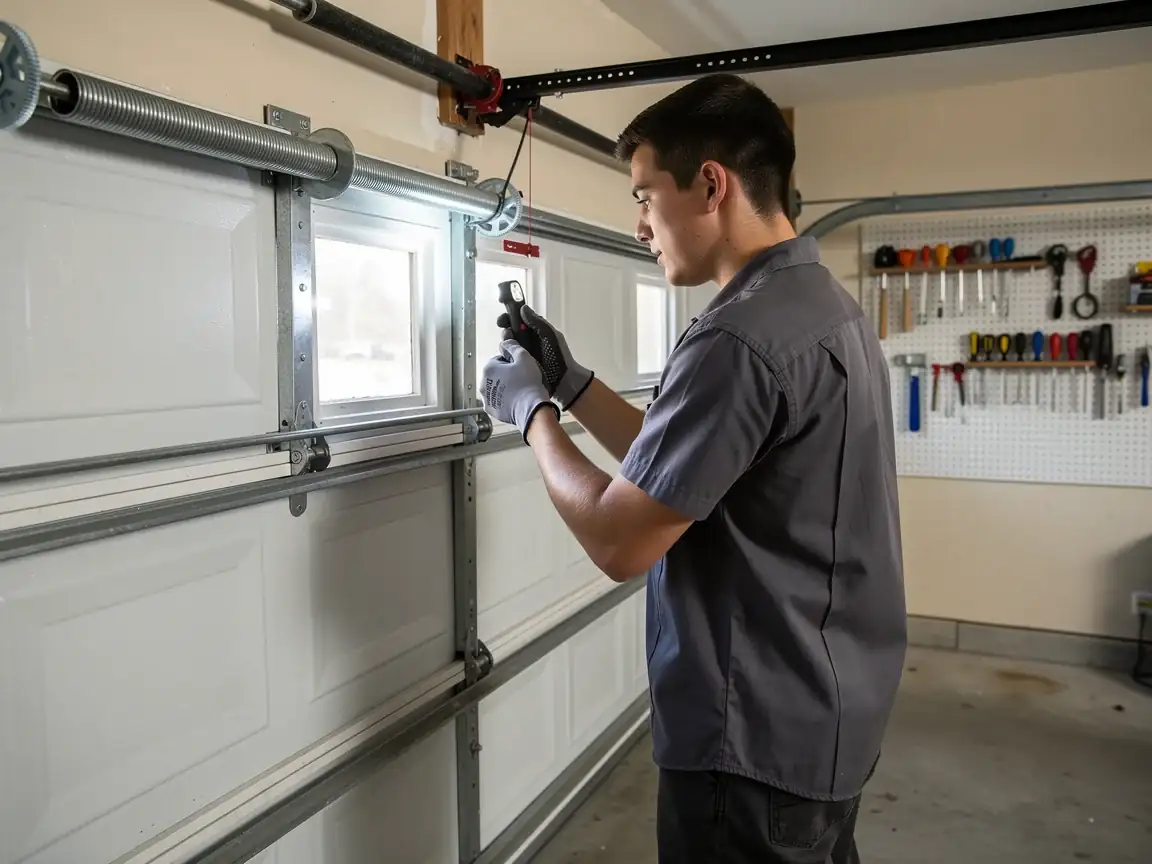
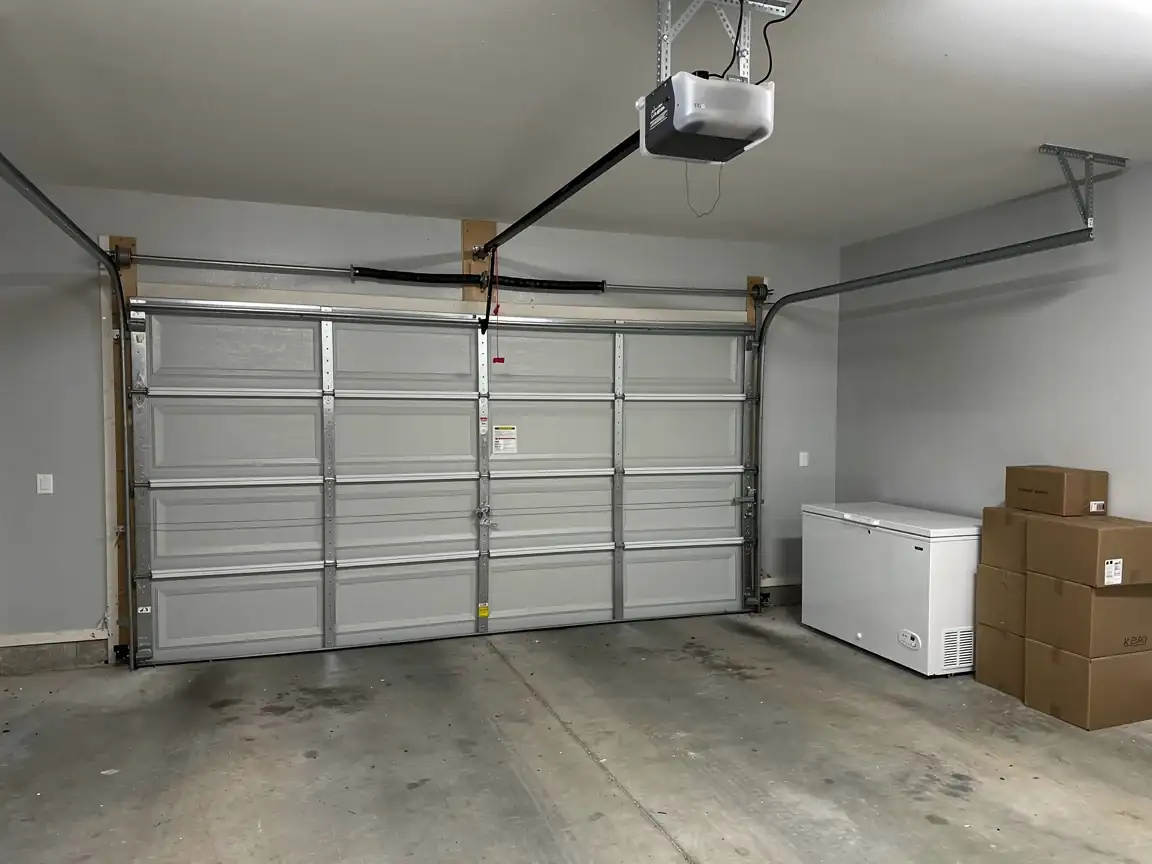
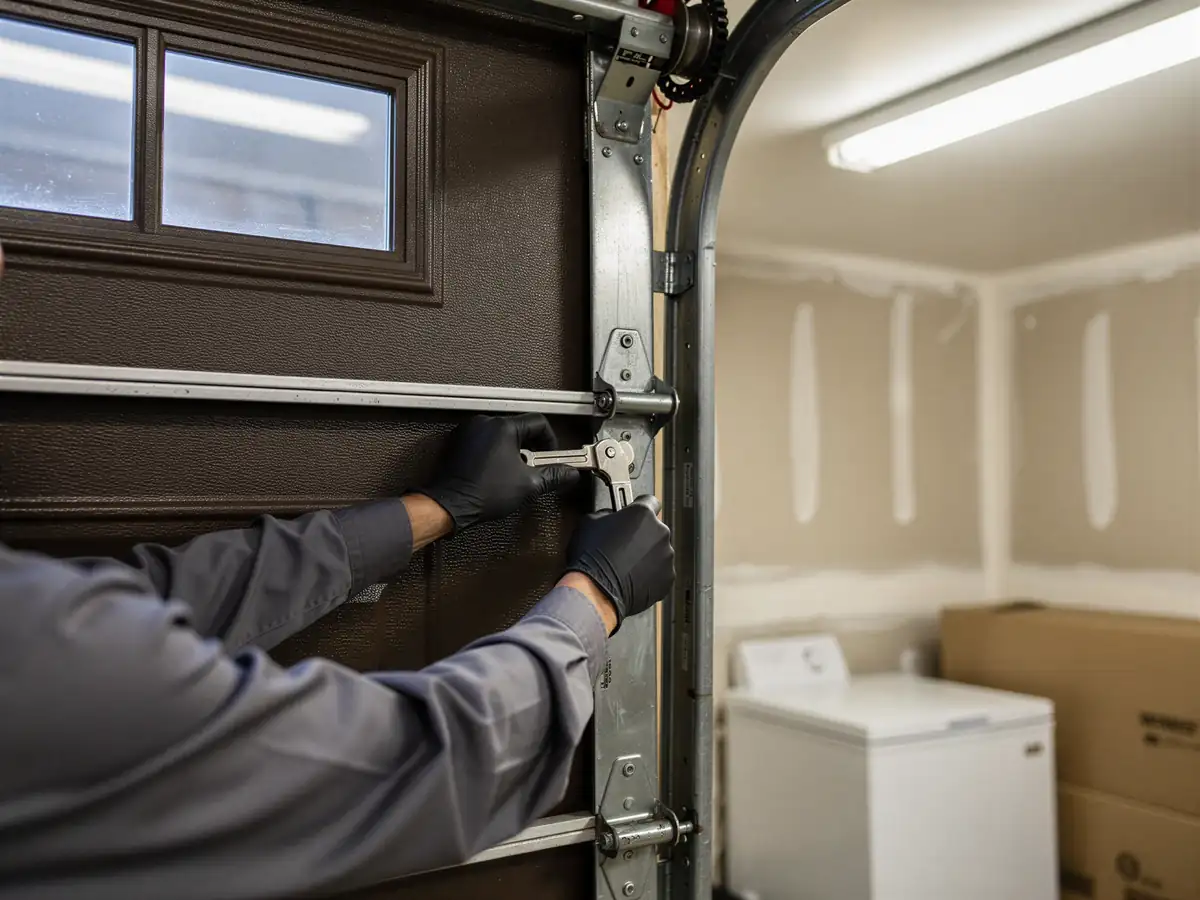
We'll walk the whole system before we touch anything: springs, cables, rollers, hinges, track bolts, and the opener's force settings. On a narrower single-car opening, which shows up more in this neighborhood than in newer subdivisions, panel replacement sometimes means a special order rather than a stock size, and we'll tell you that cost and timeline difference up front rather than after the fact.
Parts We Carry
Our truck carries standard torsion springs, rollers, cables, and hinges sized for the common openings built from the late 1930s through today, which covers most of what we see in West Milwaukee. What we don't carry on the truck is a wide panel match for a non-standard original opening - that's a limitation, not a sales pitch, and we'll say so rather than force a fit that won't look right or seal properly.
If your door has an original 1946-era frame that's never been resized, expect us to measure twice before ordering anything, since factory panel widths have shifted over the decades and an exact match sometimes isn't stocked anywhere nearby.