Getting It Booked In
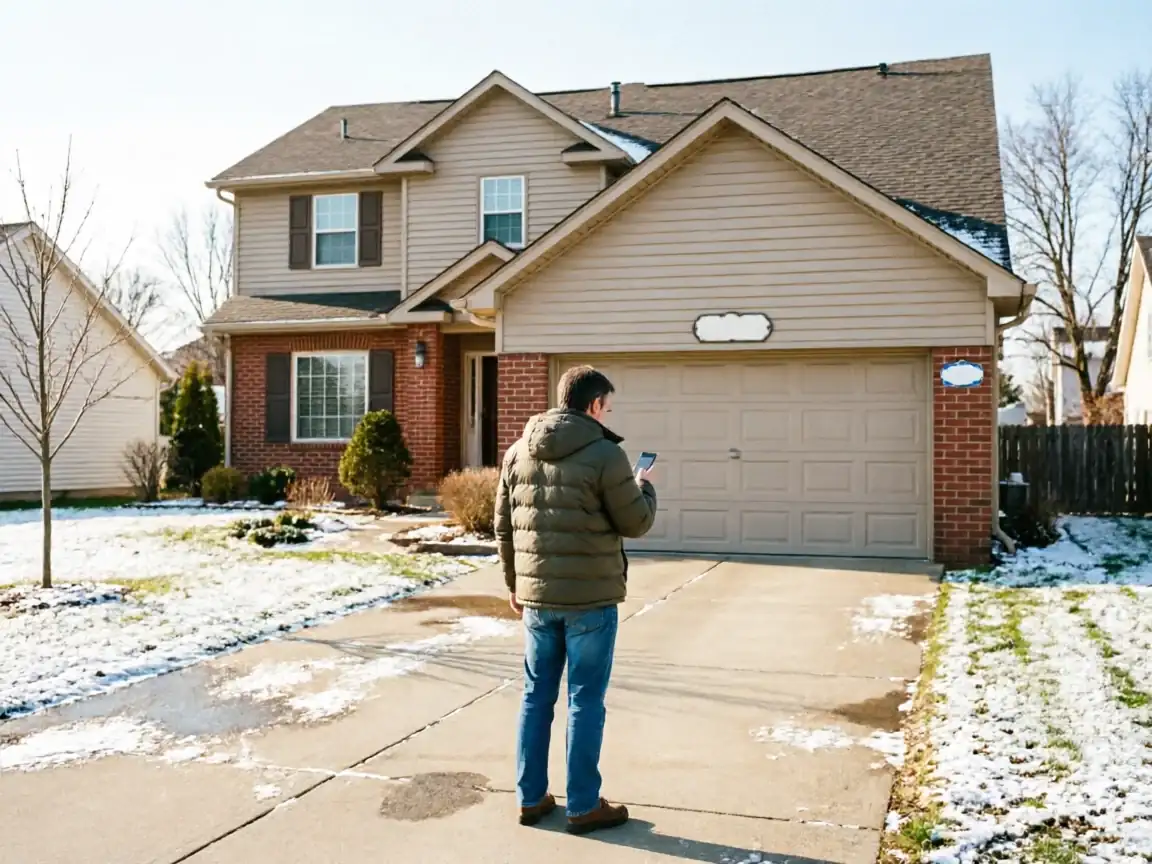
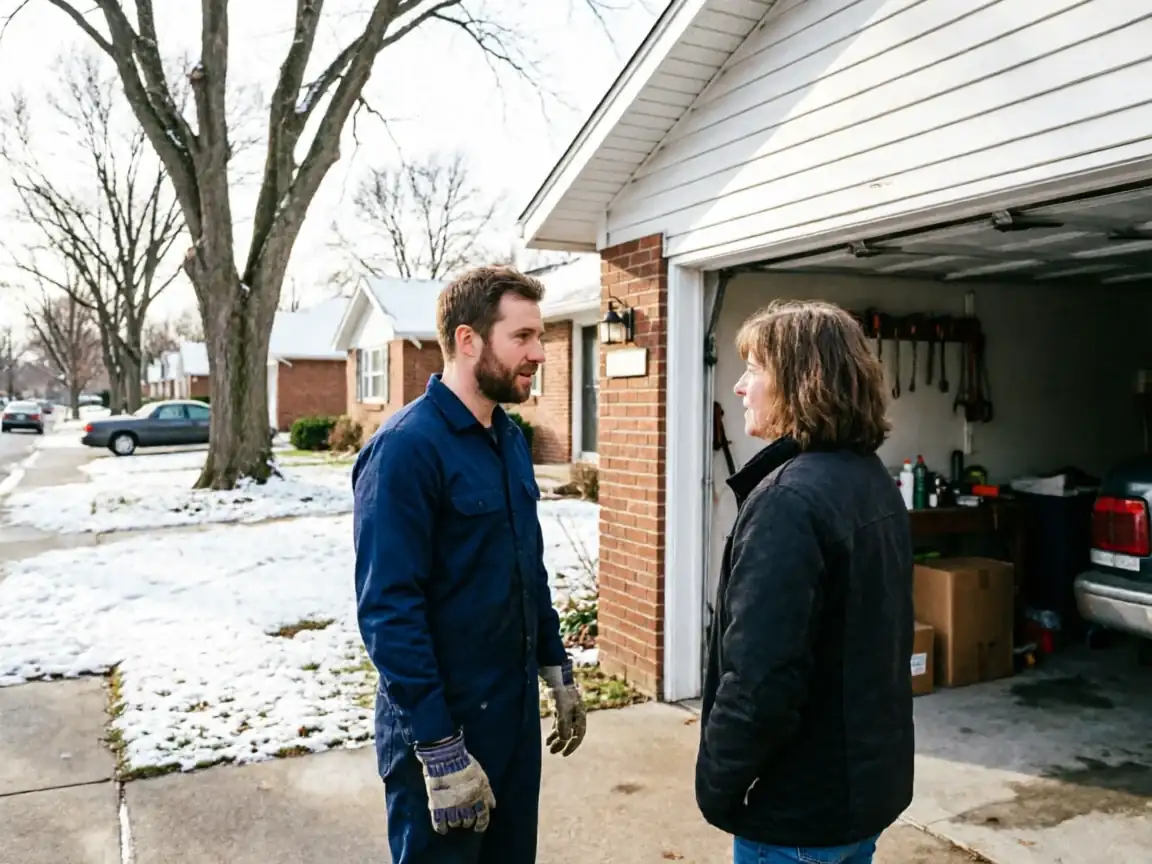
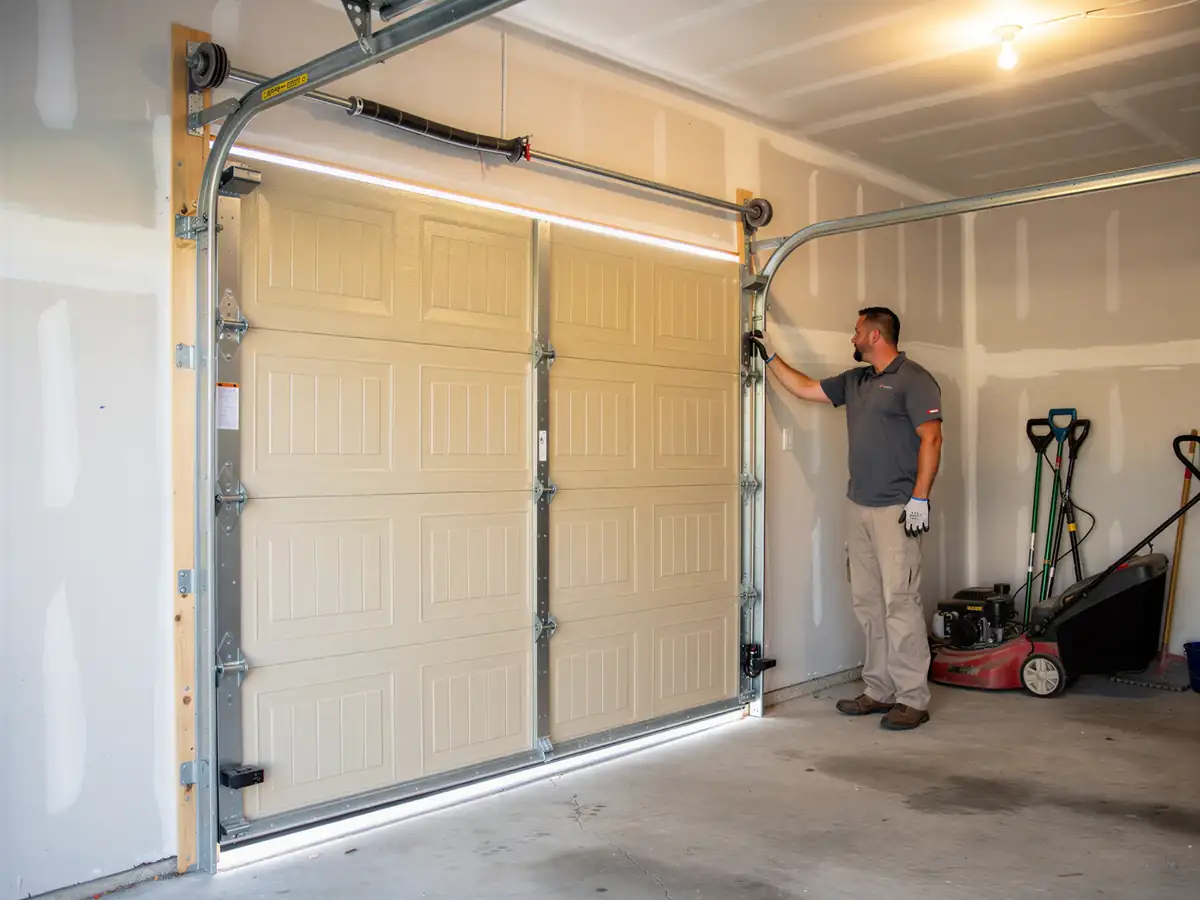
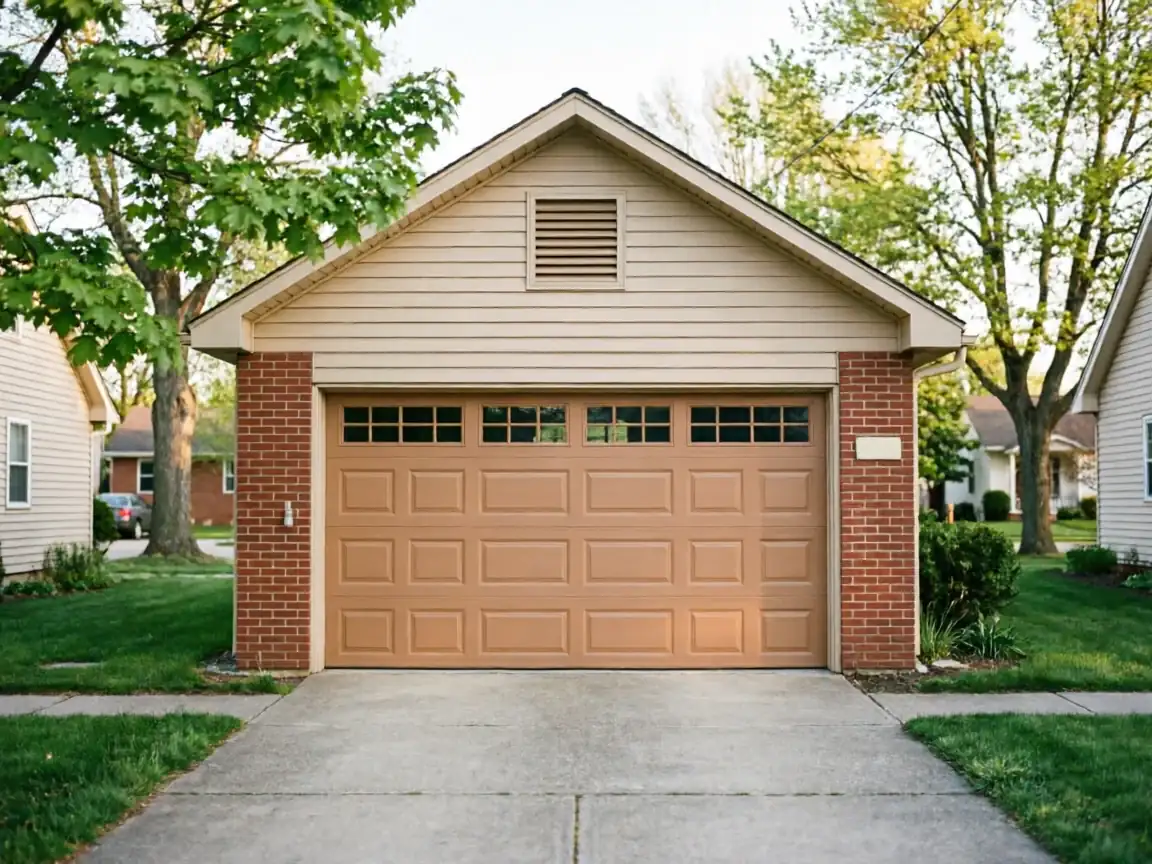
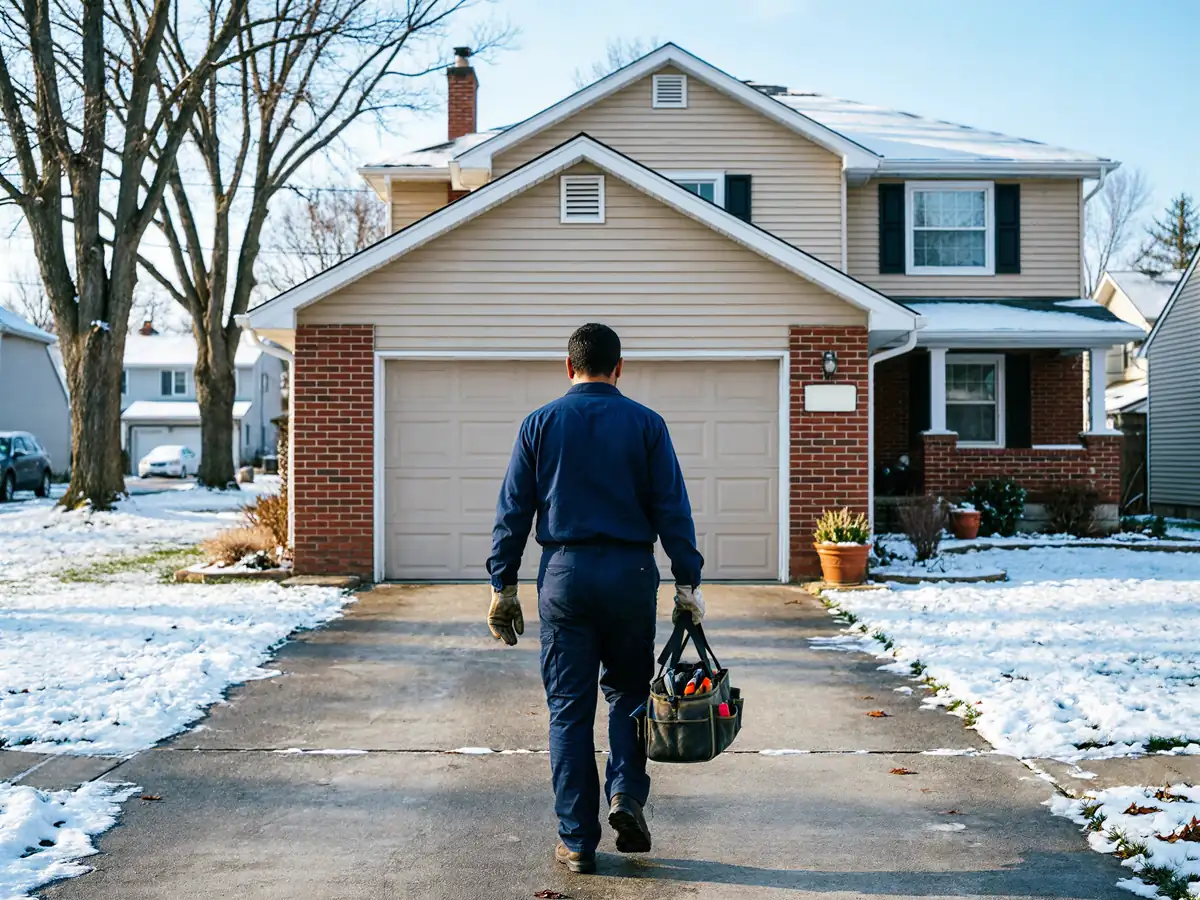
Tell us what the door is doing - won't open, won't close, came off the track, cable snapped - and whether it's blocking a car in or out. That detail changes how we prioritize the call. We work out of West Allis and run to Wauwatosa regularly enough that the 4-mile distance isn't the bottleneck; what matters more is getting an accurate description of the fault over the phone so the tech brings the right spring size or roller type for a door that might be 60-plus years old. We don't quote a fixed response window here because we haven't published one for this service area, but we do ask for your address up front so we can route the closest truck.
The DIY Question
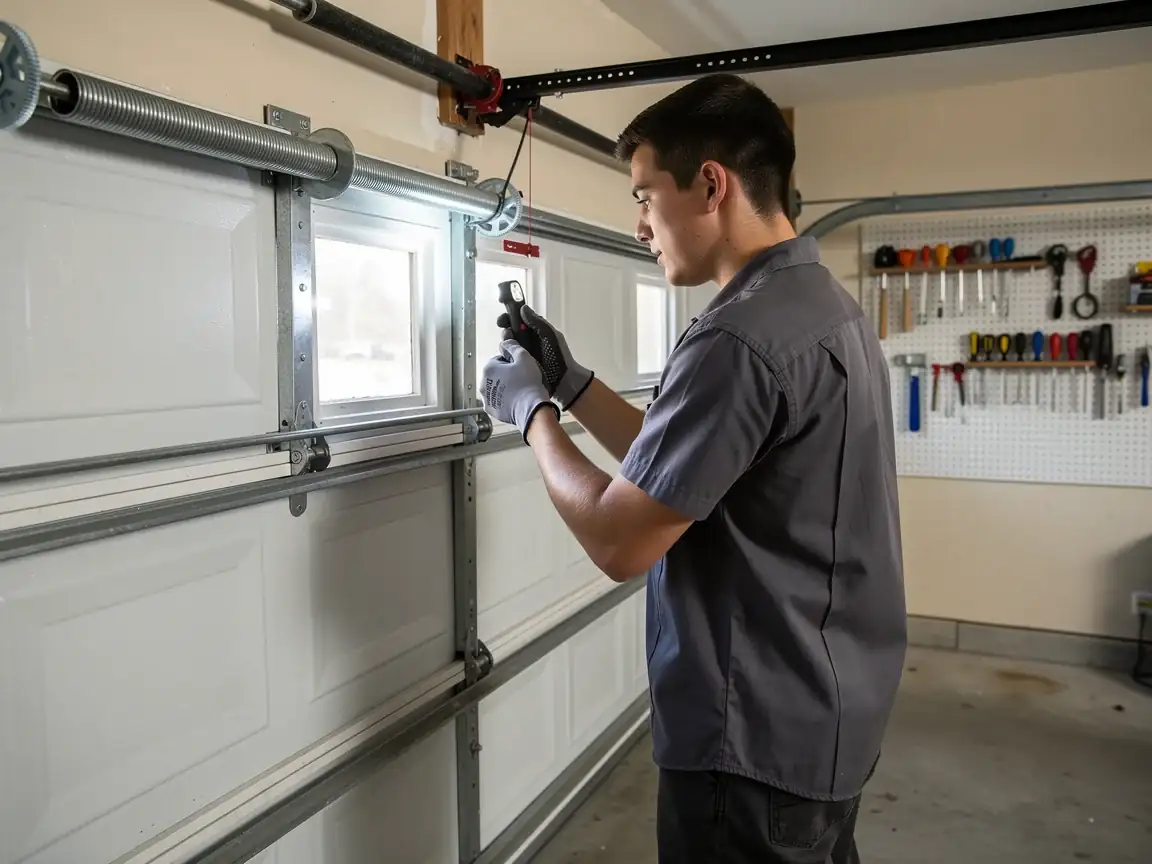
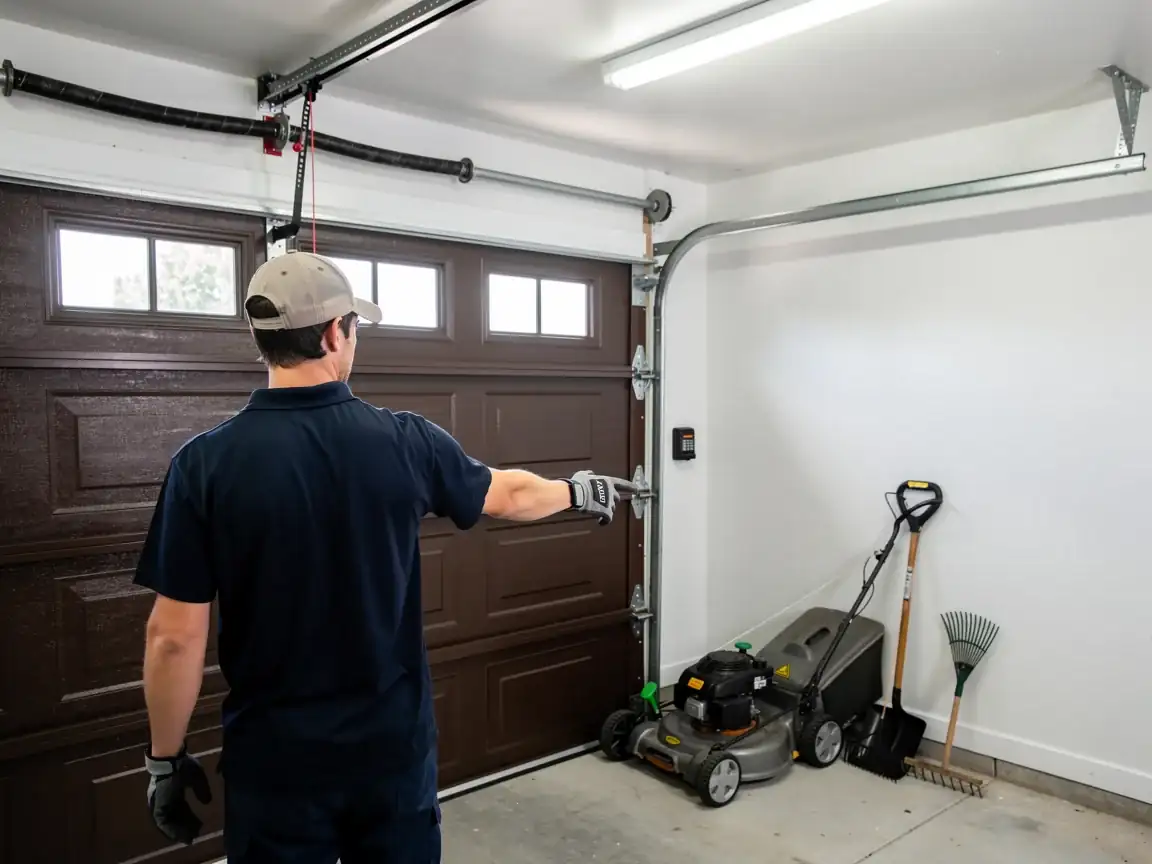
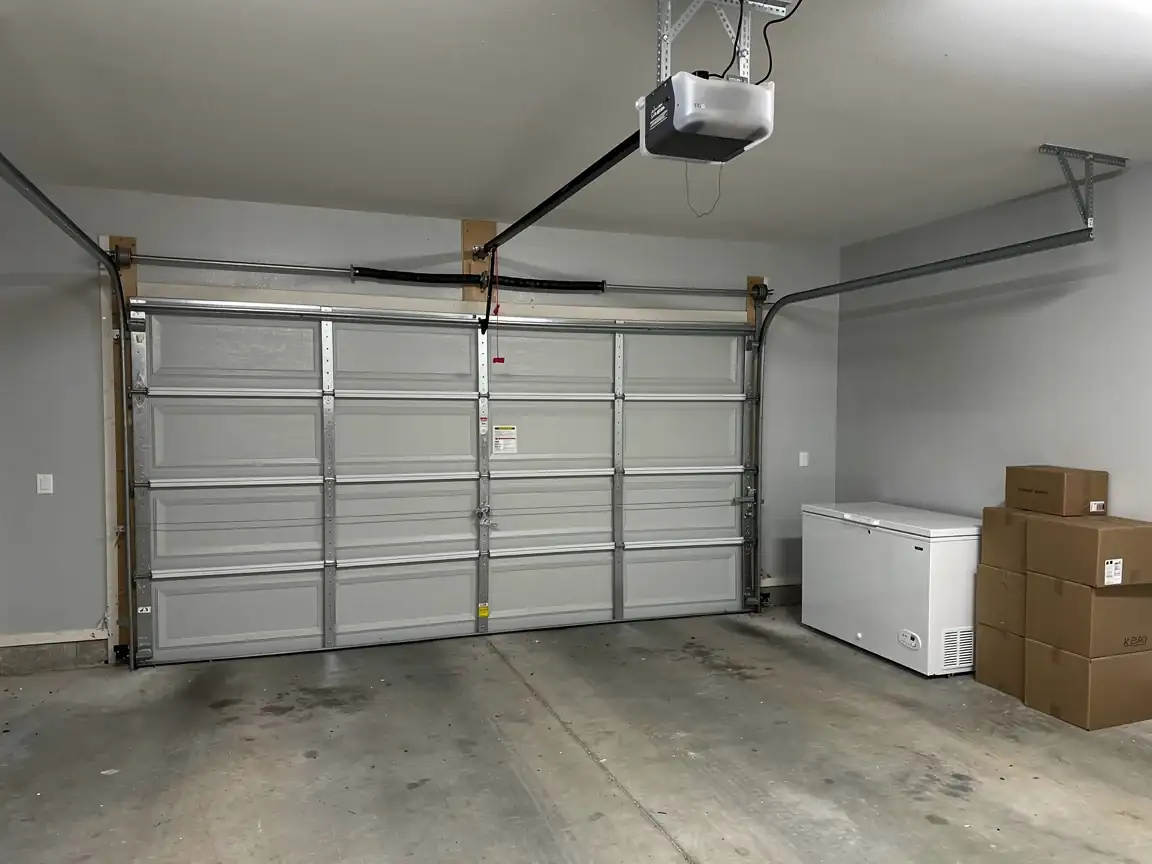
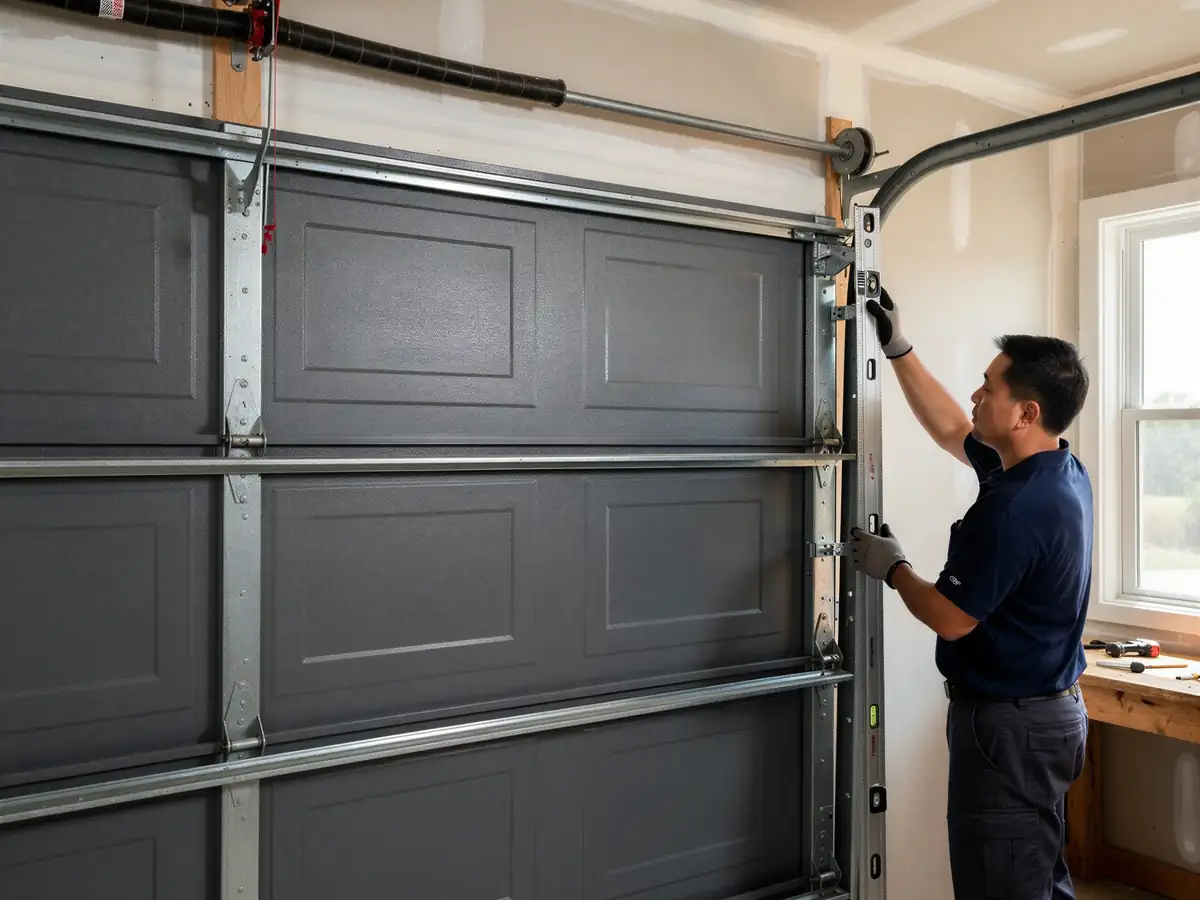
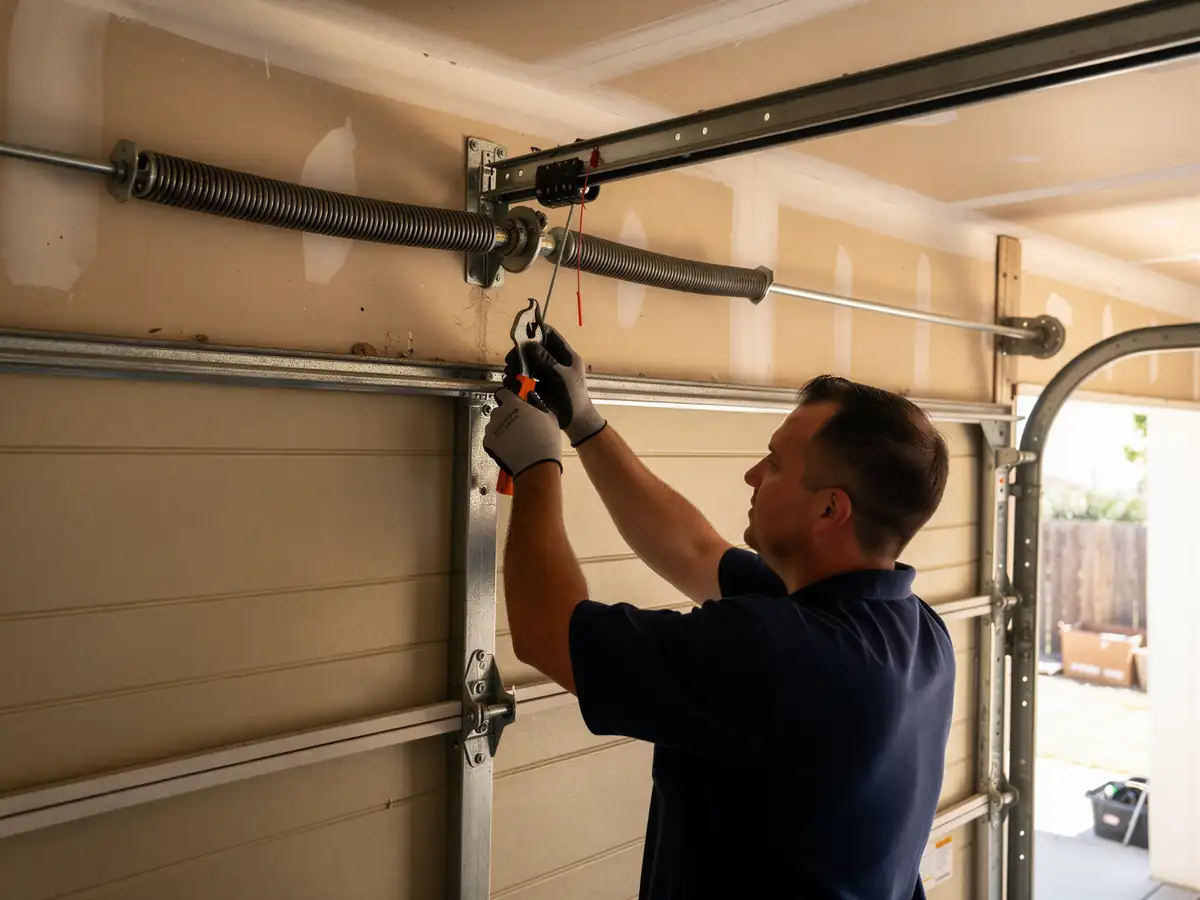
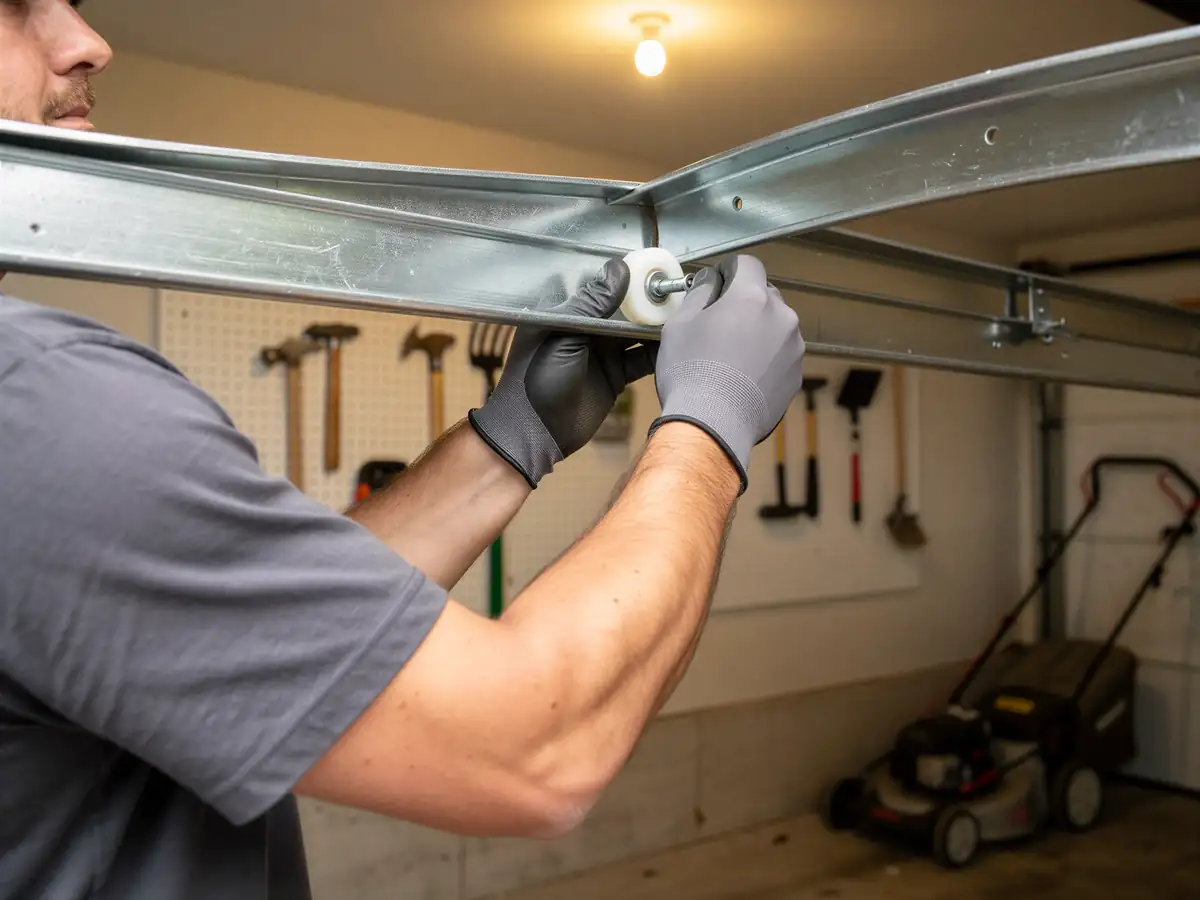
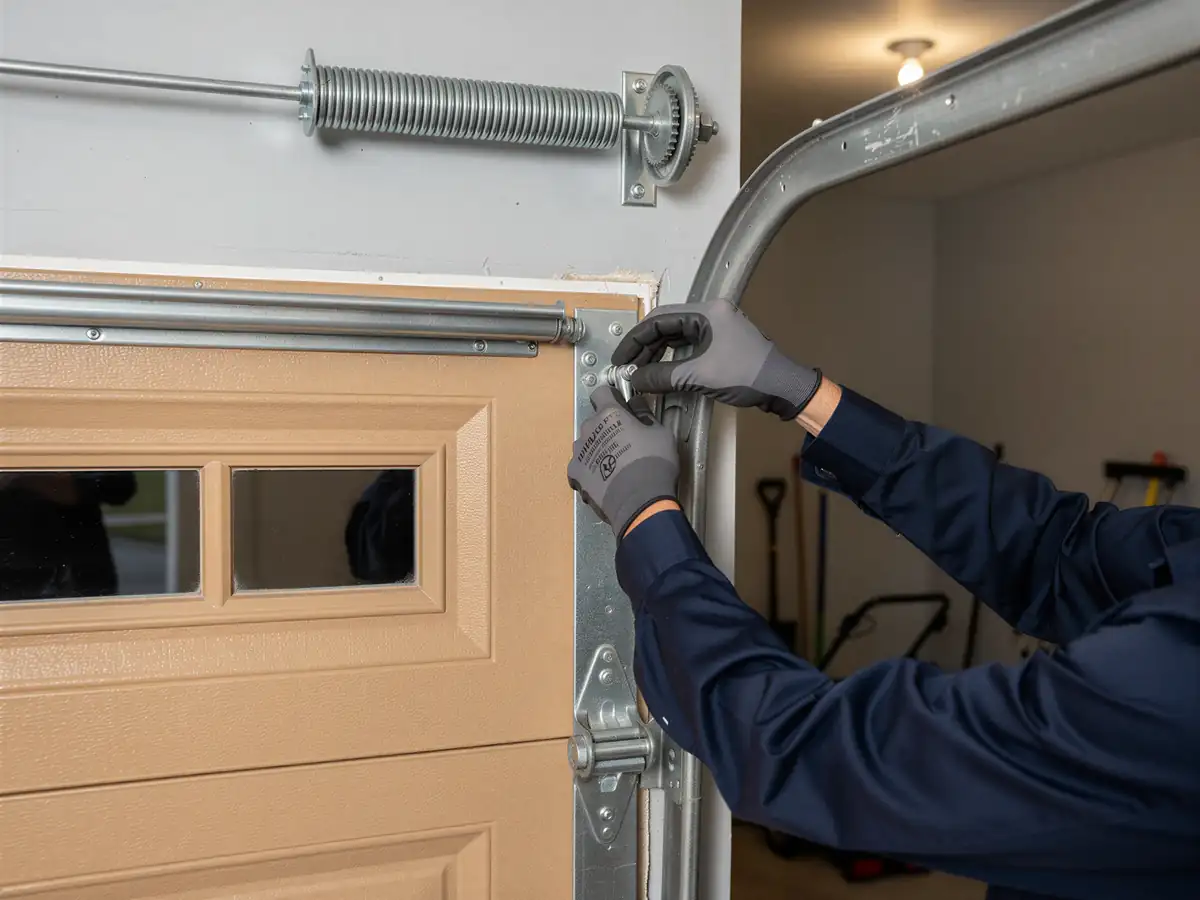
A torsion spring under tension can put someone in the ER, and on a lot of Wauwatosa's older doors, that spring has been holding load since a Truman-era install with nobody touching it since. If the door is heavy, off-balance, or the opener is straining and reversing, stop pulling on it and call. Where DIY is fine: a track that's visibly dirty, a sensor that's knocked out of alignment, or weatherstripping that's peeling. Those you can handle with a rag and five minutes. Anything involving the spring, the cable, or the drum at the top of the track is not a weekend project, especially on hardware this old - the parts don't always match what's sold today, and forcing a fix on mismatched hardware usually turns a repair into a replacement.
The Cost of This Job
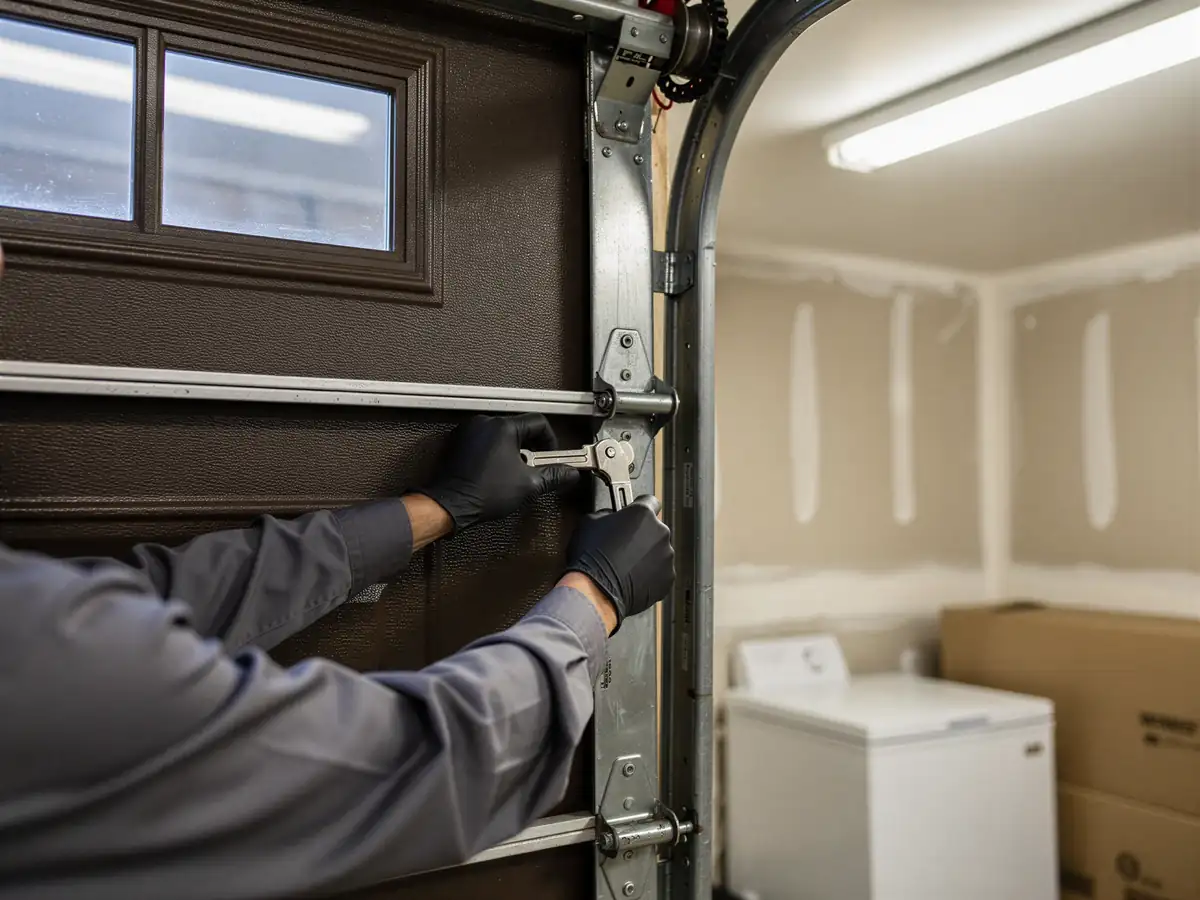
We don't have a published price list for Wauwatosa calls specifically, and we're not going to invent a number here. What we can tell you is that the age of the hardware drives the cost more than the mileage does - matching a spring or track to a door built when Eisenhower was in office sometimes means a nonstandard part, which costs more than a stock size. If your opener and springs have already been replaced once, the job is usually faster and cheaper, because we're working with newer, more common hardware instead of the original 1950s setup.
What Can Go Wrong
On older torsion systems like the ones common in Wauwatosa, the failure we see most is a spring that snaps clean rather than wearing down gradually, which means the door drops fast and without warning. Second most common: a cable frayed at the drum, often on a door that hasn't had the hardware serviced since it was installed. Less common but real: a track bent from someone trying to force a stuck door, which on a 1954-era frame can mean the whole track assembly needs resetting, not just the door. None of these are safe to diagnose by ear over the phone - a tech needs eyes on the drum and spring before we know which one it is.