The DIY Question
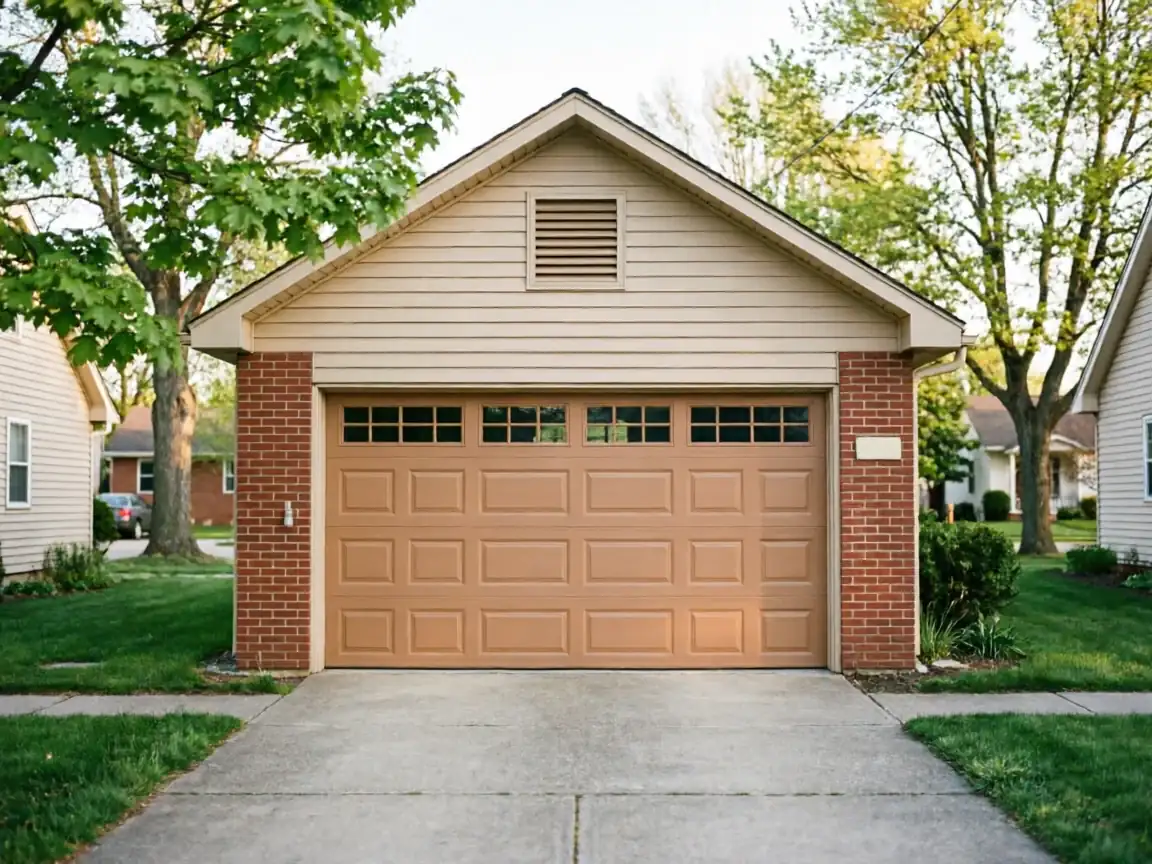
Greendale's median home dates to around 1967
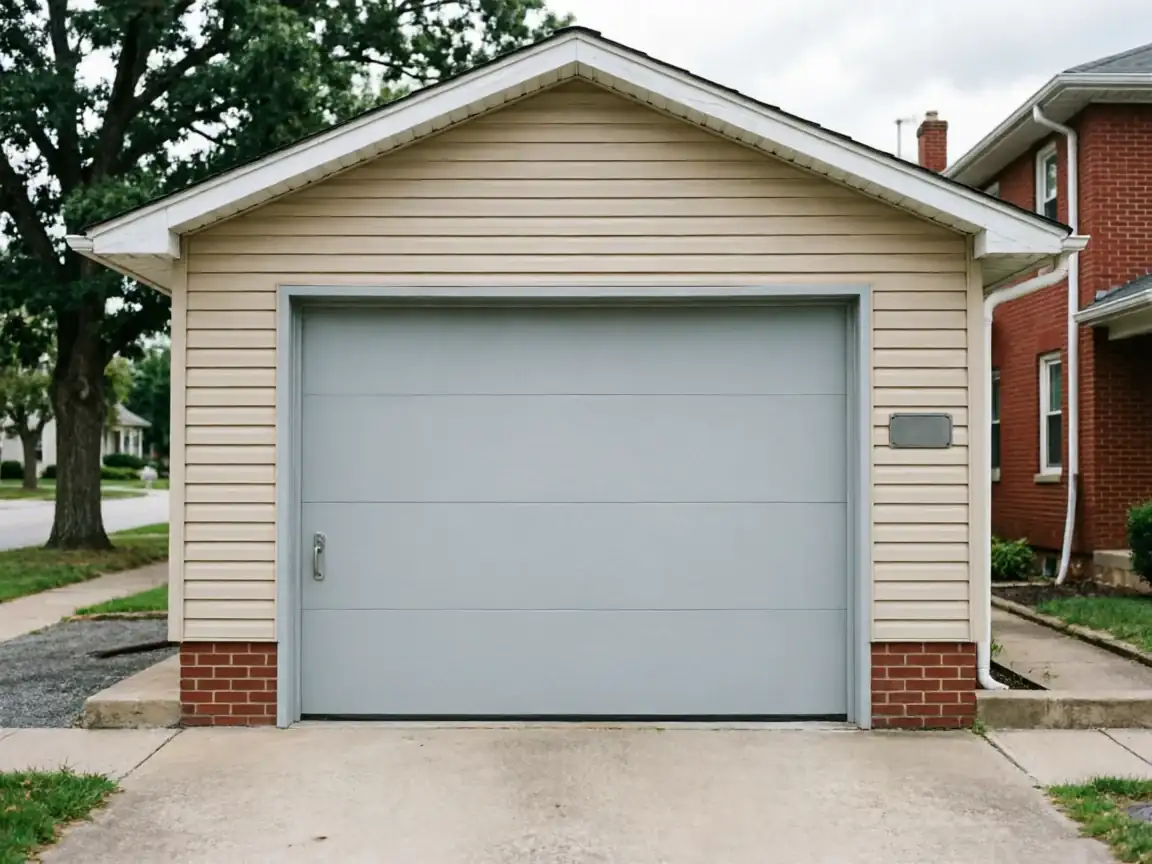
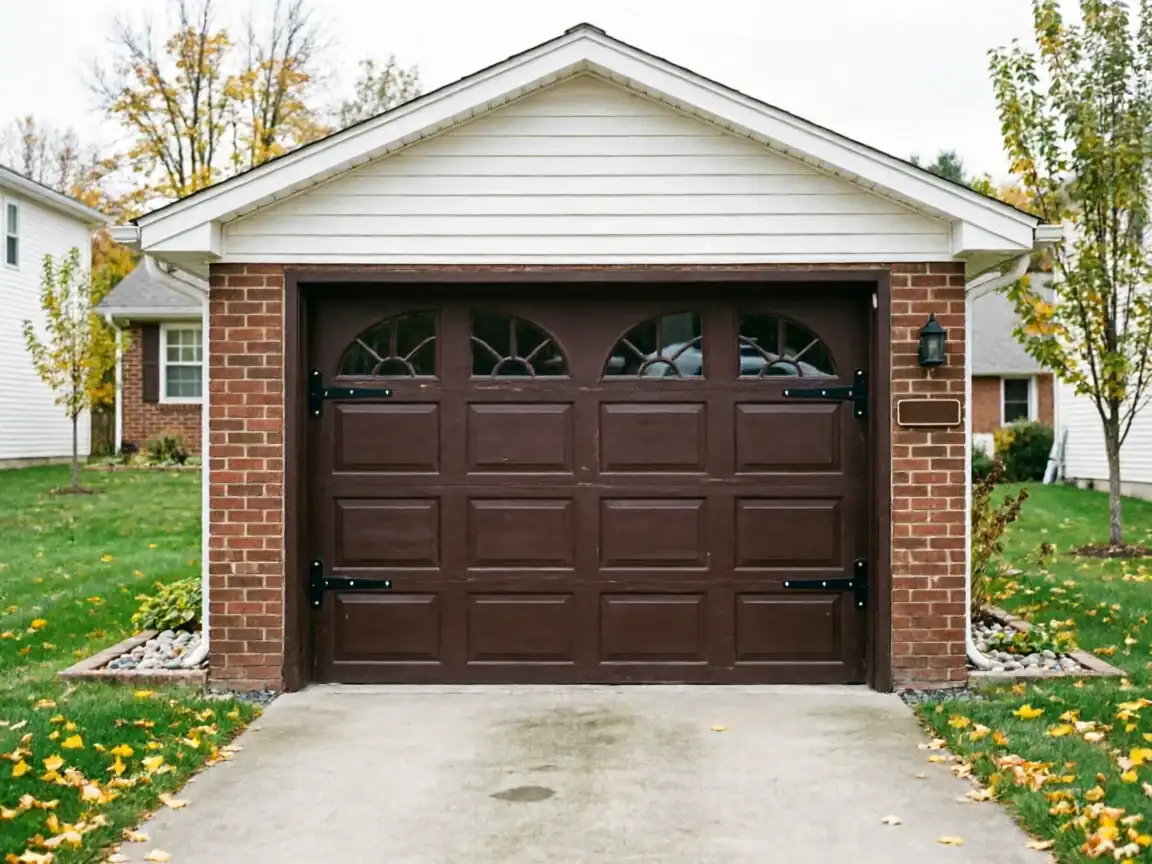
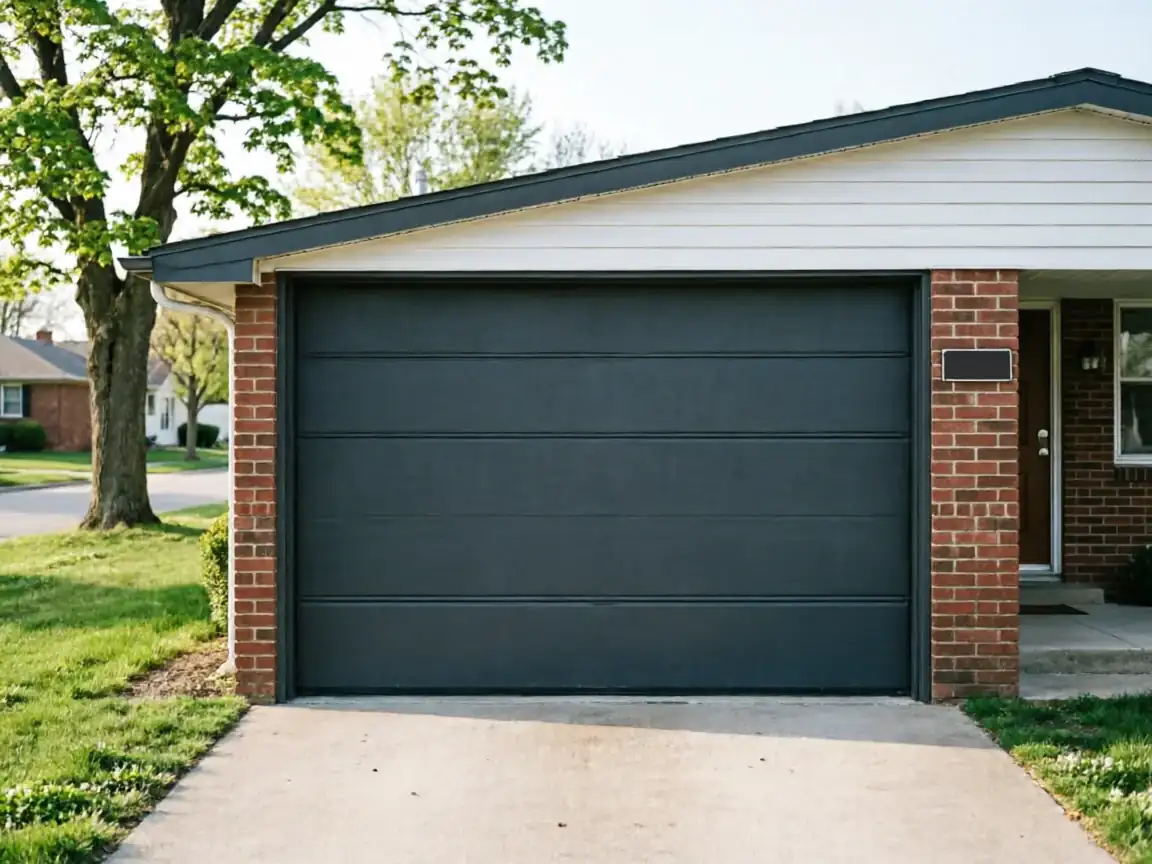
A good decade older than the 1976 median across the rest of the service area we cover out of West Allis. That gap matters more than it sounds. A door and opener installed in the late 1960s or early 1970s is working on hardware that predates most of what's on shelves today - different spring sizing, different drum pitch, sometimes a different track gauge entirely.
So can you do your own maintenance here?
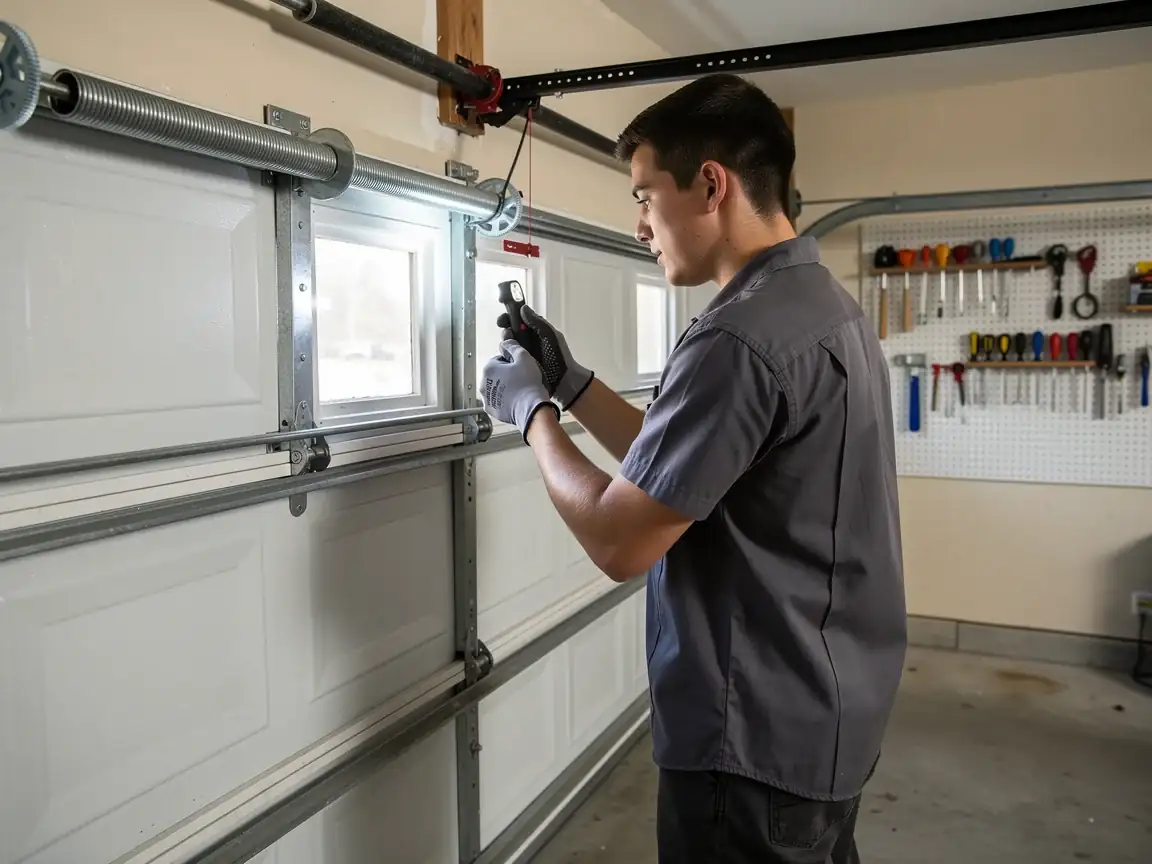
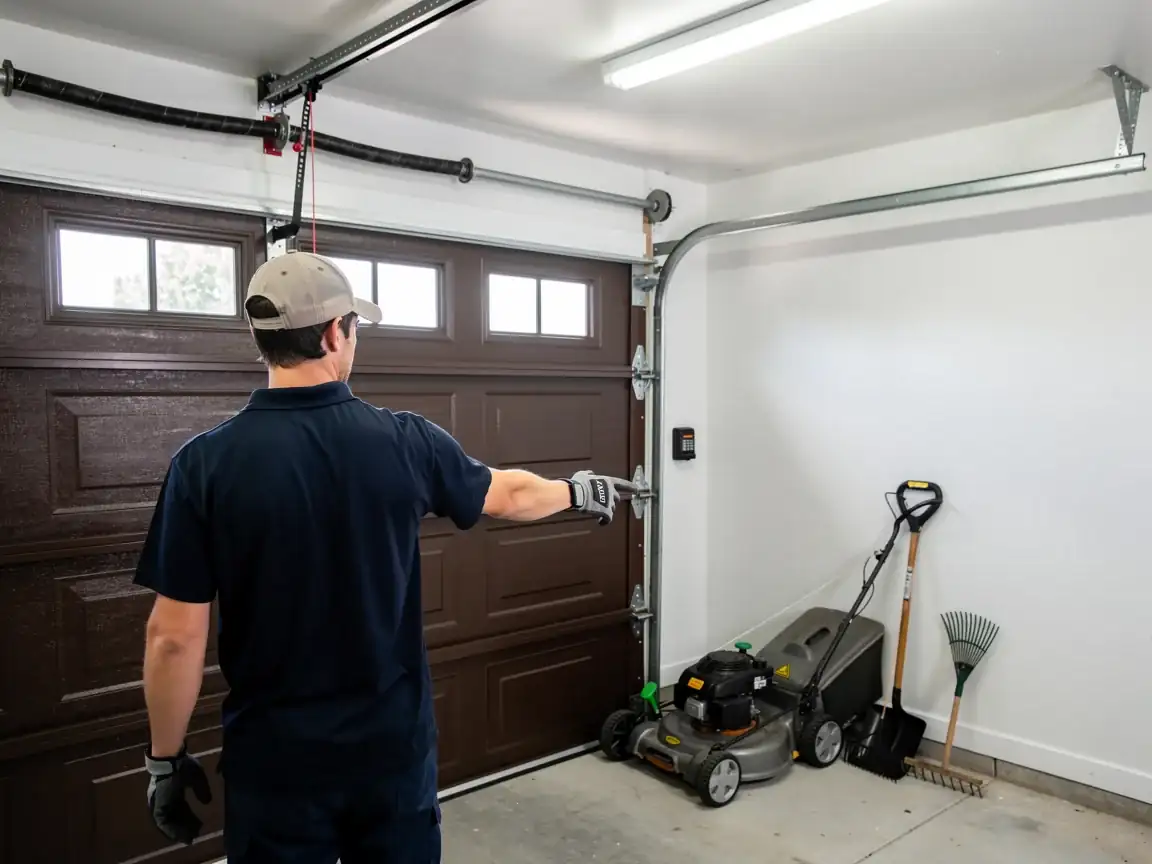
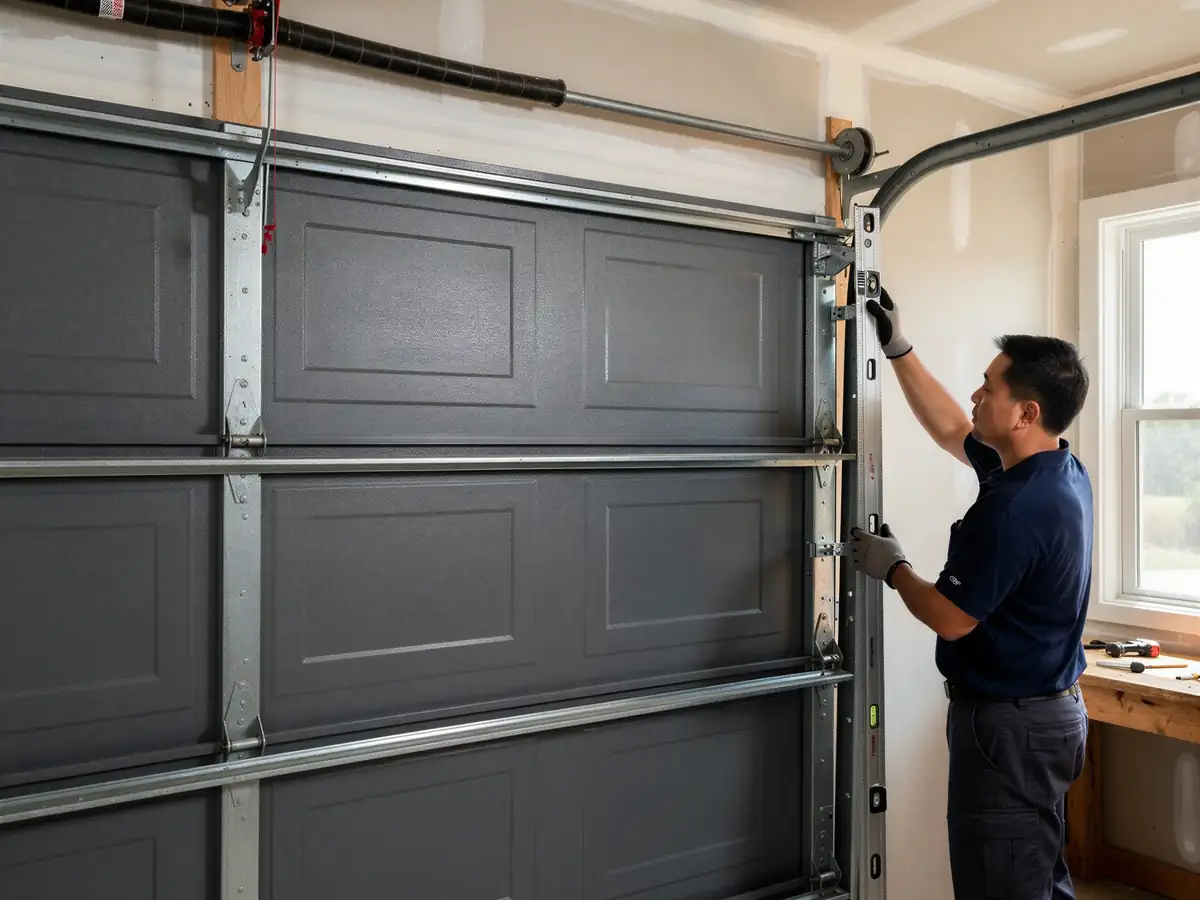
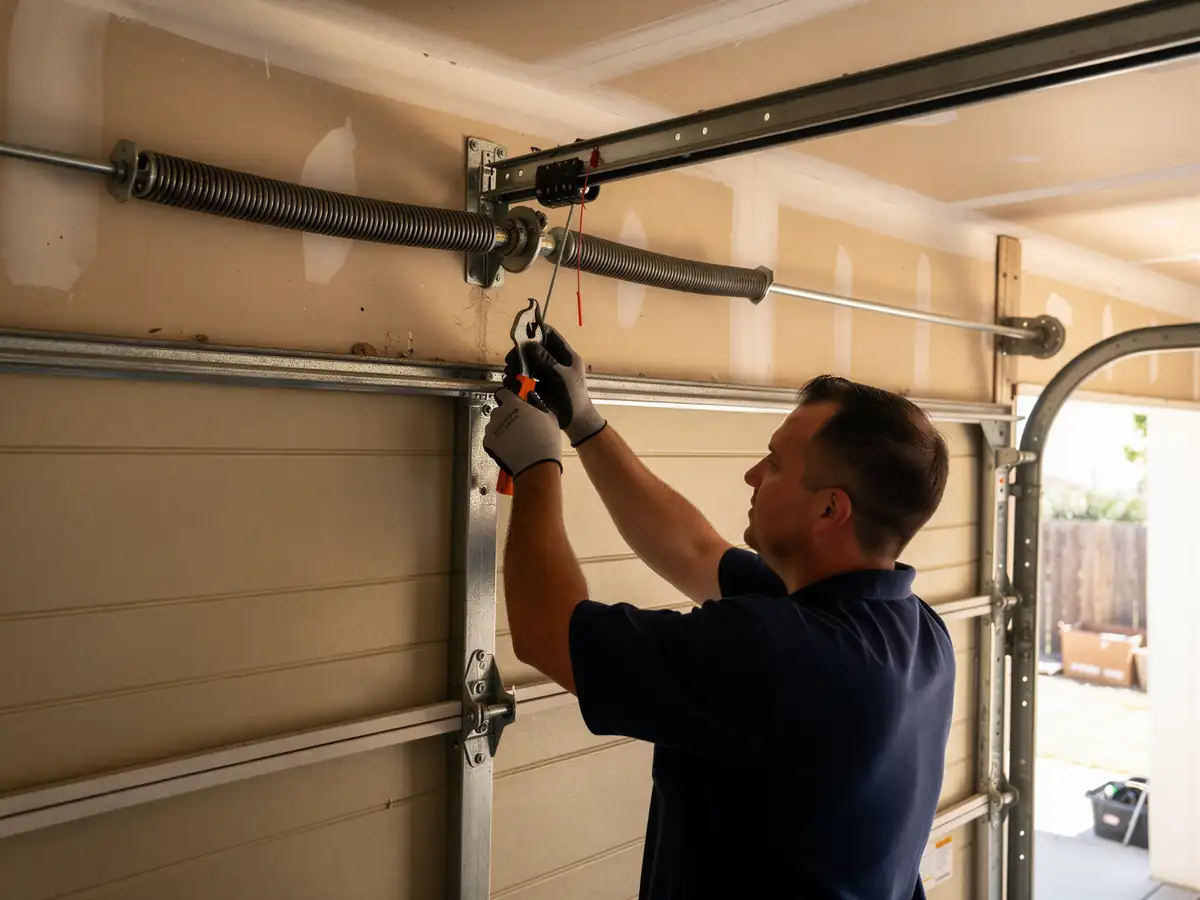
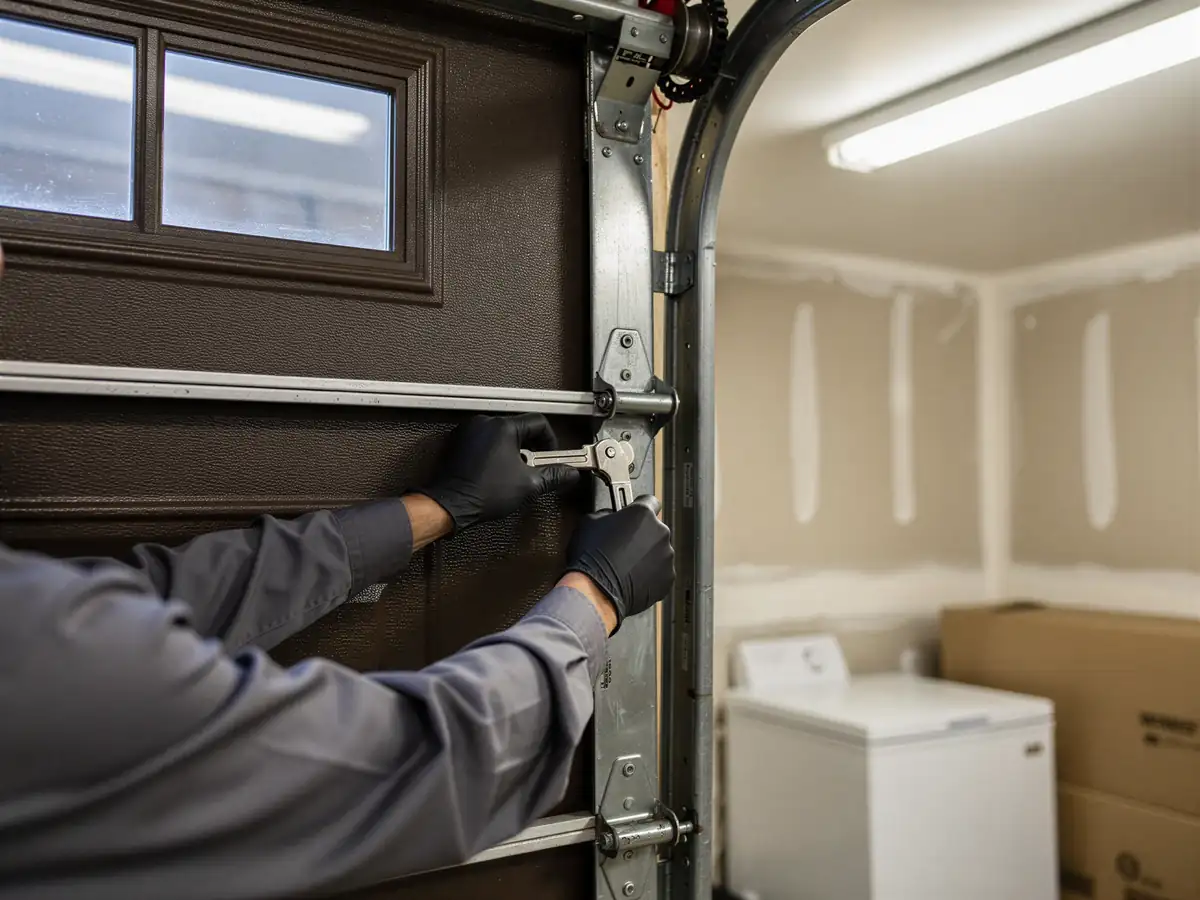
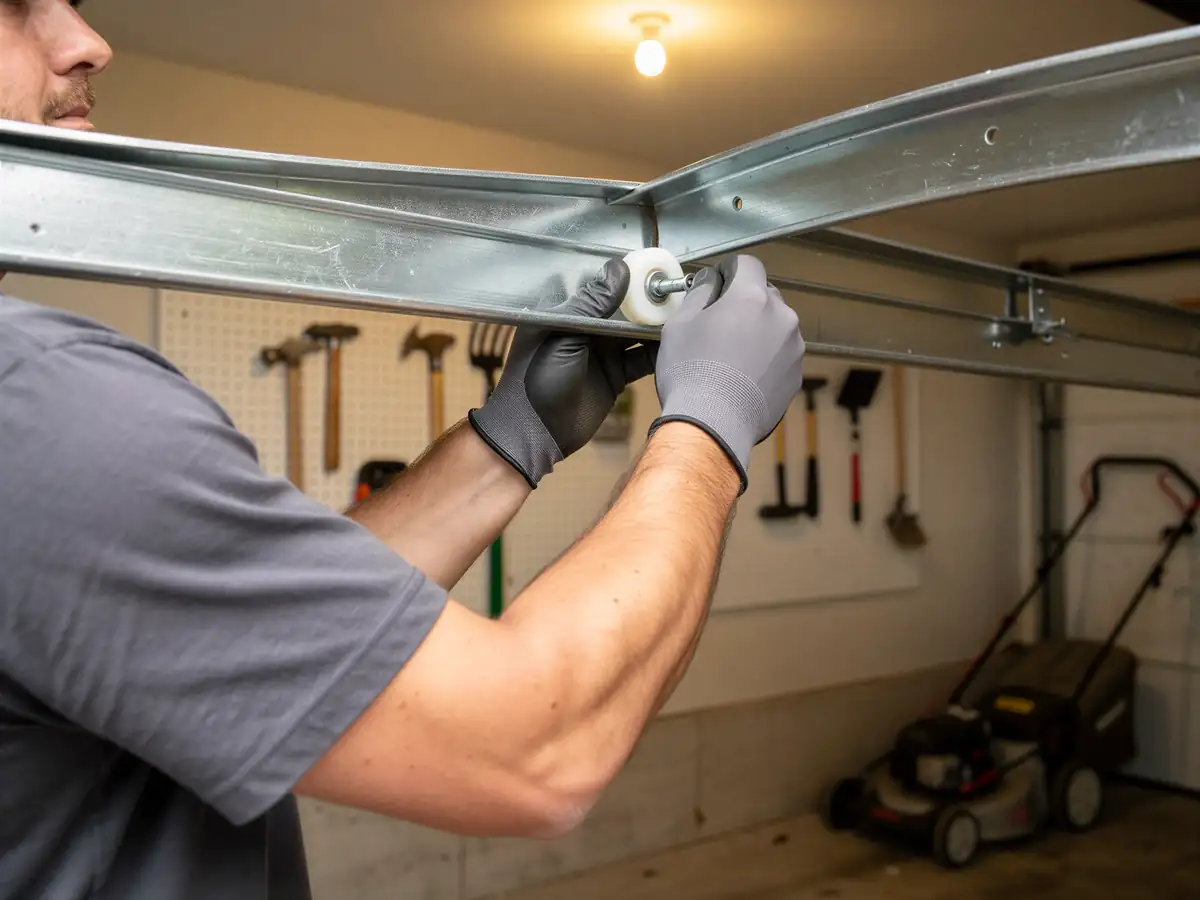
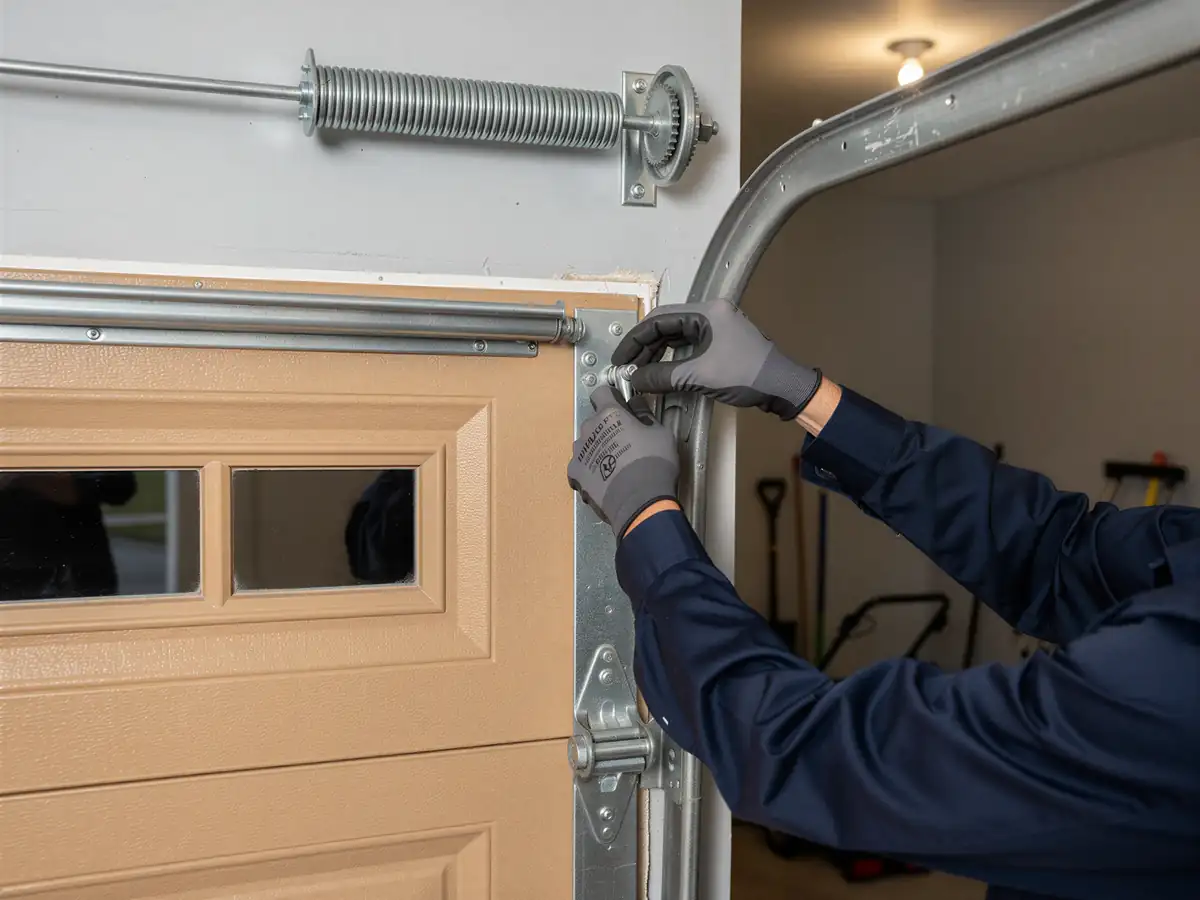
Some of it, yes. Wiping down tracks, checking that the door doesn't drift when you disconnect the opener halfway, listening for a grinding roller - all fine for an owner to handle. What's not fine to DIY on a house this age is anything involving the torsion spring itself. On older setups the winding cones and shaft diameter aren't always what a big-box tune-up kit assumes, and guessing wrong with a door under that much tension is how people end up in the ER, not just back at square one.
The honest limit: we don't do adjustments over the phone
And we're not going to walk you through spring work sight unseen. If the door's original to a 1960s build, get a second set of eyes on it before you touch it.
What Can Go Wrong
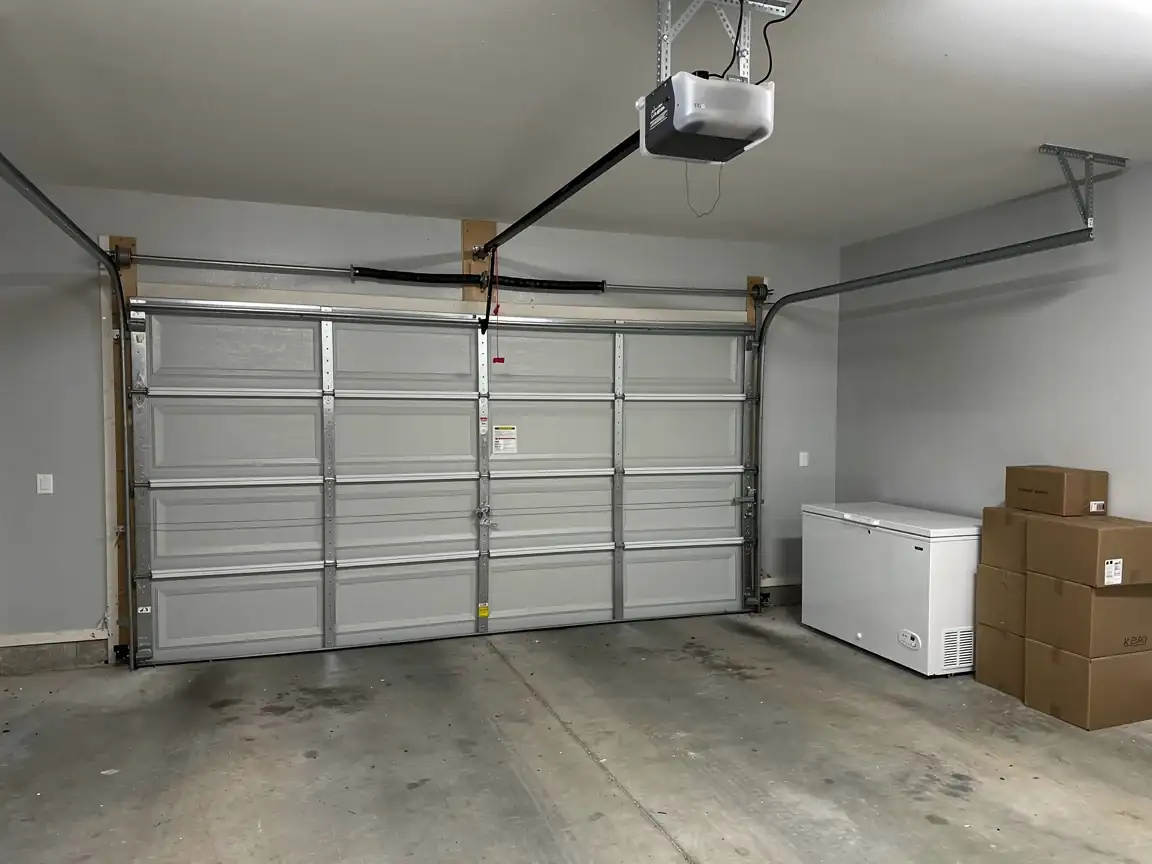
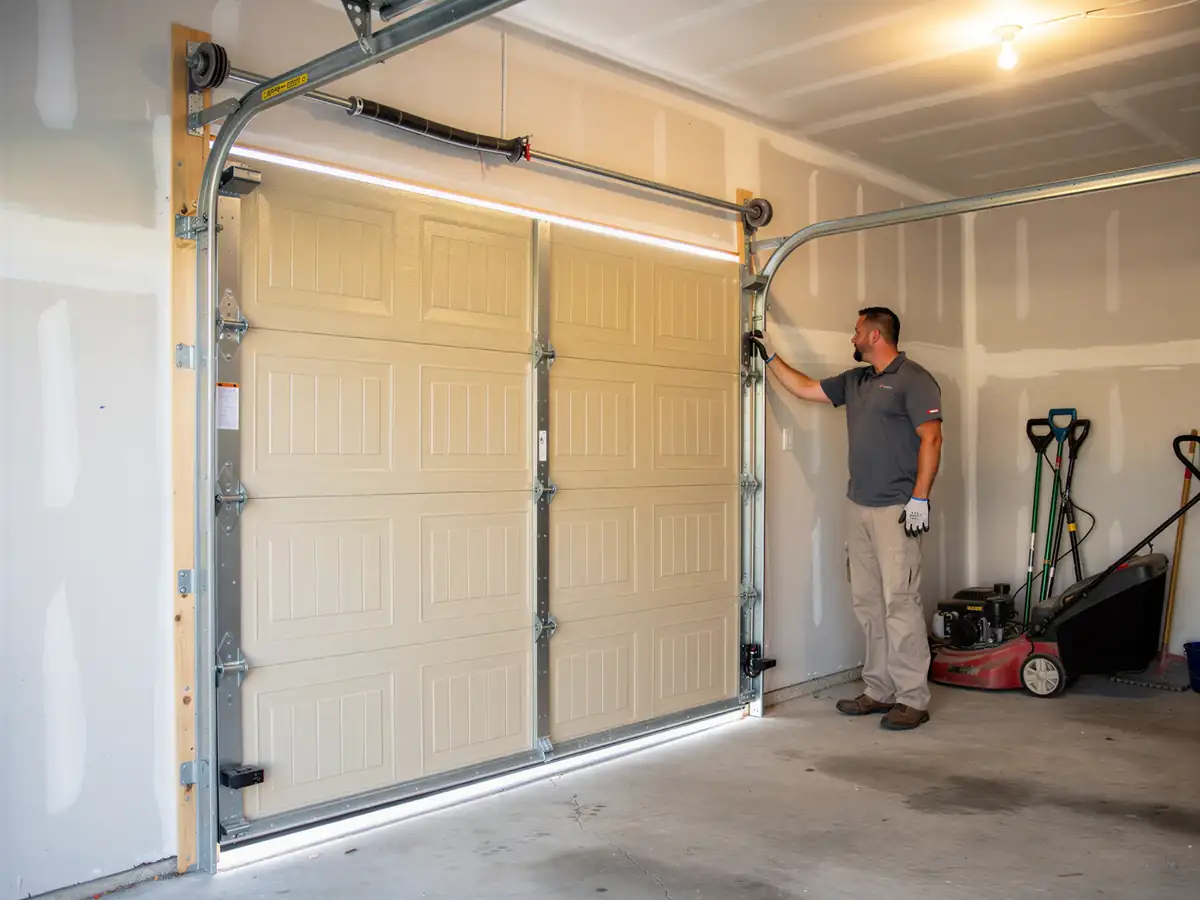
On a door from the late 1960s or early 1970s, the failure points are predictable once you've seen a few. Steel sectional panels from that era are thinner than what's made now, so a dented panel often means the whole section warps rather than popping back. Original torsion springs, if they've never been swapped, are decades past the wind-cycle rating anyone would call safe - they don't always break with warning, they just go.
Openers are the other issue. A lot of Greendale garages still run a chain-drive unit from a retrofit decades back, and those units' gear sets wear out quietly - you'll hear a grinding whine for months before it strips. Cold matters here too. This region sits in a severe cold climate band, and steel hardware that's already fatigued from age moves less smoothly once temperatures drop, which is when an aging spring or a dry track finally gives out.
We're not going to tell you every door this age is a ticking clock - plenty of them have been maintained right and run fine. But original hardware on a house built around 1967 deserves a look at the spring and opener gear, not just a lube job.
Getting It Booked In
We run out of West Allis and cover Greendale from about 5 miles out, so there's no local branch to call - just a truck that comes to you. Booking a maintenance visit here means telling us roughly when the house was built if you know it, since that one detail changes what we check first. A door original to the late 1960s gets a different inspection than a 1990s replacement unit.
With roughly 6,027 households in Greendale and a decent share still carrying original or early-retrofit garage doors, we see a wide spread of hardware ages on any given week out here. That's useful for us - it means we're not guessing when we show up, we've usually already asked the right questions on the phone.
We don't publish a fixed response-time promise for this area since it depends on the day's route, but the drive itself is short enough that a Greendale call doesn't sit at the bottom of the list.
Parts We Carry
Because so much of Greendale's housing stock predates the late-1970s building wave that shaped a lot of the rest of the service area
We keep stock sized for older torsion setups, not just current big-box spring kits. That covers a fair number of the doors we find on calls here - original cones, older-gauge cable, and rollers sized for the narrower tracks common on builds from that era.
What we don't carry is anything obsolete enough to need a manufacturer special-order
A handful of very early openers fall into that category, and if yours is one of them, we'll tell you straight that replacement beats waiting weeks on a part. For everything else - springs, cables, rollers, standard opener gear kits - it's on the truck when we come out from West Allis.
We size the household income figure into this too, loosely
At a median around $95,015, most owners here are choosing a repair over a full replacement when the door's structurally sound, and our parts stock is built around making that choice possible rather than pushing a new install.