What Can Go Wrong
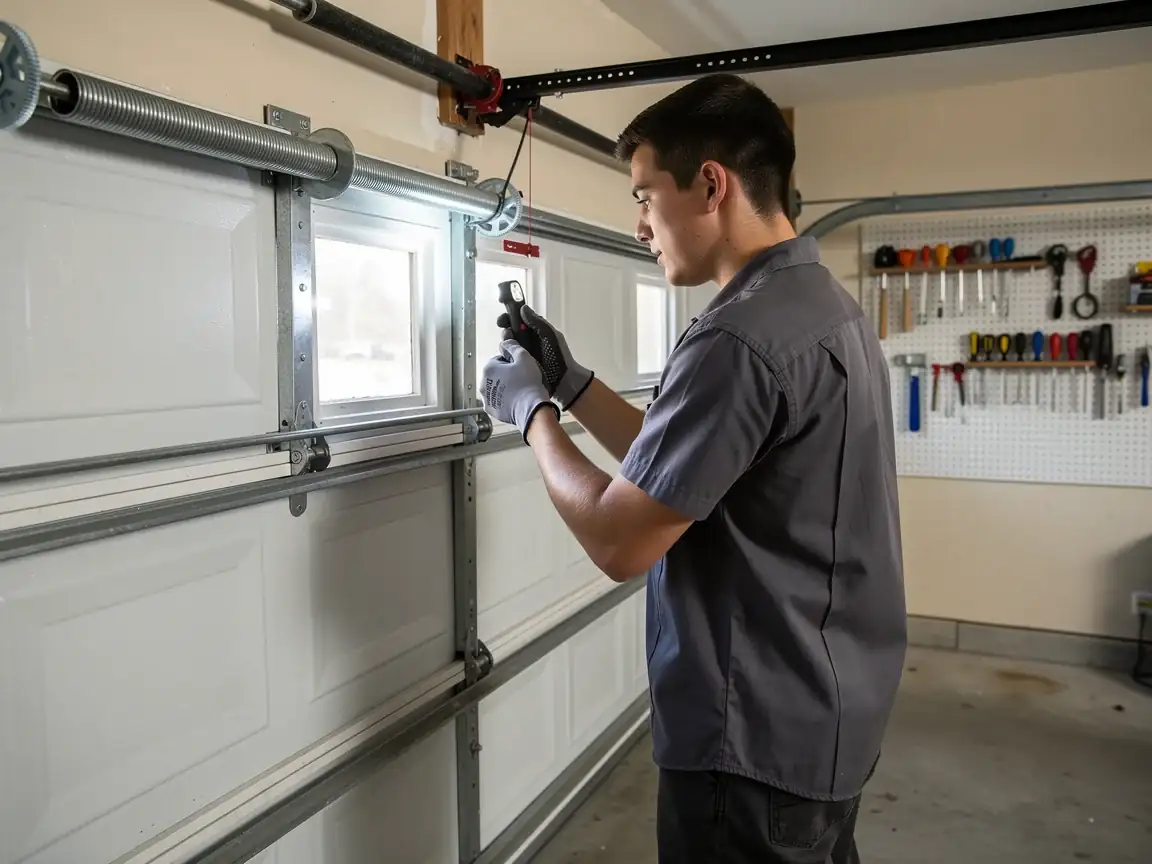
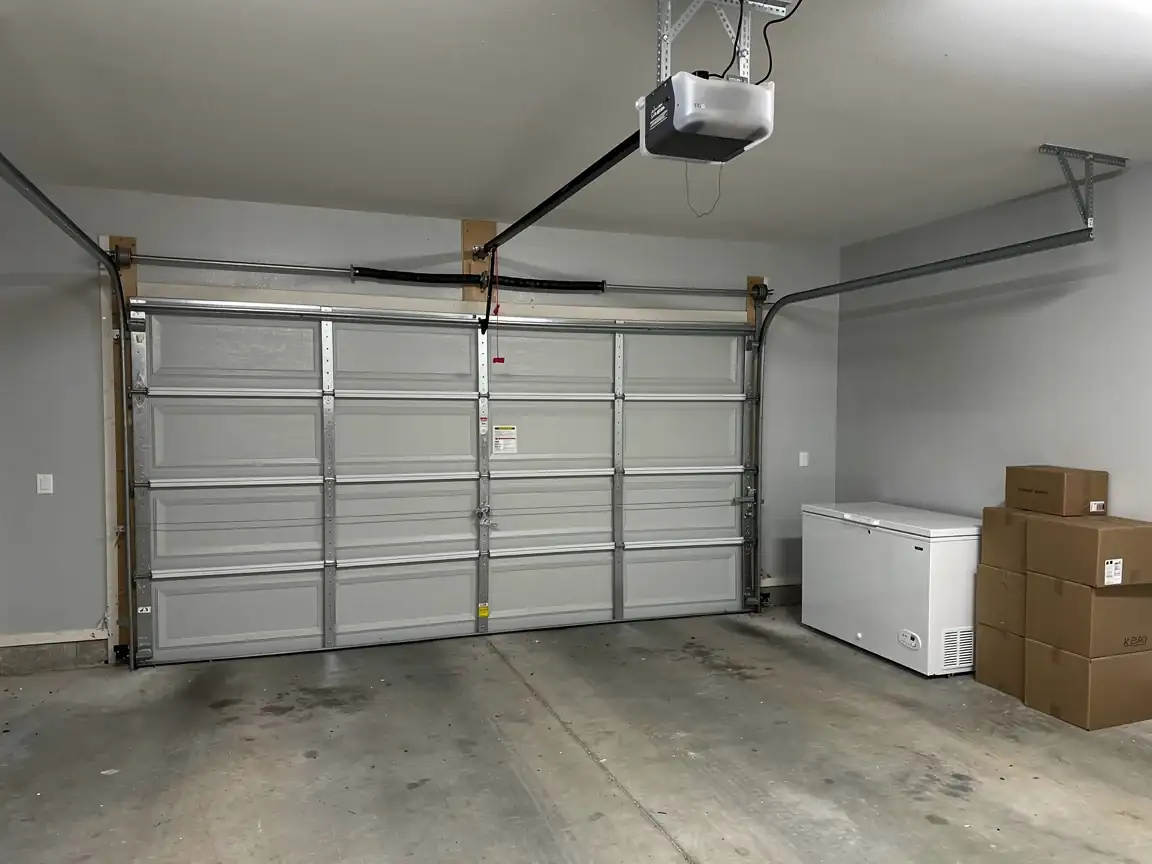
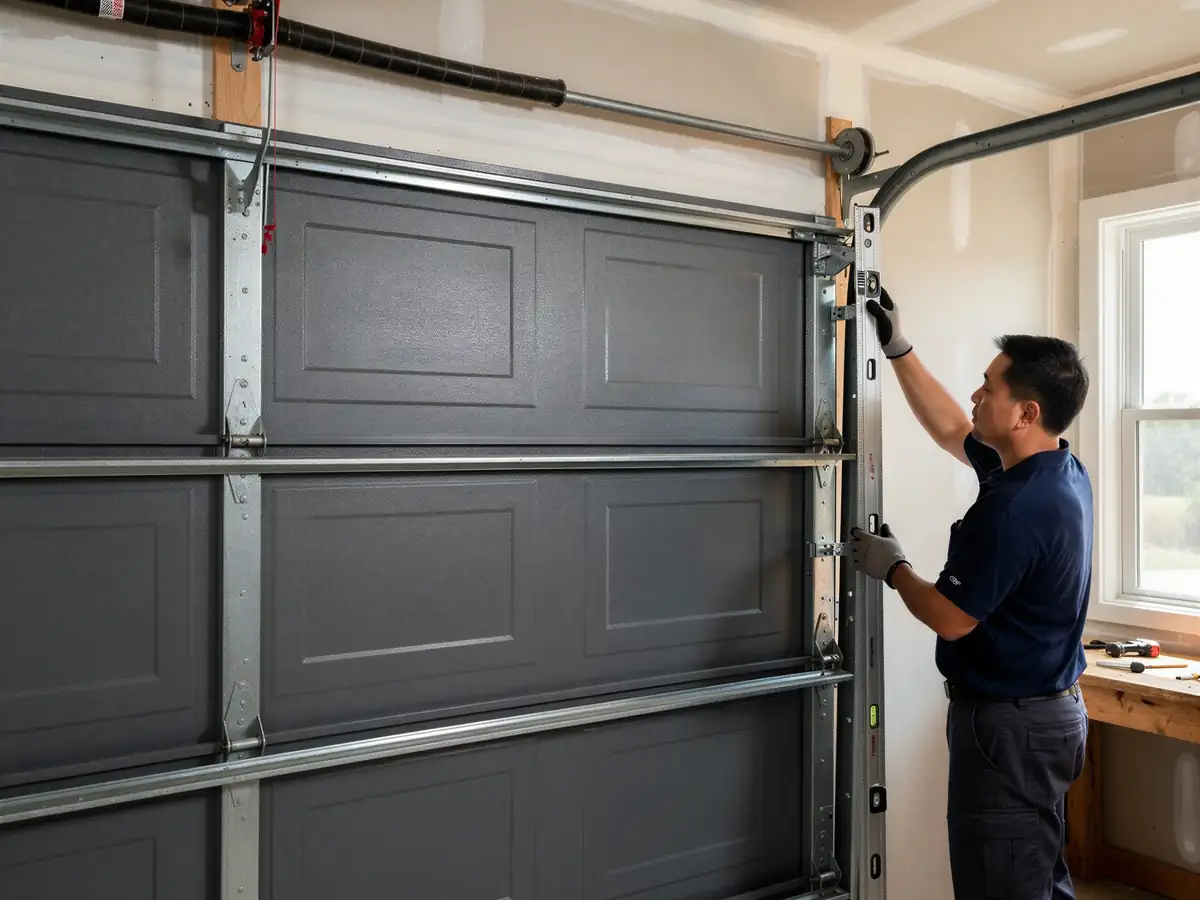
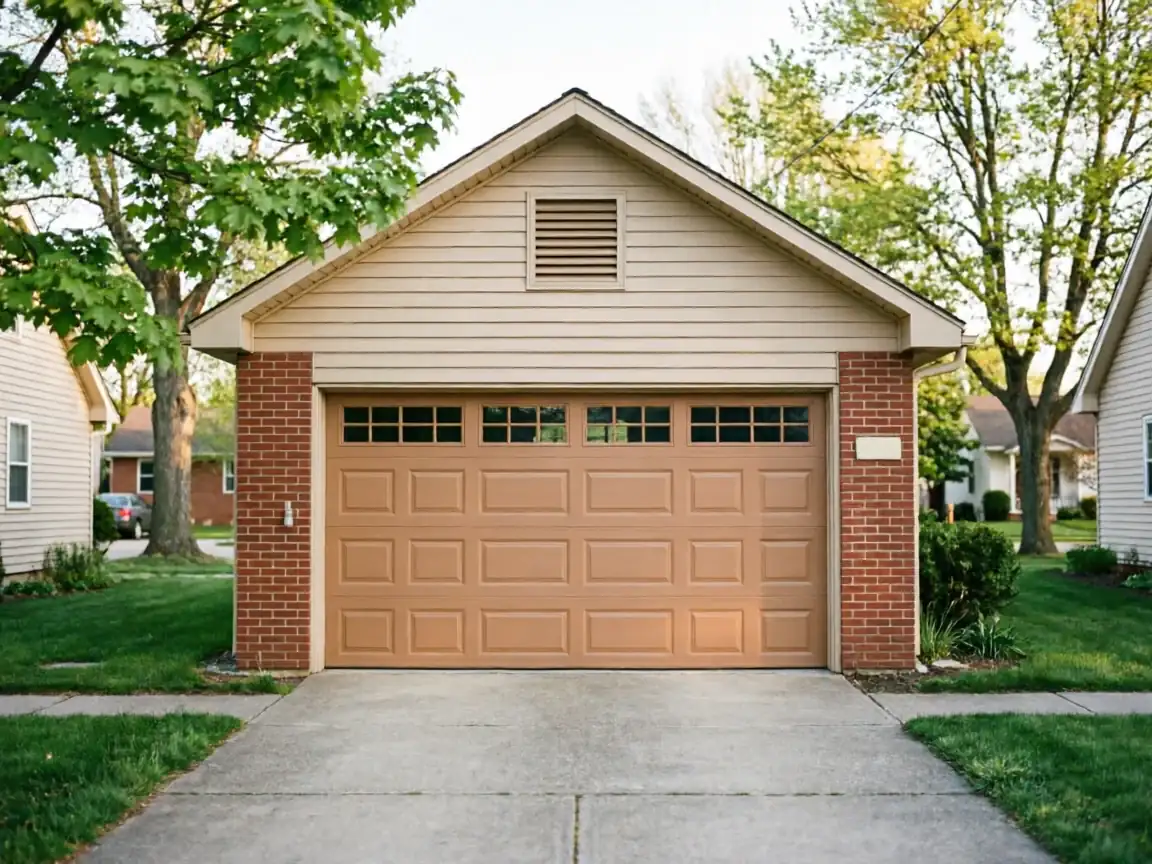
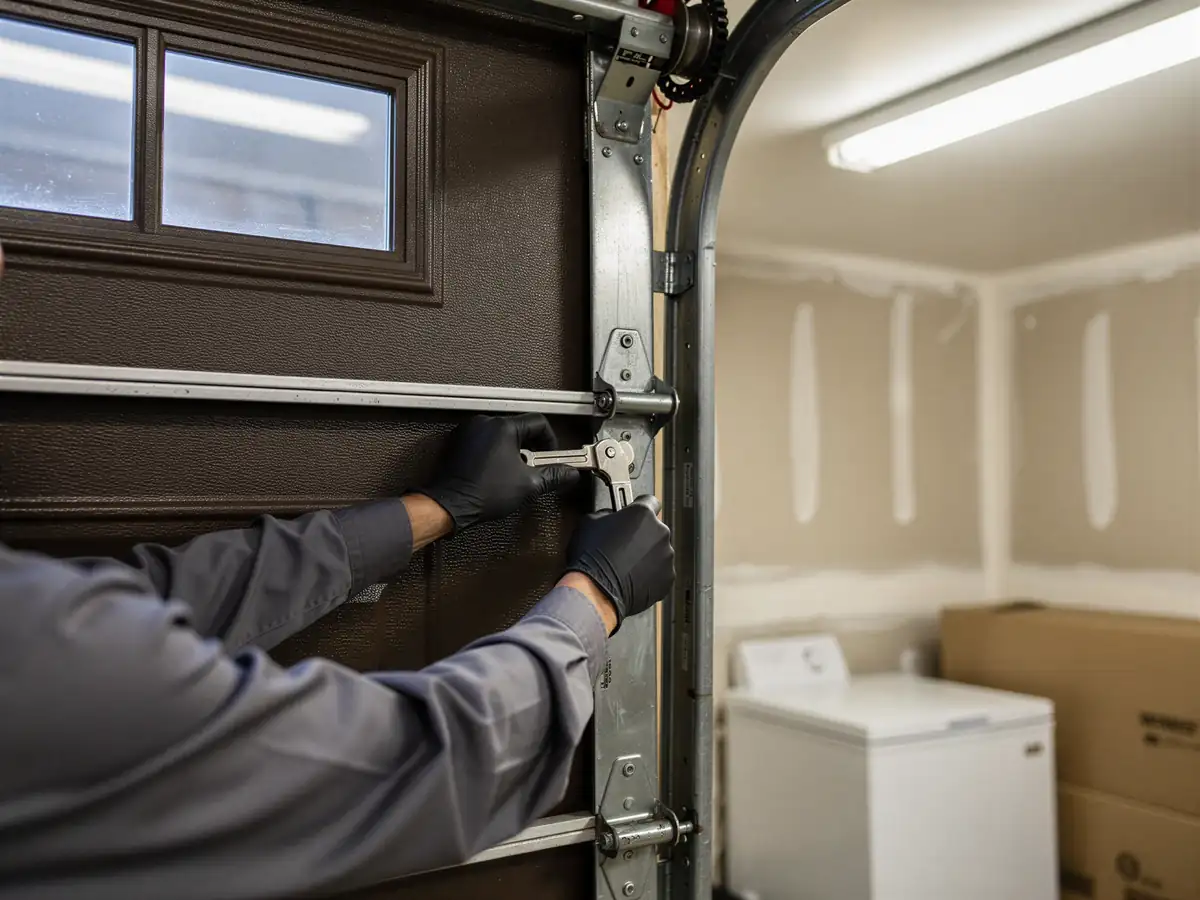
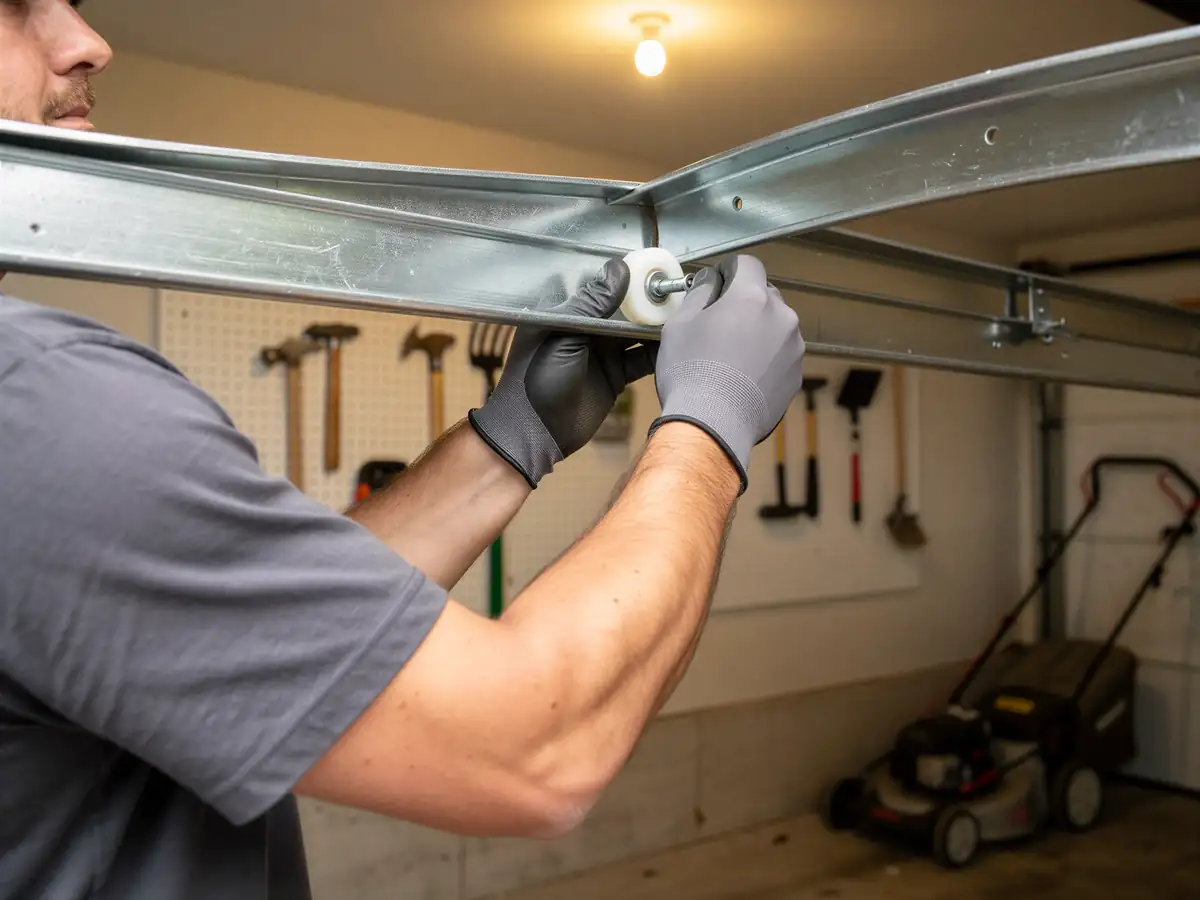
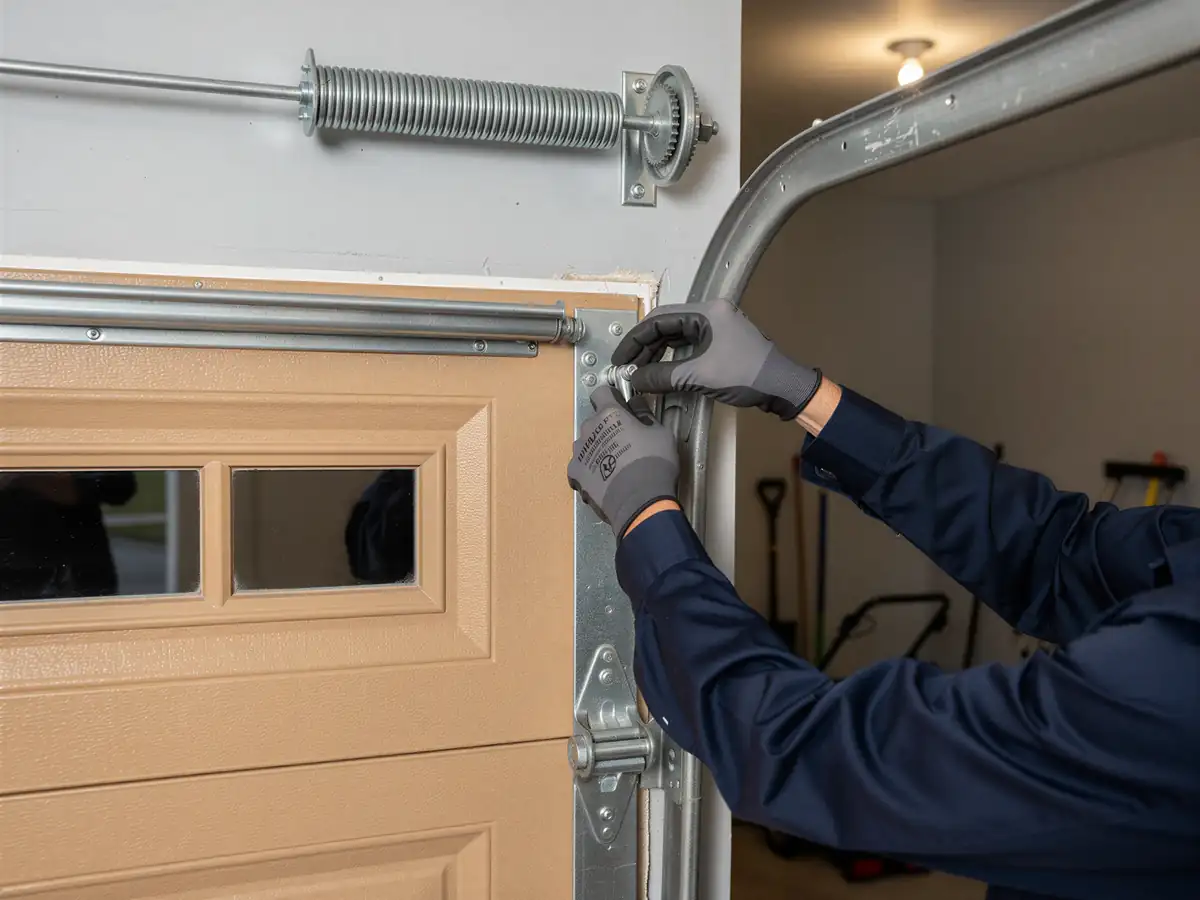
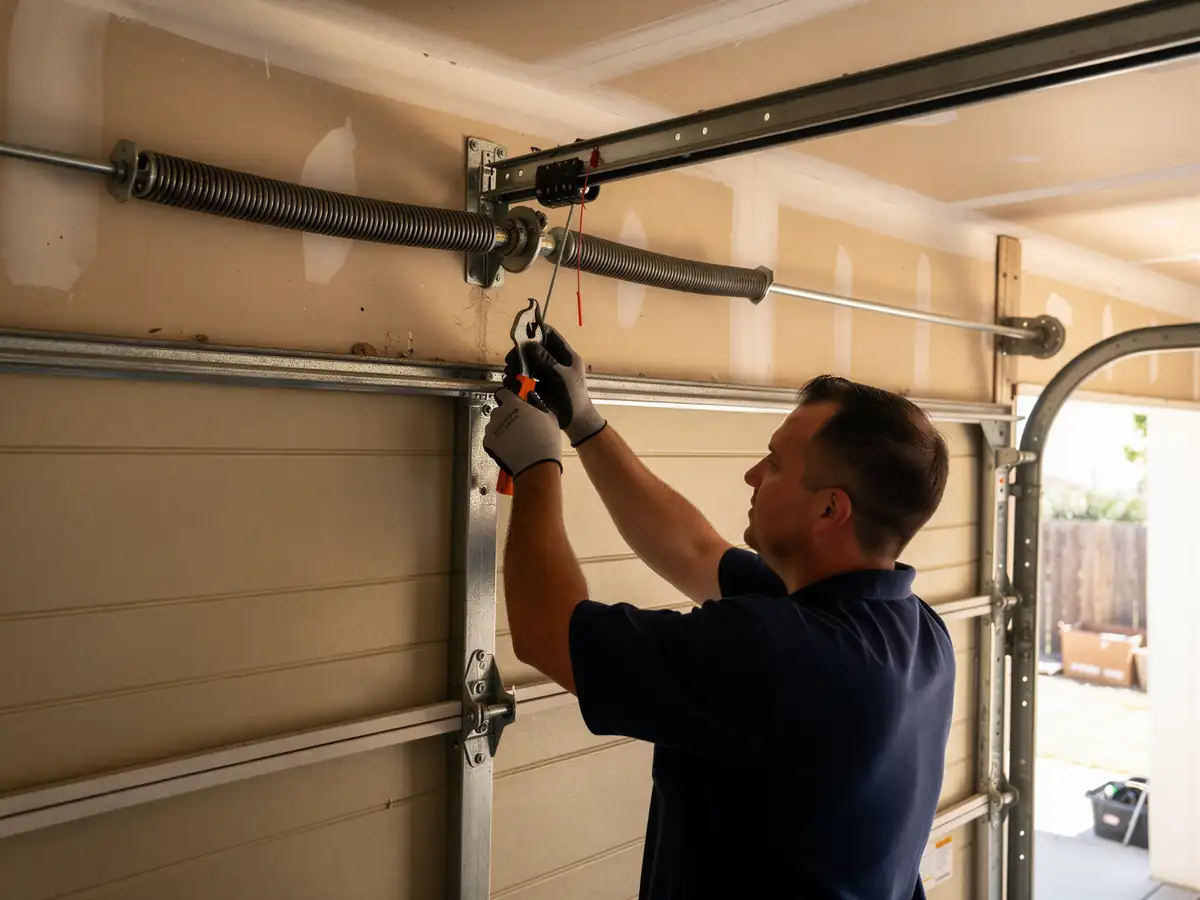
The failure pattern in Greendale tracks the housing stock. A torsion spring rated for the original door weight back in 1967 has had roughly five to six decades of cold Wisconsin winters cycling the steel, and cold matters here - the service area sits in a severe cold climate band, and steel fatigues faster through hard freeze-thaw swings than it does in a mild one. What you'll usually see first is the spring snapping clean rather than stretching, because torsion springs don't stretch, they just reach their cycle count and let go. Second most common: the cable on one side fraying where it wraps the drum, usually from a bottom bracket that's rusted enough to bind. Less common but not rare - a center bearing plate that's worn oval instead of round, which makes the door shudder on the way up even when the spring itself is fine. None of these are Greendale-specific hardware, but they show up here on the same timeline because the houses all came up together.
Getting It Booked In
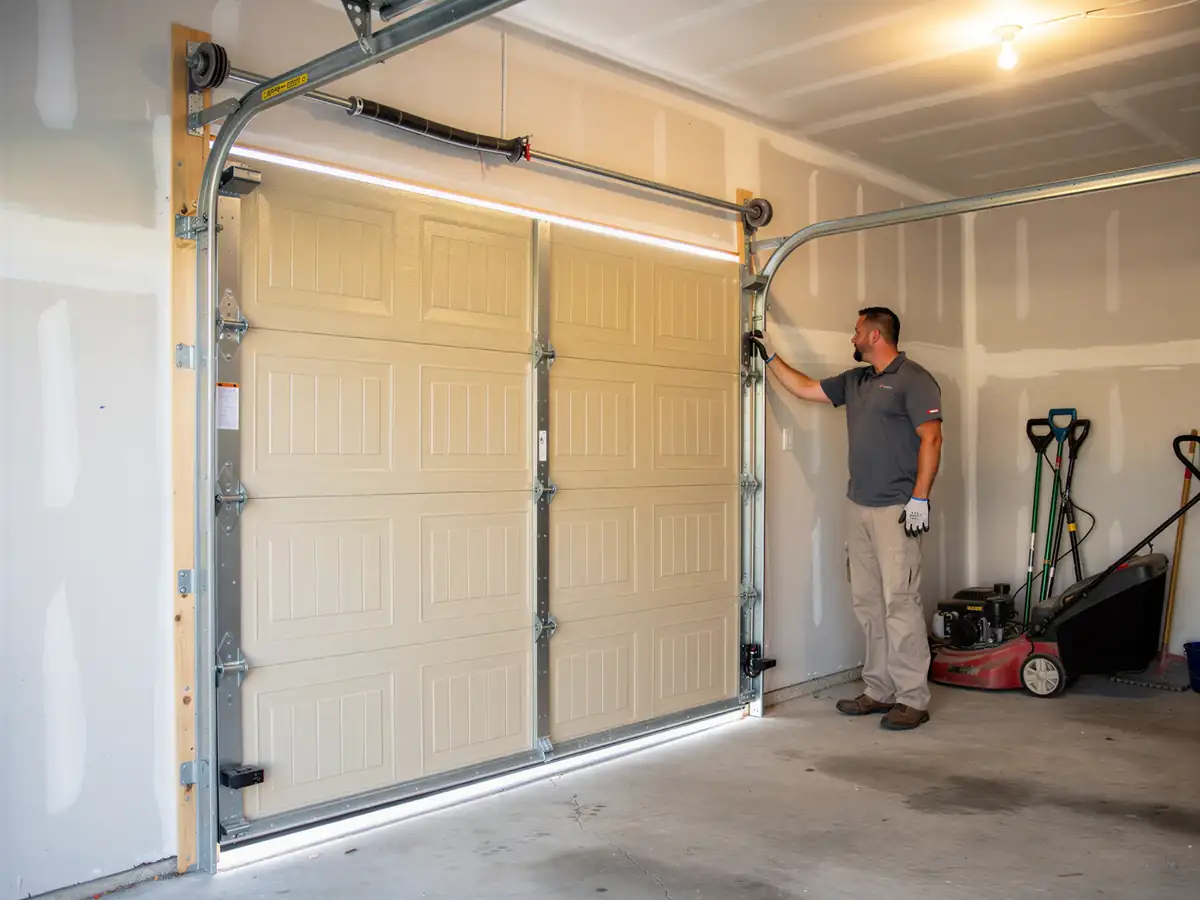
We run out of West Allis, and Greendale is about 5 miles out, so a spring call here isn't a special trip - it's a normal stop on the route. When you call, tell us the door size, whether it's one spring or two, and roughly how old the door is if you know it; for a town built out mostly in the 1960s and 70s, we can usually guess the spring spec before we even pull up, but we'll still measure wire size and coil length on site before cutting anything. We don't carry every spring size on the truck for every job - some higher-cycle or oversized commercial springs need an order - so if yours is unusual we'll say so up front rather than string you along.