The DIY Question
Greendale is a small town as these things go - about 6,027 households, not a sprawling grid
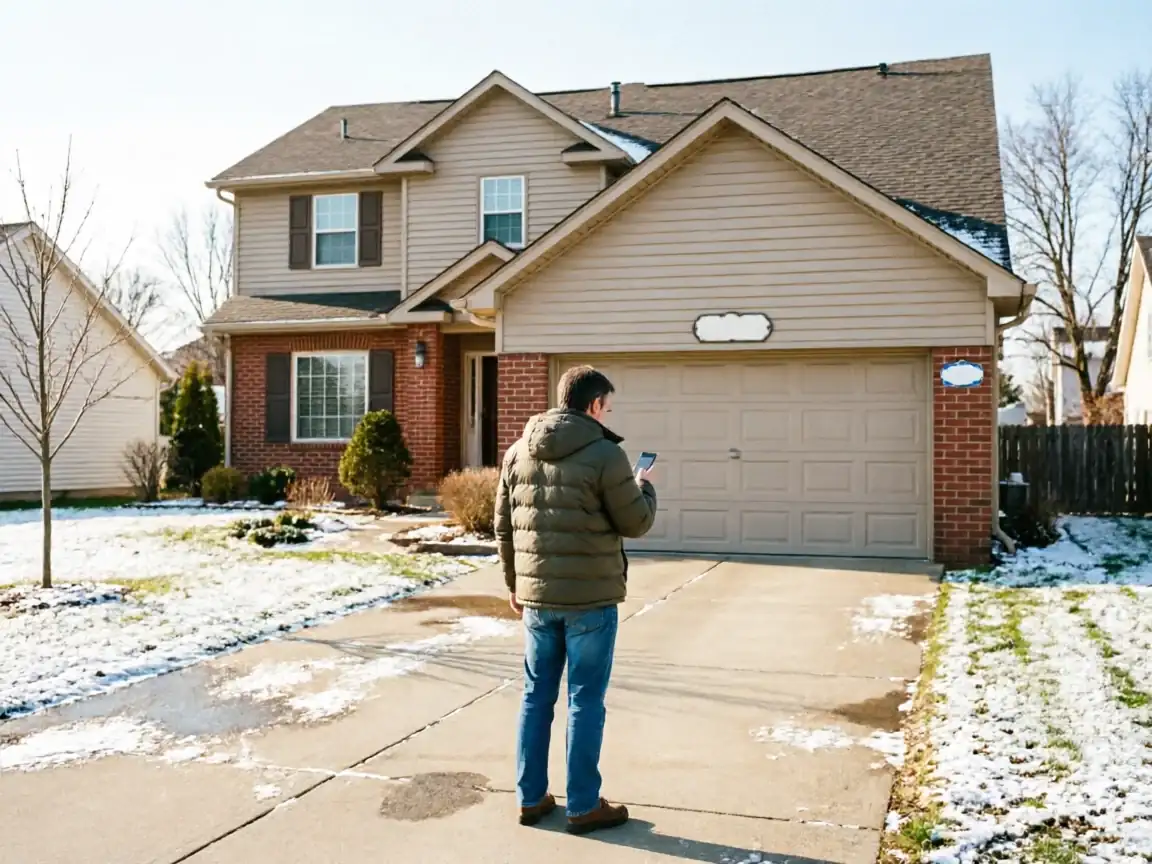
That matters for installation because a town this size tends to have a narrower range of door openings and framing than a big city does. Most of what we run into here traces back to a median build year of 1967, which means a lot of single-car and standard double openings framed to code from that era, not the wider bays you see in newer subdivisions.
- 6,027 households
Can a homeowner swap a door themselves?
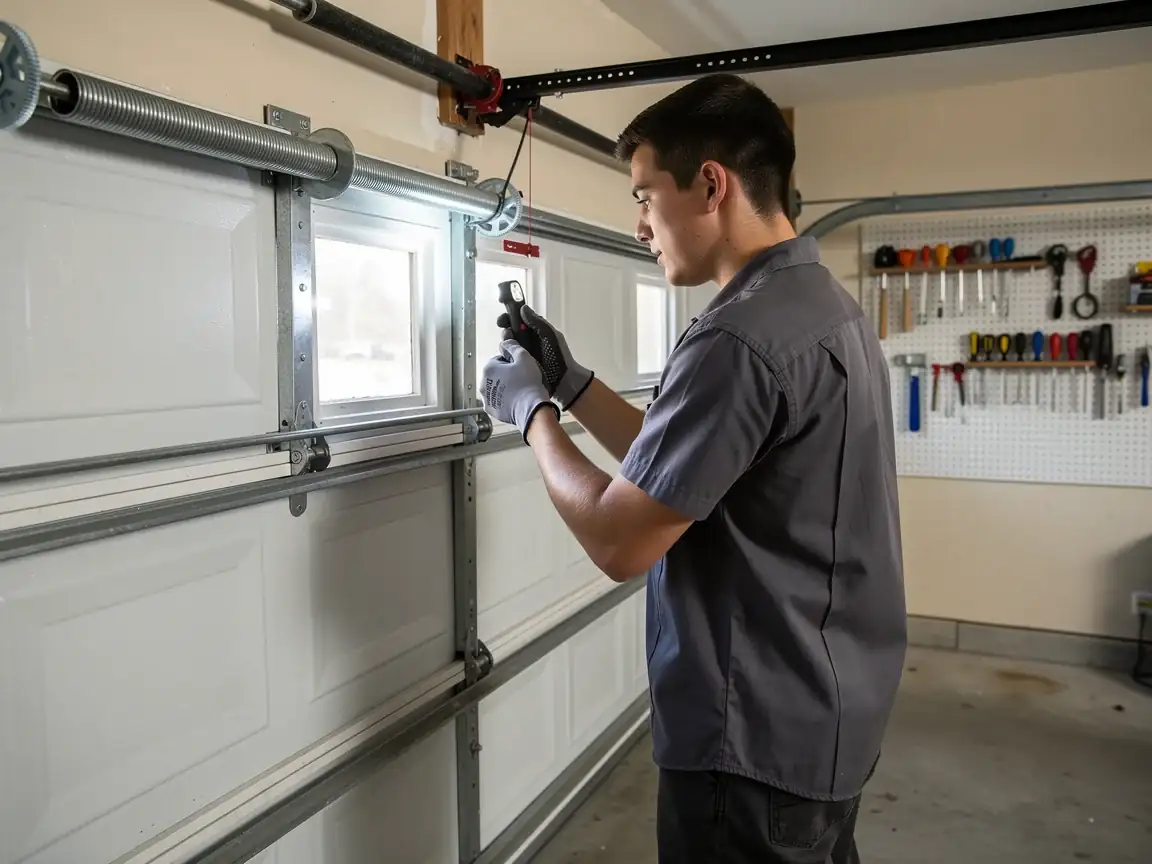
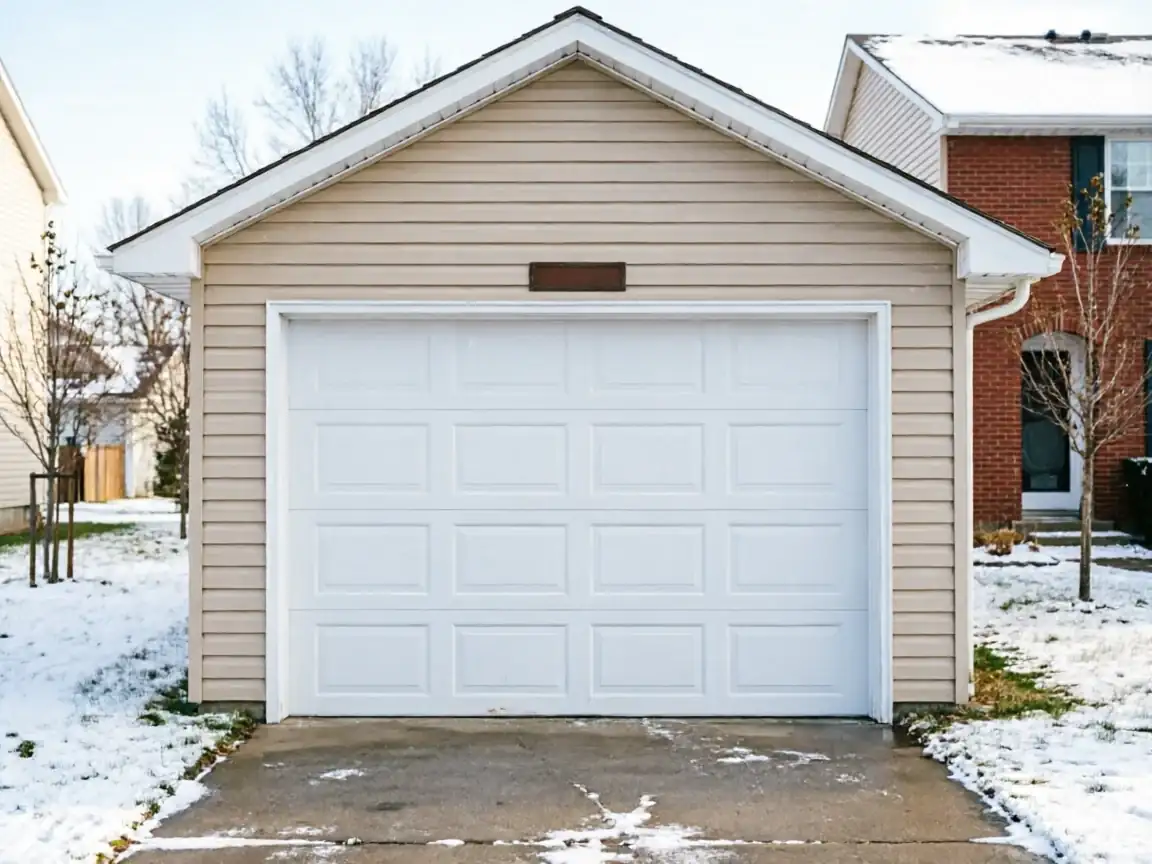
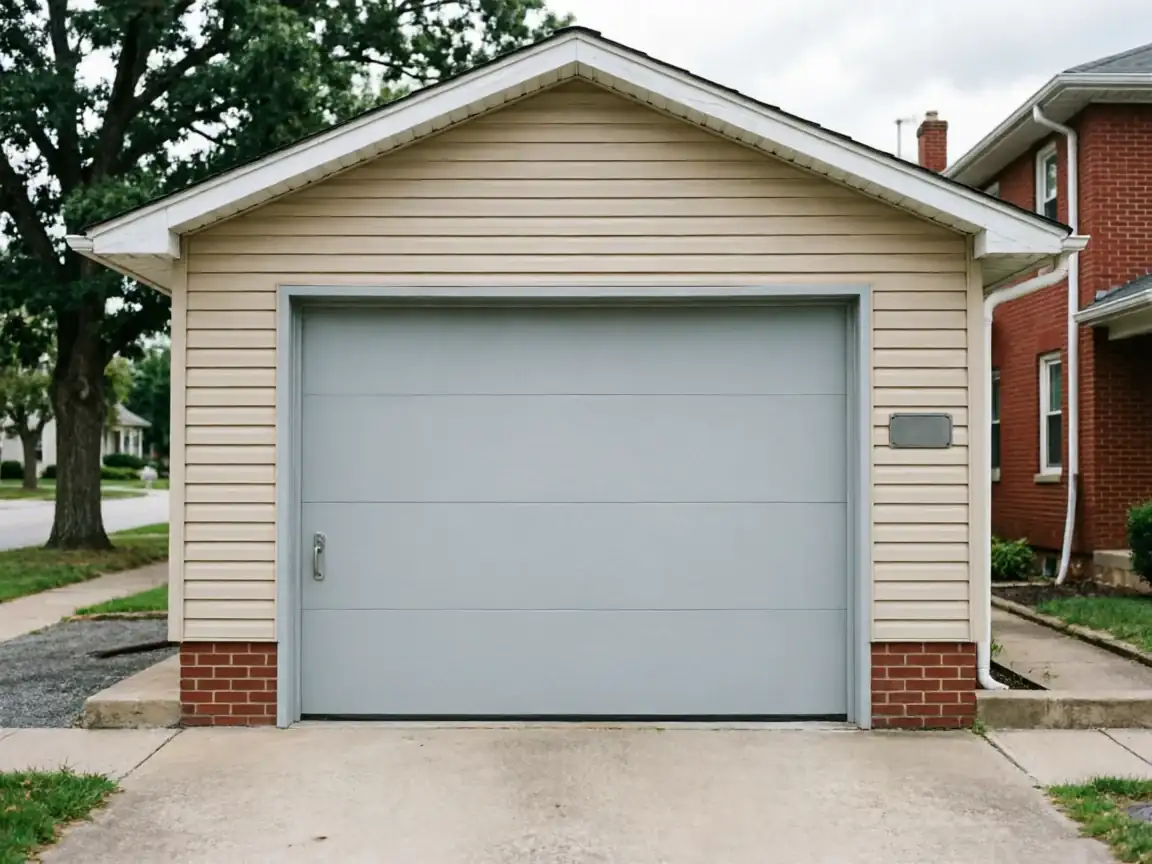
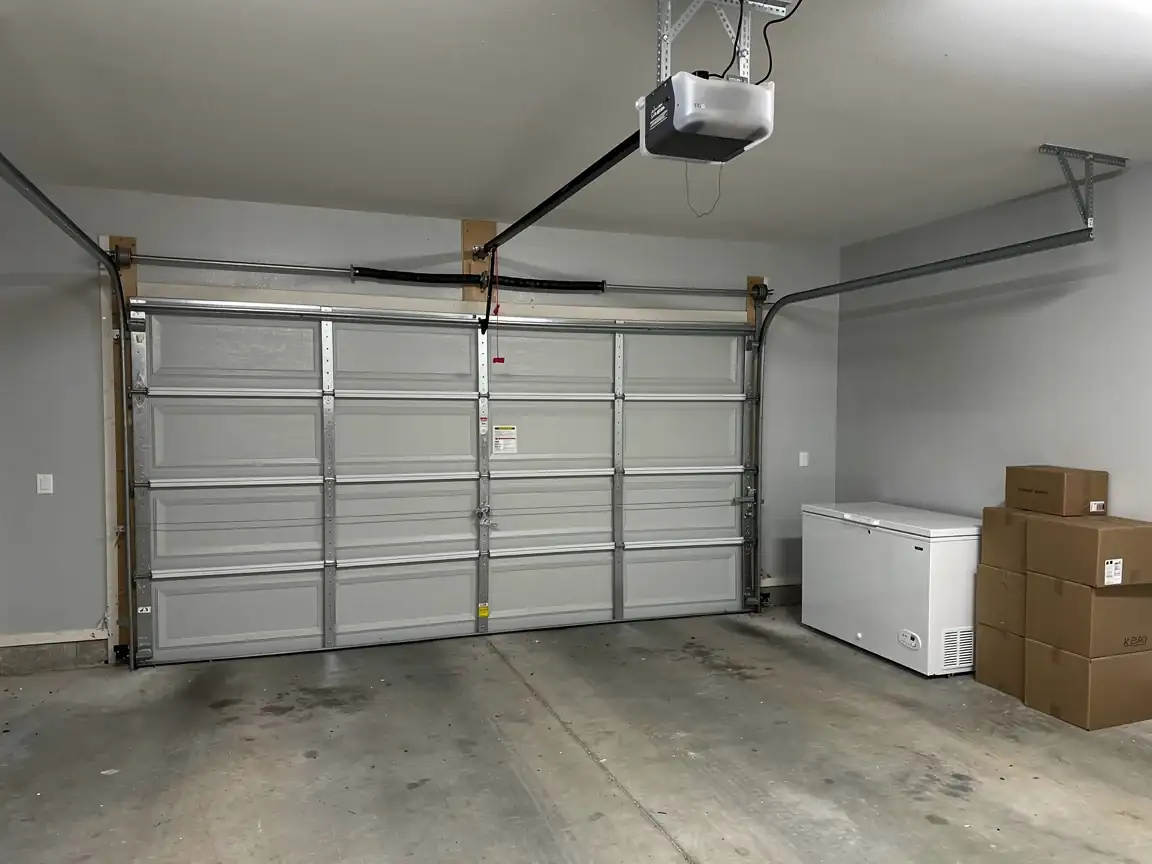
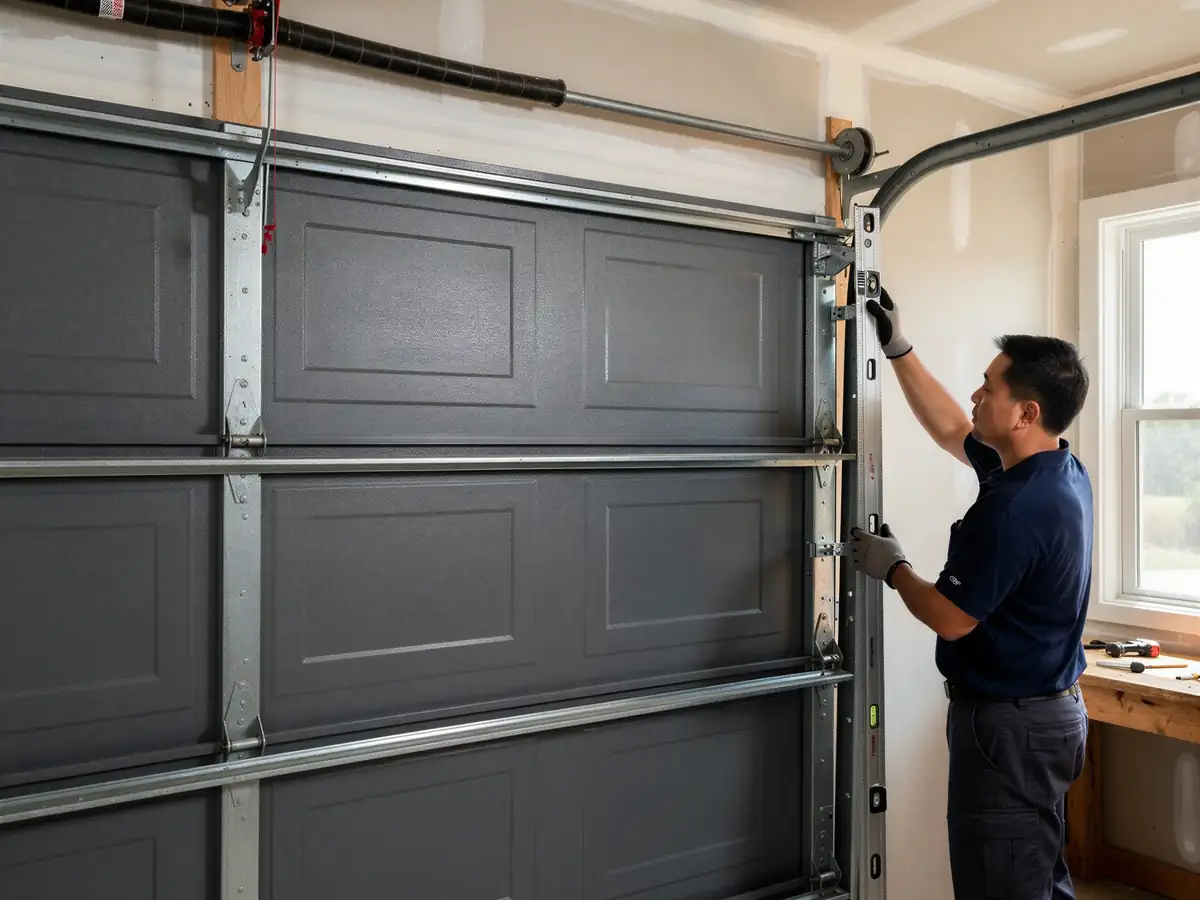
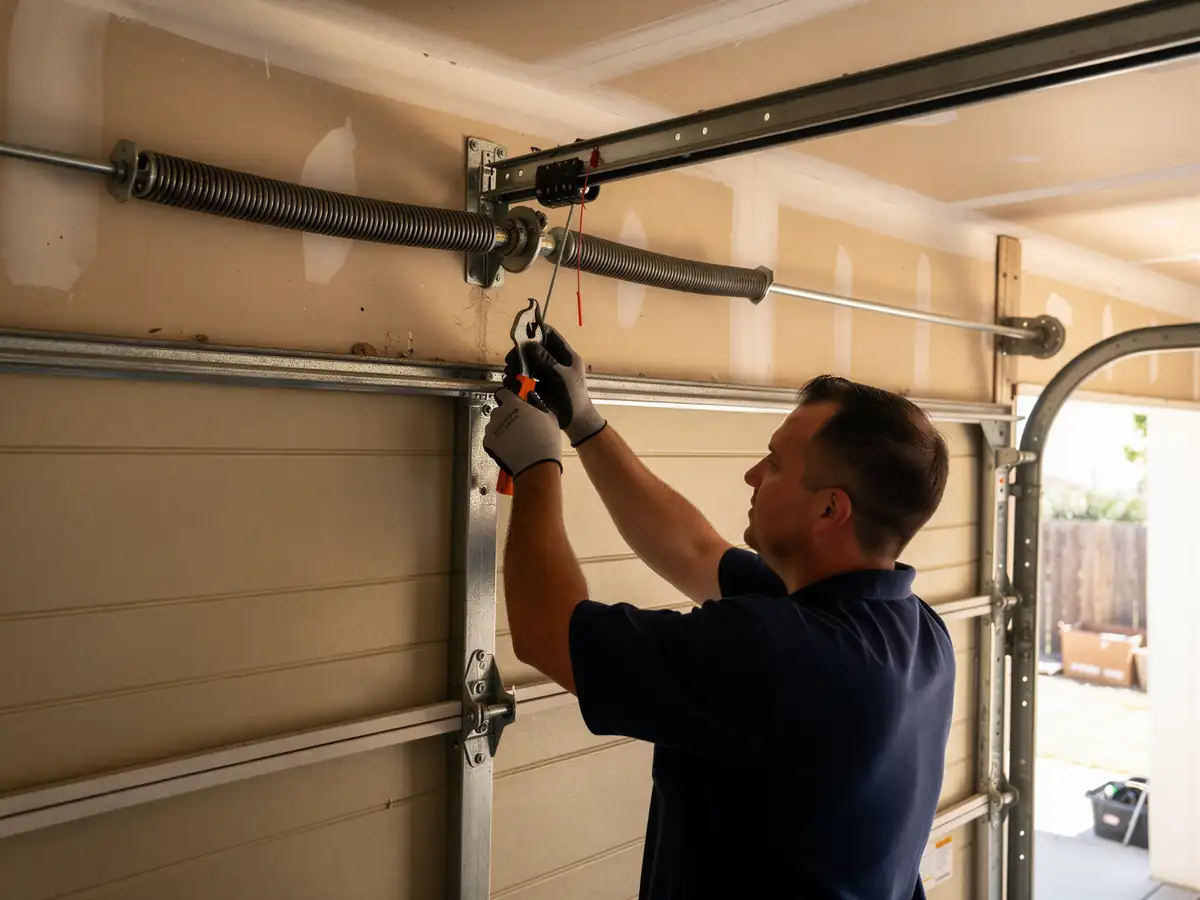
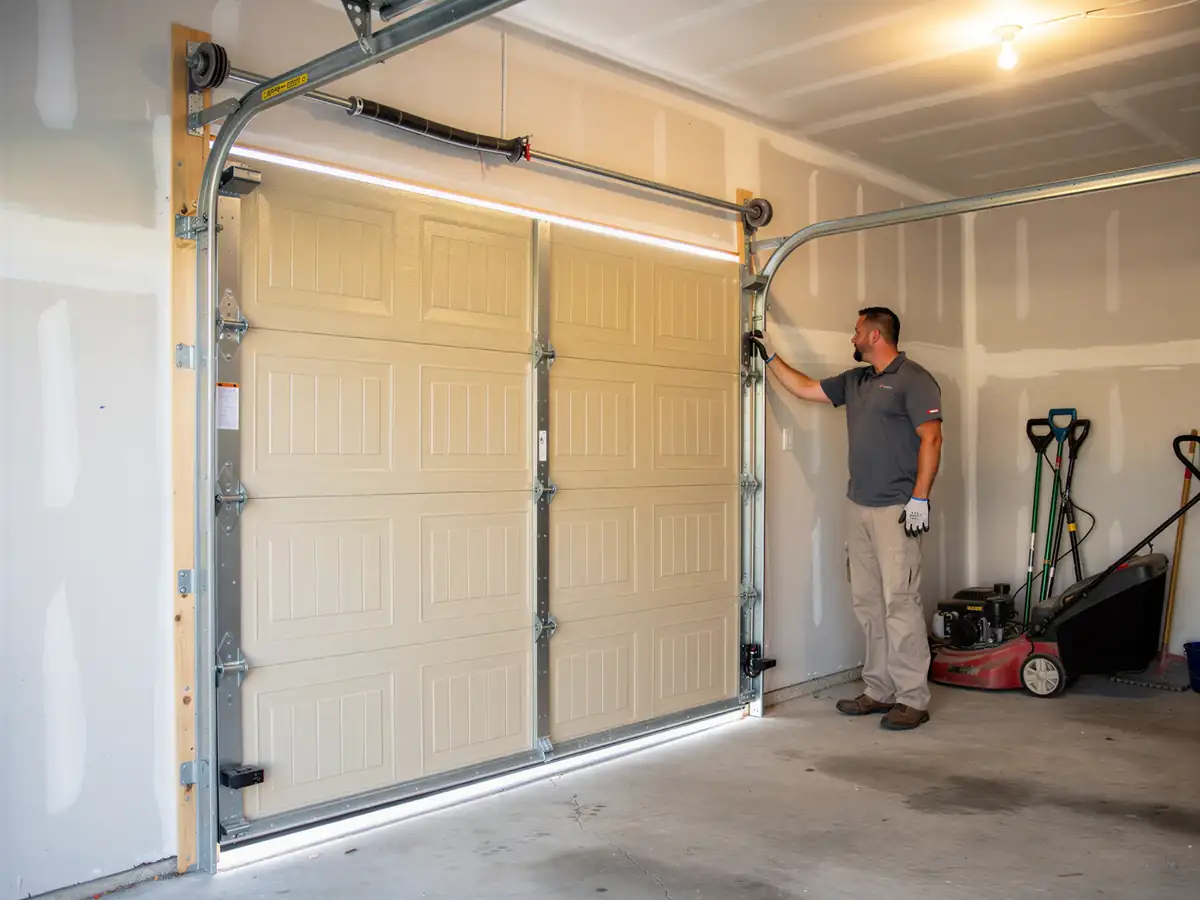
Some can hang a lightweight steel door on a single-car opening with help and the right tools. Where it gets risky is the spring system - torsion springs store enough force to break a wrist or worse, and openings built in the 1960s often have hardware that wasn't designed with today's heavier insulated doors in mind. If the jamb, header, or track spacing doesn't match the new door's spec, you end up re-doing the job anyway. We'd rather you call before you buy the door than after you've cut the opening.
What Can Go Wrong
A house built around 1967 has had roughly sixty winters of Wisconsin cold working on its garage door. This area sits in a severe cold climate band, and that means freeze-thaw cycling on concrete aprons, stiffened lubricant in old rollers, and wood jambs that have shrunk and shifted out of square. When we get called out for a new install rather than a repair, it's usually because the old door - original or a 1980s-90s replacement - is finally failing in more than one place at once: track pulling from the frame, a panel rusted through at the bottom, or an opener bracket that's been patched twice already.
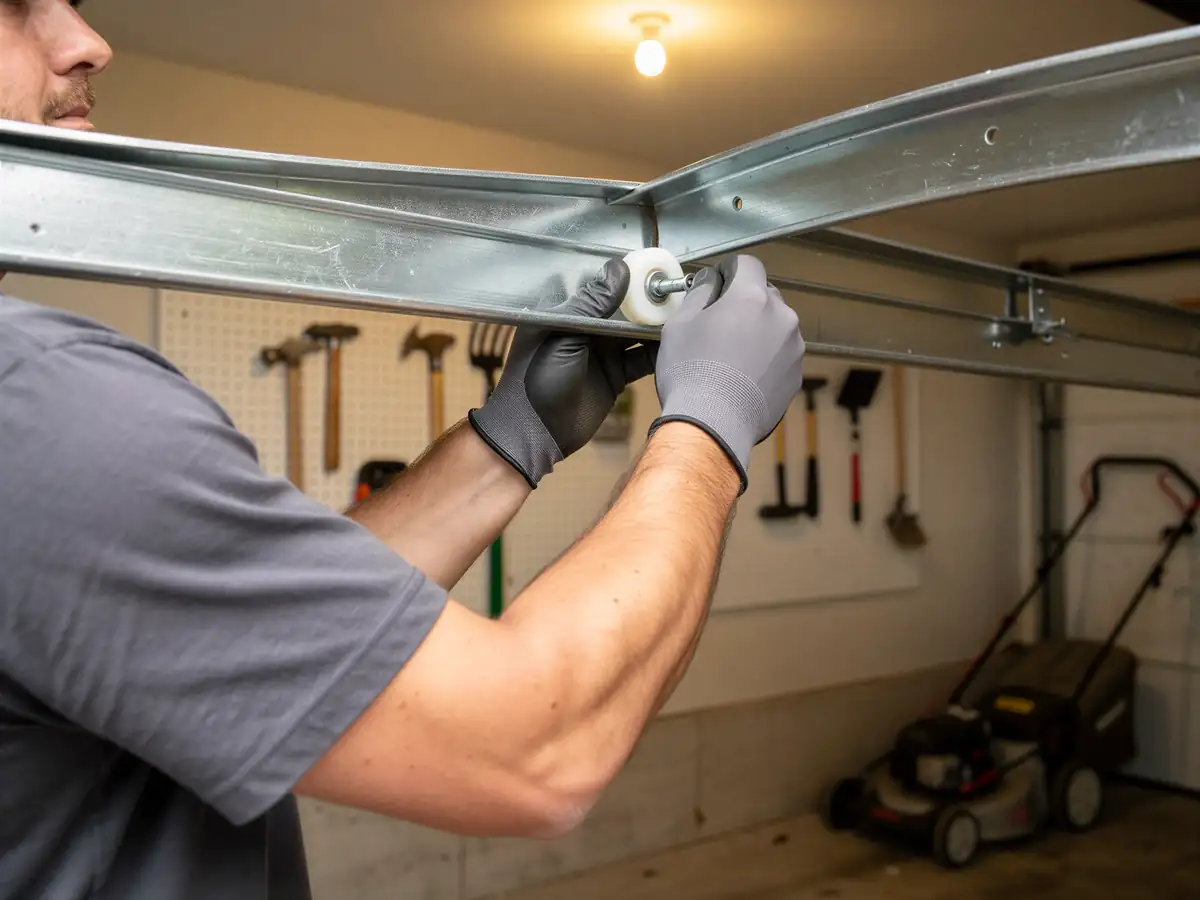
The other thing we see on homes from this build era is single-skin steel doors with no insulation value at all, installed back when nobody worried about garage temperature. Swapping to an insulated door changes the weight on the springs and sometimes the opener too, so a straight door swap often becomes a full hardware check. We won't sell you a new door and leave 55-year-old track and springs behind it - that's how a new door starts behaving like an old one within a year.
Getting It Booked In
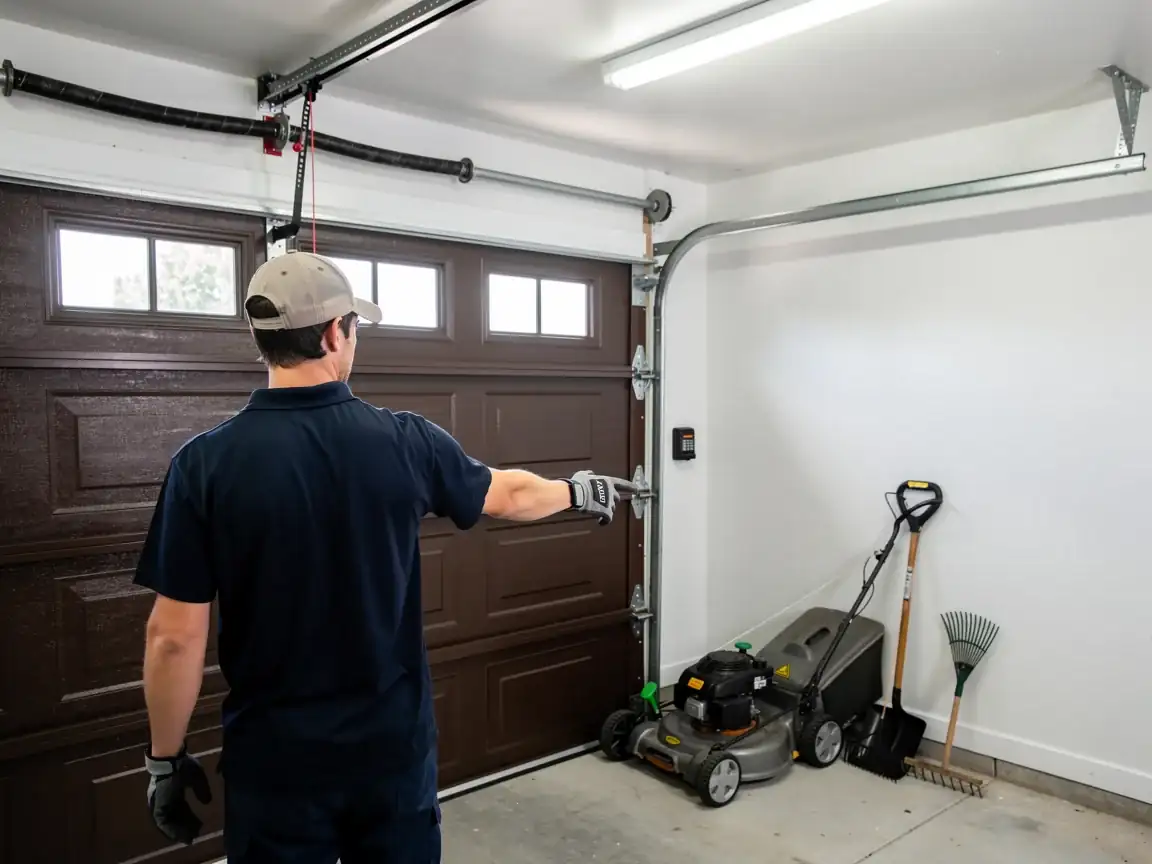
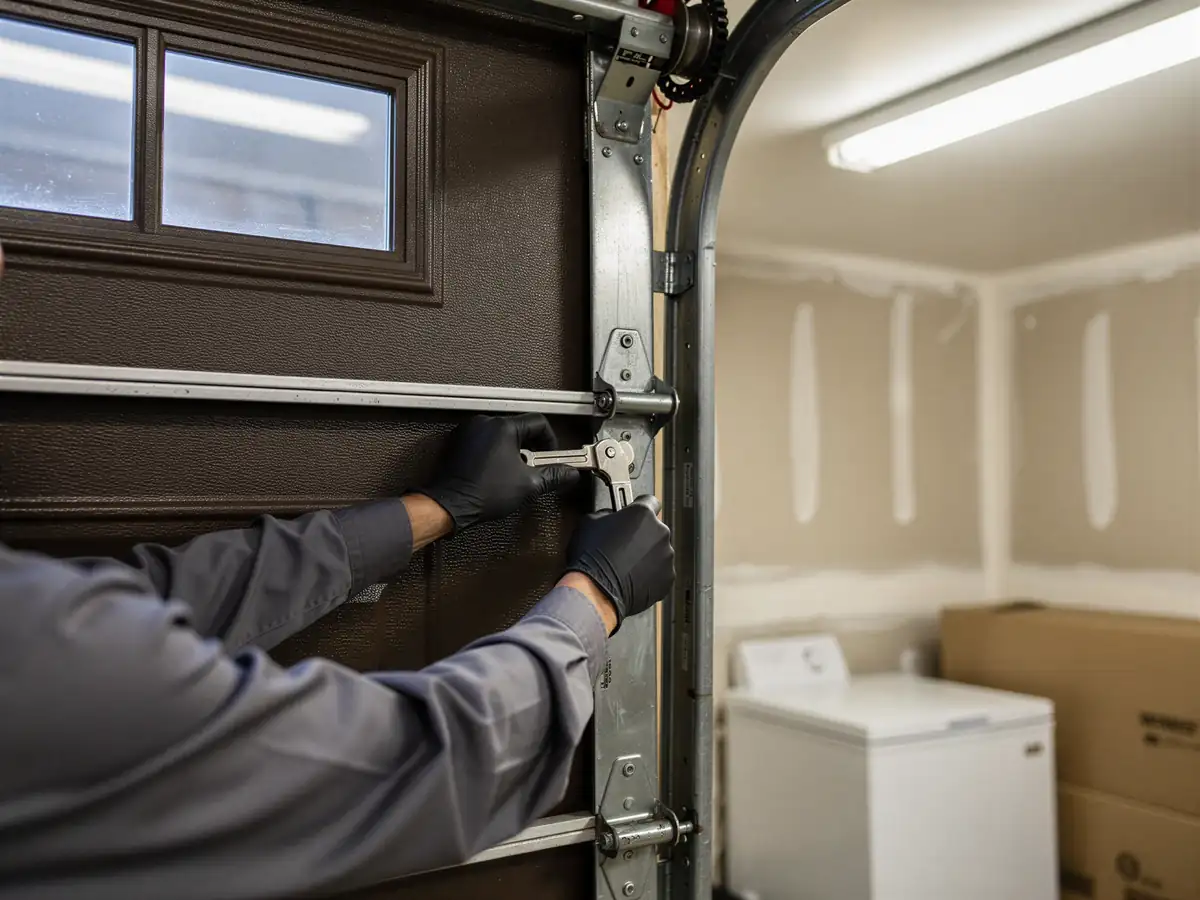
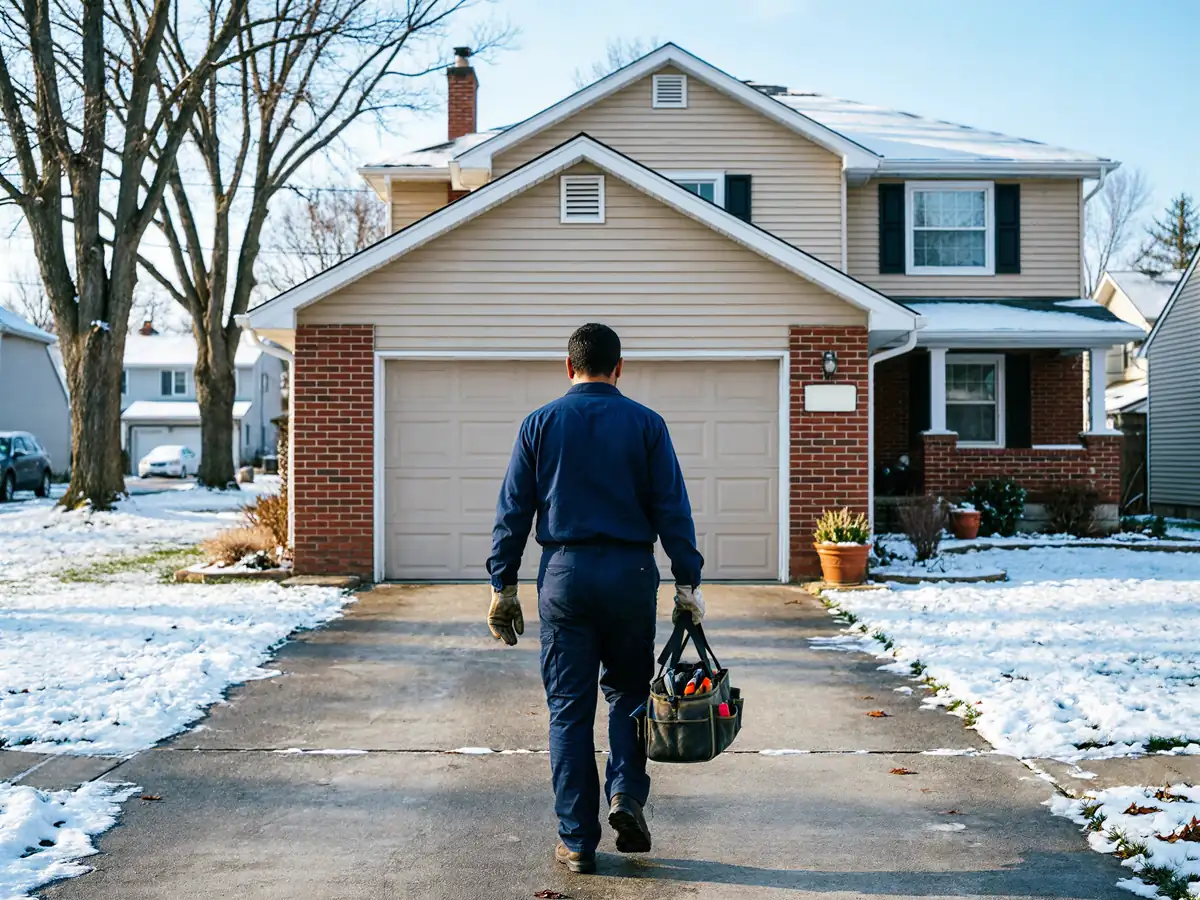
We run out of West Allis, about 5 miles from Greendale, so there's no branch office here - just a truck that comes to you. Measuring the opening, checking header clearance, and confirming track type usually happens on the same visit as the quote, since a lot of Greendale's 1967-era openings need that hardware check before we can promise a door will fit without modification.
One limit worth naming up front: custom-width or oversized doors aren't something we keep on hand, and those orders run on manufacturer lead time, not ours. If your opening is a standard single or double width, we can usually move faster. We'll tell you straight which category your job falls into before you commit to anything, rather than quoting a date we can't hit.
Parts We Carry
For the openings common to Greendale's housing stock
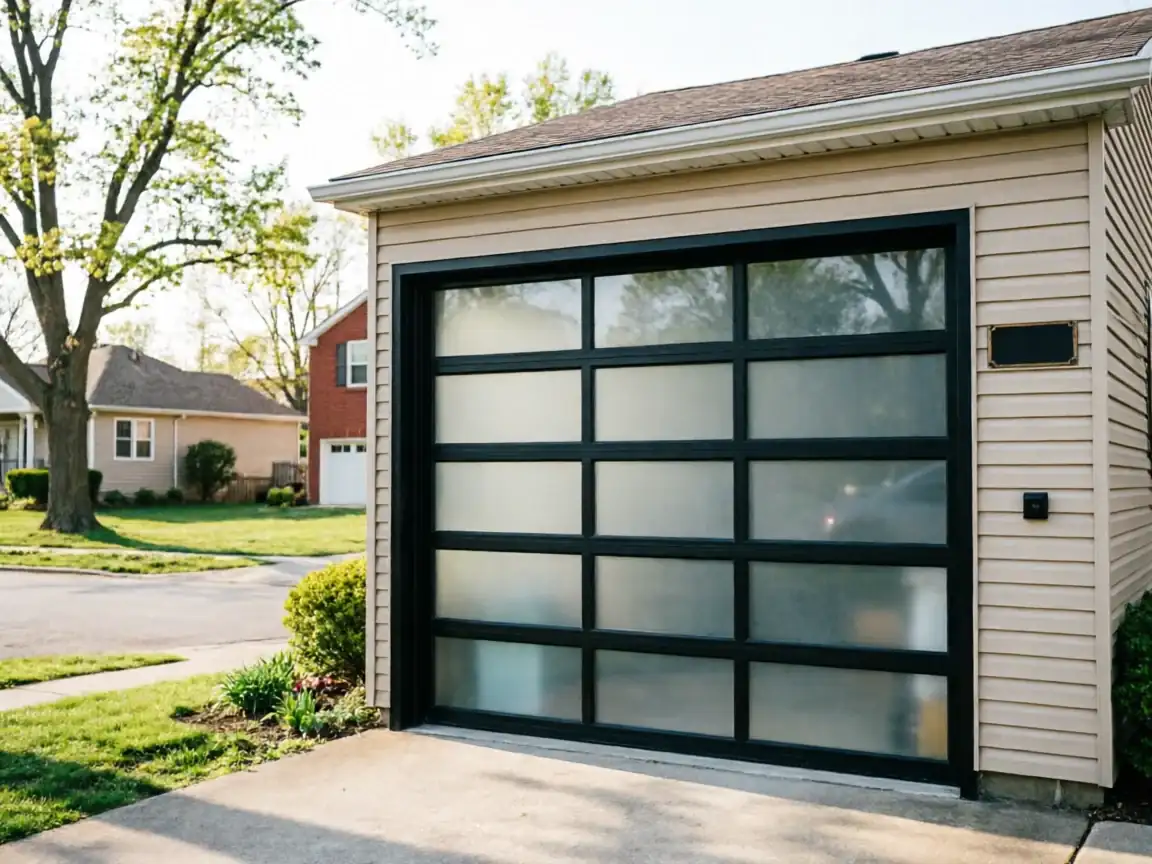
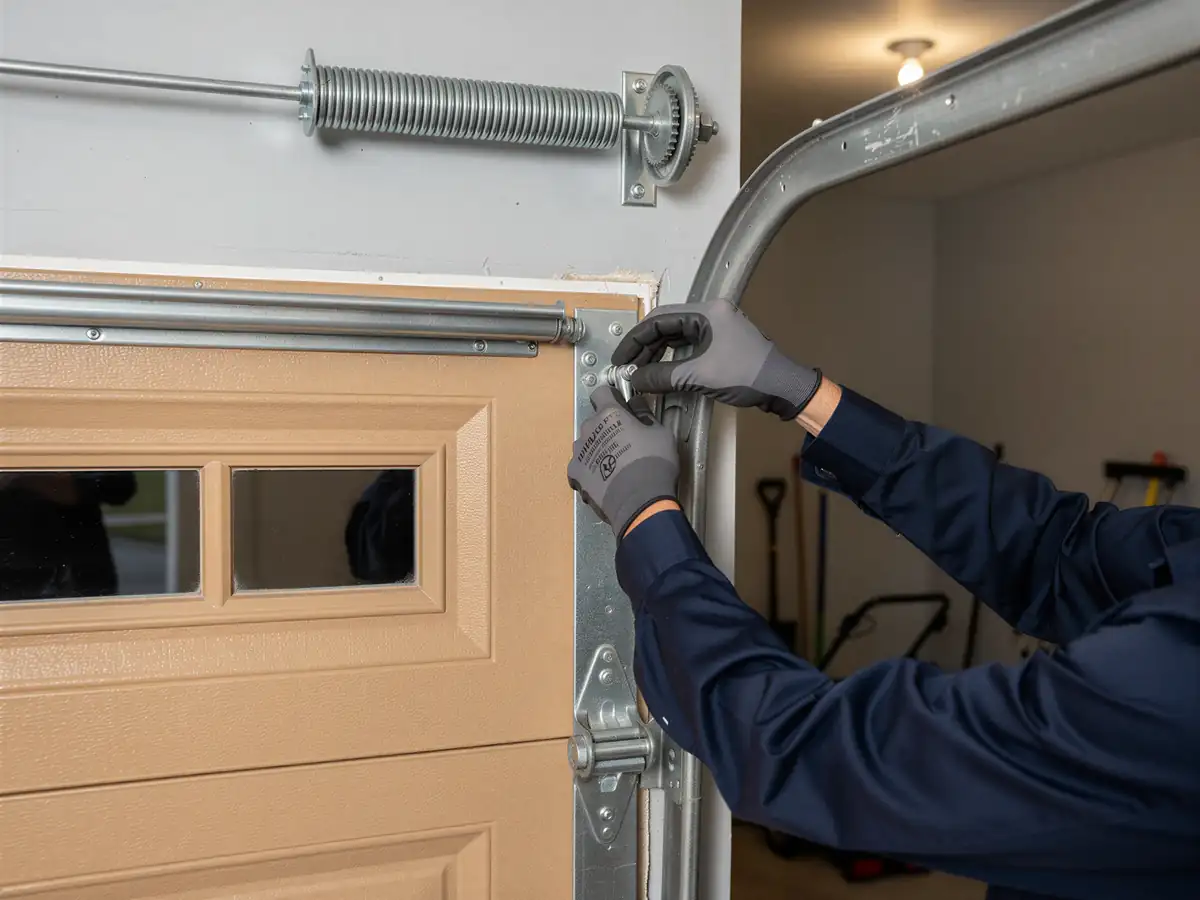
Standard single and double widths typical of homes built through the 1970s - we stock steel and insulated steel doors, standard-lift and high-lift torsion springs, galvanized track, and openers sized for residential doors, not commercial ones. With median household income in the area at $95,015, we see a real mix of homeowners who want a basic steel replacement and ones who want a fully insulated door with a quieter belt-drive opener; we carry stock for both without pushing one over the other.
What we don't keep on the truck is anything custom-sized or architecturally unusual
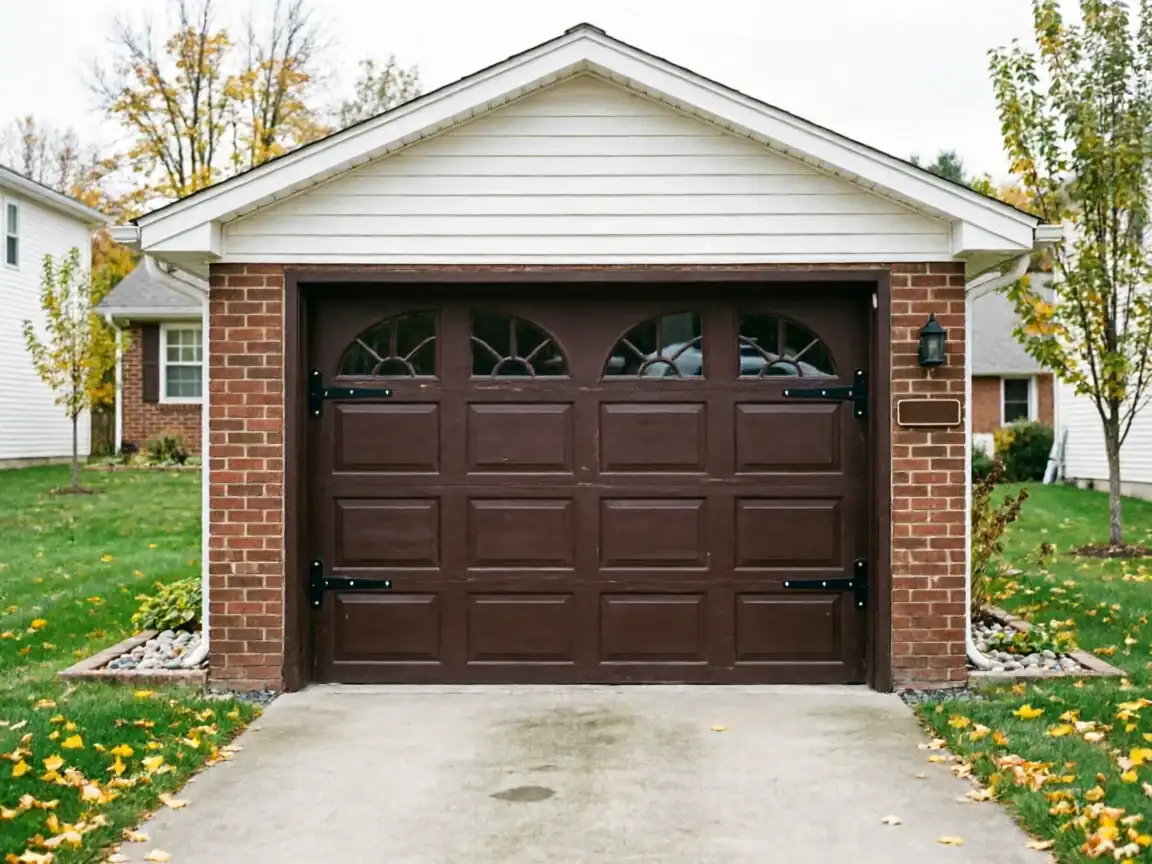
Carriage-style doors with non-standard panel work, oversized openings, that sort of thing. Those get special-ordered once we've measured. For everything in the standard range, though, we can usually install from stock the same week we quote it.