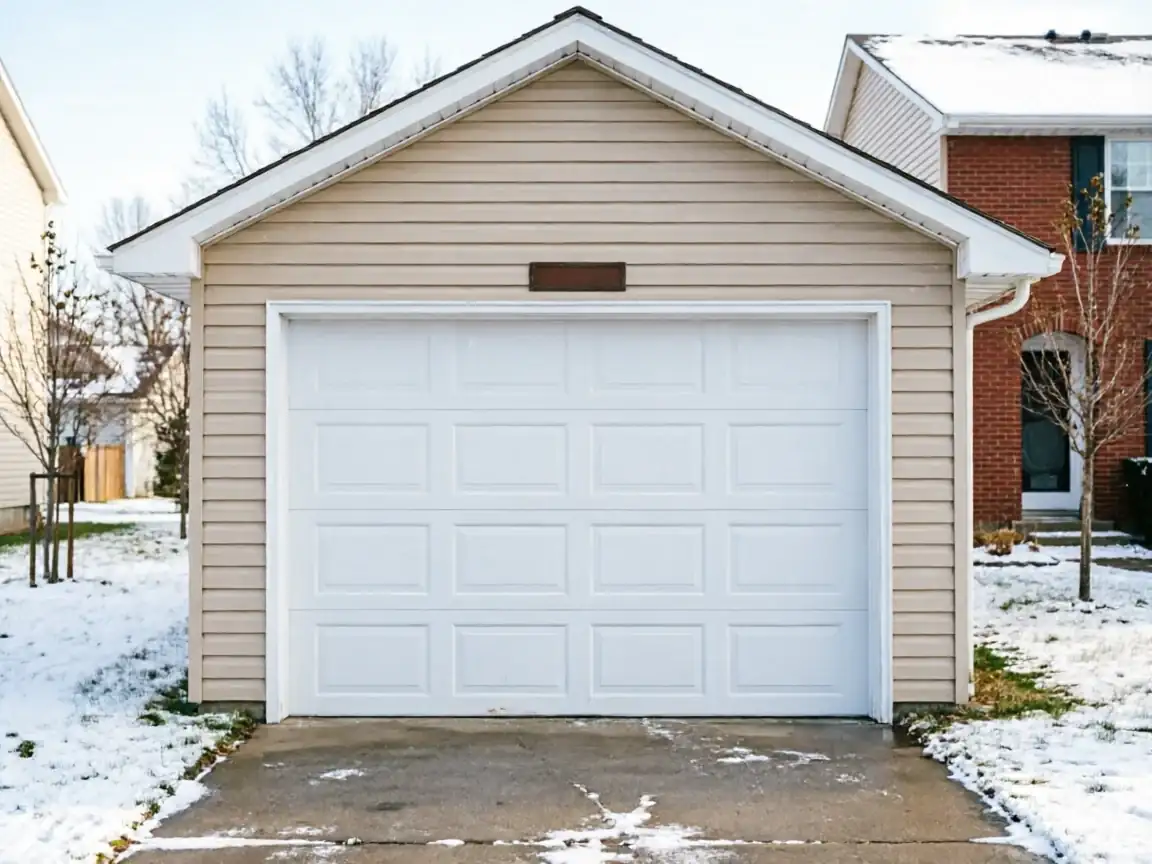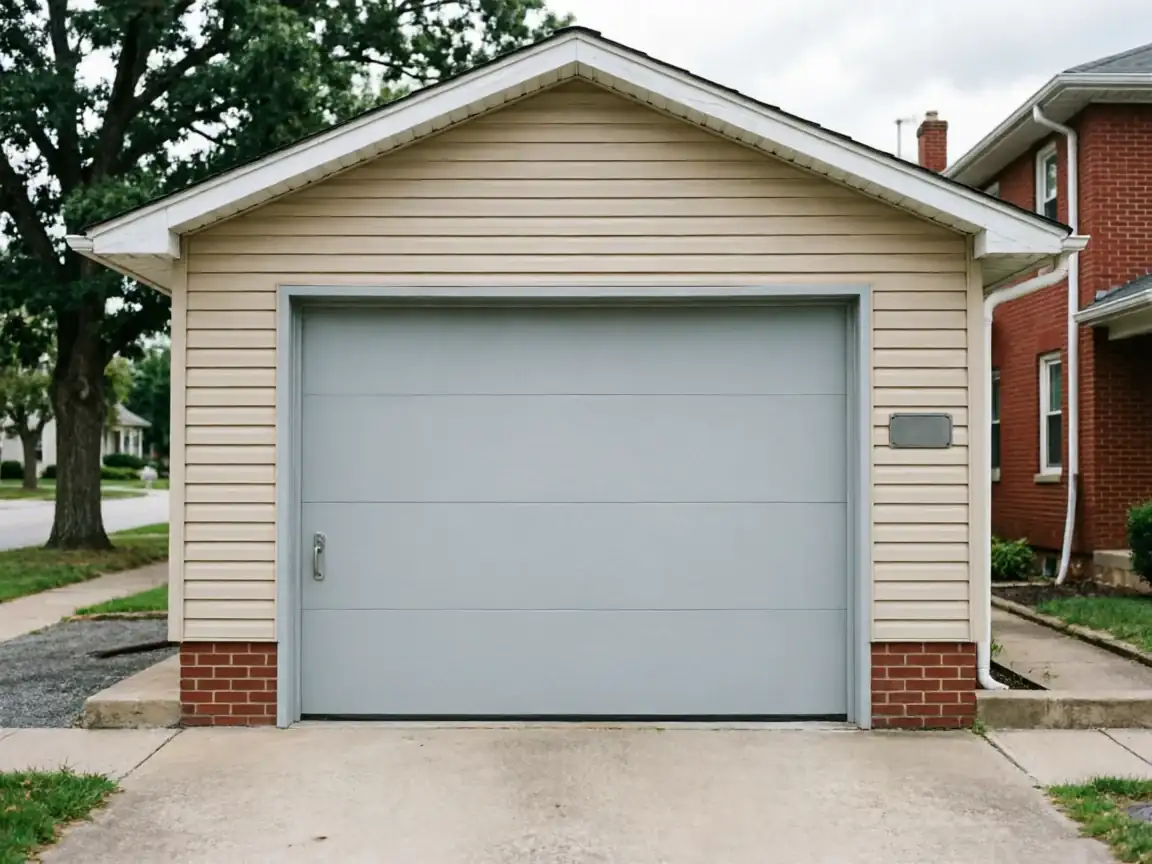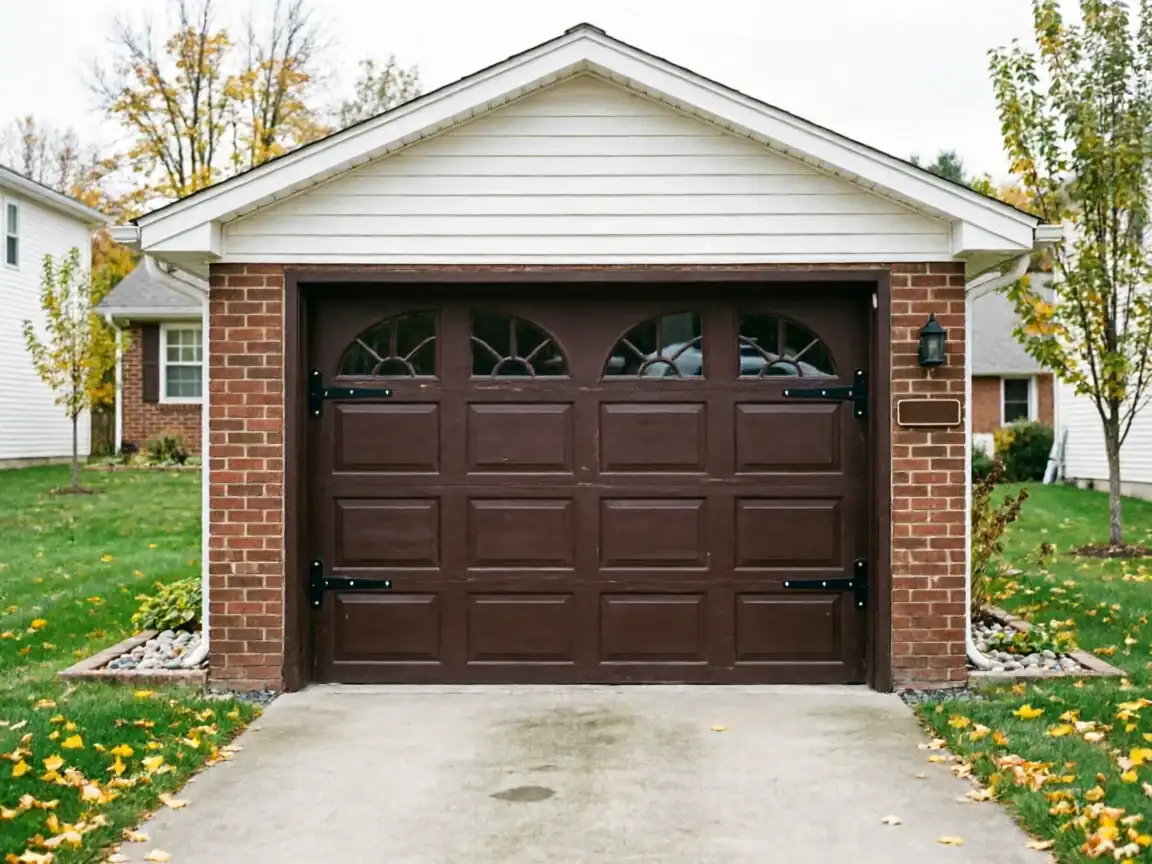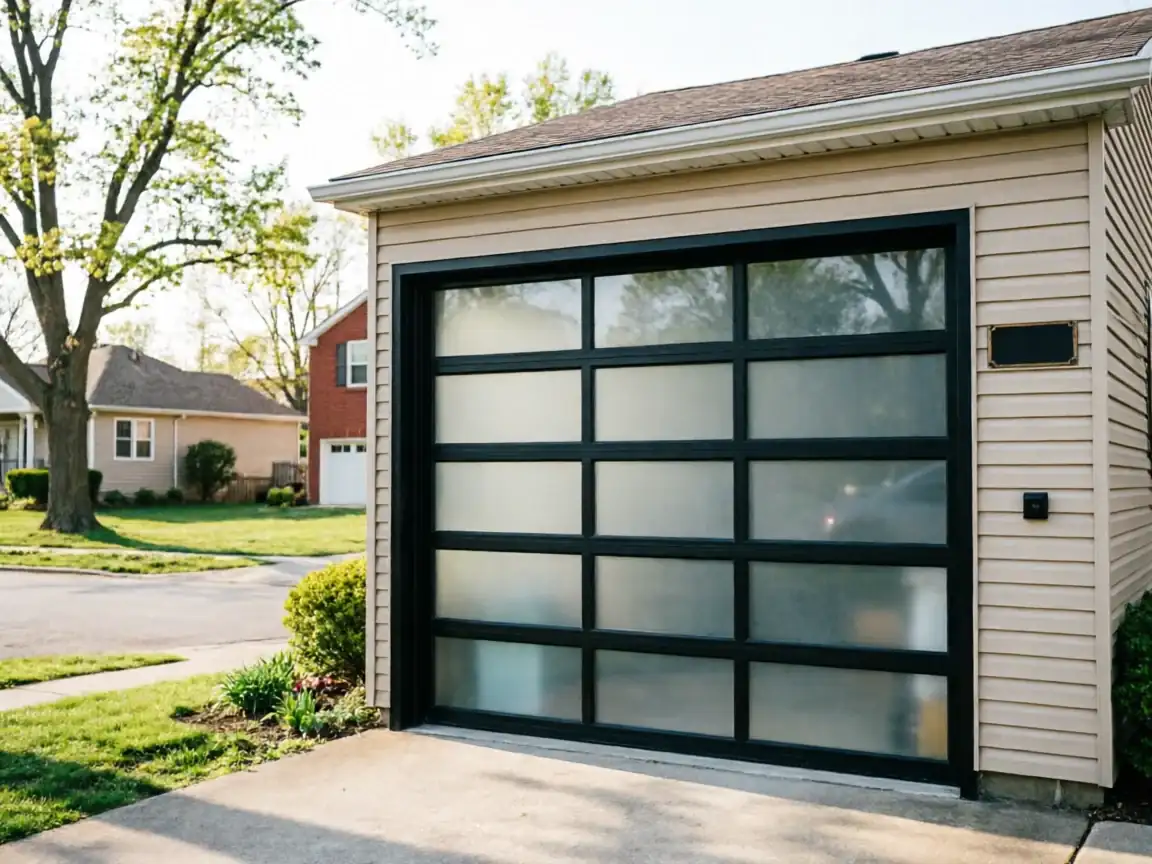
What You Are Seeing
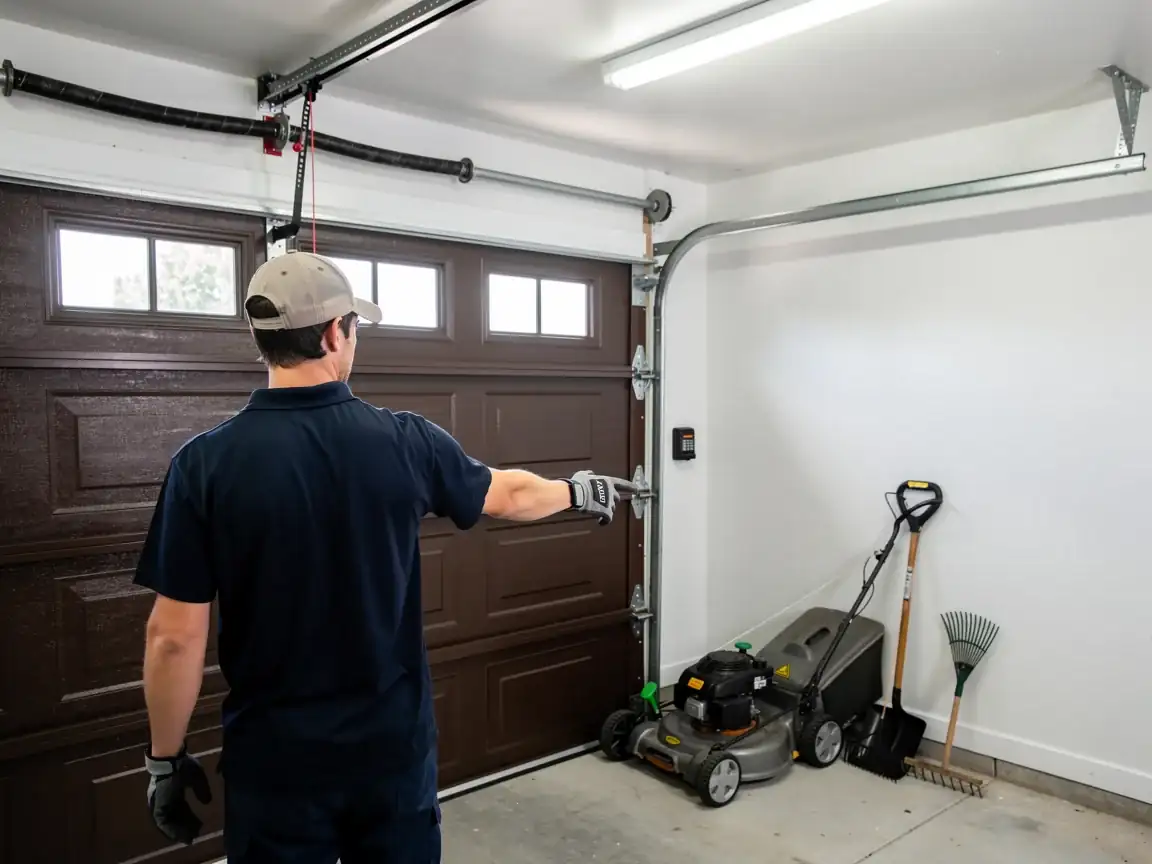
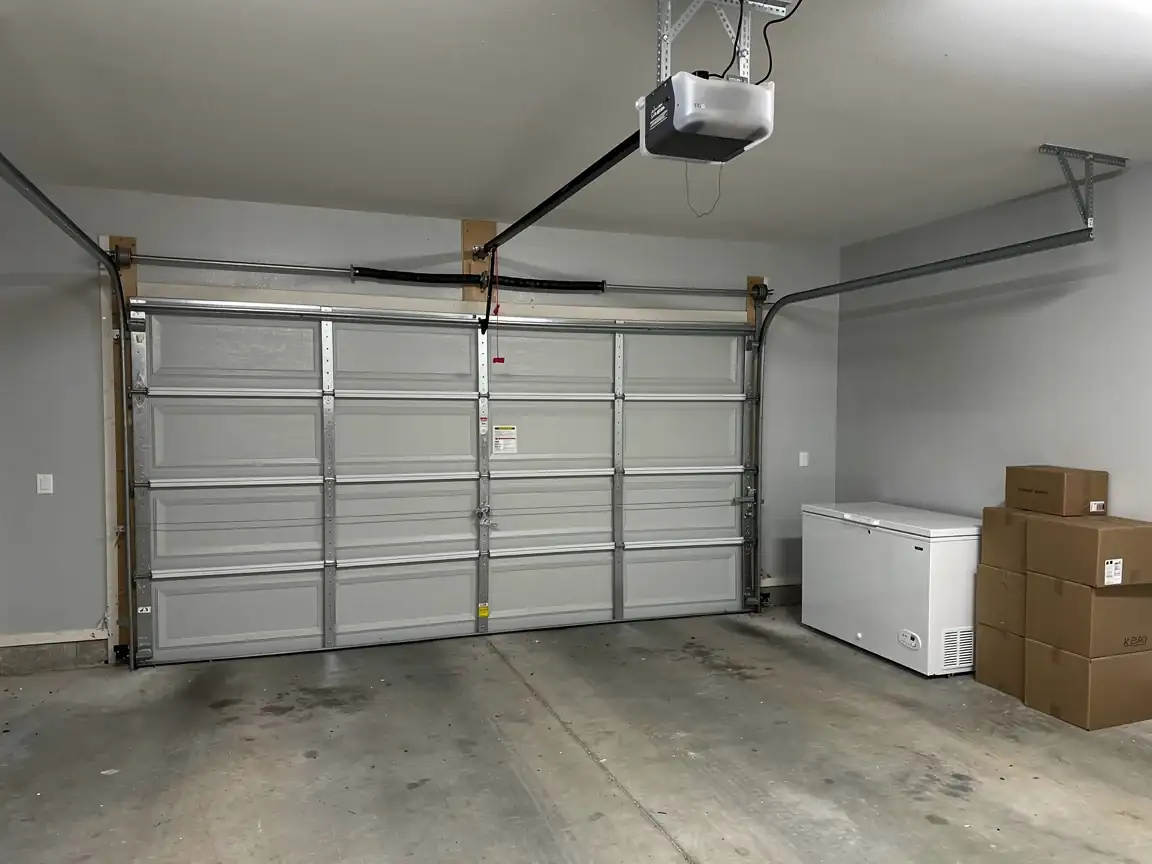
A door that slams the last six inches instead of settling is usually a dead or dying spring taking less of the load than it should. A door that drifts back down after the opener stops is the same story from a different angle. If the opener hums and the door doesn't move, check whether a cable has come off the drum before you assume the motor's shot - on 1970s-era hardware the drums themselves have often never been replaced. Grinding or popping from one side usually means a roller or a bent track bracket, not the spring. Cold makes all of this worse: a borderline spring that limped through October can snap outright on the first hard freeze, because cold steel is less forgiving and lubricant thickens up right when the door needs it most.
The Cost of This Job
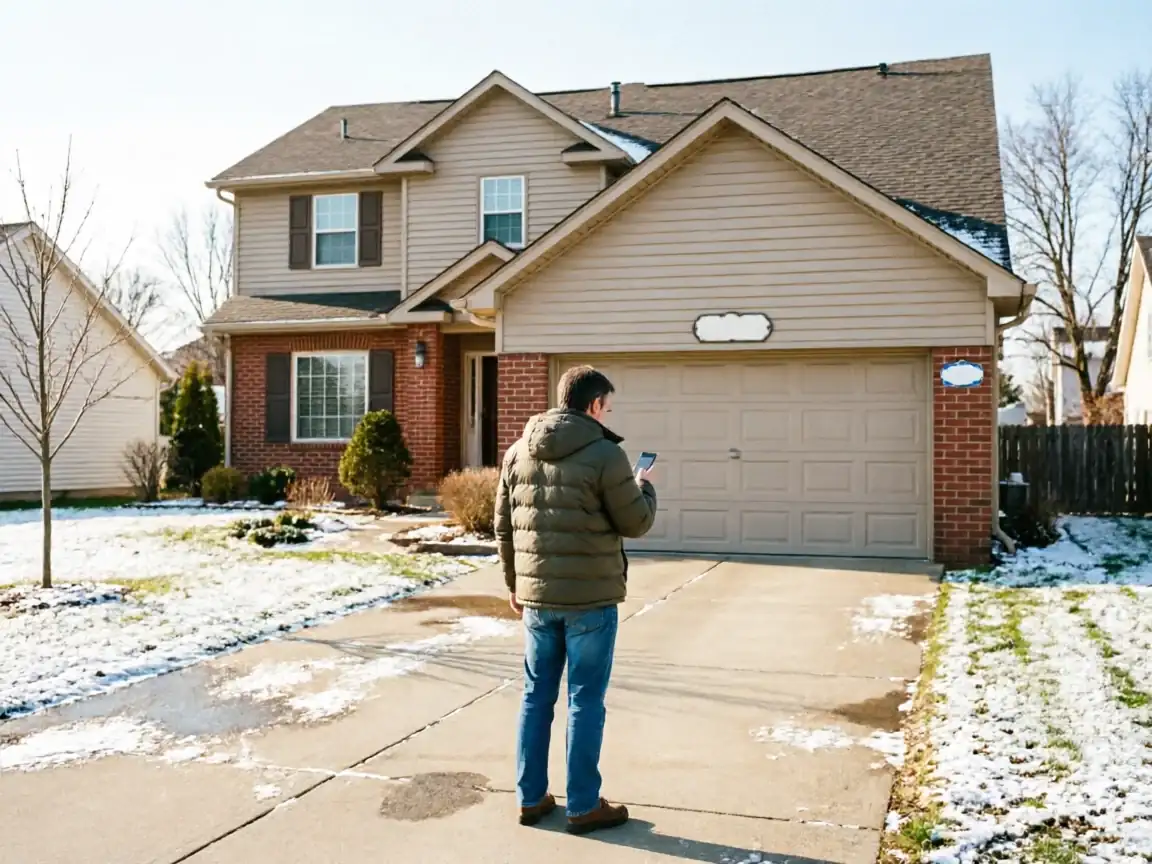
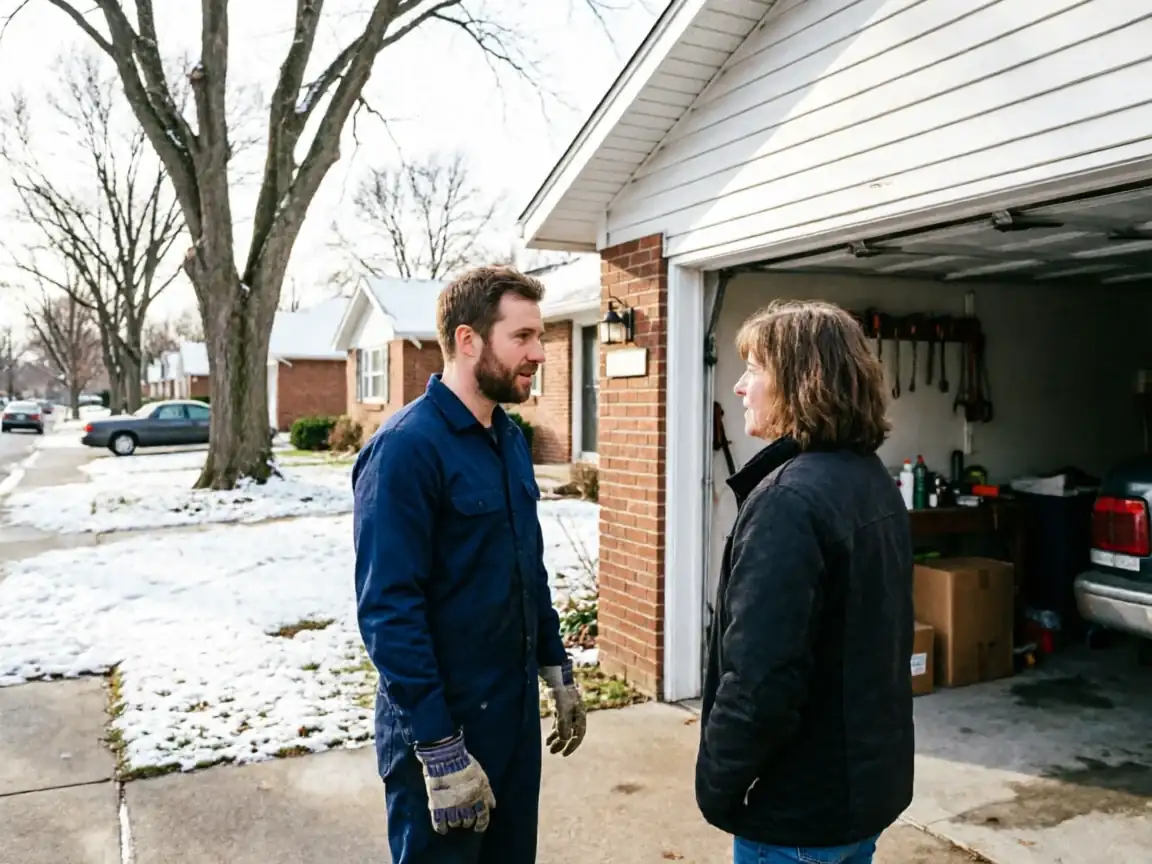
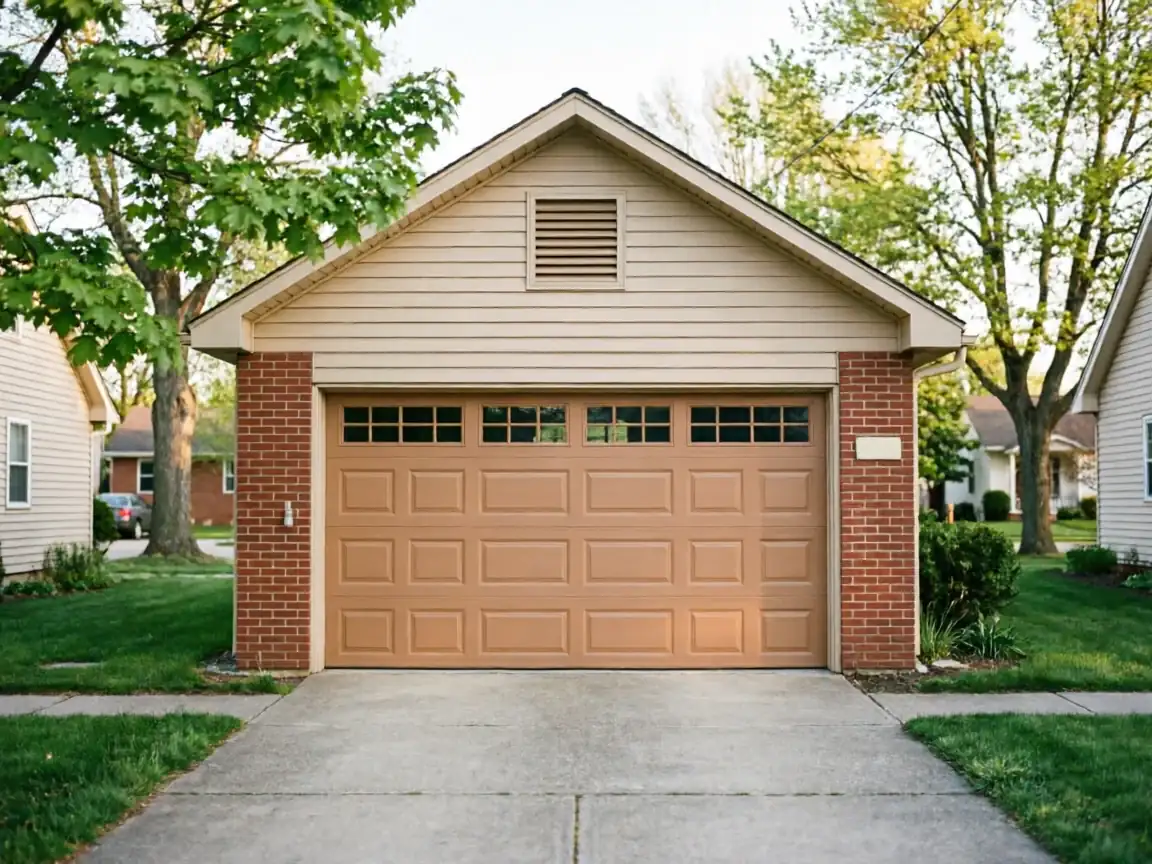
We don't publish flat prices for Caledonia calls because the spread between a single-spring swap and a full torsion conversion on an older door is wide, and quoting blind does nobody favors. What we can tell you is what drives the number: spring size and type, whether it's a single door or a double, whether the drums or cables need to come off at the same time, and whether the opener is original or already replaced. On a street of houses built in the same stretch of the late 1970s, we'll often see two doors needing nearly identical repairs - that's useful for us when we're scheduling, less useful as a promise of what yours will cost until we've looked at it.
What the Fix Involves
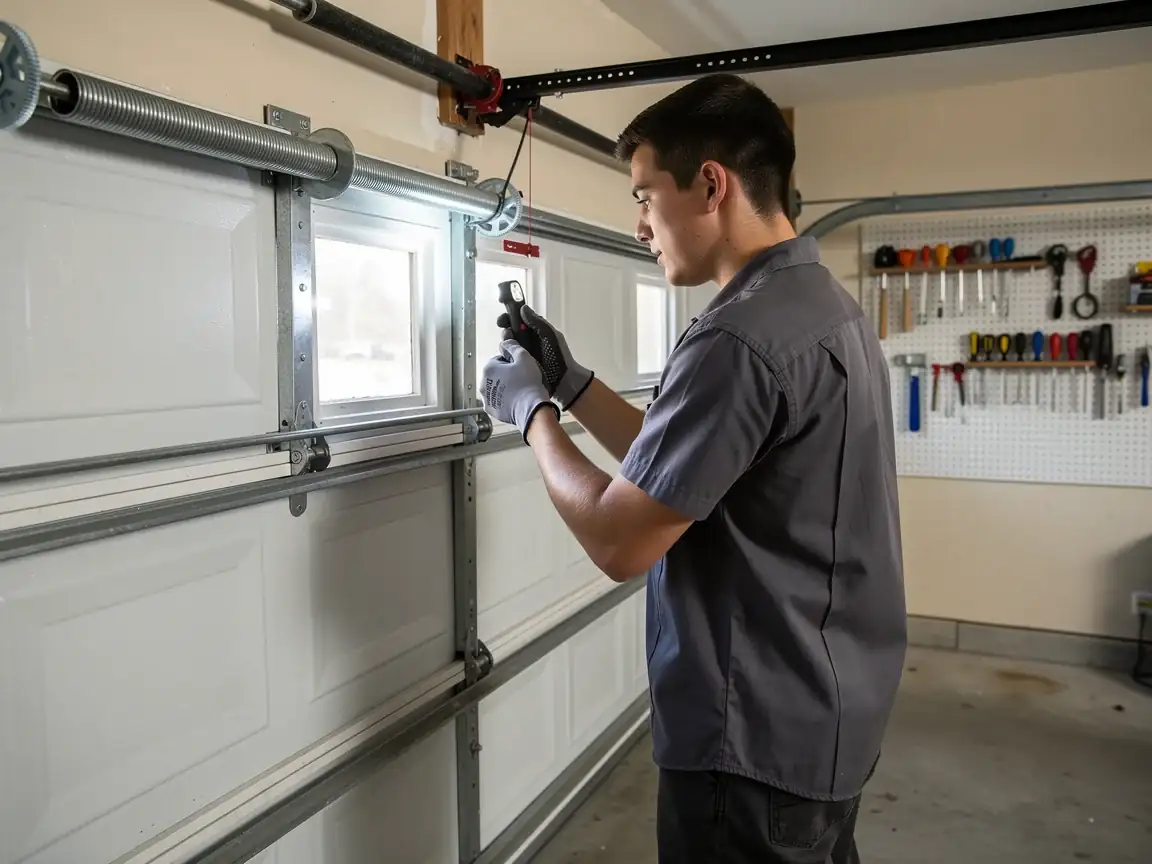
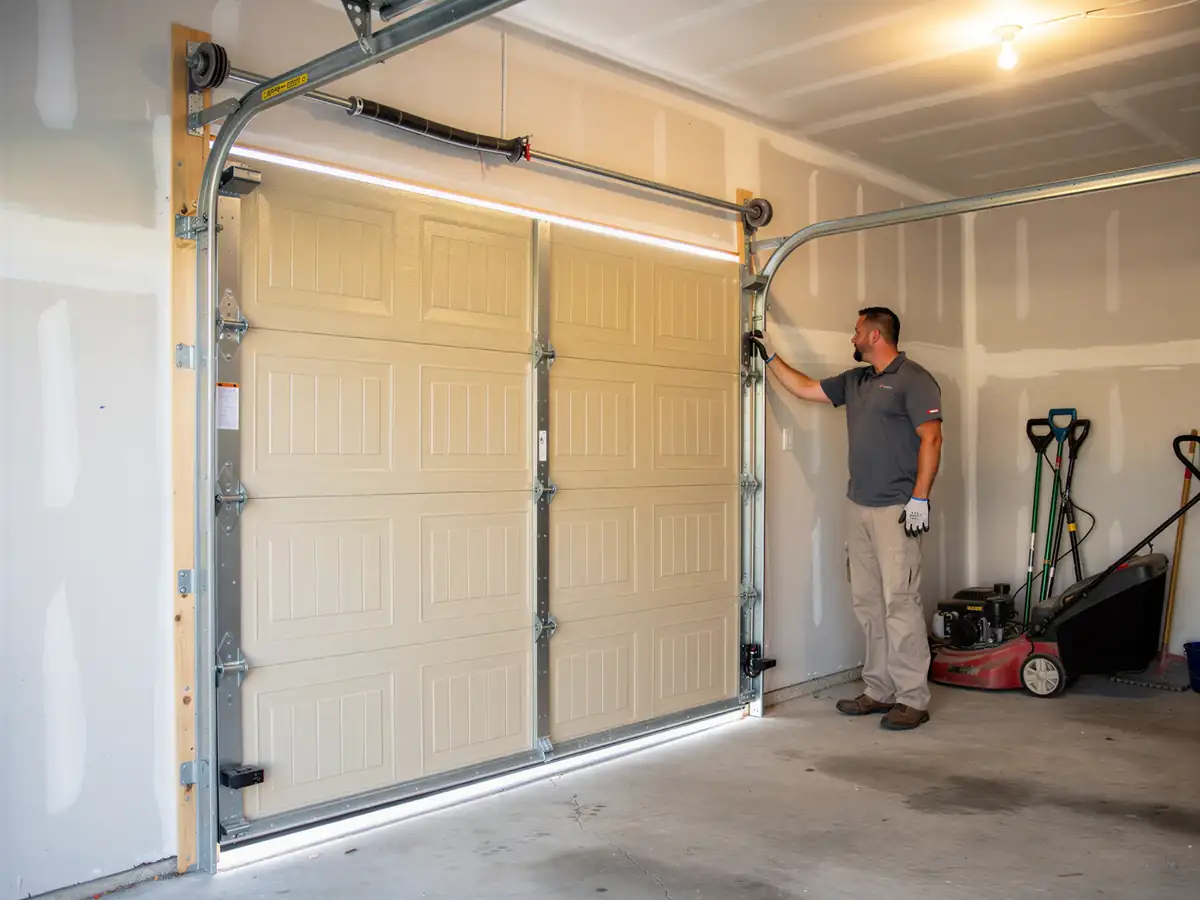
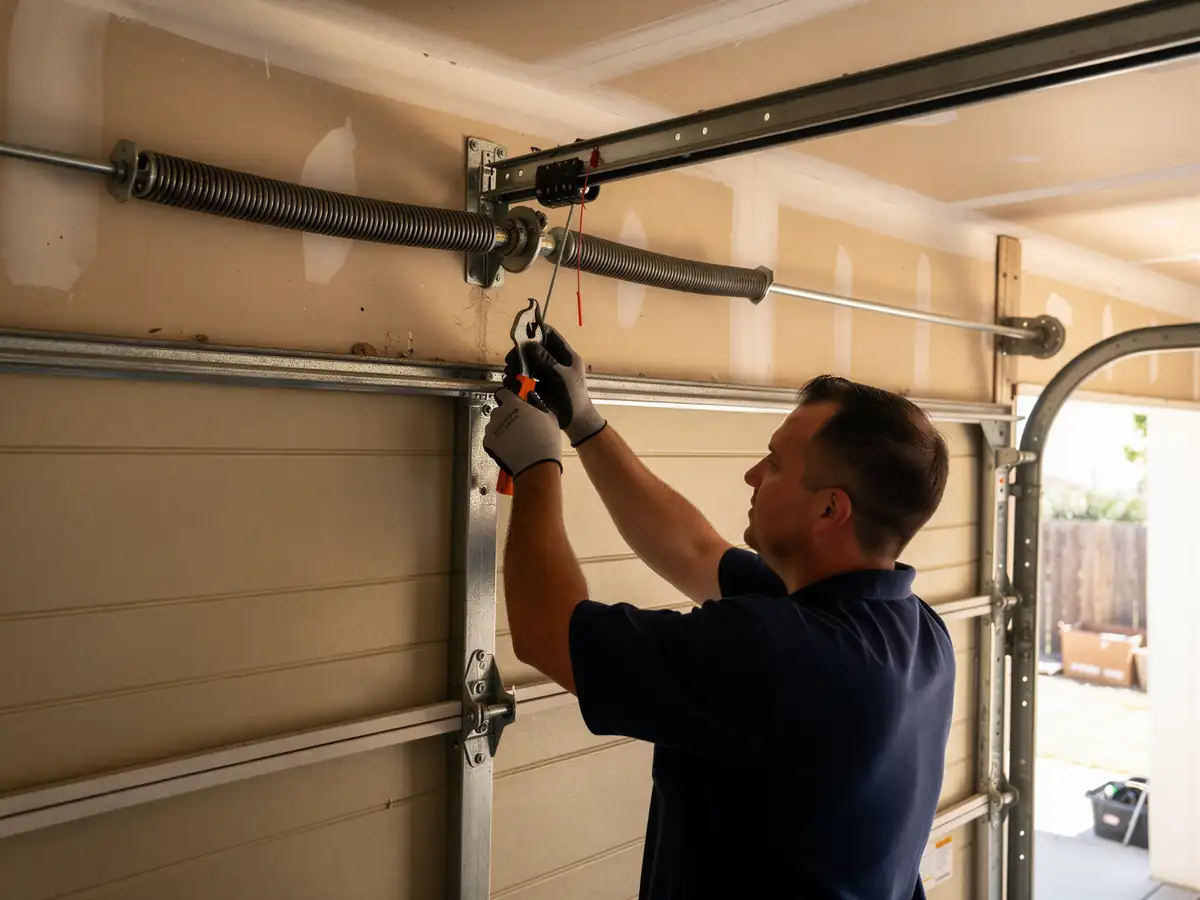
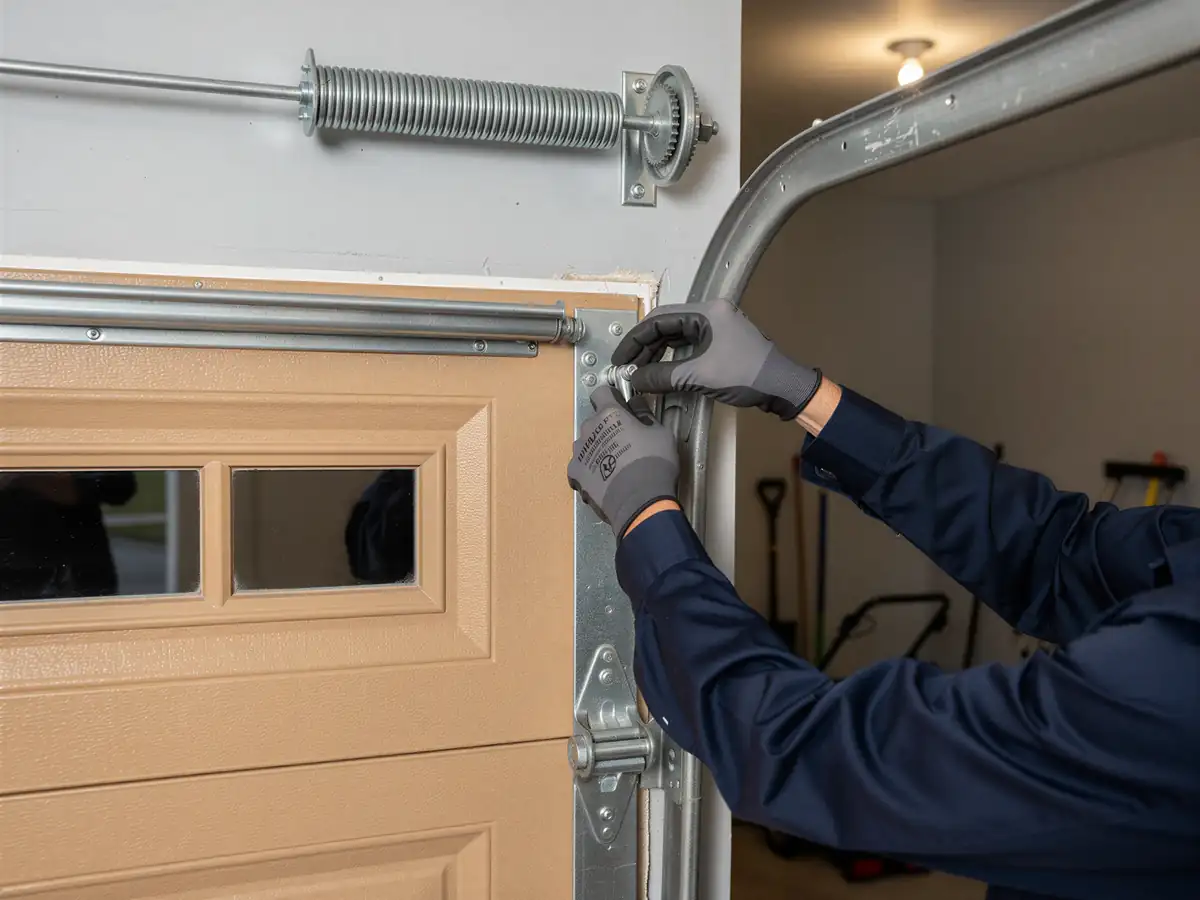
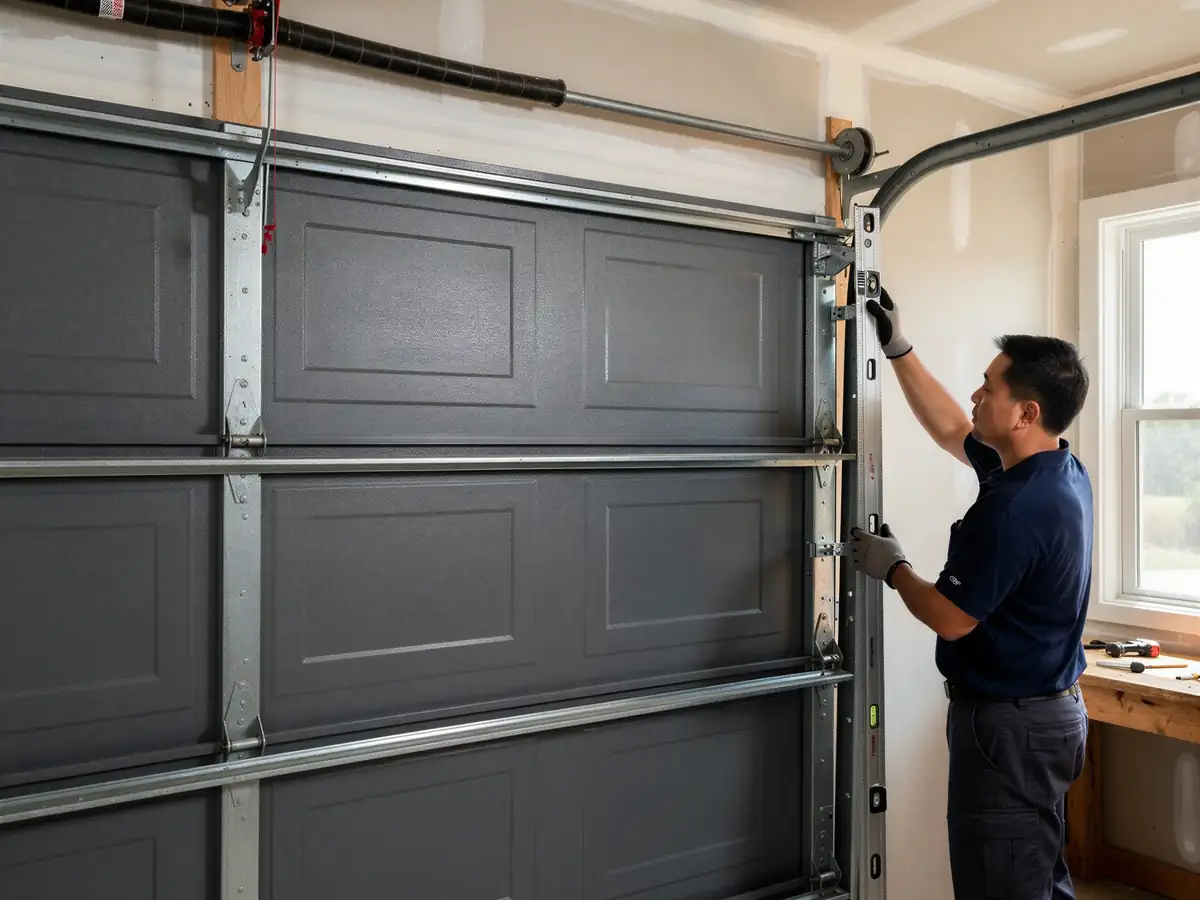
On a torsion system from this era, the fix starts with releasing tension safely, then pulling the old spring off the shaft and matching the new one for wire size, length, and wind direction - get any of those wrong and the door's weight distribution is off even after the repair. If the cables or center bearing are original too, we replace those in the same visit rather than send the door back out with one weak link left in place. For extension-spring doors, which some of the older Caledonia stock still has, the job also means checking the safety cables that keep a broken spring from becoming a projectile - a lot of those were never installed to begin with on pre-1990s doors, and we'll flag that even if it's not what you called about.
The DIY Question
Loose bolts, a dirty track, a sensor knocked out of alignment - those are reasonable for an owner to handle. A torsion spring under tension is not, full stop; it's stored enough force to break a bone or worse, and that doesn't change because the house is older or newer. The honest limitation here: if your door's hardware is original to a 1970s build and one part has failed, we'll usually recommend replacing the related wear parts at the same time rather than patching just the one thing that broke, because a second failure on 45-year-old steel within the year is common enough that it's not worth the second trip for you or us.