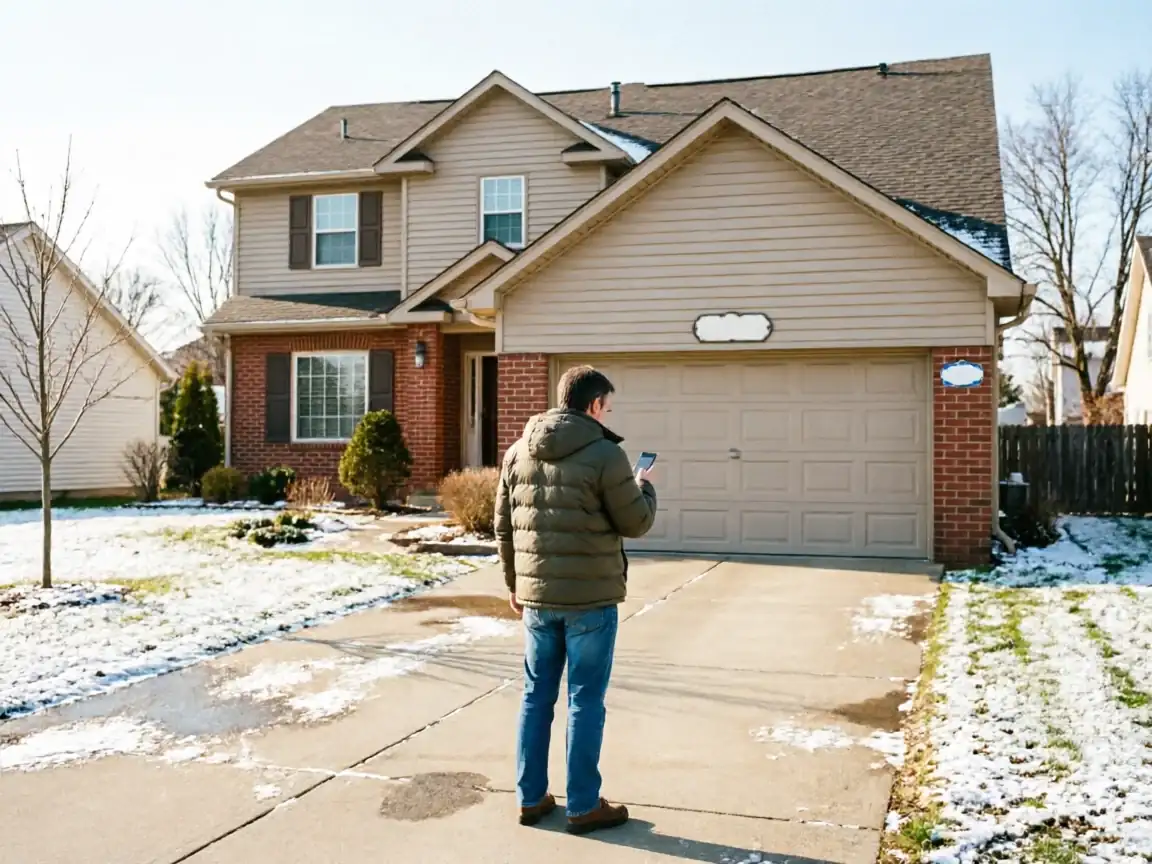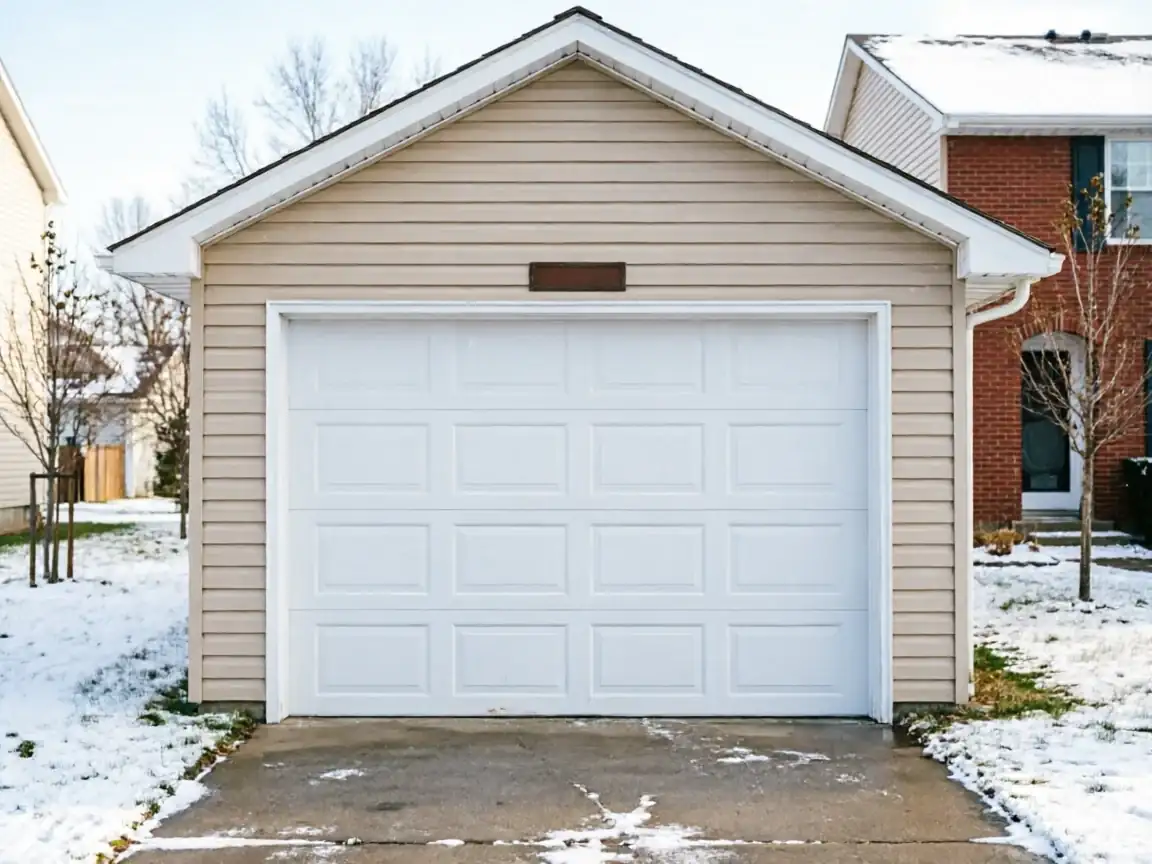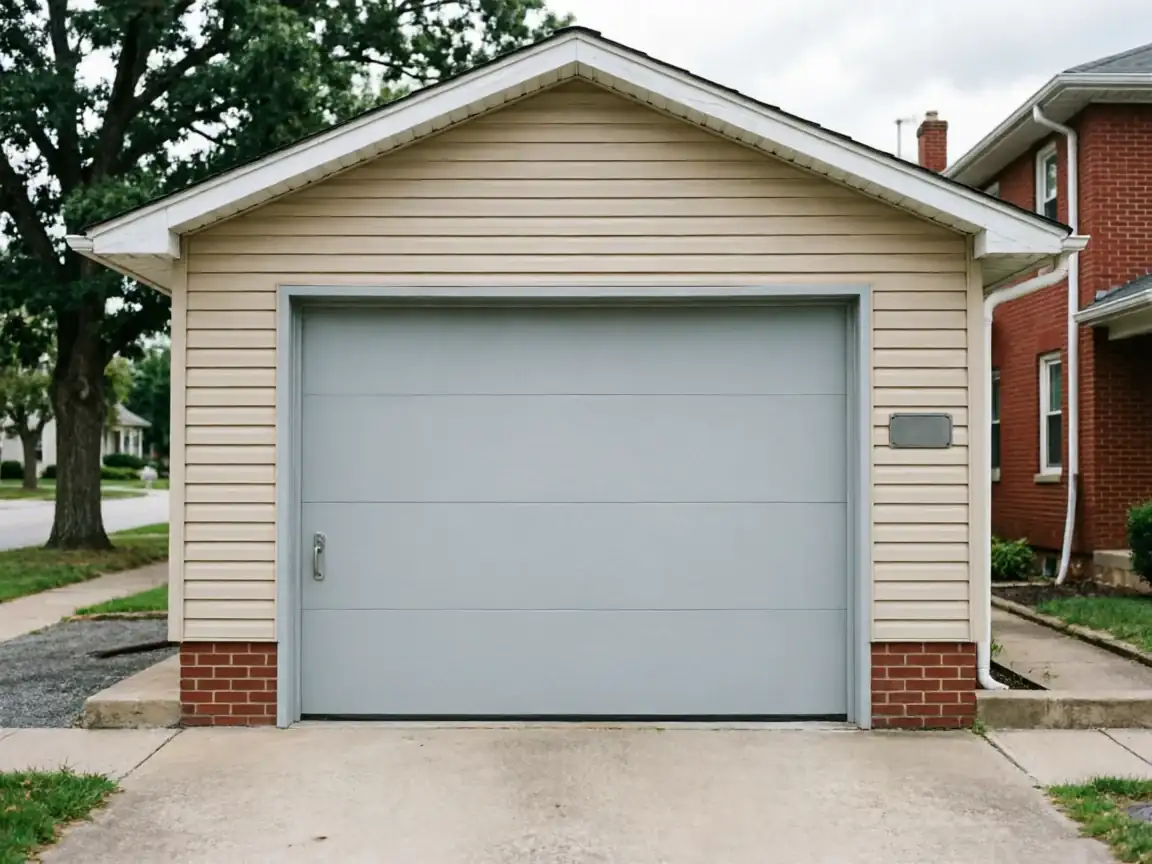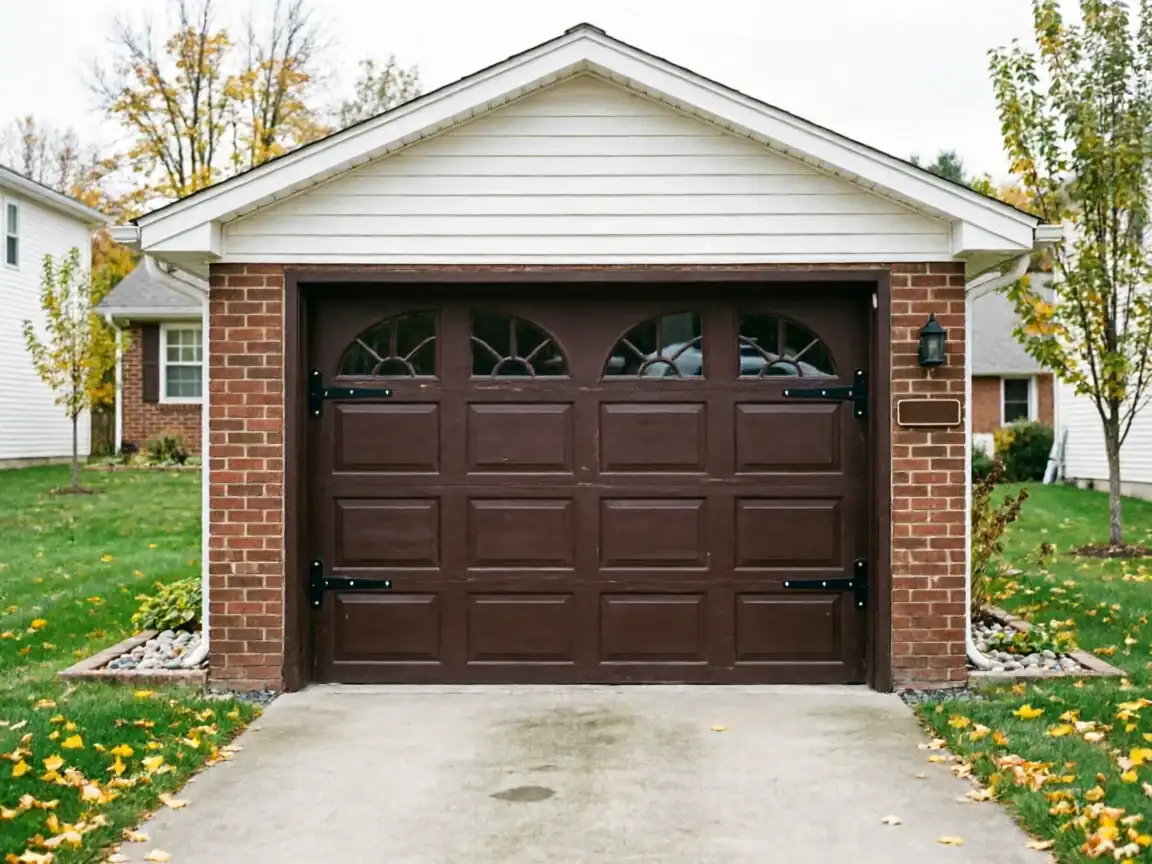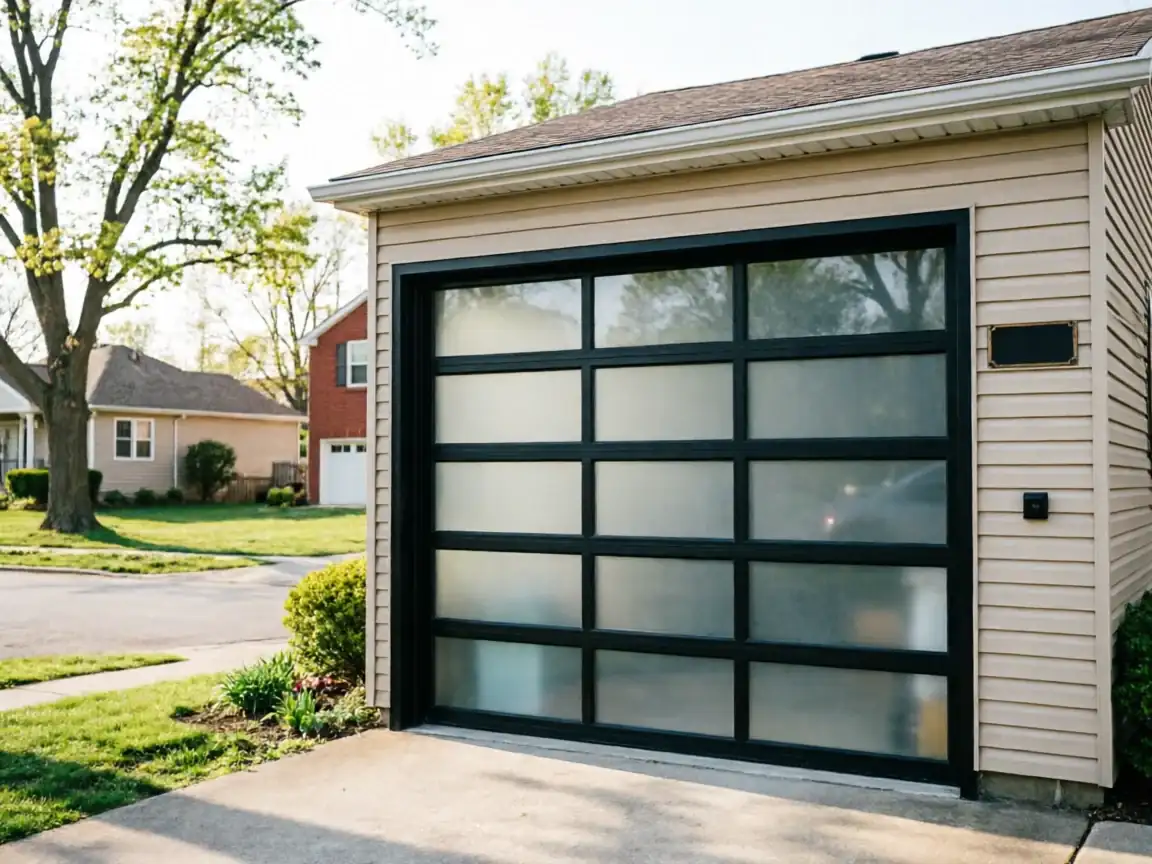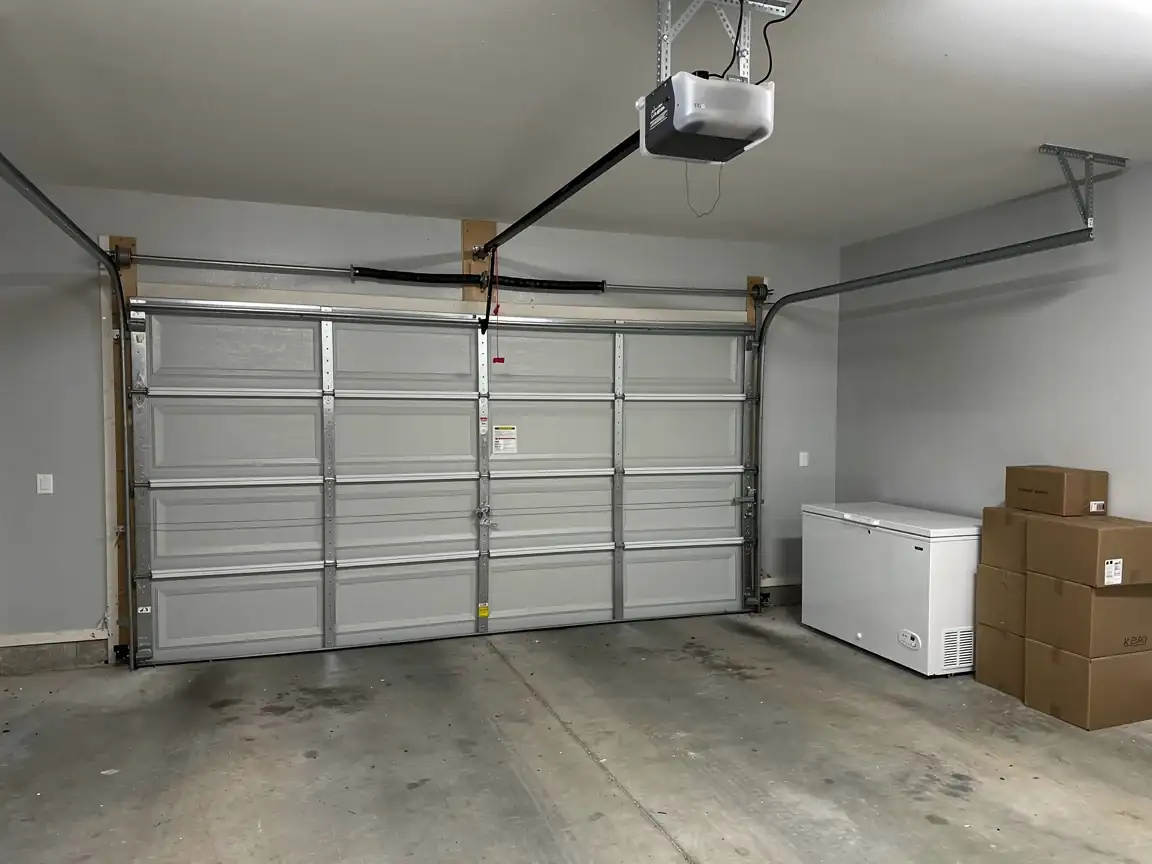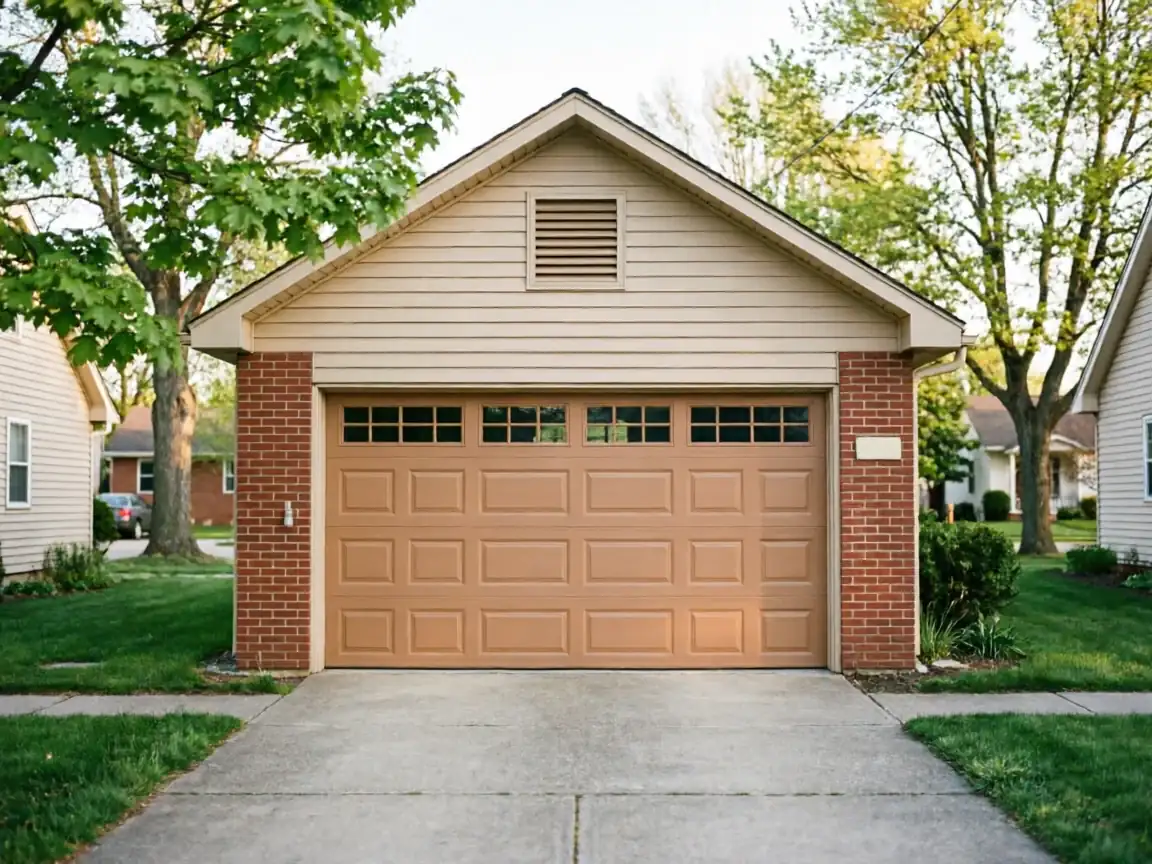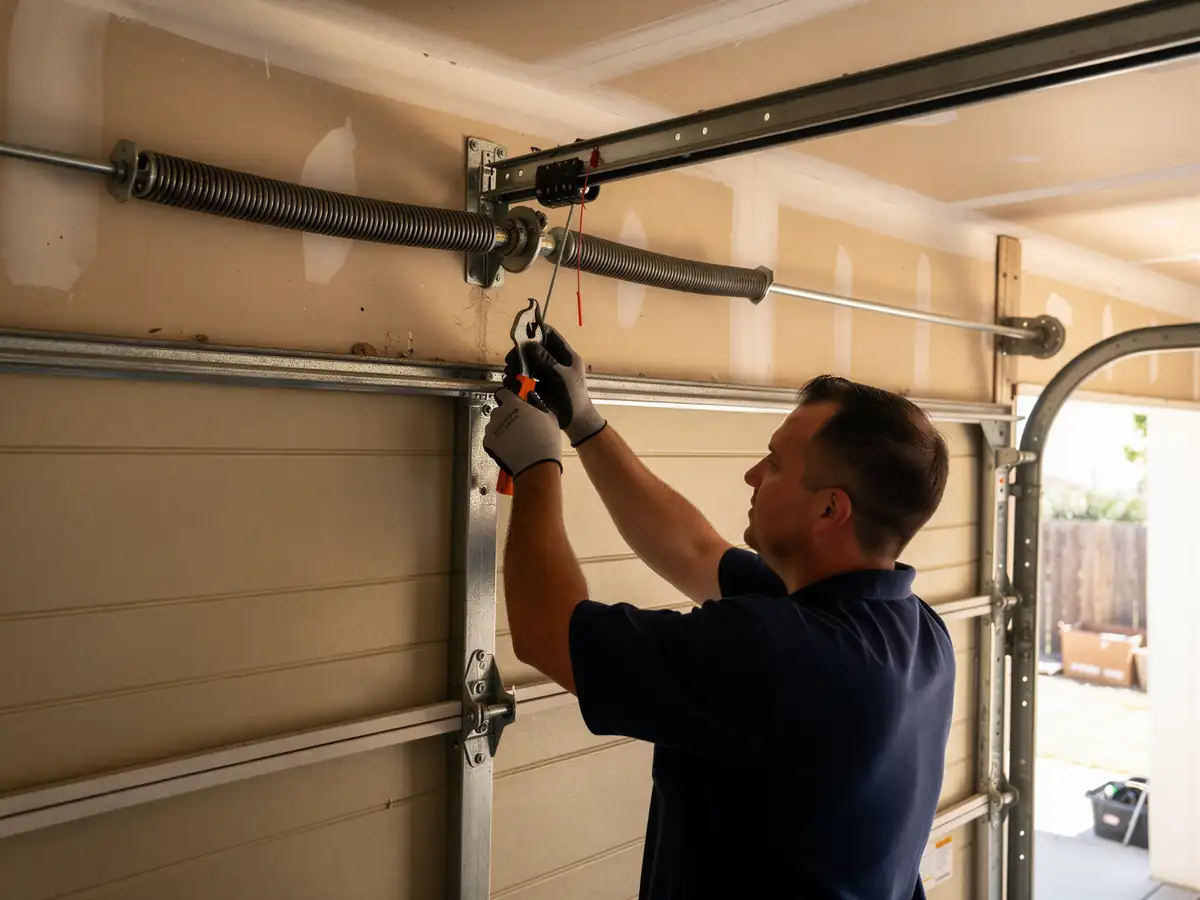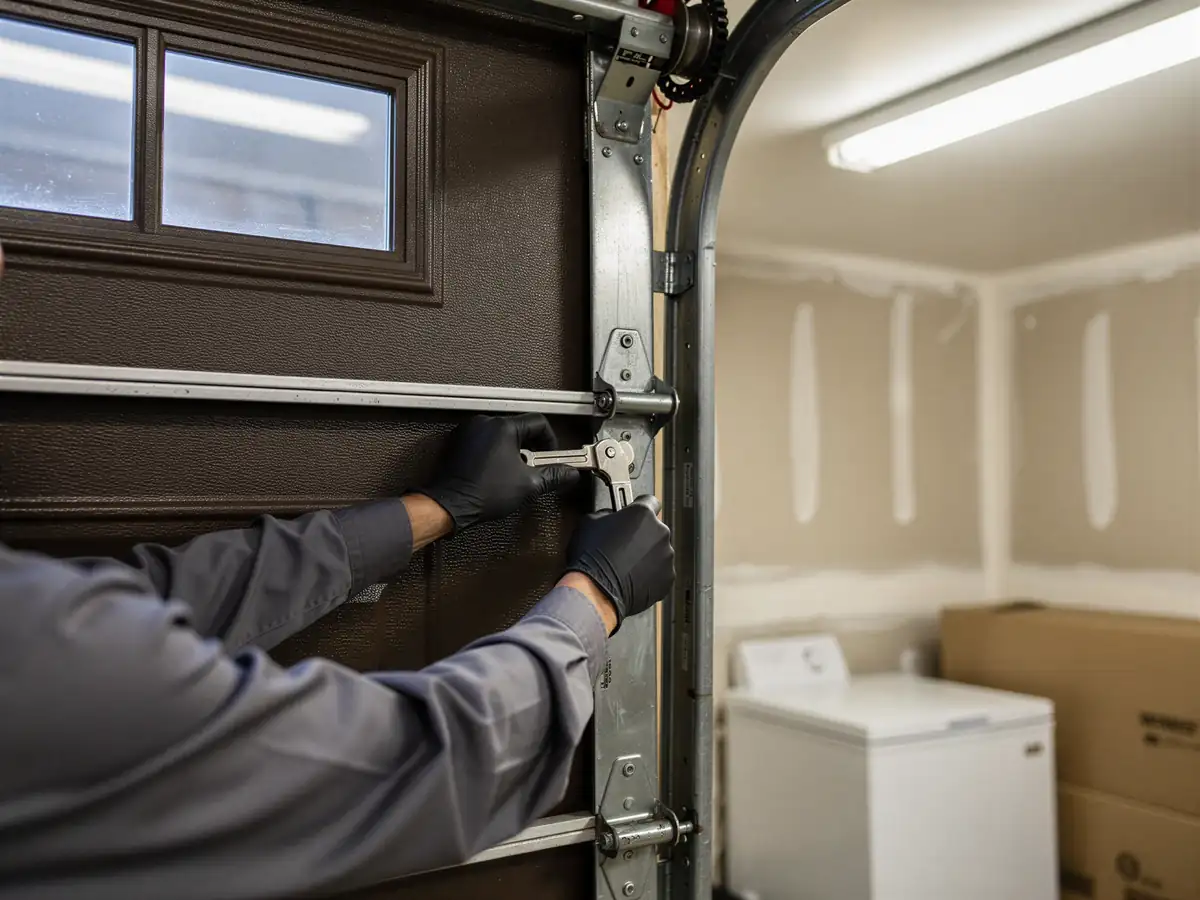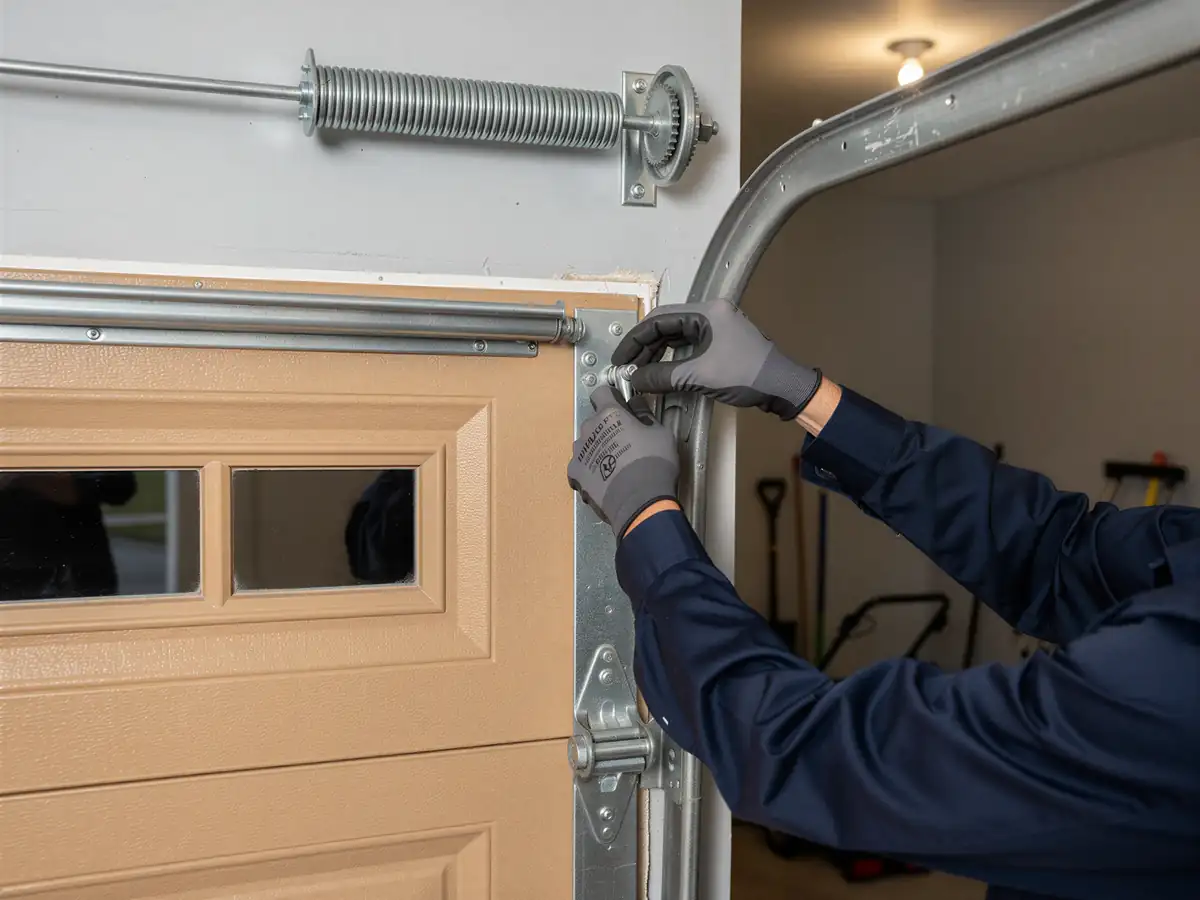
What You Are Seeing
The early sign is a grinding or popping sound right as the door passes the mid-point of the track, where the roller's worn flat spot hits the rail. Some owners notice the door hesitating or jerking at that same spot every time, not randomly. If a roller has actually cracked, you'll see the door sag slightly to one side when it's down, or the panel edge sitting a little proud of its neighbor. Cold makes it worse - steel rollers in an unheated Caledonia garage contract in deep cold, so the slop in a worn bearing shows up as rattle before it ever shows up as a jam. If your door is binding only on the coldest mornings and freeing up by afternoon, that's a roller and track clearance issue, not a spring problem.
The Cost of This Job
We don't have a posted price for this job and we're not going to invent one here - cost depends on whether you're swapping a couple of rollers or doing the full set of ten to twelve on a double door, and whether the track itself needs straightening or replacing from the wear. What we can tell you is that a full roller set is a small fraction of what a new door costs, and for a 1978-era steel door still doing fine structurally, roller replacement is almost always the cheaper and more sensible call than replacing the whole unit.
What the Fix Involves
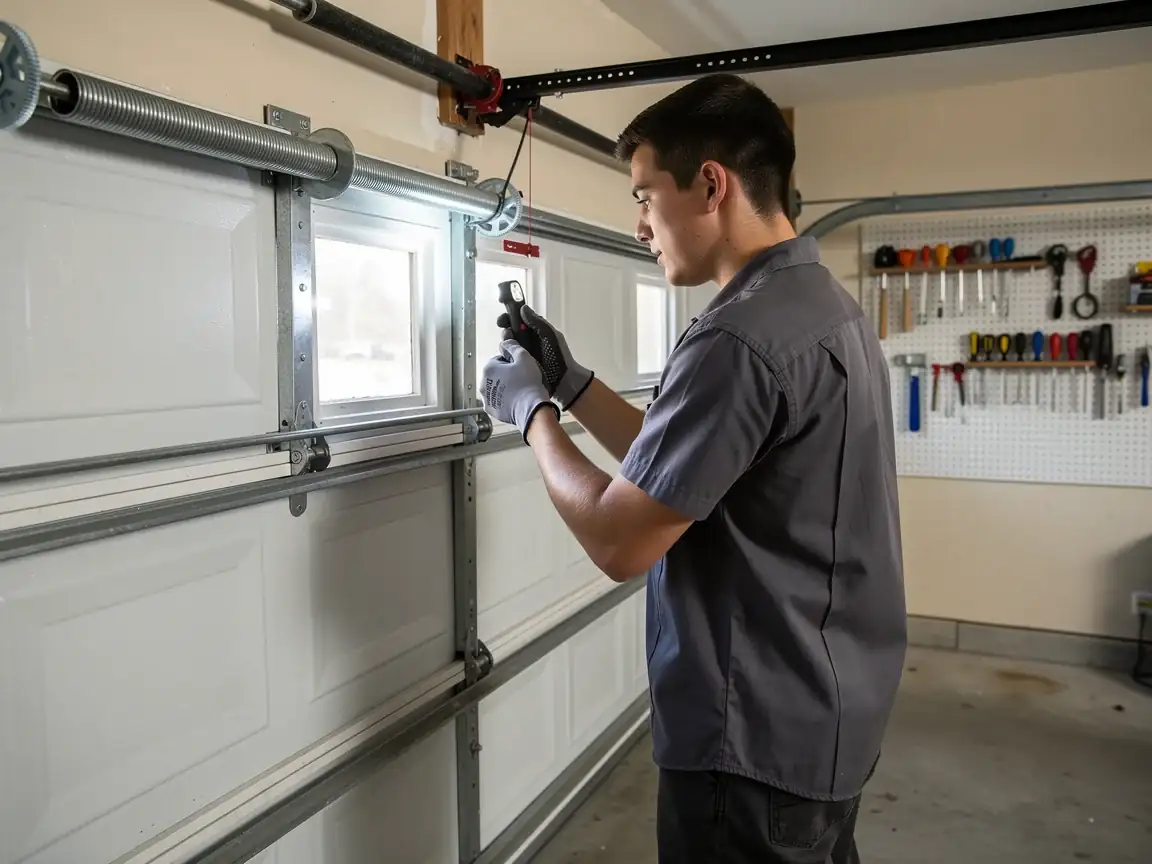
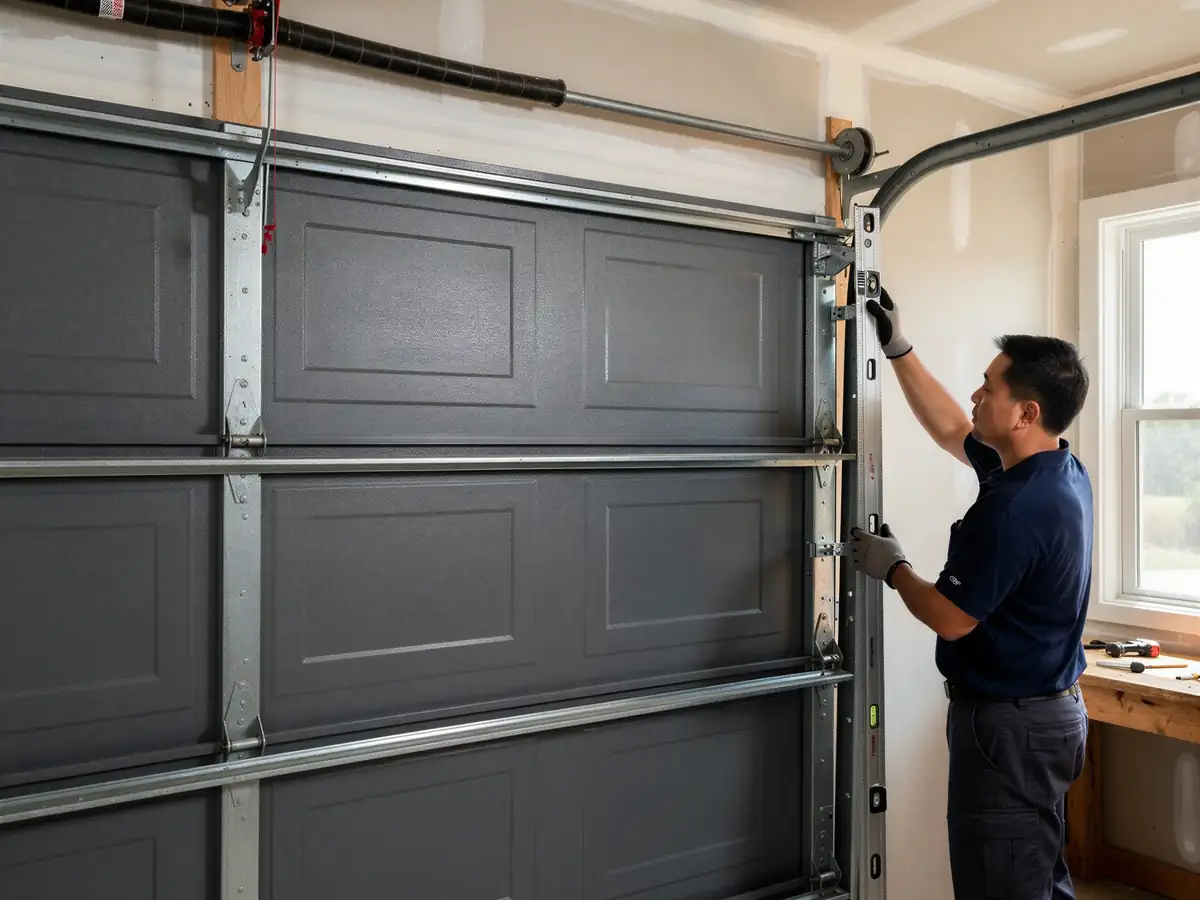
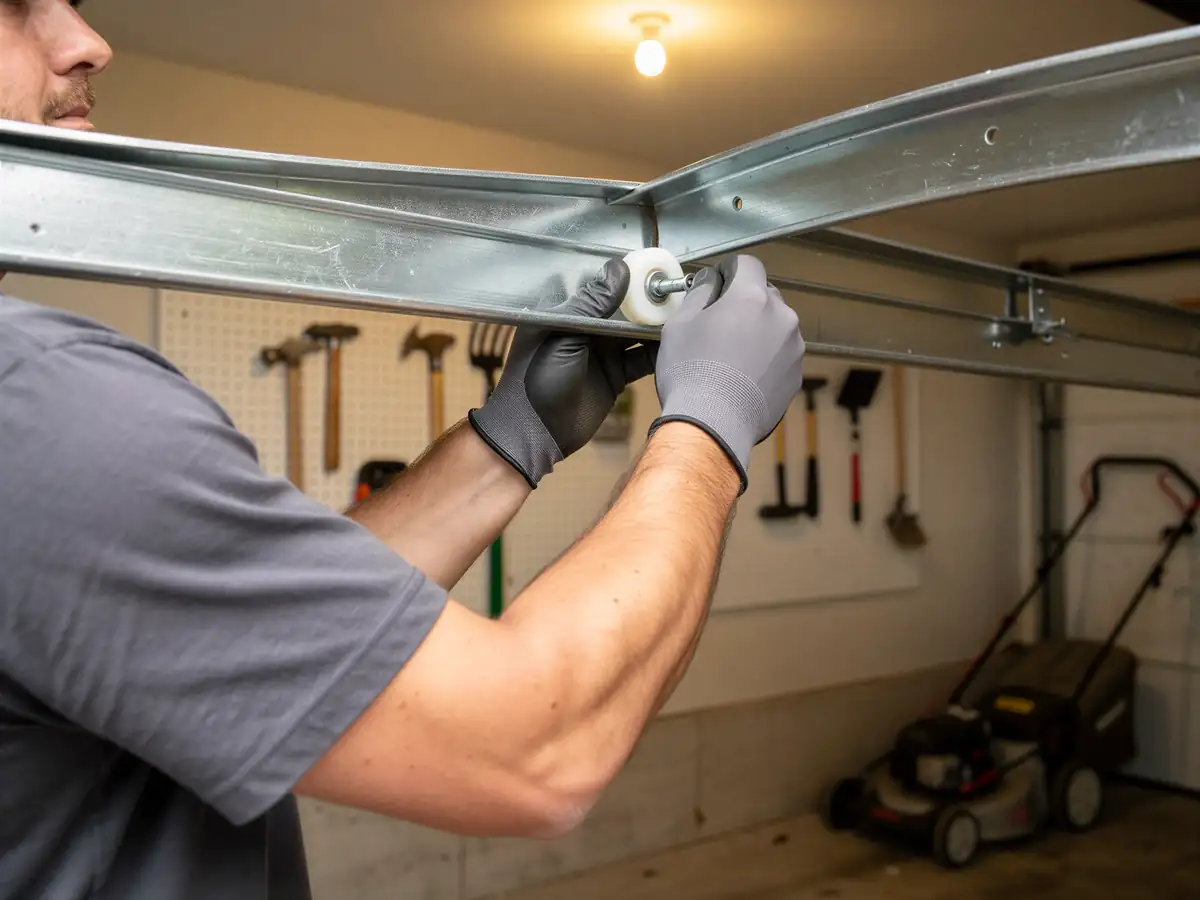
We pull the old steel rollers and replace them with sealed nylon rollers - quieter, no grease needed, and they don't pit the way open-bearing steel does in cold storage. On a door from the late '70s, we check the track alignment at the same time, since a track that's been running a worn roller for months often has a slight bow at the wear point that needs correcting before the new rollers go in. We also check the hinges the rollers sit in - on original hardware that old, a bent hinge is as common as a bad roller, and replacing one without the other just moves the noise somewhere else.
The DIY Question
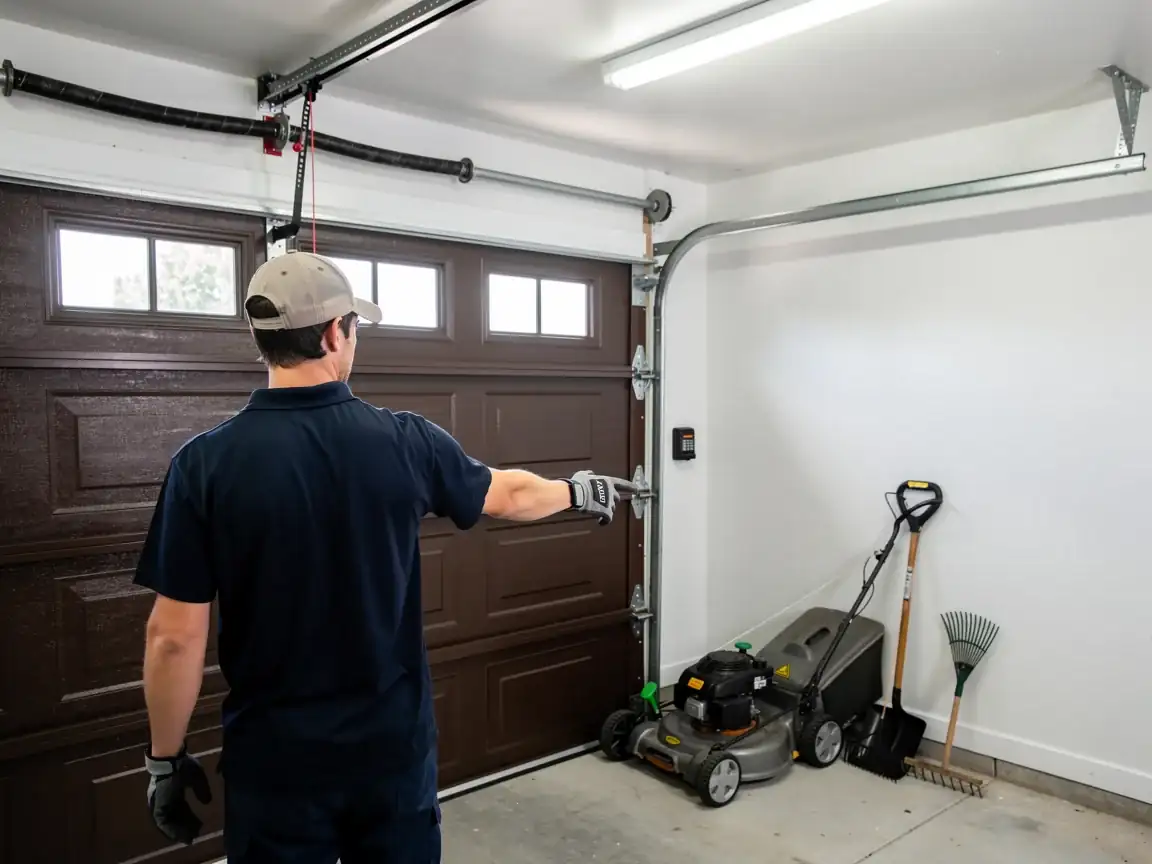
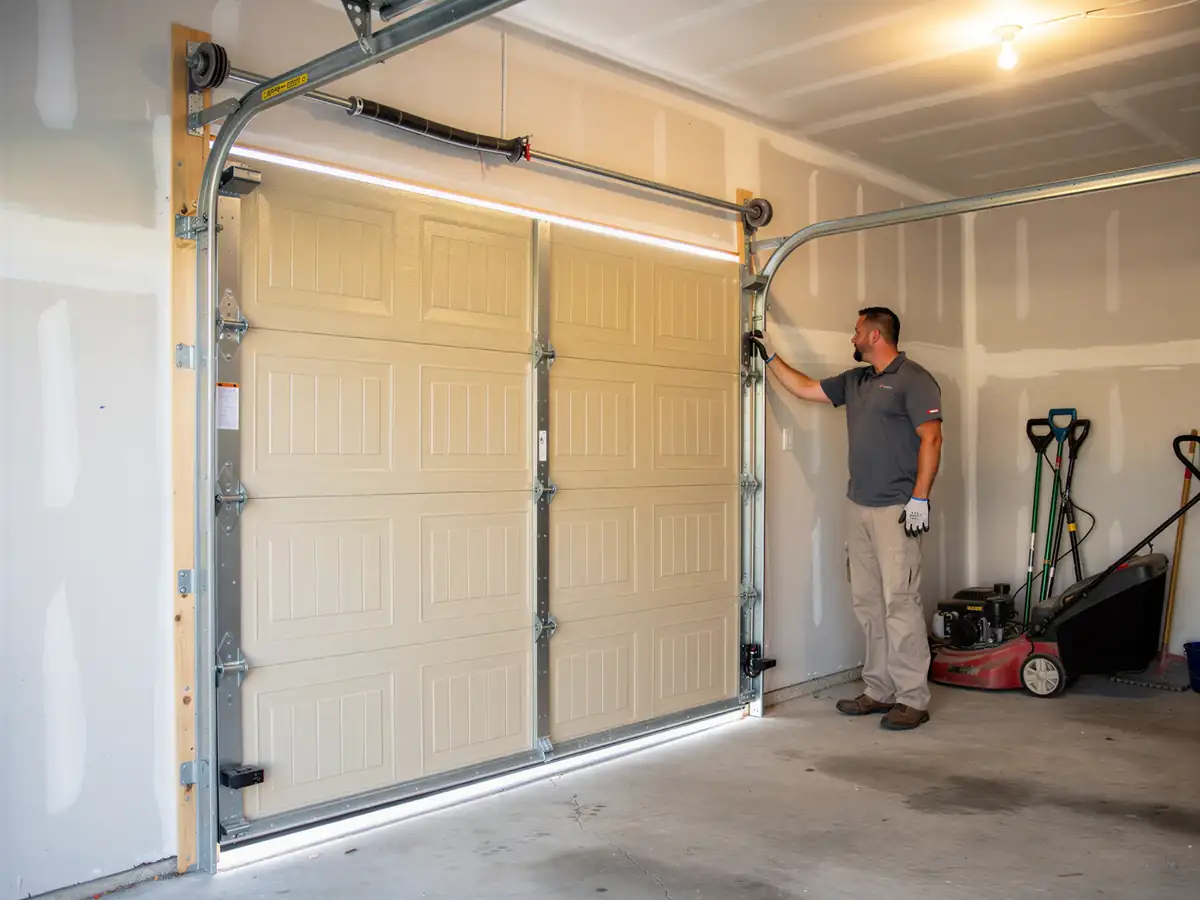
Swapping a roller or two on the bottom panels, with the door down and the opener disconnected, is within reach for a homeowner who's comfortable with hand tools. The rollers higher up the track, near the springs and cables, are a different matter - that's where a slipped tool or a dropped roller can let a cable come loose under tension, and that's not a repair to learn on your own garage. If you're not sure which rollers you're dealing with, that's worth a call before you start.