Serving West Allis, WI & nearby
(414) 392-8426
West Allis, WI

Garage Door Maintenance for Caledonia's Late-1970s Housing Stock

Caledonia homes built mostly after 1978 run galvanized torsion springs rated for cold-climate cycling. We service them from West Allis, 16 miles out, on scheduled visits.

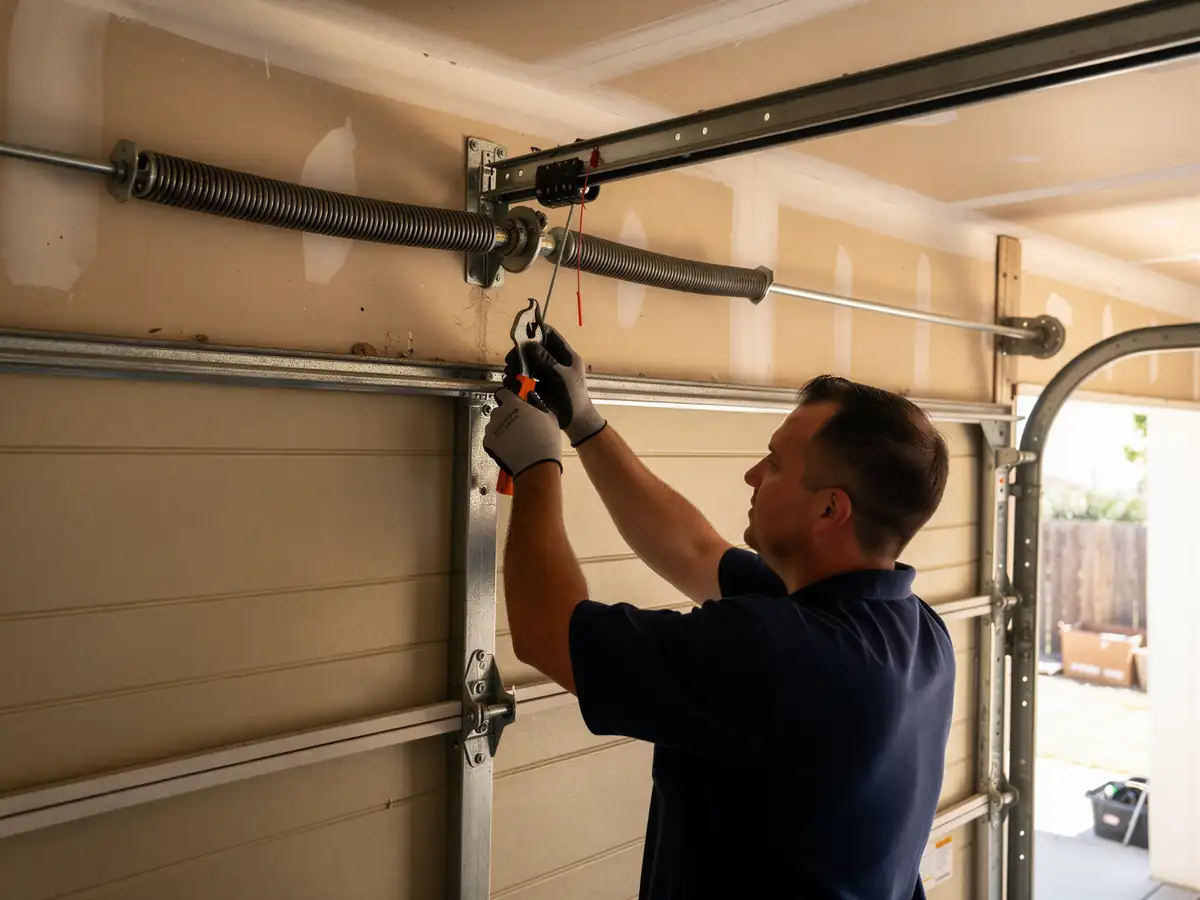
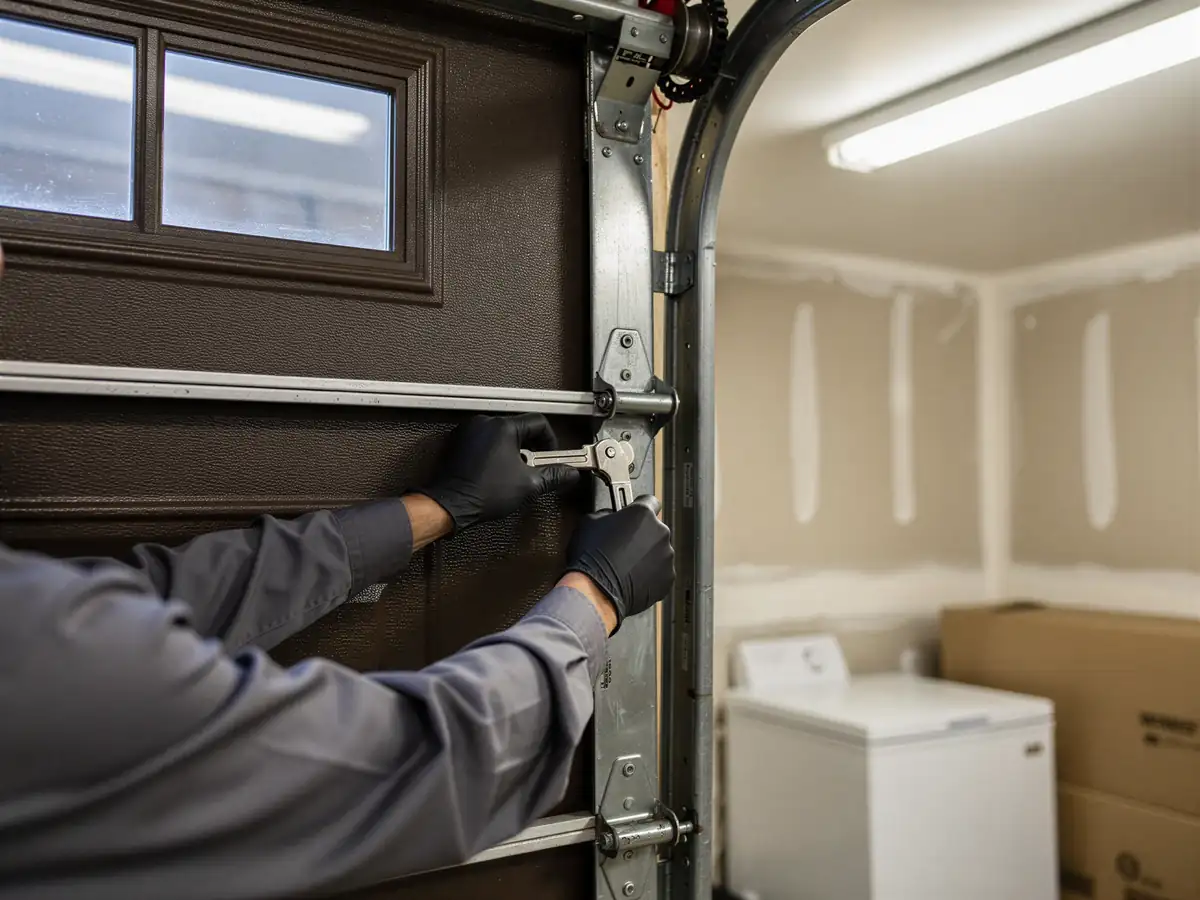
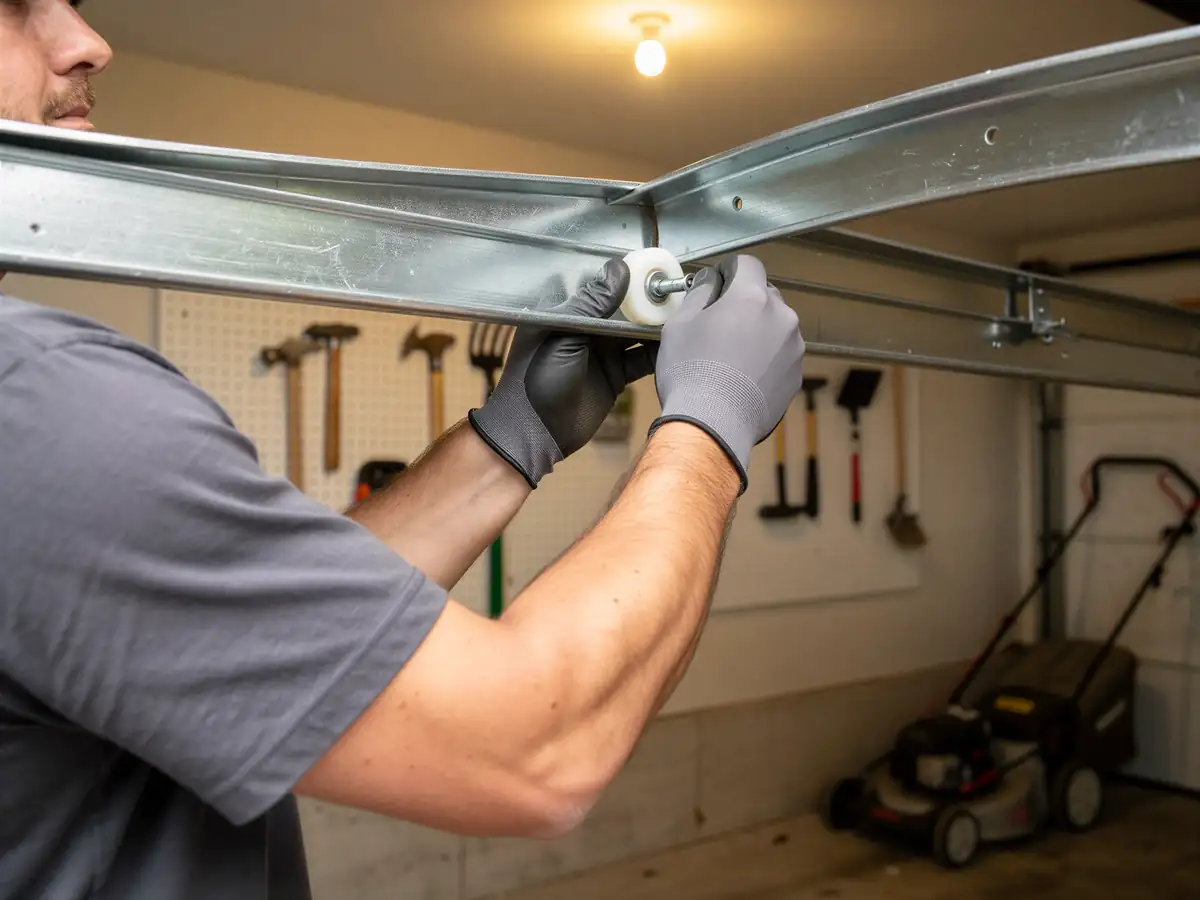
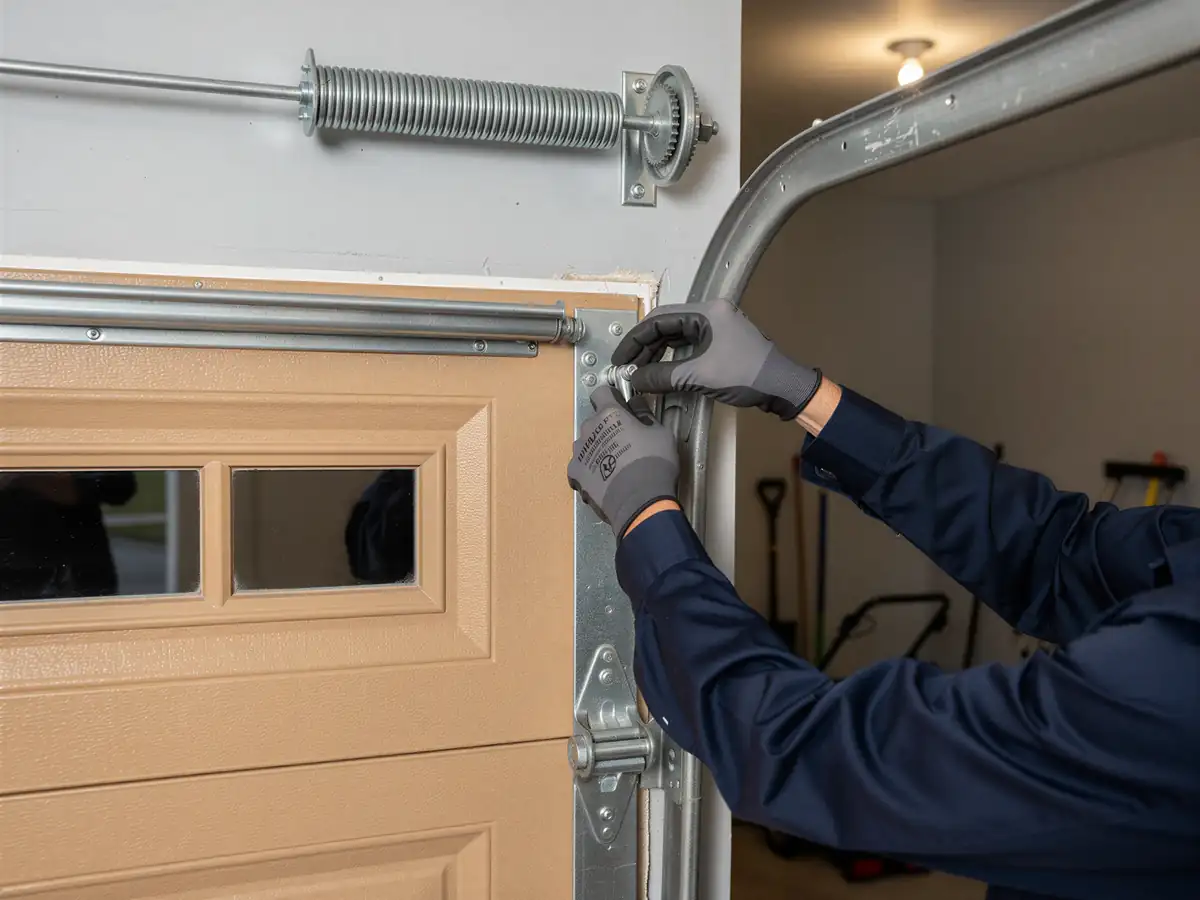
A technician in gray gloves works on a beige garage door with a torsion spring above.
West Allis, WI
8 services
8 service areas
Diagnosis first, then the fix

What Can Go Wrong

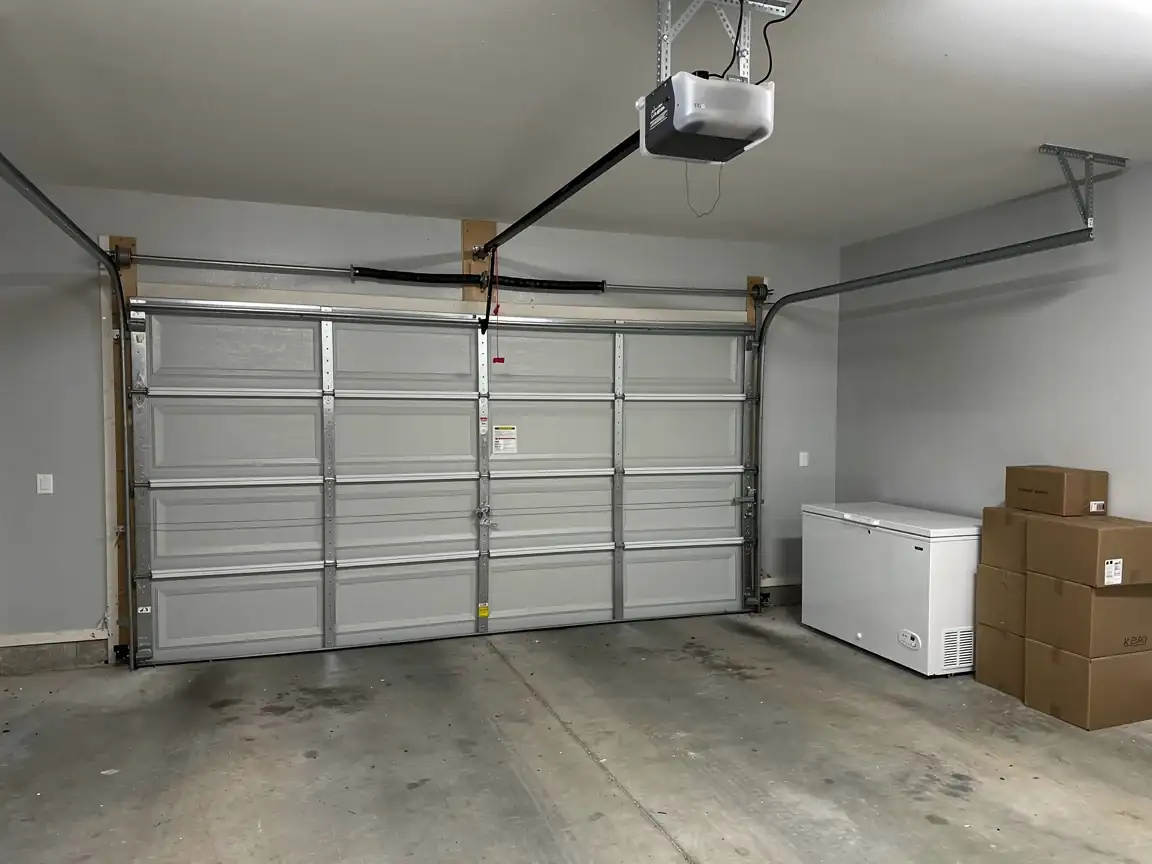
Most of the trouble we see on Caledonia calls traces back to one thing: these doors were built for a winter that's gotten harder on hardware than it used to be. The service area's housing runs from 1938 to 2000, but Caledonia's own median build year sits at 1978, a couple years past the area-wide median of 1976. That means a lot of torsion springs and track hardware out here are the galvanized, lower-cycle-rated parts that were standard in the late '70s - not bad parts, just parts that have now done forty-plus winters of cold-metal contraction. In a severe cold climate band, steel springs lose a measurable amount of lift force every time the temperature drops hard, and that stress adds up fastest on hardware this age. What fails first is usually the spring itself, followed by worn end bearings on the torsion shaft and rollers that have gone from nylon-smooth to pitted. None of that shows up as a sudden bang - it shows up as a door that starts working harder every month until one day it doesn't work at all.

What You Are Seeing

If your door is from that era, the early signs are subtle. The opener strains and groans before the door moves, or the door itself seems to hesitate about a third of the way up - that's a spring that's lost tension and is making the opener do a job it wasn't built for. You might notice the door doesn't sit flush at the bottom anymore, or that one side drops a half-inch faster than the other when it closes. Cold mornings make all of this worse and more obvious, because steel is less forgiving at low temperatures and lubricant that was fine in August goes gummy in January. None of these on their own mean the door is about to fail, but together they're the signature of hardware that's aged out of its working tolerance rather than hardware that's broken outright.

The Cost of This Job

We don't publish flat prices here because the actual cost depends on what the inspection turns up - a lubrication and adjustment visit is a different job than replacing a spring that's already lost most of its tension. What we can tell you is that households in this area, with a median income around $91,053, more often choose a scheduled maintenance visit over waiting for an emergency spring failure, because the maintenance call is planned and the failure call isn't. If your hardware is original to a 1978-era build, expect the technician to flag at least one wear item for replacement rather than just adjustment - that's normal for hardware this age, not a sign something was missed.

How Long It Takes

A standard maintenance visit - lubrication, track and hardware inspection, spring tension check, opener force adjustment - runs about the same regardless of which suburb we're in. What changes the clock in Caledonia is travel: we come from West Allis, roughly 16 miles out, so the visit itself needs to be scheduled rather than same-day. Once the technician is on site, the inspection and service portion is the quick part. If the inspection turns up a worn spring or bearing that needs replacing on the spot, that adds time, and depending on the part, it may mean a second visit if it's not something carried on the truck.

What the Fix Involves

For a door with original or near-original hardware, the fix usually starts with pulling tension off the torsion spring to check for stretch or corrosion, then inspecting the end bearing plates and center bearing where the shaft has been turning for decades. Rollers get checked for flat spots and swapped if they're not rolling true anymore. The opener's force and limit settings get rechecked, since a spring that's lost even 10-15% of its lift changes how hard the opener has to work to finish the cycle - and that mismatch is what burns out gear sets early. On a severe-cold-climate installation like this one, we also check that lubricant on track and hinges is rated for low temperature, since standard grease stiffens up and adds resistance exactly when the spring has the least extra force to spare.

The DIY Question

Lubricating hinges and wiping down tracks is fine to do yourself, and it's worth doing a couple times a year regardless of who services the door. What's not worth doing yourself is anything involving the torsion spring - it's under enough stored tension to cause real injury, and on hardware this age the spring and its mounting hardware are often more corroded than they look from the ground. The honest limitation here: if your spring is original to a 1978 build, we're not going to try to just lubricate our way past it. At that age, a spring replacement is usually the right call over a repeated adjustment, because a spring that's lost tension once will keep losing it.
How it works

From “it’s stuck” to “it’s fixed”

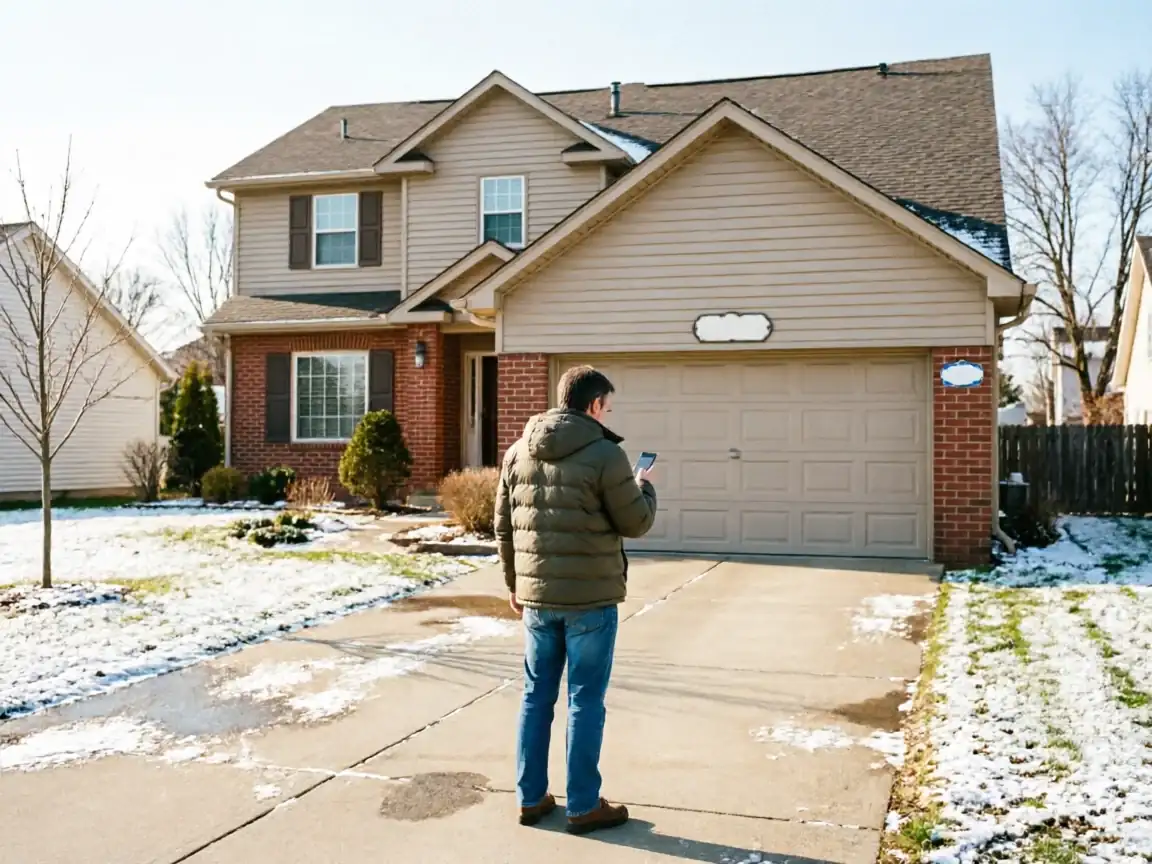
A man stands in a driveway looking at his phone in front of a house.

Tell us what’s wrong

Describe the symptom - won’t open, loud bang, opener runs but the door won’t move.

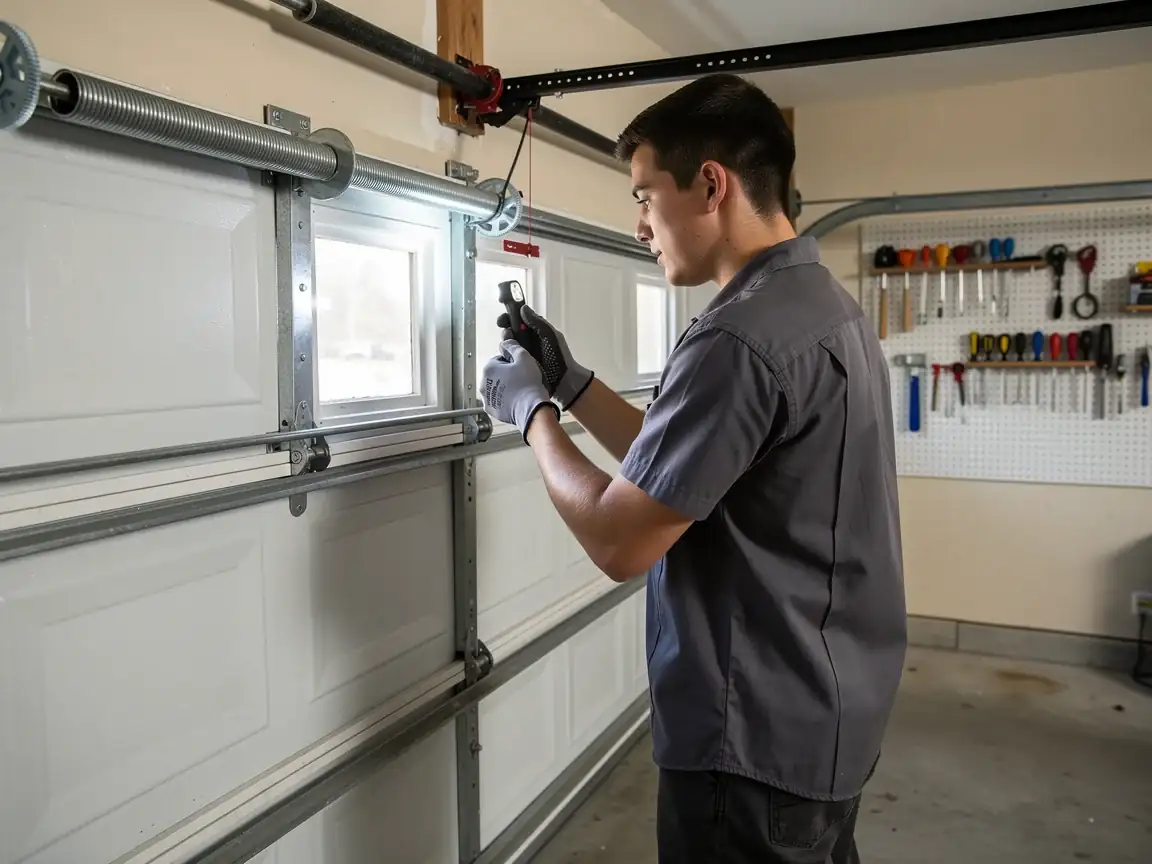
A technician in a gray shirt inspects a white garage door with a flashlight.

On-site diagnosis

A technician tests the door under power and by hand and finds what actually failed.

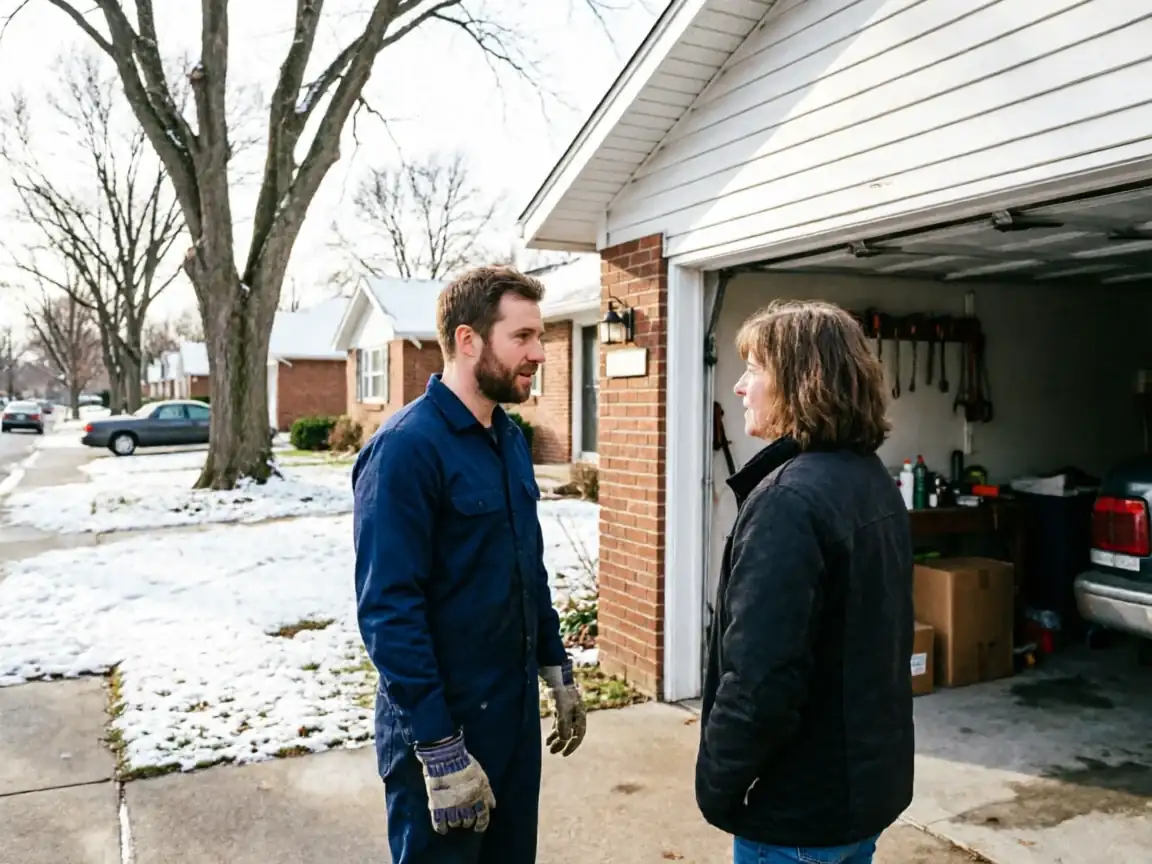
A technician in a blue uniform talks to a woman in front of a garage.

Clear, up-front plan

You get the fix that’s needed and what drives the cost - before any work starts.

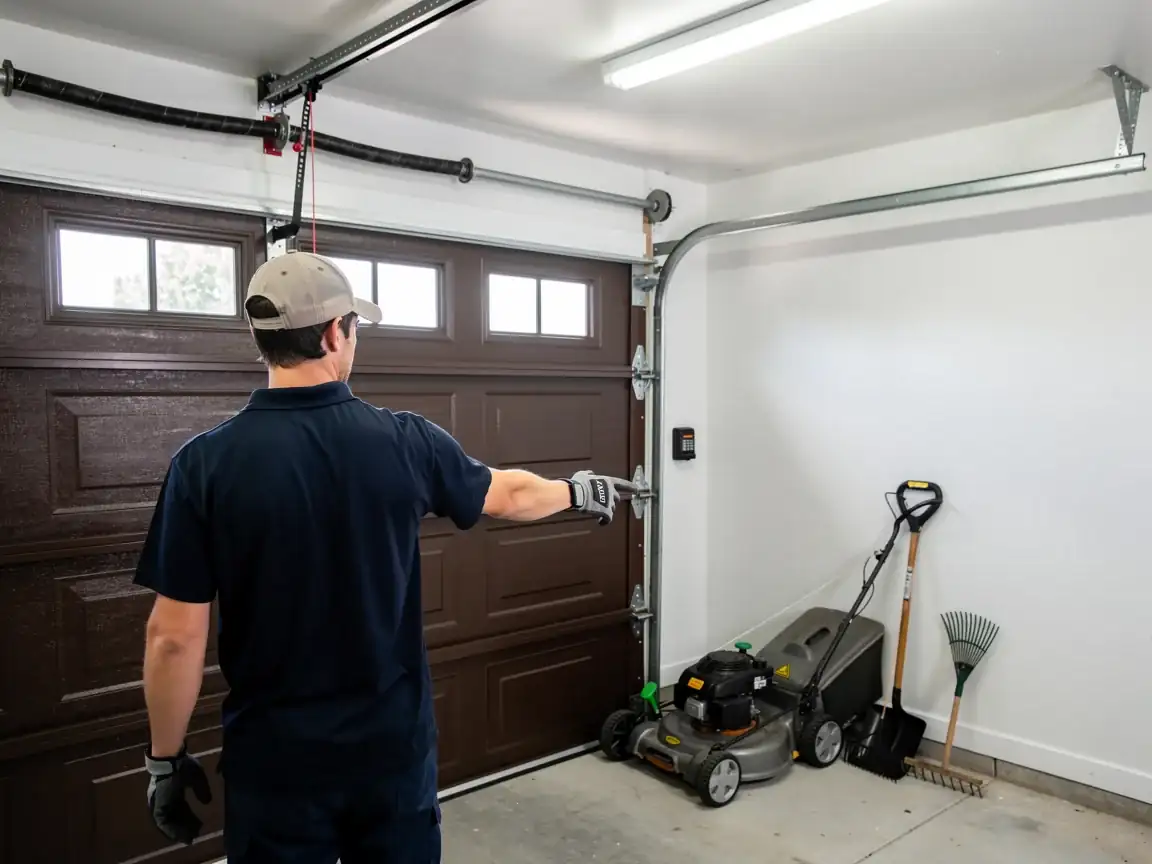
A technician in a cap points at a brown garage door with windows.

Repaired & tested

The repair is done, the door is set true and tested, and the work area left clean.

Not sure which repair your door needs in West Allis, WI? Describe what it’s doing - every job starts with a diagnosis.

How we work

What to expect

Diagnosis firstEvery visit starts by finding what actually failed - not a pre-written parts list.
The right part for the doorSprings and openers matched to the door’s weight and age, so the fix holds up.
Straight answersWhen a repair makes more sense than a replacement - or the reverse - you hear it plainly.
Clean, careful workTension released safely, hardware set true, the door tested under power before we leave.
60,620Residents in West Allis
8Garage door services
8Neighborhoods & suburbs
WIServing West Allis, WI
Questions

Frequently asked

Straight answers about garage door repair in West Allis. Still unsure? Ask us directly.

How often should a garage door in Caledonia get serviced?

Once a year is the baseline, but if your home dates to the late 1970s like most of the area, twice a year - once before winter - catches the lubricant stiffening and spring tension loss that cold cycling causes before it turns into a failed spring.

Why does my door struggle more in winter than summer?

Steel springs lose measurable lift force as temperature drops, and grease that's fine in summer thickens in the cold. On hardware from the 1970s, both effects are more pronounced because the spring has already lost some capacity to age.

Do you have a crew based in Caledonia?

No, we service Caledonia from West Allis, about 16 miles away. Maintenance visits here are scheduled rather than same-day because of that travel distance.

Is it worth maintaining an old door instead of replacing it?

Often yes. A 1970s-era door with sound panels and track can run for years longer with a spring and bearing service. We'll tell you plainly if the inspection finds the door's structure, not just the hardware, is the real problem.

Ready to get your garage door sorted?

Tell us what it’s doing and where you are in West Allis - we’ll take it from there.

Request a QuoteCall