Getting It Booked In
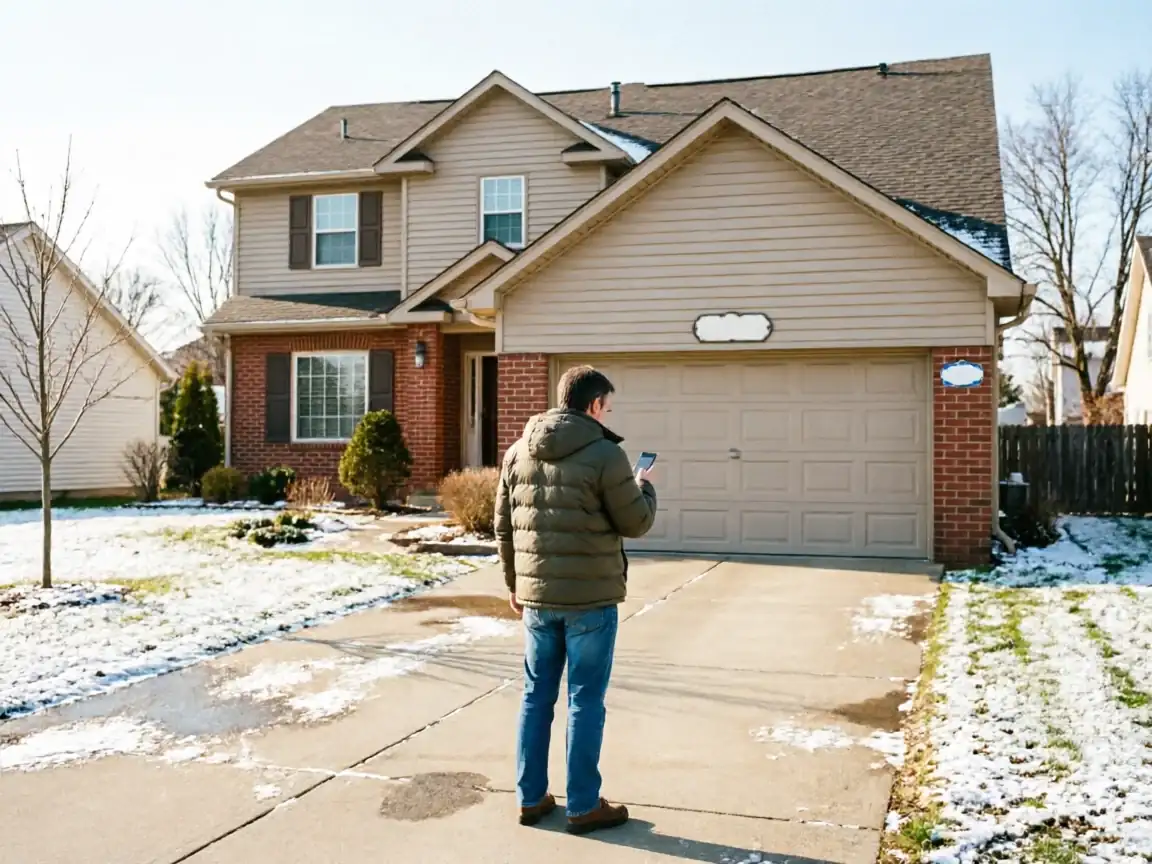
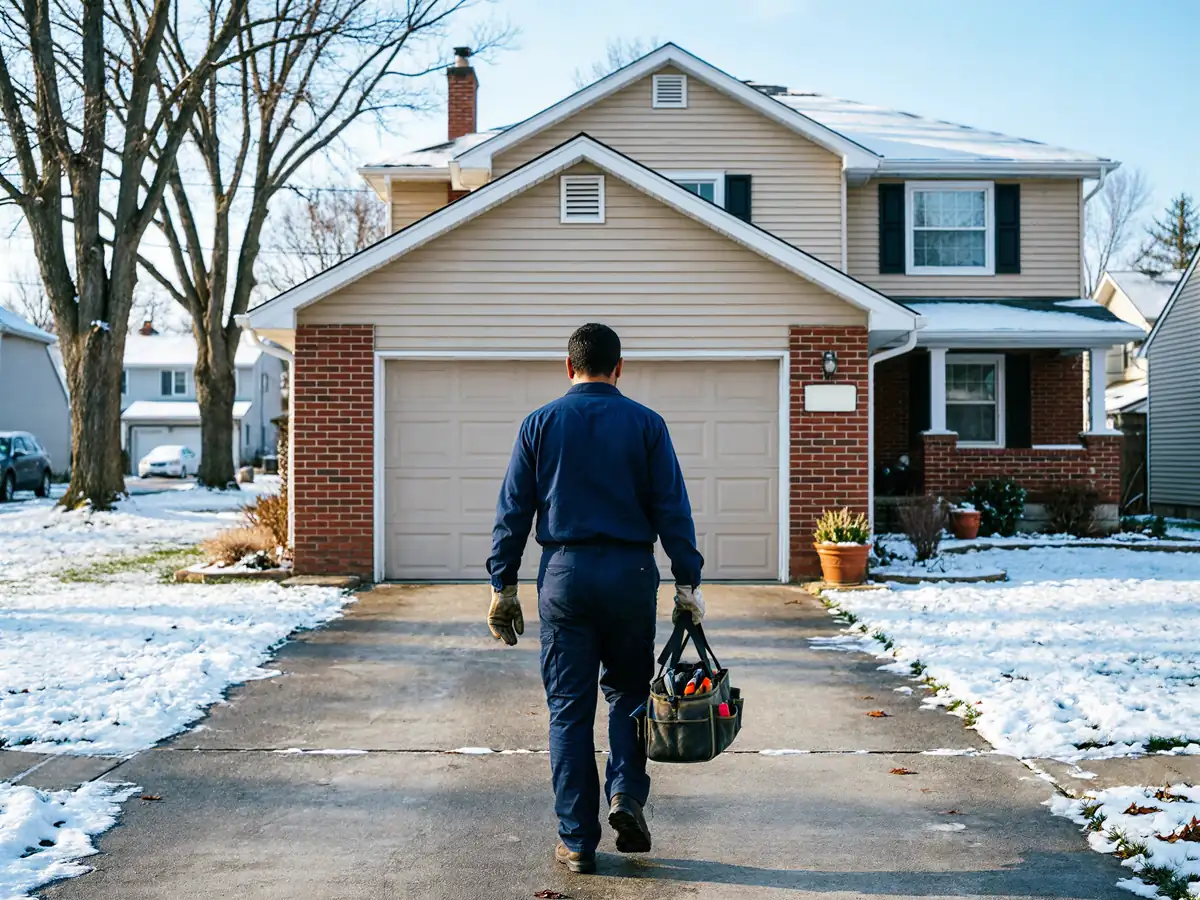
Franklin sits about 9 miles out from our West Allis base
Which is enough distance that we build it into how we route the day rather than squeeze it in between closer jobs. When you call, tell us what the door is doing and we'll tell you honestly where that call falls in the lineup for the area - we're not going to promise a same-hour window we can't back up from 9 miles away.
- 9 miles
What helps most is knowing the age of your house if you have it
Because Franklin's housing stock runs newer than a lot of what we see closer to West Allis. The median home here was built around 1989, which is a different era of garage door than the 1960s and '70s construction that makes up most of our day-to-day calls. That matters when we're pulling parts for the truck before we leave the shop - a spring sized for a late-80s door isn't the same part as one sized for a door from twenty years earlier, and we'd rather load the right one than guess.
If your opener or spring looks original to the house, say so on the phone
It saves a second trip.
The DIY Question
A door on a house built around 1989 is old enough now that original springs and cables are past their rated cycle life, but new enough that most of what's on it is still standard-size, off-the-shelf hardware - not the oddball parts we deal with on older housing stock. That's actually good news if you're the type to want to understand what's wrong before you call someone.
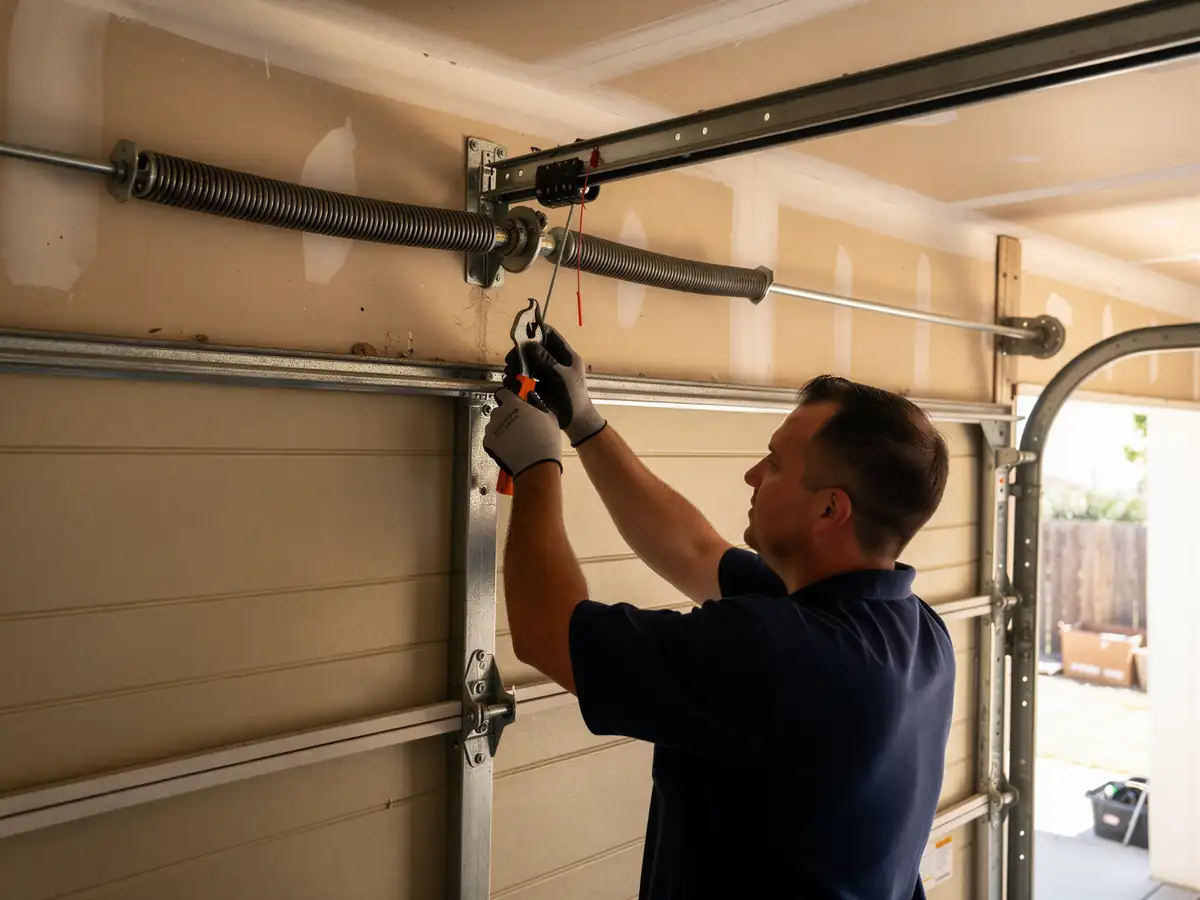
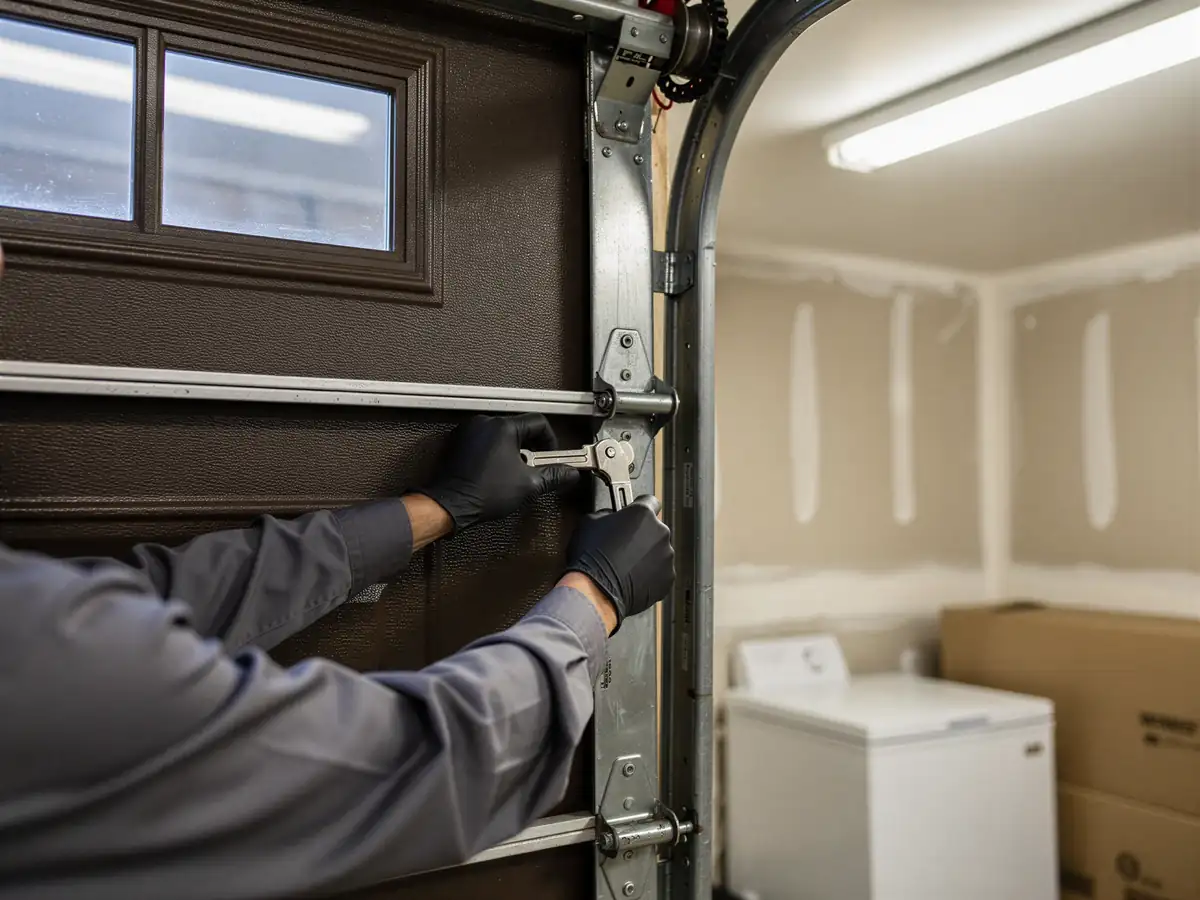
Where DIY makes sense: tightening loose hardware, lubricating hinges and rollers, clearing the track of debris, testing the photo-eye sensors. Where it stops making sense is anything involving the torsion spring itself. A wound spring on a standard residential door holds enough stored force to break a bone or worse, and the tools to safely wind or unwind one aren't something most garages have sitting around.
We'll be straight about this: if your opener just needs a sensor realignment or a remote reprogram, you likely don't need us at all. Save the call for springs, cables, broken rollers, or a door that's come off track.
What the Fix Involves
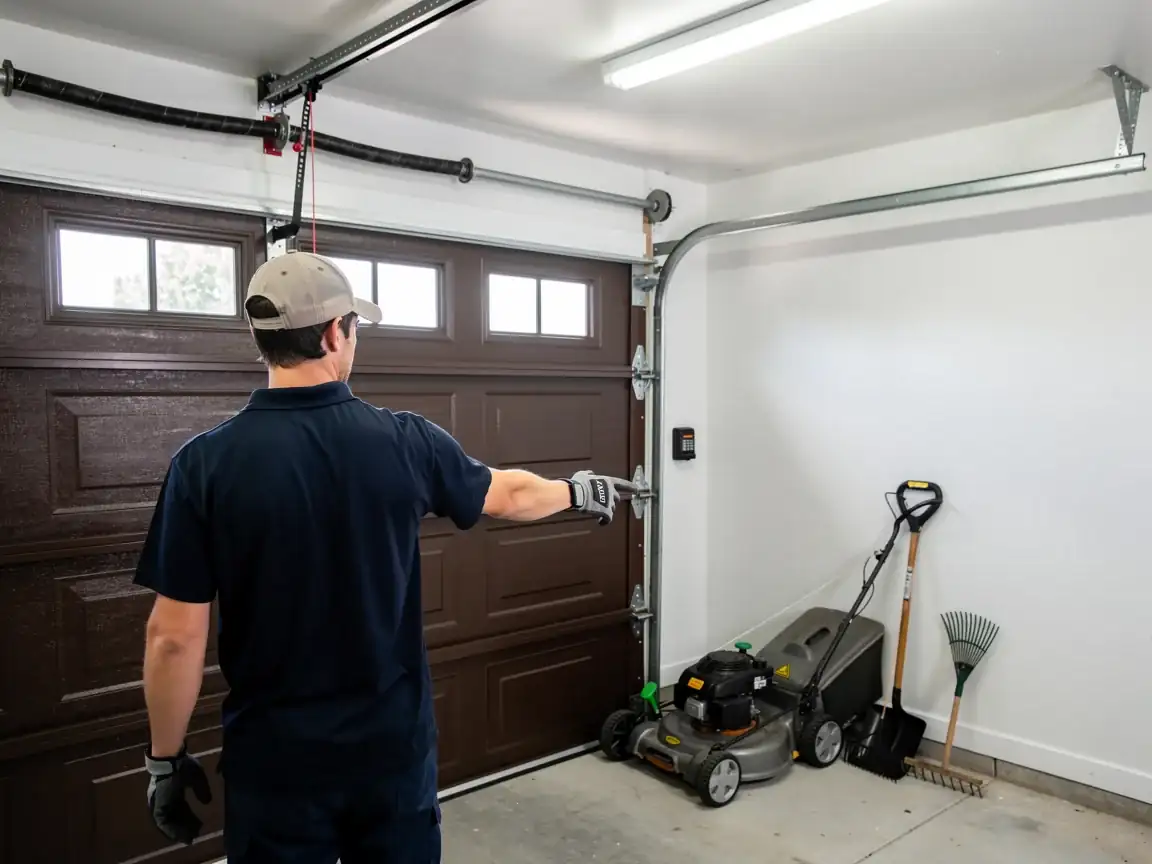
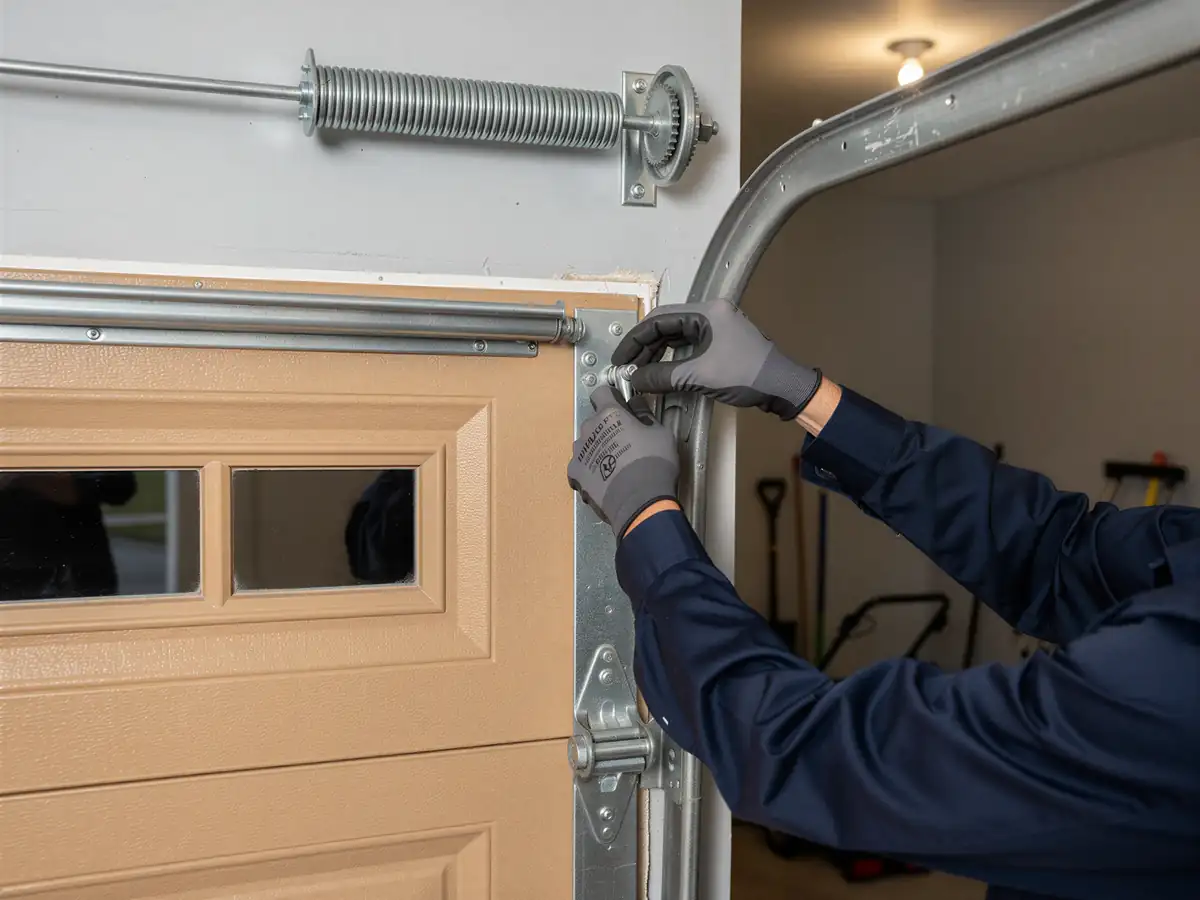
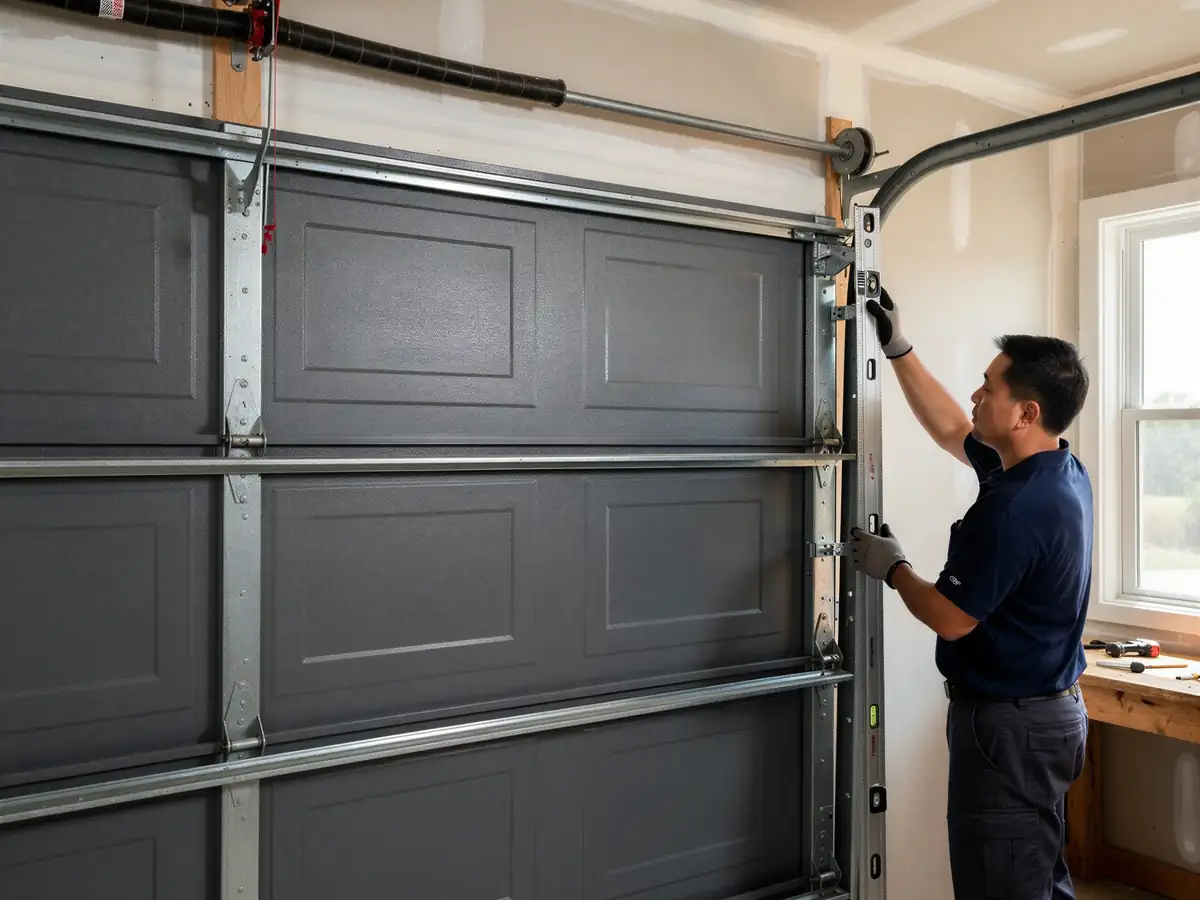
Most of the repair calls we run in Franklin involve hardware that's original or close to it - houses built around the late 1980s are hitting the point where torsion springs, rollers, and cables are due for replacement on a predictable cycle, not from age so much as use. That's a cleaner job than what we find on older housing: standard torsion spring sizing, standard track width, no retrofitting a part that hasn't been manufactured in decades.
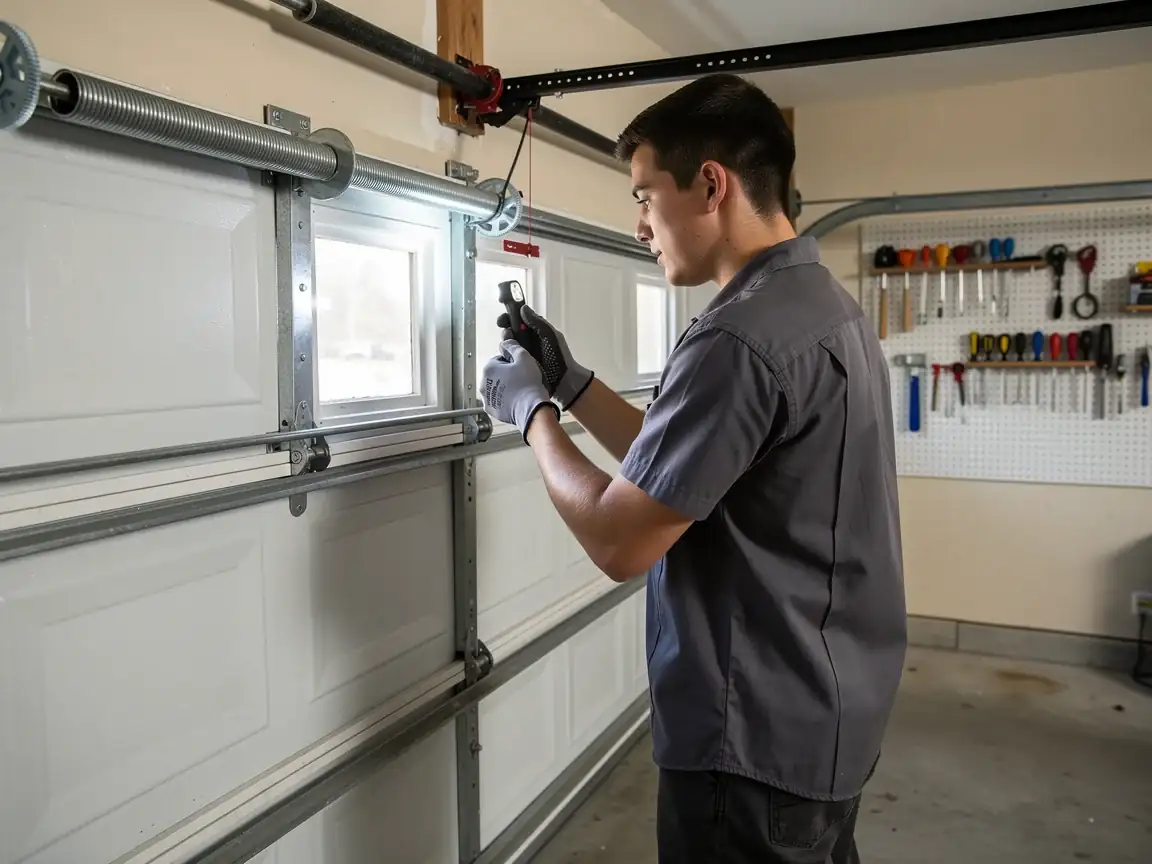
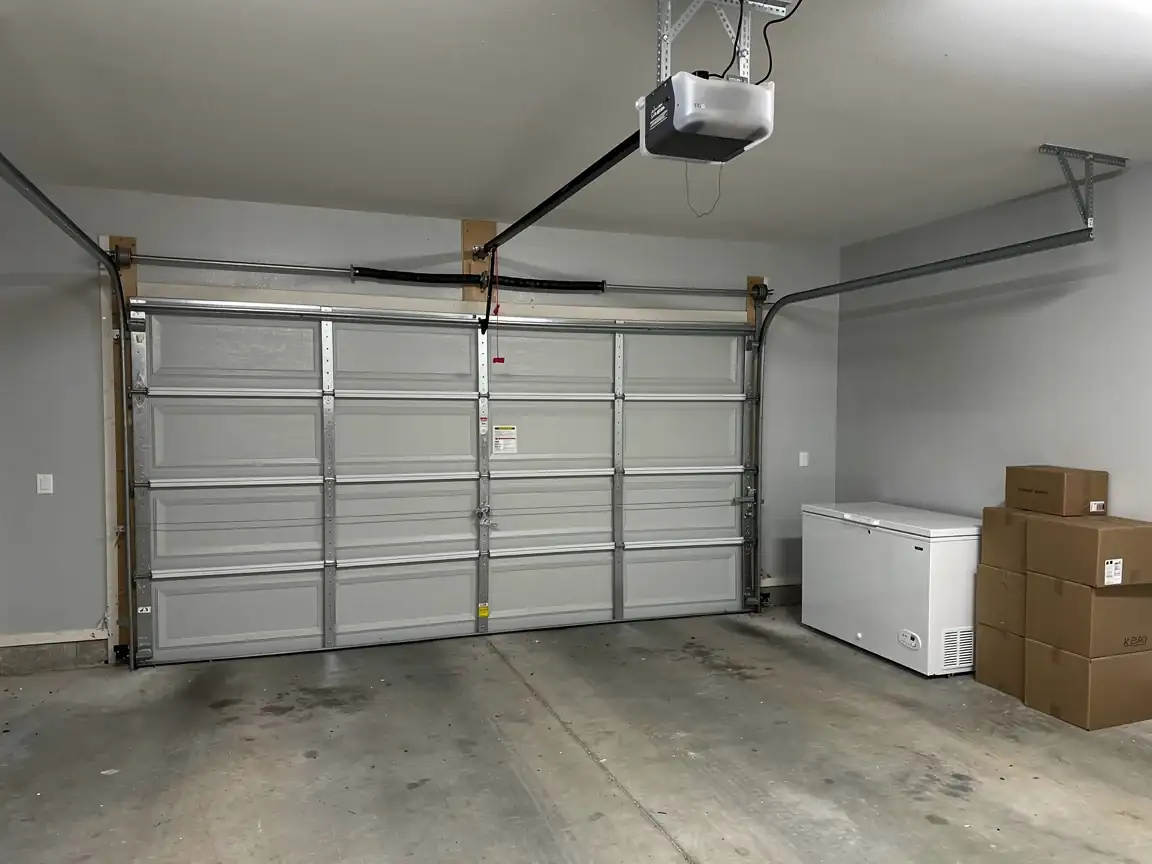
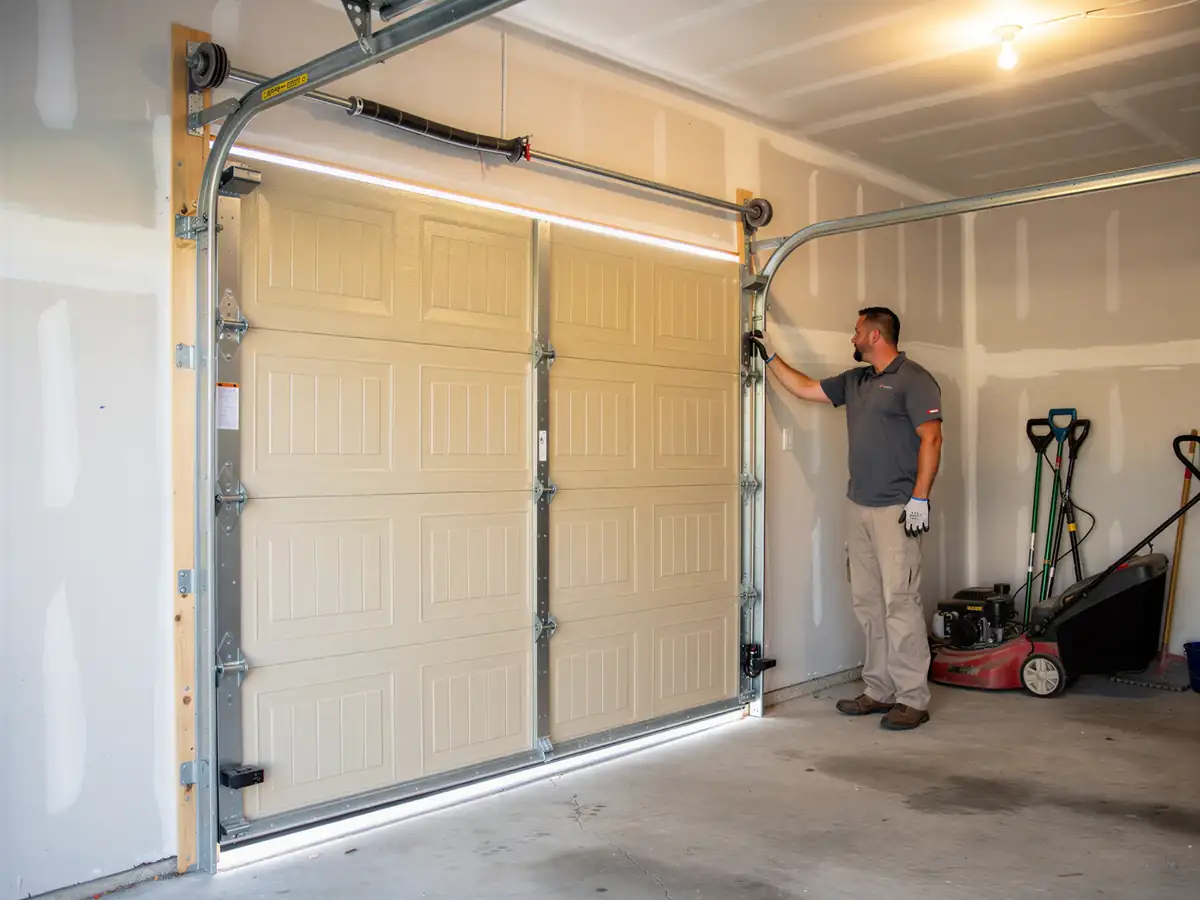
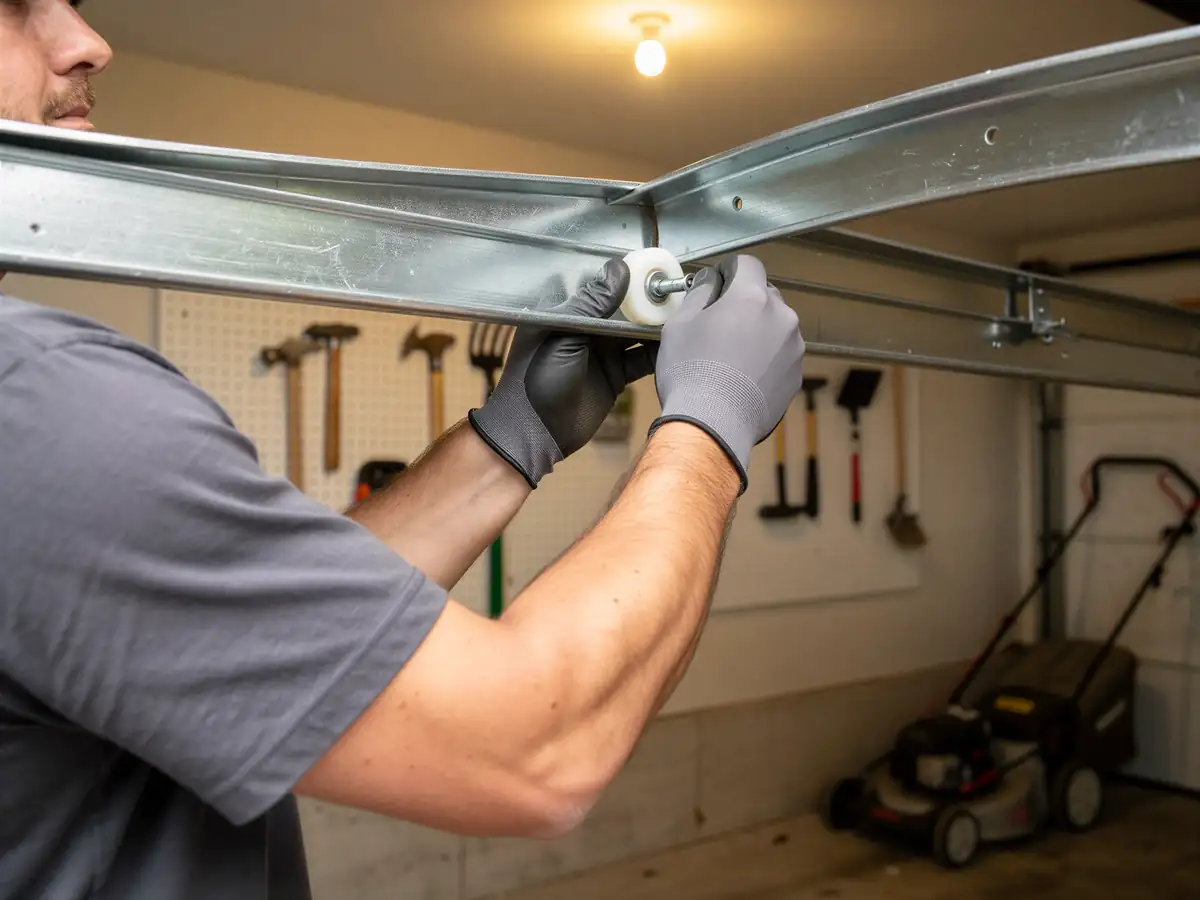
A typical call starts with us checking the spring for rust or stretch, the cables for fraying, and the rollers for cracking or flat spots, since those three usually fail together once one goes. We'll also check the opener's force settings, because a door that's recently gotten harder to lift by hand often points to a spring problem before it points to an opener problem - people tend to blame the opener first since that's the part that makes noise.
One limit worth saying plainly: if the door itself is warped or the panels are rusted through, a spring or cable fix won't fix that, and we'll tell you when replacement is the better call instead of patching around a bad door.
How Long It Takes
Most spring, cable, and roller repairs on a standard residential door run in a single visit once we're on site
The parts involved are common sizes we carry on the truck, not something we need to special-order for a house built in this era. Opener repairs can run a bit longer if the issue turns out to be the circuit board rather than the sensors or the chain, since boards aren't always something we stock for every model.
The bigger variable for Franklin isn't the repair itself, it's the drive
At 9 miles from West Allis, we build travel time into the estimate we give you up front so there's no surprise about when we'll actually be at the door. We'd rather tell you an honest window than a fast one we can't keep.
- 9 miles
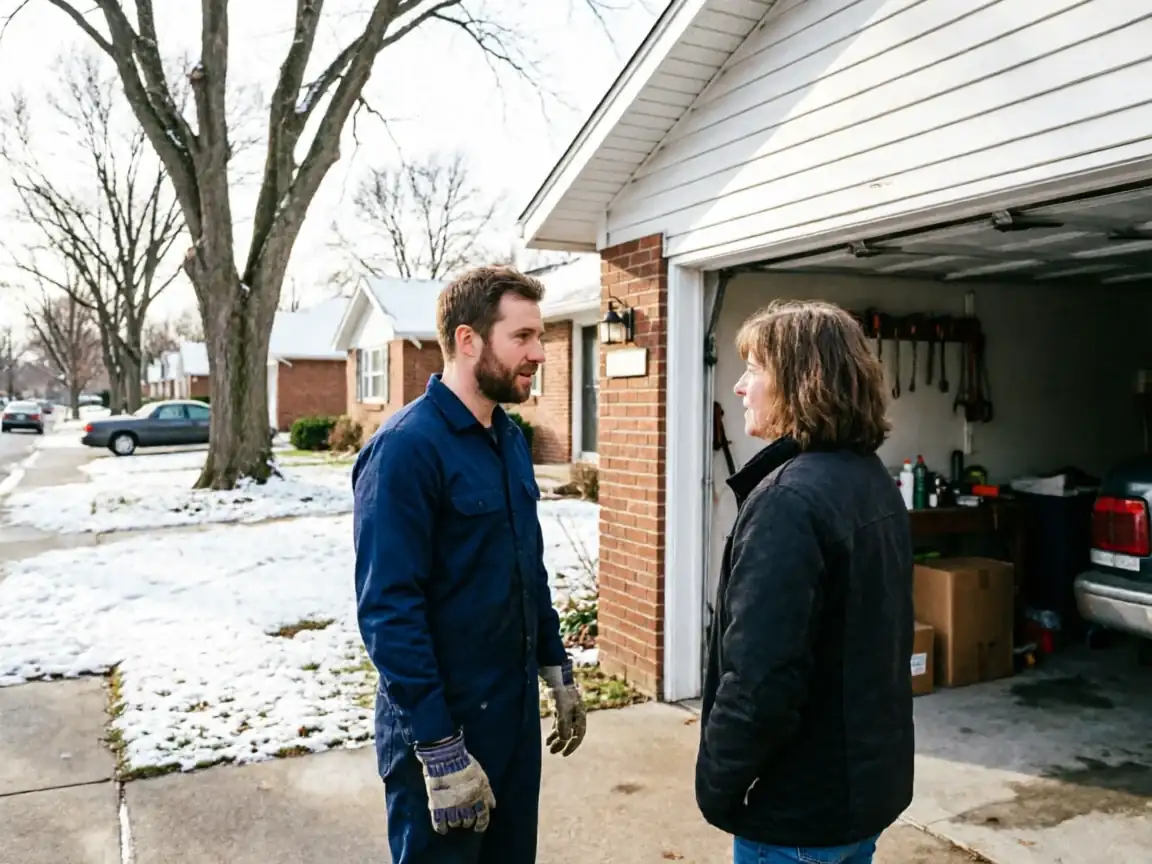
If you've got a second vehicle in the garage behind the broken door, say so when you call
It changes how urgent we treat the job on our end, and it's the kind of detail that helps us plan the route for the day.