Getting It Booked In
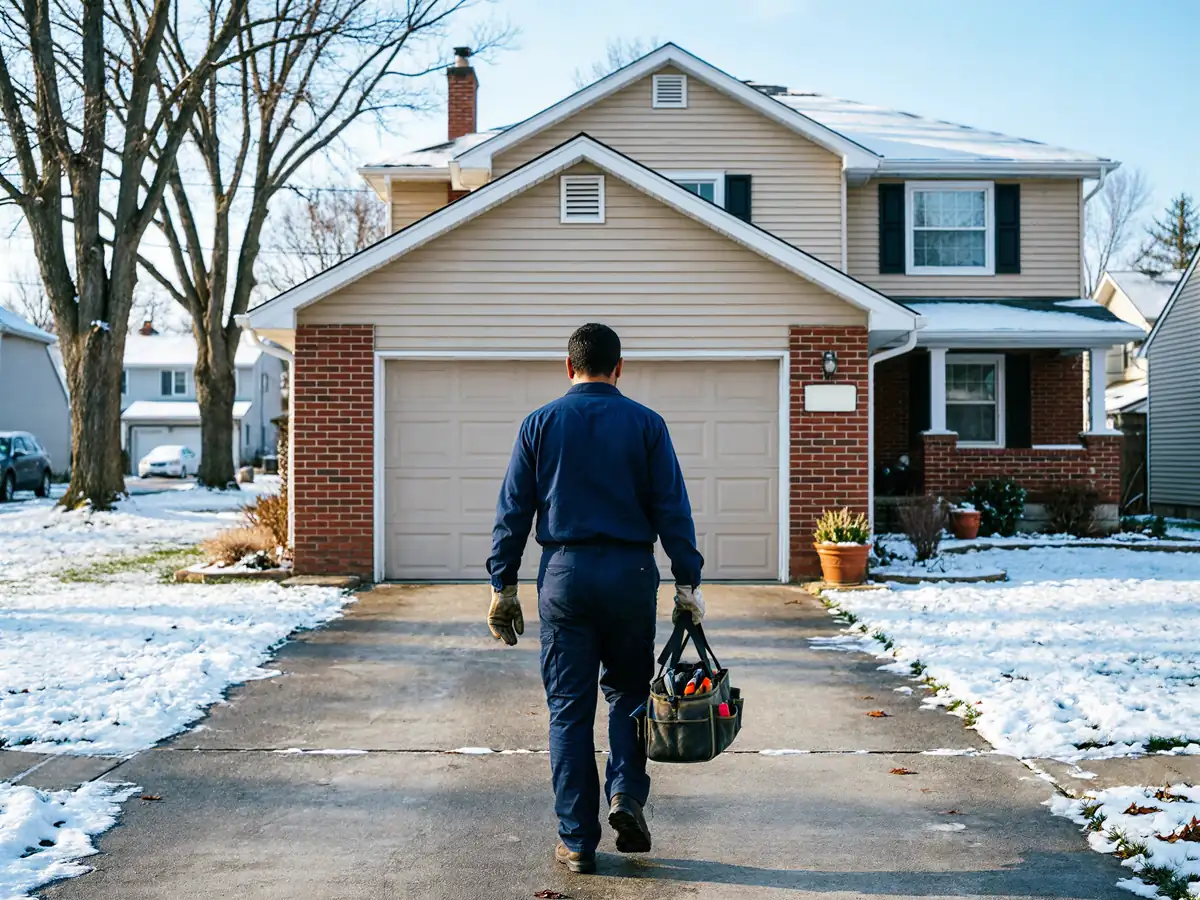
Franklin sits about 9 miles out from our shop in West Allis
And that's the main thing to know before you call: we're not parked down the street, so when you tell us the door won't budge or you heard a bang followed by the door going dead weight, we want the details up front. Is it a double door or single? Does the opener still hum but the door won't lift? That tells us which springs we're loading on the truck before we leave.
- 9 miles
Most of Franklin's housing dates to around 1989
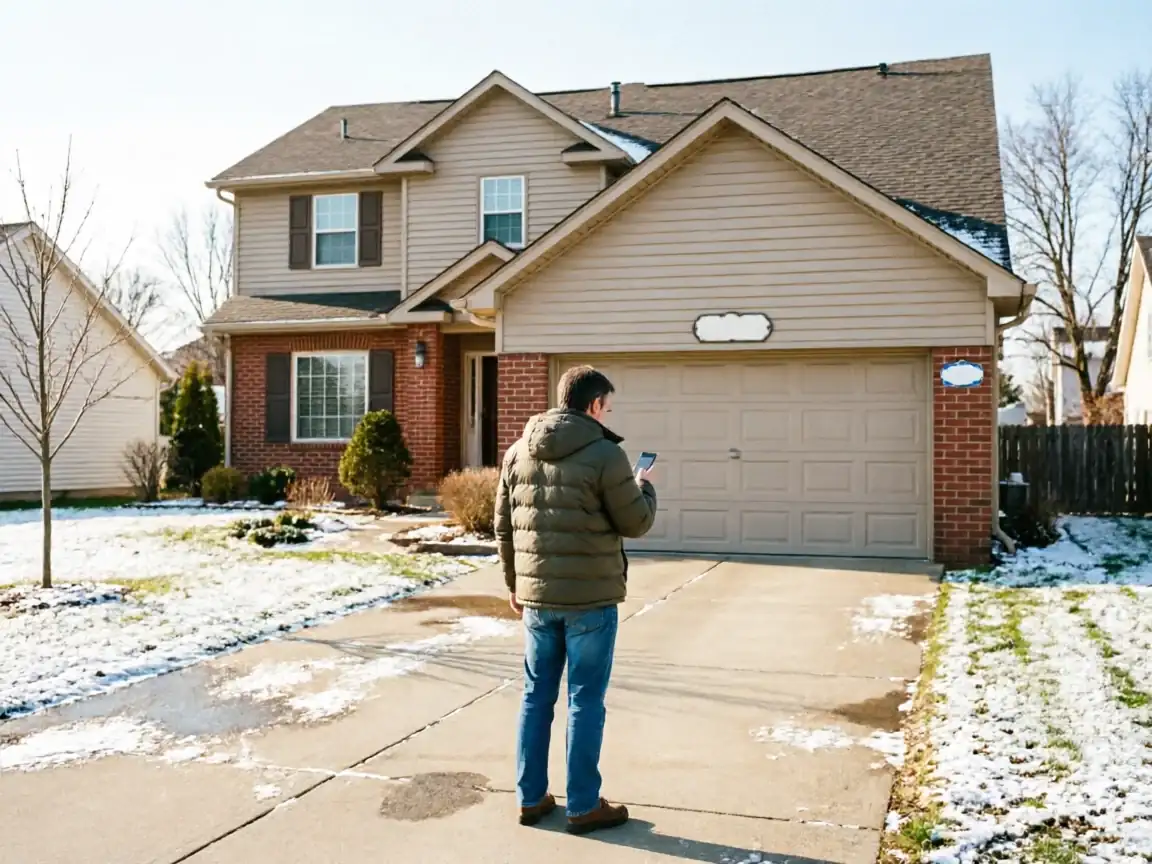
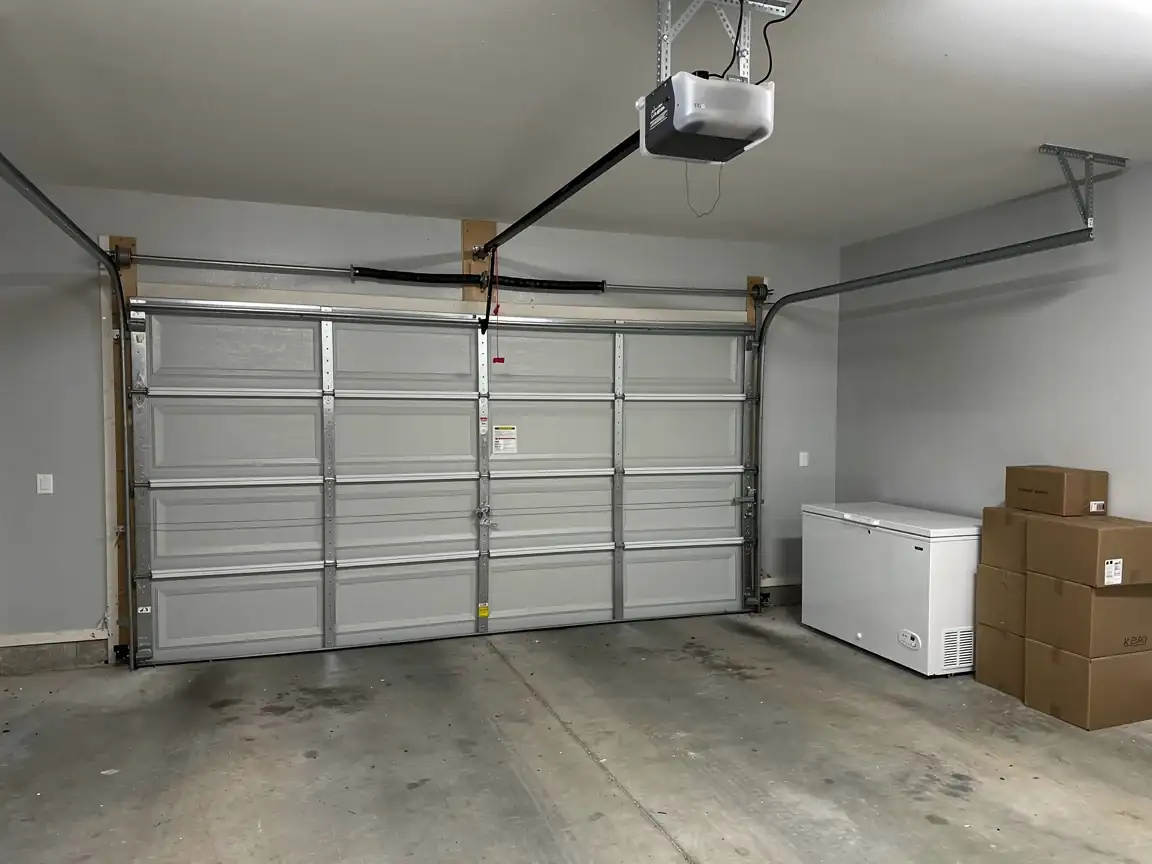
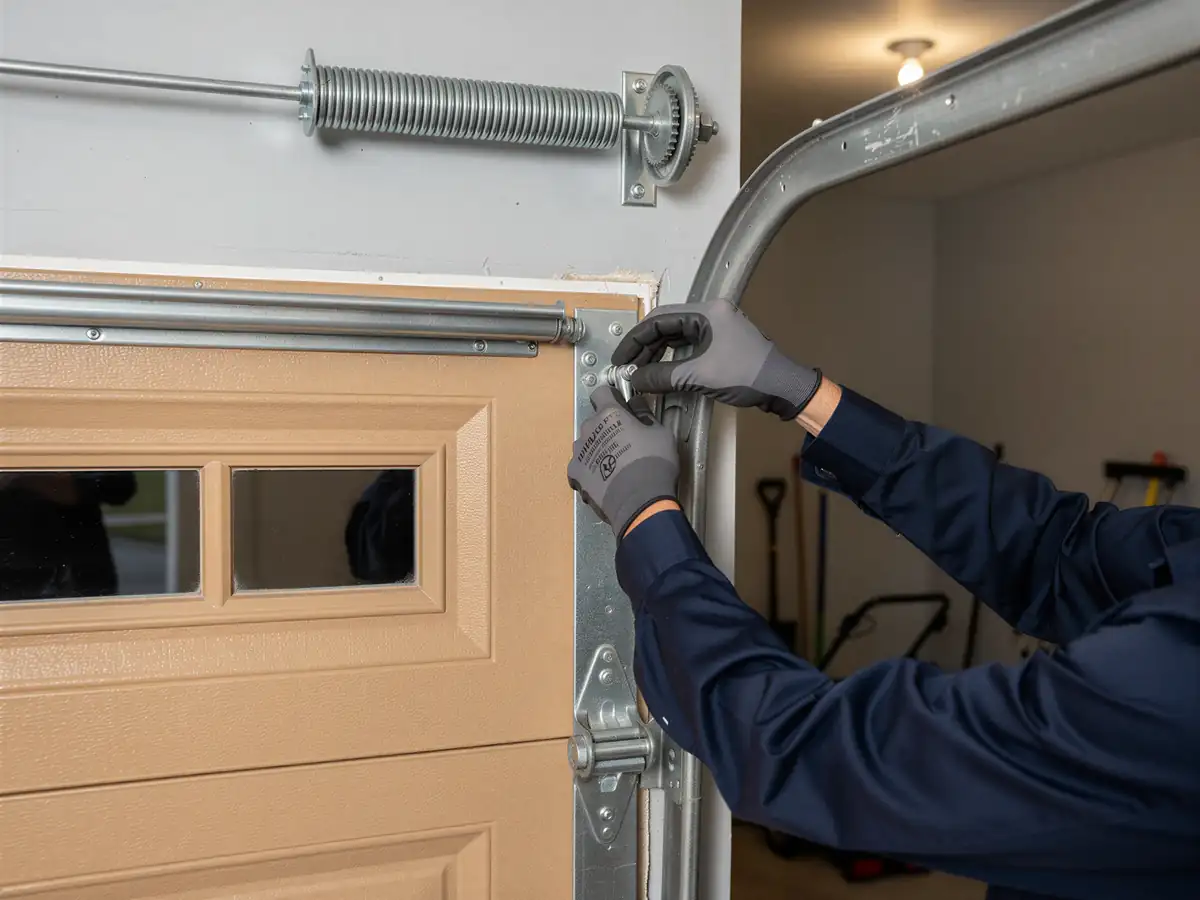
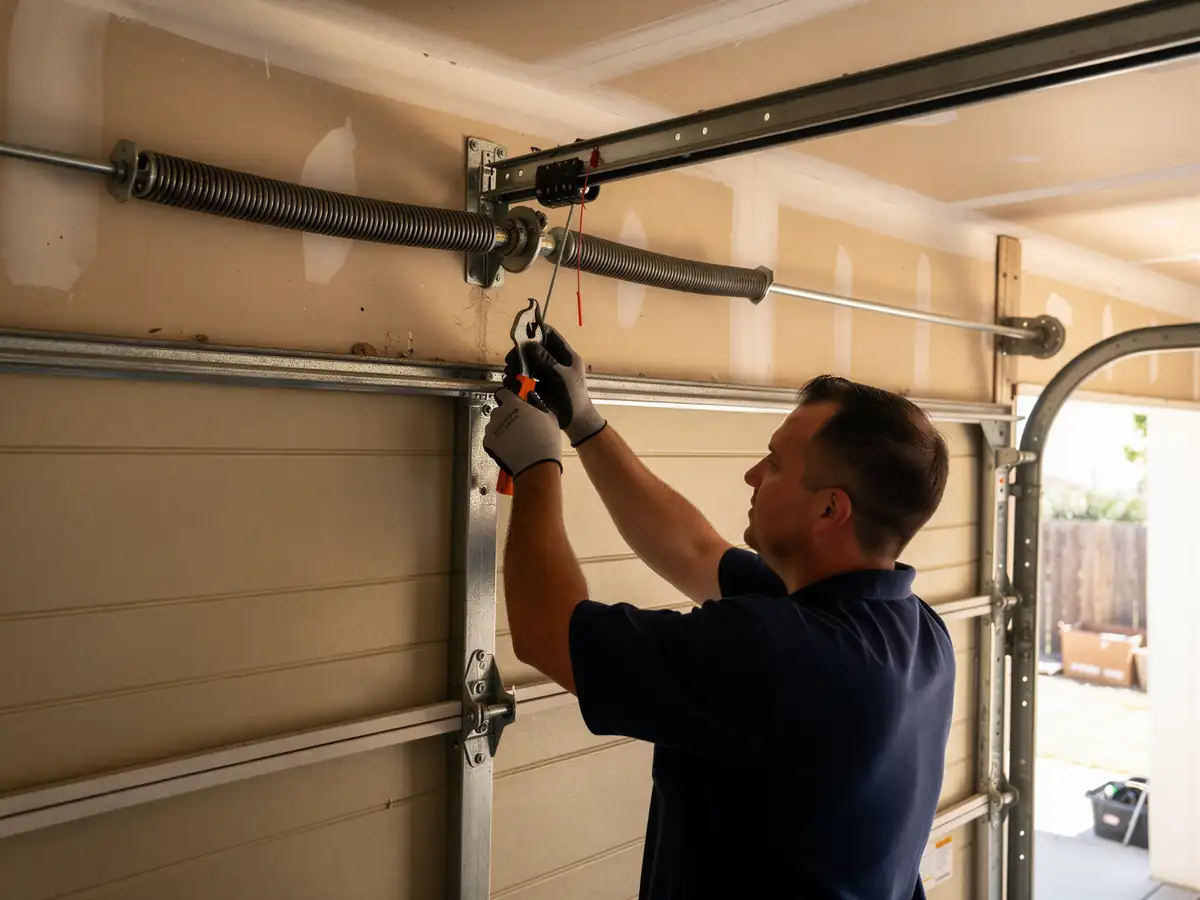
Noticeably newer than the mix of 1930s-through-1970s stock we see closer to West Allis itself. That matters for parts. Newer builds like these were put up with standardized torsion spring setups, mounted center-above-the-door rather than the older side-mounted extension springs you'd find on a house from the 1950s. We don't have to guess what we're walking into on a typical call out here, which saves a second trip.
We ask for the door's age or a rough sense of when the house was built, the brand on the opener if you can see it
And whether this is a torsion system (one long spring over the door) or extension springs (one on each side, running along the horizontal track). That's usually enough to load the right springs the first time.
The DIY Question
A broken torsion spring is wound under enough tension to hurt you badly, and that doesn't change because your house was built in 1989 instead of 1950. The difference with Franklin's newer stock is that the setups are more standardized, which means less guesswork on cable length and drum size, but the winding bars and the tension itself are exactly as dangerous either way.
Here's the honest limit: if the spring is just broken and the door is sitting shut, don't try to force it open with the opener. That can strip the gears or bend the track, which turns one spring job into a spring-and-track job. If you can see the coil has separated, leave it. We don't recommend attempting a torsion spring swap yourself regardless of the door's age, and we won't talk anyone through doing it over the phone. That one's not negotiable.
What the Fix Involves
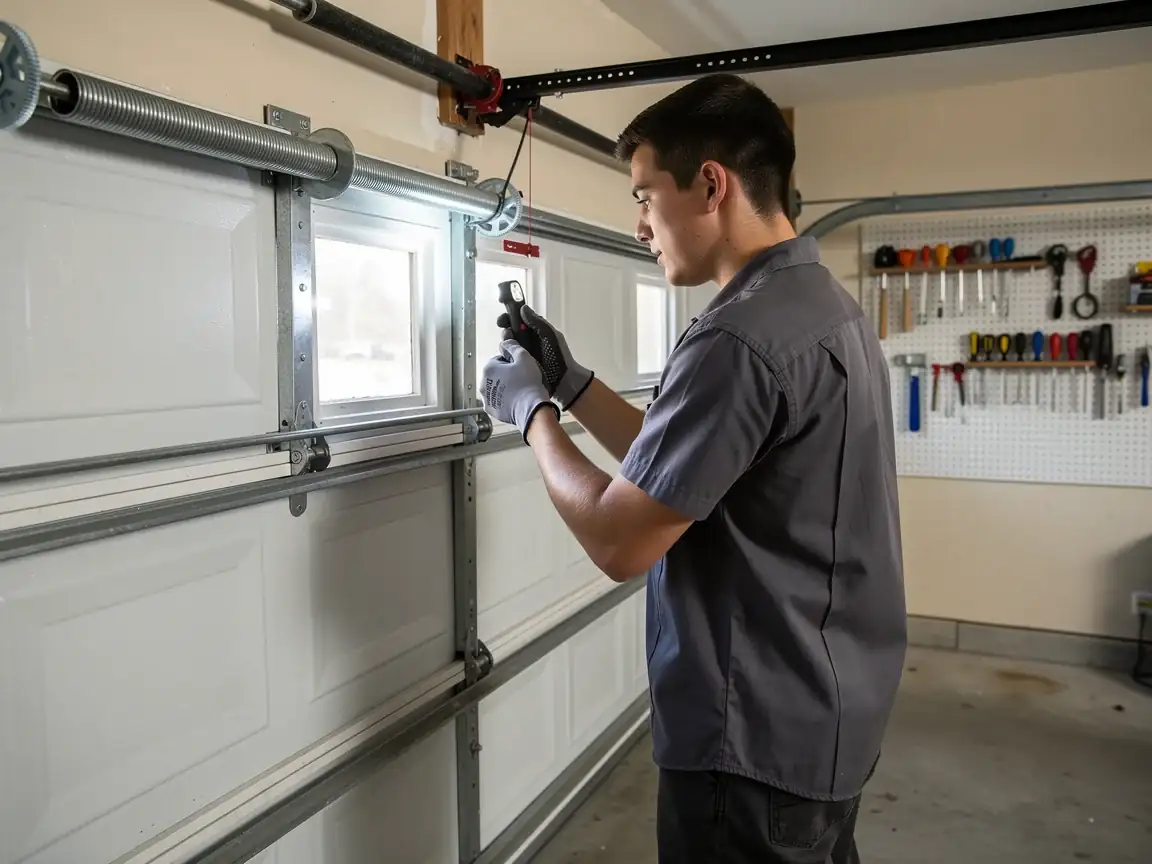
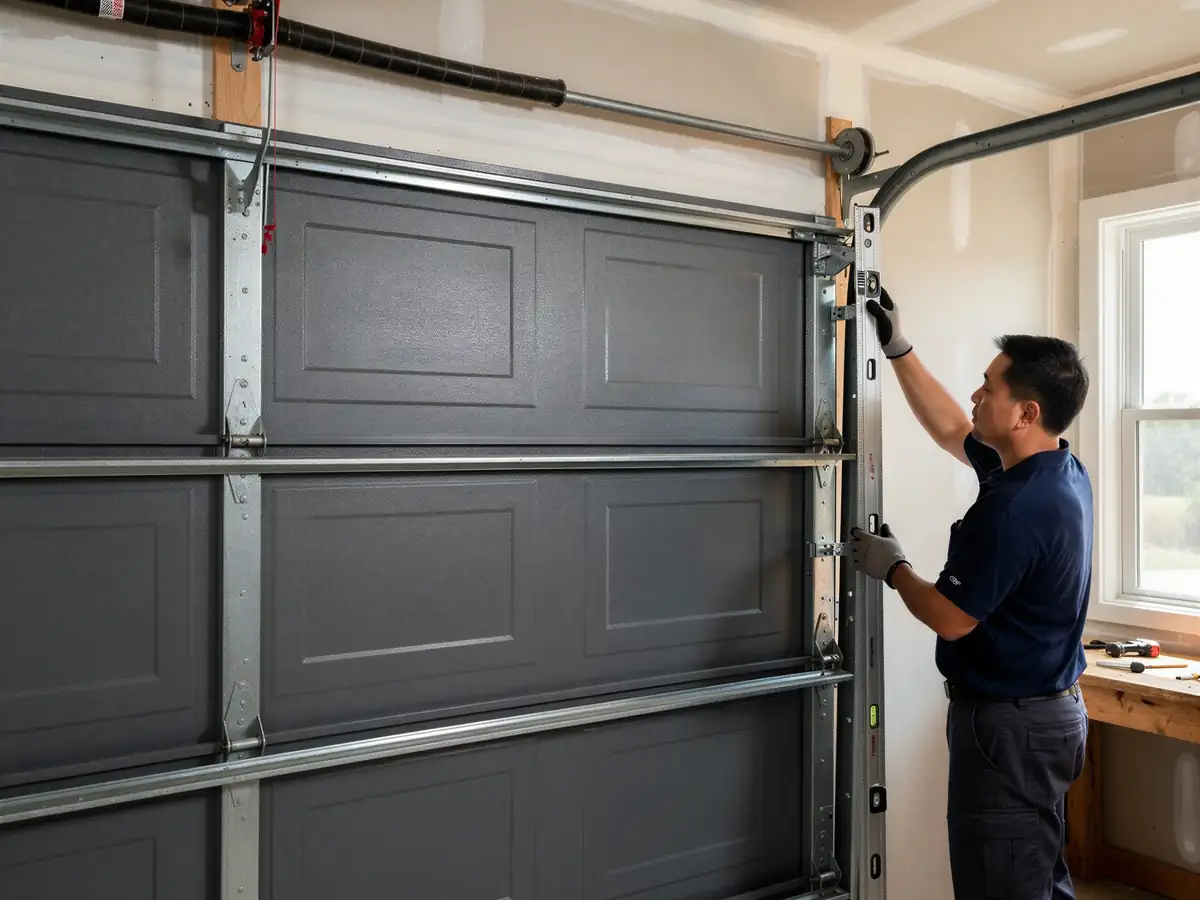
On a torsion setup like most of what we see in Franklin, the job is pulling the old spring off the shaft, measuring wire size and wind length against the door's weight, and setting the new spring with the correct number of turns. Get the turns wrong and the door either won't stay down or slams shut too hard, so we check balance after by hand, not just by running the opener.
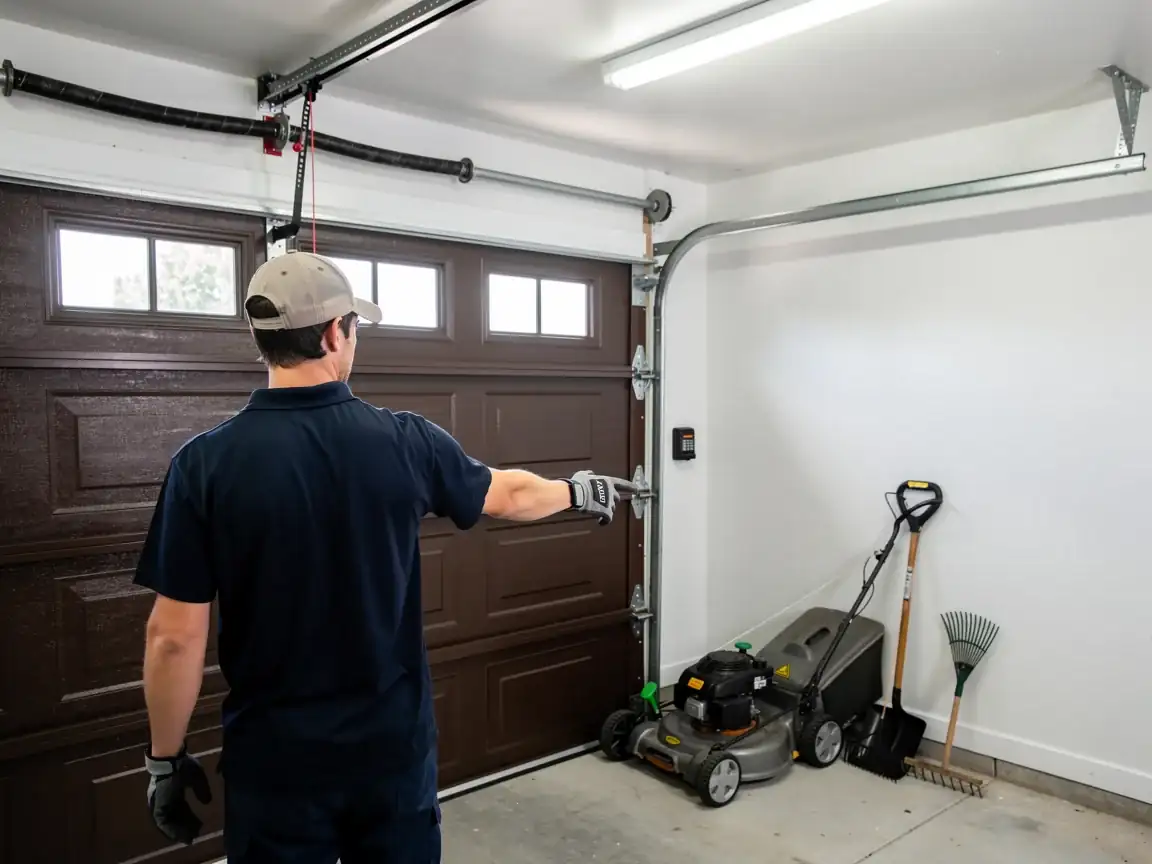
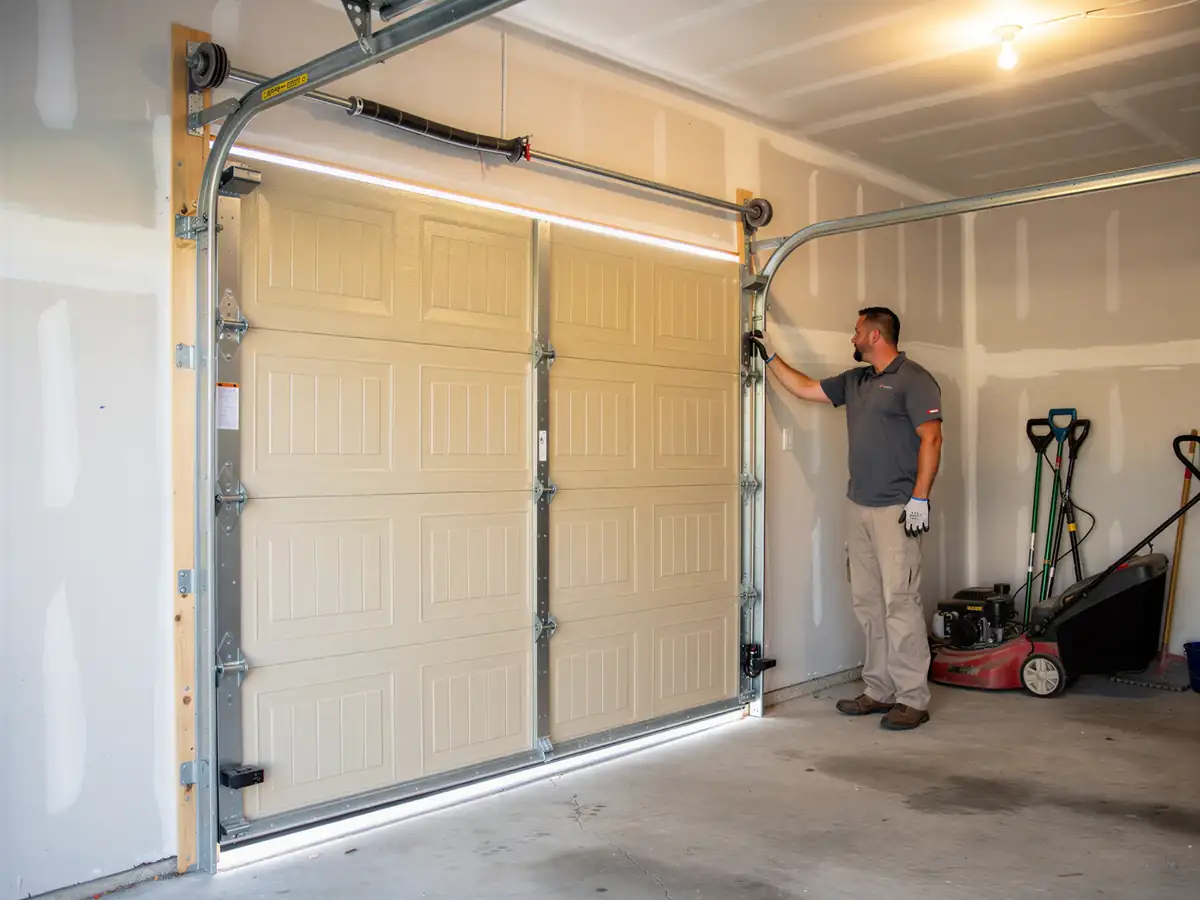
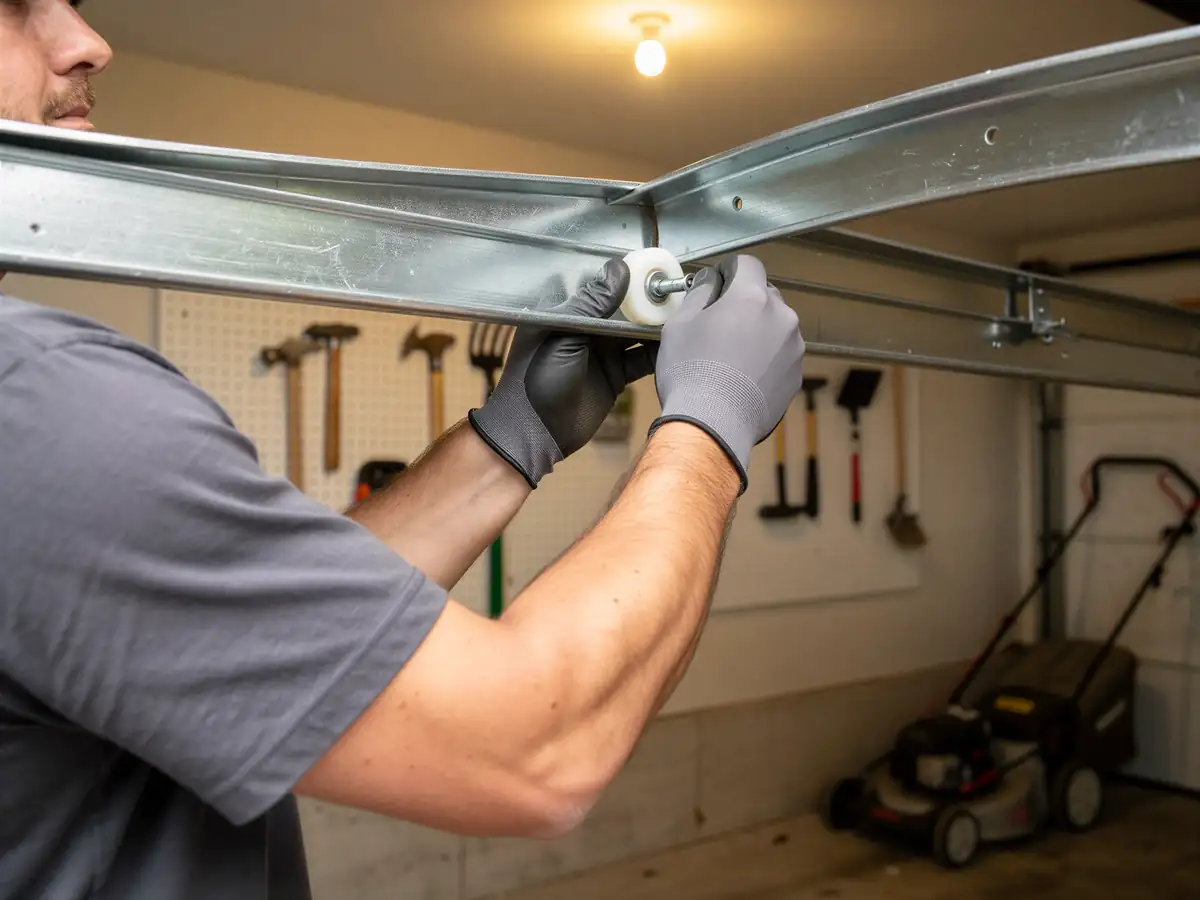
If the house still has its original cables and rollers from 1989, we'll look at those too. Thirty-some years on steel rollers usually means some wear, even if the spring itself is the only thing that failed today. We won't swap parts that don't need it, but we'll tell you if something's close to its own failure so you're not calling again in six months for a second thing.
Colder winters put extra strain on spring steel, since the metal gets stiffer and more brittle in hard cold, and that's as true in Franklin as anywhere else in the area. It's part of why a spring that's been fine for years can suddenly go in January.
How Long It Takes
Most single-spring torsion jobs run under two hours once we're on site with the right spring loaded
Double doors with two torsion springs take a bit longer since we're balancing both sides to match. We won't quote you a drive-time window here beyond saying we're coming from West Allis, 9 miles off, and traffic on a given day affects that more than the repair itself does.
- 9 miles
If we get out there and the spring isn't the only problem
Say a bent shaft or a drum that's cracked, that adds time because we may not have that part on the truck. We'd rather tell you that on site and come back prepared than force a part that's wrong for the job.