Getting It Booked In
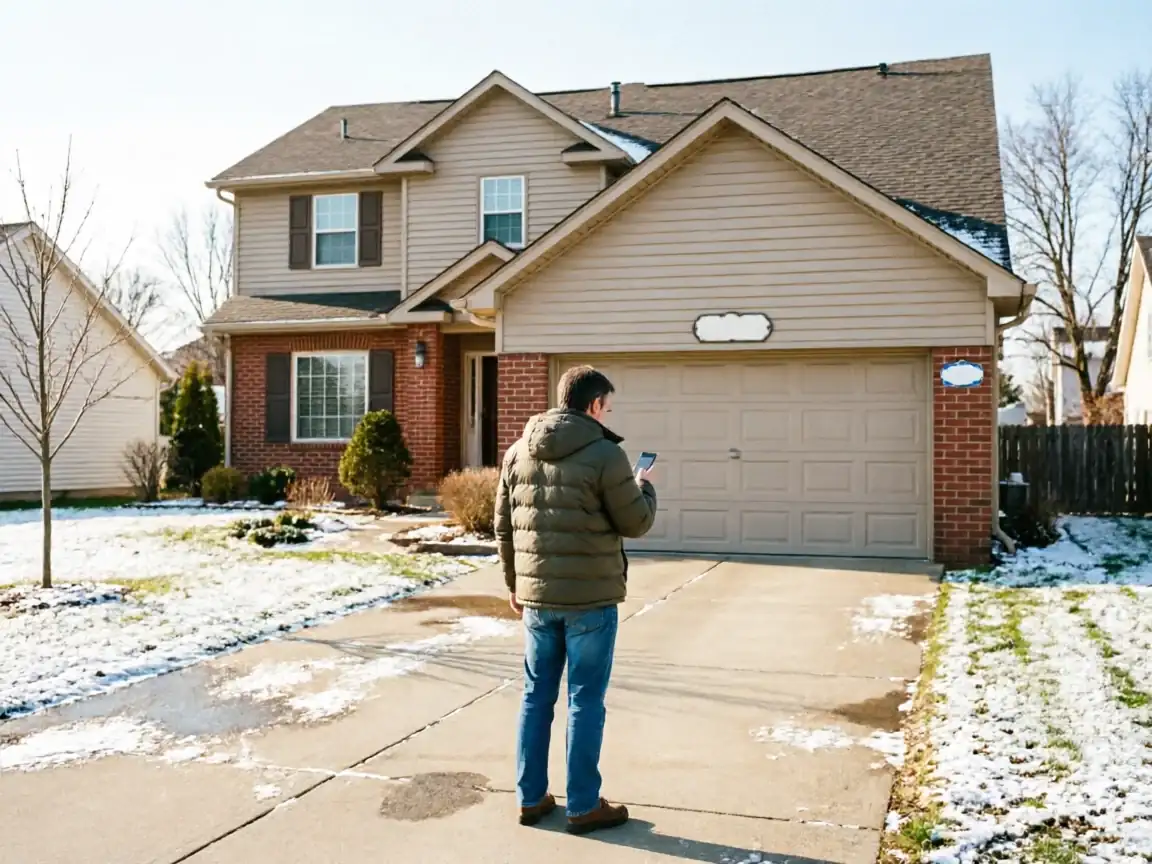
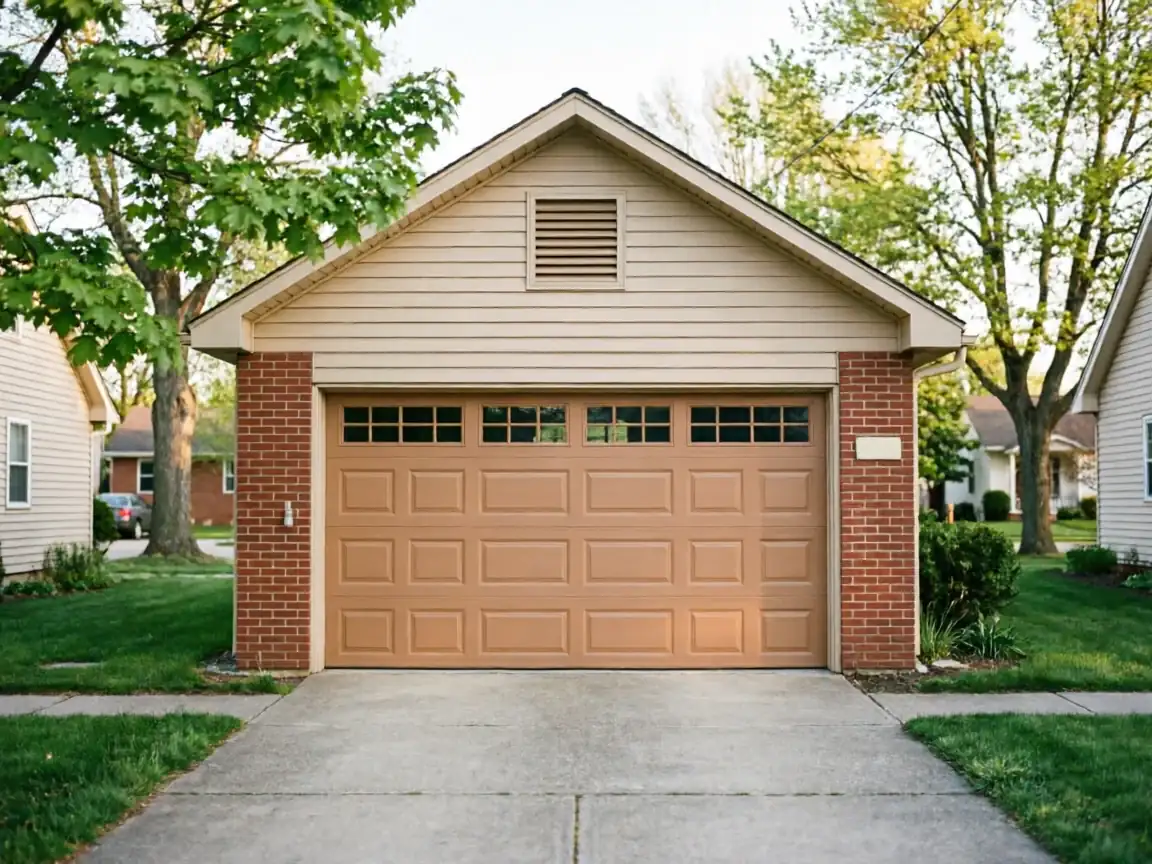
Franklin's housing stock centers on 1989
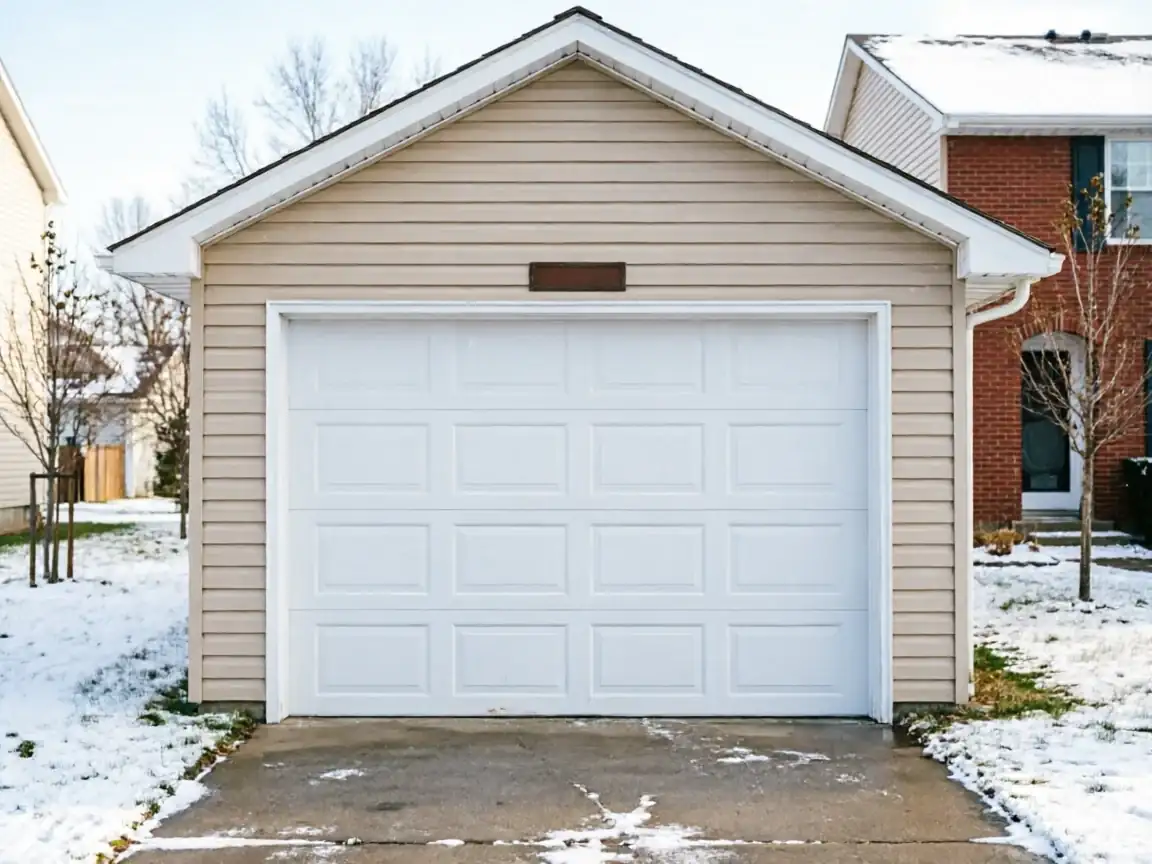
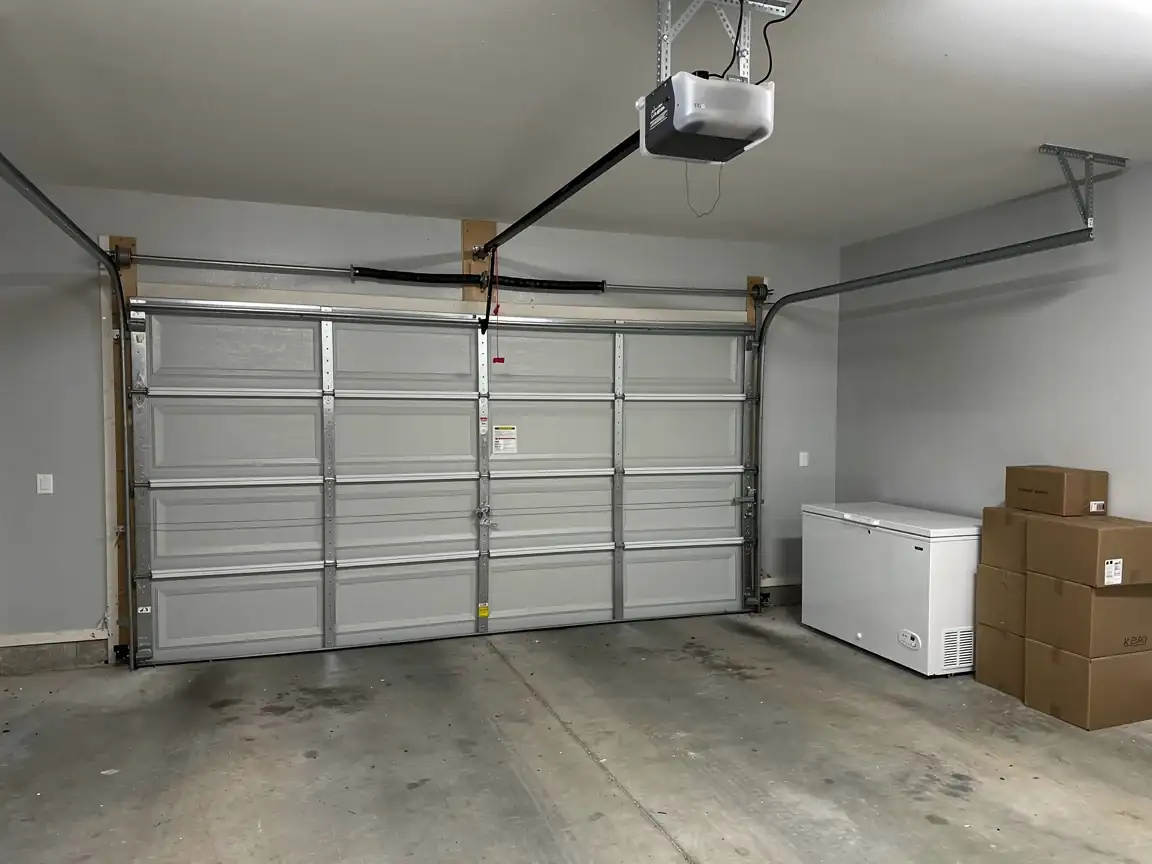
A decade and more newer than the 1976 median across the wider service area we cover from West Allis. That matters here because doors from this era are almost always steel sectional panels with factory-installed roller stems, not the older wood or single-panel doors you'd find on an earlier street. The rollers that shipped on those doors were usually plain steel or basic nylon, and after three decades of use they're the part most likely to be grinding, catching, or shedding plastic flakes onto the slab.
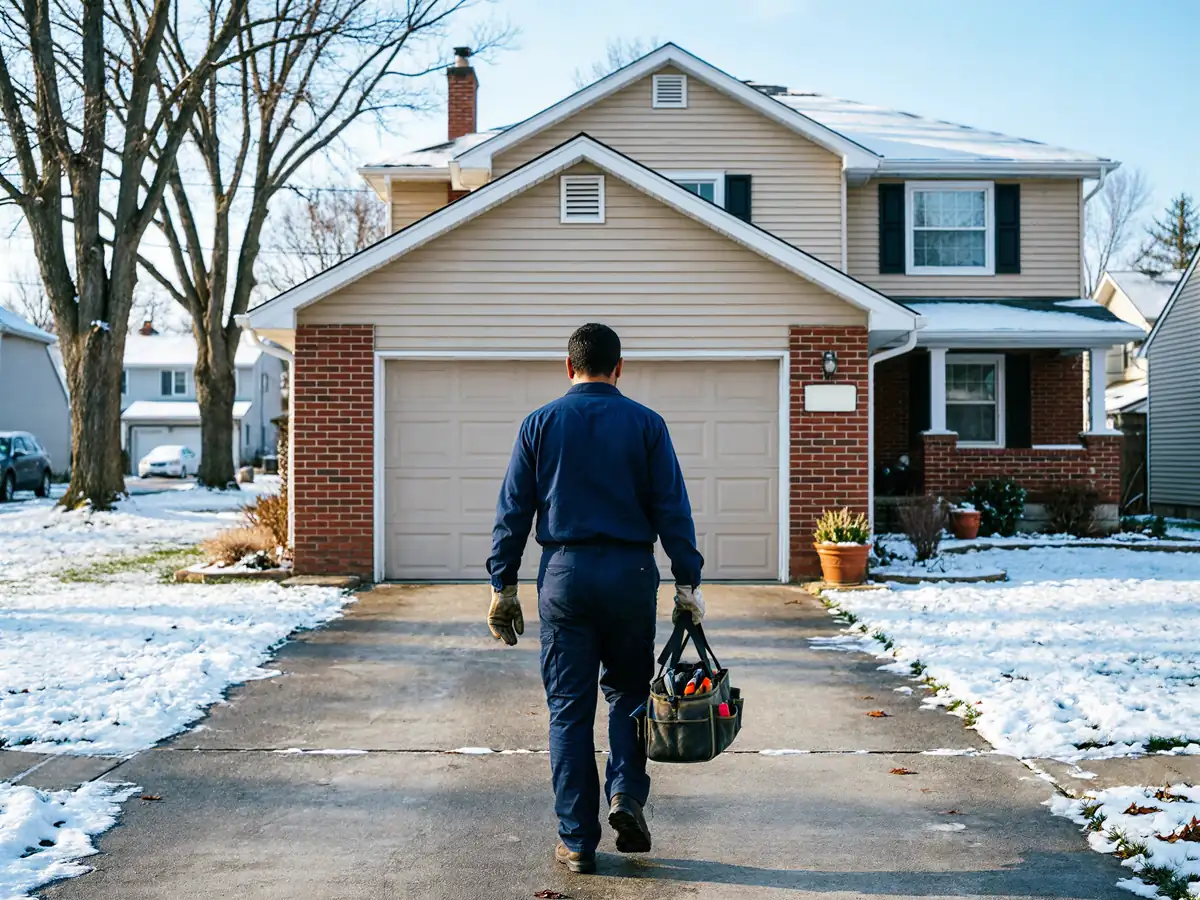
We come out from West Allis, about 9 miles away
So this isn't a drop-everything same-hour service - we book the call, confirm what's making the noise over the phone where we can, and get a truck out with the right roller stock for a door built in this window. With 14,062 households in Franklin, we see a fair number of these same-era doors, which helps us show up already knowing the hardware pattern instead of guessing on site.
- 9 miles
- 14,062 households
If you're not sure whether it's the rollers or the track that's bent, tell us what you hear
A rhythmic thunk as the door moves usually means a flat spot on a roller, while a grinding scrape that doesn't repeat points somewhere else.
The DIY Question
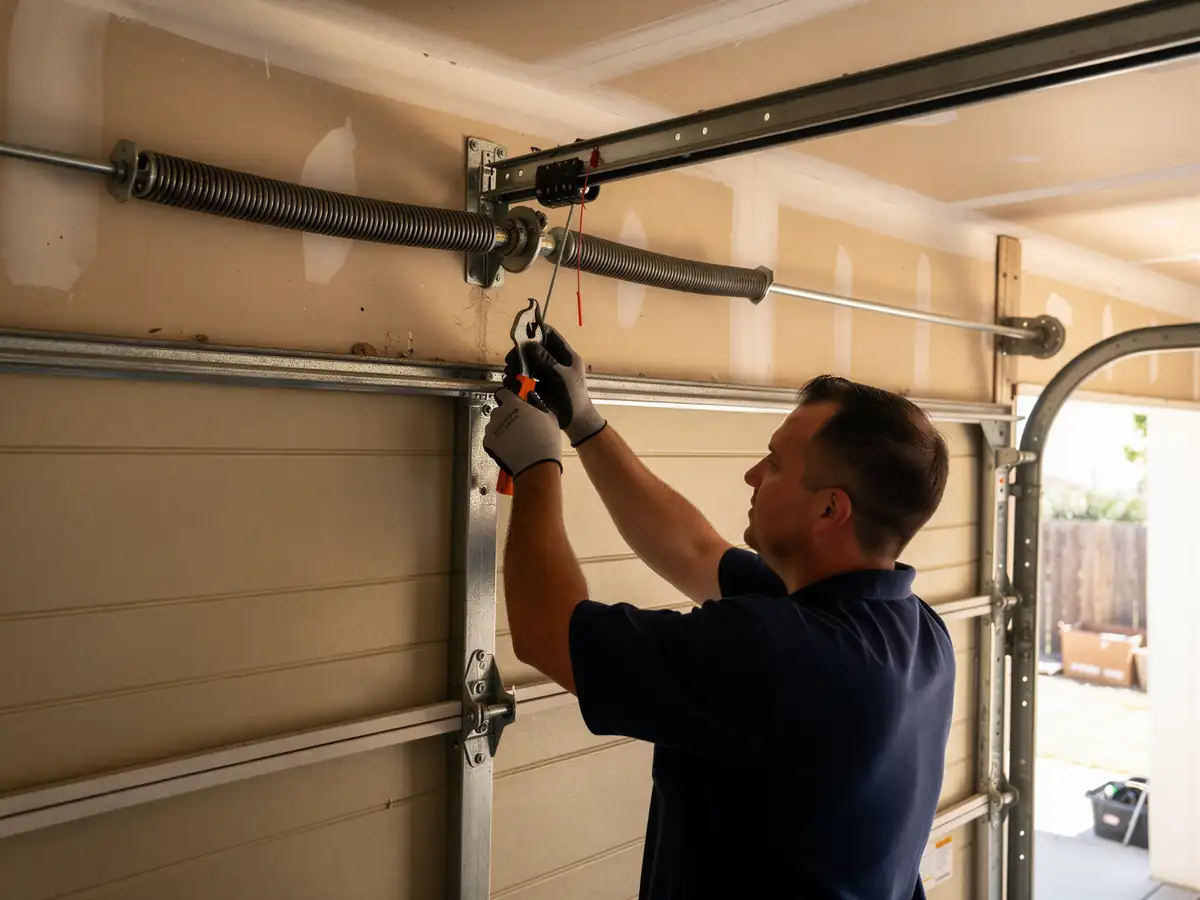
Swapping a single roller on a steel sectional door isn't a bad weekend job if you've got the door disconnected from the opener, the right clamps to hold tension off the section above, and a roller that matches the stem length your door actually uses - late-80s doors sometimes used a shorter stem than what's sold off the shelf today. Where people get hurt is working on the bottom section near a wound torsion spring without releasing tension first, or pulling rollers on all ten at once and losing track of which track section needs re-aligning after.
One honest limit: if more than two or three rollers on one side are worn, we'd rather replace the full set on that track in one visit than have you call us back in four months for the next one. Partial jobs on a door this age tend to just move the noise to the next worn roller down the line.
If you're comfortable with a ratchet and a stepladder and the door's only making noise on one or two rollers, it's a reasonable DIY call. If the door's heavy, insulated steel, or you're not sure which direction the tension wants to release, that's where we'd tell you to have us look at it first.
What the Fix Involves
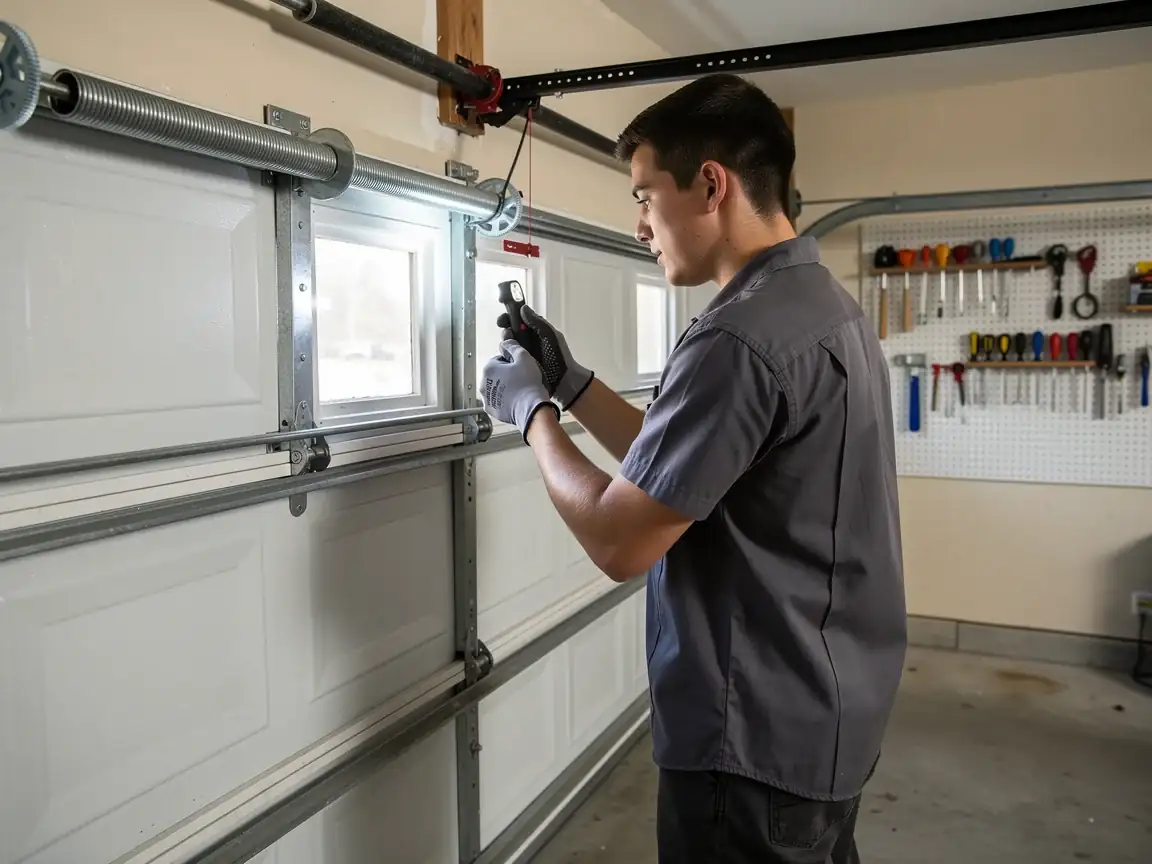
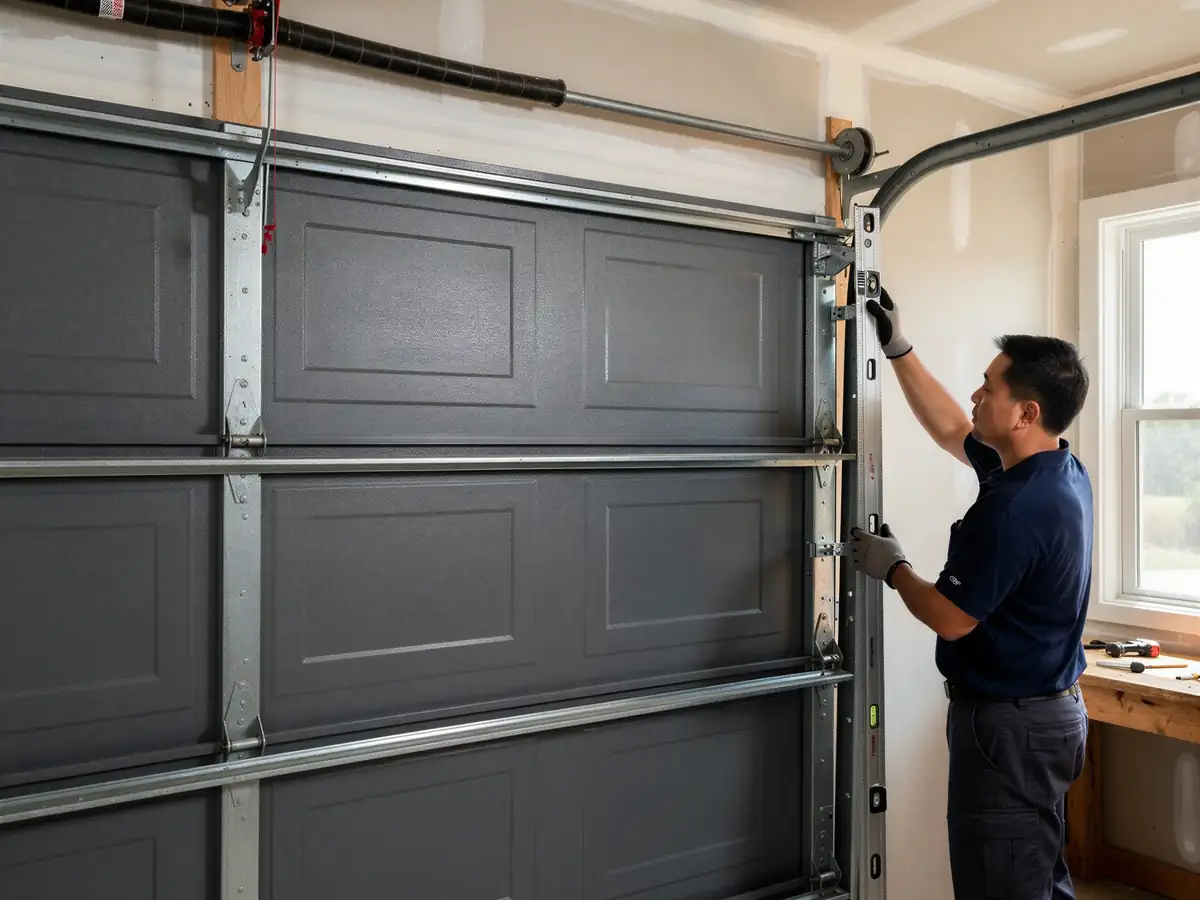
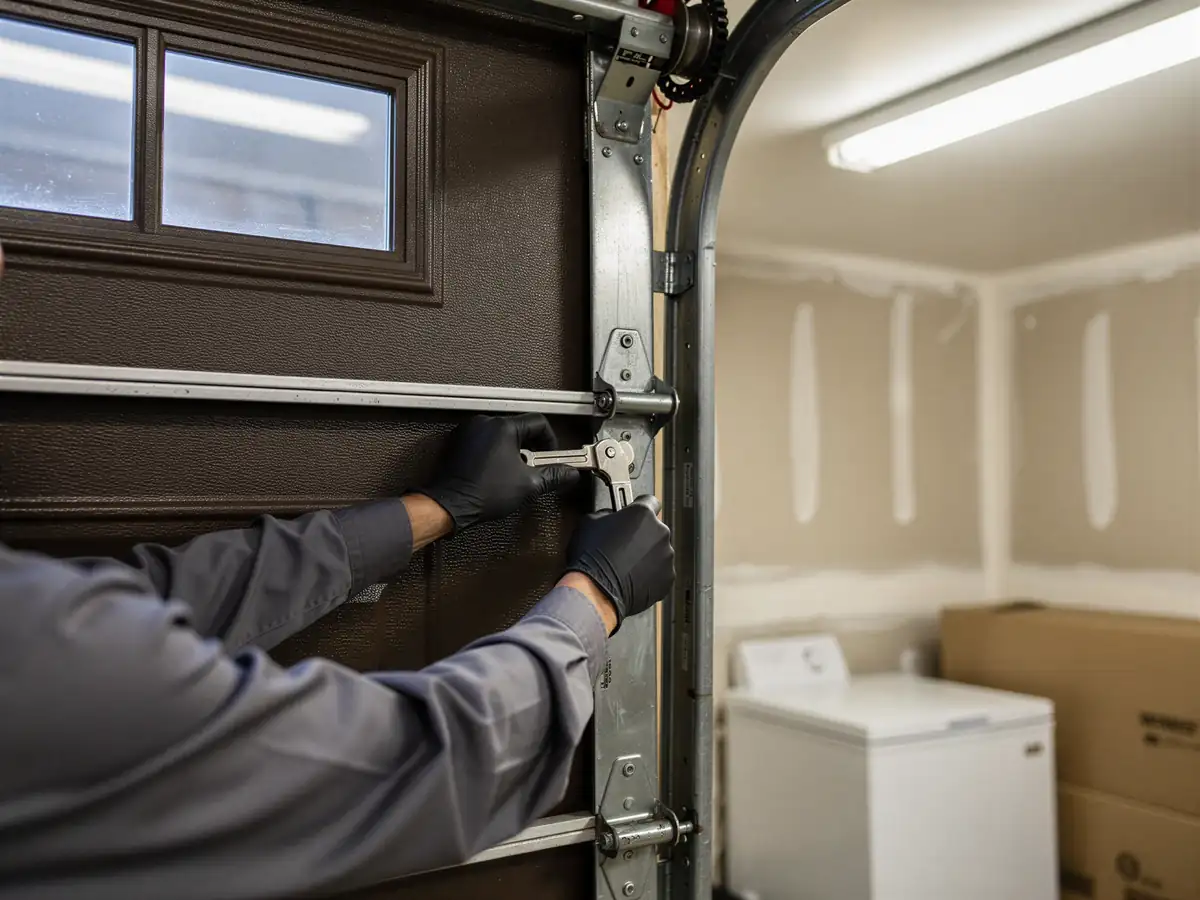
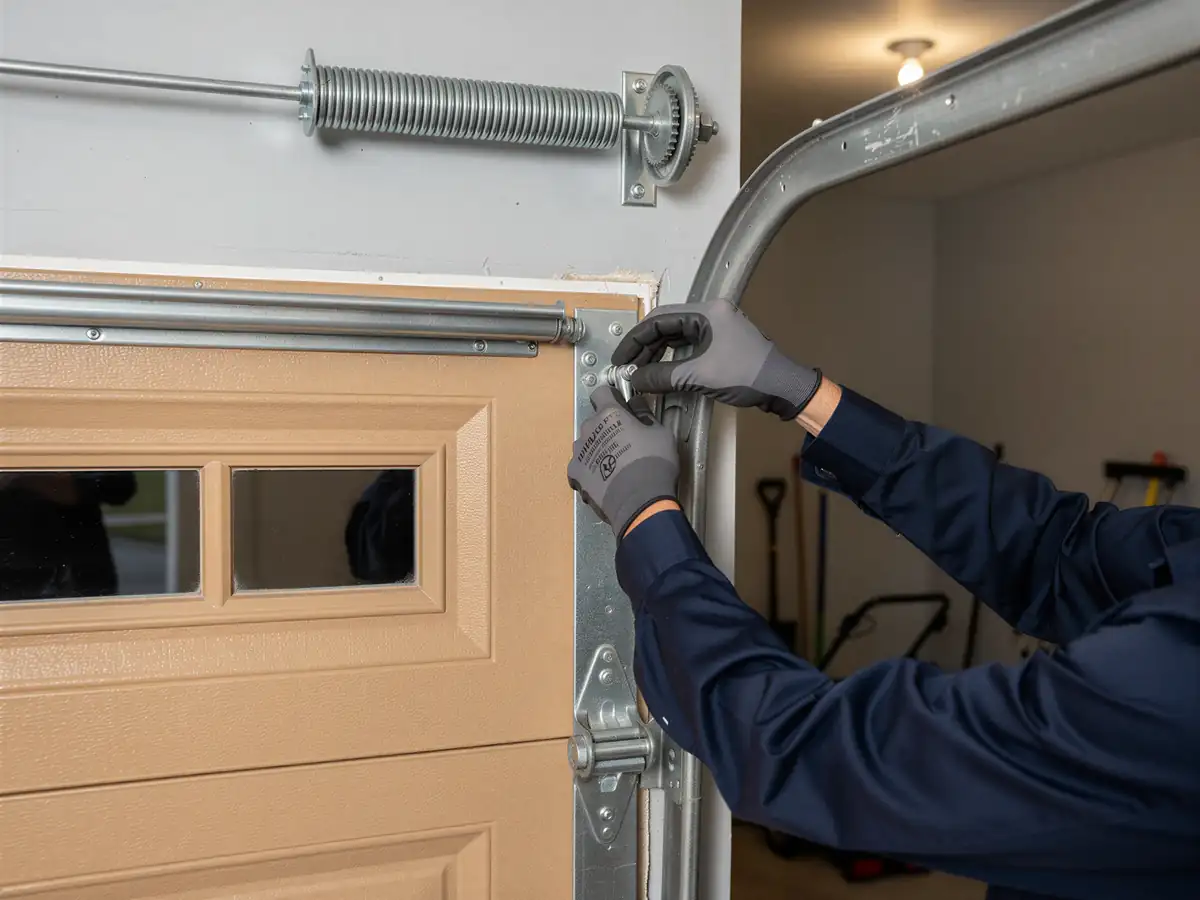
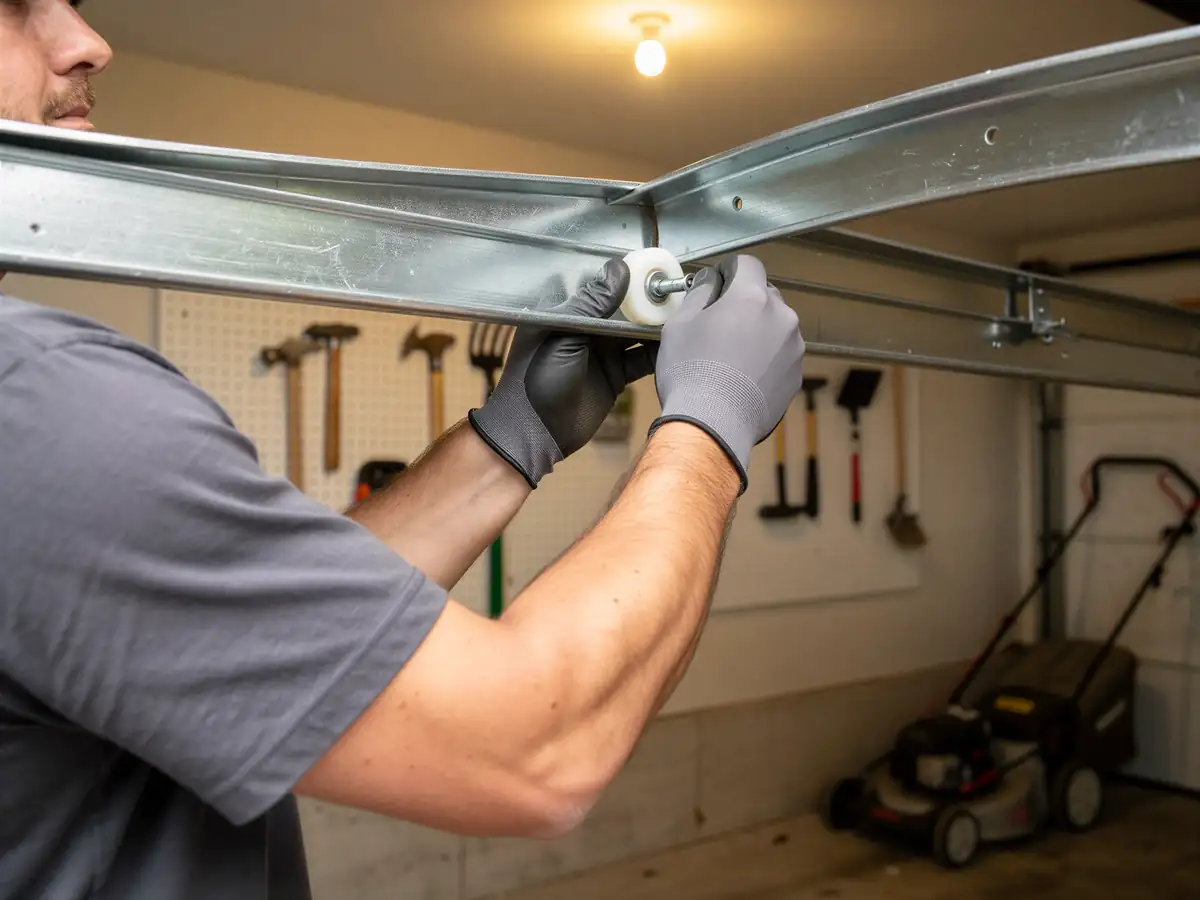
On a typical Franklin door from this build era, we pull the roller brackets one at a time, working from the bottom section up so the door stays supported in the track. Steel doors from around 1989 usually run 10-gauge roller stems on 2-inch rollers, and we carry nylon replacements with sealed bearings as the standard swap - quieter than the original steel and they don't need the periodic oiling the factory rollers wanted.
While we've got a section open we check the track bolts for play, since thirty-plus years of seasonal temperature swings loosens them, and we check the bottom bracket for rust pitting, which shows up more on doors that don't get much airflow in an attached garage. We don't replace parts that aren't worn just because we're already in there - if the track itself is straight and the brackets are tight, we leave them.
We don't do cosmetic panel work or full door replacement as part of a roller call; if the door's sagging or the panels are dented badly enough that the track geometry is off, that's a separate conversation about whether replacement makes more sense than another repair.
How Long It Takes
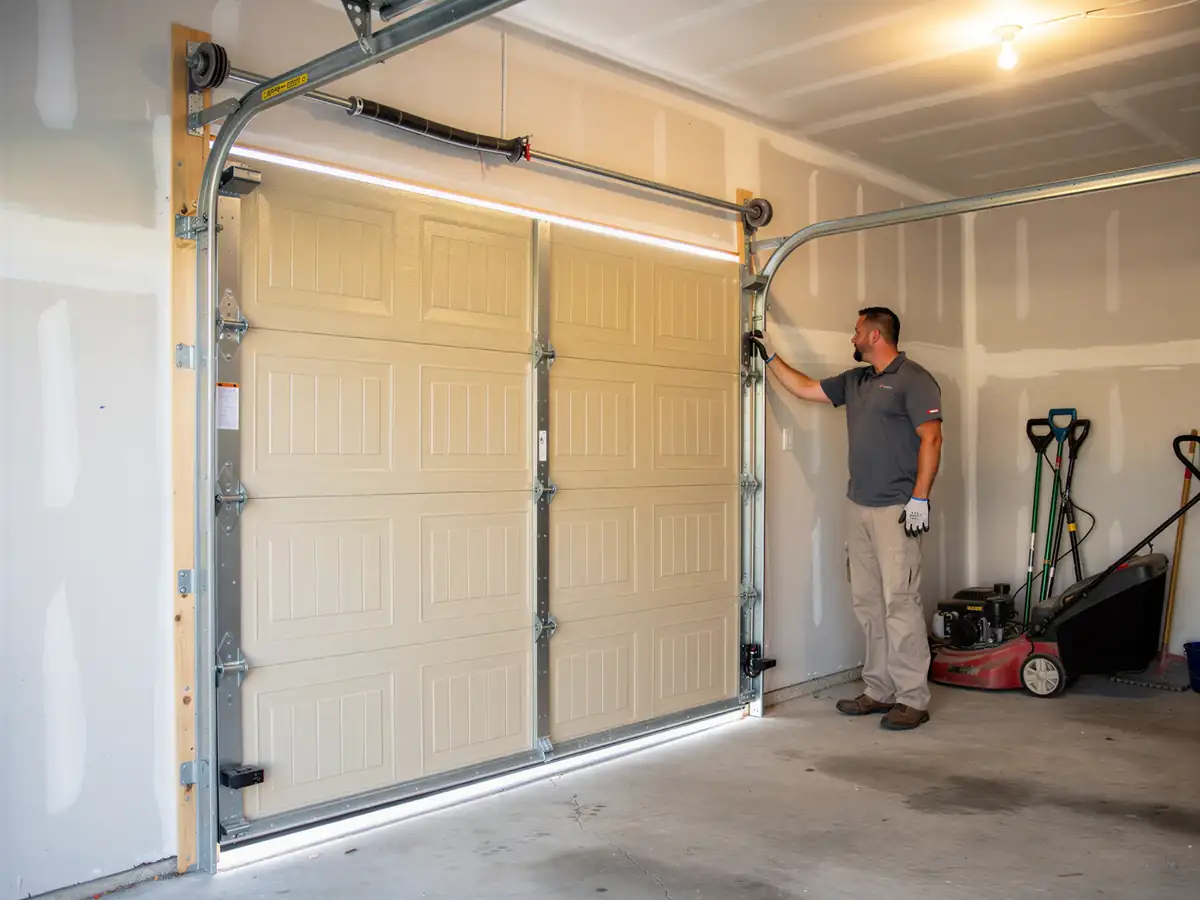
A full set of ten rollers on one door, done on site, usually runs under two hours once the truck is set up and the door's disconnected from the opener
That's working time only - it doesn't include the drive out from West Allis, which at 9 miles adds to the start of the appointment window rather than the job itself.
- 9 miles
If we find a bent track section or a bracket that needs re-anchoring, that adds time
Since we're not going to bolt a new roller into a bracket that's already pulling loose from the jamb. Franklin's median household income of $108,342 is close to the $108,690 figure across the broader area we serve, and we quote the same roller parts and labor rate regardless of which Franklin street we're on - the job scope is what drives the time, not the address.