Getting It Booked In
Most of the maintenance calls we get out of Franklin aren't springs that have snapped
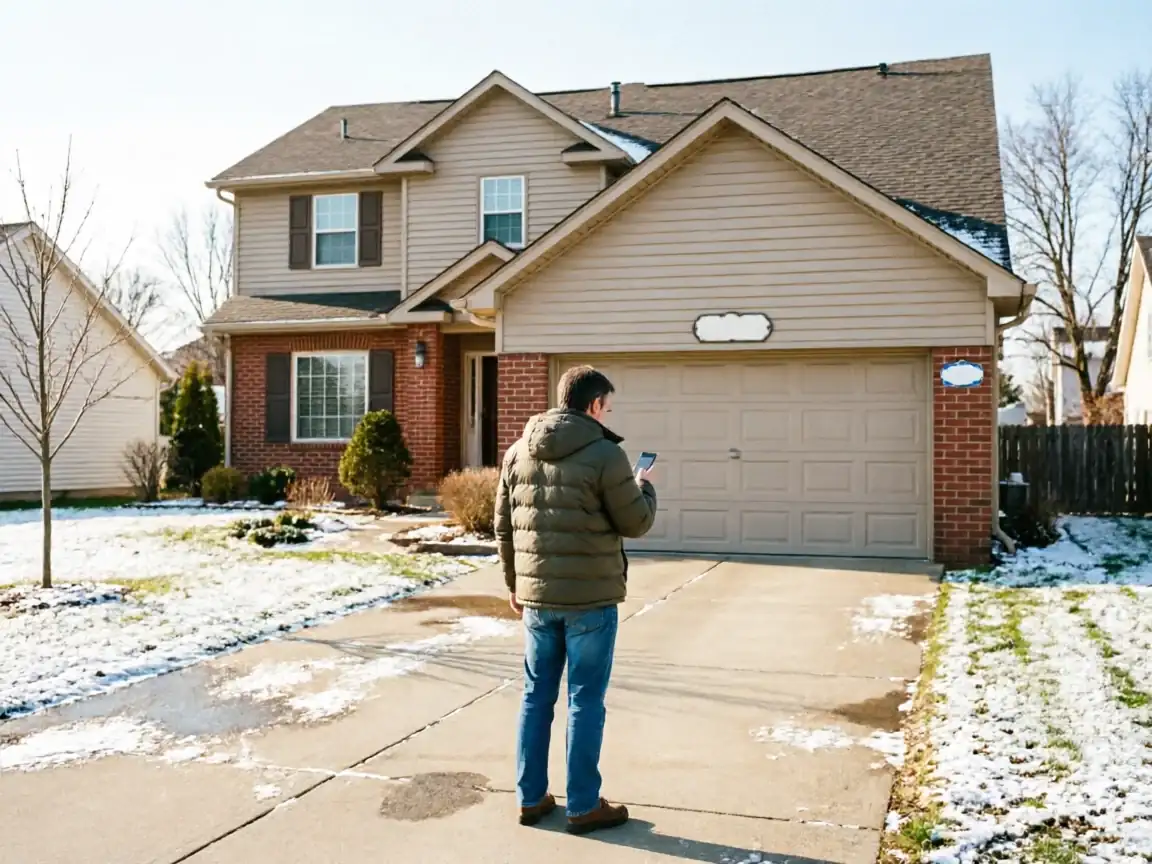
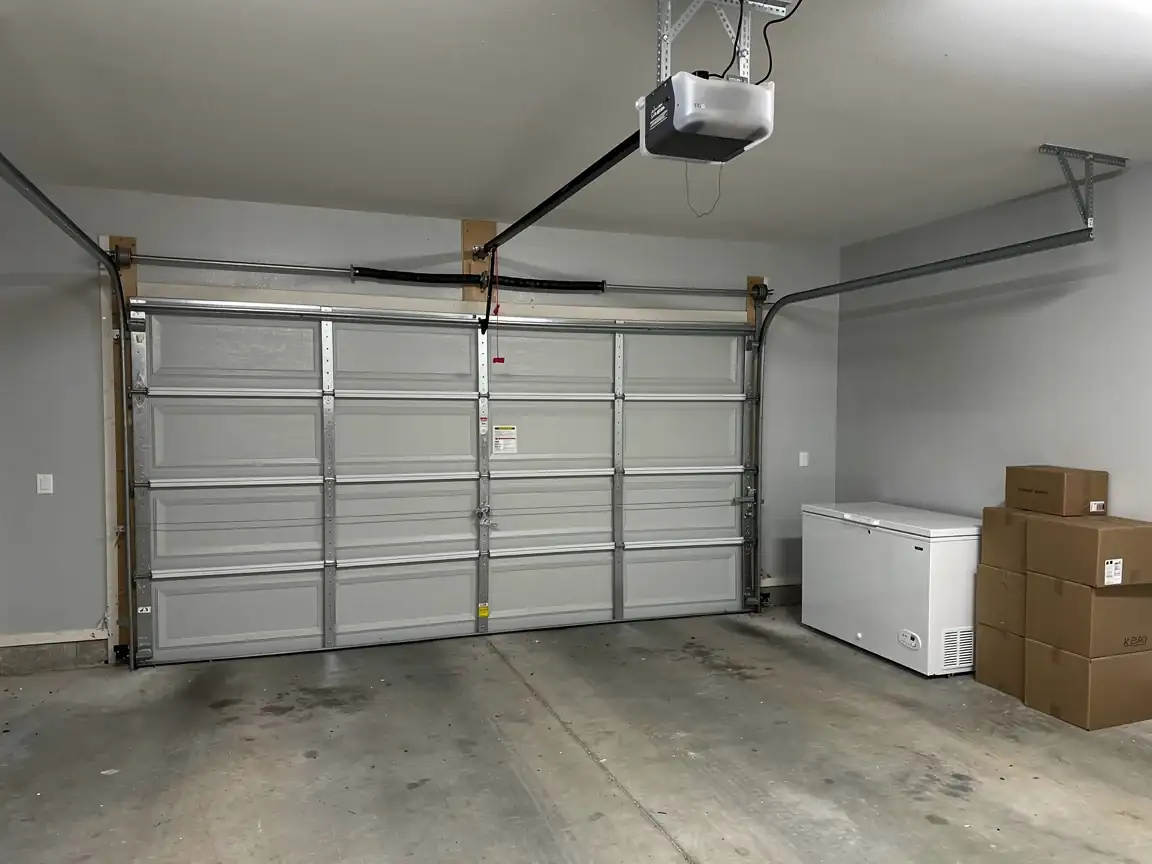
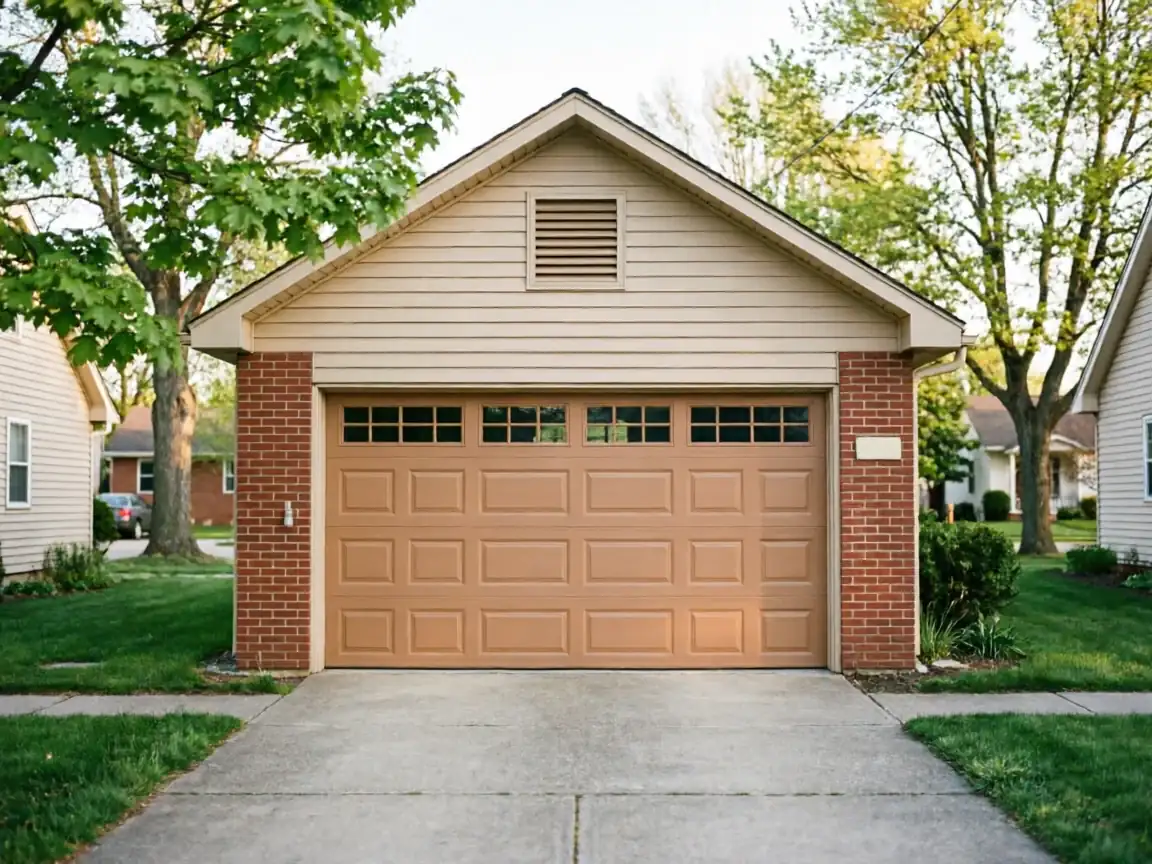
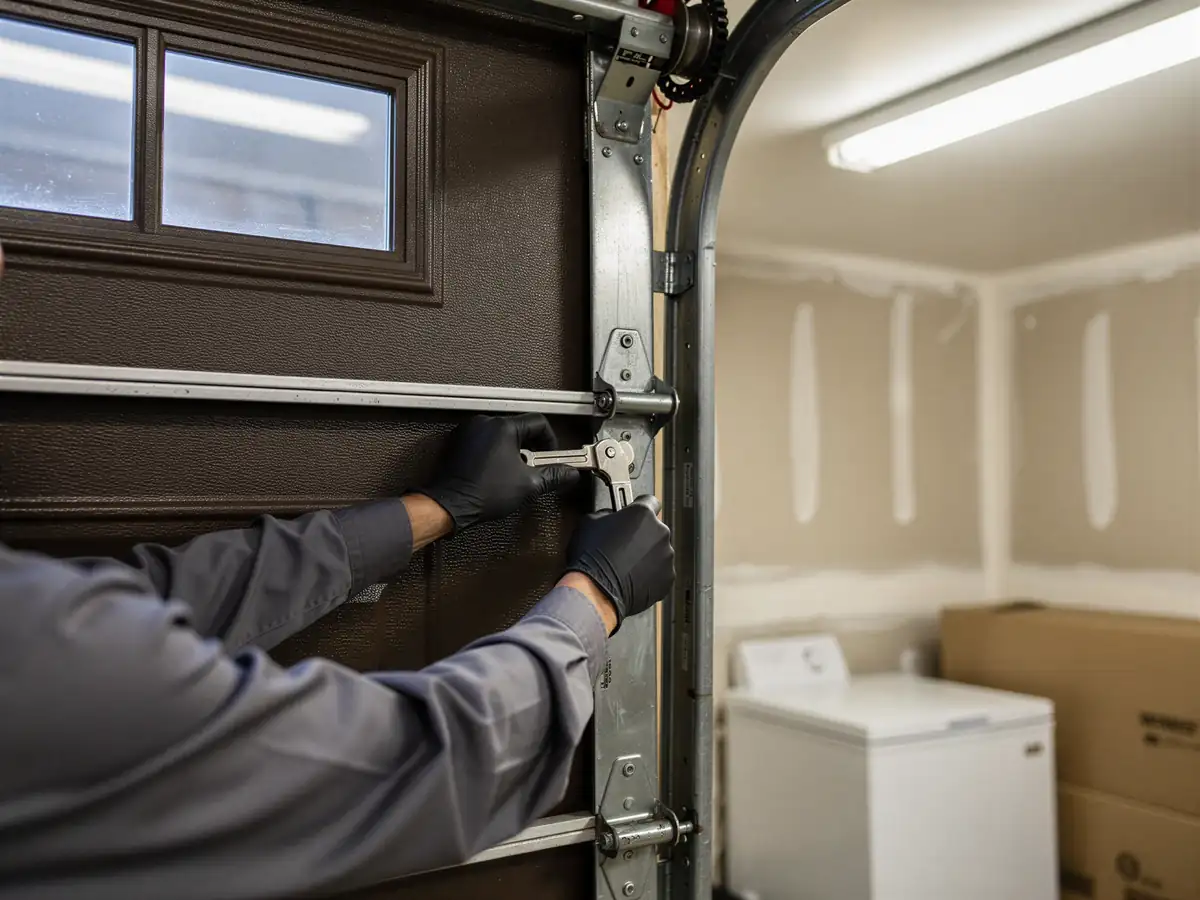
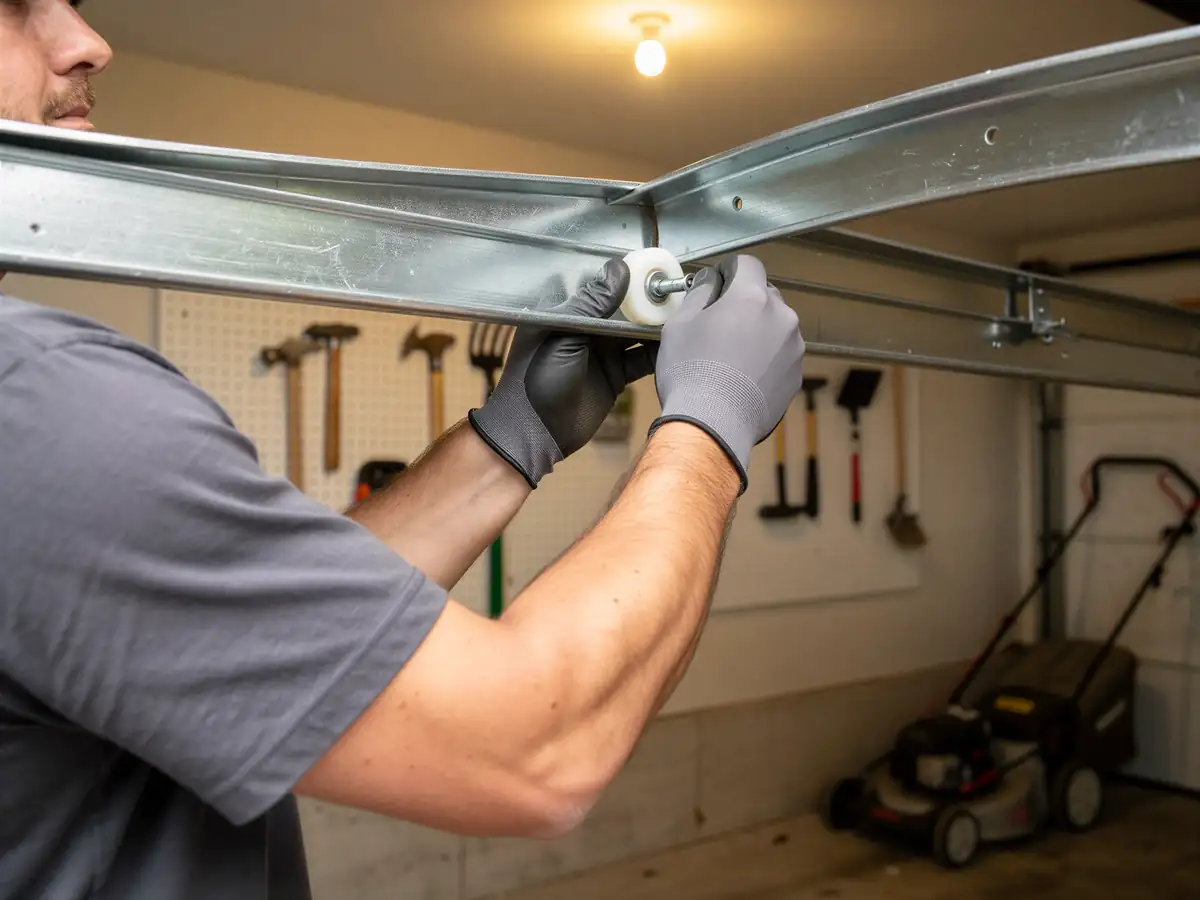
They're openers starting to strain and rollers that have gone from round to flat-sided. Franklin's housing stock centers on 1989, which puts a lot of garages at roughly 35 years old right now. That's the window where the factory-grade torsion springs and the original chain-drive openers installed when the house was built start showing their age at the same time, instead of failing one at a time like they would in an older, more mixed-era neighborhood.
- 35 years
That timing matters because West Allis's own housing runs much older on average
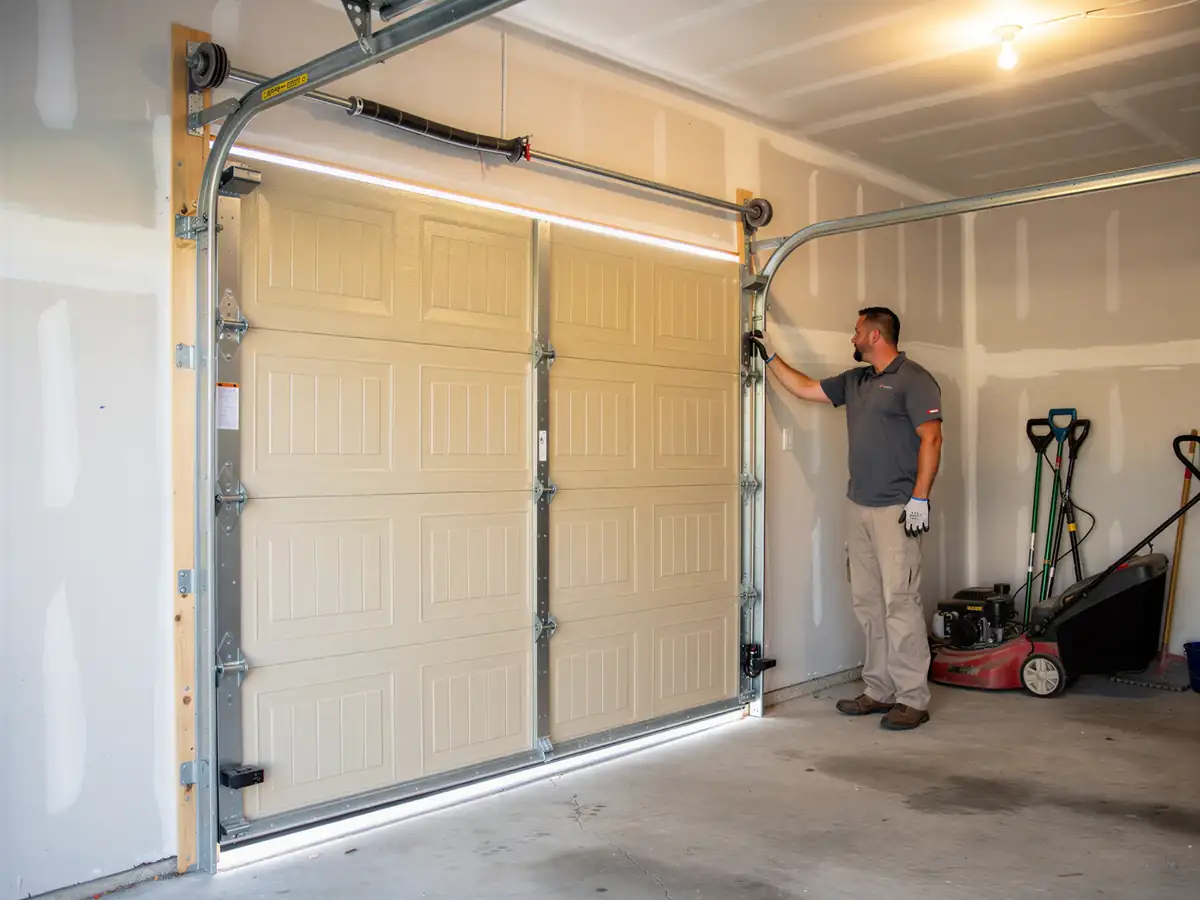
Built across 1938 through 2000 with a median near 1976 - so the fault we're chasing on a West Allis call is often a different one than what's wearing out in Franklin. We travel out about 9 miles to reach Franklin, and when we book a maintenance visit here we're already expecting late-'80s opener gearing and original spring steel, not the older low-headroom tracks you see closer to West Allis itself.
- 9 miles
Booking is simple: tell us roughly when the door or opener went in
And if you know it was there when the house was built, say so. That one detail changes what we bring on the truck.
The DIY Question
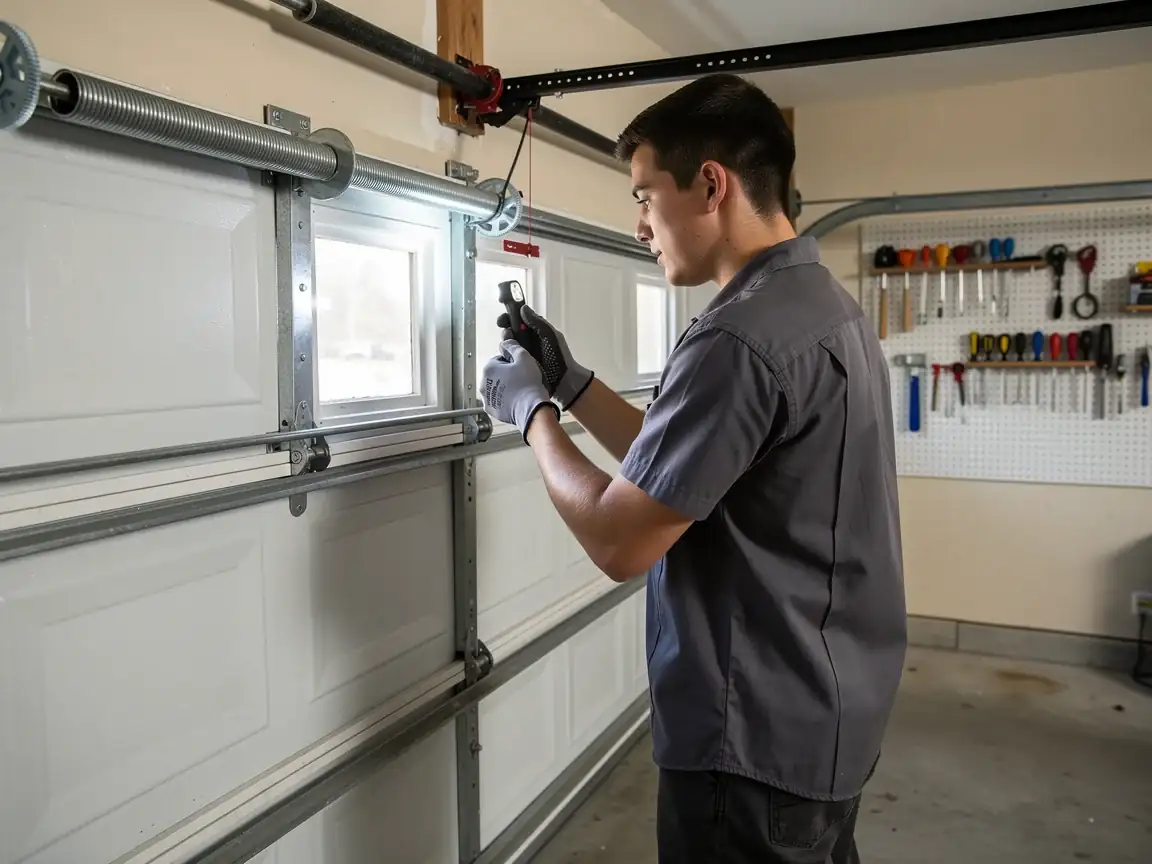
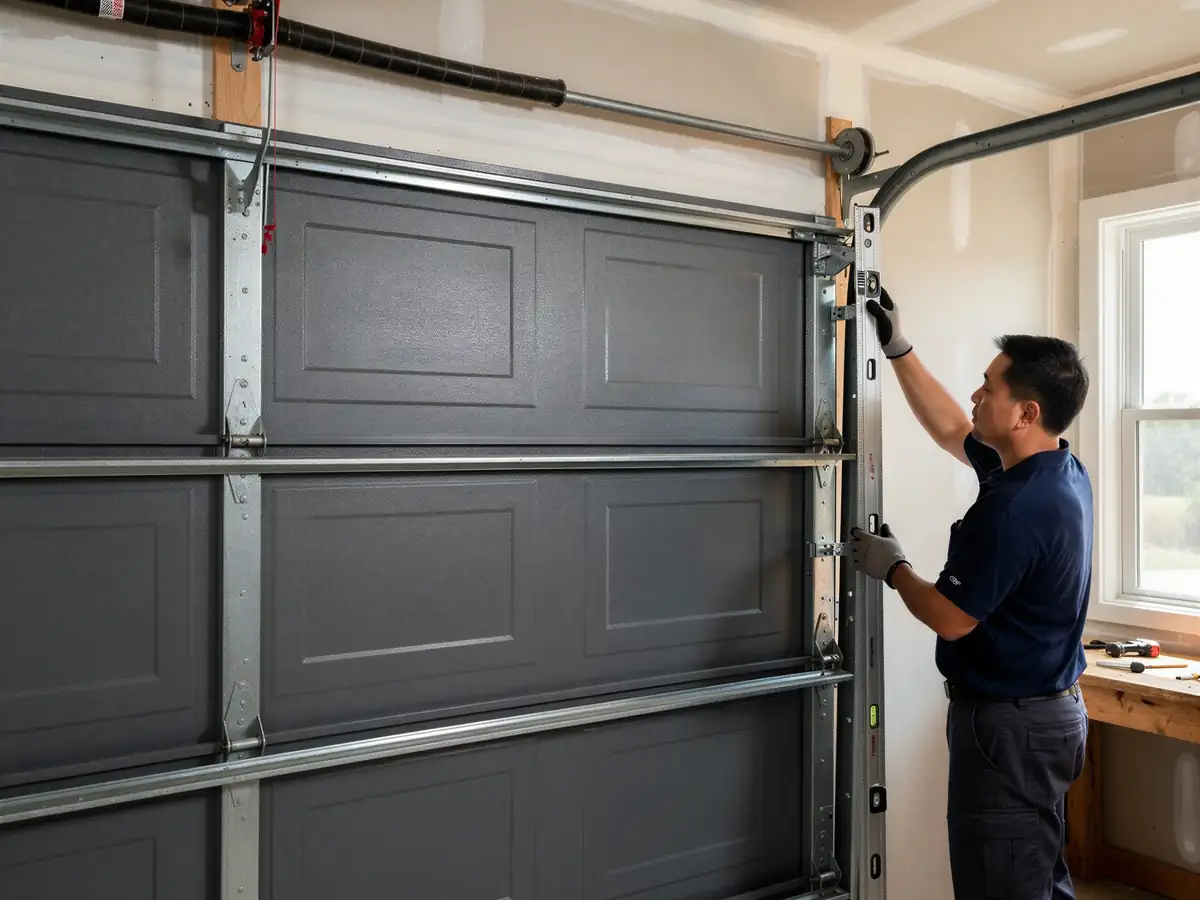
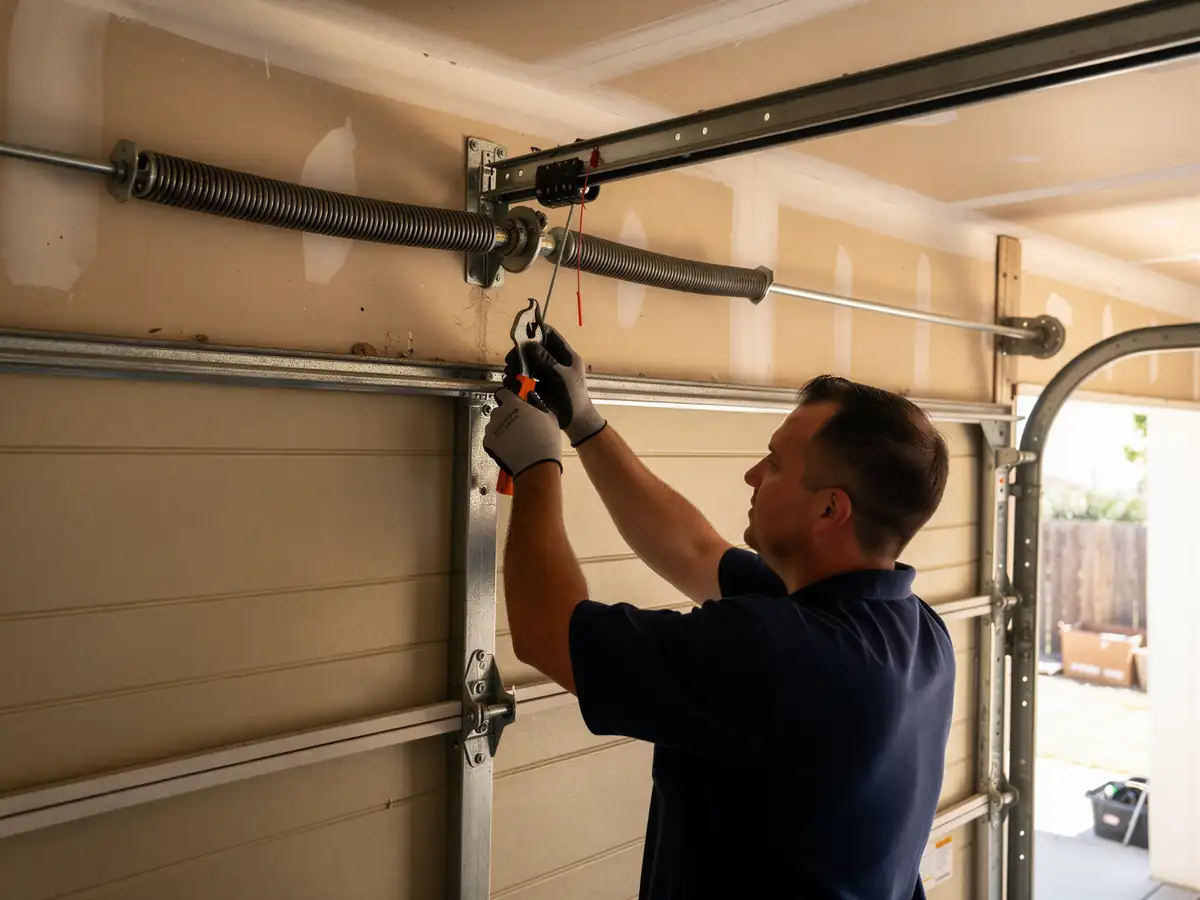
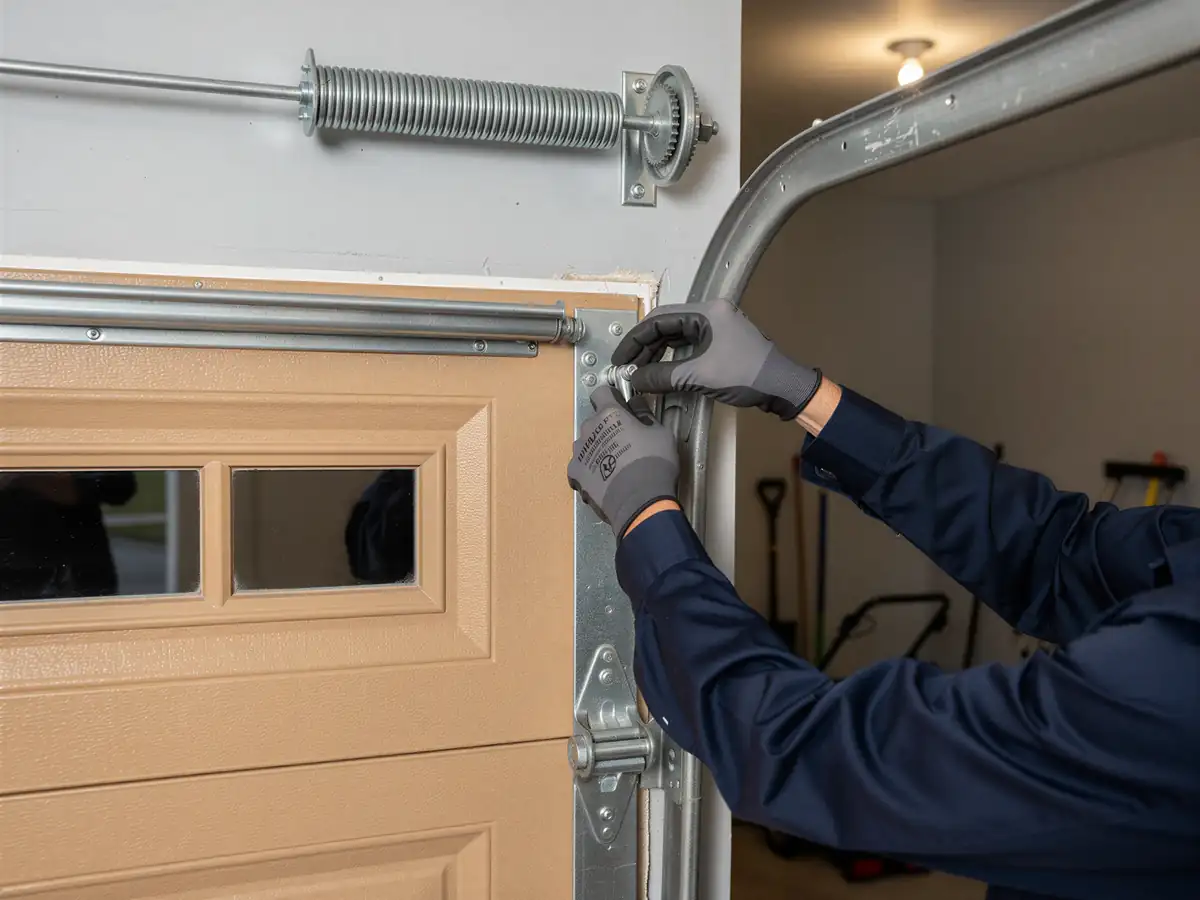
Lubricating hinges and rollers yourself is fine, and tightening visible bolts on the track brackets is fine too. What isn't worth doing yourself is anything involving the torsion spring or the cable drums - on a door this age, the spring has had about 35 years of cycles, and a spring that looks fine can let go under tension with no warning.
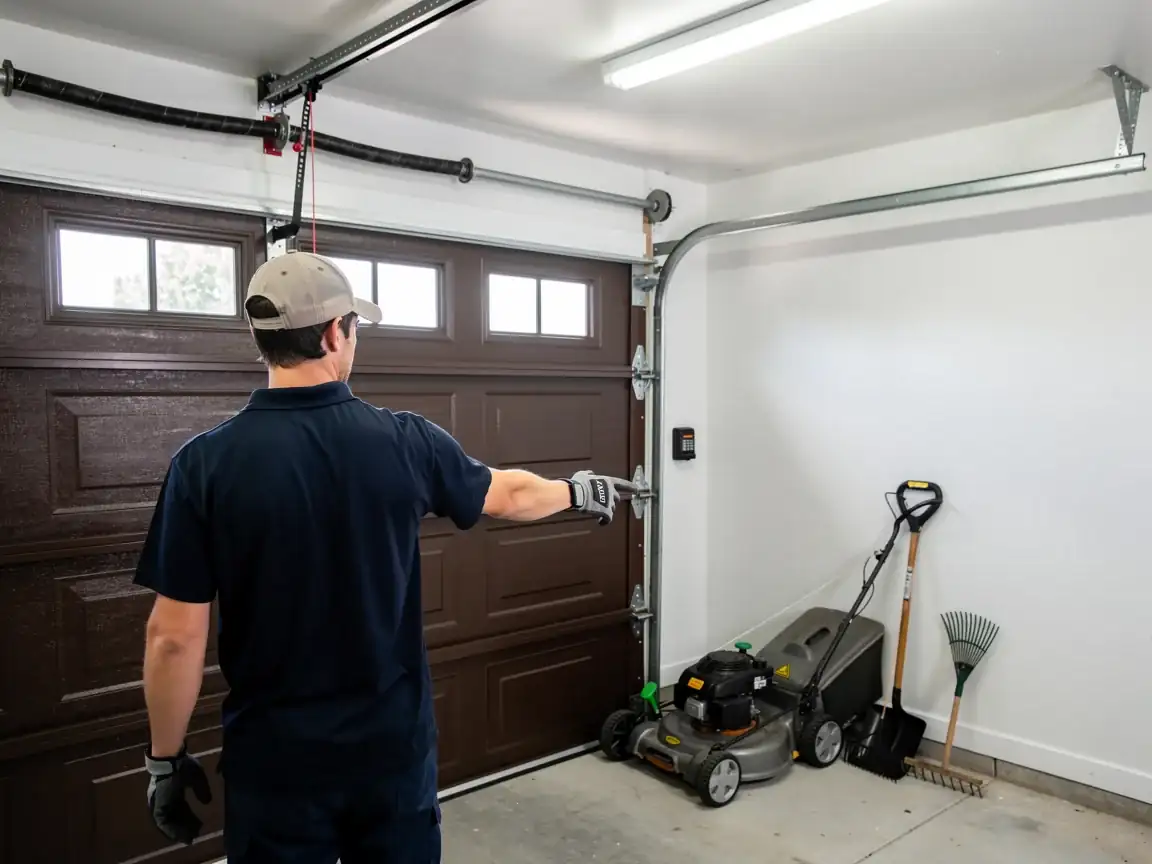
The other DIY trap specific to houses from this era is the opener's travel and force settings. Chain and belt openers installed in the late 1980s used simpler limit switches than what's sold now, and homeowners sometimes