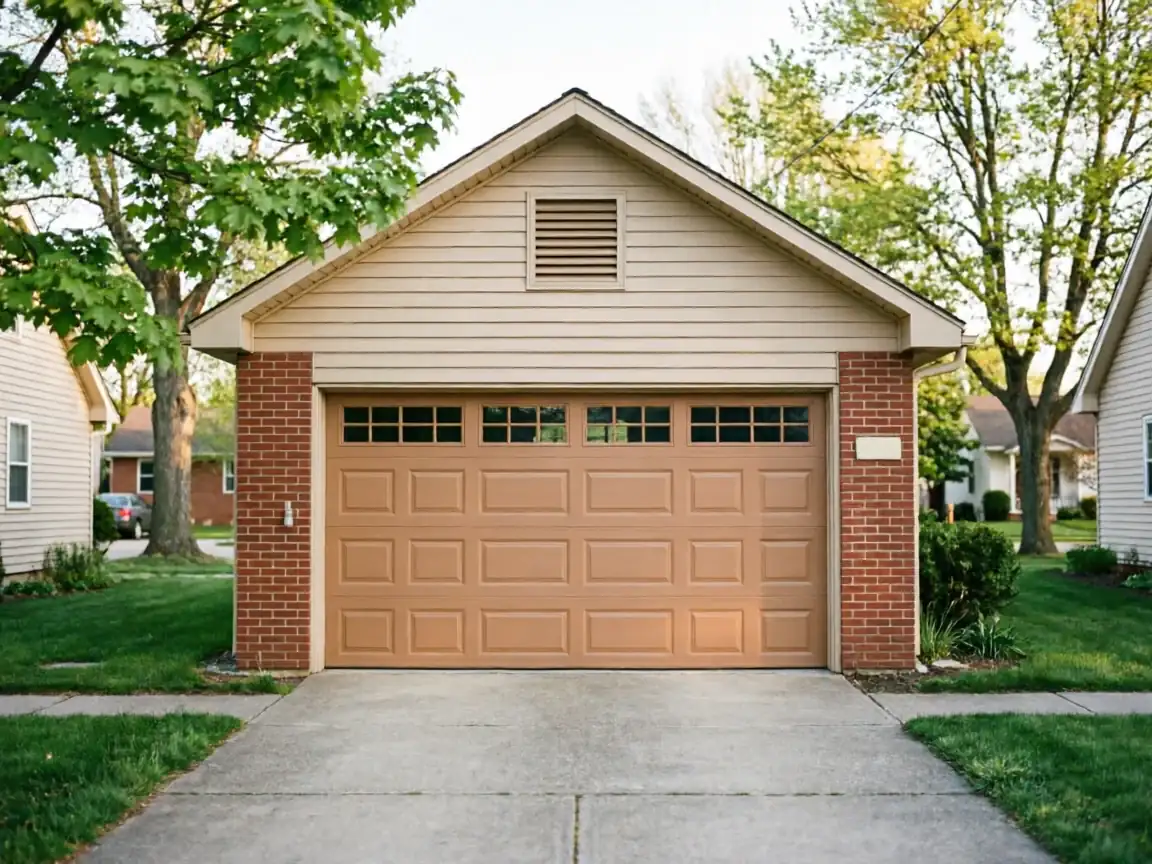
Muskego homes mostly date to the late 1980s, later than much of the service area, which changes what breaks and when. Cold-snap spring failures are common here.
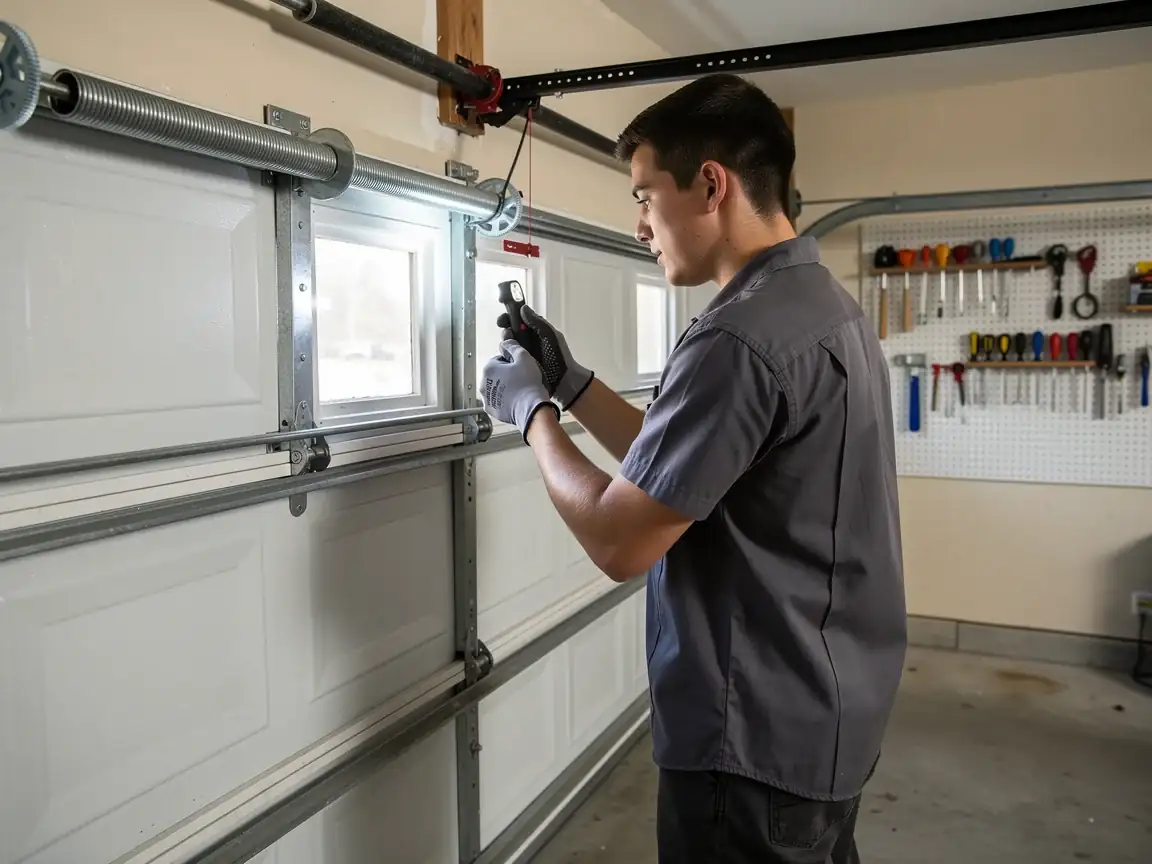
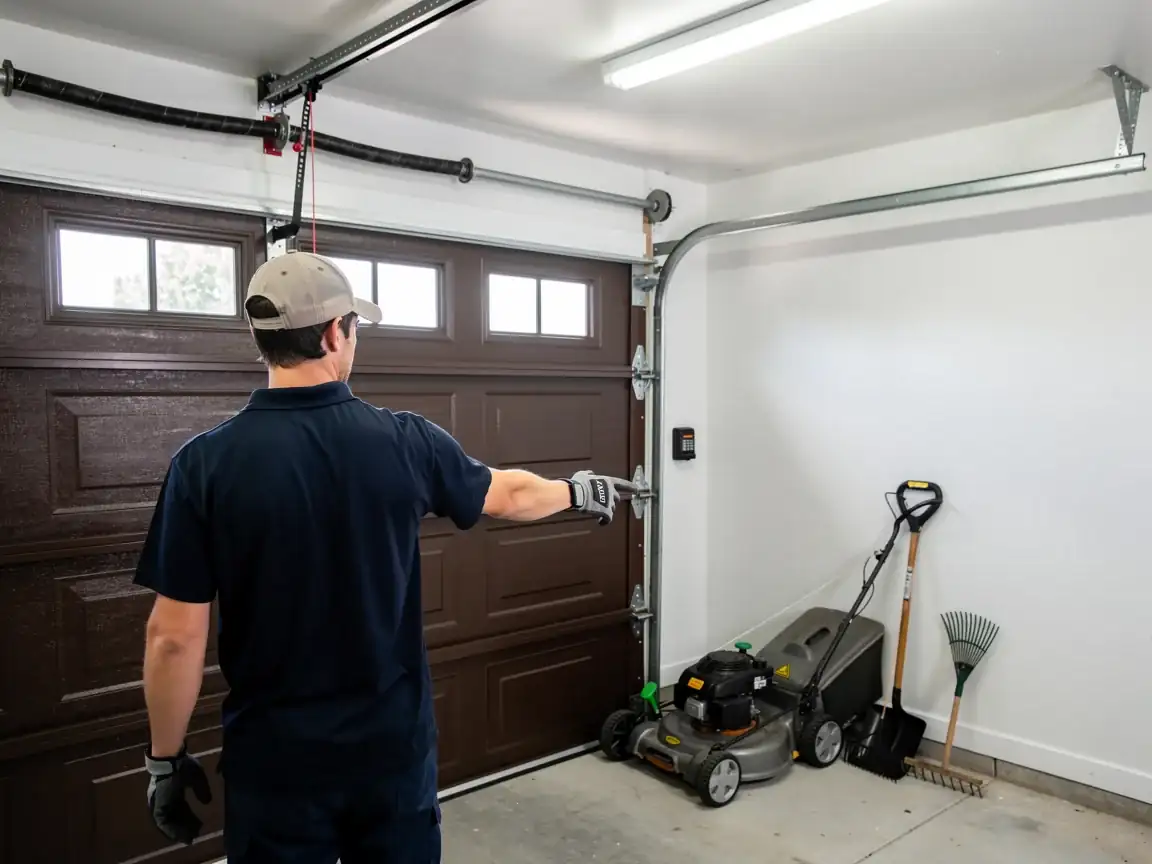
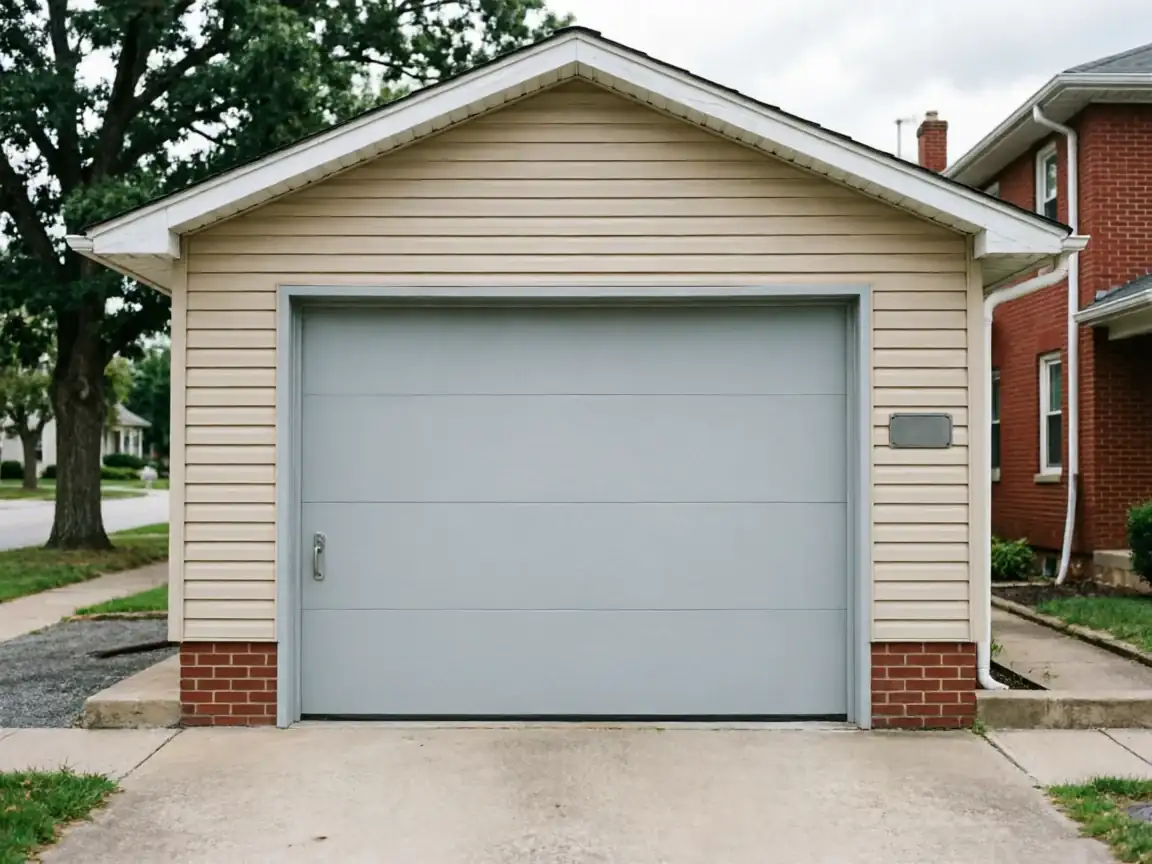
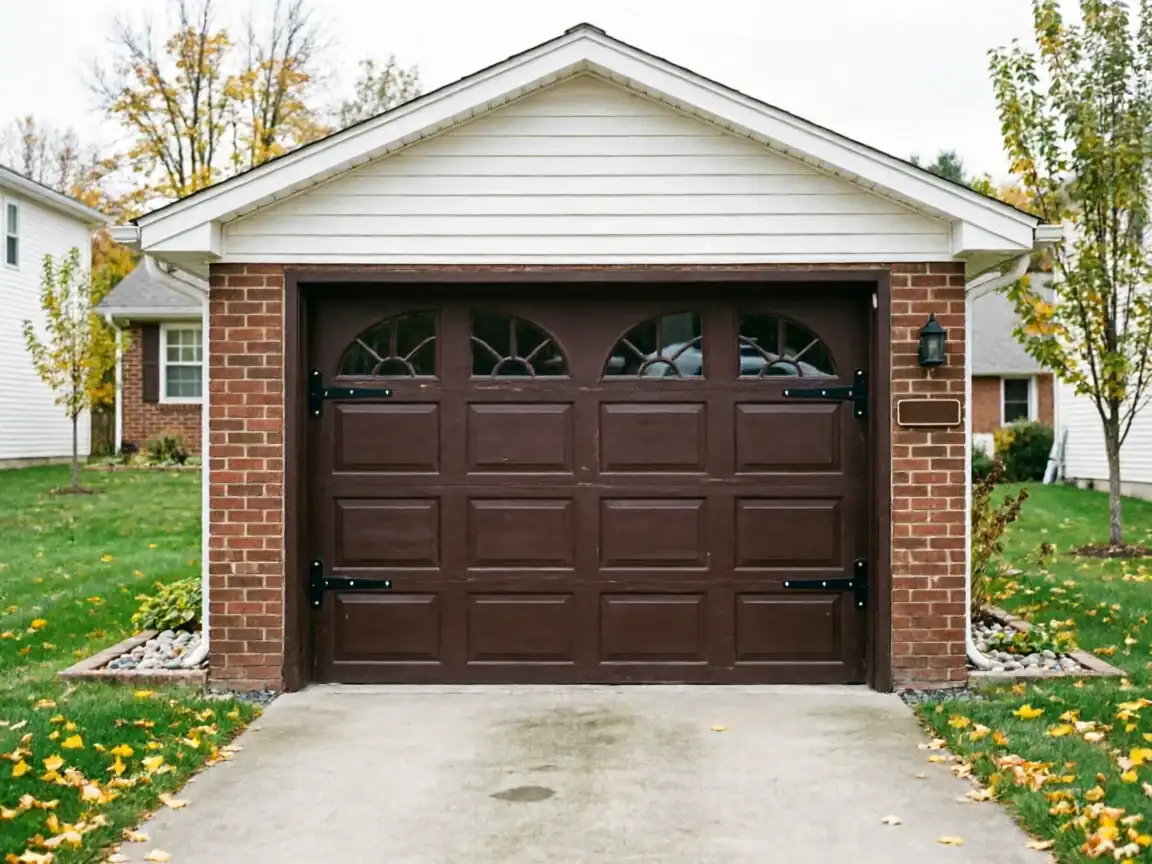
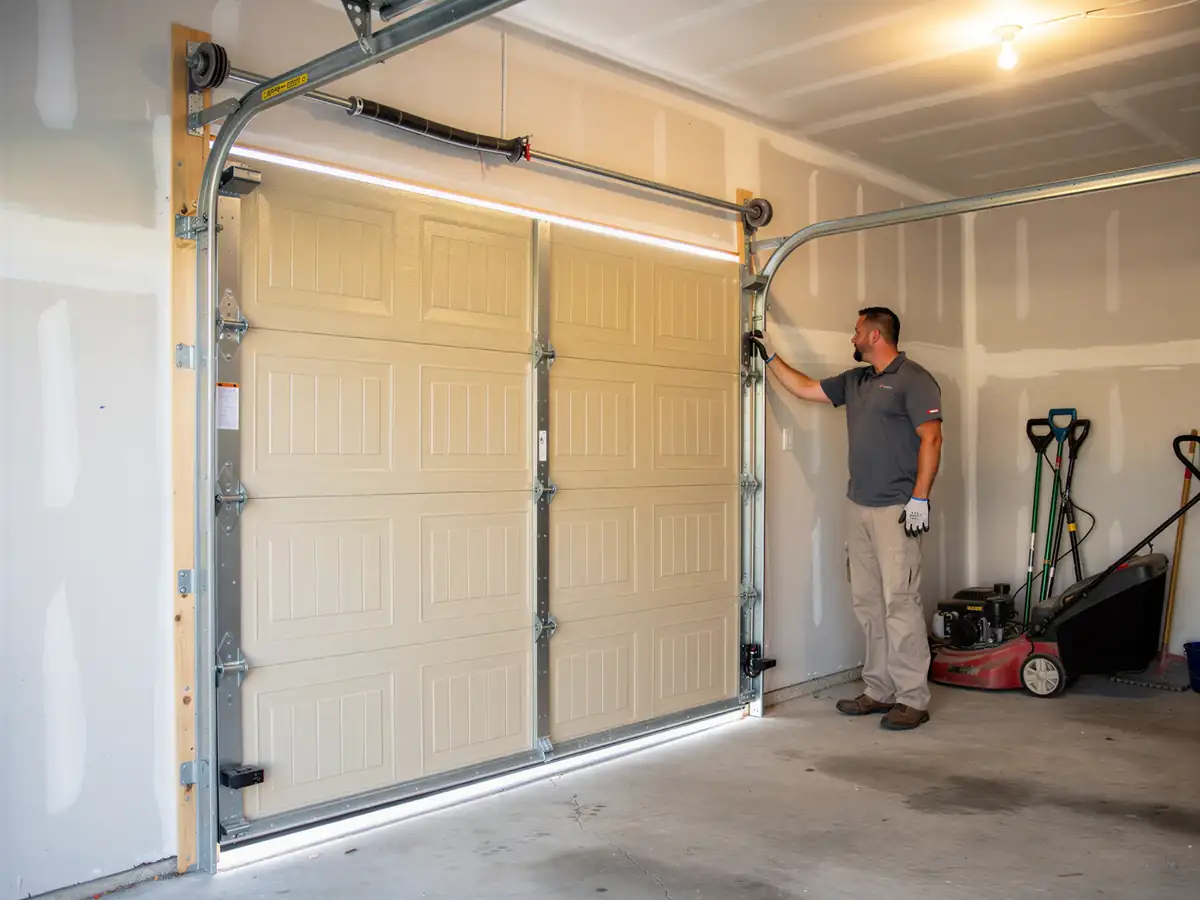
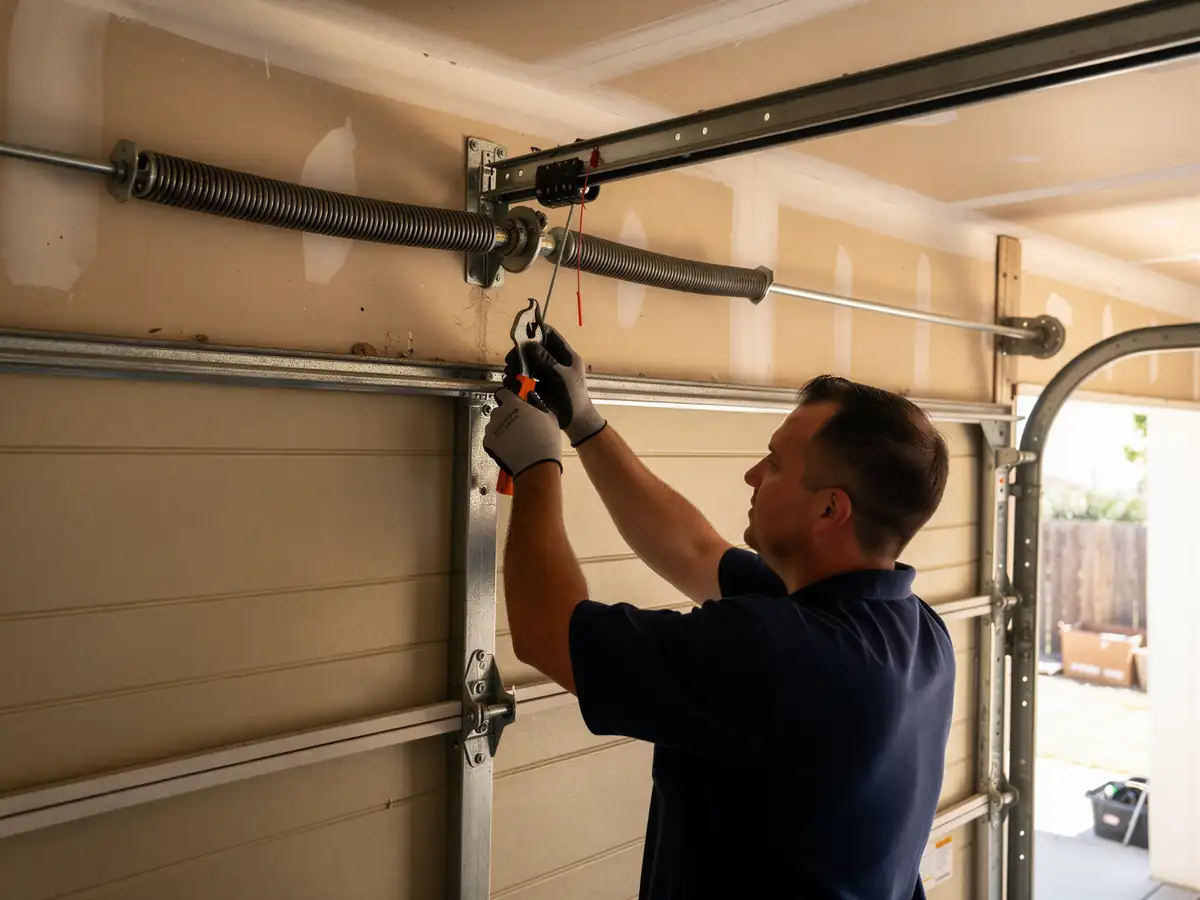
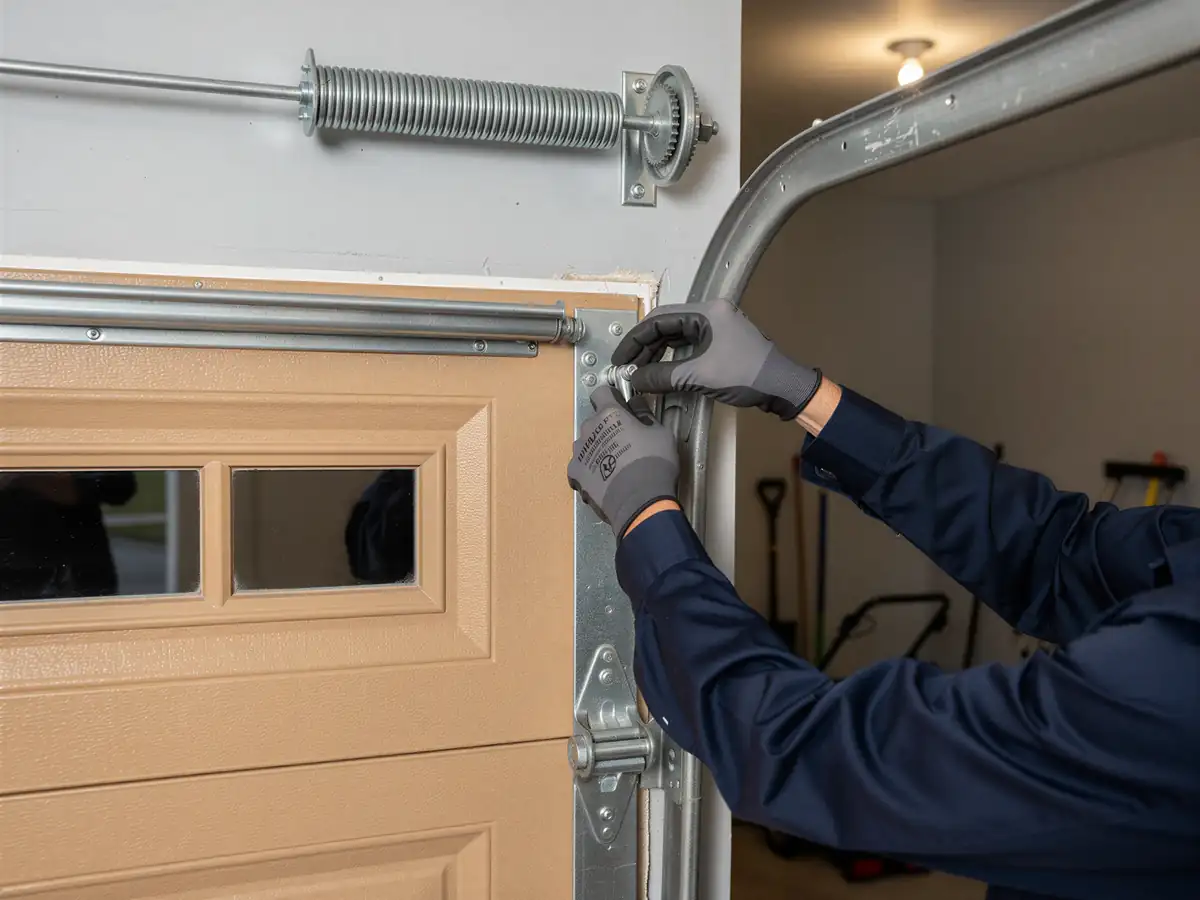
We run this call out of West Allis, about 11 miles from Muskego, so the honest answer on timing depends on traffic and what's already on the truck that day - we won't promise a number we can't back up. What we can tell you is what changes the job length once we're there. Muskego's housing stock is newer than a lot of what we see closer to West Allis; the area-wide median build year is 1976, but Muskego itself centers closer to 1987. That decade matters because torsion spring systems and steel sectional doors were standard by then, not the older extension-spring setups you still find on pre-1960s houses. Torsion jobs are more predictable to diagnose and often faster to finish once we've got the right spring size, because the hardware is more consistent across houses built in the same few years. The slow part is almost never the repair itself - it's figuring out which spring wind and door weight a particular builder used if the original spring is long gone and nobody kept the sticker. We carry a working range of common torsion springs for that era, which covers most Muskego calls without a special order.
What Can Go Wrong
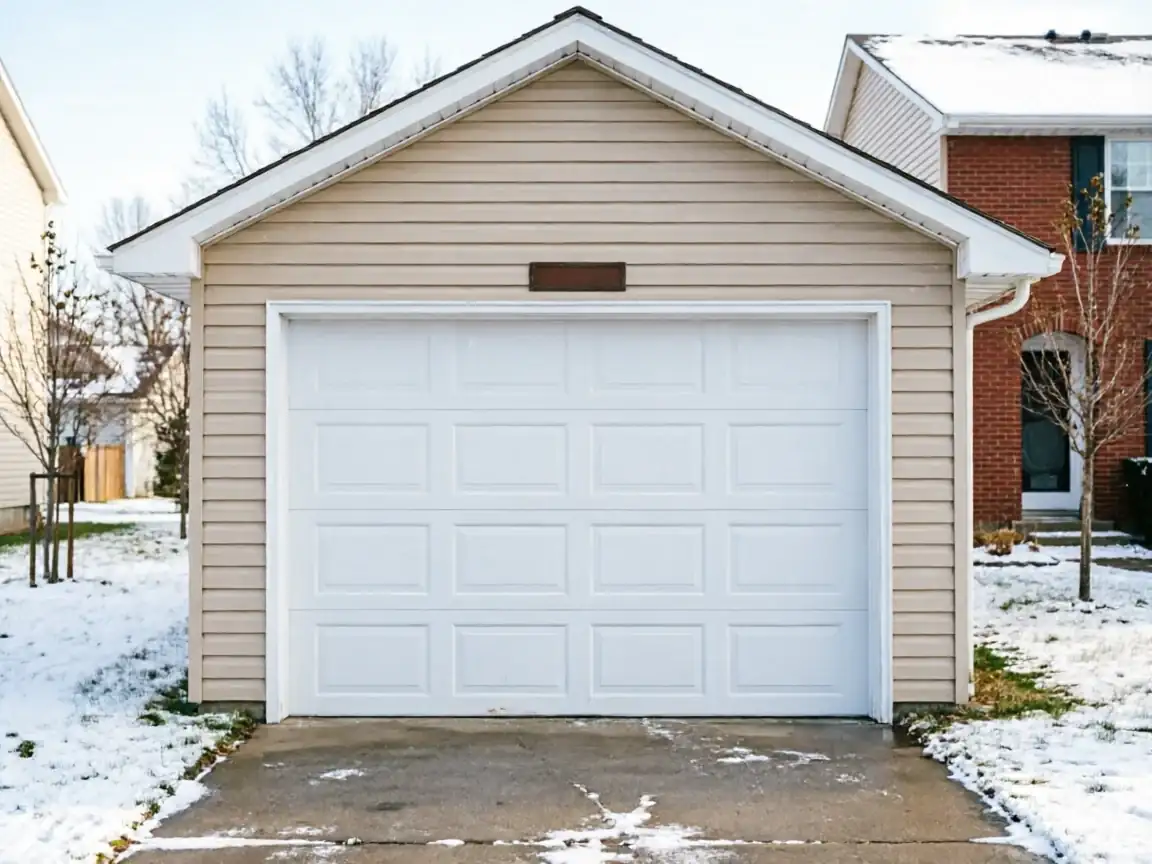
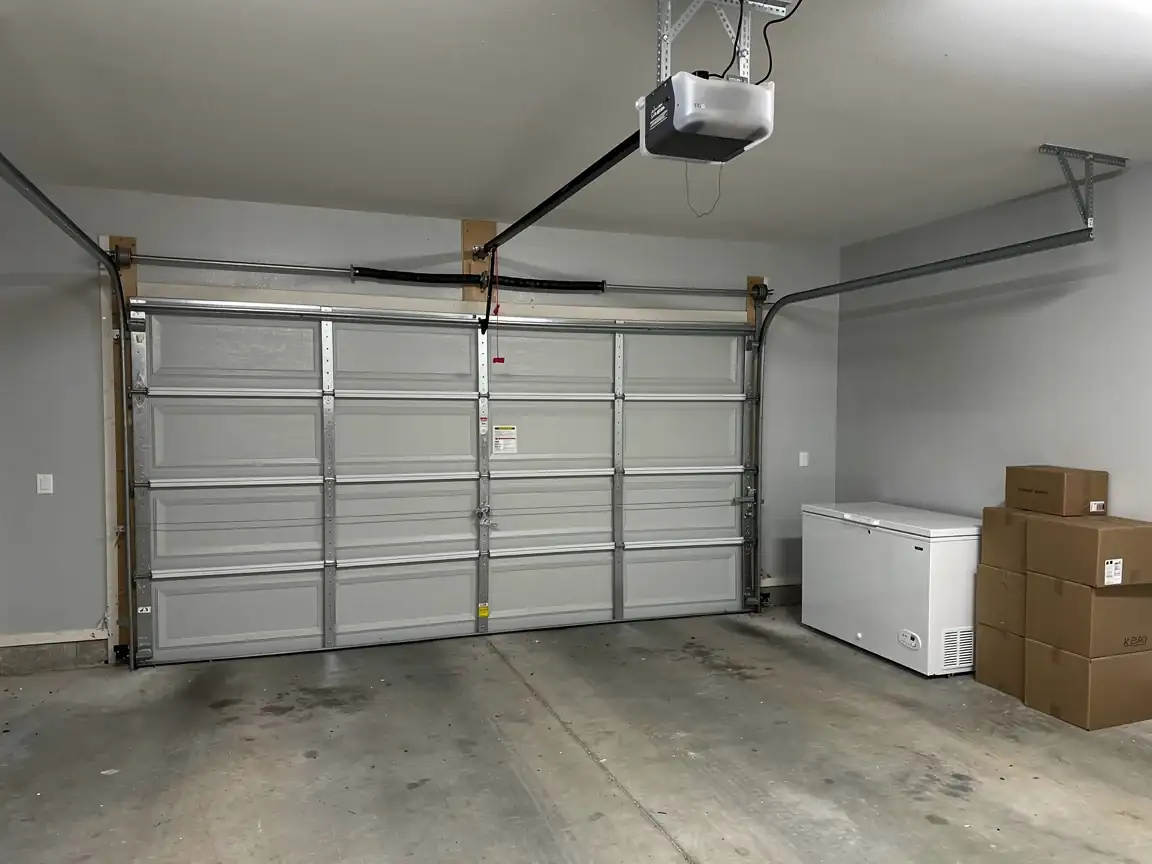
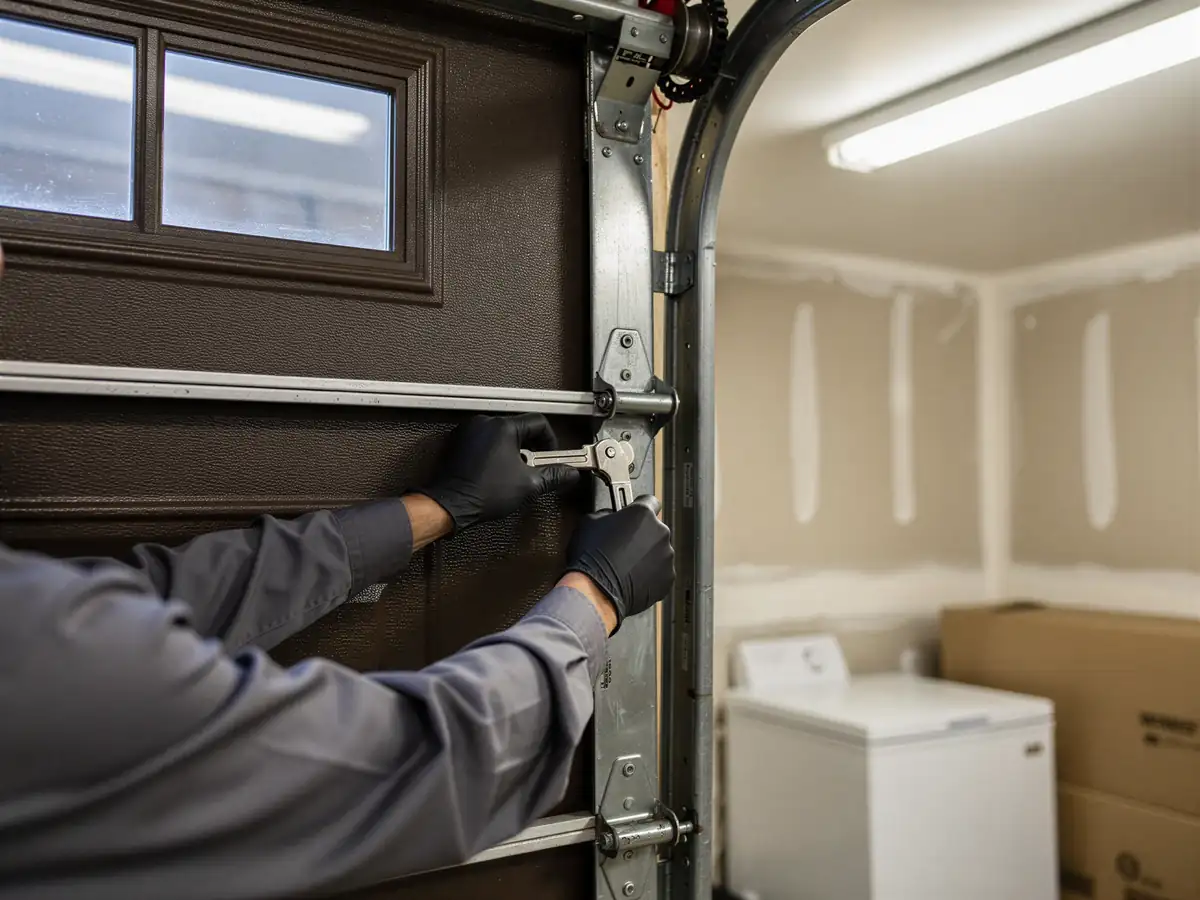
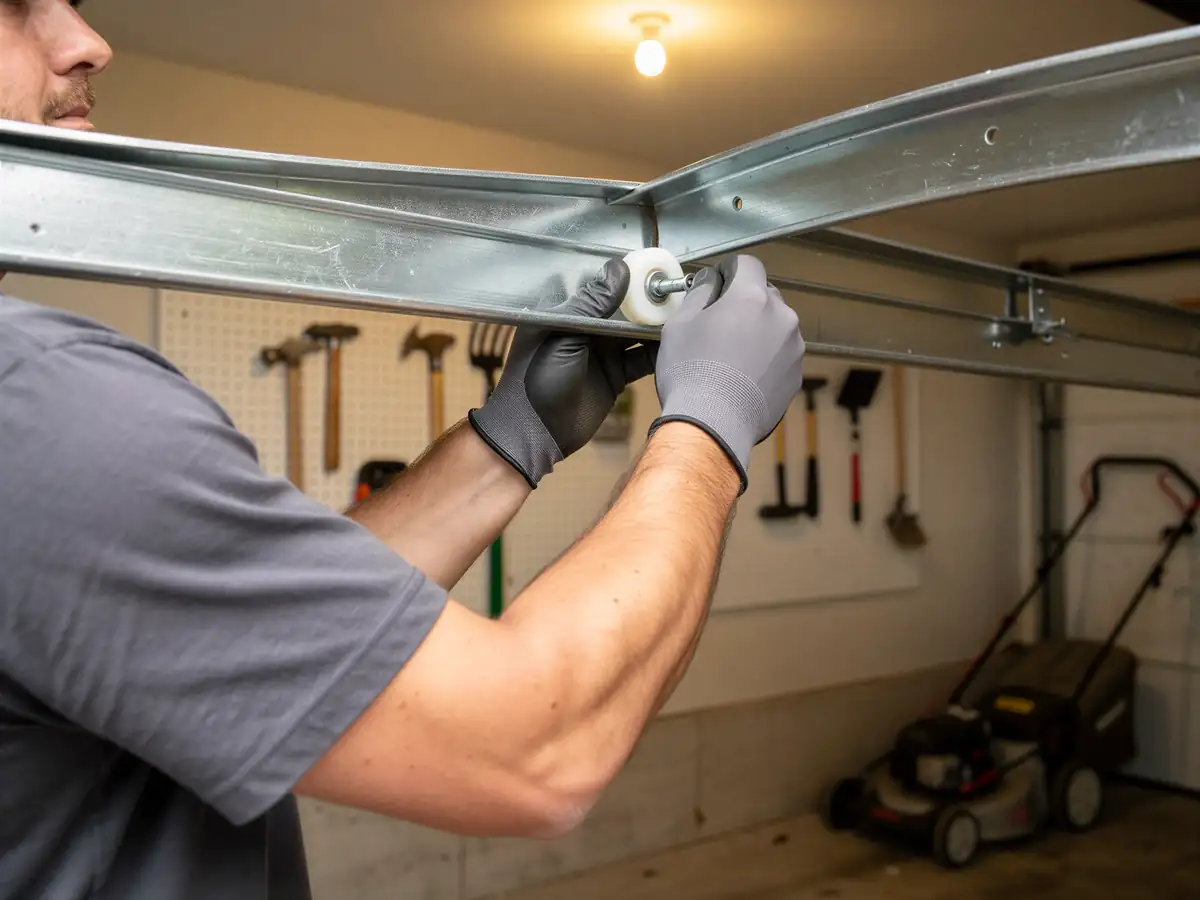
This region sits in a cold-climate zone with hard winters, and that's the single biggest driver of emergency calls on torsion-spring doors from the late 1980s. Steel contracts in deep cold, and a spring that's been doing fine for years can snap on the coldest morning of the season - usually with a loud bang and a door that won't budge. On houses from this build era you'll also see nylon rollers that have gone brittle and started cracking, since that's roughly when plastic rollers became common instead of all-steel ones. Openers from this period are often original or a first replacement, and cold weather is hard on the gears and the drive belt or chain tension alike. One thing we won't do is tell you a cracked panel or a bent track is always a quick fix - sometimes the frame underneath has shifted enough that a patch job won't hold, and replacement is the honest call. We'll tell you straight which one you're looking at before we start.
What You Are Seeing
If the door won't open and you heard a bang first, that's almost certainly a broken torsion spring - the door will feel like dead weight, and trying to force the opener will just burn out the motor. If the door opens but judders or jumps off track partway, look at the rollers; on houses from this era they're usually nylon, and once they crack they stop rolling smooth and start grinding. A door that reverses right after closing, or won't close all the way, often points to the safety sensors or a misaligned track rather than the spring. If you hear a grinding or slipping sound from the opener itself with little or no door movement, that's usually the drive gear or belt giving out, not the spring at all. None of these are things to force past - a stuck door under tension can let go fast, and that's how fingers and door panels both get hurt.
The Cost of This Job
Muskego's median household income runs higher than the broader service area average - $116,361 against $108,690 across the wider area - and we mention that only because it shapes a decision homeowners here ask us about often: repair the opener and springs on a 1980s-built door, or replace the whole unit. On a door that's structurally sound with solid panels, a torsion spring and roller job is almost always the cheaper and faster answer, and most of these Muskego doors qualify. Where it tips toward replacement is a door with a bent frame, water damage at the bottom panel, or an opener old enough that parts are getting hard to source - at that point you're paying repair money toward a door you'll replace in a year or two anyway. We'll give you both numbers before any work starts, not after.
How it works
From “it’s stuck” to “it’s fixed”
01
Tell us what’s wrong
Describe the symptom - won’t open, loud bang, opener runs but the door won’t move.
02
On-site diagnosis
A technician tests the door under power and by hand and finds what actually failed.
03
Clear, up-front plan
You get the fix that’s needed and what drives the cost - before any work starts.
04
Repaired & tested
The repair is done, the door is set true and tested, and the work area left clean.
Not sure which repair your door needs in West Allis, WI? Describe what it’s doing - every job starts with a diagnosis.
Straight answers about garage door repair in West Allis. Still unsure? Ask us directly.
Why do garage doors in Muskego break more in winter?
Muskego sits in a cold-climate zone with hard winters, and steel torsion springs lose flexibility in deep cold. Most Muskego homes were built around 1987, right in the era when torsion springs became standard, so a high percentage of the area's emergency calls are cold-weather spring failures on that hardware.
How far out is Muskego from your shop?
We work out of West Allis, about 11 miles from Muskego. We don't quote a fixed arrival window here since it depends on the day's schedule, but Muskego is a regular part of our coverage area.
Is it worth repairing an older opener instead of replacing it?
Depends on the opener. If it's still running on original gears from a house built in the 1980s, repair can buy time, but parts availability gets harder the older it is. We'll check the specific unit and tell you honestly if a repair makes sense or if you're better off replacing it.