What Can Go Wrong
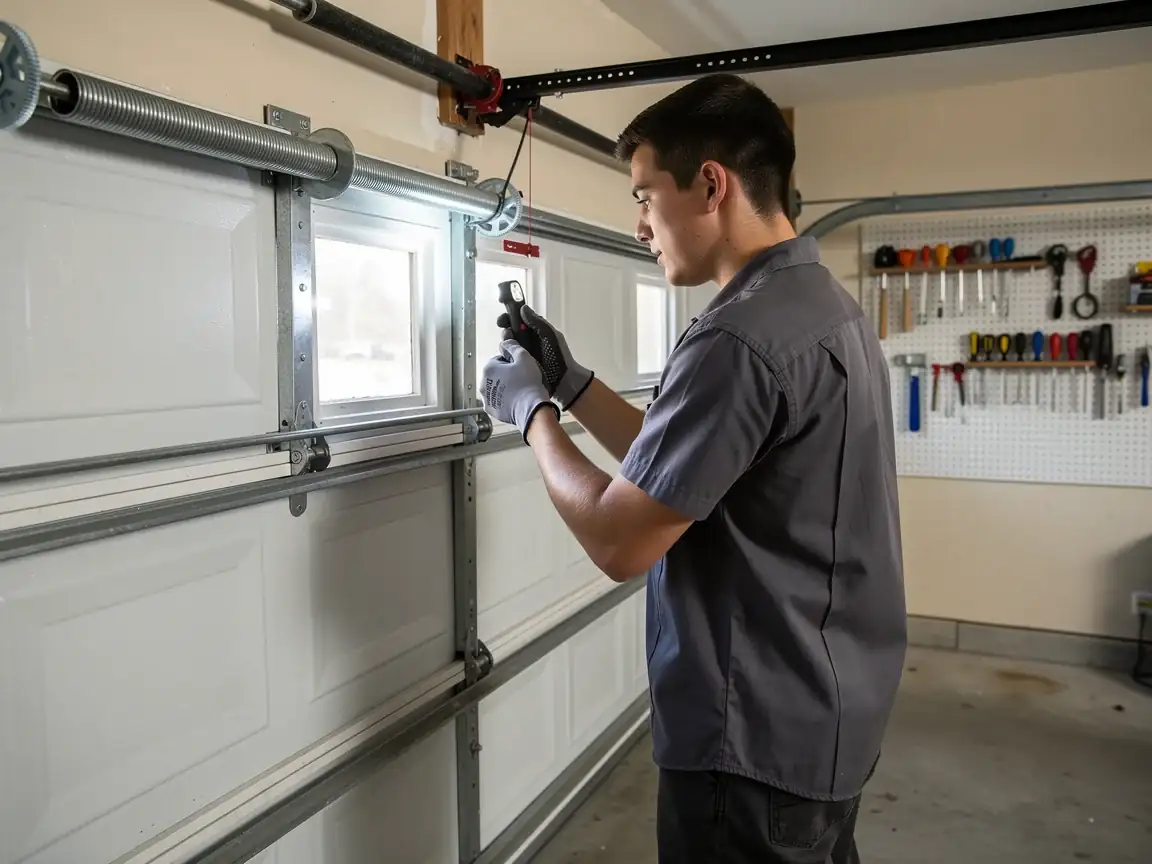
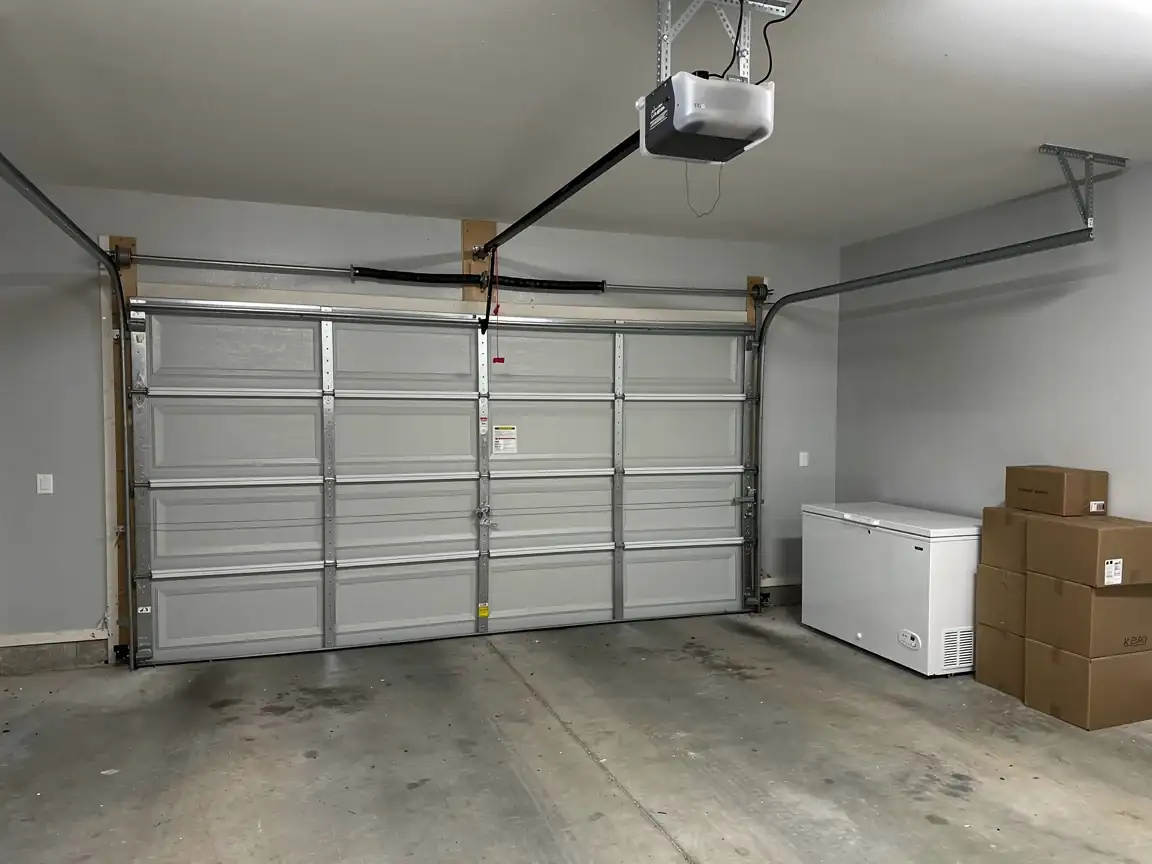
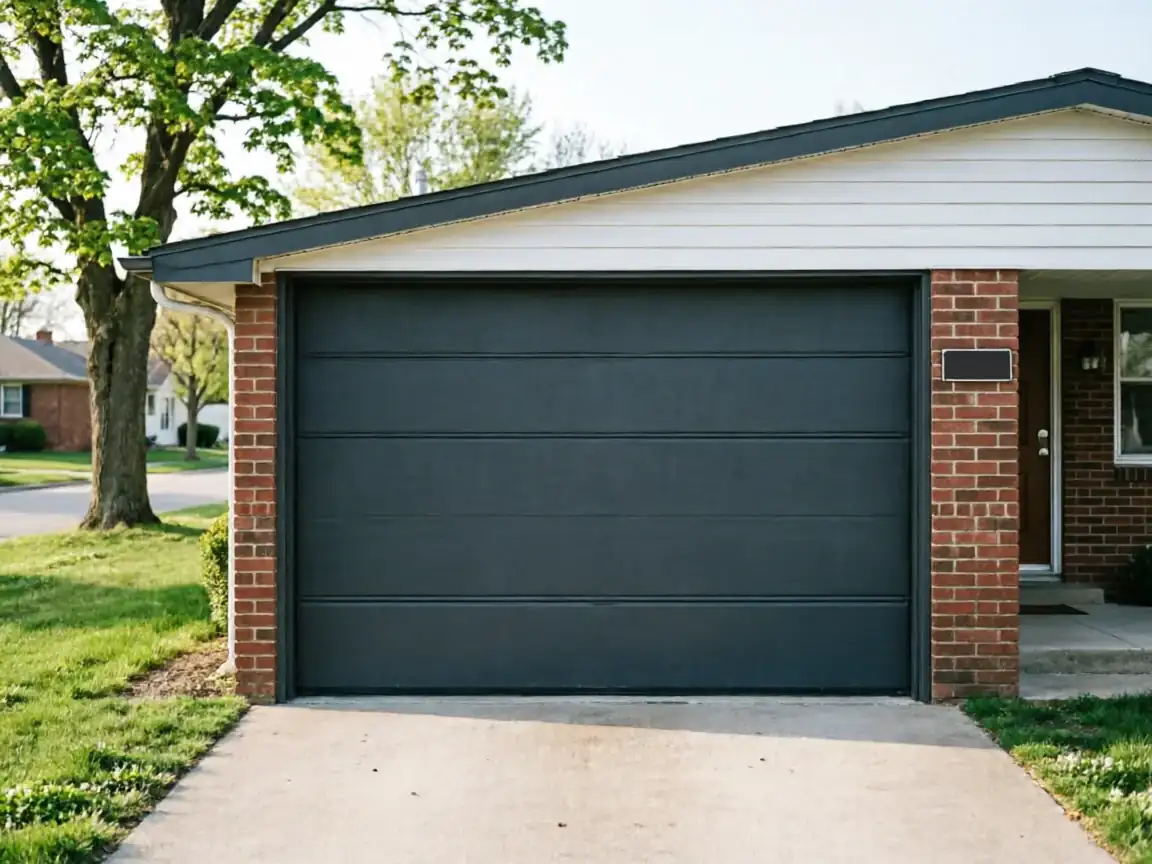
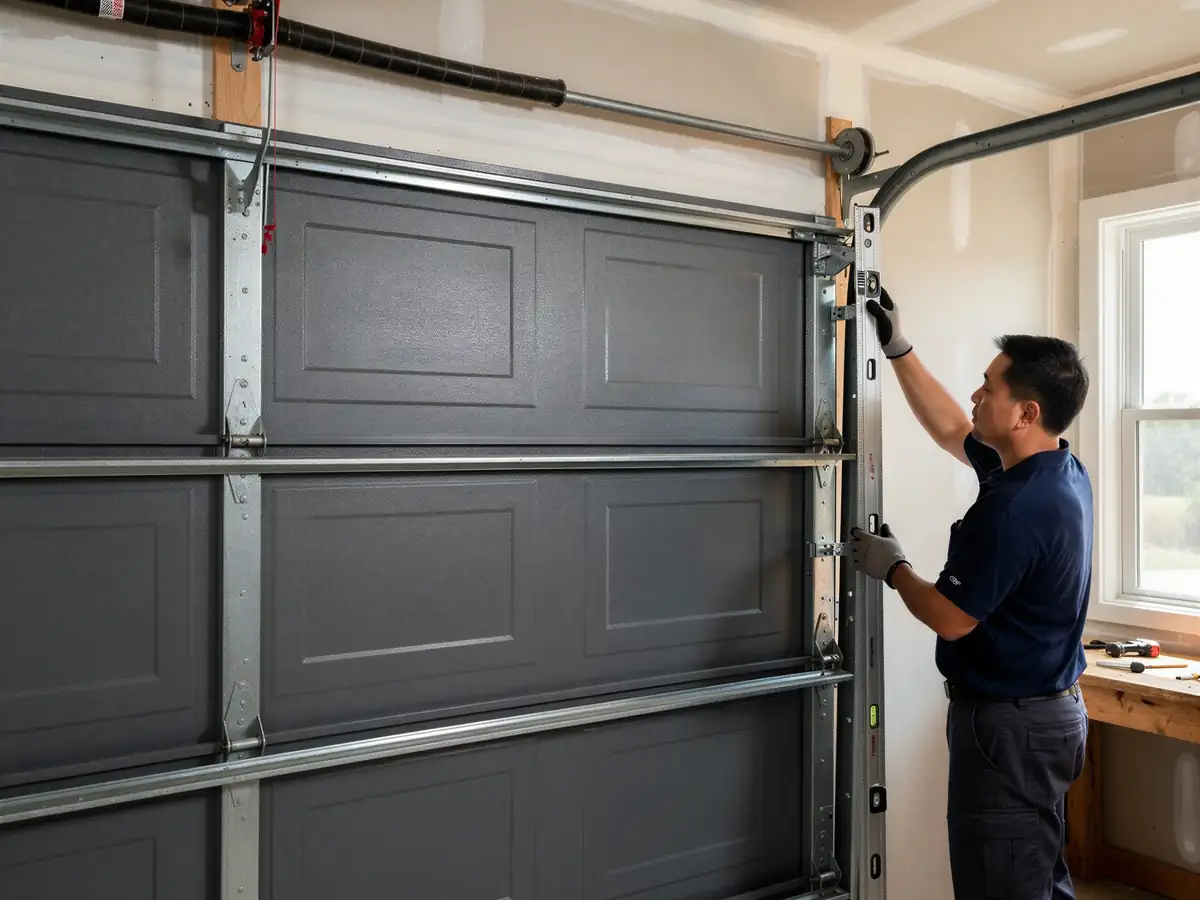
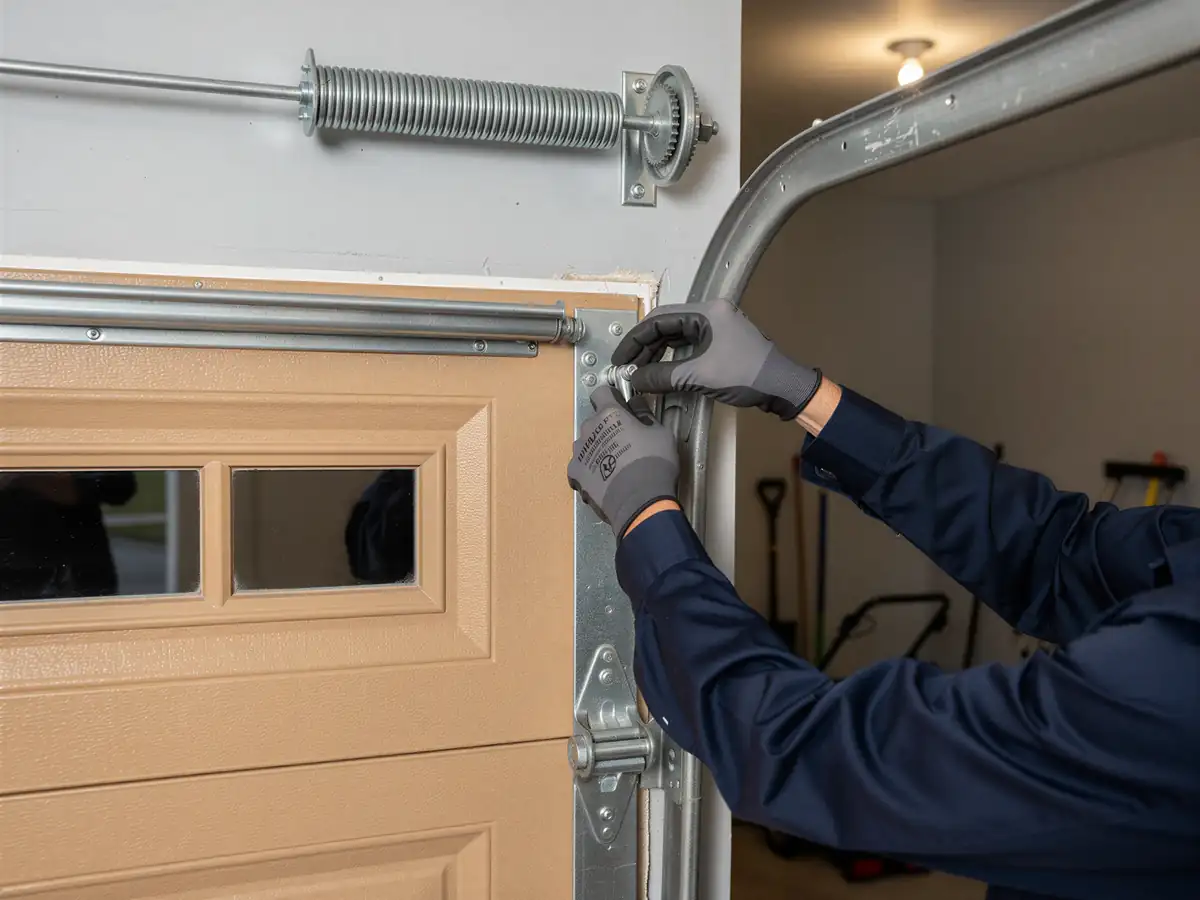
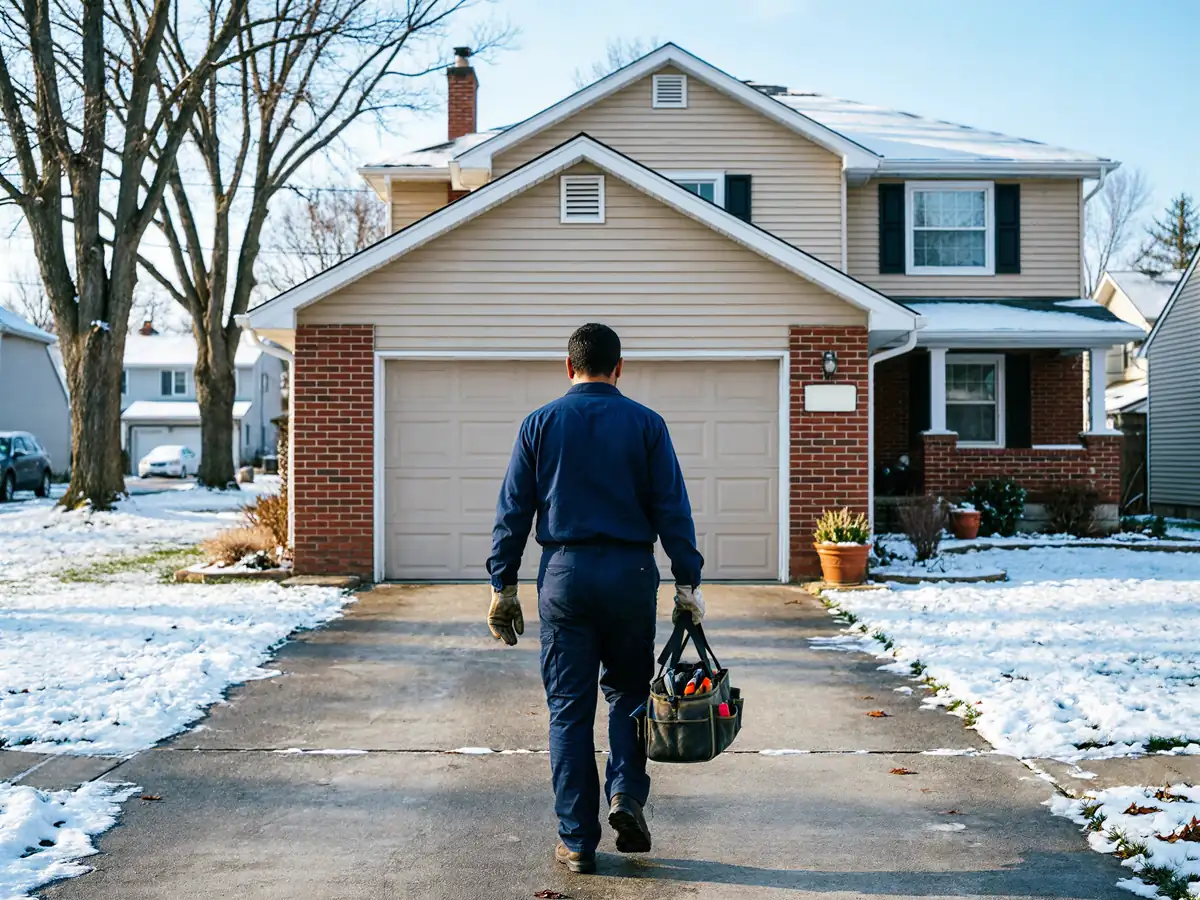
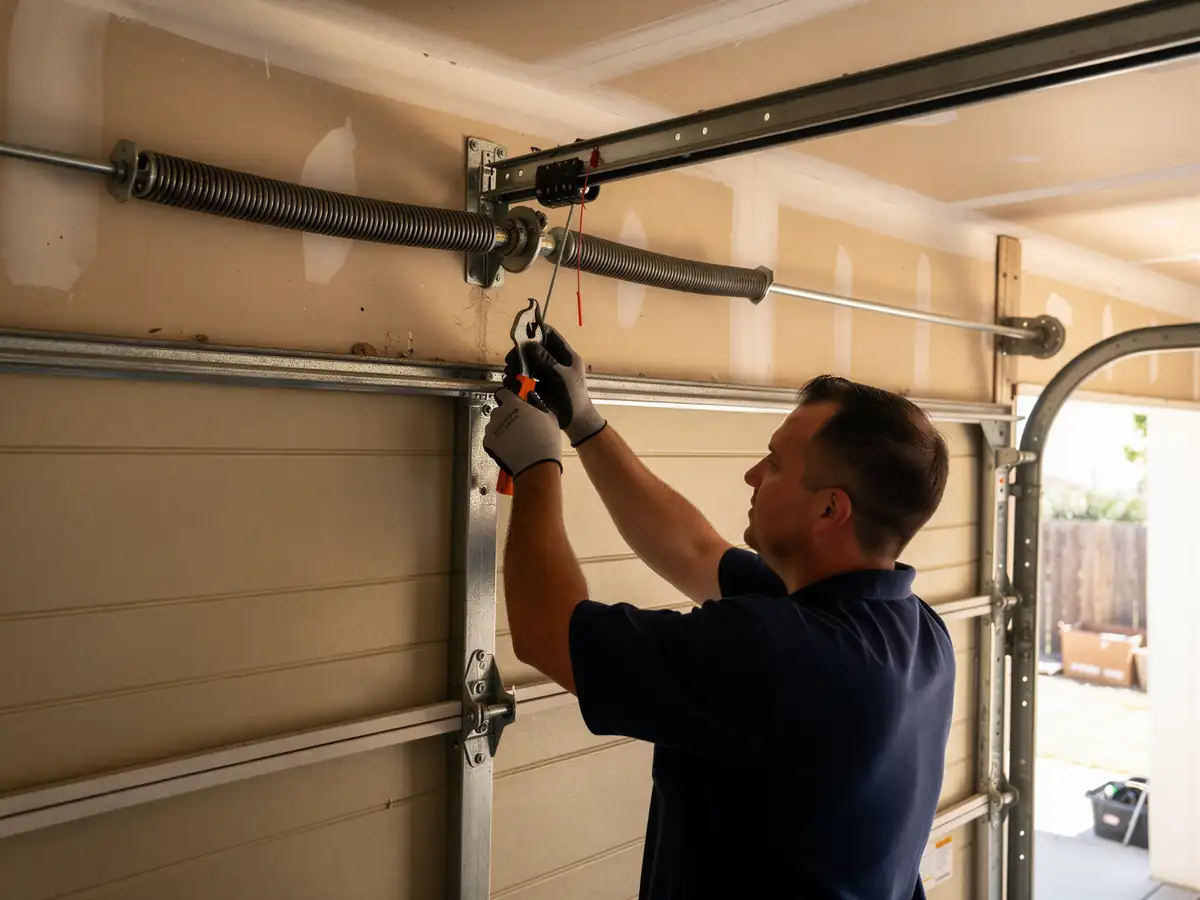
Muskego's housing stock runs newer than a lot of what we service - median year built here is 1987, well past the WWII-to-70s wave that put one-piece doors and side-mounted torsion units on so many older homes in the area. That means most Muskego garages have factory torsion springs mounted on a center shaft above the door, sized to a door built after the 1980s wind-load and gauge standards. The failure mode is still the same wear pattern - a spring is rated for a set number of cycles and it lets go, usually on a cold morning. What differs is what we're pulling off the wall: standard torsion cones and a drum setup we stock on the truck, not a retrofit for an orphaned extension-spring system. The honest limitation: if your home has an older original door despite being in a newer development - a few exist - we may need to order a part, and that's a day or two, not a same-visit fix.
What You Are Seeing
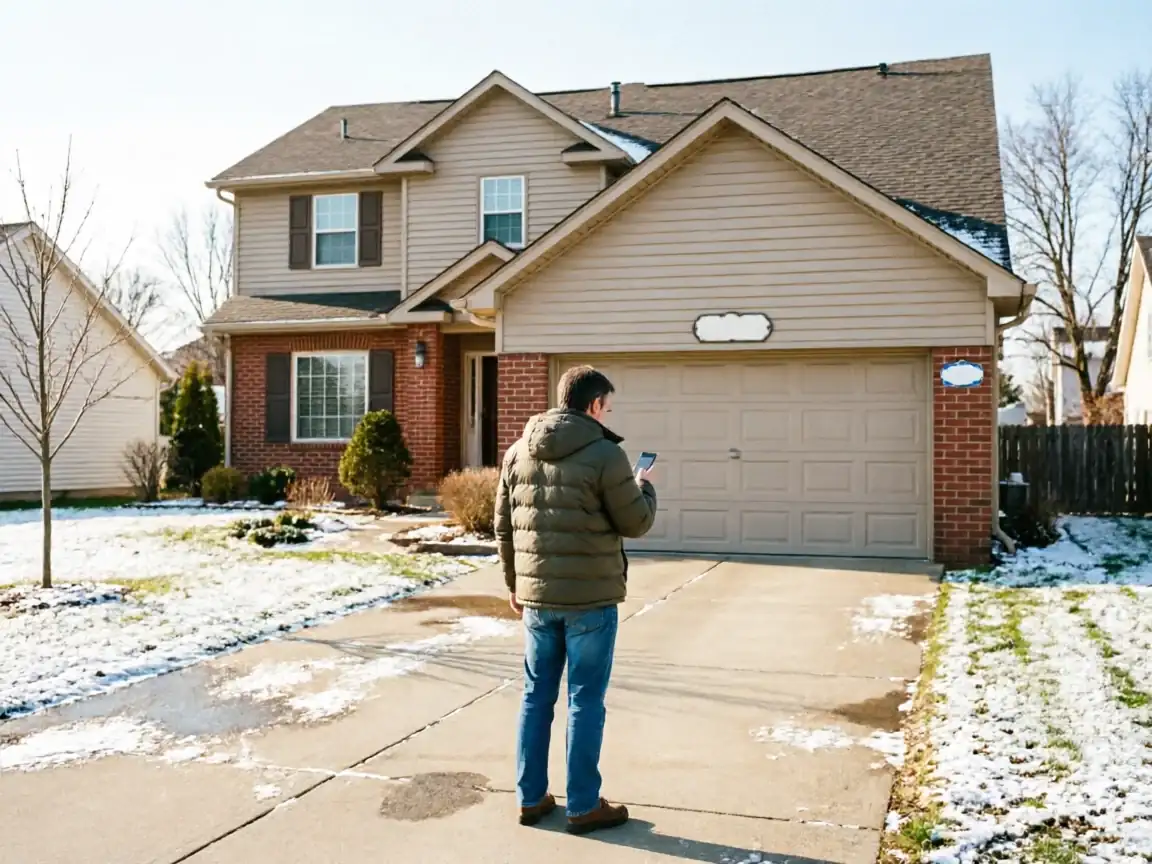
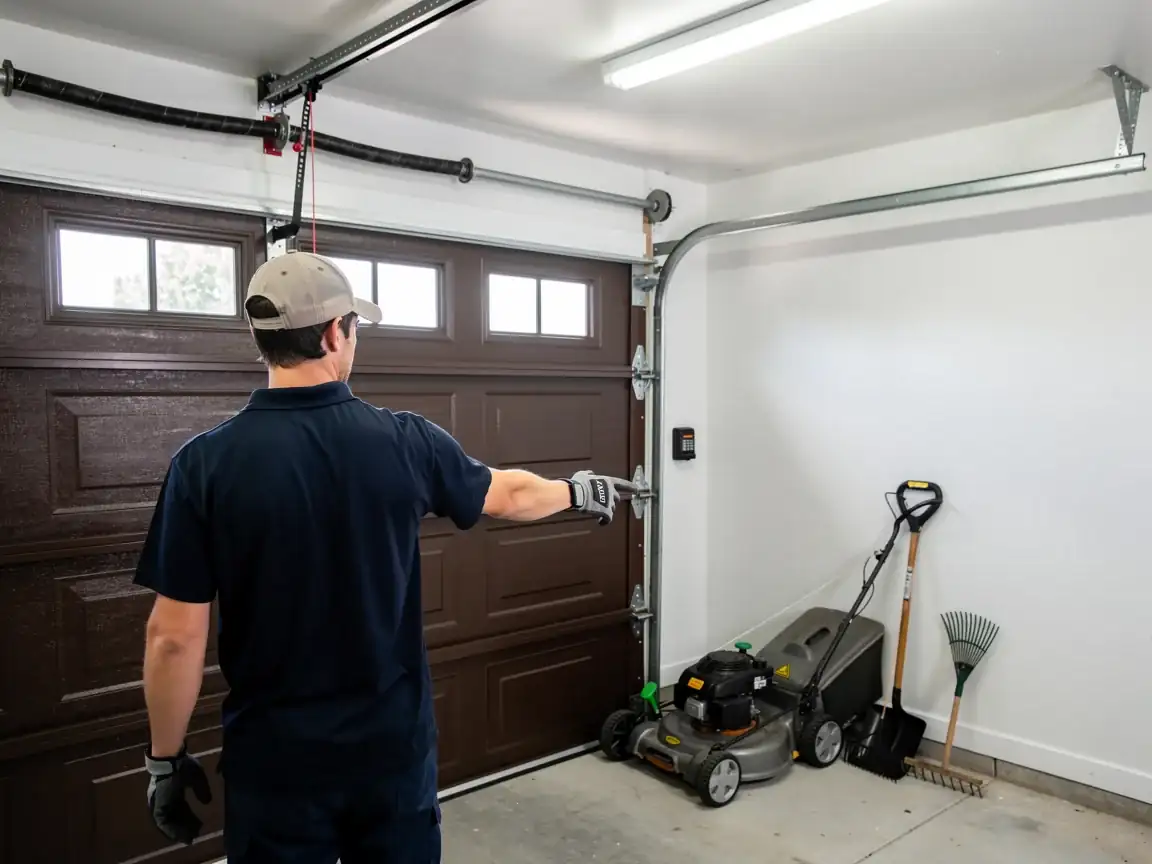
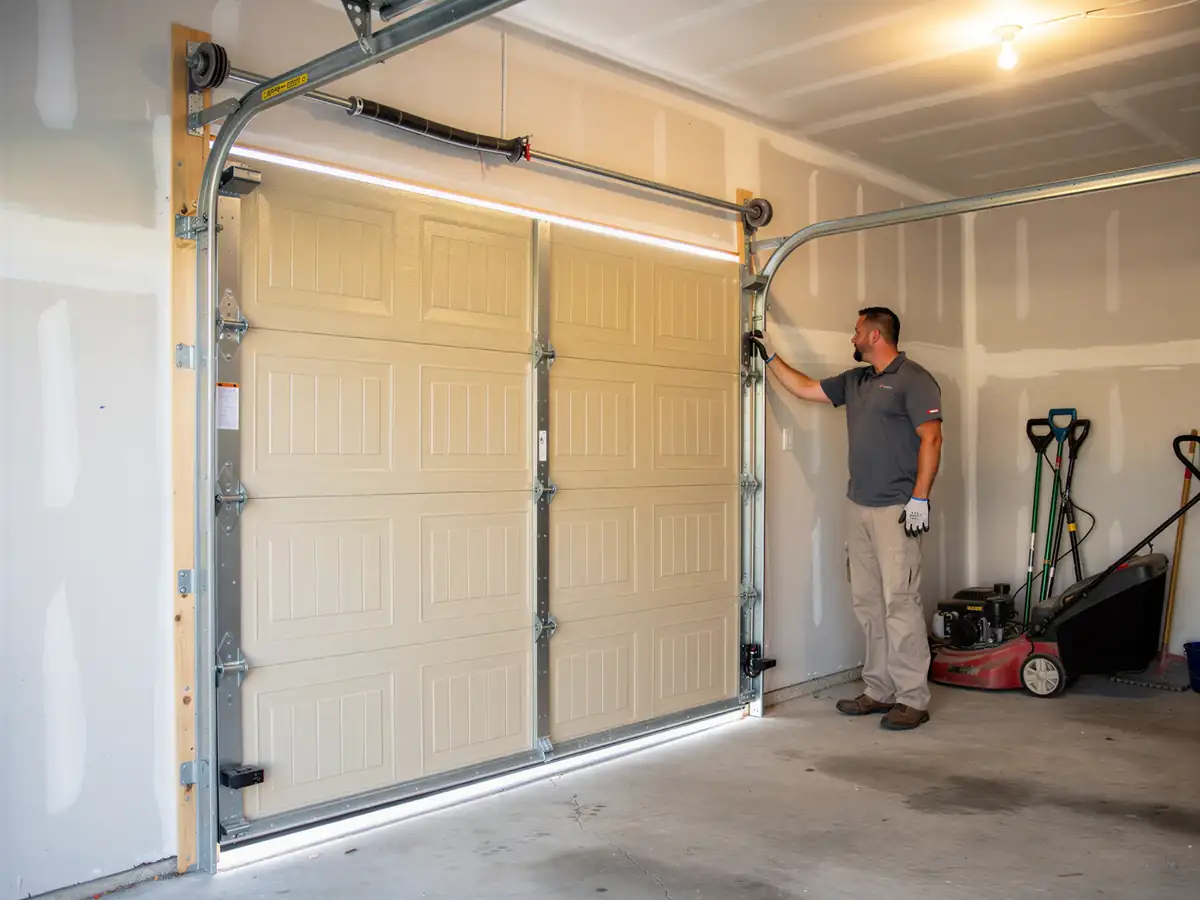
Winters here are severe, and cold is hard on spring steel no matter how new the house is. Cold snaps shrink the metal slightly and make it more brittle right as the cycle count catches up, so a spring that was fine in October lets go in January without warning. What you're looking for: the door won't lift past a few inches, or it lifts and then drops back down, or you hear a loud bang from the garage - that's almost always the spring itself, not the opener. A gap in the coil above the door, or one half of the spring hanging loose instead of wound tight, confirms it before we even get there. Don't try to force the door up by hand repeatedly or run the opener against a broken spring - that strains the opener motor and the tracks, turning a spring job into a bigger repair bill. Muskego's median household income runs $116,361, and most of the jobs we see here are straightforward spring swaps rather than full system overhauls, since the doors are young enough not to need it.