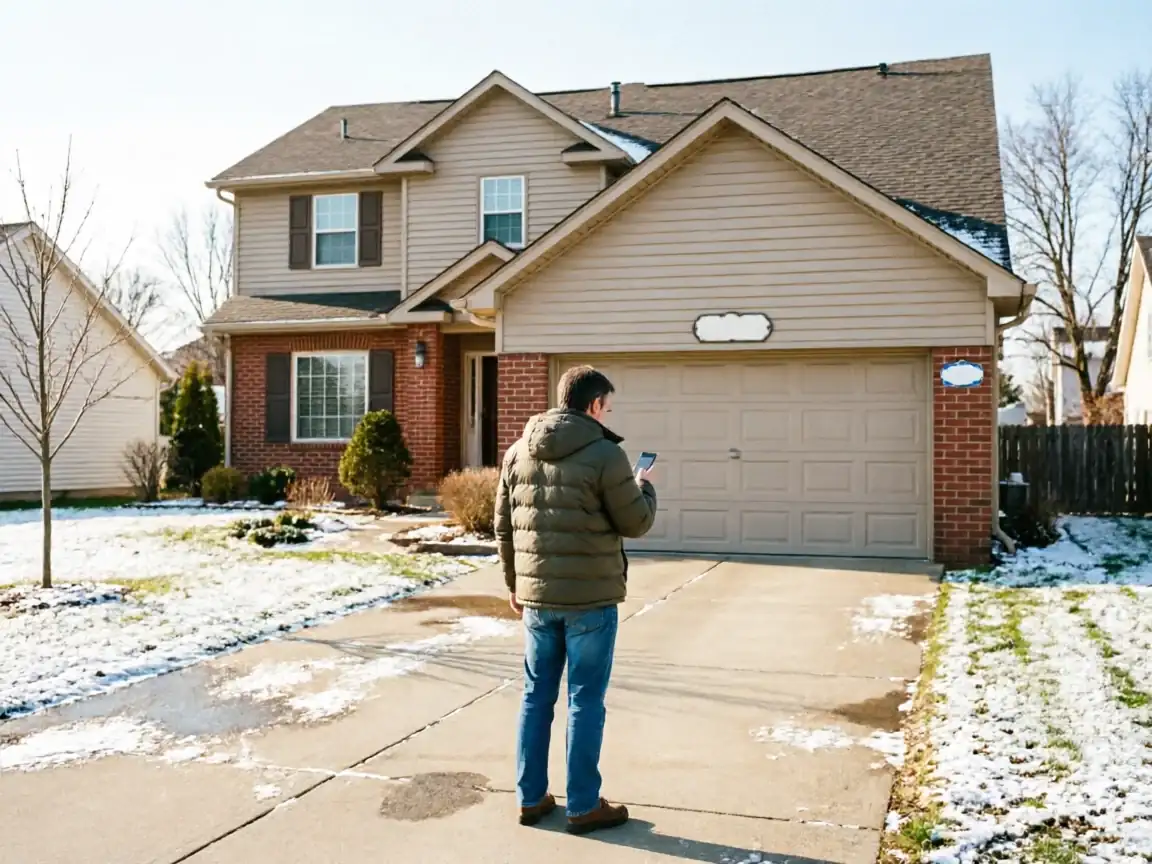
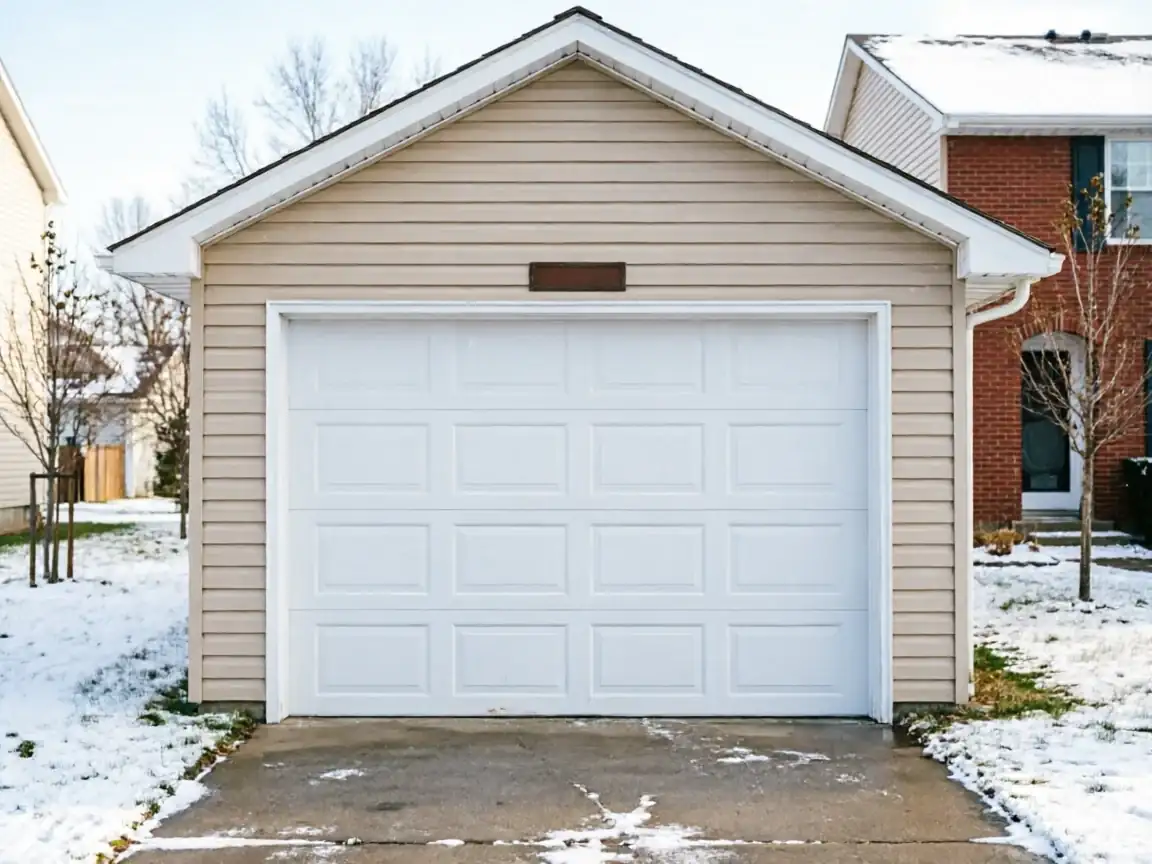
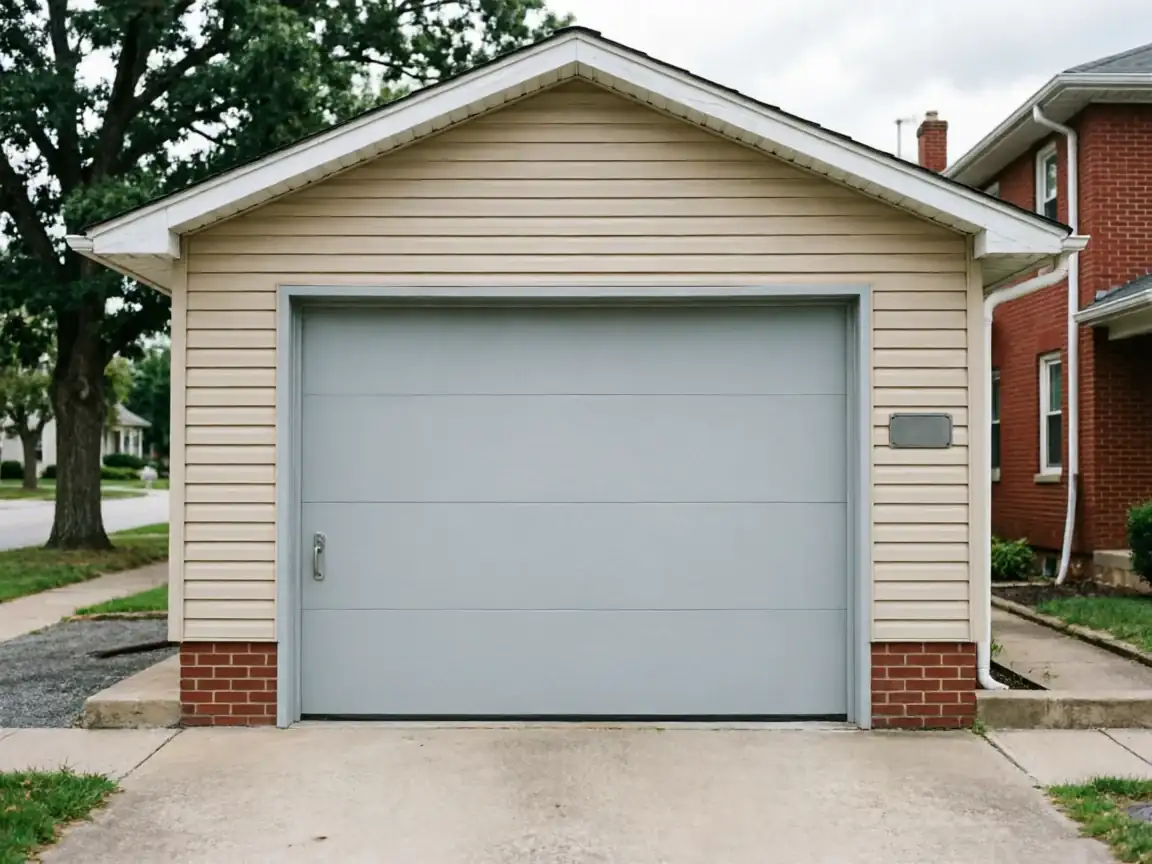
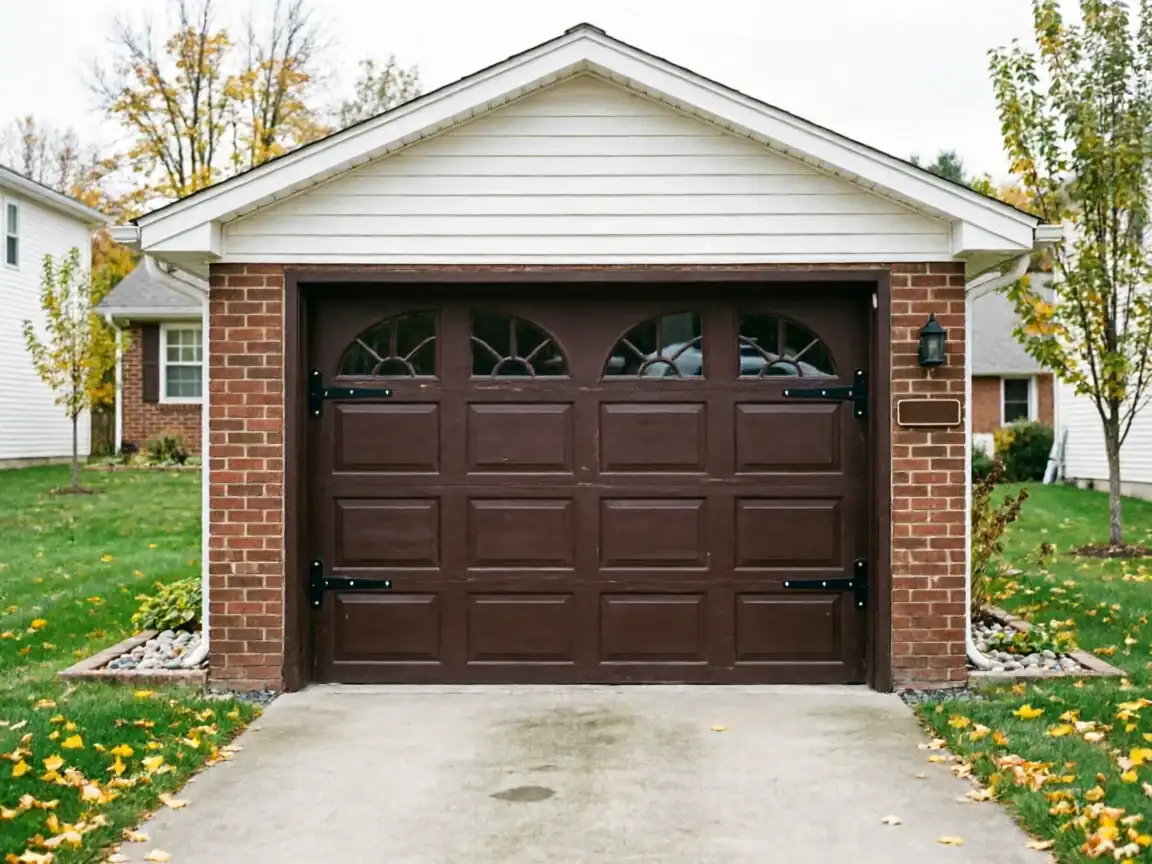
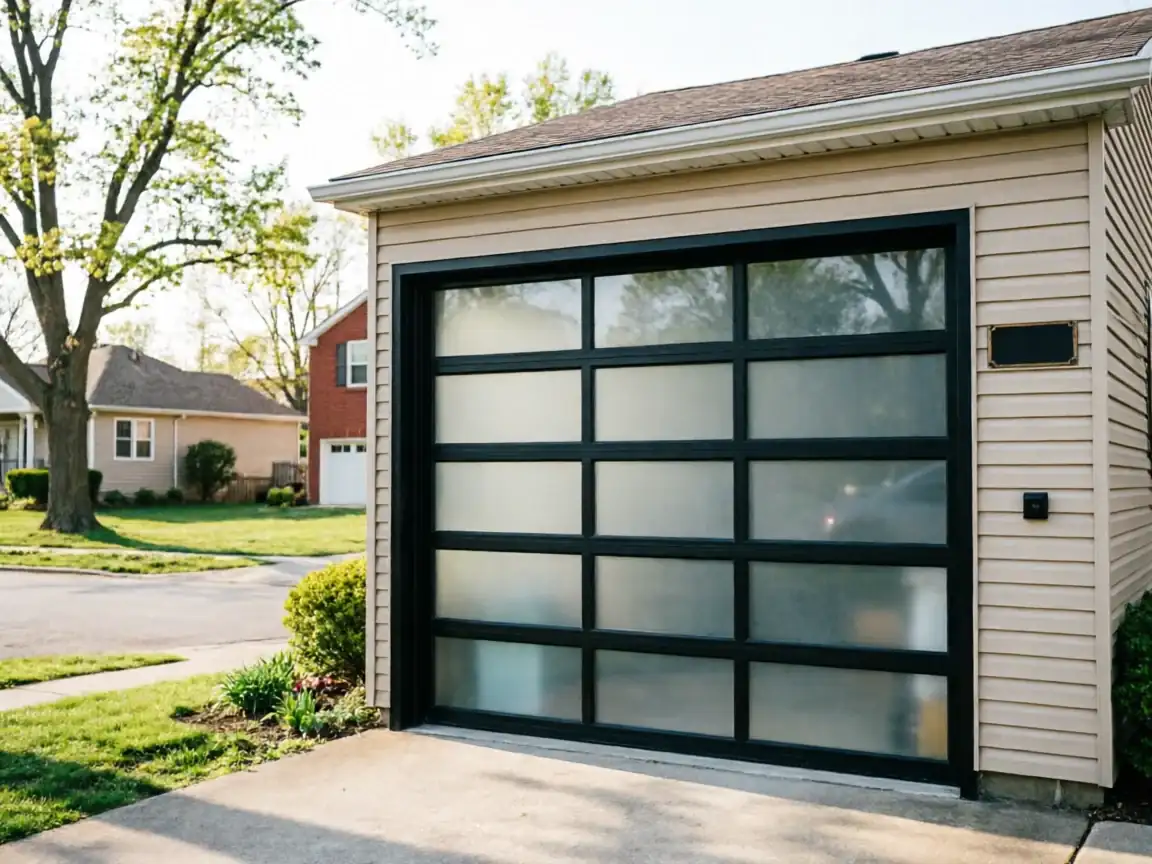
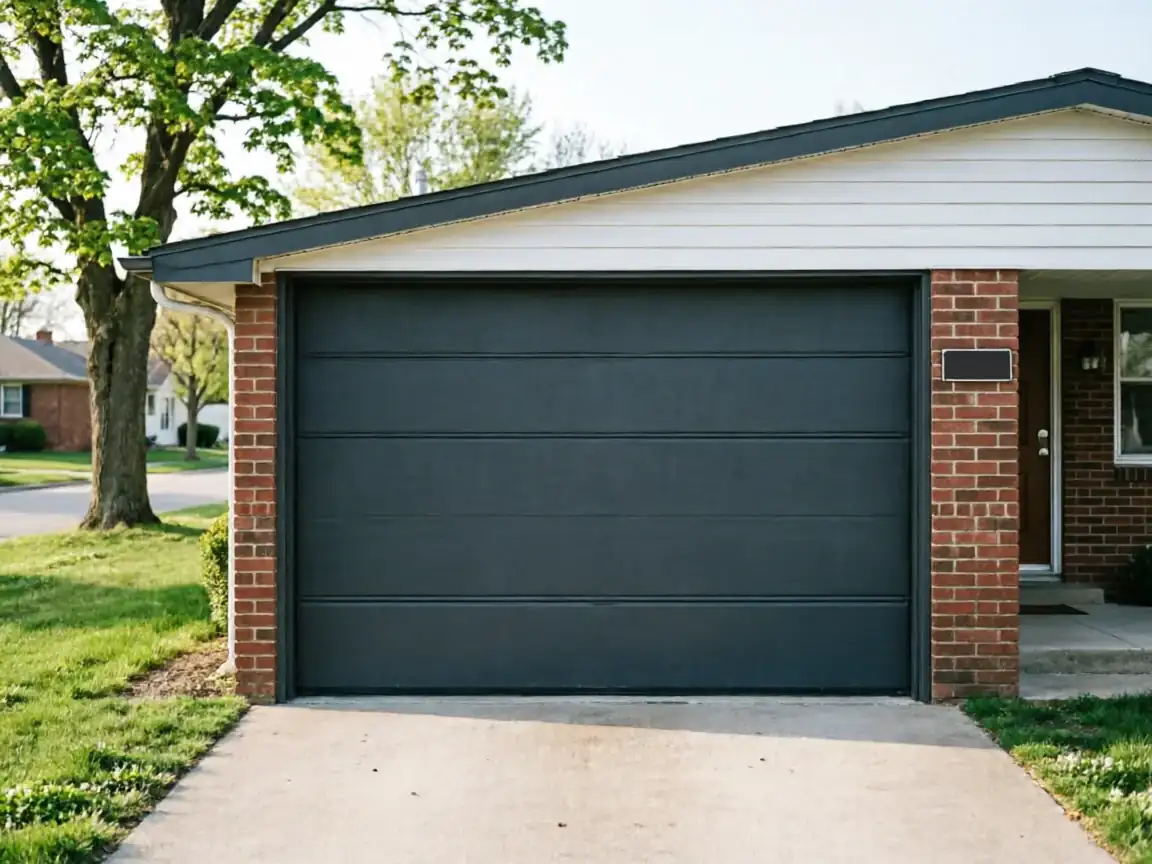
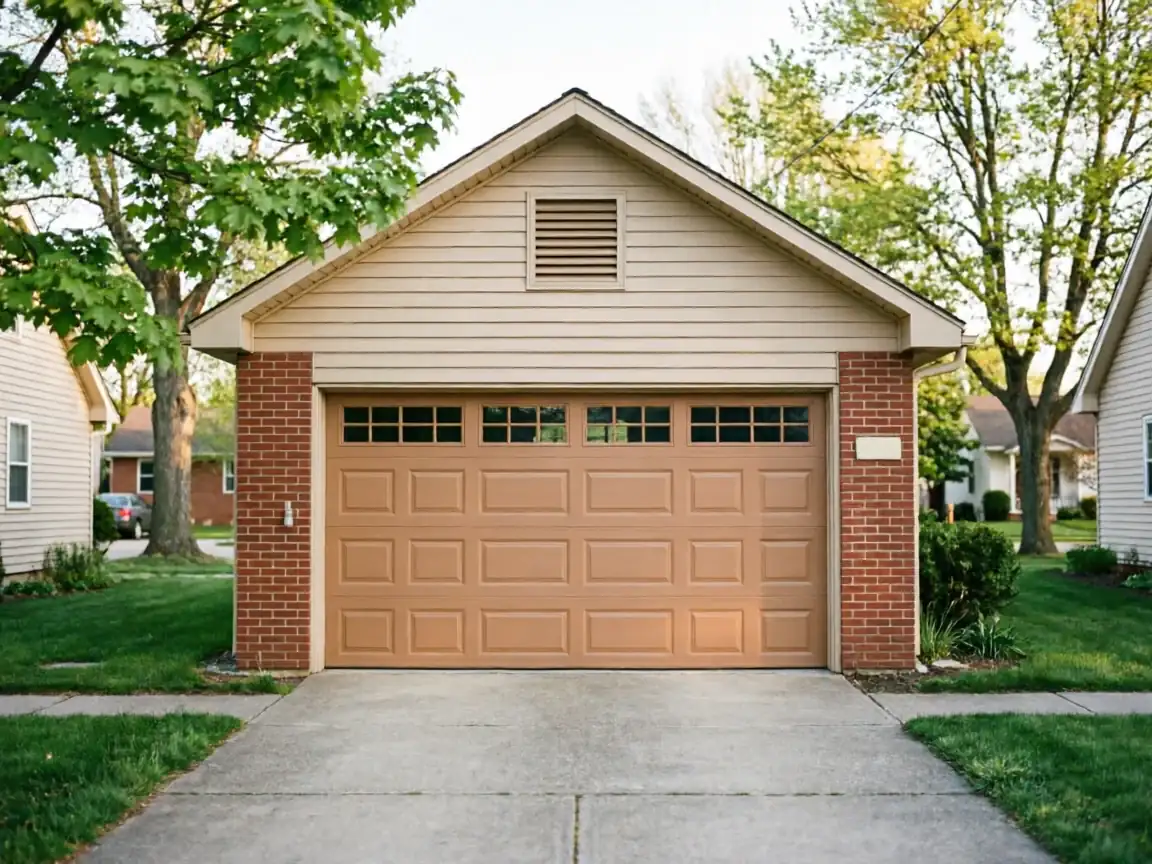
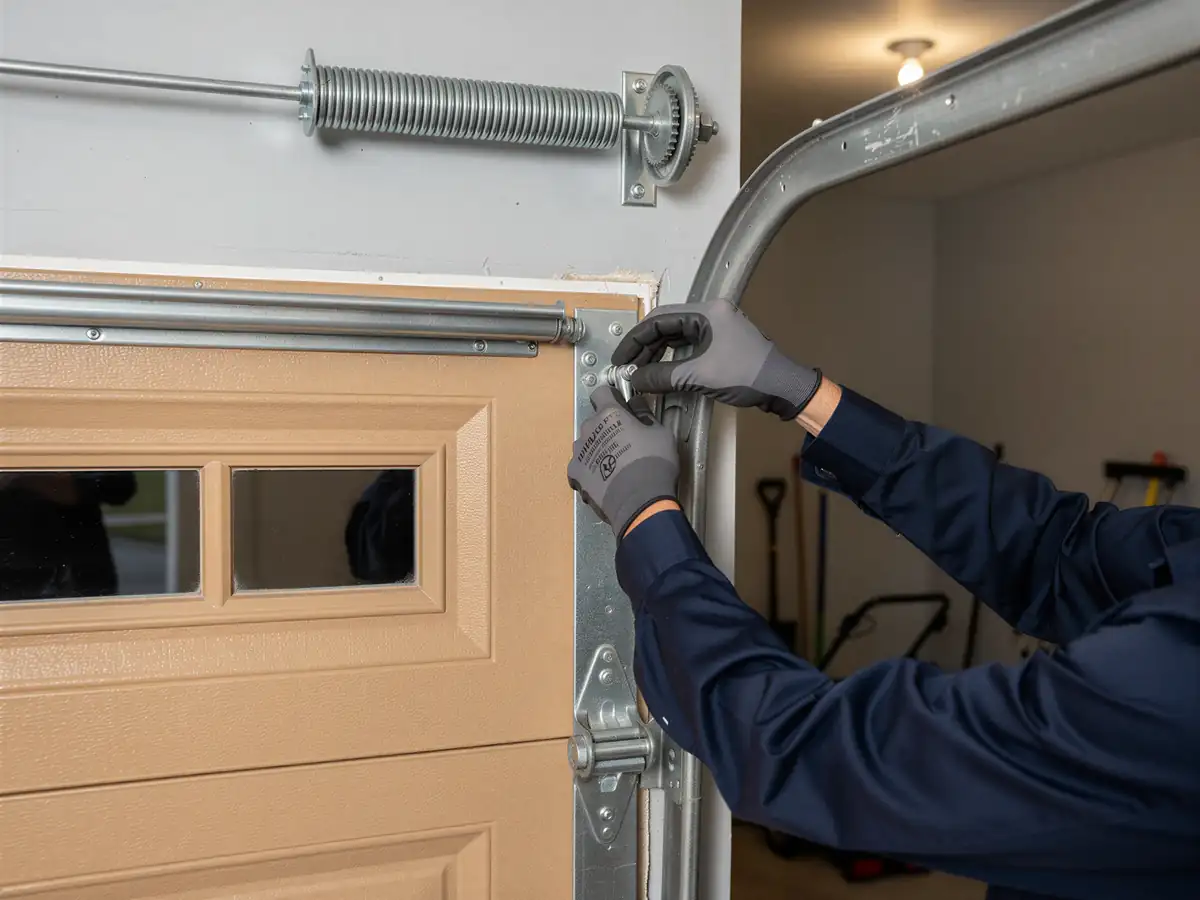
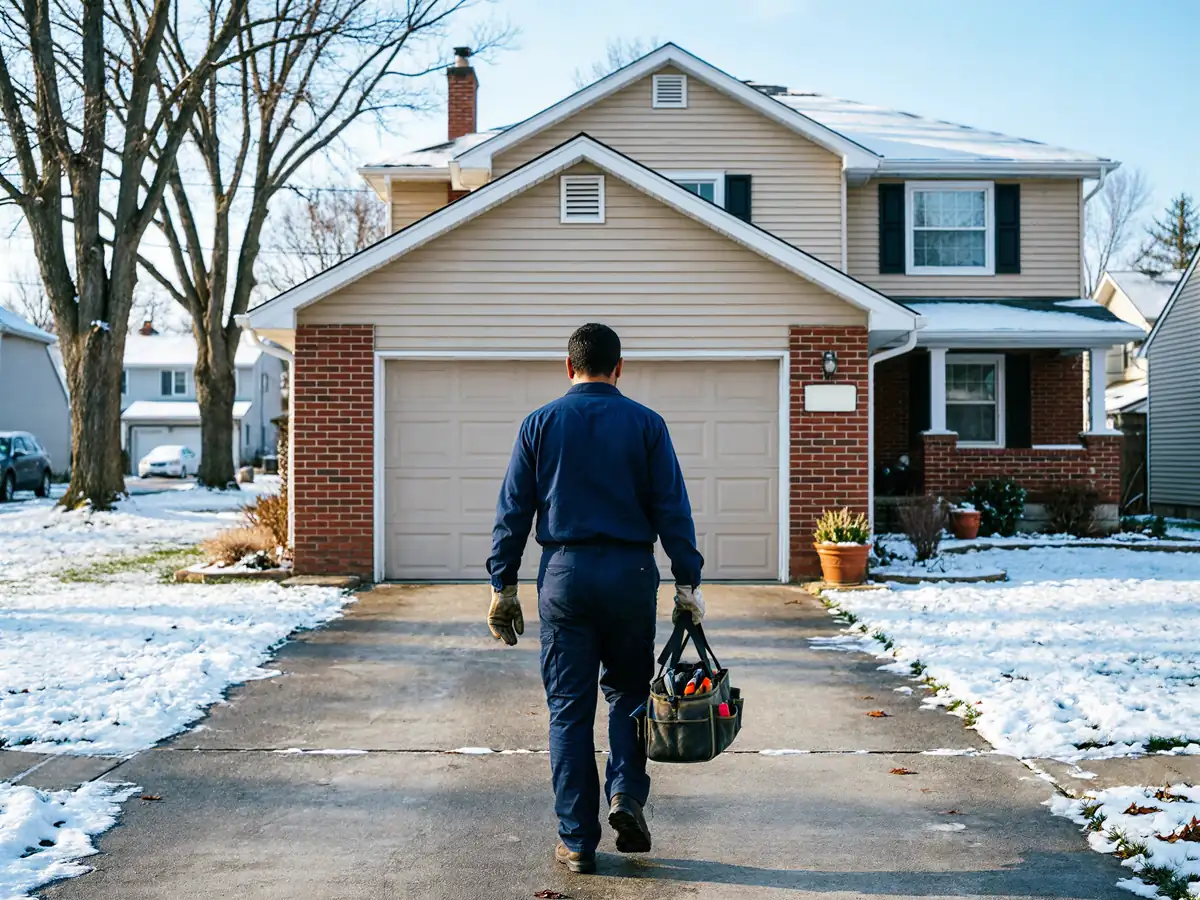
Muskego homes run newer than most of West Allis's service area, median build 1987. That changes opener wiring, headroom, and insulation choices on a new door install.
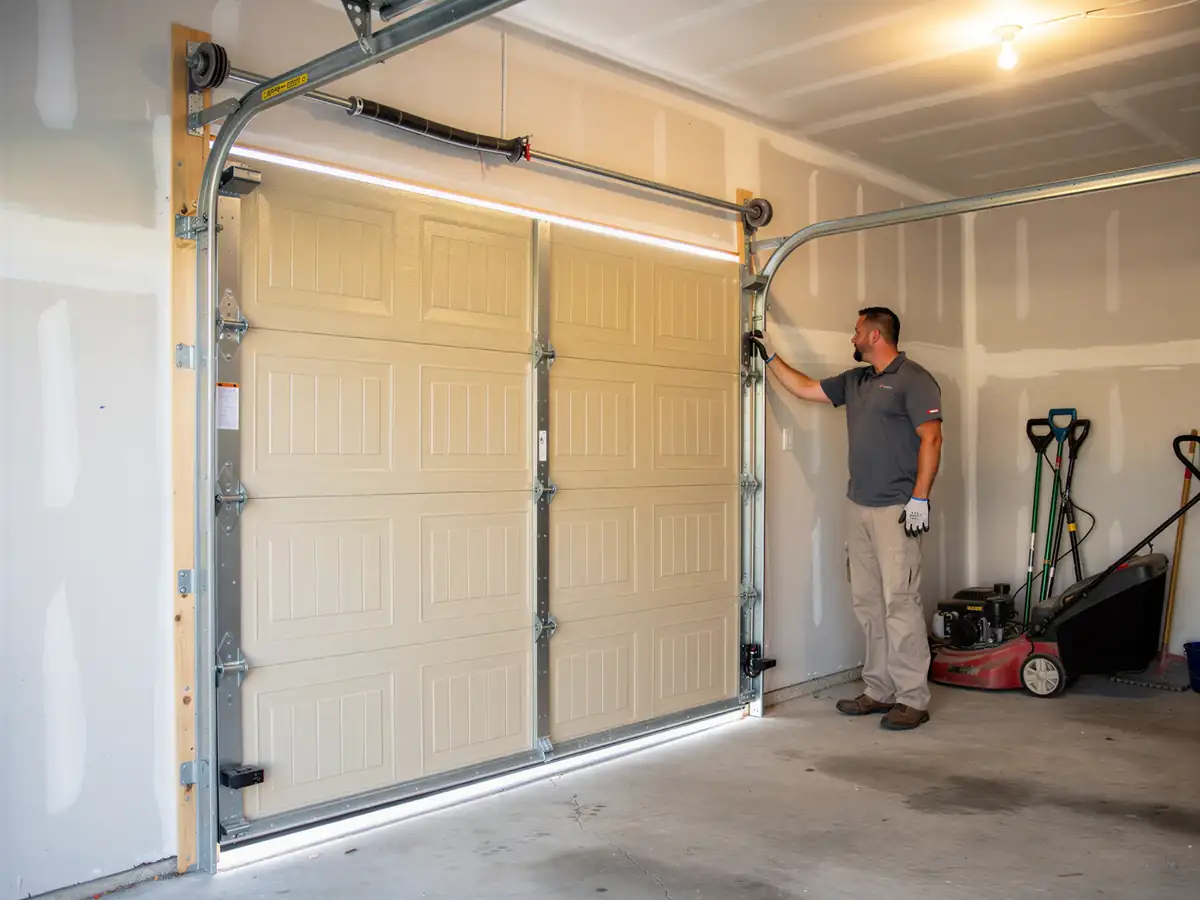
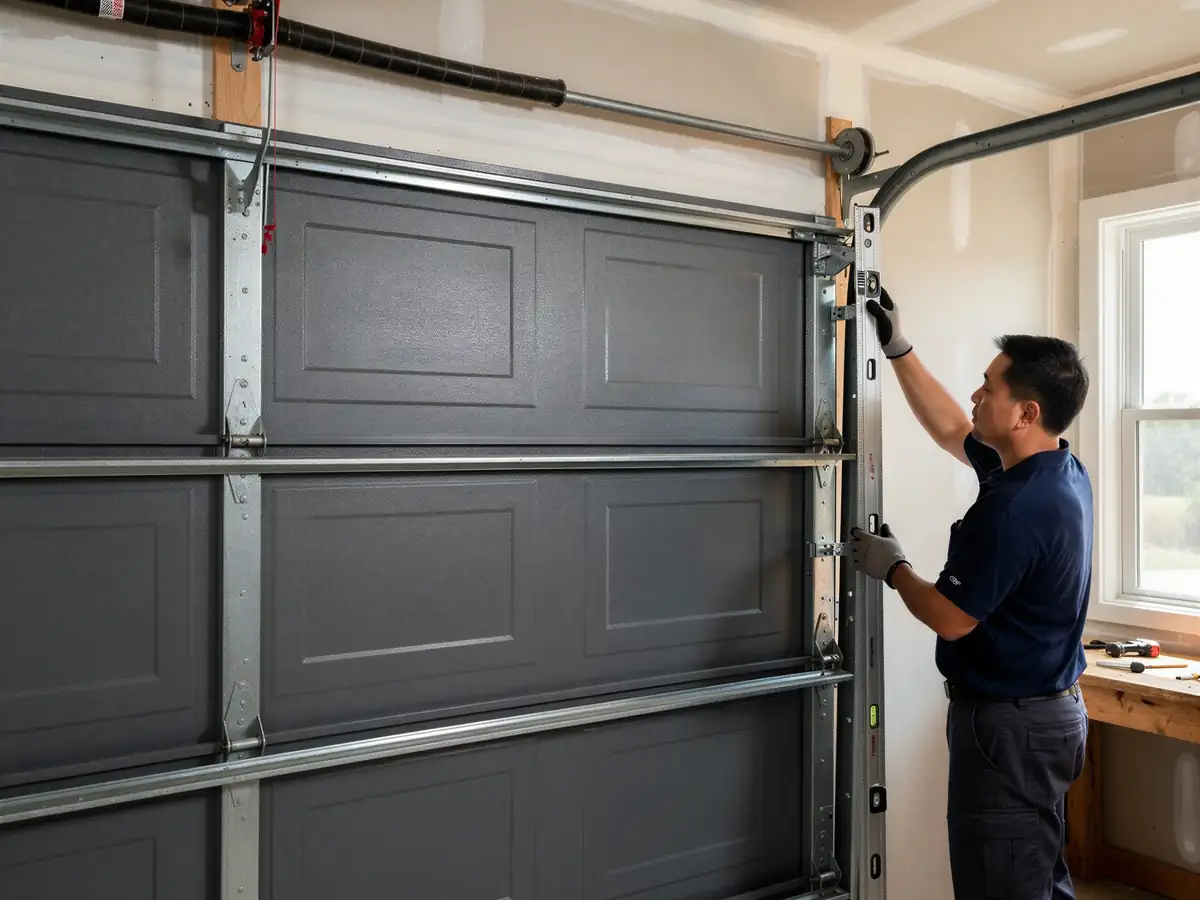
Muskego sits about 11 miles out from our West Allis shop, so the first thing to plan around is the drive, not the install itself. Once the truck is on site, a straight swap on a single door usually runs half a day. Where Muskego differs from a lot of the area we cover is the housing stock: median build year here is 1987, a good decade newer than the 1976 median across the rest of our service area. Newer framing means the opening is more likely to be square and the header more likely to already carry a modern bracket pattern, which saves time versus the retrofitting a lot of older stock needs. Where it adds time is wiring. Homes from the late 80s often have a dedicated outlet already run to the garage ceiling, but just as often it's on the same circuit as something else, and we have to trace that before we hang an opener. If you're doing two doors at once, or the opening needs reframing because a previous door was non-standard, plan on a full day. We'll tell you which situation you're in before we start, not after.
What Can Go Wrong
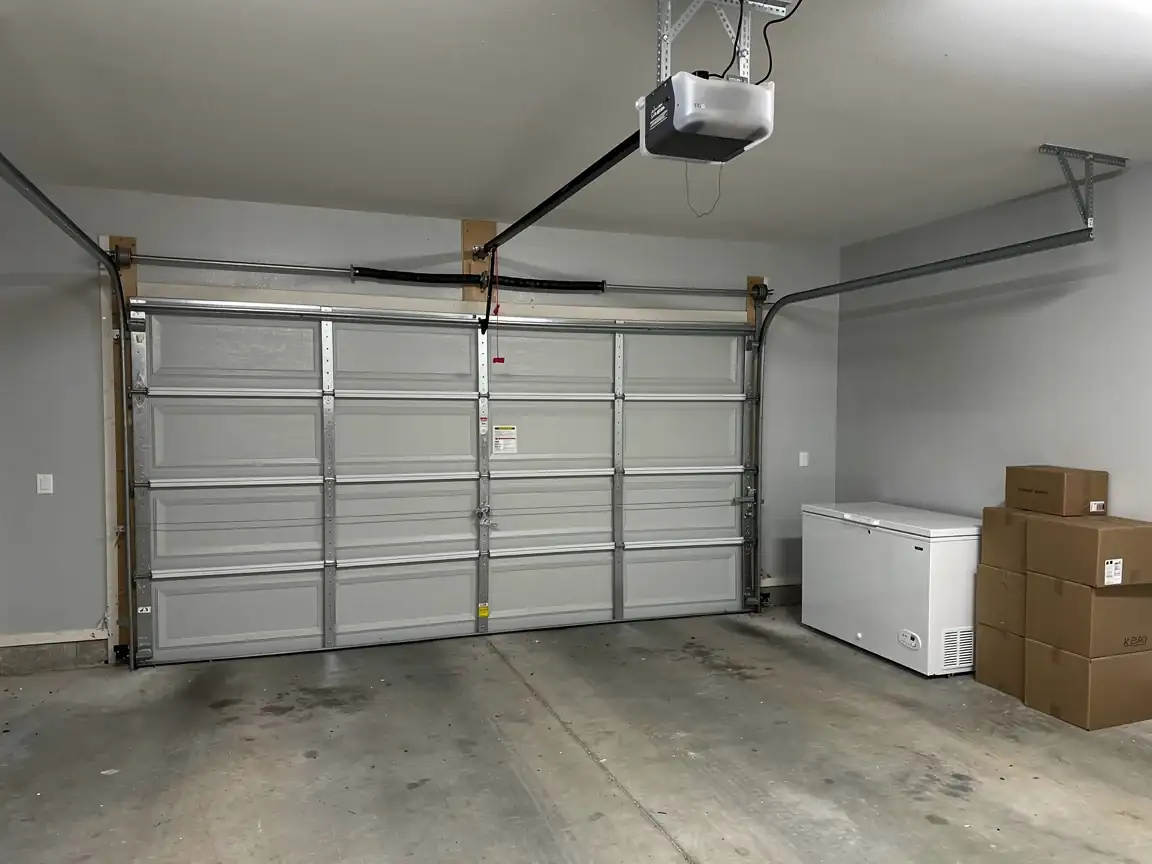
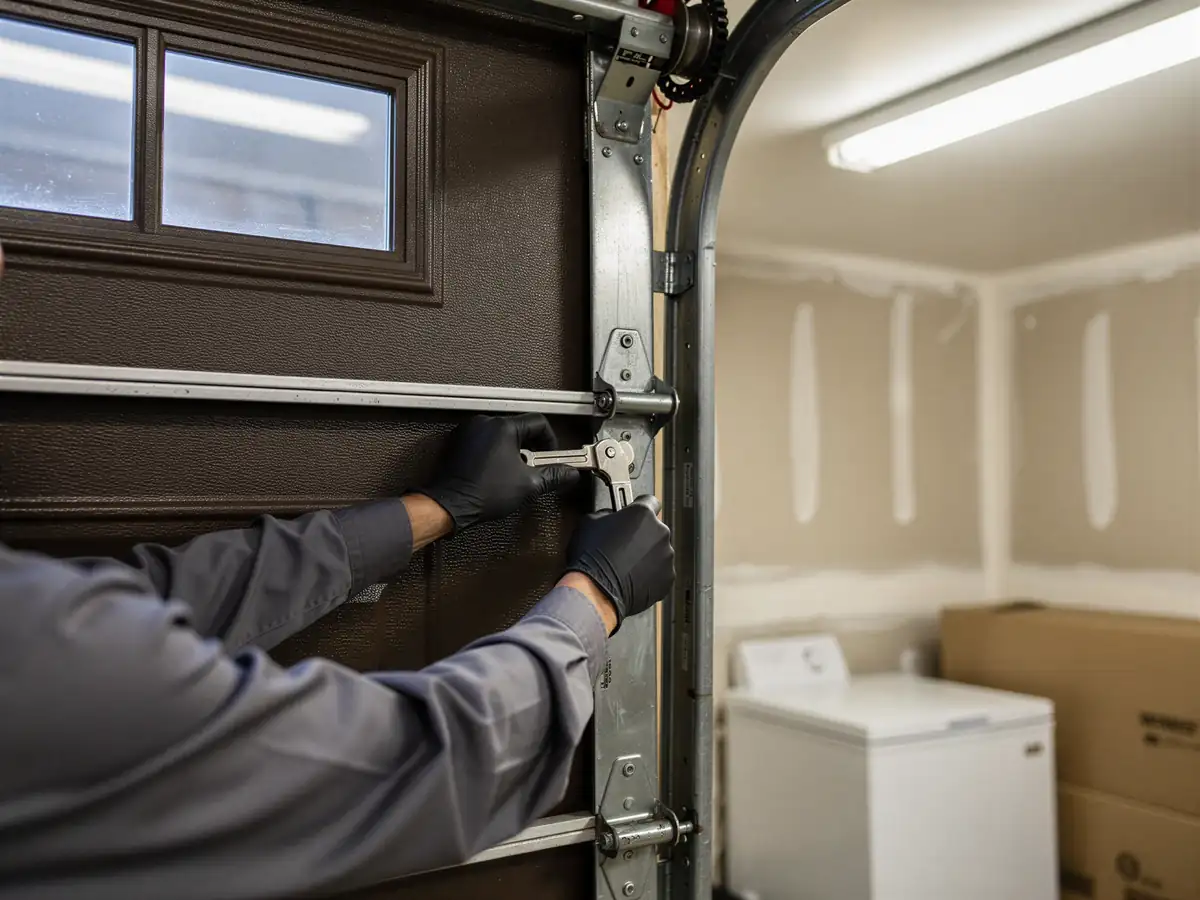
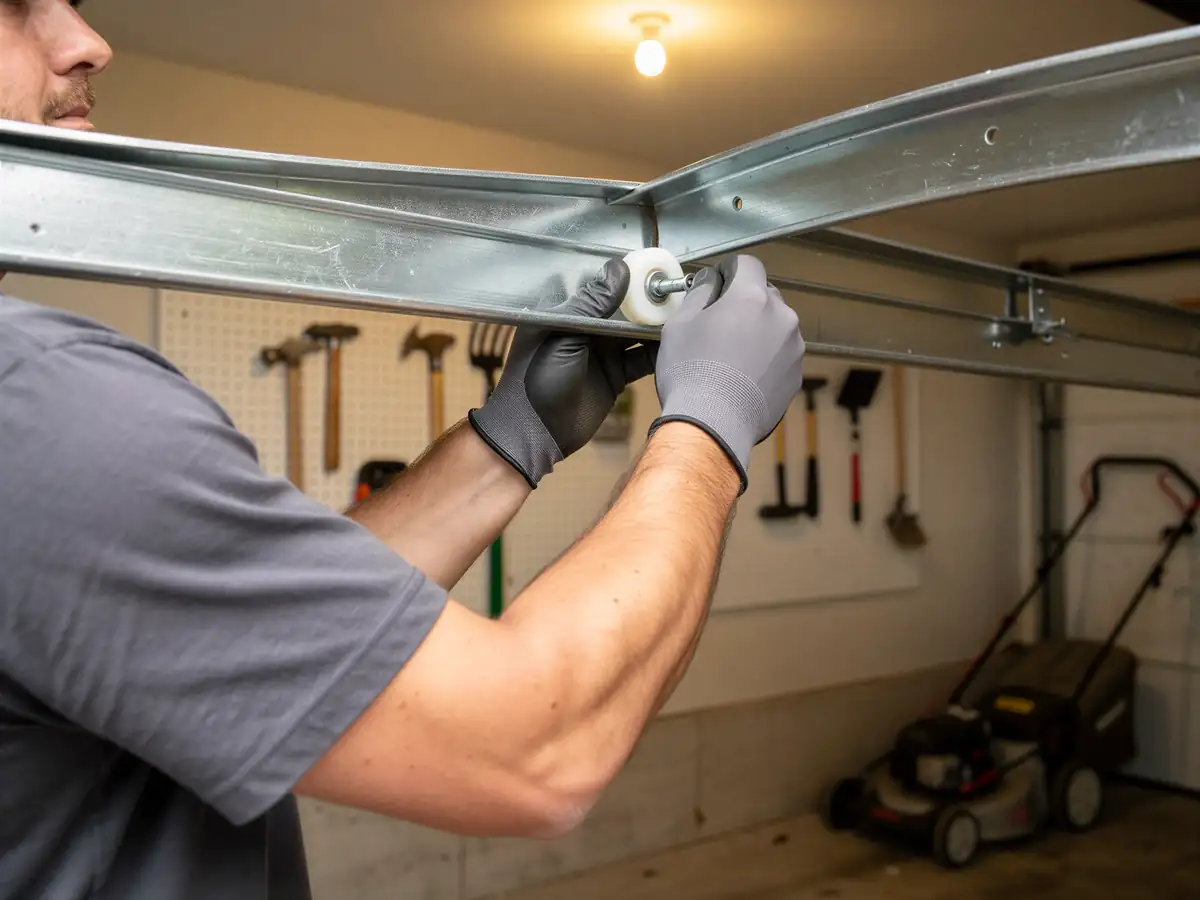
The failure point we see most in this build era isn't the door, it's the track alignment. Builders in the 1980s standardized a lot of garage framing, but not all of it was plumb, and over three-plus decades of seasonal freeze-thaw in this climate the lumber shifts. A new door hung on an old track line will bind within a year if the track isn't reset to true. Second issue: insulation. A lot of 1987-era garages were built uninsulated because attached garages weren't yet code-required to be conditioned space, and homeowners now want a door that matches a finished, heated garage. That's a different door core, not just a different skin, and skipping that step gets you a door that looks right and performs wrong in a cold winter. Third: openers from this era, if original, are chain-drive units with no battery backup and no rolling-code security, which won't talk to a new keypad the way a homeowner expects.
What You Are Seeing
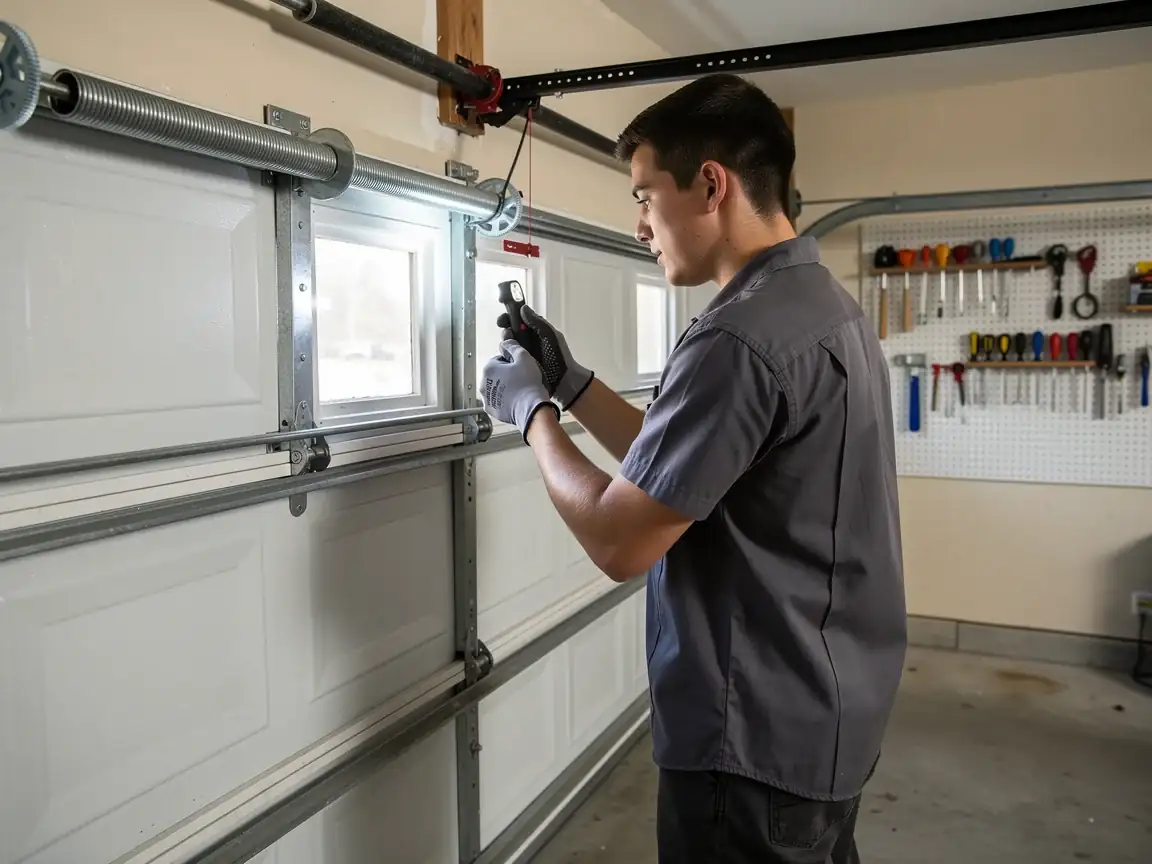
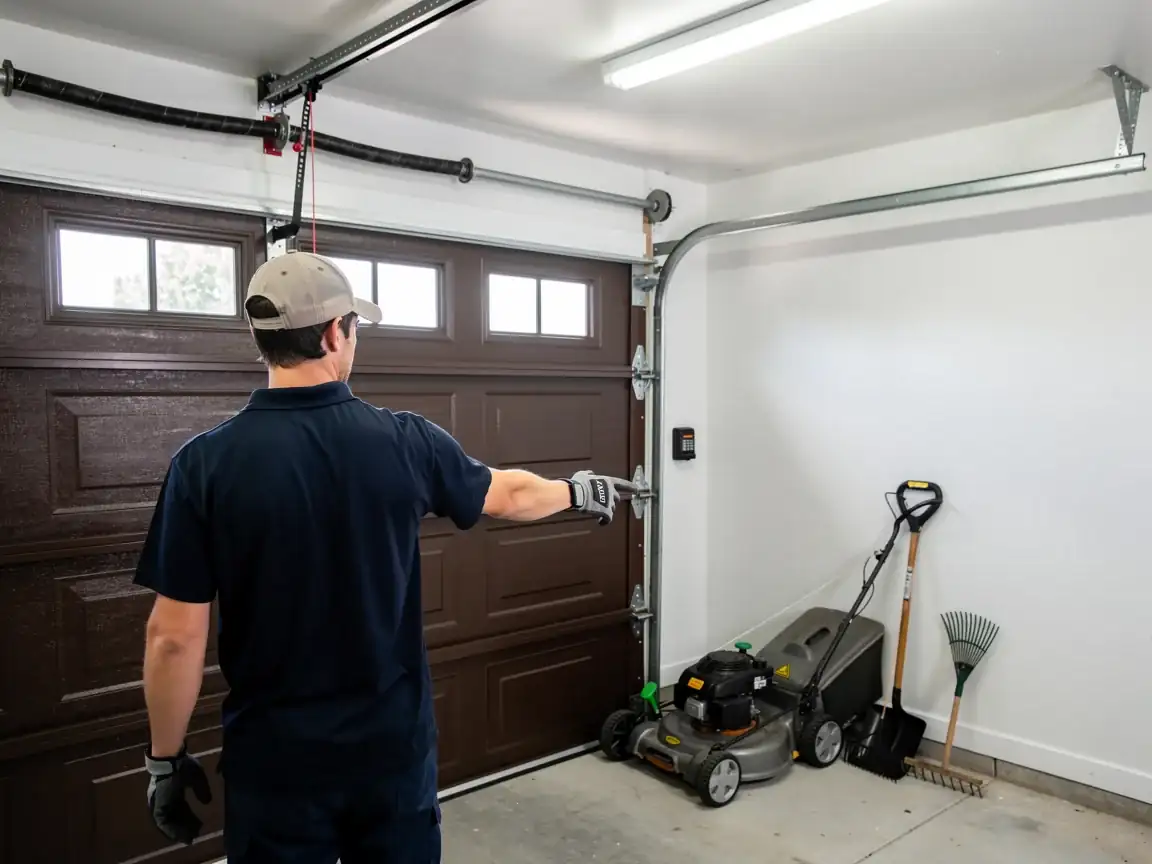
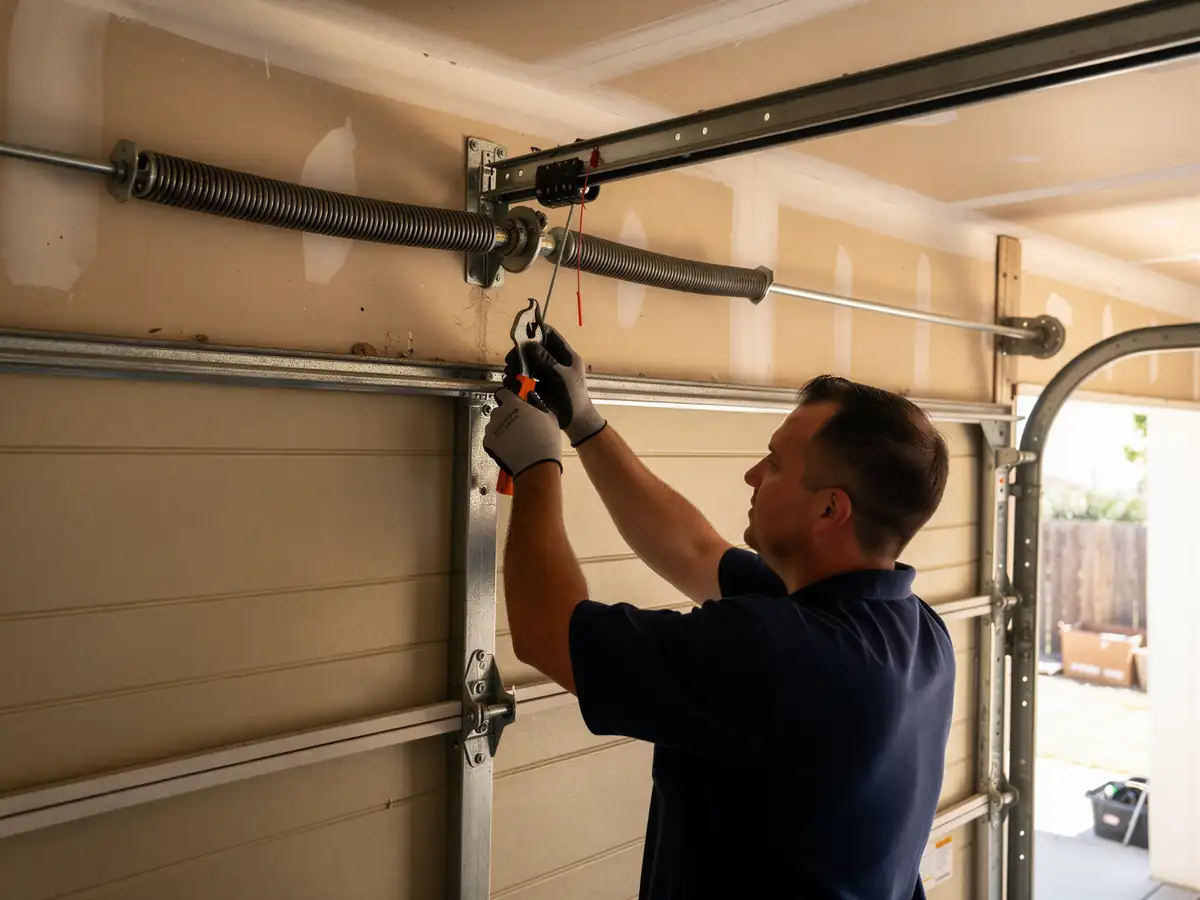
If your door is sagging at the bottom corners, that's usually not the door, it's the track pulling away from a header that's been flexing for 35+ years, common in homes built around Muskego's 1987 median. If the opener runs but the door doesn't move, or moves then reverses, check the sensor eyes first, but in homes this age it's often the travel limits that have drifted out of calibration rather than a dead unit. A door that's heavy to lift by hand with the opener disconnected means the spring is losing tension, which on a single door of this vintage is almost always a single torsion spring rated for a door that's now heavier than it was new, because a prior owner swapped to a heavier insulated panel without re-rating the spring. None of these are urgent safety issues on their own, but a spring that's under-rated for the door it's lifting will eventually let go, and that's not a repair you want happening while someone's underneath it.
The Cost of This Job
We don't have a published price list for Muskego jobs specifically, and I'd rather tell you that than make up a number. What does change the math here versus other parts of our service area: household income in Muskego runs higher than the broader area, $116,361 median versus $108,690 across the service area as a whole, and that tends to show up in which doors people choose, not in what the install itself costs. Insulated steel and composite doors get picked more often here than bare single-layer steel. The other cost driver is what's hiding behind the old door. If the opening needs reframing, or the circuit needs an electrician before we can mount a new opener, that's additional work beyond the door swap and we'll scope it before anything gets ordered. One honest limitation: if your garage was never wired for a dedicated 120V circuit, we can hang the opener, but a licensed electrician needs to run that circuit, and it's not a job we do.
How it works
From “it’s stuck” to “it’s fixed”
01
Tell us what’s wrong
Describe the symptom - won’t open, loud bang, opener runs but the door won’t move.
02
On-site diagnosis
A technician tests the door under power and by hand and finds what actually failed.
03
Clear, up-front plan
You get the fix that’s needed and what drives the cost - before any work starts.
04
Repaired & tested
The repair is done, the door is set true and tested, and the work area left clean.
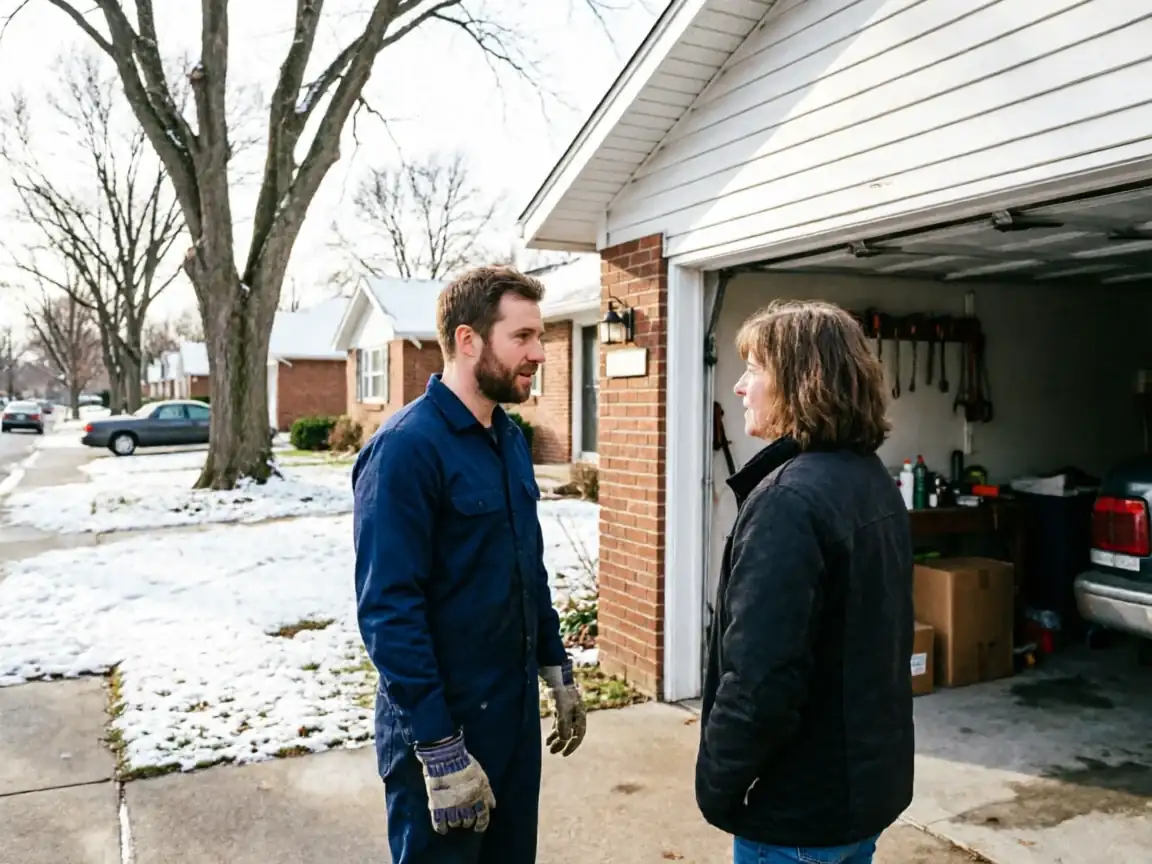
Not sure which repair your door needs in West Allis, WI? Describe what it’s doing - every job starts with a diagnosis.
Straight answers about garage door repair in West Allis. Still unsure? Ask us directly.
Does my Muskego home need an insulated door?
Not automatically, but if your garage was built uninsulated, which was common before attached garages were commonly treated as conditioned space, pairing a new insulated door with an uninsulated frame won't do much. We'll look at the garage itself, not just the opening, before recommending a door core.
Will my old opener work with a new door?
Sometimes, but not always. Chain-drive openers from the 1980s and 90s often lack rolling-code security and battery backup, and the travel limits can be hard to recalibrate for a different panel weight. We'll test yours before you spend on a new door and tell you honestly if it's worth keeping.
How far out is Muskego from your shop?
About 11 miles from our West Allis location. We travel there for installs, but we don't keep a branch or crew stationed in Muskego, so scheduling runs through our West Allis dispatch.