How Long It Takes
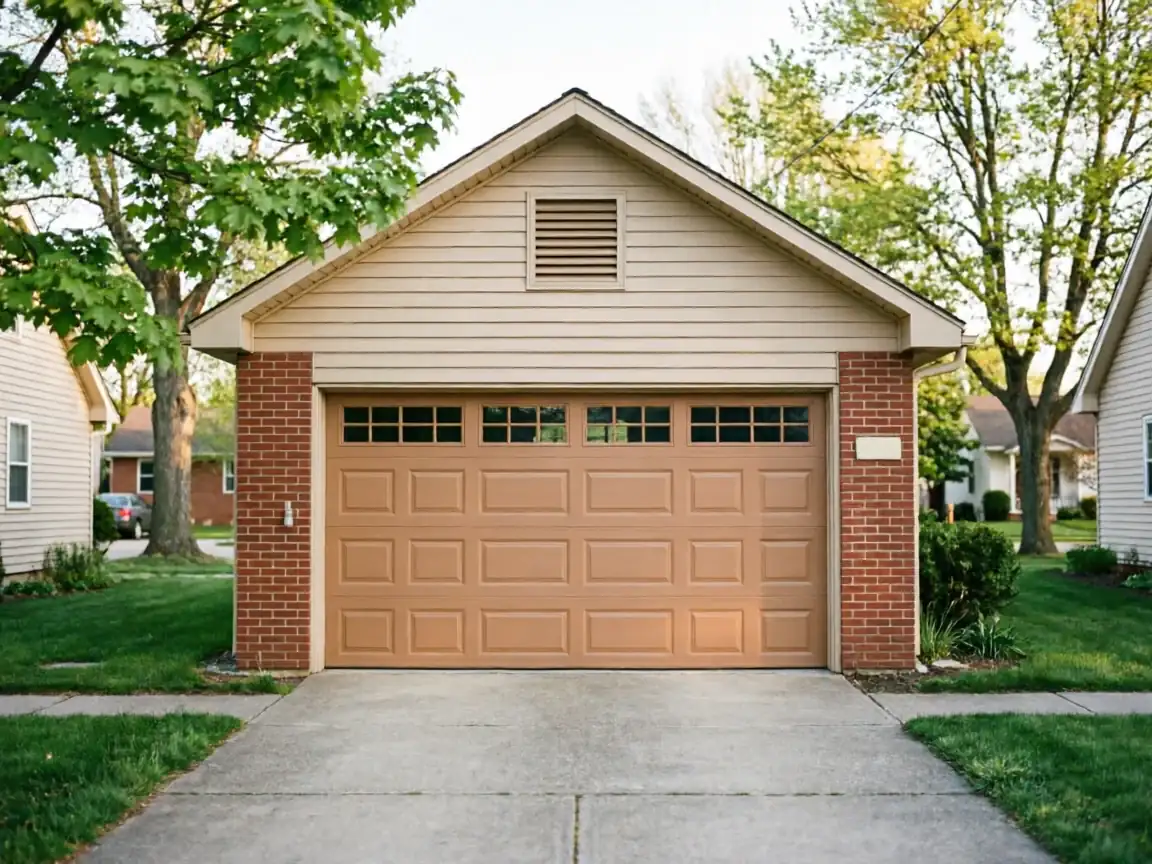
Muskego's housing stock centers on 1987
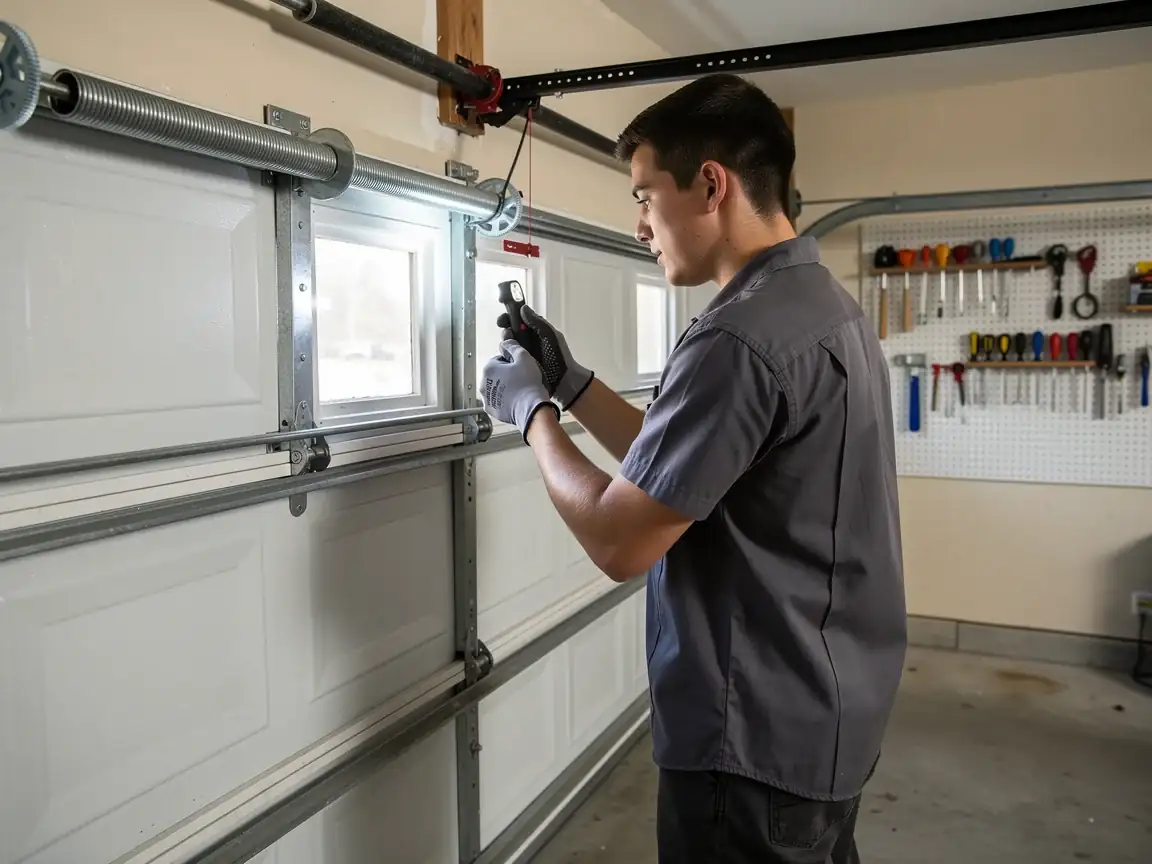
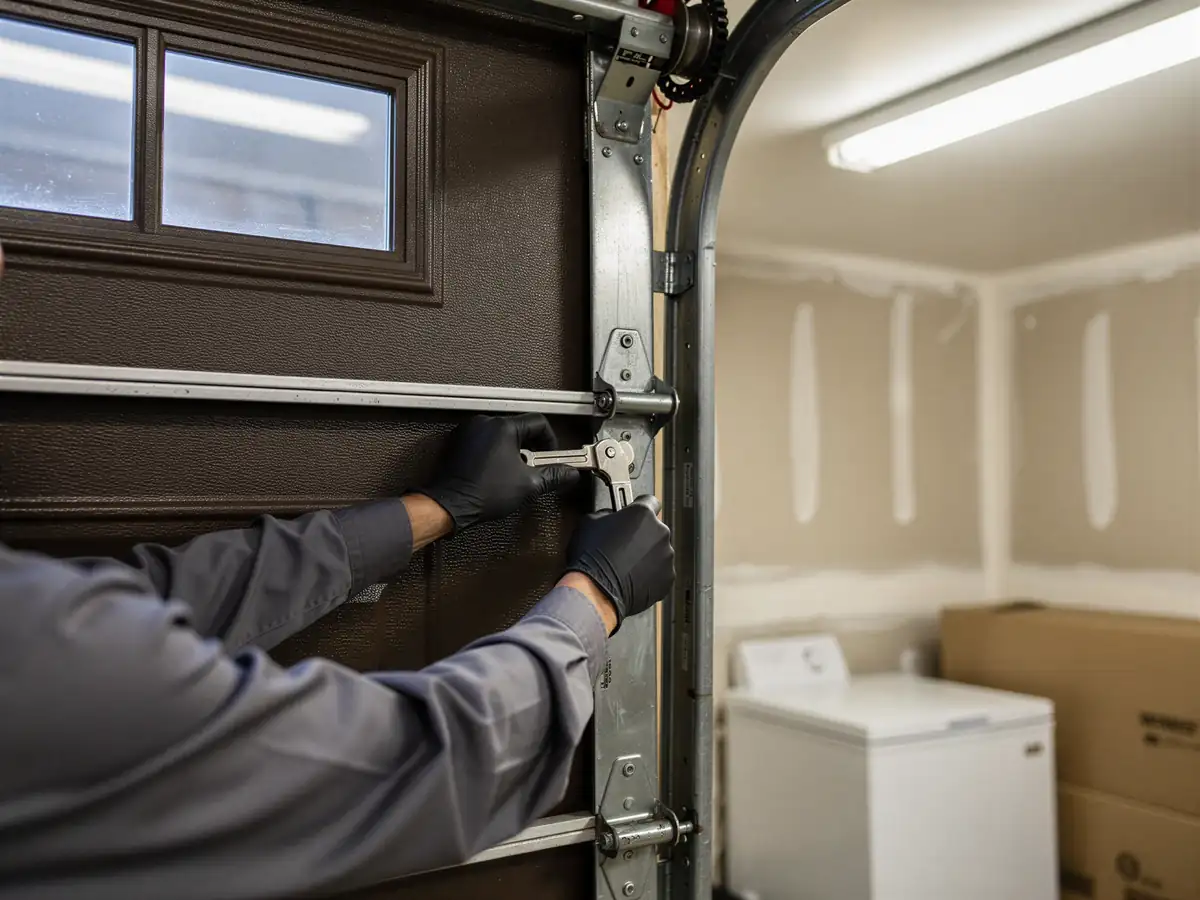
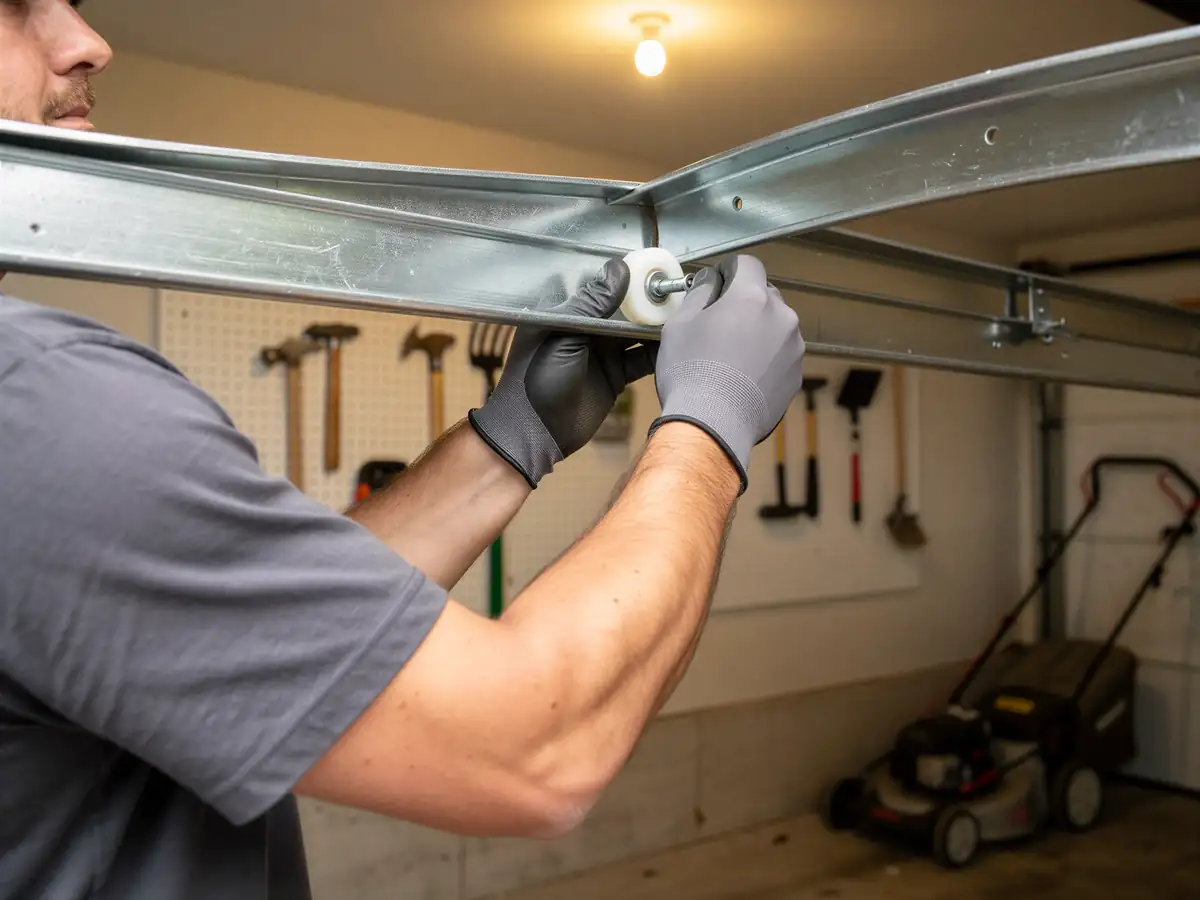
Which means most garage doors here were hung with steel rollers riding directly in galvanized track - no nylon, no sealed bearings, just metal on metal. That hardware was standard through the 80s and it wears predictably: the roller stem wears oblong inside the hinge hole, the wheel itself flats on one side, and the door starts to shudder instead of glide.
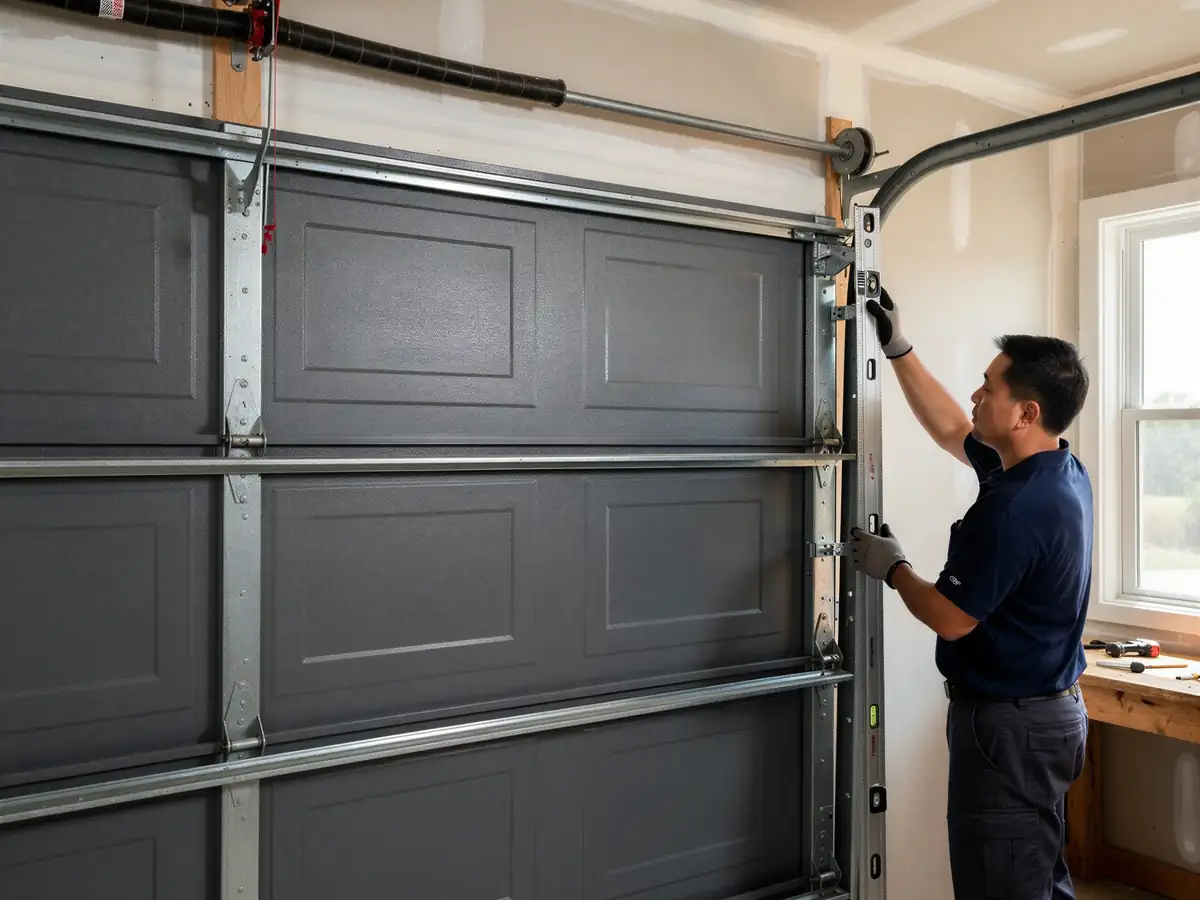
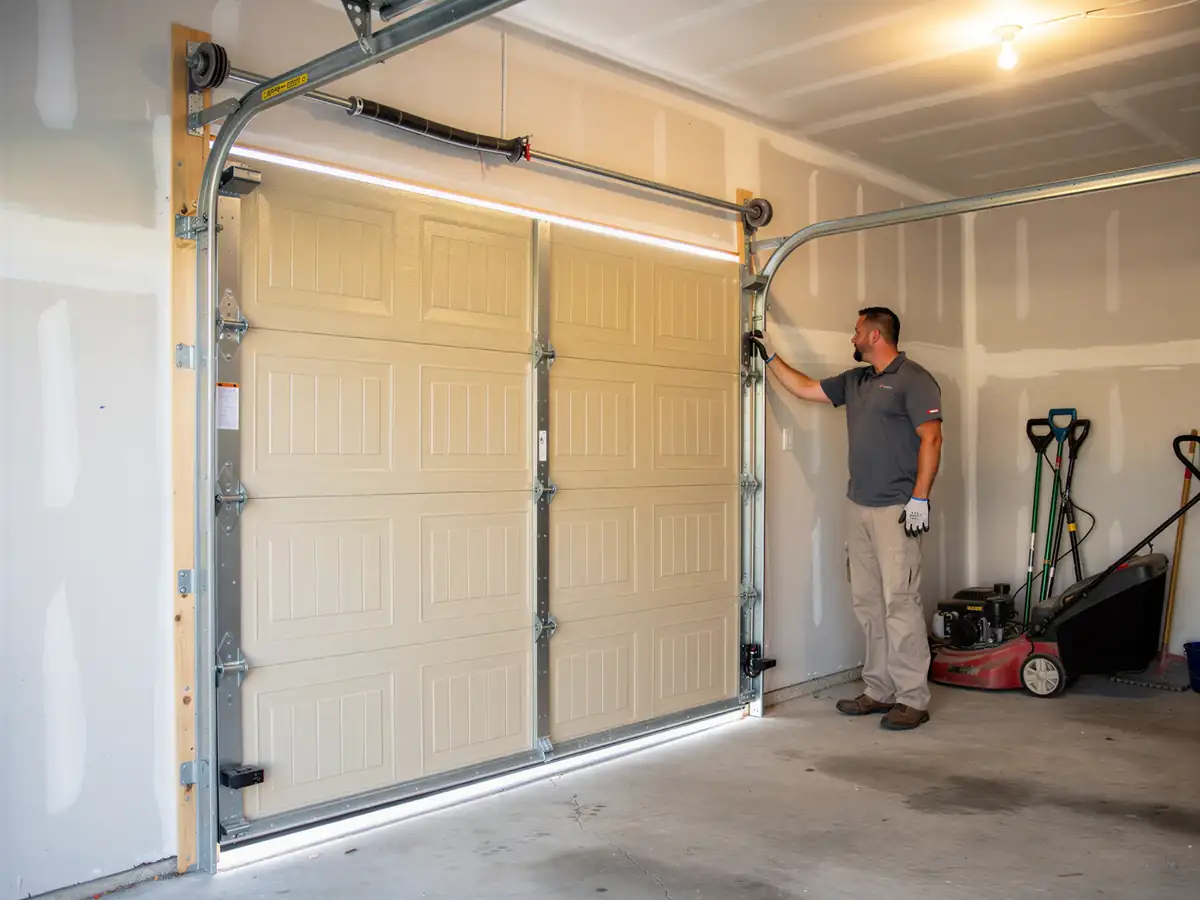
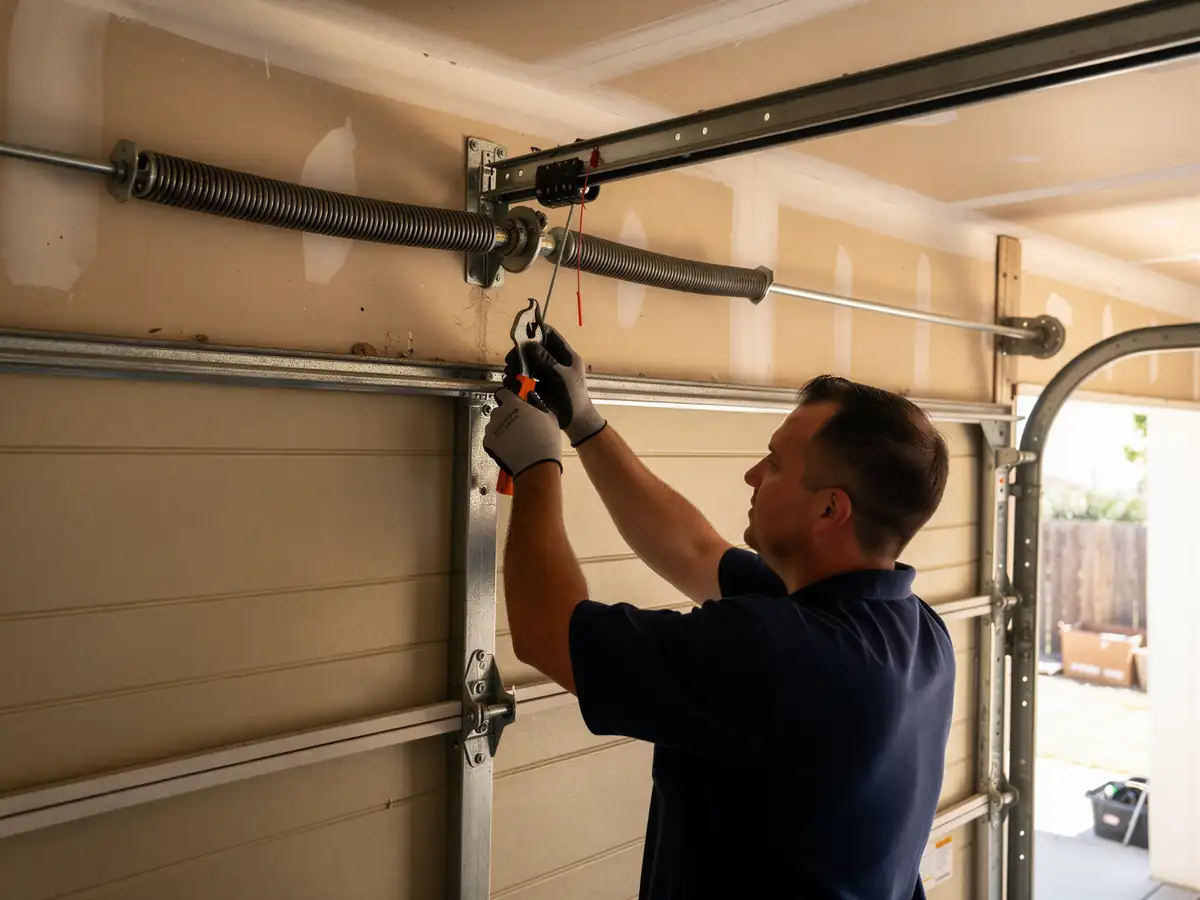
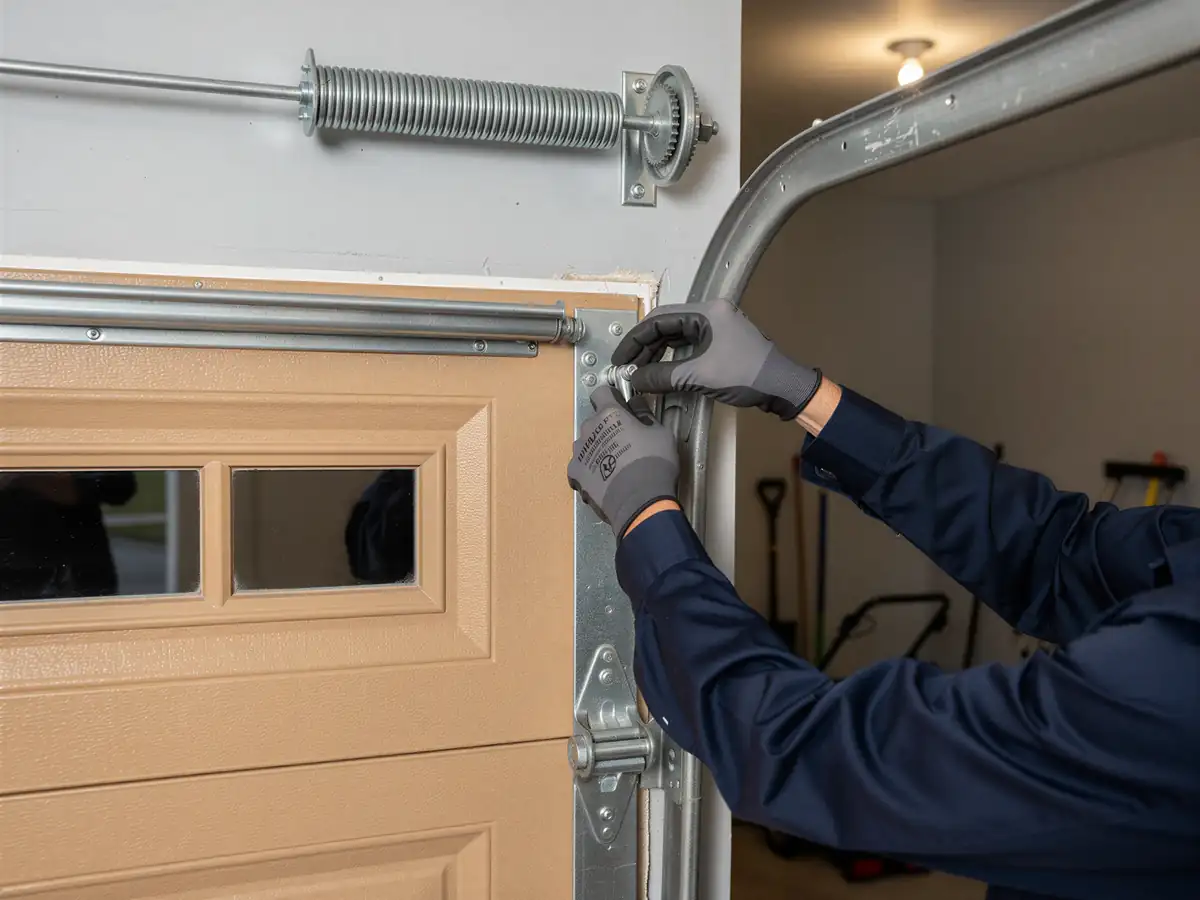
Swapping a full set of ten rollers on a double door
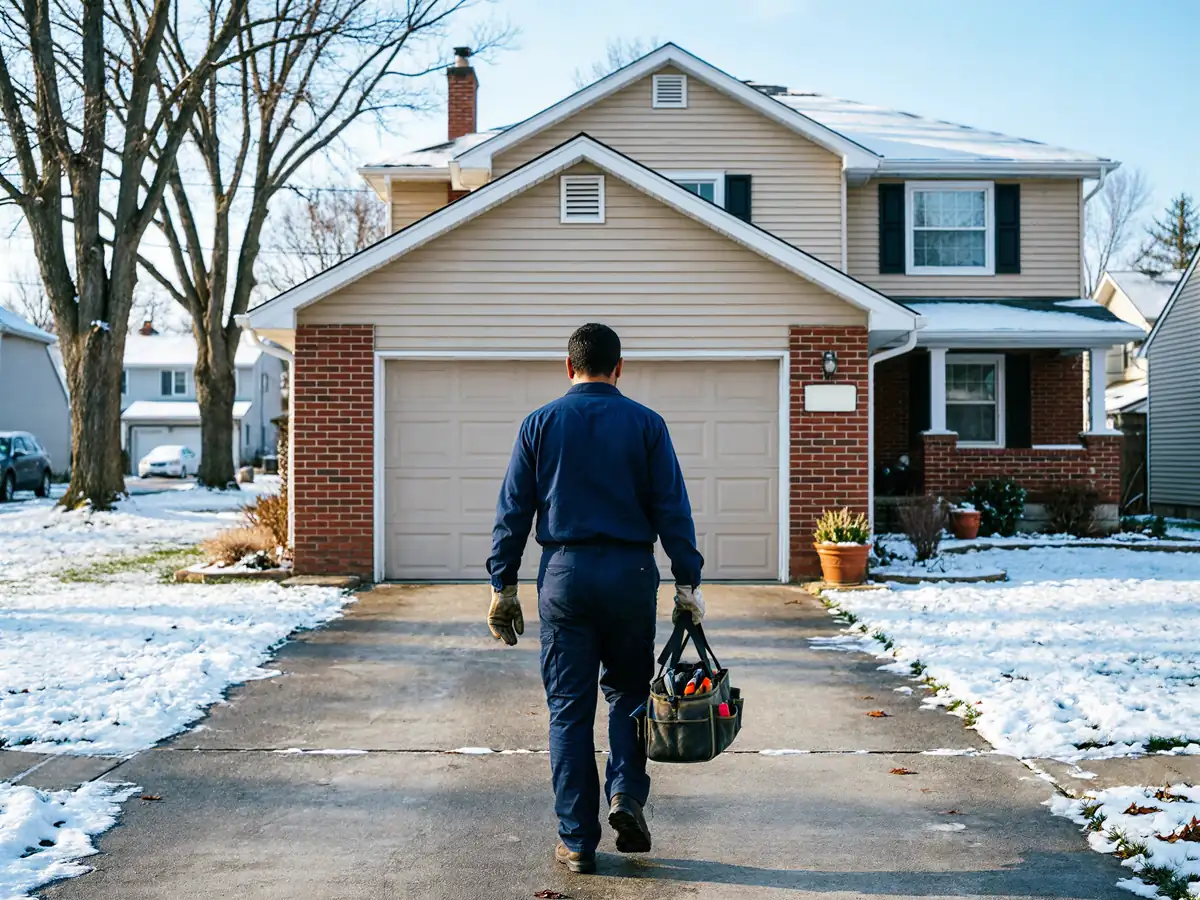
Done from a truck that's already on site, is a same-visit job once the door is up on the lift and the track is checked for the wear grooves steel rollers tend to cut into galvanized channel over thirty-plus years. If that channel is scored deep enough to catch a new roller, the track gets replaced too, and that adds time. We come out from West Allis, about 11 miles, so the job gets scheduled rather than walked up to same hour - but once the truck is there, roller swaps on a standard door don't stretch into a second visit unless the track's gone bad.
- 11 miles
What Can Go Wrong
Steel rollers from the 1987-era stock don't fail quietly. The stem backs out of the hinge first, so the roller starts to wobble in the track before it fully seizes - that's the stage where a lot of owners think they just need oil, and oil buys a few more weeks at best. Once the wheel flats, every rotation hammers the track bracket, and the brackets on original hardware are the same age as the roller.
Cold is the other half of it. Dry steel rollers in unheated garages stiffen up in deep cold, and a stiff roller under spring tension is what snaps a cable or pulls a bracket loose - not a dramatic failure, just a door that suddenly won't move one morning. We don't patch a track that's been chewed up by bad rollers for years; past a certain point of groove wear, new rollers in old track just repeats the problem in twelve months, and that's worth saying plainly before any job starts.
What You Are Seeing
If the door grinds or catches at the same spot on every cycle, that's a flat spot on one roller lining up with the track seam - consistent noise at a consistent point, not random. A door that's loud going up but smooth coming down usually has one or two bad rollers near the top section, where steel-on-galvanized wear concentrates because that's where the door picks up the most speed.
Visible rust on the roller stem, or a wheel that doesn't spin freely when you turn it by hand with the door closed, both point to original hardware that's past its working life. None of this is urgent in the way a snapped spring is - a worn roller usually gives you weeks of warning noise before it fails outright, which is more lead time than most garage door problems offer.
The Cost of This Job
A full roller set runs toward the lower end of garage door repair costs
And upgrading from steel to sealed nylon rollers at the same time costs a little more up front but holds up far better against the cold swings this area gets. We don't have a flat number to quote without seeing the door and the track condition, since groove wear changes the job from a roller swap to a roller-and-track job.
Worth noting: if the track is bent as well as grooved
We'll say so and price it as what it actually is rather than selling a roller fix that won't hold. See the Muskego service area page for what else we cover out this way, or check roller replacement in West Allis for how the job runs on closer, slightly older housing stock.