The DIY Question
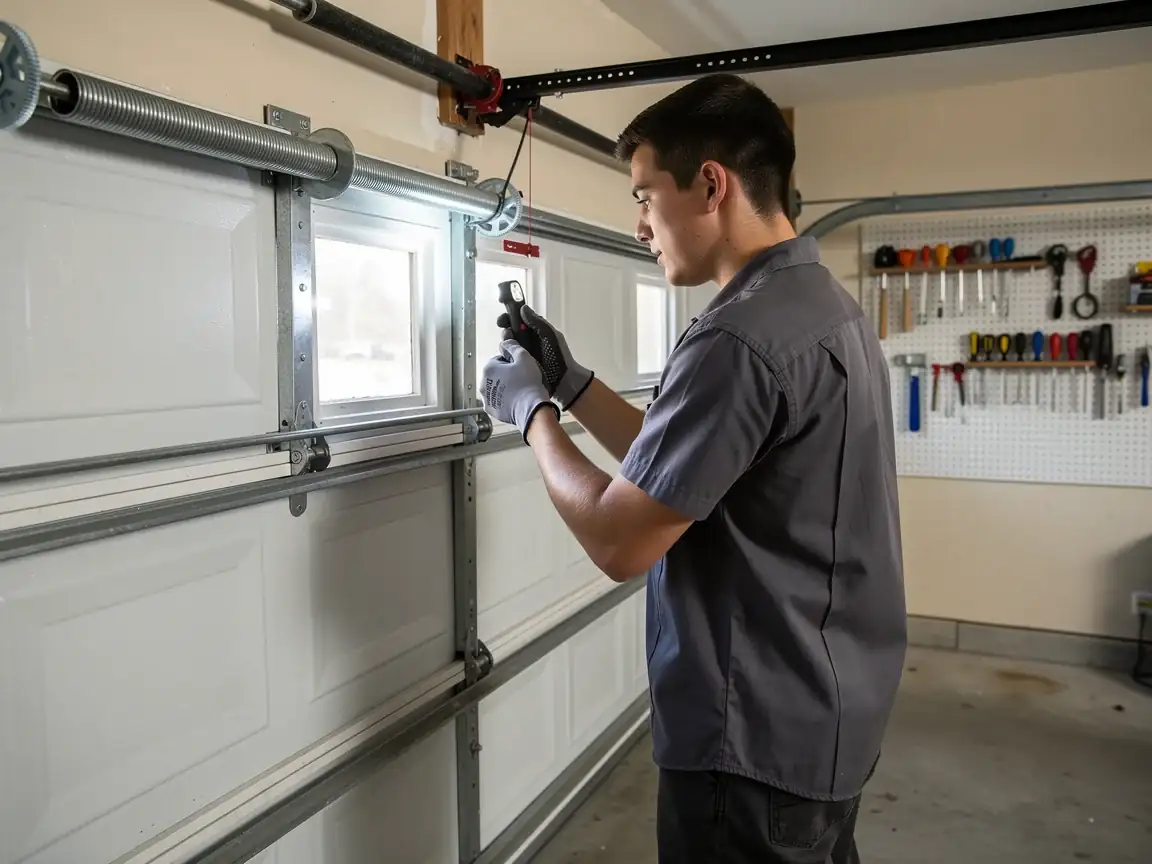
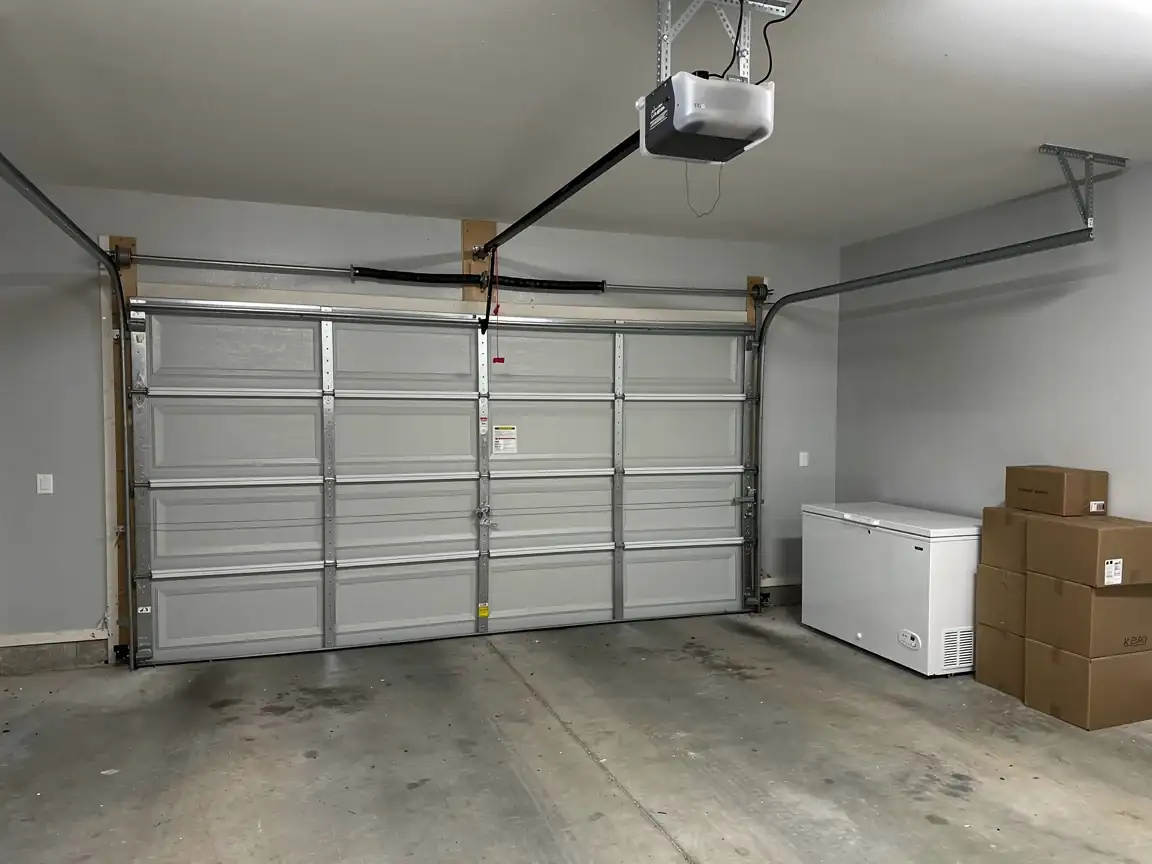
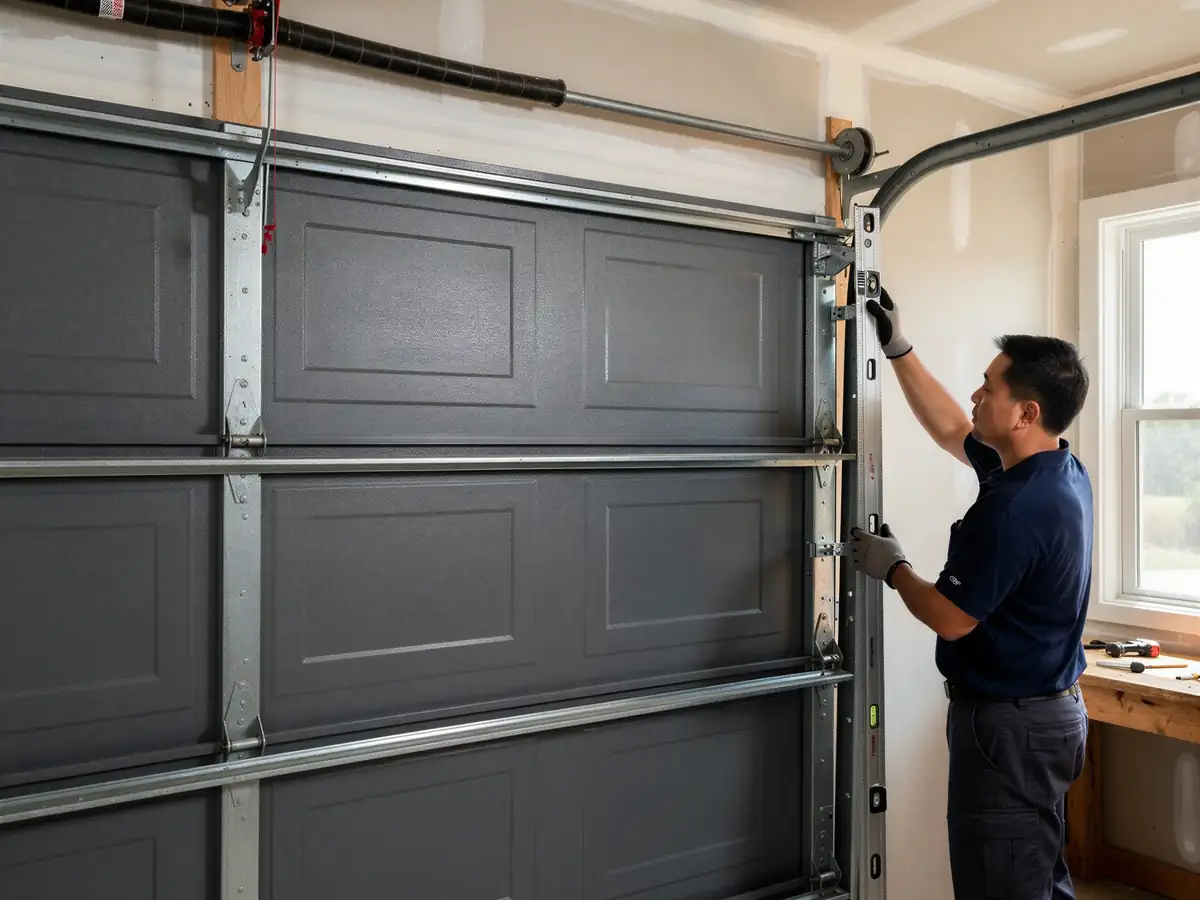
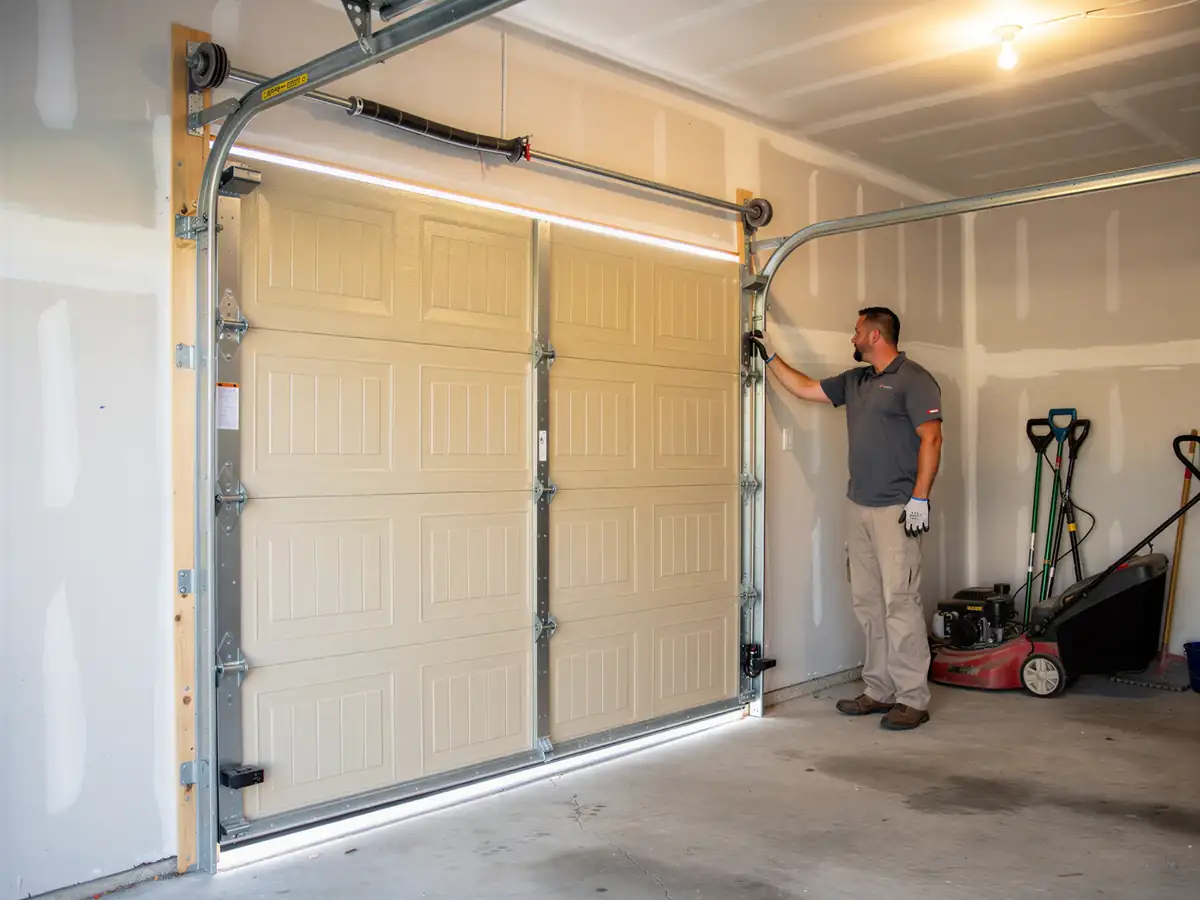
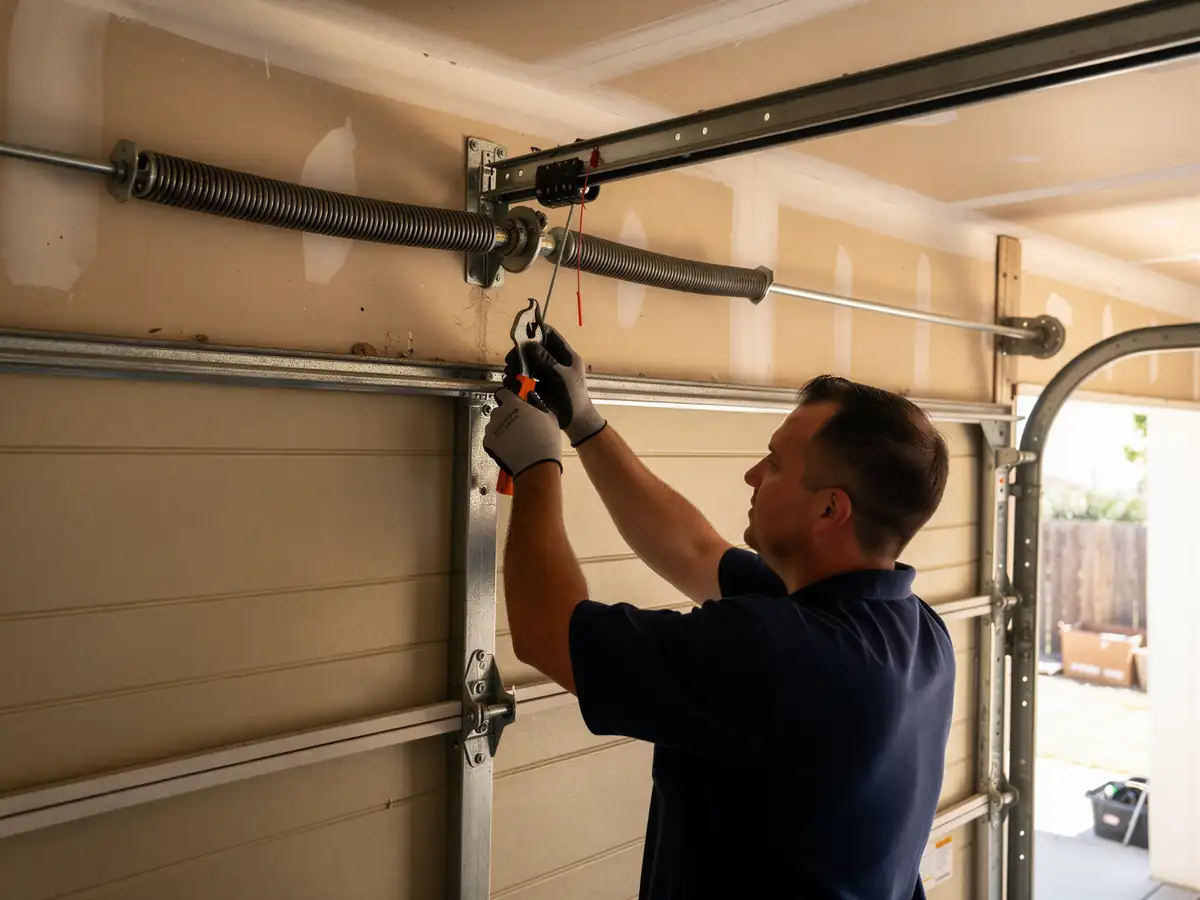
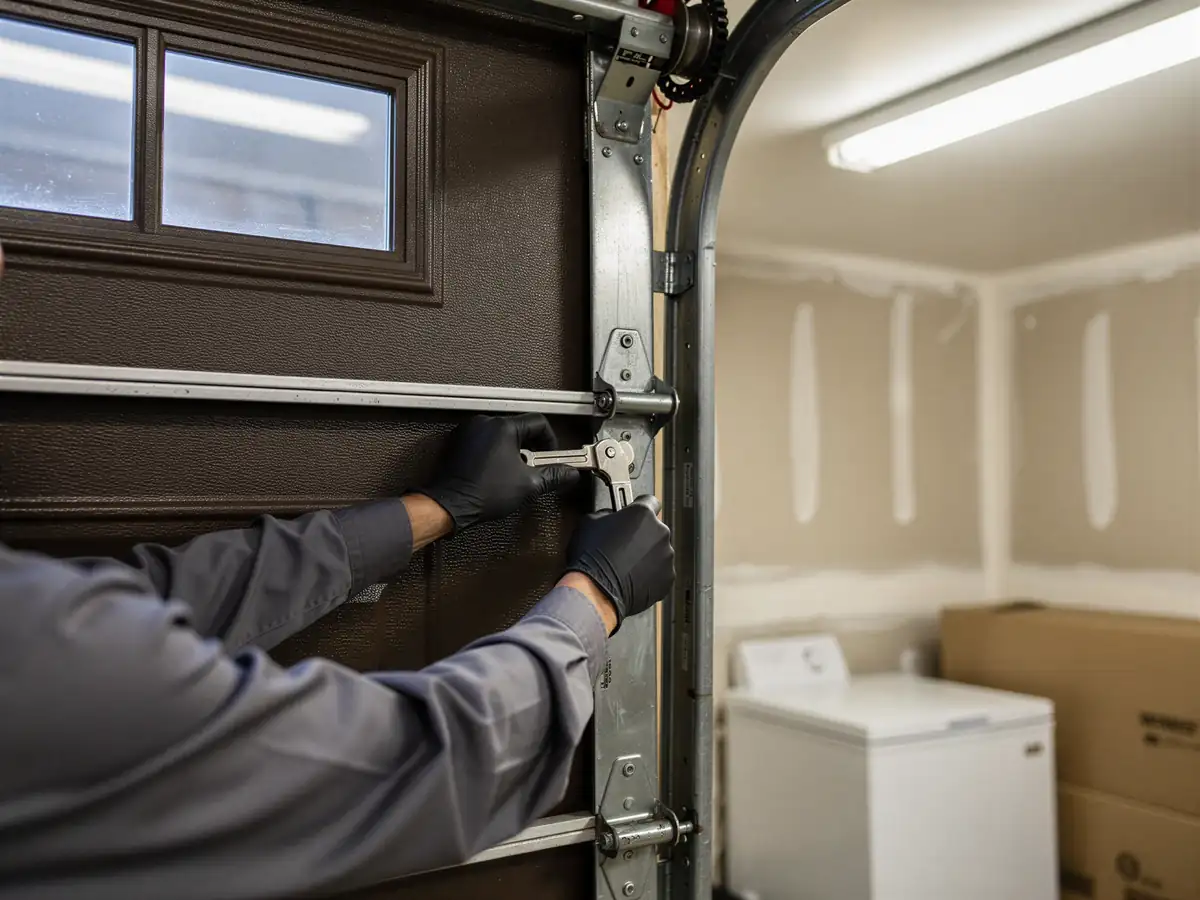
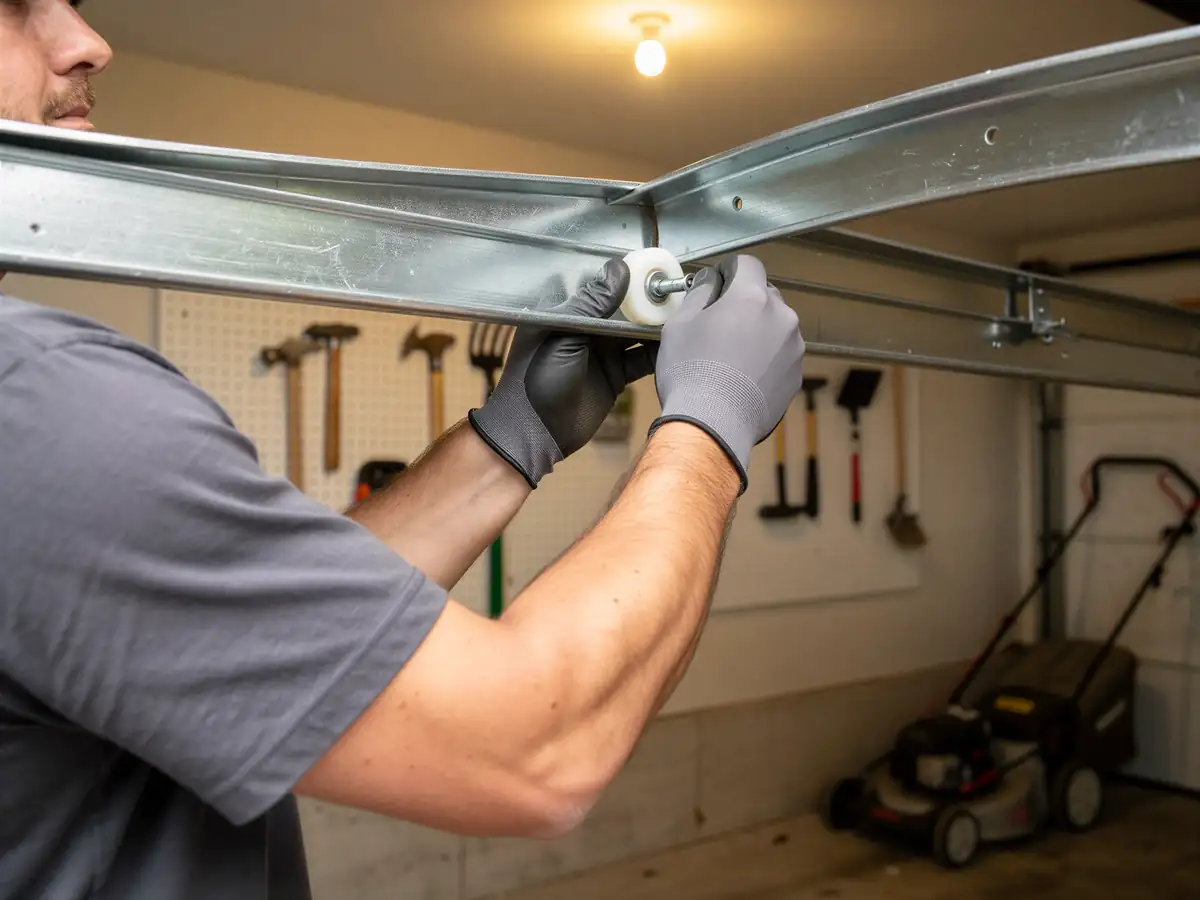
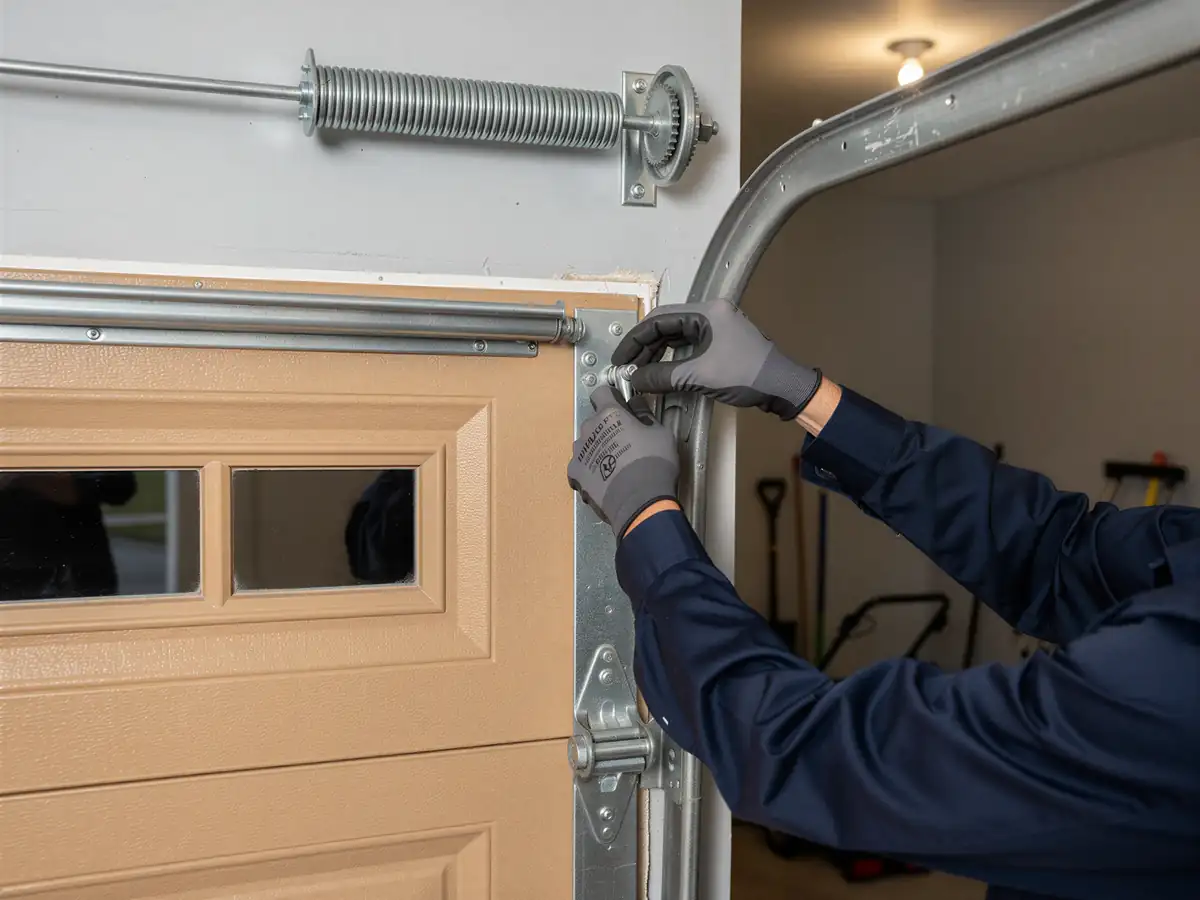
A torsion spring under tension can put someone in the hospital, and on a 16-foot double door the spring is wound tighter and holds more stored energy than on a smaller single door. That's not a reason to avoid every DIY task on your garage - swapping a roller, tightening hinge bolts, lubricating a track - but spring replacement and anything involving the winding bars is not a weekend project, regardless of how many videos make it look simple. If the door is off its track, or a cable has come off the drum, leave it alone until someone gets eyes on it. One honest limit: if your opener is original to a 1982 build and still running, parts for it may be obsolete, and replacement is often cheaper than hunting down a matching logic board or hand-held remote from that era.
What Can Go Wrong
Winters here are the same severe cold that hits the rest of the service area, and cold makes steel brittle and lubricant stiff right when a torsion spring is already near the end of its cycle count. A spring that's been fine for years can let go on the first hard cold snap of the season. On doors built around 1982, we also see galvanized torsion springs that have simply outlived their rated cycles - nothing dramatic, just metal fatigue after four decades of opening and closing. Cables fraying at the bottom bracket, rollers seizing in the track, and center hinges cracking on wider double doors are the other common calls. Because Mequon's housing stock sits at a median income well above the regional average, we also see more upgraded openers with battery backup and smart controls bolted onto original door hardware - which means the opener might be new while the spring and cable are still the original 1982 parts.