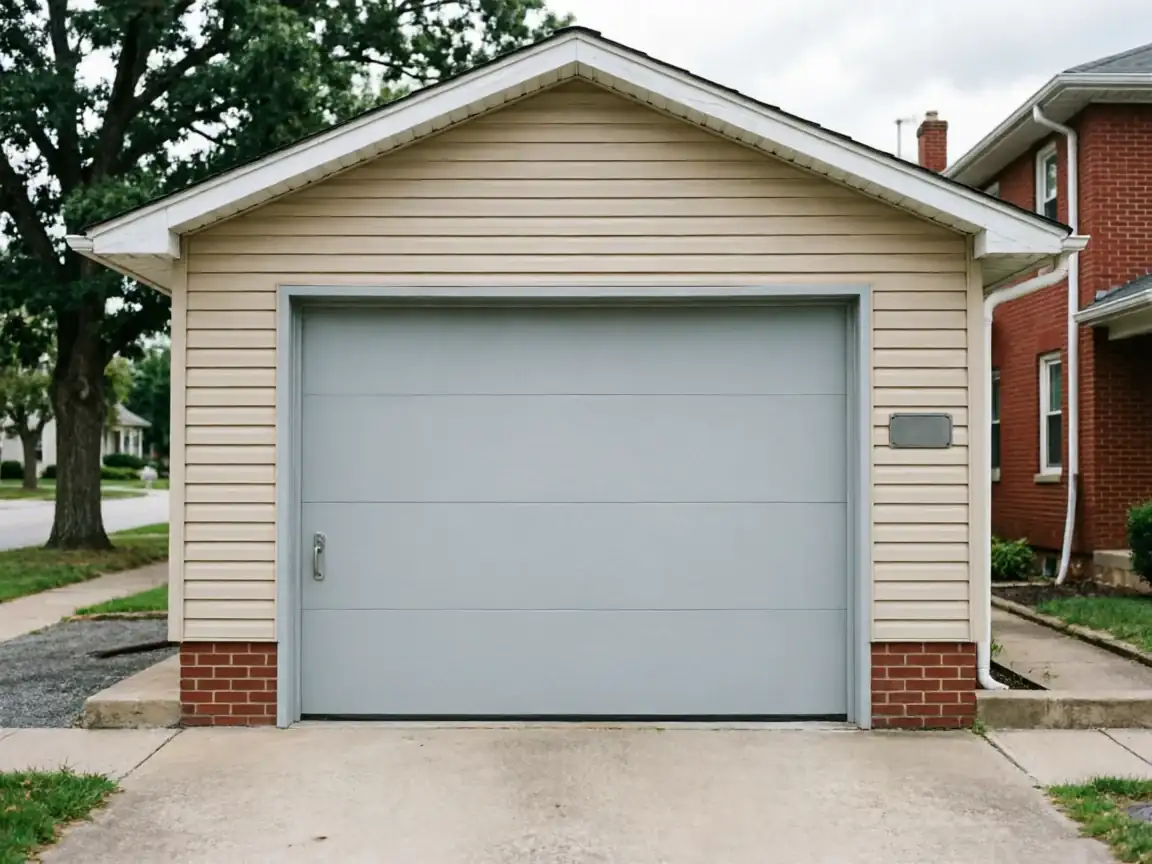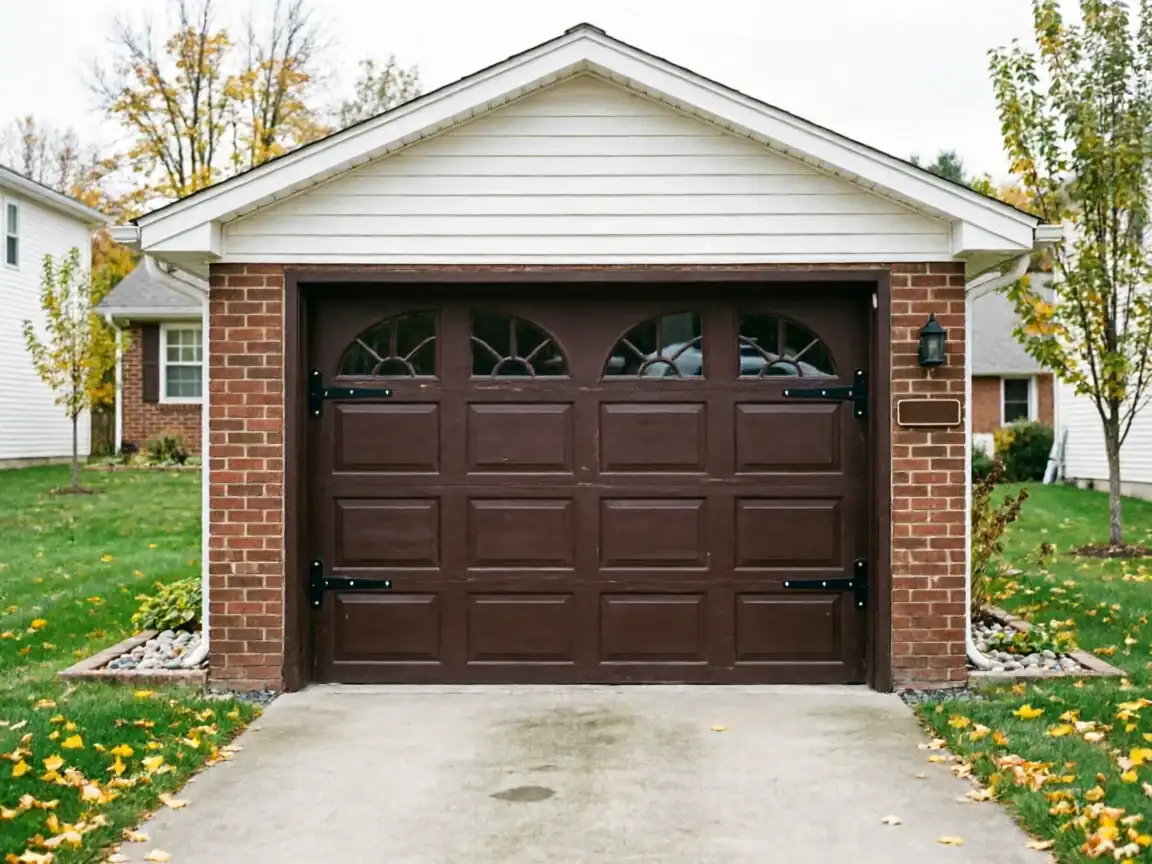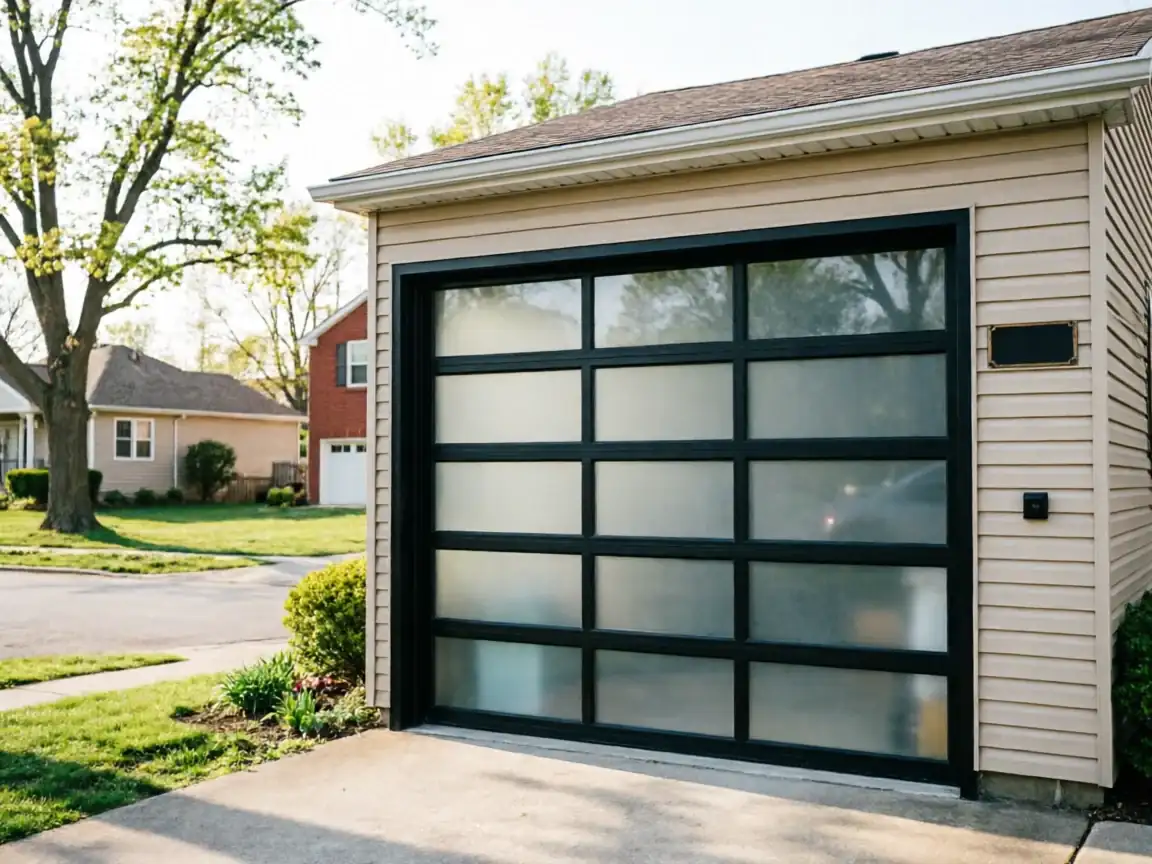
The DIY Question
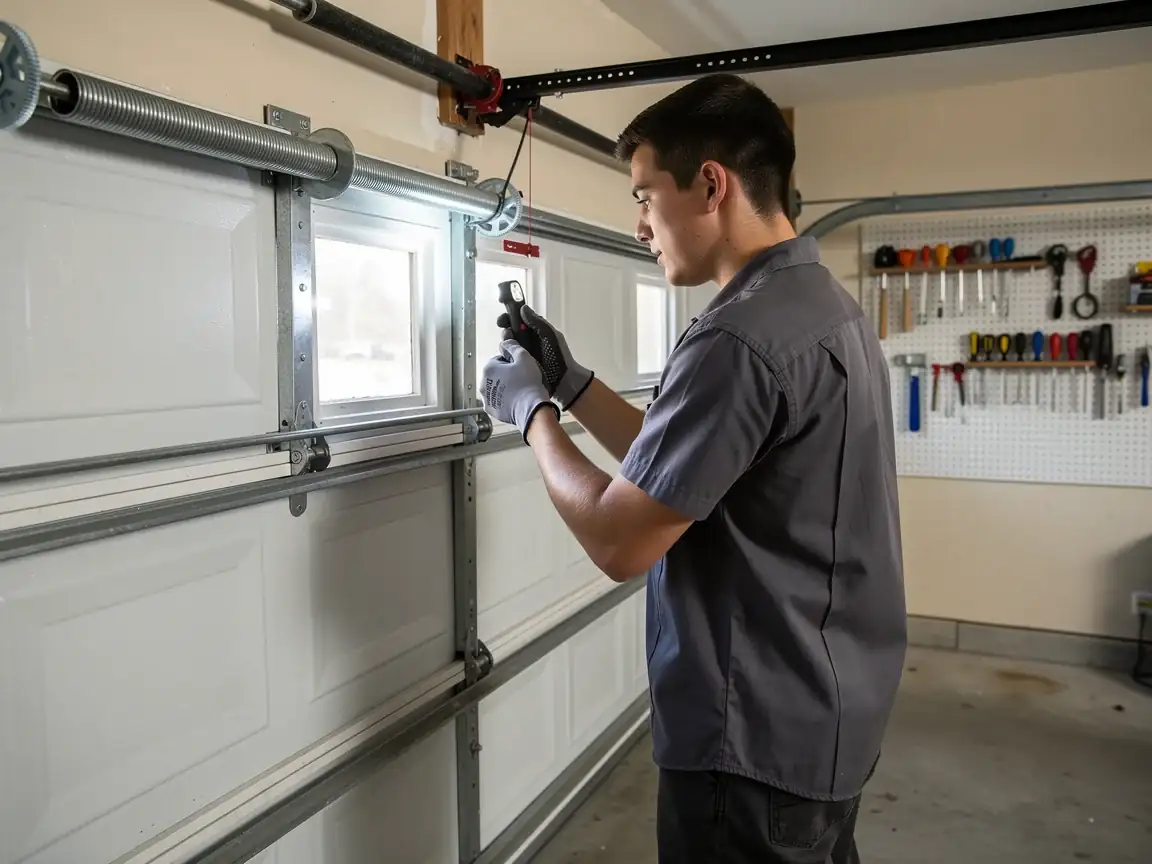
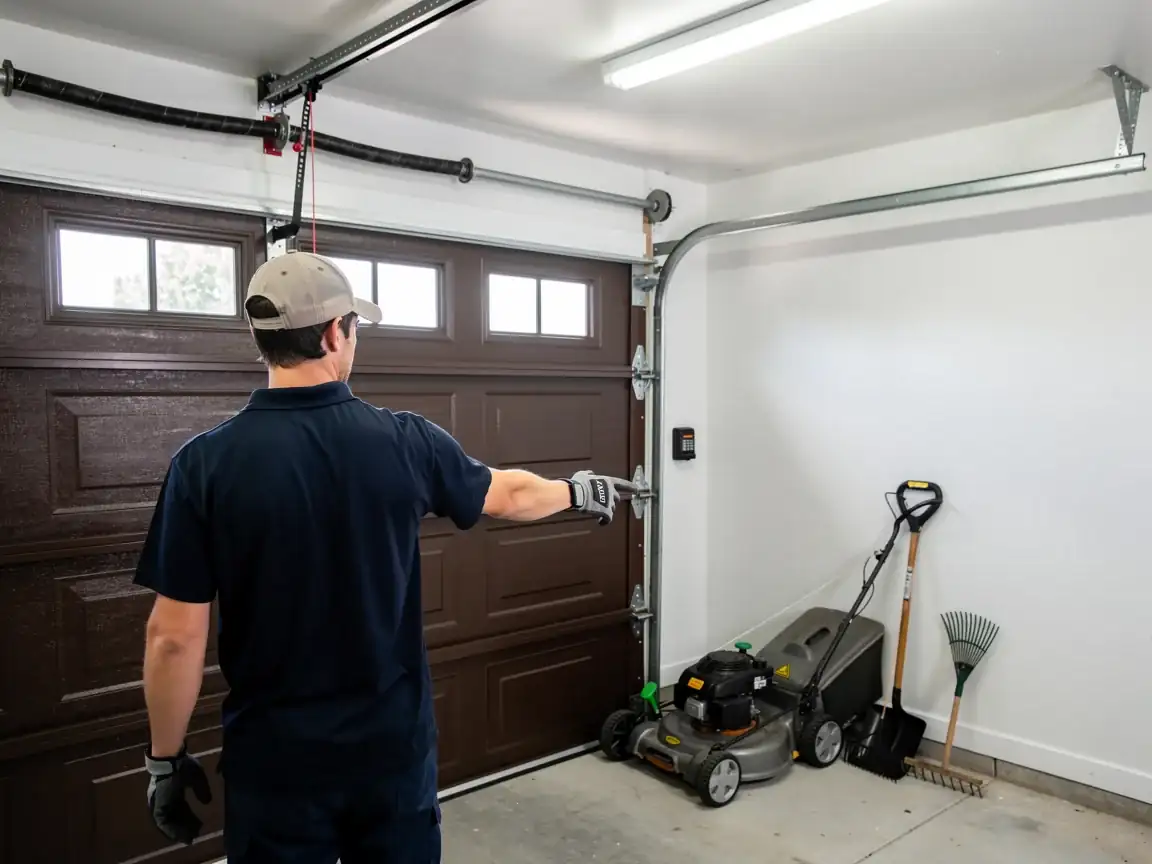
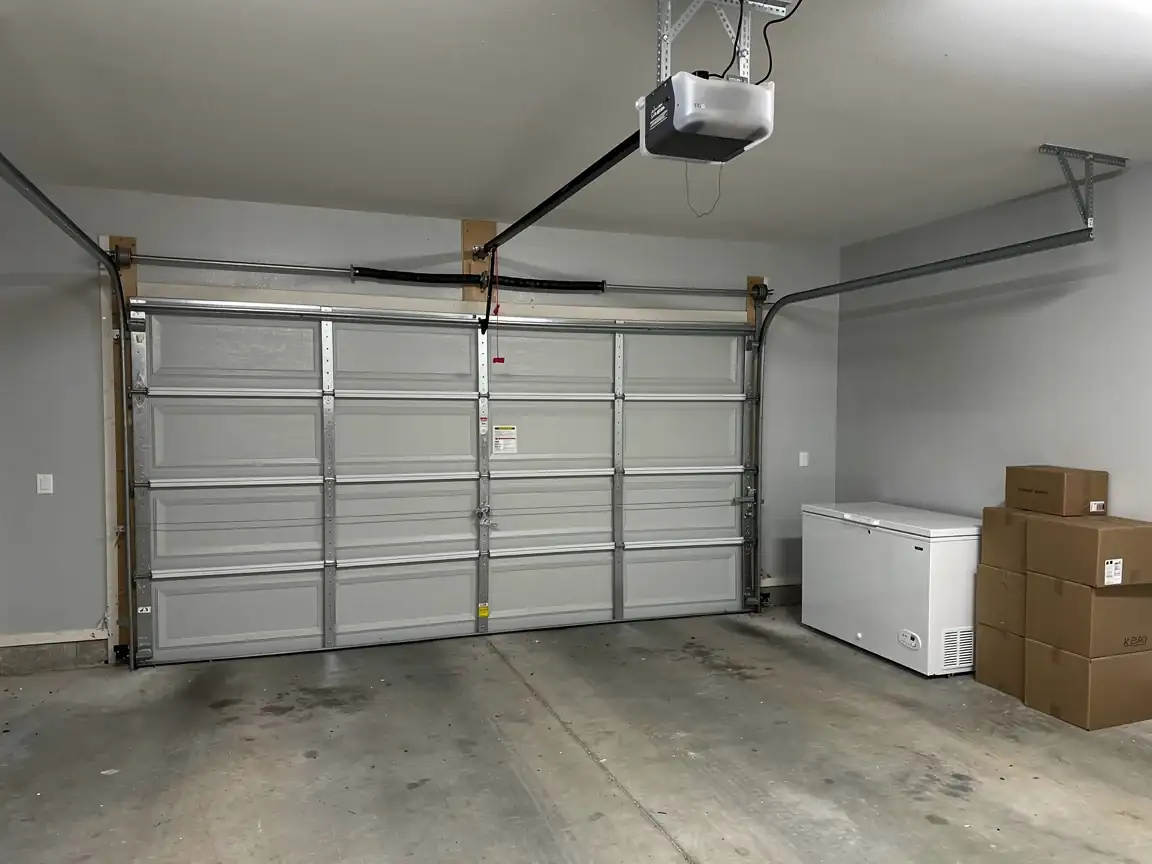
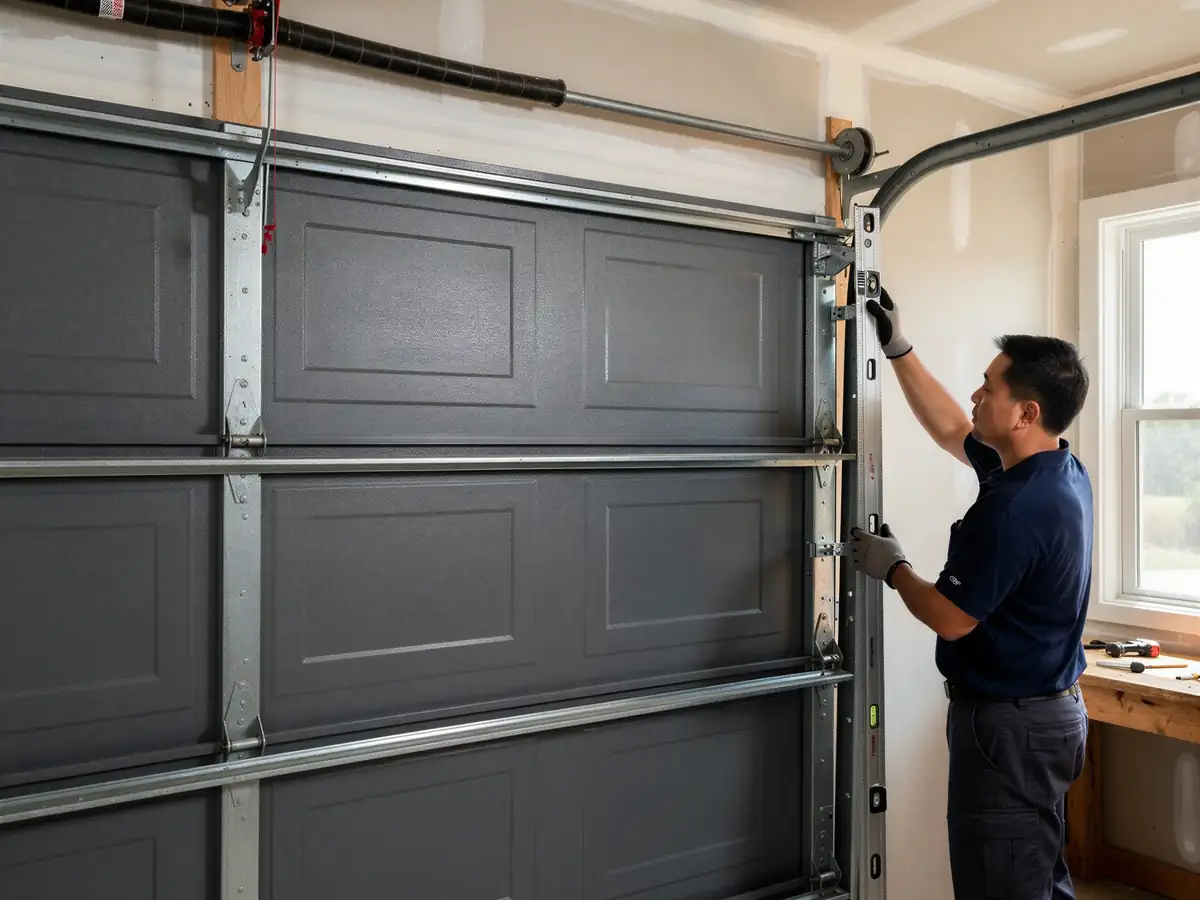
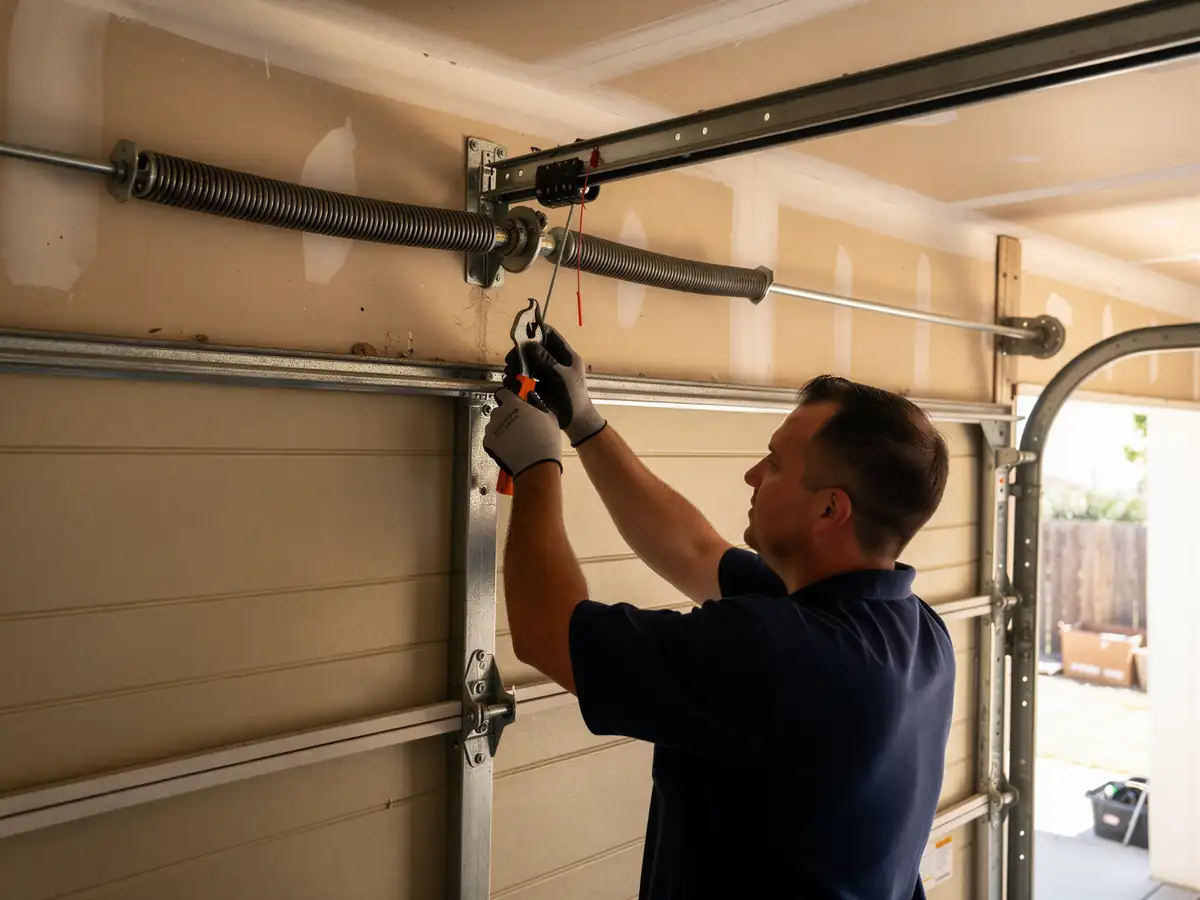
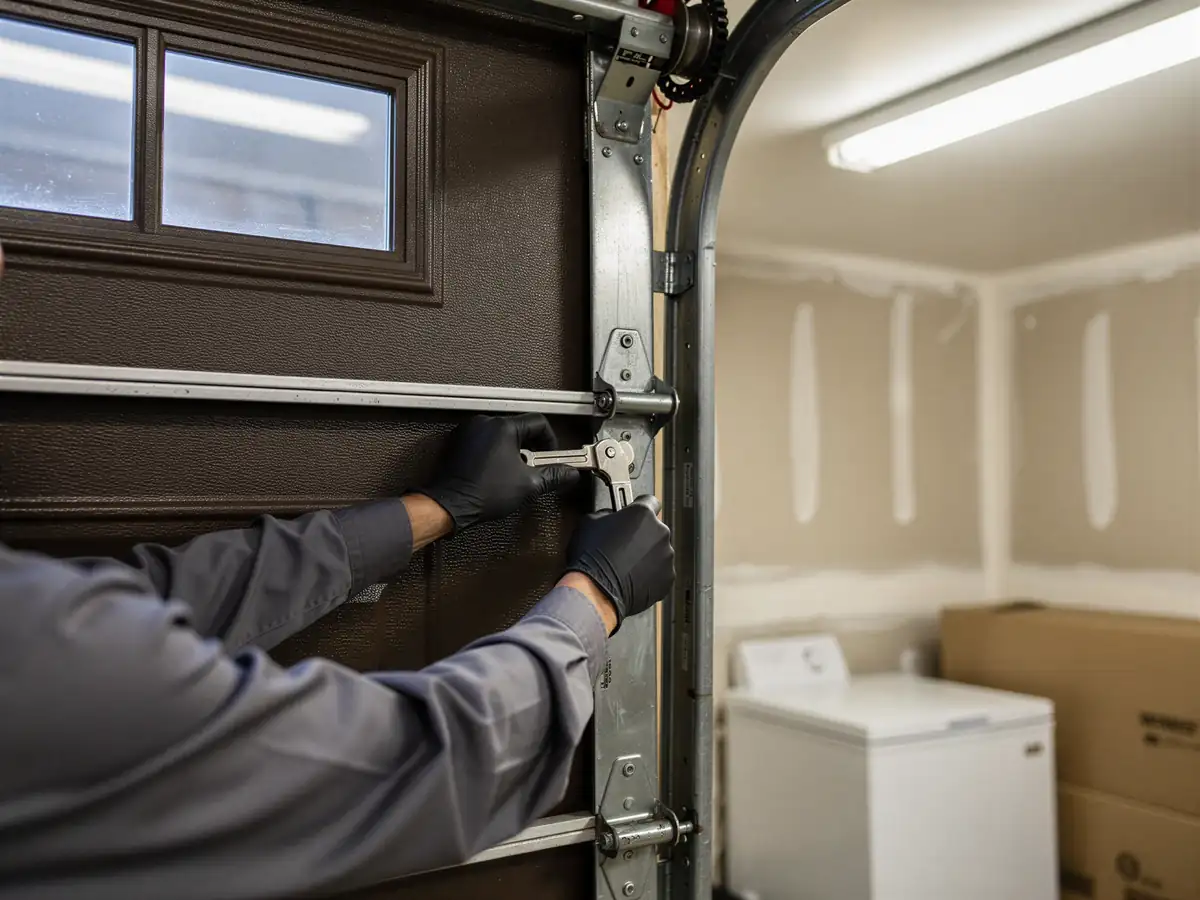
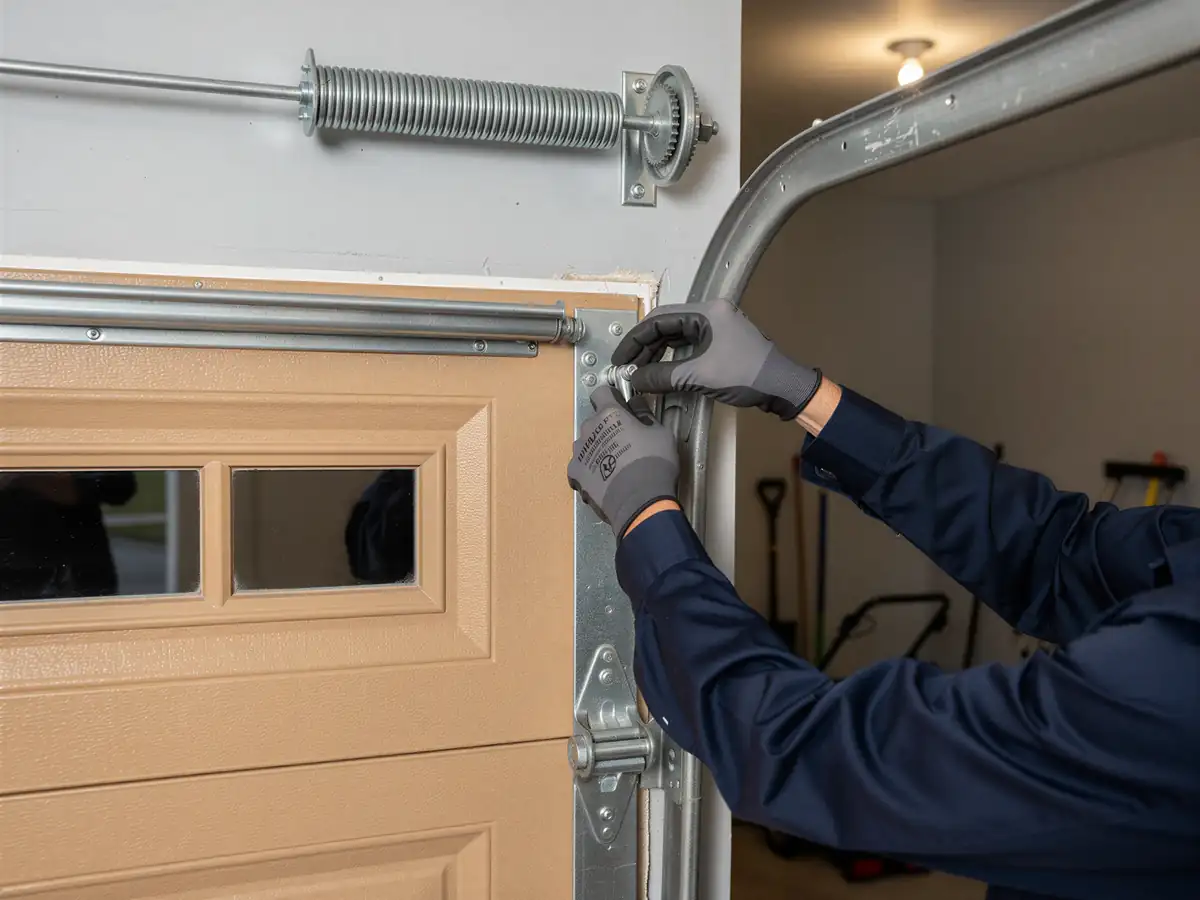
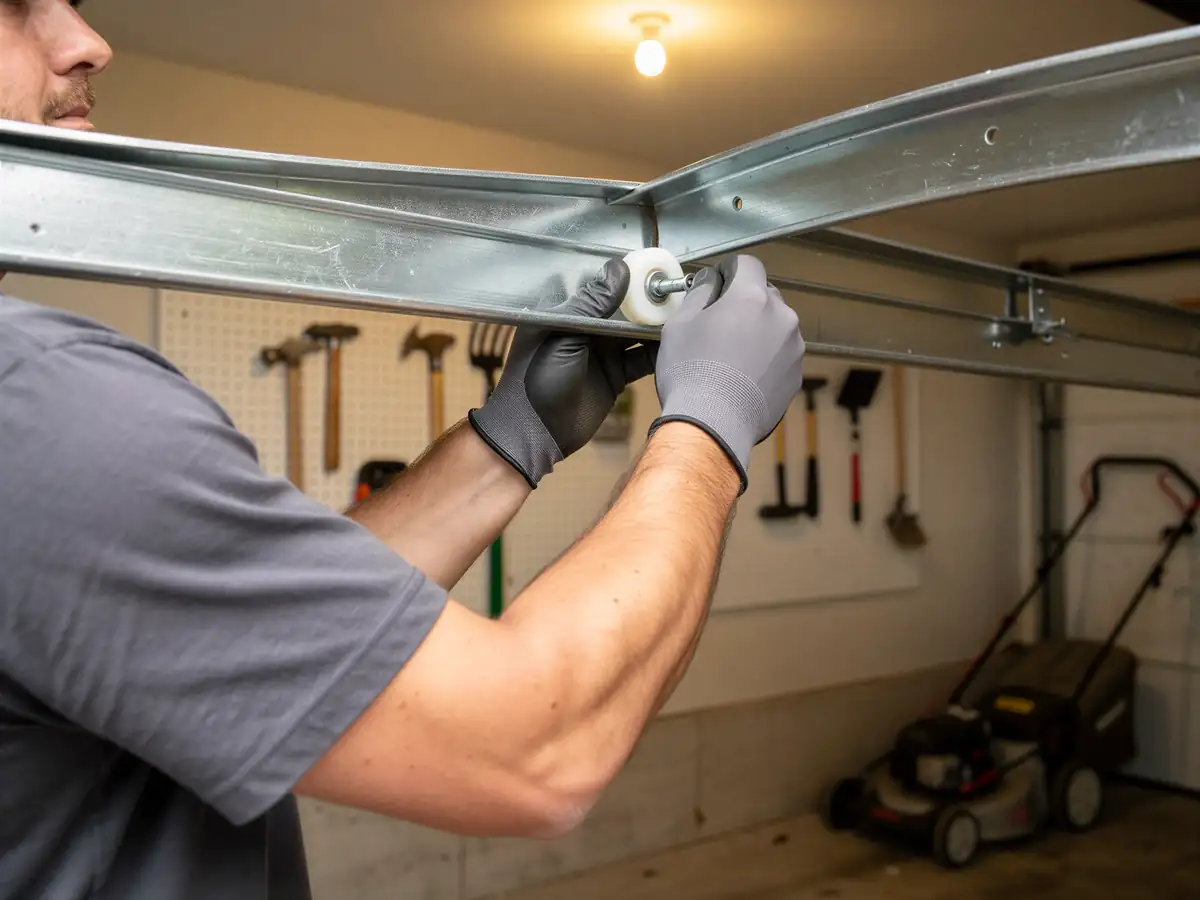
Rollers are one of the more approachable garage door repairs for a homeowner who's handy, and we won't pretend otherwise. Swapping a bottom-section roller on a door that's down and disconnected from the opener is within reach for a lot of people. Where it gets risky is the top rollers near the spring system on a door that's under tension, or any roller job where you're working the door up and down by hand with the springs still loaded. A door with high-end hardware, which is more common in a market like Mequon given the income levels here, often has stiffer torsion springs sized for a heavier insulated panel, and those springs do not forgive a mistake. If you're swapping one roller on a door you can hold open by hand without strain, that's a reasonable weekend job. If you're touching more than two rollers, or the door feels heavy, call it in.
What Can Go Wrong
The failure we see most in newer stock like Mequon's isn't a roller that snaps outright, it's one that seizes. The nylon sleeve swells or the bearing rusts solid, the roller stops turning in the track, and instead of rolling it starts dragging. A dragging roller scores the inside of the track, and a scored track eventually needs replacing even though the roller itself was the cheap part. Cold makes this worse. Winters here are genuinely harsh, and stiffened grease combined with a stuck bearing is a common reason doors bind hard on the first cold snap of the season. The other thing worth knowing: we don't stock every roller size and composition on the truck. Nylon rollers in standard sizes, yes. Specialty rollers for a less common track width or an older imported door, sometimes not, and that can mean a short wait on parts. We'd rather tell you that up front than promise a same-visit fix we can't back up.