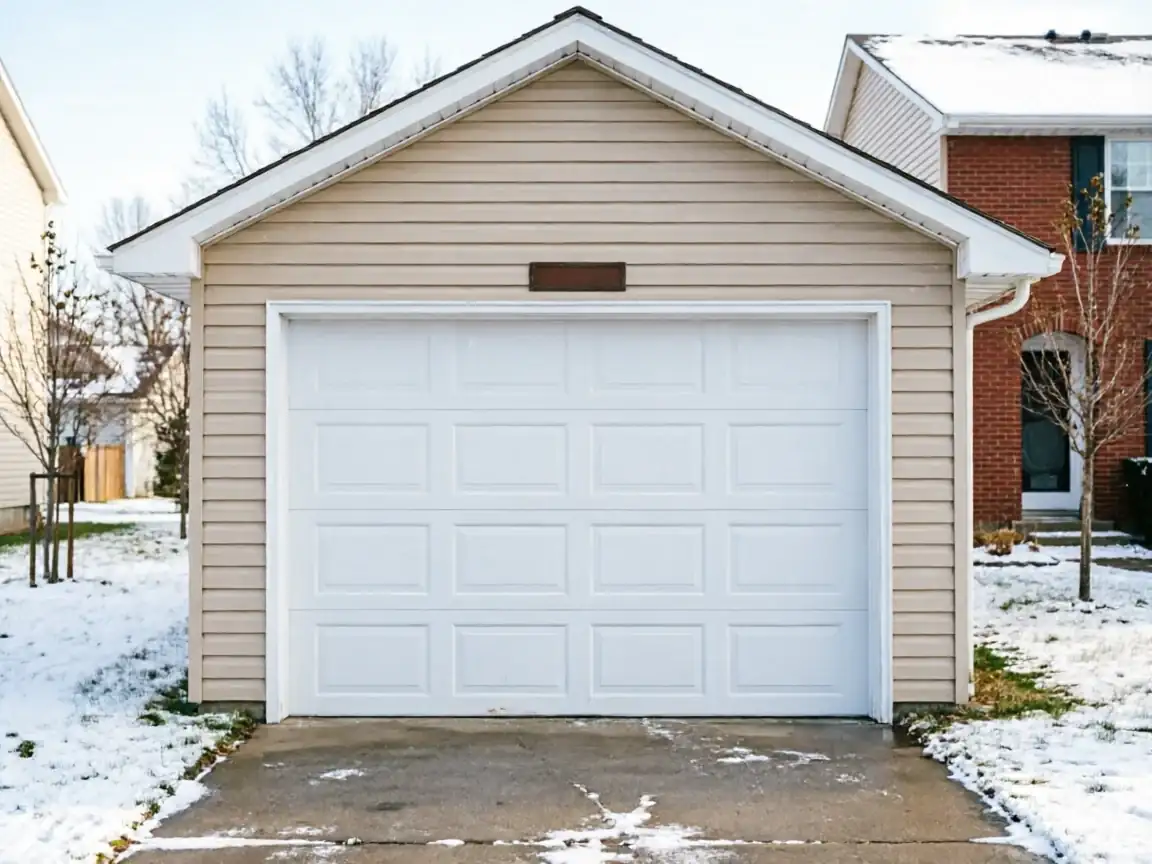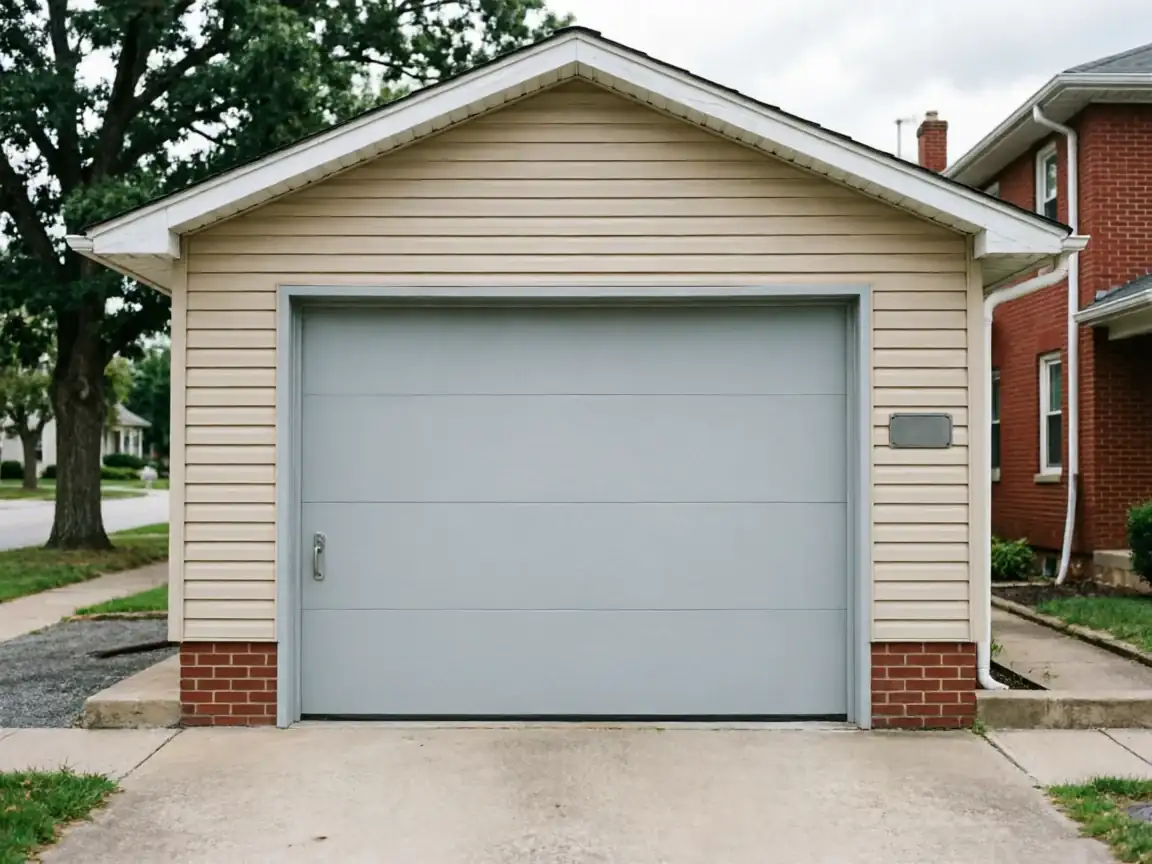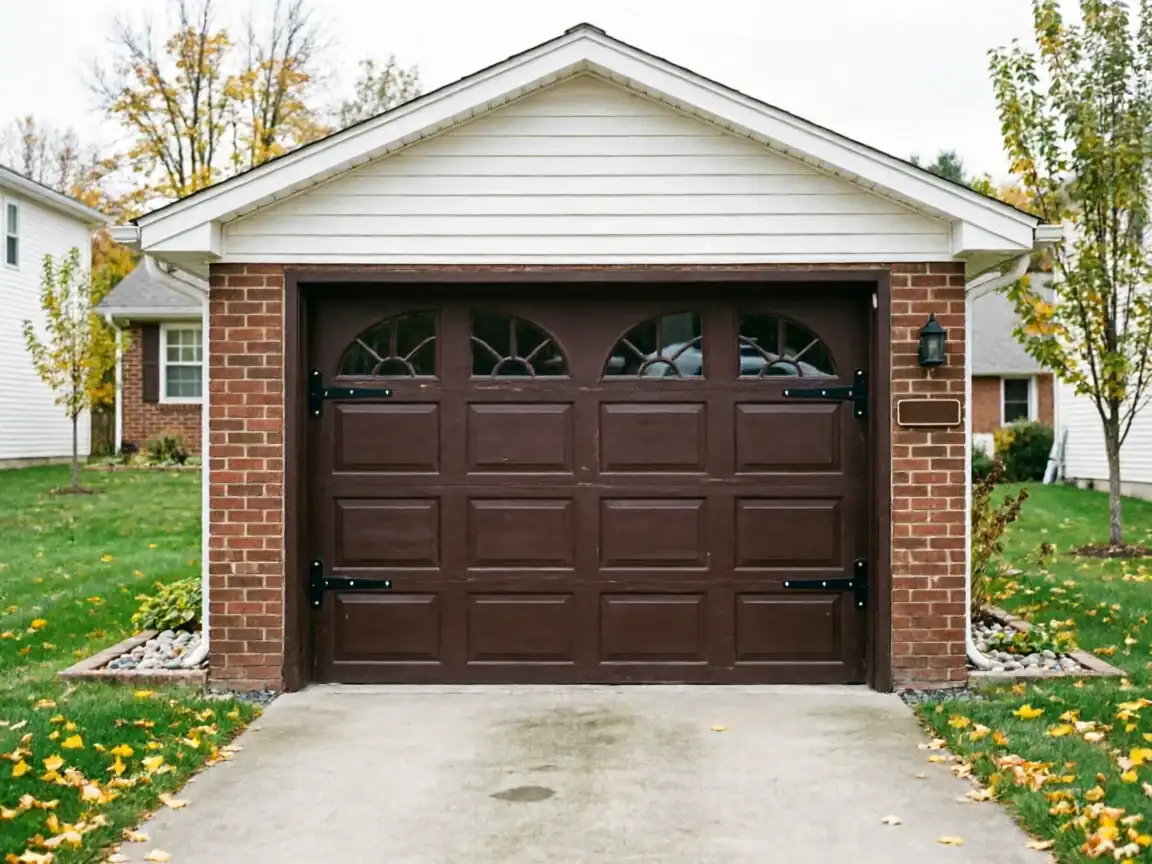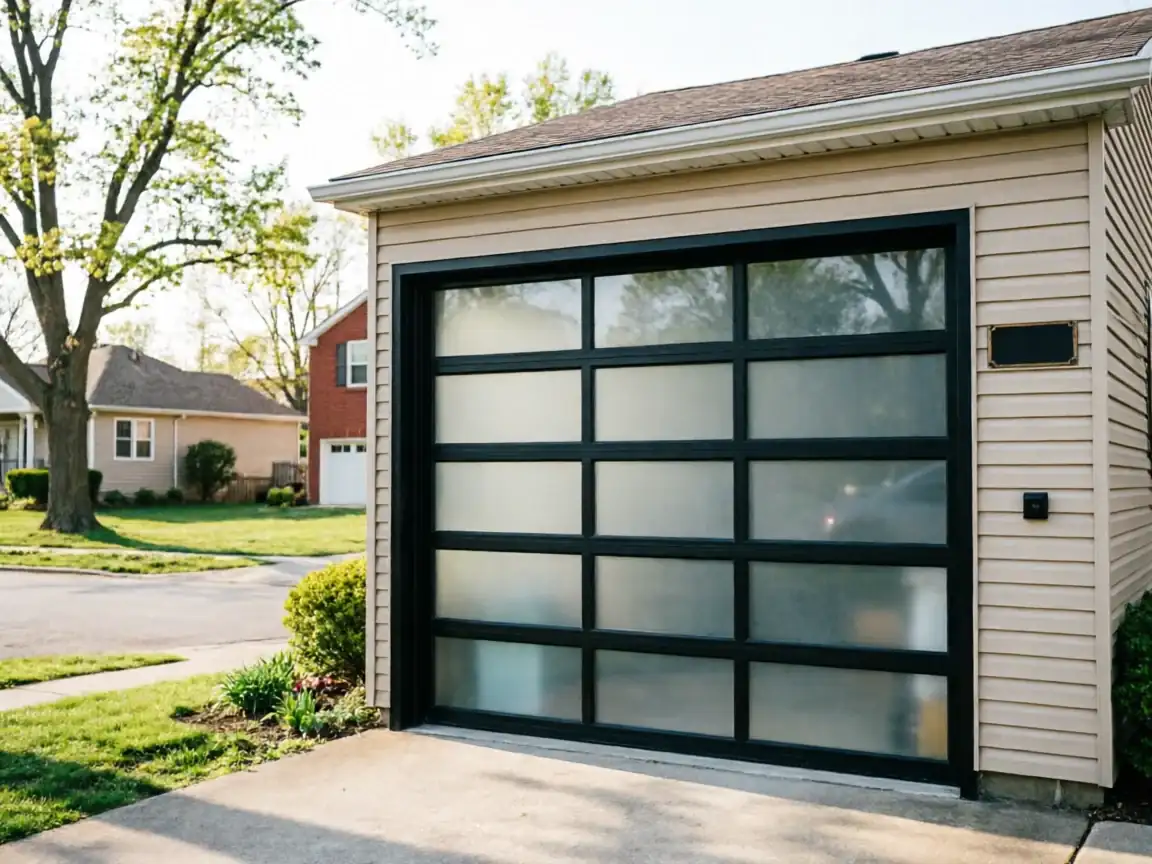
What You Are Seeing
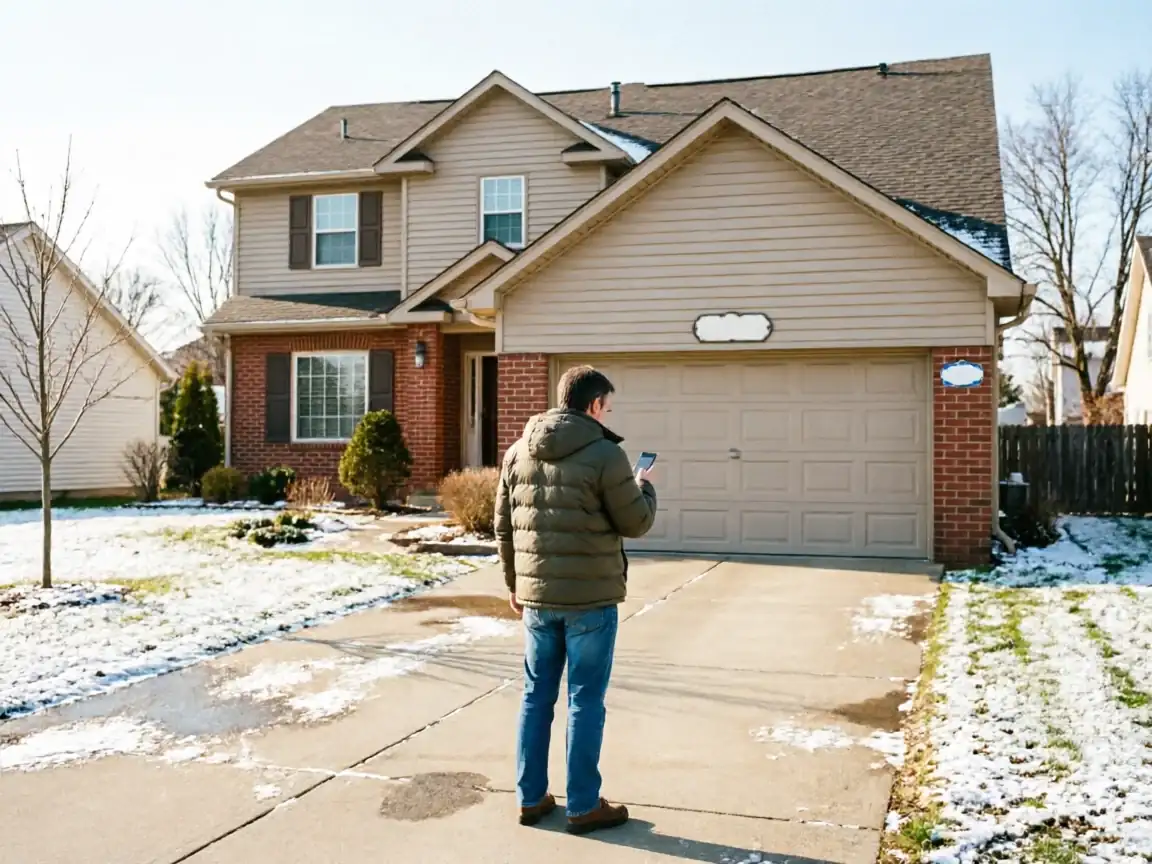
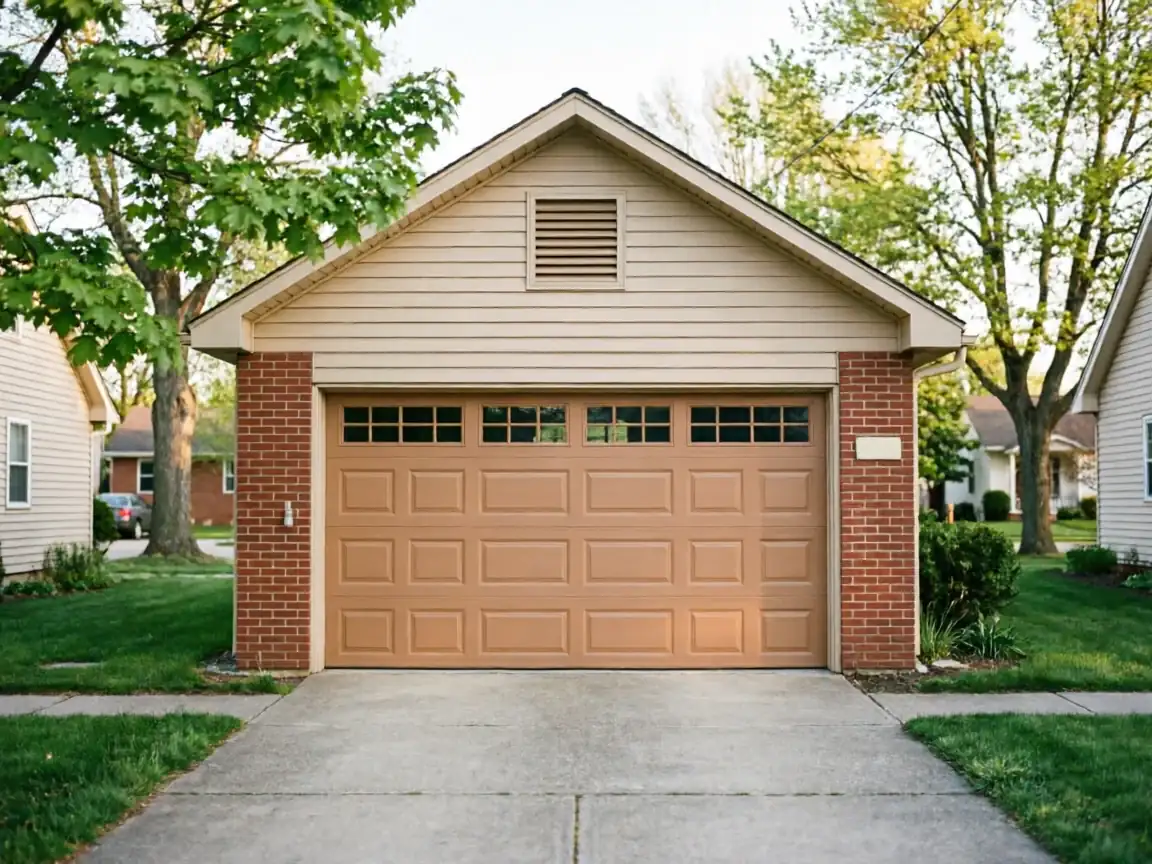
Most houses in Mequon were built around 1982
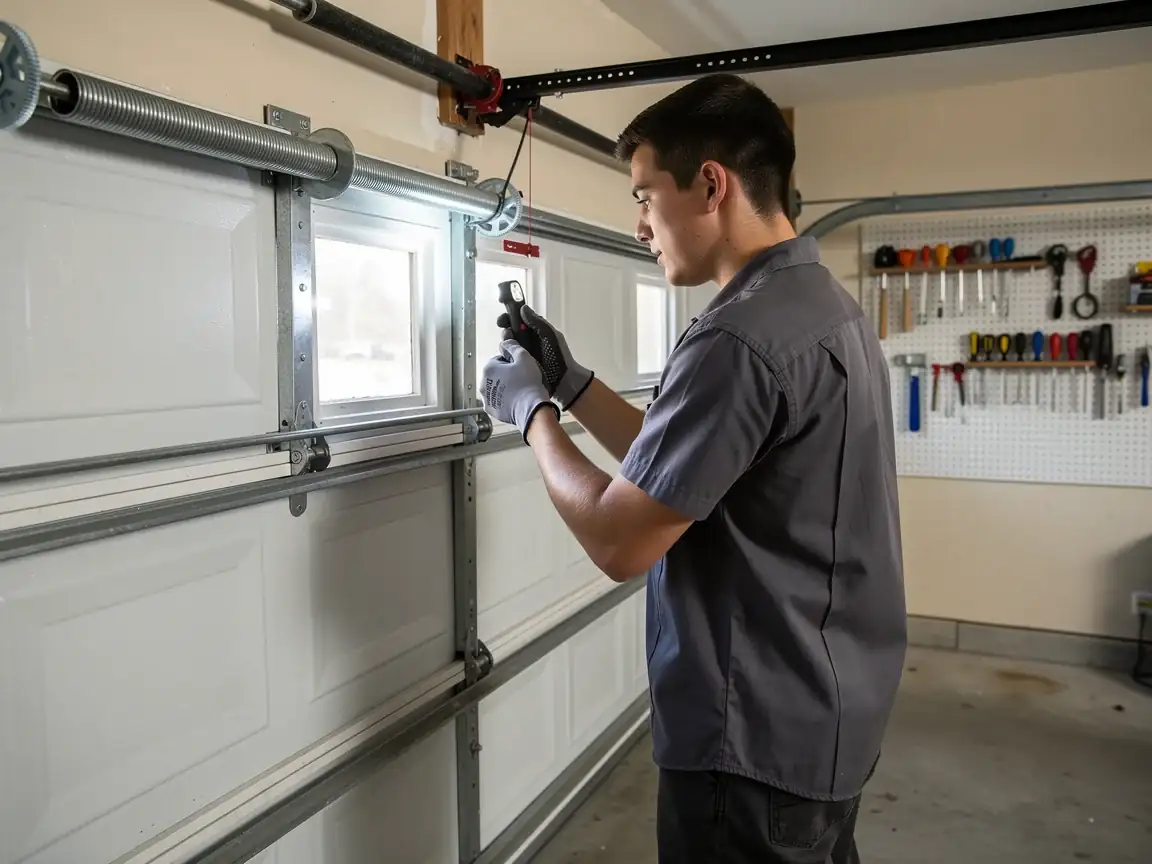
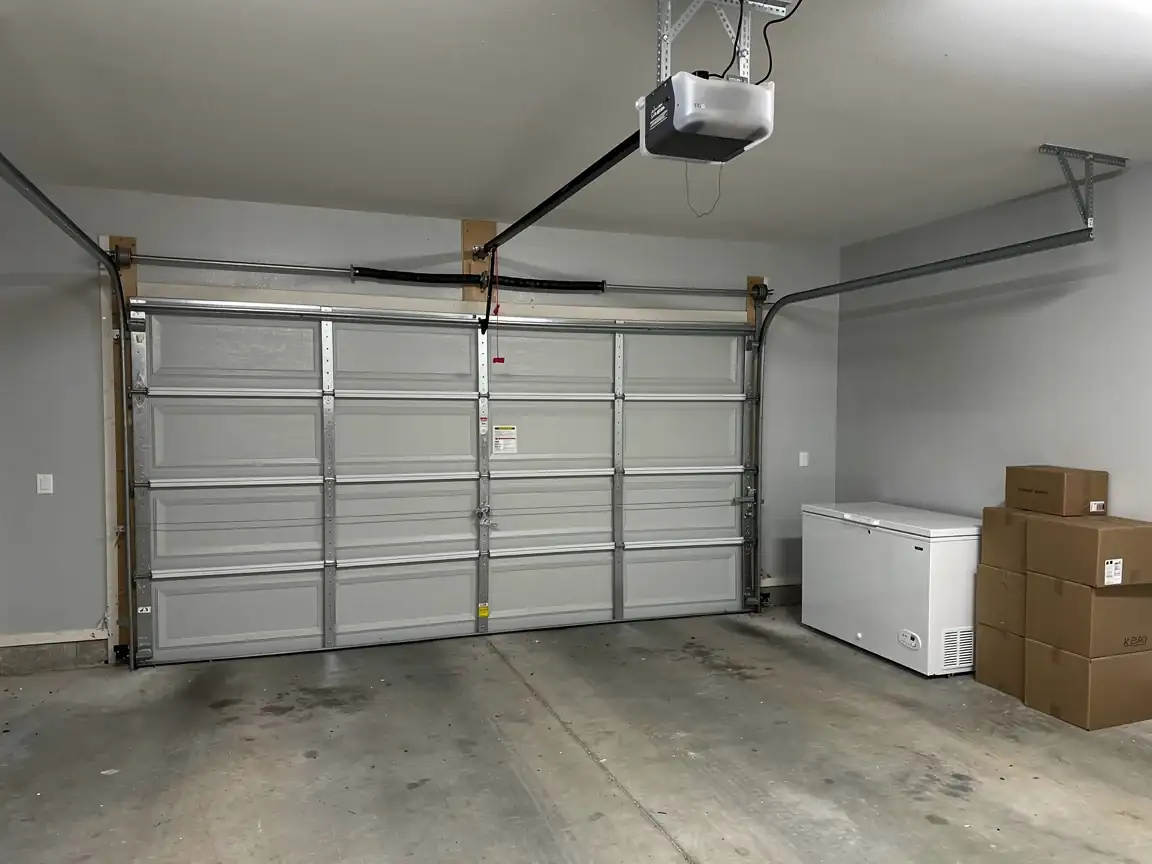
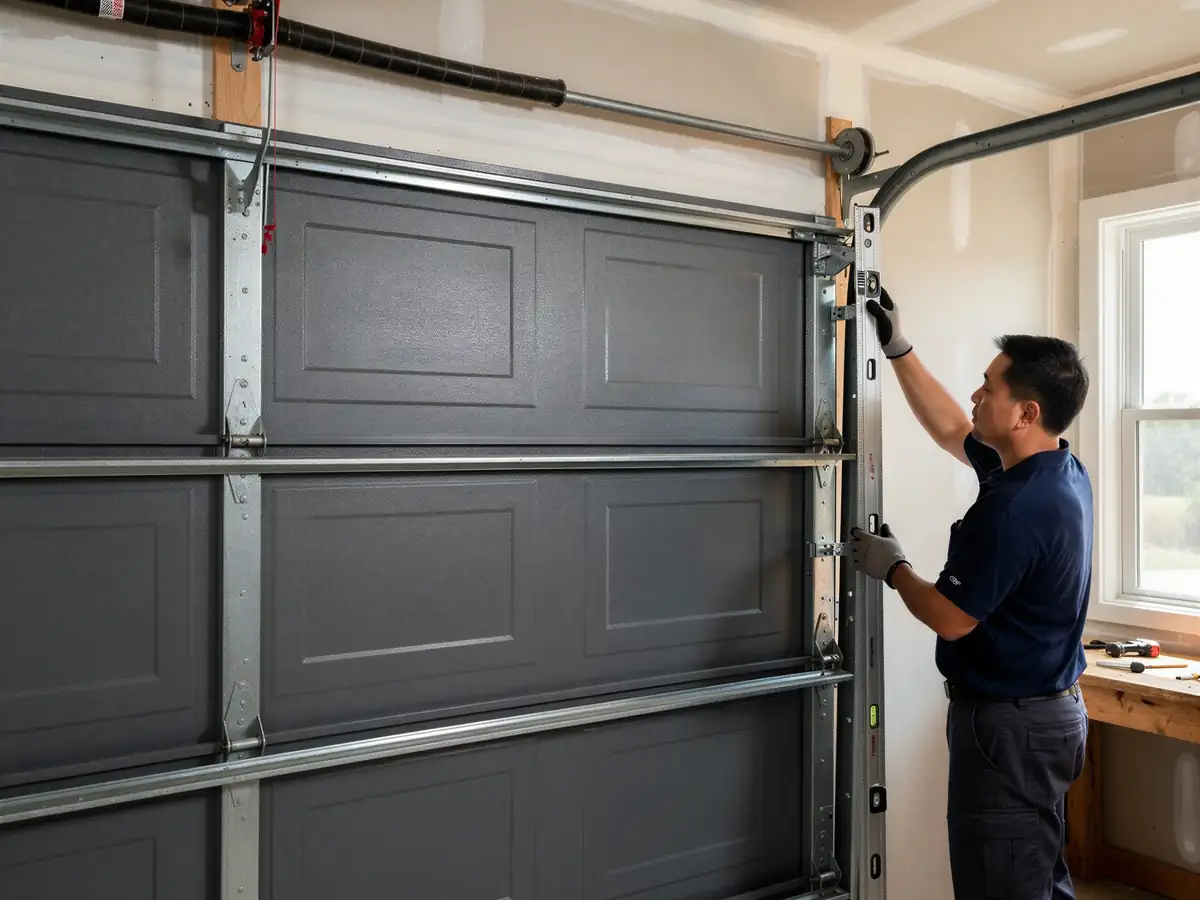
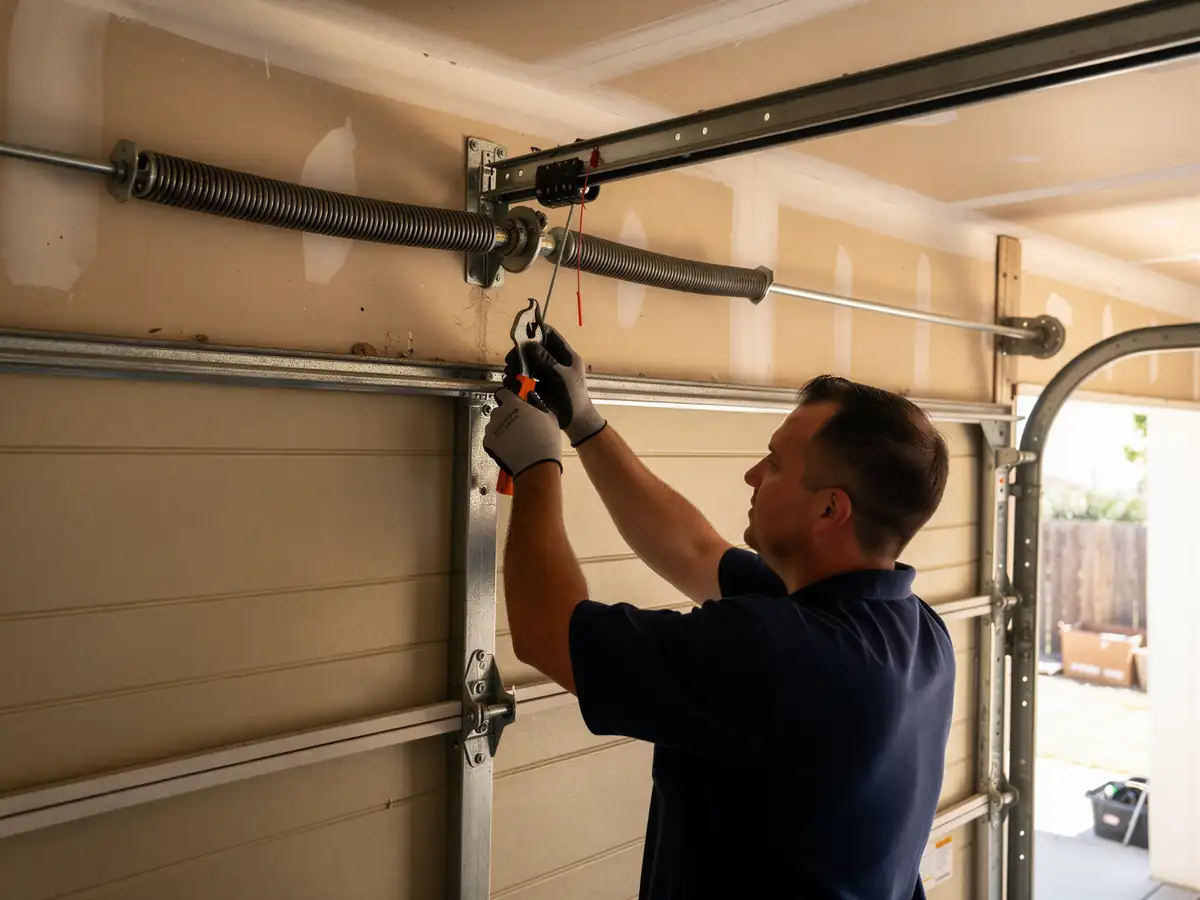
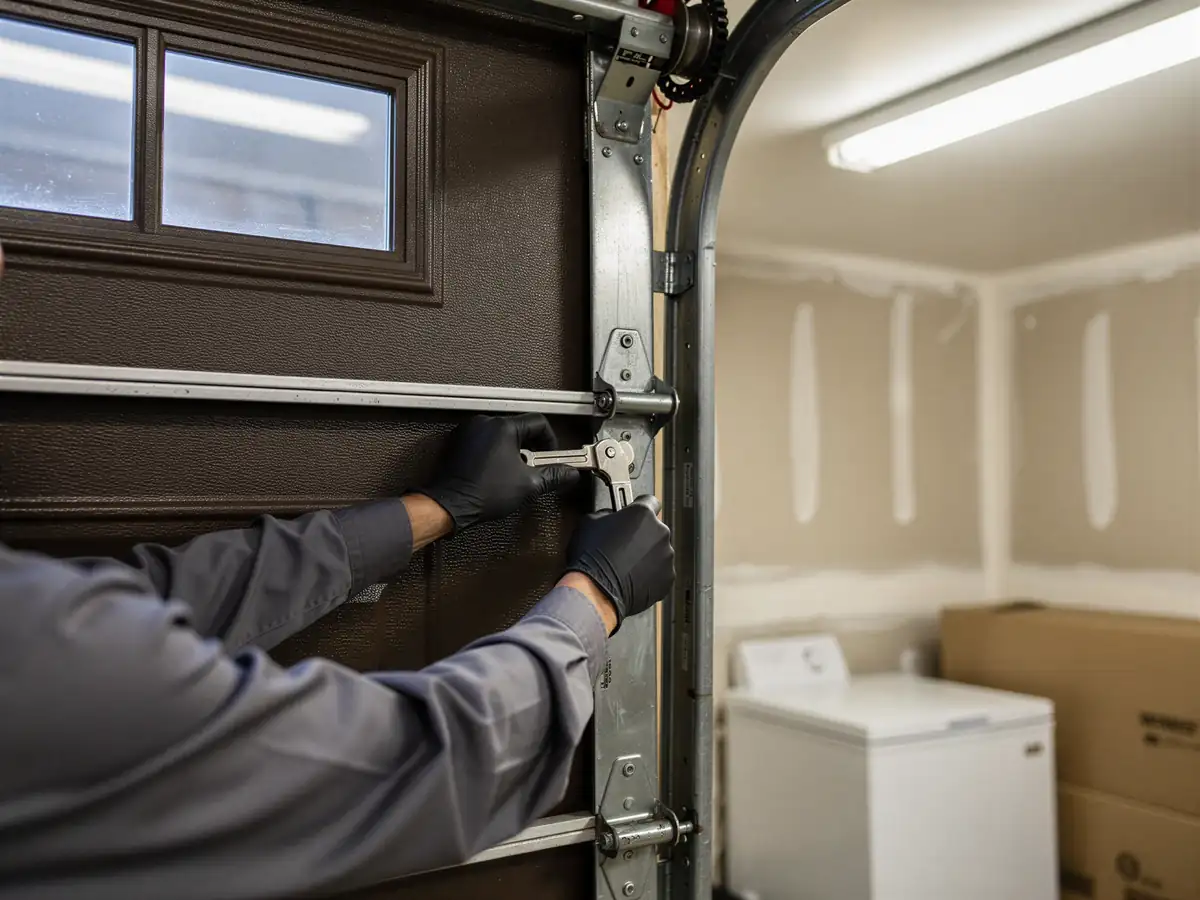
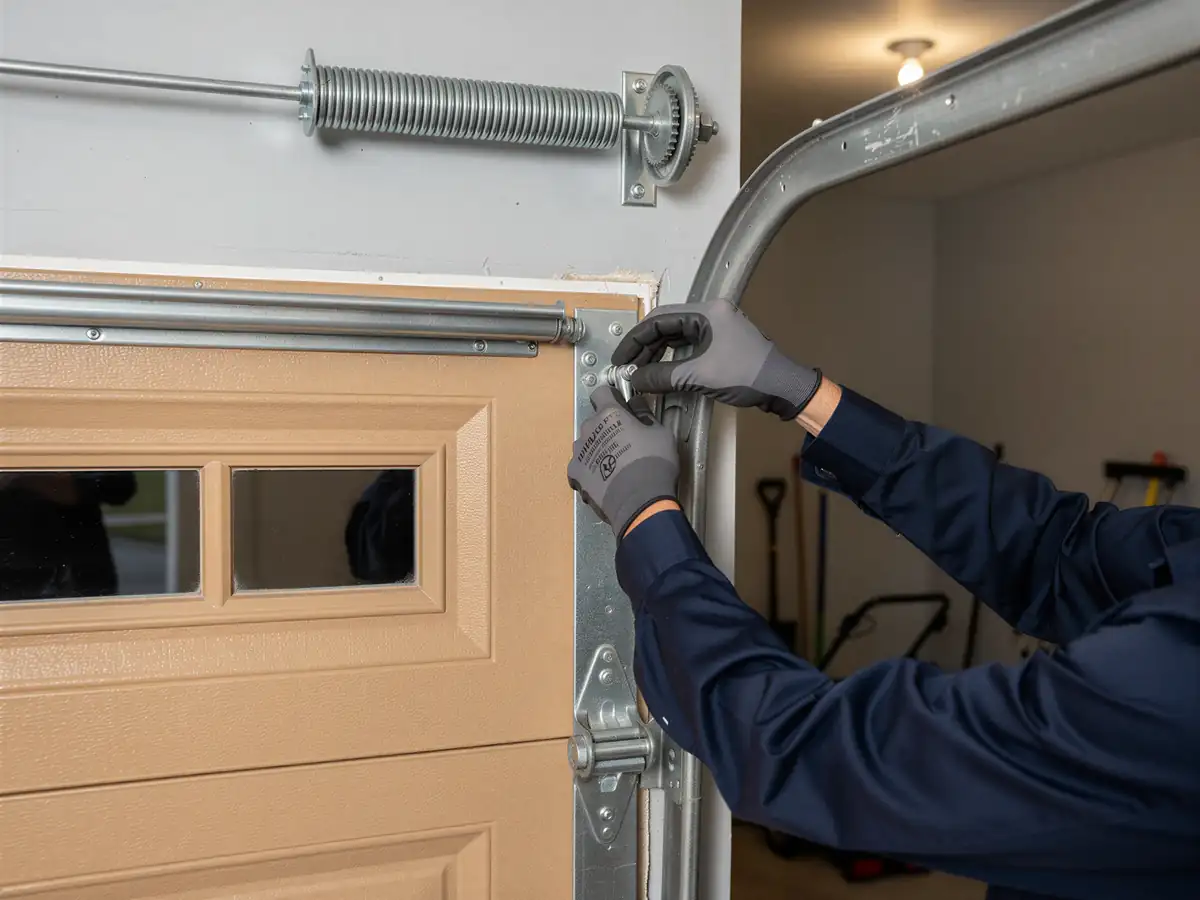
Which puts this town about six years ahead of the service area's overall median build year of 1976. That gap matters more than it sounds. A door installed in the early 1980s almost always came with a torsion spring over the opening rather than the stretched extension springs still common on older stock closer to West Allis. The steel panels from that era are heavier gauge than what builders used later, and the track hardware is usually galvanized rather than the lighter coated steel you see in newer construction.
What that means for maintenance
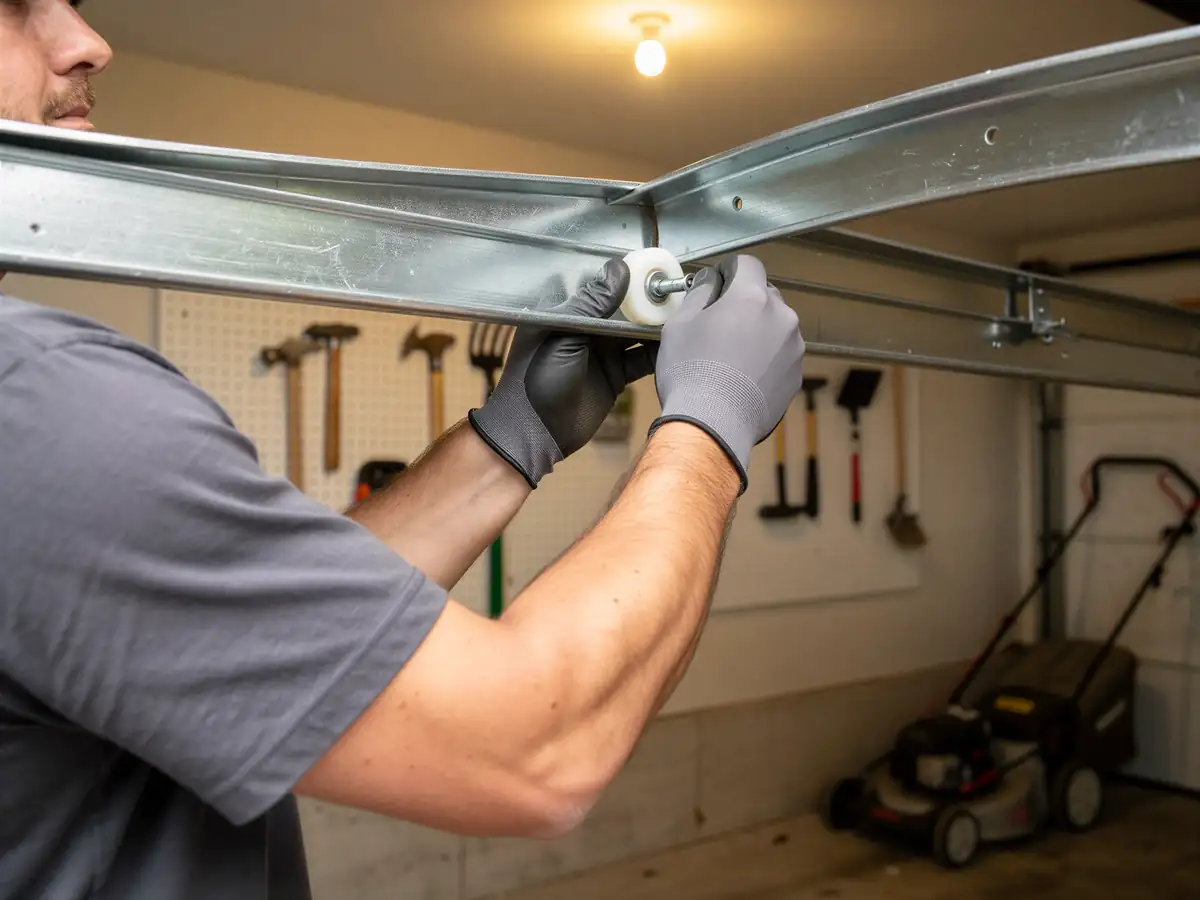
The springs on a 1982 door are well past any reasonable service life, even if they look fine. Torsion springs are rated in cycles, not years, and a door that's been opening and closing for four decades has burned through its rated life more than once over. The rollers are likely original nylon, now hardened and prone to cracking. None of this is urgent on its own, but it's the kind of wear that turns into a dead spring or a jumped track without warning if nobody's looked at it.
The DIY Question
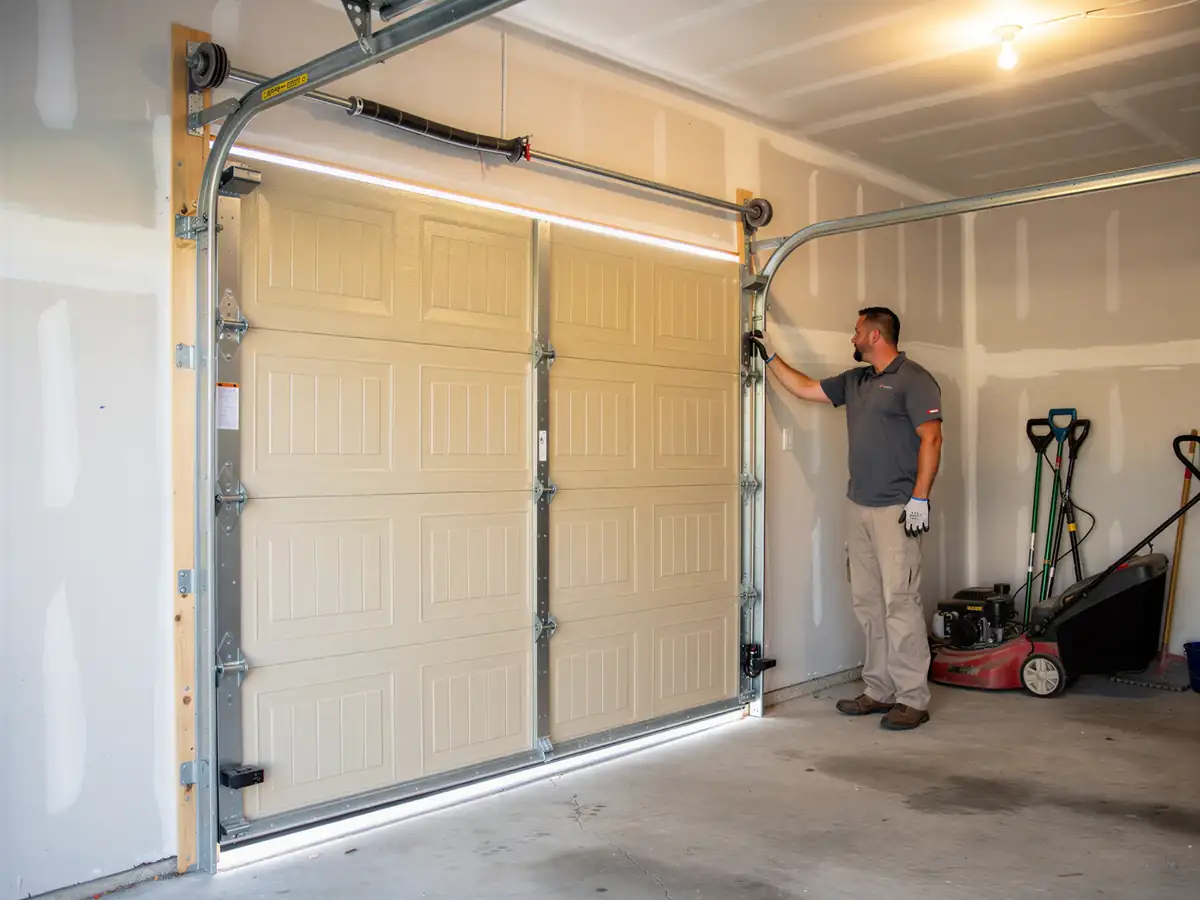
Lubricating hinges and wiping down tracks is fair game for a homeowner, and it's worth doing a couple times a year regardless of who built the house. Where it stops being a DIY job is the torsion spring itself. A spring under tension from a 1982 door holds enough stored force to break a bone or worse if it lets go while you're working near it, and the tools to safely wind or unwind one aren't things most people keep in a garage.
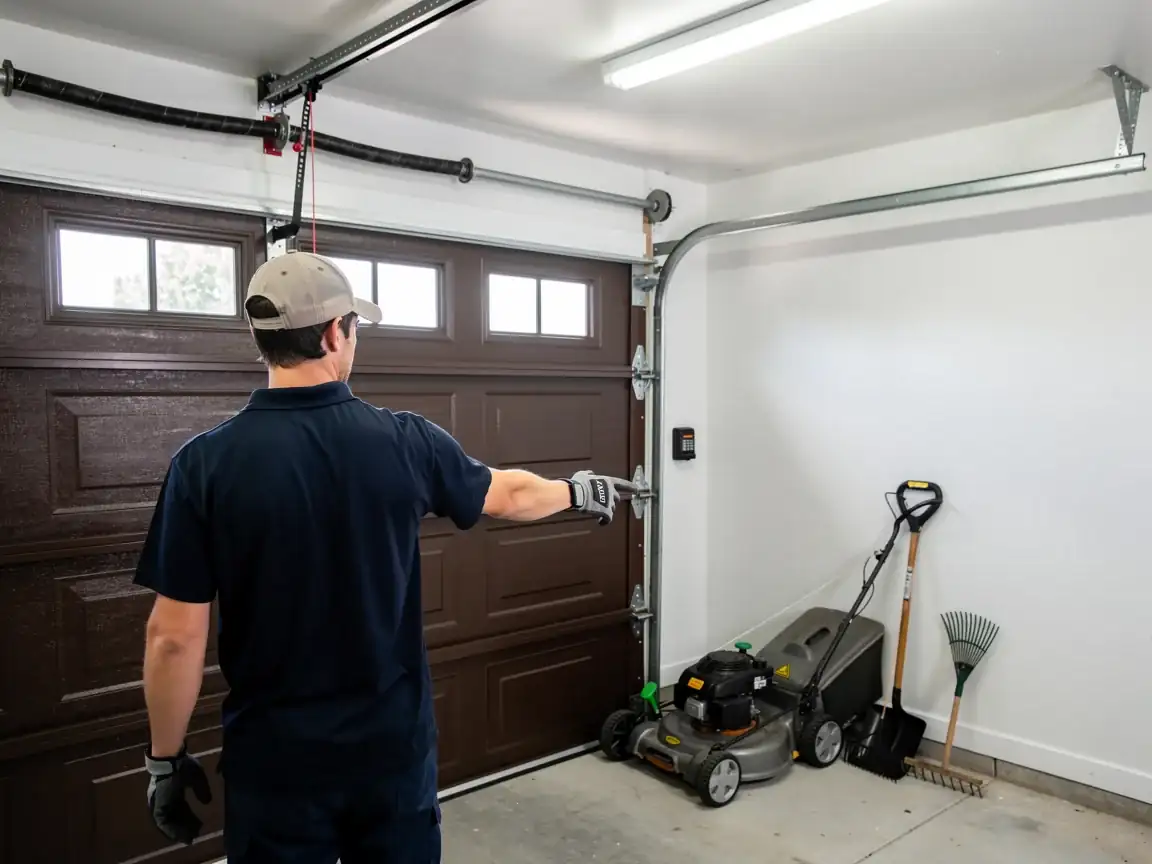
The other thing worth checking yourself: the balance test. Disconnect the opener, lift the door halfway by hand, and let go. If it drops or shoots up, the spring tension is off and it's a call, not a weekend project. We won't pretend every job needs a truck out here - a loose bolt or a squeaky hinge doesn't. But spring work and anything involving the torsion bar over the door is where we draw the line for homeowners.
What Can Go Wrong
The service area sits in a cold-weather climate zone with severe winter conditions, and that affects 1982-era hardware in specific ways. Steel contracts in the cold, which means a track that was aligned fine in August can bind in January. Original rollers from that build era, if they're still in, get brittle faster once temperatures drop, and a cracked roller under a cold, heavy steel panel is a common way for a door to jump its track.
The other failure point is the opener. Houses built in 1982 have likely replaced the opener at least once since, but if the original chain-drive unit is somehow still running, its gears are plastic and wear faster in cold garages than the metal gears in newer units. We also see openers here running on force settings that were never recalibrated after the spring lost tension over the years - the motor compensates by straining, until it doesn't.
Getting It Booked In
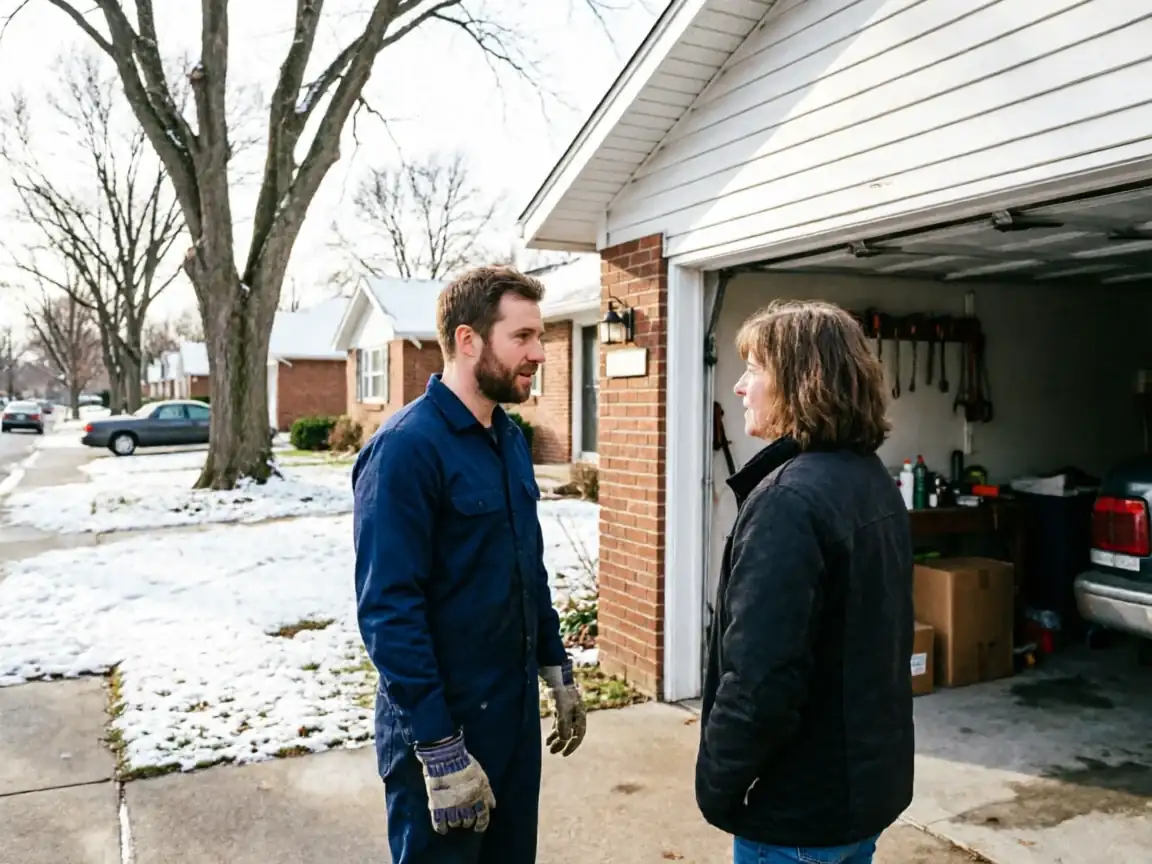
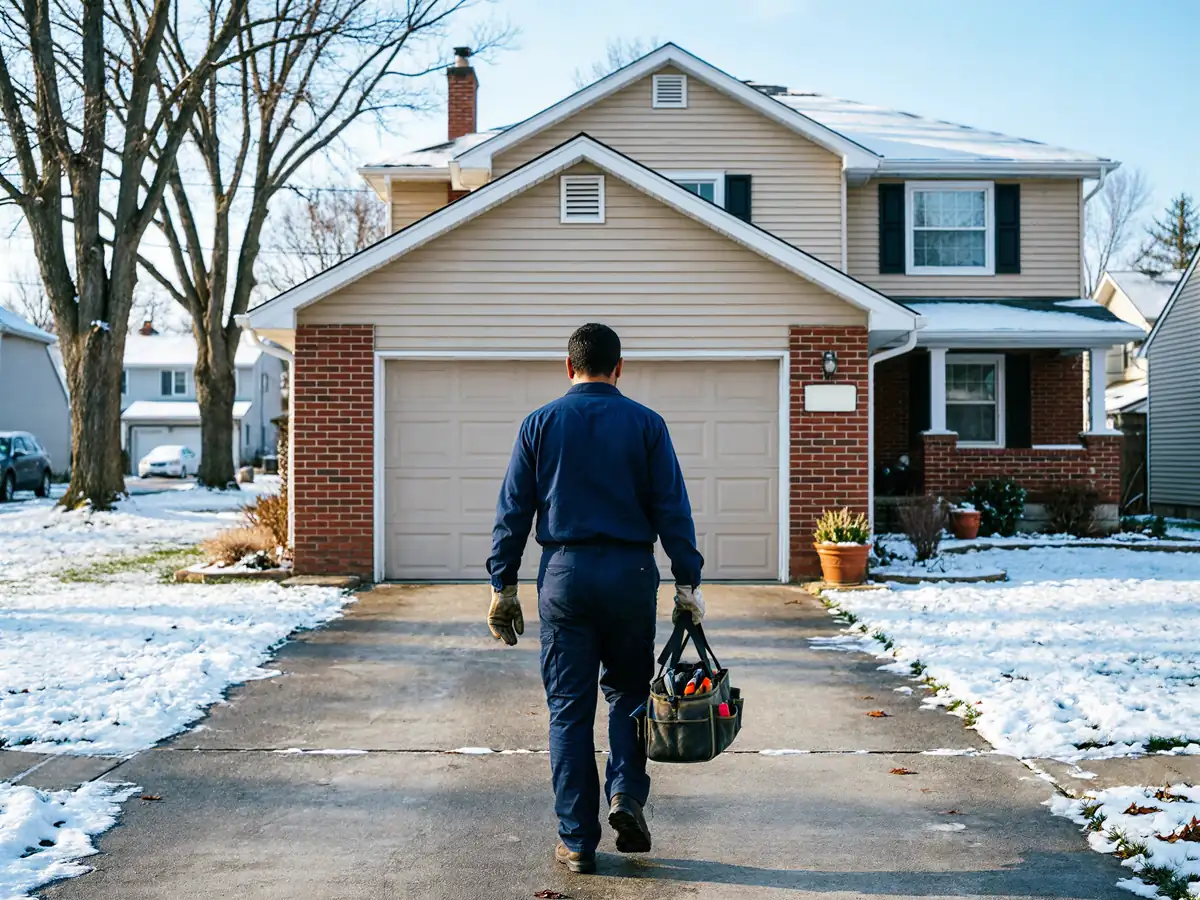
We run maintenance calls into Mequon from our base in West Allis, about 14 miles out
So this isn't a same-town drop-in - we schedule it as part of the regular route through the northern service area. That's worth knowing if you're hoping for a same-day fix on a minor issue; we'll get you on the schedule, but we're not parked around the corner.
- 14 miles
A maintenance visit covers the spring, the track alignment, the rollers, hinges, and the opener's force and limit settings
The things that fail quietly on a door this age. If something's clearly shot, like a roller that's cracked through or a spring showing rust pitting, we'll tell you straight whether it's worth repairing piece by piece or whether the smarter money is a full spring or roller replacement given how much of the original hardware is still in service. Book through our service area page for Mequon or check our main maintenance page for what a visit covers.