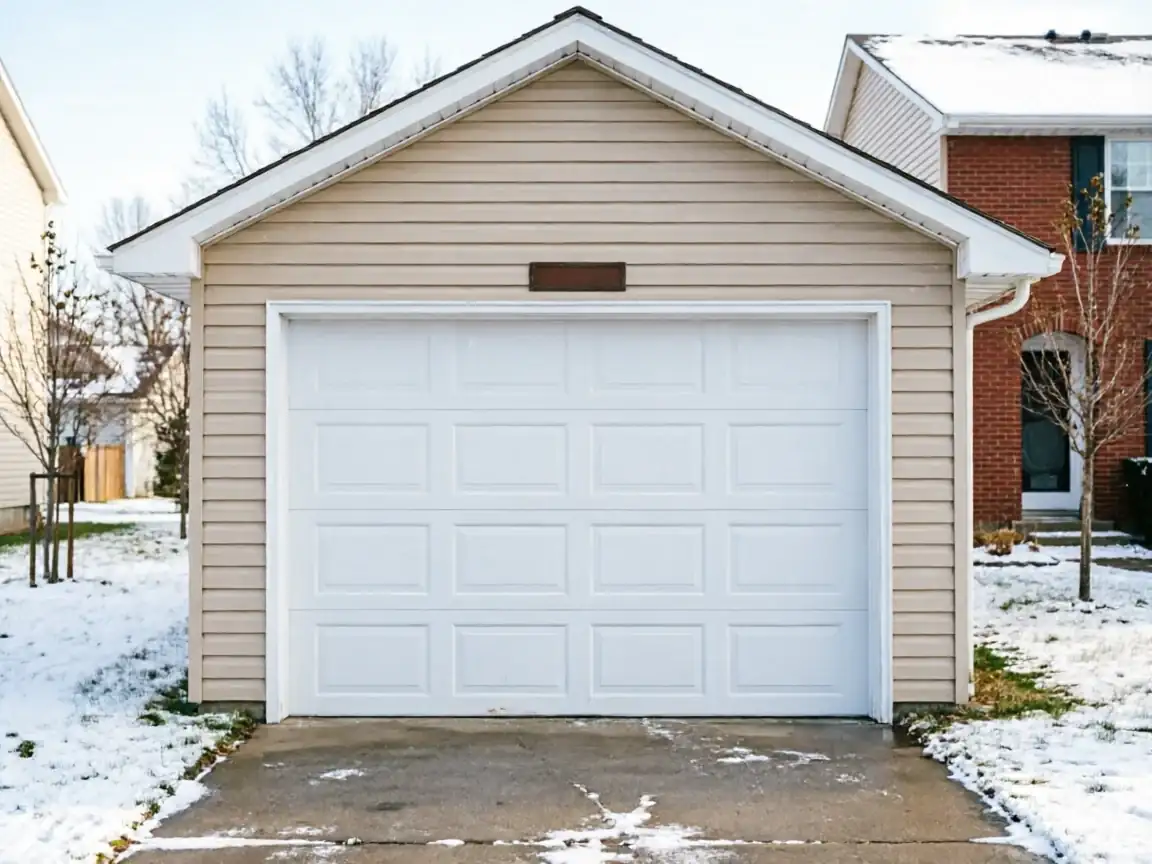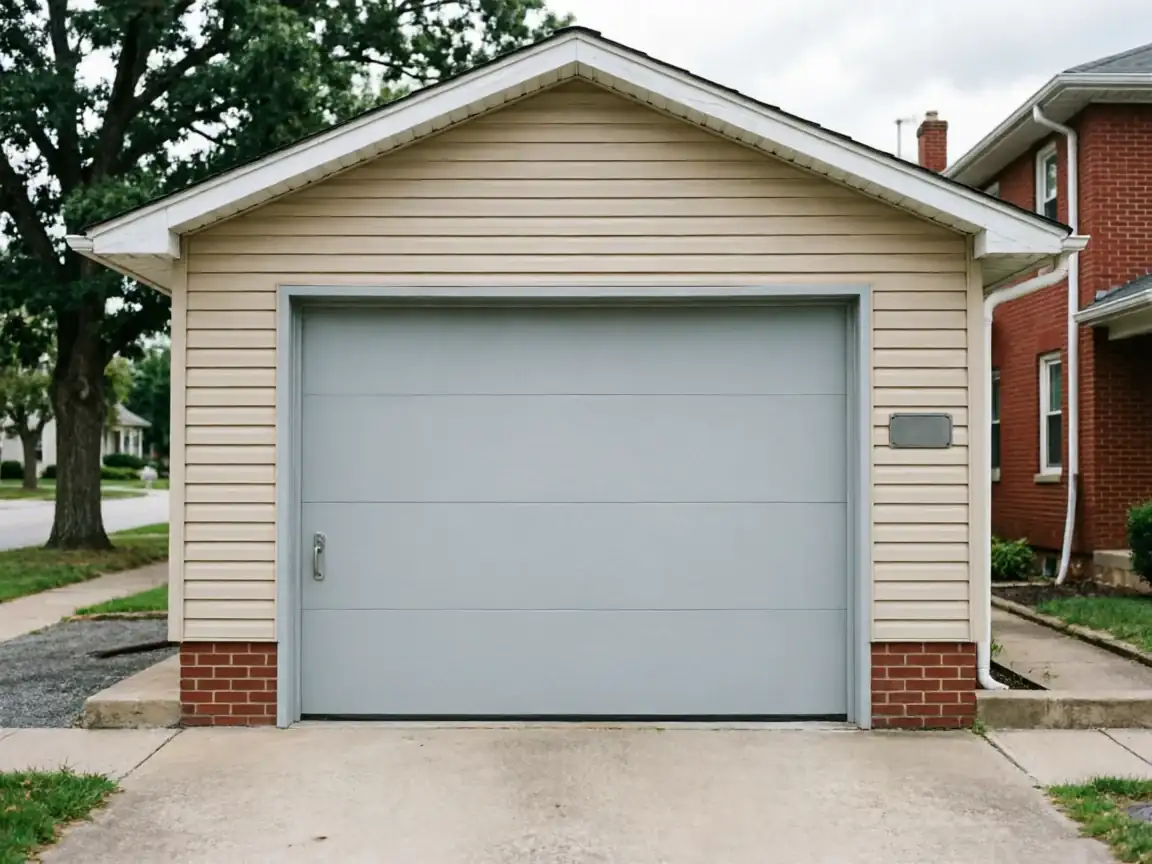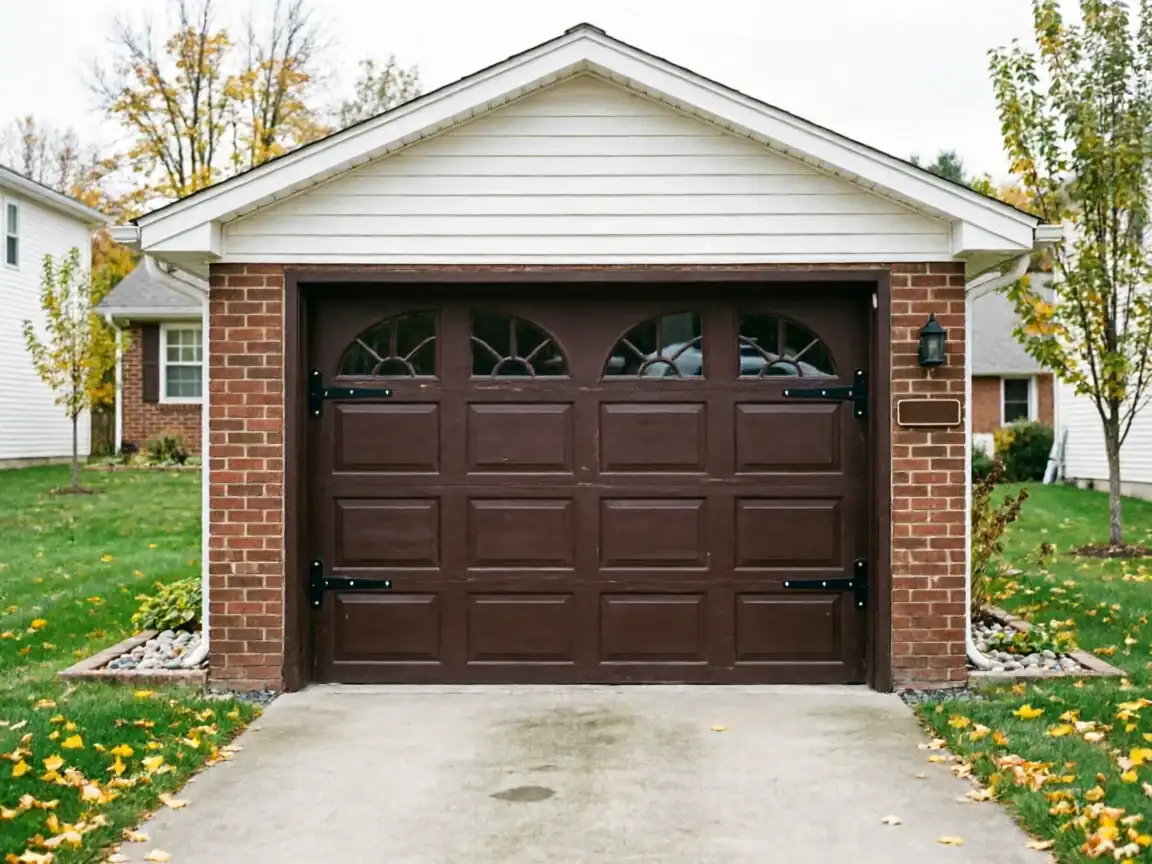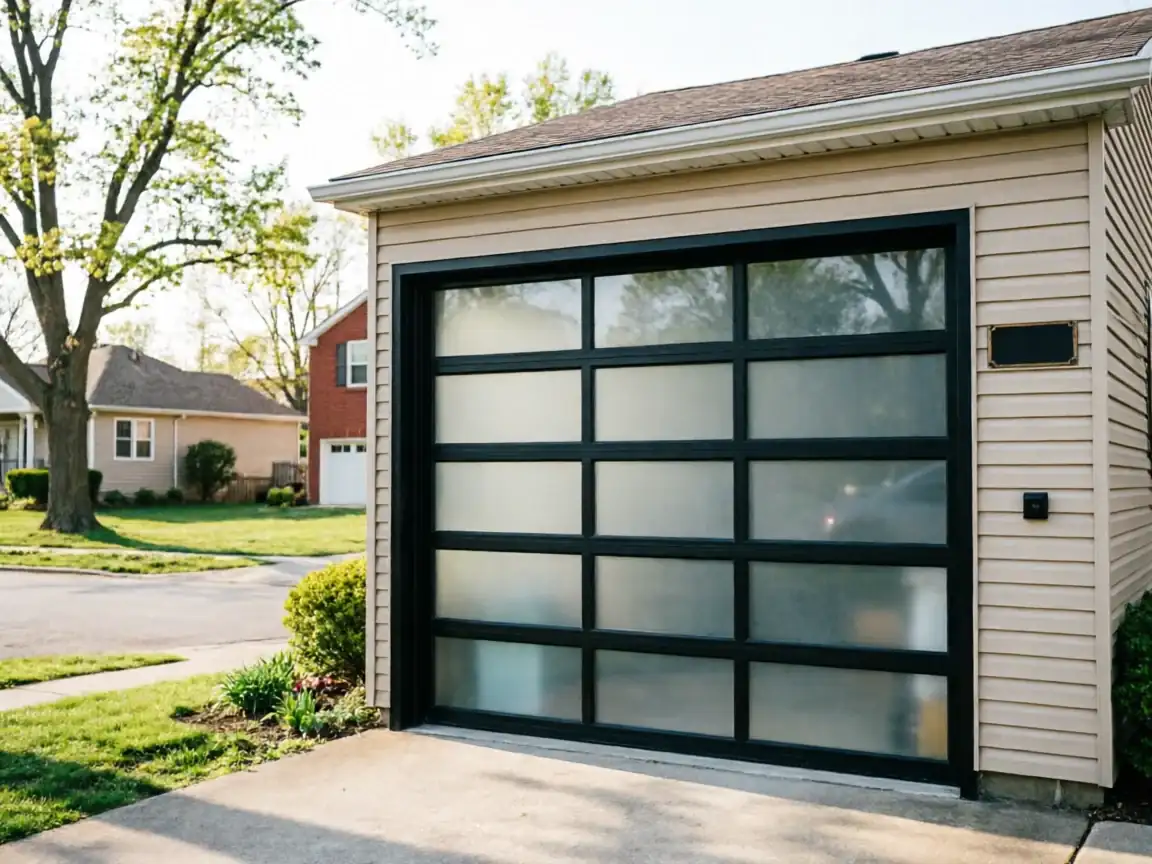
What You Are Seeing
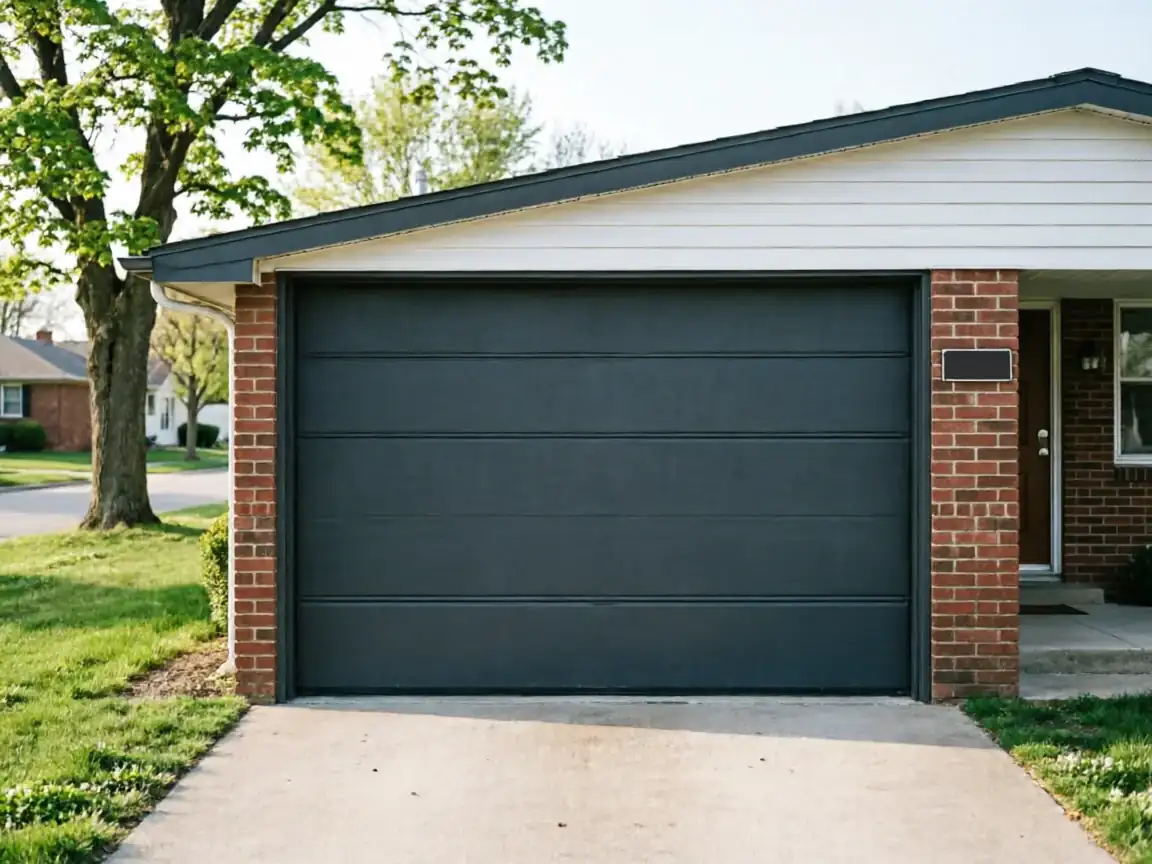
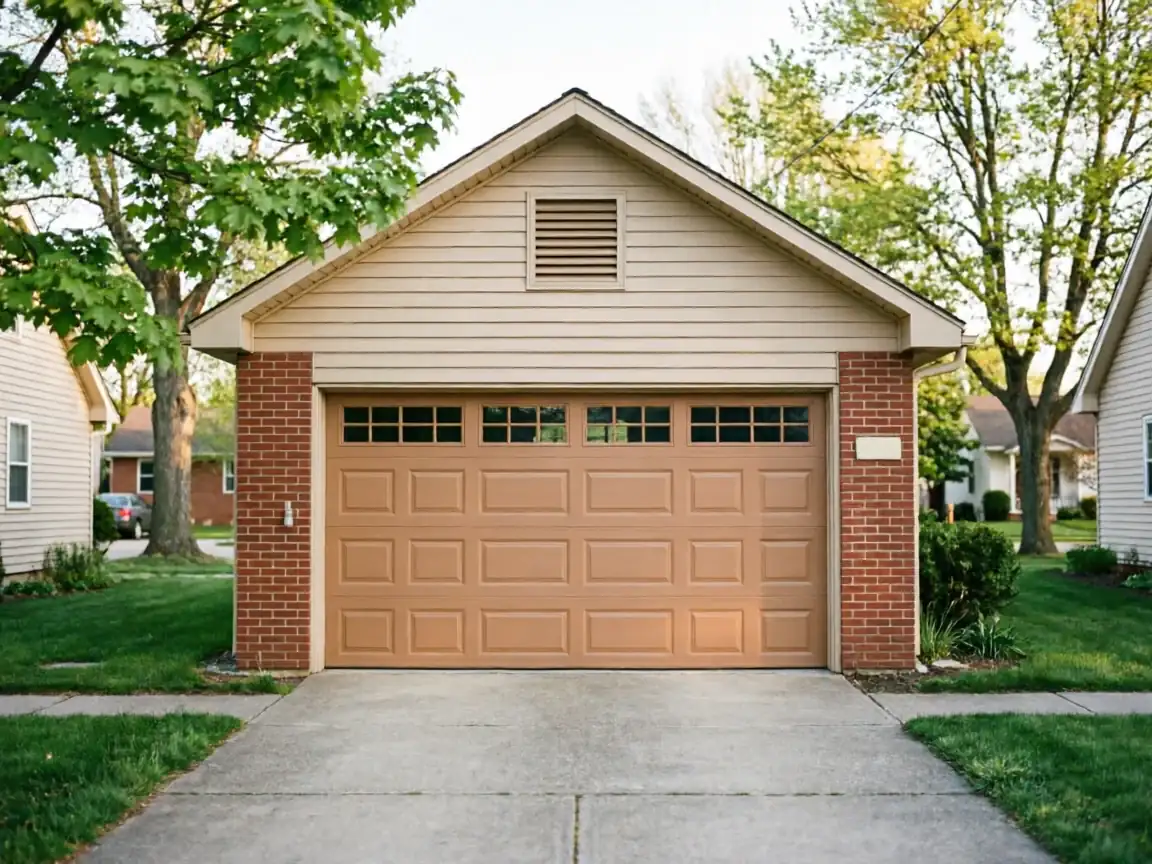
Most of the houses we work on across this service area went up between 1938 and 2000
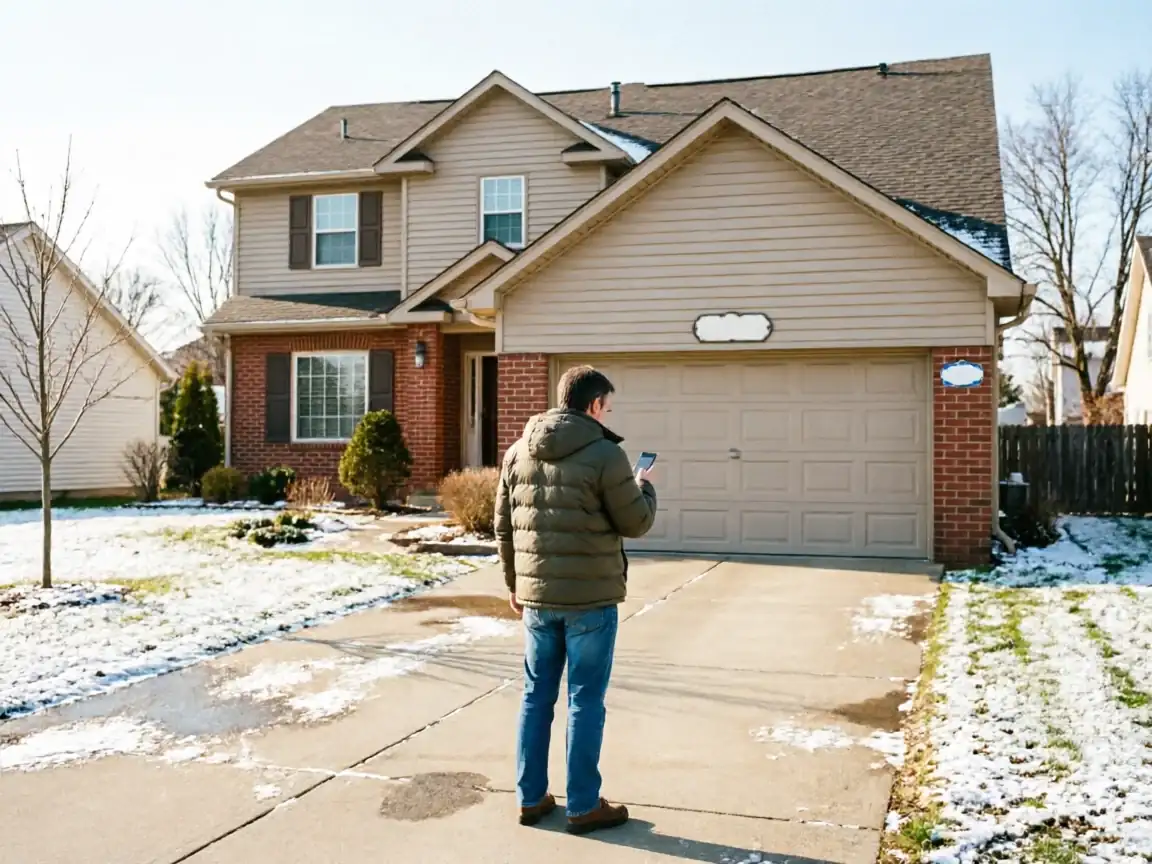
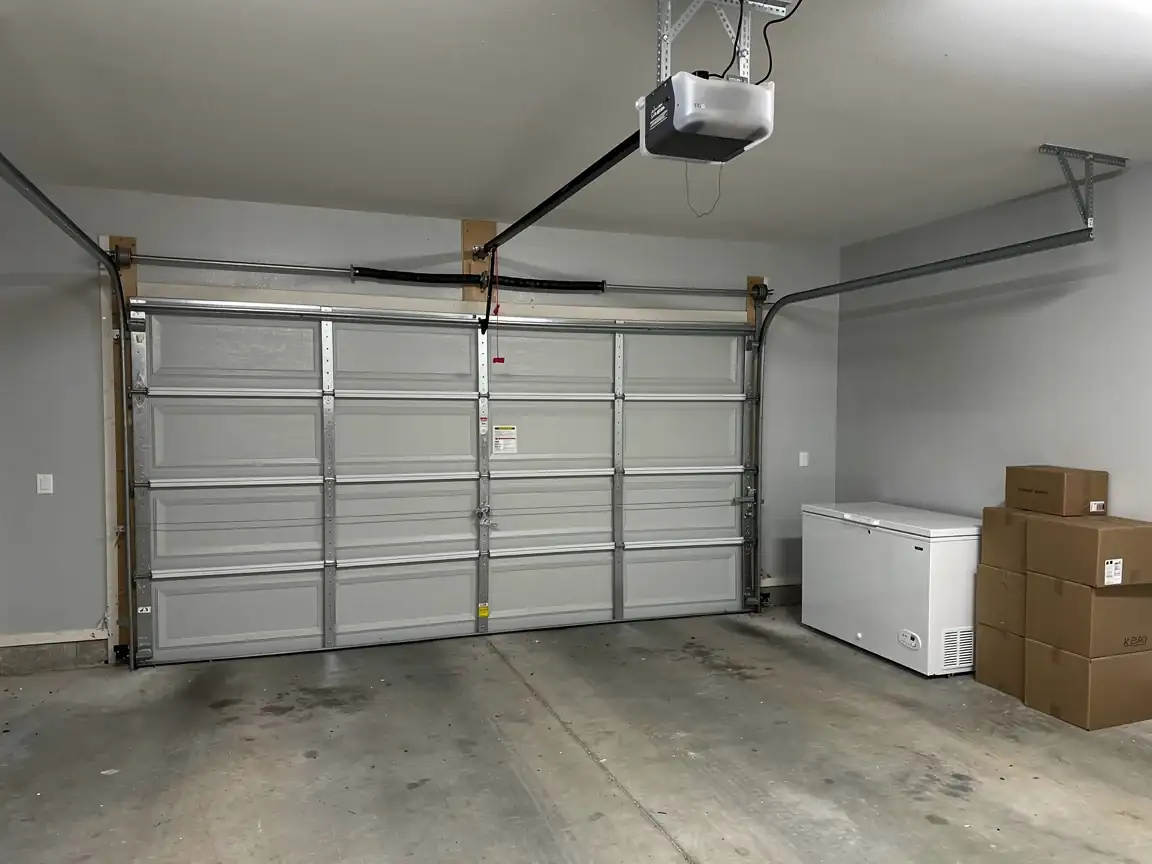
With a lot of them clustered in the 1960s and 70s. Mequon runs newer - the typical home here dates to around 1982. That gap matters more than it sounds like it should. A door and opener from 1982 is a different animal than one from 1965: torsion springs are more likely to be factory-matched to the door weight instead of swapped out by a previous owner, and openers from that era are old enough to be failing on worn gears and capacitors rather than on the chain-drive basics that plague the older stock closer to West Allis. If your opener still has a keypad wired into the wall instead of a remote sensor, that's consistent with a build from this window, and it tells us what we're walking into before we get there. We're not guessing based on the neighborhood - we're reading the house.
The other thing worth knowing
Mequon households sit well above the service-area median income, and higher-income areas tend to have had more upgrades done over the decades - insulated doors, better openers - which changes the failure pattern again. A door that looks newer can still have the original spring under it.
The DIY Question
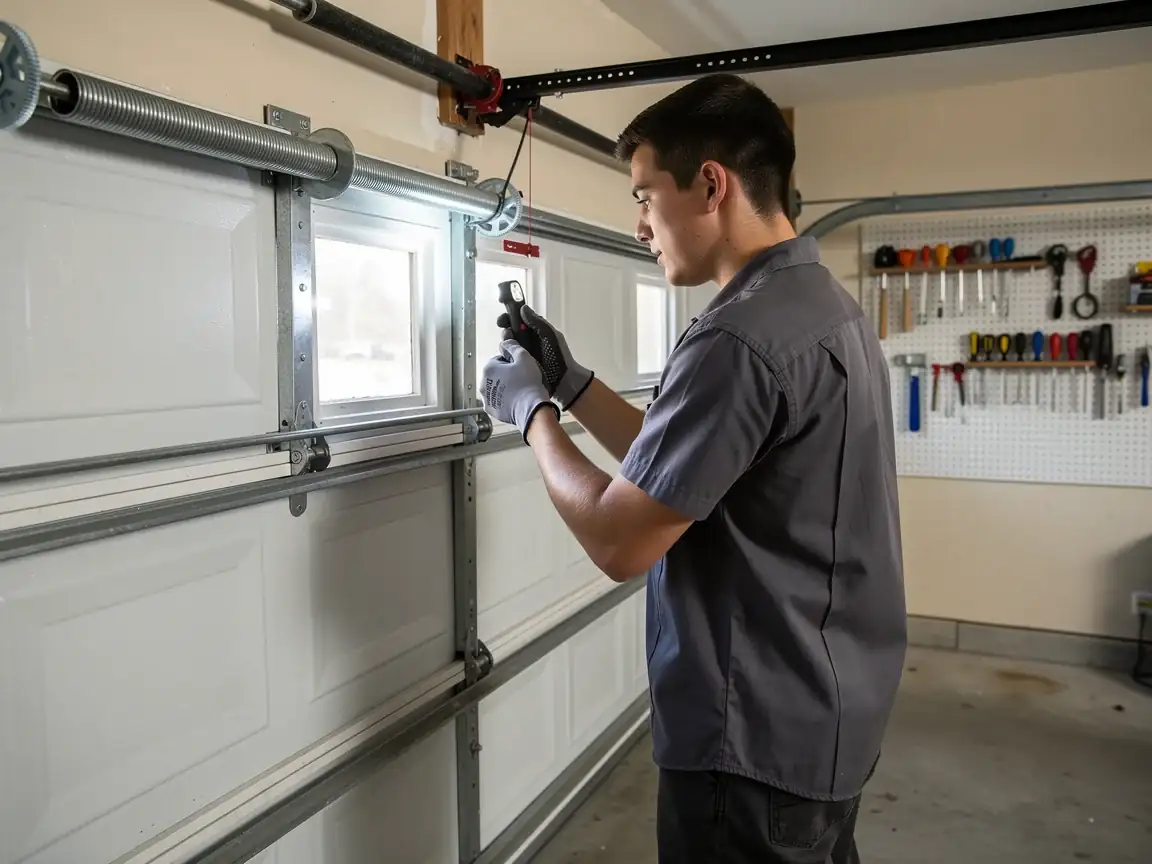
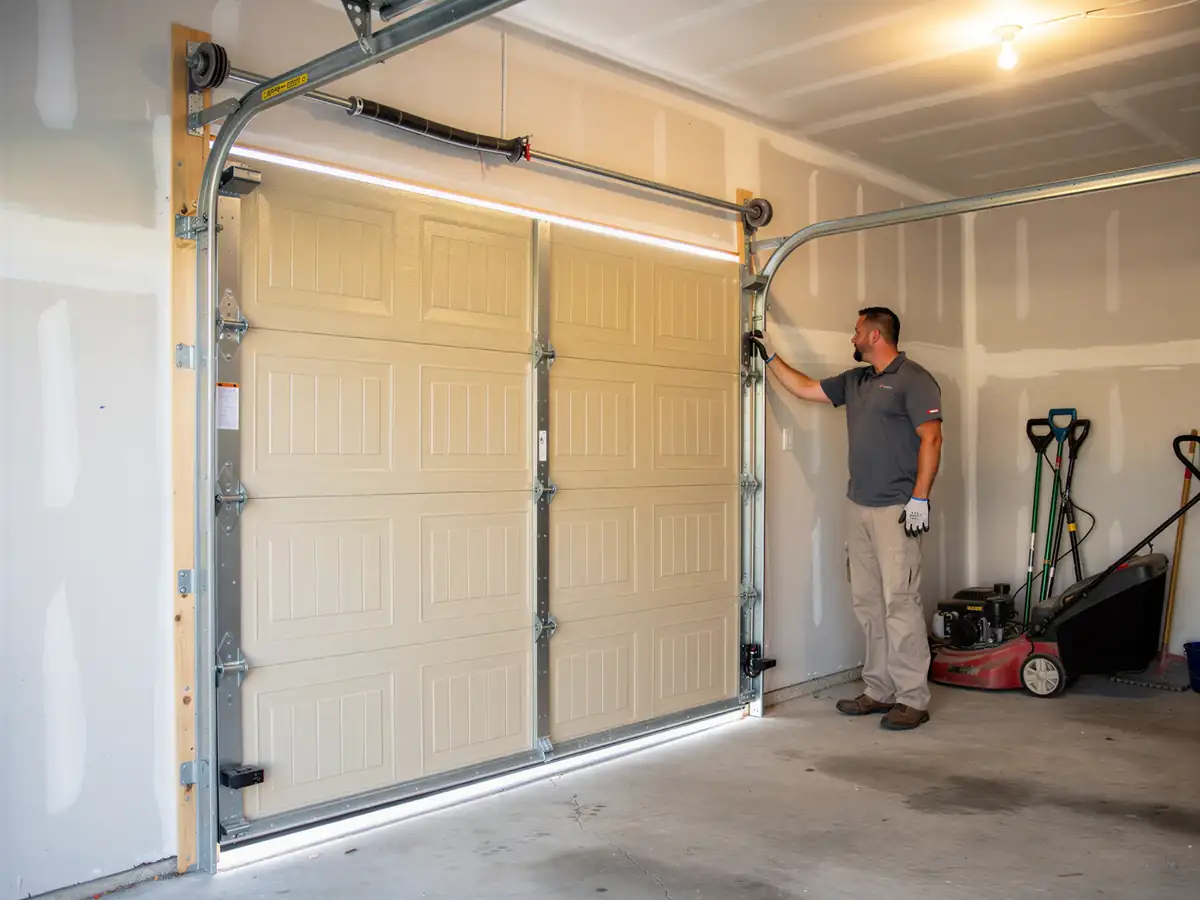
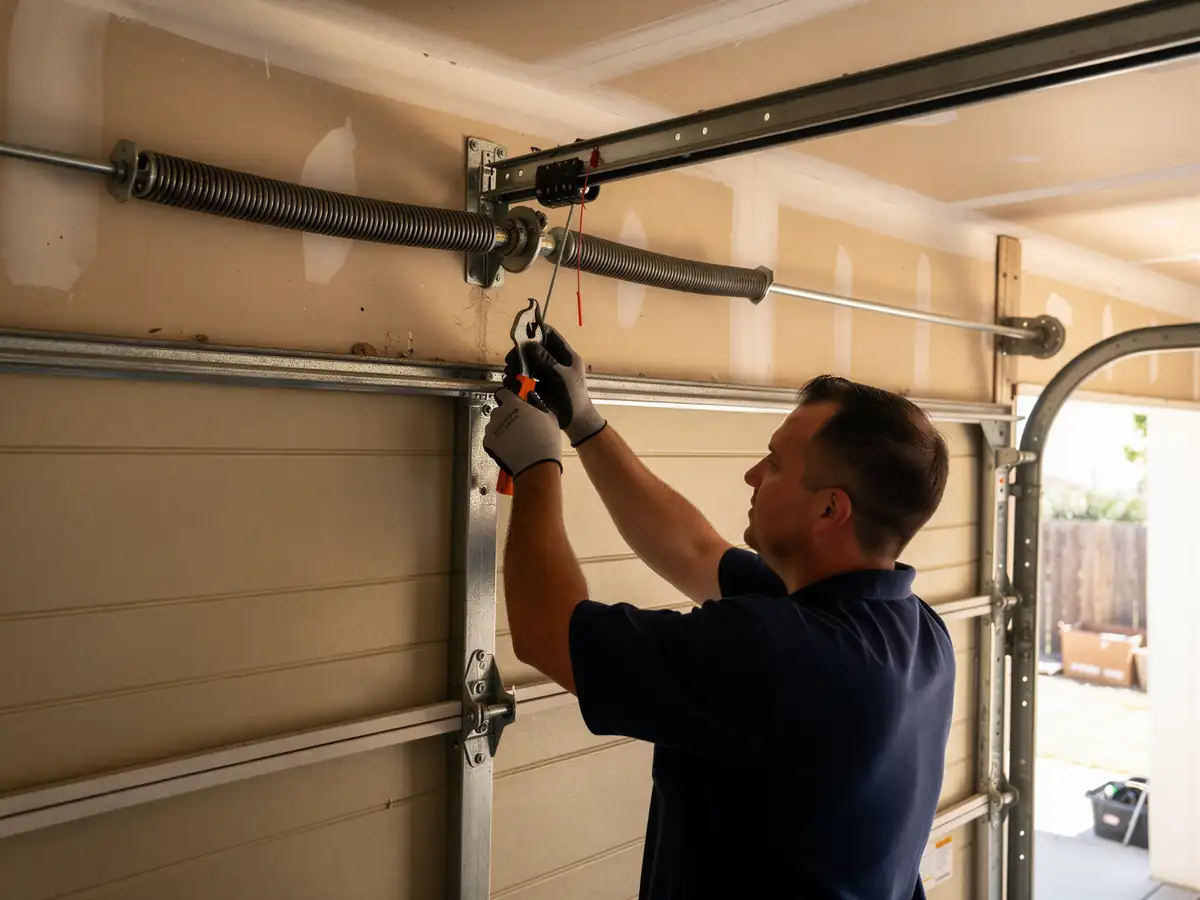
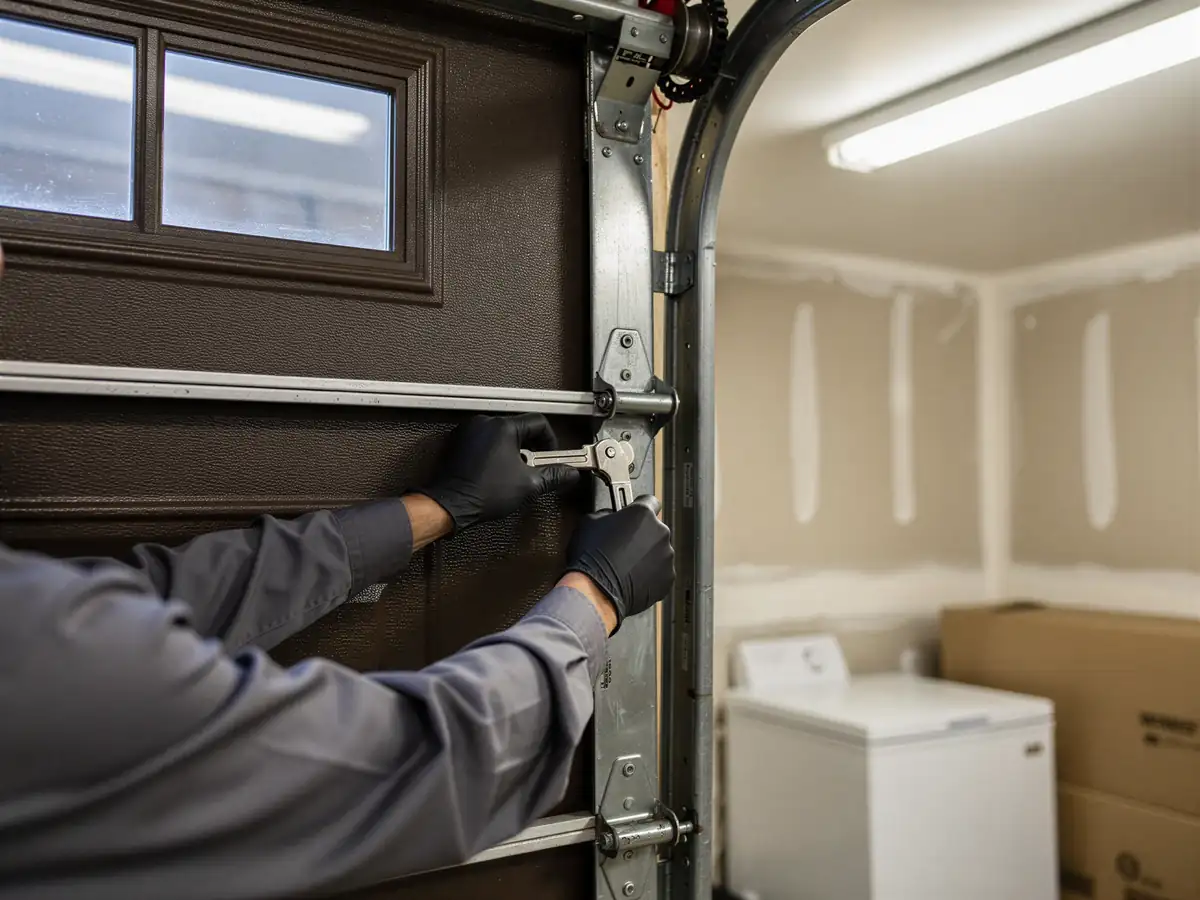
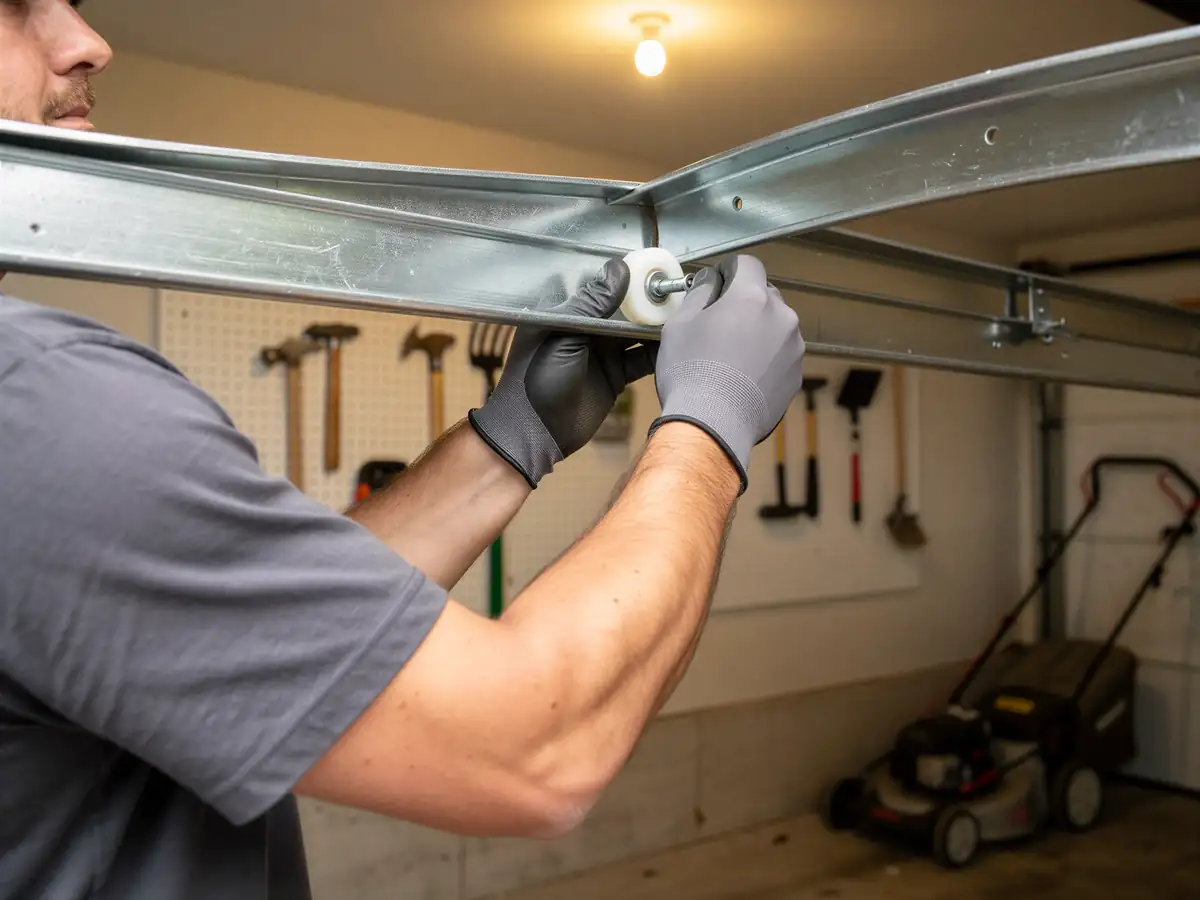
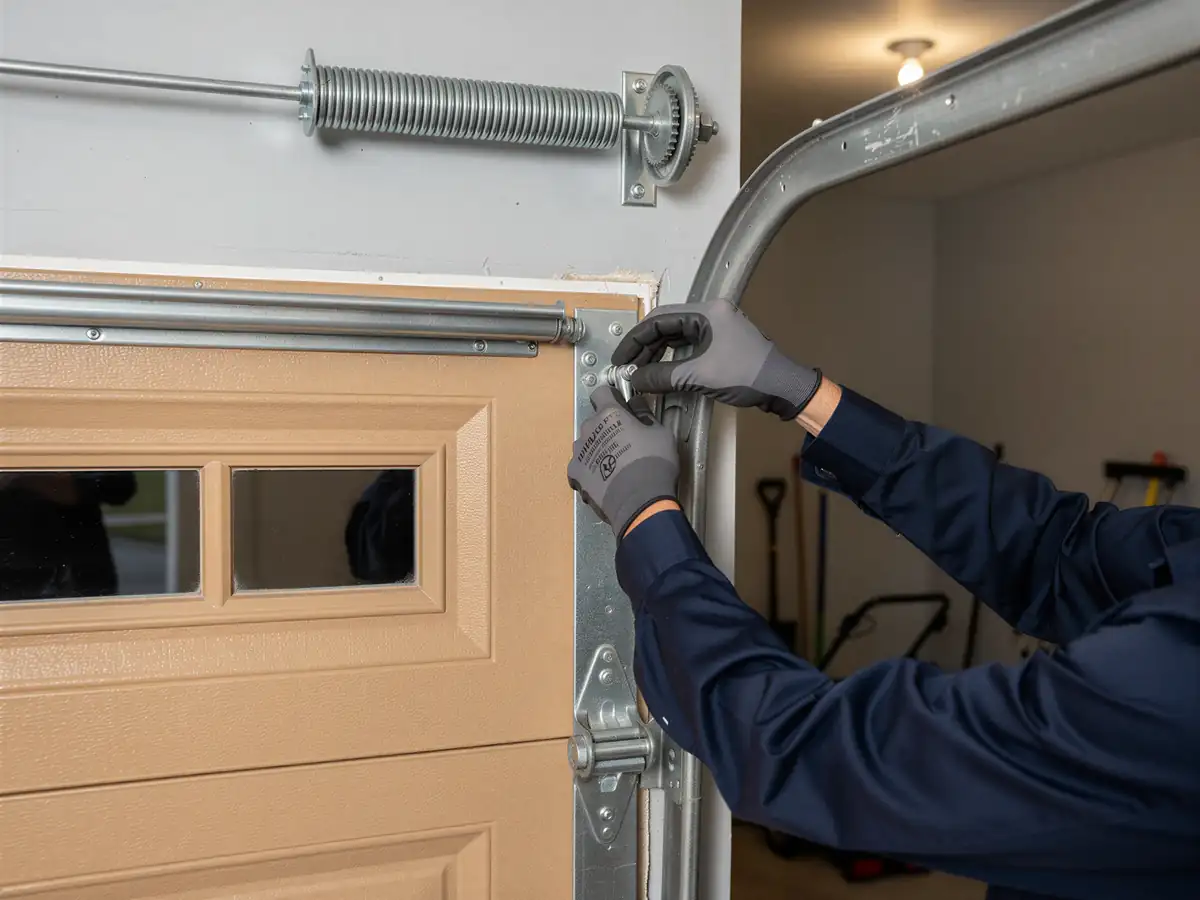
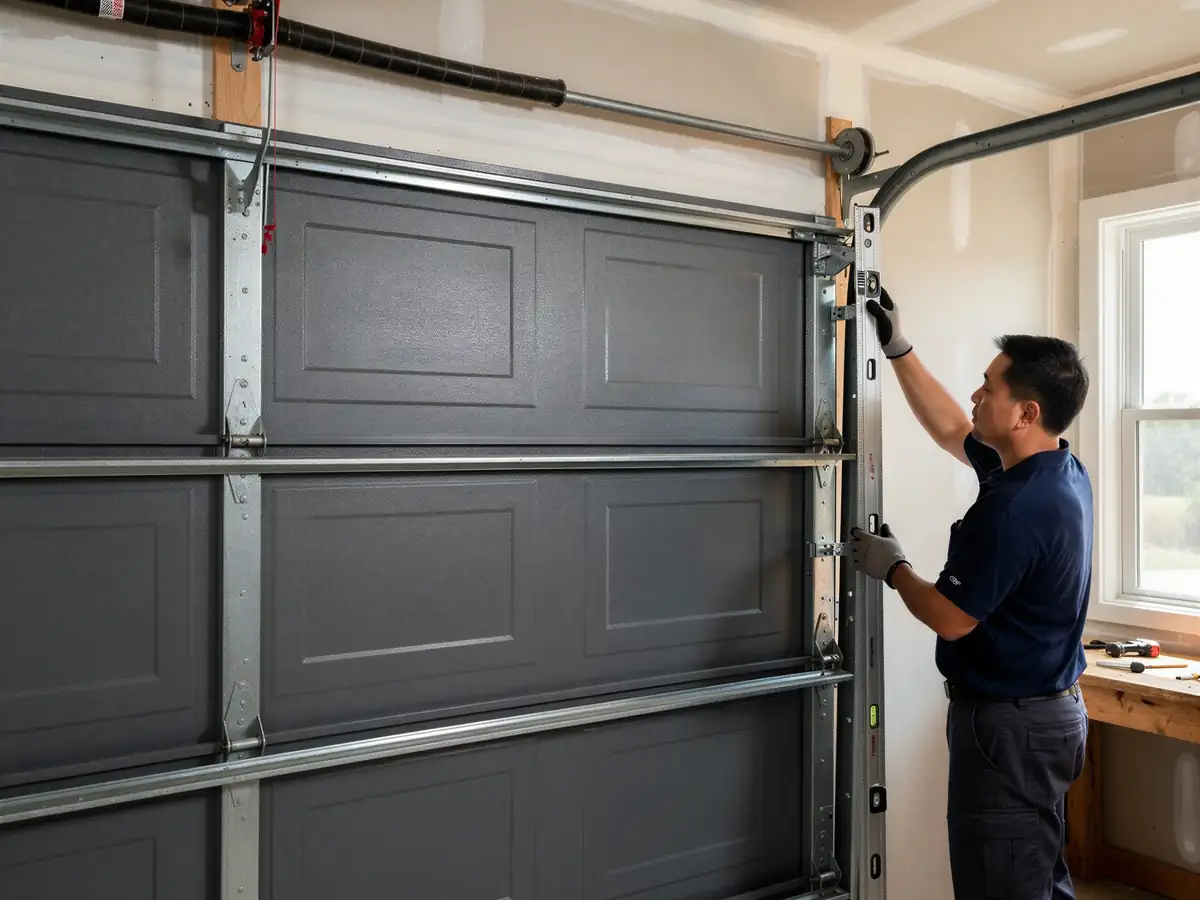
A lot of what goes wrong on a 1982-era door is within reach for a homeowner with the right tools - tightening hardware, lubricating rollers and hinges, replacing a worn weatherstrip along the bottom. What isn't: torsion springs. They're under enough tension to break a wrist or worse, and on a door from this era the spring is usually sized specifically to that door's weight, not a generic stock part. If you're not sure whether what you're looking at is a spring job or a cable job, that uncertainty is itself the answer - call it in.
Winters here are genuinely harsh, and cold makes steel springs more brittle and lubricant thicker, which is exactly when a borderline spring finishes failing. If your door is heavier to lift by hand in January than it was in August, that's not your imagination - that's the spring telling you it's close. We'd rather talk you out of a job you don't need than let you start one you shouldn't finish yourself.
What Can Go Wrong
On houses built around 1982, the two things we see most are opener failure and spring fatigue, usually independent of each other. Openers from this build era are reaching the end of their realistic service life - not because of a defect, just age on gears, circuit boards, and the chain or belt drive. Springs don't care how old the opener is; they care about cycle count and cold. A door that's been opened and closed twice a day for four decades has put a lot of wear on a part that's rated in cycles, not years.
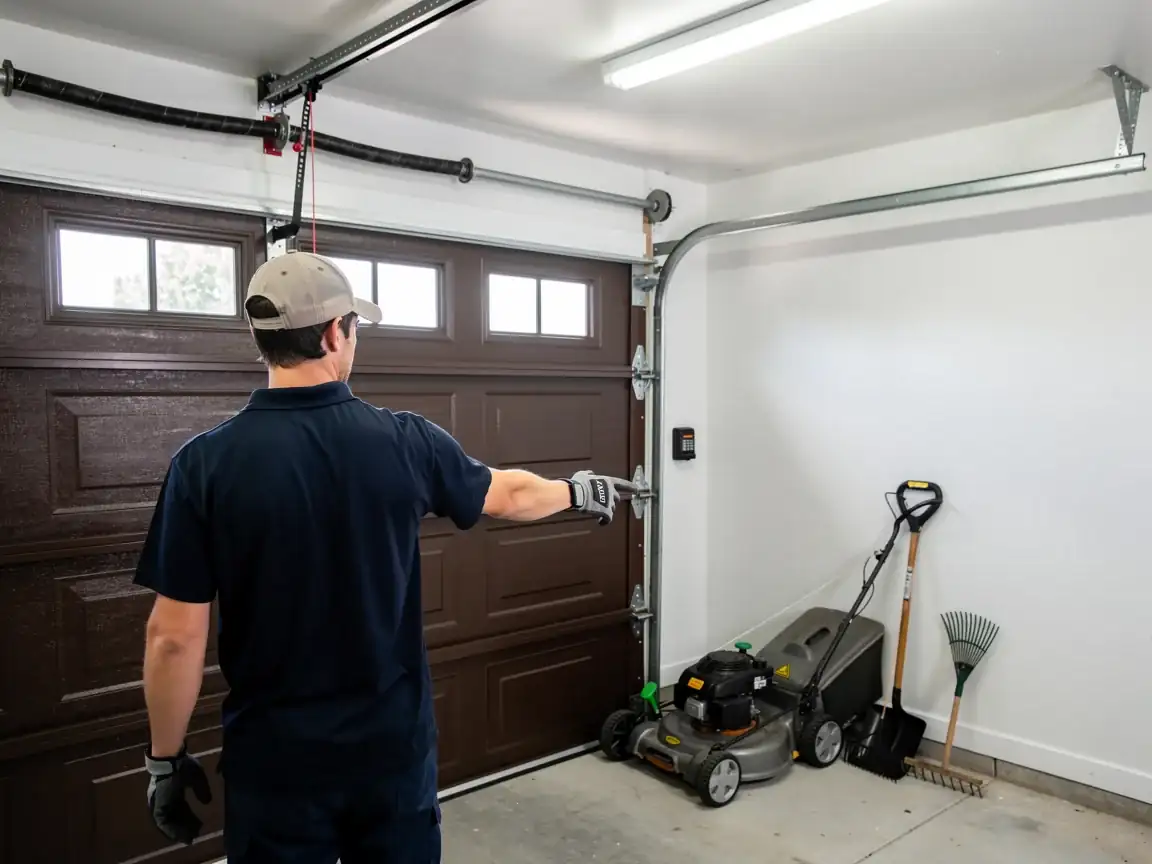
We also see track misalignment more in this area than you'd expect, often tied to houses built with slightly different garage dimensions than the older stock closer to West Allis - a track that was never quite square to begin with works fine for years and then starts binding once a roller wears down enough to expose the gap. None of this is unique to any one street; it's a pattern tied to when the house went up, and Mequon's build year puts it in a specific part of that pattern.
One honest limit: if a spring has already snapped and bent the track on the way down, that's often a case for a new door section rather than a repair, and we'll tell you that straight rather than patch something that'll fail again in a season.
Getting It Booked In
We run out of West Allis, about 14 miles south of Mequon
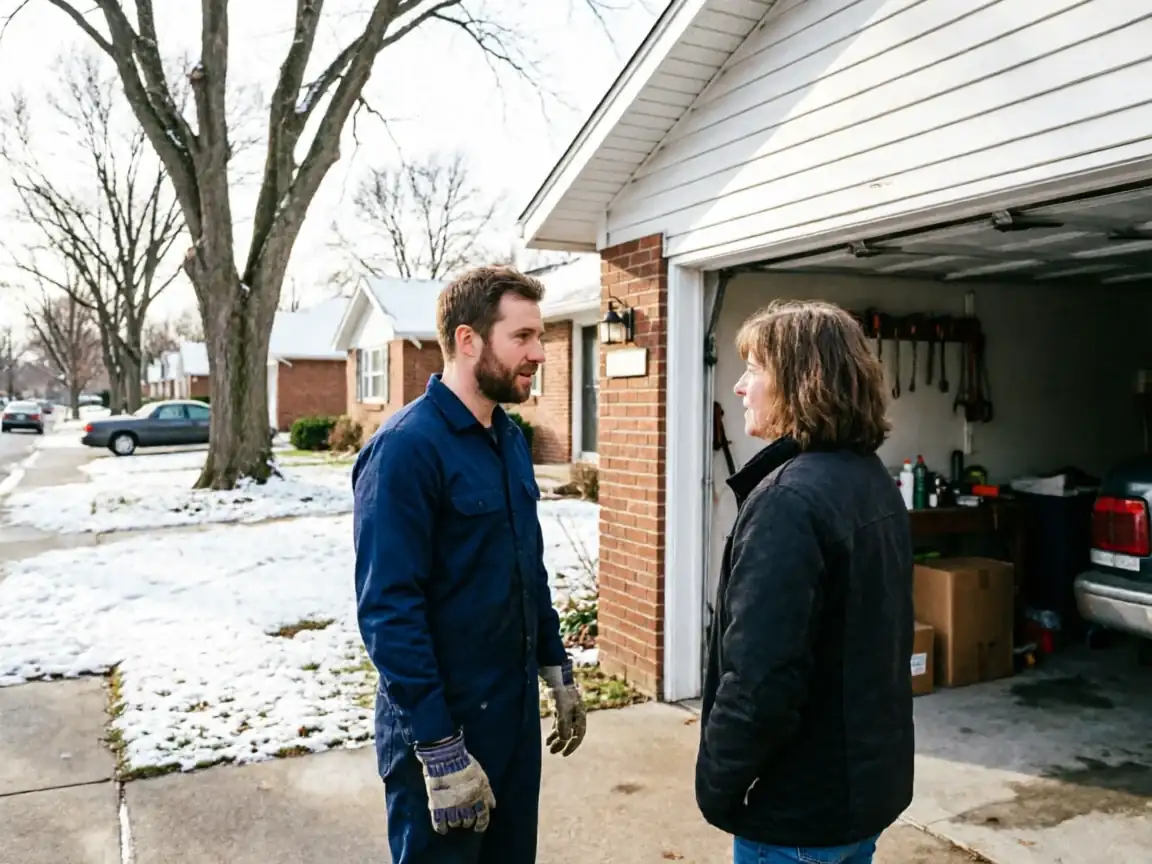
So we're not a local depot with a truck parked around the corner - we travel in for the job. That distance doesn't change what we can fix, but it does mean it's worth describing what you're seeing accurately when you call: whether the door won't move at all, whether it's noisy on the way up, whether the opener runs but the door doesn't follow. That helps us bring the right parts the first trip instead of a second one.
- 14 miles
Mequon is one of the farther points we cover, alongside a number of other suburbs at similar range
So we plan the route rather than show up cold. If you want to see the rest of the area we work, the service area page lays it out, and the main West Allis repair page covers the broader list of jobs we do beyond what's specific to this town.